

Buying a yacht is an exciting decision, but understanding what really drives prices, inventory availability, and financing options can feel overwhelming. With luxury maritime trends changing fast and global factors impacting every sale, it’s easy to miss out on the smartest opportunities or overpay in a shifting market. The good news is that you can make informed choices if you know where to look and what to consider. You’ll discover real-world insights on price fluctuations, inventory patterns, and financing rates—all shaped by solid data like the global yacht market’s expected growth to $17.06 billion by 2030. Get ready to learn practical strategies and spot hidden trends that give you confidence when navigating the yacht market.
Table of Contents
- 1. Rising and Falling Yacht Sale Prices
- 2. Inventory Levels and Listing Durations
- 3. Changes in Yacht Financing Rates
- 4. Regional Demand Shifts and Hotspots
- 5. Popularity of Yacht Sizes and Types
- 6. Economic and Regulatory Influences
- 7. Seasonal Buying Patterns and Events
Quick Summary
| Takeaway | Explanation |
|---|---|
| 1. Monitor Yacht Price Trends | Stay informed about factors affecting yacht prices to make strategic buying decisions. |
| 2. Analyze Inventory Levels | Understand listing durations and inventory to identify optimal purchasing opportunities and negotiate better prices. |
| 3. Leverage Seasonal Buying Patterns | Timing your purchase around seasonal events and trends can lead to significant savings and advantageous deals. |
| 4. Investigate Financing Options | Compare different financing rates and terms to secure the best airline for your yacht investment. |
| 5. Research Regional Preferences | Know regional demand differences to select the right yacht type and size for your investment strategy. |
1. Rising and Falling Yacht Sale Prices
Understanding yacht market pricing dynamics is crucial for smart buyers navigating the complex luxury maritime marketplace. Yacht sale prices fluctuate based on multiple interconnected factors, creating a nuanced landscape of investment opportunities and potential risks.
The global yacht market experiences significant variations driven by economic conditions, technological advancements, and changing consumer preferences. Luxury vessel prices can swing dramatically within short timeframes, influenced by factors ranging from geopolitical events to technological innovations. Used yacht market trends reveal interesting patterns of depreciation and appreciation that savvy buyers must understand.
Key pricing drivers include vessel age, maintenance history, brand reputation, and current market demand. Newer yacht models with advanced technological features often command premium prices, while older vessels might experience steeper depreciation. Buyers should carefully analyze historical price trends, focusing on specific yacht categories and sizes that demonstrate consistent value retention.
Regional market variations play a significant role in pricing dynamics. North American and European markets exhibit different purchasing behaviors, with distinct preferences influencing yacht valuations. Some regions show more stable pricing structures, while others experience more volatile market conditions.
Technological upgrades and sustainability features increasingly impact yacht pricing. Vessels incorporating green technologies, advanced navigation systems, and energy efficient designs often maintain higher resale values. Intelligent buyers recognize these emerging trends as critical factors in long term investment strategies.
Pro tip: Always conduct comprehensive market research and consult industry experts before making significant yacht investment decisions.
2. Inventory Levels and Listing Durations
The yacht market is a dynamic ecosystem where inventory levels and listing durations reveal critical insights for potential buyers and sellers. Understanding these metrics can provide strategic advantages in navigating luxury maritime transactions.
Yacht inventory levels reflect complex interactions between market demand, economic conditions, and seller expectations. Buyers must recognize that yacht market opportunities emerge through careful analysis of available vessels and their time on market.
Traditional luxury yacht listings typically remain available between 6 to 18 months, with variations depending on vessel size, condition, and pricing strategy. Smaller watercraft often move faster in the marketplace, while larger custom vessels might require extended marketing periods to attract qualified buyers.
Seasonal patterns significantly influence inventory dynamics. Summer months generally see increased listing activity in North American and European markets, creating windows of opportunity for strategic purchasers. Winter periods often present more negotiable pricing as sellers become motivated to close transactions before annual maintenance costs accumulate.
Technological advancements have transformed inventory tracking, allowing buyers unprecedented access to real time market data. Digital platforms now enable comprehensive monitoring of yacht availability, helping purchasers make more informed decisions about timing and pricing.
Regional market variations play a crucial role in listing durations. Mediterranean markets might experience different inventory turnover rates compared to Caribbean or North American regions, reflecting localized economic conditions and consumer preferences.
Pro tip: Monitor multiple yacht listing platforms and develop relationships with brokers to gain early insights into emerging inventory opportunities.
3. Changes in Yacht Financing Rates
Yacht financing represents a complex financial landscape where interest rates and lending conditions can dramatically impact purchasing strategies. Understanding these financial dynamics is crucial for potential yacht owners seeking intelligent investment opportunities.
Financial institutions have increasingly specialized lending programs tailored specifically for maritime purchases, with rates fluctuating based on economic indicators, vessel type, and buyer creditworthiness. Luxury yacht rental insights reveal that financing options have become more sophisticated in recent years.
Traditional marine lending typically offers loan terms ranging from 10 to 20 years, with interest rates varying between 5% to 8% depending on the borrower’s credit profile and economic conditions. Newer vessels often qualify for more favorable financing terms compared to older or used watercraft, creating strategic considerations for potential buyers.
Regional economic variations significantly impact yacht financing rates. North American and European markets demonstrate different lending approaches, with some regions offering more competitive rates and more flexible lending criteria. Buyers should carefully compare financial offerings across multiple institutions to identify the most advantageous financing structures.
Emergence of specialized marine lending departments within major financial institutions has transformed yacht financing. These departments understand the unique value propositions of maritime investments, offering more nuanced evaluation criteria beyond traditional lending models.
Technological advancements have streamlined the yacht financing process, enabling faster approvals and more transparent lending practices. Digital platforms now allow potential buyers to compare rates, understand qualification requirements, and simulate potential financing scenarios with unprecedented ease.
Pro tip: Maintain an excellent credit score and prepare comprehensive financial documentation to secure the most competitive yacht financing rates.
4. Regional Demand Shifts and Hotspots
The global yacht market is a dynamic landscape where regional preferences and economic conditions create fascinating demand patterns. Understanding these regional shifts becomes crucial for intelligent yacht investment strategies.
North American and European markets demonstrate distinct yacht purchasing behaviors, with significant variations in preferred vessel types and sizes. Yacht investment opportunities reveal emerging trends that smart buyers must carefully analyze.
The Mediterranean region continues to be a primary yacht market hotspot, with countries like Italy, France, and Greece showing consistent strong demand for luxury vessels. Caribbean markets exhibit seasonal fluctuations, with winter months attracting significant international buyer interest due to ideal sailing conditions.
Technological advancements and sustainability concerns are reshaping regional preferences. Environmentally conscious markets like Northern Europe and the Pacific Northwest are increasingly prioritizing vessels with green technologies and reduced carbon footprints. This shift is driving innovation in yacht design and propulsion systems.
Economic factors play a critical role in regional demand dynamics. Emerging markets in Asia Pacific and Middle Eastern regions are showing increased interest in larger luxury vessels, while traditional markets are experiencing more nuanced purchasing patterns driven by economic uncertainties.
Digital platforms and virtual exploration have transformed how potential buyers evaluate yacht markets across different regions. Remote viewing technologies and comprehensive online listings have democratized access to global yacht inventory, enabling more informed decision making.
Pro tip: Conduct comprehensive market research across multiple regions and engage with local brokers to uncover hidden yacht investment opportunities.
5. Popularity of Yacht Sizes and Types
The yacht market continuously evolves, with vessel sizes and types reflecting sophisticated buyer preferences and emerging lifestyle trends. Understanding these dynamic market shifts is critical for intelligent yacht investment strategies.
First time yacht buyers often discover that yacht popularity fluctuates across different market segments, with specific sizes and configurations gaining prominence based on regional preferences and intended usage.
Mid size vessels between 50 and 80 feet represent the most consistently popular market segment. These yachts offer an ideal balance between luxurious amenities, operational flexibility, and manageable maintenance costs. Buyers increasingly prioritize versatile vessels that can accommodate both extended cruising and occasional entertainment purposes.
Technological advancements have dramatically influenced yacht design preferences. Environmentally conscious buyers now seek vessels with hybrid propulsion systems, solar capabilities, and reduced carbon footprints. European and North American markets demonstrate particularly strong interest in sustainable maritime technologies.
Regional variations significantly impact yacht type preferences. Mediterranean markets favor sleek sport yacht designs with advanced navigation systems, while Caribbean buyers often prioritize vessels optimized for island hopping and water sports. Pacific markets show increasing demand for expedition style yachts capable of extended ocean voyages.
Emergence of remote work cultures has transformed yacht selection criteria. Modern buyers seek vessels with robust communication infrastructure, flexible living spaces, and the ability to serve as floating home offices. This trend is reshaping yacht interior design and technological integration.
Pro tip: Conduct comprehensive market research and schedule sea trials to understand how different yacht sizes and types align with your specific lifestyle and usage requirements.
6. Economic and Regulatory Influences
Economic and regulatory landscapes profoundly shape yacht market dynamics, creating complex environments that intelligent buyers must carefully navigate. Understanding these intricate influences becomes essential for making strategic maritime investments.
Off market yacht opportunities frequently emerge through nuanced understanding of regulatory and economic shifts. International maritime regulations continue to evolve, directly impacting yacht ownership, registration, and operational requirements.
Environmental regulations represent a critical driver of market transformation. Increasingly stringent emissions standards in European and North American jurisdictions are compelling yacht manufacturers to develop more sustainable vessel designs. Buyers must now consider carbon footprint regulations when evaluating potential maritime investments.
Tax policies and import regulations significantly influence yacht purchasing decisions. Different regions offer varying incentives and tax structures, creating strategic opportunities for intelligent buyers. Some jurisdictions provide substantial tax benefits for vessel registration, while others impose complex maritime ownership requirements.
Global economic indicators such as currency exchange rates, international trade policies, and regional economic stability directly impact yacht market valuations. Sophisticated buyers monitor these macroeconomic trends to identify optimal purchasing windows and potential investment opportunities.
Digital technologies and blockchain innovations are transforming maritime regulatory frameworks. Emerging digital documentation systems and blockchain based ownership verification are streamlining international yacht transactions, reducing bureaucratic complexity and increasing market transparency.
Pro tip: Consult specialized maritime legal experts and tax professionals to understand the complex regulatory landscape before making significant yacht investment decisions.
7. Seasonal Buying Patterns and Events
Understanding seasonal dynamics in the yacht market can provide strategic advantages for discerning buyers. The maritime marketplace experiences distinct rhythmic fluctuations that savvy investors can leverage to optimize their purchasing strategies.
Yacht purchasing strategies reveal fascinating patterns of market behavior tied to seasonal and annual events. Winter months in North American and European markets typically present unique opportunities for intelligent yacht acquisition.
Major international boat shows serve as critical inflection points in the yacht market calendar. Events like the Miami International Boat Show, Monaco Yacht Show, and Fort Lauderdale International Boat Show create concentrated windows of market activity. These exhibitions showcase new models, facilitate networking, and often trigger pricing adjustments across different vessel categories.
Regional sailing seasons dramatically influence market dynamics. Caribbean markets experience peak buyer interest during winter months, while Mediterranean regions show heightened activity during summer periods. These seasonal shifts create nuanced windows for potential purchases and strategic negotiations.
Technological advancements and digital platforms have transformed traditional seasonal buying patterns. Online marketplaces now enable year round yacht exploration, reducing the historical dependence on physical boat shows and seasonal exhibitions. Buyers can now conduct comprehensive research and initiate transactions with unprecedented flexibility.
Economic indicators and global events increasingly intersect with seasonal yacht market trends. Macroeconomic conditions, international trade policies, and emerging technological innovations create complex layers of market behavior that sophisticated buyers must carefully navigate.
Pro tip: Develop a comprehensive annual calendar tracking international boat shows, regional sailing seasons, and market events to identify optimal yacht purchasing opportunities.
Below is a comprehensive table summarizing the key topics, insights, and considerations discussed throughout the article regarding yacht market trends and buyer strategies.
| Topic | Insights | Considerations |
|---|---|---|
| Rising and Falling Prices | Yacht valuations fluctuate due to economic conditions, technology, and trends. | Evaluate vessel age, maintenance, and region for sustainable value retention. |
| Inventory Dynamics | Listing durations depend on size, condition, and season. | Track inventory during off-peak seasons for better opportunities. |
| Financing Rates | Interest rates hover around 5%-8%. Credit score and vessel type impact lending terms. | Research and compare offers from multiple international lenders. |
| Regional Market Variations | Preferences and turnover rates vary significantly by region, such as North America versus the Caribbean. | Investigate hotspots like the Mediterranean for high-demand markets. |
| Size and Type Preferences | Interest is prevalent for versatile mid-sized yachts (50-80 feet). | Consider how a yacht’s features would fit intended usage. |
| Economic & Regulatory Aspects | Environmental laws and tax policies shape the choices and costs in maritime investments. | Familiarize yourself with international regulations and incentives. |
| Seasonal Buying Patterns | Yacht sales peak during boat shows and sailing seasons. | Be strategic by aligning purchases with regional activity and boat show schedules. |
This table encapsulates the pivotal considerations and actionable strategies for navigating the complex yacht market effectively.
Navigate Yacht Market Trends with Expert Guidance from Yachts by Steve
Understanding key yacht market indicators like rising prices, inventory shifts, and regional demand can feel overwhelming for smart buyers aiming to make savvy investments. You want confidence in your decisions, especially when factors such as fluctuating financing rates and regulatory influences impact your budget and timing. This article highlights crucial pain points like market volatility and the need for up-to-date insights to avoid costly mistakes.
At Yachts by Steve, we specialize in guiding you through these complex market dynamics. Explore our Uncategorized – Jason insights for in-depth yacht-related information and industry news. Our platform provides detailed listings, expert advice, and real-time market intelligence designed to keep you ahead. Don’t let uncertainty hold you back. Visit Yachts by Steve today and join our VIP list to receive exclusive updates. Your perfect luxury yacht awaits—make your move with the confidence that only expert knowledge can provide.
Frequently Asked Questions
What factors influence yacht sale prices?
Yacht sale prices are influenced by factors like vessel age, maintenance history, brand reputation, and current market demand. Assess these elements to identify potential investment opportunities and avoid steep depreciation.
How can I analyze inventory levels for yacht purchases?
To analyze inventory levels, monitor the number of available vessels and their listing durations. Focus on listings that have been on the market for over 6 months, as this could indicate negotiable pricing.
What are the financing options available for purchasing a yacht?
Yacht financing options vary based on vessel type and buyer creditworthiness, with loan terms typically ranging from 10 to 20 years. Compare multiple financial institutions to find favorable terms that suit your budget and investment goals.
How do regional demand shifts affect yacht buying opportunities?
Regional demand shifts can create fluctuations in yacht prices and available inventory. Research different markets to identify where demand is increasing, as this can help you make timely and informed buying decisions.
What seasonal trends should I be aware of when buying a yacht?
Being aware of seasonal trends, such as increased activity during summer months and major boat shows, can enhance your buying strategy. Align your purchase timing to these seasonal shifts for potentially better deals.
How do economic and regulatory changes impact yacht investments?
Economic and regulatory changes, such as stricter environmental laws and varying tax policies, can significantly affect yacht valuations. Stay informed about these changes to navigate the market effectively and make well-informed investment decisions.
Recommended
Featured Listings
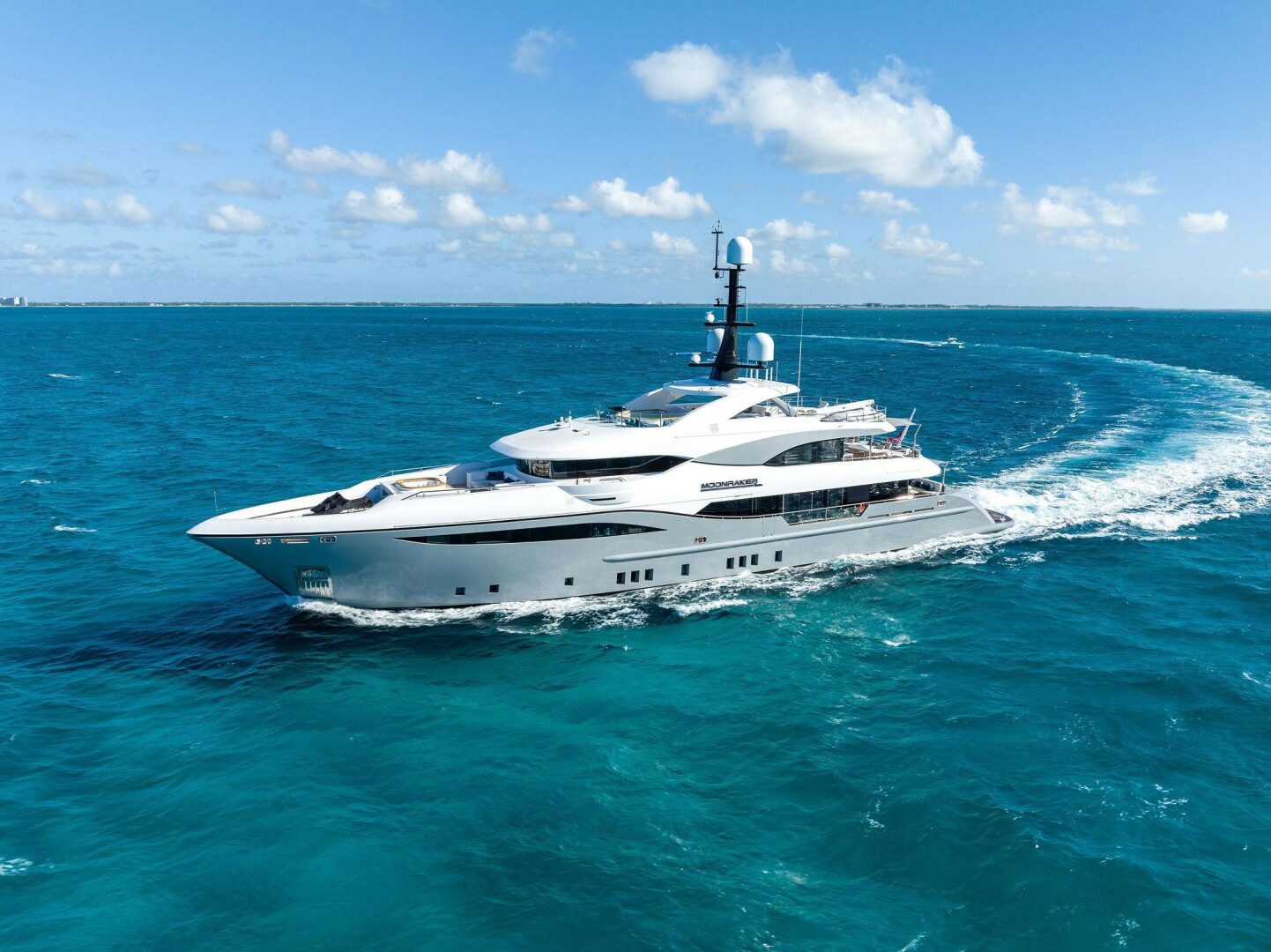
2019 Bilgin MOONRAKER
$21,404,500
156
West Palm Beach Florida

2028 Columbus Yachts
$22,900,008
137
Ancona
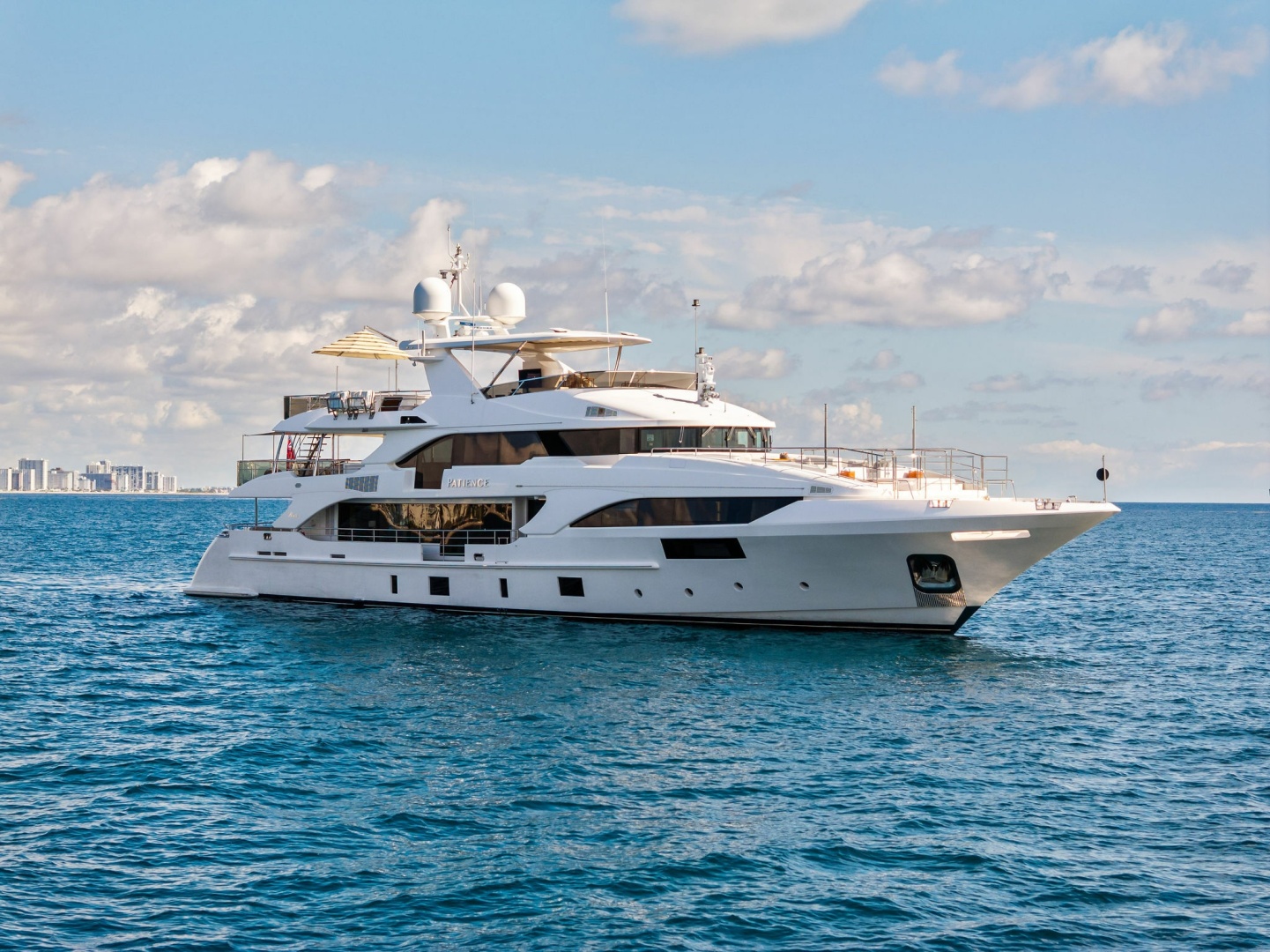
2012 Benetti PATIENCE
$10,975,000
132
Fort Lauderdale Florida
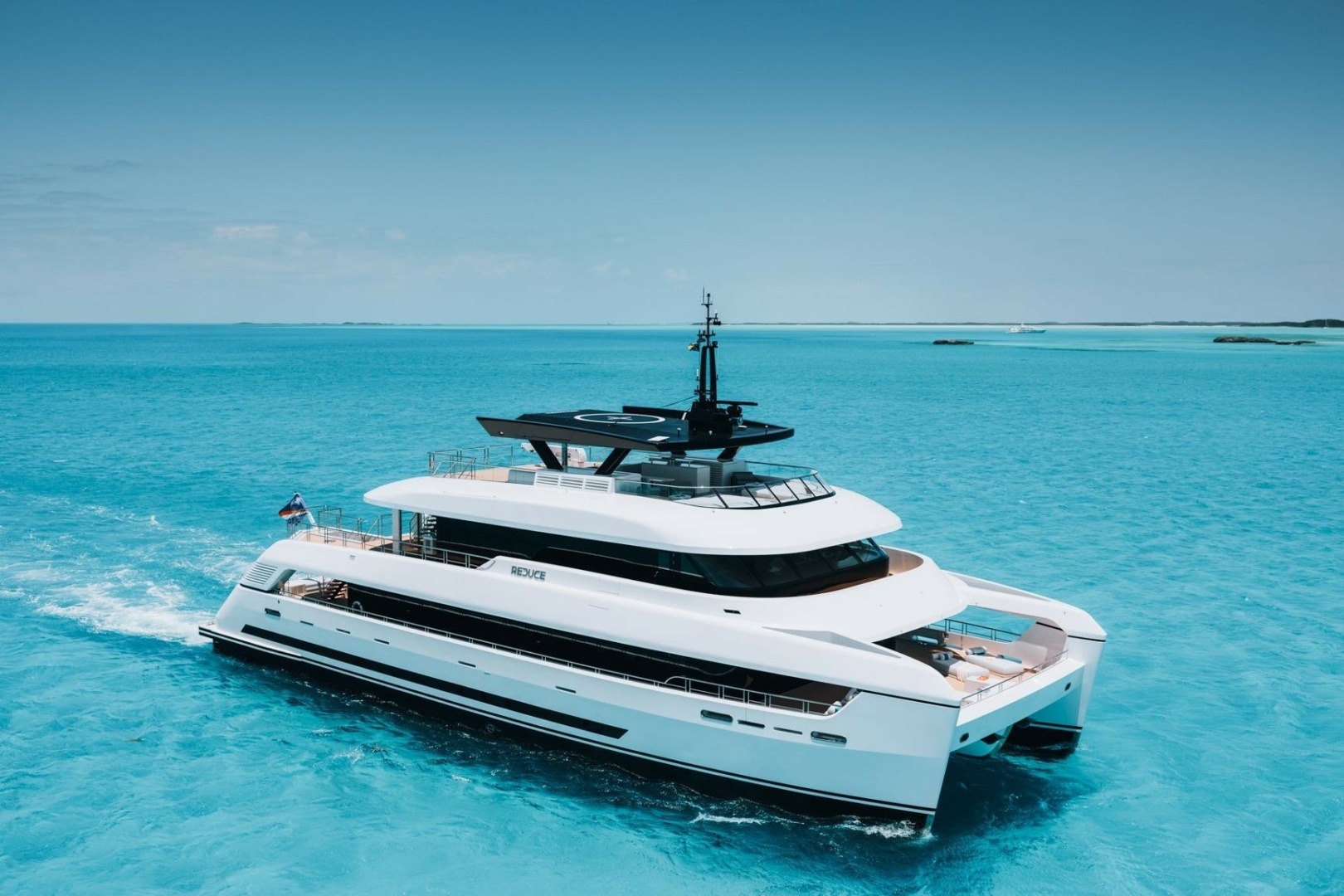
2024 Silver Yachts
$25,400,000
117
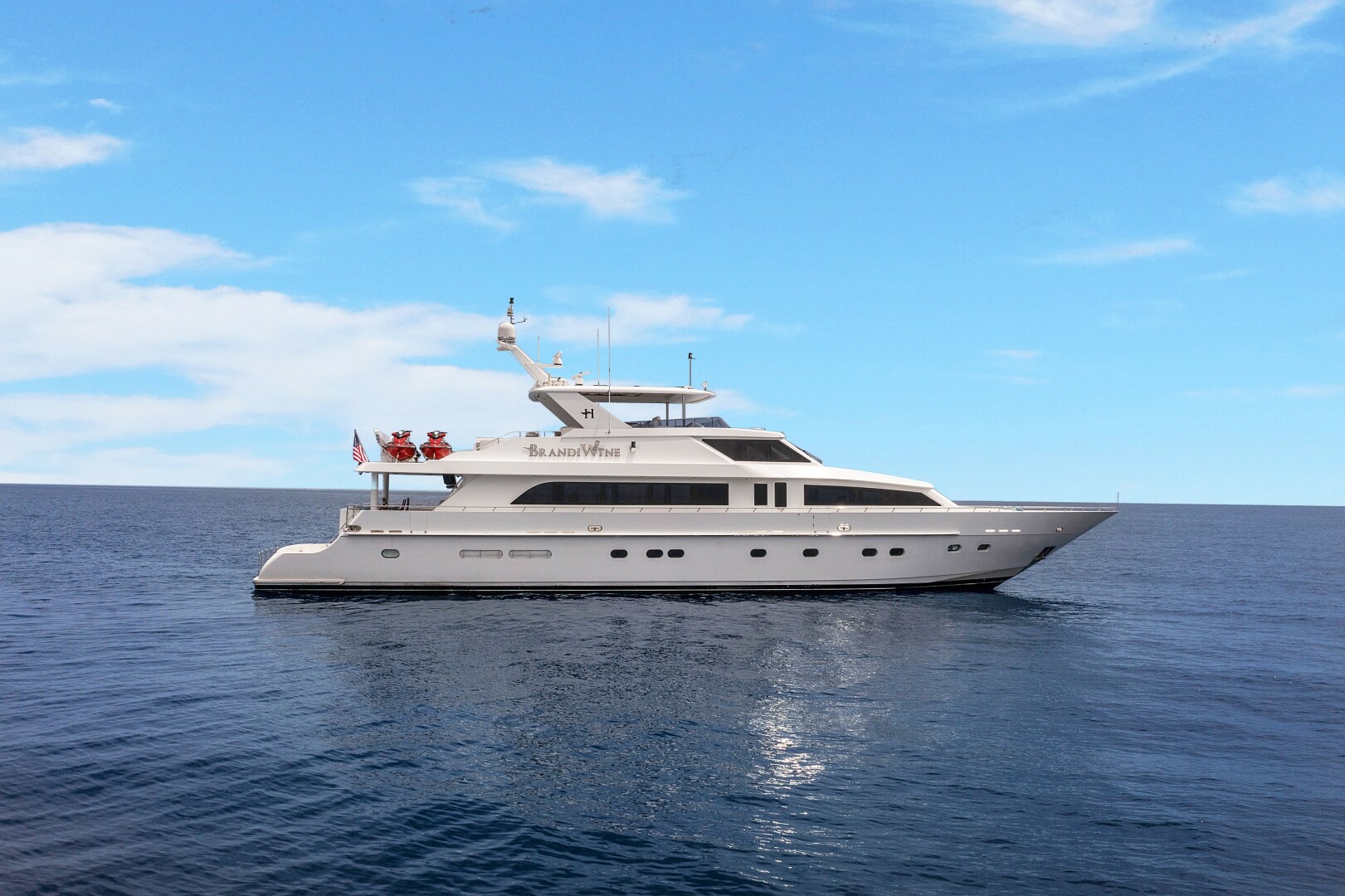
2009 Hargrave BRANDI WINE
$2,995,000
114
Fort Lauderdale Florida

2028 Extra Yachts
$21,404,500
100
Ancona

2028 Extra Yachts Extra 96
$9,495,000
96
Ancona
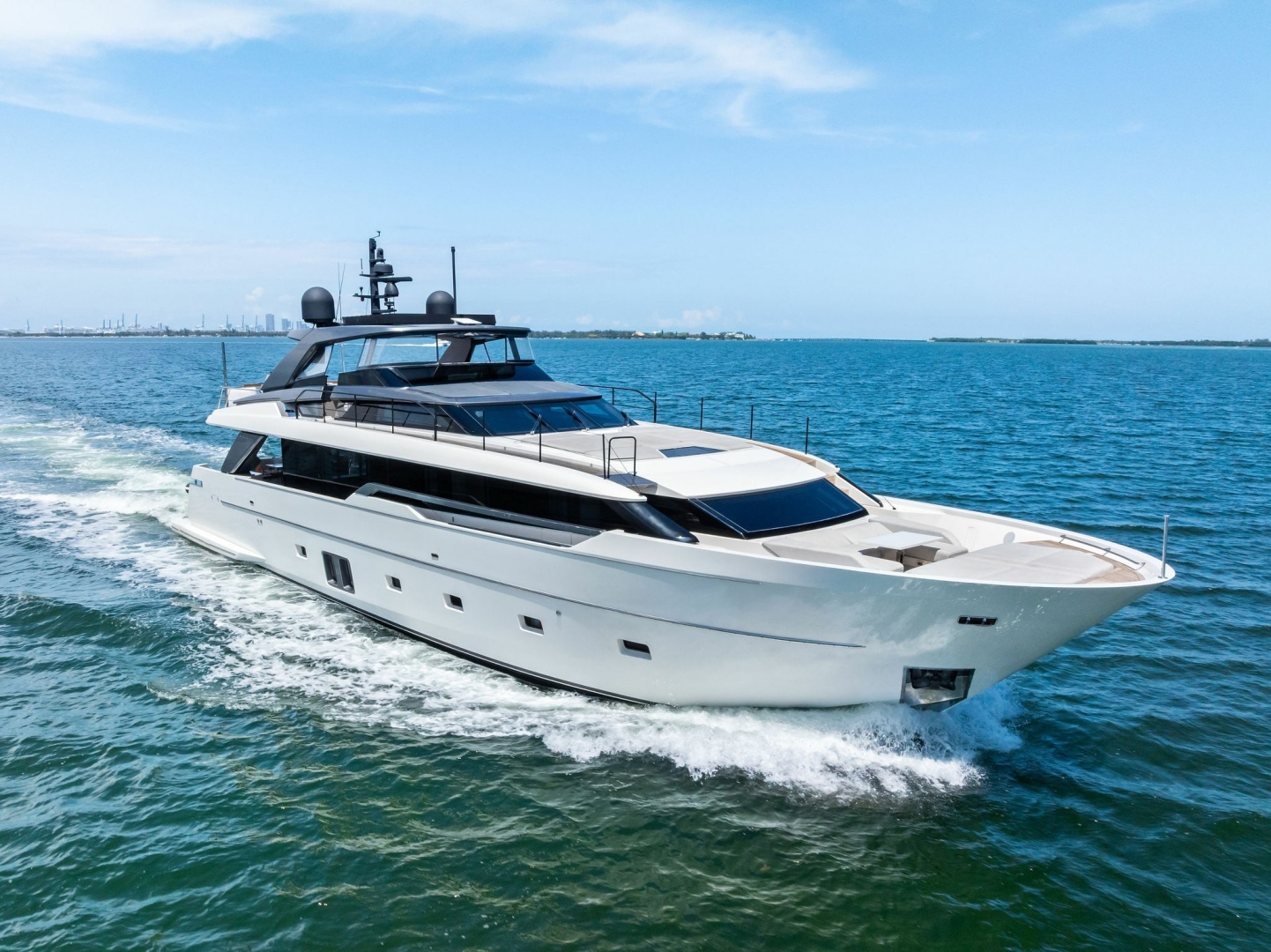
2021 Sanlorenzo GATSBY
$6,795,000
96
Miami Beach Florida

1999 Northern Marine OFF LINE
$2,495,000
84
Ft Lauderdale Florida
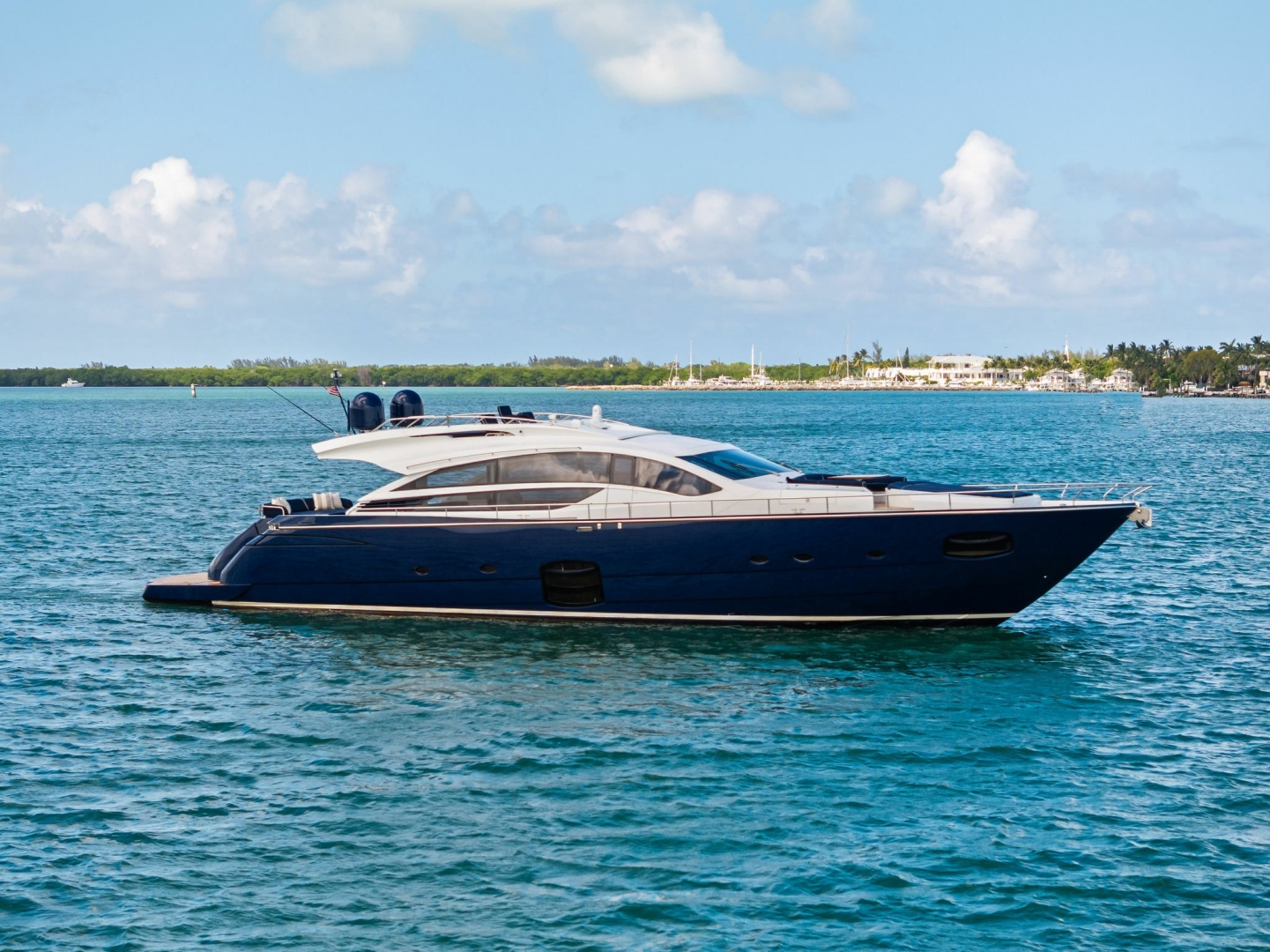
2013 Pershing DOROTHY ANN
$1,750,000
82
Miami Beach Florida

1997 Ferretti Yachts
$850,000
80
La Paz
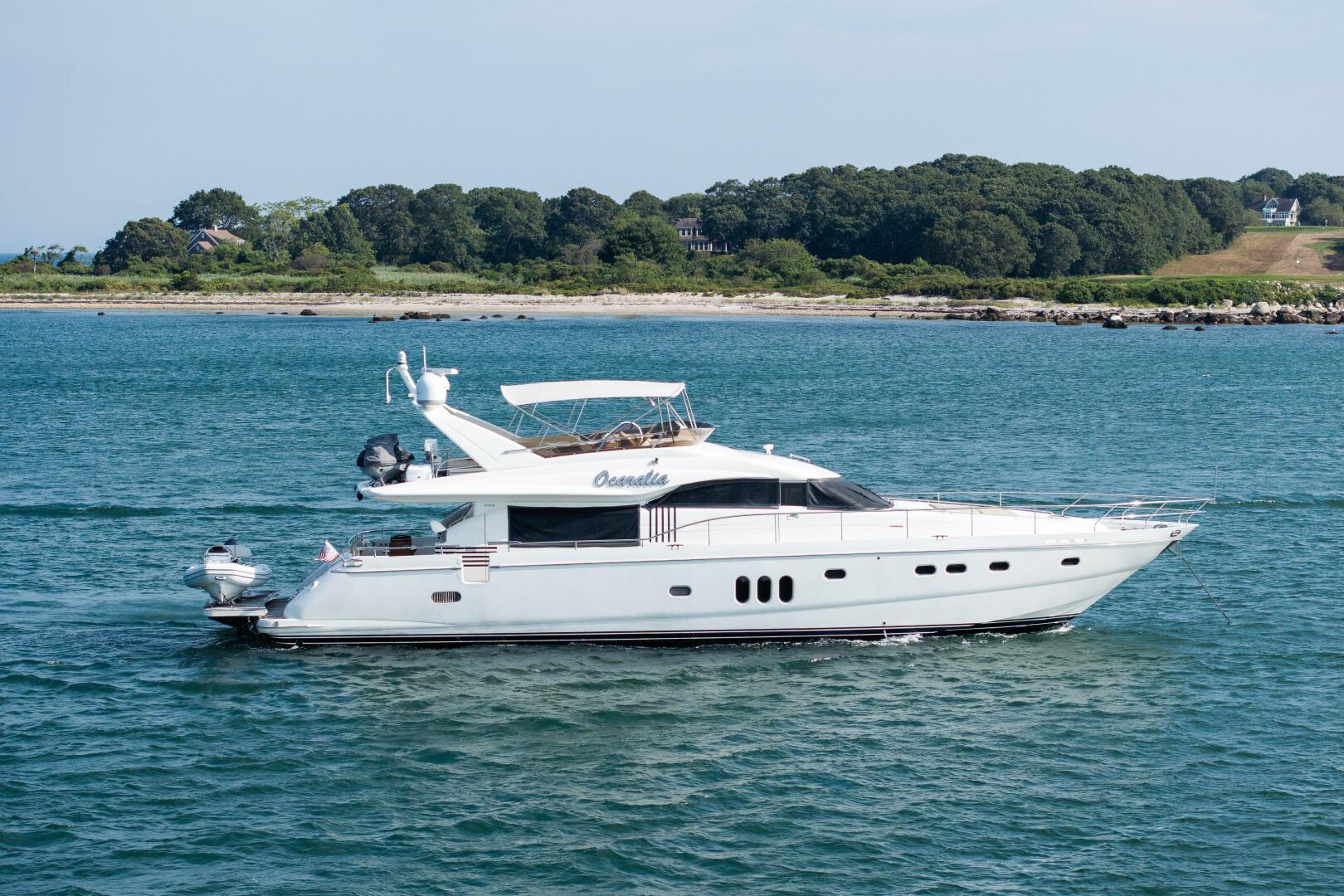
2008 Princess Yachts OCARALIA
$1,095,000
75
Charleston South Carolina
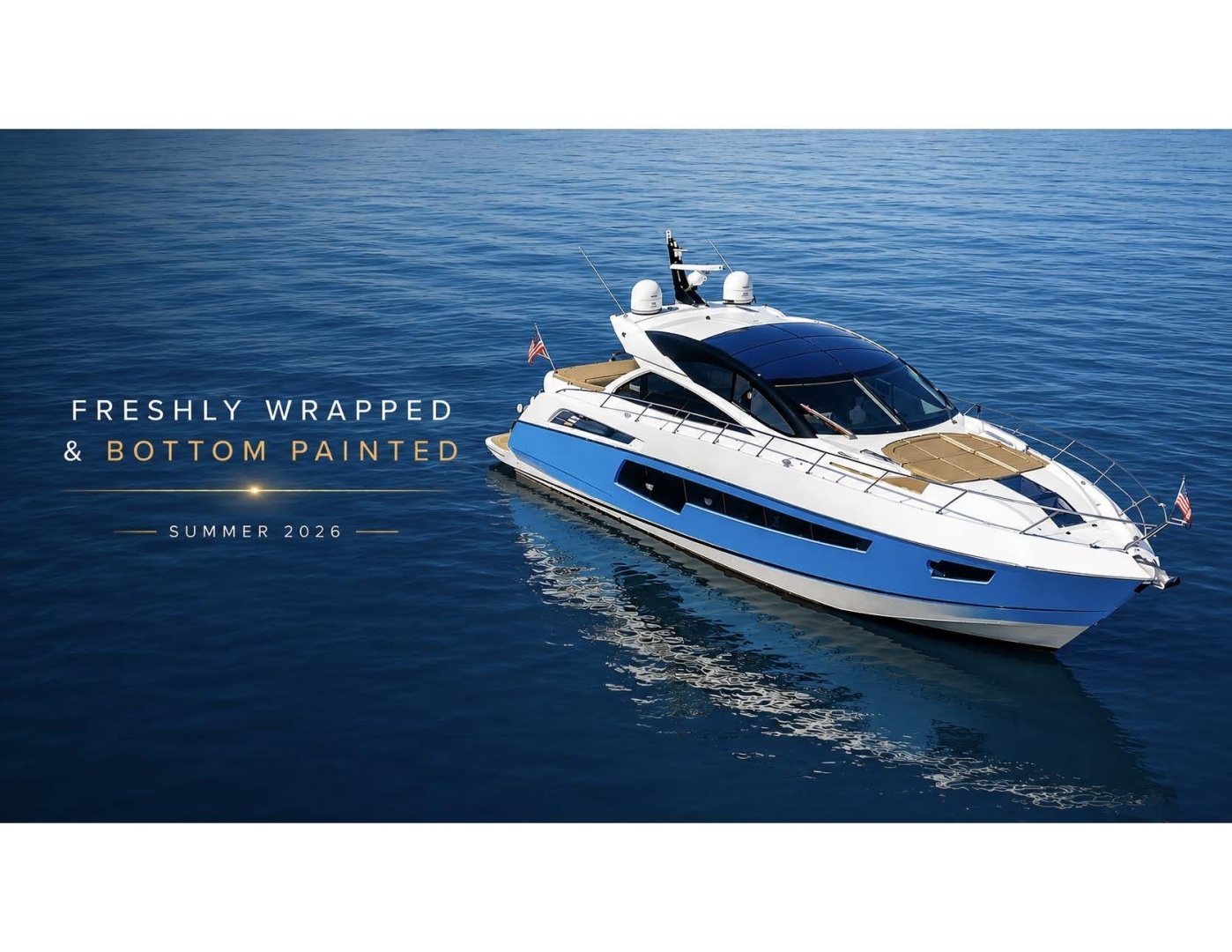
2014 Sunseeker
$1,400,000
68
New York New York

2024 Fairline
$2,750,000
68
Ft. Lauderdale Florida

2024 Sunreef Catallaxi
$3,700,000
60
Newport Rhode Island
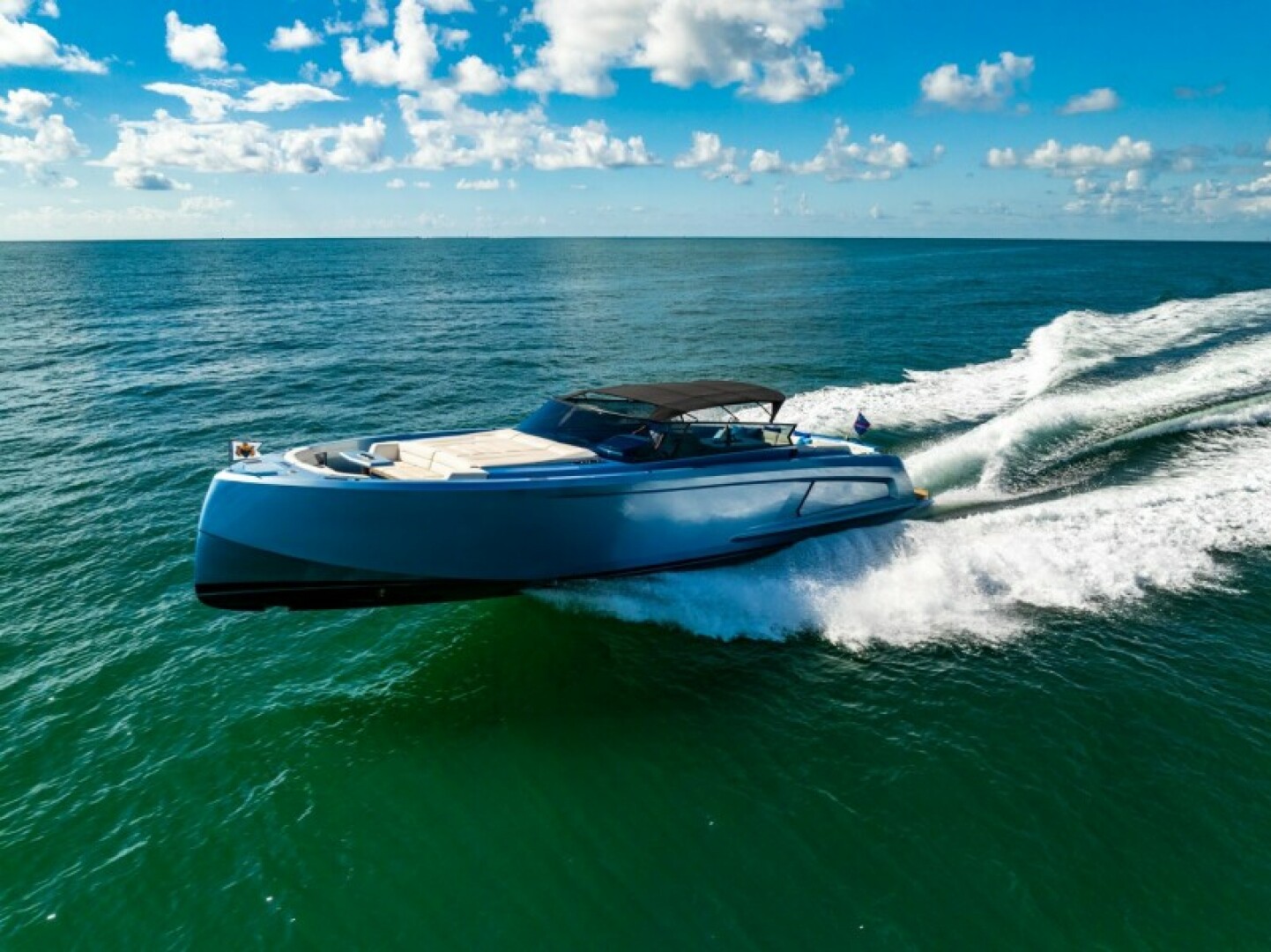
2019 Vanquish Yachts IMPULSIVE
$1,799,000
58
Miami Beach Florida
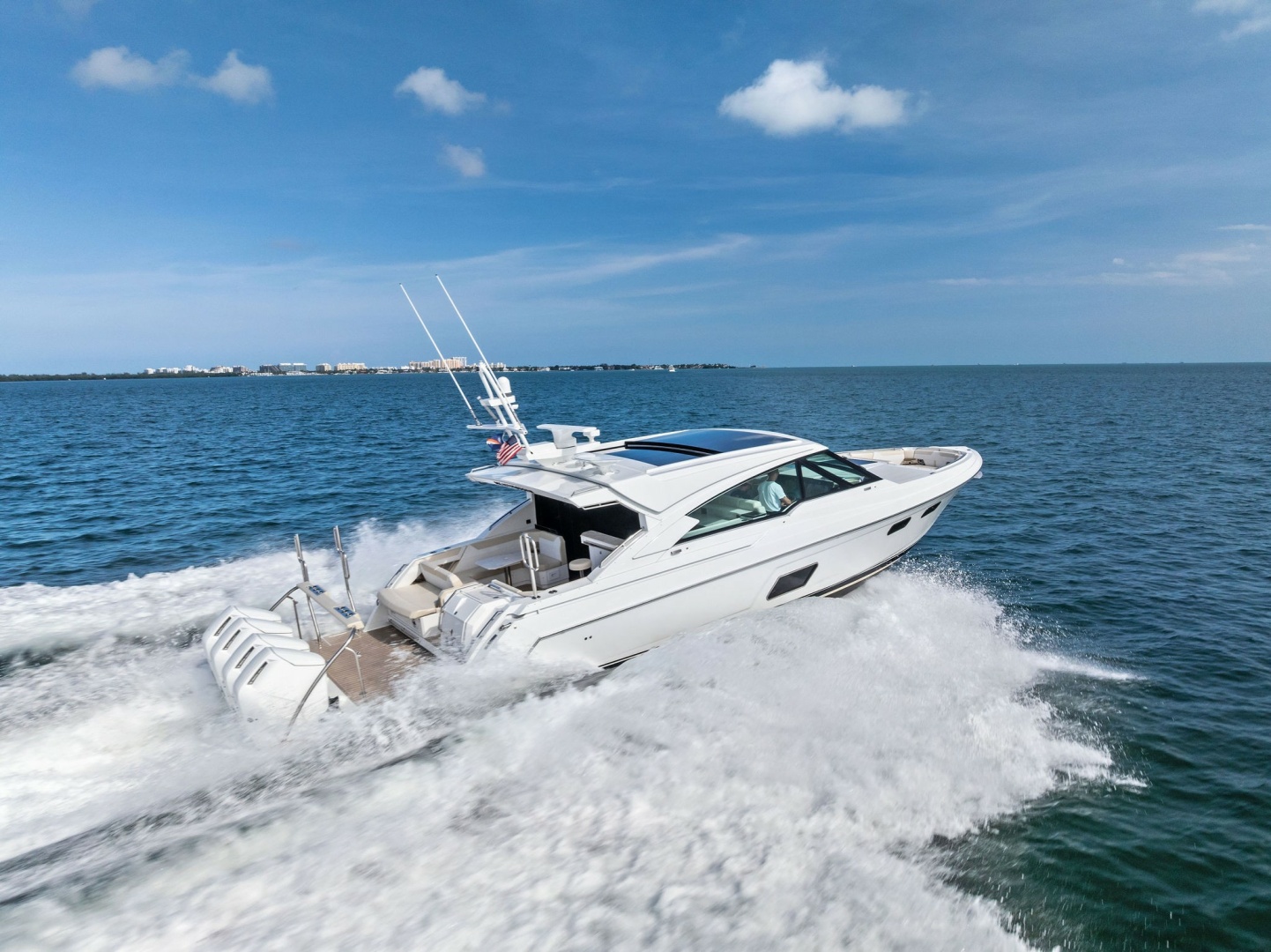
2025 Formula BREAKTHROUGH III
$1,895,000
53
Miami Beach Florida

2023 Fairline
$900,000
45
Fort Lauderdale Florida
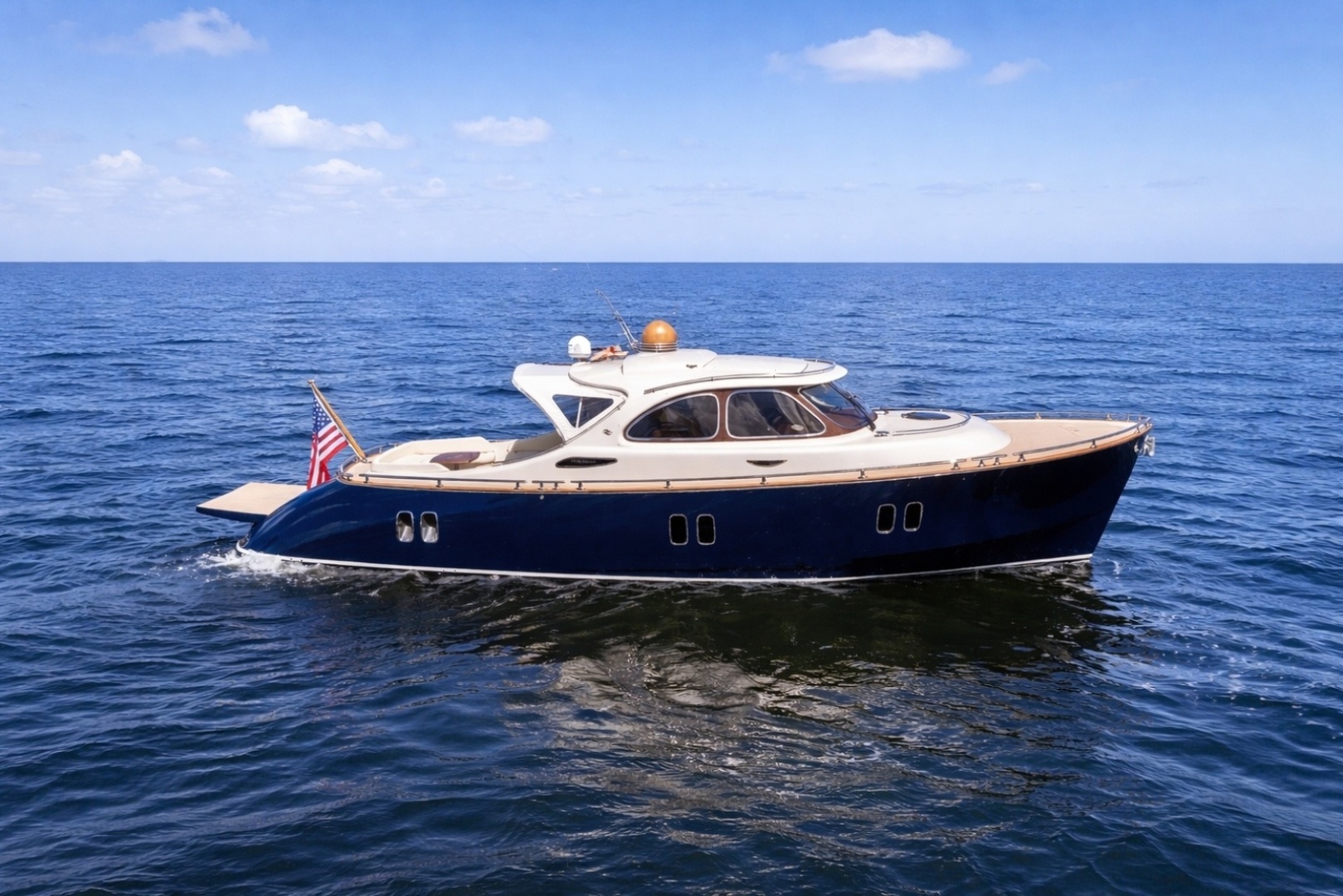
2012 Zeelander Mississippi Queen
$575,000
44
West Palm Beach Florida
2019 Bilgin 156'
$21,404,500
2028 Columbus Yachts 137'
$22,900,008
2012 Benetti 132'
$10,975,000
2024 Silver Yachts 117'
$25,400,000
2009 Hargrave 114'
$2,995,000
2028 Extra Yachts 100'
$21,404,500
2028 Extra Yachts 96'
$9,495,000
2021 Sanlorenzo 96'
$6,795,000
1999 Northern Marine 84'
$2,495,000
2013 Pershing 82'
$1,750,000
1997 Ferretti Yachts 80'
$850,000
2008 Princess Yachts 75'
$1,095,000
2014 Sunseeker 68'
$1,400,000
2024 Fairline 68'
$2,750,000
2024 Sunreef 60'
$3,700,000
2019 Vanquish Yachts 58'
$1,799,000
2025 Formula 53'
$1,895,000
2023 Fairline 45'
$900,000
2012 Zeelander 44'
$575,000