

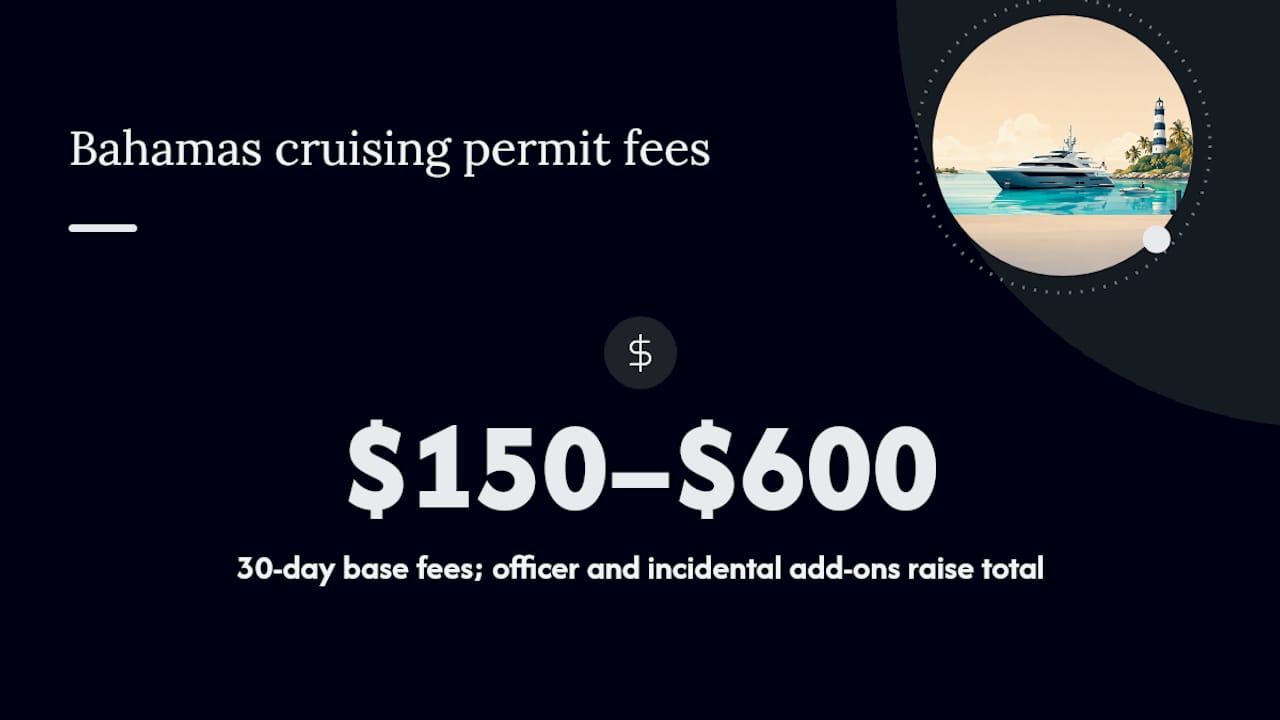
Most pleasure vessels arriving in the Bahamas need a temporary cruising permit, applied for through Bahamas Customs’ Click2Clear Cruising Permit Module or filed by hand at a port of entry. Budget somewhere between $150 and $600 for the base permit depending on your vessel’s length, then add anchoring, fishing, or passenger fees on top. None of it is final until a customs officer physically boards, stamps, and signs your paperwork.
TL;DR:
- The base permit fees range from $150 to $600 depending on vessel size, with additional charges for attendance, anchoring, fishing, and passenger fees.
- The most suitable permit depends on your planned stay and re-entry frequency, with options from 30-day to 12-month permits and a digital frequent cruiser card.
- The online Click2Clear process streamlines application steps, but the permit is not valid until a customs officer physically stamps and signs it at a recognized port of entry.
- Manual entry requires filing Form C2A at a port, with strict rules to arrive within 24 hours and delay disembarking until clearance is complete.
- Extra costs often surpass the permit fee, especially for longer stays, larger vessels, fishing permits, tender fees, passenger taxes, and outbound clearance fees.
Table of Contents
- What Types of Bahamas Cruising Permits Are Available?
- How Much Does a Bahamas Cruising Permit Cost by Vessel Size?
- How Do You Apply Through Click2Clear Step-by-Step?
- What Is the Manual Clearance Process for Entering the Bahamas?
- What Extra Fees Apply Beyond the Base Permit Cost?
- FDCC or Temporary Permit: Which Should Repeat Visitors Choose?
- How Do You Clear Out and What Are the Re-Entry Rules?
- What Should Be on Your Bahamas Compliance Checklist?
- Yachts by Steve’s Take: What Actually Trips Up First-Time Bahamas Cruisers
- Sources
What Types of Bahamas Cruising Permits Are Available?
Think of the Bahamas permit system less like a single ticket and more like a menu, and your job is to pick the option that matches how you actually cruise, not how long you hope to stay.
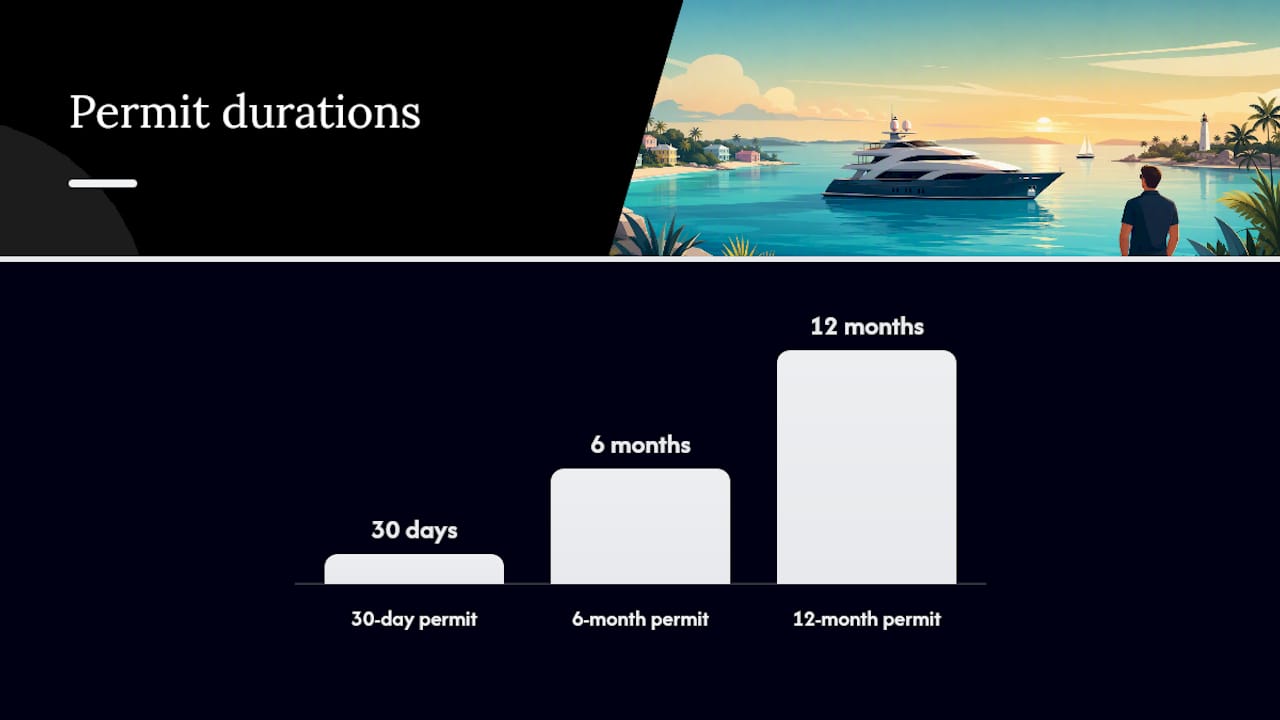
The 30-day temporary cruising permit is the default for most first-time visitors: a quick trip through the Abacos, a week of diving off Andros, a Family Islands sailing loop before heading home. It covers a single short stay and does not anticipate multiple entries over the calendar year.
The 6-month permit suits owners who split their season between Florida and the Bahamas, ducking back and forth as weather windows allow. It buys more flexibility around re-entry without forcing a fresh application every few weeks.
The 12-month permit is built for the boat that essentially lives in Bahamian waters for a full cruising season, or for an owner who treats the islands as a second home base. It carries the highest upfront fee of the three temporary options but spreads that cost over far more sailing days.
Then there’s the Frequent Digital Cruising Card (FDCC), which acts as a longer-term pass allowing repeat visitors to clear in and out without purchasing a new temporary permit for each crossing.
Here’s how the four options break down at a glance:
- 30-day permit: best for a single, short-duration trip with no plans to return that season.
- 6-month permit: best for owners making two or three trips across a winter season.
- 12-month permit: best for a boat based in the Bahamas for most of the year.
- FDCC: best for owners who cross back and forth repeatedly over multiple years and want to skip repeat paperwork.
Each temporary permit type carries its own re-entry allowance, and that detail trips up more captains than almost anything else in the process. A 30-day permit generally does not anticipate you leaving and returning within its window the same way a 6-month or 12-month permit does. If your season plan involves running back to Florida for provisions and returning three weeks later, the shorter permit may not cover that pattern cleanly, which is exactly the kind of gap that turns into an unplanned second application at the dock.
One distinction matters more than any permit duration: whether your vessel is truly a pleasure craft. The Bahamas government draws a hard line between private pleasure vessels and commercial or charter operations, and that line is not optional or a matter of interpretation. Charter operators need a Foreign Charter License, a separate authorization entirely, and charter guests are barred from originating their trip within the Bahamas itself. If you’re running paying guests aboard, even informally, a pleasure permit does not cover you, and misclassifying your vessel is the single fastest route to a compliance problem at the dock. Owners weighing whether to enter the charter market at all should read up on how Bahamas charter operations differ from private cruising before assuming a standard permit will do.
How Much Does a Bahamas Cruising Permit Cost by Vessel Size?
Fee schedules in the Bahamas shifted meaningfully with a revised structure that took effect April 1, 2026, and the changes matter enough that quoting last year’s numbers to a boarding officer will get you a confused look and a bill you weren’t expecting.
Under the current framework, 30-day permit fees generally run from $150 to $600 depending on vessel size, with larger yachts landing at the top of that range. Six-month and 12-month permits step up from there, and the FDCC carries its own separate rate structure reflecting its two-year, unlimited-entry design. The table below reflects the general fee tiers by vessel length and permit duration that owners can expect to encounter.
Pro Tip: Treat that table as a planning tool, not gospel. Fee bands shift, and the only number that counts on clearance day is whatever Bahamas Customs has posted at the time you submit. Check the official schedule the week before you cross, not the month before.
The permit fee itself is only the base layer. Bahamas Customs bundles in attendance fees for the customs and immigration officers who board your vessel, plus their transportation costs, and those add-ons land on top of whatever tier your vessel falls into. Anchoring fees, fishing permits, tender charges, and passenger arrival tax stack on separately again, which is why a captain who only budgets for the “cruising permit line item” almost always ends up short at the dock.
For a family cruising a 45-footer through the Exumas for two weeks, the realistic all-in number sits meaningfully above the base permit fee once officer attendance costs and incidental charges are factored in. Longer stays compound that gap further, since fishing permits in particular tend to renew monthly rather than covering the full permit period in one payment.
How Do You Apply Through Click2Clear Step-by-Step?
The Click2Clear Cruising Permit Module is the fastest legitimate path into Bahamian waters, and it’s the one Bahamas Customs actively steers visitors toward. It won’t eliminate the boarding requirement, but it moves nearly everything else online, which saves real time at the dock.
- Access the Cruising Permit Module on the Bahamas Customs site and start a new inbound declaration before you cross into Bahamian waters.
- Enter vessel and crew details, including registration information, passenger count, and your intended port of entry.
- Upload required documents, typically vessel registration and passport information for everyone aboard.
- Pay the applicable fees online, or flag that you’ll pay in cash so your marina can coordinate payment with the boarding officer on arrival.
- Submit the declaration and retain a digital or printed copy to present on arrival.
- Wait for a customs officer to board at your designated port of entry. The permit is not valid until that officer physically stamps and signs it.
One quirk worth knowing before you start: the Cruising Permit Module’s own FAQ makes clear you can’t mix systems mid-trip. If you cleared in manually, you clear out manually too. Pick a lane and stay in it for that visit.
Pro Tip: If you’re not confident about paying online, call your marina before you leave the dock. Many marinas in the Abacos and Exumas routinely handle payment coordination with the boarding officer, and pre-arranging it avoids the awkward standoff of an officer waiting while you scramble for cash.
What Is the Manual Clearance Process for Entering the Bahamas?
Not every arrival happens through Click2Clear. Some ports of entry still lean on paper, and some captains simply prefer the manual route, particularly on first-time trips where a physical form feels safer than trusting a Wi-Fi signal.
The manual path centers on Form C2A, the Inward Declaration and Application for Cruising Permit, filed at a designated port of entry alongside a Maritime Declaration of Health. You’ll also encounter references to Form C39 and Form C28A depending on your situation, the latter tied to outbound clearance rather than arrival.
A few rules apply regardless of which form you’re holding:
- Vessels must arrive at a recognized port of entry, not just any convenient anchorage.
- Arrival must be declared within 24 hours, per the Bahamas government’s declaration rules.
- No crew or passengers may disembark until customs and immigration have completed clearance.
- The boarding officer checks documentation, may inspect the vessel, and finalizes the permit on-site.
That last restriction catches people off guard more than any fee ever does. Pulling into a marina slip and heading straight to the tiki bar before an officer has cleared you technically violates the arrival rule, even if nobody’s actively watching. Stay aboard, flag your arrival, and wait it out.
What Extra Fees Apply Beyond the Base Permit Cost?
The base permit fee is the headline number, but the extras are what actually catch owners off guard on a longer cruise. Budgeting around the permit alone is like pricing a yacht purchase and forgetting to ask about slip fees.
Anchoring fees apply when you’re at anchor rather than tied up in a marina, and they scale loosely with vessel size, distinct from any dockage you’d pay at a marina berth. Fishing permits are a separate line item entirely, and here’s the detail that surprises most people: fishing permits tend to renew monthly rather than lasting the full length of your cruising permit, so a two-month stay with a rod in the water means paying twice.
- Tender fees apply to any dinghy or tender over 25 feet, treated essentially as its own vessel for fee purposes.
- Passenger arrival tax applies per person aboard, though the first three passengers are typically exempt.
- Outbound clearance carries a flat $75 certificate fee when required.
For a 40-foot sailboat with a couple aboard staying two weeks with no fishing, the extras stay modest, mostly anchoring and the base permit. Add a family of five with two kids fishing daily for a month, and the passenger tax on the extra travelers plus a month of fishing permit renewals meaningfully changes the total. A 65-foot motor yacht with a 30-foot tender adds tender fees on top of everything else, which owners of larger vessels frequently forget to price in until the dock officer mentions it.
FDCC or Temporary Permit: Which Should Repeat Visitors Choose?
If you’re crossing into Bahamian waters once a year or less, a temporary permit almost always wins on cost. But the math flips fast for anyone making the trip two or three times within a couple of years.
The FDCC’s pitch is straightforward: pay once, get roughly two years of validity and effectively unlimited entries without filing a fresh cruising permit application every crossing. That convenience carries a real upfront price, but it’s a price you pay once instead of every single trip.
- FDCC works best for: owners crossing multiple times per year, snowbird cruisers splitting time between Florida and the islands, and captains who hate re-doing paperwork.
- Temporary permits work best for: a single planned trip, infrequent cruisers, or anyone unsure whether they’ll return within the FDCC’s validity window.
The break-even logic is simple even without exact figures in hand: if the FDCC costs roughly what two temporary permits would run you, and you’re planning three or more crossings over two years, the card pays for itself on the third trip and every crossing after that is essentially free of new permit fees.
| Scenario | Better option |
|---|---|
| One trip this year, no plans to return | Temporary permit |
| Two to three trips within two years | FDCC likely breaks even |
| Full-time Bahamas basing for one season | 12-month temporary permit |
| Occasional long-term cruiser, unpredictable schedule | Temporary permit, reassessed each trip |
How Do You Clear Out and What Are the Re-Entry Rules?
Clearing out gets treated as an afterthought by a lot of first-time visitors, right up until it becomes the reason a future entry gets flagged. Do it properly and it takes five minutes.
- Create an outbound declaration in Click2Clear if you cleared in digitally, since mixing systems mid-visit isn’t allowed.
- File Form C28A manually if you cleared in on paper at a port of entry.
- Outward clearance is generally required before departing Bahamian waters, and it carries a flat $75 certificate fee.
- Re-entry allowances differ by permit type: 6-month and 12-month permits typically accommodate multiple entries within their window, while a 30-day permit usually does not.
- If you’re not certain your permit covers a planned return trip, resolve it before you leave rather than assuming it’ll sort itself out at the dock.
Timing matters here too. Clearing out a day before you actually depart, or letting the paperwork lag behind your actual movements, is exactly the kind of small gap that turns into a bigger problem the next time you show up at a Bahamian port.
What Should Be on Your Bahamas Compliance Checklist?
Keep a short list taped near the helm, because the mistakes that cause real trouble are almost always small, avoidable ones.
- Carry original vessel registration and every passport aboard, not photocopies buried in a drawer.
- Confirm AIS is operating correctly if your vessel is 50 feet or larger, since failure to maintain AIS can trigger fines.
- Double check your vessel classification before applying, pleasure versus charter is not a gray area.
- Remember that paying online is not the same as clearing in. An officer still has to board and stamp your permit.
- Confirm your intended port of entry is a recognized one, and declare within 24 hours of arrival.
Pro Tip: If any of this feels murky, especially the pleasure versus commercial classification, a yacht brokerage compliance review before departure catches gaps a solo owner easily misses.
Yachts by Steve’s Take: What Actually Trips Up First-Time Bahamas Cruisers
Most owners overprepare for the paperwork and underprepare for the waiting. The forms themselves are not complicated. Form C2A is one page. Click2Clear walks you through fields in order. What catches people is the boarding officer requirement itself, the fact that no amount of online completion actually clears you until a human being steps aboard, checks your documents, and signs.
That single detail is where the conventional advice falls short. Every guide tells you how to fill out the module. Almost none tell you to plan your arrival timing around officer availability at smaller ports, where a boat showing up late in the day might sit at anchor overnight waiting for someone to come aboard the next morning. That’s not a fee problem. It’s a scheduling problem, and it’s entirely avoidable if you call ahead.
The other pattern we see constantly among owners transitioning into Bahamas cruising for the first time: they treat vessel classification as a formality rather than a decision with teeth. If there is any chance you’ll take paying guests aboard, even informally, resolve that question before you touch the Cruising Permit Module, not after. A yacht broker who understands compliance can walk you through that distinction in fifteen minutes, and it’s fifteen minutes that saves a dockside argument with a customs officer.
Documentation gaps, payment logistics, and boarding coordination are exactly where a broker earns their keep, not by filing the form for you, but by knowing which ports move fast and which don’t, and by making sure your marina has already sorted payment before you ever drop anchor.
— Jason
Sources
- Pleasure Vessel Clearance – The Bahamas Customs Department
- CRUISING PERMIT MODULE – The Bahamas Customs Department (FAQ)
- Boating to the Bahamas
- Bahamas Cruising Permit Cost: Fees, Anchoring, and Rules – LegalClarity
Recommended
Featured Listings

2028 Columbus Yachts
$22,900,008
137
Ancona
2012 Benetti PATIENCE
$10,975,000
132
Fort Lauderdale Florida
2028 Kingship Kingship
$20,350,000
125
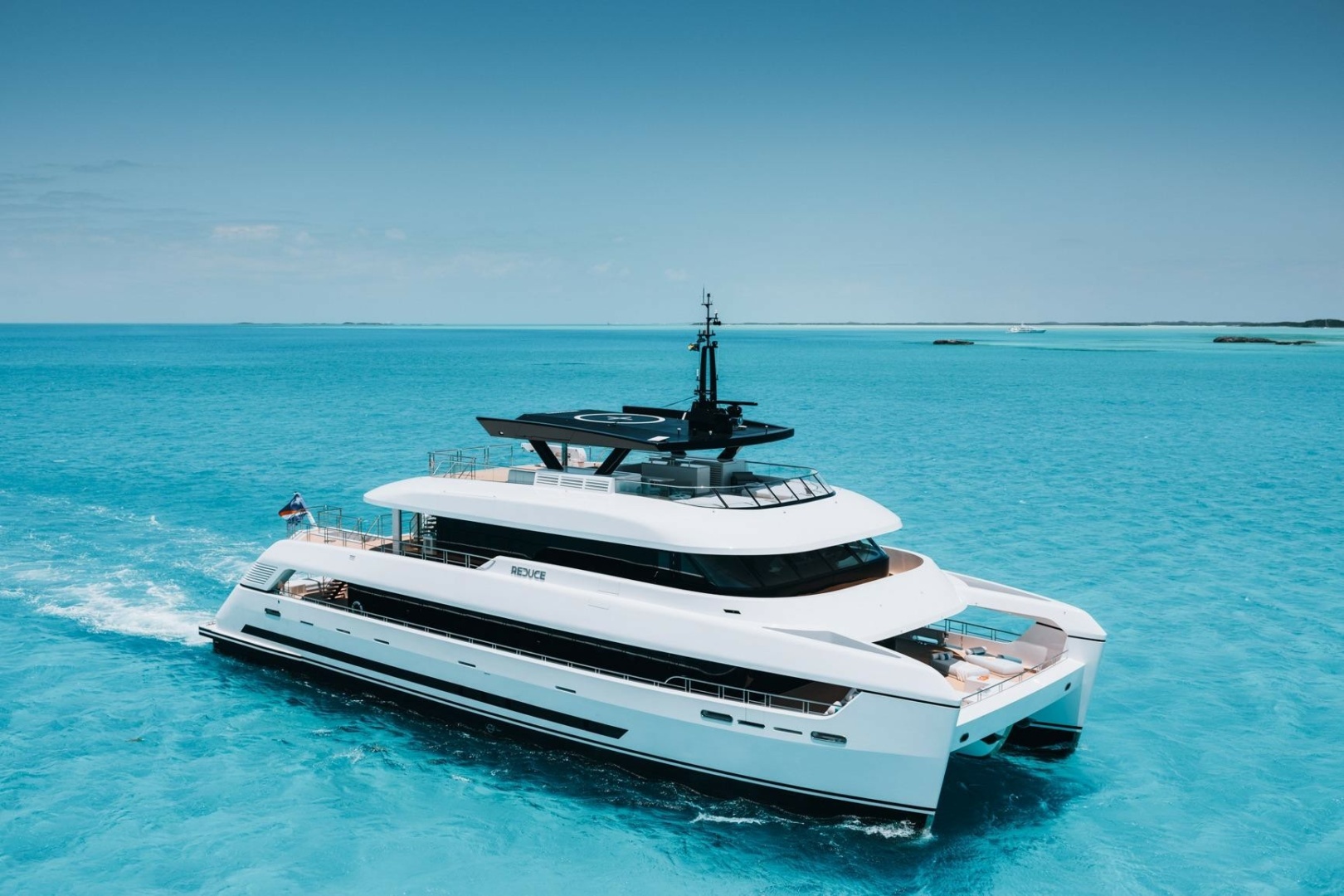
2024 Silver Yachts
$25,400,000
117
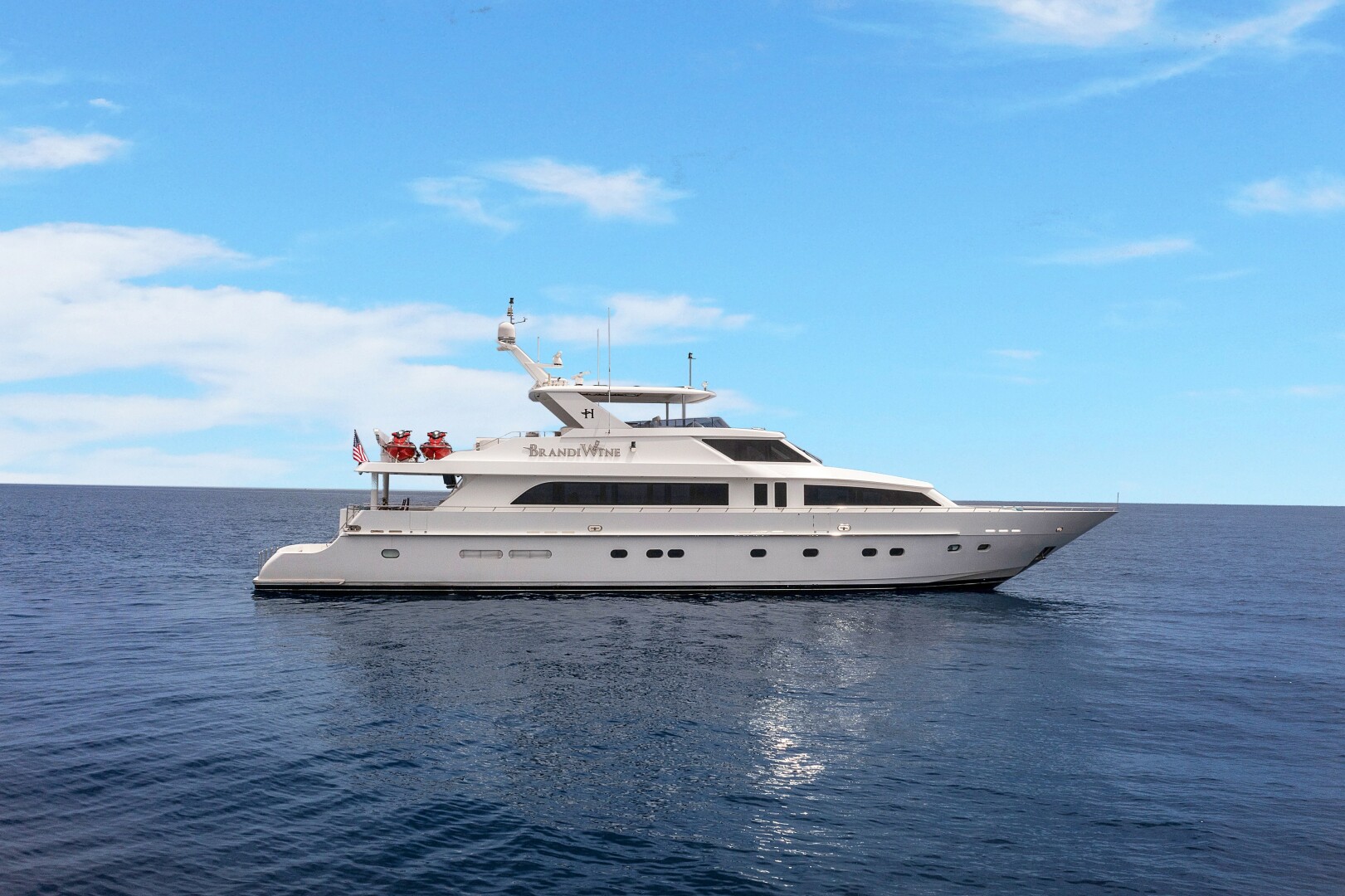
2009 Hargrave BRANDI WINE
$2,500,000
114
Fort Lauderdale Florida

2028 Extra Yachts
$20,350,000
100
Ancona

2028 Alpha
$12,100,000
100
Ft Lauderdale Florida

2028 Extra Yachts Extra 96
$9,495,000
96
Ancona
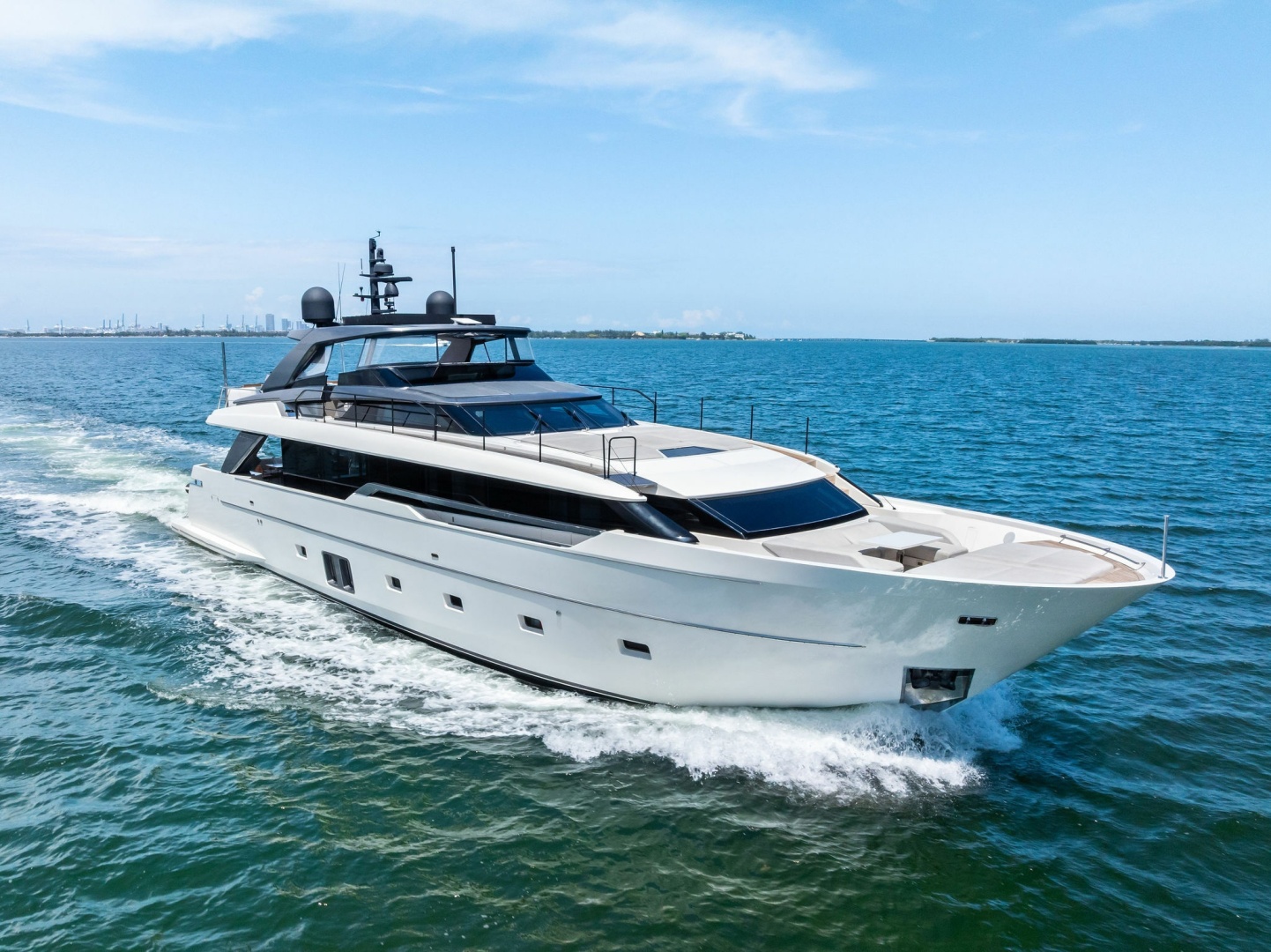
2021 Sanlorenzo GATSBY
$6,795,000
96
Fort Lauderdale Florida
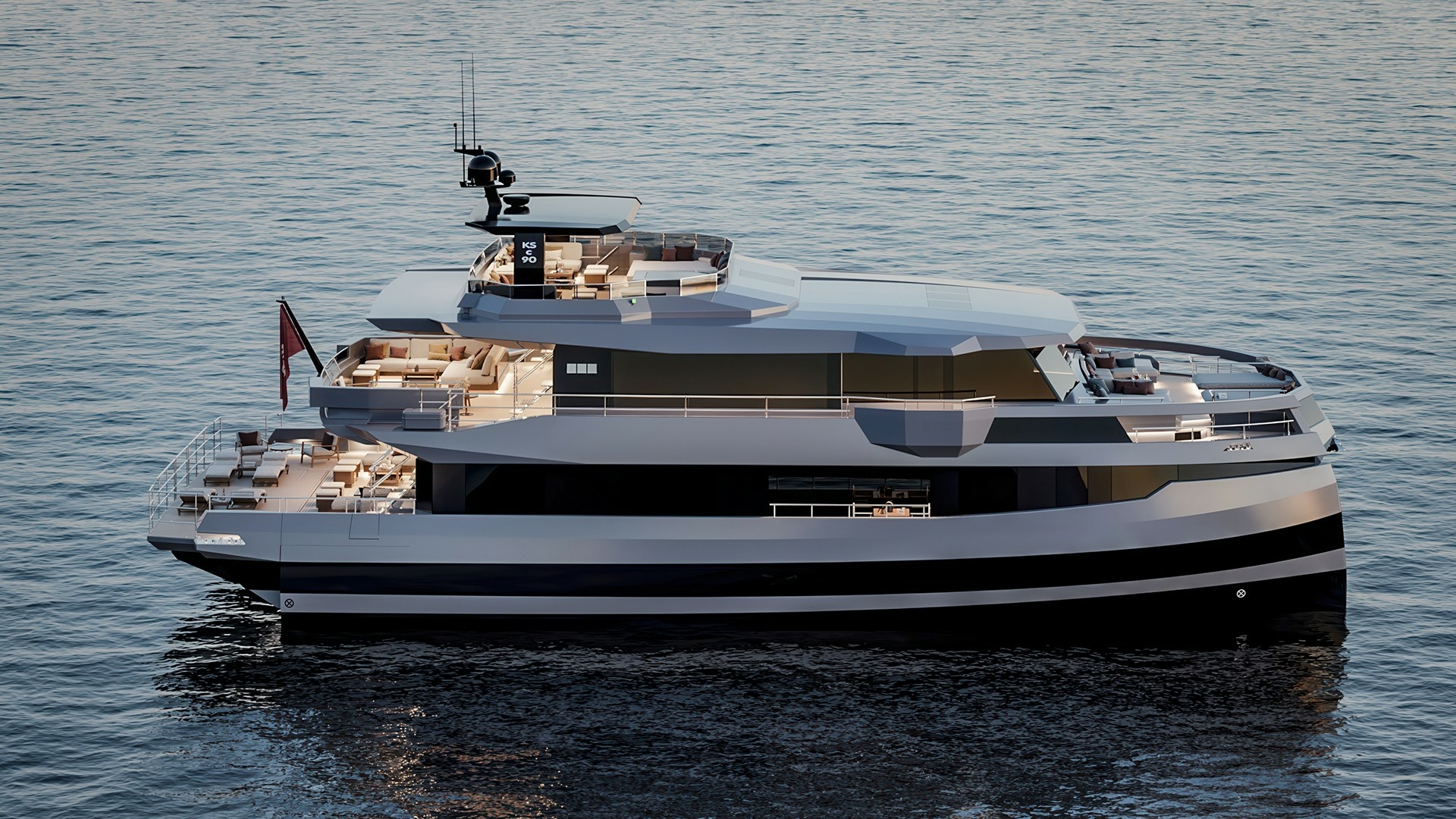
2028 Kingship
$11,990,000
90
2028 Alpha
$9,894,500
90
Fano
2023 Azimut COMPASS
$7,950,000
88
Miami Beach Florida

1999 Northern Marine OFF LINE
$2,495,000
84
Ft Lauderdale Florida
2013 Pershing DOROTHY ANN
$1,375,000
82
Fort Lauderdale Florida

1997 Ferretti Yachts
$825,000
80
La Paz
2008 Princess Yachts OCARALIA
$1,095,000
75
Charleston South Carolina
2014 Sunseeker
$1,400,000
68
New York New York

2024 Fairline
$2,750,000
68
Ft. Lauderdale Florida
2019 Vanquish Yachts IMPULSIVE
$1,799,000
58
Miami Beach Florida
2021 Ferretti Yachts HAVEN
$1,595,000
57
Fort Lauderdale Florida
2025 Formula BREAKTHROUGH III
$1,895,000
53
Miami Beach Florida

2023 Fairline
$900,000
45
Fort Lauderdale Florida
2012 Zeelander Mississippi Queen
$575,000
44
West Palm Beach Florida
2028 Columbus Yachts 137'
$22,900,008
2012 Benetti 132'
$10,975,000
2028 Kingship 125'
$20,350,000
2024 Silver Yachts 117'
$25,400,000
2009 Hargrave 114'
$2,500,000
2028 Extra Yachts 100'
$20,350,000
2028 Alpha 100'
$12,100,000
2028 Extra Yachts 96'
$9,495,000
2021 Sanlorenzo 96'
$6,795,000
2028 Kingship 90'
$11,990,000
2028 Alpha 90'
$9,894,500
2023 Azimut 88'
$7,950,000
1999 Northern Marine 84'
$2,495,000
2013 Pershing 82'
$1,375,000
1997 Ferretti Yachts 80'
$825,000
2008 Princess Yachts 75'
$1,095,000
2014 Sunseeker 68'
$1,400,000
2024 Fairline 68'
$2,750,000
2019 Vanquish Yachts 58'
$1,799,000
2021 Ferretti Yachts 57'
$1,595,000
2025 Formula 53'
$1,895,000
2023 Fairline 45'
$900,000
2012 Zeelander 44'
$575,000