

Bermuda is a sensible blue water passage for an experienced crew in a properly equipped yacht. Pick the right seasonal window, build a Gulf Stream strategy into your routing, and contact Bermuda Harbour Radio about 30 nautical miles out while filing your Sail Clear paperwork in advance. Get those three things right and the rest of the trip falls into place.
TL;DR:
- Plan to sail south from late May to mid June, avoiding peak hurricane months, and expect passage times of 4 to 8 days depending on your departure port.
- Continuously monitor Gulf Stream imagery starting two weeks before departure to adjust your route for meanders and eddies that can significantly alter current conditions.
- Contact Bermuda Harbour Radio around 30 nautical miles out with your vessel details, and file Sail Clear and travel authorization paperwork ahead of time to streamline customs procedures.
- Use designated mooring buoys or anchor only in clear sand, and be aware that Bermuda enforces strict environmental rules, including the use of low sulfur diesel and waste notifications for superyachts.
- Ensure your yacht’s insurance covers offshore passage, check storm clauses, and prepare comprehensive communication and safety gear for offshore conditions to avoid common owner mistakes.
Table of Contents
- Route, Gulf Stream strategy and realistic passage times
- Pre-arrival and arrival procedures: Sail Clear, Harbour Radio, and customs
- Which marinas and berthing styles serve visiting yachts
- Reef protection rules, mooring etiquette and waste obligations
- Bunkering, spare parts, repairs and local agent services
- Essential kit and crew preparation for the crossing
- Detailed customs and quarantine regulations specific to yachts
- Insurance requirements and recommendations for the passage and duration
- Local regulations on chartering or crew requirements
- Emergency contacts and medical facilities availability
- Typical weather patterns during the passage and beyond hurricane season
- What experienced owners get wrong about a Bermuda run
- How we help owners prepare for a Bermuda trip
- FAQ
- Sources
Route, Gulf Stream strategy and realistic passage times
Most owners sail south in late May through mid June, before the Atlantic hurricane season reaches its stride, and plan the return leg for a narrow fall window once the worst of the storm risk has passed. Outside those windows, Bermuda still gets occasional visitors, but a prudent captain treats the peak hurricane months as a reason to wait.
The Gulf Stream is the real variable in any passage plan. Its meanders and eddies shift from month to month and occasionally push west toward Cape Hatteras, so a route that worked for another boat last season may not work for you this year. The Newport Bermuda Race Gulf Stream primer recommends studying a sequence of sea surface temperature images in the weeks before departure rather than a single snapshot, since the current’s position can move meaningfully between updates. When you do cross, aim to cut through at something close to a right angle to the stream’s axis rather than running parallel inside it, which shortens your exposure to contrary current and the steep, confused seas that build when wind opposes the Stream.
Distances and typical passage durations vary by departure port, according to one cruising guide to sailing Bermuda:
- From Newport, expect roughly 4 to 6 days depending on your boat and the weather.
- From New York, plan on 5 to 7 days.
- From Norfolk, figure 5 to 7 days as well.
- From Charleston, the passage typically runs 6 to 8 days.
That same guide suggests provisioning for double your expected passage length, a cushion that has saved more than one crew from rationing on day six of what was supposed to be a four day run. Consult satellite sea surface temperature overlays from sources such as Rutgers’ coastal ocean observing lab alongside Ocean Prediction Center and NCEP products, and cross-reference them with race analysis before you commit to a route. If you are assembling a broader pre-departure checklist, our guide on preparing a yacht for international travel covers the documentation side in more depth.
Pro Tip: Pull Gulf Stream imagery every few days starting two weeks out, not just the morning you leave. A meander can move the current’s edge by dozens of miles in a week.

Pre-arrival and arrival procedures: Sail Clear, Harbour Radio, and customs
Bermuda Harbour Radio expects contact around 30 nautical miles out on VHF Channel 16 or 27, and the operator will want your vessel’s name, registration, crew count, and estimated time of arrival for safety and search and rescue logging, according to the Bermuda Captain Handbook. Here is the sequence that keeps you out of trouble:
- File Sail Clear and the Mariner’s Travel Authorization before you leave your home port, since much of the paperwork can be completed in advance, per GoToBermuda’s sailing guidance.
- Hail Bermuda Harbour Radio at the 30 nautical mile mark with your vessel details ready to read off without fumbling for the logbook.
- If you arrive at St. George’s between midnight and 8:00 AM Atlantic time, anchor in Powder Hole and do not make contact with anyone ashore until customs clears you after 8:00 AM, a rule spelled out clearly in the Captain Handbook.
- Clear customs and immigration at Ordnance Island once the reporting centre opens, where any remaining permit fees are typically settled.
Pilotage through Town Cut can be tricky in a swell. Several captains choose to hold station at Five Fathom Hole until daylight or calmer seas rather than thread the cut in poor visibility, a caution echoed in Yachting World’s Bermuda sailing coverage.
Which marinas and berthing styles serve visiting yachts
St. George’s, entered via Ordnance Island, is the traditional port of entry and the place most yachts clear customs before moving on to a longer stay elsewhere on the island. From there, your options branch out:
- Royal Hamilton Yacht Club offers berthing in Hamilton Harbour with the kind of club amenities a visiting crew appreciates after a week at sea.
- Hamilton Princess Marina sits beside the hotel of the same name and suits yachts wanting proximity to the city.
- Waterfront Marina rounds out the Hamilton options, and together these three are described as Bermuda’s principal marinas in GoToBermuda’s superyacht itinerary.
- Dockyard and Caroline Bay at the island’s western end work well for crews heading that direction or needing space the Hamilton marinas cannot offer.
A local yacht agent such as Bermuda Yacht Services, based on Ordnance Island in St. George’s, can line up berthing, provisioning, and paperwork before you even arrive, which matters more on a short visit than it might on a longer stay.
Reef protection rules, mooring etiquette and waste obligations
Bermuda’s reefs are not negotiable. Where mooring buoys are provided, Government of Bermuda environmental guidance requires you to use them rather than drop your own hook, and anchoring directly on coral is prohibited and can carry penalties. Anchor only in clear sand when moorings are not available, and approach a mooring buoy slowly enough to pick up the pendant with a boat hook rather than motoring over it.
- Pick up moorings by the yellow loop marking, never by grabbing the chain itself.
- Visiting superyachts must submit waste notification 24 hours before arrival under the same guidance.
- Bunker with Ultra Low Sulphur Diesel, which Bermuda’s air quality rules require.
Bermuda’s environmental rules mandate Ultra Low Sulphur Diesel for all bunkering and require advance waste notification from visiting superyachts, a standard worth building into your pre-departure checklist well before you raise anchor, per the Government of Bermuda’s guidance.
Bunkering, spare parts, repairs and local agent services
Fuel in Bermuda carries an island premium, so top off before you leave the mainland if your tankage allows it. Once there, bunkering is available through the main ports, though you should expect to pay more than you would at a US marina.
- Mechanical and refrigeration specialists operate locally, along with at least one sail loft for repairs underway.
- Haul-out capacity exists but is limited in length, so confirm your yacht’s LOA against the yard’s capability before you need it urgently.
- A yacht agent can source parts, handle customs facilitation on imported components, and connect you with the right specialist faster than cold calling the island yourself.
- Order parts with real lead time in mind. Shipping to an island adds days that a mainland marina never charges you for.
Essential kit and crew preparation for the crossing
A Gulf Stream crossing to Bermuda is genuine offshore sailing, and the gear list reflects that. At minimum, carry a 406 MHz EPIRB, a life raft sized to your crew, Type I offshore life jackets, flares, and jacklines strong enough to clip into during a squall at 3:00 AM.
- Equip communications redundancy: a 25 watt VHF plus handhelds, an SSB or satellite option such as Iridium, Iridium GO, or a compact system like Starlink Mini, and AIS running continuously.
- Carry navigation backups beyond your chartplotter, including printed SST and current charts, downloaded satellite overlays, and paper charts in case electronics fail.
- Run a shakedown cruise before departure to shake out gear problems close to home rather than 200 miles offshore.
- Set a watch roster and practice a man overboard drill with the actual crew who will stand watches, not just the delivery skipper.
Veteran sailors note that Bermuda is deceptively hard to spot visually against open ocean, which makes electronic navigation and early contact with Bermuda authorities essential rather than optional, according to Cruising World’s account of the passage. Our piece on smart yacht tech for onboard connectivity walks through satellite communication options in more detail if you are upgrading before the trip.
Pro Tip: Test your satellite communication gear for a full week at the dock before departure, including a dry run pulling weather files, not just a one-time power-on check.
Detailed customs and quarantine regulations specific to yachts
Clearance happens at Ordnance Island in St. George’s, and the process is built around the same Sail Clear filing and Mariner’s Travel Authorization you submitted before departure. Superyachts face additional permit categories, including transit, cruising, and charter permits, each with its own fee structure assessed per meter of length and its own application procedure, according to the Captain Handbook. Charter permits in particular require advance application through a local agent, so this is not something to sort out after you drop anchor.
The overnight restriction bears repeating because it trips up more than a few first-time visitors: a vessel arriving at St. George’s between midnight and 8:00 AM must anchor in Powder Hole and avoid any contact with land or people until official clearance after 8:00 AM. No dinghy run ashore, no handing a line to a friend on the dock, nothing until customs has formally cleared you. Crews coming from US ports should also carry standard documentation, including registration papers and any state numbering, in order consistent with US boat registration guidance, since a mismatch between hull markings and paperwork can slow an otherwise routine clearance. Quarantine procedures follow standard maritime practice, and a yacht agent on Ordnance Island can flag any seasonal or species-specific restrictions that apply to your particular cargo or provisions before you arrive.
Insurance requirements and recommendations for the passage and duration
Before you point the bow toward Bermuda, confirm your hull and liability policy actually covers blue water passage making, not just coastal cruising. Many standard policies carry geographic limits that exclude open ocean transit beyond a certain distance offshore, and a Gulf Stream crossing will put you well outside a coastal boundary on most policies written for inshore use.
Review your policy’s named storm clause as well, since hurricane season coincides loosely with the months many owners choose to sail south, and some insurers require the yacht to be outside a defined hurricane zone by a specific date each year. If you plan to leave your yacht in Bermuda for an extended stay, check whether your policy requires the vessel to be hauled, on a specific mooring type, or under a watchman’s care during storm season. Liability coverage matters too if you intend to have guests or additional crew aboard during your time on the island. A broker or insurance agent familiar with offshore passage policies can confirm your coverage actually matches your plan before you are a week into the Gulf Stream discovering otherwise. If hurricane timing is part of your calculus for the whole season, our yacht hurricane plan guide is worth a look alongside your policy documents.

Local regulations on chartering or crew requirements
If you intend to charter your yacht while in Bermuda waters, plan for a distinct permit category and a longer lead time than a simple cruising visit requires. Charter permits, per the Captain Handbook, require advance application through a local agent rather than something arranged dockside after arrival, and the fee structure differs from a standard transit or cruising permit. This is one area where trying to improvise after you have already cleared customs tends to cost you both time and money.
Crew requirements for a private yacht arriving under your own registration are generally straightforward: report accurate crew counts and identification to Bermuda Harbour Radio and through your Sail Clear filing, and make sure anyone aboard who is not a documented crew member is accounted for in your arrival paperwork. If your crew composition changes between filing Sail Clear and actual arrival, notify Harbour Radio of the discrepancy rather than letting customs discover it on Ordnance Island. For owners weighing whether a chartering arrangement makes sense for a Bermuda stopover at all, engaging a local agent early in the planning process saves considerable back and forth once you are already on the water.
Emergency contacts and medical facilities availability
Bermuda Harbour Radio functions as your primary point of contact for both routine arrival coordination and any emergency that develops during your approach, reachable on VHF Channel 16 or 27. Keep that frequency monitored throughout your final approach, not just during the initial 30 nautical mile check-in, since sea states near Town Cut can change quickly and a radio call to Harbour Radio is often faster than trying to raise a specific marina or agent.
Bermuda maintains hospital facilities capable of handling serious medical situations, and a yacht agent such as Bermuda Yacht Services can help coordinate transport from the dock to medical care if a crew member needs attention after arrival. For anything occurring during the passage itself, your satellite communication setup, whether Iridium, Iridium GO, or another system, becomes the critical link to shoreside medical advice or a request for assistance, which is one more reason the communications redundancy covered earlier in this guide is not optional for a crossing of this length.
Typical weather patterns during the passage and beyond hurricane season
Outside the hurricane season window, Bermuda’s weather tends toward prevailing westerly to southwesterly winds, with the island’s position in the open Atlantic meaning conditions can shift faster than they might closer to a continental coastline. The approach itself crosses the Gulf Stream, where wind against current can build a short, steep sea state even on an otherwise moderate day, which is part of why studying current position in advance matters as much as studying the wind forecast.
Once clear of the Stream, passage conditions generally moderate, though a prudent crew still watches for squalls associated with frontal systems moving off the US East Coast, since these can catch up to a slower boat partway through a multi-day crossing. Near the island itself, swell direction affects the approach through Town Cut enough that captains frequently choose to wait at Five Fathom Hole for daylight or a calmer sea state rather than attempt the cut in deteriorating conditions, a pattern noted in Yachting World’s Bermuda guidance. Spring and early summer sailing tends to offer the most settled combination of wind and sea state for the crossing, which lines up with why so many owners choose the late May to mid June window in the first place.
What experienced owners get wrong about a Bermuda run
The mistake we see most often is not a navigation error. It is timing the trip around a vacation calendar instead of around the Gulf Stream’s actual behavior that season. Owners lock in dates months ahead, then discover a meander has pushed the current somewhere inconvenient the week they planned to leave, and they sail anyway because the crew already booked flights home.
The second mistake is treating Bermuda as a simple coastal hop because the distance looks modest on a chart. It is not. A short blue water passage is still a blue water passage, with everything that implies about equipment redundancy and crew readiness, and the owners who regret the trip are usually the ones who shaved a corner on safety gear because the crossing “wasn’t that far.” Involving a broker early, whether to review the yacht’s offshore readiness, coordinate with a local agent, or think through what happens if the owner wants to leave the boat in Bermuda for part of a season, tends to catch the planning gaps that a good forecast alone will not.
— Jason
How we help owners prepare for a Bermuda trip
We work with owners before, during, and after a passage like this one, not just when it is time to sell. If you are weighing whether your yacht and your insurance are actually ready for a Gulf Stream crossing, or you want an introduction to the right agent in St. George’s before you arrive, that is exactly the kind of coordination we handle.
- We can review pre-departure checklists against your yacht’s specific equipment and flag gaps before you leave the dock.
- We can connect you with the local agents and specialists who handle berthing, parts, and customs facilitation in Bermuda.
- We can advise on what leaving a yacht in Bermuda for part of a season means for insurance and maintenance planning.
If you are also thinking about the yacht’s longer-term future, whether that means selling before a big passage or buying something better suited to offshore work, our brokerage services are a natural next conversation.
FAQ
What months should you avoid sailing to Bermuda?
Peak Atlantic hurricane season carries the highest storm risk for a Bermuda passage, which is why many owners sail south in late May through mid June and plan return legs for a narrow fall window once storm activity eases. Checking current seasonal forecasts before locking in dates is still worth doing each year.
Which cruise line is best for visiting Bermuda?
This guide focuses on sailing your own yacht to Bermuda rather than comparing cruise lines, since the passage, paperwork, and berthing considerations are entirely different from a cruise itinerary. If you are planning a private yacht passage, the Gulf Stream routing and Sail Clear requirements covered above are the details that actually affect your trip.
Is visiting Bermuda by private yacht worth the passage?
For an experienced crew in a properly equipped boat, a Bermuda passage offers a genuine blue water sailing experience with a manageable distance from several major US ports. The reward is real offshore sailing plus access to St. George’s and Hamilton’s marinas, provided you respect the Gulf Stream and the seasonal timing covered in this guide.
How long is a boat ride from North Carolina to Bermuda?
This guide’s sourced passage times cover Newport, New York, Norfolk, and Charleston rather than North Carolina specifically, with Norfolk’s 5 to 7 day range from one cruising guide offering the closest reference point given its similar latitude. Actual duration from any North Carolina port depends heavily on your boat’s speed and where the Gulf Stream sits that week.
Do I need a local agent to clear customs in Bermuda?
A local agent is not strictly required to clear customs at Ordnance Island, but one can significantly simplify berthing, provisioning, and any superyacht permit applications before you arrive.
Sources
- Captain Handbook (Go To Bermuda)
- Environmental Obligations for Vessels Visiting Bermuda (Government of Bermuda)
- A Gulf Stream Primer (Newport‑Bermuda Race)
- Sailing to Bermuda by Boat: A Practical Guide
Recommended
Featured Listings

2028 Columbus Yachts
$22,900,008
137
Ancona
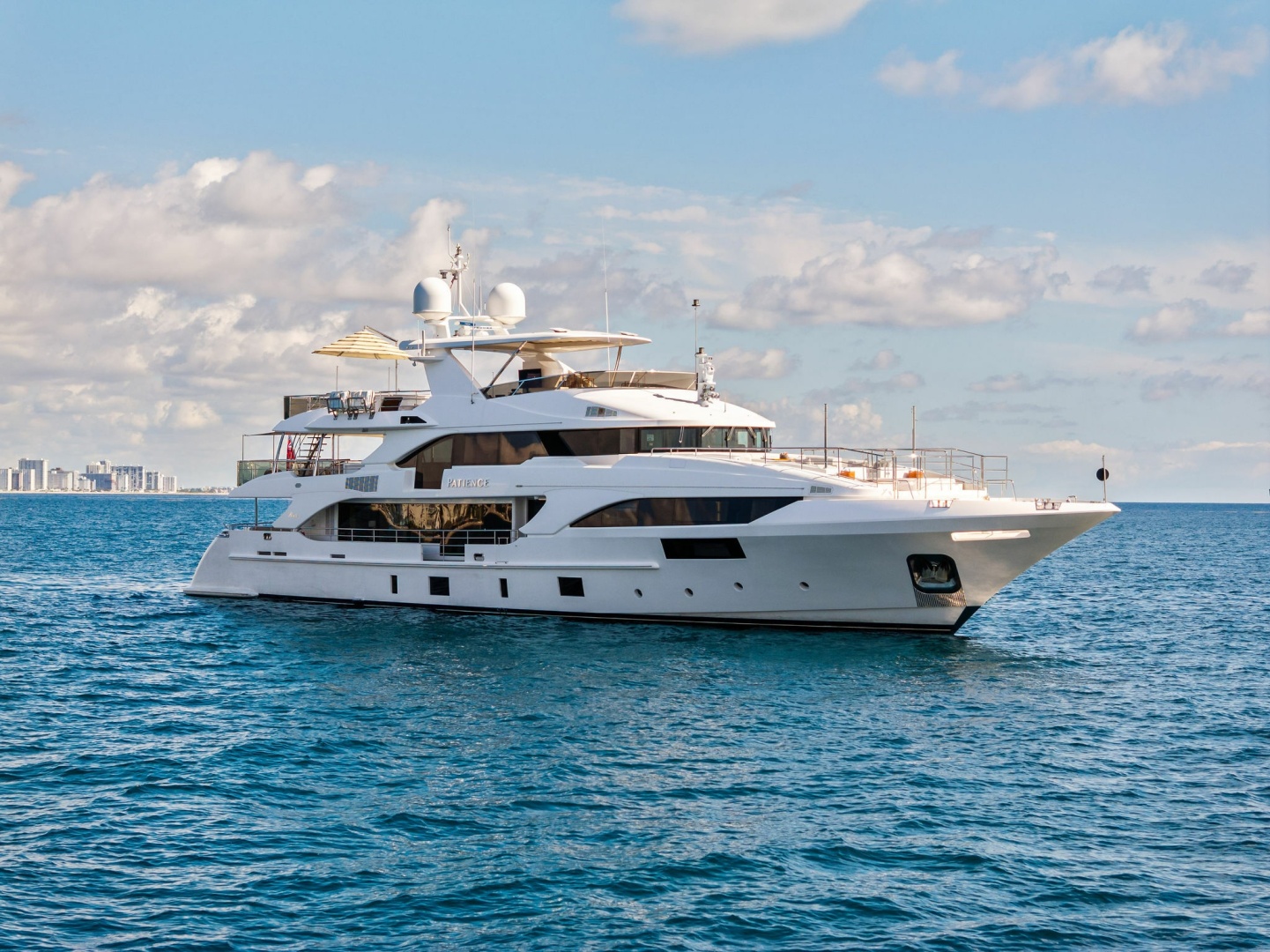
2012 Benetti PATIENCE
$10,975,000
132
Fort Lauderdale Florida
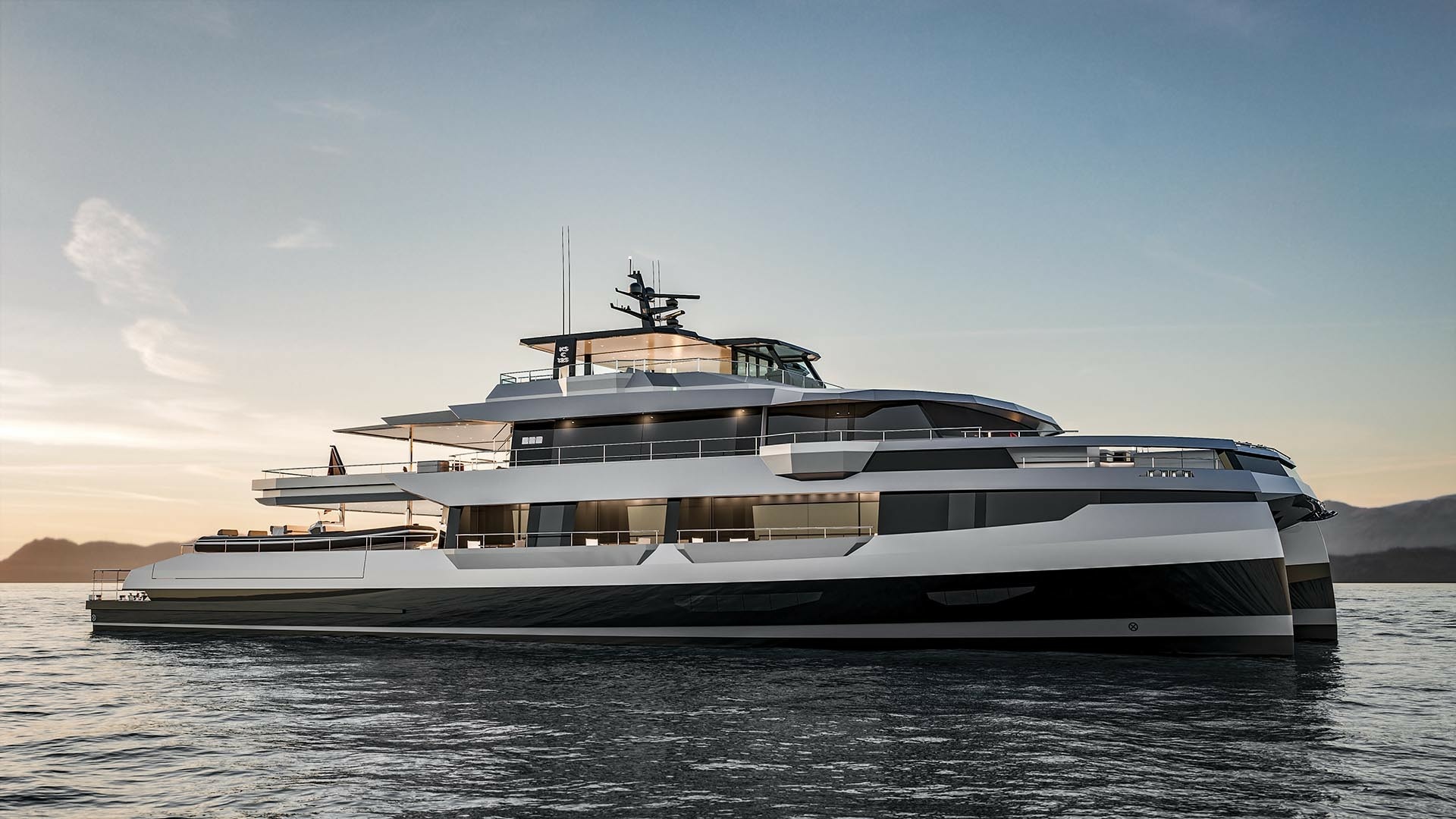
2028 Kingship Kingship
$20,350,000
125
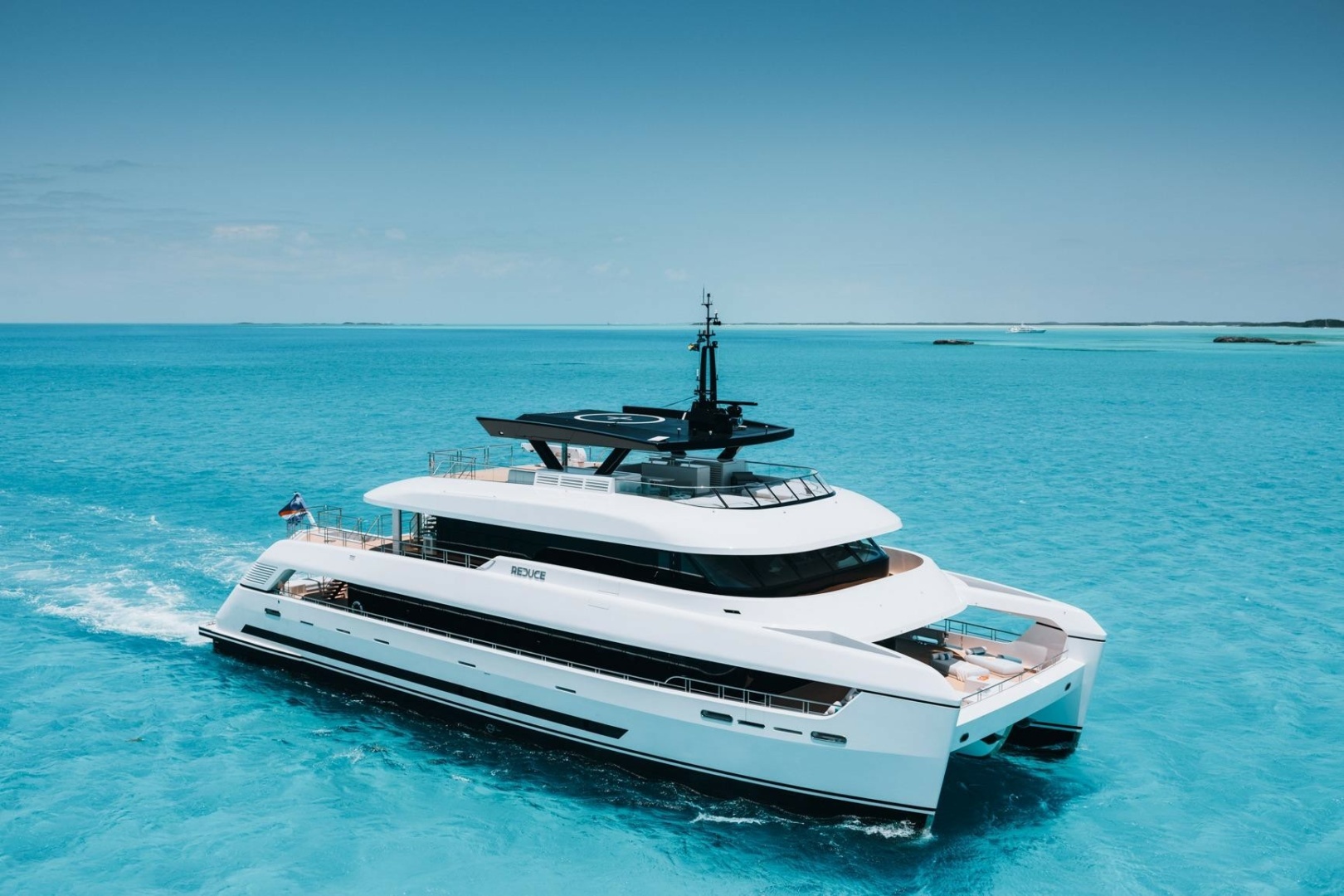
2024 Silver Yachts
$25,400,000
117
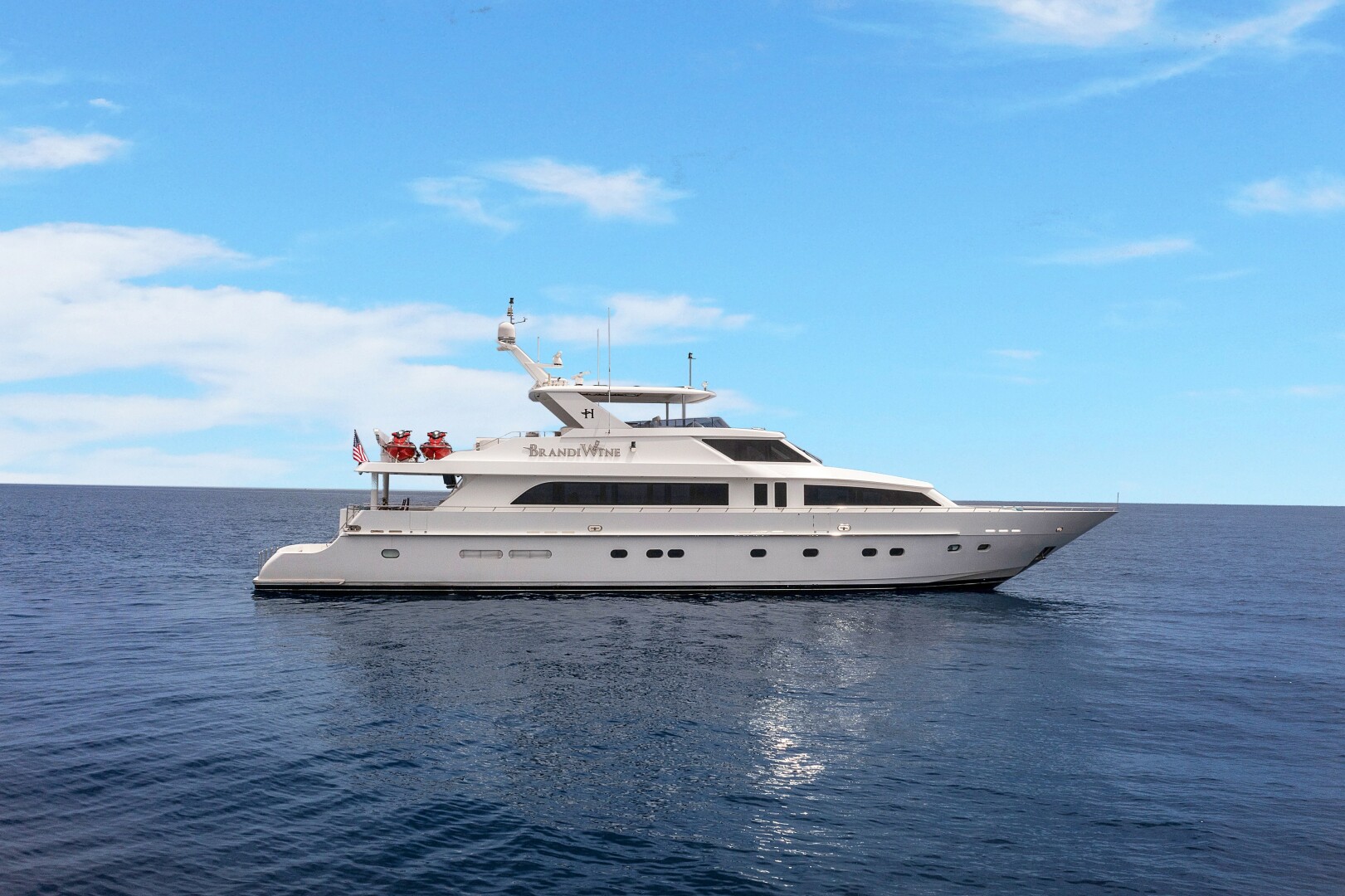
2009 Hargrave BRANDI WINE
$2,500,000
114
Fort Lauderdale Florida

2028 Extra Yachts
$20,350,000
100
Ancona

2028 Alpha
$12,100,000
100
Ft Lauderdale Florida

2028 Extra Yachts Extra 96
$9,495,000
96
Ancona
2021 Sanlorenzo GATSBY
$6,795,000
96
Fort Lauderdale Florida
2028 Kingship
$11,990,000
90
2028 Alpha
$9,894,500
90
Fano
2023 Azimut COMPASS
$7,950,000
88
Miami Beach Florida

1999 Northern Marine OFF LINE
$2,495,000
84
Ft Lauderdale Florida
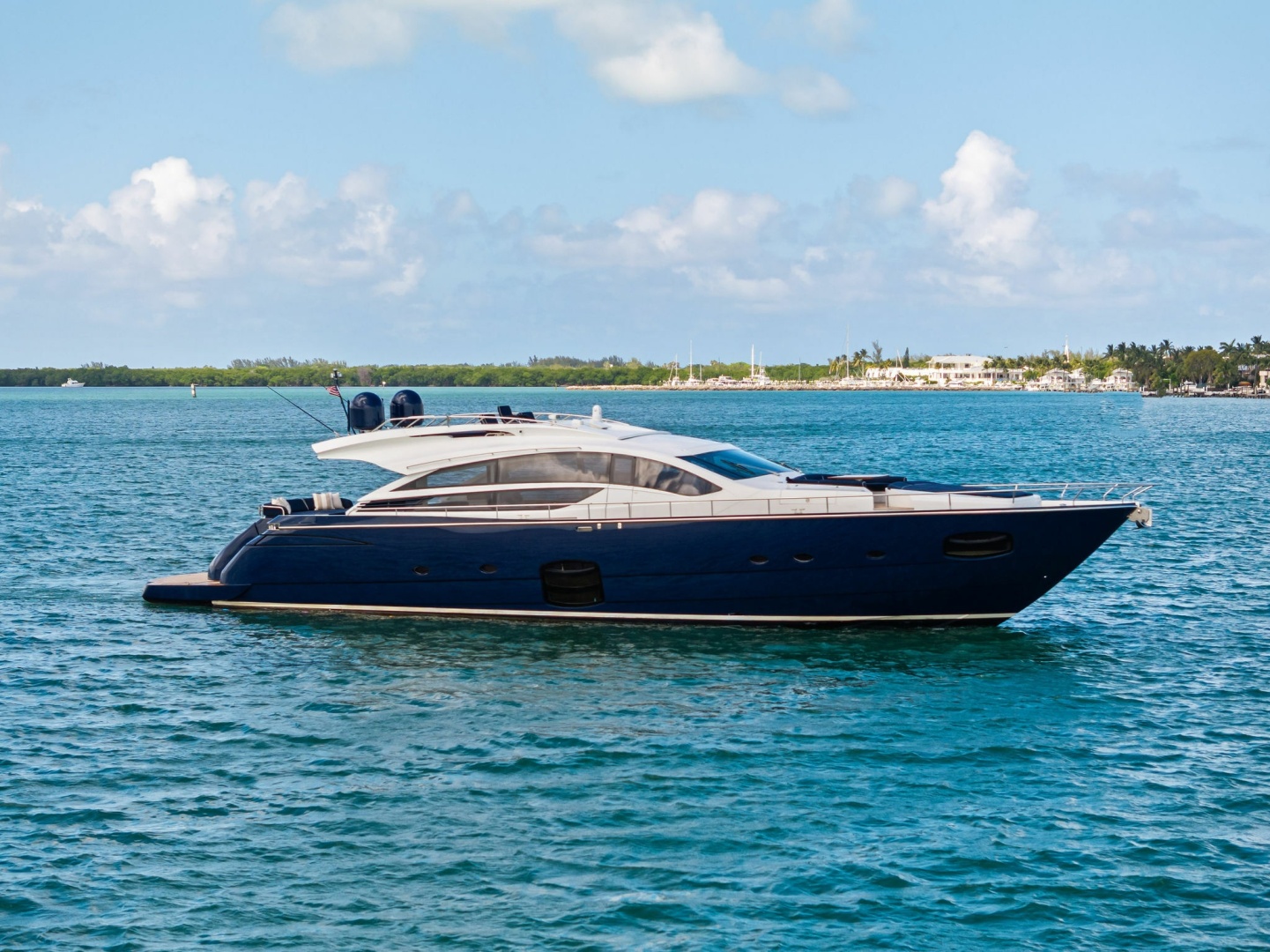
2013 Pershing DOROTHY ANN
$1,375,000
82
Fort Lauderdale Florida

1997 Ferretti Yachts
$825,000
80
La Paz
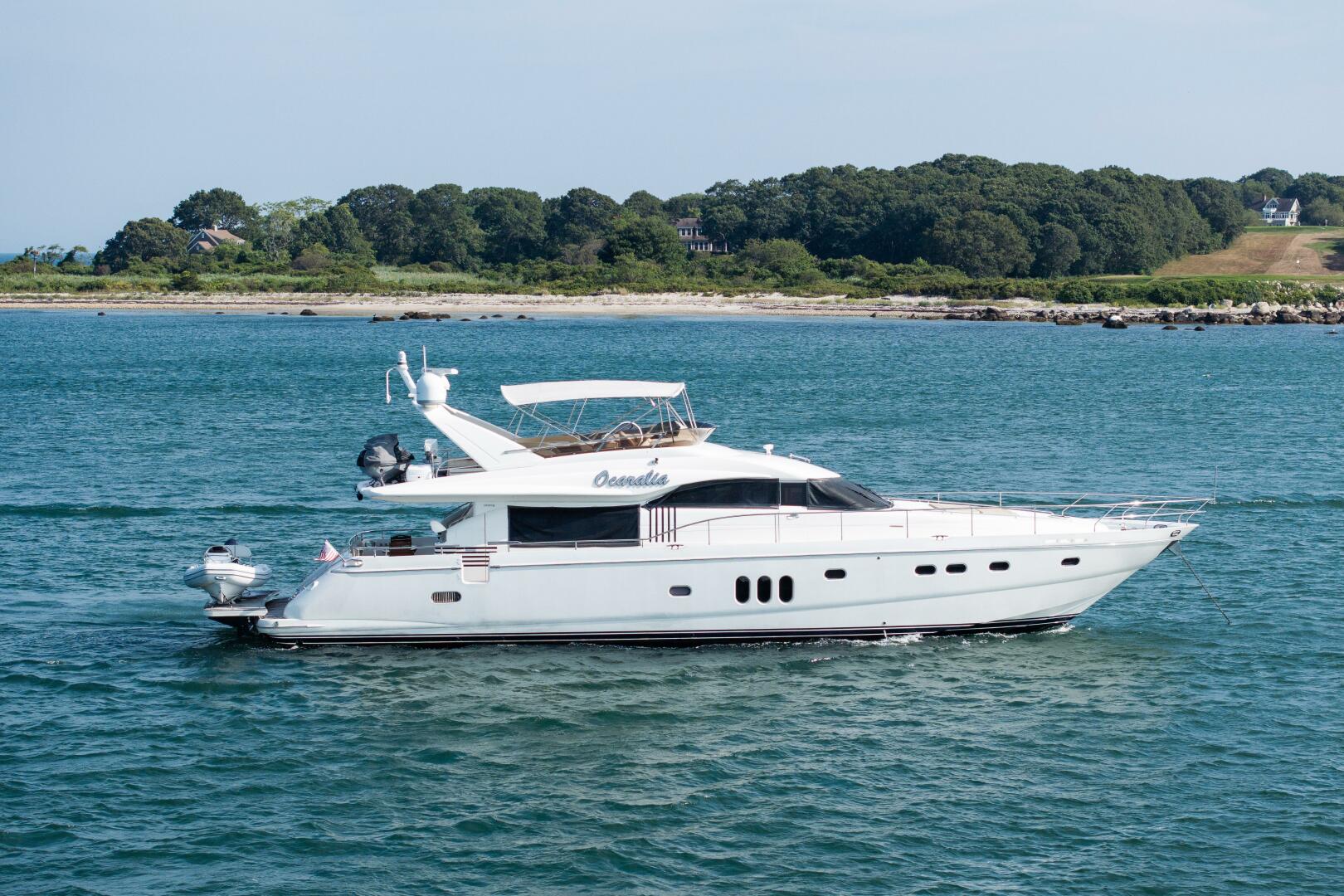
2008 Princess Yachts OCARALIA
$1,095,000
75
Charleston South Carolina
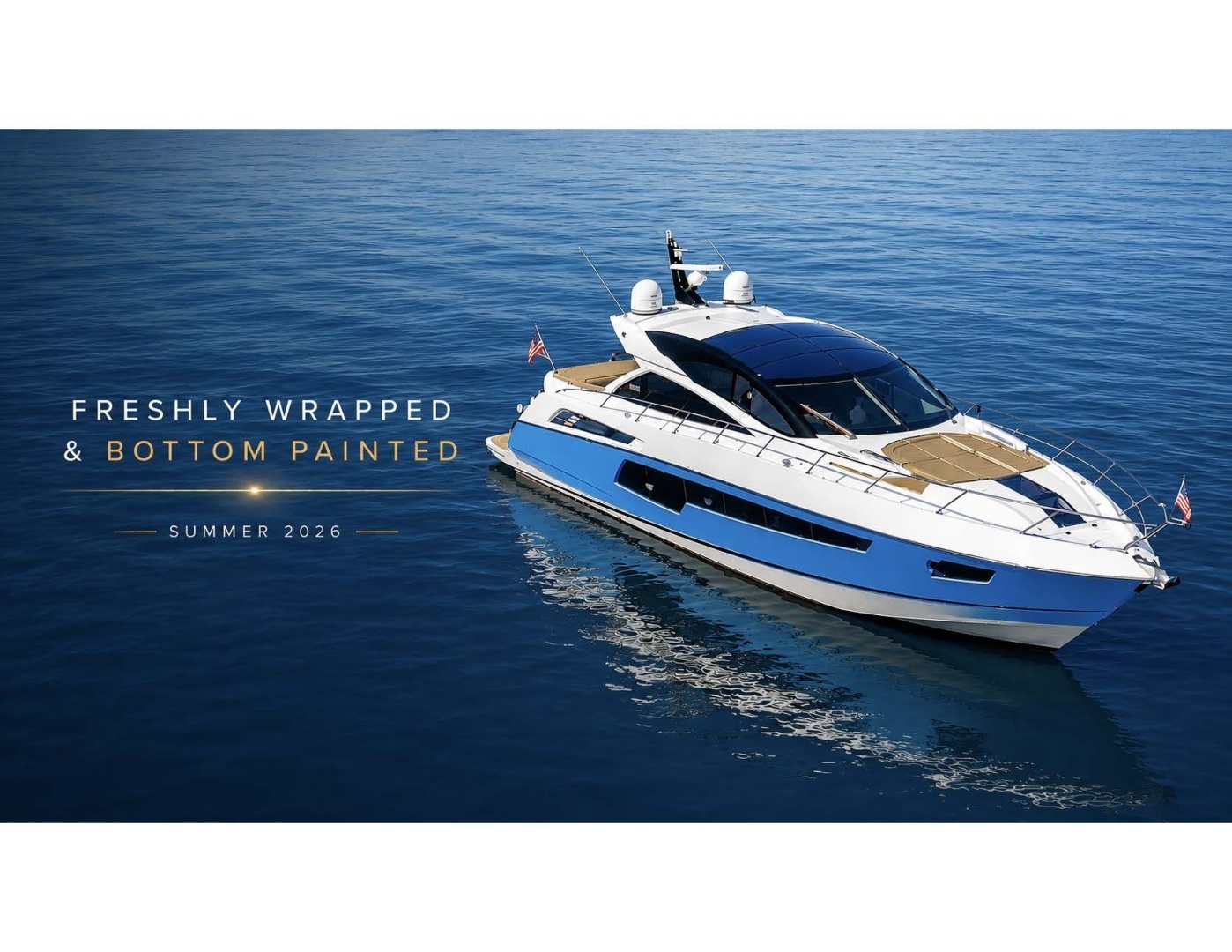
2014 Sunseeker
$1,400,000
68
New York New York

2024 Fairline
$2,750,000
68
Ft. Lauderdale Florida
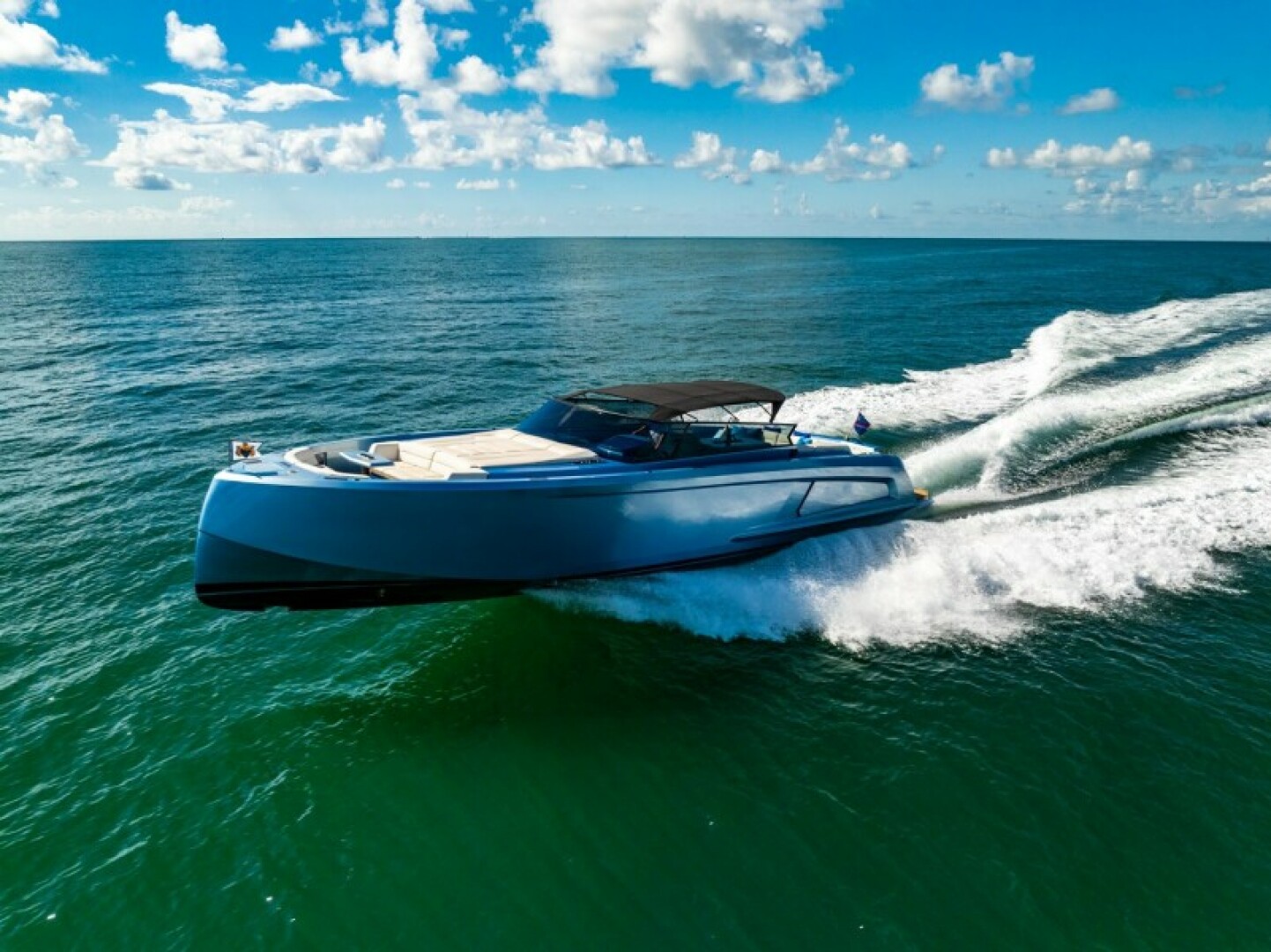
2019 Vanquish Yachts IMPULSIVE
$1,799,000
58
Miami Beach Florida
2021 Ferretti Yachts HAVEN
$1,595,000
57
Fort Lauderdale Florida
2025 Formula BREAKTHROUGH III
$1,895,000
53
Miami Beach Florida

2023 Fairline
$900,000
45
Fort Lauderdale Florida
2012 Zeelander Mississippi Queen
$575,000
44
West Palm Beach Florida
2028 Columbus Yachts 137'
$22,900,008
2012 Benetti 132'
$10,975,000
2028 Kingship 125'
$20,350,000
2024 Silver Yachts 117'
$25,400,000
2009 Hargrave 114'
$2,500,000
2028 Extra Yachts 100'
$20,350,000
2028 Alpha 100'
$12,100,000
2028 Extra Yachts 96'
$9,495,000
2021 Sanlorenzo 96'
$6,795,000
2028 Kingship 90'
$11,990,000
2028 Alpha 90'
$9,894,500
2023 Azimut 88'
$7,950,000
1999 Northern Marine 84'
$2,495,000
2013 Pershing 82'
$1,375,000
1997 Ferretti Yachts 80'
$825,000
2008 Princess Yachts 75'
$1,095,000
2014 Sunseeker 68'
$1,400,000
2024 Fairline 68'
$2,750,000
2019 Vanquish Yachts 58'
$1,799,000
2021 Ferretti Yachts 57'
$1,595,000
2025 Formula 53'
$1,895,000
2023 Fairline 45'
$900,000
2012 Zeelander 44'
$575,000