

The best family yacht isn’t necessarily the biggest or the fastest. It is one that provides safety for young children on deck and remains enjoyable to sail as kids grow. Popular choices for family yachts include catamarans known for stability and space, monohulls that balance sailing performance with cabin comfort, and motor yachts favored by families seeking easy handling without sailing.
Here’s the shortlist, organized by what actually matters to a family shopping for a boat:
- Best overall for family cruising: Fountaine Pajot 41 — a stable catamaran platform with enough separation between cabins that parents and kids each get real privacy.
- Best catamaran: Leopard 46 — wide beam, flat ride, and a cockpit that keeps small children in view from the helm at all times.
- Best under 40 feet: Jeanneau Sun Odyssey 415 — compact enough for a couple to handle shorthanded, roomy enough for two kids and a grandparent.
- Best for large or multigenerational families: Beneteau Oceanis 52 — five-cabin layouts exist specifically to keep extended family cruising comfortable rather than cramped.
- Best motor family yacht: Princess F45 — no rigging to teach, no points of sail to explain, just predictable handling for families who want to be on the water without becoming sailors first.
Award juries back up much of this thinking. The European Yacht of the Year judging process specifically weighs a boat’s day-to-day usability alongside performance when naming its Best Family Yacht category winner, and stability engineering from systems like Seakeeper gyros and Humphree fins increasingly shows up on family-oriented designs precisely because parents rank comfort in a rolling anchorage above almost everything else.
Key Takeaways
The best family yacht balances predictable, stable handling today with enough room and performance to grow alongside the kids over several seasons.
| Point | Details |
|---|---|
| Top overall pick | The Fountaine Pajot 41 catamaran leads for stability, cabin separation, and family-friendly layout. |
| Prioritize safety over size | Gated stairways, high bulwarks, and non-skid decks matter more than an extra foot of length. |
| Match the boat to the family stage | Choose a layout that works for toddlers now and still suits teenagers in three to five years. |
| Budget for the full timeline | Most family purchases take two to six months from first search to signed closing. |
| Get expert help early | Yachts-bysteve builds tailored shortlists and coordinates surveys and negotiation for family buyers. |
Table of Contents
- The Best Family Yachts Compared at a Glance
- Model Profiles: What Makes Each One Family-Friendly
- How to Choose the Right Family Yacht
- How These Picks Were Chosen
- How a Broker Helps Families Choose the Right Yacht
- Timeline From First Search to Signed Purchase
- Financing a Family Yacht: What to Know Before You Shop
- Why Stair Gates and High Bulwarks Actually Matter
- Let Yachts-bysteve Handle the Research From Here
- Frequently Asked Questions
- Sources
The Best Family Yachts Compared at a Glance
Specs only tell half the story. A 46-foot catamaran and a 52-foot monohull might carry similar berths but feel entirely different with three kids and a cooler full of snacks aboard. The table below strips each model down to what a family actually needs to know before calling a broker.
| Model | Best For | LOA / Cabins / Berths | Type | Handling | Safety & Stability | Price Bracket (New / Used) | Family Benefit Notes |
|---|---|---|---|---|---|---|---|
| Beneteau Oceanis 52 | Multigenerational cruising | 52 ft / up to 5 cabins / 10+ berths | Monohull | Moderate, benefits from furling systems | Deep keel options, wide walkaround deck | $650K+ new / $250K to $400K used | Separate cabin zones keep grandparents and teens out of each other’s way |
| Dufour 48 | Family bluewater cruising | 48 ft / 3 to 4 cabins / 8 to 9 berths | Monohull | Moderate, twin helms aid visibility | Solid bulwarks, protected cockpit | $550K+ new / $200K to $350K used | Deep cockpit well keeps toddlers contained while under sail |
| Jeanneau Sun Odyssey 415 | Coastal weekenders under 40 ft | 41 ft / 2 to 3 cabins / 6 to 8 berths | Monohull | Easy, shorthanded friendly | Wide swim platform, low freeboard for boarding | $350K+ new / $120K to $220K used | Simple enough for one parent to manage while the other watches kids |
| Leopard 46 | Catamaran families wanting space | 46 ft / 4 cabins / 8 to 10 berths | Catamaran | Easy, flat ride at anchor and underway | Wide beam reduces heel, forward cockpit sightlines | $900K+ new / $400K to $600K used | Helm station overlooks trampoline, so kids stay visible at all times |
| Fountaine Pajot 41 | Best overall family cruiser | 41 ft / 4 cabins / 8 berths | Catamaran | Easy, twin-engine maneuvering | Excellent initial stability, minimal heel | $700K+ new / $300K to $450K used | Owner’s cabin isolated from kids’ cabins for genuine privacy |
| Lagoon 38 | Entry-level catamaran families | 38 ft / 3 to 4 cabins / 6 to 8 berths | Catamaran | Easy, forgiving under sail | Good stability for size, shallow draft | $450K+ new / $180K to $280K used | Compact enough for marinas, still gives kids their own cabin |
| Hunter 245 | First family sailboat | 24 ft / open cabin / 4 berths | Monohull (trailerable) | Very easy, ideal for beginners | Self-bailing cockpit, stable hull form | — / $10,000 to $25,000 | Low-cost way to test whether the family actually loves sailing |
| Princess F45 | Motor yacht families | 45 ft / 3 cabins / 6 to 8 berths | Motor (flybridge) | Very easy, no sail-handling curve | Deep-V hull, flybridge sightlines | $1.2M+ new / $500K to $800K used | Flybridge seating keeps everyone together during passages |
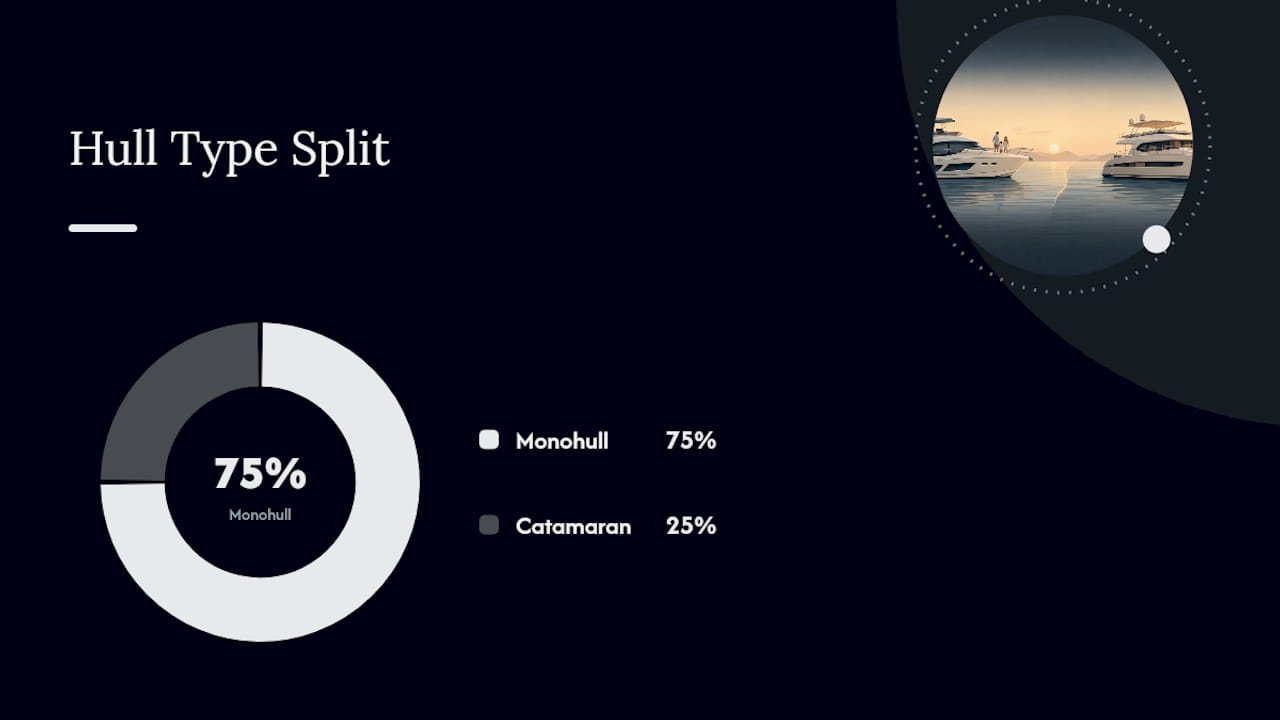
A pattern jumps out once you line these up: catamarans dominate the stability and space columns, while monohulls under 45 feet win on price and simplicity. Motor Boat & Yachting’s roundups make the same trade-off explicit, noting that families chasing interior volume and a level ride tend toward catamarans, while those prioritizing cost and classic sailing feel stick with monohulls.
Model Profiles: What Makes Each One Family-Friendly
Specs matter, but the real test is whether a boat works when a nine-year-old wants to help steer and a two-year-old wants to nap in the cockpit at the same time. Here’s what stands out about each model on the shortlist, and where it fits into a family’s plans.
Beneteau Oceanis 52. This is the yacht for families who’ve outgrown a 40-footer and need real separation between generations. Layouts with four or five cabins mean grandparents get a private berth instead of a pullout in the salon.
- LOA: 52 feet
- Cabins/berths: up to 5 cabins, 10+ berths depending on layout
- Propulsion: single diesel auxiliary, standard sail plan
- Standout features: walkaround deck, twin wheels for visibility, deep cockpit
- Price: new builds start above $650,000; well-kept used models often land between $250,000 and $400,000
- Ideal use: extended family charters or ownership groups sharing a single large boat
Photo caption suggestion: wide-beam cockpit shot showing multiple generations seated comfortably, caption: “Room enough for three generations to cruise without stepping on each other.”
Dufour 48. Dufour’s family-oriented models (the 48 and its siblings in the range) lean into a deep, protected cockpit well that acts almost like a playpen under sail. It’s a boat built by people who clearly thought about where a toddler’s hands end up during a tack.
- LOA: 48 feet
- Cabins/berths: 3 to 4 cabins, 8 to 9 berths
- Propulsion: single diesel, sloop rig
- Standout features: high cockpit coamings, twin helm stations, protected companionway
- Price: new from roughly $550,000; used examples commonly range $200,000 to $350,000
- Ideal use: bluewater family passages where crew need to trust the boat in a seaway
Jeanneau Sun Odyssey 415. For families who want their first serious cruiser without committing to a boat that needs a paid crew, the 415 hits a sweet spot. Practical Boat Owner specifically flags smaller family cruisers like this for their predictable handling on short coastal trips, which matters enormously when one parent is single-handing while the other wrangles kids below.
- LOA: 41 feet
- Cabins/berths: 2 to 3 cabins, 6 to 8 berths
- Propulsion: single diesel, self-tacking jib option
- Standout features: low freeboard for easy boarding, wide swim platform
- Price: new around $350,000; used from $120,000 to $220,000
- Ideal use: weekend and coastal family sailing without a hired hand aboard
Leopard 46. The wide beam that makes catamarans polarizing to sailors is exactly what makes them beloved by families. A flat ride at anchor means dinner stays on the table and seasickness stays off the itinerary.
- LOA: 46 feet
- Cabins/berths: 4 cabins, 8 to 10 berths
- Propulsion: twin diesels
- Standout features: forward-facing helm with trampoline sightlines, aft cockpit that merges with the salon
- Price: new above $900,000; used in the $400,000 to $600,000 range
- Ideal use: families who anchor out for weeks and need the boat to double as a floating house
Fountaine Pajot 41. This is the overall pick for a reason: cabin isolation. The owner’s suite sits apart from the kids’ cabins, which on a monohull of similar size is nearly impossible to achieve.
- LOA: 41 feet
- Cabins/berths: 4 cabins, 8 berths
- Propulsion: twin diesels, easy dockside maneuvering
- Standout features: minimal heel under sail, wraparound cockpit seating
- Price: new from about $700,000; used from $300,000 to $450,000
- Ideal use: charter-style family cruising where privacy and stability both matter
Lagoon 38. The entry point into catamaran ownership, and a genuinely good one. Shallow draft opens up anchorages a deeper monohull can’t reach, which matters when the kids want a beach to run on.
- LOA: 38 feet
- Cabins/berths: 3 to 4 cabins, 6 to 8 berths
- Propulsion: twin diesels
- Standout features: forgiving sail handling, compact enough for standard marina slips
- Price: new from roughly $450,000; used from $180,000 to $280,000
- Ideal use: first-time catamaran families testing the lifestyle before upgrading
Hunter 245. Before committing six figures to a family cruiser, plenty of smart buyers start here. It’s trailerable, cheap to maintain, and forgiving enough that nobody panics the first time the boat heels.
- LOA: 24 feet
- Cabins/berths: open cabin layout, 4 berths
- Propulsion: outboard auxiliary
- Standout features: self-bailing cockpit, simple rigging a teenager can learn in an afternoon
- Price: used examples typically run $10,000 to $25,000
- Ideal use: testing whether the family sailing dream survives contact with reality
Princess F45. Not every family wants to learn sail trim. The F45 exists for households that want the yachting lifestyle, the anchorages, the sunset cocktails, without ever touching a winch.
- LOA: 45 feet
- Cabins/berths: 3 cabins, 6 to 8 berths
- Propulsion: twin diesel inboards, planing hull
- Standout features: flybridge social space, deep-V hull for comfortable passages
- Price: new above $1.2 million; used from $500,000 to $800,000
- Ideal use: families who want speed and range without a sail-handling learning curve
Pro Tip: Specs and standard features shift year to year and even hull to hull within the same model line. Always verify the exact configuration, engine hours, and refit history through a broker or the current listing before assuming a spec sheet from a review applies to the boat you’re actually looking at.
How to Choose the Right Family Yacht
Safety and stability paired with easy handling should outrank every other criterion on your list, because a boat that scares a nervous parent or overwhelms a shorthanded couple gets used less, not more. Practical Boat Owner’s guidance on family boats makes this point directly: the best choice is one that behaves predictably with young kids aboard today and still has enough performance to keep teenagers interested in a few years.
Onboard safety checklist:
- Gated stairways or companionways, not open drops
- High bulwarks or sturdy lifelines around the entire deck perimeter
- Non-skid surfaces on every walking path, not just the cockpit sole
- Redundant handholds at child height, not just adult reach
Habitability checklist:
- Cabin separation that gives at least one adult and one child zone real privacy
- A galley with secure fiddles and non-slip counters, since a rolling boat and hot stoves are a bad combination
- Head and shower access that doesn’t require crossing through another cabin
- Storage for the unglamorous reality of family cruising: life jackets, toys, sunscreen, and snacks in bulk
Ownership cost checklist:
- Engine hours and maintenance records, not just hull condition
- Sail or canvas age and replacement cost
- Marina or mooring fees scaled to the boat’s length and draft
- A realistic annual maintenance budget, which our guide to yacht maintenance costs breaks down in more detail
Questions worth asking any broker or private seller at a viewing:
- Has this boat been used for charter, and if so, what does the maintenance log show?
- Is there a recent survey, and can we see the full report rather than just a summary?
- How is the bilge access configured, and can a child accidentally open it?
- What’s the actual sail inventory age, separate from the boat’s overall age?
- Are there any open warranty items or known recurring mechanical issues?
Red flags to walk away from: high, narrow bulwarks with no lifelines above them; heads that require squeezing past another cabin to reach; staircases with no gate option installed or retrofittable; a single point of steering failure with no backup tiller or emergency system; slick, non-textured deck surfaces near the companionway.
On price brackets: expect entry-level trailerable family boats like the Hunter 245 in the $10,000 to $60,000 range, mid-size cruisers like the Sun Odyssey 415 or Lagoon 38 in the $120,000 to $450,000 range depending on age and condition, and larger family platforms like the Oceanis 52, Leopard 46, or Princess F45 running from $250,000 used to well over $1 million new. Used boats save money upfront but shift maintenance risk onto the buyer, which is exactly why a survey isn’t optional.
How These Picks Were Chosen
These recommendations come from cross-referencing expert test reports, award results, and manufacturer specifications verified against current broker listings rather than from a single reviewer’s opinion. The goal was consistency: a model had to show up across multiple independent sources as genuinely family-suitable, not just popular.
The specific criteria applied to each model:
- Safety systems and deck layout, including bulwark height, lifeline coverage, and companionway design
- Cabin and berth configuration relative to family size, from a couple with toddlers to a three-generation charter group
- Handling for shorthanded crews, since most family boats get sailed by one or two adults, not a hired crew
- Stability systems, where relevant, including stabilizer and gyro installations that reduce roll at anchor
- Galley practicality for real cooking, not just weekend snacks
- Resale value and ownership cost trends within each size and type category
Trust signals worth knowing about: award programs like the European Yacht of the Year’s Best Family Yacht category combine expert sea trials with everyday usability scoring, which is a meaningfully different bar than a marketing brochure claiming a boat is “family-friendly.” Custom-build case studies reinforce the same priorities from a different angle. The 35-meter Lalabe, profiled by YachtStyle, was built specifically for multigenerational use, with gated stairways, high bulwarks, and double-stabilizer installations chosen over showroom finishes precisely because the owners prioritized safety and comfort across age groups.
Designers working on true multigenerational yachts often insist on details that never show up on a spec sheet: gated stairways, redundant handholds, pantry placement that doesn’t require crossing a walkway, and crew circulation paths kept separate from family living spaces. These are the choices that only reveal themselves after weeks aboard, not during a dockside tour.
Specs and pricing shift constantly as builders update model years and brokers list new inventory, so treat every figure here as a starting point for research, not a final number. Confirm current configurations directly through a current listing or a broker before making any offer.
How a Broker Helps Families Choose the Right Yacht
A good broker earns their commission the moment they save you from buying the wrong boat, and that moment usually arrives well before any purchase agreement gets signed. For families, the value shows up in matching, not just negotiating: knowing that a couple with two kids under six probably shouldn’t buy a 52-foot monohull built for six adults, or that a family planning multi-year bluewater cruising needs a very different hull than one doing weekend coastal trips.
Services a broker typically brings to a family purchase:
- Building a tailored shortlist based on family size, sailing experience, and cruising plans rather than a generic “best of” list
- Verifying specs and maintenance history against the actual boat, not just the listing description
- Arranging sea trials that simulate real family use, not just a calm-water demo run
- Coordinating independent surveys and flagging issues before they become expensive surprises
- Managing financing conversations and registration paperwork, which brokerage compliance guidance covers in more depth
- Organizing delivery logistics and handover training so the family actually knows how to run the boat on day one
Buyer guides across the industry consistently point to the same conclusion: the administrative and technical services a broker provides materially reduce buyer risk, particularly on larger purchases where a missed survey item or an unclear title issue can cost far more than the broker’s commission.
Engage a broker early if any of these apply: the purchase price exceeds $300,000, the family plans long-range or bluewater cruising, the boat needs to serve three generations at once, or the buyer is shopping remotely and can’t personally inspect every candidate. A good broker will also be honest about timeline. From first serious search to signed purchase agreement, most family buyers land somewhere between two and six months, longer if a custom survey turns up items that need negotiation or repair before closing.
Pro Tip: Ask any broker you’re considering how they handle survey disputes. A broker who has a clear, calm process for negotiating repairs after a bad survey finding is worth far more than one who just wants the deal closed quickly.
Timeline From First Search to Signed Purchase
Most families underestimate how long a proper yacht purchase takes, mostly because the shopping part feels fast and the paperwork part doesn’t. A realistic timeline runs in four phases, and skipping any of them is where regret usually starts.
The initial research phase, where a family narrows down hull type, size, and budget, typically takes two to four weeks. This is the phase covered by everything above: comparing catamarans against monohulls, deciding whether a 38-footer or a 52-footer actually fits the family’s plans, and setting a realistic price ceiling.
Active shortlisting and viewings usually take another three to six weeks, especially if the family is comparing new builds against used listings across multiple brokers or regions. Sea trials happen during this window, and it’s common for a family’s top choice to change entirely after actually spending an afternoon aboard a boat that looked perfect on paper.
Survey and negotiation, once an offer is accepted, typically adds two to four weeks. This is the phase where red flags surface, and where a family needs to be prepared to walk away if a survey turns up serious structural or mechanical issues.
Closing, financing finalization, and handover training generally take another two to three weeks. Add it up, and a family moving efficiently can go from first search to keys in hand in roughly two to three months. Families buying larger custom or semi-custom builds, or navigating financing complications, should expect four to six months as a more realistic window.
Financing a Family Yacht: What to Know Before You Shop
Financing terms for family yachts vary significantly by boat age, size, and whether it’s a new or used purchase, so getting pre-qualified before shopping seriously saves time and prevents falling for a boat outside your actual budget. Marine lenders typically finance newer boats more favorably than older used models, since loan terms often shorten as a boat’s age increases, and some lenders cap financing on vessels beyond a certain age entirely regardless of condition.
Loan terms for larger family cruisers can stretch out over ten to twenty years, which keeps monthly payments manageable but means total interest paid over the life of the loan deserves real scrutiny before signing.
A few financing considerations specific to family purchases:
- Survey requirements are often stricter for financed purchases, since the lender wants assurance the collateral is sound, which means budgeting for the survey cost early rather than treating it as an afterthought.
- Insurance costs scale with size, age, and cruising range, and a family planning offshore or bluewater trips should get an insurance quote before finalizing financing, not after.
- Documentation and titling requirements differ between new and used purchases and between private sales and brokered transactions, an area where understanding brokerage compliance steps helps avoid delays at closing.
- Some buyers use a combination of cash and financing to keep monthly payments low while still preserving liquidity for the ongoing costs of ownership, which tend to run 10% or more of the purchase price annually once maintenance, insurance, and slip fees are factored in.
This is general guidance, not financial advice specific to your situation. Loan terms, rates, and eligibility vary by lender and by the buyer’s financial profile, so confirm current terms directly with a marine lender or financial advisor before committing to a purchase timeline.
Why Stair Gates and High Bulwarks Actually Matter
The lesson that sticks with me most from years of watching families choose yachts is a simple one: the feature that seems like overkill in the showroom is usually the one that saves the trip. I remember touring a boat with a family who initially waved off the gated companionway as unnecessary, calling it “a bit much” for a couple with a five-year-old who was, in their words, “pretty careful already.”
Three weeks later, that same family called to say the gate had already earned its keep twice, once when their daughter tried to climb down mid-tack and once when a visiting cousin, half asleep, nearly missed the top step entirely. It wasn’t a dramatic story. Nobody got hurt. But it illustrated exactly why the “excessive” safety feature is the one that actually gets used every single day aboard, while the fancy teak trim nobody ever mentions again after the sea trial.
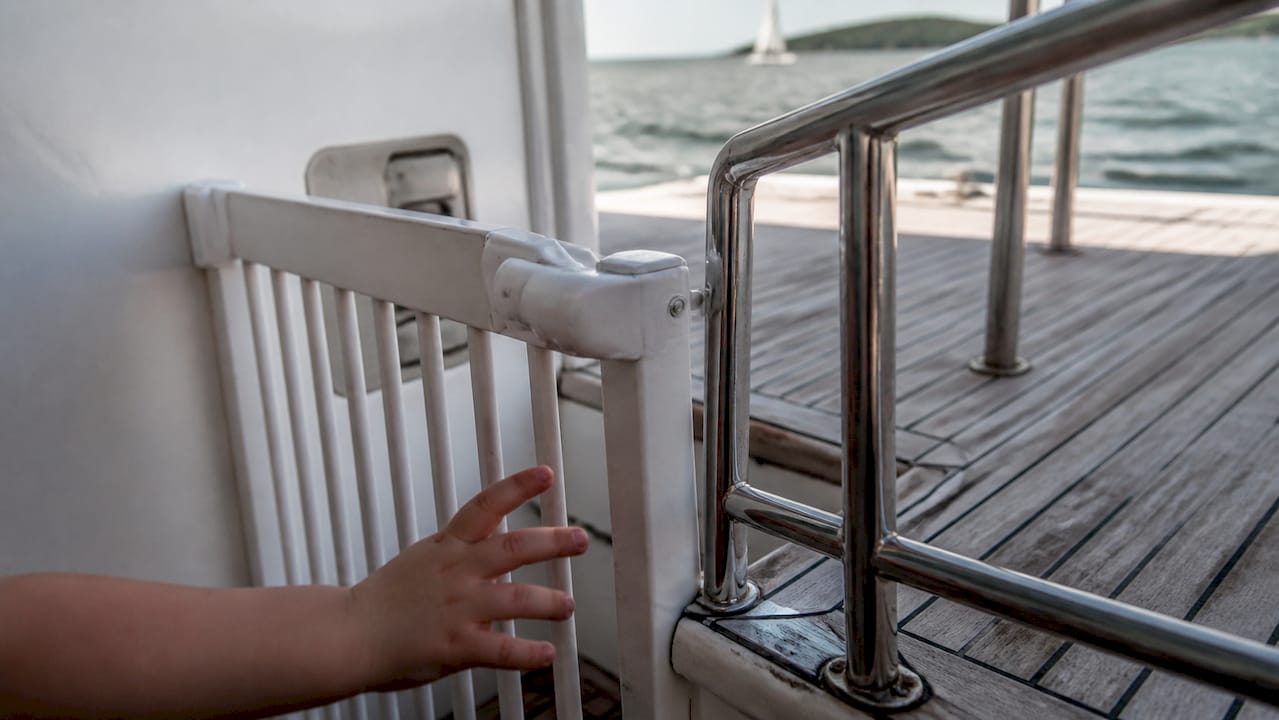
That’s the practical takeaway underneath everything in this article: buy for the boat’s worst five minutes, not its best photo. A gated stairway costs almost nothing to add and almost everything to retrofit properly after the fact.
Let Yachts-bysteve Handle the Research From Here
Reading spec sheets and award lists gets you a shortlist. It doesn’t get you a survey scheduled, a sea trial arranged around your family’s schedule, or a negotiation handled by someone who does this for a living rather than once a decade. That’s the gap Yachts-bysteve exists to close for families who’d rather spend their weekends on the water than cross-referencing broker listings.
Through Yachts-bysteve, you can request a tailored shortlist built around your actual family size and cruising plans rather than a generic top-ten list, get sea trials arranged on boats that match your real criteria, and get negotiation support from someone who reviews these deals regularly. If you’re not sure where to start, our guide on how to choose a yacht broker walks through exactly what to look for. From there, reach out for a free initial consultation, and we’ll help you turn this shortlist into a real, workable plan.
Frequently Asked Questions
What is the best family yacht for a first-time buyer?
The Jeanneau Sun Odyssey 415 or Lagoon 38 both work well for first-time family buyers because of their easy, shorthanded handling and manageable size, letting a family test the lifestyle before committing to a larger investment.
Are catamarans better than monohulls for family cruising?
Catamarans generally offer more stability and interior space, making them popular for families prioritizing comfort at anchor, while monohulls under 45 feet tend to cost less and appeal to families who want a more traditional sailing feel.
How much does a family yacht typically cost?
Entry-level trailerable boats start around $10,000 to $60,000, mid-size family cruisers range from roughly $120,000 to $450,000, and larger multigenerational platforms can run from $250,000 used to well over $1 million new.
Do I need a broker to buy a family yacht?
A broker isn’t legally required, but for purchases above $300,000 or for families planning long-range cruising, a broker’s survey coordination, negotiation support, and paperwork management meaningfully reduce buyer risk.
How long does it take to buy a family yacht?
Most family buyers move from initial research to a signed purchase in two to three months, though larger or custom purchases involving financing complications can take four to six months.
Sources
- Best boats for a family: sail and power – Practical Boat Owner
- Best family yacht 2026: Adventures with the whole family – Yachting World
- Van der Valk’s family-friendly Lalabe | Yacht Style
- Best family boats: 6 quality options for saltwater cruising – MBY
Recommended
Featured Listings

2028 Columbus Yachts
$22,900,008
137
Ancona

2012 Benetti PATIENCE
$10,975,000
132
Fort Lauderdale Florida

2028 Kingship Kingship
$20,350,000
125

2024 Silver Yachts
$25,400,000
117

2009 Hargrave BRANDI WINE
$2,500,000
114
Fort Lauderdale Florida

2028 Extra Yachts
$20,350,000
100
Ancona

2028 Alpha
$12,100,000
100
Ft Lauderdale Florida

2028 Extra Yachts Extra 96
$9,495,000
96
Ancona

2021 Sanlorenzo GATSBY
$6,795,000
96
Fort Lauderdale Florida

2028 Kingship
$11,990,000
90

2028 Alpha
$9,894,500
90
Fano

2023 Azimut COMPASS
$7,950,000
88
Miami Beach Florida

1999 Northern Marine OFF LINE
$2,495,000
84
Ft Lauderdale Florida

2013 Pershing DOROTHY ANN
$1,375,000
82
Fort Lauderdale Florida

1997 Ferretti Yachts
$825,000
80
La Paz

2008 Princess Yachts OCARALIA
$1,095,000
75
Charleston South Carolina

2014 Sunseeker
$1,400,000
68
New York New York

2024 Fairline
$2,750,000
68
Ft. Lauderdale Florida

2019 Vanquish Yachts IMPULSIVE
$1,799,000
58
Miami Beach Florida

2021 Ferretti Yachts HAVEN
$1,595,000
57
Fort Lauderdale Florida

2025 Formula BREAKTHROUGH III
$1,895,000
53
Miami Beach Florida

2023 Fairline
$900,000
45
Fort Lauderdale Florida

2012 Zeelander Mississippi Queen
$575,000
44
West Palm Beach Florida
2028 Columbus Yachts 137'
$22,900,008
2012 Benetti 132'
$10,975,000
2028 Kingship 125'
$20,350,000
2024 Silver Yachts 117'
$25,400,000
2009 Hargrave 114'
$2,500,000
2028 Extra Yachts 100'
$20,350,000
2028 Alpha 100'
$12,100,000
2028 Extra Yachts 96'
$9,495,000
2021 Sanlorenzo 96'
$6,795,000
2028 Kingship 90'
$11,990,000
2028 Alpha 90'
$9,894,500
2023 Azimut 88'
$7,950,000
1999 Northern Marine 84'
$2,495,000
2013 Pershing 82'
$1,375,000
1997 Ferretti Yachts 80'
$825,000
2008 Princess Yachts 75'
$1,095,000
2014 Sunseeker 68'
$1,400,000
2024 Fairline 68'
$2,750,000
2019 Vanquish Yachts 58'
$1,799,000
2021 Ferretti Yachts 57'
$1,595,000
2025 Formula 53'
$1,895,000
2023 Fairline 45'
$900,000
2012 Zeelander 44'
$575,000