

Owning a luxury yacht represents the pinnacle of personal freedom, a sanctuary on the open water where life moves at your pace. Yet the vessel itself is only one piece of a remarkably complex puzzle. Behind every seamless voyage lies a sophisticated operation covering crew coordination, regulatory compliance, technical maintenance, and careful financial oversight. Choosing the right yacht management company is every bit as consequential as selecting the yacht itself. This guide walks you through the criteria that matter most, profiles the firms earning consistent trust from discerning owners worldwide, and offers a clear framework for making this deeply personal decision with confidence.
Table of Contents
- Key criteria to choose the best yacht management company
- Leading yacht management companies: Who stands out in 2026
- Comparing services, fees, and benefits: How top firms stack up
- Specialized yacht management: Edge cases, family offices, and advanced optimization
- Our take: Why finding your ‘best’ yacht manager is personal, not generic
- Next steps: Secure your luxury yacht and partner with the best
- Frequently asked questions
Key Takeaways
| Point | Details |
|---|---|
| Prioritize tailored experience | The right management fit depends on your yacht size, use, and personal needs. |
| Understand fee structures | Expect to pay 5-15% of annual operating costs, covering essential management services. |
| Leverage advanced expertise | For complex needs, choose firms that excel with fleet buying, family offices, or commercial compliance. |
| No universal best company | Reputation, rapport, and fit matter more than global rankings in luxury yacht management. |
Key criteria to choose the best yacht management company
The moment you move beyond day sailing into serious ownership, whether aboard a sleek 30-meter motor yacht or an imposing 60-meter superyacht, the operational demands escalate quickly. A capable management company becomes the engine running quietly beneath the luxury surface. But not all firms offer the same depth of service, and understanding what to evaluate will save you from costly mismatches.
Core services to look for
The essential pillars of quality yacht management are technical maintenance, crew recruitment and administration, financial reporting, regulatory compliance, and charter management where applicable. Technical services include planned maintenance schedules, dry docking coordination, equipment inspections, and emergency repairs. Crew management covers everything from sourcing certified officers to payroll, visa logistics, and performance reviews. Financial oversight typically includes transparent budgeting, expense tracking, and annual auditing. Regulatory compliance is non-negotiable and includes adherence to ISM (International Safety Management), ISPS (International Ship and Port Facility Security), and MLC (Maritime Labour Convention) standards.
According to Yacht management: Complete guide, management fees typically run 5 to 15 percent of the annual operating budget, with total operational costs often landing between 8 and 12 percent of the yacht’s value annually. These fees cover the full spectrum of technical, crew, financial, and compliance services, and they become especially essential for yachts over 24 meters or commercial vessels over 500 gross tons where ISM compliance is legally required.
Key evaluation criteria
When assessing potential partners, keep these priorities front of mind:
- Experience with your vessel type and size. A firm excelling at 80-meter superyachts may not deliver the same attention to a 28-meter explorer yacht.
- Geographic reach. If you cruise the Mediterranean in summer and the Caribbean in winter, your management firm needs operational footholds in both regions.
- Transparency of fee structures. Understand exactly what is included and what triggers additional charges.
- Charter management capability. If you plan to generate income through charter, the firm must have an active commercial network and proven charter management track record.
- Family office and governance integration. Ultra-high-net-worth owners with multiple vessels or complex ownership structures benefit from firms that communicate seamlessly with financial and legal advisors.
- Responsiveness and captain relationships. The best firms maintain direct, respectful relationships with captains, treating them as professional partners rather than intermediaries.
Understanding yacht management’s impact on your overall ownership experience is the first step toward choosing a partner who truly protects your investment.
Pro Tip: Ask every shortlisted firm how they handle emergency repairs mid-voyage, specifically who makes the call, how quickly, and how costs are authorized. The answer reveals far more about their operational culture than any brochure.
Leading yacht management companies: Who stands out in 2026
With clear criteria in hand, the next question is which companies consistently demonstrate excellence across the metrics that matter. The industry has a handful of firms that have earned the trust of some of the world’s most demanding yacht owners, each with a distinctive approach and set of strengths.
JMS Yacht Management
JMS has built a reputation over decades by focusing exclusively on superyacht management, with a fleet exceeding 250 vessels under care. Their strength lies in technical rigor and responsive captain support. Captains who work with JMS frequently cite the firm’s willingness to act decisively without bureaucratic delays as a defining quality. Their systems for planned maintenance and financial reporting are among the most refined in the industry, making them a natural fit for owners who want granular oversight without being hands-on themselves.
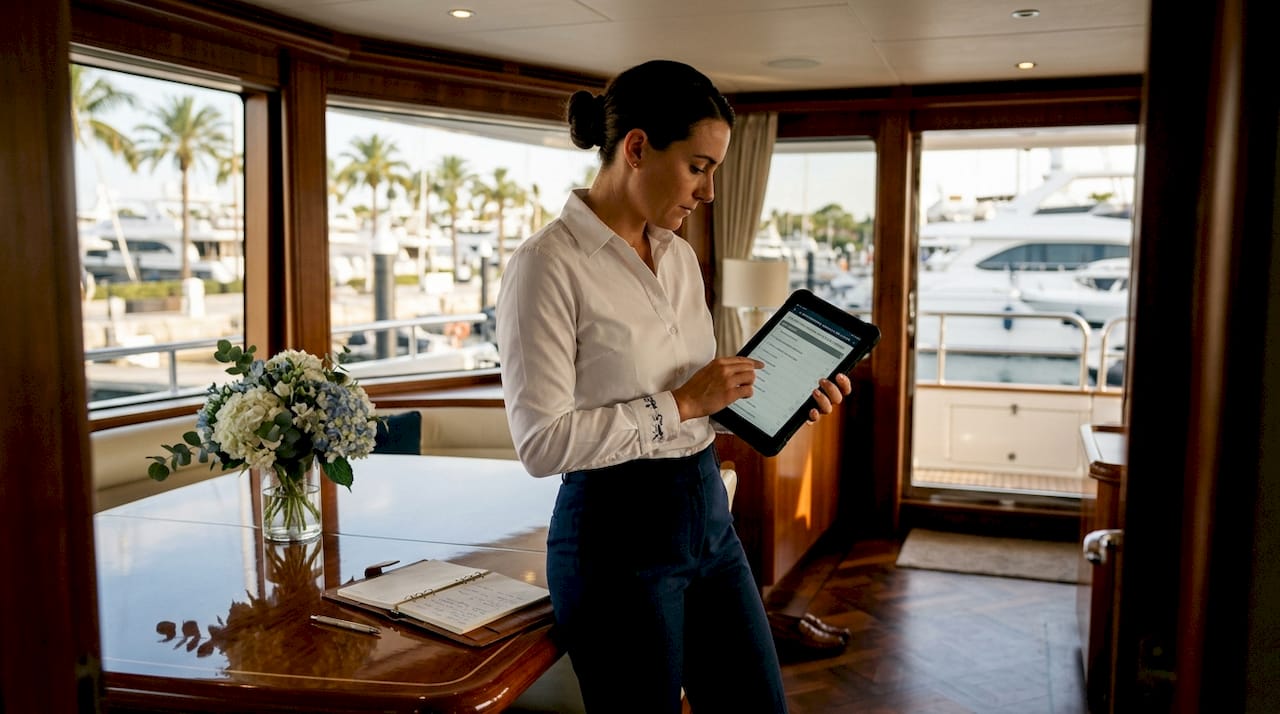
Hill Robinson
Widely regarded as a pioneer in the field, Hill Robinson brings a global operational footprint and particular depth in regulatory compliance. For owners running large yachts in multiple jurisdictions throughout the year, Hill Robinson’s institutional knowledge of flag state requirements and port regulations is genuinely unmatched. They are especially well suited to yachts above 50 meters where compliance complexity is highest.
Burgess Yachts
Burgess operates at the absolute top end of the market, with expertise in giga-yacht management and a close alignment with their brokerage and charter divisions. Owners who charter their vessels commercially benefit from the seamless integration between their management, charter marketing, and sales arms. This creates an ecosystem where every decision, from refits to guest preferences, supports the vessel’s broader commercial strategy.
V.Group
V.Group brings corporate-level resources to yacht management, with a truly global network that extends across commercial shipping as well. For owners who need consistent management quality across multiple vessels or who operate in less conventional regions, V.Group’s infrastructure provides a level of logistical reliability that smaller boutique firms cannot easily match.
As noted by industry research on top yacht management companies worldwide in 2026, there is no universal best ranking given the highly individualized nature of yacht ownership. Selecting the right firm depends on yacht size, primary operating regions, and specific owner preferences rather than on any single performance metric.
“The best yacht management company is not the most decorated one. It is the one whose communication style, values, and operational approach align with yours. Fit matters more than fame.”
Key hallmarks of the top firms include:
- Dedicated management teams assigned per vessel rather than shared rotating staff
- 24/7 emergency response with clear escalation protocols
- Transparent monthly financial reporting with itemized expense breakdowns
- Strong refit project management experience
- Active relationships with class societies and flag state authorities
Knowing how to identify luxury yacht selling services and understanding what separates a great broker from an average one shares surprising parallels with evaluating management firms. In both cases, the relationship and track record tell the deepest story. If you are still navigating the acquisition phase, guidance on choosing a yacht broker will sharpen your instincts for vetting professionals across the industry.
Comparing services, fees, and benefits: How top firms stack up
Understanding how these firms position themselves side by side helps clarify where your specific needs align with each company’s core offering. The following comparison captures the essential dimensions owners use to evaluate management partners.
| Company | Fleet size | Fee range | Technical focus | Charter management | Geographic strength |
|---|---|---|---|---|---|
| JMS Yacht Management | 250+ yachts | 5 to 12% | Very high | Yes | Mediterranean, Caribbean |
| Hill Robinson | 150+ yachts | 7 to 15% | Very high | Yes | Global, multi-flag |
| Burgess Yachts | 100+ yachts | 8 to 15% | High | Integrated | Global, charter-centric |
| V.Group | 300+ yachts | 5 to 12% | High | Selective | Global, commercial overlap |
The 5 to 15 percent fee range is the industry standard, though what that percentage actually buys varies considerably between firms. Some include comprehensive financial reporting and crew payroll administration at the base level. Others treat these as additional service tiers that add to the effective cost. For a yacht with annual operating costs of €600,000, fees alone could represent €30,000 to €90,000 per year before one-off project expenses.
Where top firms deliver outsize value is in three specific areas. First, regulatory compliance on commercial or charter vessels where a single documentation error can ground a yacht for days and cost far more than a year’s management fees. Second, cost optimization through fleet purchasing power, which allows management firms to negotiate significantly lower rates on fuel, provisions, parts, and insurance on behalf of their entire client fleet. Third, operational uptime, the quiet but immeasurable benefit of a yacht that is ready to sail when you are, because maintenance was addressed proactively rather than reactively.
Understanding the maintenance advantages of professional oversight is central to appreciating why management fees rarely represent pure overhead. They are an investment in preserving both the experience and the resale value of your vessel. For a deeper look at how yacht management fees compare to other ownership costs, the parallels with brokerage commission structures are instructive for any owner building a full cost picture.
Always request a detailed breakdown of what falls inside versus outside the management fee before signing any agreement. Refit project management, insurance placement, and flag state registration are services that some firms bundle and others charge separately, sometimes significantly so.
Specialized yacht management: Edge cases, family offices, and advanced optimization
For a meaningful segment of luxury owners, standard management services are only the beginning. Commercial charter operations, multi-yacht family portfolios, and complex ownership structures governed through family offices require a management partner who can operate at a far more sophisticated level.
When specialized management becomes essential
Commercial and charter yachts carry legal obligations that purely private vessels do not. ISM code compliance, ISPS security protocols, and MLC crew welfare requirements are non-negotiable for vessels earning charter income. Commercial and charter yachts require ISM, ISPS, and MLC adherence, while family offices increasingly seek governance integration through dedicated Yacht Owner Representative (YORP) advisors who sit between ownership and management. Costs saved through fleet buying and proactive maintenance programs consistently outweigh the management fees themselves.
Edge case requirements by owner profile
| Owner scenario | Key management needs | Best-fit companies |
|---|---|---|
| Commercial charter fleet | ISM/ISPS/MLC compliance, revenue management | Burgess, Hill Robinson |
| Multi-yacht family office | Governance reporting, YORP integration, consolidated financials | Hill Robinson, JMS |
| Explorer or expedition yacht | Remote logistics, specialist technical support | V.Group, JMS |
| Private owner, single vessel | Responsive service, streamlined reporting | JMS, boutique specialists |
How to vet management firms for advanced needs
- Request governance documentation. Ask for sample monthly and annual financial reports to assess depth, clarity, and the level of detail you can expect.
- Assess the YORP relationship model. Understand who serves as your dedicated representative and how frequently formal reviews occur.
- Verify commercial compliance credentials. Confirm the firm’s history of managing commercially certified vessels and their familiarity with your flag state’s specific requirements.
- Speak directly with captains on their fleet. Captain satisfaction is the single most reliable proxy for how a management firm actually performs day to day.
- Review their refit project management track record. Large refits are where management firms either prove their worth or reveal their limitations, and past projects tell the full story.
Optimizing your ownership structure for tax efficiency and governance clarity is a goal that the very best management firms will support rather than complicate, coordinating closely with your legal and financial advisors to ensure every decision serves the broader strategy.
Pro Tip: When evaluating firms for a family office context, ask specifically whether they can produce consolidated financial reporting across multiple vessels in a single dashboard format. This single capability separates operationally mature firms from those still working with vessel-by-vessel spreadsheets.
Our take: Why finding your ‘best’ yacht manager is personal, not generic
We have sat with enough experienced owners and captains to say with confidence that rankings, star ratings, and industry awards tell only a fraction of the story. The yacht management market is not a category where the highest-rated firm is automatically the right choice for you.
Every vessel has its own character. Every owner has a distinct rhythm, a preferred level of involvement, a particular set of destinations, and a tolerance for risk that shapes what good management actually looks like in practice. A firm celebrated for its meticulous technical approach may feel overly bureaucratic to an owner who values fast, informal communication. A boutique company beloved for its personal service may lack the infrastructure needed for a complex commercial operation.
The relationship between owner and management company is, at its best, as constant as the tide. It requires trust built through transparency, not just competence demonstrated through credentials. We encourage every owner to treat the selection process as an interview, not a transaction. Meet the actual team who will manage your vessel. Ask difficult questions. Review their communication during a simulated crisis scenario if possible.
“It was not the firm’s trophy cabinet that won our trust. It was the fact that their manager called us at 11pm to explain a technical issue before we even knew there was one. That kind of proactive care is irreplaceable.”
Regular performance reviews matter as much as the initial selection. The realities of superyacht ownership evolve over time, and a management partner should grow with you, not simply maintain the status quo. The firms that earn lasting loyalty are those that treat your satisfaction not as a metric but as a genuine commitment.
Next steps: Secure your luxury yacht and partner with the best
The journey from ownership aspiration to seamless reality begins with two things: the right vessel and the right team around it. At Yachts by Steve, we believe these two elements are inseparable. Whether you are exploring why buying a luxury yacht makes sense for your lifestyle and financial goals, deepening your understanding of expert yacht brokerage, or ready to receive personalized guidance on choosing a luxury yacht that fits your vision precisely, our team is here for every conversation. Reach out directly to begin a relationship built on the same values you would expect from the finest management partners: transparency, expertise, and a genuine commitment to your experience on the water.
Frequently asked questions
What does a yacht management company do?
They oversee all technical, crew, compliance, financial, and operational needs of a yacht, allowing owners to enjoy their time on the water without the burden of daily administration. Full management coverage typically includes planned maintenance, crew payroll, flag state compliance, and detailed financial reporting.
How much do yacht management fees typically cost?
Fees generally fall between 5 and 15 percent of the yacht’s annual operating budget, which can translate to €60,000 to well over €600,000 per year depending on the size and complexity of the vessel.
Is yacht management necessary for all owners?
It is legally required or strongly advisable for yachts over 24 meters and essential for commercial vessels over 500 gross tons, though many private owners choose full management simply for the peace of mind and operational excellence it delivers.
Do management companies help reduce costs?
Yes, significantly. Fleet buying power and proactive maintenance programs consistently generate savings that exceed the management fees themselves, particularly on fuel, parts, insurance, and avoiding costly emergency repairs.
Recommended
Featured Listings
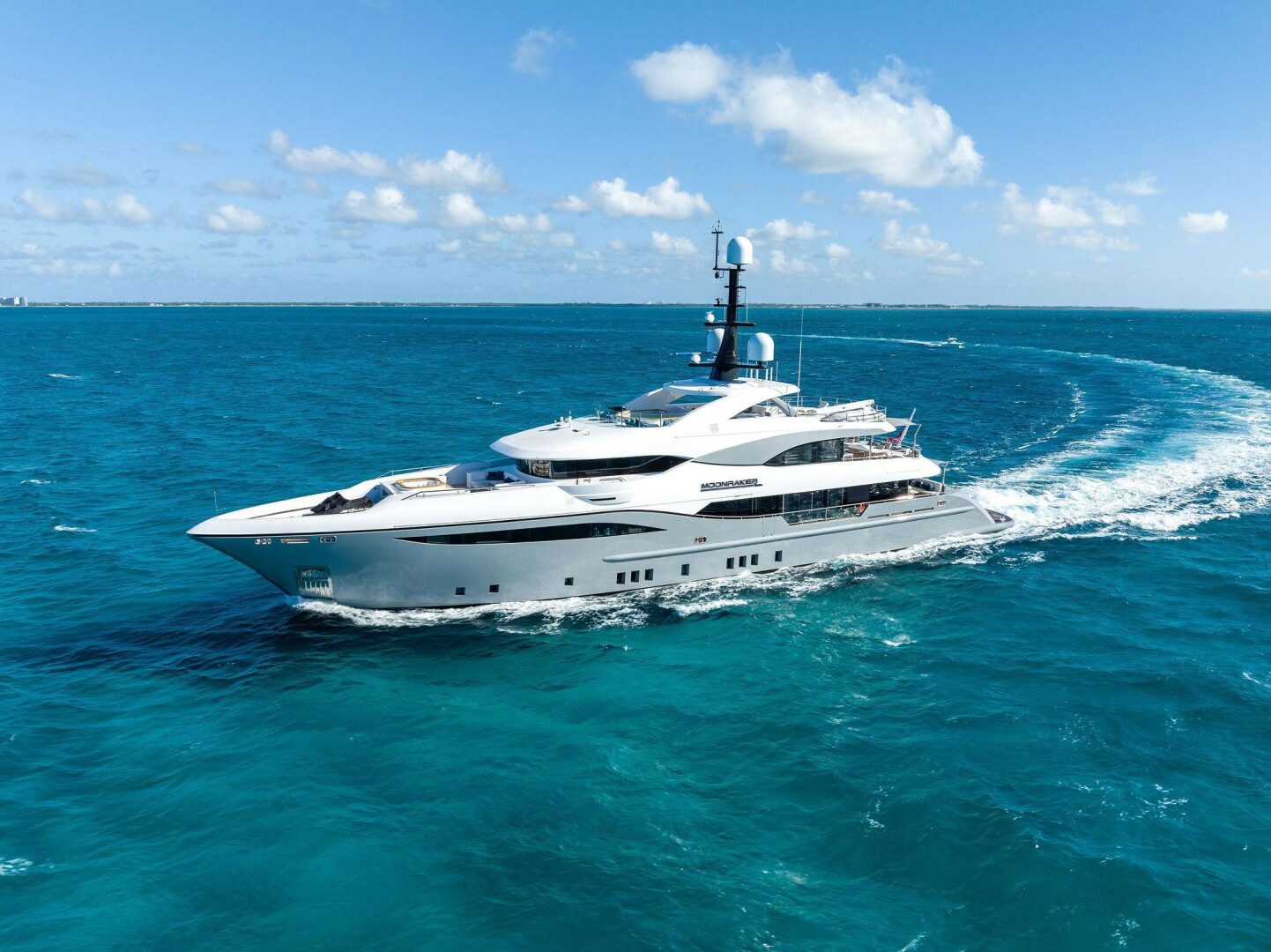
2019 Bilgin MOONRAKER
$21,404,500
156
West Palm Beach Florida

2028 Columbus Yachts
$22,900,008
137
Ancona
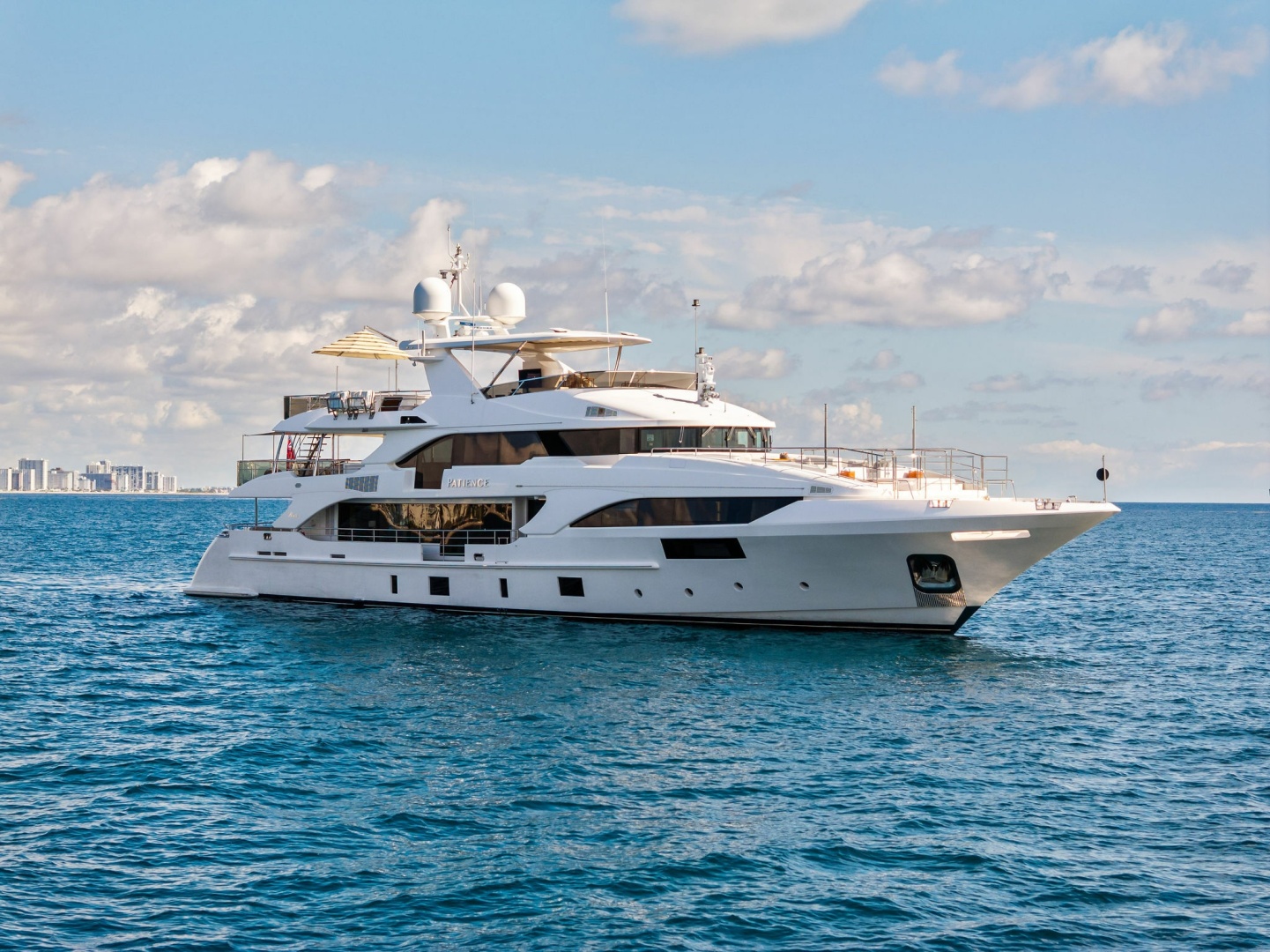
2012 Benetti PATIENCE
$10,975,000
132
Fort Lauderdale Florida
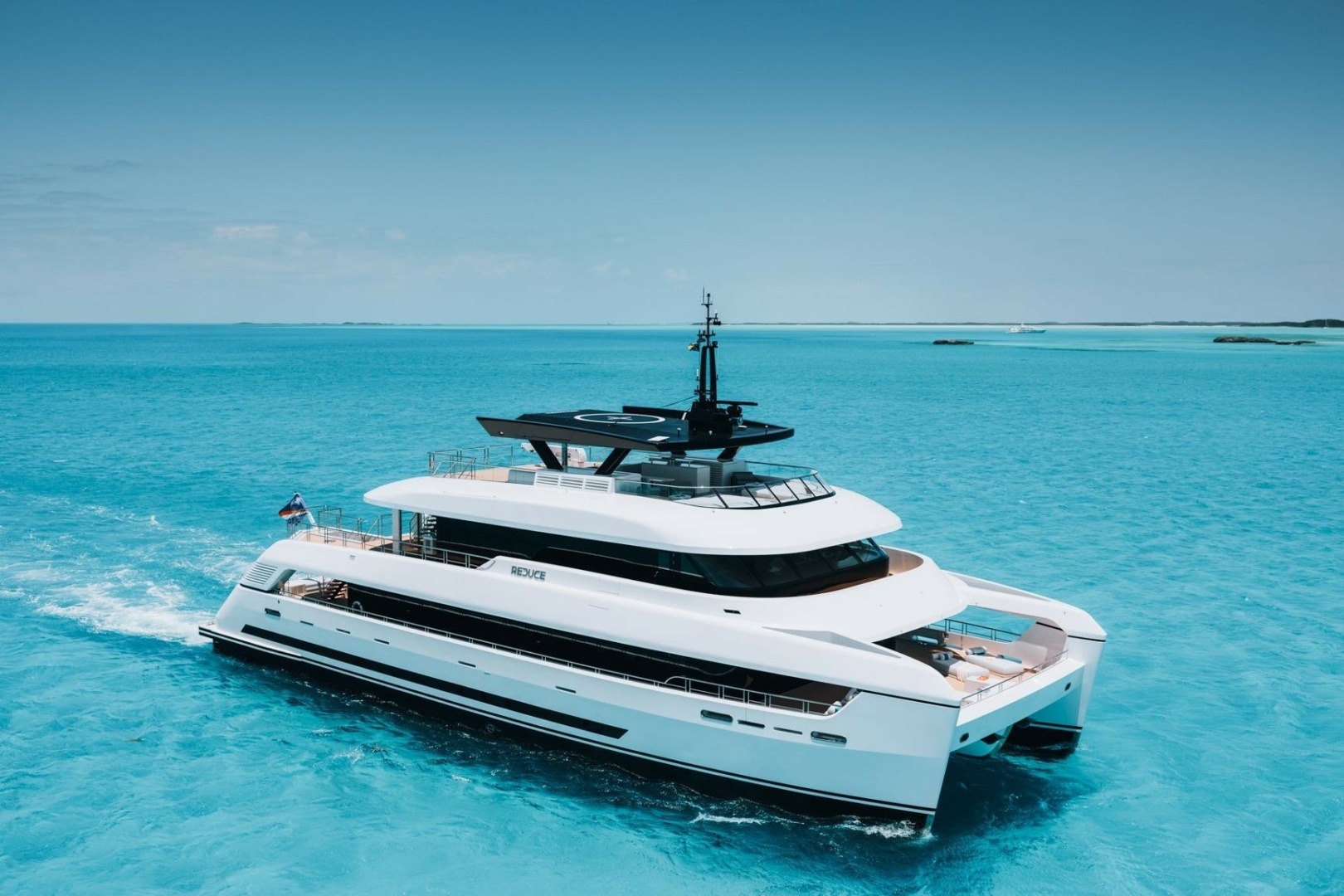
2024 Silver Yachts
$25,400,000
117
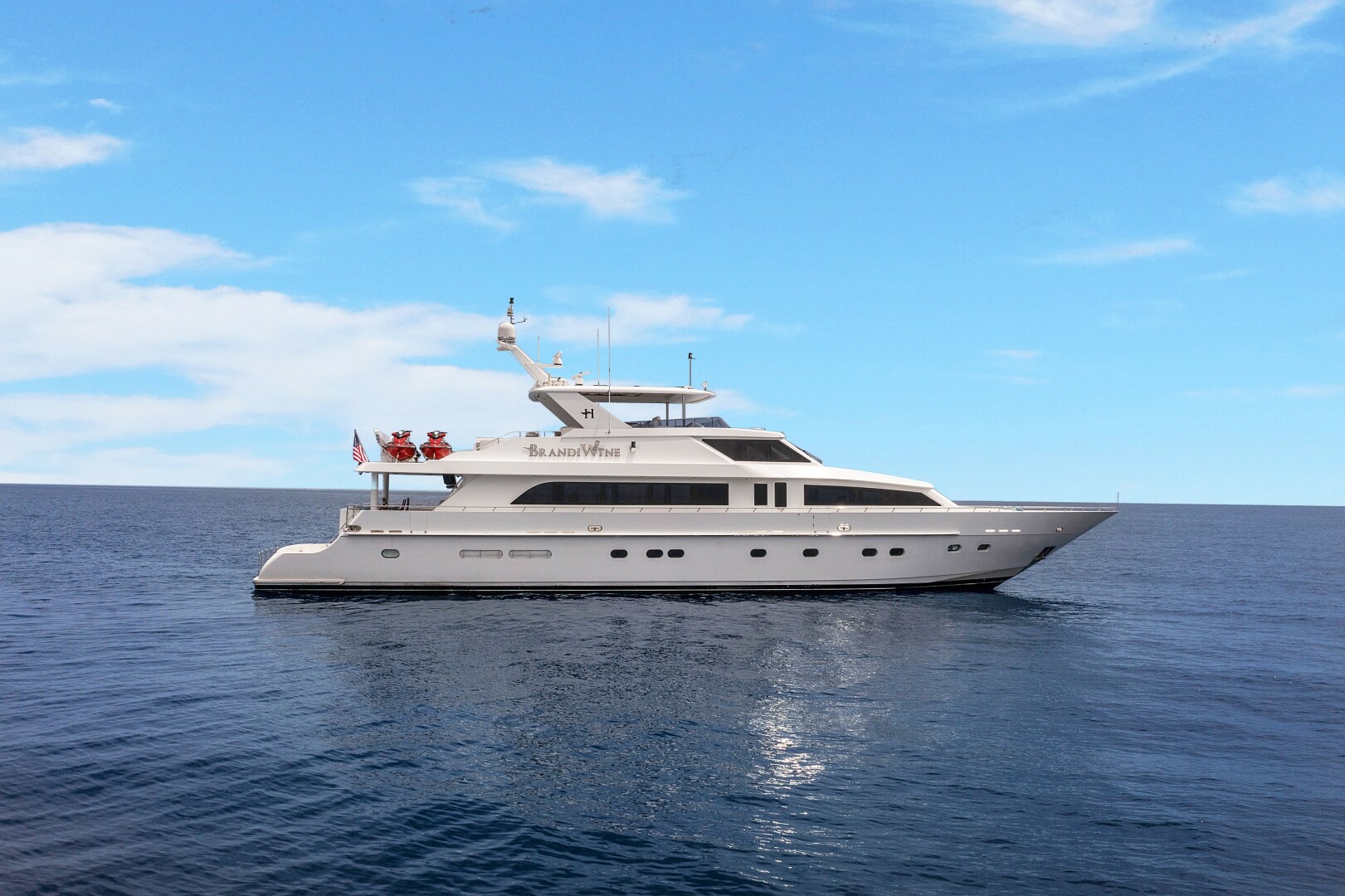
2009 Hargrave BRANDI WINE
$2,995,000
114
Fort Lauderdale Florida

2028 Extra Yachts
$21,404,500
100
Ancona

2028 Extra Yachts Extra 96
$9,495,000
96
Ancona
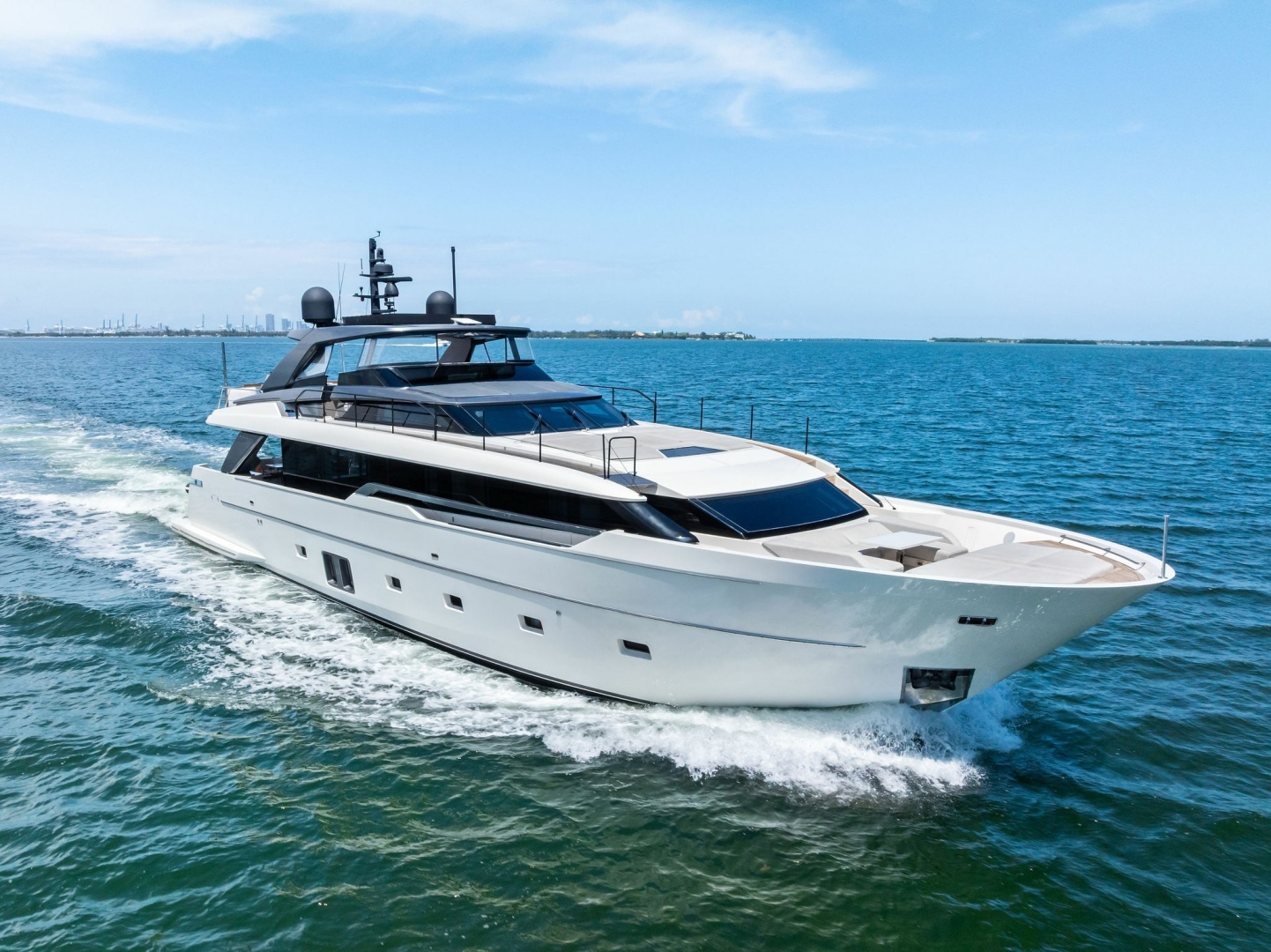
2021 Sanlorenzo GATSBY
$6,795,000
96
Miami Beach Florida

1999 Northern Marine OFF LINE
$2,495,000
84
Ft Lauderdale Florida
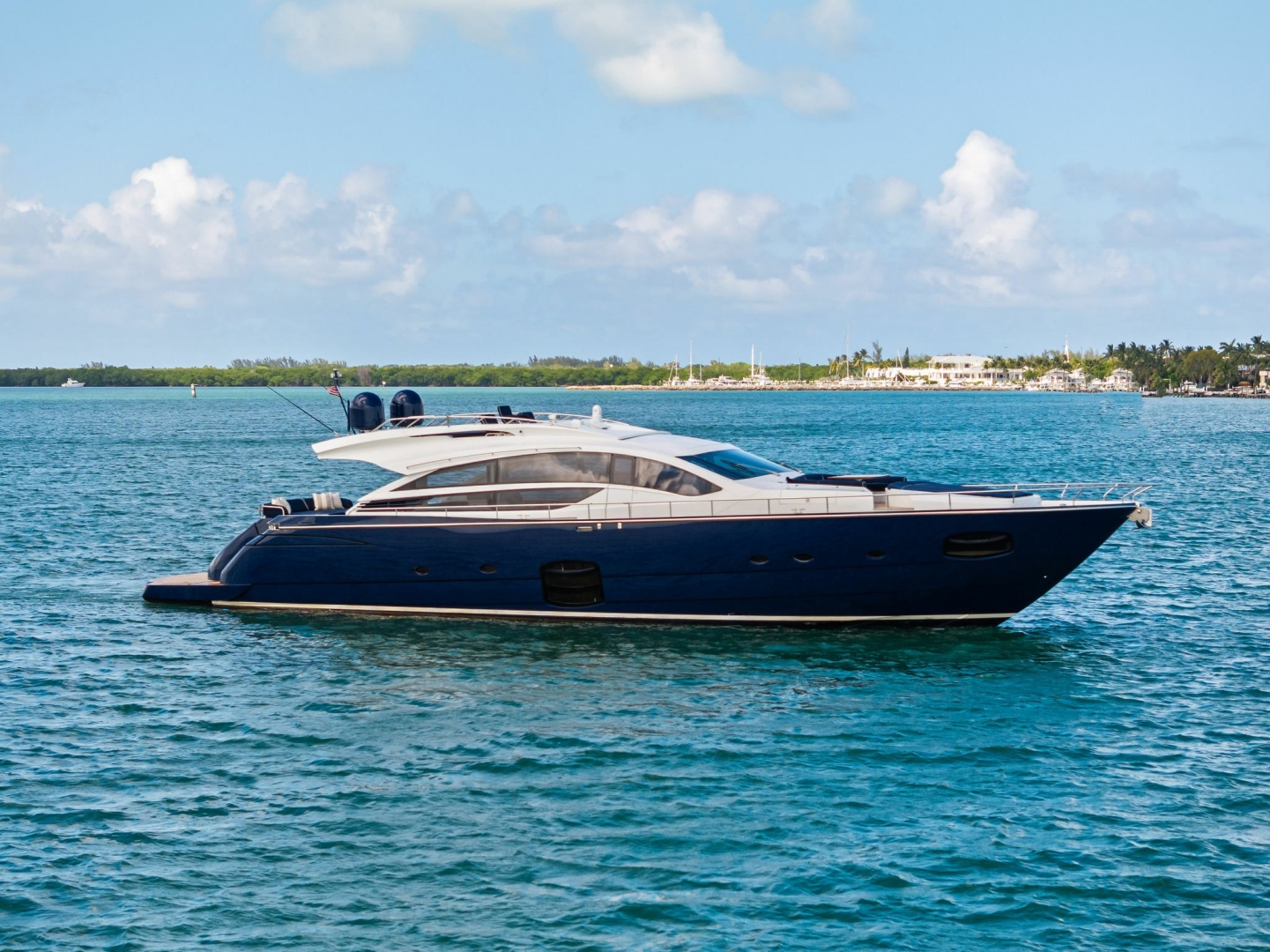
2013 Pershing DOROTHY ANN
$1,750,000
82
Miami Beach Florida

1997 Ferretti Yachts
$850,000
80
La Paz
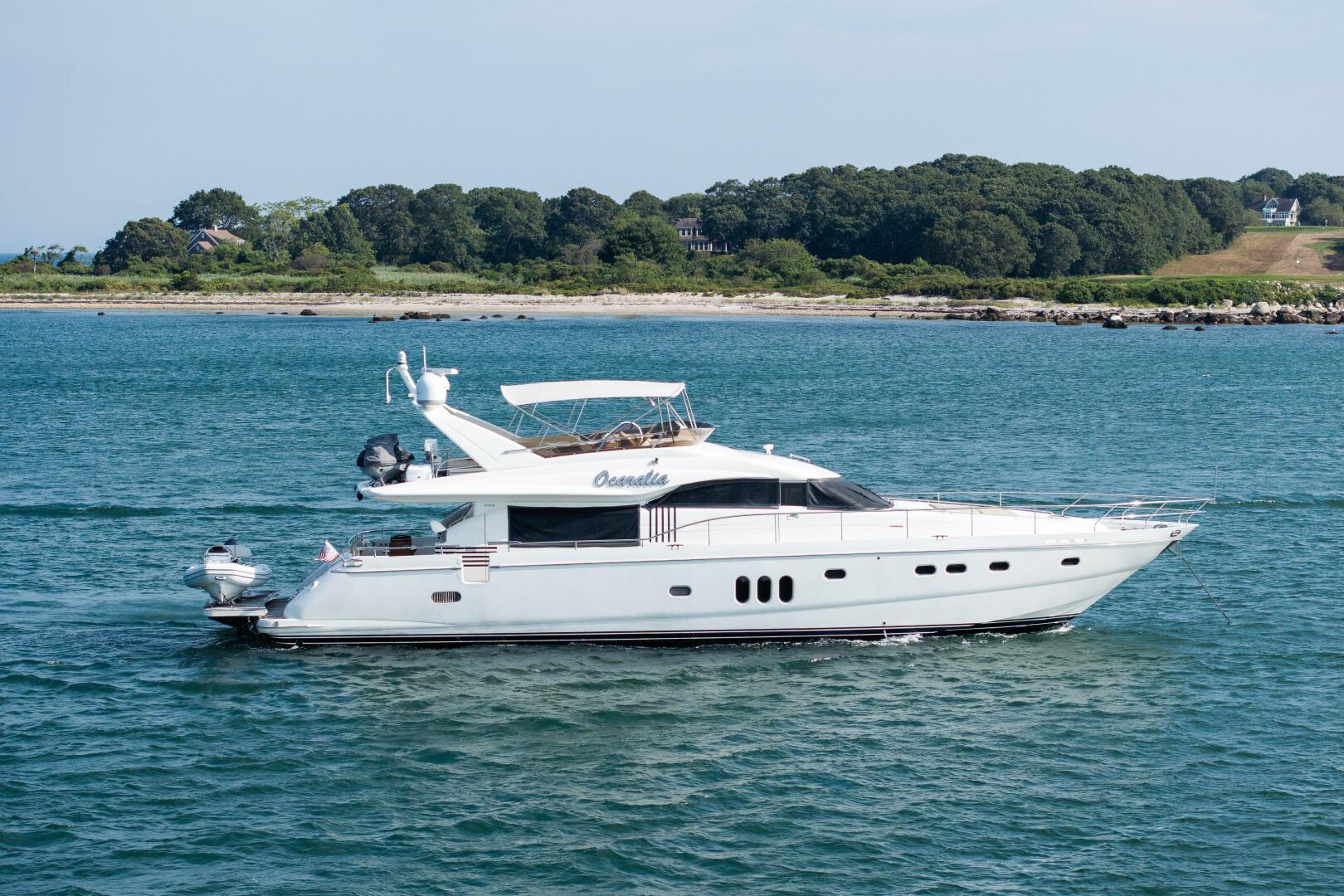
2008 Princess Yachts OCARALIA
$1,095,000
75
Charleston South Carolina
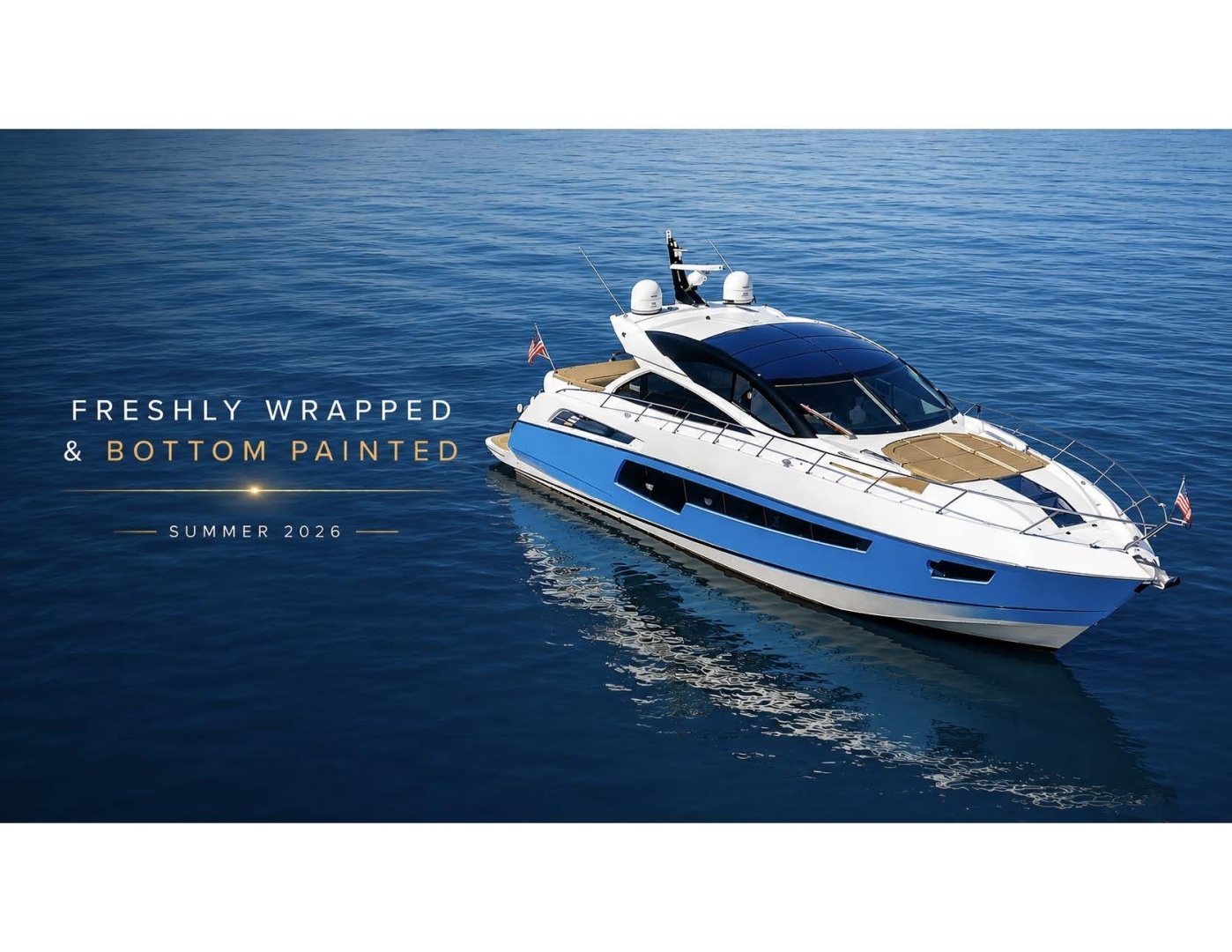
2014 Sunseeker
$1,400,000
68
New York New York

2024 Fairline
$2,750,000
68
Ft. Lauderdale Florida

2024 Sunreef Catallaxi
$3,700,000
60
Newport Rhode Island
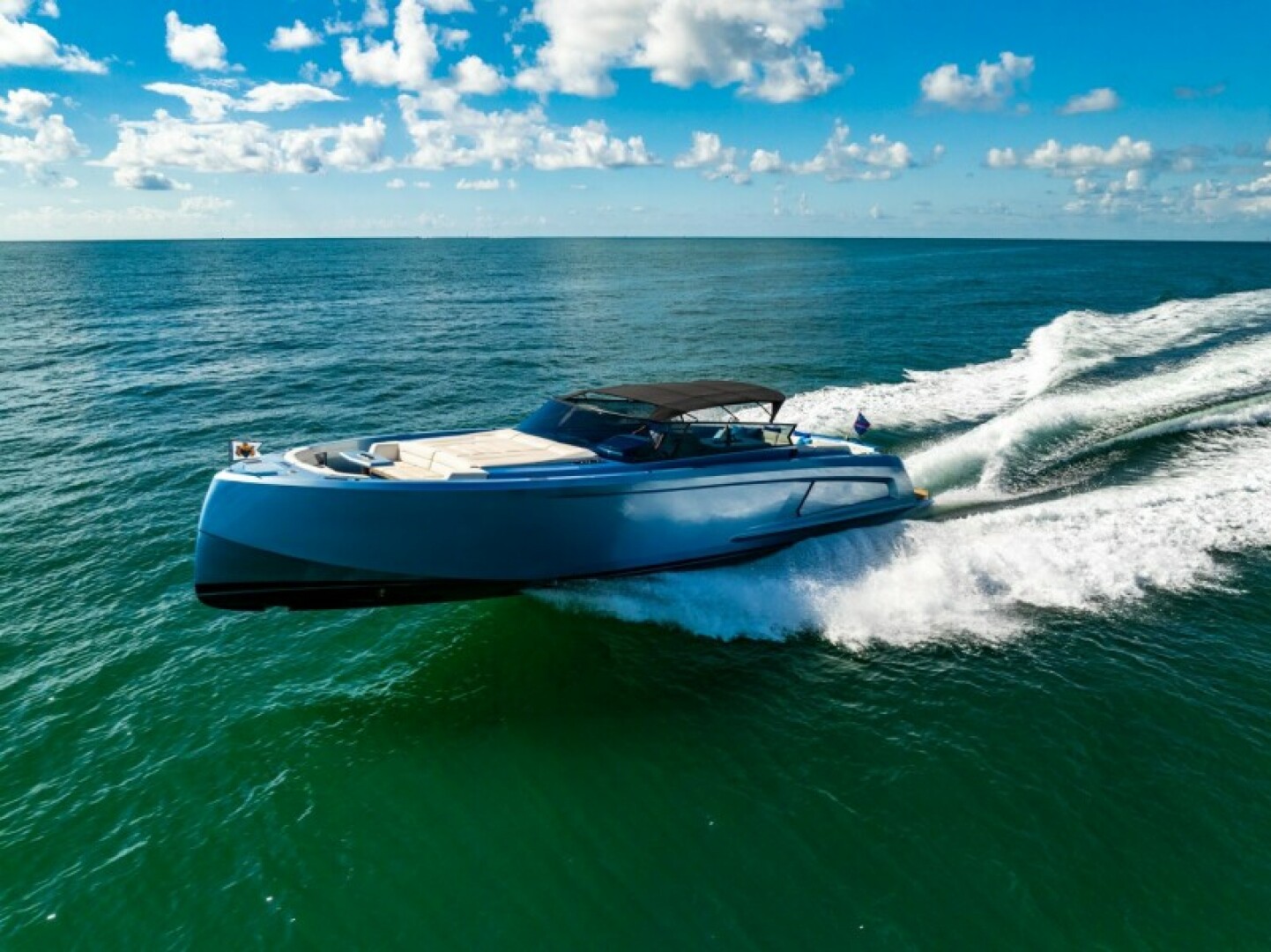
2019 Vanquish Yachts IMPULSIVE
$1,799,000
58
Miami Beach Florida
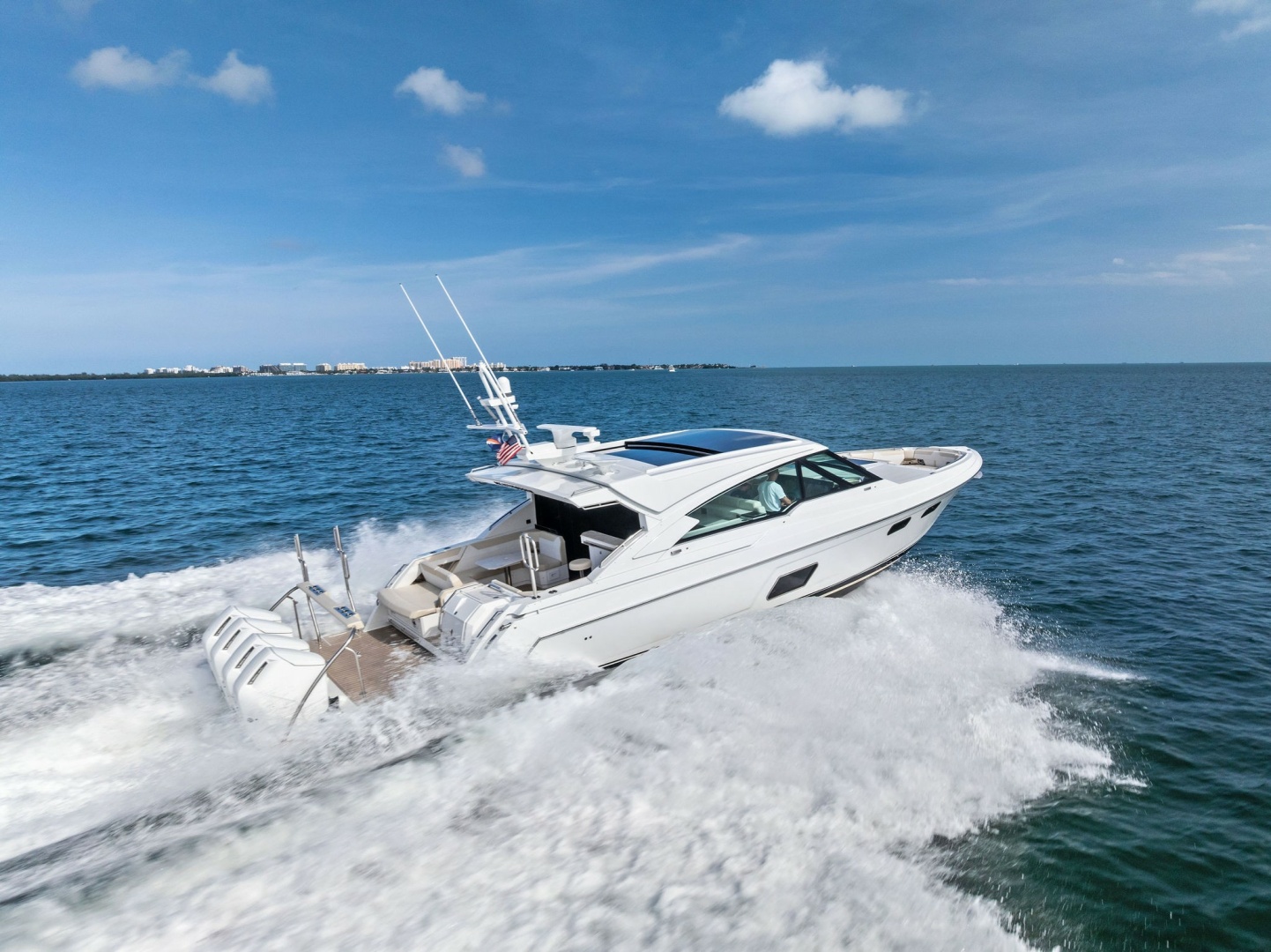
2025 Formula BREAKTHROUGH III
$1,895,000
53
Miami Beach Florida

2023 Fairline
$900,000
45
Fort Lauderdale Florida
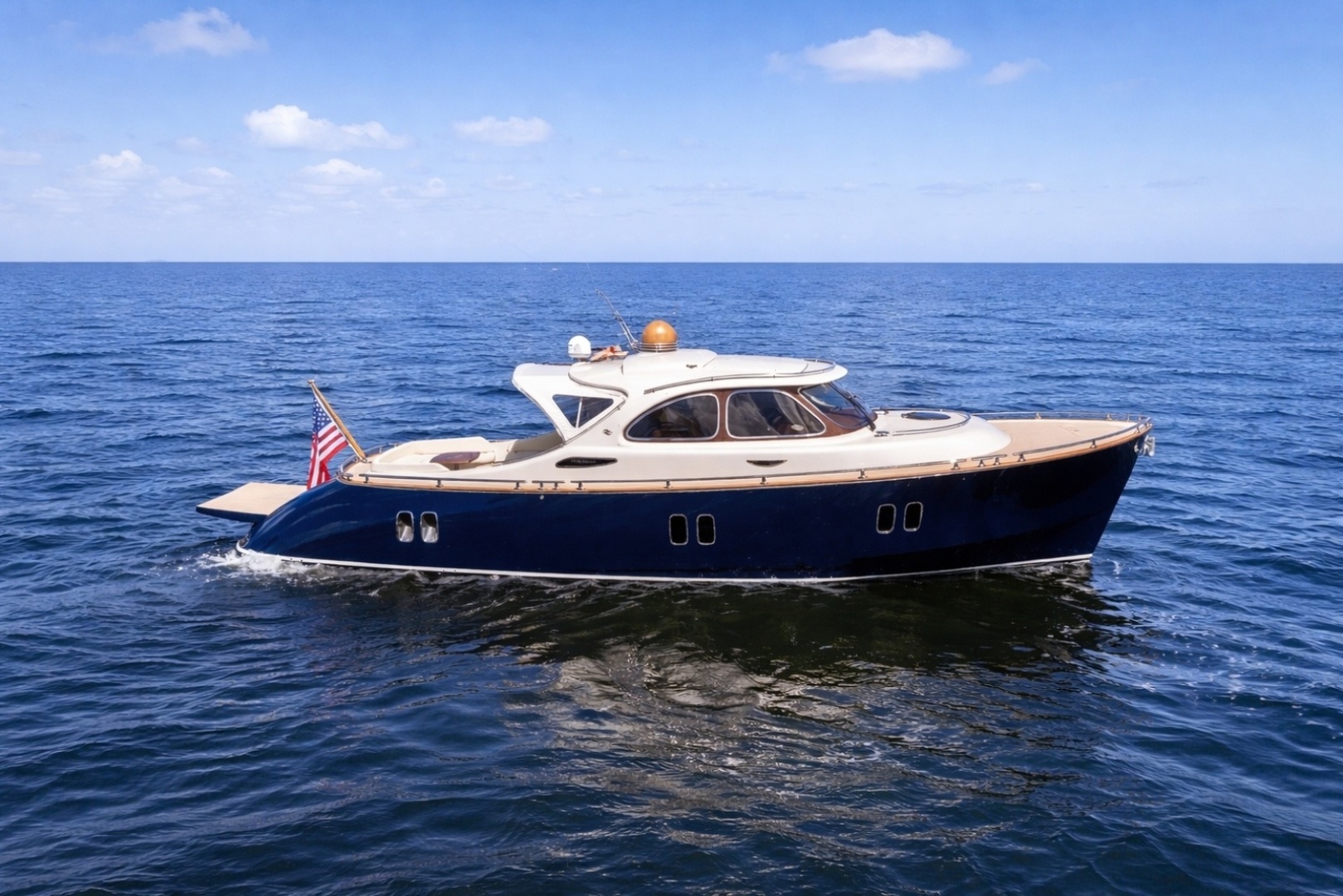
2012 Zeelander Mississippi Queen
$575,000
44
West Palm Beach Florida
2019 Bilgin 156'
$21,404,500
2028 Columbus Yachts 137'
$22,900,008
2012 Benetti 132'
$10,975,000
2024 Silver Yachts 117'
$25,400,000
2009 Hargrave 114'
$2,995,000
2028 Extra Yachts 100'
$21,404,500
2028 Extra Yachts 96'
$9,495,000
2021 Sanlorenzo 96'
$6,795,000
1999 Northern Marine 84'
$2,495,000
2013 Pershing 82'
$1,750,000
1997 Ferretti Yachts 80'
$850,000
2008 Princess Yachts 75'
$1,095,000
2014 Sunseeker 68'
$1,400,000
2024 Fairline 68'
$2,750,000
2024 Sunreef 60'
$3,700,000
2019 Vanquish Yachts 58'
$1,799,000
2025 Formula 53'
$1,895,000
2023 Fairline 45'
$900,000
2012 Zeelander 44'
$575,000