

Yes, you can buy a yacht with genuine discretion, but not true anonymity. Layered ownership vehicles and trusted intermediaries keep your name off public registries and away from competitors, brokers’ gossip, and marina rumor mills. What they cannot do is shield you from the U.S. Treasury’s beneficial ownership reporting rules or the sanctions and anti-money-laundering checks your bank and insurer will run before a single dollar moves.
TL;DR:
- Forming an LLC in Delaware or Wyoming hides member identities from public records but does not prevent the filing of beneficial ownership information with FinCEN.
- Special purpose vehicles are often used to isolate liability and enhance privacy when multiple assets or family members share ownership.
- Choosing a flag with a closed registry improves ownership privacy but may restrict crewing, chartering options, and port access.
- Federal laws require disclosure of actual beneficial owners to regulators and financial institutions, making true anonymity impossible.
- Off-market yacht purchases rely on trusted referrals, staged disclosures, NDAs, and private negotiations to maintain buyer confidentiality.
Table of Contents
- Why Wealthy Buyers Want to Buy a Yacht Anonymously
- Ownership Vehicles That Keep Your Name Off the Registry
- How Does Flag State Choice Affect Yacht Ownership Privacy?
- What Are the Legal Limits on Anonymous Yacht Ownership?
- Off-Market Deals: How Privacy-First Buyers Actually Acquire Yachts
- Building Your Advisory Team for Confidential Due Diligence
- Step-by-Step: How to Buy a Yacht Confidentially
- What Does a Discreet Yacht Purchase Cost?
- What Yachts-bysteve Offers Discreet Buyers
- Balancing Discretion With Compliance: A Perspective
- Ready to Buy Your Yacht Discreetly? Here’s How to Start
- Sources
- FAQ
Why Wealthy Buyers Want to Buy a Yacht Anonymously
There’s a reason so many yacht deals happen quietly, and it rarely has anything to do with hiding money. For a public figure, a family with young children, or an executive whose net worth is common knowledge, a 150-foot yacht with your name on the registration is an open invitation. Marina staff talk. Dockhands post photos. A vessel registered to “John Smith, CEO” is a security risk that a vessel registered to “Meridian Holdings LLC” simply isn’t.
There are practical business reasons too, and they show up more often than the privacy angle:
- Chartering the yacht commercially usually requires a corporate owner for liability and tax reasons, not personal ownership.
- Crew employment contracts, payroll, and workers’ compensation coverage are cleaner under a corporate structure than under an individual’s name.
- Financing terms often favor an entity that can ring-fence the vessel’s liabilities away from the owner’s other assets.
- Insurance underwriters frequently prefer dealing with a single corporate policyholder rather than a private individual with a complex asset portfolio.
Here’s the line that matters. A clear line to remember is that privacy is a legitimate goal, concealment from regulators is not. Wanting your yacht purchase discreetly handled so it doesn’t end up in a gossip column is normal. Structuring a deal to dodge beneficial ownership disclosure or sanctions screening is a federal problem waiting to happen. Everything that follows assumes you’re aiming for the first, not the second.
Ownership Vehicles That Keep Your Name Off the Registry
Most discreet yacht purchases run through some combination of a domestic LLC, a special purpose vehicle, or, less commonly, a trust. Each one solves a slightly different problem, and none of them is a magic cloak.
A Delaware or Wyoming LLC is the workhorse of American yacht privacy. Both states allow you to form an entity without listing members or managers in the public filing, so a curious competitor or journalist searching the secretary of state’s database finds a company name and a registered agent, nothing more. State-level privacy like this is real and well documented, but it stops at the state line: under the Corporate Transparency Act, beneficial ownership information still has to be reported to FinCEN, even though the public can’t see it.
Special purpose vehicles (SPVs) go a step further when a yacht is one asset among several, or when multiple family members or investors share ownership. An SPV isolates the vessel’s liabilities, insurance claims, and financing from everything else you own. Industry advisors who structure these deals routinely describe privacy as the secondary benefit; the primary one is ring-fencing operational risk so a crew injury or a grounding claim never touches your other holdings.
Trusts make sense mainly for succession planning or when a family wants the yacht to outlive a single owner’s involvement, but they add administrative weight. Trustees have fiduciary duties, annual accountings, and a layer of paperwork that a straightforward LLC doesn’t require. Most buyers who want speed and simplicity skip the trust unless estate planning is already part of the picture.
Nominee managers round out the toolkit. A private operating agreement can name a nominee as the LLC’s public-facing manager while you retain full beneficial control behind the scenes. This is common and legal, but it only affects what shows up in public filings. It does nothing for your bank’s know-your-customer file.
- Delaware and Wyoming LLCs hide membership from public records but not from FinCEN.
- SPVs isolate liability and are the default structure for buyers with multiple assets.
- Trusts add privacy plus succession planning, at the cost of more paperwork.
- Nominee arrangements manage public perception, not regulatory exposure.
Pro Tip: Set up the entity before you make an offer, not after. Sellers and brokers move fast on off-market deals, and scrambling to form an LLC mid-negotiation is the single most common reason a discreet buyer’s identity leaks anyway.
The tradeoff every buyer eventually hits: your bank, your insurer, and the port authority where you’ll berth the yacht will all want to know who’s actually behind the entity. A holding company name satisfies a public records search. It satisfies almost nobody who’s actually underwriting your risk.
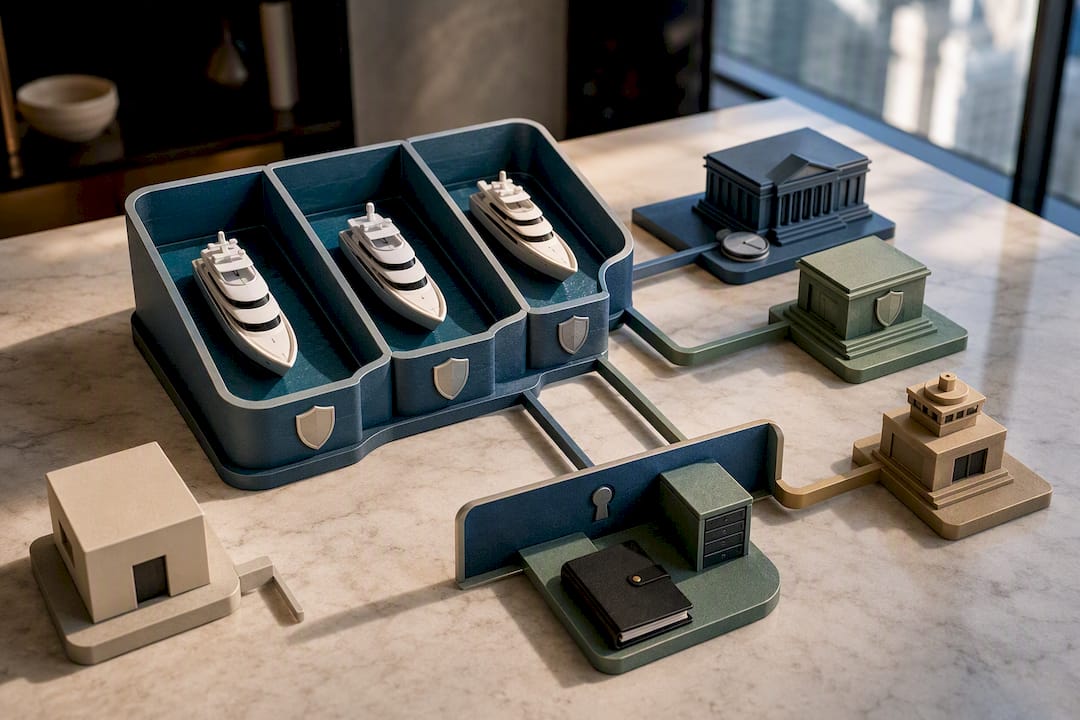
How Does Flag State Choice Affect Yacht Ownership Privacy?
The flag you register under changes what the public can see and what your crew has to deal with every single day. Closed registries, several of which are popular with private yacht owners, generally don’t publish beneficial ownership details and keep vessel records available only to authorized parties. Open registries, by contrast, often maintain more publicly searchable data, which is exactly what a buyer trying to stay under the radar wants to avoid.
But the flag isn’t just a privacy lever. It governs crew certification standards, the frequency and rigor of safety inspections, and whether you can legally charter the vessel commercially in certain waters. A flag chosen purely for its closed registry might create headaches when you try to hire European crew or bring the yacht into a port with strict flag-state reciprocity agreements.
- Closed registries limit public access to ownership records but may narrow your crewing and chartering options.
- Open registries offer operational flexibility and broader port acceptance, at the cost of more visible ownership data.
- Insurers and lenders often have their own flag preferences tied to inspection regimes and claims history.
Financing and insurance underwriters frequently steer buyers toward flags with established inspection track records, because a lender wants confidence the vessel meets recognized safety standards. Your maritime attorney and yacht manager should weigh in on flag choice before the entity is even finalized, because unwinding a bad flag decision after registration is expensive and slow.
What Are the Legal Limits on Anonymous Yacht Ownership?
Here’s where the fantasy of true anonymity runs into federal law. The Corporate Transparency Act requires most LLCs and corporations, including the ones formed to hold a yacht, to file beneficial ownership information with FinCEN. That filing identifies the real individual or individuals who own or control the entity.
The BOI database itself is not a public record. Access is restricted to law enforcement, specified government agencies, and financial institutions operating under defined regulatory circumstances, not to journalists, competitors, or curious neighbors at the marina.
That distinction is the whole ballgame. Your privacy strategy works against the public and against competitors. It does not work against your bank, which will demand beneficial ownership and source-of-funds documentation before wiring a single dollar. It does not work against your insurer, who needs the same information to underwrite the policy. And it does not work against a port authority or law enforcement agency that has a legitimate reason to ask.
Sanctions screening adds another layer entirely. Advisers now routinely have to establish beneficial ownership, source of wealth, and source of funds as a matter of course, because registered ownership on paper tells regulators nothing about who actually controls the asset or where the money came from. A clean LLC structure with no FinCEN filing gaps still won’t clear an OFAC sanctions check if the underlying funds trace back to a restricted party. No amount of nominee layering changes that math.
Off-Market Deals: How Privacy-First Buyers Actually Acquire Yachts
At the high end of the market, the public listing you’d find on a broker’s website represents a small slice of what’s actually for sale. Most acquisitions above roughly $50 million happen off-market, moving through private banker referrals, family office networks, and retained brokers who never publish the boat at all.
This isn’t secrecy for its own sake. It’s how sellers at this level prefer to operate, because a public listing invites tire kickers, press attention, and price speculation. Getting into that private channel requires a few things:
- A referral from a broker, private banker, or family office the seller already trusts, since cold outreach rarely gets a response at this tier.
- Documented proof of seriousness, typically proof of funds or a pre-qualification letter, before the seller’s side will even share specifications.
- A signed NDA that protects both sides before any real financial detail changes hands.
- Staged disclosure of your beneficial ownership, often held back until escrow, so your identity is known only to the parties who legally require it.
Brokers working this segment often use deliberately cryptic outreach, private messages describing a “hull” or an “opportunity” without naming the yacht, to gauge interest before revealing anything specific. Sellers, meanwhile, frequently insist on a broker or private banker vouching for the buyer before they’ll engage at all. Without that vouch, plenty of owners simply won’t take the call.
Pro Tip: Ask any broker pitching you an off-market yacht how they’d protect your identity through escrow. If they don’t have a clear answer involving a named escrow agent and a staged disclosure plan, they haven’t done this before.
Building Your Advisory Team for Confidential Due Diligence
A discreet purchase at the highest price points can involve a genuinely large team. Deals above the $100 million mark often coordinate somewhere between fifteen and twenty specialists under the buyer’s broker, and every one of them needs to be read into the confidentiality plan before they touch the deal.
The core team you’ll actually need:
- A maritime attorney to structure the entity, review the purchase agreement, and manage the FinCEN filing.
- A buyer’s broker who can access off-market inventory and manage seller relationships without exposing your identity prematurely.
- A marine surveyor to conduct the physical inspection, coordinated privately so the yacht’s location and the inspection schedule don’t leak.
- An insurance broker who can quietly gather quotes without listing the prospective owner’s name across multiple underwriters.
- Tax counsel to model the entity’s tax exposure across states or jurisdictions before you sign anything.
- A yacht manager to handle crew, maintenance, and flag compliance once the deal closes.
Confidentiality mechanics matter as much as the team itself. NDAs get signed before specifications are shared. Survey logistics get arranged through a single point of contact rather than a chain of emails. Communications route through encrypted channels where the deal size warrants it. And beneficial ownership disclosure gets staged so only the escrow agent and the bank see it before closing, not the broader deal team. Getting the due diligence and survey process right is where most leaks actually happen, usually through sloppy logistics rather than bad intent.
Step-by-Step: How to Buy a Yacht Confidentially
A discreet acquisition follows a fairly predictable sequence, even when the yacht itself is anything but ordinary.
- Define your specifications and budget privately with a trusted intermediary before contacting any broker or seller.
- Form your ownership entity, whether an LLC, SPV, or trust, with counsel before you make an offer, not after.
- Engage a buyer’s broker and maritime attorney under NDA, and let them source off-market hulls that match your brief.
- Arrange a private inspection and survey, coordinated through one point of contact to limit who knows the yacht’s location and timing.
- Line up insurance quotes quietly, using the entity name rather than your personal name wherever underwriters allow it.
- Complete escrow, satisfy the bank’s beneficial ownership and source-of-funds review, and file the required FinCEN BOI report.
- Close the deal, register under your chosen flag, and hand operational control to your yacht manager.
Each step protects a different piece of your privacy. Skipping the entity formation step until after you’ve made an offer is the most common unforced error, because it forces you to either delay the deal or sign in your personal name and clean it up later. Neither option is good. A structured approach to the purchase process keeps every one of these steps in the right order.
What Does a Discreet Yacht Purchase Cost?
Discretion has a price tag, and it’s worth budgeting for honestly before you fall in love with a specific hull.
- Legal fees for entity formation, purchase agreement review, and FinCEN filing typically run into the tens of thousands of dollars for a complex structure.
- Broker commissions on completed sales generally follow standard industry percentages of the purchase price, negotiated case by case.
- Entity formation and annual registered agent fees are modest, usually a few hundred to a few thousand dollars depending on the state and structure.
- Marine survey costs scale with vessel size and complexity, often reaching well into five figures for a full pre-purchase inspection on a large yacht.
- Recurring costs, crew salaries, management fees, insurance premiums, and berthing, commonly run 10% or more of the purchase price annually, and protecting your investment’s finish through gelcoat protection can help maintain value, a figure most first-time buyers underestimate.
Timeline depends almost entirely on the channel. An off-market deal with a motivated seller and a pre-formed entity can close in a matter of weeks. A public-market purchase, particularly one requiring financing or a more elaborate ownership structure, often stretches across several months once survey, sea trial, and closing logistics are all factored in.
What Yachts-bysteve Offers Discreet Buyers
Yachts-bysteve works with buyers for whom a public listing is the last thing they want attached to their name. Confidential buyer representation is a core part of how the brokerage operates, which means your specifications, your budget, and your identity stay compartmentalized until you decide otherwise.
Access to off-market listings is where much of the real inventory lives, and Yachts-bysteve coordinates directly with sellers, family offices, and other brokers to surface hulls that never touch a public site. That coordination extends to your maritime attorney and tax counsel, so the entity structure and the acquisition timeline move in sync instead of working against each other.
If you’re ready to move forward, here’s what to prepare before reaching out:
- A clear written brief on specifications, budget range, and preferred flag or registry.
- Proof of funds or a pre-qualification letter your broker can share under NDA.
- The name of any attorney or family office already advising you, so introductions can happen quickly.
Balancing Discretion With Compliance: A Perspective
The buyers who get into trouble aren’t the ones asking how to keep their name out of the marina gossip mill. They’re the ones who think an LLC is a force field against their bank, their insurer, and federal regulators. It isn’t, and treating it like one is how a straightforward privacy strategy turns into a legal problem.
What actually works is boring by comparison: form the entity early, tell your attorney everything, and accept that a bank or insurer knowing who you are isn’t a failure of your privacy plan. It’s the plan working exactly as designed. The buyers who move the fastest on off-market deals are usually the ones who did their compliance homework before they started shopping, not after a seller asked for it.
— Jason
Ready to Buy Your Yacht Discreetly? Here’s How to Start
If everything above tells you one thing, it’s that discretion works best when it’s built into the deal from the first phone call, not bolted on after a broker has already shared your name with three other people. Yachts-bysteve structures confidential buyer representation from the outset, coordinating off-market access, maritime counsel, and staged disclosure so your identity stays compartmentalized until you decide who needs to see it.
That starts with a private conversation, not a public listing. You share your specifications, budget, and preferred structure under NDA, and Yachts-bysteve works both the off-market network and your advisory team to bring qualified hulls to you rather than the other way around. If you’re ready to move, the fastest path is to choose a broker built for confidential transactions and start that first private brief today.
Sources
The regulatory backbone of this article comes from FinCEN’s own fact sheet on beneficial ownership access and safeguards, which spells out exactly who can and cannot see BOI filings. Market mechanics around off-market superyacht sales draw on Yacht Market Intel’s reporting on how billionaires buy yachts and Business Insider’s coverage of the current superyacht boom. Flag and sanctions guidance comes from The Luxury Playbook’s analysis of ownership, flags, and sanctions exposure.
- How billionaires buy yachts — Yacht Market Intel
- AI wealth is fueling a superyacht boom in secret off-market deals — Business Insider (2026)
- Whose yacht is it really? Ownership, flags and sanctions — The Luxury Playbook (2026)
FAQ
Can You Buy a Yacht for $100,000?
Yes, but at that price you’re generally looking at a used, smaller vessel rather than a superyacht, and the discreet-ownership strategies in this article matter far less at that scale since privacy concerns tend to rise with visibility and vessel size.
Is Buying a Yacht a Tax Write-Off?
A yacht can generate tax deductions in specific circumstances, such as chartering it commercially through a properly structured entity, but personal-use vessels generally don’t qualify, and you should get tax counsel involved before assuming any deduction applies.
What Is the 12-Person Rule on a Yacht?
Regulatory frameworks in various jurisdictions cap the number of passengers a yacht can carry without triggering commercial passenger vessel requirements. Several international maritime conventions set thresholds for passenger numbers; your maritime attorney should confirm the exact rule for your intended flag and use.
Does Forming an LLC Really Keep My Yacht Purchase Private?
An LLC formed in a state like Delaware or Wyoming keeps your name off public filings, but beneficial ownership still must be reported to FinCEN, and your bank, insurer, and any relevant port authority can still require your identity as part of standard due diligence.
Recommended
Featured Listings

2028 Columbus Yachts
$22,900,008
137
Ancona
2012 Benetti PATIENCE
$10,975,000
132
Fort Lauderdale Florida
2028 Kingship Kingship
$20,350,000
125
2024 Silver Yachts
$25,400,000
117
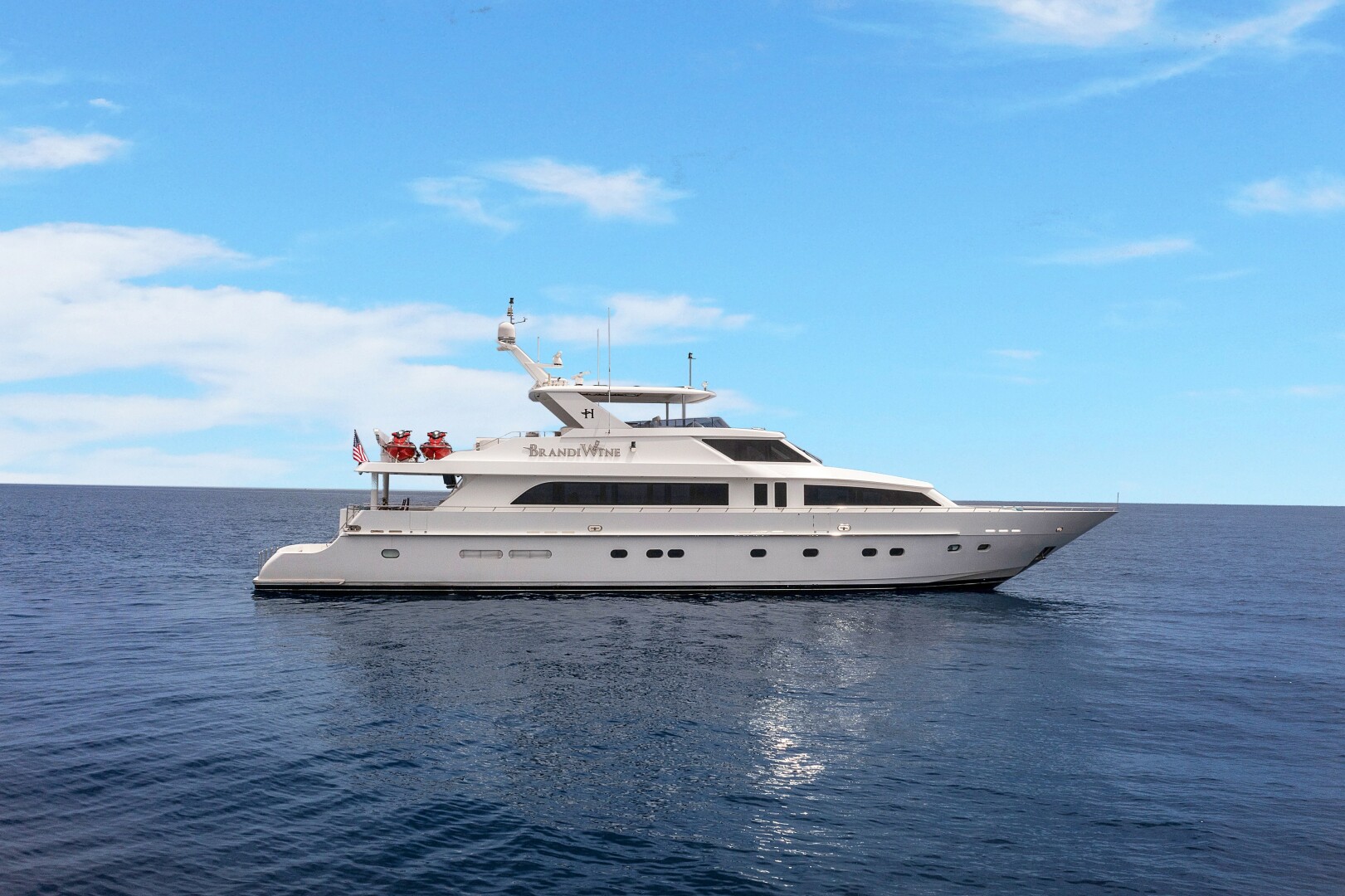
2009 Hargrave BRANDI WINE
$2,500,000
114
Fort Lauderdale Florida

2028 Extra Yachts
$20,350,000
100
Ancona

2028 Alpha
$12,100,000
100
Ft Lauderdale Florida

2028 Extra Yachts Extra 96
$9,495,000
96
Ancona
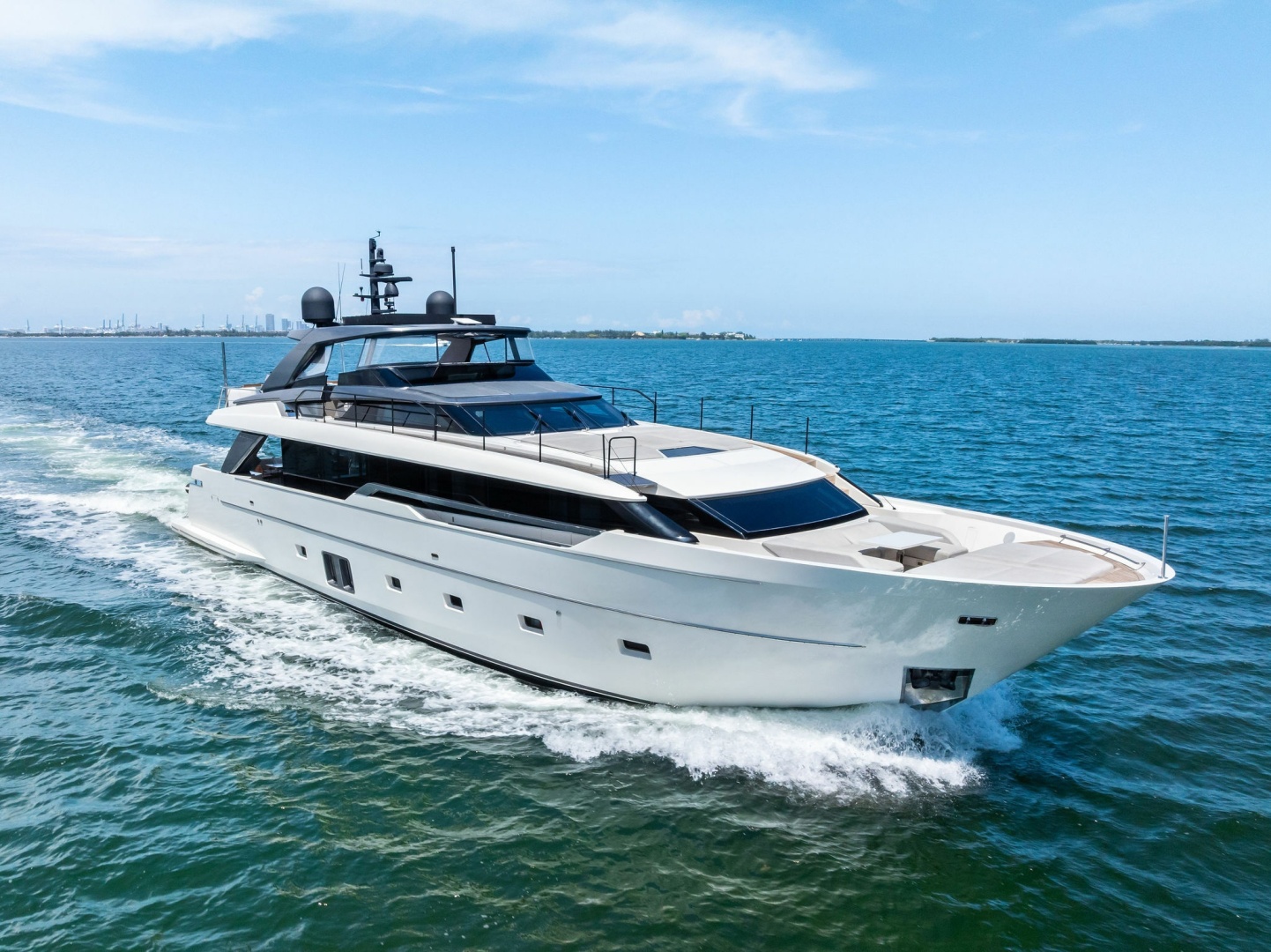
2021 Sanlorenzo GATSBY
$6,795,000
96
Fort Lauderdale Florida
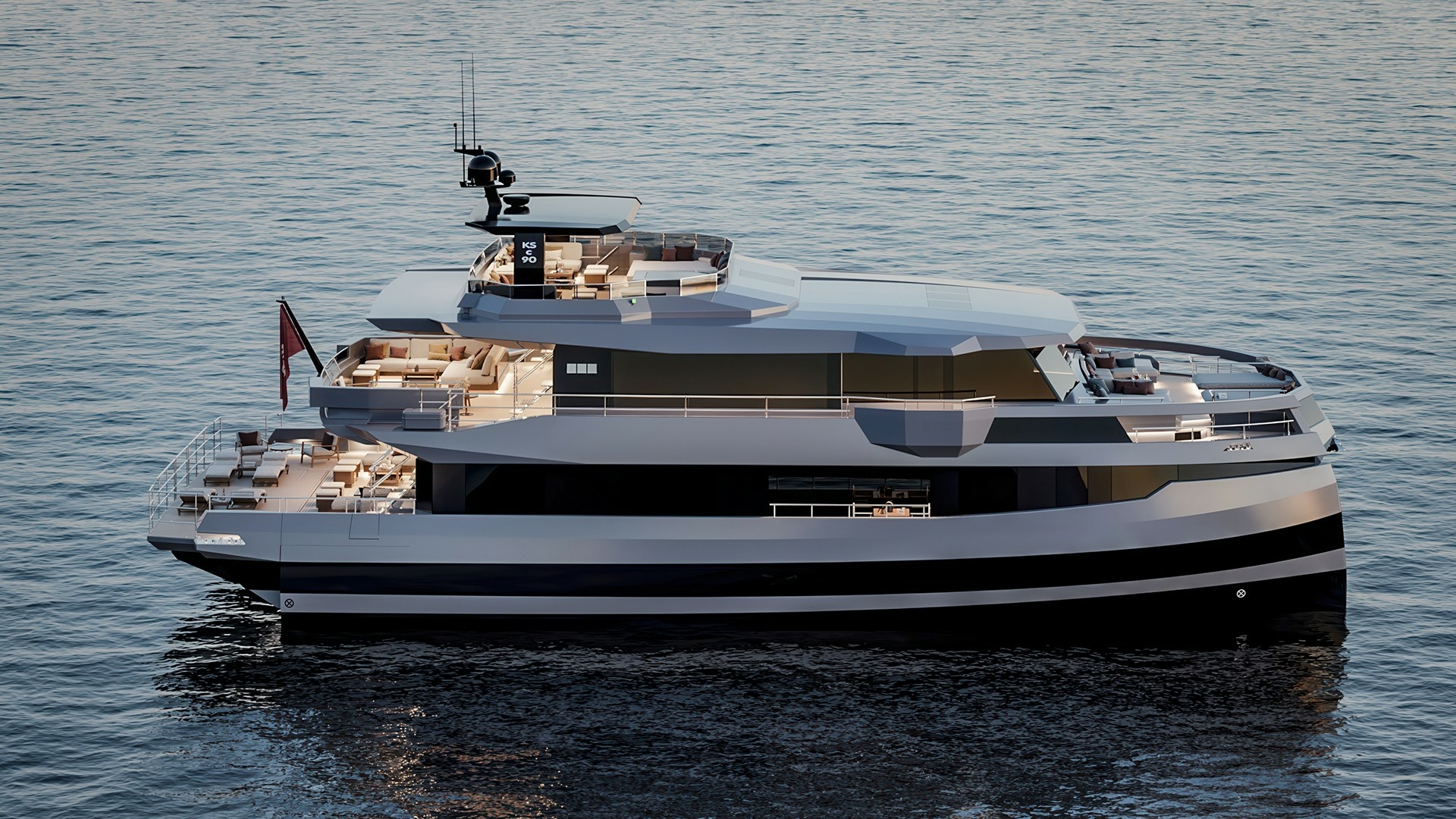
2028 Kingship
$11,990,000
90
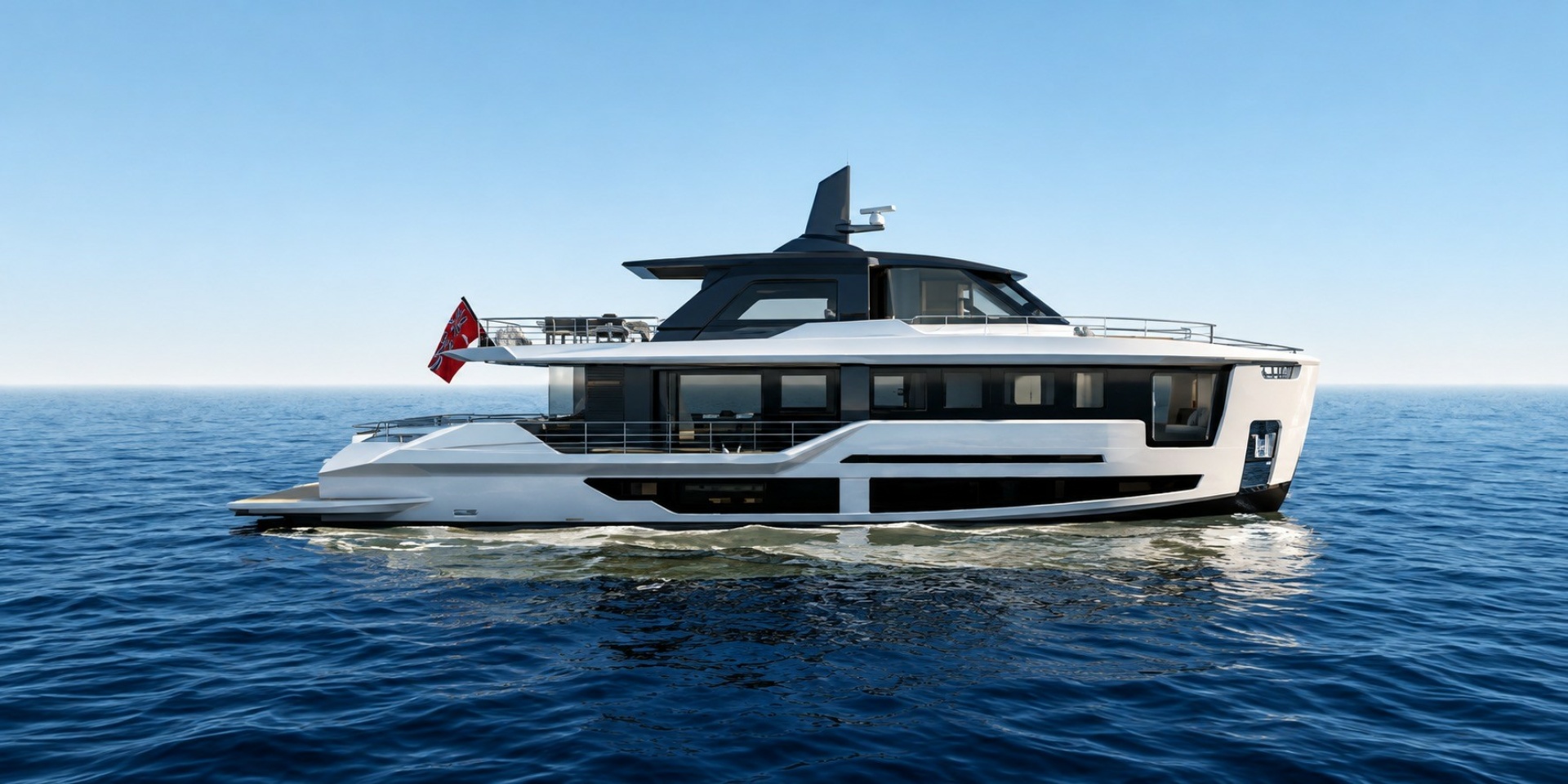
2028 Alpha
$9,894,500
90
Fano
2023 Azimut COMPASS
$7,950,000
88
Miami Beach Florida

1999 Northern Marine OFF LINE
$2,495,000
84
Ft Lauderdale Florida
2013 Pershing DOROTHY ANN
$1,375,000
82
Fort Lauderdale Florida

1997 Ferretti Yachts
$825,000
80
La Paz
2008 Princess Yachts OCARALIA
$1,095,000
75
Charleston South Carolina
2014 Sunseeker
$1,400,000
68
New York New York

2024 Fairline
$2,750,000
68
Ft. Lauderdale Florida
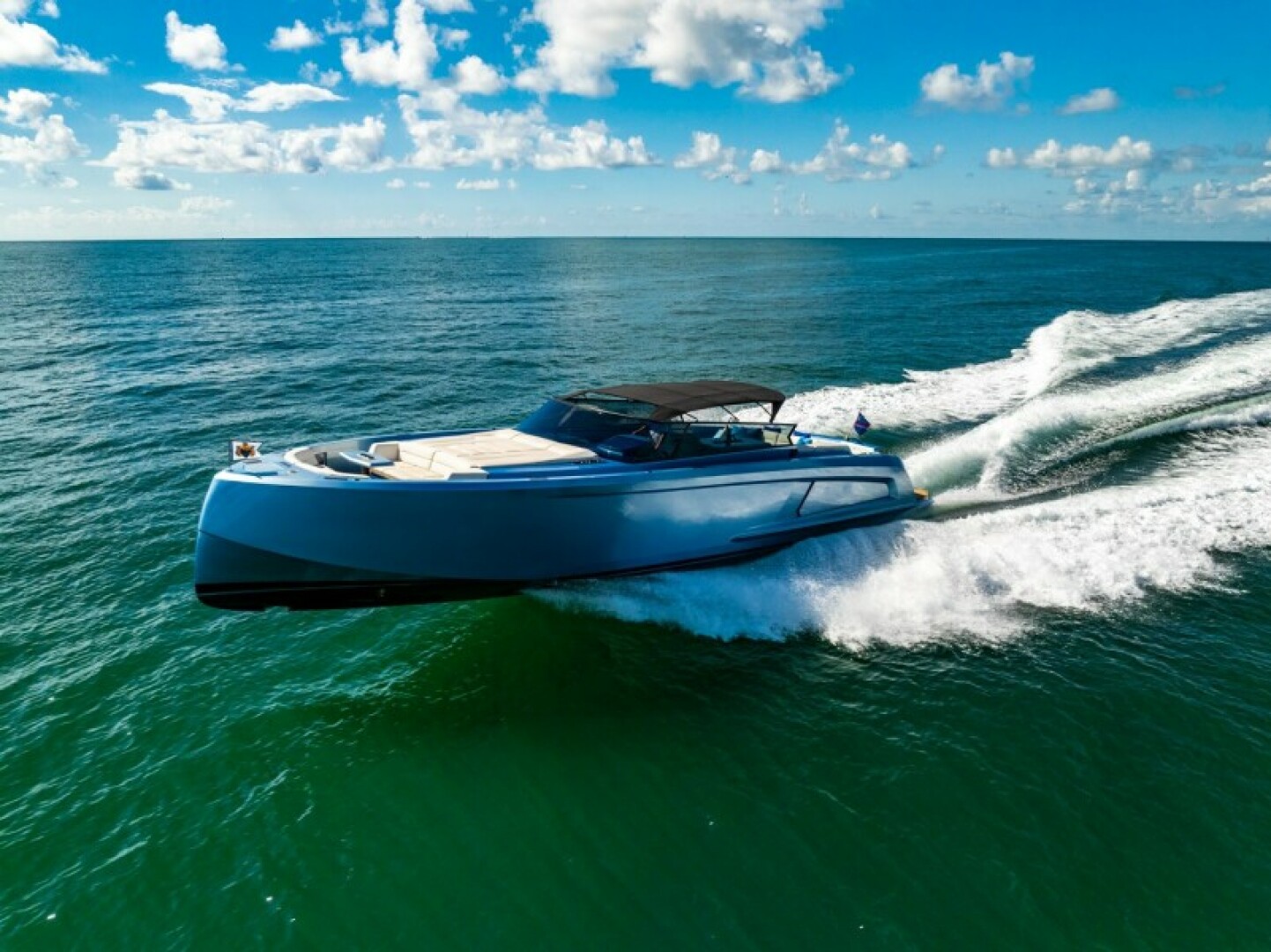
2019 Vanquish Yachts IMPULSIVE
$1,799,000
58
Miami Beach Florida
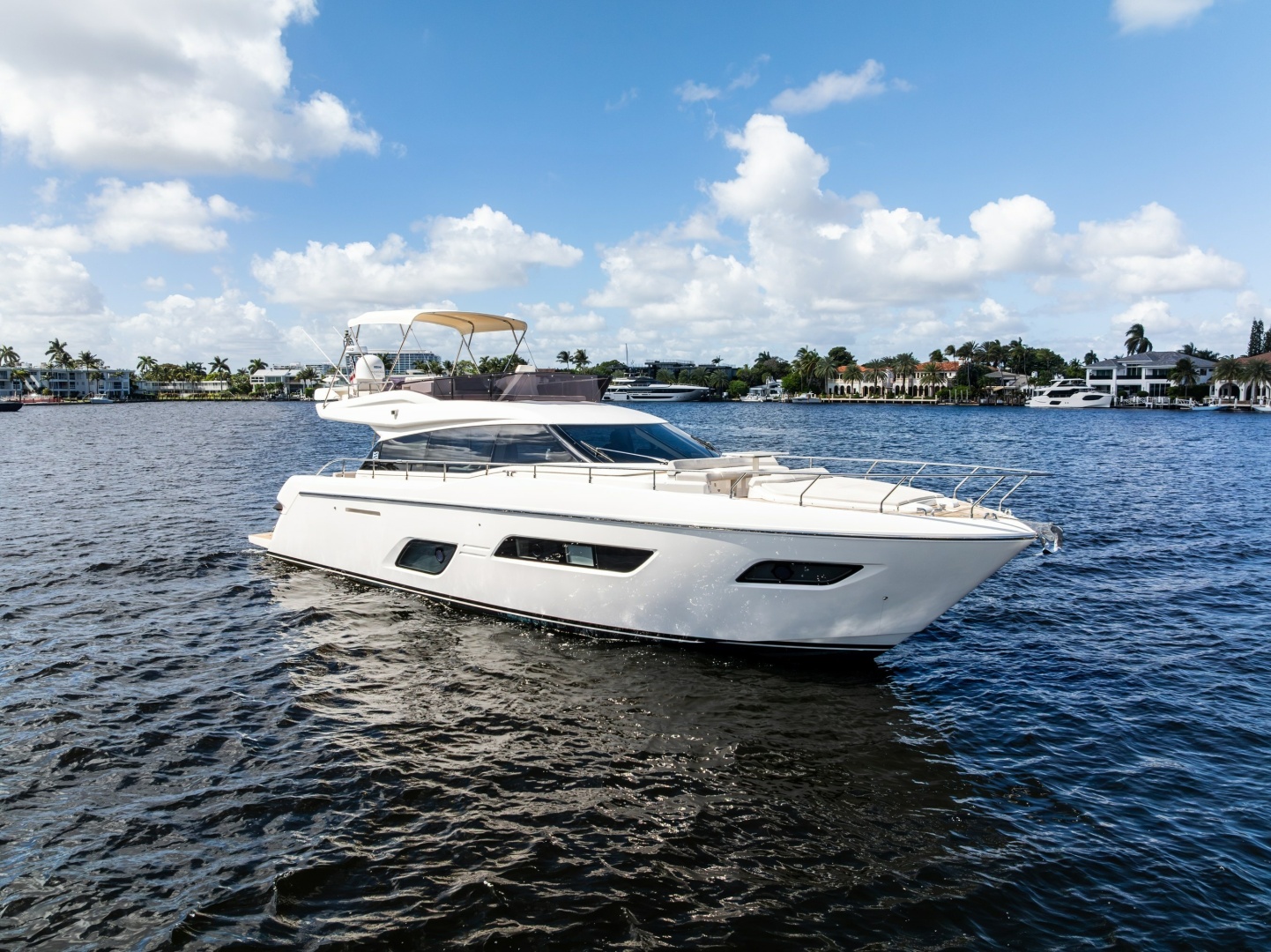
2021 Ferretti Yachts HAVEN
$1,595,000
57
Fort Lauderdale Florida
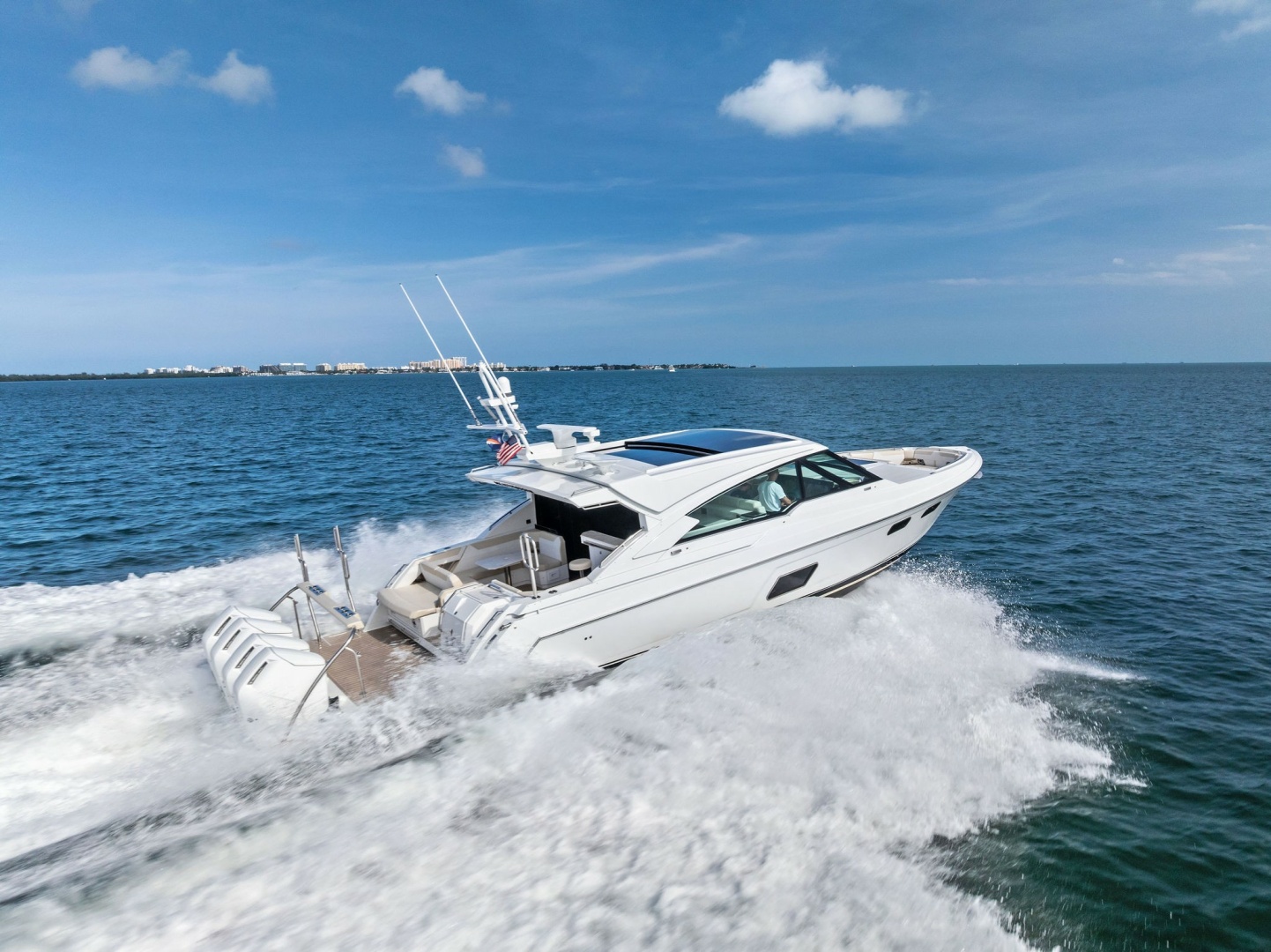
2025 Formula BREAKTHROUGH III
$1,895,000
53
Miami Beach Florida

2023 Fairline
$900,000
45
Fort Lauderdale Florida
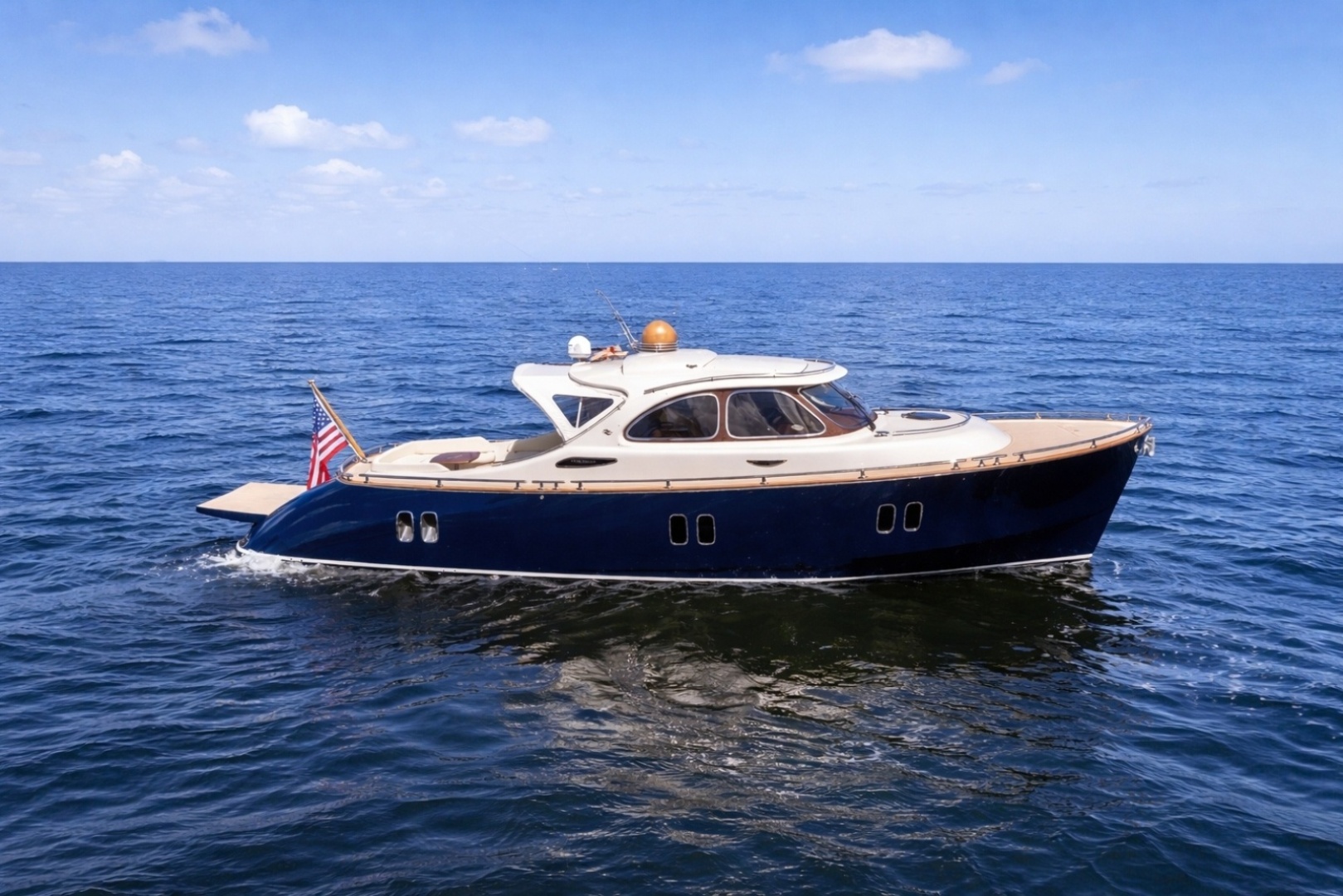
2012 Zeelander Mississippi Queen
$575,000
44
West Palm Beach Florida
2028 Columbus Yachts 137'
$22,900,008
2012 Benetti 132'
$10,975,000
2028 Kingship 125'
$20,350,000
2024 Silver Yachts 117'
$25,400,000
2009 Hargrave 114'
$2,500,000
2028 Extra Yachts 100'
$20,350,000
2028 Alpha 100'
$12,100,000
2028 Extra Yachts 96'
$9,495,000
2021 Sanlorenzo 96'
$6,795,000
2028 Kingship 90'
$11,990,000
2028 Alpha 90'
$9,894,500
2023 Azimut 88'
$7,950,000
1999 Northern Marine 84'
$2,495,000
2013 Pershing 82'
$1,375,000
1997 Ferretti Yachts 80'
$825,000
2008 Princess Yachts 75'
$1,095,000
2014 Sunseeker 68'
$1,400,000
2024 Fairline 68'
$2,750,000
2019 Vanquish Yachts 58'
$1,799,000
2021 Ferretti Yachts 57'
$1,595,000
2025 Formula 53'
$1,895,000
2023 Fairline 45'
$900,000
2012 Zeelander 44'
$575,000