

Discover yacht market segments: key examples and insights
Selecting a yacht is one of the most rewarding decisions a person of means can make, yet it is also one of the most layered. The market spans dozens of vessel categories, price points from modest to extraordinary, and build philosophies that range from efficient production to deeply personal custom creation. Without a clear map of how the market is structured, even experienced buyers can spend months chasing the wrong vessel. This article lays out the essential frameworks for reading the yacht market clearly, covering type, purpose, construction method, and material so you can move toward your ideal yacht with confidence.
Table of Contents
- Explaining yacht market segmentation: key frameworks
- Market segments by yacht type: from motor to explorer
- Segmentation by purpose and application: leisure, charter, expedition, and more
- Build and material segments: production, semi-custom, and full custom
- A yacht expert’s take: what most buyers miss about market segments
- Find your best-fit yacht with expert guidance
- Frequently asked questions
Key Takeaways
| Point | Details |
|---|---|
| Yacht segmentation frameworks | Understanding market segments by type, purpose, build, and propulsion is essential for buyers. |
| Motor yachts dominate | Motor yachts lead the global market with over 89% share, particularly in luxury charter revenue. |
| Leisure and charter growth | Leisure yachts hold 65% market share while charter/commercial segments are the fastest growing. |
| Build impacts value | Production, semi-custom, and custom segments offer different control, timelines, and investment levels. |
Explaining yacht market segmentation: key frameworks
The yacht market is not a single, uniform landscape. It is a richly varied terrain shaped by distinct buyer needs, usage patterns, engineering traditions, and lifestyle aspirations. Understanding how analysts and brokers carve up that terrain puts you in a far stronger position to evaluate listings, ask the right questions, and ultimately choose a vessel that fits your life.
The four primary segmentation frameworks are type, purpose, propulsion and hull design, and build method or material. Each one reveals something different about a yacht and about the buyer it suits best.
By type, the market covers motor yachts, sailing yachts, superyachts, sport yachts, flybridge yachts, explorer yachts, expedition yachts, catamarans, and several other specialist categories. Each type carries a specific set of design priorities, from speed and range to comfort volume and offshore capability. Knowing which type category interests you is often the first filter you apply. A thorough review of yacht types explained can sharpen that instinct considerably.
By purpose or application, yachts are classified across private leisure use, commercial charter, ocean cruising, expedition, racing, and sports use. The private, commercial, and leisure segments each reflect profoundly different design briefs. A charter vessel needs guest volume, durable surfaces, and regulatory compliance. A racing yacht sacrifices interior comfort for aerodynamic precision. A private cruising yacht optimizes for long passages in luxurious serenity.
The following table shows how these frameworks intersect in the real market:
| Segment framework | Examples | Primary buyer focus |
|---|---|---|
| Type | Motor, sailing, explorer, catamaran | Experience and lifestyle |
| Purpose | Leisure, charter, expedition, racing | How the yacht will be used |
| Propulsion/hull | Planing, displacement, semi-displacement | Range, speed, fuel economy |
| Build/material | Production, semi-custom, full custom | Budget, timeline, personalization |
Understanding these segments also means reading the market in motion. Tracking industry trends in yachting reveals that demand for explorer and expedition categories is accelerating, that charter use is outpacing private leisure growth, and that composite materials are reshaping what builders can achieve at every price level.
Key factors every buyer should consider within these frameworks:
- Range and autonomy: how far do you want to travel without refueling?
- Guest capacity: are you hosting a small family or a larger party?
- Home waters: the Mediterranean, Caribbean, and polar regions each favor different designs.
- Charter potential: will the yacht generate income when you’re not aboard?
- Resale horizon: build method and brand reputation affect long-term value meaningfully.
With the basics established, these frameworks become the lens through which every subsequent section makes sense.
Market segments by yacht type: from motor to explorer
Building on those frameworks, it becomes rewarding to explore the qualities and trade-offs that define each major type. The differences are not merely cosmetic. They shape your daily experience on the water, your crew requirements, your running costs, and the destinations available to you.
Motor yachts are the dominant force in the market. Motor yachts hold over 89% of market share by revenue, reflecting their broad appeal for private and charter use alike. They offer enclosed salons, generous deck spaces, high interior volume, and an effortless ability to reach anchorages quickly. They range from approachable 15-meter vessels to palatial superyachts exceeding 80 meters.
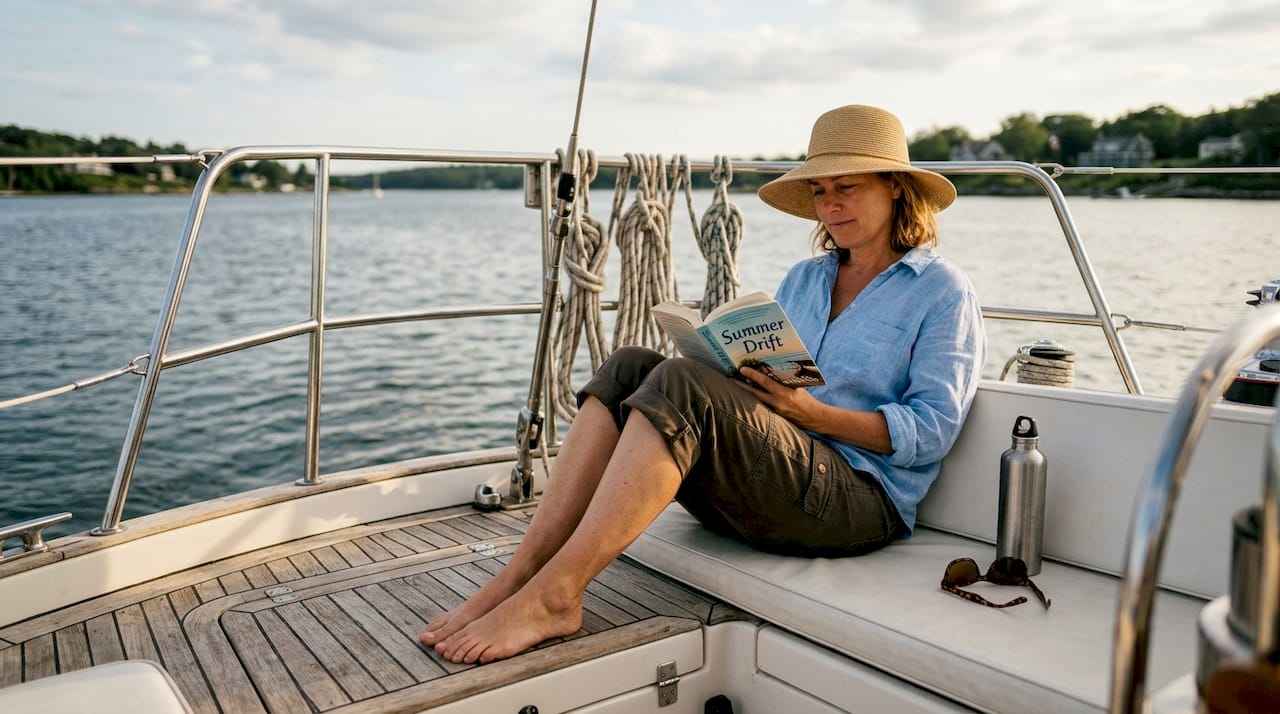
Sailing yachts appeal to a buyer drawn to seamanship, silence, and a more elemental connection with the sea. A modern performance sailing yacht in the 20-25 meter range can cross oceans with minimal fuel, making them compelling for long-range cruising. For buyers passionate about the art of sailing, these vessels deliver an experience that no motor yacht can replicate. Exploring a dedicated sailing yacht guide reveals just how sophisticated this segment has become.
Superyachts represent the pinnacle of the motorized segment. These vessels, typically defined as 24 meters and above for motor yachts and 30 meters and above for sailing superyachts, are where engineering and artistry meet without compromise. They command their own submarket, their own class of shipyard, and their own set of operating economics.
Explorer yachts have captured significant attention among serious cruisers. Designed for range, stability in rough seas, and access to remote destinations, they combine rugged offshore capability with genuinely refined interiors. Think of a Greenland passage in the summer or a transit through the Northwest Passage, undertaken from a floating sanctuary.
Sport yachts and flybridge yachts occupy a popular middle ground. Sport yachts prioritize sleek profiles, performance, and open-plan layouts ideal for day trips and weekend getaways. Flybridge yachts add an elevated outdoor helm and entertainment deck, making them the preferred choice for Mediterranean coastal cruising and entertaining at anchor.
Catamarans deserve special mention. Their dual-hull design delivers exceptional stability, shallow draft for accessing coves and anchorages, and remarkable living space for their overall length. They have become the vessel of choice for charter operations in the Caribbean and the Indian Ocean.
| Yacht type | Typical size range | Best suited for | Price range (USD) |
|---|---|---|---|
| Motor yacht | 15-50m | Coastal/offshore leisure, charter | $500K-$20M+ |
| Sailing yacht | 12-40m | Ocean cruising, racing, lifestyle | $300K-$15M+ |
| Superyacht | 24m+ | Ultimate luxury, global travel | $5M-$200M+ |
| Explorer yacht | 18-50m | Expedition, remote destinations | $2M-$50M+ |
| Sport yacht | 10-22m | Day use, coastal entertaining | $200K-$3M |
| Catamaran | 12-30m | Charter, stability, family use | $400K-$8M+ |
Pro Tip: If you’re uncertain about type, consider where you’ll spend 80% of your time on the water. A flybridge motor yacht thrives in the Med. An explorer suits a buyer who wants Antarctica or the Pacific islands. Understanding why luxury yachts are in demand also shows how lifestyle aspirations shape these preferences at a market level.
Segmentation by purpose and application: leisure, charter, expedition, and more
Type isn’t the only factor. Purpose transforms market dynamics and product choices in ways that pure category labels cannot capture. Two motor yachts of identical size can be designed completely differently depending on whether they serve a private family or a commercial charter operation.
Leisure and private use remains the largest application segment. Leisure dominates with a 65% share of the overall yacht market, reflecting the fundamental aspiration that drives most purchases: personal enjoyment, freedom, and the ability to experience the world on your own terms. Yachts in this segment prioritize owner preference, unique interior styling, and personalized amenity packages over regulatory compliance or operational scalability.
Commercial and charter is the fastest-moving segment in the market. The commercial segment grows at 6.74% annually, driven by rising interest in experiential travel and the appeal of charter income offsetting ownership costs. Charter yachts must meet strict safety certifications, carry more life-saving equipment, and accommodate a broader range of guest preferences. Many buyers today approach yacht acquisition as both a lifestyle asset and a partial income vehicle, and this has pushed builders to design vessels that serve both masters gracefully.
Expedition and cruising yachts occupy a purpose segment that crosses type boundaries. A semi-custom aluminum motor yacht built for passage-making from the Arctic to Patagonia belongs here, as does a long-range sailing ketch designed for self-sufficiency at sea. These vessels often carry extended fuel and water capacity, reinforced hulls, ice-class ratings in some cases, and redundant navigation systems.
Racing yachts form a niche but deeply passionate segment. These vessels exist at the outer edge of engineering capability, where every kilogram and every curve of hull form is optimized for speed. They are rarely investment vehicles in the traditional sense, but for the buyer driven by competition and the art of speed, they represent a singular experience.
“The purpose a yacht is built for shapes every inch of its design. Buyers who align their vessel’s purpose with their actual usage patterns report dramatically higher satisfaction and stronger resale positions.”
Practical buyer examples:
- A family wanting to base their yacht in the Aegean for summer, then charter it during the winter months, should seek a vessel with dual certification and commercial-grade fit-out.
- A collector focused on solo world cruising needs range, self-sufficiency, and structural integrity above all else.
- A social entertainer hosting corporate clients in Monaco or Cannes needs volume, service flow, and visual impact.
Understanding your primary purpose before approaching the market is, in many ways, the single most clarifying step you can take. A well-structured luxury yacht marketing workflow also shows how purpose shapes the way yachts are presented and sold in today’s market.
Build and material segments: production, semi-custom, and full custom
Beyond use and type, construction method and material set luxury yachts apart in ways that profoundly affect your ownership experience, timeline, and total investment. The market divides meaningfully into three tiers.
Production yachts are built in series at established shipyards, using standardized tooling and repeatable processes. Production yachts range from €0.5-€5 million and typically span 10-25 meters in length. They benefit from economies of scale, established service networks, and well-documented performance histories. Brands like Azimut, Sunseeker, and Bénéteau operate in this space. For first-time buyers or those seeking proven reliability with a faster delivery timeline, production yachts offer genuine value.
Semi-custom yachts are where the market becomes more personal. Priced from €5-€15 million and typically 25-40 meters, these vessels are built on an established naval architecture platform but allow significant customization of the interior layout, exterior styling, propulsion systems, and onboard technology. The buyer participates meaningfully in the design process without bearing the full cost and complexity of an entirely bespoke commission.
Full custom and superyacht builds represent the summit. These are one-of-a-kind vessels where the owner’s vision drives every decision. Costs can reach up to €40 million for superyachts and beyond. Builders like Lürssen, Feadship, and Amels work with owners over multi-year timelines to produce vessels that are genuinely unique expressions of personal taste and lifestyle.
Material choices matter just as much as build method:
- Fiberglass (GRP): lightweight, low maintenance, ideal for production yachts, excellent surface finish.
- Aluminum: strong strength-to-weight ratio, ideal for explorer and semi-custom builds, excellent for ice-class or offshore use.
- Steel: maximum structural strength, preferred for large expedition and commercial vessels, higher maintenance demand.
- Advanced composites (carbon fiber, Kevlar blends): used in performance sailing yachts and high-speed motor yachts where weight reduction is critical.
Statistic: Full-custom superyacht projects can involve lead times of three to five years from contract to delivery, making brokerage and used yacht markets highly attractive for buyers with near-term ownership goals.
Pro Tip: If you’re weighing a new build against a brokerage purchase, compare the full delivered cost of the new build (including fit-out, flag state compliance, and initial crew costs) against a comparable pre-owned vessel. The gap often surprises first-time buyers. Exploring custom yacht advantages helps clarify exactly when the custom route pays off.
A yacht expert’s take: what most buyers miss about market segments
Here is an insight that experience has reinforced again and again: most buyers arrive focused on the headline type category. They know they want a motor yacht or a sailing yacht, and they treat that as the primary decision. In reality, the choices that will define their satisfaction lie deeper in build method and intended cruising grounds.
A buyer who selects a sleek production motor yacht for Mediterranean summers may find it poorly suited when they eventually want to cross the Atlantic or explore the Norwegian fjords. Conversely, a buyer who commissions a full custom explorer before they have clear cruising habits may overspend on capability they never use.
As market analysis shows, the traditional motor and flybridge segment thrives in coastal and Med or Caribbean leisure. But the explorer category serves polar and remote destinations in a fundamentally different way. Production economies of scale favor one kind of buyer; custom yards with higher margins and longer lead times serve another. The market is also shifting quickly, and yacht market trends show that flexibility, sustainable propulsion, and multi-purpose design are becoming decisive factors. The buyers who navigate this terrain with the most satisfaction are almost always those who engaged an expert guide early, someone who could map their lifestyle aspirations onto the right segment with clarity and candor.
Find your best-fit yacht with expert guidance
Ready to take the next step in your yacht journey? The right guidance transforms a complex market into a clear, enjoyable path. At Yachts by Steve, we bring deep market knowledge and genuine passion for matching discerning buyers with vessels that elevate their lives. Whether you are refining your understanding of choosing a yacht broker, exploring the full range of yacht types explained, or ready to step through an expert guide to buying a yacht, we are here to make every step feel seamless and rewarding. Connect with us and let’s find the vessel that is truly yours.
Frequently asked questions
What are the main types of yacht market segments?
The main segments include motor yachts, sailing yachts, superyachts, explorer yachts, sport yachts, flybridge yachts, expedition yachts, and catamarans, each serving distinct buyer preferences and usage patterns.
Which yacht market segment is growing the fastest?
The commercial charter segment is growing fastest, with the commercial segment at 6.74% annual growth, driven by rising demand for experiential travel and yacht charter income opportunities.
How do prices vary between yacht market segments?
Production yachts range €0.5-€5 million, semi-custom builds from €5-€15 million, and full superyacht commissions can reach €40 million or well beyond, depending on size and specification.
What segment dominates yacht market revenue?
Motor yachts hold over 89% of market share by revenue, with superyachts representing the highest-value tier within that dominant segment.
What is the size range for production, semi-custom, and superyachts?
Production yachts span 10-25 meters, semi-custom vessels typically run 25-40 meters, and superyachts begin at 24-30 meters and extend to extraordinary lengths beyond 100 meters.
Recommended
Featured Listings
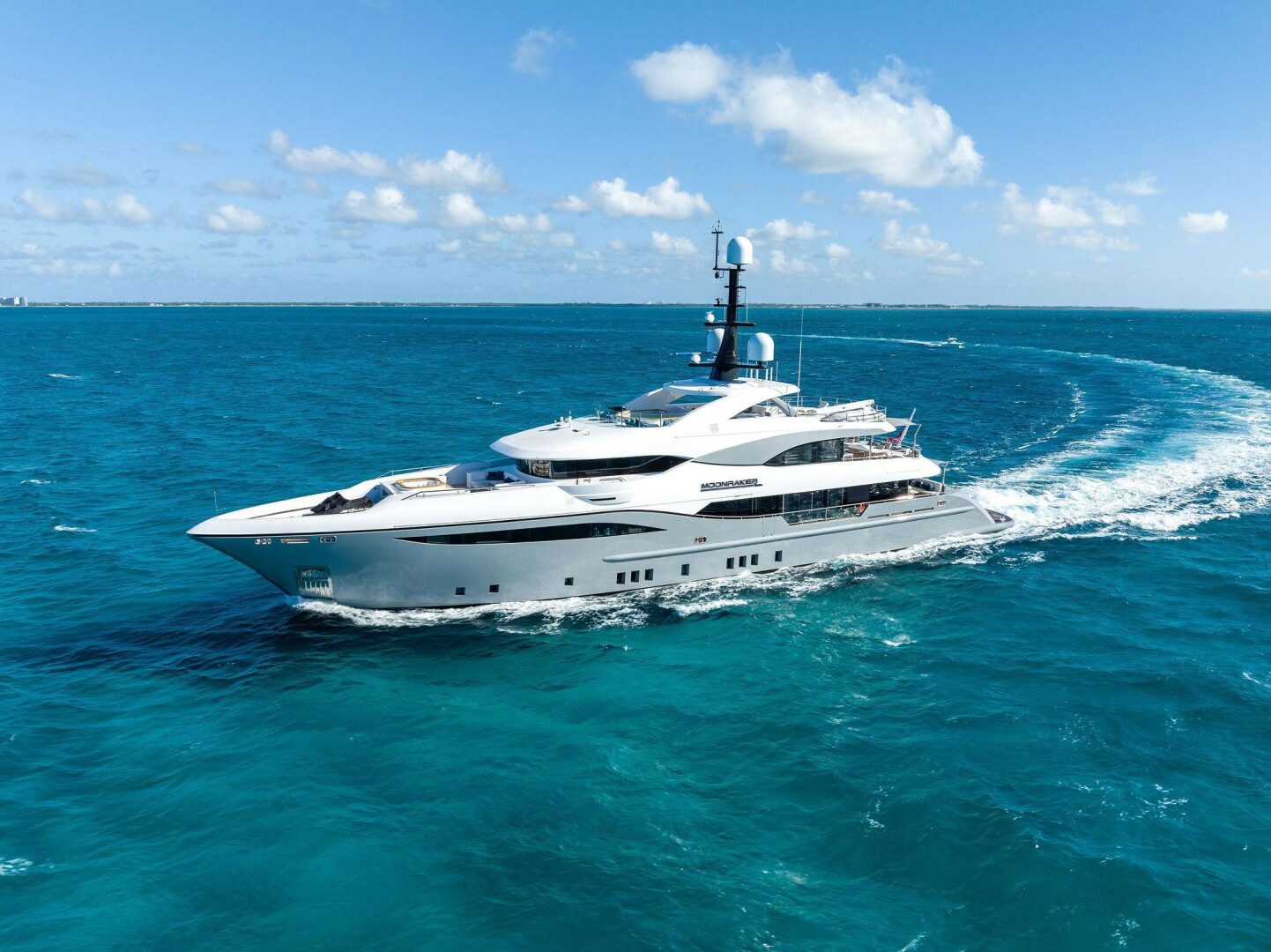
2019 Bilgin MOONRAKER
$21,404,500
156
West Palm Beach Florida

2028 Columbus Yachts
$22,900,008
137
Ancona
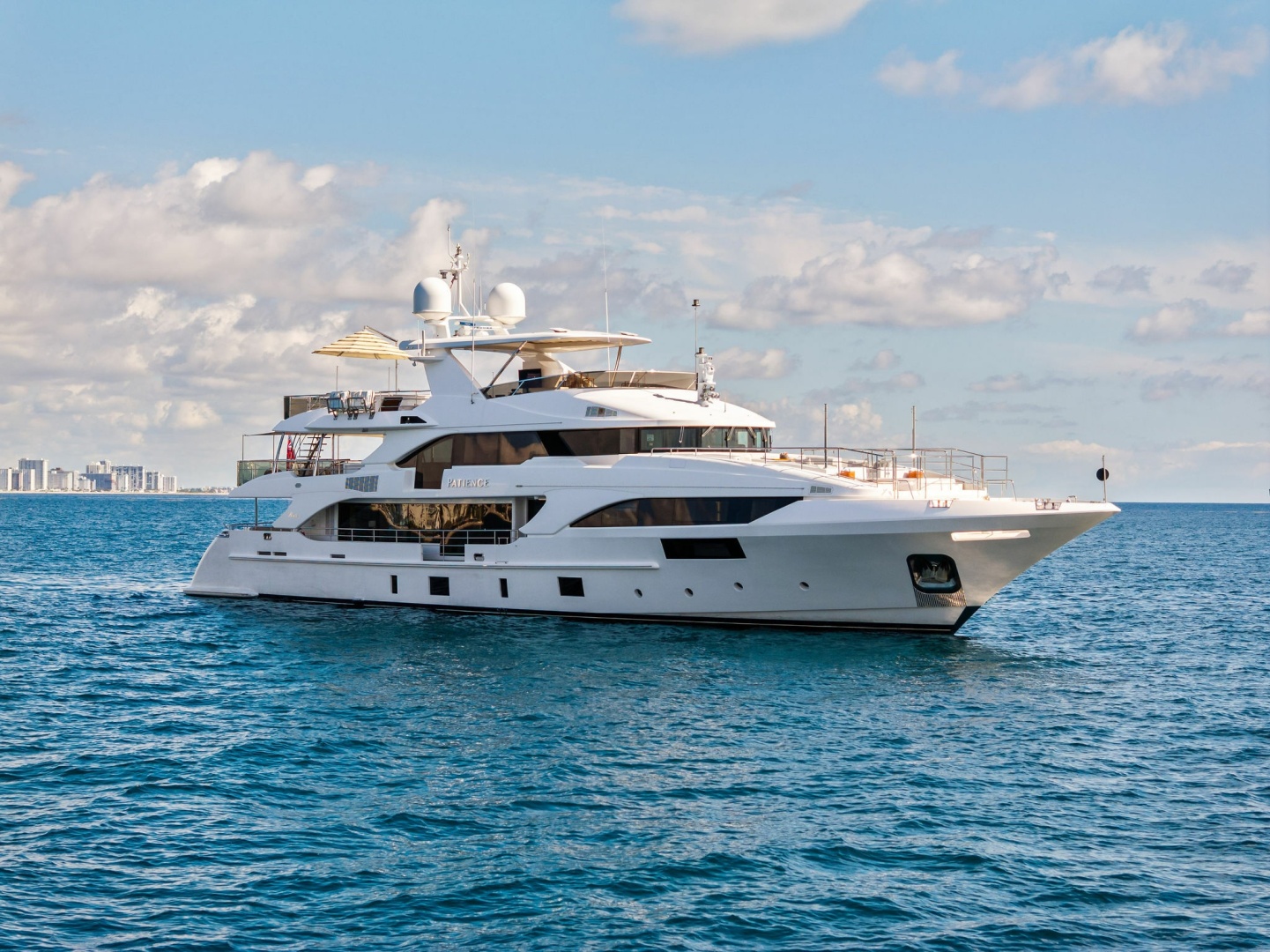
2012 Benetti PATIENCE
$10,975,000
132
Fort Lauderdale Florida
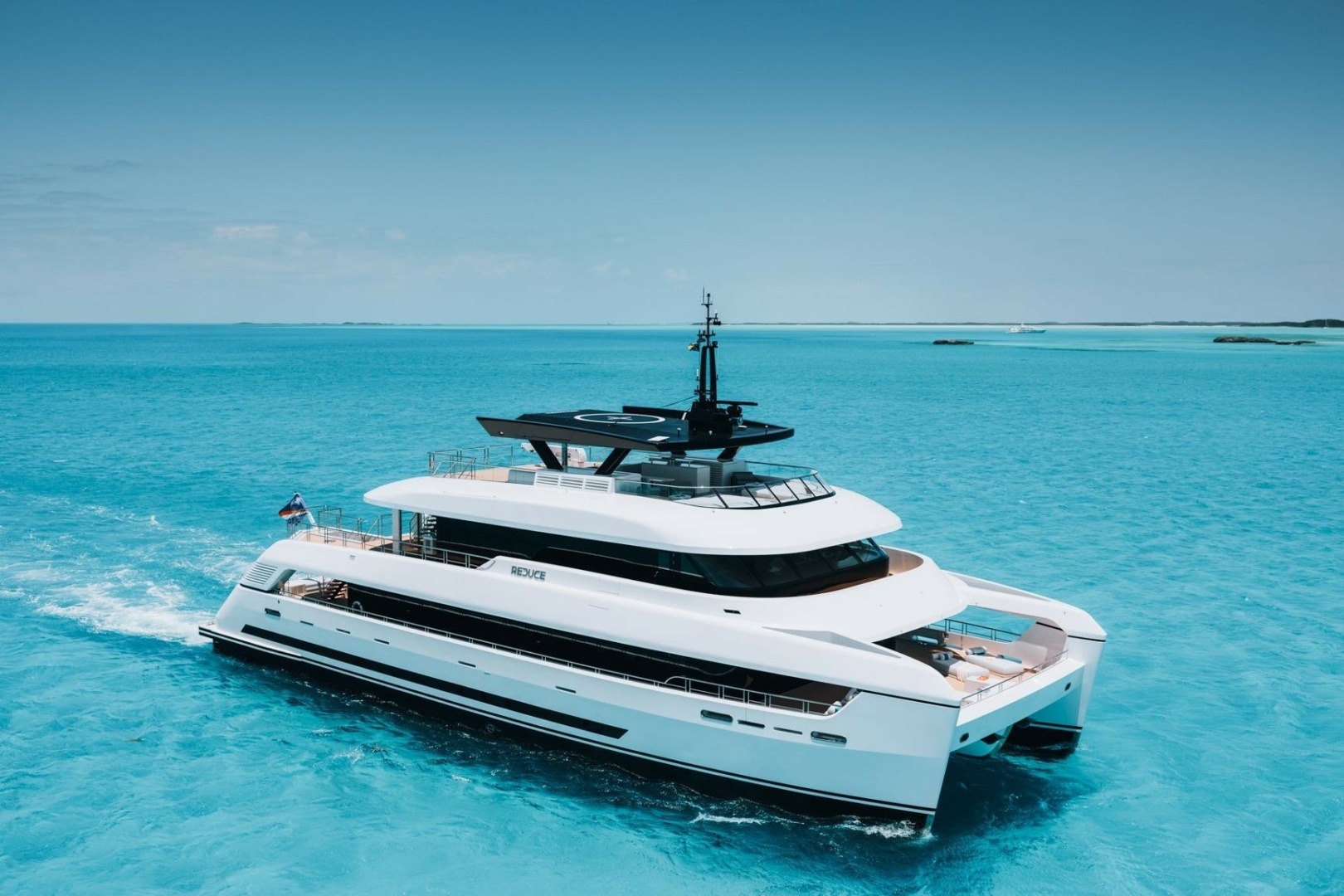
2024 Silver Yachts
$25,400,000
117
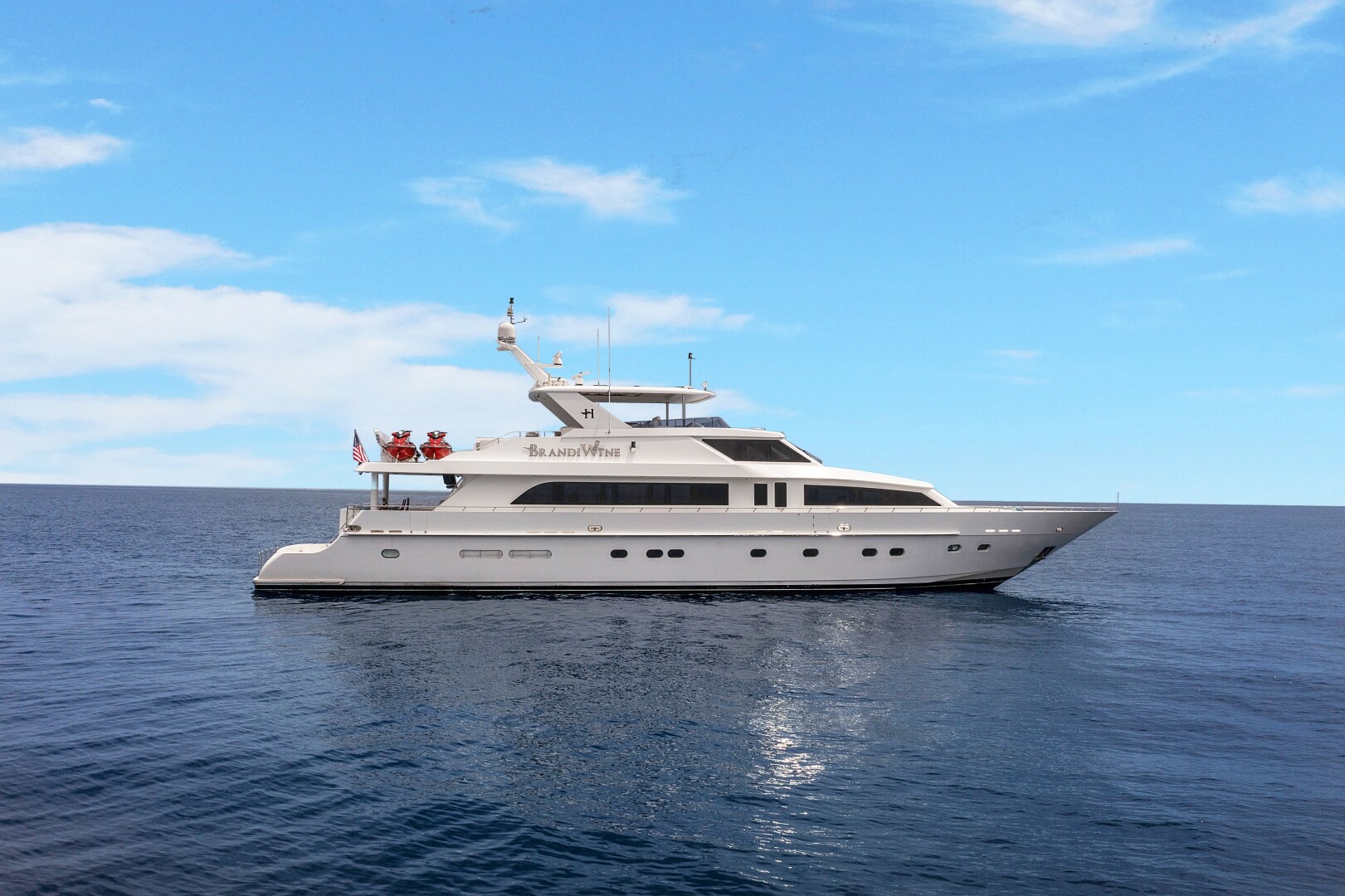
2009 Hargrave BRANDI WINE
$2,995,000
114
Fort Lauderdale Florida

2028 Extra Yachts
$21,404,500
100
Ancona

2028 Extra Yachts Extra 96
$9,495,000
96
Ancona
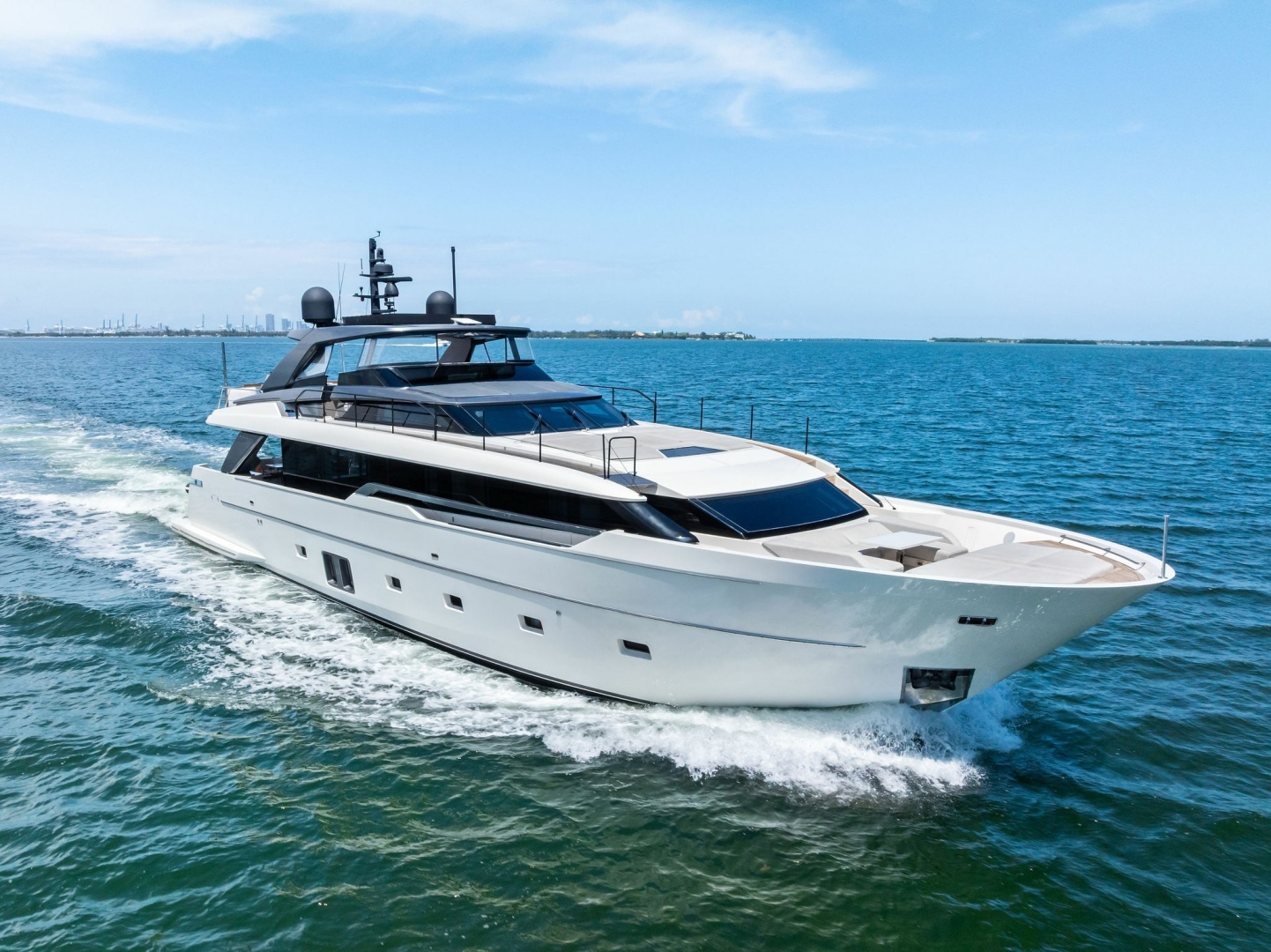
2021 Sanlorenzo GATSBY
$6,795,000
96
Miami Beach Florida

1999 Northern Marine OFF LINE
$2,495,000
84
Ft Lauderdale Florida
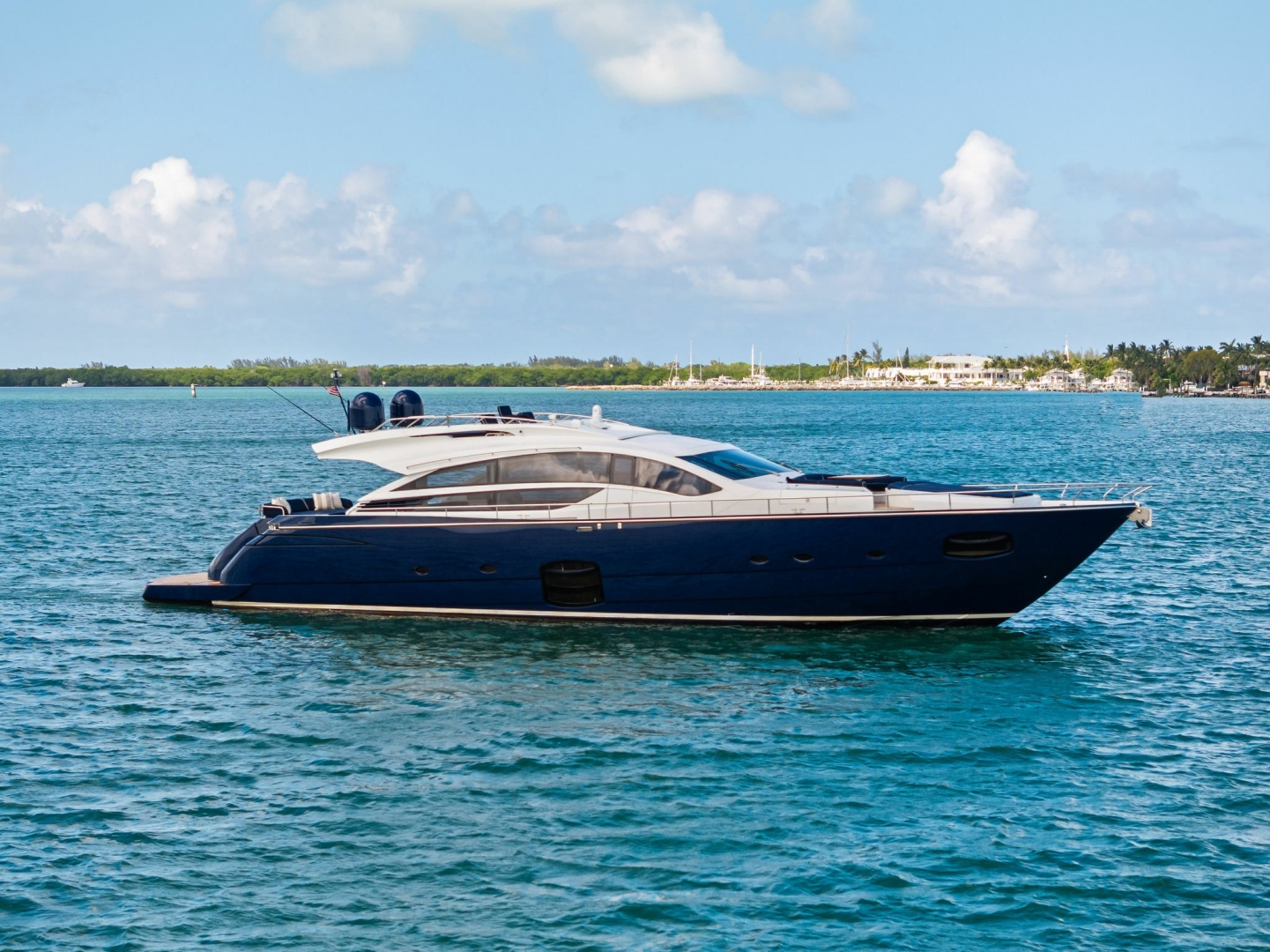
2013 Pershing DOROTHY ANN
$1,750,000
82
Miami Beach Florida

1997 Ferretti Yachts
$850,000
80
La Paz
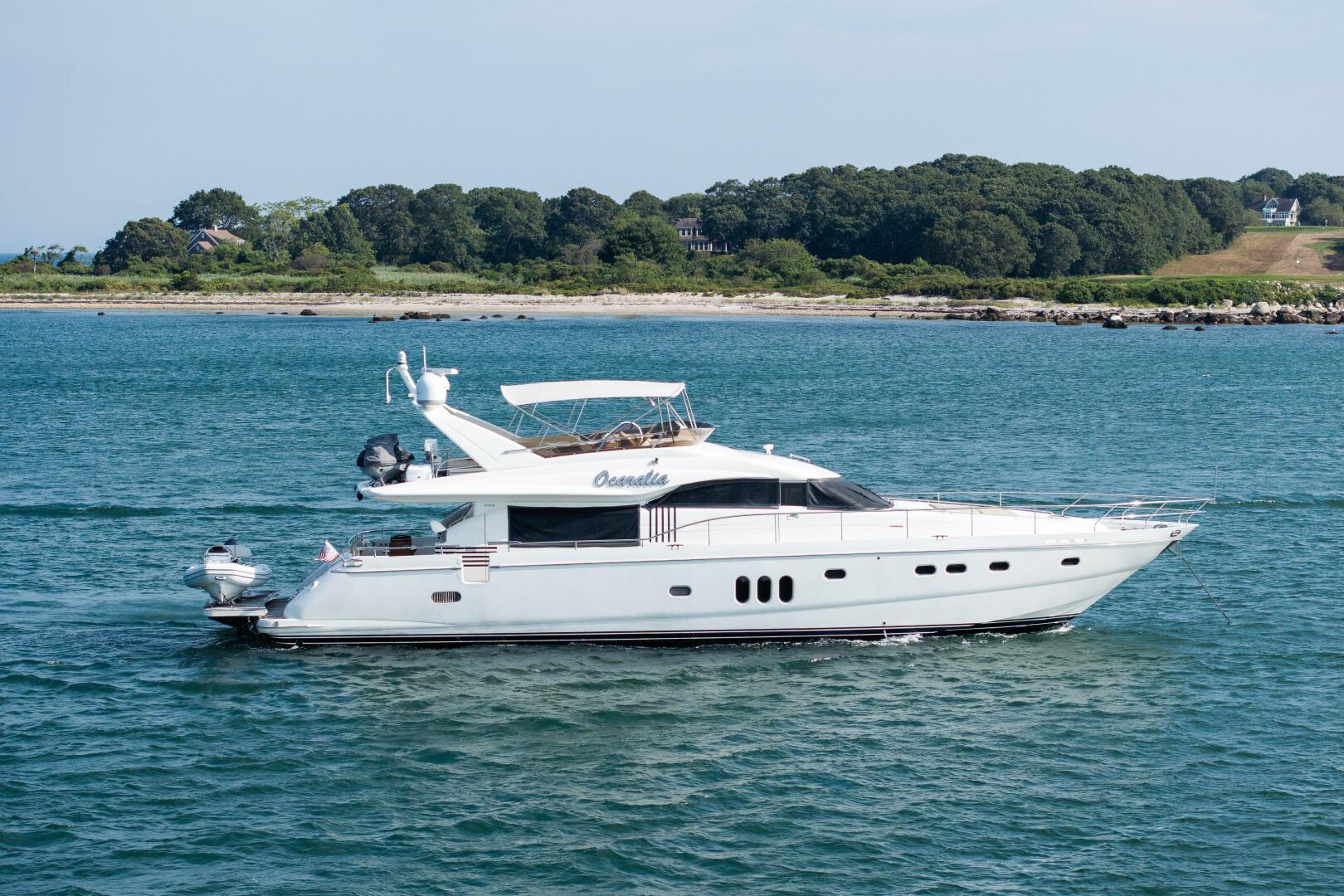
2008 Princess Yachts OCARALIA
$1,095,000
75
Charleston South Carolina
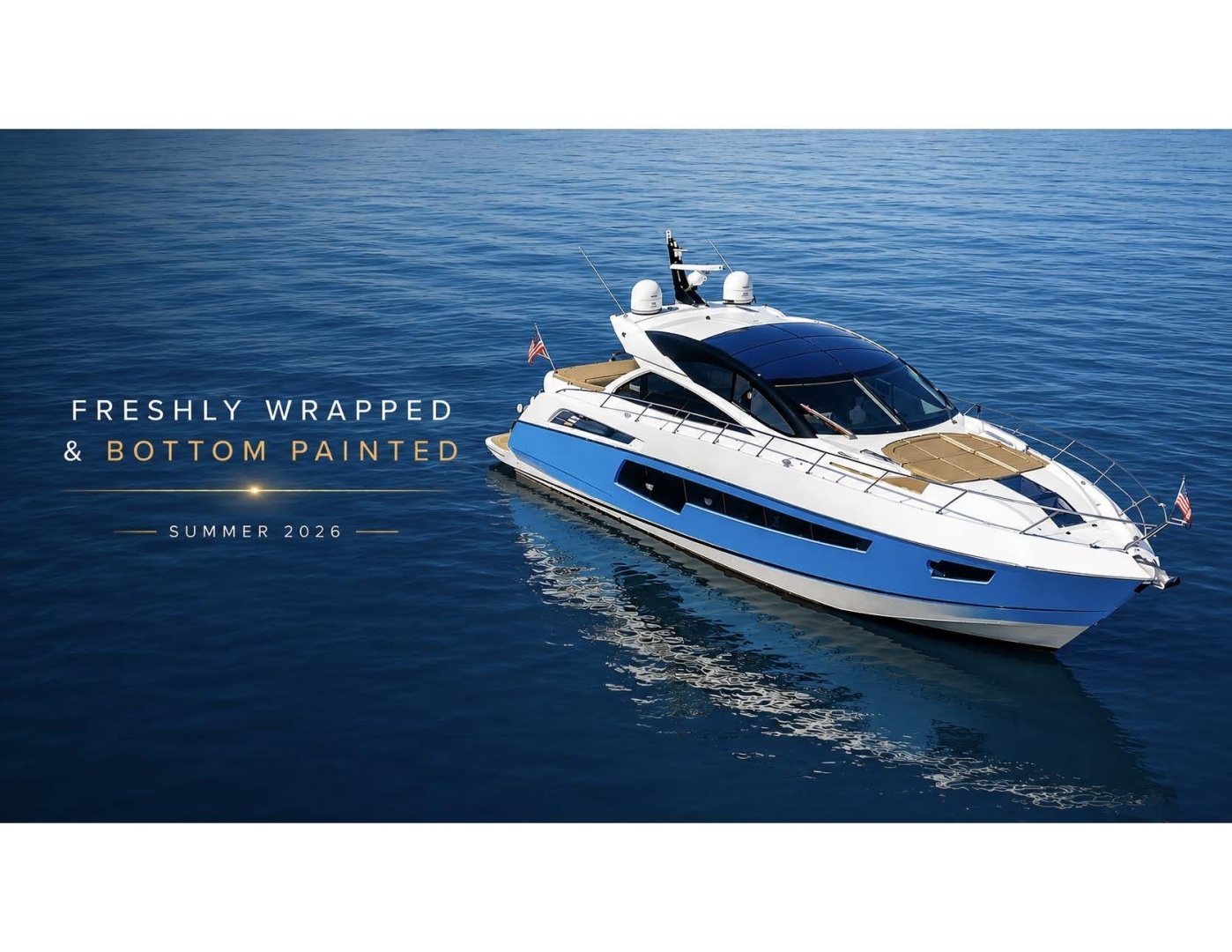
2014 Sunseeker
$1,400,000
68
New York New York

2024 Fairline
$2,750,000
68
Ft. Lauderdale Florida

2024 Sunreef Catallaxi
$3,700,000
60
Newport Rhode Island
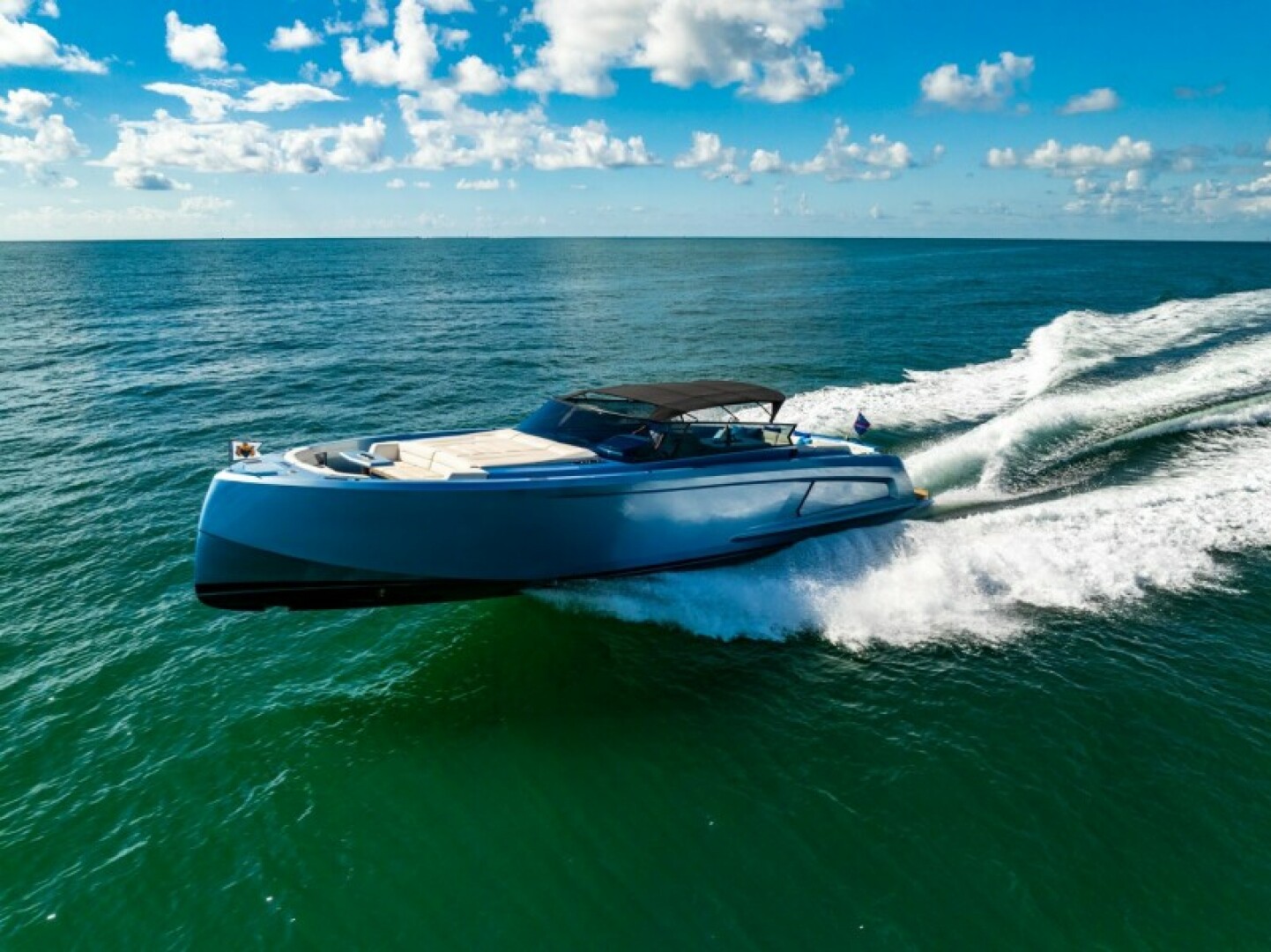
2019 Vanquish Yachts IMPULSIVE
$1,799,000
58
Miami Beach Florida
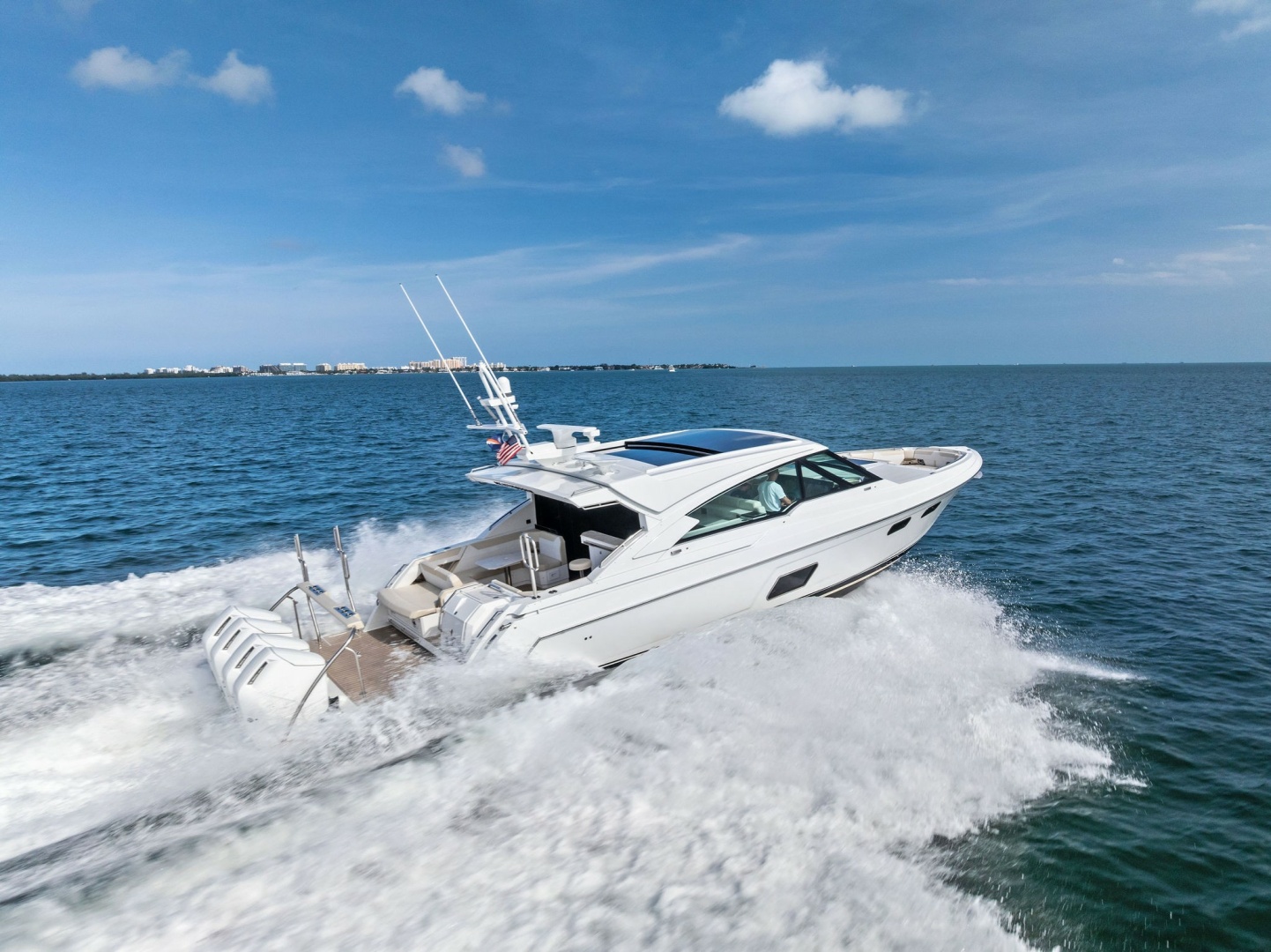
2025 Formula BREAKTHROUGH III
$1,895,000
53
Miami Beach Florida

2023 Fairline
$900,000
45
Fort Lauderdale Florida
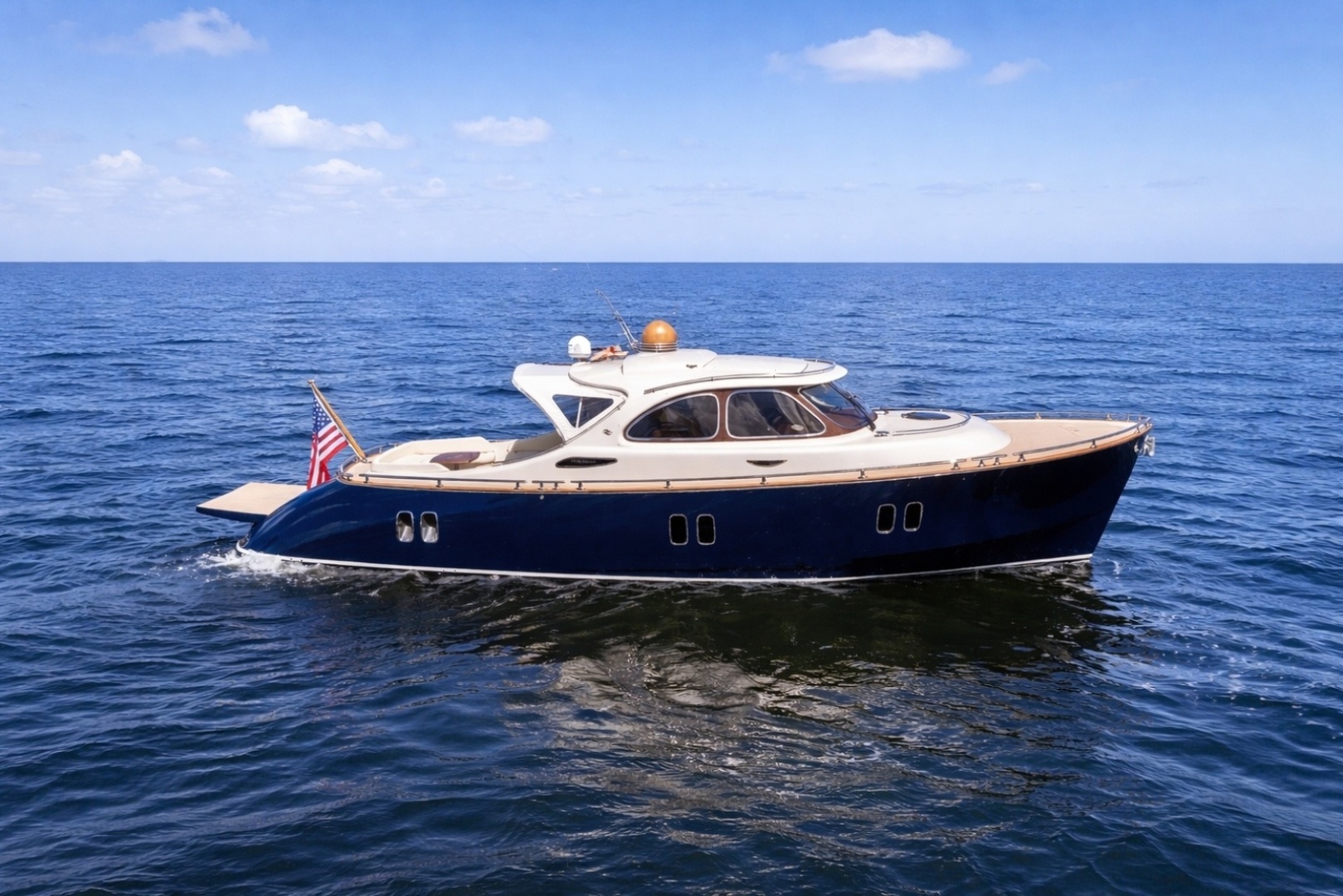
2012 Zeelander Mississippi Queen
$575,000
44
West Palm Beach Florida
2019 Bilgin 156'
$21,404,500
2028 Columbus Yachts 137'
$22,900,008
2012 Benetti 132'
$10,975,000
2024 Silver Yachts 117'
$25,400,000
2009 Hargrave 114'
$2,995,000
2028 Extra Yachts 100'
$21,404,500
2028 Extra Yachts 96'
$9,495,000
2021 Sanlorenzo 96'
$6,795,000
1999 Northern Marine 84'
$2,495,000
2013 Pershing 82'
$1,750,000
1997 Ferretti Yachts 80'
$850,000
2008 Princess Yachts 75'
$1,095,000
2014 Sunseeker 68'
$1,400,000
2024 Fairline 68'
$2,750,000
2024 Sunreef 60'
$3,700,000
2019 Vanquish Yachts 58'
$1,799,000
2025 Formula 53'
$1,895,000
2023 Fairline 45'
$900,000
2012 Zeelander 44'
$575,000