

Due diligence in yacht sales is the comprehensive process of evaluating a vessel’s condition, ownership status, and legal standing before any money changes hands. The role of due diligence in yacht sales is not a formality. It is the difference between a confident acquisition and an expensive mistake. Independent marine surveyors, maritime legal specialists, and classification societies each play a distinct part in protecting buyers and sellers alike. Yachts-bysteve has seen firsthand how skipping even one phase of this process can unravel a deal that looked flawless on paper. The complexity and value of luxury yachts demand nothing less than a thorough, methodical approach.
What are the key components of due diligence in yacht sales?
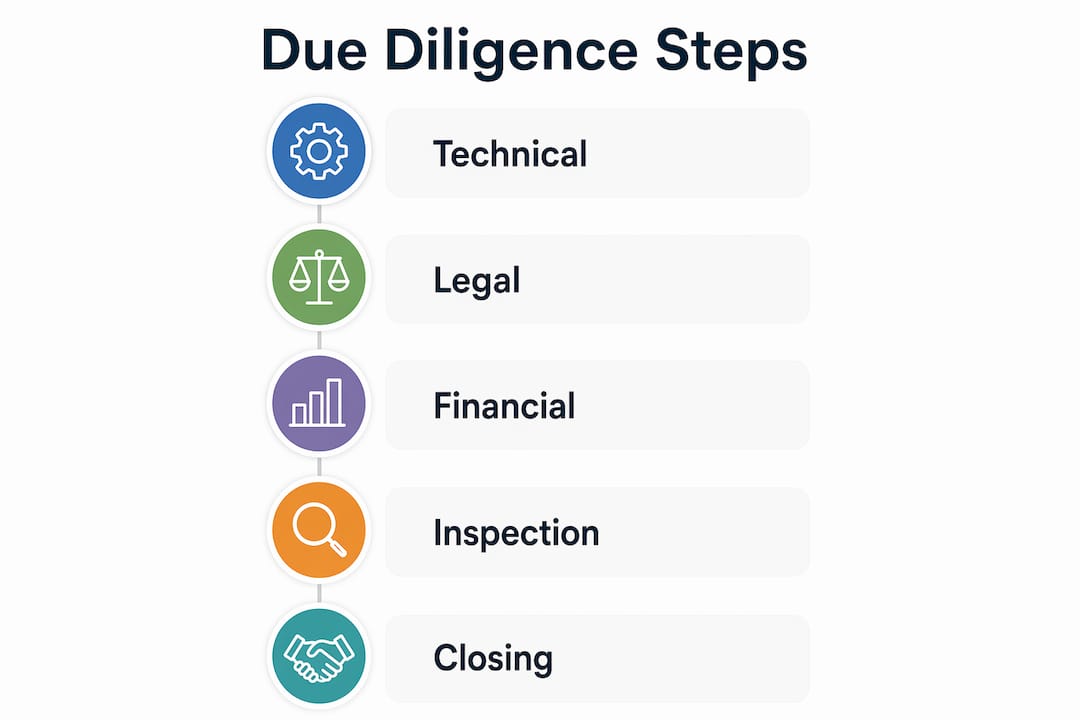
Yacht purchase due diligence divides into three distinct disciplines: technical, legal, and financial. Each one addresses a different category of risk, and none can substitute for the others.
Technical due diligence
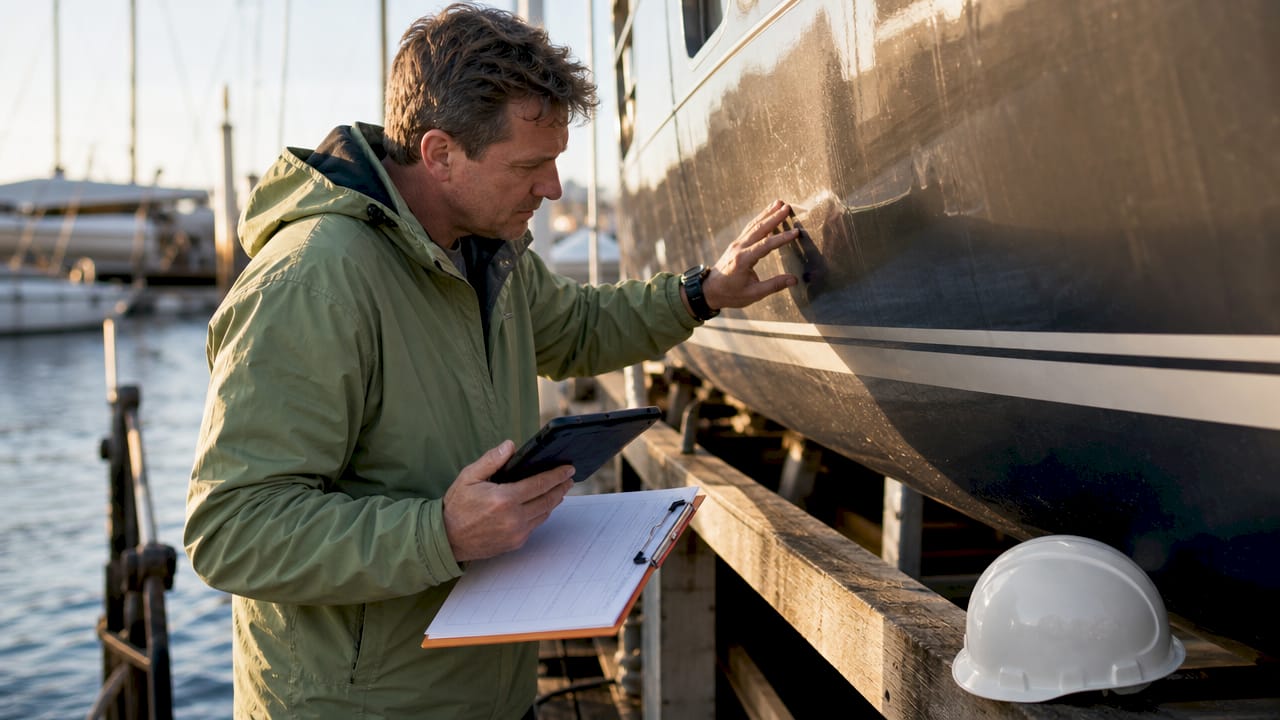
The pre-purchase survey is the cornerstone of technical evaluation. A full survey for a 30–50 meter yacht covers three phases: an in-water systems inspection, a haul-out examination of the hull and running gear, and a sea trial under realistic operating conditions. Each survey phase uncovers a different category of defect, which is why skipping any one of them creates unacceptable risk. The haul-out reveals osmosis, hull blistering, and keel attachment issues that are invisible in the water. The sea trial tests propulsion, steering, and onboard systems under load.
Legal due diligence
Legal verification confirms that the seller actually owns the yacht and that no outstanding claims exist against it. Verifying title, liens, and encumbrances is mandatory. Buyers who skip this step have unknowingly acquired vessels encumbered by maritime mortgages, inheriting debt that travels with the hull. A purchase and sale agreement must also address warranties, jurisdiction, technical declarations, and dispute resolution with precision.
Financial due diligence
Financial review covers more than the asking price. Maintenance records, refit histories, outstanding yard bills, and crew liabilities all represent potential costs that transfer to the new owner. A yacht with a deferred refit can carry six-figure remediation costs that only surface after closing. Reviewing three to five years of operating accounts gives buyers a realistic picture of true ownership cost.
Pro Tip: Ask the seller for a full maintenance log and all yard invoices from the past three years before signing a letter of intent. Gaps in that record are a signal worth investigating.
How does the yacht inspection process protect buyers?
The yacht inspection process is the buyer’s most powerful tool for uncovering risk and creating negotiation leverage. A thorough survey transforms a vessel from an aspirational object into a documented asset with a known condition profile.
-
Commission an independent pre-purchase survey. The surveyor must work for you, not the broker. Broker-recommended surveyors are not truly independent because brokers have an incentive to close deals quickly. Hire your own surveyor directly and pay the invoice yourself.
-
Insist on a full haul-out. Hull osmosis, propeller shaft wear, and rudder bearing play are only visible out of the water. A wet survey alone is insufficient for any serious acquisition.
-
Complete the sea trial before waiving survey conditions. Engine performance, gearbox behavior, stabilizer function, and navigation systems all need to be tested underway. A calm marina berth tells you almost nothing about how a yacht performs at sea.
-
Commission specialist inspections where warranted. Older vessels may need dedicated electrical surveys, rigging assessments, or engine room inspections by a certified marine engineer. A generalist surveyor cannot assess every system with equal depth.
-
Use survey findings as a negotiation instrument. A well-documented defect list gives you grounds to renegotiate price, request repairs before closing, or walk away entirely. The pre-purchase survey is the most consequential due diligence step, yet buyers routinely rush it or rely on the seller’s own class society reports.
“The survey report is not just a checklist. It is a financial document. Every defect has a dollar value, and that value belongs in your negotiation.”
Osmosis remediation on a 40-meter hull can run well into six figures. Engine overhauls on twin high-performance diesels can exceed $200,000. Structural faults in the superstructure or keel area can make a vessel uninsurable. Knowing these numbers before you sign protects you from absorbing costs that the seller has been quietly deferring.
You can learn more about what a thorough pre-purchase yacht survey covers and why each phase matters before committing to any vessel.
Why is specialized legal due diligence critical in yacht sales?
Maritime law is a distinct legal discipline, and general practice lawyers are not equipped to handle yacht transactions safely. Using general lawyers instead of maritime law specialists is one of the most common pitfalls in yacht deals, and the disputes it causes often surface months after closing.
The legal risks in a yacht transaction include:
- Unverified ownership. A bill of sale means nothing if the seller does not hold clear title. Flag state registries, corporate ownership structures, and bareboat charter registrations all complicate the chain of title.
- Hidden maritime mortgages. Unlike real estate, maritime liens can attach to a vessel and follow it through ownership changes. A lien search through the flag state registry is non-negotiable.
- Registration mismatches. A yacht registered under one flag but operating commercially under another may carry compliance obligations that transfer to the buyer.
- Weak contract language. Vague warranties, undefined technical declarations, and absent jurisdiction clauses create disputes that are expensive to resolve.
- Ownership structure complexity. Many luxury yachts are held in offshore companies or trusts. Acquiring the vessel may require acquiring the entity, which carries its own legal and tax implications.
Pro Tip: Hire a maritime lawyer who specializes exclusively in yacht transactions, not a general maritime attorney who handles cargo claims and shipping disputes. The two practices are very different.
A qualified maritime legal specialist will conduct a flag state lien search, review the purchase and sale agreement clause by clause, advise on ownership structure, and confirm that the vessel’s commercial certifications are transferable. That work prevents the kind of post-sale disputes that can cost more than the original purchase price to resolve. For a clear overview of the legal services that protect yacht buyers, Yachts-bysteve has put together a practical resource worth reading before you engage counsel.
What timelines and costs should buyers expect during due diligence?
Buyers who underestimate the time and cost of due diligence often make the most expensive mistakes. Setting realistic expectations at the outset protects the process from seller-driven pressure to close fast.
The acquisition window for a brokerage yacht runs 12–24 weeks, with the first 10 weeks dedicated to critical due diligence work including surveys, sea trials, and contract drafting. That timeline is not bureaucratic delay. It is the minimum required to do the job properly.
| Due diligence component | Typical cost range | Timeframe |
|---|---|---|
| Pre-purchase survey (30–50m yacht) | $25,000–$60,000 USD | 4–7 days plus haul-out |
| Maritime legal counsel | Varies by complexity | 2–6 weeks |
| Specialist inspections (electrical, rigging, engines) | $2,000–$15,000 per discipline | 1–3 days each |
| Escrow and closing services | Varies by jurisdiction | 1–3 weeks |
| Flag state lien and title search | $500–$3,000 | 3–10 business days |
Sellers sometimes apply pressure to accelerate the closing timeline. Resist it. Additional due diligence time rarely costs extra and frequently results in significant savings or negotiation leverage. A buyer who waives survey conditions to satisfy a seller’s timeline absorbs all undisclosed risk from that point forward.
Budget for the full range of services from the start. Treating due diligence costs as a fixed line item rather than a variable expense prevents the temptation to cut corners when the bill arrives. For a detailed walkthrough of the closing stages, the guide on closing a yacht deal covers what to expect once due diligence wraps up.
Key takeaways
Thorough due diligence in yacht sales requires independent technical surveys, specialized maritime legal counsel, and realistic budget and timeline planning to protect buyers from hidden financial and legal risk.
| Point | Details |
|---|---|
| Independent surveyor is non-negotiable | Always hire your own surveyor directly. Broker-recommended surveyors carry conflicts of interest. |
| Three survey phases reveal different risks | Haul-out, in-water systems, and sea trial each uncover defects the others cannot detect. |
| Maritime law specialists prevent costly disputes | General lawyers lack the expertise to handle title, liens, and contract language in yacht transactions. |
| Budget $25,000–$60,000 for a full survey | Pre-purchase surveys for 30–50m yachts cost this range and take 4–7 days plus haul-out time. |
| Resist seller pressure to rush closing | Extended due diligence time costs little and often creates significant negotiation leverage. |
What I’ve learned from watching buyers skip the hard parts
Buyers who rush due diligence almost always regret it. I have watched confident, experienced people walk into a yacht purchase with every intention of doing it right, then compress the survey into two days because the seller was leaving for the Mediterranean and the window was closing. The result is predictable. The survey misses something. The something costs money. The deal that felt like a triumph becomes a source of regret.
The most common mistake is not skipping due diligence entirely. It is treating it as a box to check rather than a process to trust. Buyers hire a surveyor but accept a compressed timeline. They engage a lawyer but use a generalist who has never read a flag state registry. They review the maintenance logs but only the ones the seller provides. Every one of those shortcuts transfers risk from the seller to the buyer, quietly and permanently.
Independence is the word I come back to constantly. Your surveyor must answer to you. Your lawyer must answer to you. The moment either of those relationships has a competing loyalty, the protection they offer is compromised. A broker who recommends both the surveyor and the lawyer is not building your team. They are building their own.
The buyers who close the best deals are the ones who treat due diligence as a source of leverage, not a hurdle. A thorough survey report with a well-documented defect list is a negotiating instrument. It gives you grounds to renegotiate price, request repairs, or walk away with your deposit intact. Patience, in this context, is not a virtue. It is a financial strategy.
— Jason
How Yachts-bysteve supports your due diligence process
Navigating the due diligence process on a luxury yacht acquisition is complex work. Coordinating surveyors, maritime lawyers, flag state searches, and contract review while managing seller timelines requires experience and calm authority. Yachts-bysteve works with buyers and sellers to ensure that every phase of the process is handled by the right experts, in the right order, without shortcuts. Whether you are acquiring your first superyacht or adding to an existing fleet, working with a trusted yacht brokerage makes the difference between a transaction that closes cleanly and one that unravels at the finish line. If you are ready to begin, the guide on how to choose a yacht broker is the right place to start.
FAQ
What is due diligence in a yacht sale?
Due diligence in a yacht sale is the process of verifying a vessel’s physical condition, legal ownership, and financial standing before completing a purchase. It includes pre-purchase surveys, title and lien searches, and contract review by maritime legal specialists.
How long does yacht purchase due diligence take?
The acquisition process for a brokerage yacht runs 12–24 weeks, with the first 10 weeks focused on surveys, sea trials, and legal drafting. Rushing this timeline increases buyer risk significantly.
Why can’t I use the seller’s survey report?
A seller’s survey or class society report is not independent. Buyers need their own surveyor to avoid conflicts of interest and to ensure the assessment reflects the buyer’s risk profile, not the seller’s interest in closing quickly.
What does a pre-purchase survey cost for a large yacht?
Comprehensive surveys for 30–50 meter yachts cost between $25,000 and $60,000 USD and take 4–7 days afloat plus additional time for haul-out inspection.
Do I need a maritime lawyer, or will any lawyer do?
Maritime law is a specialized field. General lawyers lack the expertise to handle flag state registrations, maritime liens, and the specific contract language required in yacht transactions, which creates risk of costly post-sale disputes.
Recommended
Featured Listings

2028 Columbus Yachts
$22,900,008
137
Ancona

2012 Benetti PATIENCE
$10,975,000
132
Fort Lauderdale Florida

2028 Kingship Kingship
$20,350,000
125

2024 Silver Yachts
$25,400,000
117

2009 Hargrave BRANDI WINE
$2,500,000
114
Fort Lauderdale Florida

2028 Extra Yachts
$20,350,000
100
Ancona

2028 Alpha
$12,100,000
100
Ft Lauderdale Florida

2028 Extra Yachts Extra 96
$9,495,000
96
Ancona

2021 Sanlorenzo GATSBY
$6,795,000
96
Fort Lauderdale Florida

2028 Kingship
$11,990,000
90

2028 Alpha
$9,894,500
90
Fano

2023 Azimut COMPASS
$7,950,000
88
Miami Beach Florida

1999 Northern Marine OFF LINE
$2,495,000
84
Ft Lauderdale Florida

2013 Pershing DOROTHY ANN
$1,375,000
82
Fort Lauderdale Florida

1997 Ferretti Yachts
$825,000
80
La Paz

2008 Princess Yachts OCARALIA
$1,095,000
75
Charleston South Carolina

2014 Sunseeker
$1,400,000
68
New York New York

2024 Fairline
$2,750,000
68
Ft. Lauderdale Florida

2019 Vanquish Yachts IMPULSIVE
$1,799,000
58
Miami Beach Florida

2021 Ferretti Yachts HAVEN
$1,595,000
57
Fort Lauderdale Florida

2025 Formula BREAKTHROUGH III
$1,895,000
53
Miami Beach Florida

2023 Fairline
$900,000
45
Fort Lauderdale Florida

2012 Zeelander Mississippi Queen
$575,000
44
West Palm Beach Florida
2028 Columbus Yachts 137'
$22,900,008
2012 Benetti 132'
$10,975,000
2028 Kingship 125'
$20,350,000
2024 Silver Yachts 117'
$25,400,000
2009 Hargrave 114'
$2,500,000
2028 Extra Yachts 100'
$20,350,000
2028 Alpha 100'
$12,100,000
2028 Extra Yachts 96'
$9,495,000
2021 Sanlorenzo 96'
$6,795,000
2028 Kingship 90'
$11,990,000
2028 Alpha 90'
$9,894,500
2023 Azimut 88'
$7,950,000
1999 Northern Marine 84'
$2,495,000
2013 Pershing 82'
$1,375,000
1997 Ferretti Yachts 80'
$825,000
2008 Princess Yachts 75'
$1,095,000
2014 Sunseeker 68'
$1,400,000
2024 Fairline 68'
$2,750,000
2019 Vanquish Yachts 58'
$1,799,000
2021 Ferretti Yachts 57'
$1,595,000
2025 Formula 53'
$1,895,000
2023 Fairline 45'
$900,000
2012 Zeelander 44'
$575,000