

TL;DR:
- Yacht ownership combines personal lifestyle fulfillment with asset value, appealing to sophisticated buyers.
- The buying process requires careful planning, professional guidance, and strategic choices for resale value.
- In 2026, owners seek eco-friendly, wellness-focused vessels with advanced automation and versatile outdoor spaces.
Yacht ownership in 2026 sits at a fascinating crossroads of lifestyle aspiration and financial sophistication. The choices available to today’s buyer are richer and more complex than ever before, from hybrid propulsion systems to superyacht-grade wellness suites on mid-size vessels. Yet with greater choice comes greater responsibility, and the cost of a poorly informed decision can be significant. This guide is designed to walk you through every essential stage, from understanding your motivations and navigating the purchase process, to choosing the right vessel and mastering long-term care. Consider it your trusted companion on the water.
Table of Contents
- Understanding the appeal and value of yacht ownership
- Key steps to purchasing your first luxury yacht
- Choosing the right yacht: trends, features, and innovations in 2026
- Mastering the essentials of yacht ownership and maintenance
- Expert perspective: What separates successful yacht owners in 2026
- Ready to embark on your yacht ownership journey?
- Frequently asked questions
Key Takeaways
| Point | Details |
|---|---|
| Yacht ownership benefits | Owning a yacht offers unmatched luxury, lifestyle, and potential investment growth. |
| Buy with a plan | A step-by-step buying process saves time, money, and prevents costly mistakes. |
| Know the trends | Staying current with 2026’s features and innovations ensures better long-term satisfaction. |
| Maintenance matters | Proactive upkeep and professional crews preserve your investment and peace of mind. |
| Expert support pays off | Working with brokers and leveraging expert advice maximizes your yacht ownership experience. |
Understanding the appeal and value of yacht ownership
For many, the draw of yacht ownership begins with something deeply personal. It is the image of waking at anchor in a secluded bay, the sound of water against the hull, the freedom to set your own course. But the motivations run deeper than romance. Yacht ownership represents a rare convergence of lifestyle fulfillment and tangible asset value, and understanding both sides of that equation is essential before you commit.
Emotionally, owning a yacht offers something few other luxury assets can match: a sanctuary that moves with you. Whether you are hosting clients in the Mediterranean or exploring the coastlines of Southeast Asia, the yacht becomes an extension of your personal identity. It signals discernment, not just wealth. As one owner put it, “The yacht is where I do my best thinking. It is the one place where the world slows down.”
Financially, the market tells a compelling story. Yacht sales globally have shown remarkable resilience, with December alone topping €476M in sales, closing the year on a record high. This sustained demand reflects a broader shift among affluent buyers who view premium vessels as stores of value, not just pleasure assets.
How does yacht ownership compare to other luxury investments? Here is a quick look:
| Asset | Lifestyle value | Resale potential | Ongoing costs | Flexibility |
|---|---|---|---|---|
| Luxury yacht | Very high | Moderate to high | High | Very high |
| Private jet | High | Moderate | Very high | High |
| Vacation estate | Moderate | High | Moderate | Low |
| Classic car | Moderate | High | Low to moderate | Low |
When you explore why to buy a luxury yacht, several motivations consistently surface among first-time and repeat buyers alike:
- Freedom of movement across international waters without fixed itineraries
- Privacy and exclusivity that hotels and resorts simply cannot replicate
- Charter income potential to offset running costs during unused periods
- Legacy and family bonding, with yachts often passed across generations
- Access to remote destinations unreachable by any other means
With the appeal established, let’s look at what is required before taking the plunge.
Key steps to purchasing your first luxury yacht
Buying a yacht is not like purchasing a car or even a property. The process involves multiple specialists, layers of due diligence, and decisions that will shape your ownership experience for years. Approaching it with a clear framework makes all the difference.
Here is a structured path that experienced buyers follow:
- Define your purpose. Will you cruise solo, entertain guests, charter commercially, or all three? Your use case drives every decision that follows.
- Set a realistic budget. Factor in not just the purchase price but also annual running costs, which typically range from 10% to 15% of the vessel’s value.
- Identify your preferred type and size. Motor yachts, sailing yachts, catamarans, and explorer vessels each suit different lifestyles and destinations.
- Engage a qualified broker. A skilled broker protects your interests, sources the right listings, and guides negotiation with precision.
- Commission a professional survey. Never skip this step. A marine surveyor uncovers issues invisible to the untrained eye.
- Review legal, registration, and insurance requirements. Flag state registration, VAT status, and liability coverage vary significantly by jurisdiction.
- Negotiate and close. With expert support, this stage is measured and methodical, not stressful.
Buyers who work with expert brokers consistently report smoother transactions and better outcomes on price, condition, and post-sale support. The yacht brokerage process exists precisely to protect buyers from costly oversights.
| Purchase requirement | Why it matters |
|---|---|
| Marine survey | Identifies structural and mechanical issues |
| Broker representation | Ensures fair negotiation and due diligence |
| Legal review | Confirms clear title and compliance |
| Insurance coverage | Protects against liability and loss |
| Flag state registration | Establishes legal identity of the vessel |
When thinking about resale, a smart yacht pricing strategy begins at the point of purchase. Avoid over-customizing a vessel with highly personal finishes during your first acquisition. Neutral, high-quality interiors and standard layouts tend to attract broader buyer interest when the time comes to sell.
Pro Tip: Resist the urge to personalize every detail on your first yacht. Tasteful, versatile specifications preserve resale value and give you the freedom to upgrade with experience.
Once acquisition steps are clear, it is time to explore how to choose the right yacht amid rapidly evolving trends.
Choosing the right yacht: trends, features, and innovations in 2026
The yacht market in 2026 is defined by a new kind of buyer. Sophisticated, sustainability-conscious, and deeply informed, today’s owner expects their vessel to reflect both personal values and cutting-edge design. The good news is that the industry has responded with remarkable creativity.
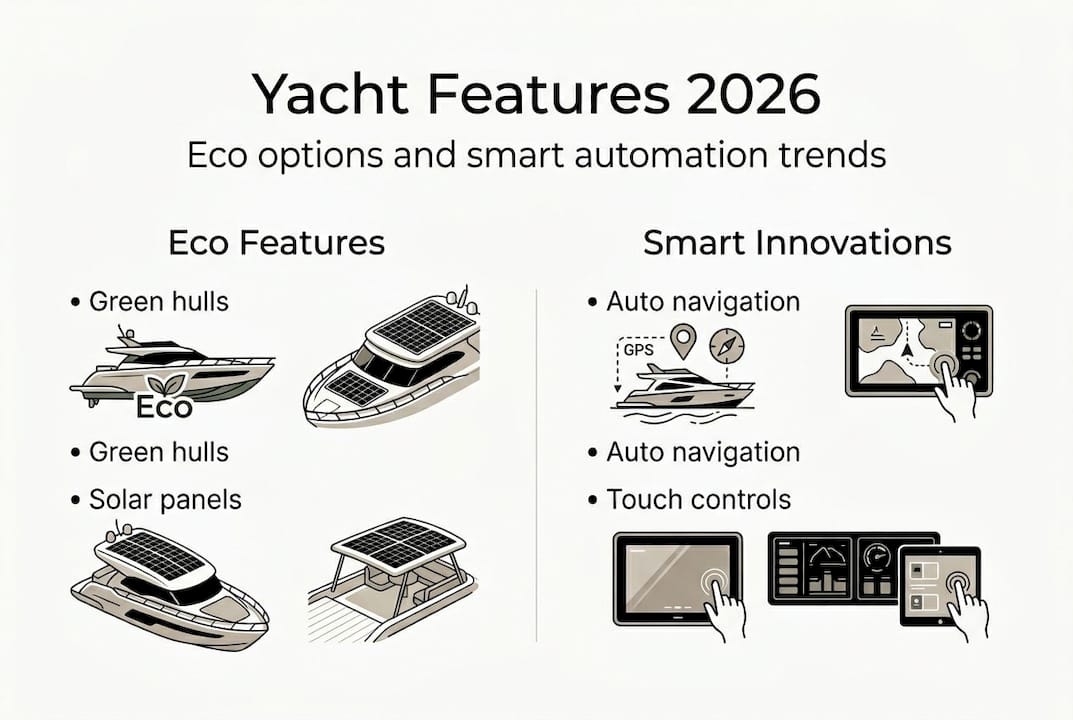
2026 yacht design trends are being shaped by three converging forces: eco-friendly materials and advanced automation, expanded wellness amenities, and a blurring of indoor and outdoor living spaces. The result is a generation of vessels that feel less like machines and more like floating retreats.

Different yacht types serve different ownership visions. Here is how the main categories compare:
| Yacht type | Best for | Key advantage | Typical range |
|---|---|---|---|
| Motor yacht | Speed and comfort | Fast passages, large entertaining spaces | 40 ft to 200+ ft |
| Sailing yacht | Adventure and efficiency | Lower fuel costs, classic appeal | 40 ft to 100+ ft |
| Explorer yacht | Remote destinations | Extended range, rugged capability | 60 ft to 150+ ft |
| Catamaran | Stability and space | Wide beam, shallow draft | 40 ft to 80 ft |
| Superyacht | Ultimate luxury | Unmatched amenities and presence | 100 ft and above |
When reviewing the best luxury yachts of 2026, certain amenities appear consistently on buyers’ wish lists:
- Hybrid or electric propulsion for quieter, cleaner cruising
- Dedicated wellness spaces including gyms, spas, and meditation decks
- Expanded water toy garages with jet skis, foils, and submersibles
- Smart home-style automation controlling lighting, climate, and entertainment
- Alfresco dining and beach club areas that dissolve the boundary between vessel and sea
Understanding yacht specifications in detail is essential before committing to any vessel. Range, beam, draft, and fuel capacity all affect where you can go and how comfortably you can get there.
Pro Tip: Before finalizing your selection, map out your top five intended destinations. Then verify that your chosen vessel’s draft, range, and tender capacity are genuinely suited to those waters.
Having selected your ideal yacht, the journey has only begun. Next, mastering ownership and care ensures maximum enjoyment and value.
Mastering the essentials of yacht ownership and maintenance
Owning a yacht is a deeply rewarding experience, but it demands a proactive approach to care. The vessels that hold their value, perform flawlessly, and deliver consistent joy are the ones whose owners treat maintenance not as an obligation but as an investment.
A well-structured maintenance schedule is the foundation of responsible ownership. Seasonal haul-outs, engine servicing, antifouling, and rigging inspections should be calendared well in advance, not addressed reactively. Waiting for something to break is always more expensive than preventing it.
“The owners who get the most from their yachts are those who treat maintenance like a business. They plan ahead, use the right professionals, and never cut corners on safety systems.” — Marine industry specialist
Choosing and managing a professional crew is equally important. Routine maintenance and crew support are critical not only for preserving vessel value but for ensuring the safety and comfort of every guest on board. A skilled captain and attentive crew transform a yacht from a possession into an experience.
Here are the essential maintenance tasks every owner should schedule:
- Annual engine service and fluid checks
- Hull inspection and antifouling treatment
- Safety equipment certification (life rafts, EPIRBs, fire systems)
- Electrical and navigation system testing
- Interior soft furnishing care and upholstery protection
- Teak deck cleaning and sealing
For budgeting purposes, experienced owners plan for ongoing luxury yacht amenities upgrades alongside standard maintenance. Technology evolves quickly, and keeping your vessel current enhances both enjoyment and resale appeal.
- Set a dedicated annual maintenance budget separate from operational costs.
- Build relationships with trusted service yards in your primary cruising regions.
- Review crew contracts and certifications annually to ensure compliance.
- Document all maintenance work meticulously for resale transparency.
Owning a yacht is as much about ongoing mastery as the purchase itself. Now, let us explore what sets real owners apart in mindset and approach.
Expert perspective: What separates successful yacht owners in 2026
After working with buyers across a wide spectrum of experience and budgets, one pattern becomes clear. The owners who report the greatest satisfaction are not necessarily those who spent the most. They are the ones who invested in knowledge and relationships as deliberately as they invested in the vessel itself.
There is a common misconception that hands-on involvement saves money. In reality, owners who rely on professional management teams, experienced captains, and trusted service networks consistently report fewer costly surprises and far greater peace of mind. The yacht becomes a source of joy rather than anxiety.
Embracing 2026 yachting trends, particularly sustainability and smart automation, also gives owners a meaningful edge. Vessels built or retrofitted with eco credentials command stronger charter rates and broader buyer interest at resale.
First-time buyers often underestimate the learning curve. What separates them from seasoned owners is not just experience but a willingness to ask better questions before signing. The most satisfied owners we encounter approached their purchase like a long-term partnership, not a transaction.
Ready to embark on your yacht ownership journey?
Yacht ownership at this level deserves guidance that is as refined as the vessels themselves. At Yachts by Steve, we specialize in connecting discerning buyers with extraordinary yachts, offering personalized brokerage support from initial search through to sea trial and beyond. Whether you are choosing your luxury yacht for the first time or upgrading to your next vessel, our team brings market intelligence and genuine care to every step. Discover the benefits of using a yacht broker who truly understands your vision, and explore why owning a luxury yacht remains one of the most fulfilling decisions our clients have ever made.
Frequently asked questions
What is the average annual cost of yacht ownership in 2026?
Annual ownership costs typically range from 10% to 15% of the yacht’s purchase value, covering crew salaries, maintenance, mooring fees, fuel, and insurance. Planning for this from the outset ensures a seamless ownership experience.
Is it better to buy new or pre-owned yachts?
Pre-owned yachts offer faster delivery and proven value, while new builds allow full customization from the keel up. The right choice depends on your timeline, priorities, and how much personalization matters to you.
What are the most important yacht features in 2026?
Buyers in 2026 are prioritizing eco-friendly materials and smart automation alongside dedicated wellness spaces and expanded outdoor living areas, reflecting a shift toward vessels that nurture both body and spirit.
Do I need a broker to buy my first yacht?
While not a legal requirement, a skilled yacht broker simplifies every stage of the process, from sourcing and negotiation to survey coordination and paperwork, making the entire journey far less stressful and far more rewarding.
Recommended
Featured Listings
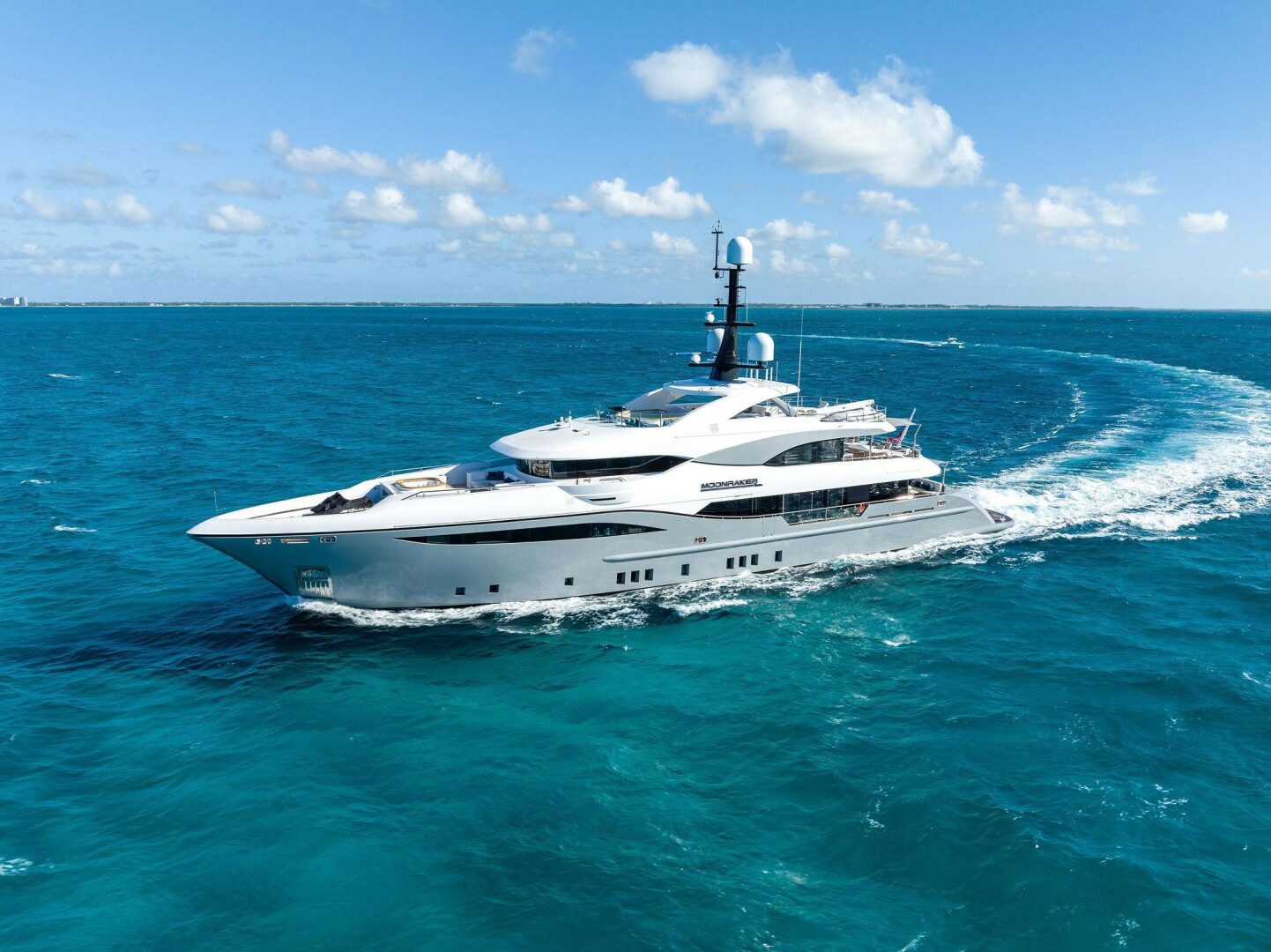
2019 Bilgin MOONRAKER
$21,404,500
156
West Palm Beach Florida

2028 Columbus Yachts
$22,900,008
137
Ancona
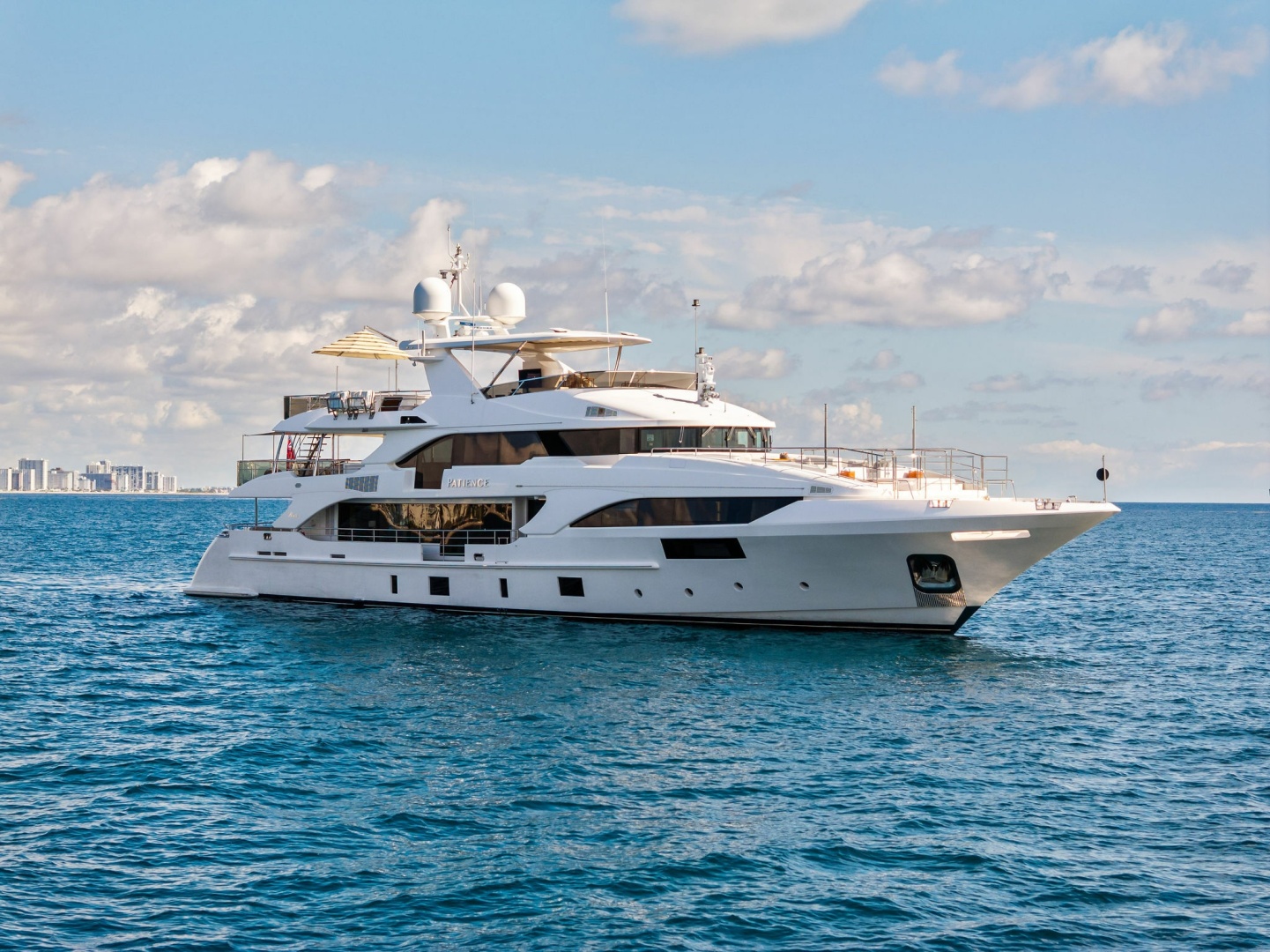
2012 Benetti PATIENCE
$10,975,000
132
Fort Lauderdale Florida
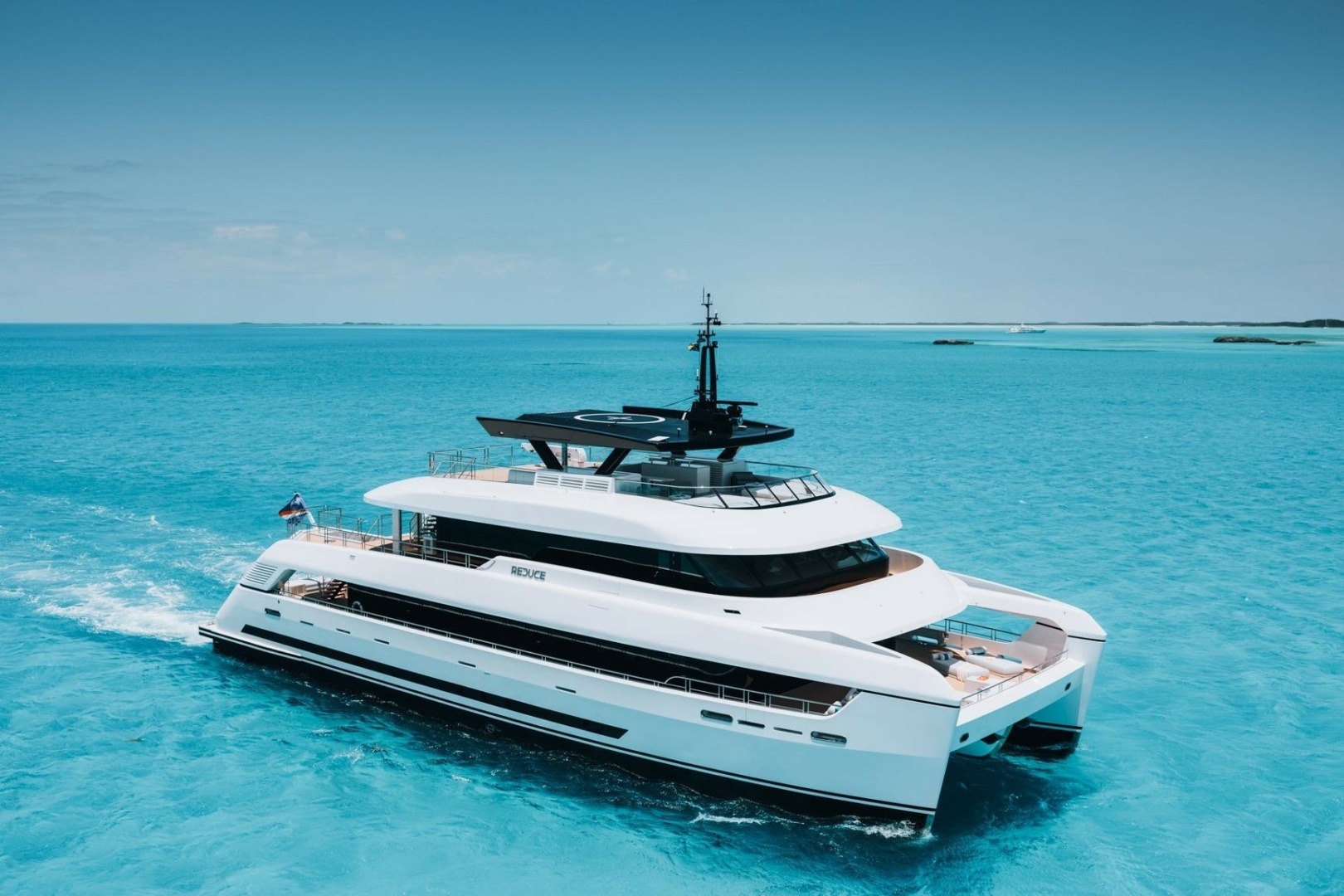
2024 Silver Yachts
$25,400,000
117
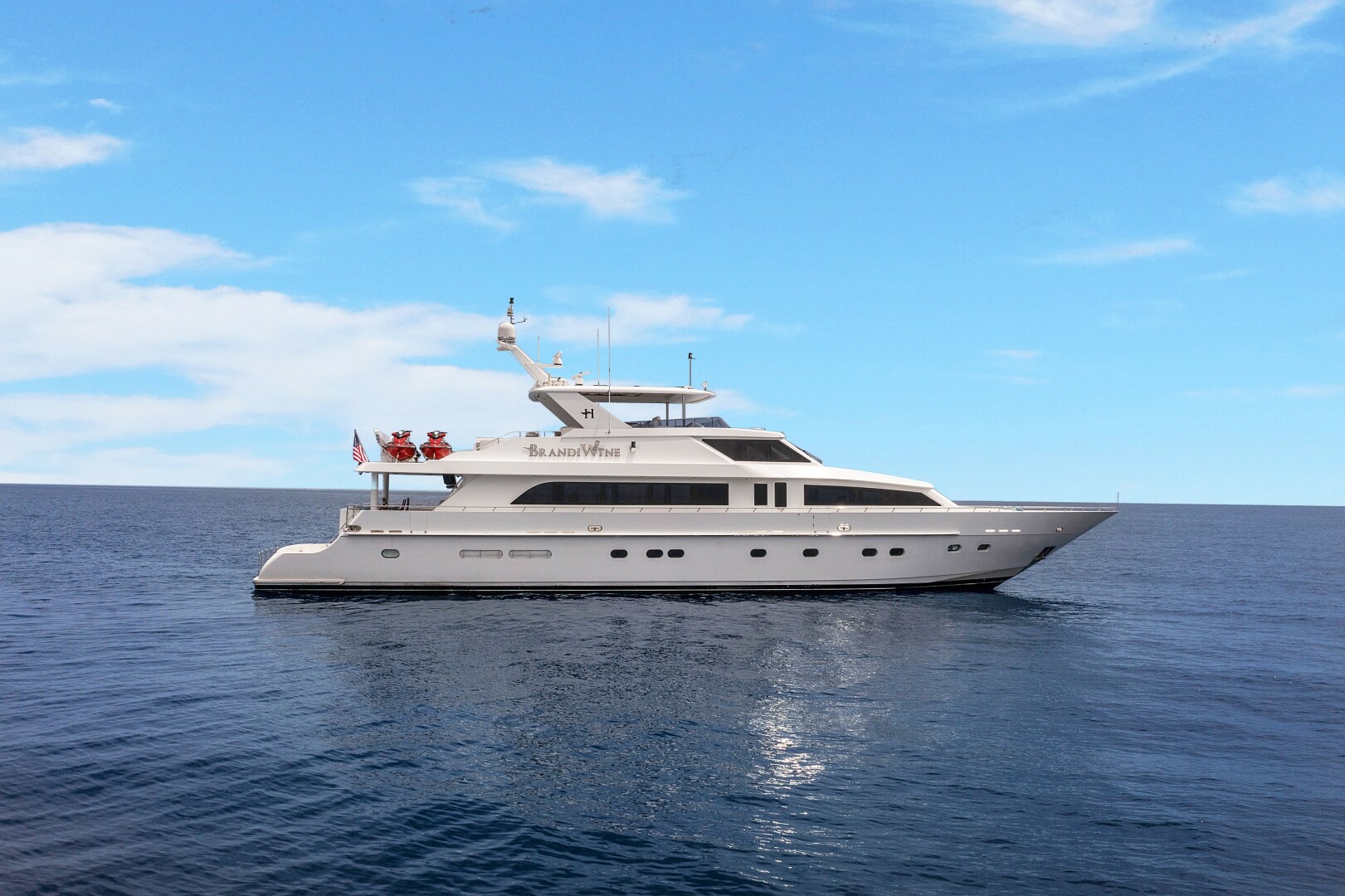
2009 Hargrave BRANDI WINE
$2,995,000
114
Fort Lauderdale Florida

2028 Extra Yachts
$21,404,500
100
Ancona

2028 Extra Yachts Extra 96
$9,495,000
96
Ancona
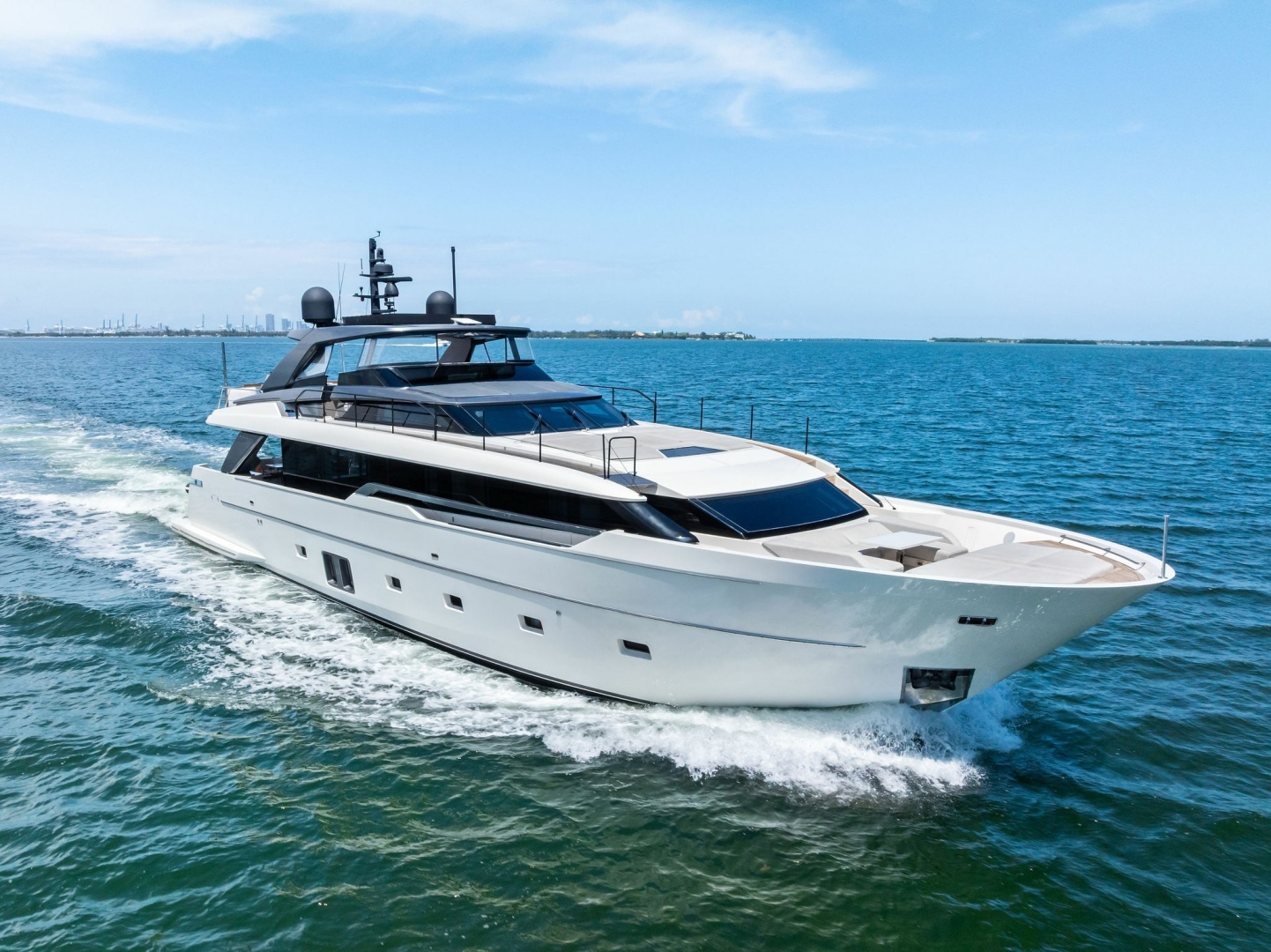
2021 Sanlorenzo GATSBY
$6,795,000
96
Miami Beach Florida

1999 Northern Marine OFF LINE
$2,495,000
84
Ft Lauderdale Florida
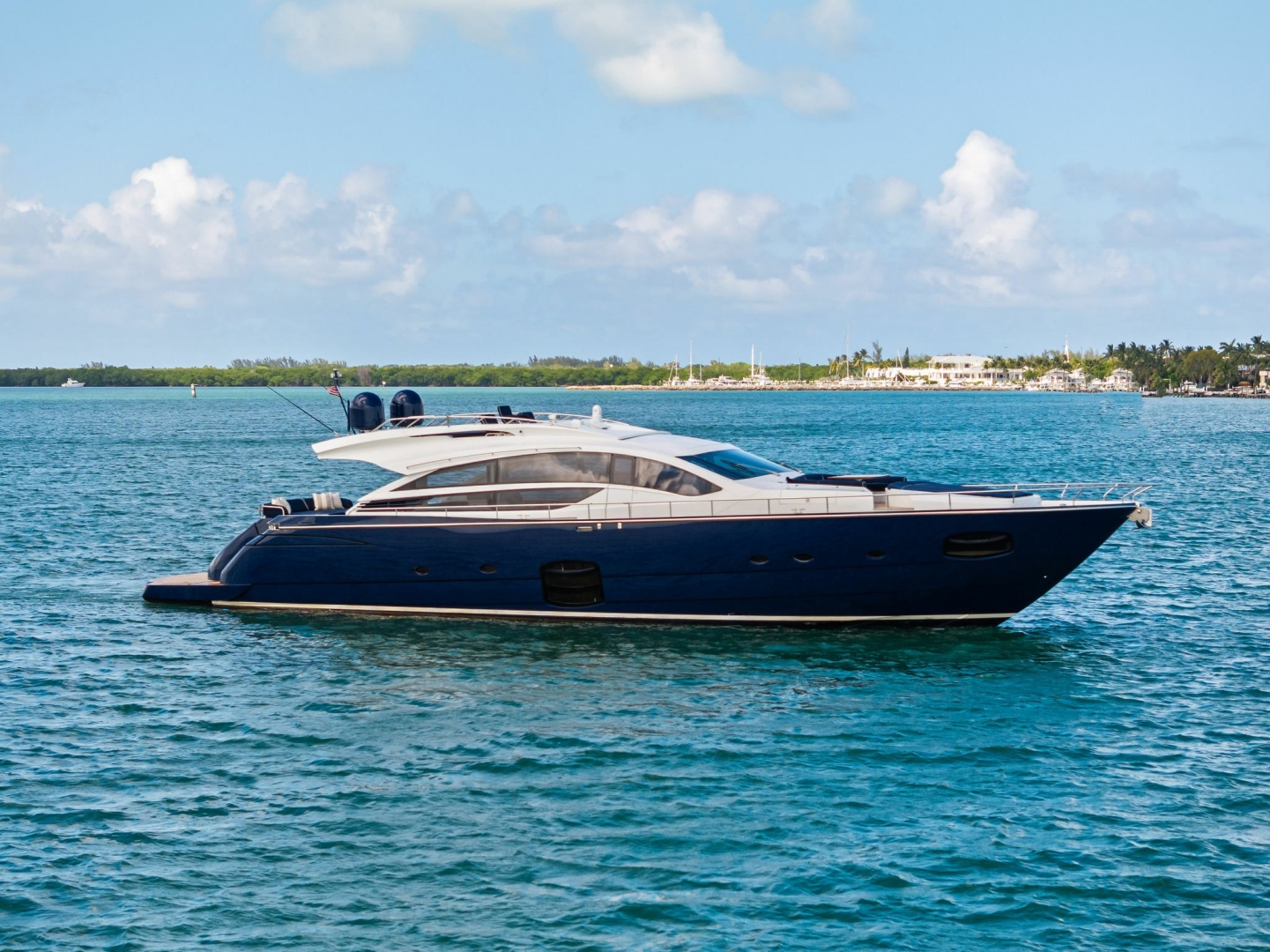
2013 Pershing DOROTHY ANN
$1,750,000
82
Miami Beach Florida

1997 Ferretti Yachts
$850,000
80
La Paz
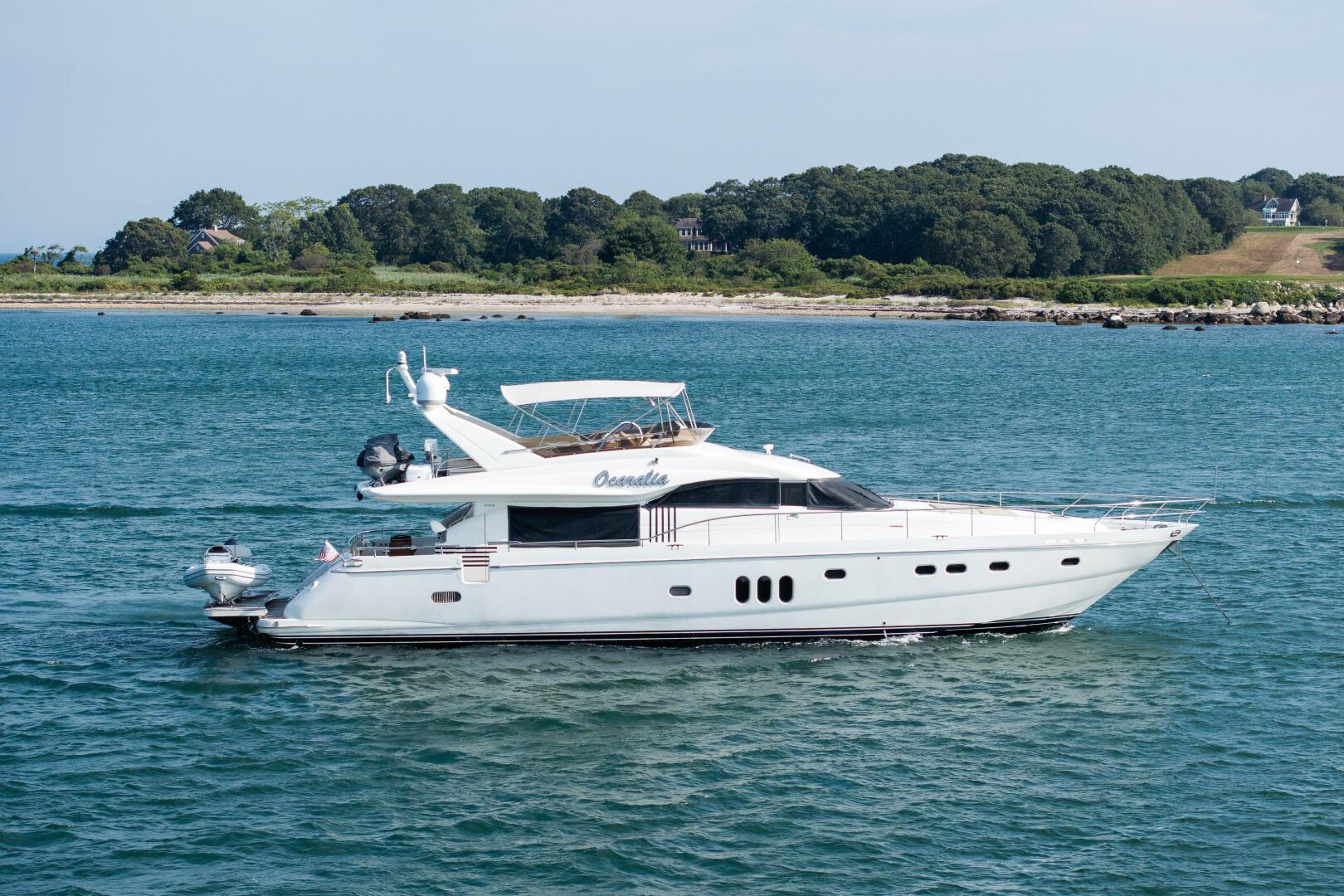
2008 Princess Yachts OCARALIA
$1,095,000
75
Charleston South Carolina
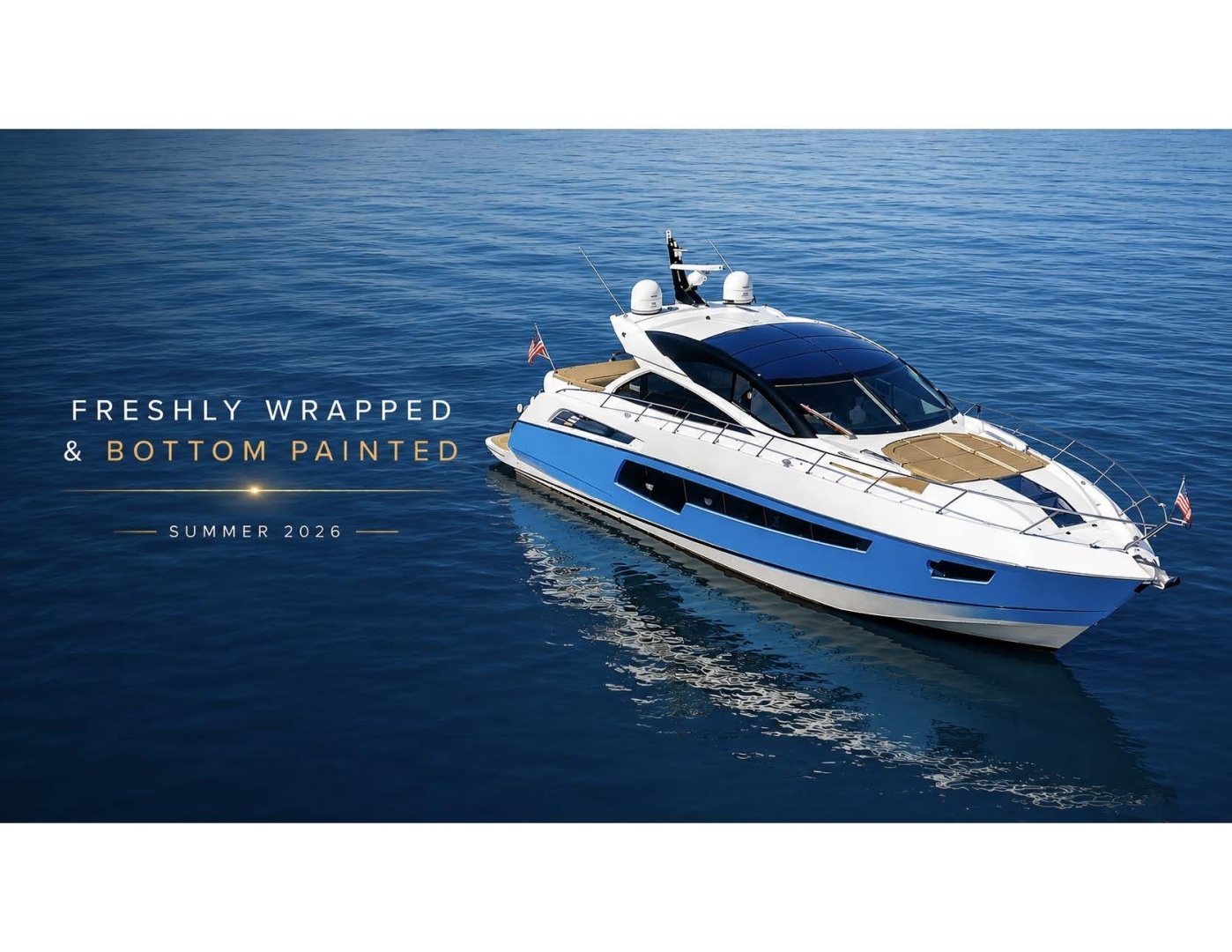
2014 Sunseeker
$1,400,000
68
New York New York

2024 Fairline
$2,750,000
68
Ft. Lauderdale Florida

2024 Sunreef Catallaxi
$3,700,000
60
Newport Rhode Island
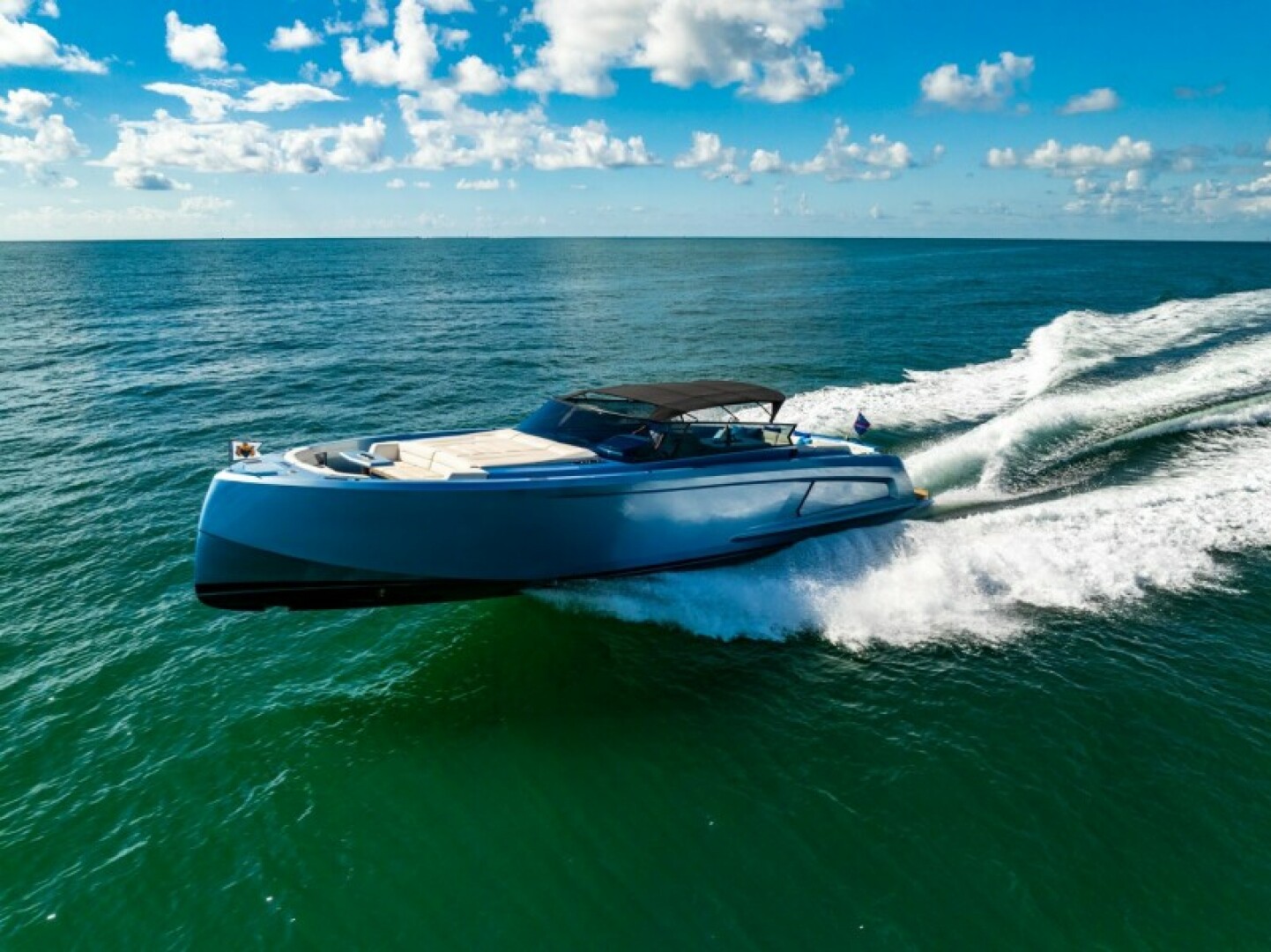
2019 Vanquish Yachts IMPULSIVE
$1,799,000
58
Miami Beach Florida
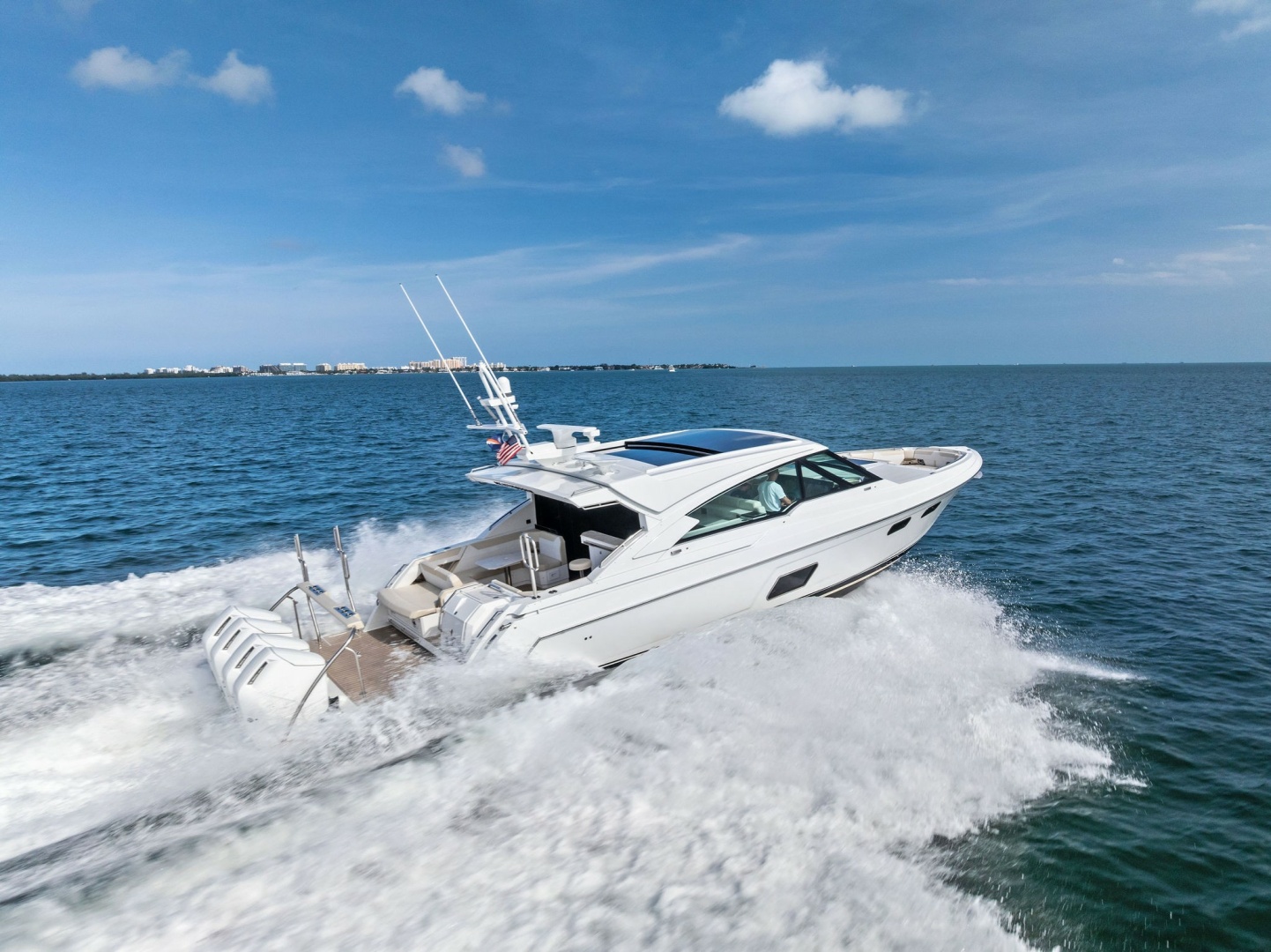
2025 Formula BREAKTHROUGH III
$1,895,000
53
Miami Beach Florida

2023 Fairline
$900,000
45
Fort Lauderdale Florida
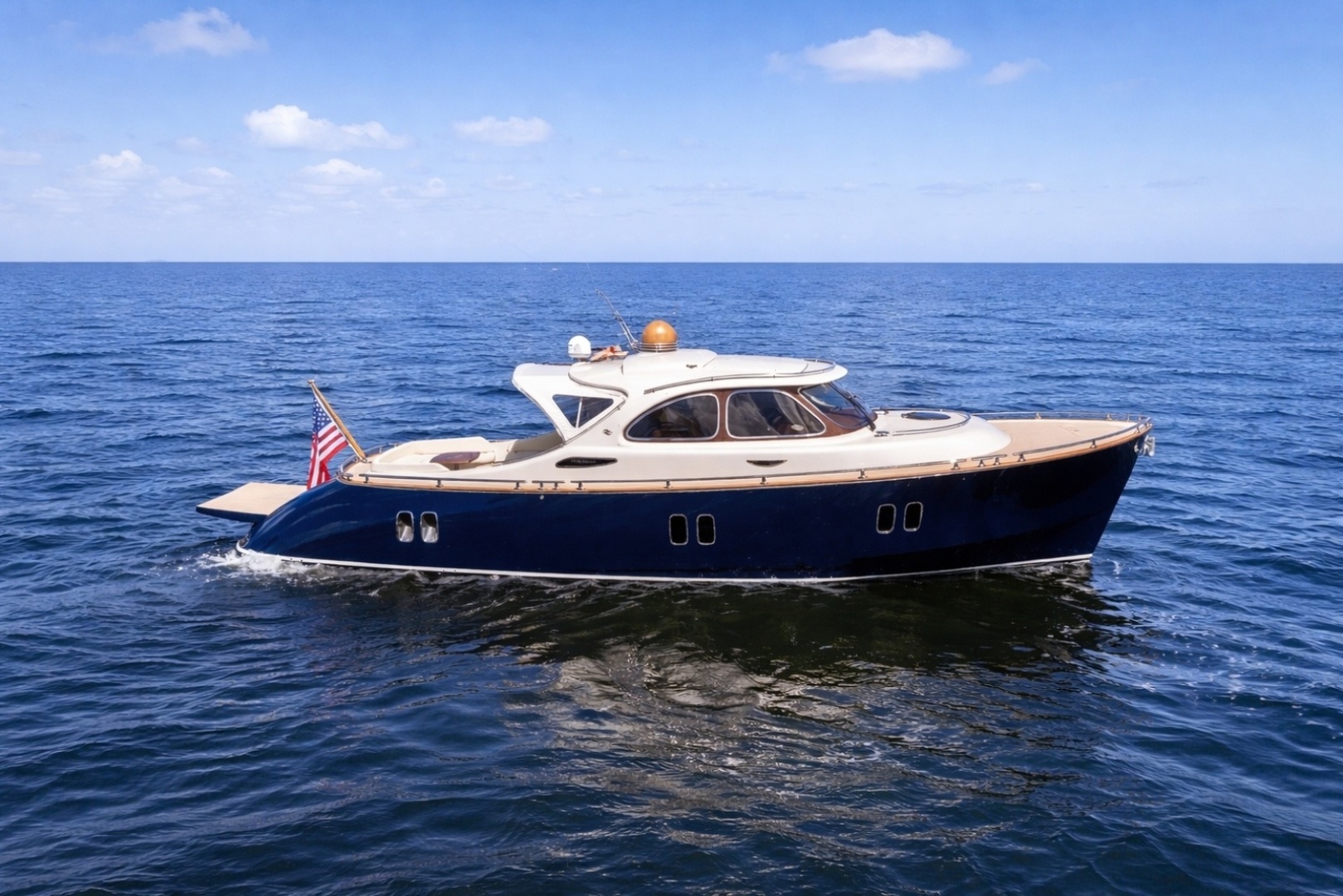
2012 Zeelander Mississippi Queen
$575,000
44
West Palm Beach Florida
2019 Bilgin 156'
$21,404,500
2028 Columbus Yachts 137'
$22,900,008
2012 Benetti 132'
$10,975,000
2024 Silver Yachts 117'
$25,400,000
2009 Hargrave 114'
$2,995,000
2028 Extra Yachts 100'
$21,404,500
2028 Extra Yachts 96'
$9,495,000
2021 Sanlorenzo 96'
$6,795,000
1999 Northern Marine 84'
$2,495,000
2013 Pershing 82'
$1,750,000
1997 Ferretti Yachts 80'
$850,000
2008 Princess Yachts 75'
$1,095,000
2014 Sunseeker 68'
$1,400,000
2024 Fairline 68'
$2,750,000
2024 Sunreef 60'
$3,700,000
2019 Vanquish Yachts 58'
$1,799,000
2025 Formula 53'
$1,895,000
2023 Fairline 45'
$900,000
2012 Zeelander 44'
$575,000