

Most yacht owners assume that more maintenance always means better results. In reality, over-polishing or improper cleaning can damage a yacht’s finish and quietly erode its market value. The truth is, knowing what to do matters far less than knowing how and when to do it. Luxury yacht ownership is as much a discipline as it is a pleasure, and the finest vessels on the water stay that way because their owners treat care as a craft, not a checklist. This guide covers the fundamentals, the financials, the most common missteps, and the modern tools that make it all more seamless.
Table of Contents
- The fundamentals of yacht maintenance
- Scheduling and cost: How maintenance preserves value
- Common maintenance mistakes and how to avoid them
- Modern tools and services: Easing ownership and boosting enjoyment
- A smarter approach: What most yacht owners miss about maintenance
- Enhance your yacht ownership journey
- Frequently asked questions
Key Takeaways
| Point | Details |
|---|---|
| Maintenance quality matters | Well-planned, precise care preserves both comfort and resale value for luxury yachts. |
| Smart scheduling saves money | Timely refits and documented upkeep protect your investment and prevent bigger costs. |
| Avoid common pitfalls | Over-polishing and DIY repairs can do more harm than good, so know when to hire a pro. |
| Modern tools help owners | Digital logs and management services take the headache out of maintenance planning and execution. |
The fundamentals of yacht maintenance
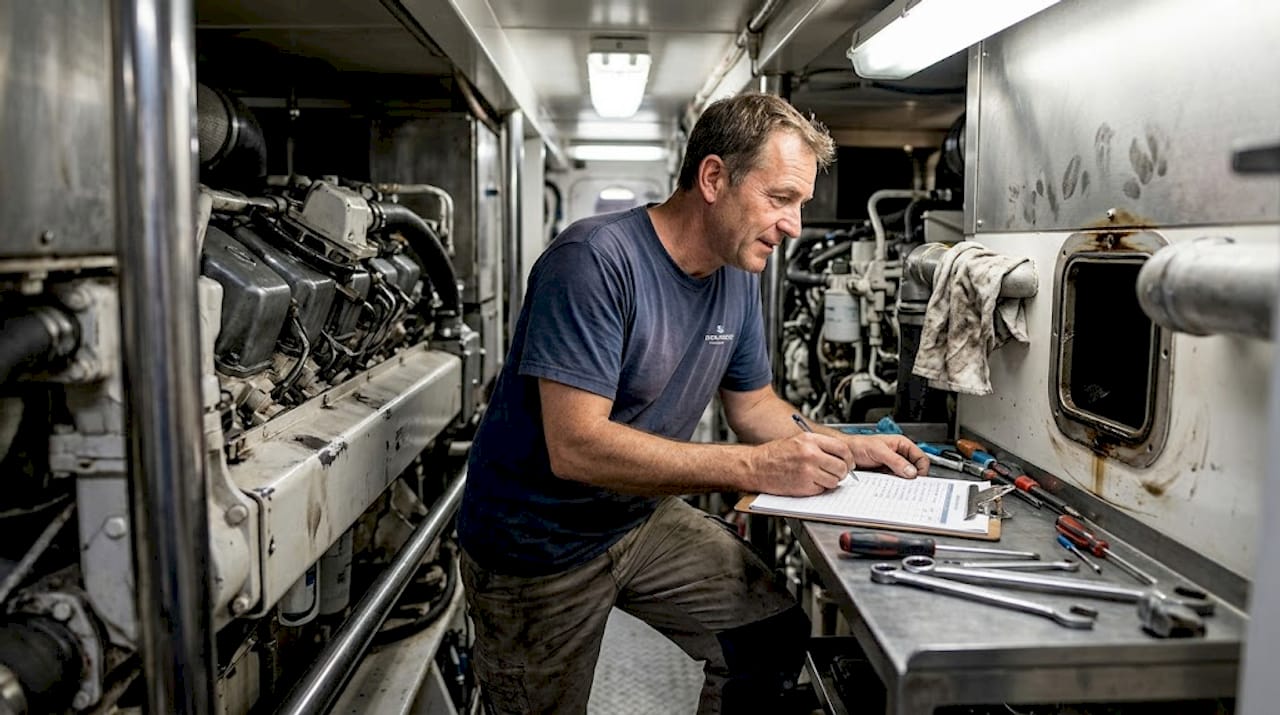
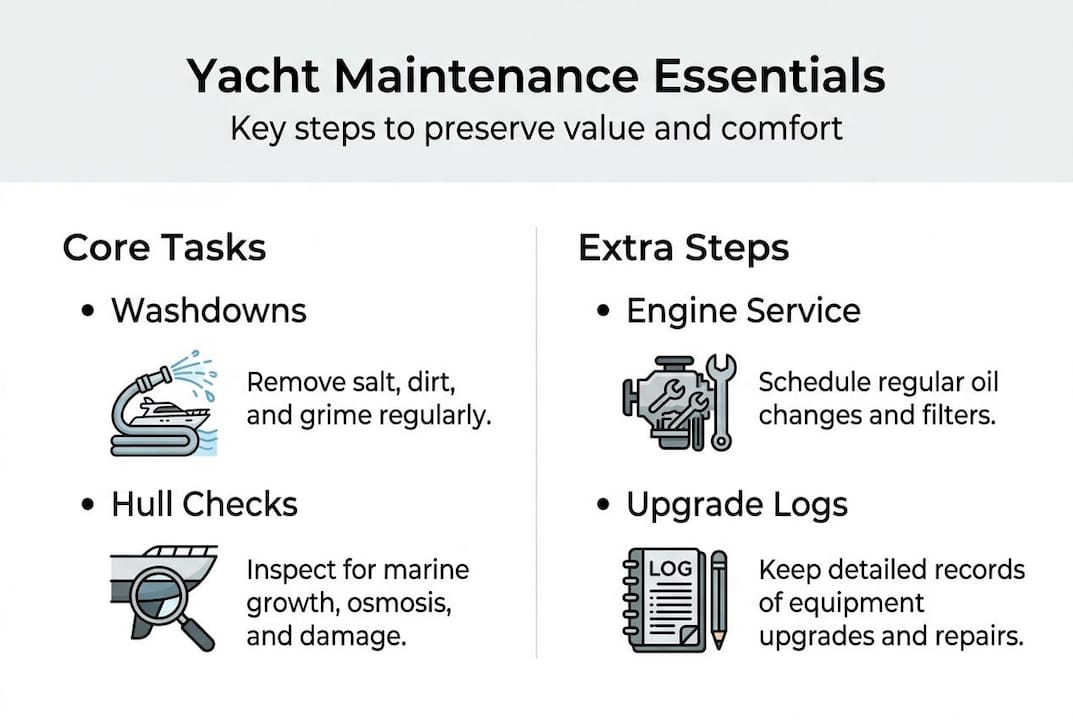
Every well-kept yacht rests on four pillars: routine washdowns, hull inspections, mechanical system checks, and cosmetic upkeep. Each plays a distinct role. Washdowns remove salt, grime, and biological buildup that accelerate corrosion. Hull inspections catch osmotic blistering and antifouling wear before they become structural problems. System checks cover engines, electrical panels, navigation equipment, and plumbing. Cosmetic care, which includes polishing, varnishing, and upholstery attention, preserves the visual integrity that defines a luxury vessel.
Understanding who owns each task is equally important. Captains typically oversee scheduling and coordinate professional contractors. Crew handle daily washdowns, basic checks, and interior care. Owners benefit most from reviewing logs, asking the right questions, and investing in essential yacht ownership care practices that protect long-term value. The clearest division of labor prevents tasks from falling through the cracks.
One of the most persistent myths in yacht ownership is that more polishing equals a better finish. It doesn’t. Over-polishing damages the clearcoat and can accelerate the need for costly repainting, sometimes years ahead of schedule. The same principle applies to engine flushing, bilge cleaning, and varnish application. Frequency without precision creates problems, not solutions.
Maintenance responsibility overview
| Task | Responsible party | Frequency |
|---|---|---|
| Saltwater washdowns | Crew | Daily/after each use |
| Hull inspection | Captain/contractor | Monthly |
| Engine system checks | Engineer/professional | Monthly |
| Antifouling application | Professional | Annually |
| Interior cosmetic care | Crew | Weekly |
| Full varnish refresh | Professional | Every 1-2 years |
For yacht management best practices, the most effective owners treat this table as a living document, updated with every completed task and adjusted as the vessel ages.
“The goal is never to do more. It’s to do the right things, at the right time, with the right expertise.”
Pro Tip: Before any cosmetic task, ask your captain whether the product being used is rated for marine-grade surfaces. Many household or automotive products cause irreversible damage to gelcoat and clearcoat finishes.
Scheduling and cost: How maintenance preserves value
A yacht without a maintenance calendar is a liability dressed as a luxury. Timing and documentation matter as much as the tasks themselves, because a well-documented service history is one of the most powerful value signals in any resale conversation.
Here is how a smart annual schedule typically breaks down:
- Spring commissioning: Engine servicing, safety equipment checks, antifouling application, and full systems review before the sailing season begins.
- Mid-season inspection: Hull check, rigging inspection, and cosmetic touch-ups to address any wear from active use.
- End-of-season layup: Winterization of engines and plumbing, interior deep clean, cover installation, and log updates.
- Annual professional service: Comprehensive mechanical review, electrical system audit, and any scheduled part replacements.
- Refit planning: Every five to seven years, a full structural and cosmetic refit should be budgeted and planned in advance.
On the financial side, yachts require a refit every 5-7 years, costing approximately 5-10% of the yacht’s total value. For a vessel valued at $2 million, that means setting aside $100,000 to $200,000 per refit cycle. Spread over seven years, this is a manageable and predictable investment when planned correctly.
Estimated annual maintenance costs by vessel size
| Vessel length | Estimated annual cost | Refit cost range |
|---|---|---|
| 40-50 ft | $20,000-$40,000 | $50,000-$100,000 |
| 50-80 ft | $50,000-$100,000 | $150,000-$300,000 |
| 80-120 ft | $150,000-$300,000 | $500,000+ |
Smart yacht value retention strategies always begin with a maintenance ledger. Buyers in 2026 are sophisticated. They request service records, ask about refit history, and factor documentation quality directly into their offers. A yacht with clean, organized records consistently commands a premium over a visually identical vessel with gaps in its history.
A well-timed refit also opens the door to inspiring yacht upgrades that modernize amenities, improve fuel efficiency, and raise the vessel’s appeal to a broader buyer pool. When you align upgrades with refit cycles, you maximize both enjoyment and return on investment. Understanding pricing strategy for yacht value helps owners time these investments with market conditions in mind.
Common maintenance mistakes and how to avoid them
Knowing what to do is only part of the story. It’s just as critical to recognize what not to do. The most costly errors in yacht ownership rarely come from neglect alone. They often come from well-intentioned but misinformed action.
Here are the five most damaging mistakes owners and crews make:
- Over-polishing the hull: Stripping the clearcoat accelerates oxidation and forces premature repainting, adding significant unplanned cost.
- DIY engine work without qualifications: Improper DIY engine work can do more harm than good, voiding warranties and creating safety risks.
- Skipping mid-season inspections: Small issues found in July cost a fraction of what they cost when discovered in October after weeks of compounding damage.
- Using the wrong cleaning products: Non-marine-grade products degrade teak, upholstery, and metal fittings faster than salt water ever would.
- Failing to maintain a logbook: Without a detailed record, service gaps become invisible until they surface as expensive surprises during a survey.
Knowing when to call a professional is a skill in itself. The rule is simple: if the task involves anything mechanical, electrical, or structural, it belongs in professional hands. Yacht care best practices consistently reinforce this boundary. Crew can manage cosmetics and daily care. Professionals own the rest.
“Skipping a scheduled inspection to save a few thousand dollars is how owners end up spending tens of thousands they never planned for.”
Pro Tip: Invest in a digital maintenance logbook. Apps designed for marine vessel tracking allow captains and crew to log every task, attach photos, and set automated reminders. This creates a living record that impresses buyers and simplifies yacht management advice conversations with any future management company.
Modern tools and services: Easing ownership and boosting enjoyment
Modern maintenance doesn’t stop at old-school elbow grease. Today’s technology and professional management services have fundamentally changed what’s possible for discerning yacht owners.
Digital maintenance logs are now standard among serious owners. These platforms track every service event, flag upcoming tasks, and store documentation in a format that transfers seamlessly during a sale. Remote monitoring systems take this further, providing real-time data on engine performance, bilge levels, battery health, and hull integrity from anywhere in the world. You can be in a boardroom in Manhattan and still know your vessel’s status in the Mediterranean.
Professional yacht management solutions handle the full spectrum of ownership responsibilities. A premium management company typically provides:
- Crew recruitment, vetting, and payroll
- Maintenance scheduling and contractor coordination
- Flag state compliance and insurance management
- Charter management and revenue optimization
- Annual budget preparation and financial reporting
For owners who spend fewer than 60 days per year aboard, professional management is not a luxury. It is a financial safeguard. Vessels under active management retain value more reliably because every task is tracked, every contractor is vetted, and every system is monitored consistently.
Professional services are best for complex tasks like engine overhauls, and reputable management companies maintain relationships with certified specialists across major yachting hubs. This network access alone saves owners significant time and money.
For those considering upgrades alongside maintenance, exploring upgraded yacht amenities alongside a refit cycle creates synergies that elevate both the ownership experience and the vessel’s market position.
Pro Tip: When evaluating a management company, ask for a sample monthly report. The depth and clarity of that document tells you everything about how they will care for your investment.
A smarter approach: What most yacht owners miss about maintenance
Here is the uncomfortable truth: most owners over-invest in appearance and under-invest in the systems and documentation that actually drive resale value. A gleaming hull and freshly varnished teak make a powerful first impression, but sophisticated buyers in 2026 look deeper. They want engine hours, service records, refit history, and proof that every major system has been maintained with precision.
The vessels that command top-of-market prices are rarely the most visually spectacular. They are the ones with the cleanest paper trail. A thorough full yacht ownership journey includes treating documentation as a core asset, not an afterthought. Preventative upgrades to navigation systems, electrical infrastructure, and propulsion technology signal reliability in ways that fresh paint simply cannot.
Shift your focus from surface to substance. The owners who do this consistently enjoy higher offers, faster sales, and a more effortless ownership experience along the way.
Enhance your yacht ownership journey
Understanding maintenance is the foundation of confident yacht ownership, and that confidence becomes most visible when it’s time to buy or sell. A vessel that has been cared for with intention and documented with precision is a vessel that commands respect in the market. At Yachts by Steve, we work with owners and buyers who take this seriously. Whether you’re exploring how to choose a yacht broker who truly understands value preservation, or you want to review yacht specifications explained before making your next move, our team is here to guide you. Visit Yachts by Steve to explore listings and connect with an advisor who speaks your language.
Frequently asked questions
How often should I schedule a full yacht refit?
Plan for a full refit every 5 to 7 years, which typically costs 5-10% of your yacht’s total value. Budgeting in advance and aligning refits with major system upgrades maximizes both cost efficiency and vessel appeal.
Does over-polishing really harm my yacht’s finish?
Yes. Over-polishing removes clearcoat protection and forces premature repainting, adding significant unplanned expense. Less frequent, correctly applied polishing preserves the finish far longer.
Which tasks must be done by professionals versus crew or owners?
Complex tasks like engine overhauls and electronic system repairs always require certified professionals, while routine cleaning, daily washdowns, and basic visual checks can be handled competently by trained crew.
How does good maintenance affect yacht resale?
Documented, timely maintenance and scheduled refits boost resale price and buyer confidence significantly. Buyers in 2026 factor service history quality directly into their offers, often paying a premium for well-documented vessels.
Recommended
Featured Listings
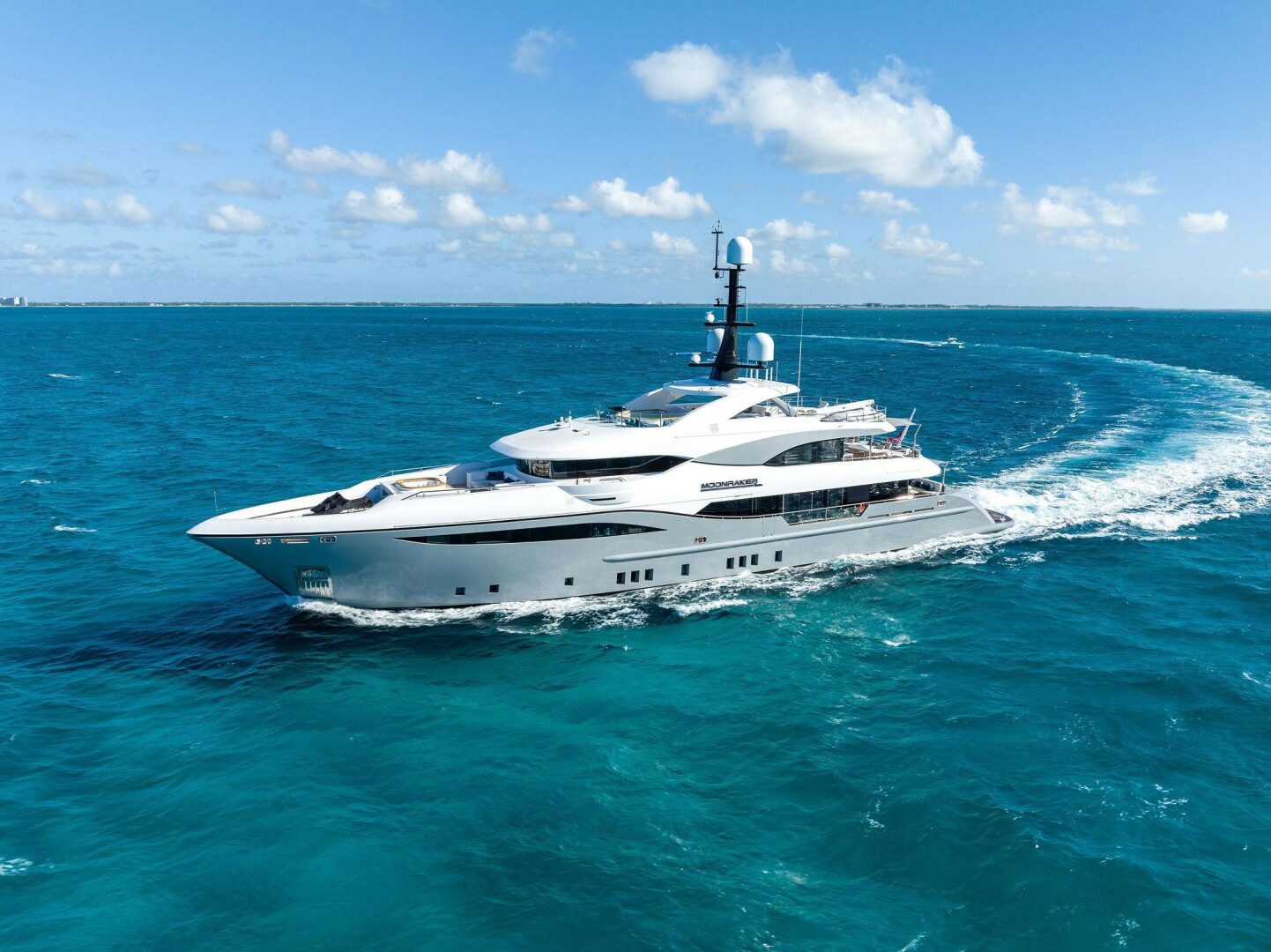
2019 Bilgin MOONRAKER
$21,404,500
156
West Palm Beach Florida

2028 Columbus Yachts
$22,900,008
137
Ancona
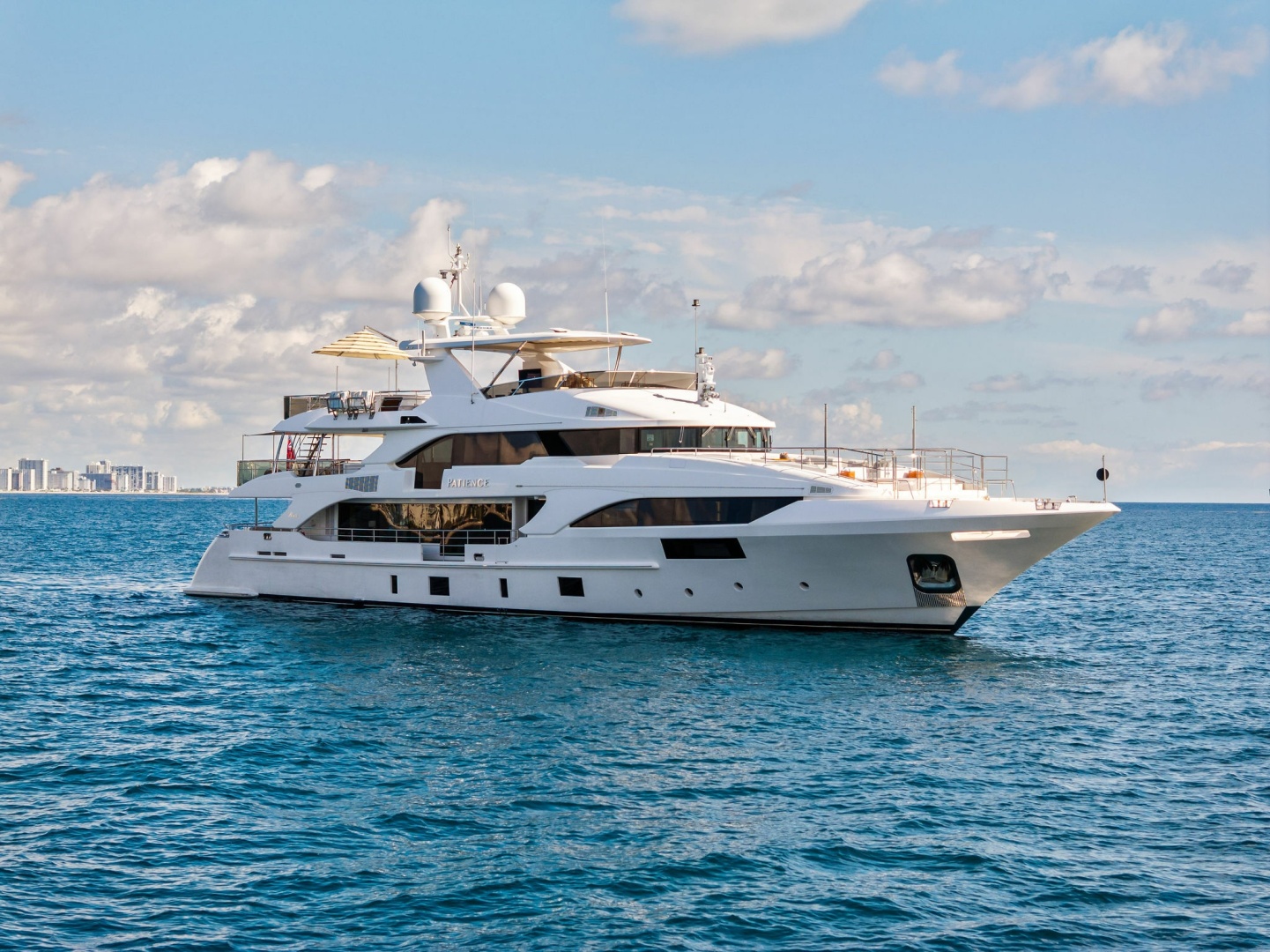
2012 Benetti PATIENCE
$10,975,000
132
Fort Lauderdale Florida
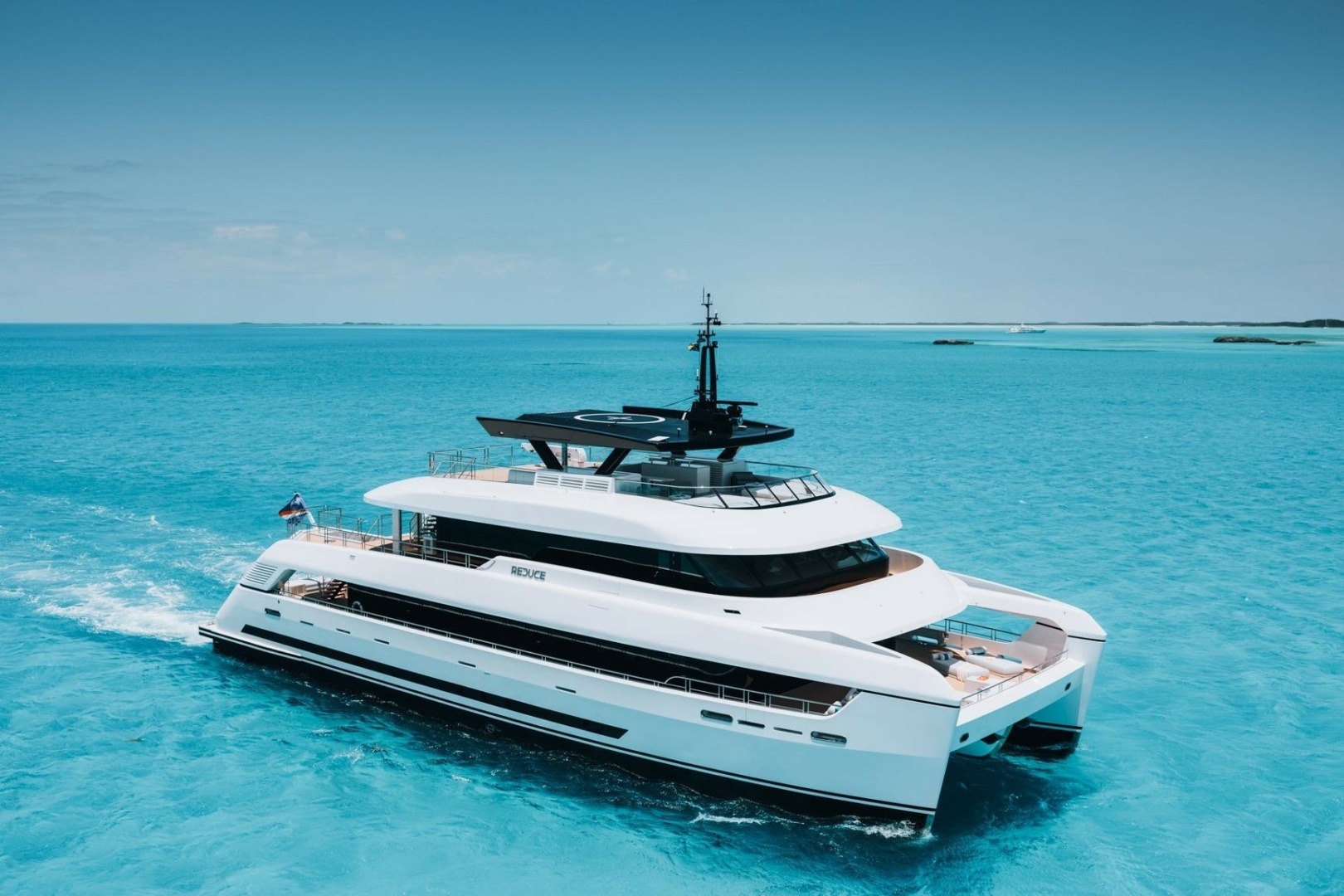
2024 Silver Yachts
$25,400,000
117
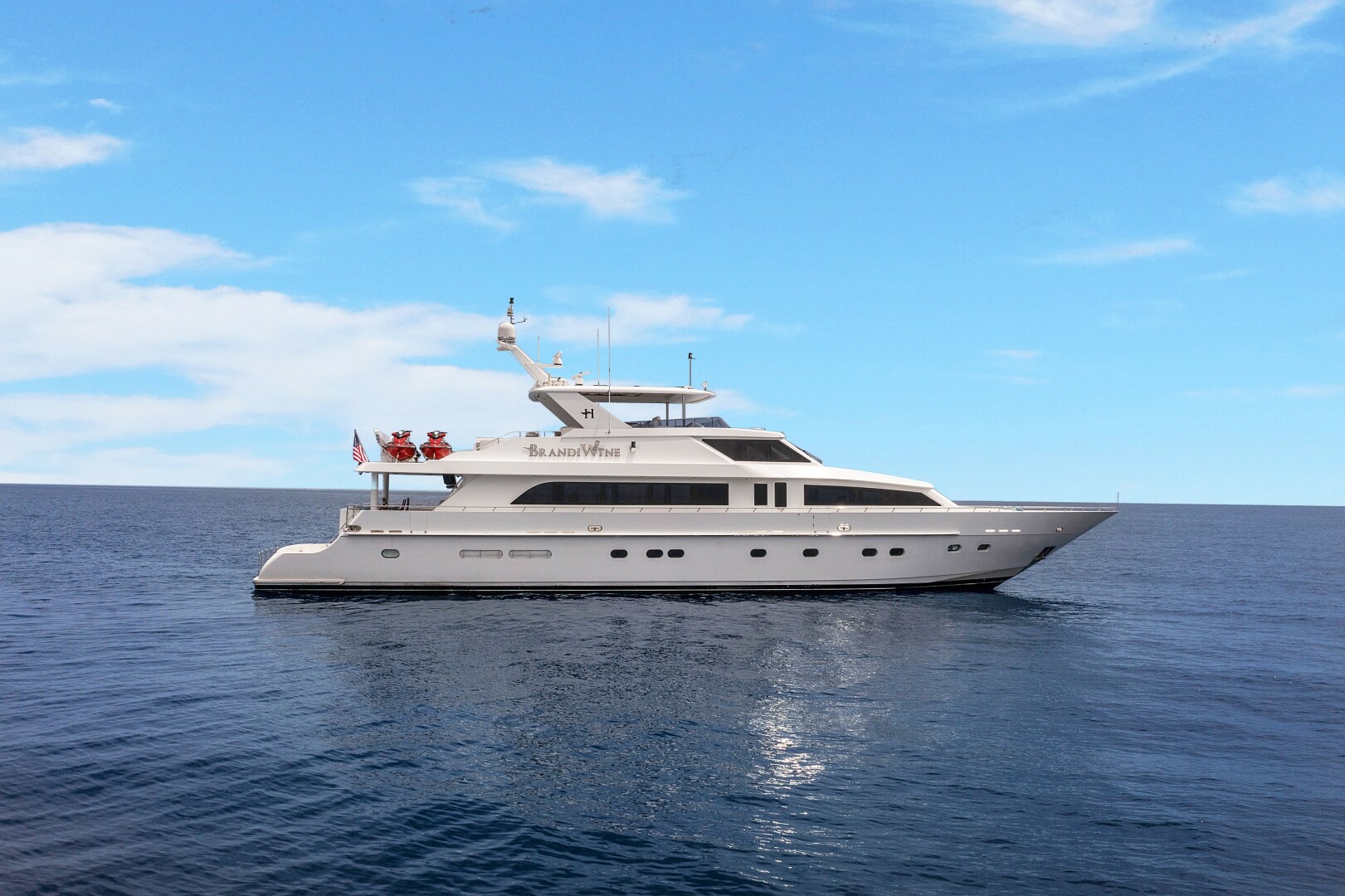
2009 Hargrave BRANDI WINE
$2,995,000
114
Fort Lauderdale Florida

2028 Extra Yachts
$21,404,500
100
Ancona

2028 Extra Yachts Extra 96
$9,495,000
96
Ancona
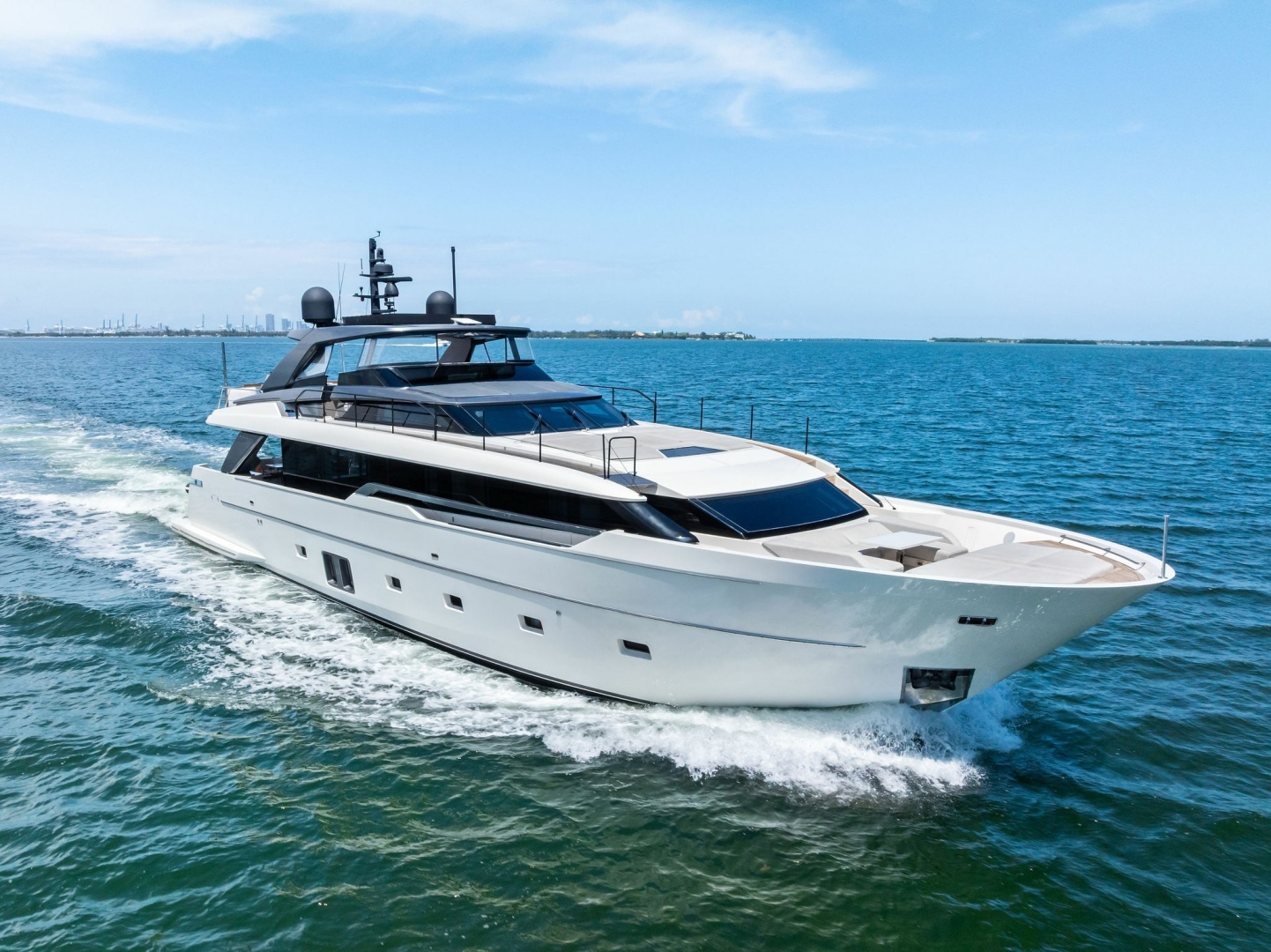
2021 Sanlorenzo GATSBY
$6,795,000
96
Miami Beach Florida

1999 Northern Marine OFF LINE
$2,495,000
84
Ft Lauderdale Florida
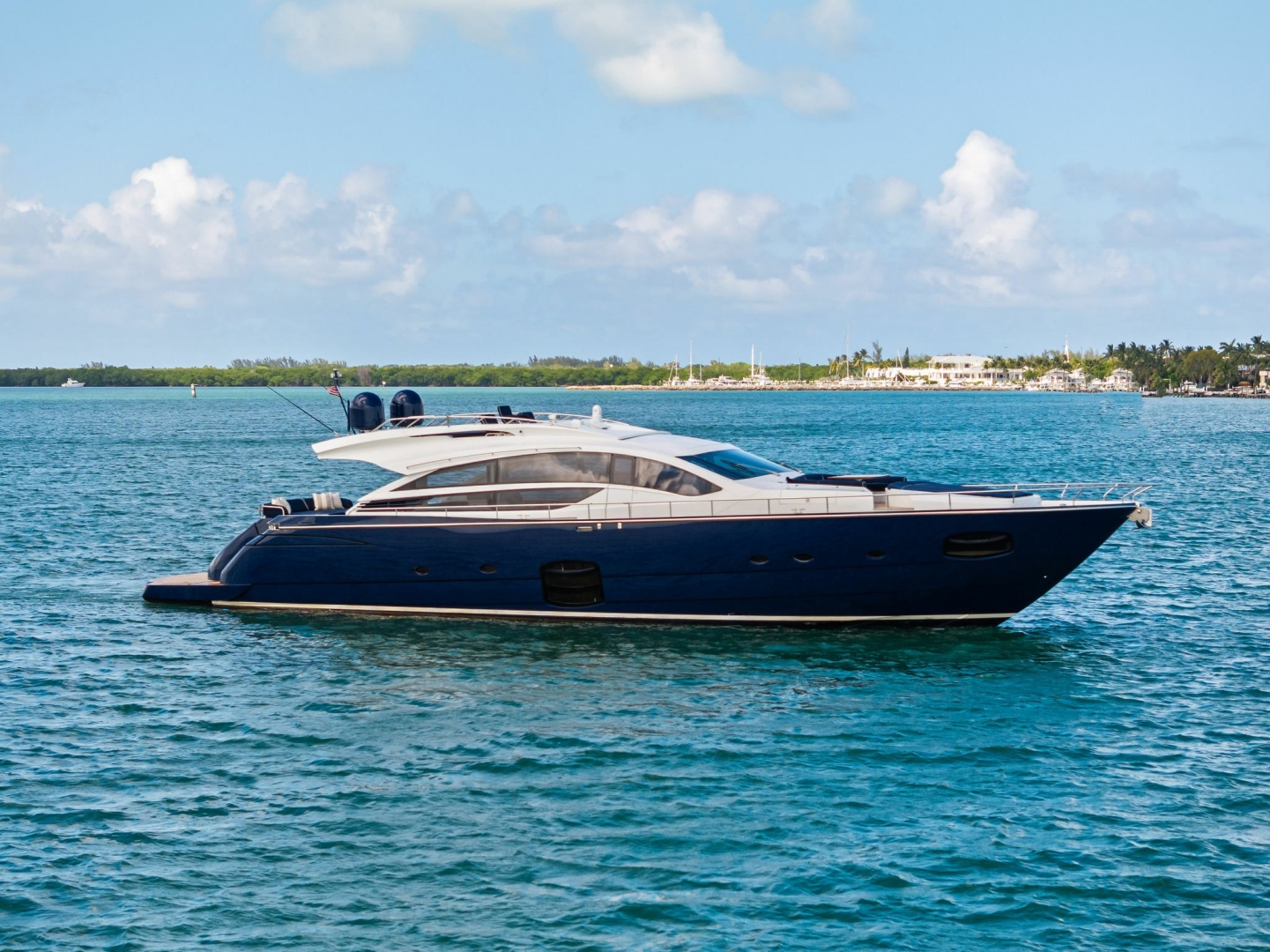
2013 Pershing DOROTHY ANN
$1,750,000
82
Miami Beach Florida

1997 Ferretti Yachts
$850,000
80
La Paz
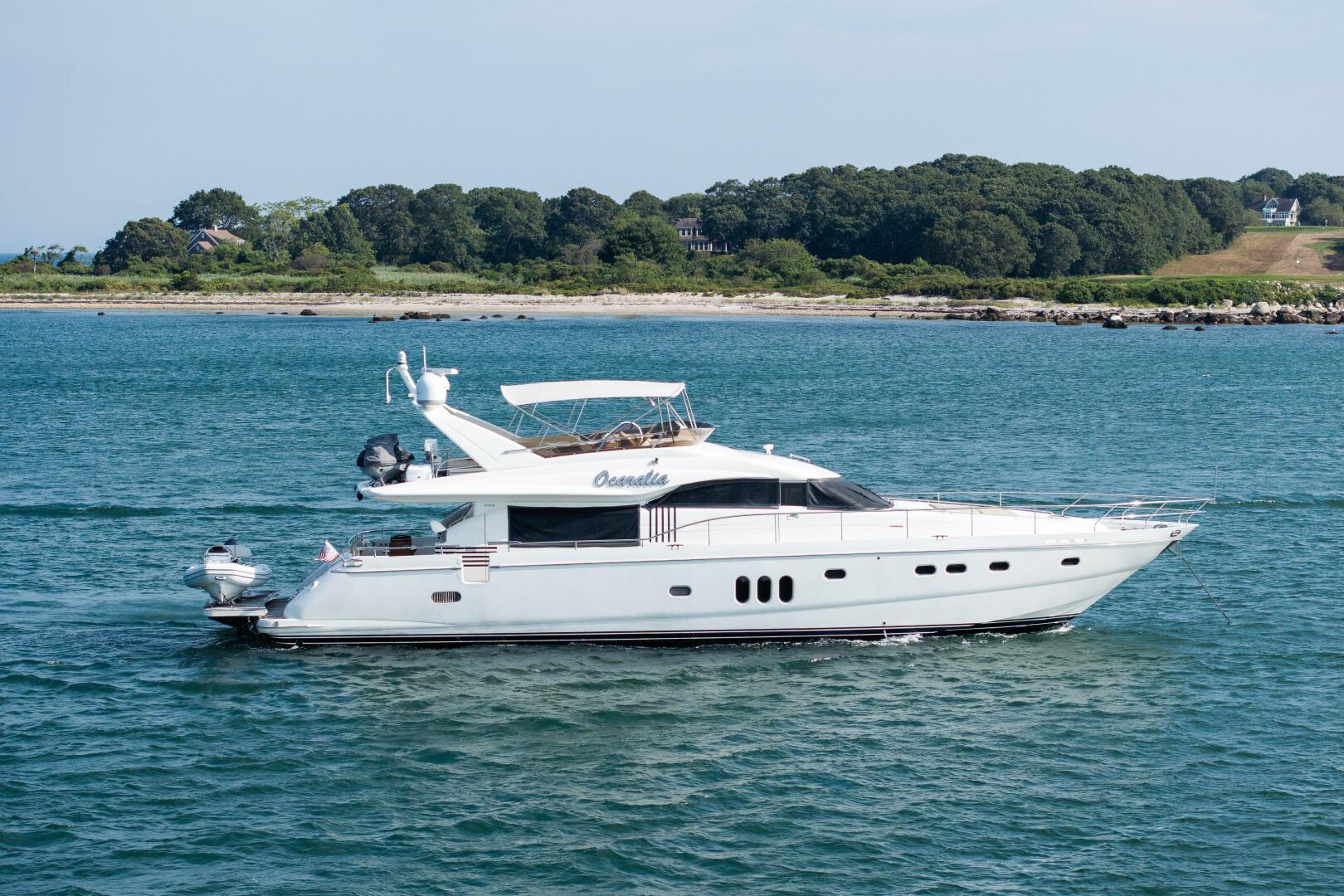
2008 Princess Yachts OCARALIA
$1,095,000
75
Charleston South Carolina
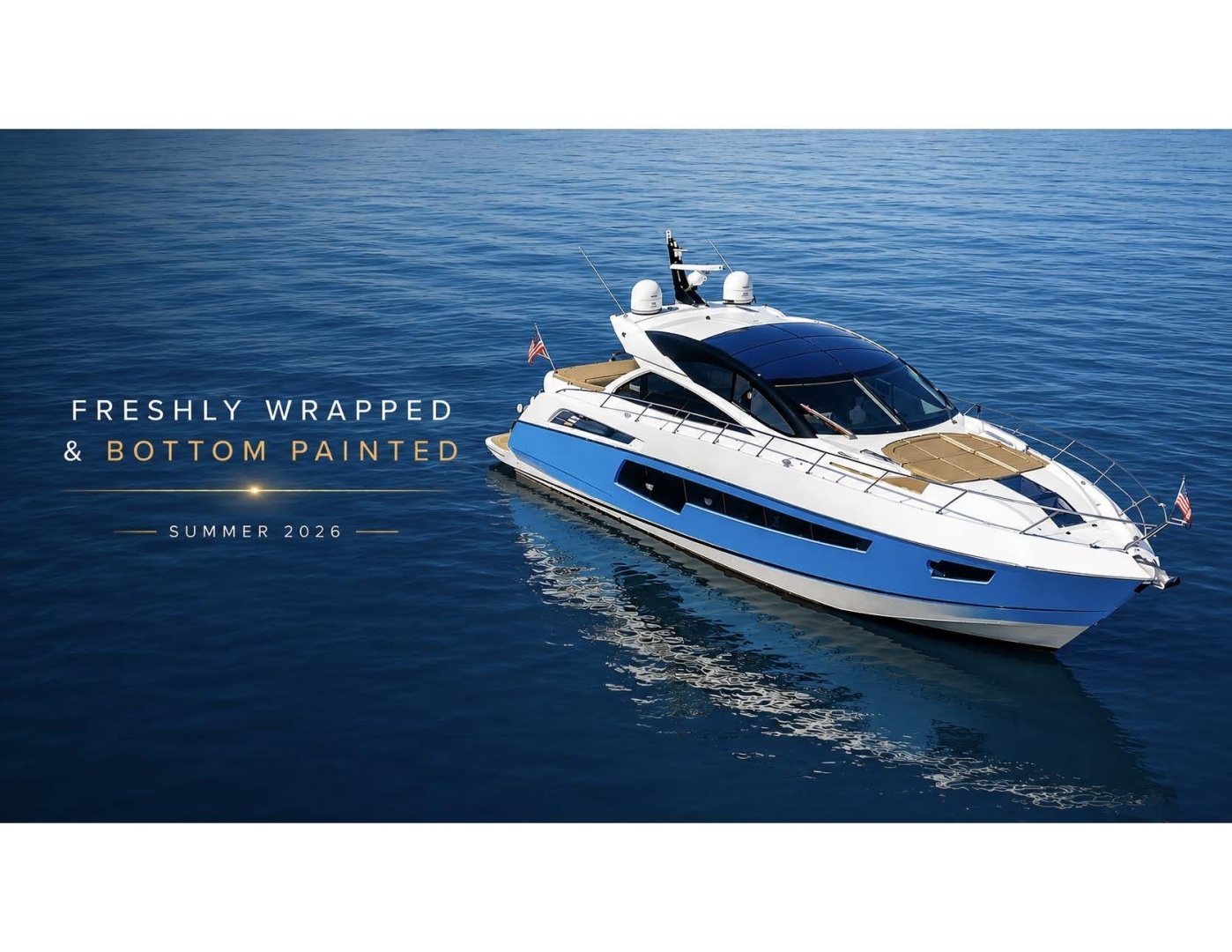
2014 Sunseeker
$1,400,000
68
New York New York

2024 Fairline
$2,750,000
68
Ft. Lauderdale Florida

2024 Sunreef Catallaxi
$3,700,000
60
Newport Rhode Island
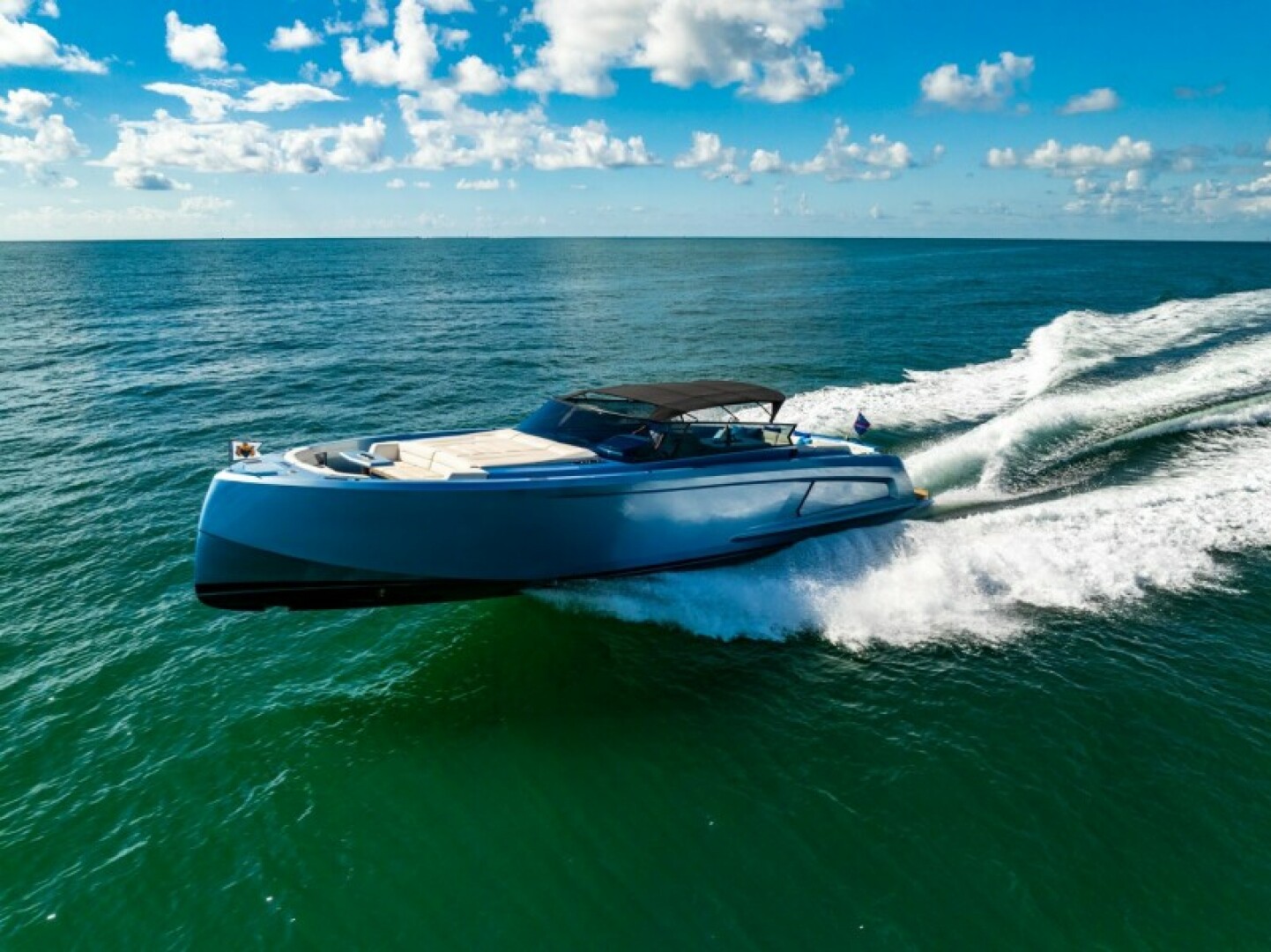
2019 Vanquish Yachts IMPULSIVE
$1,799,000
58
Miami Beach Florida
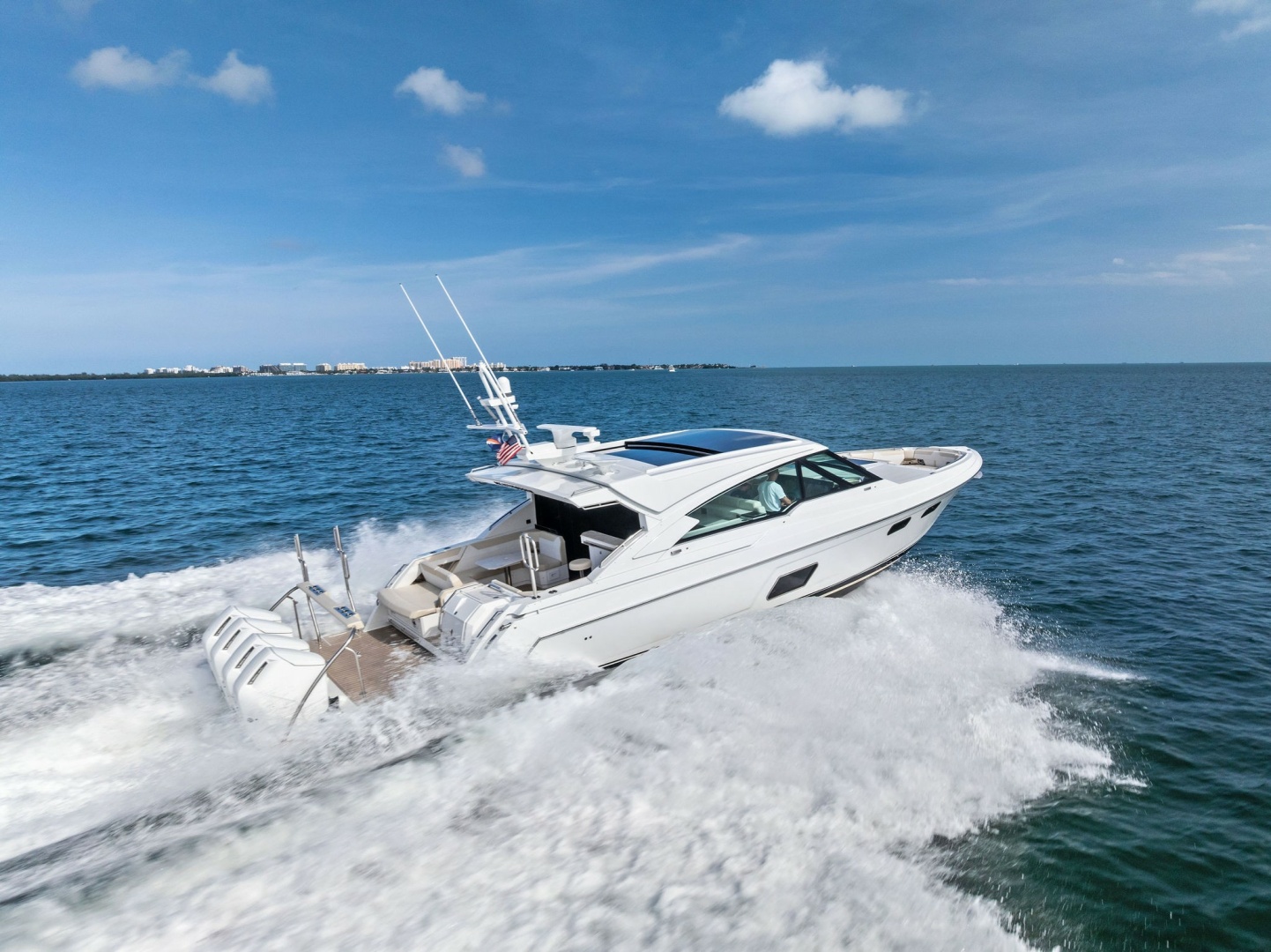
2025 Formula BREAKTHROUGH III
$1,895,000
53
Miami Beach Florida

2023 Fairline
$900,000
45
Fort Lauderdale Florida
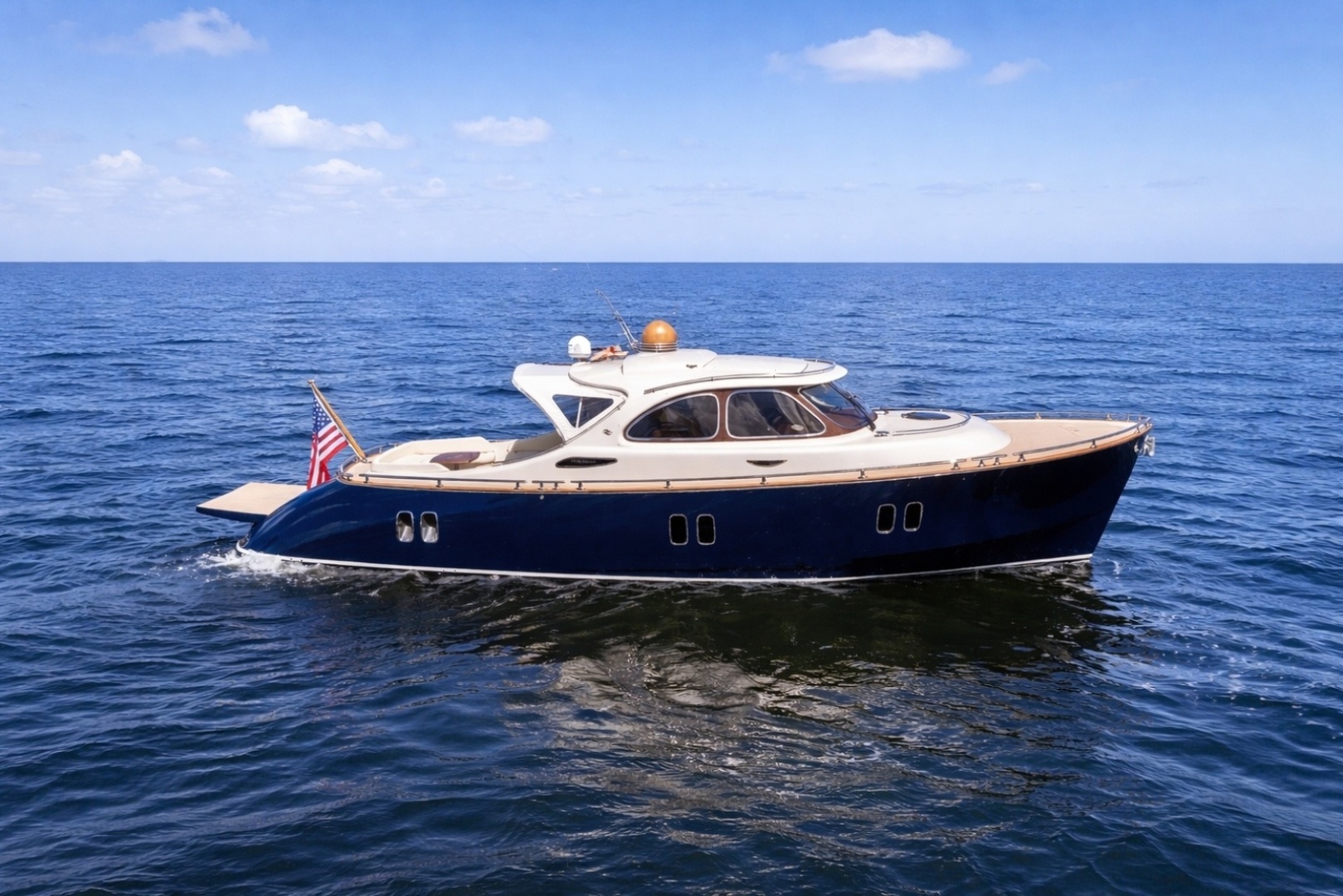
2012 Zeelander Mississippi Queen
$575,000
44
West Palm Beach Florida
2019 Bilgin 156'
$21,404,500
2028 Columbus Yachts 137'
$22,900,008
2012 Benetti 132'
$10,975,000
2024 Silver Yachts 117'
$25,400,000
2009 Hargrave 114'
$2,995,000
2028 Extra Yachts 100'
$21,404,500
2028 Extra Yachts 96'
$9,495,000
2021 Sanlorenzo 96'
$6,795,000
1999 Northern Marine 84'
$2,495,000
2013 Pershing 82'
$1,750,000
1997 Ferretti Yachts 80'
$850,000
2008 Princess Yachts 75'
$1,095,000
2014 Sunseeker 68'
$1,400,000
2024 Fairline 68'
$2,750,000
2024 Sunreef 60'
$3,700,000
2019 Vanquish Yachts 58'
$1,799,000
2025 Formula 53'
$1,895,000
2023 Fairline 45'
$900,000
2012 Zeelander 44'
$575,000