

The finest yachts in the world no longer compete on marble countertops and thread-count alone. Today, the most discerning buyers are asking a different set of questions: What propulsion system does she run? Is the navigation AI integrated? How does the vessel perform under dynamic positioning? The truth is, advanced technology has become the quiet heartbeat of modern luxury yachting, shaping everything from fuel efficiency and safety compliance to the seamless comfort that defines life aboard. This guide walks you through the technologies that matter most, and how to make the smartest choices for your investment.
Table of Contents
- Why technology is the new standard in luxury yachting
- Propulsion, power, and eco-performance: Hybrid systems at sea
- Intelligent operation: AI, automation, and performance monitoring
- Safety and compliance: Dynamic positioning and oversight
- Smart tech, smart buyers: Integration tips for owners
- Perspective: Why true luxury means both innovation and oversight
- Connect with expert guidance for your technology-driven yacht experience
- Frequently asked questions
Key Takeaways
| Point | Details |
|---|---|
| Technology drives value | Smart propulsion, AI, and integrated systems now determine luxury yacht value and owner experience. |
| Efficiency and comfort | Hybrid and electric systems save fuel, cut noise, and boost performance without compromising luxury. |
| Safety and compliance | Dynamic positioning and strict safety protocols are essential for reliable, regulation-ready yachts. |
| Balance innovation and oversight | The best yachts combine cutting-edge tech with expert human management for maximum reliability. |
| Certification is critical | Verified systems and class approvals protect your investment and make future upgrades smoother. |
Why technology is the new standard in luxury yachting
There was a time when a superyacht’s prestige rested almost entirely on her exterior lines, her interior finishes, and the prestige of her builder. That era has not vanished, but it has evolved. Today’s affluent buyer arrives with a far more sophisticated checklist, one that places technology at the center of the conversation.
Understanding yacht classification explained is a useful starting point, because classification societies now encode technology requirements directly into compliance frameworks. Propulsion systems, navigation suites, safety redundancies, and integrated comfort controls are all evaluated alongside structural integrity and design. Technology is no longer an optional upgrade. It is a baseline expectation.
The key categories shaping this new standard include:
- Propulsion and energy: Hybrid drives, electric motors, DC grids, and solar arrays
- Navigation and automation: AI processors, real-time data systems, and autonomous controls
- Safety and compliance: Dynamic positioning, fire suppression, and classification certification
- Comfort and integration: Unified control systems, climate optimization, and noise reduction
- Resale and future-proofing: Technology documentation, upgrade pathways, and market positioning
What drives this shift? Efficiency regulations are tightening across European and international waters. Fuel costs at the superyacht scale are substantial. And owners increasingly want a vessel that operates with the same intuitive elegance as the rest of their lives.
“Technology prioritizes redundancy and integration for affluent owners, balancing luxury with reliability. Experts emphasize human oversight amid automation advances, ensuring that no single system failure compromises the vessel or the experience.”
Pro Tip: When evaluating any yacht, ask for the full technology specification sheet alongside the design portfolio. A vessel with a robust, integrated tech stack will hold its value and perform more reliably across a wider range of conditions.
Propulsion, power, and eco-performance: Hybrid systems at sea
Few decisions shape a yacht’s character more profoundly than her propulsion system. The shift toward hybrid and electric propulsion is not simply an environmental statement. It is a performance upgrade that touches fuel economy, noise levels, operational range, and long-term running costs.
Hybrid and electric propulsion systems improve efficiency, reduce emissions, and provide silent operation that transforms the onboard experience. ABB’s collaboration with Oceanco on superyacht propulsion has demonstrated how Azipod drives, which are pod-mounted electric propulsion units that eliminate traditional shaft lines, can reduce mechanical complexity while improving maneuverability. The result is a vessel that responds with extraordinary precision and operates with a quietness that feels almost meditative at anchor.
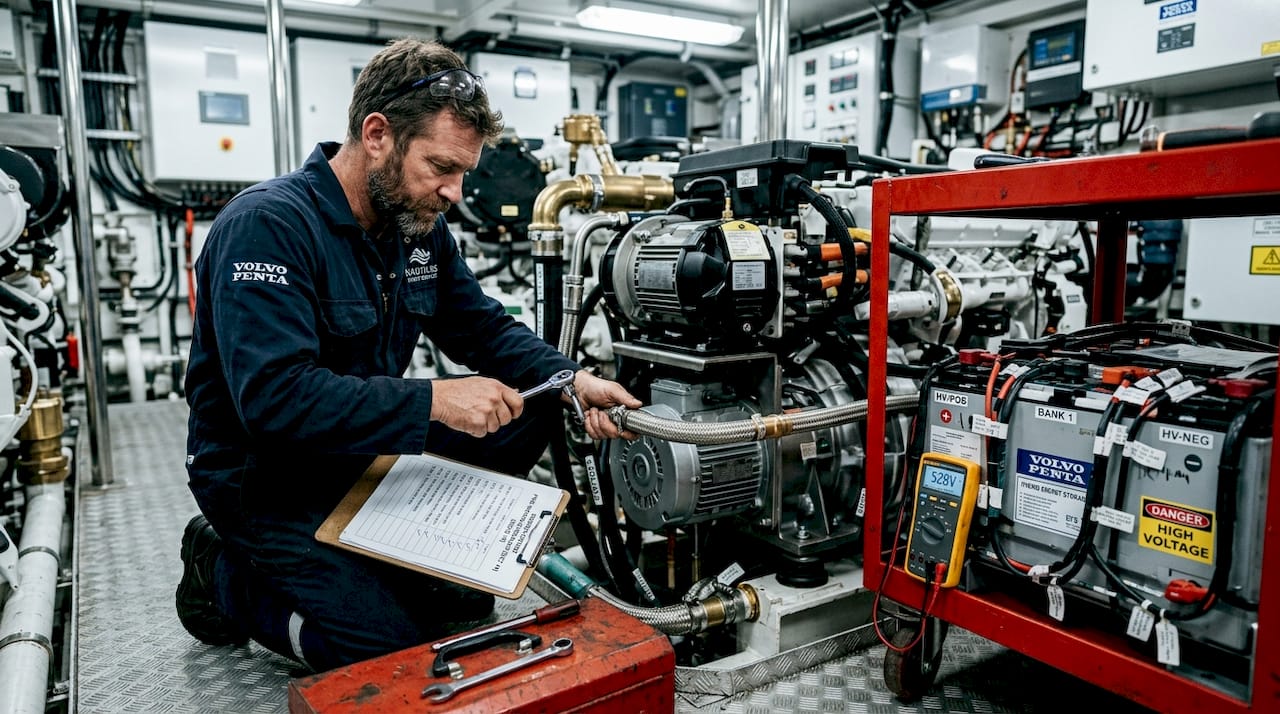
Here is how the main propulsion options compare for large luxury yachts:
| Propulsion type | Fuel efficiency | Noise level | Emissions | Complexity |
|---|---|---|---|---|
| Traditional diesel | Baseline | High | High | Low |
| Diesel-electric hybrid | Improved | Medium | Reduced | Medium |
| Full electric | Best | Very low | Minimal | High |
| Hybrid with solar assist | Excellent | Low | Very low | Medium-high |
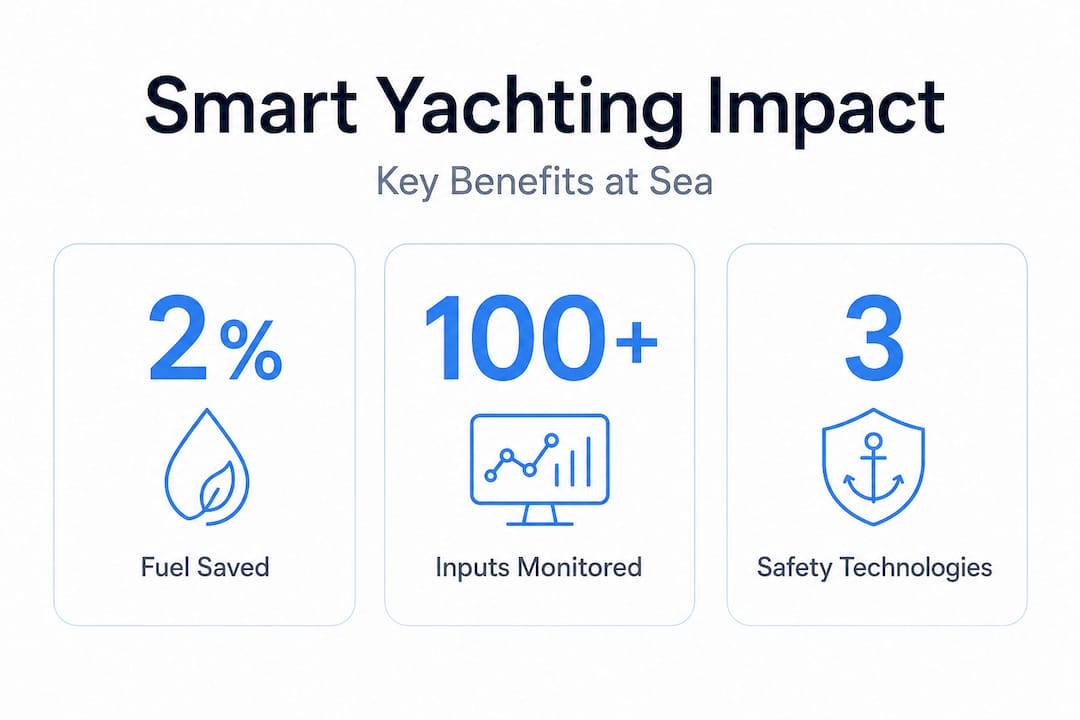
Empirical data supports the case for hybrid adoption. Hybrid systems save approximately 2% in fuel (around 169 kg per voyage) and reduce CO2 by 2.02% compared to conventional mechanical systems. On a superyacht operating across thousands of nautical miles per season, those savings compound meaningfully.
The Greenline 39 is a practical example of how solar-assisted hybrid propulsion works in real-world conditions. Her solar panels supplement battery charging during daylight cruising, extending electric-only range and reducing generator dependency. For larger vessels, solar power solutions integrated with DC grid architecture allow multiple energy sources to feed a unified power distribution system, maximizing efficiency and resilience.
Key benefits worth prioritizing when specifying propulsion:
- Silent cruising mode: Electric-only operation at anchor or low speed eliminates engine noise and vibration
- Regenerative capability: Some systems recover energy during deceleration or from stabilizer fins
- Reduced maintenance intervals: Fewer moving parts in electric drives mean lower long-term service costs
- Environmental compliance: Hybrid systems help meet increasingly strict emissions zones in Mediterranean and Northern European waters
Explore superyacht features 2026 and modern motor yacht technology to see how leading builders are specifying these systems across current new builds. The yacht design trends 2026 landscape confirms that hybrid propulsion is now a defining feature, not a novelty.
Pro Tip: When reviewing a hybrid yacht’s specifications, ask specifically about the DC grid architecture and battery bank capacity. These numbers reveal how long the vessel can operate in silent electric mode, which directly affects your anchoring experience in protected bays and marine reserves.
Intelligent operation: AI, automation, and performance monitoring
If propulsion is the heart of a modern yacht, then her AI and automation systems are the nervous system. These technologies process vast streams of data, make real-time adjustments, and alert crew to issues before they become problems.
Advanced processors, such as those developed by A&T Instruments for ATP systems, operate at 50Hz and monitor more than 100 simultaneous inputs. That means the system is reading engine temperatures, fuel flow rates, stabilizer positions, battery states, and navigation data many times per second, continuously, without fatigue. No traditional electronics suite can match that level of real-time awareness.
Here is how AI and automation translate into practical owner benefits:
- Performance optimization: The system continuously adjusts throttle, trim, and stabilization to deliver the smoothest possible ride under changing sea conditions
- Predictive maintenance alerts: Sensors detect early signs of wear or irregularity in mechanical systems, allowing crew to schedule service before a failure occurs
- Seamless controls: Unified interfaces allow owners and captains to manage propulsion, climate, lighting, and entertainment from a single touchscreen or voice command
- Reduced crew workload: Automation handles routine monitoring tasks, freeing skilled crew to focus on guest experience and safety
- Voyage data logging: Every passage is recorded in detail, creating a performance history that supports maintenance decisions and adds transparency for future buyers
“The best AI systems on luxury yachts do not replace experienced captains. They give those captains better information, faster, so every decision is made with clarity and confidence.”
The practical impact on ownership is significant. Owners who previously needed a larger crew to manage complex operations can now operate with a leaner, more specialized team. Explore yacht management and technology to understand how these systems integrate with broader vessel management strategies. For a visual sense of how technology is reshaping the onboard experience, video technology trends in the superyacht space offer compelling context.
Safety and compliance: Dynamic positioning and oversight
Technology’s most critical role aboard any luxury vessel is keeping her safe. Dynamic positioning (DP) systems represent one of the most significant advances in modern yacht safety, and understanding them is essential for any serious buyer.
A DP system uses a network of sensors, GPS references, and thruster controls to hold a vessel in a precise location without anchoring. This is invaluable when mooring near sensitive coral reefs, operating in crowded anchorages, or maintaining position during tender operations in open water. The ABS Guide for Dynamic Positioning Systems establishes the classification standards that govern how these systems are designed, tested, and certified for luxury and commercial vessels.
Key safety technologies to evaluate on any modern yacht include:
- Dynamic positioning: Station-keeping without anchors, essential for sensitive environments
- Integrated fire suppression: Automated systems that respond to battery or engine room events
- Redundant navigation: Dual or triple GPS and radar systems that maintain accuracy if one fails
- Watertight integrity monitoring: Sensors that detect flooding in real time and trigger alarms
- Emergency power systems: Backup generators and battery banks that maintain critical systems if main power fails
The risks of advanced technology are real and deserve honest attention. High-voltage marine batteries carry the risk of thermal runaway, a rapid, self-sustaining fire that is exceptionally difficult to extinguish. Automation systems, however sophisticated, require human oversight because regulatory frameworks for autonomous operation remain incomplete in most jurisdictions. Understanding lithium battery safety protocols is not optional for owners operating battery-heavy vessels.
“Redundancy is not a luxury feature. It is the architecture of trust. Every critical system on a well-designed yacht should have a backup, and every backup should have a protocol.”
Pro Tip: When reviewing a yacht’s safety documentation, look specifically for the DP class notation and the fire suppression certification for battery compartments. These details reveal whether the vessel was built to a genuine safety standard or simply marketed with technology language. Explore superyacht classification for a deeper understanding of what these notations mean in practice.
Smart tech, smart buyers: Integration tips for owners
Knowing which technologies exist is one thing. Knowing how to integrate them wisely into your ownership journey is another. Whether you are buying new, purchasing a pre-owned vessel, or planning a refit, a structured approach to technology integration protects your investment and enhances your experience.
Follow this sequence when approaching technology decisions:
- Audit existing systems: Before any purchase or refit, commission a full technology audit from a qualified marine surveyor with electronics expertise
- Prioritize DC grid architecture: A unified DC grid allows hybrid propulsion, solar, and battery systems to work together efficiently rather than as isolated components
- Specify AI monitoring from the outset: Retrofitting AI monitoring systems is possible but more expensive and complex than integrating them during a new build or major refit
- Obtain class society certification: Ensure every major system carries the appropriate certification from ABS, Lloyd’s, or Bureau Veritas. Yacht Standards provides a useful reference for understanding what certification covers
- Document everything: Maintain a complete technology log that records system specifications, installation dates, software versions, and service history. This documentation directly supports resale value
- Plan for regulatory evolution: Regulation lag in maritime automation is a genuine challenge. Choose systems from manufacturers with strong update pathways and active engagement with classification societies
Understanding luxury yacht classification in detail will help you ask the right questions during any acquisition. Working with professionals who hold recognized yacht broker credentials ensures you have expert guidance at every step of the process.
Pro Tip: Future-proofing your yacht’s technology means choosing open-architecture systems that can accept software updates and hardware additions without requiring a complete replacement. Ask your builder or refit yard specifically whether each system uses proprietary or open protocols.
Perspective: Why true luxury means both innovation and oversight
There is a tendency in the yachting world, and in the broader technology conversation, to treat innovation as the answer to every question. A new AI system, a more powerful battery bank, a more sophisticated DP suite. The assumption is that more technology automatically means more luxury, more safety, and more value. In our experience, that assumption deserves a more nuanced examination.
The most reliable, most genuinely luxurious yachts we encounter are not necessarily the ones with the most sophisticated technology. They are the ones where technology, redundancy, and experienced human judgment work together as a unified whole. A vessel with a cutting-edge hybrid propulsion system but an undertrained crew is more vulnerable than a conventionally powered yacht with an exceptional captain who knows her intimately.
Top yacht broker insights consistently point to the same pattern: the owners who enjoy the most seamless, fulfilling experiences on the water are those who invest in both the technology and the people who operate it. They commission thorough crew training alongside system installation. They build relationships with marine engineers who understand the specific architecture of their vessel. They treat their yacht not as a product to be updated, but as a living system to be understood.
Technology is the stage. But the experienced captain, the attentive chief engineer, and the knowledgeable broker who helped select the right vessel in the first place are the ones who make the performance memorable. True luxury at sea is always a collaboration between innovation and wisdom.
Connect with expert guidance for your technology-driven yacht experience
Navigating the intersection of luxury and technology requires more than reading specifications. It requires a trusted advisor who understands both the market and the machinery. At Yachts by Steve, we work with owners and buyers who want to make informed, confident decisions about technology-forward vessels, from initial specification review to final transaction.
Whether you are choosing a yacht broker for the first time or refining your approach to a complex acquisition, our team brings the depth of knowledge and personalized attention that this level of investment deserves. Explore our yacht specifications guide to sharpen your understanding of what to look for, and stay current with yachting industry trends as the technology landscape continues to evolve. Your ideal vessel is out there. Let us help you find her.
Frequently asked questions
What is dynamic positioning and why is it important for yachts?
Dynamic positioning systems use advanced sensors and thruster controls to hold a yacht precisely in place without anchors, a capability that ensures precise station-keeping and compliance with safety standards for luxury vessels operating in sensitive or congested waters.
How much fuel can a hybrid yacht system save?
Hybrid systems save approximately 2% in fuel consumption and 2.02% in CO2 emissions compared to traditional mechanical propulsion, with those savings compounding significantly across a full season of operation.
Are there any risks to using advanced batteries in yachts?
Yes. High-voltage batteries risk thermal runaway, a rapid and self-sustaining fire event, so strict safety protocols, certified fire suppression systems, and robust redundancy planning are essential for any battery-powered vessel.
How do AI and automation increase the comfort and operational ease for owners?
AI processors monitor and optimize more than 100 simultaneous system inputs in real time, enabling predictive maintenance, seamless control integration, and a significantly reduced workload for crew, which translates directly into a more effortless experience for owners.
Why does class society certification matter for yacht technology integration?
Certification from recognized bodies such as ABS or Lloyd’s confirms that every major system meets rigorous safety and construction standards, protecting your investment, simplifying insurance, and providing a clear, credible record that supports future upgrades or resale.
Recommended
Featured Listings
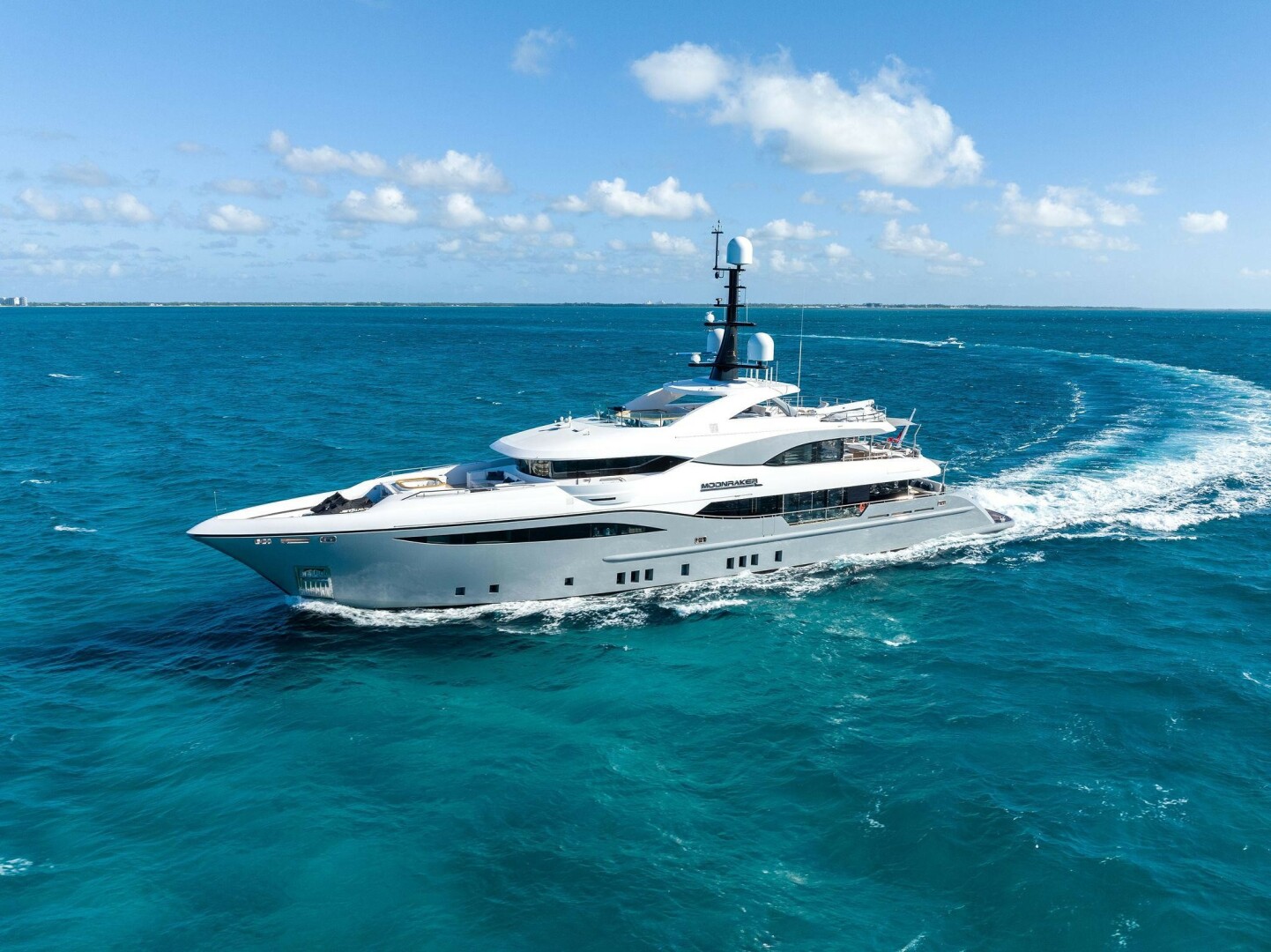
2019 Bilgin MOONRAKER
$20,646,000
156
West Palm Beach Florida

2028 Columbus Yachts
$22,900,008
137
Ancona
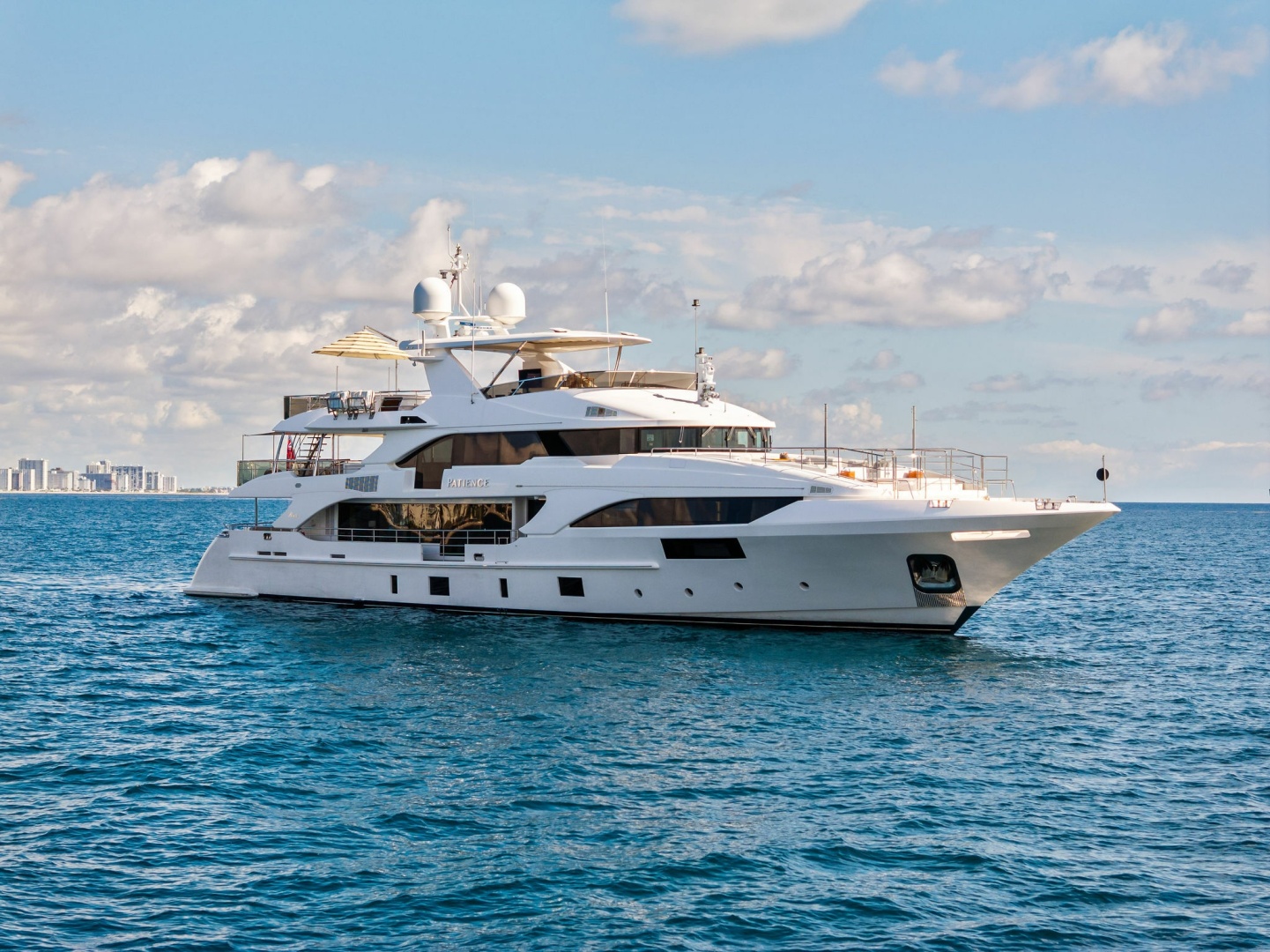
2012 Benetti PATIENCE
$10,975,000
132
Fort Lauderdale Florida
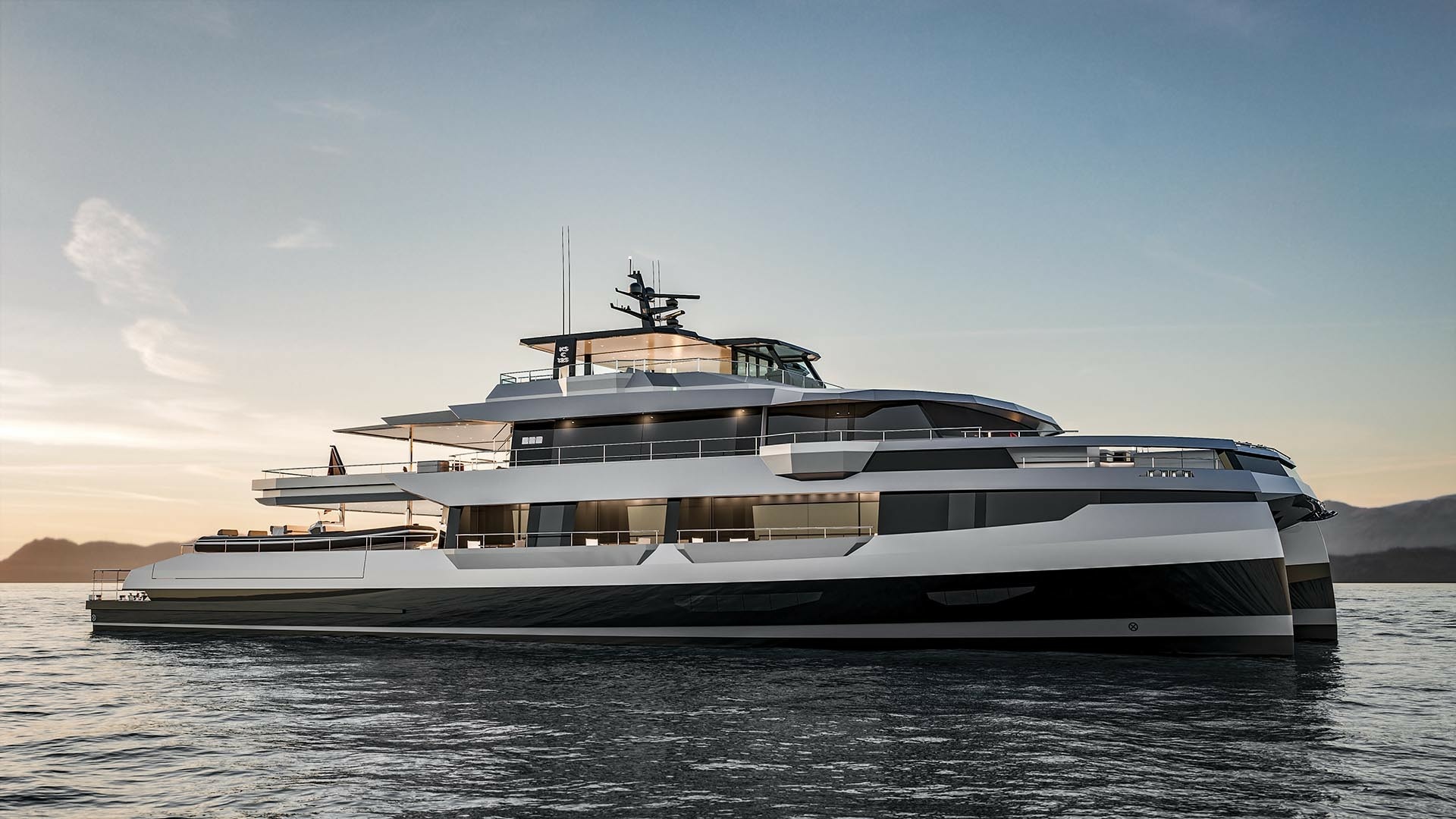
2028 Kingship Kingship
$20,000,000
125
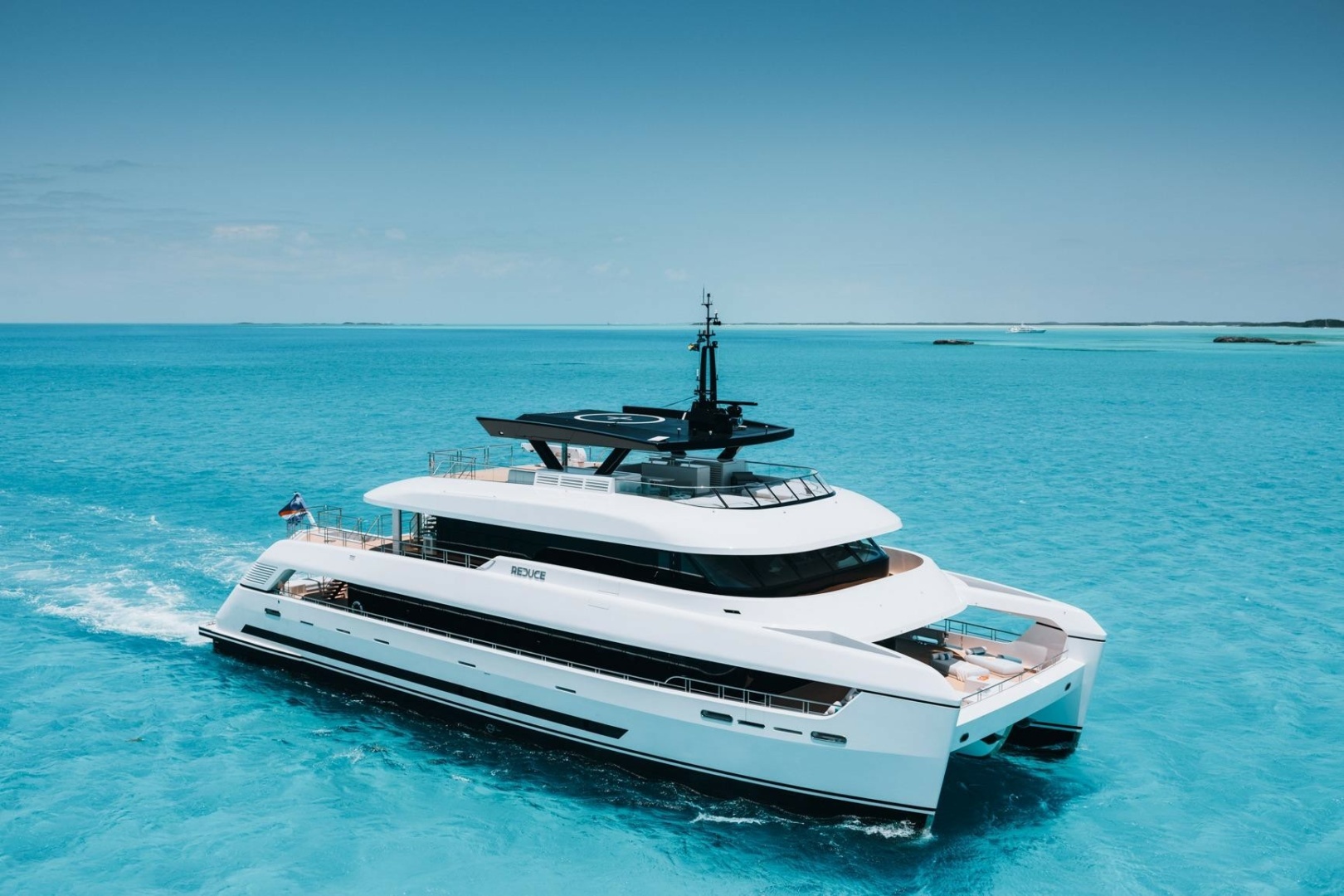
2024 Silver Yachts
$25,400,000
117
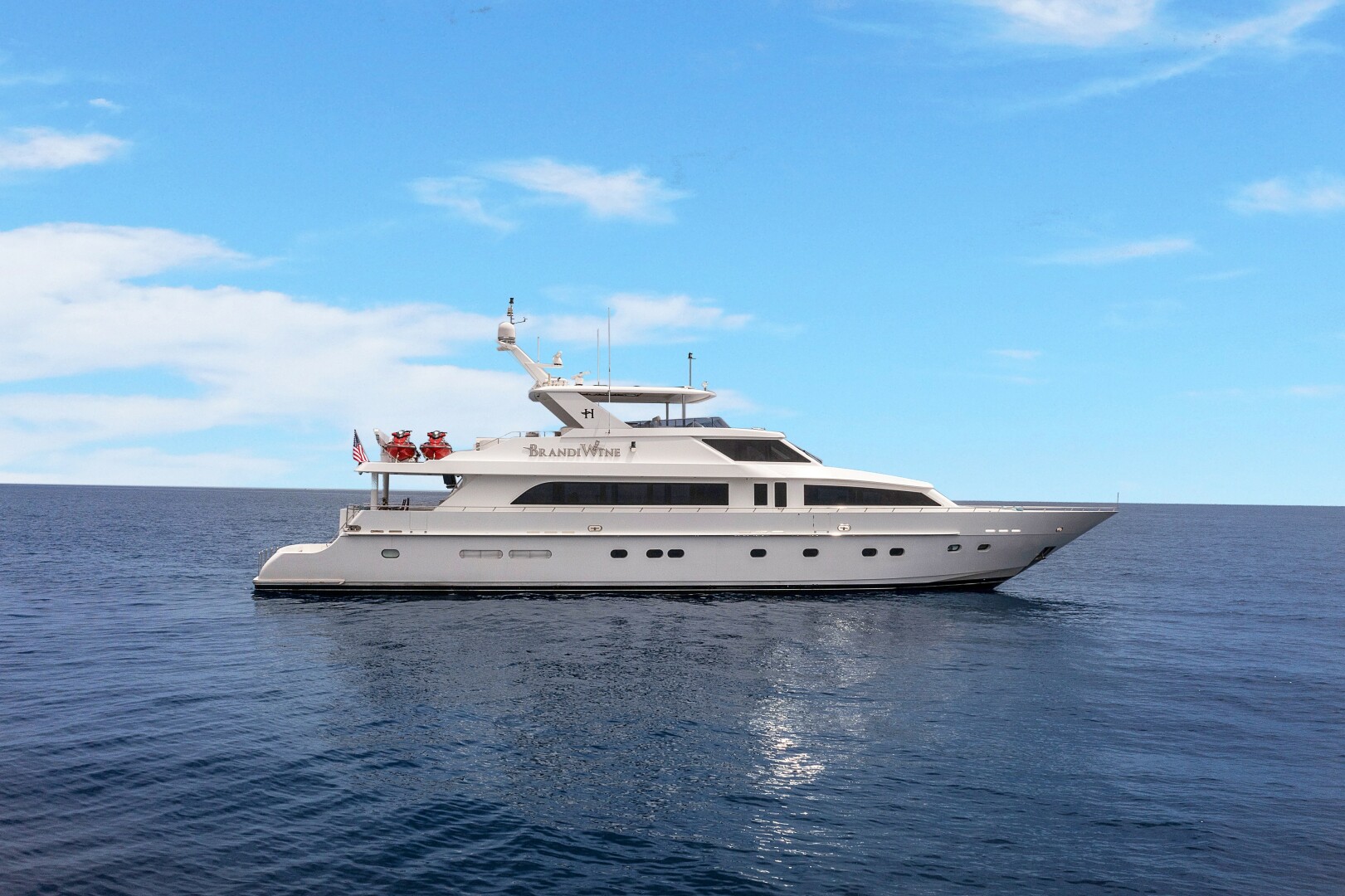
2009 Hargrave BRANDI WINE
$2,500,000
114
Fort Lauderdale Florida

2028 Extra Yachts
$20,646,000
100
Ancona
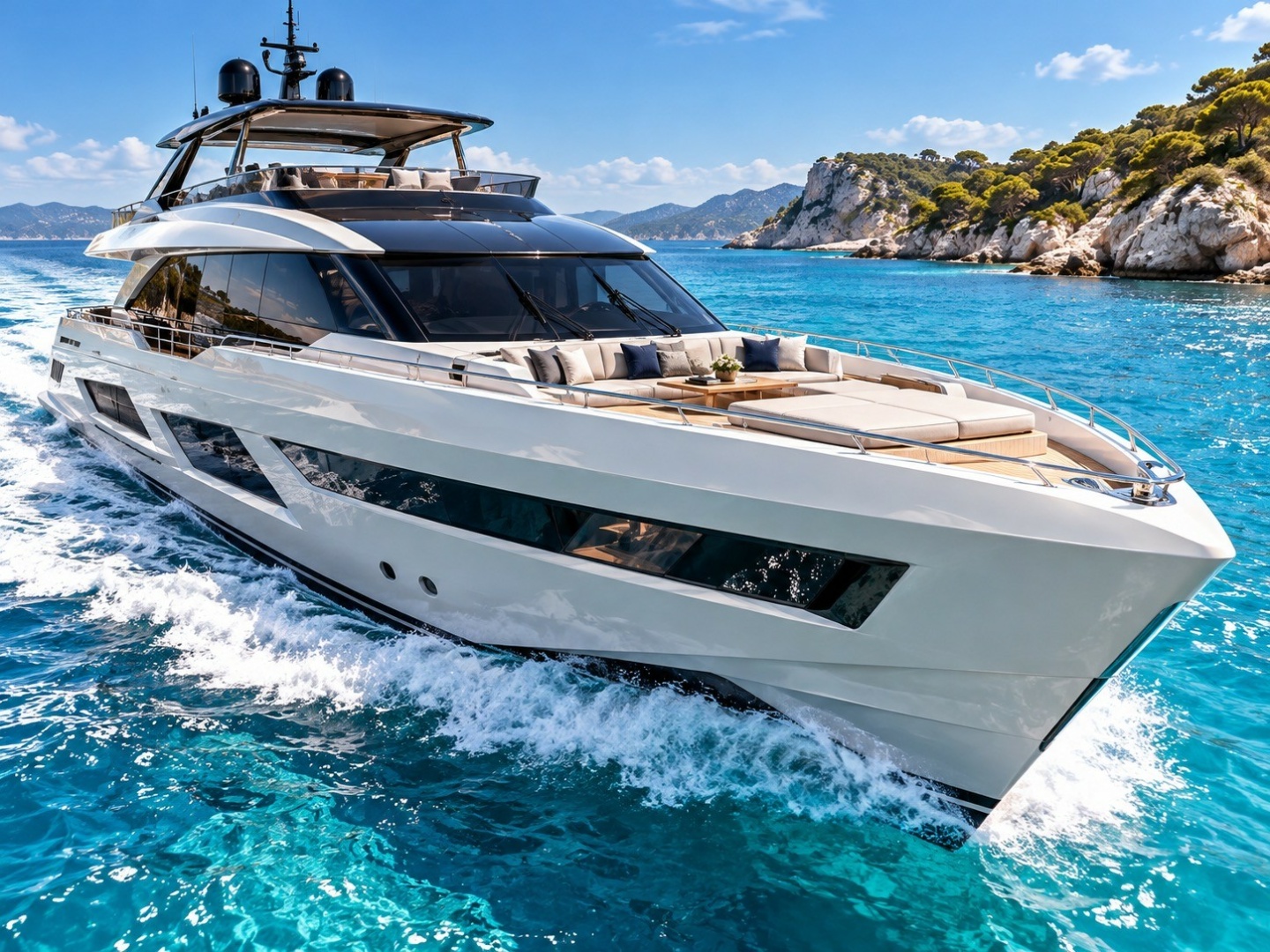
2028 Alpha
100
Ft Lauderdale Florida

2028 Extra Yachts Extra 96
$9,495,000
96
Ancona
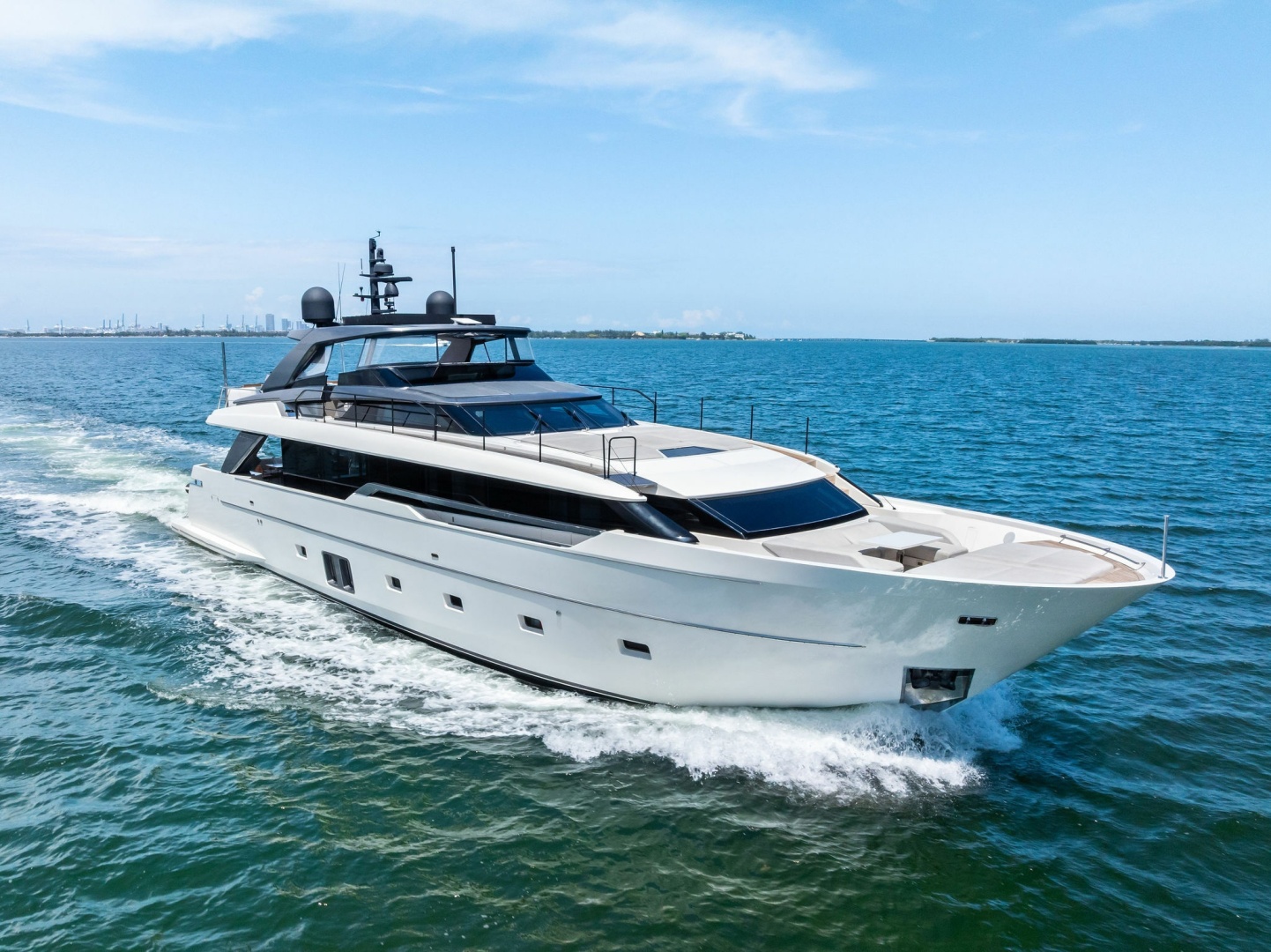
2021 Sanlorenzo GATSBY
$6,795,000
96
Miami Beach Florida
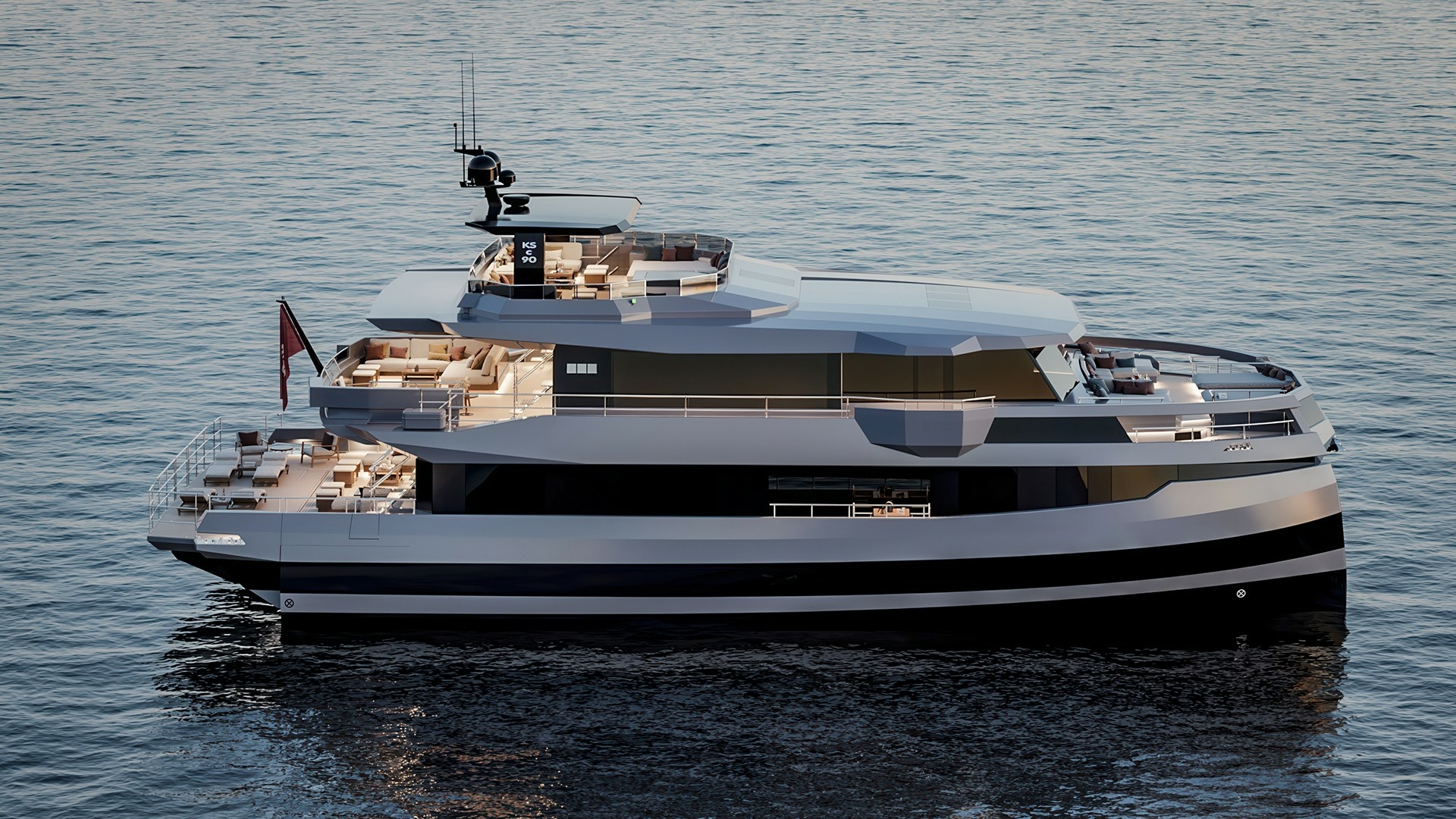
2028 Kingship
90

1999 Northern Marine OFF LINE
$2,495,000
84
Ft Lauderdale Florida
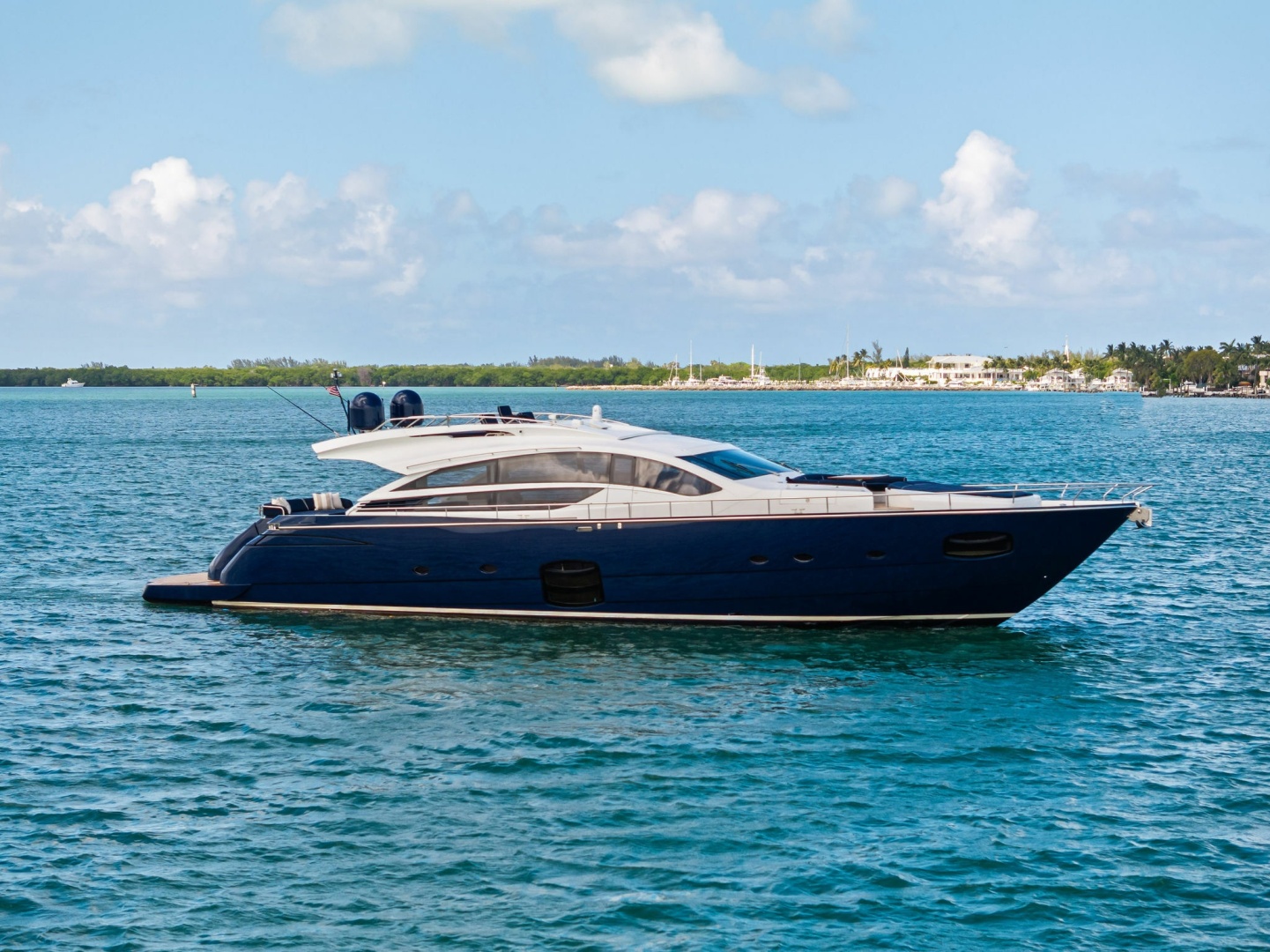
2013 Pershing DOROTHY ANN
$1,550,000
82
Miami Beach Florida

1997 Ferretti Yachts
$825,000
80
La Paz
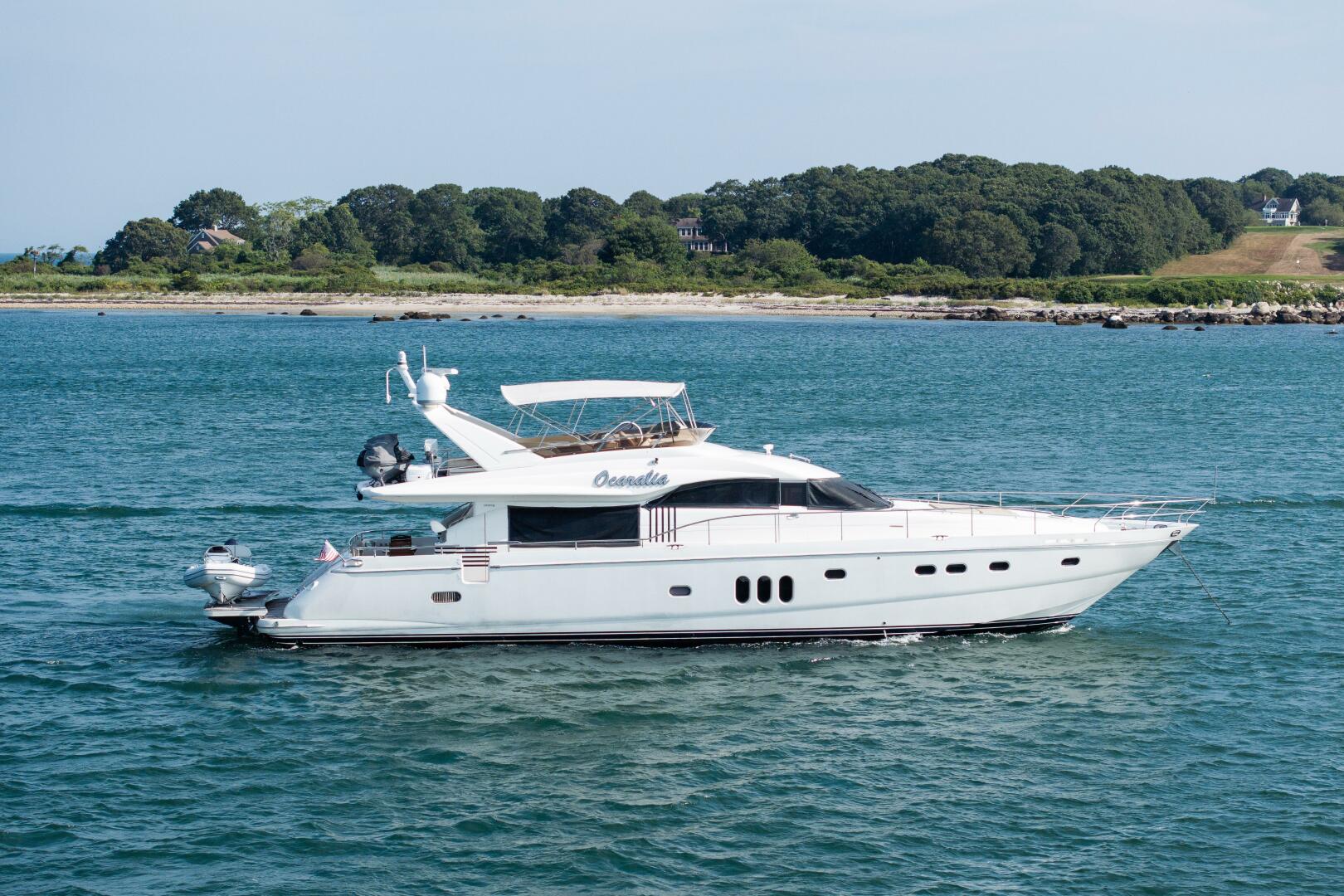
2008 Princess Yachts OCARALIA
$1,095,000
75
Charleston South Carolina
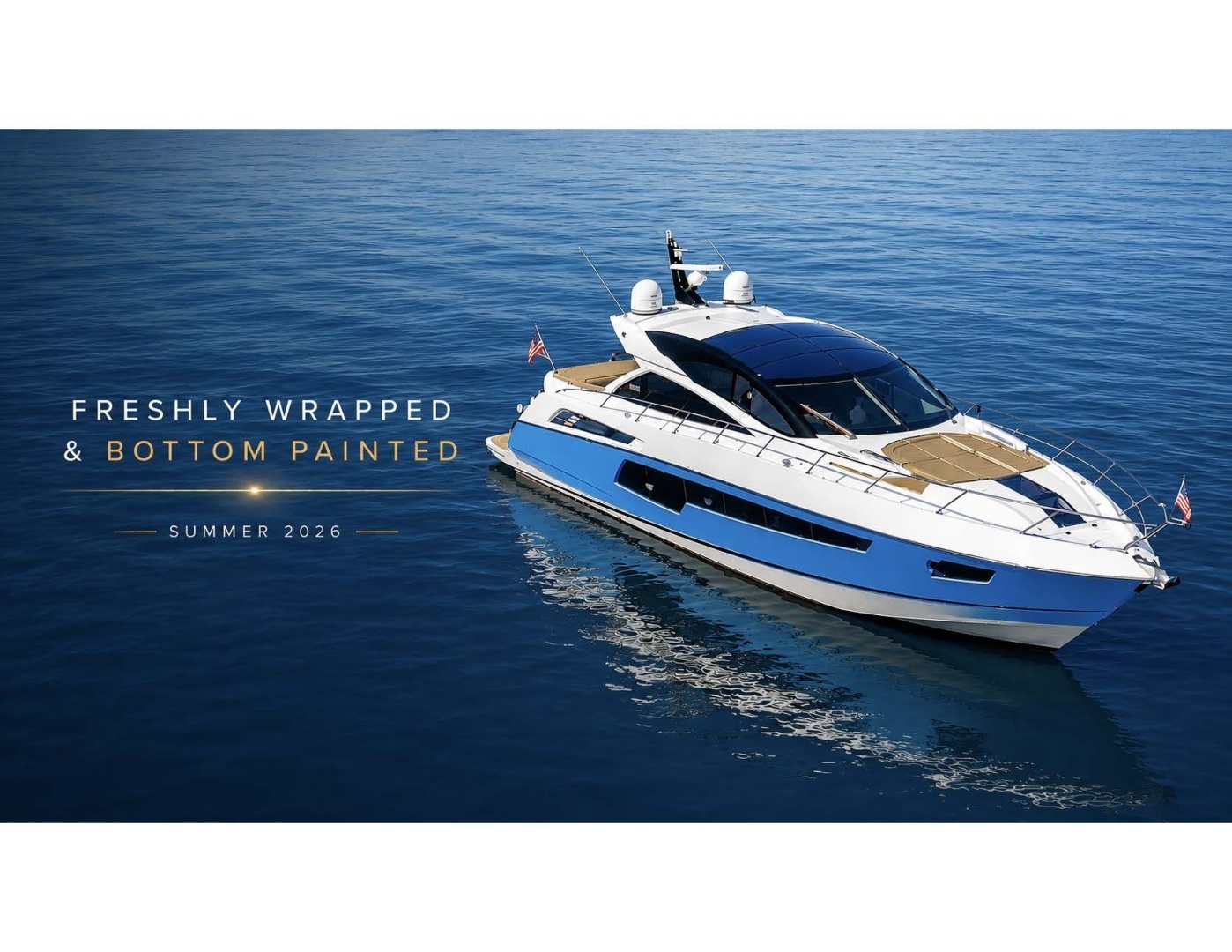
2014 Sunseeker
$1,400,000
68
New York New York

2024 Fairline
$2,750,000
68
Ft. Lauderdale Florida

2024 Sunreef Catallaxi
$3,700,000
60
Newport Rhode Island
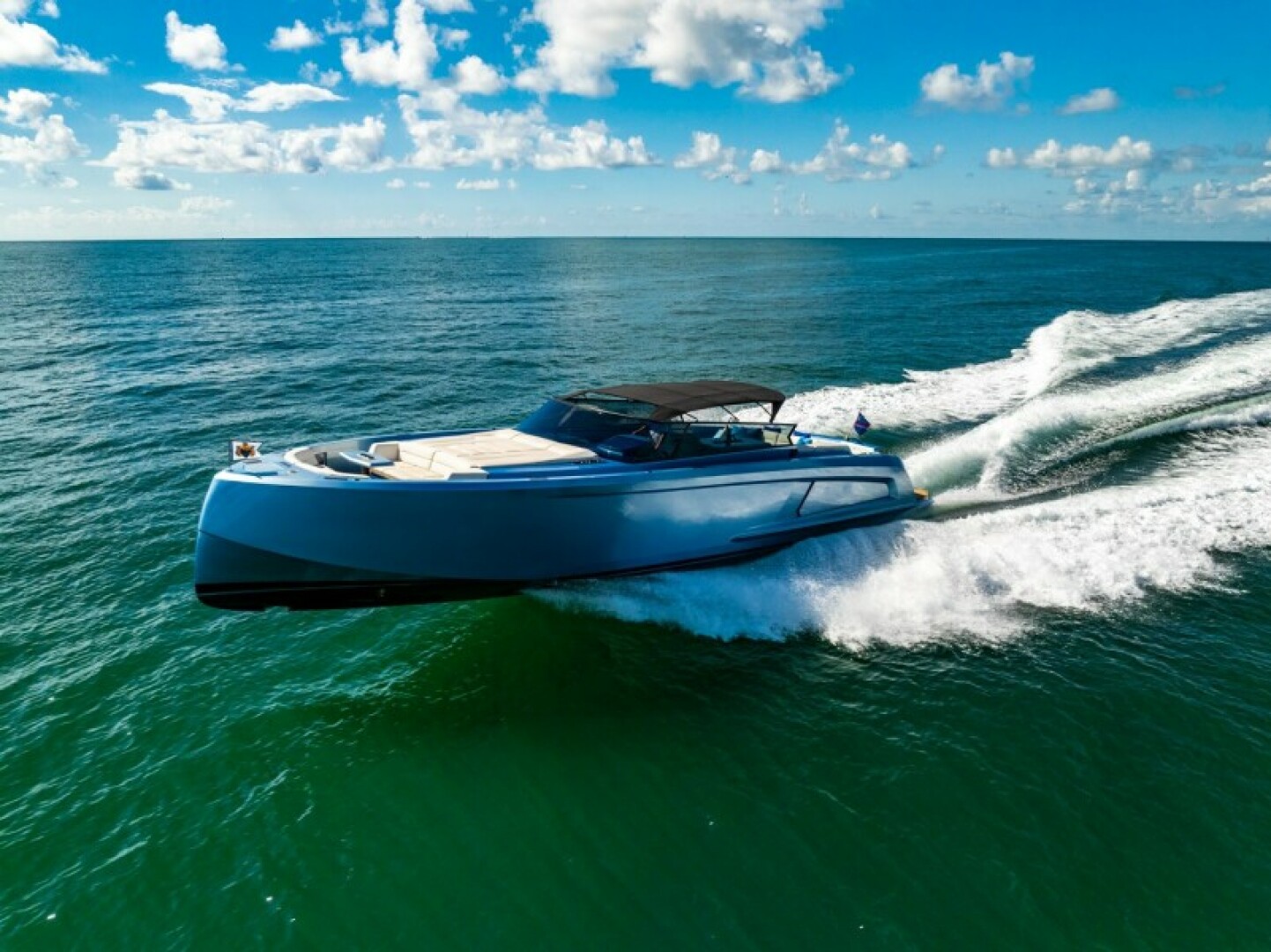
2019 Vanquish Yachts IMPULSIVE
$1,799,000
58
Miami Beach Florida
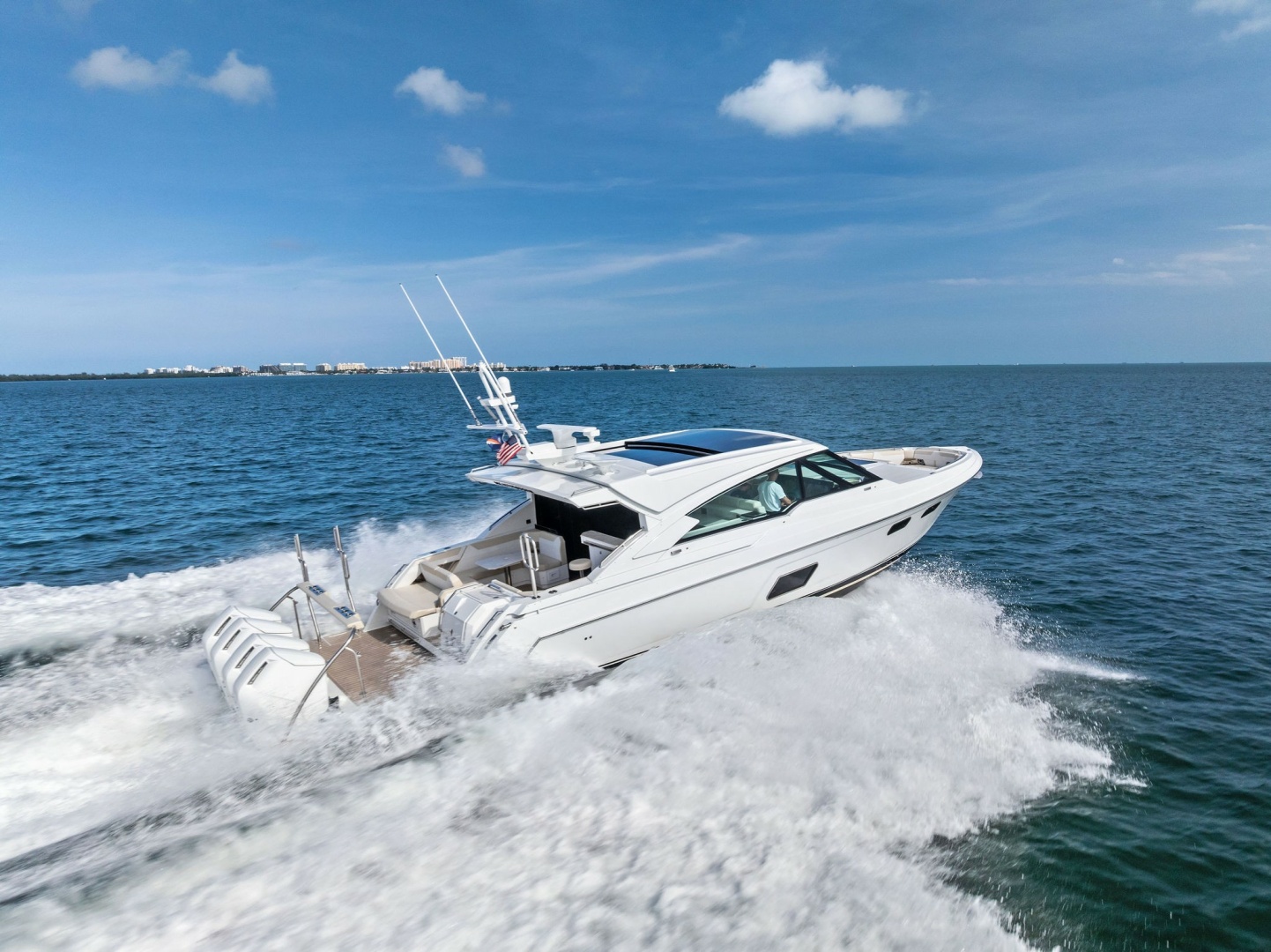
2025 Formula BREAKTHROUGH III
$1,895,000
53
Miami Beach Florida

2023 Fairline
$900,000
45
Fort Lauderdale Florida
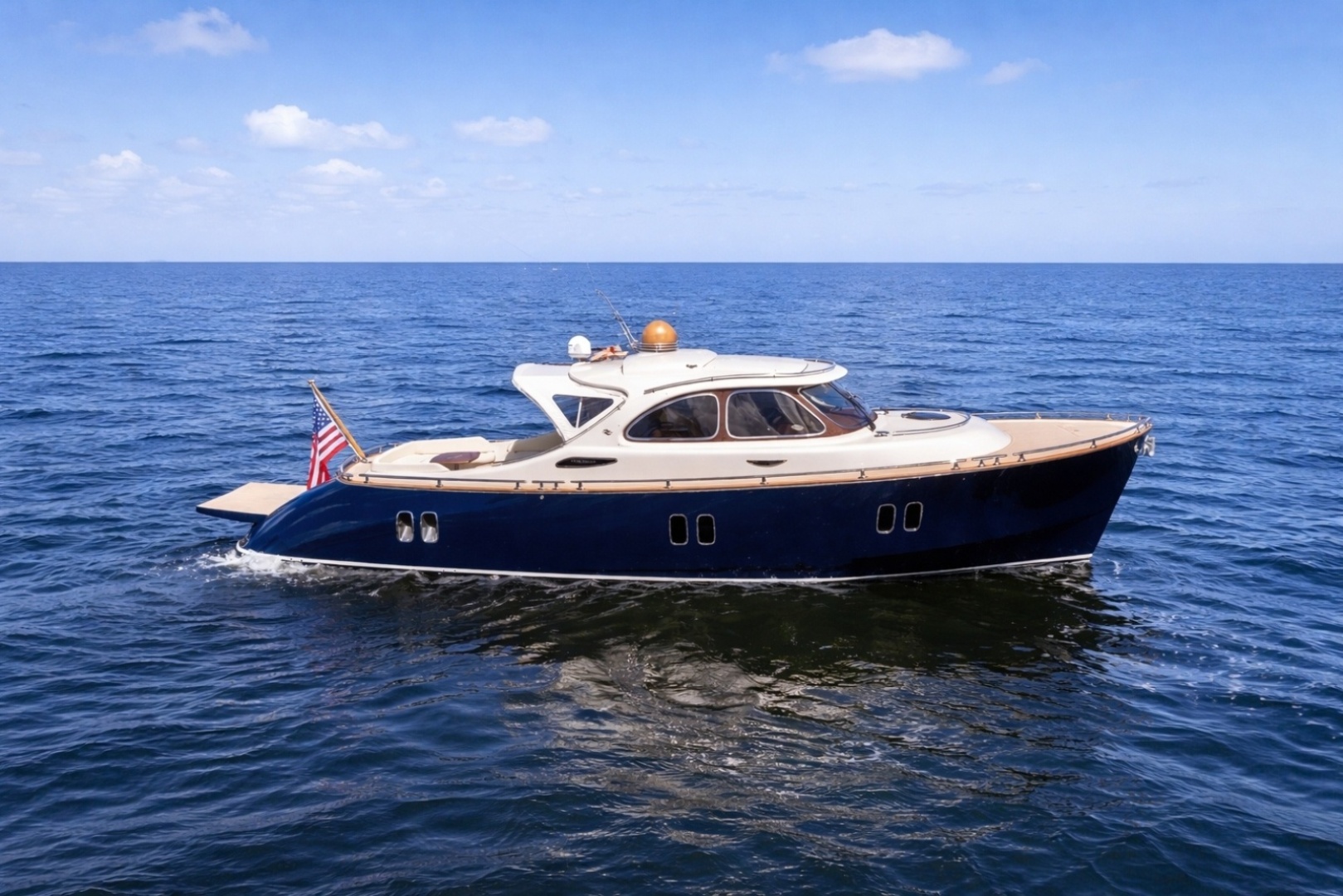
2012 Zeelander Mississippi Queen
$575,000
44
West Palm Beach Florida
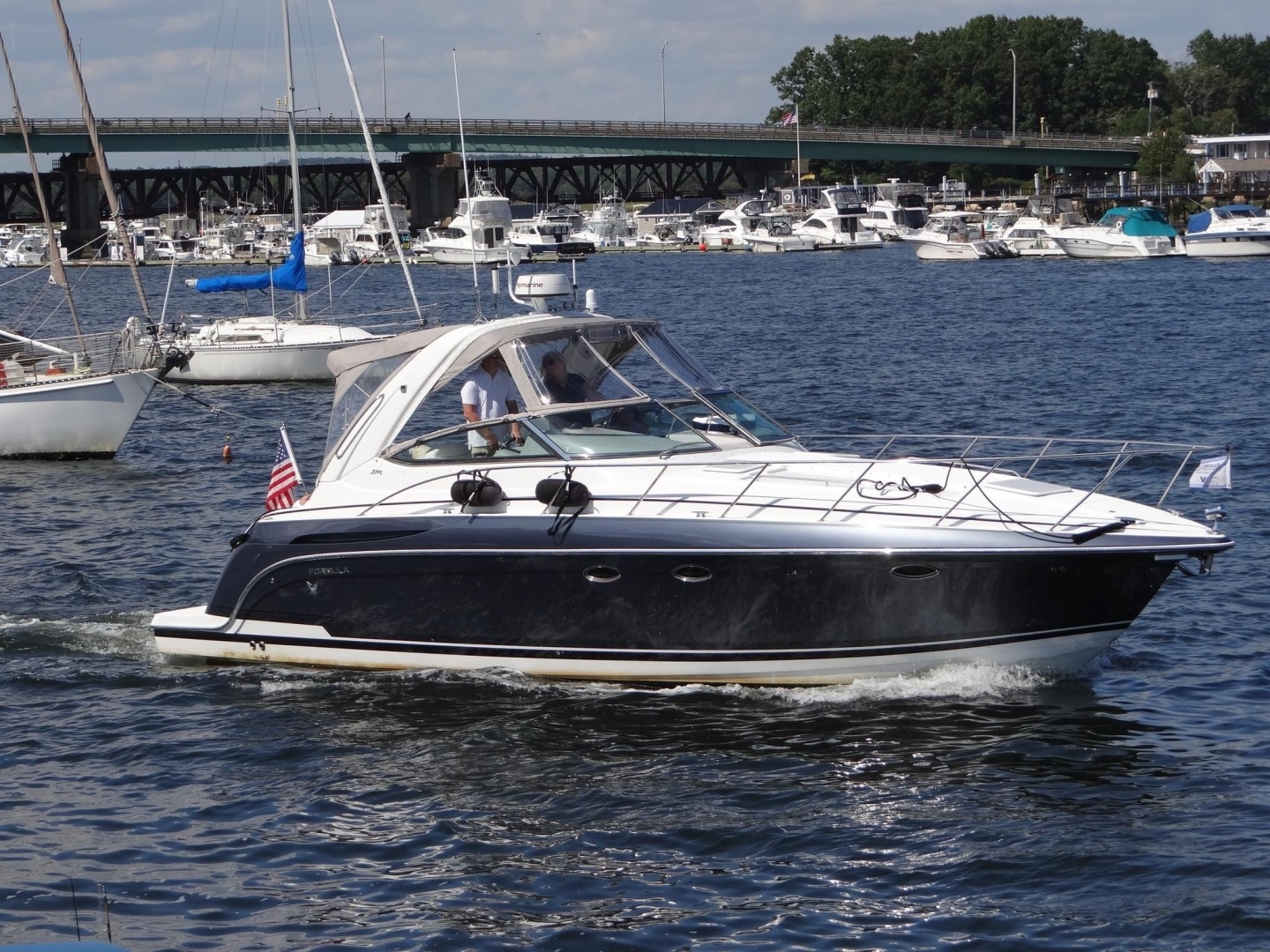
2006 Formula
$139,000
37
Newburyport Massachusetts
2019 Bilgin 156'
$20,646,000
2028 Columbus Yachts 137'
$22,900,008
2012 Benetti 132'
$10,975,000
2028 Kingship 125'
$20,000,000
2024 Silver Yachts 117'
$25,400,000
2009 Hargrave 114'
$2,500,000
2028 Extra Yachts 100'
$20,646,000
2028 Alpha 100'
2028 Extra Yachts 96'
$9,495,000
2021 Sanlorenzo 96'
$6,795,000
2028 Kingship 90'
1999 Northern Marine 84'
$2,495,000
2013 Pershing 82'
$1,550,000
1997 Ferretti Yachts 80'
$825,000
2008 Princess Yachts 75'
$1,095,000
2014 Sunseeker 68'
$1,400,000
2024 Fairline 68'
$2,750,000
2024 Sunreef 60'
$3,700,000
2019 Vanquish Yachts 58'
$1,799,000
2025 Formula 53'
$1,895,000
2023 Fairline 45'
$900,000
2012 Zeelander 44'
$575,000
2006 Formula 37'
$139,000