

For many successful individuals, the search for a luxury yacht blends personal passion with strategic investment. Entering the premium yacht market in North America and Europe demands a clear understanding of your goals, financial readiness, and trusted guidance. From defining precise ownership objectives to navigating reputable broker selection, this guide spotlights the key steps and insider knowledge you need for a confident yacht purchase in a competitive marketplace. Bold decisions begin with a strong foundation.
Table of Contents
- Step 1: Define Your Yacht Ownership Goals
- Step 2: Establish Your Budget And Financing Options
- Step 3: Research And Select Reputable Yacht Brokers
- Step 4: Tour And Evaluate Suitable Yachts
- Step 5: Negotiate, Inspect, And Finalize Your Yacht Purchase
Quick Summary
| Key Point | Explanation |
|---|---|
| 1. Define ownership goals clearly | Identify whether the yacht will be for leisure, business networking, or investment to align your expectations accordingly. |
| 2. Establish a comprehensive budget | Include total ownership costs like maintenance, crew, insurance, and upgrades in your financial strategy beyond the purchase price. |
| 3. Choose a reputable yacht broker | Select brokers with verified credentials and experience who can guide you through the complexities of yacht purchasing. |
| 4. Conduct thorough yacht evaluations | Examine the yacht’s condition, systems, and documentation; consider professional surveys for in-depth assessments before purchasing. |
| 5. Negotiate with precision | Develop a negotiation strategy focusing on price adjustments based on survey findings and ensure all contracts are legally sound. |
Step 1: Define your yacht ownership goals
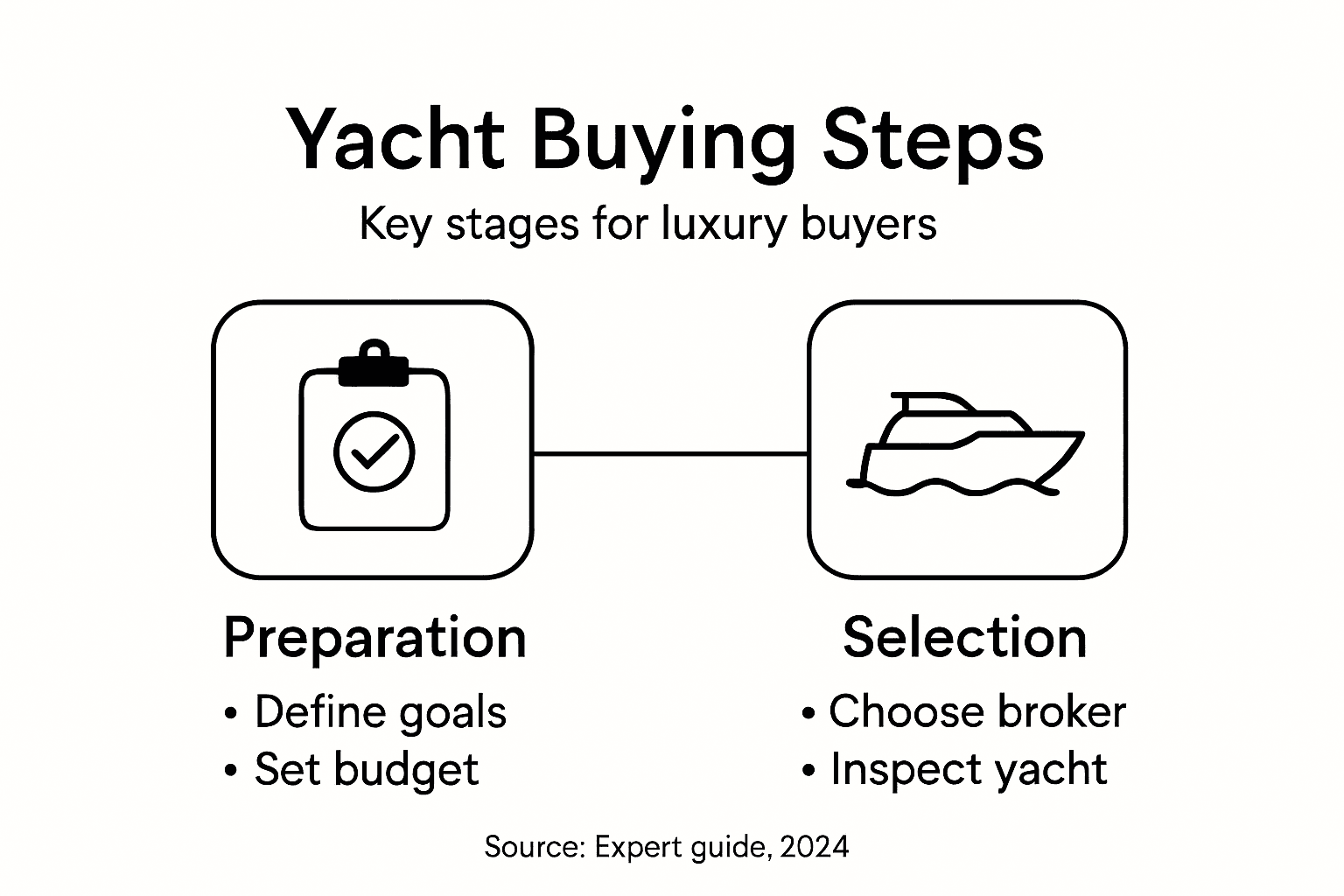
Defining your yacht ownership goals is the foundational first step in transforming your maritime dreams into a strategic investment. Understanding the yacht ownership objectives requires deep introspection about your personal and professional motivations.
Yacht ownership can serve multiple purposes beyond leisure. Some buyers seek a floating sanctuary for family vacations, while others view yachts as potential business networking platforms or investment assets. Consider your primary objectives carefully: Will your yacht be used for weekend coastal cruising, extended international voyages, corporate entertainment, or potential charter income generation? Analyze your lifestyle, budget, and long-term maritime aspirations.
Technical considerations matter as much as personal goals. Safety standards and professional development play crucial roles in defining ownership expectations. Evaluate factors like maintenance requirements, crew management, docking expenses, and operational complexities that align with your specific objectives.
Pro tip: Create a detailed spreadsheet mapping your yacht ownership goals, including anticipated usage, budget allocations, and potential return on investment scenarios to provide clarity and strategic direction.
Here’s a quick comparison of primary yacht ownership goals and their typical financial and operational impacts:
| Ownership Goal | Typical Use Pattern | Key Financial Impact | Operational Consideration |
|---|---|---|---|
| Family leisure/vacation | Seasonal or weekend use | Moderate recurring expenses | Minimal crew, simple logistics |
| Business networking/events | Frequent entertainment | Higher operational costs | Skilled crew, customization |
| Investment/charter income | Continuous utilization | Significant income potential | Professional management needed |
| Long-range travel/exploration | Extended voyages | Heavy maintenance/fuel spend | Advanced equipment, large crew |
Step 2: Establish your budget and financing options
Navigating yacht ownership requires a comprehensive financial strategy that goes beyond simply purchasing the vessel. Understanding budget fundamentals is crucial for sustainable maritime investment.

Your budget should encompass more than the initial purchase price. Consider total ownership costs including maintenance, crew salaries, insurance, docking fees, fuel expenses, and potential upgrades. Professional yacht owners recommend allocating approximately 10% of the vessel’s value annually for operational expenses. For substantial purchases, federal financing programs offer attractive long-term loan options with favorable terms, potentially covering up to 87.5% of the yacht’s value with repayment periods extending to 25 years.
Financial preparation involves thorough research into marine lending institutions, comparing interest rates, loan terms, and specialized yacht financing packages. Some banks offer maritime specific loans with unique structures tailored to boat ownership. Analyze your current financial portfolio, income stability, and long-term financial goals to determine the most appropriate financing approach.
Pro tip: Consult a marine financial advisor who specializes in yacht acquisitions to develop a comprehensive financial strategy that balances your maritime aspirations with fiscal responsibility.
The table below summarizes common yacht ownership costs and the recommended budgeting strategies:
| Cost Category | Annual Estimate (% of Yacht Value) | Typical Financing Solution |
|---|---|---|
| Maintenance | 2–4% | Out-of-pocket or loan |
| Crew Salaries | 3–6% | Included in operating loans |
| Insurance | 1–2% | Paid annually or financed |
| Docking/Storage | 2–3% | Monthly payment plan |
| Upgrades/Refit | 1–3% | Refinancing or cash reserves |
Step 3: Research and select reputable yacht brokers
Selecting the right yacht broker is a critical step in your maritime investment journey. Certified professional yacht brokers provide the expertise and guidance necessary to navigate complex yacht purchases with confidence.
Look for brokers with verifiable credentials and proven industry experience. Professional certifications like the Certified Professional Yacht Broker (CPYB) designation indicate a broker’s commitment to ethical standards and comprehensive industry knowledge. Broker education programs offer insights into the specialized training that distinguishes top tier maritime professionals. Investigate potential brokers through comprehensive background checks, including their track record, client testimonials, professional affiliations, and specialized market knowledge.
Evaluate potential brokers by scheduling initial consultations to assess their communication skills, market understanding, and alignment with your specific yacht ownership goals. Pay attention to their network of connections, understanding of maritime regulations, and ability to provide transparent guidance throughout the purchasing process. A truly exceptional yacht broker will not just facilitate a transaction but serve as a trusted advisor in your maritime journey.
Pro tip: Request a detailed portfolio of recent yacht transactions and references to validate a broker’s expertise and success in matching clients with their ideal vessels.
Step 4: Tour and evaluate suitable yachts
Evaluating potential yachts requires a systematic and comprehensive approach that goes far beyond simple visual inspection. Yacht classification services provide critical insights into a vessel’s technical integrity and compliance standards.
During yacht tours, engage all your senses and analytical skills. Examine the vessel’s structural condition, mechanical systems, interior finishes, and overall design functionality. Request comprehensive documentation including maintenance records, previous ownership history, and professional survey reports. Global yacht certification experts recommend thorough technical assessments that reveal potential hidden issues or maintenance requirements. Pay particular attention to the yacht’s mechanical systems, electrical infrastructure, hull condition, and navigation equipment.
Consider scheduling professional marine surveys that provide in depth technical evaluations. These comprehensive assessments will reveal potential repair needs, structural considerations, and overall vessel condition. Experienced surveyors can identify subtle signs of wear, potential structural weaknesses, and maintenance requirements that might not be immediately apparent during a standard walkthrough.
Pro tip: Request a comprehensive sea trial to evaluate the yacht’s actual performance characteristics and validate the vessel’s operational capabilities before finalizing your purchase.
Step 5: Negotiate, inspect, and finalize your yacht purchase
The final stage of yacht acquisition demands strategic precision and comprehensive due diligence. Yacht purchase negotiation strategies require a nuanced approach that balances financial considerations with thorough vessel evaluation.
Begin by developing a comprehensive negotiation strategy that considers market value, vessel condition, and potential repair requirements. Request detailed documentation including maintenance logs, survey reports, and ownership history. Professional yacht brokers recommend obtaining independent marine surveys that provide objective assessments of the vessel’s structural integrity, mechanical systems, and overall condition. Brokerage standard forms provide legal frameworks that protect buyer rights during inspections and negotiations, ensuring transparent and fair transaction processes.
During final negotiations, focus on key elements such as price adjustments based on survey findings, warranties, repair contingencies, and clear transfer of ownership documentation. Establish specific timelines for inspections, sea trials, and final payment. Engage legal counsel specializing in maritime transactions to review all contractual documents and ensure your interests are comprehensively protected throughout the purchase process.
Pro tip: Allocate a contingency budget of 10 to 15 percent above the purchase price to cover potential unexpected repairs or modifications discovered during comprehensive vessel inspections.
Discover the Ultimate Support for Your Yacht Buying Journey
Buying a luxury yacht involves navigating complex challenges such as defining your ownership goals, budgeting accurately for all operational costs, and selecting the perfect vessel with expert guidance. This article highlights the importance of strategic financial planning, working with certified yacht brokers, and conducting thorough yacht evaluations to avoid costly surprises and ensure you make an informed investment.
At Yachts by Steve, we understand these critical pain points and are committed to providing personalized service that aligns with your maritime aspirations. Whether you need trusted advice on financing options or access to premium listings from our curated selection in the Uncategorized – Jason category, our expert team is here to guide you every step of the way. Don’t let the complexity of yacht ownership slow down your dream. Visit our main site today and take the first confident step toward owning your perfect yacht.
Ready to transform your vision into reality? Explore expert insights, featured yachts, and tailored brokerage services now at Yachts by Steve. Your luxury yacht awaits.
Frequently Asked Questions
What are the main steps to buying a yacht?
To buy a yacht, start by defining your ownership goals, then establish a budget, research yacht brokers, evaluate suitable yachts, and finally negotiate and finalize your purchase. Follow this process carefully to ensure a informed decision at each step.
How do I determine my yacht ownership budget?
To determine your yacht ownership budget, include not only the initial purchase price but also ongoing expenses like maintenance, crew salaries, insurance, and docking fees. Allocate approximately 10% of the yacht’s value annually for operational costs.
What should I look for when touring yachts?
When touring yachts, inspect the structural condition, mechanical systems, and interior finishes carefully. Request documents such as maintenance records and survey reports to gain a comprehensive understanding of the yacht’s condition.
How can I find a reputable yacht broker?
To find a reputable yacht broker, look for professionals with verified credentials and experience in the yacht market. Schedule consultations to assess their expertise and ensure they understand your specific ownership goals.
What key factors should be included in yacht purchase negotiations?
Key factors in yacht purchase negotiations include the vessel’s market value, any necessary repairs based on surveys, warranties, and the timeline for inspections. Prepare documentation that outlines these elements to ensure a smooth transaction.
Why is a marine survey important before purchasing a yacht?
A marine survey is crucial as it provides an objective assessment of the yacht’s condition, including structural integrity and mechanical systems. Schedule a marine survey to uncover potential issues that can impact your investment.
Recommended
Featured Listings
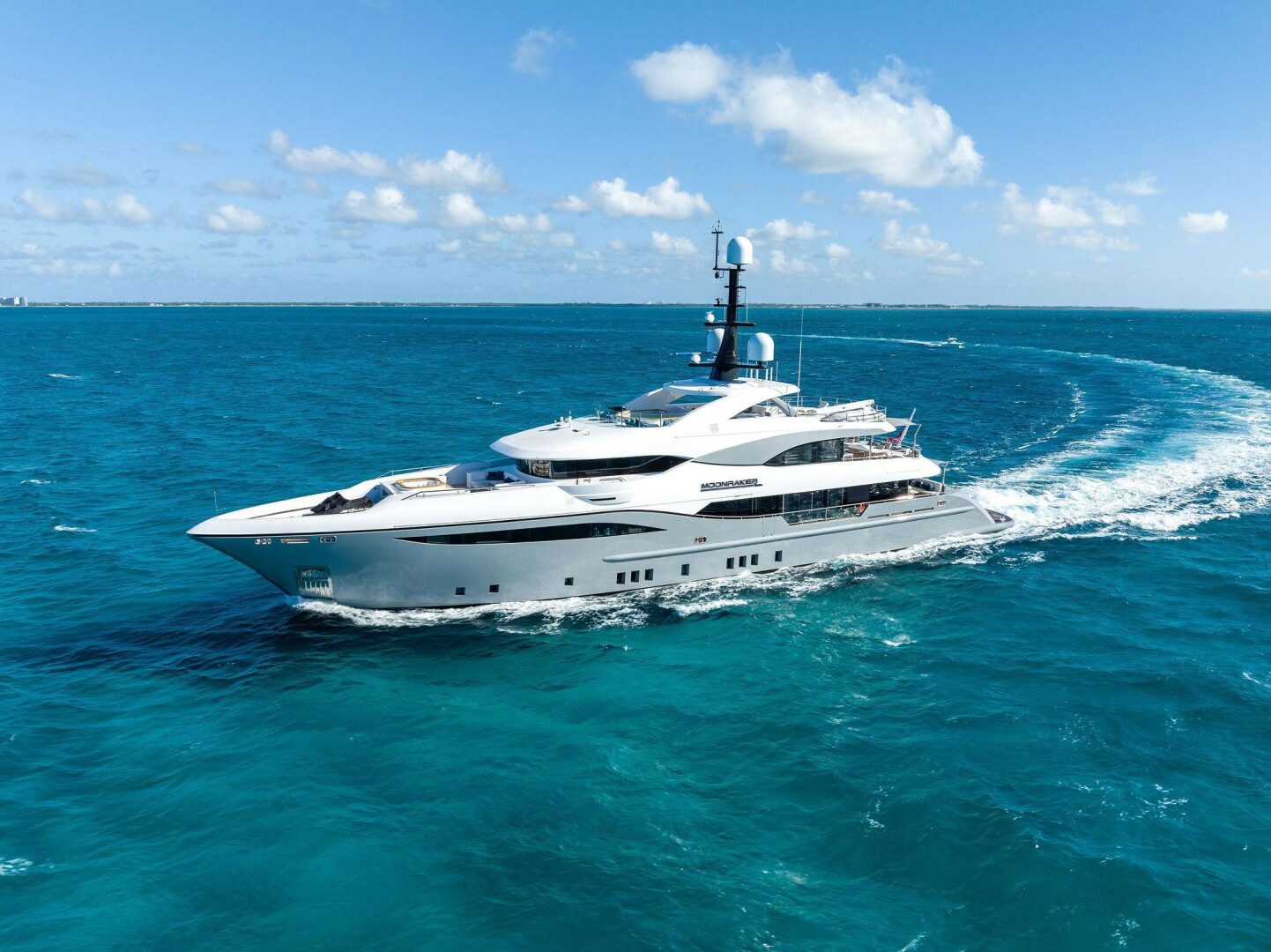
2019 Bilgin MOONRAKER
$21,404,500
156
West Palm Beach Florida

2028 Columbus Yachts
$22,900,008
137
Ancona
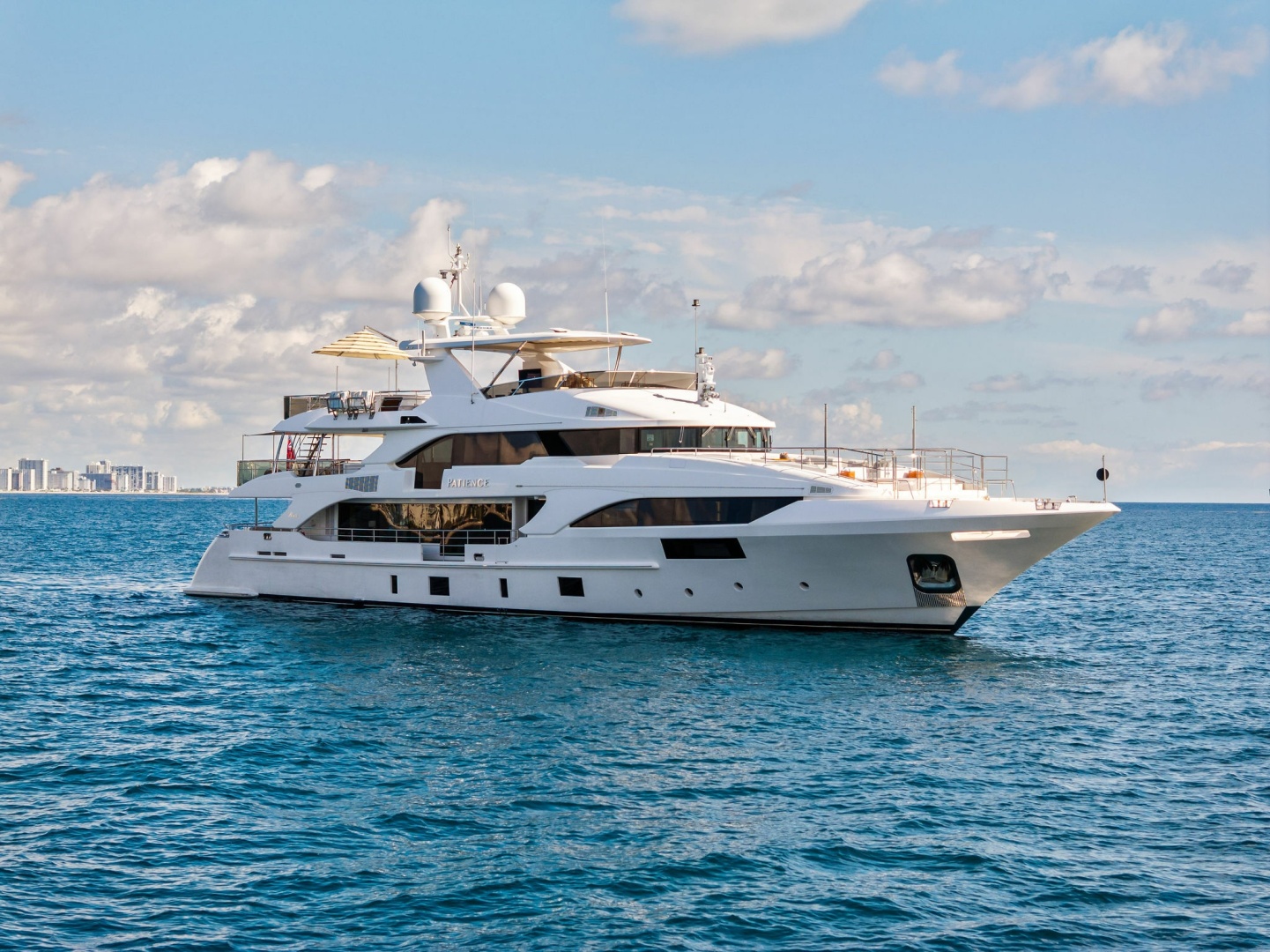
2012 Benetti PATIENCE
$10,975,000
132
Fort Lauderdale Florida
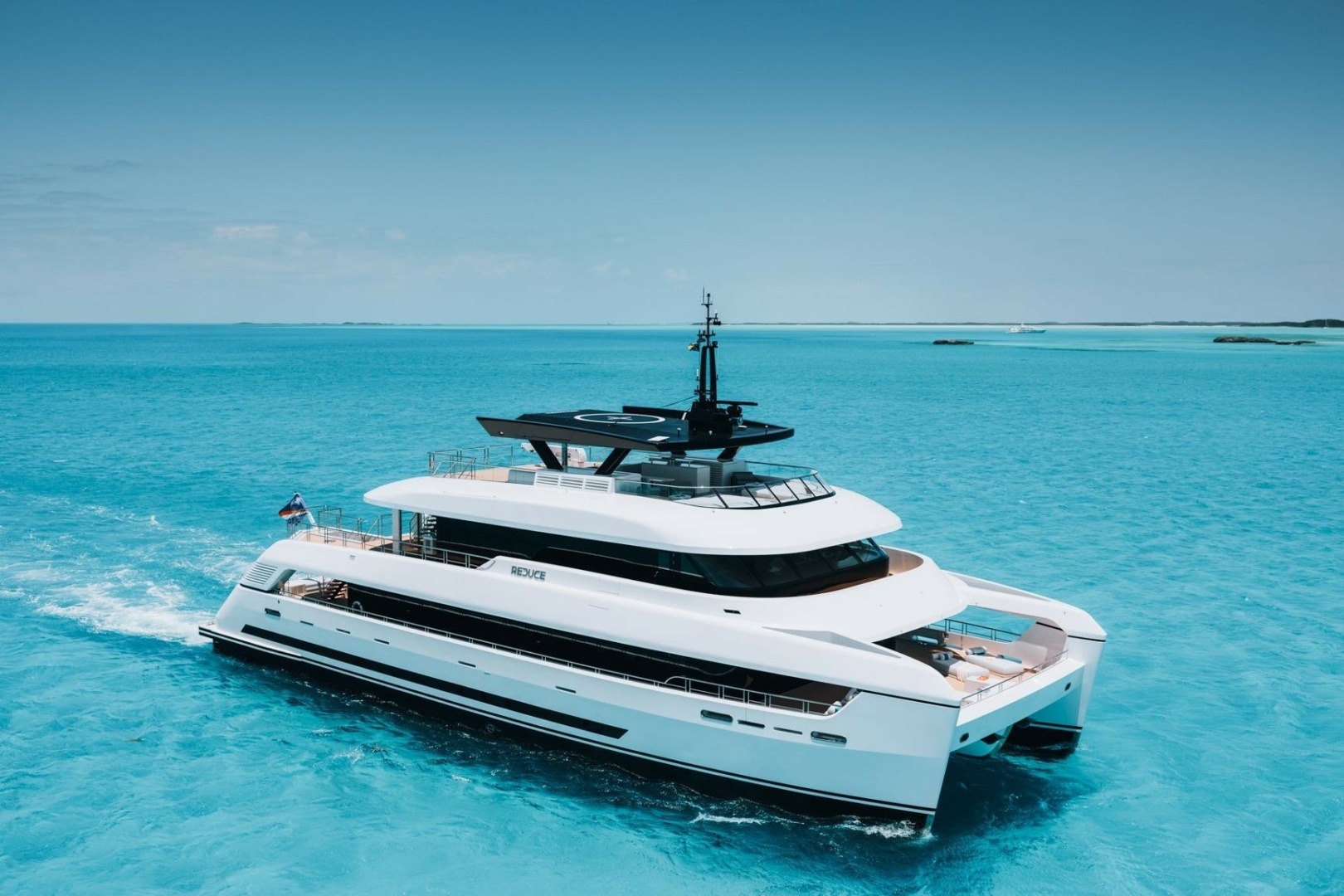
2024 Silver Yachts
$25,400,000
117
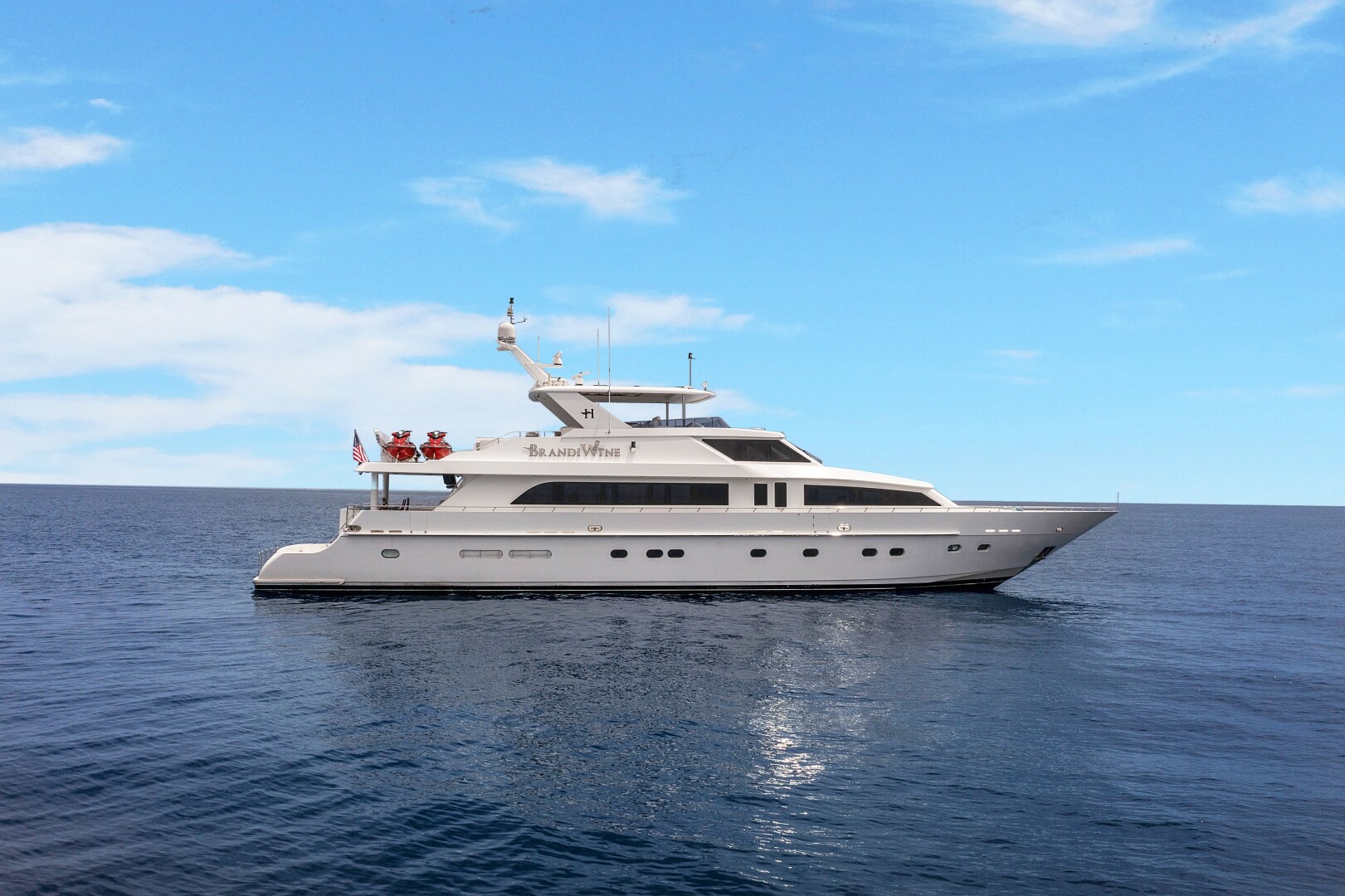
2009 Hargrave BRANDI WINE
$2,995,000
114
Fort Lauderdale Florida

2028 Extra Yachts
$21,404,500
100
Ancona

2028 Extra Yachts Extra 96
$9,495,000
96
Ancona
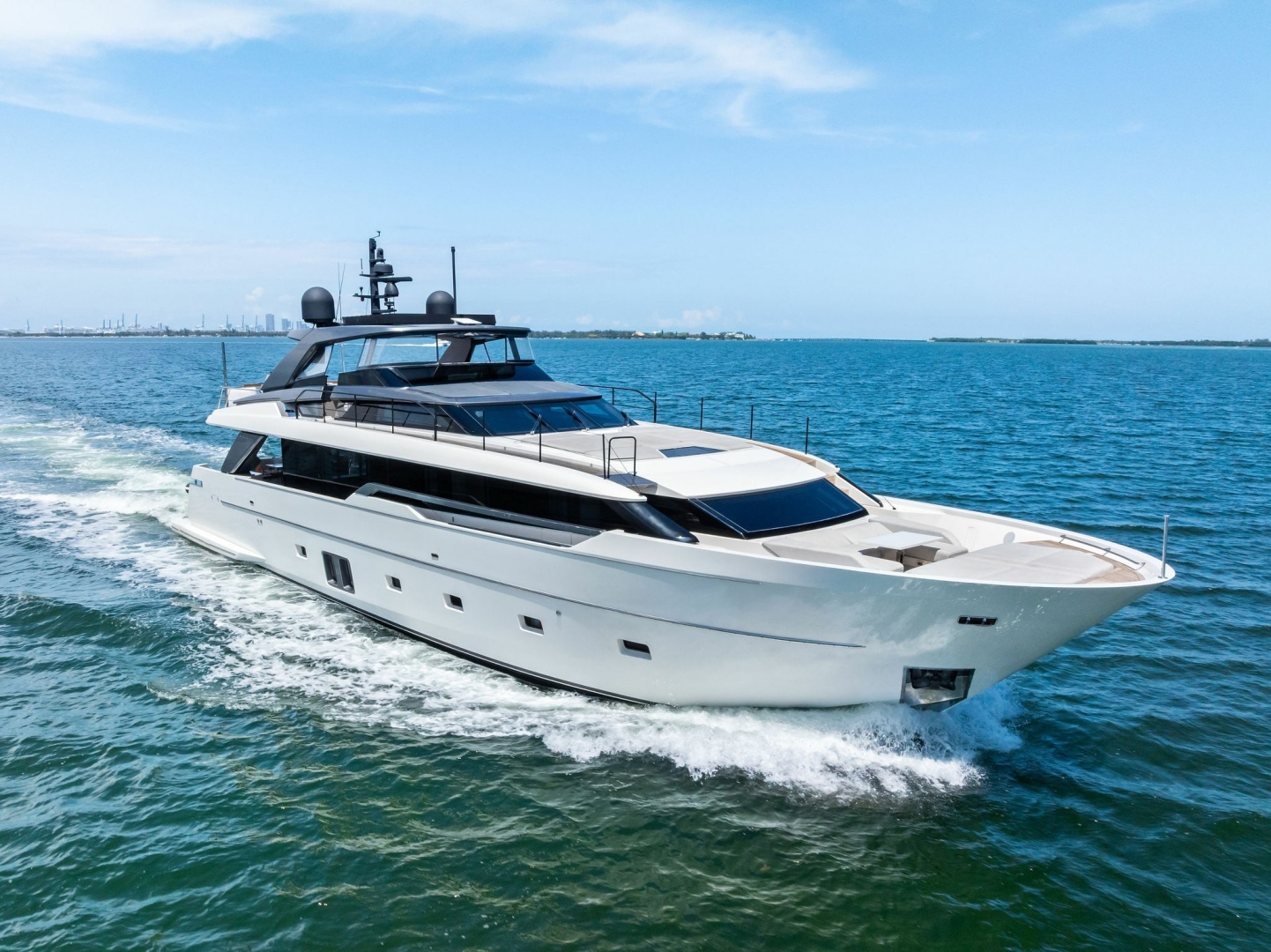
2021 Sanlorenzo GATSBY
$6,795,000
96
Miami Beach Florida

1999 Northern Marine OFF LINE
$2,495,000
84
Ft Lauderdale Florida
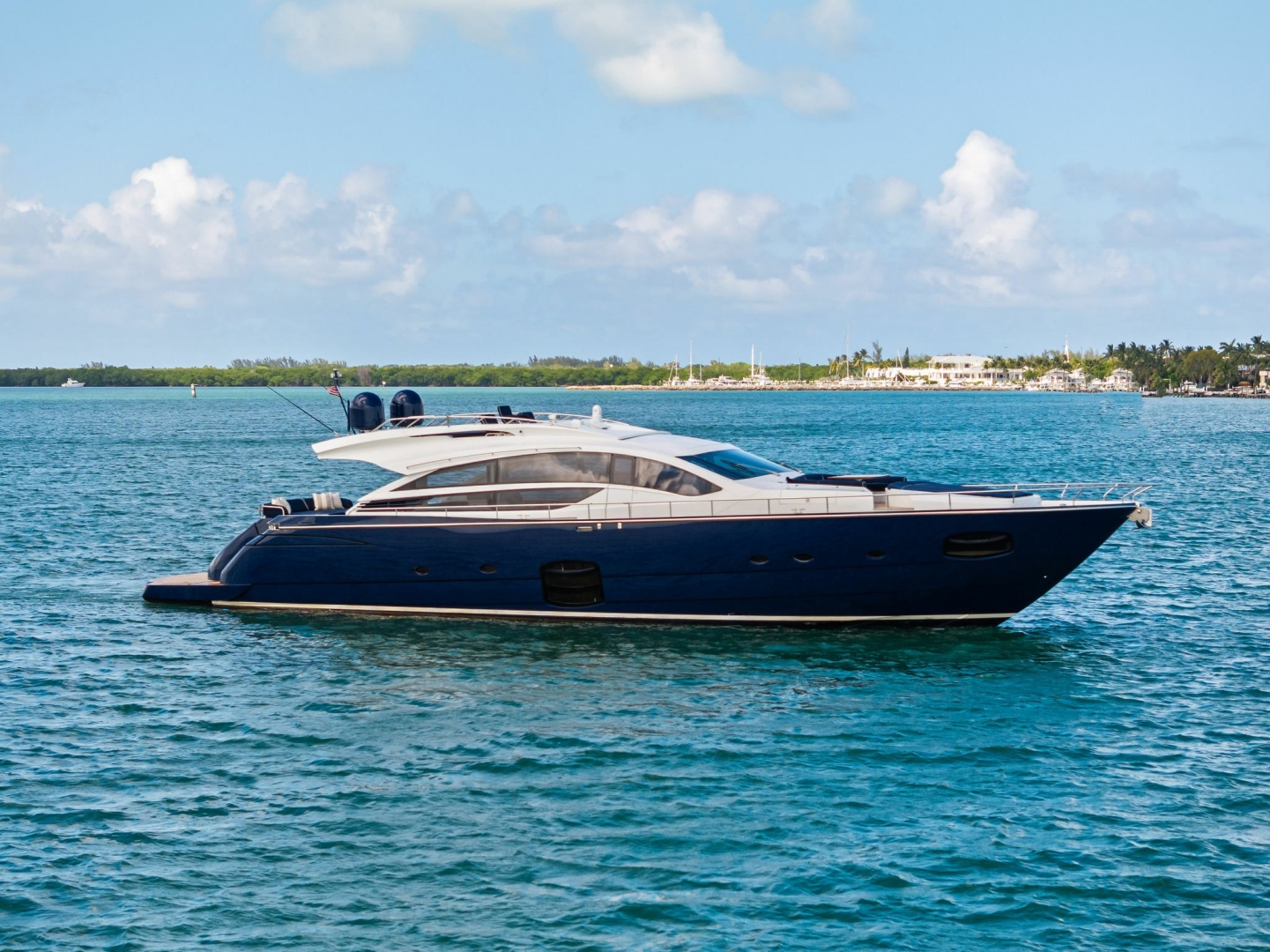
2013 Pershing DOROTHY ANN
$1,750,000
82
Miami Beach Florida

1997 Ferretti Yachts
$850,000
80
La Paz
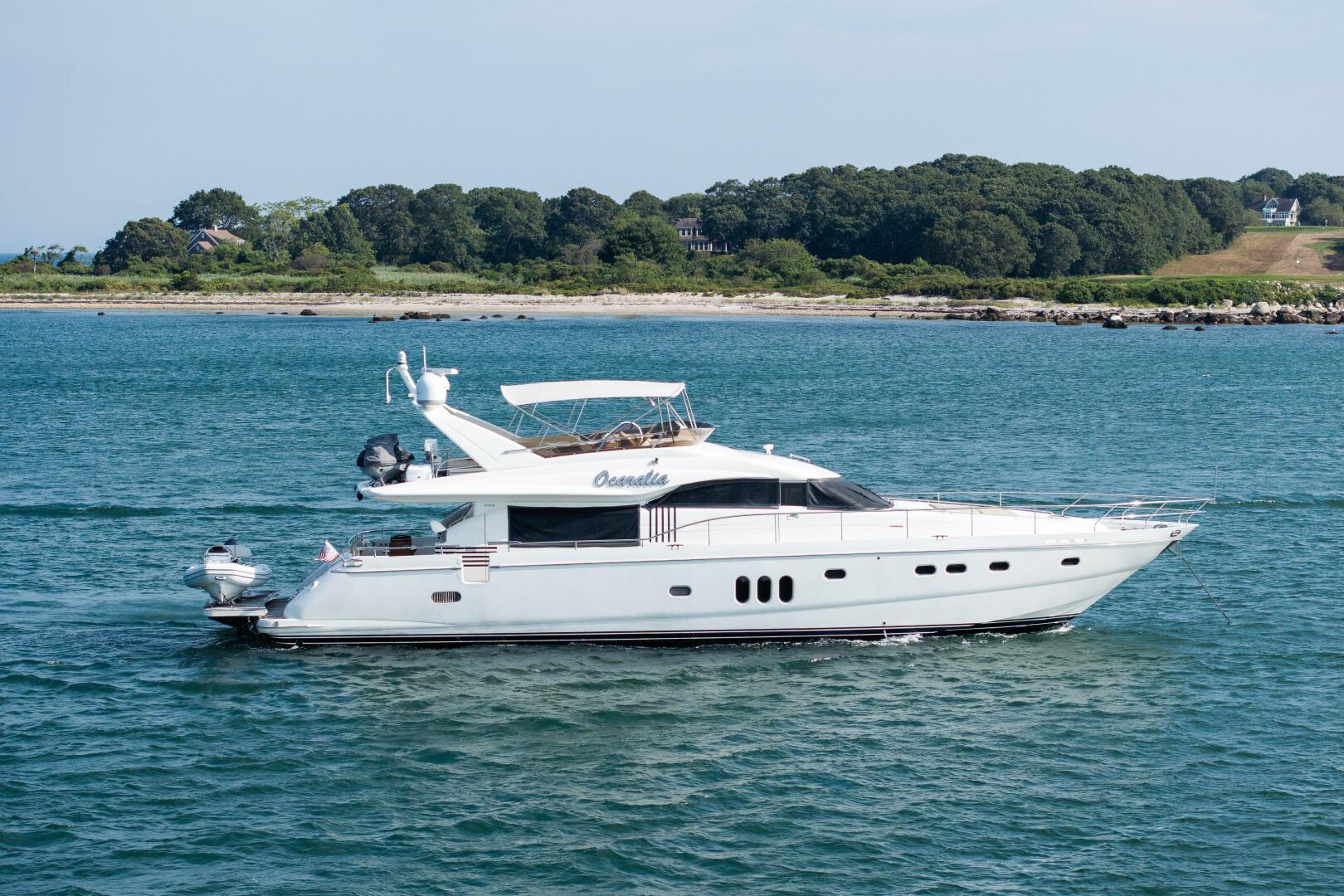
2008 Princess Yachts OCARALIA
$1,095,000
75
Charleston South Carolina
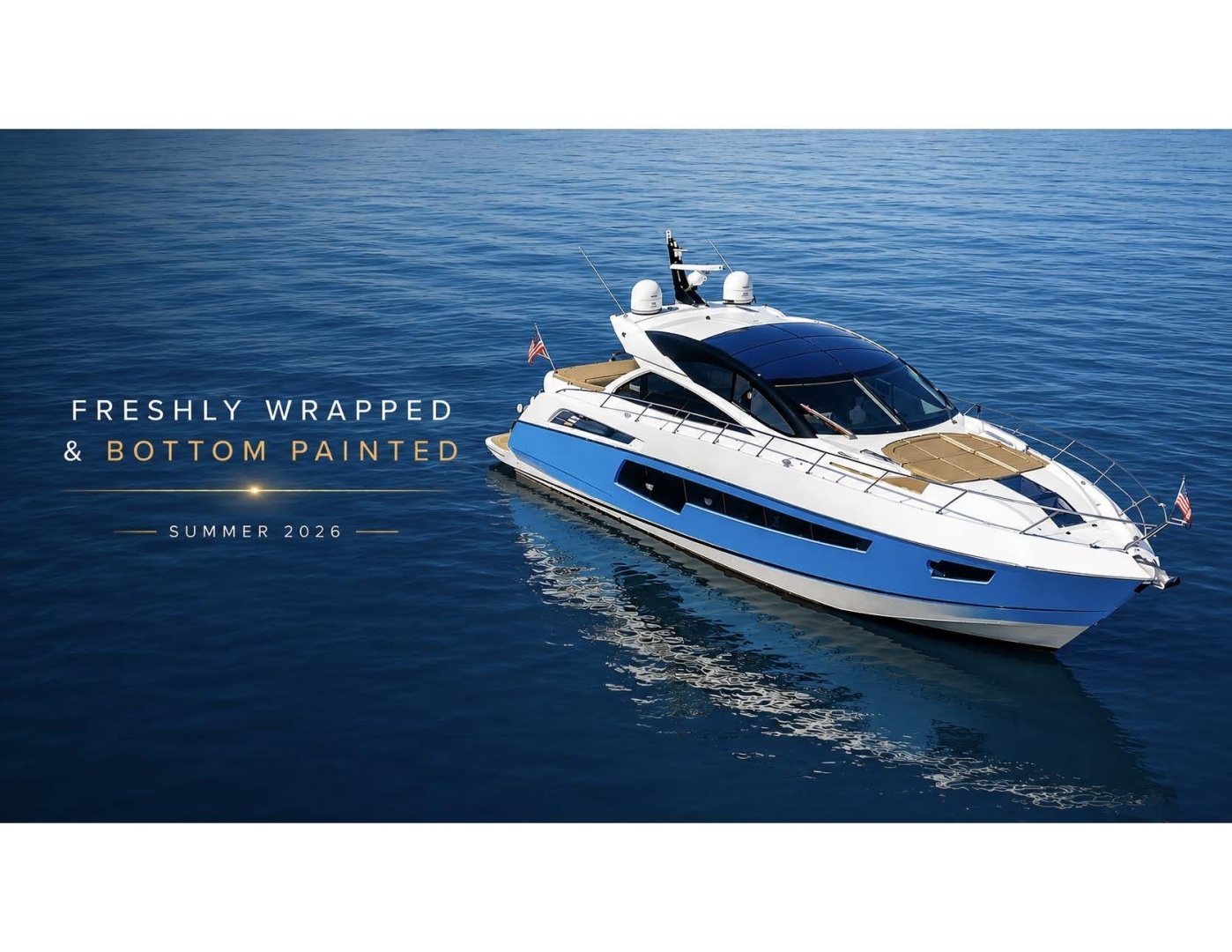
2014 Sunseeker
$1,400,000
68
New York New York

2024 Fairline
$2,750,000
68
Ft. Lauderdale Florida

2024 Sunreef Catallaxi
$3,700,000
60
Newport Rhode Island
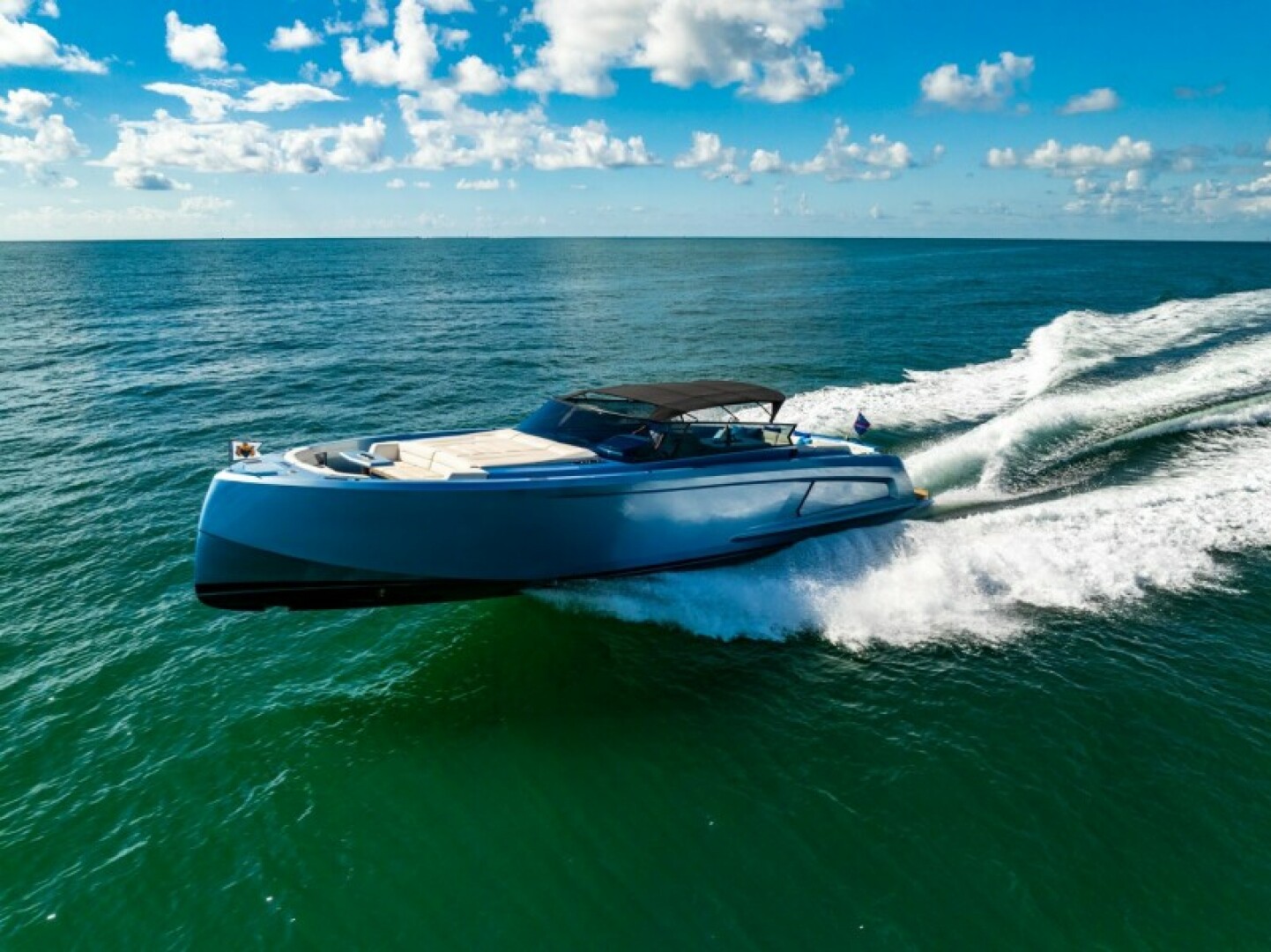
2019 Vanquish Yachts IMPULSIVE
$1,799,000
58
Miami Beach Florida
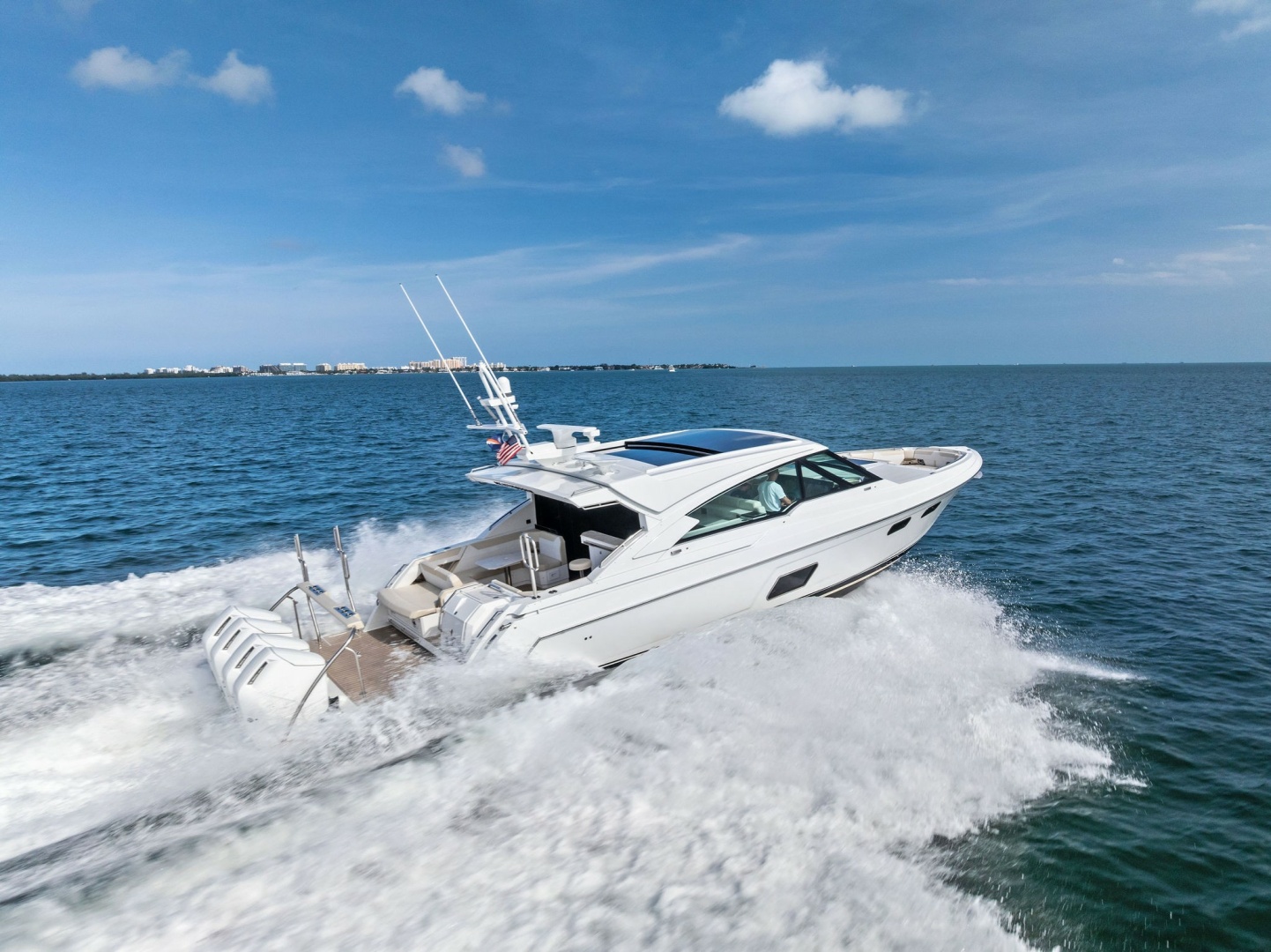
2025 Formula BREAKTHROUGH III
$1,895,000
53
Miami Beach Florida

2023 Fairline
$900,000
45
Fort Lauderdale Florida
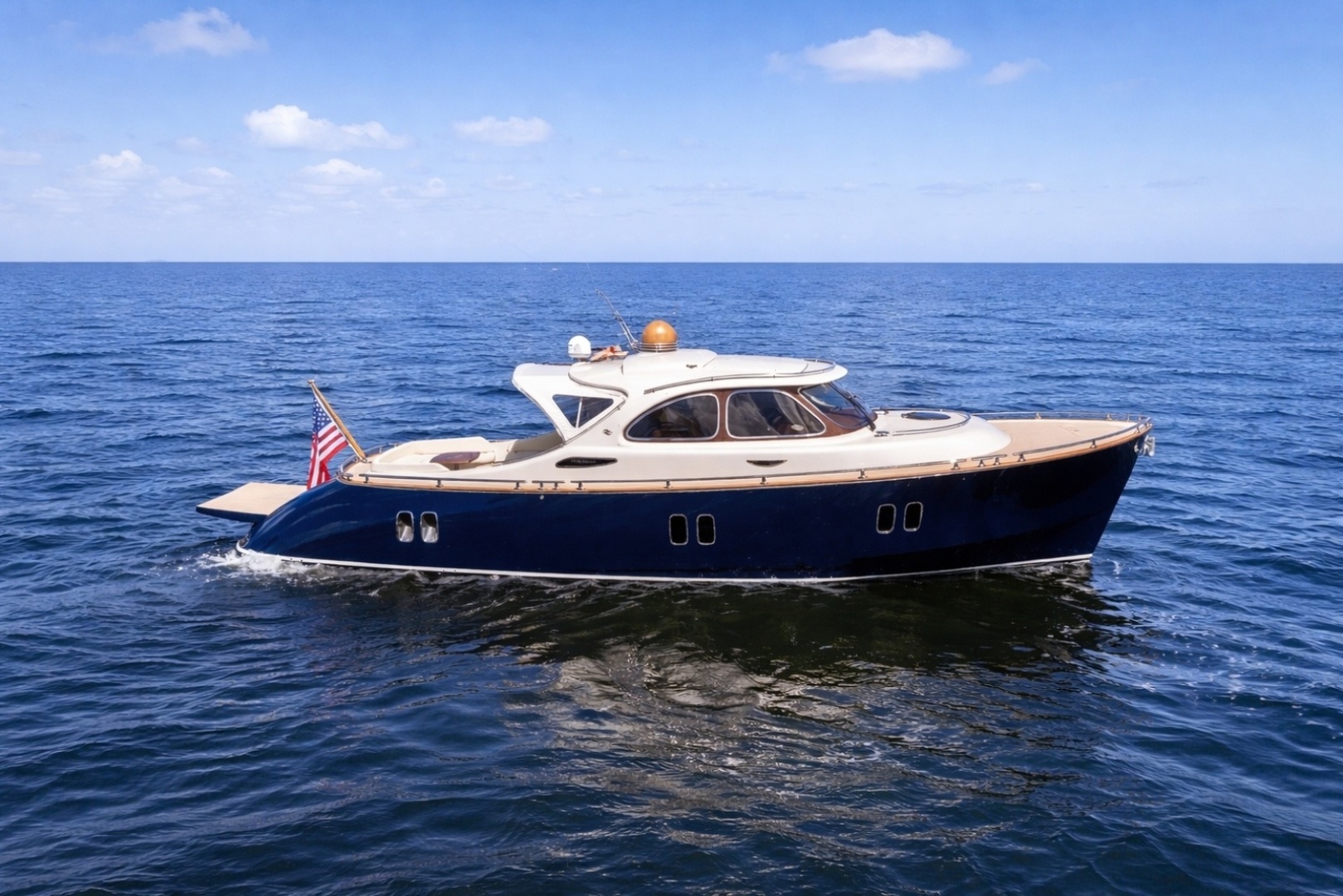
2012 Zeelander Mississippi Queen
$575,000
44
West Palm Beach Florida
2019 Bilgin 156'
$21,404,500
2028 Columbus Yachts 137'
$22,900,008
2012 Benetti 132'
$10,975,000
2024 Silver Yachts 117'
$25,400,000
2009 Hargrave 114'
$2,995,000
2028 Extra Yachts 100'
$21,404,500
2028 Extra Yachts 96'
$9,495,000
2021 Sanlorenzo 96'
$6,795,000
1999 Northern Marine 84'
$2,495,000
2013 Pershing 82'
$1,750,000
1997 Ferretti Yachts 80'
$850,000
2008 Princess Yachts 75'
$1,095,000
2014 Sunseeker 68'
$1,400,000
2024 Fairline 68'
$2,750,000
2024 Sunreef 60'
$3,700,000
2019 Vanquish Yachts 58'
$1,799,000
2025 Formula 53'
$1,895,000
2023 Fairline 45'
$900,000
2012 Zeelander 44'
$575,000