

Purchasing a luxury yacht is one of the most significant financial and lifestyle decisions you will ever make. The stakes are real: a single misstep in the buying process can cost millions, generate years of regret, or leave you with a vessel that simply does not match your vision of life on the water. Yet with the right preparation, the right team, and a clear process, buying a yacht can be as fulfilling as the journeys it promises. This guide walks you through every critical stage, from defining your needs to closing the deal, so you can move forward with clarity and confidence.
Table of Contents
- Define your needs and set a clear budget
- Research yacht types, features, and specifications
- Select the right yacht broker and define your brief
- Inspect, evaluate, and negotiate your chosen yacht
- A buyer’s perspective: Why the process matters more than the boat
- Work with yacht-buying experts for peace of mind
- Frequently asked questions
Key Takeaways
| Point | Details |
|---|---|
| Clarify needs first | List your must-have features, usage goals, and set a realistic budget before shopping for a yacht. |
| Understand total costs | Annual costs can exceed 10 percent of the purchase price, so factor in all operating and ownership expenses. |
| Vet your broker | Choose a broker with CPYB or IYBA credentials for better market access and negotiation on your behalf. |
| Inspect and negotiate | Always conduct professional surveys and use findings to inform and leverage your negotiation. |
| Trust the process | A disciplined, expert-guided approach leads to better choices and a more rewarding yacht ownership experience. |
Define your needs and set a clear budget
Once you appreciate the risks and complexity, your first move should be to clarify your expectations and financial parameters. Before you browse a single listing, sit down and honestly answer one question: what is this yacht for? Your answer shapes every decision that follows.
Primary use matters enormously. A yacht built for leisurely family cruising in the Mediterranean has very different requirements than one designed for global exploration or active charter revenue. Knowing your intended use helps you choose a luxury yacht that genuinely fits your lifestyle rather than one that simply looks impressive at the dock.
Once you know your purpose, identify your must-have features. Consider the following priorities:
- Number of guests and crew: How many staterooms do you need? Will you carry a full-time crew?
- Range and cruising grounds: Are you staying coastal, or crossing oceans?
- Onboard amenities: Pool, beach club, tender garage, gym?
- Build quality and age: New build, semi-custom, or pre-owned?
- Flag and registration: Some jurisdictions affect operational flexibility.
Now set your budget, and be honest about the full picture. The purchase price is only the beginning. Total cost of ownership (TCO) includes annual maintenance, crew salaries, fuel, marina fees, insurance, and depreciation. The widely cited “10% rule” suggests budgeting roughly 10% of the yacht’s value per year for operating costs, but depreciation runs 3 to 12% annually depending on the yacht’s tier, age, and condition, meaning actual yearly costs can climb well beyond that baseline for older or larger vessels.
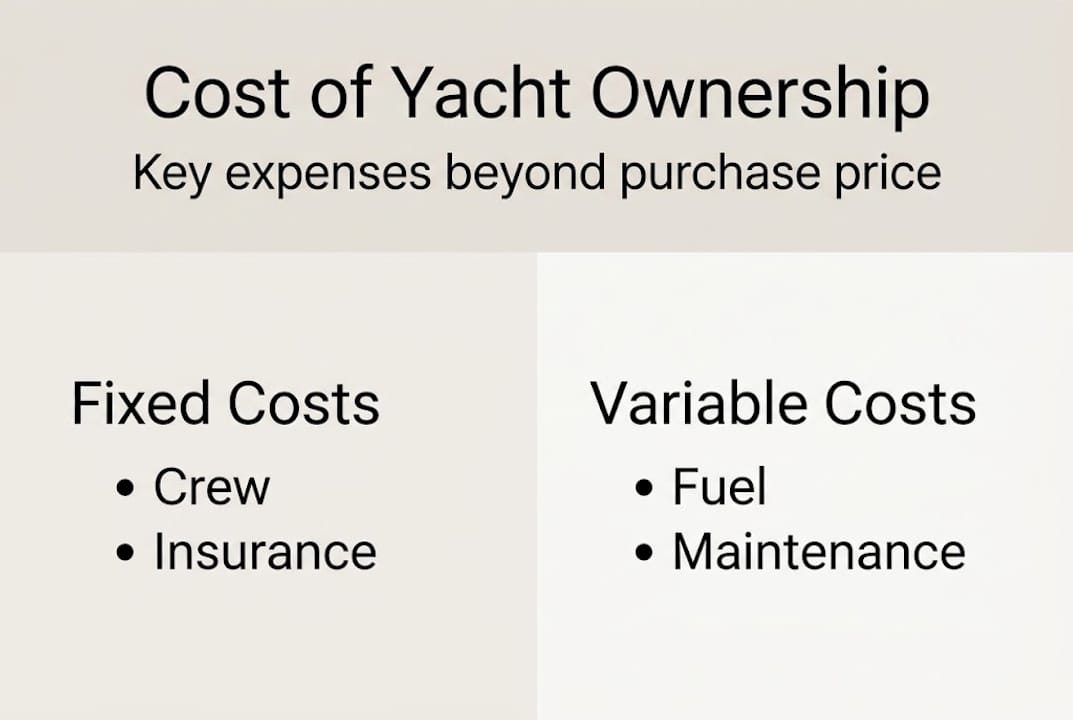
Pro Tip: Build a simple needs table before your first broker conversation. Organizing your priorities in writing prevents you from being swayed by features that impress but do not serve your actual lifestyle.
| Priority | Must-have | Nice-to-have | Not needed |
|---|---|---|---|
| Staterooms | 4+ | 6 | 8+ |
| Range | 3,000 nm | 5,000 nm | Unlimited |
| Beach club | Yes | Expanded | Full spa |
| Crew quarters | 4 berths | 6 berths | 8+ berths |
Reviewing yacht specifications in detail at this stage saves considerable time and prevents costly scope creep later in the process.
Research yacht types, features, and specifications
With your needs and budget set, it is time to explore the different yacht types and features available on the market. The world of luxury yachts is broad, and understanding the main categories helps you narrow your search with purpose rather than wandering through an overwhelming sea of options.

Four primary categories deserve your attention. Refer to a detailed luxury yacht types guide for deeper breakdowns, but here is a working overview:
| Yacht type | Best for | Key advantage | Consideration |
|---|---|---|---|
| Motor yacht | Speed, comfort, range | Fast passages, spacious interiors | Higher fuel costs |
| Sailing yacht | Passage making, adventure | Lower running costs, timeless appeal | Speed dependent on wind |
| Explorer yacht | Remote destinations | Exceptional range, rugged build | Larger crew requirements |
| Superyacht (30m+) | Full-time luxury living | Unparalleled amenities, prestige | Highest TCO |
Beyond category, focus on the specifications that directly affect your experience:
- Range: Measured in nautical miles at cruising speed. Critical for blue-water passages.
- Speed: Maximum versus economical cruising speed affects fuel burn significantly.
- Berths: Guest and crew accommodation capacity.
- Build quality: Hull material, builder reputation, and classification society certification.
- Stability systems: Gyroscopic stabilizers and fin stabilizers reduce motion at sea and at anchor.
Amenities have become a defining factor in modern yacht purchases. Today’s luxury buyers expect features like infinity pools, fold-down beach clubs, dedicated tender and toy garages, and fully equipped spas. Reviewing yacht amenities examples gives you a realistic sense of what is available at different price points and helps you prioritize intelligently.
Customization plays a significant role for new builds and semi-custom yachts. You can specify everything from hull color to interior design language, entertainment systems, and even propulsion technology. For pre-owned yachts, assess how closely the existing specification matches your brief before committing to costly refits. A yacht that requires a $2 million refit to meet your needs is rarely the bargain it first appears to be.
Use the buyer specifications guide to build a technical checklist before you begin shortlisting vessels.
Select the right yacht broker and define your brief
Research alone is not enough. The next step is building your expert team, starting with a qualified broker. The right broker is more than a transaction facilitator. They are your advocate, your market intelligence source, and often your gateway to off-market listings that never appear on public platforms.
Credentials matter. When you choose a yacht broker, prioritize professionals with recognized industry certifications. CPYB and IYBA certifications signal that a broker meets professional standards for market access, ethical conduct, and negotiation expertise. As the expert guidance at Yachts by Steve notes:
“Prioritize a broker with CPYB or IYBA credentials for genuine market access and negotiation strength. Define your brief early to avoid scope creep that costs you time and money.”
Here is how to vet a broker effectively:
- Verify credentials: Confirm CPYB or IYBA membership and any additional certifications.
- Review their track record: Ask for recent comparable transactions in your target size and price range.
- Assess market knowledge: A strong broker knows current inventory, pricing trends, and builder reputations.
- Evaluate communication style: You will spend months working together. Clarity and responsiveness matter.
- Confirm their network: Off-market access and builder relationships are invaluable at the top end of the market.
Once you have your broker, draft a written brief. This document outlines your intended use, size range, budget ceiling, must-have features, and preferred cruising grounds. A clear brief keeps your search focused and prevents the all-too-common phenomenon of scope creep, where each new viewing adds “just one more” requirement until your original budget and timeline are unrecognizable.
Pro Tip: Treat your brief as a living document. Review it after every viewing and note what you learned. Patterns in what excites or disappoints you reveal your true priorities far more reliably than initial assumptions.
Inspect, evaluate, and negotiate your chosen yacht
Once you have zeroed in on your target yacht with a trusted broker, the inspection and negotiation phase begins. This is where preparation pays off and where cutting corners can be genuinely costly.
Follow this sequence:
- Shortlist: With your broker, narrow the field to two or three vessels that closely match your brief.
- Sea trial: Arrange a sea trial for each shortlisted yacht. Performance on the water reveals far more than photographs or spec sheets.
- Professional survey: Commission an independent marine surveyor to assess the vessel’s structural integrity, mechanical systems, and overall condition.
- Review findings: Use the survey report as your negotiating foundation.
- Make an offer: Factor in TCO, current market trends, and any remediation costs identified in the survey.
- Close: Confirm title, verify insurance, and review all documentation before funds transfer.
Negotiation is both an art and a science. Understanding negotiating yacht prices means knowing that survey findings are your most powerful tool. Every deficiency identified, from worn-out stabilizer seals to outdated navigation electronics, represents a legitimate basis for price adjustment.
Market conditions also shape your leverage. In a buyer’s market, offers 10 to 15% below asking price are not unusual for well-maintained pre-owned yachts. In a competitive market, acting decisively and presenting clean offers often matters more than aggressive discounting.
Remember that depreciation runs 3 to 12% annually across different yacht tiers, so a yacht priced attractively today may still carry significant ongoing cost obligations. Always model your full TCO before signing.
Pro Tip: Never waive the professional survey to speed up a deal. The survey fee is a small fraction of the purchase price, and the findings can save you hundreds of thousands of dollars in unexpected repairs or justify a meaningful price reduction.
A buyer’s perspective: Why the process matters more than the boat
After you have worked through the practical steps, it is worth reflecting on what truly defines a successful yacht purchase. Here is a truth that even experienced buyers sometimes miss: the vessel itself is rarely the source of regret. The process is.
We have seen sophisticated, high-net-worth buyers stumble by underestimating TCO, chasing brand prestige over genuine lifestyle fit, or relying on well-meaning but unqualified “friends of friends” instead of certified buying experts. The result is not just financial loss. It is the quiet disappointment of owning something that does not match the life you imagined.
Your enjoyment on the water is shaped as much by the quality of the buying experience as by the yacht itself. A process built on clear requirements, credentialed expertise, and methodical evaluation produces not just a better purchase but a deeper sense of ownership satisfaction. Trust the process. It is the most reliable route to a yacht that genuinely serves your life.
Work with yacht-buying experts for peace of mind
If you want to turn these steps into your reality, the right partners make all the difference. At Yachts by Steve, we provide end-to-end support from your initial brief through to closing, ensuring every decision is informed, every negotiation is strategic, and every detail is handled with care. When you are ready to move forward, choosing a trusted broker is the single most impactful step you can take. Explore our yacht brokerage services to understand how we work, and use our specifications guide to prepare for your first conversation with confidence.
Frequently asked questions
What is the 10% rule in yacht ownership?
The 10% rule suggests budgeting roughly 10% of your yacht’s purchase price per year for operating costs, but actual annual costs can run significantly higher for older or larger yachts due to steeper maintenance demands and depreciation rates between 3 and 12% annually.
Which broker credentials matter when buying a yacht?
CPYB and IYBA certifications are the most recognized professional standards in yacht brokerage, signaling verified market access, ethical conduct, and strong negotiation expertise.
What documents are needed to buy a luxury yacht?
You will need proof of ownership, a current professional survey report, clear title documents, and valid insurance papers reviewed and confirmed before any funds are transferred at closing.
How do I compare different yacht types effectively?
Build a side-by-side comparison using key specifications such as size, range, cruising speed, berth count, and intended use, then score each option against your written brief to identify the strongest match.
How can I avoid regret after buying a yacht?
Work exclusively with certified brokers, commit your requirements to a written brief early, and follow a structured step-by-step process that matches the yacht to your actual lifestyle rather than to initial excitement.
Recommended
Featured Listings
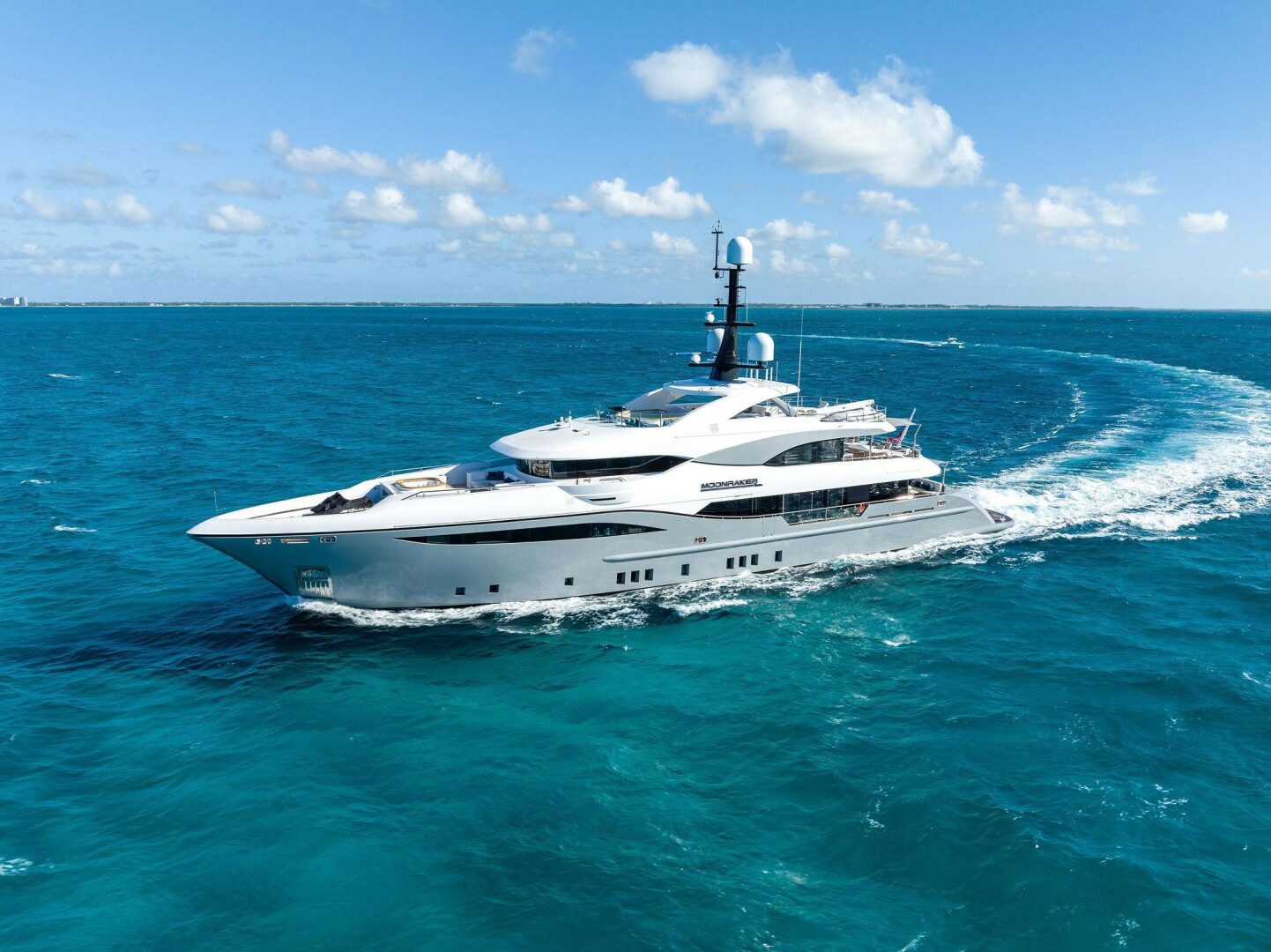
2019 Bilgin MOONRAKER
$21,404,500
156
West Palm Beach Florida

2028 Columbus Yachts
$22,900,008
137
Ancona
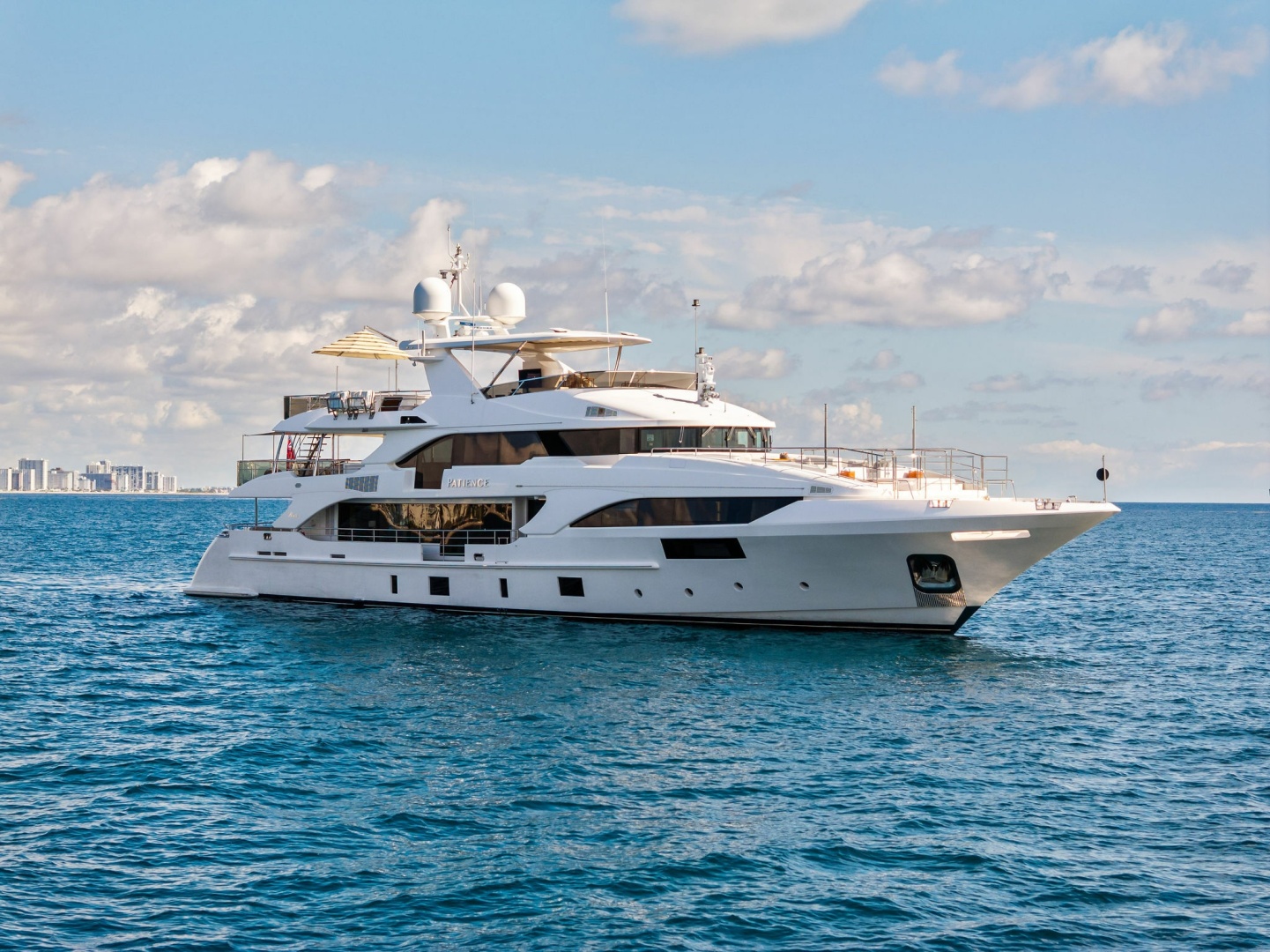
2012 Benetti PATIENCE
$10,975,000
132
Fort Lauderdale Florida
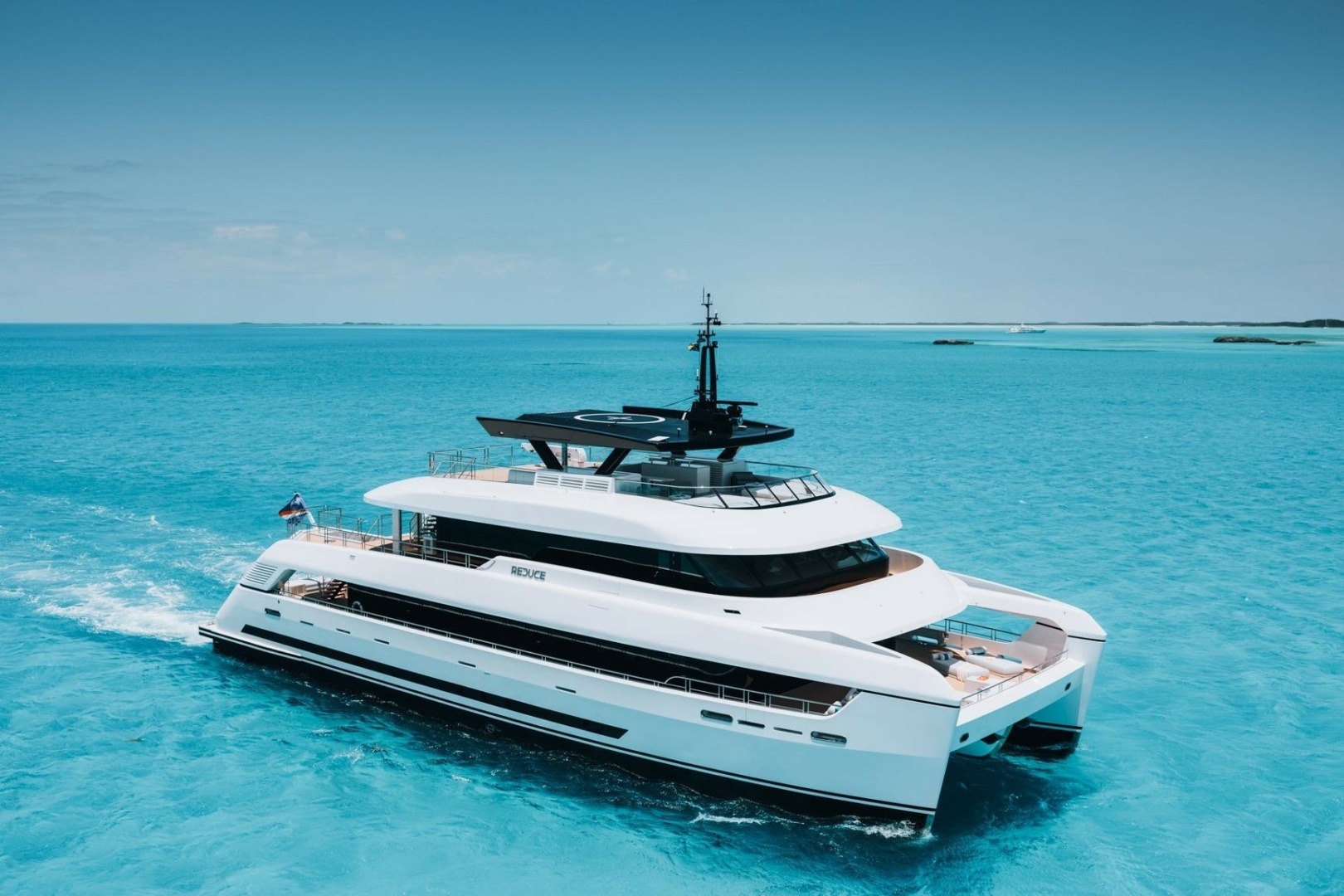
2024 Silver Yachts
$25,400,000
117
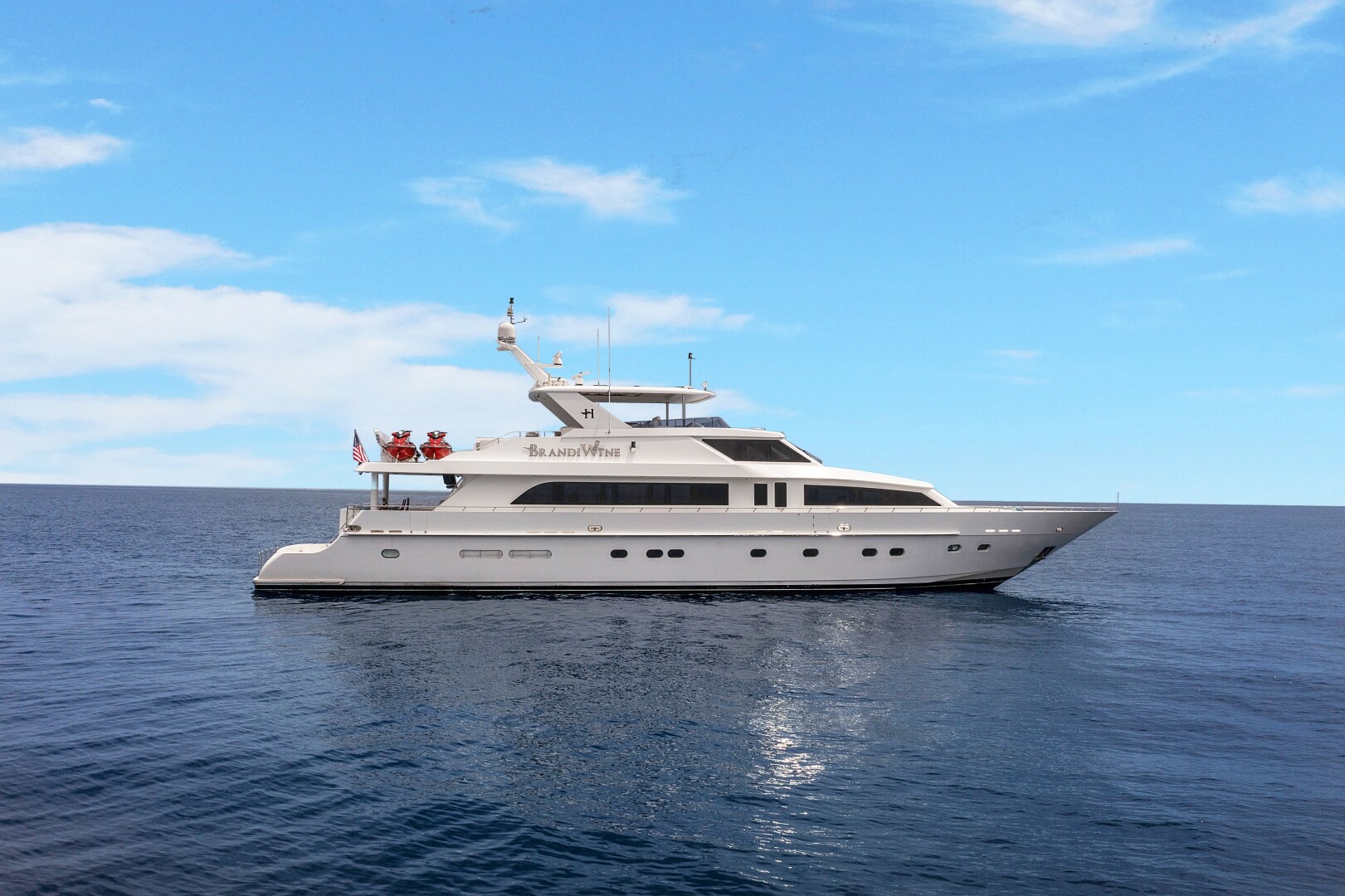
2009 Hargrave BRANDI WINE
$2,995,000
114
Fort Lauderdale Florida

2028 Extra Yachts
$21,404,500
100
Ancona

2028 Extra Yachts Extra 96
$9,495,000
96
Ancona
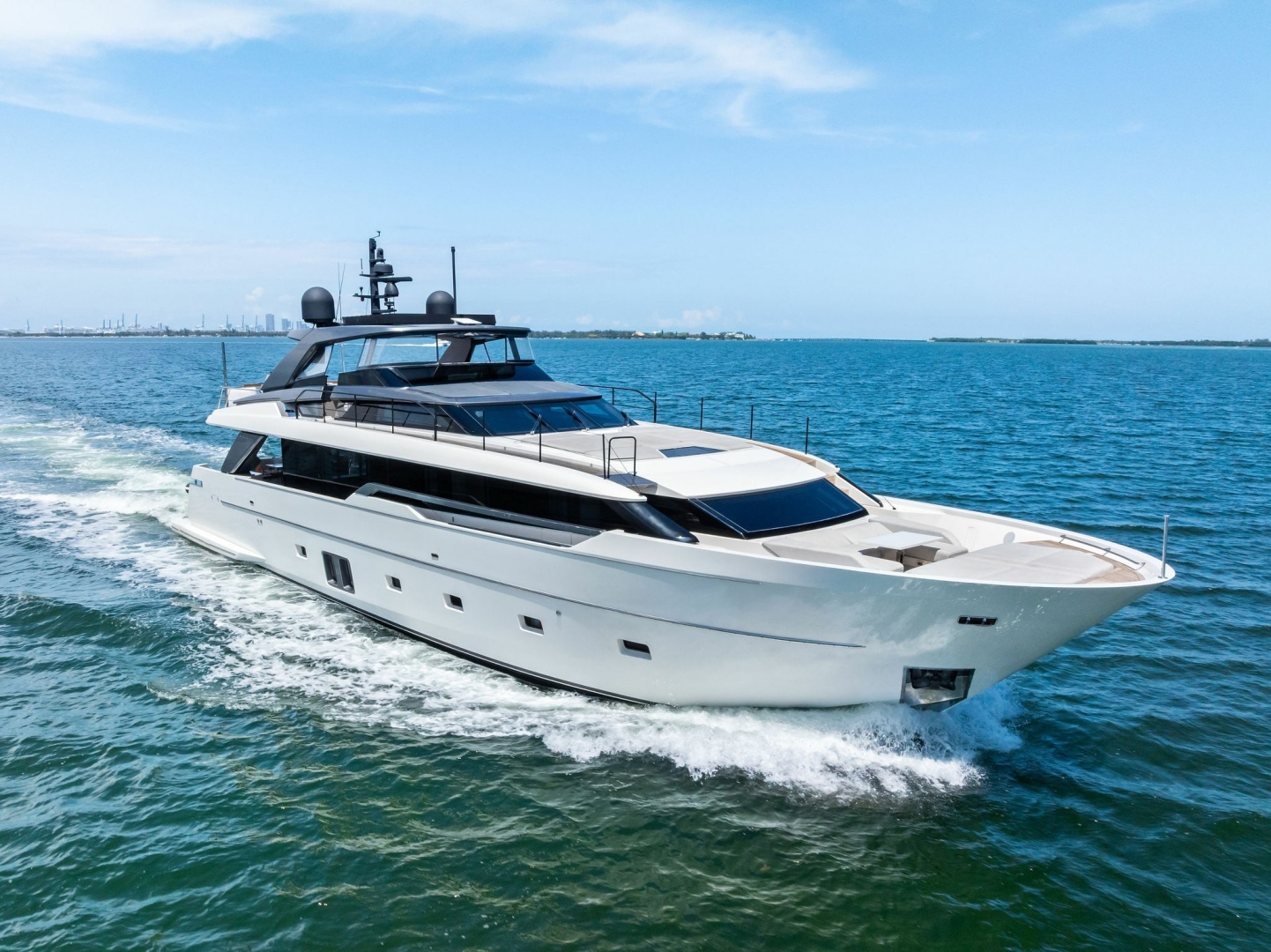
2021 Sanlorenzo GATSBY
$6,795,000
96
Miami Beach Florida

1999 Northern Marine OFF LINE
$2,495,000
84
Ft Lauderdale Florida
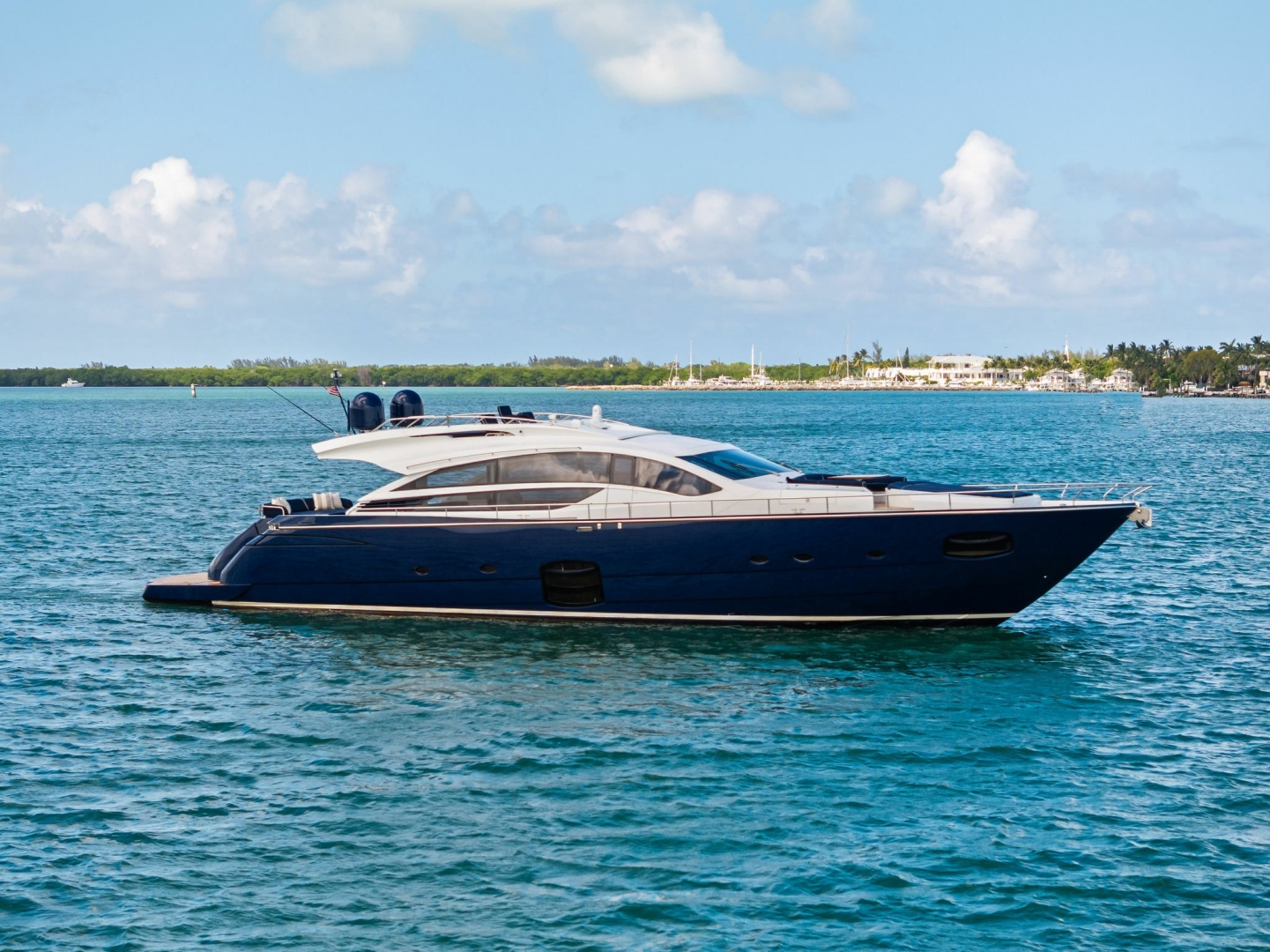
2013 Pershing DOROTHY ANN
$1,750,000
82
Miami Beach Florida

1997 Ferretti Yachts
$850,000
80
La Paz
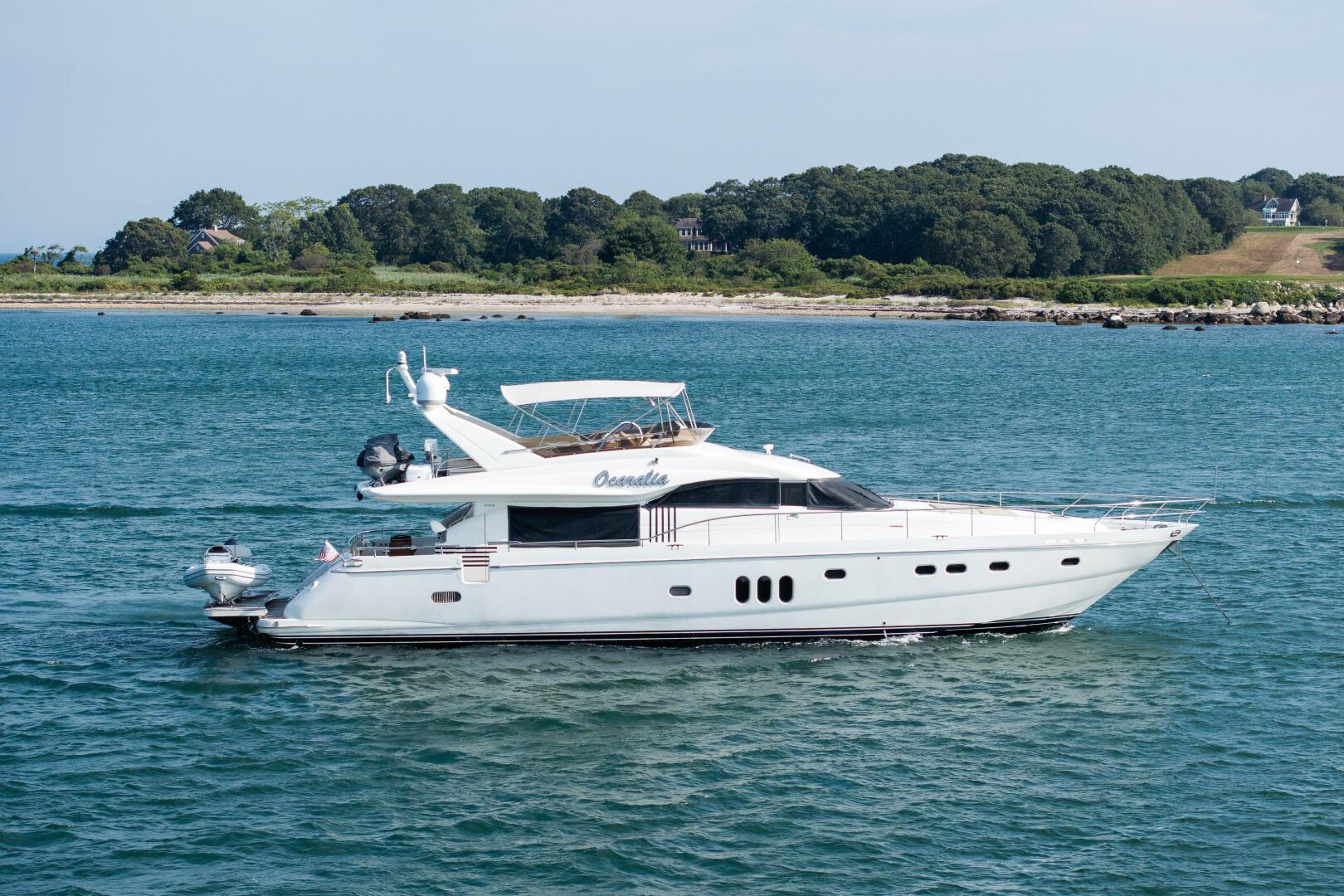
2008 Princess Yachts OCARALIA
$1,095,000
75
Charleston South Carolina
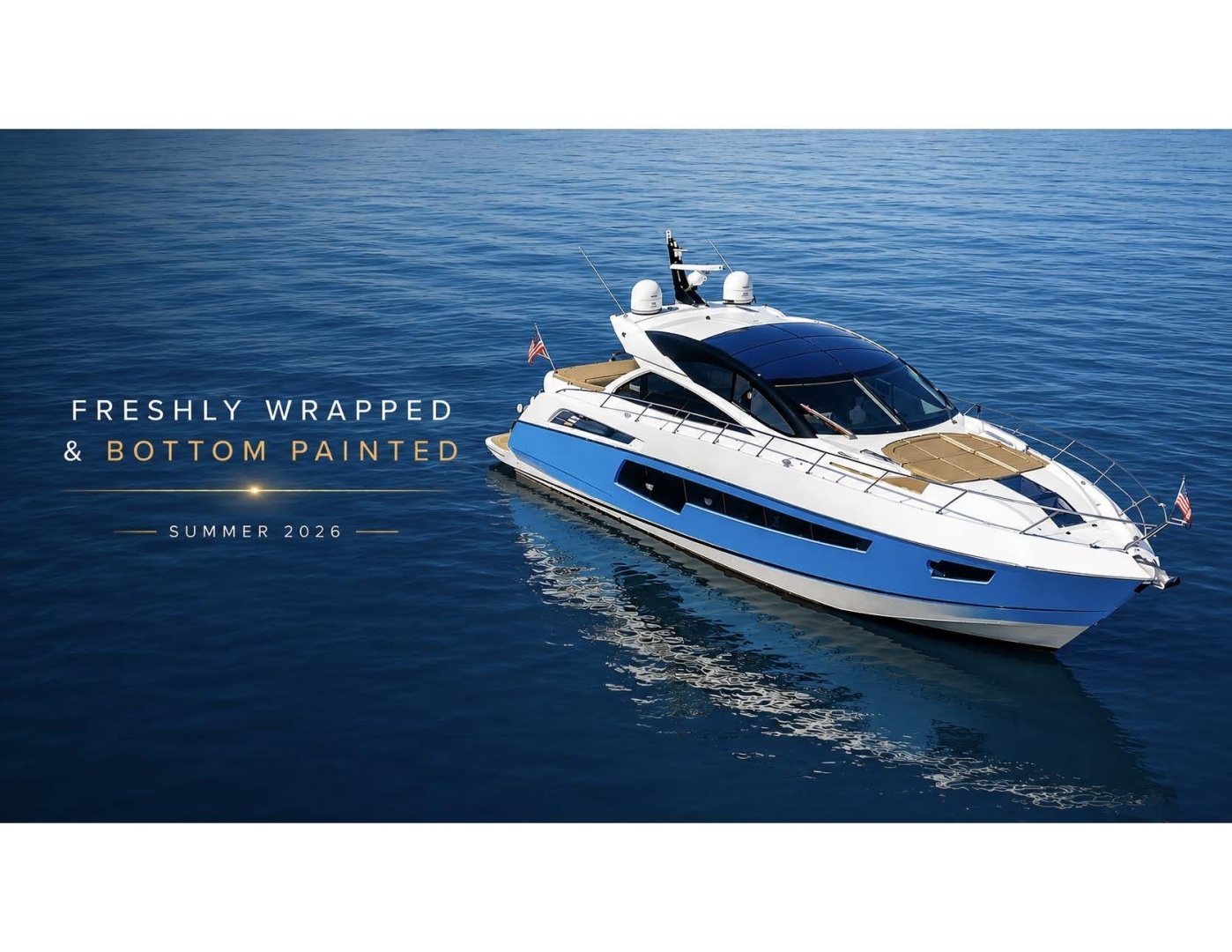
2014 Sunseeker
$1,400,000
68
New York New York

2024 Fairline
$2,750,000
68
Ft. Lauderdale Florida

2024 Sunreef Catallaxi
$3,700,000
60
Newport Rhode Island
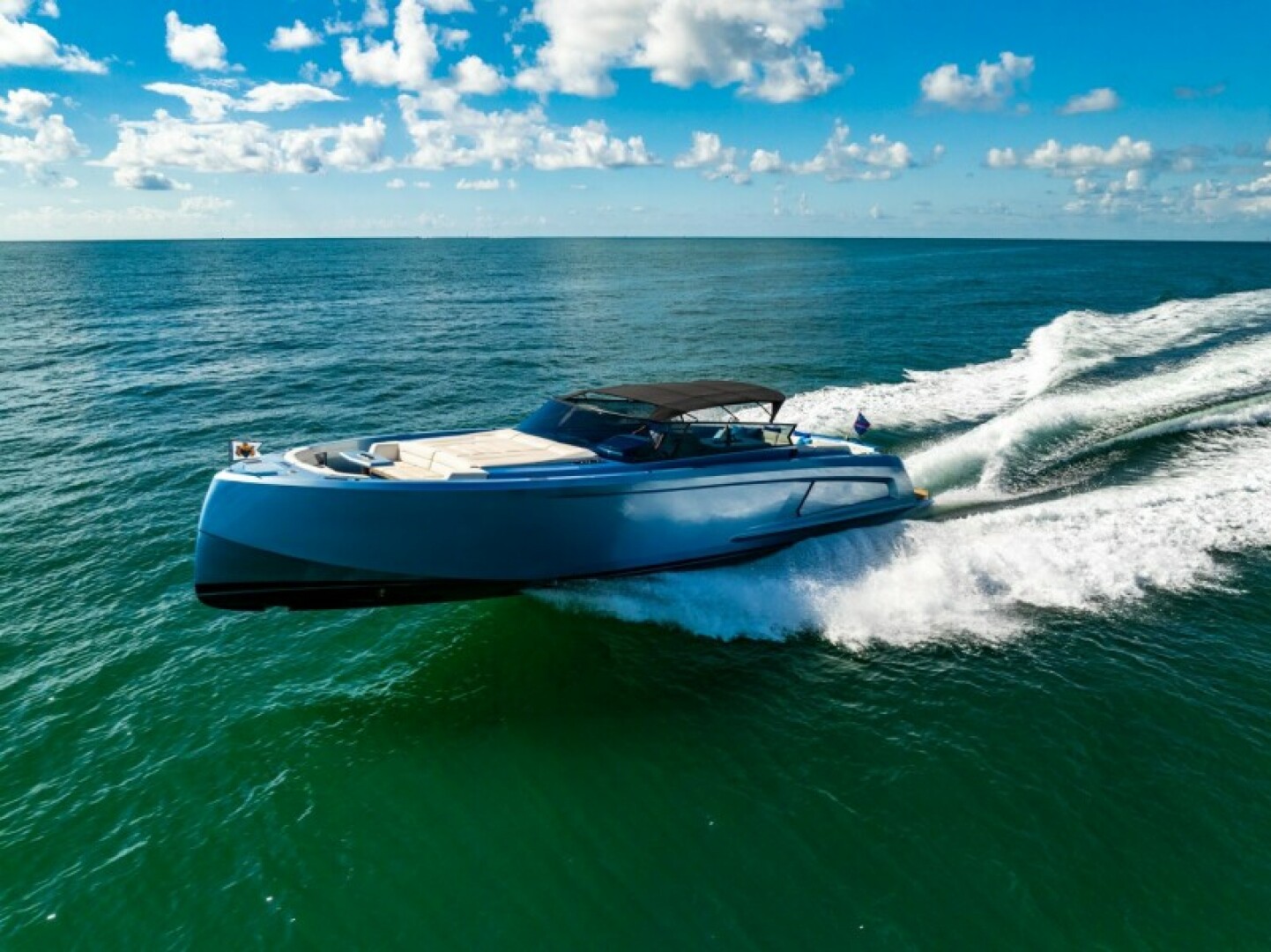
2019 Vanquish Yachts IMPULSIVE
$1,799,000
58
Miami Beach Florida
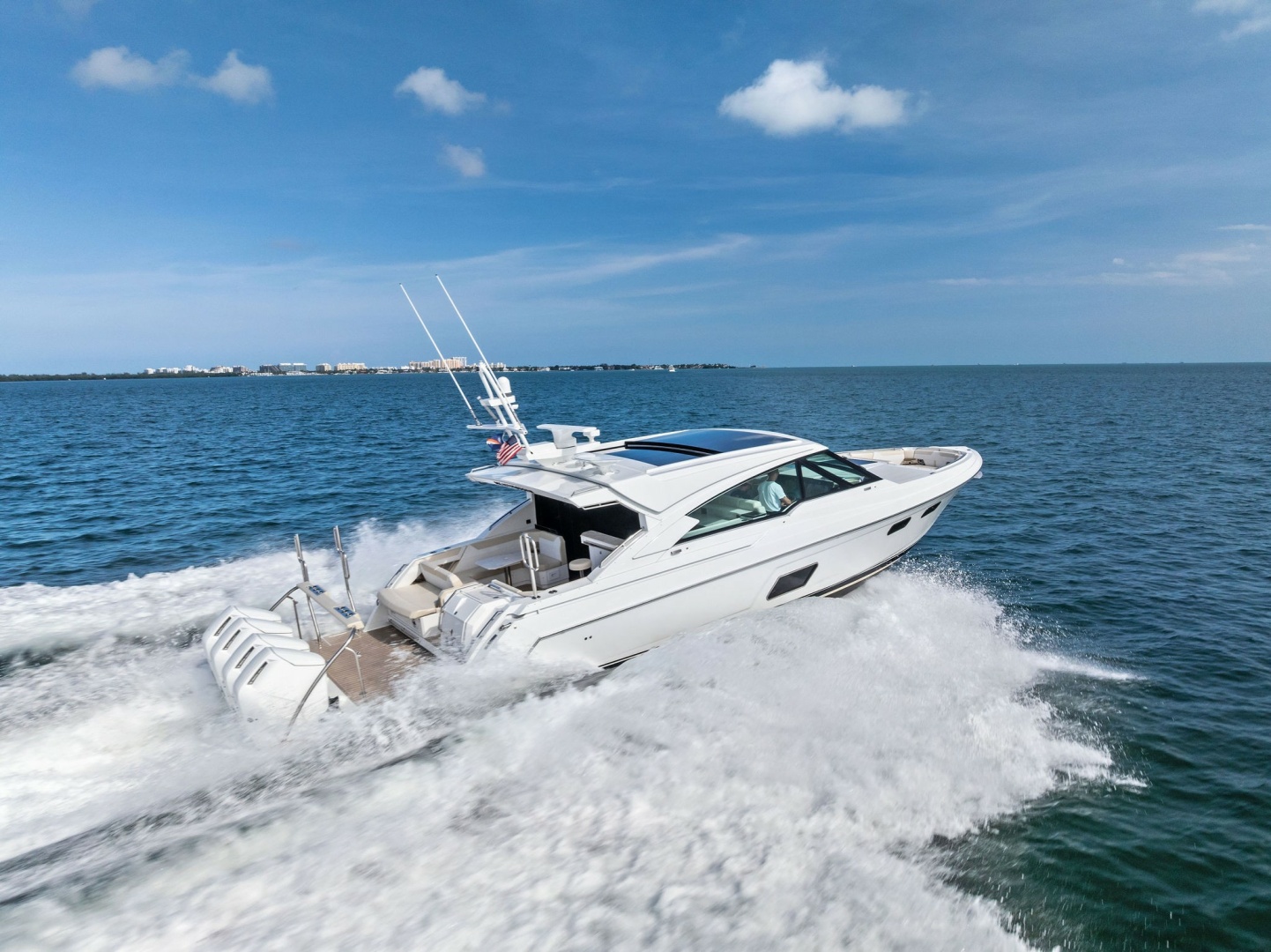
2025 Formula BREAKTHROUGH III
$1,895,000
53
Miami Beach Florida

2023 Fairline
$900,000
45
Fort Lauderdale Florida
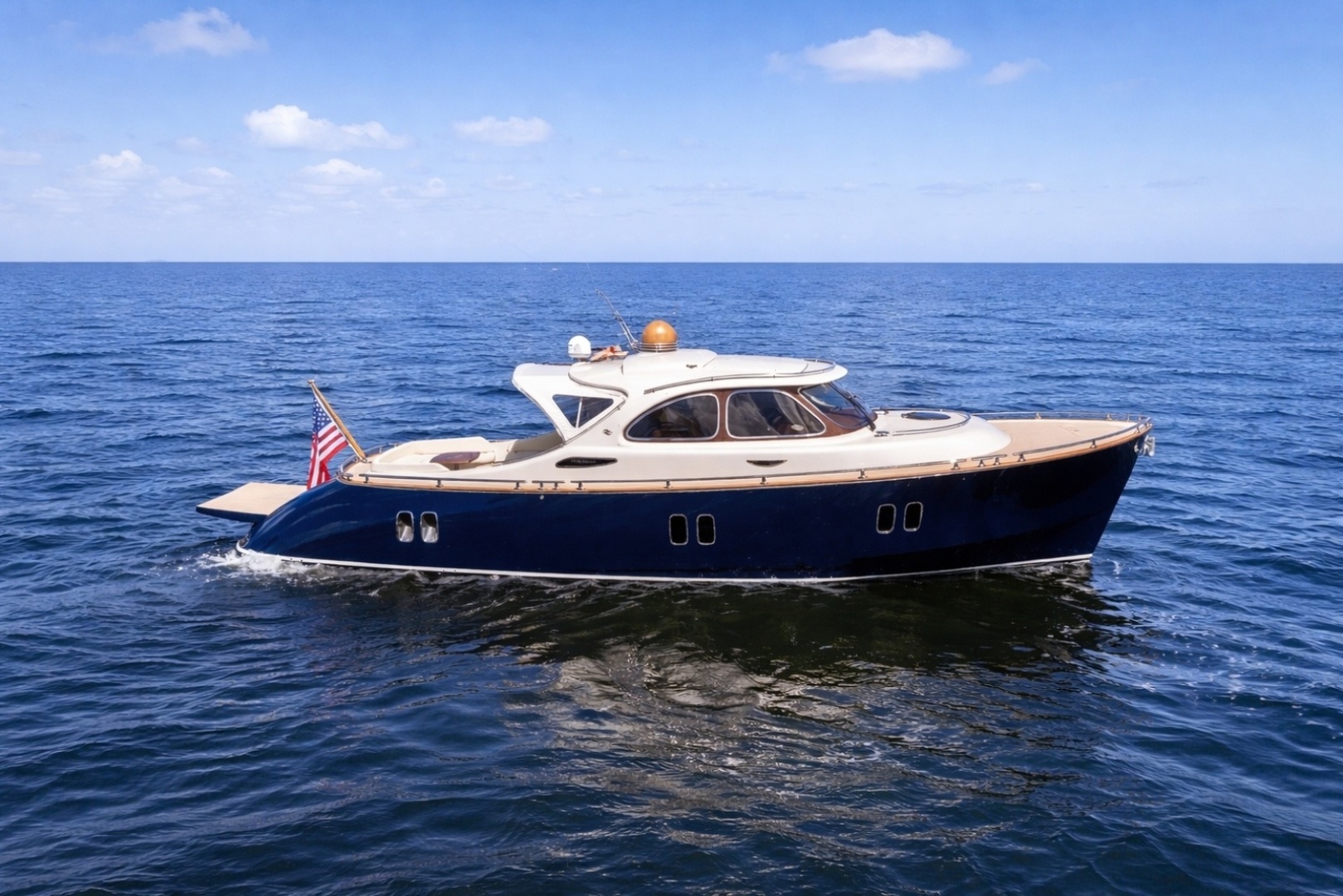
2012 Zeelander Mississippi Queen
$575,000
44
West Palm Beach Florida
2019 Bilgin 156'
$21,404,500
2028 Columbus Yachts 137'
$22,900,008
2012 Benetti 132'
$10,975,000
2024 Silver Yachts 117'
$25,400,000
2009 Hargrave 114'
$2,995,000
2028 Extra Yachts 100'
$21,404,500
2028 Extra Yachts 96'
$9,495,000
2021 Sanlorenzo 96'
$6,795,000
1999 Northern Marine 84'
$2,495,000
2013 Pershing 82'
$1,750,000
1997 Ferretti Yachts 80'
$850,000
2008 Princess Yachts 75'
$1,095,000
2014 Sunseeker 68'
$1,400,000
2024 Fairline 68'
$2,750,000
2024 Sunreef 60'
$3,700,000
2019 Vanquish Yachts 58'
$1,799,000
2025 Formula 53'
$1,895,000
2023 Fairline 45'
$900,000
2012 Zeelander 44'
$575,000