

Overview: The most effective way to plan yacht test runs is to define your performance goals first, secure an independent marine surveyor and engine specialist, agree on a written trial protocol with the seller, then run a fixed sequence from cold start through wide-open throttle and systems stress-test while recording rpm, speed, fuel flow, and voltage at every stage. Separate what you can only verify on the water from what you can inspect at the dock, and you will leave with objective data rather than impressions.
Here is the minimal checklist to start planning today:
Dock (pre-departure): Documentation review, fluid levels, cold-start observation, battery state, safety gear, hull and propeller visual.
On water: Incremental rpm runs, WOT, one-hour endurance, manoeuvring, systems stress-test, noise and vibration in enclosed spaces.
Logistics to confirm before departure: Fuel and water at or above 50% capacity; agreed route and weather limits; data capture tools aboard; insurance confirmed for buyer at helm.
Pro Tip: Insist on a written sea-trial protocol signed by both parties before departure. It should specify minimum fuel and water loading, agreed engine load limits, and the exact test sequence. Without it, the seller can cut the trial short the moment something uncomfortable appears.
Table of Contents
- What is a sea trial and why does it matter?
- How to prepare for a sea trial: the dockside checklist
- What to test on the water: the step-by-step sequence
- Who should be on board during the trial?
- How to choose the right route and conditions
- What to check after returning to the dock
- Key Takeaways
- The broker’s view on sea trials that actually work
- Yachts-bysteve manages your sea trial from first call to final debrief
- Useful sources for deeper reference
What is a sea trial and why does it matter?
A sea trial, also called a yacht test run in buyer-broker conversations, is an on-water performance and systems verification conducted prior to purchase or formal acceptance of a vessel. It is the moment a yacht stops being a collection of specifications on paper and becomes a machine you can actually measure. Propulsion, handling, electrical load capacity, comfort, noise, and vibration all reveal themselves in ways no dockside inspection can replicate.
The primary objectives are clear:
- Confirm that main engines reach manufacturer-rated rpm and that temperatures stabilize under load.
- Verify steering response, maneuverability, and helm ergonomics across a range of speeds.
- Test all major systems simultaneously under realistic electrical load.
- Assess ride quality, noise, and vibration in salons, cabins, and enclosed spaces.
- Identify any defects that affect safety, value, or fitness for the buyer’s intended use.
A sea trial fits into the purchase workflow between the initial survey and final negotiation. Think of it as the evidence-gathering phase: the marine survey establishes structural and mechanical condition, while the sea trial proves operational performance. As specialists at Yacht World note, a sea trial supplements a full marine survey rather than replacing it. Both are non-negotiable for a serious luxury purchase.
How to prepare for a sea trial: the dockside checklist
Good sea trials are won before the lines are cast off. The planning phase determines whether you spend your time on the water gathering data or chasing logistics.
Documentation to gather
Request these before the trial date:
- Engine manuals and manufacturer rpm/performance specifications.
- Maintenance logs for main engines, generators, and major systems.
- Fuel and consumables records for the past 12 months.
- Any existing survey reports or sea-trial records from prior owners.
- Insurance certificates confirming coverage for the trial, including buyer at helm.
Agreeing the scope and time window
Yacht Survey Partners recommends a standard 4-hour window for technical trials, extending to 8 hours when noise and vibration testing is required. If port conditions restrict alongside testing, allow up to 2 additional hours at anchor for shell doors, tender operations, or other access-dependent checks. Negotiate this window with the seller in writing. A rushed trial benefits only the party with something to hide.
Minimum loading matters more than most buyers realize. Surveyors advise presenting the yacht with adequate liquids (fuel and water) aboard to ensure realistic stability and heel behavior during tests. A vessel running light can exhibit misleading heel angles and stability behavior that disappears once she is properly loaded for passage. Agree this requirement in the written protocol.
Dock checks before departure
Work through these before casting off:
- Cold-start all engines and generators; observe smoke color, idle stability, and any warning alarms.
- Check engine oil, coolant, hydraulic fluid, and transmission fluid levels.
- Inspect the hull waterline and propellers visually for damage or fouling.
- Confirm battery bank state of charge and test bilge pumps.
- Verify all safety gear: life rings, flares, fire extinguishers, EPIRB, and first-aid kit.
- Test bow and stern thrusters in sheltered water before leaving the dock.
Equipment and data capture
Bring these aboard: a handheld GPS or chartplotter for independent speed verification, a tachometer if engine gauges are suspect, a fuel flow meter or access to engine management data, a voltmeter for electrical testing, a thermal camera if available for hot-spot detection, and a notebook or voice recorder for real-time logging. Mercury Marine’s practical buyer guidance also recommends bringing the gear you plan to use aboard: fishing equipment, coolers, towables, or whatever reflects your actual use case. A yacht that feels spacious empty may tell a different story with realistic load and passengers.
Pro Tip: Ask the seller to provide a complete yacht inspection record before the trial date. Cross-reference it against the buyer’s inspection checklist to identify any items that have never been formally checked. Those gaps become your priority questions on the water.
What to test on the water: the step-by-step sequence
The on-water phase is where planning pays off. Run the sequence in this order to build from low-risk observations to high-load stress tests, and record every measurement in real time.
The recommended test sequence
Step 1: Departure and thruster checks. Test bow and stern thrusters in sheltered water at low speed. Observe response time and any unusual sounds.
Step 2: Cold-start observation. Note exhaust smoke color, idle rpm stability, and any alarm conditions before leaving the marina.
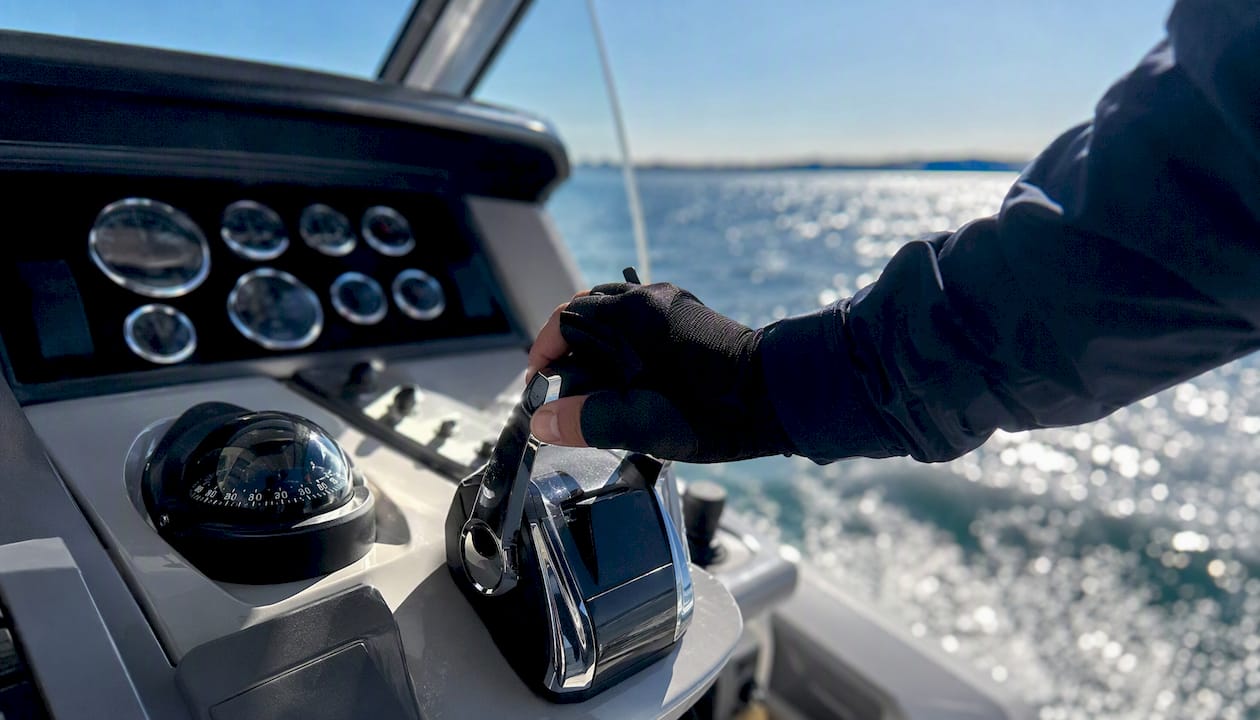
Step 3: Incremental rpm runs. Advance throttle in 500-rpm increments from idle to cruise. At each step, record: rpm, GPS-verified boat speed, fuel flow (from engine management or flow meter), engine coolant temperature, oil pressure, alternator output voltage, and any observed vibration or noise. This is the core data set for comparing against manufacturer specifications.
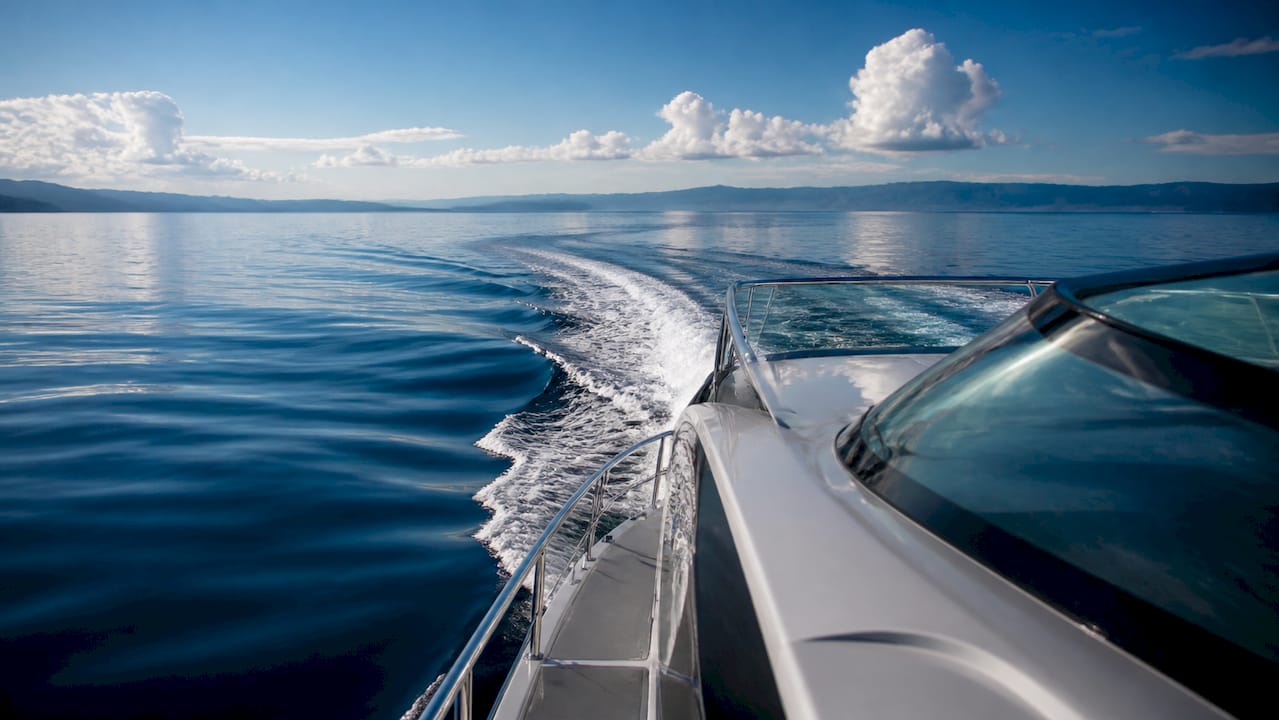
Step 4: Cruise-speed run. Hold cruise rpm for at least 15 minutes. Walk the vessel: check noise and vibration in the salon, cabins, heads, and engine room. Professional testers consistently flag that noise problems often appear only in enclosed spaces and are invisible from the helm.
Step 5: Wide-open throttle (WOT) run. Advance to full throttle and hold for a sustained period to confirm the engines reach manufacturer-rated rpm. Engineers recommend this test to verify that engine parameters stabilize and that the vessel is not over-propped or under-performing relative to its design.
Step 6: One-hour endurance run. Sustain cruise rpm for a sufficient period to allow engine temperatures to fully stabilize. This is where chronic cooling issues, fuel delivery problems, and electrical gremlins tend to surface. Captain Collective’s guidance on WOT and endurance testing confirms this as standard practice among engine and electrical specialists.
Step 7: Manoeuvring tests. Reduce to moderate speed and run tight turns in both directions. Test backing-down and simulated docking. Evaluate helm ergonomics and sightlines, planing transition behavior, and low-speed tracking. Formula Boats’ sea-trial guide specifically highlights helm visibility and planing behavior as checks that buyers frequently overlook.
Step 8: Systems stress-test. Power all high-draw systems simultaneously: air conditioning units, watermaker, gyrostabilizers, thrusters, and galley equipment. Record generator load and monitor voltage stability. A partial check can miss systemic weak points; running everything at once is the only true test of electrical infrastructure capacity.
Step 9: Rough-water handling. Cross wakes at moderate speed, and if sea conditions permit safely, run to moderate chop. Assess deck safety, passenger comfort, and structural noise.
Repeat runs and measurement protocol
Run each speed measurement in both directions and average the results. Current and wind can distort a single-direction run by several knots, making a vessel appear faster or more fuel-efficient than it actually is. Log the compass heading for each run alongside the data.
Data recording table
Print this table and fill it in real time. A completed table is worth more in negotiation than any verbal account of how the boat “felt.”
Pro Tip: At WOT, have your surveyor or engine specialist photograph the engine gauges and GPS speed simultaneously. That image is timestamped, objective evidence of actual versus rated performance.
Who should be on board during the trial?
The right team makes the difference between a productive technical evaluation and an expensive afternoon cruise. Keep the guest list purposeful.
Essential attendees:
- Buyer: Present at the helm for at least part of the trial to assess ergonomics and handling personally.
- Independent marine surveyor: The buyer’s primary technical advocate. Assigns priorities, records findings, and manages the inspection sequence.
- Engine and mechanical specialist: Attends the engine room during rpm increments, WOT, and endurance runs. Irreplaceable for interpreting temperature trends and pressure readings.
- Seller’s captain or owner: Operates the vessel, provides system knowledge, and is legally responsible for the vessel during the trial.
- Buyer’s broker (optional but valuable): Manages communication between parties, documents findings for negotiation, and keeps the schedule on track.
Role assignments during the trial:
- Surveyor: records all technical observations, calls for additional tests if anomalies appear, manages the structured checklist.
- Engine specialist: monitors engine room continuously during power runs, takes oil and fuel samples.
- Buyer: evaluates helm ergonomics, comfort, noise, and lifestyle fit; avoids getting drawn into conversation that distracts from observation.
- Broker: manages timing, communicates with the captain on schedule, photographs key findings.
Limit non-essential guests firmly. Every additional person who is not assigned a role consumes time, creates distraction, and can pressure the captain to cut tests short out of social courtesy. On a 4-hour window, every minute counts.
On insurance: confirm before departure that the vessel’s policy covers the buyer at the helm and any aggressive testing maneuvers. Some policies restrict WOT runs or require the owner’s captain to remain in command. Clarify this in writing as part of the trial protocol.
How to choose the right route and conditions
A well-chosen route is as important as the test sequence itself. The wrong location can make a capable vessel look mediocre, or worse, mask a genuine problem.
Criteria for a good sea-trial area:
- Sheltered from heavy commercial traffic, with clear space to run WOT safely.
- Water depth of at least 8 times the vessel’s draft to avoid shallow-water effect distorting speed and handling.
- Minimal navigational hazards within the planned run area.
- Accessible within 30 minutes of the marina to preserve testing time.
- Ideally, a stretch of open water that allows repeated runs on the same heading.
Timing considerations:
- Schedule during daylight hours with adequate margin before sunset.
- Check tide tables and plan runs during slack water or account for tidal current in your directional averaging.
- Avoid scheduling during local VTS-controlled periods or busy weekend traffic windows if possible.
Weather thresholds:
Most motor yacht trials proceed safely up to approximately Beaufort Force 4 and Douglas sea state 3, though the captain’s judgment governs. If conditions exceed agreed limits, postpone rather than compromise the test sequence or crew safety. Build a contingency date into the trial agreement from the start. A postponement costs a day; a rushed trial in poor conditions can cost far more.
For buyers interested in how a sailing yacht handles under rig, assessing sailing performance requires additional wind-specific conditions and a rigging specialist, which should be agreed separately in the trial scope.
What to check after returning to the dock
The trial does not end when the lines go back on. The post-arrival inspection is where some of the most telling findings emerge, particularly from systems that have been running under load for several hours.
Immediate dockside steps:
- Witness the engine shutdown sequence and note any alarms or irregular behavior.
- Re-check tank soundings and compare against pre-departure readings to verify fuel consumption against logged data.
- Inspect the engine room for fluid leaks, staining, or unusual heat marks.
- Check the bilge for water ingress that may have appeared under load.
- Observe the hull waterline and propeller shaft seals for drips or weeping.
Samples and analysis:
- Take an oil sample from each main engine for laboratory analysis. This is one of the highest-value steps a buyer can take and costs very little relative to the information it provides.
- Take a fuel sample if contamination is suspected.
- If the thermal camera identified any hot spots during the trial, document them with photographs and note the location precisely.
Documentation and debrief:
Compile the trial log, all recorded metrics, photographs, surveyor notes, and specialist reports into a single document within 24 hours while observations are fresh. This package becomes the foundation for negotiation.
Decision matrix:
| Finding | Recommended Action |
|---|---|
| All systems perform to spec; no anomalies | Accept, proceed to contract |
| Minor defects: small leaks, one failed system | Negotiate repair or price reduction as condition of sale |
| Engine fails to reach rated RPM | Conditional acceptance pending specialist diagnosis and repair |
| Electrical stress-test trips breakers or drops voltage | Negotiate significant price reduction or walk |
| Structural noise, vibration anomaly, or safety concern | Walk or require full specialist report before reconsidering |
The matrix is a guide, not a formula. A failed systems stress-test on a vessel otherwise in excellent condition may be a $15,000 electrical upgrade, while a structural vibration issue could be a $150,000 shaft and bearing replacement. Know the difference before you decide.
Key Takeaways
A thorough yacht sea trial requires a written protocol, the right specialists on board, and objective measurements taken in both directions before any purchase decision is made.
| Point | Details |
|---|---|
| Separate dock from water checks | Prioritize handling, noise, and vibration for on-water testing; leave storage and interior dimensions for the dock. |
| Load the vessel properly | Fuel and water at not less than 50% before departure to produce accurate stability and performance data. |
| Run and average both directions | Repeat speed and fuel-flow measurements on opposite headings to neutralize current and wind effects. |
| Use a decision matrix post-trial | Map each finding to accept, negotiate, or walk before entering price discussions with the seller. |
| Yachts-bysteve coordinates trials | Yachts-bysteve arranges surveyors, specialists, and trial logistics so buyers convert findings into negotiation leverage. |
The broker’s view on sea trials that actually work
There is a version of the sea trial that feels like a pleasant boat ride with a checklist attached. And there is a version that actually protects a buyer’s investment. The difference is almost always preparation and the presence of the right specialists.
The most valuable thing a broker brings to a sea trial is not the checklist. It is the ability to hold the schedule when the seller’s captain starts suggesting shortcuts, to translate a surveyor’s technical findings into negotiation language, and to know when a finding warrants walking away versus when it is a reasonable repair item. Buyers who attend trials without that support often leave with impressions rather than data, and impressions are poor currency in a purchase negotiation.
What Yachts-bysteve brings to the process specifically: pre-agreed trial protocols, coordination of independent marine surveyors and engine specialists, real-time documentation support, and a post-trial debrief that maps every finding to a clear next step. The sea trial is not the end of due diligence. It is the moment due diligence becomes actionable.
For buyers who want to understand the full inspection process before the trial date, the yacht inspection process guide at Yachts-bysteve covers surveyor selection, timing, and how trial findings integrate into the purchase decision.
Yachts-bysteve manages your sea trial from first call to final debrief
Arranging a credible sea trial on a luxury yacht involves more moving parts than most buyers anticipate: coordinating the seller’s schedule, sourcing an independent marine surveyor with the right vessel-type experience, booking an engine specialist, agreeing the written protocol, and then turning the findings into a negotiation position. Yachts-bysteve handles all of it.
The brokerage coordinates trial logistics, sources and books qualified marine surveyors and engine specialists, provides data capture templates, and conducts a post-trial debrief that translates technical findings into clear purchase decisions. Buyers who work with a yacht broker through this process consistently arrive at the negotiating table with stronger evidence and clearer leverage than those who manage the trial independently.
If you are preparing to conduct a sea trial or want guidance on how to buy a yacht with full due diligence in place, contact Yachts-bysteve to discuss your vessel and timeline.
Useful sources for deeper reference
- Unlocking the secrets of a successful sea trial — Yacht Survey Partners | Superyacht survey specialists
- What to Expect During a Yacht Sea Trial
- Sea trials: Complete guide to making the most of time on the water
- How to Prepare for Your First Sea Trial: A Comprehensive Guide — AllWorld.com
- 10 Steps to Follow When Taking a Boat on a Sea Trial | Mercury Marine
- How to sea trial a boat: Professional boat testers share their top tips
Recommended
Featured Listings

2028 Columbus Yachts
$22,900,008
137
Ancona

2012 Benetti PATIENCE
$10,975,000
132
Fort Lauderdale Florida

2028 Kingship Kingship
$20,350,000
125

2024 Silver Yachts
$25,400,000
117

2009 Hargrave BRANDI WINE
$2,500,000
114
Fort Lauderdale Florida

2028 Extra Yachts
$20,350,000
100
Ancona

2028 Alpha
$12,100,000
100
Ft Lauderdale Florida

2028 Extra Yachts Extra 96
$9,495,000
96
Ancona

2021 Sanlorenzo GATSBY
$6,795,000
96
Fort Lauderdale Florida

2028 Kingship
$11,990,000
90

2028 Alpha
$9,894,500
90
Fano

2023 Azimut COMPASS
$7,950,000
88
Miami Beach Florida

1999 Northern Marine OFF LINE
$2,495,000
84
Ft Lauderdale Florida

2013 Pershing DOROTHY ANN
$1,375,000
82
Fort Lauderdale Florida

1997 Ferretti Yachts
$825,000
80
La Paz

2008 Princess Yachts OCARALIA
$1,095,000
75
Charleston South Carolina

2014 Sunseeker
$1,400,000
68
New York New York

2024 Fairline
$2,750,000
68
Ft. Lauderdale Florida

2019 Vanquish Yachts IMPULSIVE
$1,799,000
58
Miami Beach Florida

2021 Ferretti Yachts HAVEN
$1,595,000
57
Fort Lauderdale Florida

2025 Formula BREAKTHROUGH III
$1,895,000
53
Miami Beach Florida

2023 Fairline
$900,000
45
Fort Lauderdale Florida

2012 Zeelander Mississippi Queen
$575,000
44
West Palm Beach Florida
2028 Columbus Yachts 137'
$22,900,008
2012 Benetti 132'
$10,975,000
2028 Kingship 125'
$20,350,000
2024 Silver Yachts 117'
$25,400,000
2009 Hargrave 114'
$2,500,000
2028 Extra Yachts 100'
$20,350,000
2028 Alpha 100'
$12,100,000
2028 Extra Yachts 96'
$9,495,000
2021 Sanlorenzo 96'
$6,795,000
2028 Kingship 90'
$11,990,000
2028 Alpha 90'
$9,894,500
2023 Azimut 88'
$7,950,000
1999 Northern Marine 84'
$2,495,000
2013 Pershing 82'
$1,375,000
1997 Ferretti Yachts 80'
$825,000
2008 Princess Yachts 75'
$1,095,000
2014 Sunseeker 68'
$1,400,000
2024 Fairline 68'
$2,750,000
2019 Vanquish Yachts 58'
$1,799,000
2021 Ferretti Yachts 57'
$1,595,000
2025 Formula 53'
$1,895,000
2023 Fairline 45'
$900,000
2012 Zeelander 44'
$575,000