

Overview: The single most important step before you sail internationally is locking your Ship’s File — a complete, waterproof binder of originals — and confirm your Port of Entry procedure for every country on your itinerary. Everything else flows from those two anchors.
Immediate pre-departure checklist:
- Assemble and index your Ship’s File (registry, proof of ownership, insurance certificate, radio license, crew passports and visas, STCW certificates, last port’s exit stamp or zarpe)
- Confirm your yacht documentation is current — U.S. Coast Guard documentation or state registration with a USCG Certificate of Documentation for international waters
- Verify EPIRB registration and battery expiry; confirm life raft service date
- Test VHF, SSB, and satellite comms; confirm MMSI registration with the FCC
- Run a bilge pump test across all three systems (primary automatic, secondary high-capacity, manual cockpit pump)
- Check flare expiration dates and lifejacket service tags
- Request any required cruising permits at least 8 weeks ahead of arrival
- Carry printed, waterproof copies of every document — customs officials in remote ports often prefer paper to digital
Next 48–72 hours before departure:
- Top off fuel and water; confirm jerry-can reserves are secured and labeled
- Notify your port agent or harbormaster at the first foreign port of your ETA
- Confirm berth availability at your Port of Entry
- Run a final engine-hours check and log any outstanding maintenance items
- Brief the full crew on watch schedules, MOB drill, and abandon-ship procedure
Legal reminder: Hoist the Q flag the moment you enter foreign territorial waters and proceed directly to a designated Port of Entry. No crew member goes ashore until customs and immigration grant formal clearance.
Table of Contents
- What documents do you need to clear customs internationally?
- How do you audit your vessel’s systems before an ocean passage?
- Are your safety equipment and communications ready for offshore?
- How do you provision a yacht for a long offshore passage?
- How do you plan a safe passage route and watch schedule?
- What security and insurance do you need for international cruising?
- Which spares and tools should you carry, and how do you organize them?
- What does a 90-day pre-departure timeline look like?
- When does professional yacht management actually pay for itself?
- Does your crew have the skills for an offshore passage?
- What insurance does international yacht travel legally require?
- What environmental regulations apply to international cruising?
- How do customs declarations work for goods aboard your yacht?
- What do you need to know about power and voltage compatibility abroad?
- How do you plan for mechanical failures or medical emergencies abroad?
- Key Takeaways
- The mental shift that changes everything about offshore sailing
- How Yachts-bysteve can support your international cruising plans
- Useful sources to check before you go
What documents do you need to clear customs internationally?
The single paperwork action that prevents the longest delays is presenting a complete, indexed Ship’s File with original documents and printed backups at every Port of Entry. A well-ordered binder can reduce check-in time from hours to minutes — customs officials in remote ports often prefer physical documentation over digital copies on a tablet.
What goes in the Ship’s File
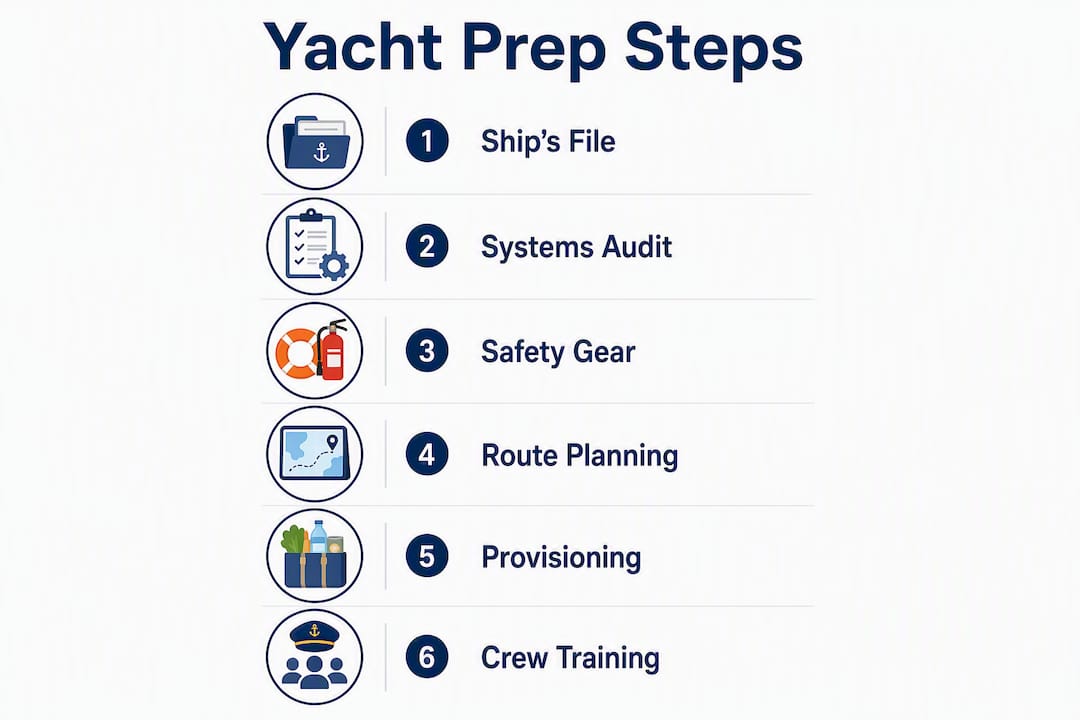
Your Ship’s File should contain, in this order: the vessel’s certificate of registry or USCG documentation, proof of ownership (bill of sale or chain-of-title summary), current insurance certificate showing territorial coverage, FCC ship station license, SSB license if applicable, crew passports with visas for every destination country, STCW certificates for professional crew, recent log extracts, and the exit zarpe or clearance stamp from your last port. Keep originals in a waterproof, indexed binder and carry a second set of color photocopies in a separate dry bag.
Flag state matters more than many owners realize. Your flag state’s standards travel with the vessel, and some flags attract more port-state scrutiny than others. U.S.-flagged vessels carrying a valid USCG Certificate of Documentation are generally well-regarded internationally, but that certificate alone does not substitute for country-specific cruising permits.
Arrival procedure at a foreign Port of Entry
On arrival, hoist the Q flag, contact port control on VHF Channel 16, and anchor or berth at the designated quarantine anchorage. Remain aboard. The captain — and only the captain — may go ashore to present documents if local protocol requires it; in many Caribbean and Pacific ports, officials come to the vessel. Pay any port fees before requesting pratique (formal clearance). Once clearance is granted, lower the Q flag and fly the courtesy flag of the host nation.
Cruising permits are separate from crew visas, and this distinction catches first-time international sailors off guard. A valid tourist visa does not grant the vessel permission to cruise local waters. Countries including Mexico, the Bahamas, and many Pacific island nations require a vessel-specific cruising permit, applied for in advance or on arrival. Missing the exit zarpe from your previous port is one of the most common reasons for denied entry or fines — always collect it before you leave.
Pro Tip: Keep a laminated one-page summary of each country’s Port of Entry requirements tucked into the front pocket of your Ship’s File. Include the VHF channel for port control, the name of the designated anchorage, and any biosecurity declaration requirements. Officials notice the preparation, and it sets a cooperative tone from the first exchange.
How do you audit your vessel’s systems before an ocean passage?
Treat the pre-departure refit as an engineering audit, not a maintenance catch-up. Safety-critical systems — steering, propulsion, bilge, and electrical distribution — come first, and the work should begin months before departure, not weeks.
Engine, fuel, and cooling systems
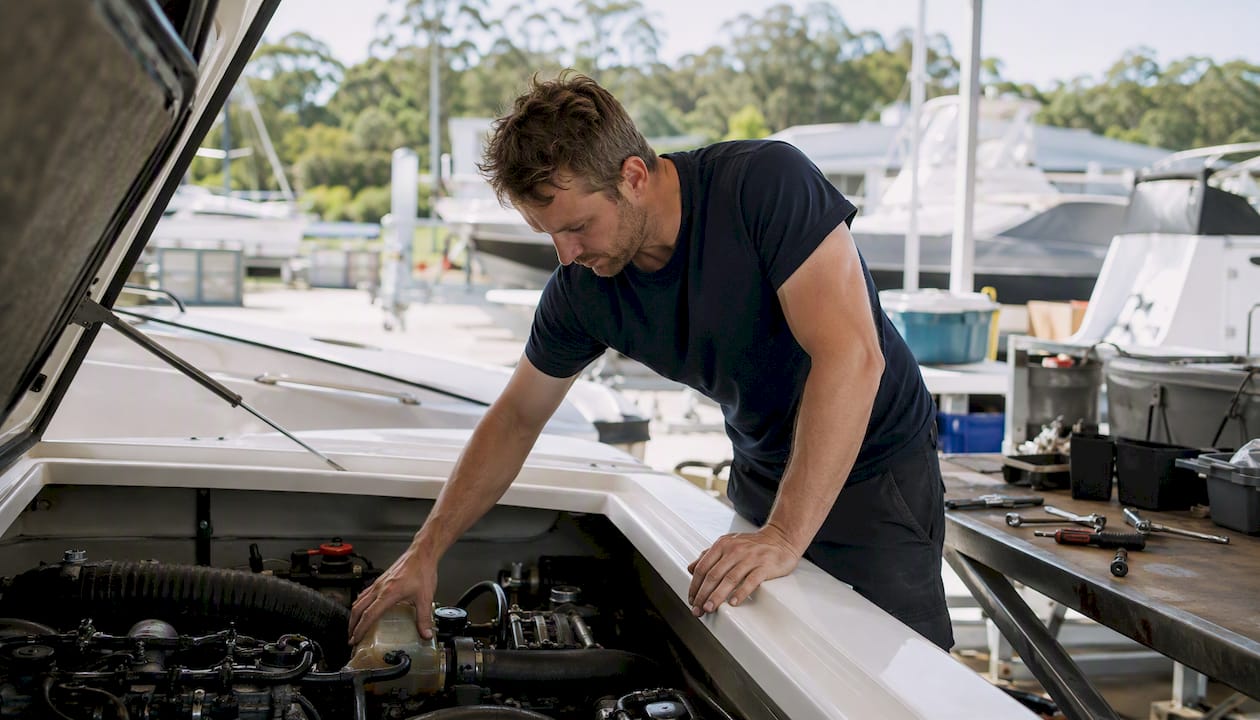
Service the main engine and generator to the manufacturer’s schedule, then go one step further: replace any item within 20% of its service interval rather than waiting for failure at sea. Fuel contamination is one of the most common mid-passage engine failures. Clean the fuel tanks and fit a dual-filter manifold so you can switch filters underway without stopping the engine. Inspect the raw-water impeller, heat exchanger, and all cooling hoses; replace the impeller even if it looks serviceable. Check stuffing boxes or shaft seals for wear and adjust or replace as needed.
Steering, rigging, and sails
Primary steering deserves a full inspection: check the quadrant, cables or hydraulic lines, and the autopilot ram for wear. Test the emergency tiller and confirm every crew member knows how to deploy it. Rigging inspection means going aloft — check every swage fitting, toggle, and cotter pin. Replace standing rigging that is more than 10 years old or shows any sign of fatigue. Carry at least one dedicated storm sail and a spare headsail; a blown-out sail in the trades is an inconvenience, but the same event in a Southern Ocean gale is a crisis.
Bilge systems and electrical distribution
A single small automatic pump is not sufficient for a significant ingress event. The minimum offshore standard is a primary automatic pump, a secondary high-capacity pump wired directly to the house bank, and a manual pump operable from the cockpit with the companionway closed. On the electrical side, inspect every connection in the distribution panel for corrosion, check battery state of health under load, and verify that the alternator output matches the house bank’s charging requirement.
Priority spares and tools
| Spare Item | Quantity | Why Critical | Stowage Note |
|---|---|---|---|
| Primary fuel filters (engine) | several spares | Contaminated fuel is the leading cause of mid-passage engine failure | Sealed, dry locker near engine |
| Raw-water impellers | 3 | Impellers fail without warning; sourcing abroad is unreliable | Engine spares kit |
| Alternator drive belts | multiple spares | Single-point failure for charging; cheap and light | Engine spares kit |
| Alternator brushes | spare sets | Brushes wear gradually; failure kills charging entirely | Electrical spares bag |
| Autopilot ram / hydraulic seals | 1 rebuild kit | Autopilot failure forces hand-steering across an ocean | Dry, accessible locker |
| Zincs (hull and shaft) | Full set | Electrolysis accelerates in tropical waters | Forward bilge or lazarette |
| Injector O-rings and seals | 1 set per injector | Diesel leaks are a fire risk and an engine-stopper | Engine spares kit |
| Waterproof electrical connectors | Assorted pack | Salt air degrades connections faster than expected | Electrical spares bag |
Before departure, commission a qualified marine surveyor for a pre-passage inspection and schedule a sea trial under load. Run the engine at cruising RPM for at least four hours and confirm all temperatures, pressures, and charging rates are within spec.
Are your safety equipment and communications ready for offshore?
Carry verified, serviced safety equipment and redundant communications before you leave the dock. An EPIRB registered to your vessel, a life raft serviced within its manufacturer’s interval, AIS (both Class B transmit and receive), VHF with DSC, and at least one satellite communications device are the minimum for any international passage.
Equipment service intervals and verification
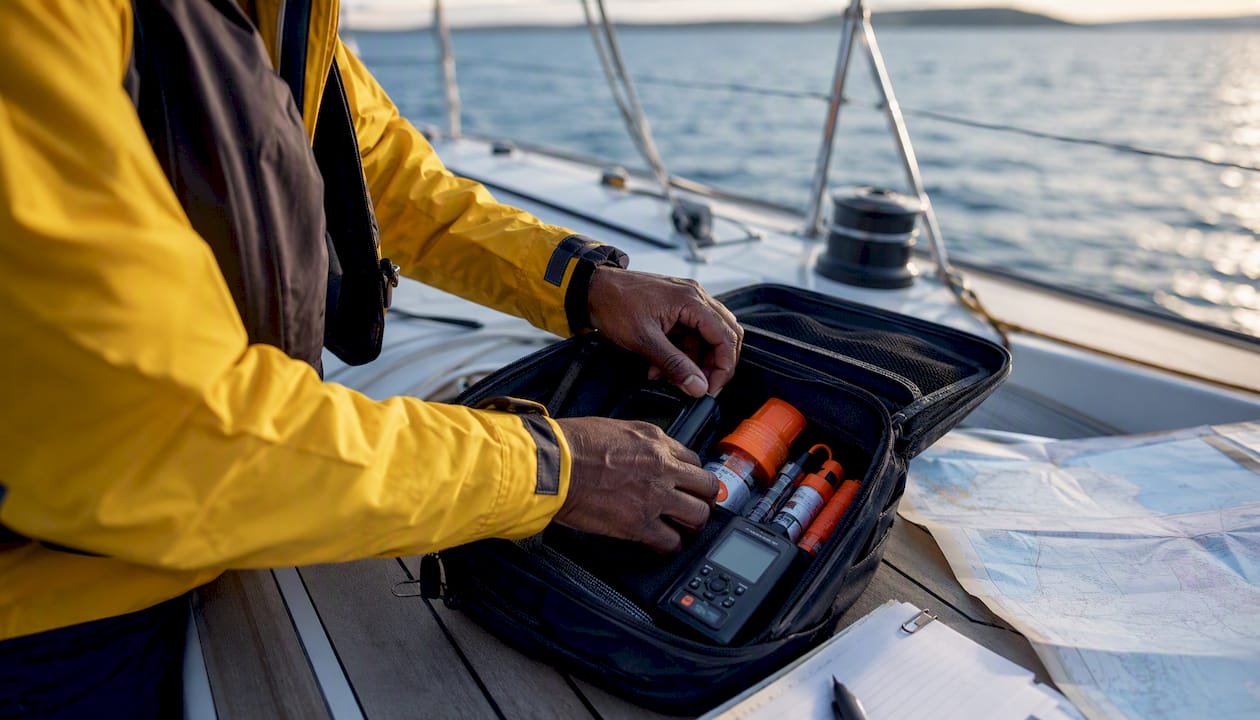
Life raft service intervals vary by manufacturer but typically run every one to three years; check the service label on the canister and book the service well ahead of departure, as certified facilities have limited capacity. EPIRB batteries and hydrostatic releases have expiry dates printed on the unit — replace them if they expire within 12 months of your planned return. Lifejackets with automatic inflation mechanisms need annual inspection of the CO₂ cylinder and the dissolving bobbin. Flares expire after three years in most jurisdictions; carry the full complement required by USCG regulations and replace any that are within six months of expiry.
For communications, the combination of a fixed-mount VHF with DSC, a handheld VHF as backup, an SSB radio for weather fax and long-range contact, and a satellite messenger or satellite phone covers most scenarios. Register your MMSI with the FCC and update your EPIRB registration with NOAA’s SARSAT program before departure — an unregistered EPIRB wastes rescue resources and can result in a fine.
Pro Tip: Run a full communications check 48 hours before departure: call the nearest Coast Guard station on VHF 16, test your DSC distress function in non-distress mode, and send a test message on your satellite device. Log the results. If anything fails, you have time to fix it.
Medical kit and medevac planning
A remote-passage medical kit goes well beyond a marina first-aid box. At minimum, carry prescription antibiotics (consult a travel medicine physician for the appropriate spectrum), wound closure supplies, dental emergency kit, prescription pain management, and a blood pressure cuff. Many experienced offshore crews carry a copy of a recognized offshore medical reference such as Ship Captain’s Medical Guide or the equivalent.
Purchase medical evacuation insurance before departure — standard yacht insurance rarely covers medevac costs, which can reach six figures in remote regions. Services such as DAN (Divers Alert Network) and Global Rescue offer offshore-specific plans. Telemedicine consultations via satellite are increasingly practical and can help a crew assess whether a situation requires diversion to port.
Drill routines
Man-overboard and abandon-ship drills should be conducted at the start of every passage and documented in the ship’s log. MOB drill: practice deploying the life sling or throw bag, assign a spotter who never takes their eyes off the person in the water, and practice the figure-eight recovery under sail. Abandon-ship drill: every crew member should be able to locate and don their lifejacket in the dark, release the life raft, and grab the ditch bag within 90 seconds. Run these drills, log them, and debrief afterward.
How do you provision a yacht for a long offshore passage?
Provision for conservative consumption rates plus an emergency margin. A practical baseline is around a few liters of water per person per day for drinking and cooking, with a reserve above your calculated passage duration. Fuel planning follows the same logic: calculate your engine hours at cruising RPM, multiply by your consumption rate, and add a reserve for calms, current, and maneuvering in port.
Provisioning calculation framework
- Water: Calculate passage days times crew size times 3 liters, then add 30%. Factor in watermaker output if fitted, but plan as if the watermaker fails on day two.
- Diesel: Engine hours at cruising RPM times consumption rate (typically 1–2 gallons per hour for a 50-horsepower auxiliary) plus 25% reserve. Add generator fuel separately.
- Refrigeration load: A 12-volt refrigerator running continuously draws 4–8 amps per hour; factor this into your battery bank and solar/wind generation capacity.
- Food: Plan 2,500–3,000 calories per person per day. Weight and volume matter — prioritize calorie-dense, long-life staples for the passage itself.
- Perishables: Load fresh produce for the first 5–7 days; after that, rely on canned, freeze-dried, and vacuum-packed goods.
- Medical and specialty consumables: Sunscreen, seasickness medication, spare sunglasses, and waterproof sunscreen are consumed faster than most crews expect.
Sample passage stores list
Perishables (first week): eggs, hard cheeses, root vegetables, citrus, cabbage, and green bananas (they ripen slowly). Long-life goods: canned proteins (tuna, chicken, beans), pasta, rice, oats, UHT milk, olive oil, and a variety of sauces and spices to prevent palate fatigue. Specialty items: spare fuel filters, engine oil, watermaker membrane cleaner, marine sealant, and a tube of underwater epoxy putty.
Stow heavy items low and on the centerline to minimize heel. Rotate provisions so older stock is consumed first. Label everything with the contents and date, and keep a running inventory so you know what you have without pulling the entire locker apart at sea.
Re-provisioning strategy: Research what is available at your ports of call before departure. Fresh produce is abundant in the Caribbean and Mediterranean; freeze-dried and specialty marine provisions are harder to find in the Pacific islands. Order critical spares to be shipped ahead to a marina or agent rather than hoping to source them locally.
How do you plan a safe passage route and watch schedule?
Good routing and conservative weather windows are the single most effective safety measure for long passages. No amount of preparation compensates for departing into deteriorating conditions.
Building the route
Start with the seasonal pattern for your region and time of year: trade winds, monsoon cycles, and hurricane seasons define the calendar as much as the destination. Overlay GRIB file data from services like NOAA’s Ocean Prediction Center and cross-reference with pilot charts for the relevant ocean basin. Build waypoints around safe havens — anchorages or ports where you could divert if conditions deteriorate — spaced no more than 24–36 hours apart where geography allows. Note fuel and water availability at each waypoint.
Ocean current awareness is underused by first-time offshore sailors. The Gulf Stream, for example, can add or subtract 2–3 knots to your speed made good and creates dangerous short, steep seas when wind opposes current. Factor current vectors into your routing software alongside wind.
Watch schedule and fatigue management
A three-person crew typically runs two hours on, four hours off in settled conditions, shifting to shorter watches in heavy weather. A two-person crew needs a more disciplined schedule: three hours on, three hours off is sustainable for passages up to two weeks, but fatigue accumulates. Assign a watch captain for each rotation, define handover points (log entry, weather check, position fix, sail trim note), and enforce off-watch rest. Stimulants mask fatigue without resolving it — the only cure is sleep.
Routing and weather tools worth consulting: NOAA’s GRIB products, PredictWind (for offshore routing and weather routing services), Windy for visual pattern recognition, and the relevant ocean pilot charts published by NGA (National Geospatial-Intelligence Agency). For satellite weather, services like XM Weather or Iridium GO! provide underway updates.
Diversion planning
Before departure, identify at least two alternate harbors for every 24-hour segment of the passage. For each alternate, note the approach depth, entry restrictions, VHF channel for port control, and whether fuel and water are available. If you decide to divert, notify your port agent at the original destination, update your float plan with a shore contact, and log the decision with the time and reason. Diversion is not failure — it is seamanship.
What security and insurance do you need for international cruising?
Confirm that your insurance policy explicitly covers every cruising region on your itinerary before you leave the dock. Territorial limits are the most common gap in yacht insurance for international passages, and discovering the exclusion after an incident is a costly lesson.
Insurance questions to ask your underwriter
- Does the policy cover the specific geographic regions on my itinerary, including offshore passages?
- Is crew medical coverage included, or do crew members need separate policies?
- Does the policy include SRCC (strikes, riots, and civil commotion) coverage?
- What are the salvage and towage clauses, and is there a limit on salvage costs?
- What is the claims process when the vessel is in a foreign port?
- Are war-risk endorsements required for any planned regions?
Many standard U.S. yacht policies exclude coverage beyond a defined coastal zone — typically 200 miles offshore or within specific ocean boundaries. An offshore or bluewater endorsement is usually available but must be requested and confirmed in writing before departure.
Practical security measures
- Install a robust companionway lock and cockpit locker locks; most opportunistic boarding occurs when the crew is below or ashore
- Stow the dinghy and outboard aboard or on davits at night in anchorages with known theft risk
- Keep anchor watch in ports with a history of piracy or theft; assign a crew member to monitor AIS and the surrounding anchorage
- Carry a citadel plan: a lockable interior space where the crew can shelter and communicate via satellite if a boarding occurs
- Avoid displaying expensive electronics, cameras, or cash in open cockpit areas
Piracy avoidance
High-risk areas shift over time. Before any passage through waters flagged by the ICC International Maritime Bureau or World Sailing’s safety guidance, consult current advisories. Routing around high-risk zones, transiting at speed during daylight, maintaining radio contact with regional maritime authorities, and traveling in company with other vessels are the practical mitigation measures most experienced bluewater sailors use. The IMO’s basic safety guidance for oceanic voyages provides a useful baseline framework.
Which spares and tools should you carry, and how do you organize them?
Carry spares you can fit yourself and those that are impossible to source in remote regions. The guiding principle is mean-time-between-failure thinking: identify which components are most likely to fail on a long passage and carry the parts needed to address those failures without outside help.
Categorizing your spares
Divide spares into three categories. Critical spares are items whose failure stops the vessel or creates a safety emergency: autopilot components, primary fuel filters, impellers, and steering parts. Likely-wear items are components that degrade predictably: belts, zincs, impellers (again — carry more than you think you need), and injector seals. Consumables are items used routinely: engine oil, hydraulic fluid, watermaker filters, and sealants.
Stowage plans and rotation prevent degraded parts from being used past their useful life. Label every spare with its part number, the system it belongs to, and the date it was purchased. Store critical spares in a dedicated, clearly marked locker that every crew member can find in the dark.
Toolkit essentials
A bluewater toolkit should include: a quality multimeter, compression gauge, oil pressure test kit, set of metric and imperial combination wrenches, socket set, screwdrivers (including JIS for Japanese-made engines), wire crimpers and strippers, heat-shrink connectors, a hacksaw, and a cordless drill with marine-grade bits. Add a rigging knife, marlinspike, and a set of sail repair tools (needles, waxed thread, sail tape, and a palm).
Remote support strategy
Before departure, compile a contact list of shore-based technical support resources: your engine manufacturer’s technical line, your autopilot manufacturer’s support number, and at least one marine electrician and rigger who will consult by phone or email. Services that offer paid remote troubleshooting via satellite messaging exist for diesel engines and electrical systems. Prepare a one-page vessel summary (engine make, model, serial number, hours, recent service history) that you can transmit quickly to a remote technician or port agent. The faster you can brief someone, the faster you get a diagnosis.
What does a 90-day pre-departure timeline look like?
Start at least 90 days out and prioritize paperwork, contractor bookings, and long-lead parts first. The typical preparation timeline for an ocean crossing runs from 12 months for major structural work down to final crew refreshers in the last 30 days — but a focused 90-day sprint covers the essentials for most well-maintained vessels.
| Timeframe | Key Activities |
|---|---|
| 90 days out | Full systems audit; book haul-out and yard work; order long-lead spares; apply for cruising permits; confirm insurance territorial coverage |
| — | Haul-out: hull inspection, antifouling, shaft seal, zincs, through-hull inspection; rigging inspection and replacement if needed |
| 60 days out | Engine and generator service; fuel tank cleaning; dual-filter manifold installation; life raft and EPIRB service; safety equipment audit |
| — | Sea trial under load; electrical system audit; watermaker service; communications equipment test; crew STCW refreshers if required |
| 30 days out | Finalize Ship’s File; confirm all permits and visas; provision long-life stores; brief crew on watch schedules and emergency procedures |
| — | Top off fuel and water; confirm berths and port agents; final weather routing review; run MOB and abandon-ship drills |
| 48–72 hours | Final engine check; stow and secure all gear; notify harbormaster at first foreign port; file float plan with shore contact |
Budget framework
Costs vary enormously by vessel size, condition, and destination, but the following percentage ranges give a useful planning structure:
- Yard time and haul-out: 20–30% of total pre-departure budget
- Parts and spares: 15–25%
- Safety equipment servicing: 8–12%
- Insurance endorsements: 5–10%
- Provisioning (passage stores): 10–15%
- Crew training and certifications: 5–8%
- Contingency reserve: 15–20%
The contingency reserve is not optional. Experienced offshore sailors consistently report that unexpected costs — a failed component discovered during sea trials, a delayed permit requiring an agent fee, a weather window that extends the passage by three days — consume the contingency and sometimes exceed it. Set the reserve at a minimum of 15% of your total budget and treat it as untouchable until you need it.
When does professional yacht management actually pay for itself?
Professional management removes slow-moving administrative risk and is often worth the cost for owners who value time and compliance certainty. Experienced yacht managers track certificates, coordinate port agents, and pre-notify authorities to reduce delays and fines — tasks that are individually manageable but collectively consume weeks of an owner’s time.
What yacht managers deliver
A good manager maintains a live certificate calendar covering the vessel’s safety equipment service dates, radio license renewals, insurance policy periods, and flag-state inspection schedules. They coordinate port agents in advance of arrival, so clearance paperwork is pre-submitted and officials are expecting you. They manage survey scheduling, coordinate technical contractors, and maintain a compliance file that mirrors your Ship’s File. For owners who cruise seasonally across multiple jurisdictions, the compliance tracking alone justifies the fee.
Questions to ask prospective providers: How do you track certificate renewal dates, and what is your notification lead time? Which port agents do you work with in my planned cruising region? What is your emergency response process if I need technical support at 2 AM in a foreign port? How is your fee structured — flat retainer, percentage of costs, or per-service?
For a broader overview of what professional management involves, the role of yacht management article on Yachts-bysteve covers the full scope of services and how to evaluate providers. If you are assessing multiple management companies, the best yacht management companies guide offers a structured comparison framework.
Pro Tip: Ask any prospective manager to show you a sample arrival package — the document set they prepare for port agents ahead of a vessel’s arrival. A strong package includes a pre-completed customs declaration, a vessel summary, crew list with passport numbers, and a cover letter to port control. If they cannot produce one, they are not managing compliance at the level you need.
Does your crew have the skills for an offshore passage?
The vessel may be the stage, but the crew are the stars — and an underprepared crew is the most common variable that turns a manageable situation into an emergency. Offshore passages demand a different skill set than coastal cruising, and the gap is wider than most first-time bluewater sailors expect.
At minimum, the skipper should hold a recognized offshore qualification such as the American Sailing Association’s ASA 106 (Advanced Coastal Cruising) or ASA 107 (Celestial Navigation), or the equivalent RYA Yachtmaster Offshore. At least one other crew member should be capable of standing an independent watch, including sail trim, navigation, and basic engine checks. STCW Basic Safety Training is required for crew on commercially operated vessels and strongly recommended for anyone sailing offshore.
Watchkeeping competence means more than staying awake. Each watch keeper should be able to read and update the chart plotter, interpret AIS targets, reef the mainsail solo, and execute a heave-to maneuver. Celestial navigation as a backup to GPS is a skill worth developing before a long passage — GPS outages are rare but not impossible, and a crew that can take a noon sight is a crew that can find land without electronics.
What insurance does international yacht travel legally require?
There is no single global legal minimum for yacht insurance, but the practical reality is that most countries require proof of third-party liability coverage as a condition of entry, and many marinas and charter bases require comprehensive coverage as a condition of berthing.
In the United States, yacht insurance is not federally mandated, but most lenders require it as a loan condition, and many coastal states require minimum liability coverage for vessels above a certain length. Internationally, the European Union generally requires a minimum of €500,000 in third-party liability for vessels in EU waters, though individual member states may set higher thresholds. The Caribbean, Mediterranean, and Pacific island nations each have their own requirements, which change periodically.
The practical standard for a bluewater cruiser is a comprehensive policy with at least $1,000,000 in third-party liability, hull coverage at agreed value (not market value), crew medical coverage, and a territorial endorsement that explicitly covers your planned cruising grounds. Agreed value policies pay the insured amount in the event of a total loss without depreciation arguments — a meaningful distinction when a vessel is lost far from home. For a detailed overview of the key yachting regulations that affect U.S. owners internationally, Yachts-bysteve has published a current reference covering certificate requirements and inspection schedules.
This is general information, not legal or insurance advice. Confirm current requirements with your insurer and the relevant port authority before departure.
What environmental regulations apply to international cruising?
MARPOL — the International Convention for the Prevention of Pollution from Ships — applies to recreational vessels in international waters and sets binding rules on sewage, garbage, and oil discharge. Violations carry significant fines and, in some jurisdictions, criminal liability.
Under MARPOL Annex IV, discharge of untreated sewage is prohibited within 3 nautical miles of the nearest land in most jurisdictions, and within 12 nautical miles in some. A holding tank is not optional for any vessel planning to cruise in U.S. coastal waters or most international destinations. Annex V prohibits discharge of plastics anywhere at sea and restricts other garbage discharge based on distance from shore and type of waste. Annex I prohibits discharge of oil or oily mixtures in quantities that cause a visible sheen.
In practice, this means carrying a properly sized holding tank, a macerator pump for offshore discharge beyond the legal limit, and a garbage management plan that separates plastics, food waste, and recyclables. Many cruising destinations — particularly in the Pacific and Caribbean — have strict biosecurity rules that prohibit bringing fresh produce, soil, or live plants ashore. Violating biosecurity rules can result in vessel quarantine and substantial fines. Check the specific biosecurity requirements for every country on your itinerary before you arrive.
How do customs declarations work for goods aboard your yacht?
When you arrive in a foreign country, your vessel and its contents are subject to customs declaration. Most countries require the captain to submit a crew and passenger list, a stores declaration listing provisions and bonded goods, and a declaration of any dutiable items aboard.
Dutiable items typically include alcohol and tobacco above personal-use quantities, commercial goods, and any items purchased abroad that will be imported into the country. Many countries grant a temporary importation exemption for the vessel itself — meaning you do not pay import duty on the yacht as long as it departs within the permitted period (often 12–18 months). Overstaying this period can trigger a duty assessment on the vessel’s full value.
Bonded stores — alcohol and tobacco held in a sealed locker for consumption at sea — are generally exempt from duty in most jurisdictions, but the locker must be sealed by customs on arrival and may not be opened until the vessel clears the next port. Keep a detailed stores manifest and update it at each port of call. Discrepancies between your declared stores and what officials find aboard are treated seriously and can result in fines or vessel detention.
When returning to the United States, the captain must notify U.S. Customs and Border Protection of the vessel’s arrival. CBP’s Small Vessel Reporting System (SVRS) allows pre-arrival reporting for eligible vessels. Every person aboard must declare goods purchased abroad, and the standard personal exemption of $800 per person applies. Goods above that threshold are subject to duty.
What do you need to know about power and voltage compatibility abroad?
Shore power compatibility is one of the most overlooked items on a yacht international travel checklist. U.S. vessels are wired for 120V/60Hz AC power, while most of Europe, the Mediterranean, and many other international destinations supply 220–240V/50Hz. Plugging a U.S.-standard shore power cord directly into a foreign marina pedestal without a transformer or converter will damage or destroy onboard equipment.
The practical solution is a marine-grade isolation transformer with a voltage converter, sized to handle the full AC load of the vessel. These are available in 3.5kVA, 7kVA, and larger ratings. Alternatively, carry a set of shore power adapters for the connector types used in your cruising region (CEE 16A and CEE 32A are standard in European marinas; other regions use different standards). Confirm the adapter type before arrival — marina staff can advise, but having the right hardware aboard avoids a cold night without power.
Onboard 12V and 24V DC systems are unaffected by shore power voltage differences, but chargers and inverters must be rated for the input voltage they will receive. Check every battery charger, inverter-charger, and AC appliance aboard for its rated input voltage range before departure. Many modern marine electronics accept 100–240V/50–60Hz input and require only a plug adapter; older equipment may not.
How do you plan for mechanical failures or medical emergencies abroad?
Contingency planning for failures and emergencies is not pessimism — it is the discipline that separates prepared offshore sailors from those who rely on luck. The framework is simple: identify the most likely failure modes, decide in advance how you will respond, and make sure every crew member knows the plan.
For mechanical failures, the response hierarchy is: fix it yourself with spares aboard, contact remote technical support via satellite, divert to the nearest port with repair facilities, or request commercial assistance. The decision to divert should be made early — before a manageable problem becomes a crisis. Keep a list of the nearest ports with haul-out facilities and diesel mechanics for every segment of your passage.
Medical emergencies follow a similar hierarchy. Assess the severity using your onboard medical reference, consult a telemedicine service via satellite if available, and decide whether the situation can be managed aboard or requires diversion and evacuation. Medical evacuation in remote waters is expensive and logistically complex — having evacuation insurance in place before departure is the single most important financial preparation for this scenario. Brief the crew on the location of the medical kit, the satellite phone, and the EPIRB before departure, not after an emergency begins.
A float plan filed with a trusted shore contact is your safety net for both scenarios. The float plan should include your vessel name and documentation number, departure port and date, planned route and waypoints, expected arrival date, crew list with emergency contacts, and the protocol for when to alert the Coast Guard if you miss a check-in. Update the float plan whenever you divert from the original route.
Key Takeaways
Preparing a yacht for international travel requires a Ship’s File, a verified safety kit, a systems audit completed months ahead, and insurance that explicitly covers your cruising region — all coordinated against a 90-day pre-departure timeline.
| Point | Details |
|---|---|
| Ship’s File is non-negotiable | Carry originals and printed backups in a waterproof, indexed binder; customs officials in remote ports prefer paper. |
| Port of Entry procedure | Hoist the Q flag on arrival, remain aboard, and wait for formal clearance before any crew goes ashore. |
| Systems audit starts early | Begin the engineering audit at least 90 days out; replace near-end-of-life components rather than waiting for failure at sea. |
| Safety kit must be serviced | Life raft, EPIRB, lifejackets, and flares all have service and expiry dates; verify every item before departure. |
| Insurance territorial coverage | Confirm in writing that your policy covers every planned cruising region, including offshore passages and crew medical. |
| Yachts-bysteve advisory | Yachts-bysteve provides expert guidance on vessel documentation, management partnerships, and ownership logistics for international cruising. |
The mental shift that changes everything about offshore sailing
There is a moment every serious offshore sailor describes — usually somewhere around the 48-hour mark of their first long passage — when the yacht stops feeling like a recreational toy and starts feeling like the only thing standing between the crew and the open ocean. That shift in perception is not anxiety. It is clarity.
The discipline required for international passages is not fundamentally different from what good coastal sailors already practice. It is simply applied more rigorously, with less margin for improvisation. A missing zarpe, a fuel filter that was “probably fine,” a life raft that was “due for service next year” — these are the details that define offshore passages, for better or worse. The sailors who arrive smoothly at foreign ports are not the ones who got lucky. They are the ones who treated the preparation with the same seriousness they would bring to any complex, high-stakes undertaking.
Use professional help where it genuinely adds value. A yacht manager who tracks your certificate calendar and pre-notifies port agents is not a luxury — it is a multiplier on the preparation you have already done. The sea rewards thoroughness, and it has a long memory for shortcuts.
How Yachts-bysteve can support your international cruising plans
For owners preparing a vessel for international waters, the administrative and logistical complexity can rival the seamanship itself. Yachts-bysteve works with owners at every stage of the ownership journey — from sourcing the right vessel for bluewater cruising to connecting clients with trusted management partners who handle compliance tracking, port-agent coordination, and technical inspection scheduling.
Whether you are assessing a vessel’s suitability for long-range passages, need guidance on documentation and registration for international waters, or want to connect with a management partner who can pre-clear your arrival at foreign ports, the team at Yachts-bysteve brings the market knowledge and professional relationships to make it practical. Reach out to speak with a yacht broker who understands the full scope of international ownership — not just the transaction, but everything that comes after it. For a broader overview of how brokerage services support international owners, yacht brokerage explained covers the full range of advisory and logistics support available.
Yachts-bysteve provides general guidance and brokerage services; we do not provide legal, insurance, or regulatory advice. Confirm all compliance requirements with the relevant authorities before departure.
Useful sources to check before you go
Every port has its own procedures, and official sources change more often than cruising guides do. Bookmark these before departure and verify local requirements ahead of each arrival.
- U.S. Customs and Border Protection (CBP) — U.S. re-entry clearance, Small Vessel Reporting System (SVRS) pre-arrival reporting, and customs declaration requirements for returning vessels.
- NOAA Ocean Prediction Center — Offshore weather forecasts, GRIB products, and high-seas forecast text for passage planning.
- USCG Navigation Center — EPIRB registration, MMSI assignment, and safety equipment regulatory requirements.
- FCC Marine Radio Licensing — Ship station license applications and renewals for VHF and SSB radios.
- American Sailing Association — Taking Your Yacht Abroad — Practical first-time international cruising guidance including cruising permits and exit documentation.
- ICC International Maritime Bureau — Current piracy and armed robbery advisories by region, updated regularly.
- IMO Safety Guidance for Oceanic Voyages — IMO circular MSC.1/Circ.1413 covering baseline safety standards for non-regulated craft on ocean passages.
- Boat Registration for International Travel — Practical guide to USCG documentation versus state registration for international use.
- SailClear — Online pre-arrival clearance platform used in the Eastern Caribbean; submit crew and vessel details before arrival to speed check-in.
- Ship’s File checklist — Print the checklist from this article, laminate it, and keep it in the front pocket of your Ship’s File. Verify local port procedures with the relevant port authority or a local agent before each arrival.
Recommended
Featured Listings

2028 Columbus Yachts
$22,900,008
137
Ancona
2012 Benetti PATIENCE
$10,975,000
132
Fort Lauderdale Florida
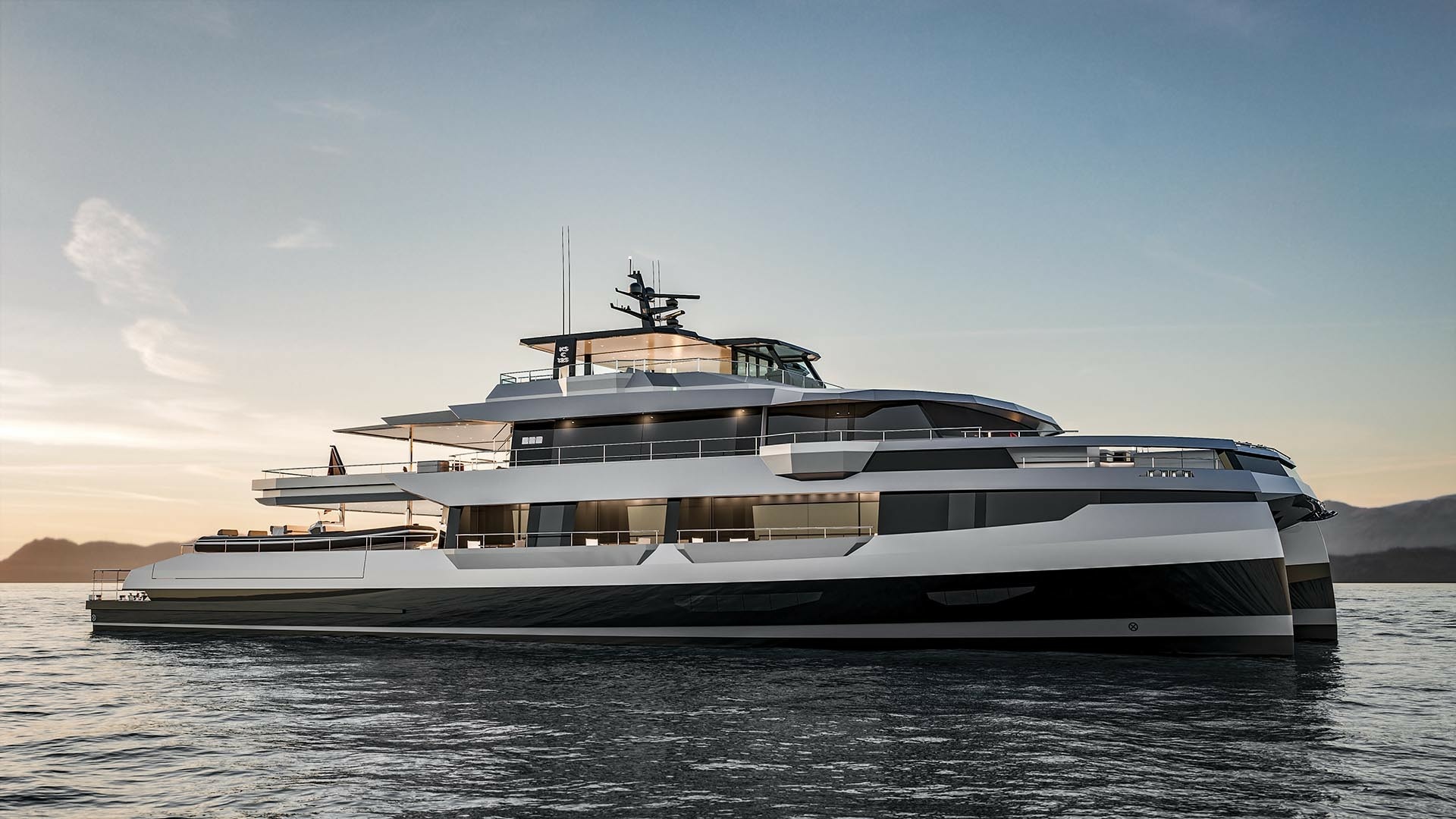
2028 Kingship Kingship
$20,350,000
125
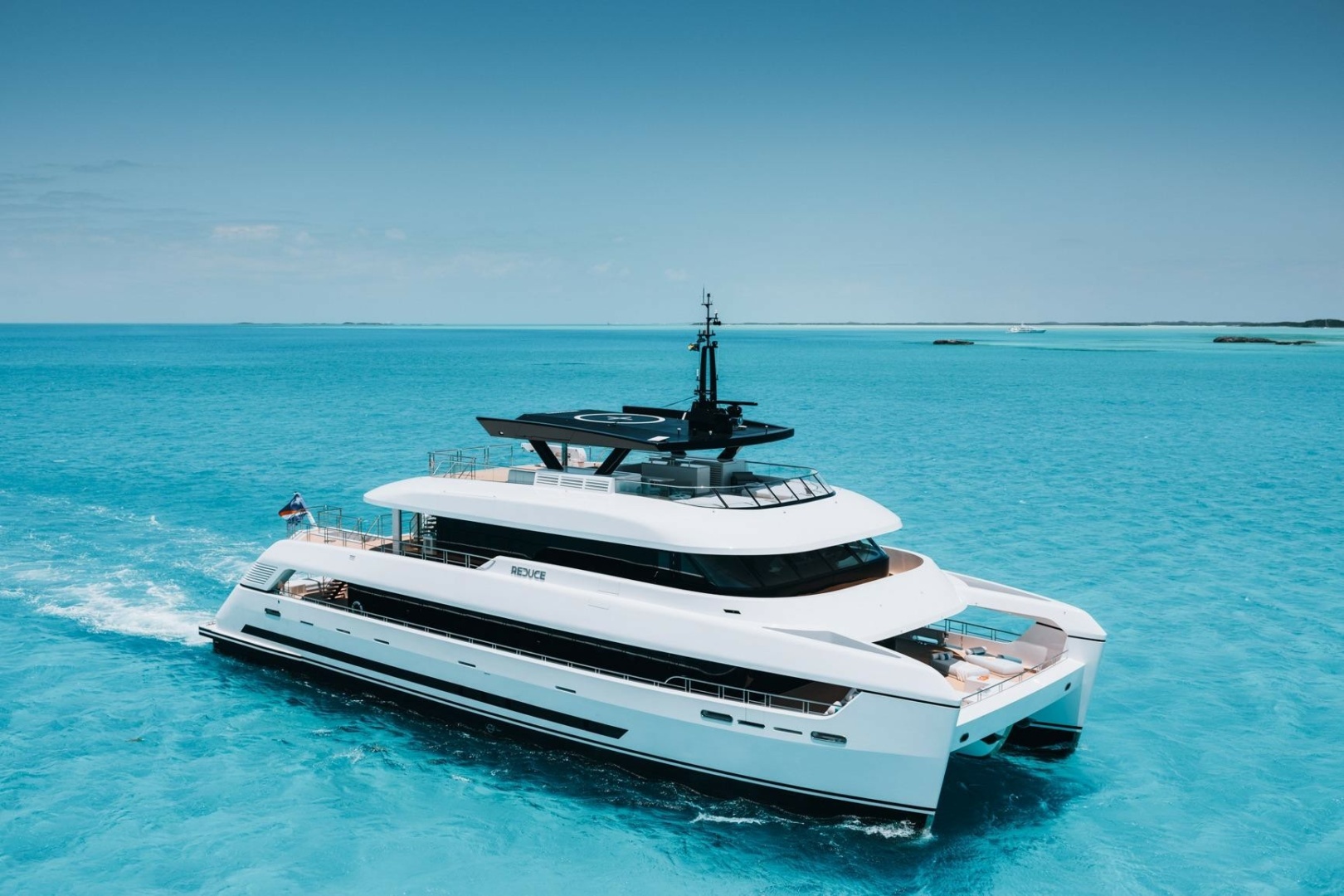
2024 Silver Yachts
$25,400,000
117
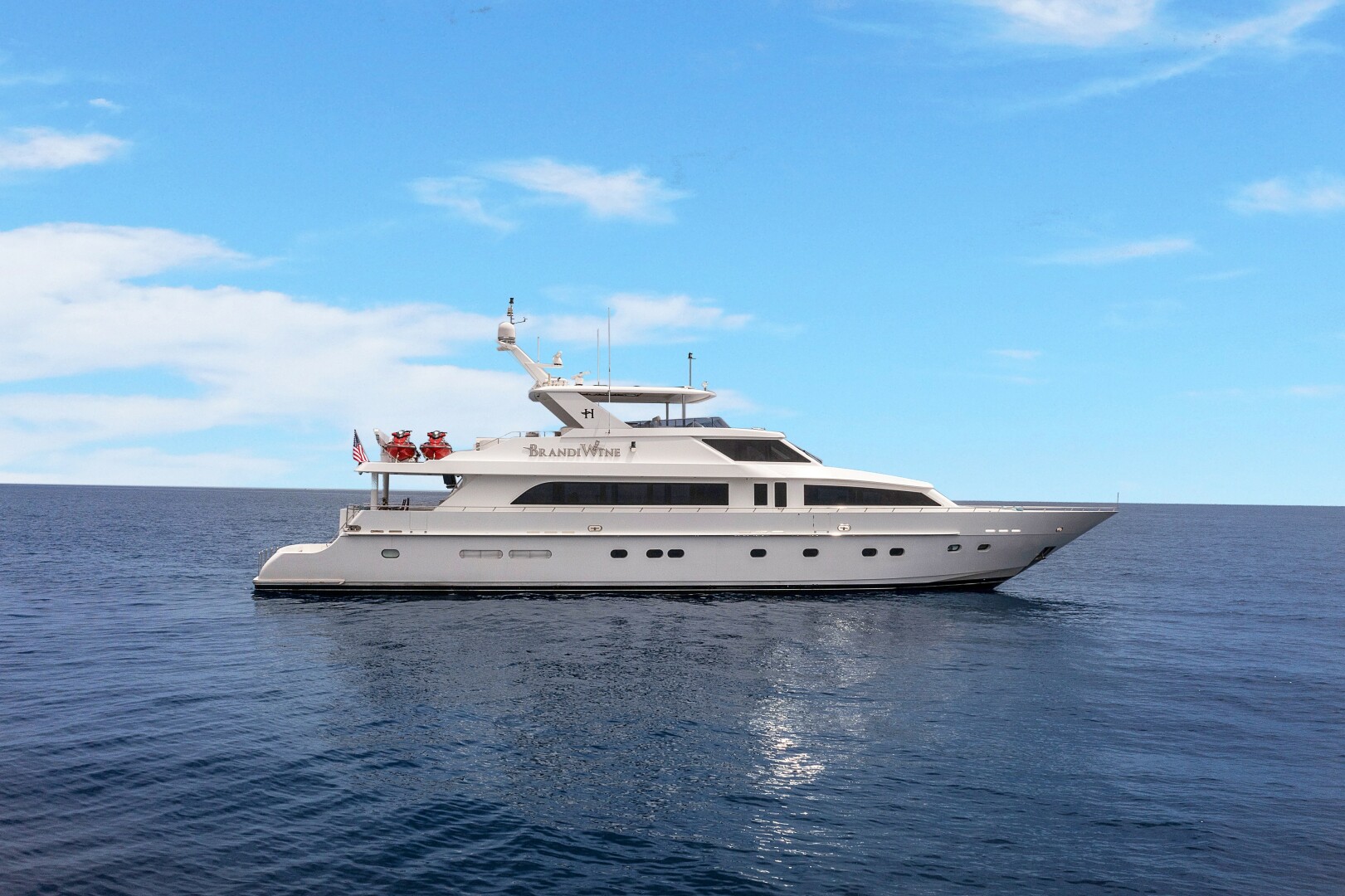
2009 Hargrave BRANDI WINE
$2,500,000
114
Fort Lauderdale Florida

2028 Extra Yachts
$20,350,000
100
Ancona

2028 Alpha
$12,100,000
100
Ft Lauderdale Florida

2028 Extra Yachts Extra 96
$9,495,000
96
Ancona
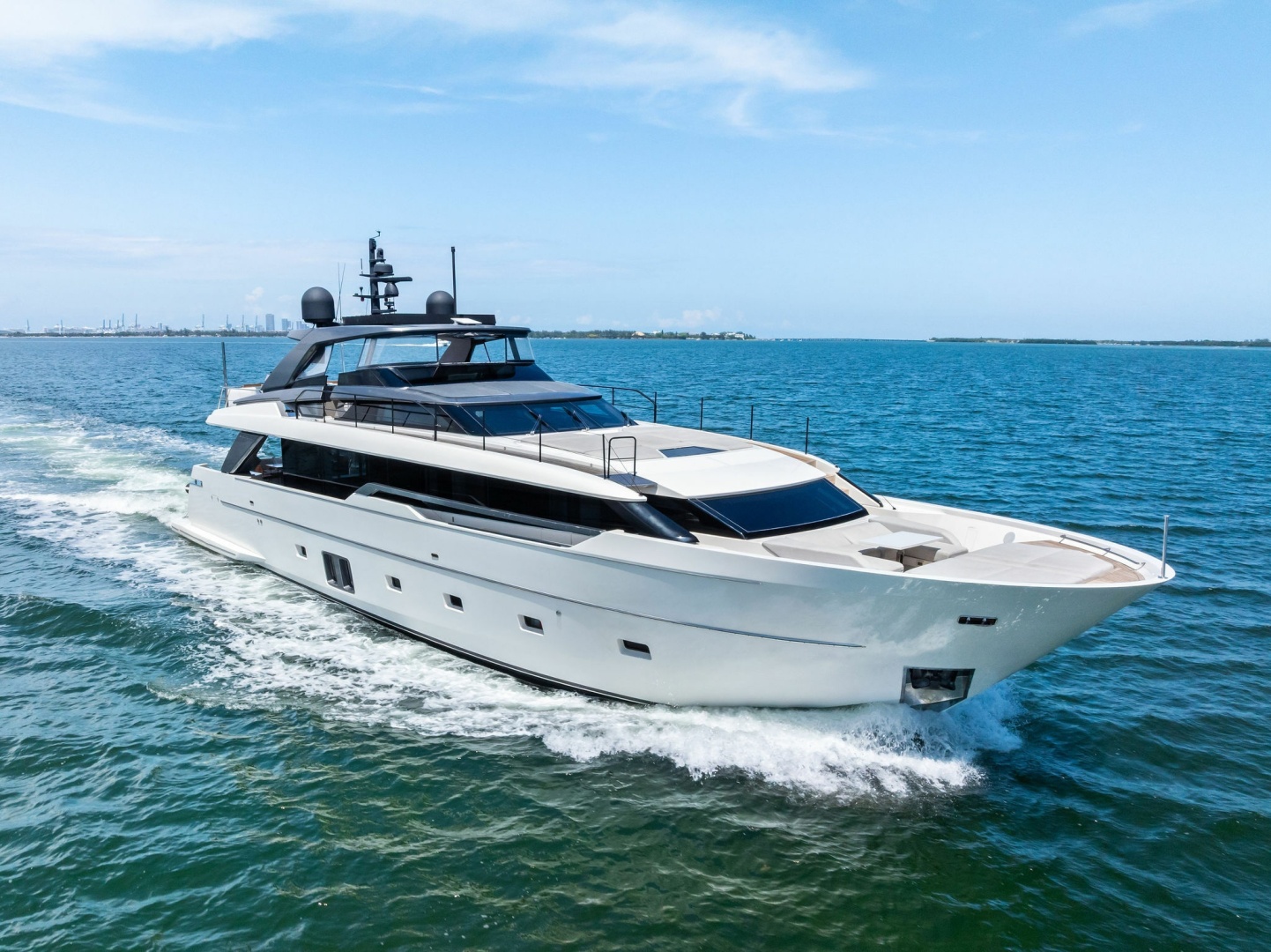
2021 Sanlorenzo GATSBY
$6,795,000
96
Fort Lauderdale Florida
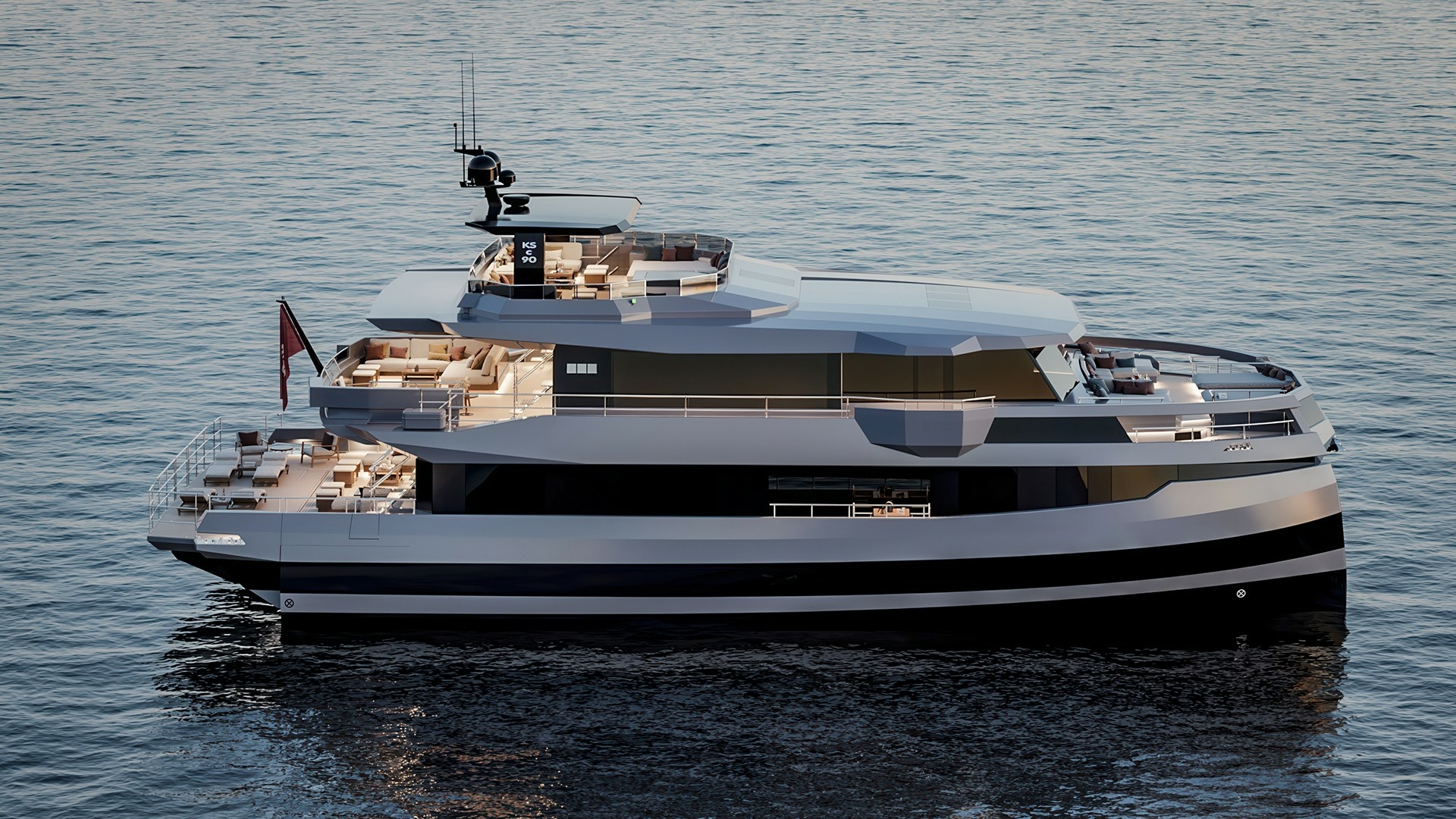
2028 Kingship
$11,990,000
90

2028 Alpha
$9,894,500
90
Fano
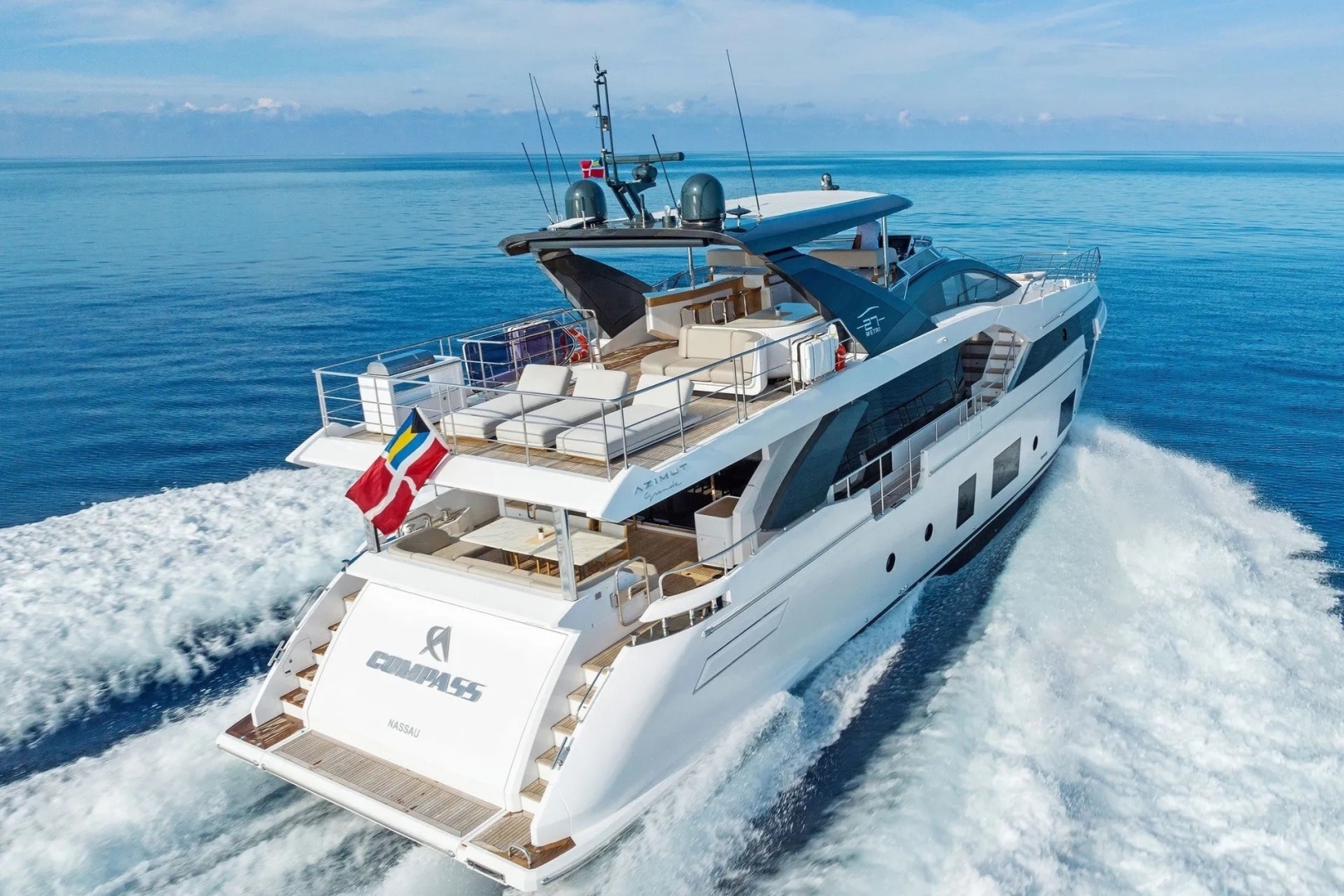
2023 Azimut COMPASS
$7,950,000
88
Miami Beach Florida

1999 Northern Marine OFF LINE
$2,495,000
84
Ft Lauderdale Florida
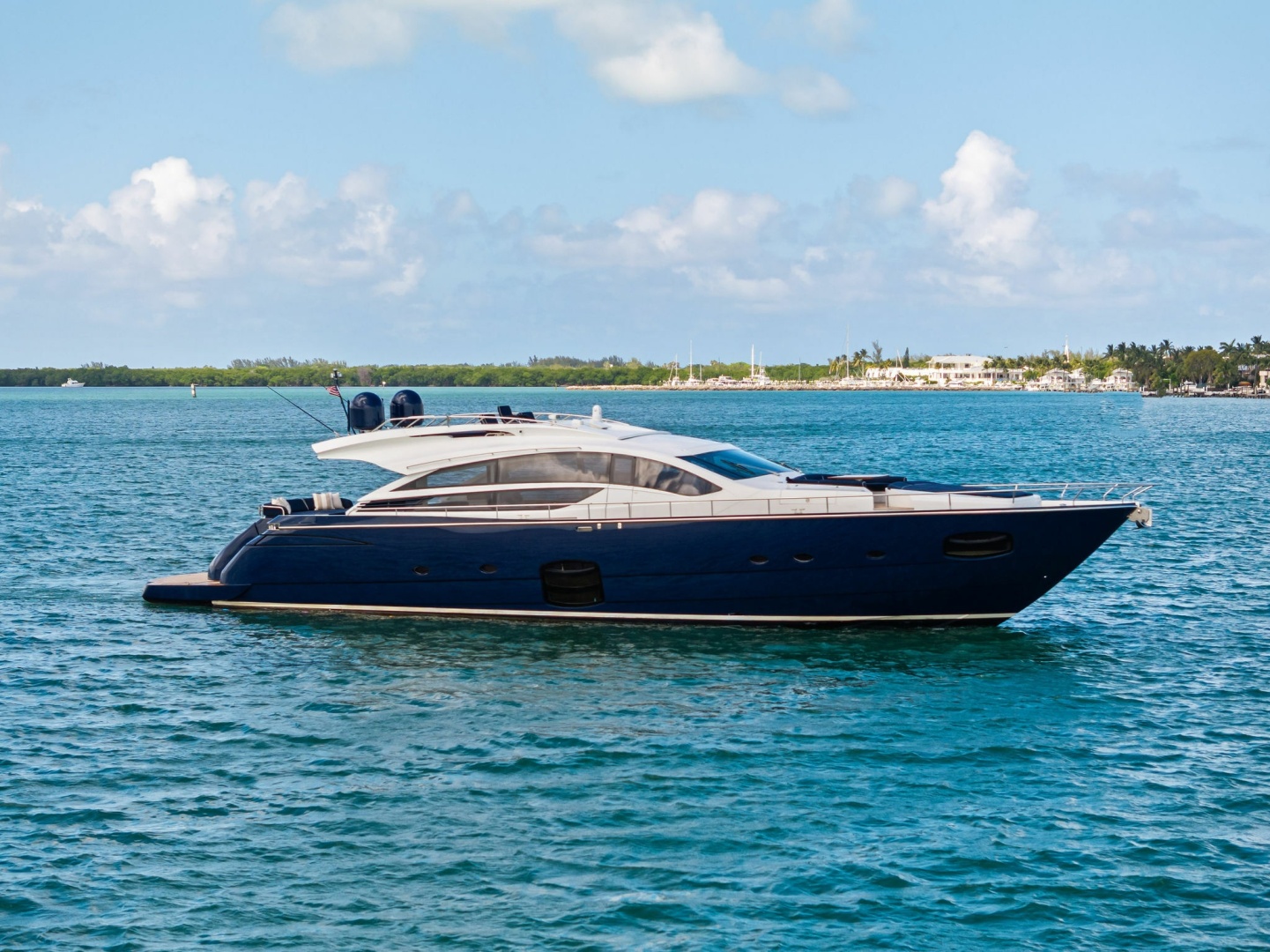
2013 Pershing DOROTHY ANN
$1,375,000
82
Fort Lauderdale Florida

1997 Ferretti Yachts
$825,000
80
La Paz
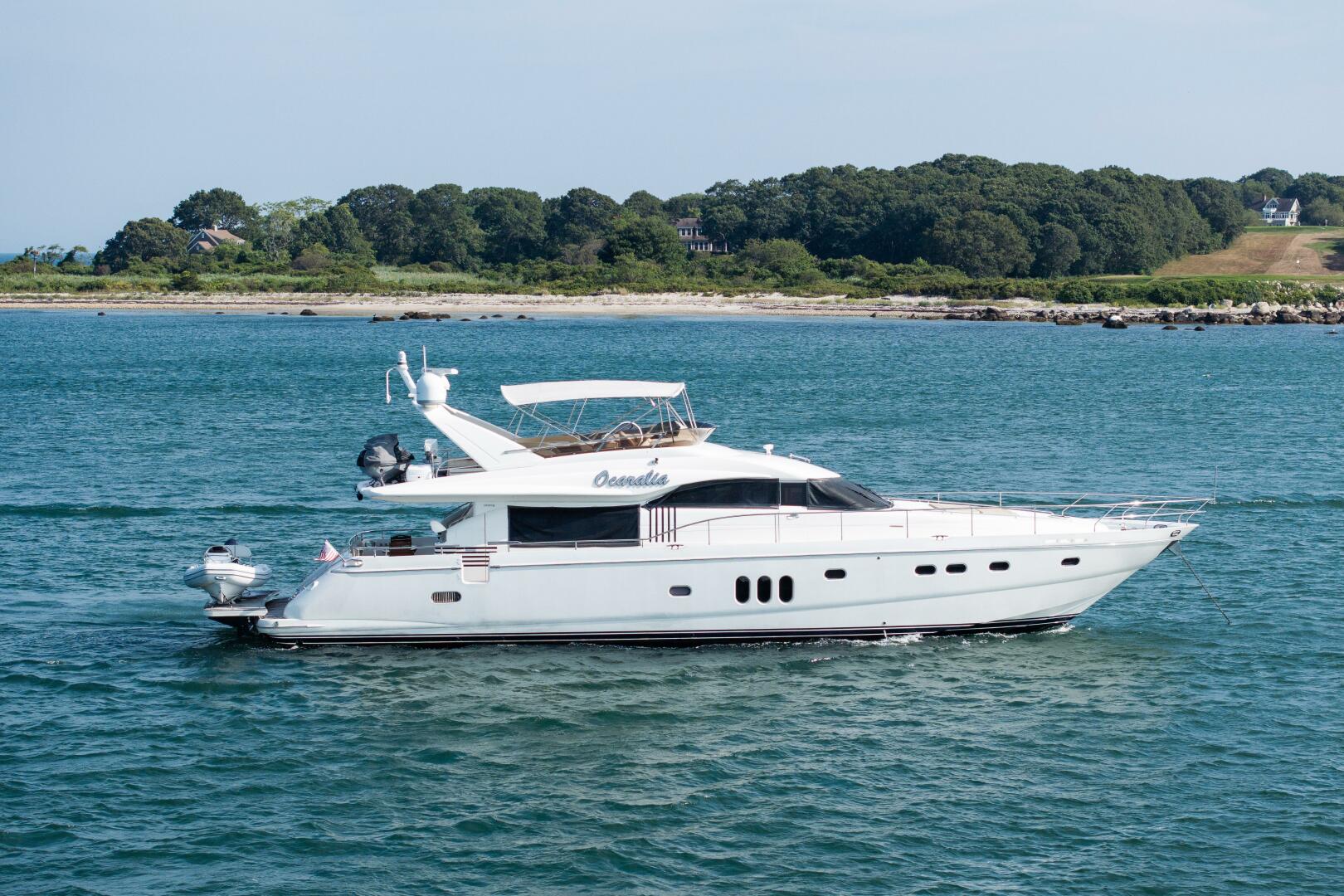
2008 Princess Yachts OCARALIA
$1,095,000
75
Charleston South Carolina
2014 Sunseeker
$1,400,000
68
New York New York

2024 Fairline
$2,750,000
68
Ft. Lauderdale Florida
2019 Vanquish Yachts IMPULSIVE
$1,799,000
58
Miami Beach Florida
2021 Ferretti Yachts HAVEN
$1,595,000
57
Fort Lauderdale Florida
2025 Formula BREAKTHROUGH III
$1,895,000
53
Miami Beach Florida

2023 Fairline
$900,000
45
Fort Lauderdale Florida
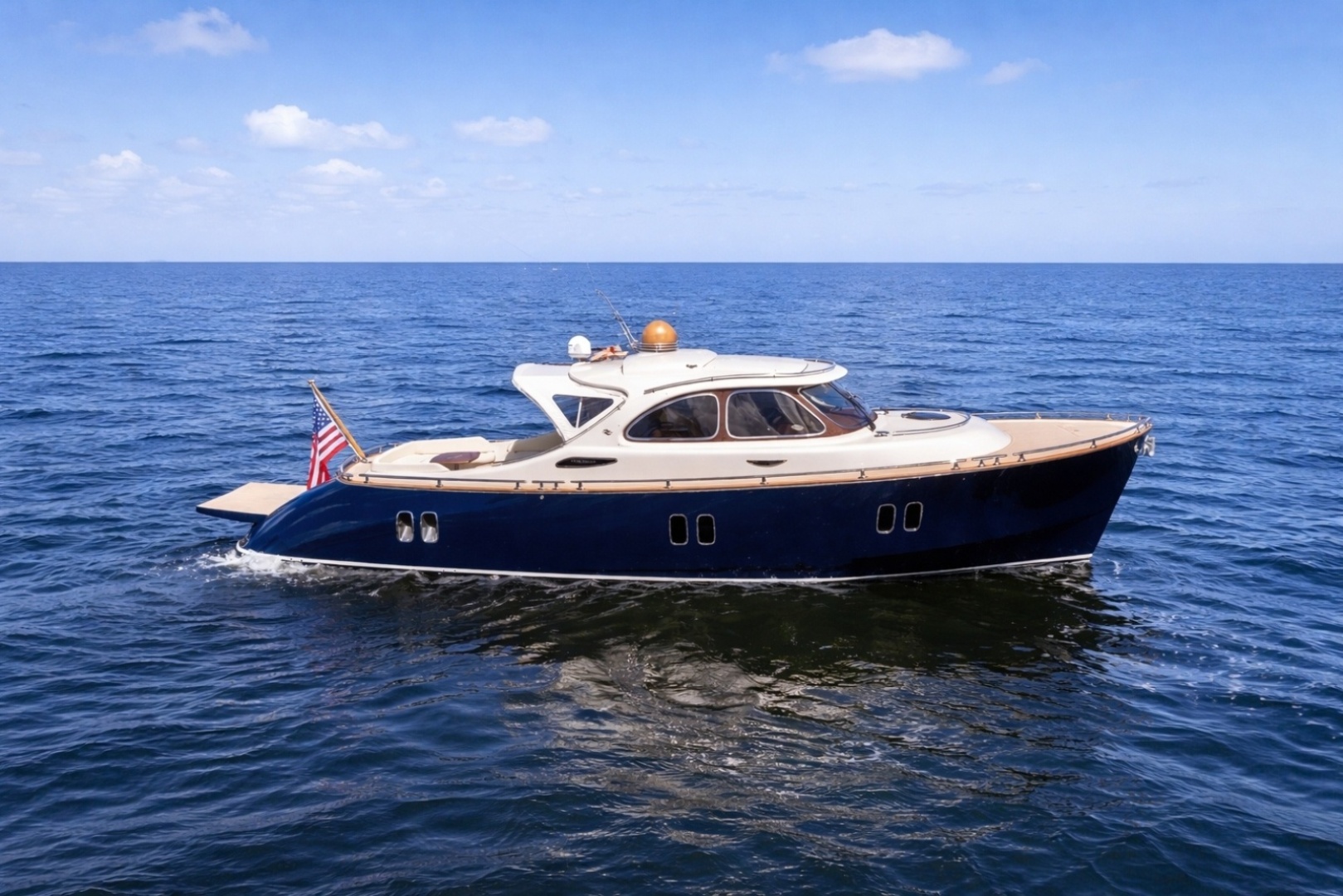
2012 Zeelander Mississippi Queen
$575,000
44
West Palm Beach Florida
2028 Columbus Yachts 137'
$22,900,008
2012 Benetti 132'
$10,975,000
2028 Kingship 125'
$20,350,000
2024 Silver Yachts 117'
$25,400,000
2009 Hargrave 114'
$2,500,000
2028 Extra Yachts 100'
$20,350,000
2028 Alpha 100'
$12,100,000
2028 Extra Yachts 96'
$9,495,000
2021 Sanlorenzo 96'
$6,795,000
2028 Kingship 90'
$11,990,000
2028 Alpha 90'
$9,894,500
2023 Azimut 88'
$7,950,000
1999 Northern Marine 84'
$2,495,000
2013 Pershing 82'
$1,375,000
1997 Ferretti Yachts 80'
$825,000
2008 Princess Yachts 75'
$1,095,000
2014 Sunseeker 68'
$1,400,000
2024 Fairline 68'
$2,750,000
2019 Vanquish Yachts 58'
$1,799,000
2021 Ferretti Yachts 57'
$1,595,000
2025 Formula 53'
$1,895,000
2023 Fairline 45'
$900,000
2012 Zeelander 44'
$575,000