

Overview: Yacht escrow is the industry-standard method for protecting both buyer and seller during high-value yacht transactions. A neutral third party holds funds and documents until every contractual condition is satisfied, at which point ownership and payment transfer simultaneously. No funds move, and no title changes hands, until both sides have fulfilled their obligations. That single principle is what makes escrow the cornerstone of every serious yacht sale.
How yacht escrow works at its core
Escrow, in the context of a yacht sale, is a legal arrangement where a trusted third party holds the buyer’s funds and key transaction documents until all agreed conditions are met. Think of it as a secure holding room: the money is real, the commitment is binding, but neither side can act unilaterally. The escrow protects both parties from passing over the yacht before full payment is received, and from releasing funds before the vessel and its documents are confirmed satisfactory.
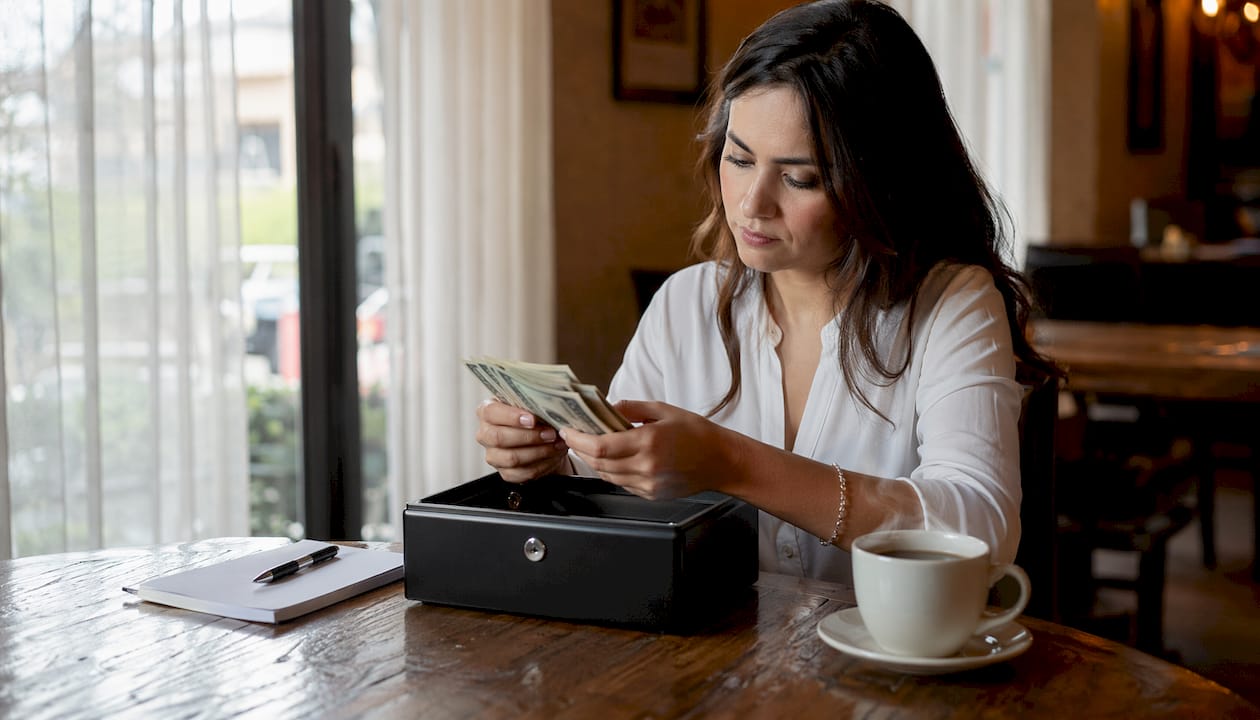
The industry standard for the initial deposit is 10% of the purchase price, placed into escrow at the time the buyer submits a written offer. That deposit signals genuine intent and gives the seller legal assurance that the buyer is committed. Under the fiduciary duty framework recognized in states like Florida, the escrow agent acts as a trustee for both parties, bound by the express terms of the escrow agreement.
Key features of yacht escrow at a glance:
- Funds are held by a neutral third party, not the buyer or seller
- The deposit is typically a standard industry percentage of the agreed purchase price
- The escrow agent carries a fiduciary duty to both parties
- No funds are released without written instructions signed by both buyer and seller, or a court order
- Escrow agreements define refund conditions if surveys or inspections are unsatisfactory
The step-by-step yacht purchase escrow process
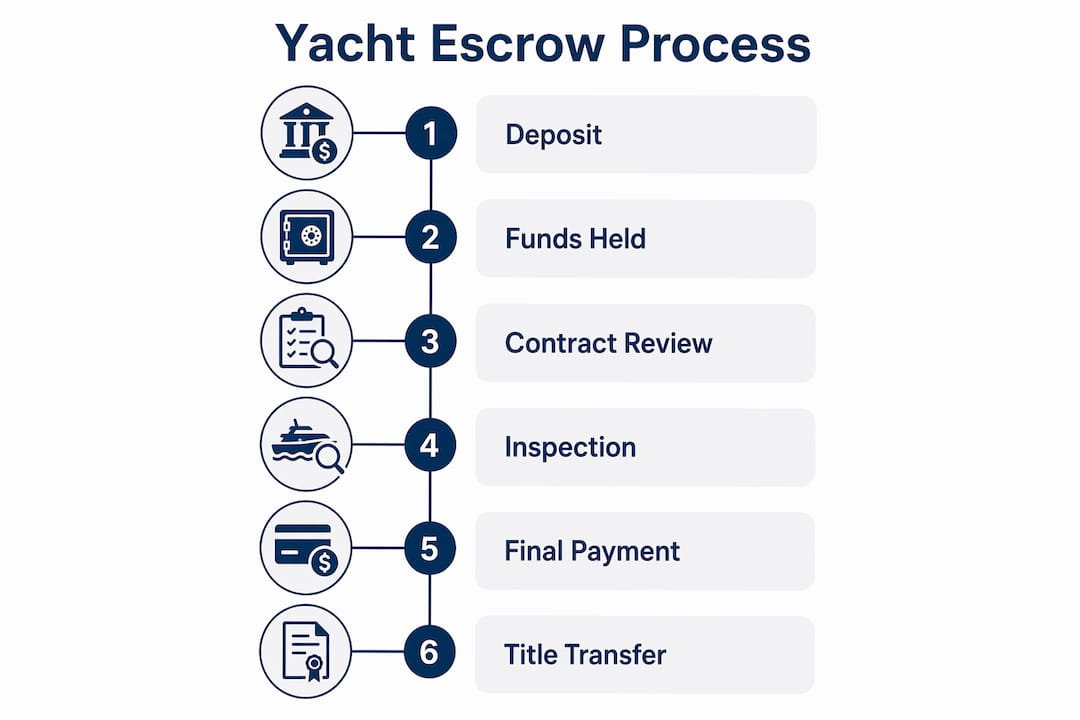
Understanding the sequence matters as much as understanding the concept. Here is how a typical yacht escrow transaction unfolds from first offer to final handover.
-
Purchase agreement signed. Buyer and seller execute a purchase and sale agreement outlining price, conditions, and the escrow terms. The agreement specifies what happens to the deposit under every scenario.
-
Deposit placed into escrow. The buyer wires the deposit, typically 10% of the purchase price, to the agreed escrow account. Nothing else proceeds until this step is complete.
-
Due diligence period begins. With funds secured, the buyer arranges a marine survey and sea trial. The escrow agent holds all documents and funds throughout this window, which typically spans a few weeks.
-
Survey and inspection results reviewed. If the survey reveals material defects, the buyer may negotiate a price adjustment, request repairs, or withdraw. A withdrawal within the contractual window triggers a full deposit refund under the escrow agreement’s terms.
-
Financing confirmed (if applicable). Buyers using financing finalize their loan arrangements during this period. The escrow agent coordinates with lenders as needed.
-
Final payment wired to escrow. Once all conditions are satisfied, the buyer wires the balance of the purchase price into the escrow account.
-
Closing documents prepared. The escrow agent collects the bill of sale, title documents, and any registration paperwork. Reviewing the yacht bill of sale carefully at this stage protects both parties.
-
Simultaneous release at closing. Funds transfer to the seller and title documents transfer to the buyer at the same moment, completing the transaction cleanly.
Who are the key parties in a yacht escrow transaction?
Several professionals share responsibility for keeping a yacht escrow transaction on track. Each plays a distinct role, and understanding who does what prevents costly confusion.
- Buyer and seller are the principal parties. Both must sign the escrow instructions, and neither can unilaterally direct the escrow agent to release funds.
- The escrow agent is the neutral fiduciary. Whether a licensed escrow service, an attorney’s trust account, or a broker’s trust account, this party holds funds and documents and acts solely on the written instructions of both parties.
- Yacht brokers often facilitate the transaction and may hold deposits in their own trust accounts. In states like California and Florida, brokers are required to maintain fidelity bonds, though bond limits vary.
- Maritime attorneys add a critical layer, particularly in complex or high-value deals. An attorney’s trust account in Florida can be insured beyond the FDIC’s $250,000 limit through state bar programs, offering meaningful protection on large deposits.
- Lenders and surveyors interact with the escrow process indirectly, providing the conditions and reports that determine whether funds are ultimately released.
Pro Tip: Ask your escrow agent upfront whether they have handled cross-border, multi-currency yacht transactions. Agents experienced in international yacht sales understand the jurisdictional complexity that standard real estate escrow services often do not.
How do you choose a reliable yacht escrow provider?
The choice of escrow provider shapes the entire transaction’s safety profile. State-supervised and bonded services offer critical extra layers of security for luxury yacht deals governed by complex maritime laws. Here is what to evaluate before committing.
- Maritime experience. Yacht transactions are legally and logistically distinct from real estate. Prefer providers with a documented history of high-value maritime deals, not general escrow services unfamiliar with sea trials or flag-state documentation.
- Regulation and bonding. Confirm the provider is subject to state supervision and carries a fidelity bond or equivalent insurance. This protects your funds if the escrow service itself encounters financial difficulty.
- Dedicated escrow accounts. Ask whether your funds will be held in a dedicated escrow account that is ring-fenced from the provider’s operating capital. This matters enormously if the provider faces insolvency.
- Anti-money laundering compliance. Reputable escrow agents are bound by anti-money laundering and counter-terrorism financing rules, verifying the identity of both parties and documenting every source of funds. This compliance dramatically lowers risk for all parties.
- Separate escrow agreement. A standalone escrow agreement, executed by buyer, seller, and agent separately from the sale contract, gives each party clearer legal standing.
Pro Tip: Request a separate escrow agreement rather than relying solely on escrow clauses embedded in the purchase contract. A standalone document gives the escrow agent unambiguous authority and protects you if the sale contract is later disputed.
What do yacht escrow services typically cost, and how are funds protected?

Escrow fees for yacht transactions vary from several hundred to several thousand dollars, depending on transaction complexity, the provider’s experience, and the size of the deal. A straightforward domestic sale handled by a broker’s trust account sits at the lower end. An international superyacht transaction routed through a specialized maritime escrow service with multi-currency handling sits considerably higher.
Security protections built into the escrow structure include:
- Fiduciary duty. The escrow agent is legally obligated to follow only the written, mutually signed instructions of buyer and seller.
- Bonding and insurance. State-supervised services carry fidelity bonds; attorney trust accounts in Florida can be insured for the full deposit amount above FDIC limits.
- Dispute resolution protocol. If a conflict arises, the escrow agent holds funds until both parties provide agreed written instructions or a court issues an order directing disbursement.
- Ring-fenced accounts. Dedicated escrow accounts keep client funds separate from the provider’s business assets, protecting buyers and sellers even if the escrow firm faces financial trouble.
When a transaction fails, the escrow agreement’s terms govern what happens to the deposit. If the buyer withdraws within the due diligence window for a valid reason, the deposit is refunded in full. If the buyer defaults without cause, the seller typically retains the deposit as compensation for costs incurred.
Key Takeaways
Yacht escrow protects both buyer and seller by holding funds and documents with a neutral fiduciary until every contractual condition is satisfied, preventing any unilateral transfer of ownership or payment.
| Point | Details |
|---|---|
| Standard deposit amount | The industry standard deposit is 10% of the purchase price, held in escrow from the moment the offer is accepted. |
| Fiduciary protection | Escrow agents carry a legal fiduciary duty to both parties and act only on mutually signed written instructions. |
| Escrow fee range | Fees range from several hundred to several thousand dollars, depending on transaction complexity and provider experience. |
| Provider selection criteria | Choose a state-supervised, bonded provider with maritime experience and a dedicated, ring-fenced escrow account. |
| Failed transaction protocol | If a deal collapses, the escrow agent holds funds until both parties agree in writing or a court directs disbursement. |
Working with a knowledgeable partner makes all the difference when navigating a transaction of this magnitude. Yachts-bysteve guides buyers and sellers through every stage of the yacht buying process, from selecting the right vessel to coordinating with escrow agents and closing with confidence. If you are ready to explore the market or need expert guidance on your next acquisition, choose a trusted broker who understands both the art and the mechanics of luxury yacht transactions.
Recommended
Featured Listings

2028 Columbus Yachts
$22,900,008
137
Ancona
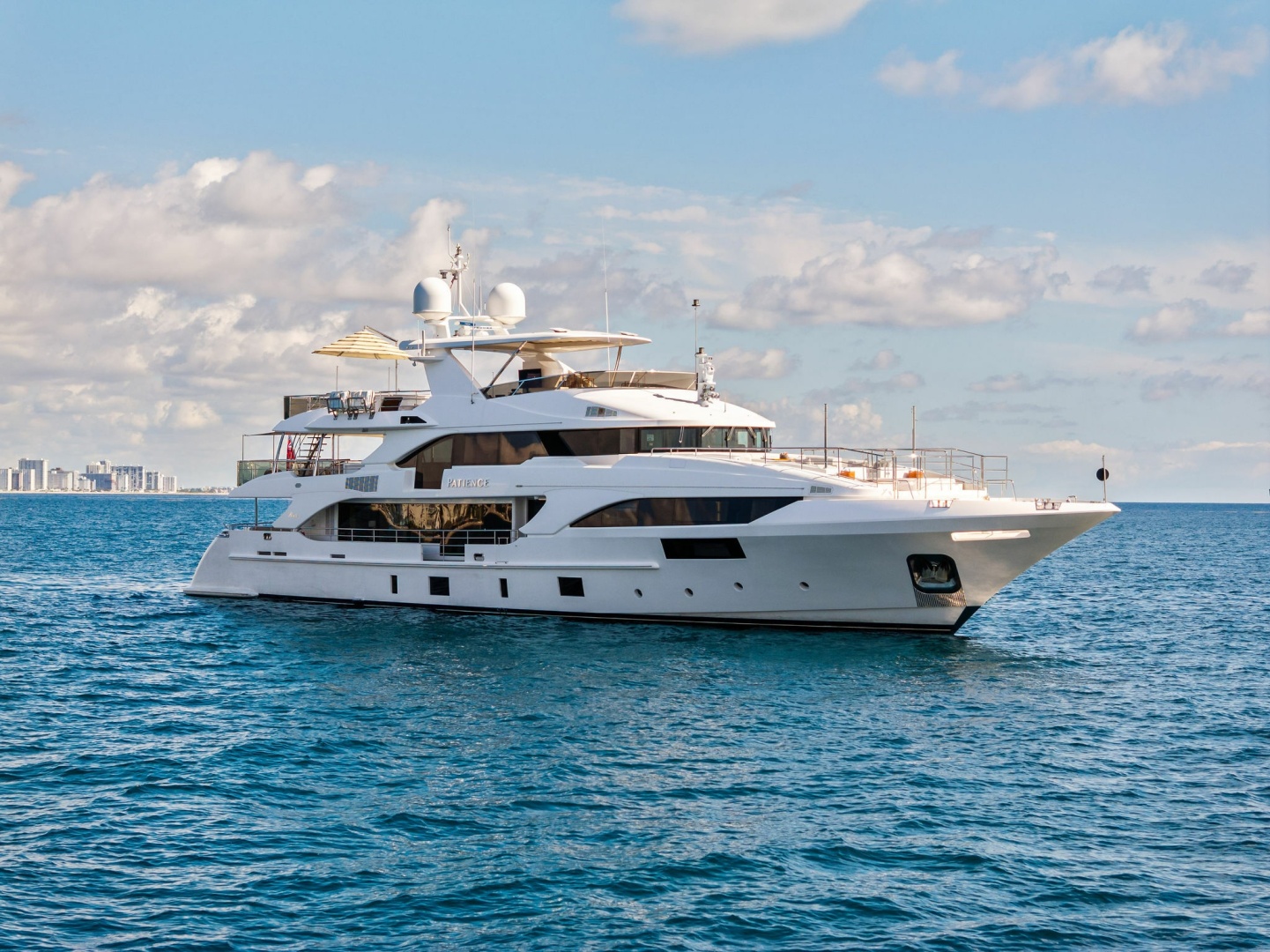
2012 Benetti PATIENCE
$10,975,000
132
Fort Lauderdale Florida
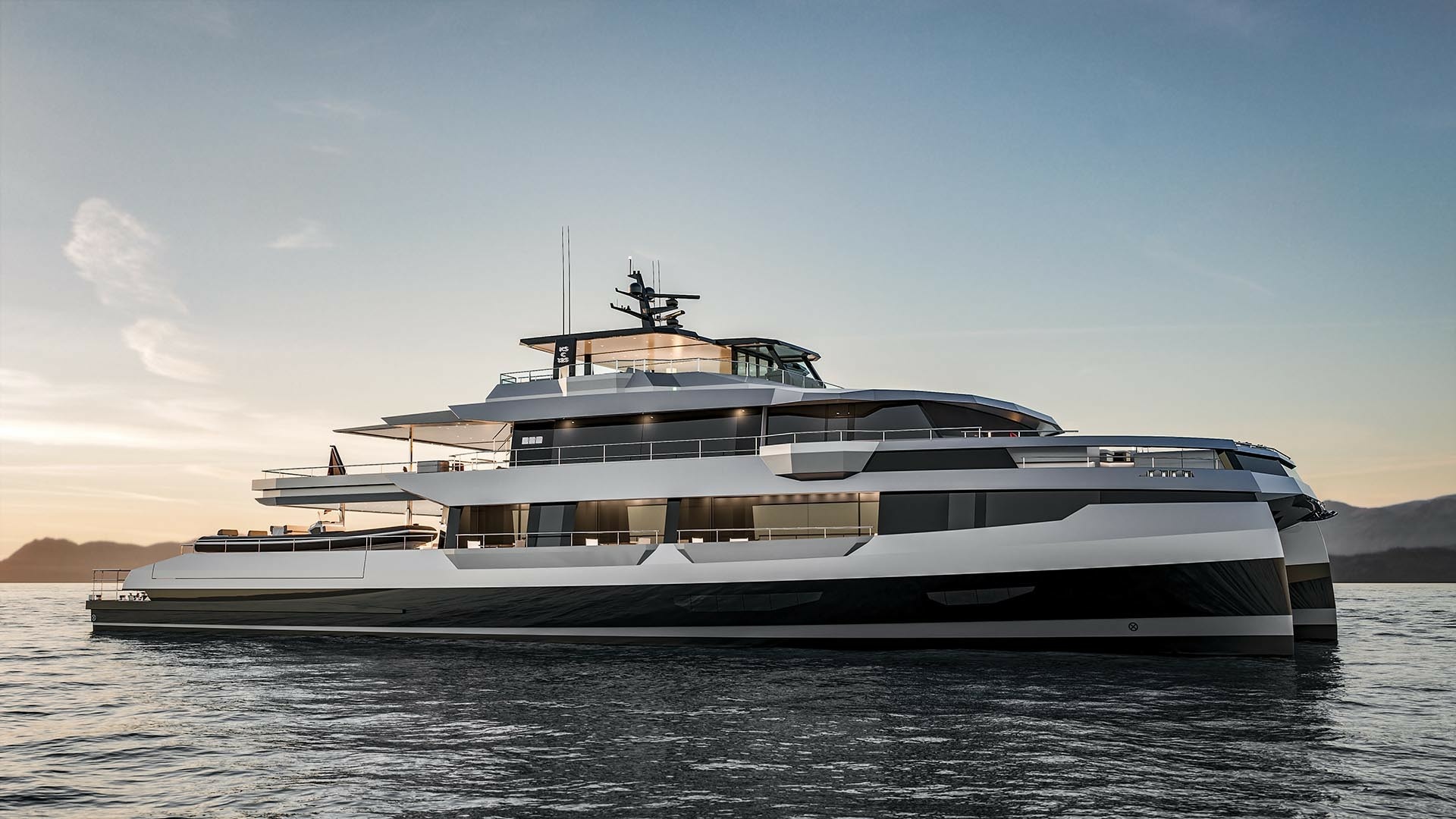
2028 Kingship Kingship
$20,350,000
125
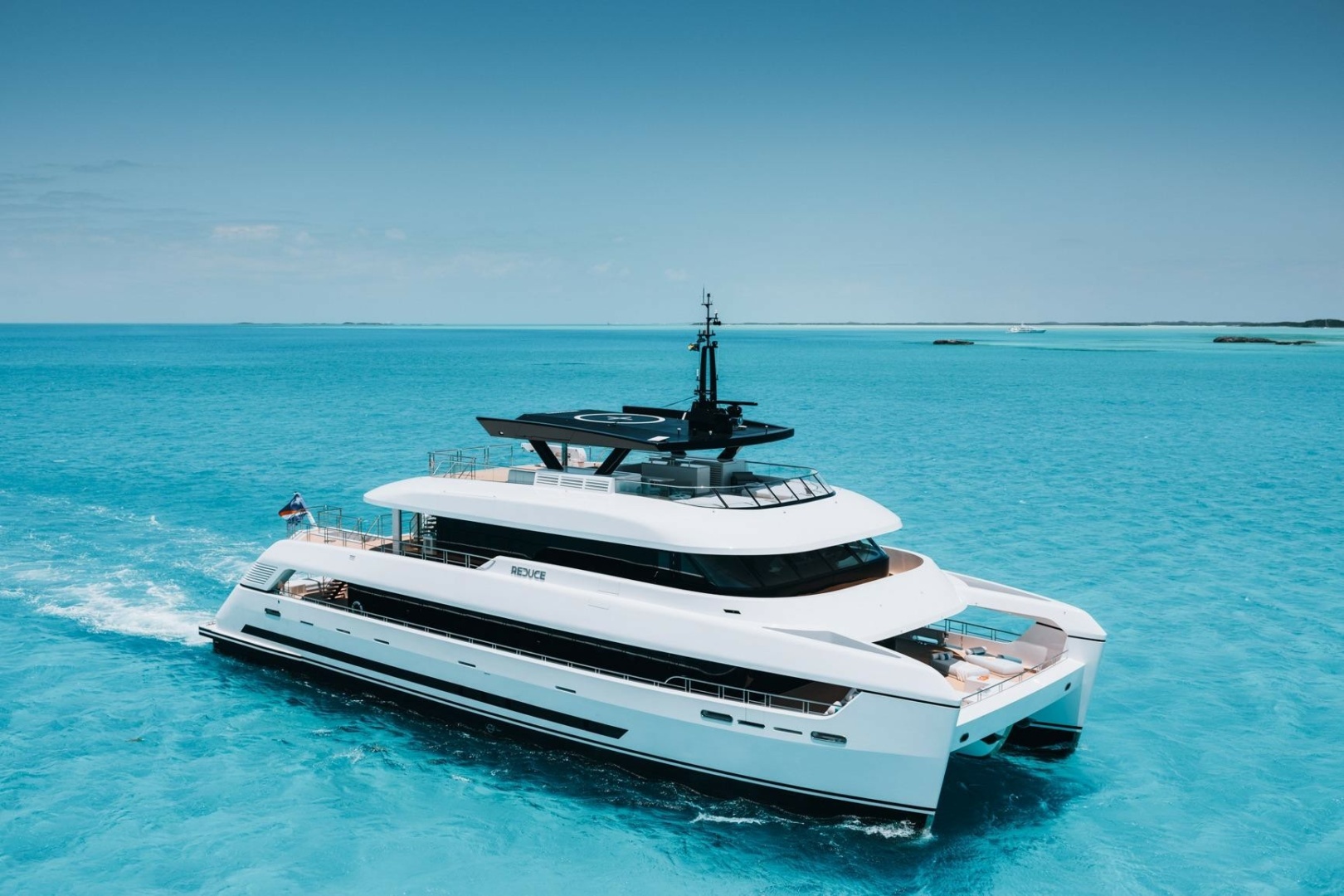
2024 Silver Yachts
$25,400,000
117
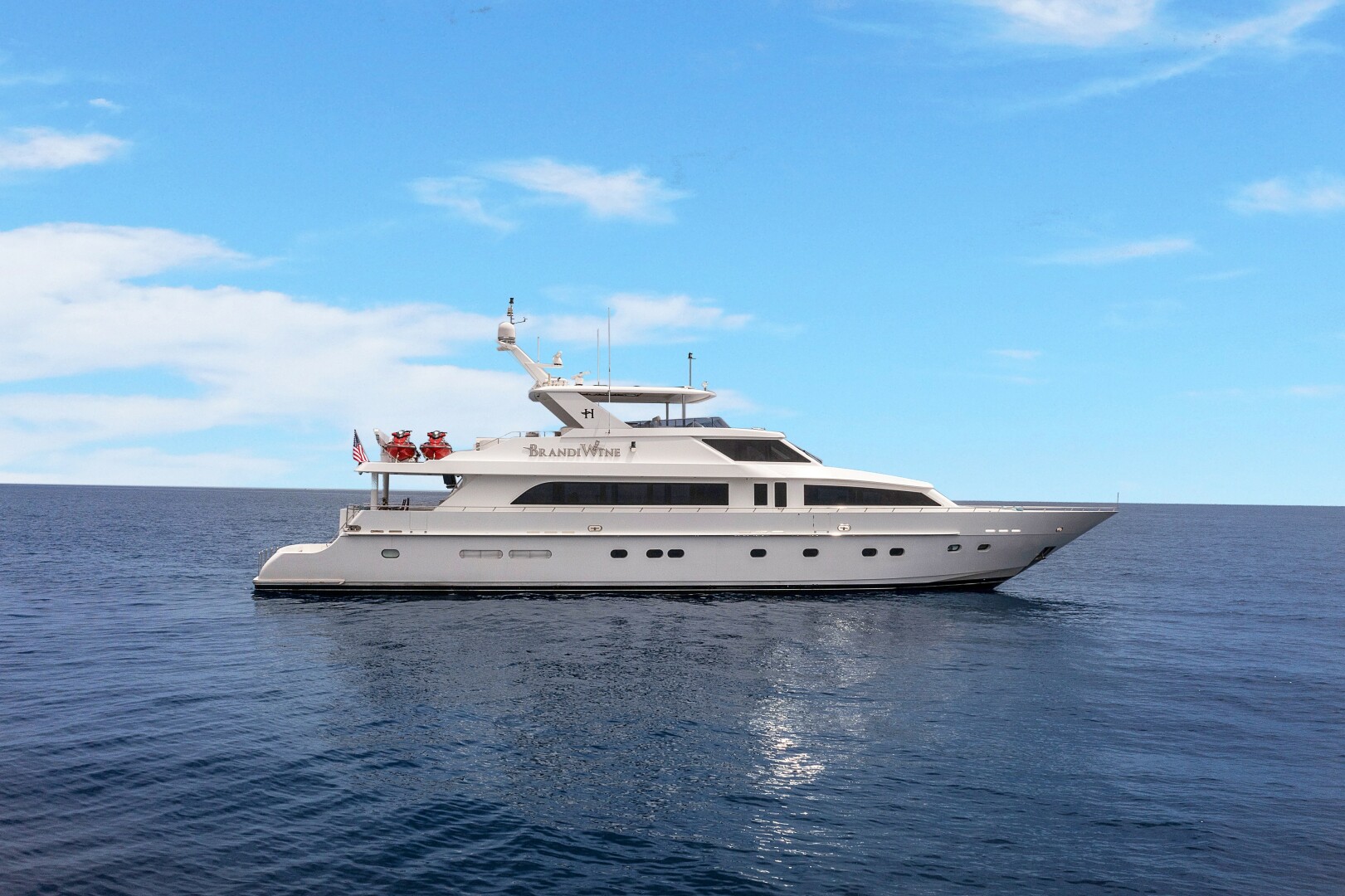
2009 Hargrave BRANDI WINE
$2,500,000
114
Fort Lauderdale Florida

2028 Extra Yachts
$20,350,000
100
Ancona

2028 Alpha
$12,100,000
100
Ft Lauderdale Florida

2028 Extra Yachts Extra 96
$9,495,000
96
Ancona
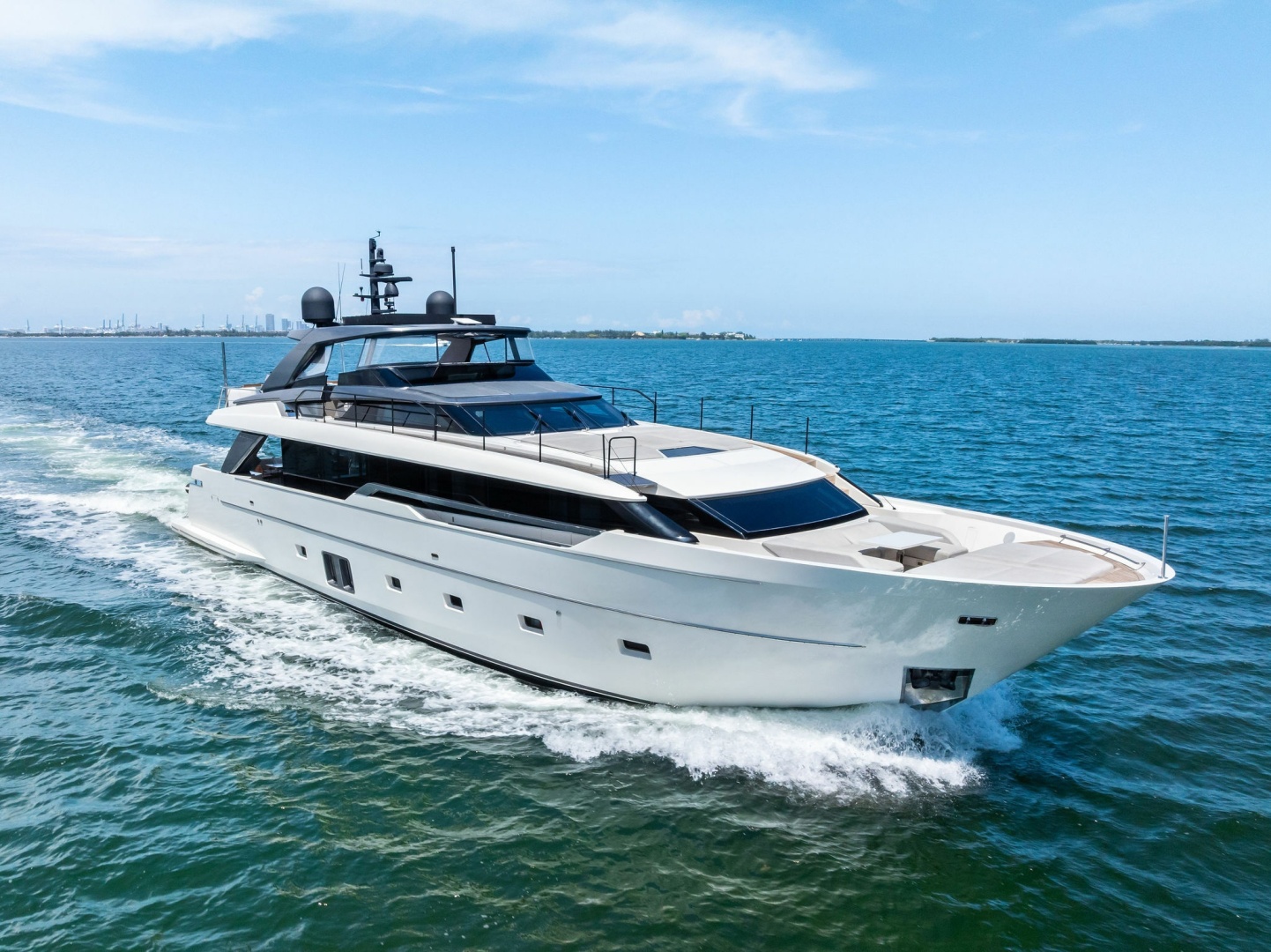
2021 Sanlorenzo GATSBY
$6,795,000
96
Fort Lauderdale Florida
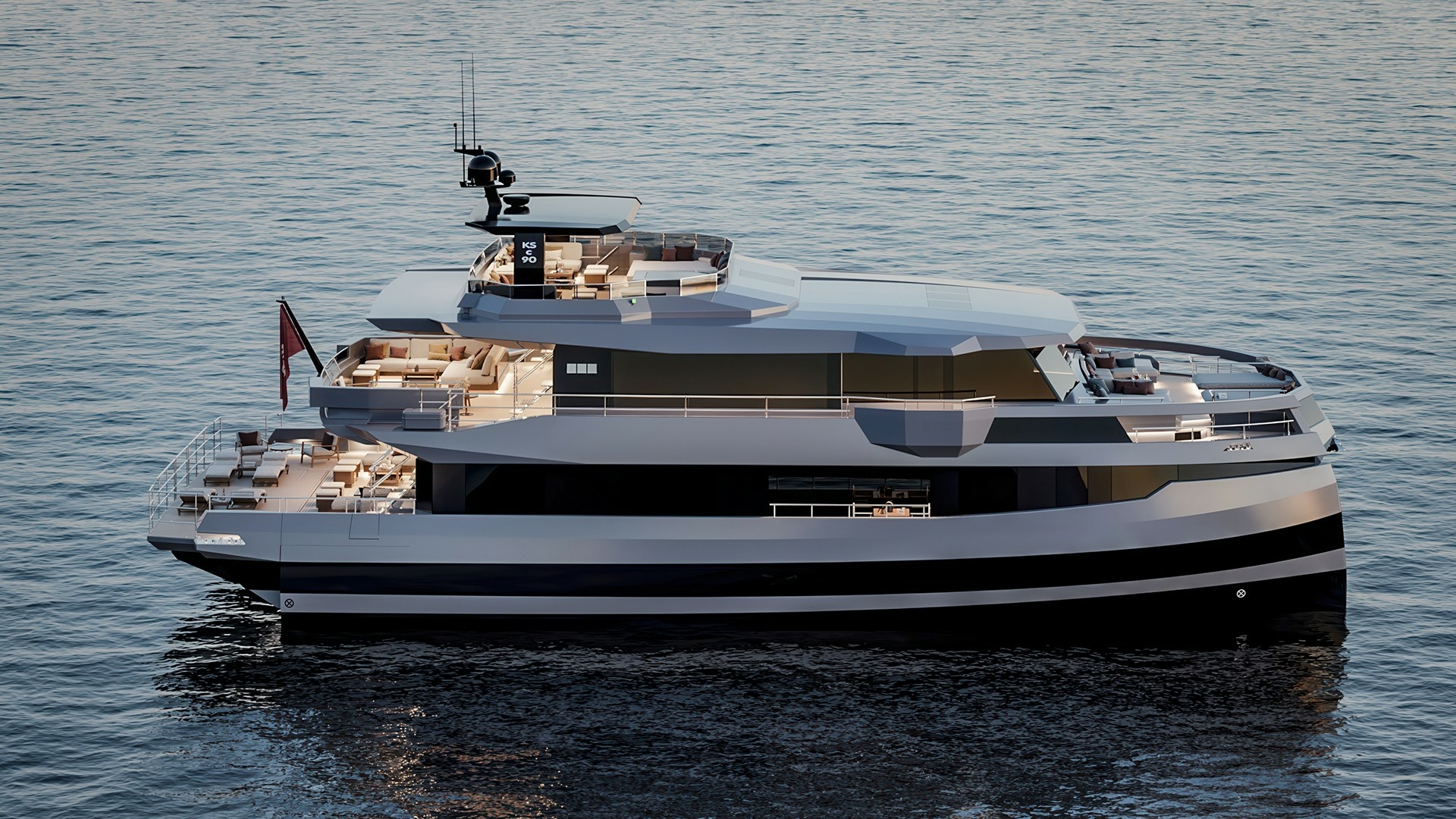
2028 Kingship
$11,990,000
90

2028 Alpha
$9,894,500
90
Fano
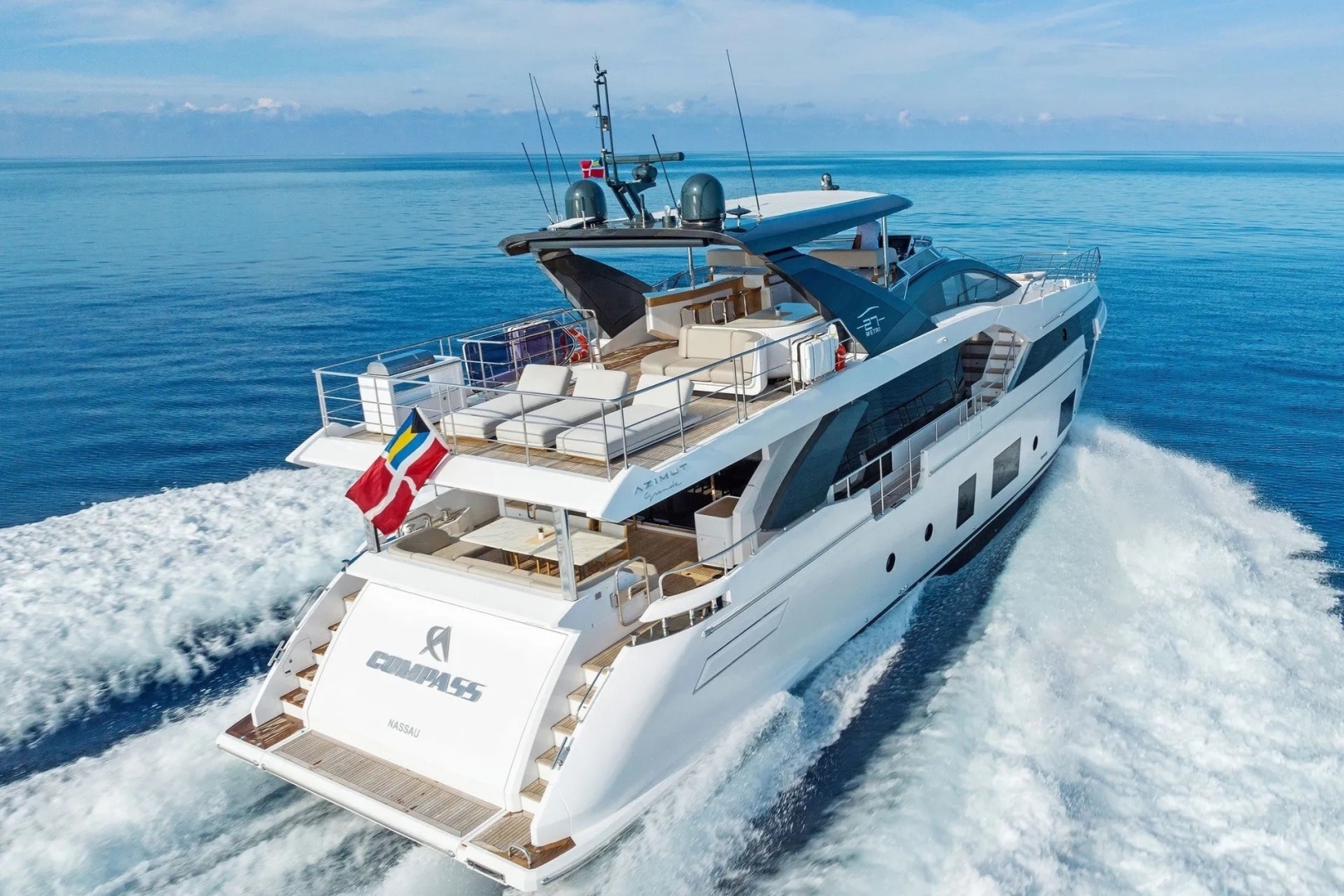
2023 Azimut COMPASS
$7,950,000
88
Miami Beach Florida

1999 Northern Marine OFF LINE
$2,495,000
84
Ft Lauderdale Florida
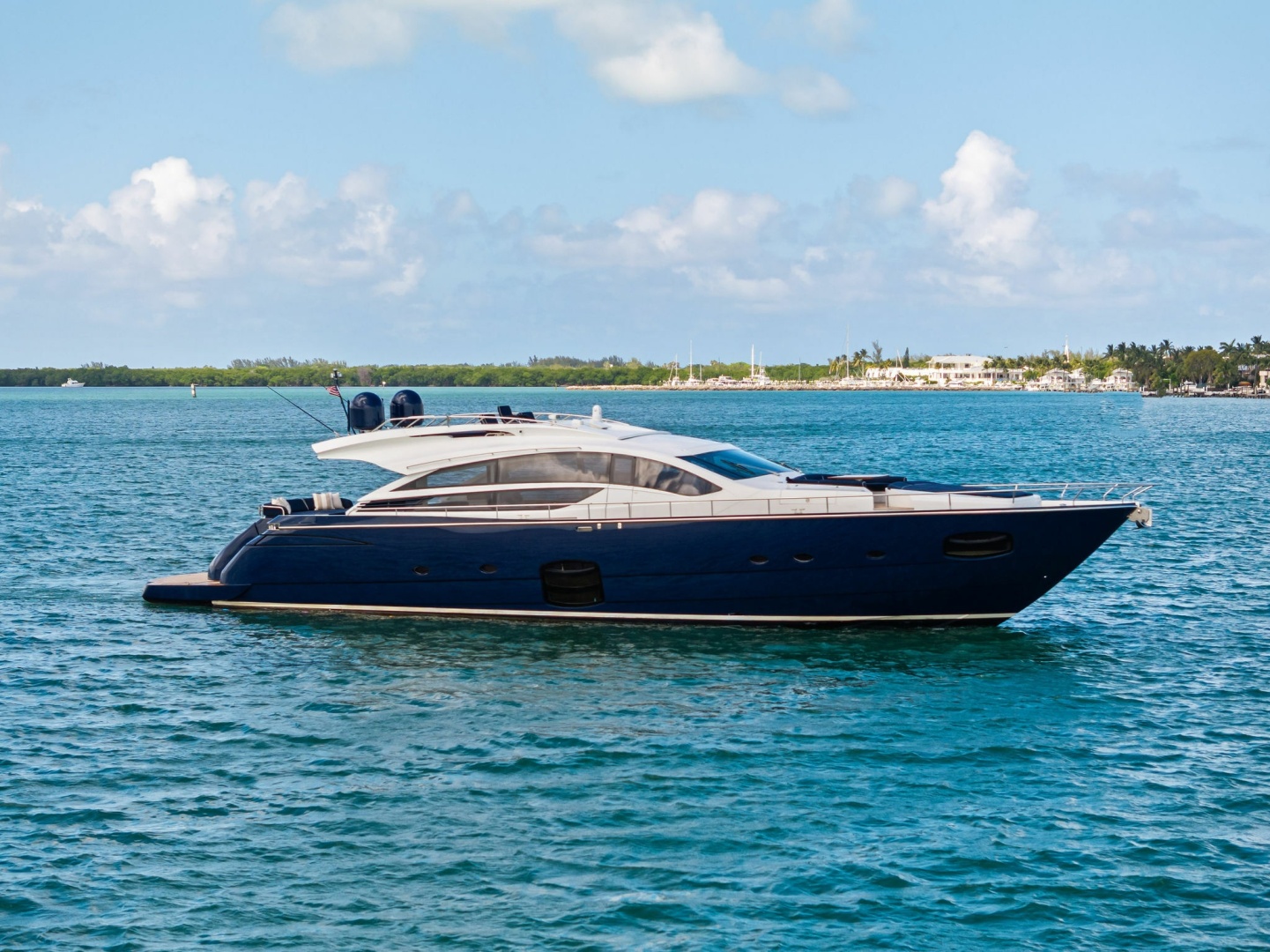
2013 Pershing DOROTHY ANN
$1,375,000
82
Fort Lauderdale Florida

1997 Ferretti Yachts
$825,000
80
La Paz
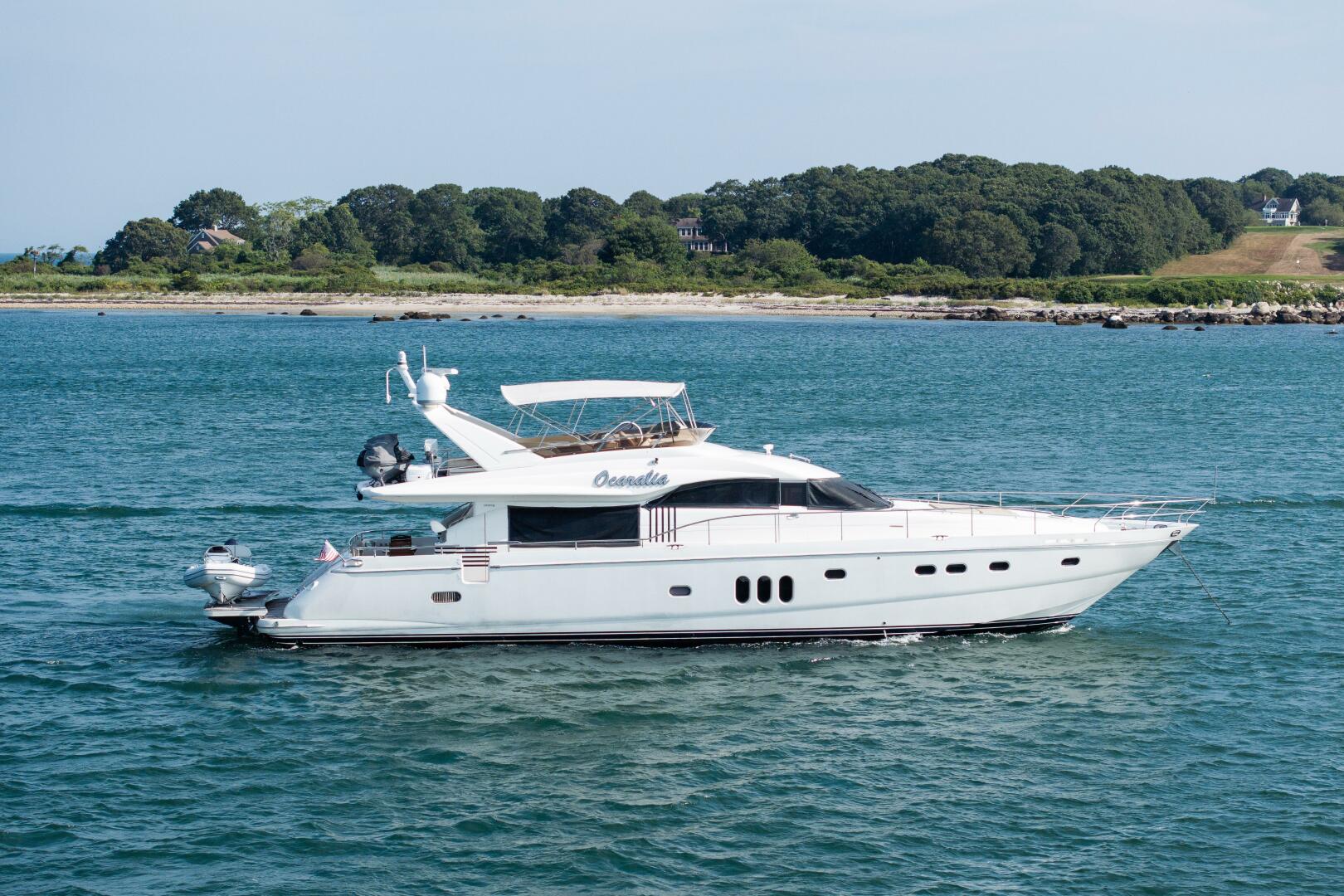
2008 Princess Yachts OCARALIA
$1,095,000
75
Charleston South Carolina
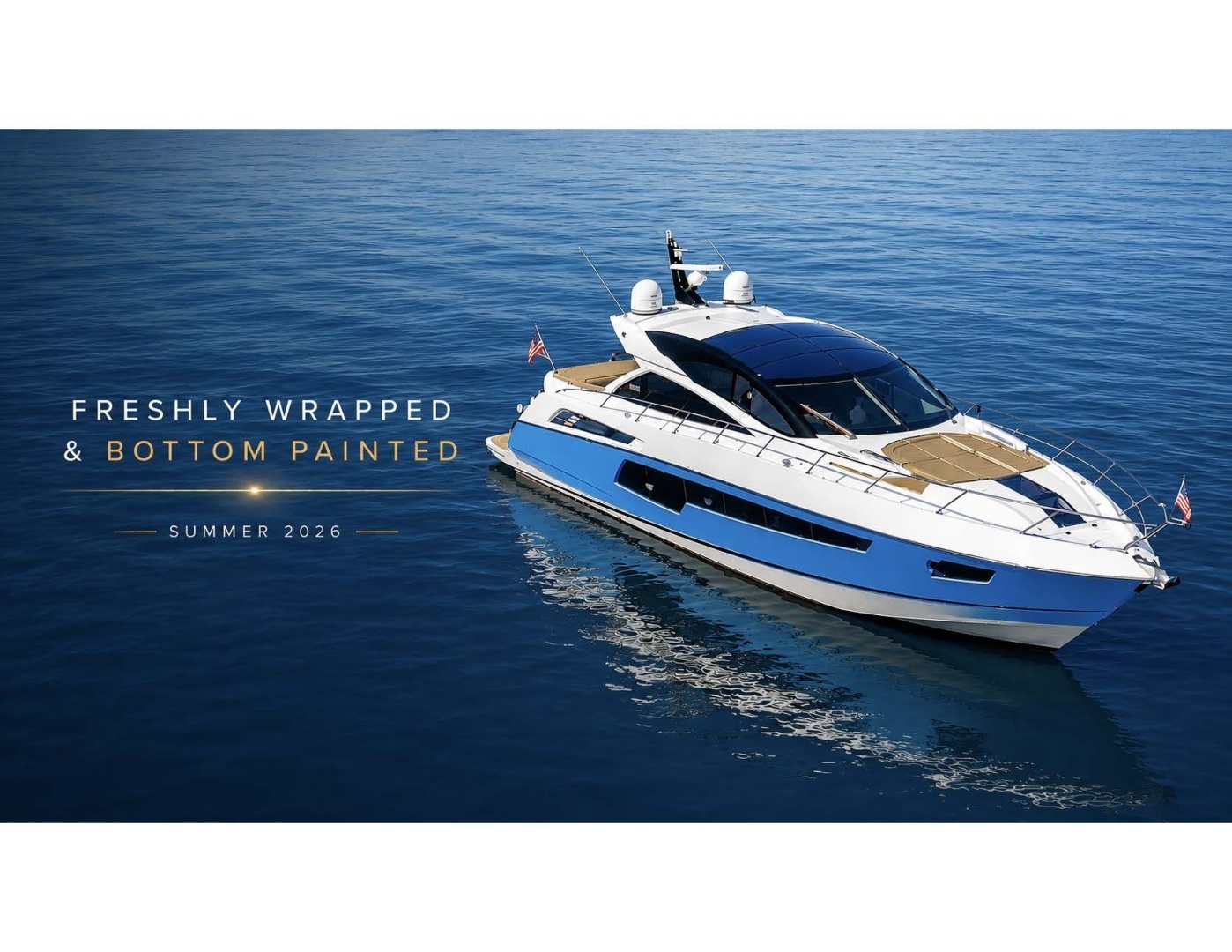
2014 Sunseeker
$1,400,000
68
New York New York

2024 Fairline
$2,750,000
68
Ft. Lauderdale Florida
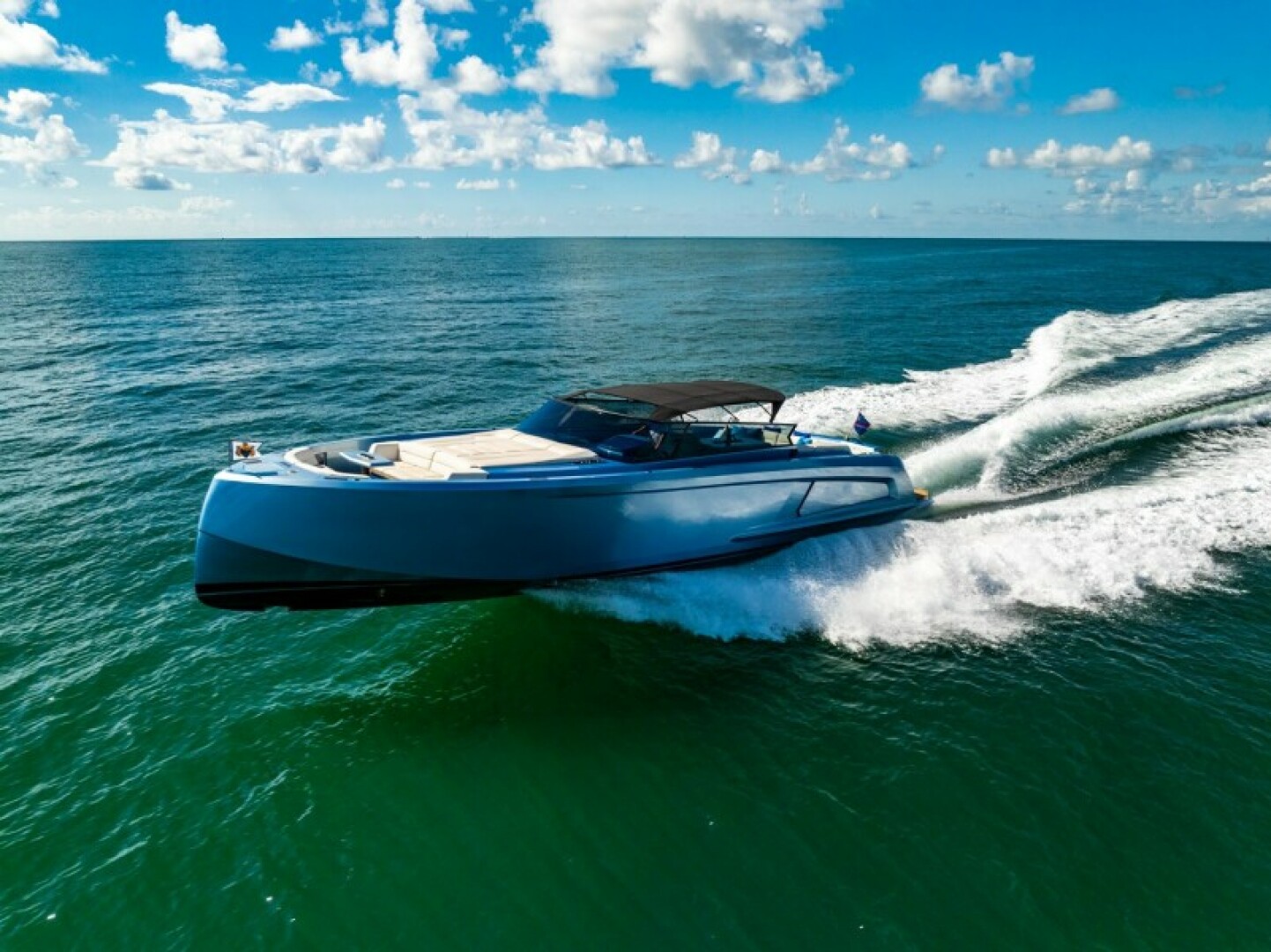
2019 Vanquish Yachts IMPULSIVE
$1,799,000
58
Miami Beach Florida
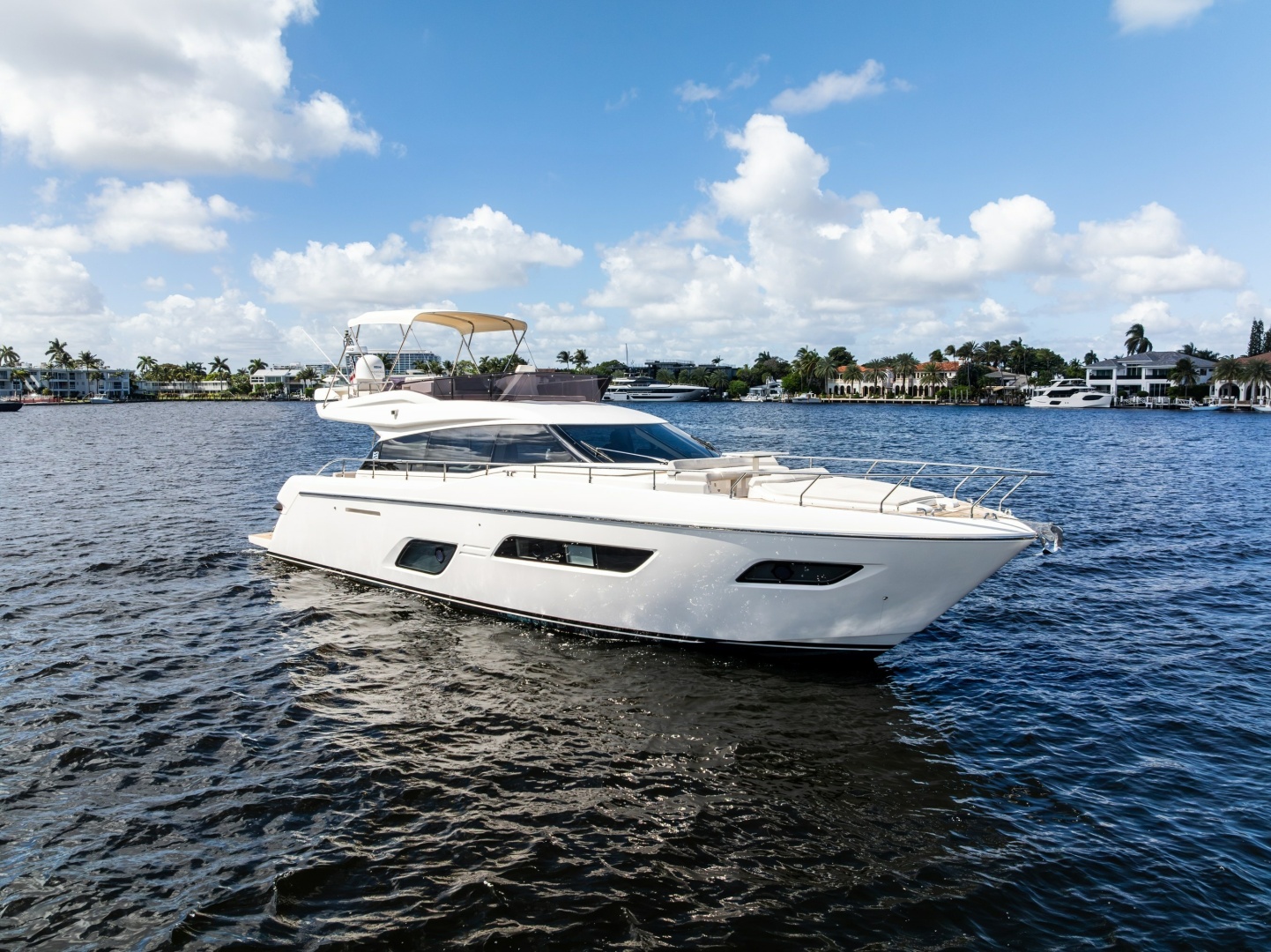
2021 Ferretti Yachts HAVEN
$1,595,000
57
Fort Lauderdale Florida
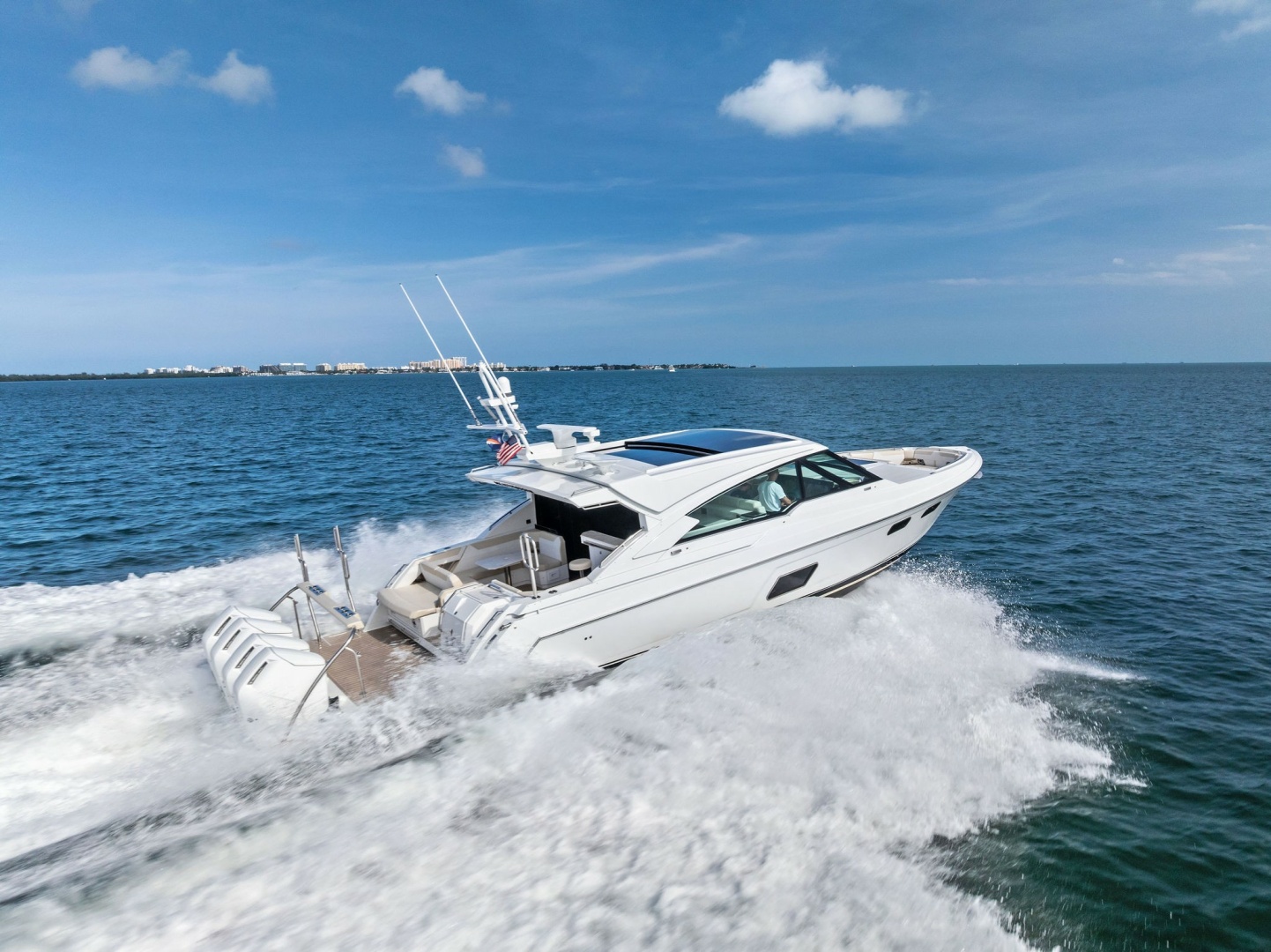
2025 Formula BREAKTHROUGH III
$1,895,000
53
Miami Beach Florida

2023 Fairline
$900,000
45
Fort Lauderdale Florida
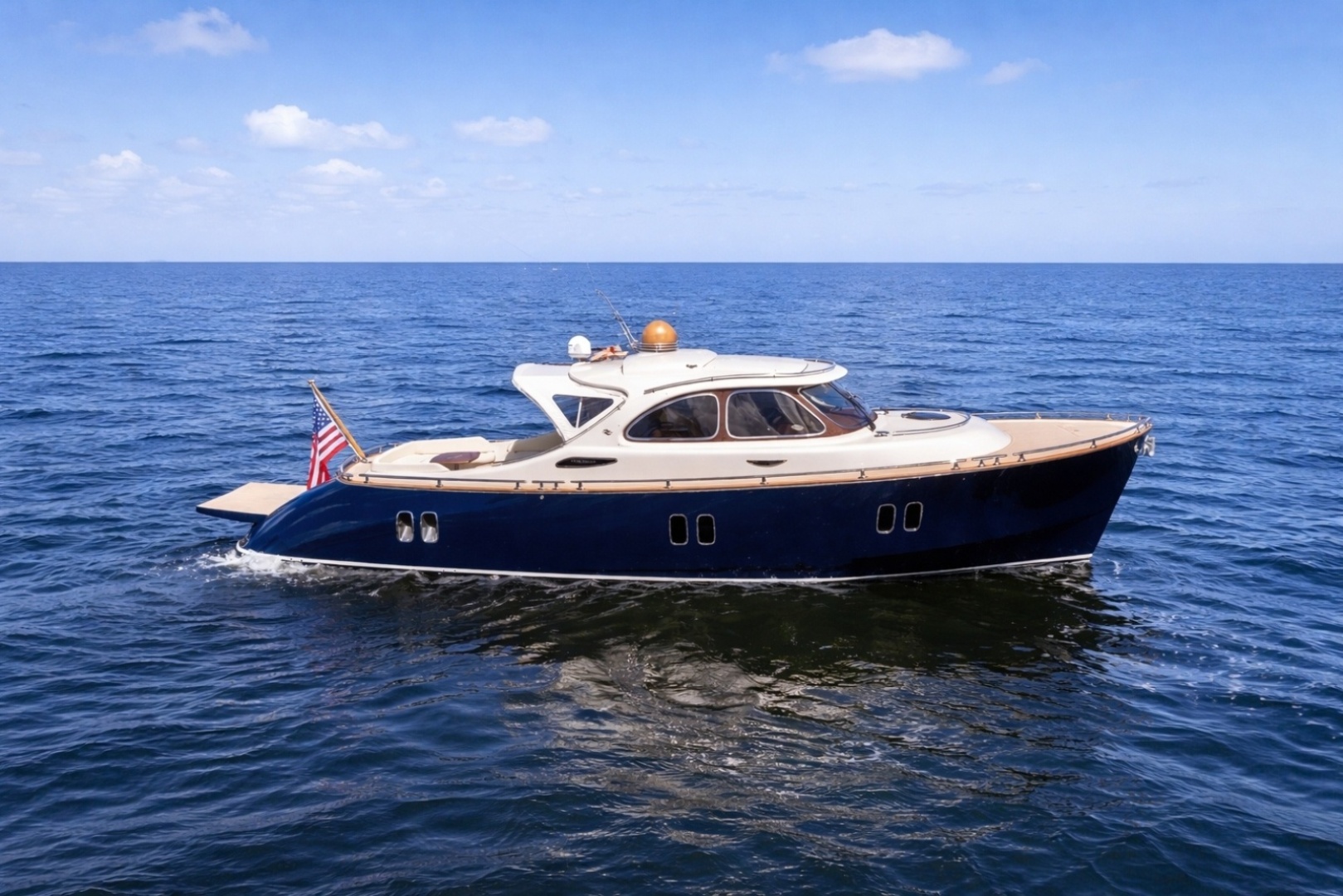
2012 Zeelander Mississippi Queen
$575,000
44
West Palm Beach Florida
2028 Columbus Yachts 137'
$22,900,008
2012 Benetti 132'
$10,975,000
2028 Kingship 125'
$20,350,000
2024 Silver Yachts 117'
$25,400,000
2009 Hargrave 114'
$2,500,000
2028 Extra Yachts 100'
$20,350,000
2028 Alpha 100'
$12,100,000
2028 Extra Yachts 96'
$9,495,000
2021 Sanlorenzo 96'
$6,795,000
2028 Kingship 90'
$11,990,000
2028 Alpha 90'
$9,894,500
2023 Azimut 88'
$7,950,000
1999 Northern Marine 84'
$2,495,000
2013 Pershing 82'
$1,375,000
1997 Ferretti Yachts 80'
$825,000
2008 Princess Yachts 75'
$1,095,000
2014 Sunseeker 68'
$1,400,000
2024 Fairline 68'
$2,750,000
2019 Vanquish Yachts 58'
$1,799,000
2021 Ferretti Yachts 57'
$1,595,000
2025 Formula 53'
$1,895,000
2023 Fairline 45'
$900,000
2012 Zeelander 44'
$575,000