

Luxury yacht transactions often leave even seasoned buyers questioning exactly how brokerage works. Complex industry jargon and shifting legal frameworks mean first-time yacht owners can easily misinterpret the true role of a yacht broker. Understanding common misconceptions about commission, contract structures, and procedural safeguards empowers clients in United States, United Kingdom, Canada, and other prime markets to make confident decisions. This guide clarifies confusing terms and highlights what professional yacht brokerage really entails, setting a clear path for successful maritime deals.
Table of Contents
- Defining Yacht Brokerage And Common Misconceptions
- Listing Types, Exclusivity, And Broker Roles
- Key Transaction Terms: Survey, Sea Trial, MOA
- Contract Structures, Commissions, And Legal Jargon
- Financial And Regulatory Implications For Clients
- Avoiding Pitfalls: Mistakes And Negotiation Traps
Key Takeaways
| Point | Details |
|---|---|
| Yacht Broker Role | Yacht brokers provide comprehensive services beyond just listing boats, assisting in market evaluations, legal negotiations, and ownership logistics. |
| Listing Types Impact | Different listing types affect broker motivation and marketing efforts; understanding these can lead to better sale outcomes. |
| Critical Transaction Terms | Essential terms like survey, sea trial, and Memorandum of Agreement (MOA) safeguard buyers and sellers during yacht transactions. |
| Negotiation Strategies | Avoid emotional decision-making and ensure thorough documentation to prevent negotiation pitfalls in yacht deals. |
Defining yacht brokerage and common misconceptions
A yacht broker serves as a specialized intermediary who facilitates luxury vessel transactions between buyers and sellers. Unlike traditional sales roles, yacht brokers provide a comprehensive suite of services tailored to the unique complexities of maritime asset transfers. Yacht brokers operate across multiple transaction stages, managing everything from initial market research to final contract negotiations.
The role of a yacht broker extends far beyond simple sales representation. Their professional responsibilities include:
- Conducting detailed market valuations for specific yacht models
- Performing comprehensive vessel condition assessments
- Negotiating complex financial and legal transaction terms
- Providing expert guidance on yacht ownership logistics
- Connecting potential buyers with appropriate vessel listings
Many potential yacht purchasers misunderstand fundamental aspects of yacht brokerage. Common misconceptions persist about who pays commissions, the extent of broker services, and the value they bring to luxury maritime transactions. While some assume brokers merely list boats, professional brokers actually serve as strategic partners who streamline intricate purchasing processes.
The legal landscape surrounding yacht brokerage varies significantly across different jurisdictions. Some regions require specific licensing, while others operate with minimal regulatory oversight. Potential yacht buyers should always verify a broker’s credentials, professional affiliations, and track record before engaging their services.
Pro tip: Always request a comprehensive professional portfolio and client references before selecting a yacht broker to ensure you’re working with a truly experienced maritime transaction specialist.
Listing types, exclusivity, and broker roles
In the luxury yacht market, listing types represent sophisticated arrangements that define the relationship between yacht brokers, sellers, and potential buyers. Brokers typically engage in several distinct listing approaches, each with unique characteristics and strategic implications for maritime transactions.
The primary yacht brokerage listing categories include:
- Open Listings: Non-exclusive agreements where multiple brokers can attempt to sell the vessel
- Exclusive Right to Sell: Guarantees the listing broker receives commission regardless of who ultimately sells the yacht
- Exclusive Agency Listings: The seller retains the right to sell independently without paying commission
- Central Agency Listings: Broker becomes the primary representative with comprehensive marketing responsibilities
Broker roles extend far beyond simple transactional interactions. Professional yacht brokers function as comprehensive maritime transaction specialists who navigate complex legal, financial, and logistical landscapes. Their expertise involves detailed market analysis and strategic positioning to maximize value for their clients.
Exclusivity agreements dramatically influence broker motivation and market approach. When a broker secures an exclusive listing, they invest significantly more resources in marketing, professionally photographing the vessel, developing targeted promotional strategies, and conducting thorough pre-sale preparations. These investments demonstrate their commitment to achieving optimal sale outcomes for yacht owners.
Here’s a quick comparison of the main yacht listing types and their implications for sellers and brokers:
| Listing Type | Broker Motivation | Seller Flexibility | Marketing Investment |
|---|---|---|---|
| Open Listing | Moderate; low loyalty | High; multiple brokers allowed | Basic, shared resources |
| Exclusive Right to Sell | Very high; full focus | Low; only one broker | Maximum, premium campaigns |
| Exclusive Agency | High; incentive remains | Moderate; seller can find buyer | Focused but conditional |
| Central Agency | Highest; strong ties | Minimal; one main broker | Comprehensive, all channels |
Pro tip: Always clarify the specific terms of your listing agreement and understand precisely what services and commitments your chosen yacht broker will provide.
Key transaction terms: survey, sea trial, MOA
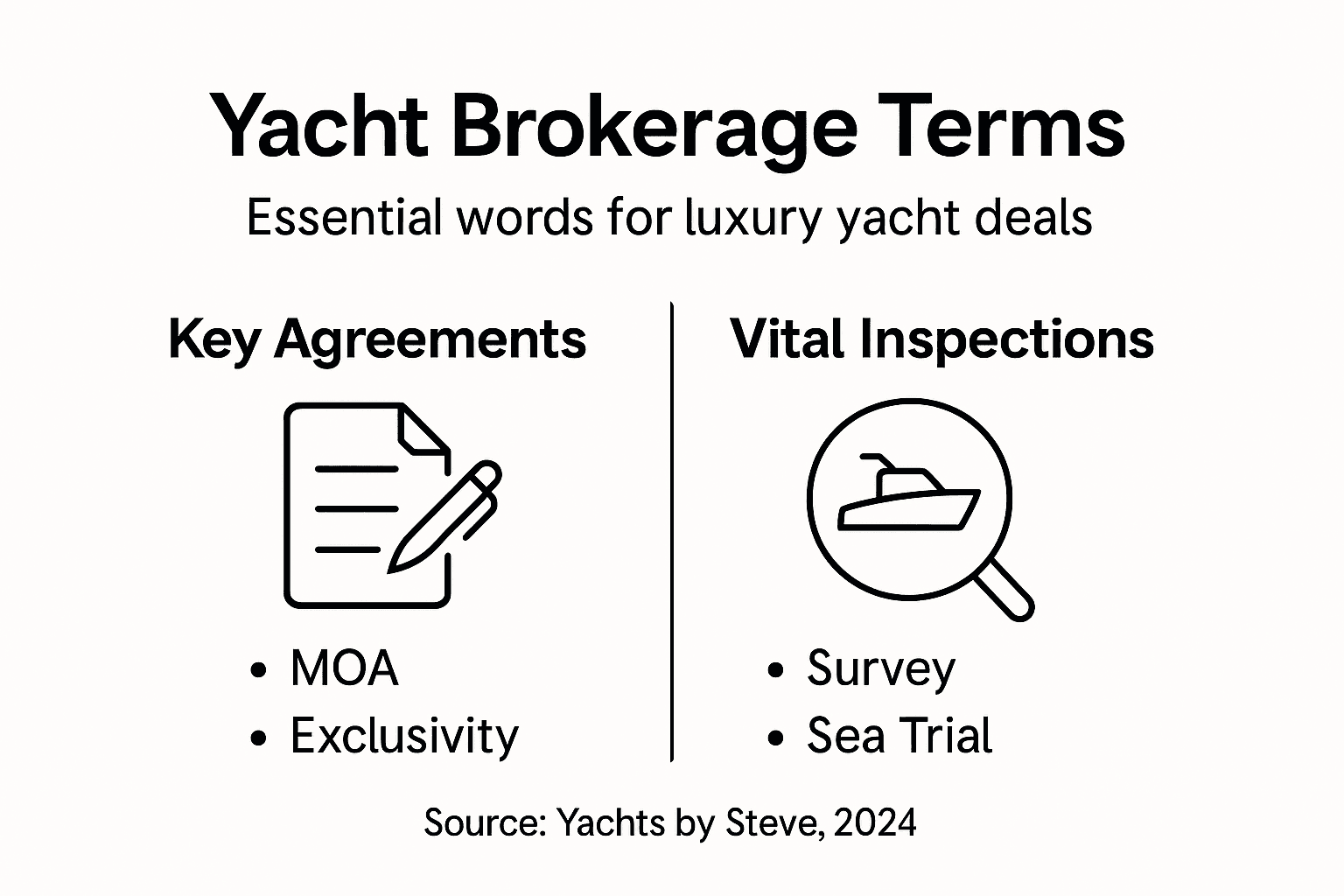
Luxury yacht transactions involve several critical procedural stages that protect both buyers and sellers, with key transaction terms serving as essential safeguards in maritime commerce. Professional yacht brokerage contracts outline three fundamental components: the survey, sea trial, and Memorandum of Agreement (MOA), each playing a unique role in ensuring transparent and secure vessel transfers.
The primary transaction components include:
- Survey: Comprehensive vessel inspection assessing condition, value, and potential maintenance requirements
- Sea Trial: Practical performance evaluation of yacht capabilities under real-world operating conditions
- Memorandum of Agreement (MOA): Legally binding contract specifying sale terms, conditions, and mutual obligations
- Vessel Acceptance: Final stage confirming buyer satisfaction and transaction completion
A yacht survey represents a meticulous examination conducted by certified marine professionals. These experts systematically evaluate the vessel’s structural integrity, mechanical systems, electrical components, and overall market value. Potential buyers rely on survey results to make informed decisions, identifying potential repair needs or negotiating price adjustments based on discovered conditions.

During sea trials, prospective buyers experience the yacht’s actual performance characteristics. MYBA contract specifications typically outline precise parameters for these critical evaluations, allowing buyers to assess handling, speed, maneuverability, and overall operational functionality in realistic maritime environments. Sea trials provide an irreplaceable opportunity to validate the vessel’s technical specifications and confirm its alignment with buyer expectations.
Pro tip: Always engage an independent, certified marine surveyor and request a comprehensive written report detailing the vessel’s complete condition before finalizing any yacht purchase.
Contract structures, commissions, and legal jargon
Luxury yacht transactions involve complex legal frameworks that require sophisticated understanding of contract structures, compensation mechanisms, and specialized maritime terminology. Broker commission arrangements are typically standardized within the industry, with most agreements following established protocols that protect both broker and client interests.
Key components of yacht brokerage contracts typically include:
- Commission Percentage: Usually 10% of final sale price
- Exclusivity Clauses: Defining broker’s exclusive rights to represent vessel
- Duration Specifications: Timeframe for listing and commission eligibility
- Alternative Transaction Provisions: Covering potential trade or charter scenarios
- Performance Metrics: Outlining broker’s marketing and sales responsibilities
The legal terminology in yacht brokerage contracts can be particularly intricate. Brokers must navigate complex language that addresses potential scenarios including partial sales, trade-ins, and alternative transaction structures. Comprehensive listing agreements integrate specific clauses that protect brokers’ financial interests and clearly delineate their professional obligations.
Understanding these contract nuances requires deep industry expertise. Professional yacht brokers must interpret subtle legal language, anticipate potential transactional complications, and structure agreements that provide maximum flexibility while maintaining clear expectations for all parties involved in the sale process.
Pro tip: Always engage a maritime legal specialist to review yacht brokerage contracts, ensuring you fully understand every clause and potential financial implication.
Financial and regulatory implications for clients
Navigating the complex world of yacht ownership requires understanding intricate financial and regulatory landscapes that extend far beyond simple purchase transactions. Yacht brokerage regulations involve multiple layers of federal, state, and maritime governance that can significantly impact a client’s financial obligations and legal responsibilities.
Key regulatory considerations for yacht buyers include:
- U.S. Coast Guard Documentation: Mandatory vessel registration processes
- State Sales Tax Compliance: Variable tax requirements across different jurisdictions
- Ownership Verification: Comprehensive title and lien search protocols
- Maritime Insurance Requirements: Specific coverage mandates for different vessel types
- International Travel Regulations: Cross-border navigation and documentation rules
Financial implications extend well beyond the initial purchase price. Yacht owners must carefully navigate complex tax structures, understand potential depreciation impacts, and anticipate ongoing maintenance and operational expenses. International yacht brokerage resources provide critical guidance on managing these multifaceted financial considerations, helping clients make informed decisions about vessel ownership.
Professional yacht brokers play a crucial role in guiding clients through these complex regulatory environments. They serve as expert navigators, helping clients understand nuanced legal requirements, potential tax implications, and compliance obligations that can vary dramatically between different states and maritime jurisdictions.
Pro tip: Consult with a maritime tax specialist and legal professional who specializes in yacht ownership to fully understand the comprehensive financial and regulatory landscape before finalizing your yacht purchase.
Avoiding pitfalls: mistakes and negotiation traps
Luxury yacht transactions involve complex negotiations where seemingly minor oversights can derail multimillion-dollar deals. Yacht sales negotiation strategies reveal that successful brokers must proactively anticipate and mitigate potential transactional risks before they become insurmountable challenges.
Common negotiation pitfalls for yacht buyers and sellers include:
- Emotional Decision-Making: Allowing personal attachments to override rational assessment
- Unrealistic Price Expectations: Overvaluing or undervaluing vessel based on sentimental attachment
- Inadequate Documentation: Failing to maintain comprehensive maintenance records
- Limited Due Diligence: Skipping critical survey and sea trial processes
- Rigid Negotiation Positions: Refusing flexibility during complex transactions
Professional yacht brokers must navigate complex maritime transaction challenges by implementing strategic negotiation techniques. This involves creating transparent communication channels, setting realistic expectations, and developing comprehensive contingency plans that protect both buyer and seller interests.
Successful yacht negotiations require emotional intelligence, deep market knowledge, and the ability to balance technical details with interpersonal dynamics. Brokers must skillfully manage expectations, provide objective perspectives, and guide clients through potential emotional and financial complexities inherent in high-value maritime transactions.
The following table summarizes common negotiation mistakes and their potential impacts in yacht transactions:
| Mistake | Example Scenario | Negative Outcome |
|---|---|---|
| Emotional decision-making | Refusing to compromise on price | Prolonged sale or lost deal |
| Inadequate documentation | Missing maintenance records | Reduced buyer confidence |
| Skipping due diligence | Foregoing a professional survey | Unexpected costly repairs |
| Rigid negotiation stance | Not negotiating on minor terms | Buyer or seller withdrawal |
Pro tip: Approach yacht negotiations with a collaborative mindset, prioritizing comprehensive information gathering and maintaining emotional neutrality throughout the transaction.
Master Industry Terms with Expert Guidance from Yachts by Steve
Navigating complex luxury yacht deals requires a clear understanding of key industry terms and transaction stages. This article highlights essential concepts like surveys, sea trials, the Memorandum of Agreement, and exclusivity in listings. If you feel overwhelmed by the specialized language and intricate contract structures, you are not alone. Buyers and sellers need trustworthy partners who simplify these complexities, protect their interests, and maximize value throughout the process.
At Yachts by Steve, we provide personalized yacht brokerage services tailored to discerning clients who demand clarity and expert insight in every step. Explore our wide array of premium yacht listings and benefit from our deep market knowledge and negotiation strategies highlighted in our Uncategorized – Jason section. Don’t let confusing legal jargon or negotiation pitfalls hold you back. Visit our home page now to connect with industry specialists who turn challenging luxury transactions into smooth, rewarding experiences.
Frequently Asked Questions
What is the role of a yacht broker in luxury vessel transactions?
A yacht broker acts as an intermediary who facilitates the purchase and sale of luxury yachts. They provide a range of services, including market research, vessel assessments, negotiation of terms, and logistical support for yacht ownership.
What types of listing agreements exist in yacht brokerage?
There are several listing types including Open Listings, Exclusive Right to Sell, Exclusive Agency Listings, and Central Agency Listings. Each type defines the broker’s commitment, marketing efforts, and seller’s flexibility in transactions.
What are the key components of a yacht transaction?
Key components in a yacht transaction include the survey, which assesses the vessel’s condition; the sea trial, which evaluates performance; and the Memorandum of Agreement (MOA), which legally outlines the sale’s terms and conditions.
Why is due diligence important before purchasing a yacht?
Due diligence is crucial as it ensures buyers are aware of the yacht’s condition and potential issues. It typically involves conducting a survey, a sea trial, and reviewing maintenance records to avoid unexpected repair costs after the purchase.
Recommended
Featured Listings
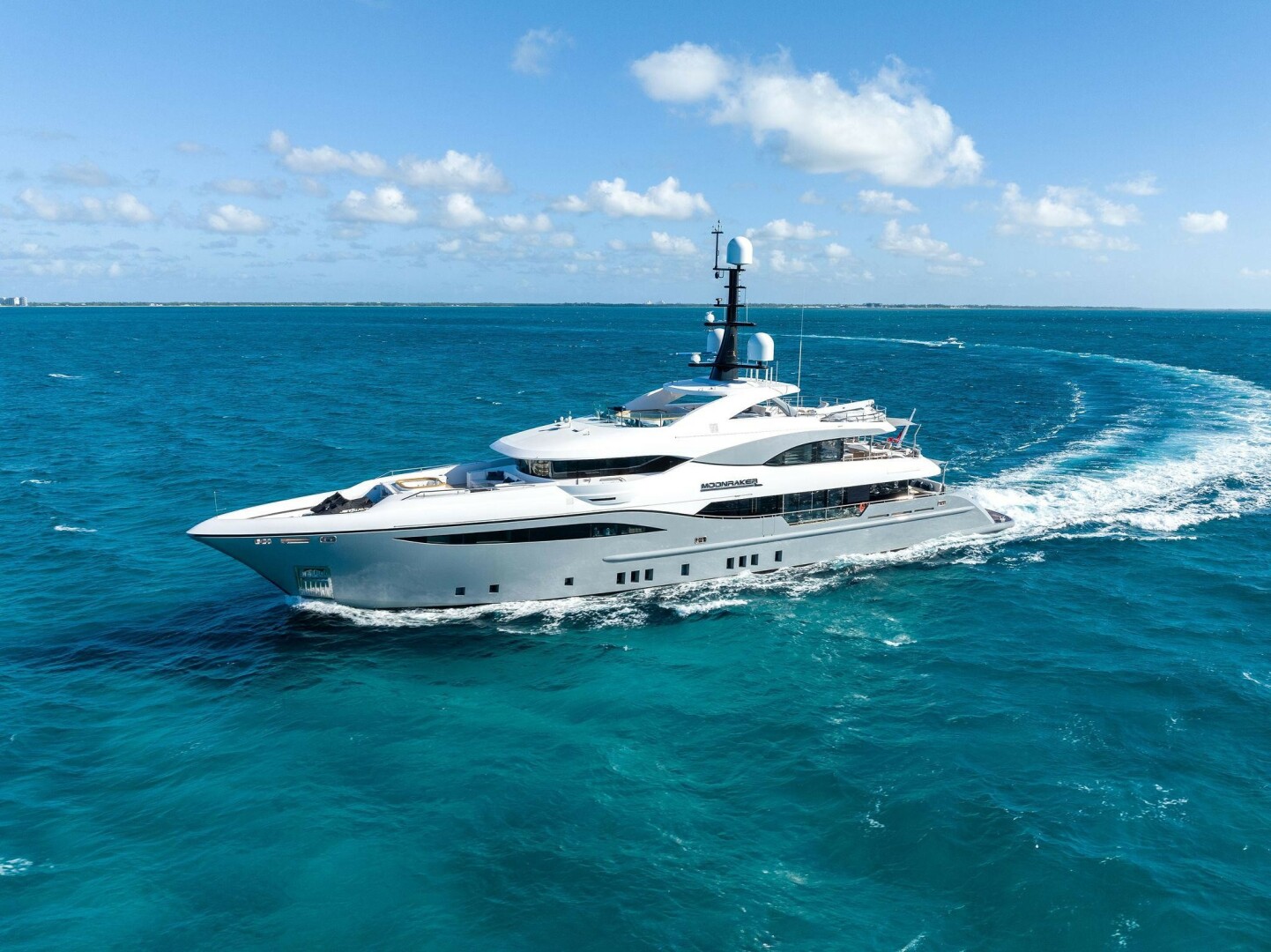
2019 Bilgin MOONRAKER
$20,646,000
156
West Palm Beach Florida

2028 Columbus Yachts
$22,900,008
137
Ancona
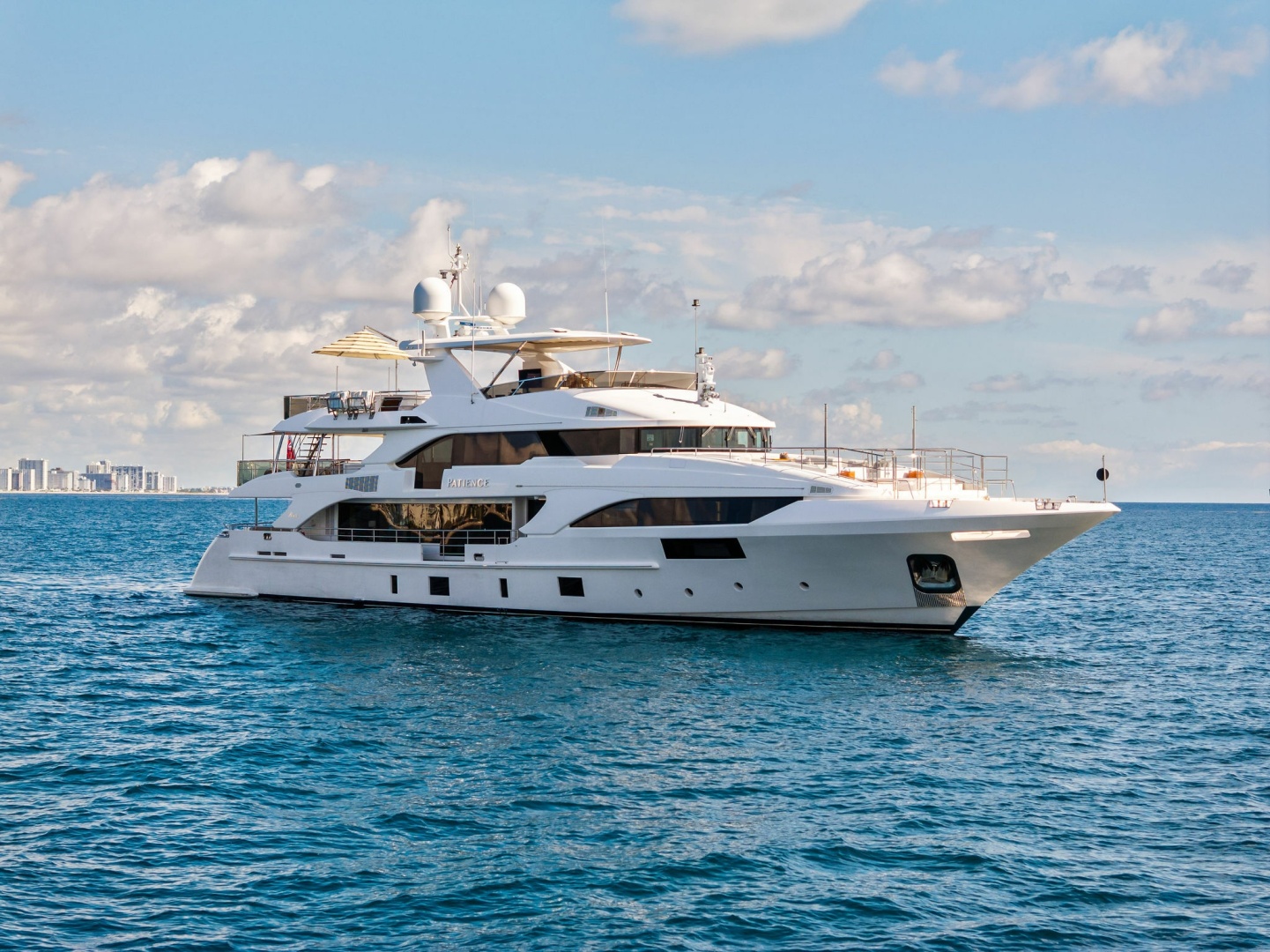
2012 Benetti PATIENCE
$10,975,000
132
Fort Lauderdale Florida
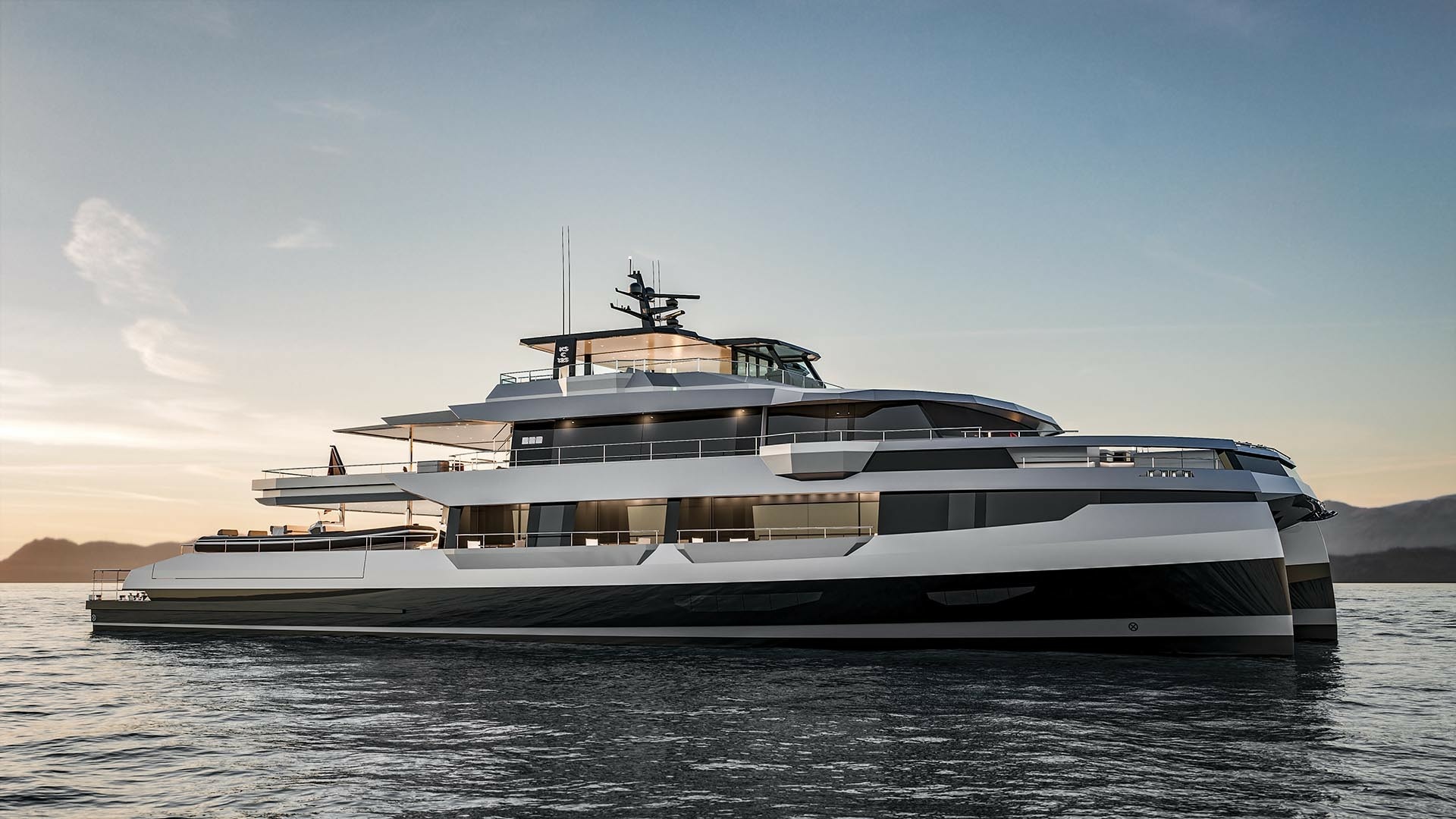
2028 Kingship Kingship
$20,000,000
125
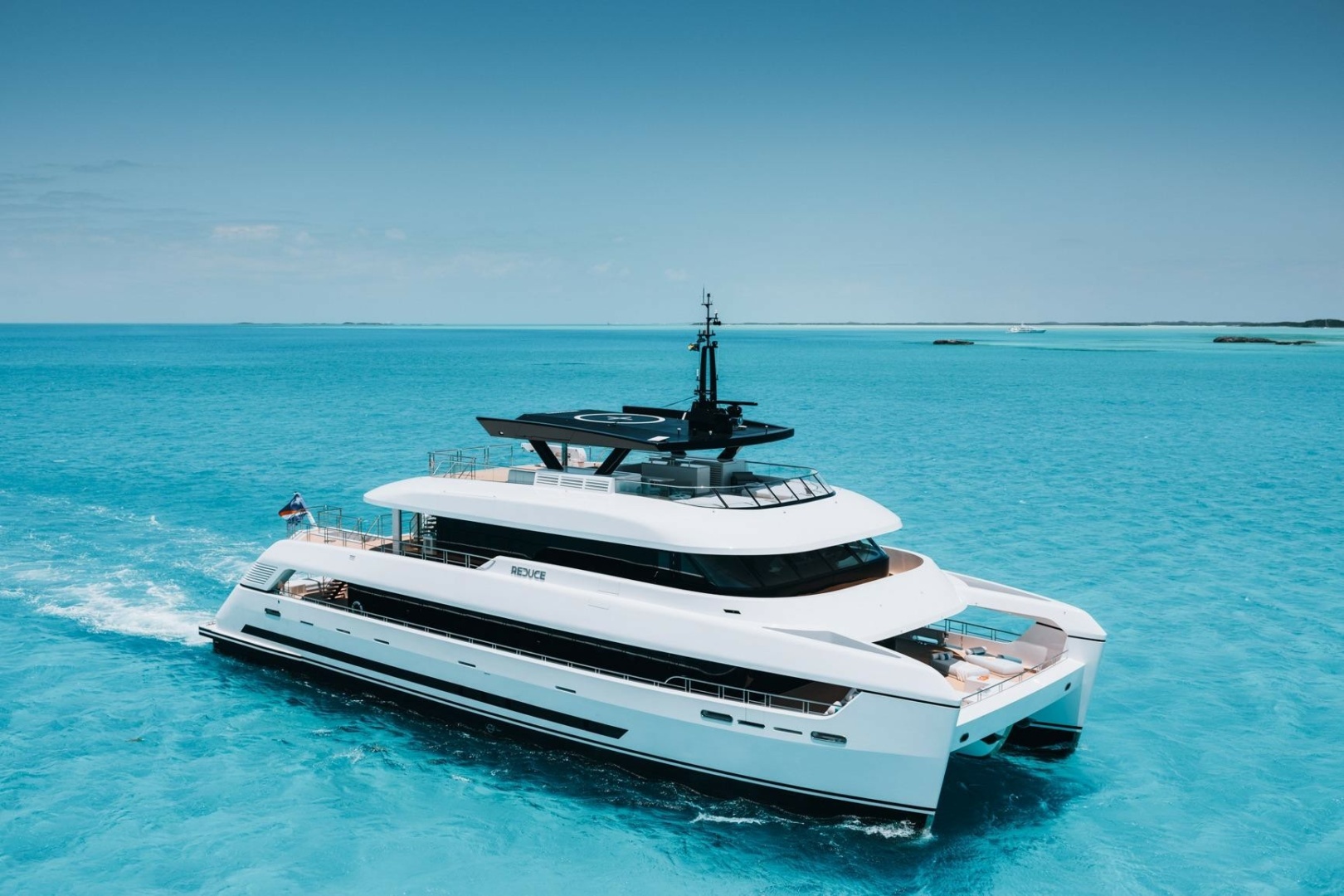
2024 Silver Yachts
$25,400,000
117
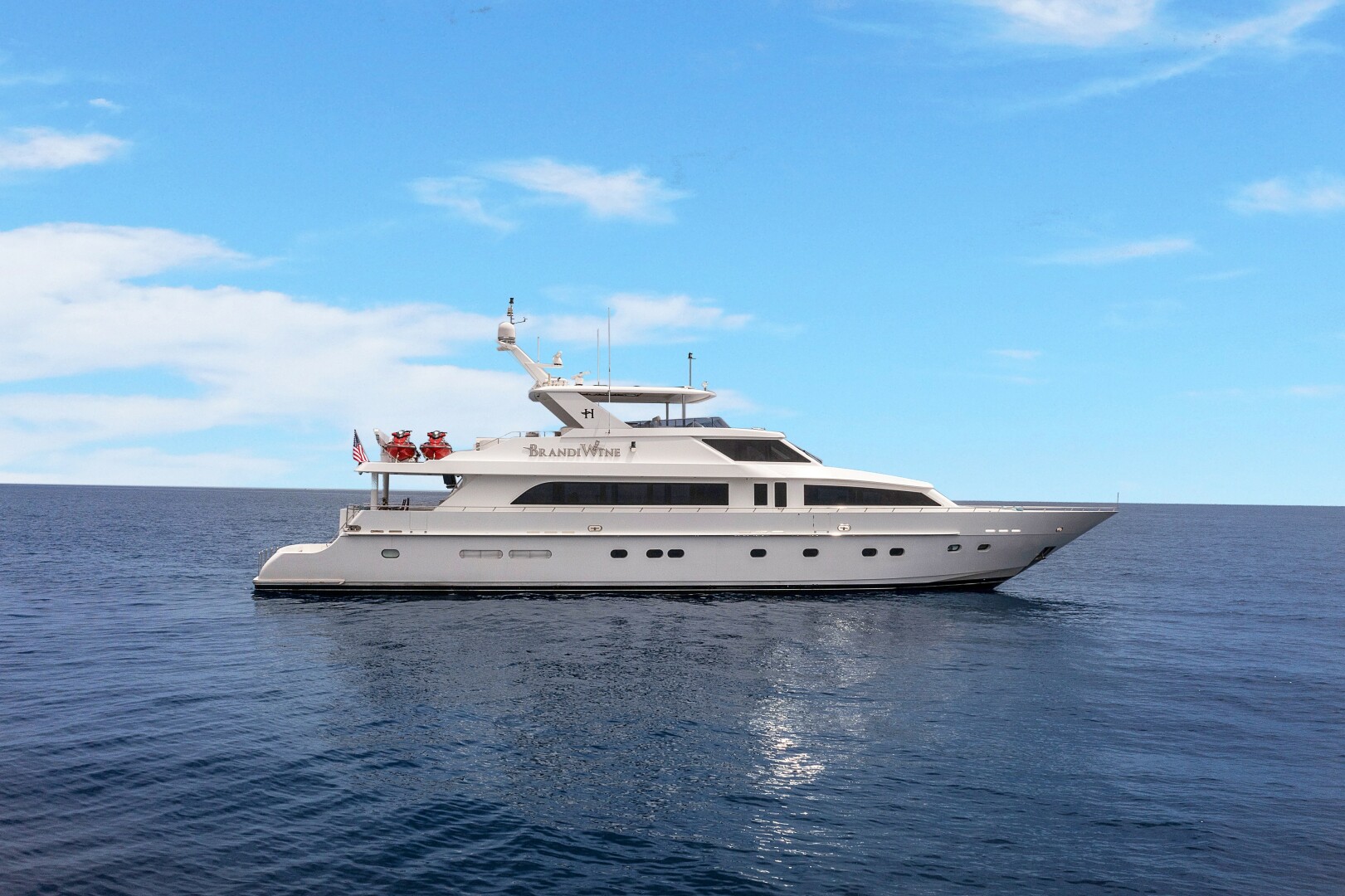
2009 Hargrave BRANDI WINE
$2,500,000
114
Fort Lauderdale Florida

2028 Extra Yachts
$20,646,000
100
Ancona
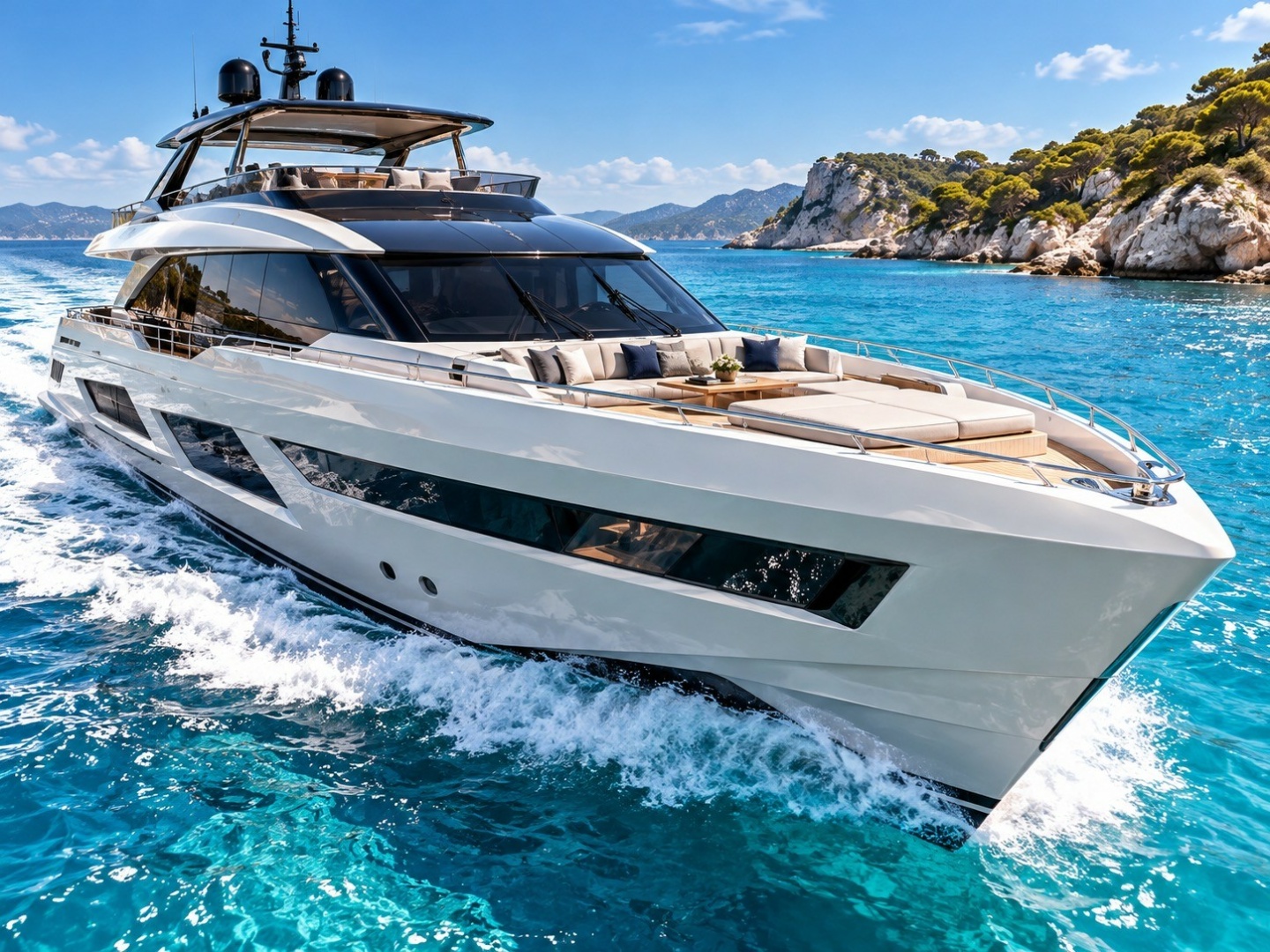
2028 Alpha
100
Ft Lauderdale Florida

2028 Extra Yachts Extra 96
$9,495,000
96
Ancona
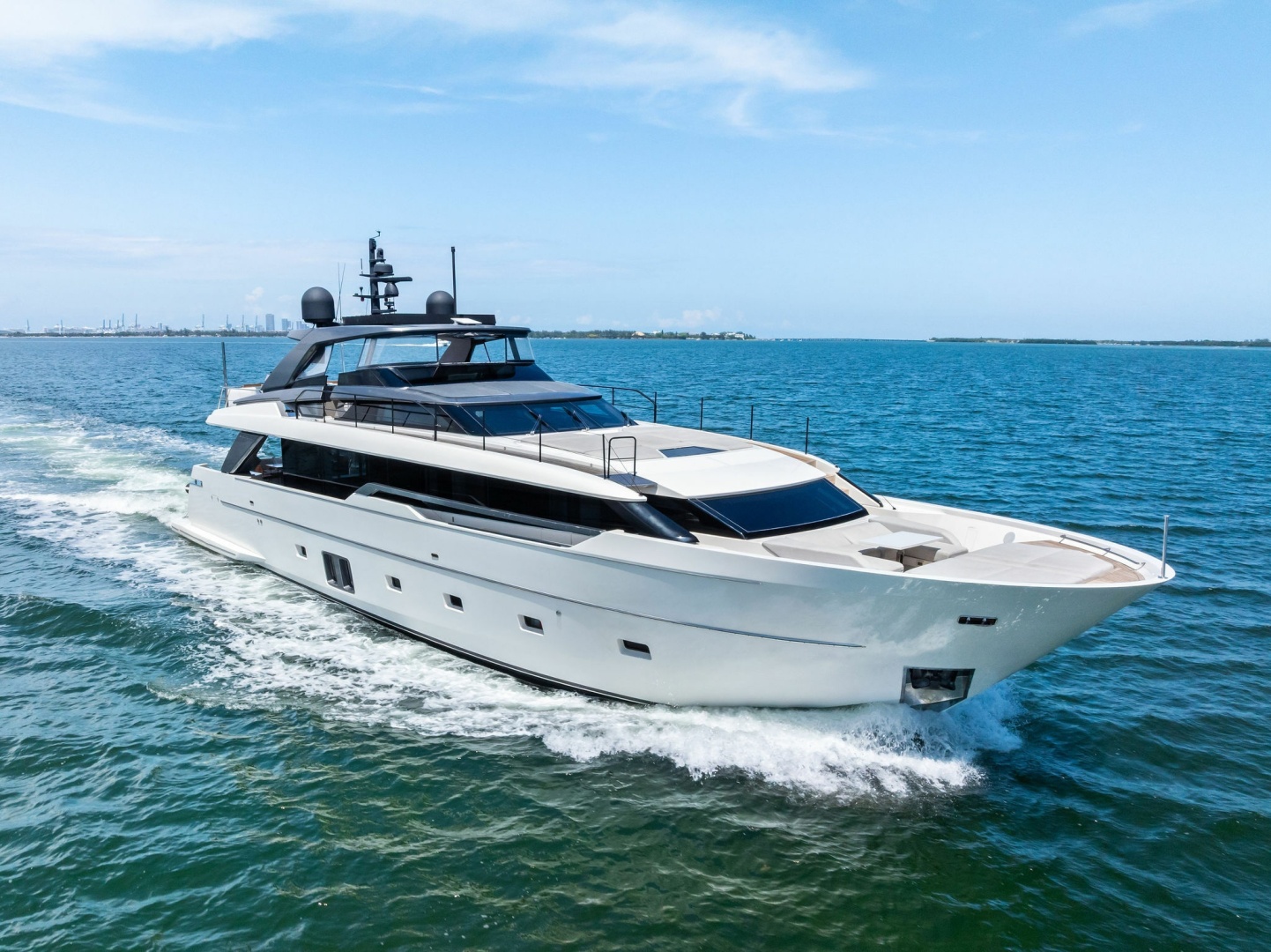
2021 Sanlorenzo GATSBY
$6,795,000
96
Miami Beach Florida
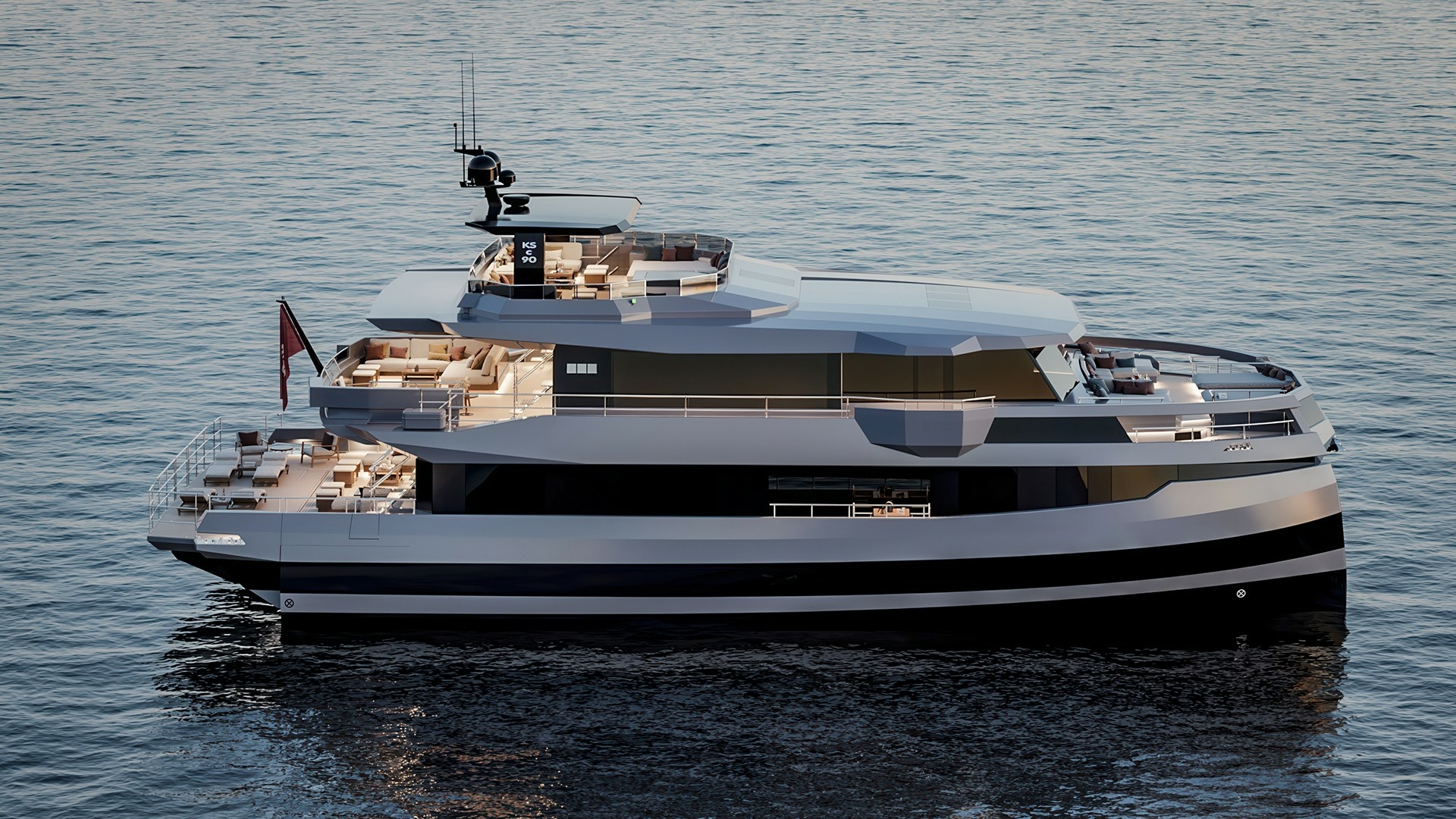
2028 Kingship
90

1999 Northern Marine OFF LINE
$2,495,000
84
Ft Lauderdale Florida
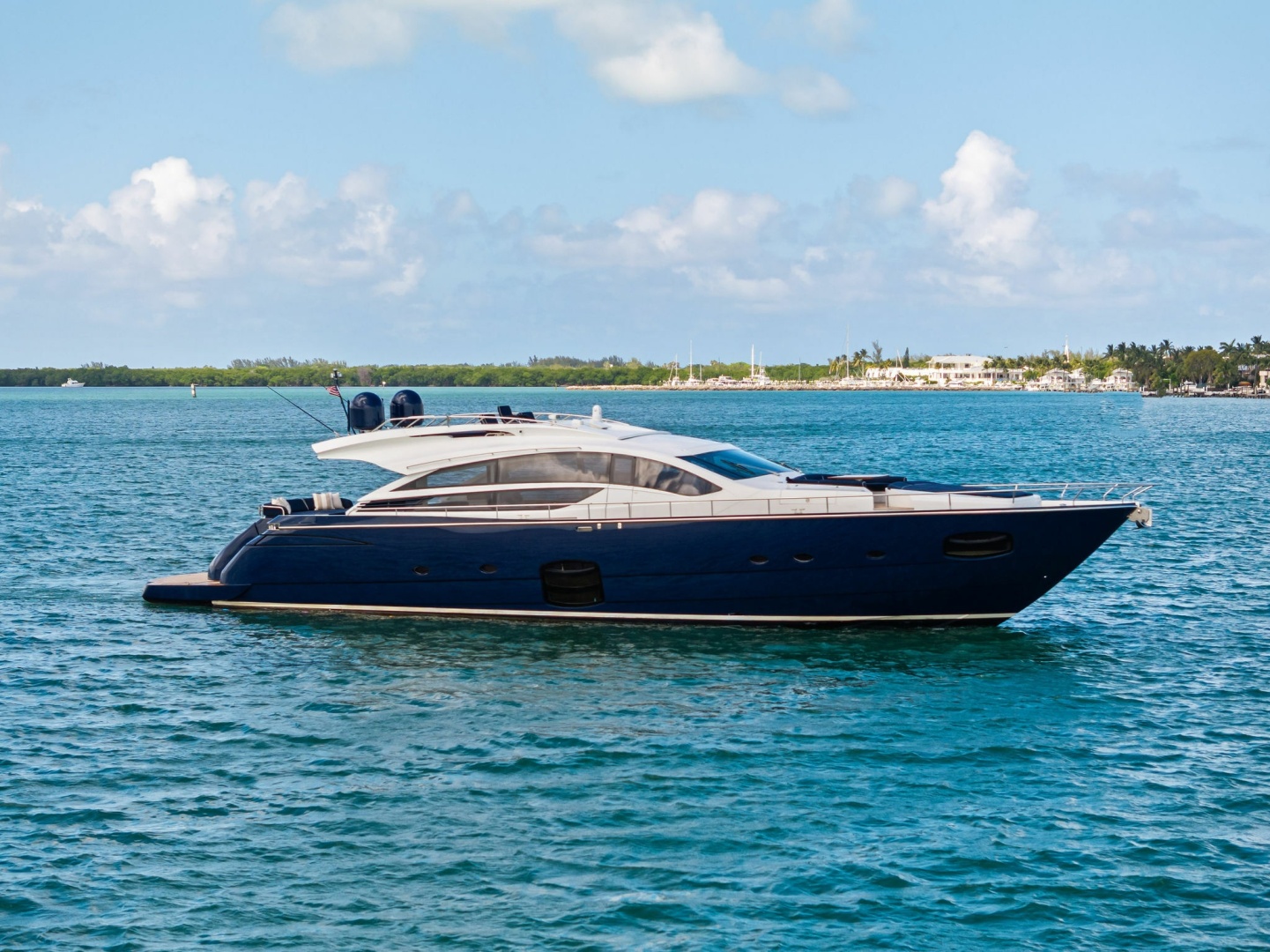
2013 Pershing DOROTHY ANN
$1,550,000
82
Miami Beach Florida

1997 Ferretti Yachts
$825,000
80
La Paz
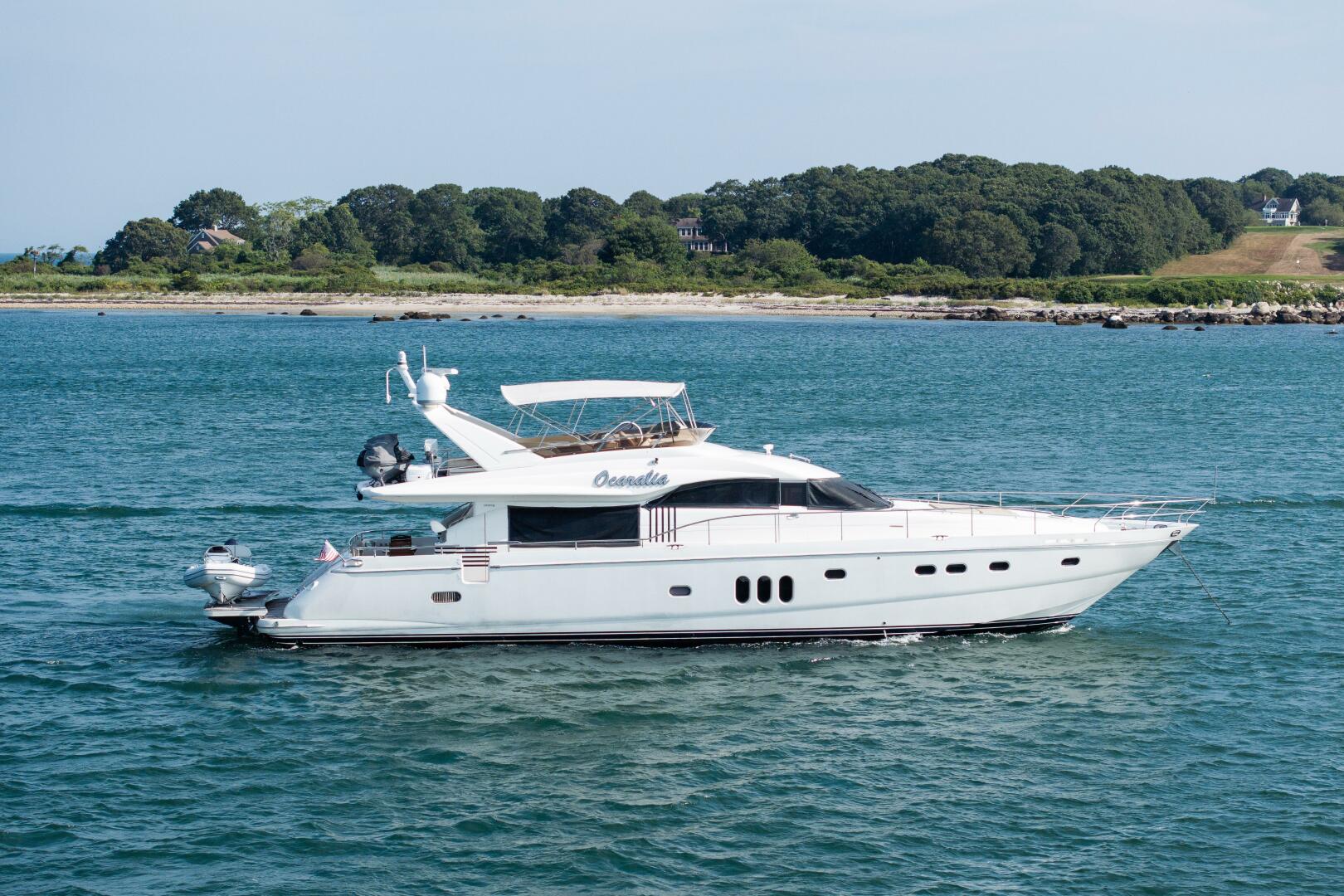
2008 Princess Yachts OCARALIA
$1,095,000
75
Charleston South Carolina
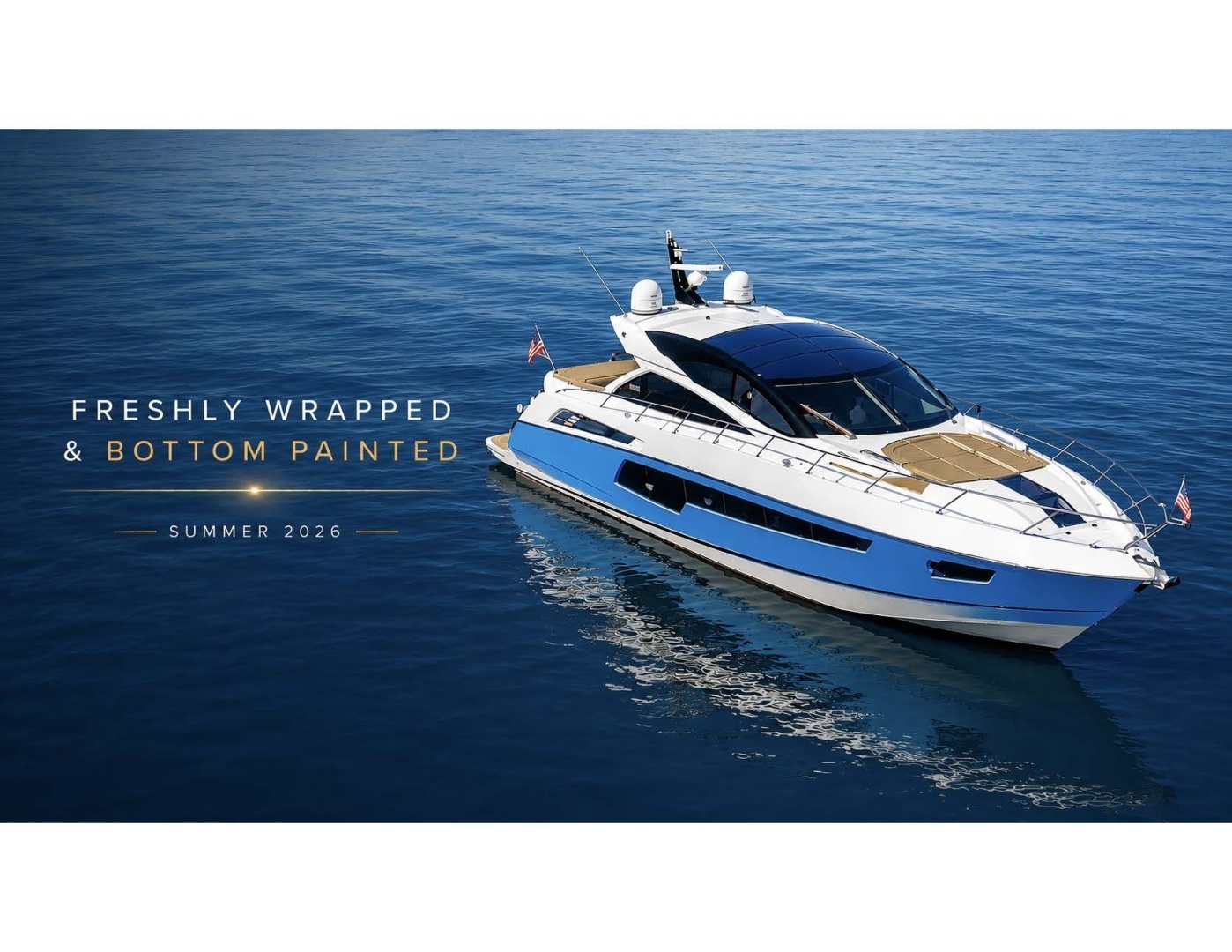
2014 Sunseeker
$1,400,000
68
New York New York

2024 Fairline
$2,750,000
68
Ft. Lauderdale Florida

2024 Sunreef Catallaxi
$3,700,000
60
Newport Rhode Island
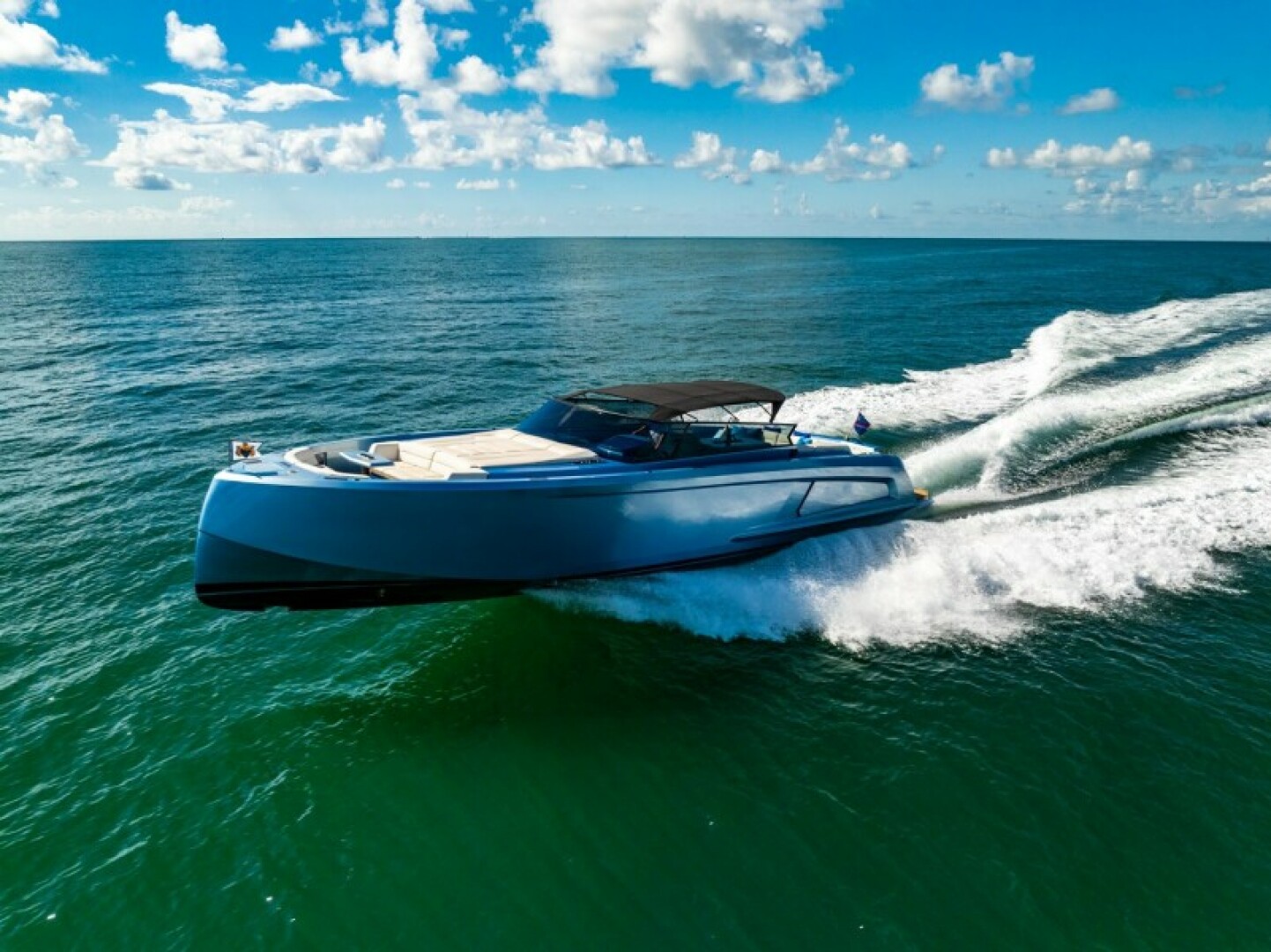
2019 Vanquish Yachts IMPULSIVE
$1,799,000
58
Miami Beach Florida
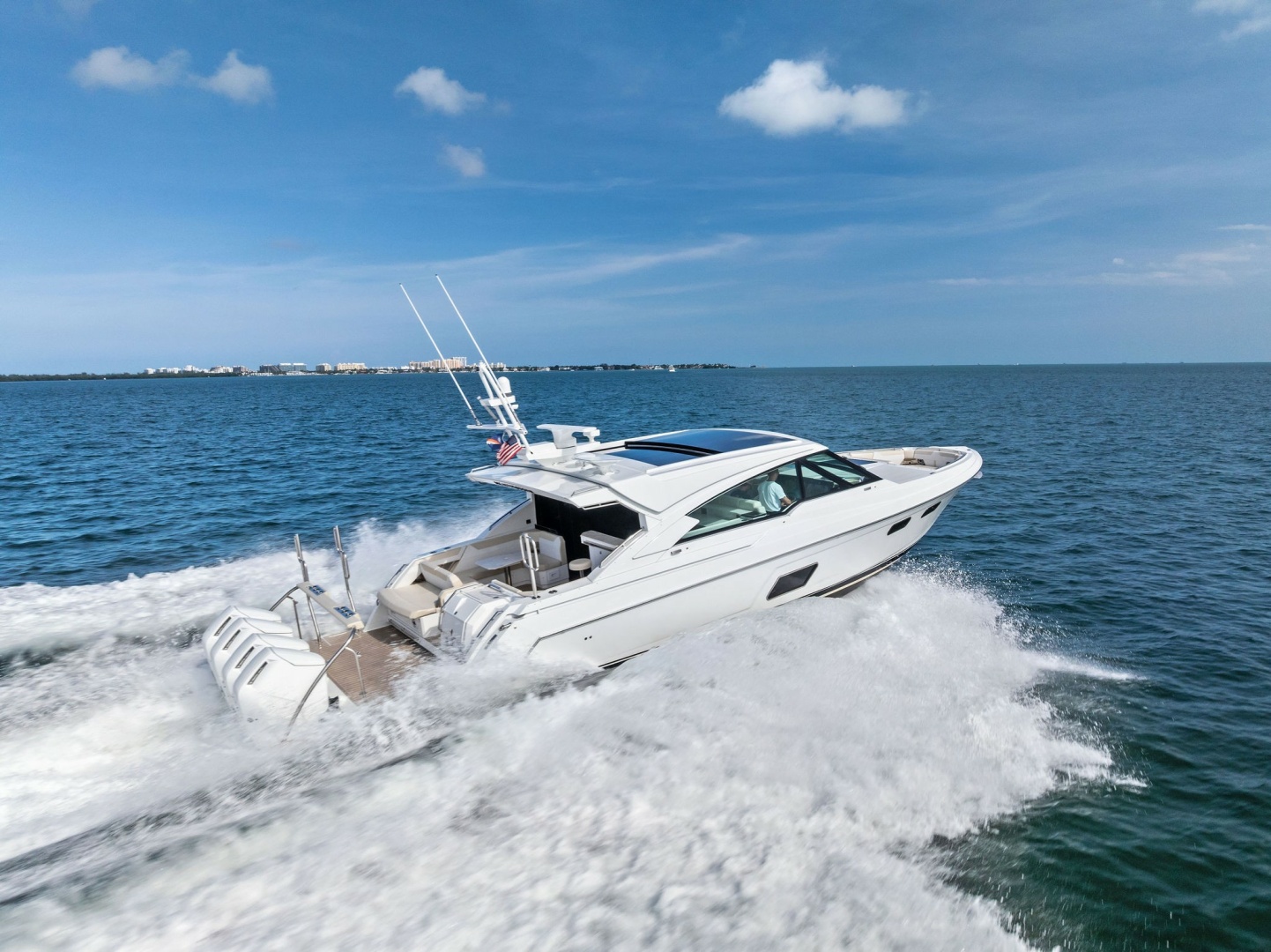
2025 Formula BREAKTHROUGH III
$1,895,000
53
Miami Beach Florida

2023 Fairline
$900,000
45
Fort Lauderdale Florida
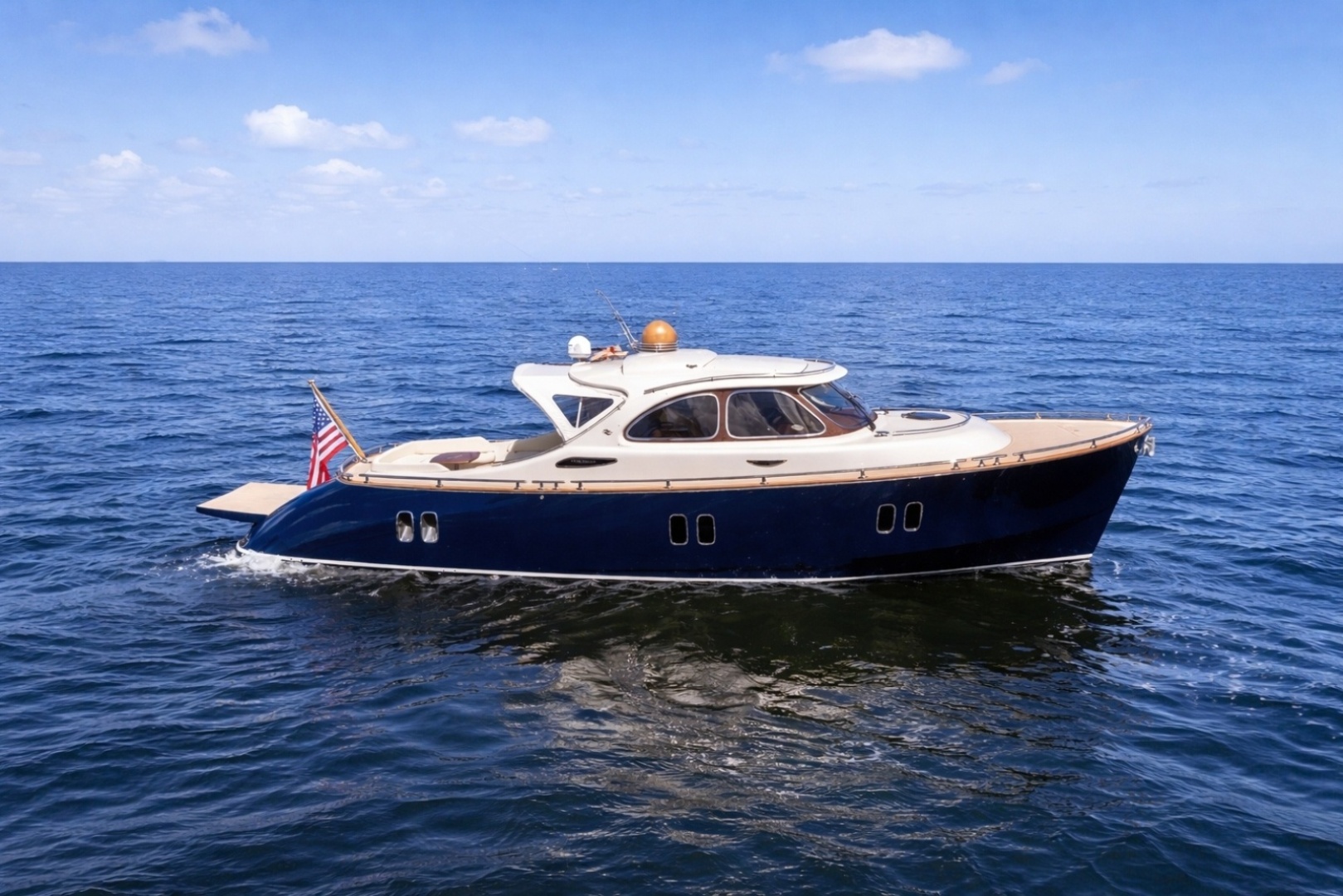
2012 Zeelander Mississippi Queen
$575,000
44
West Palm Beach Florida
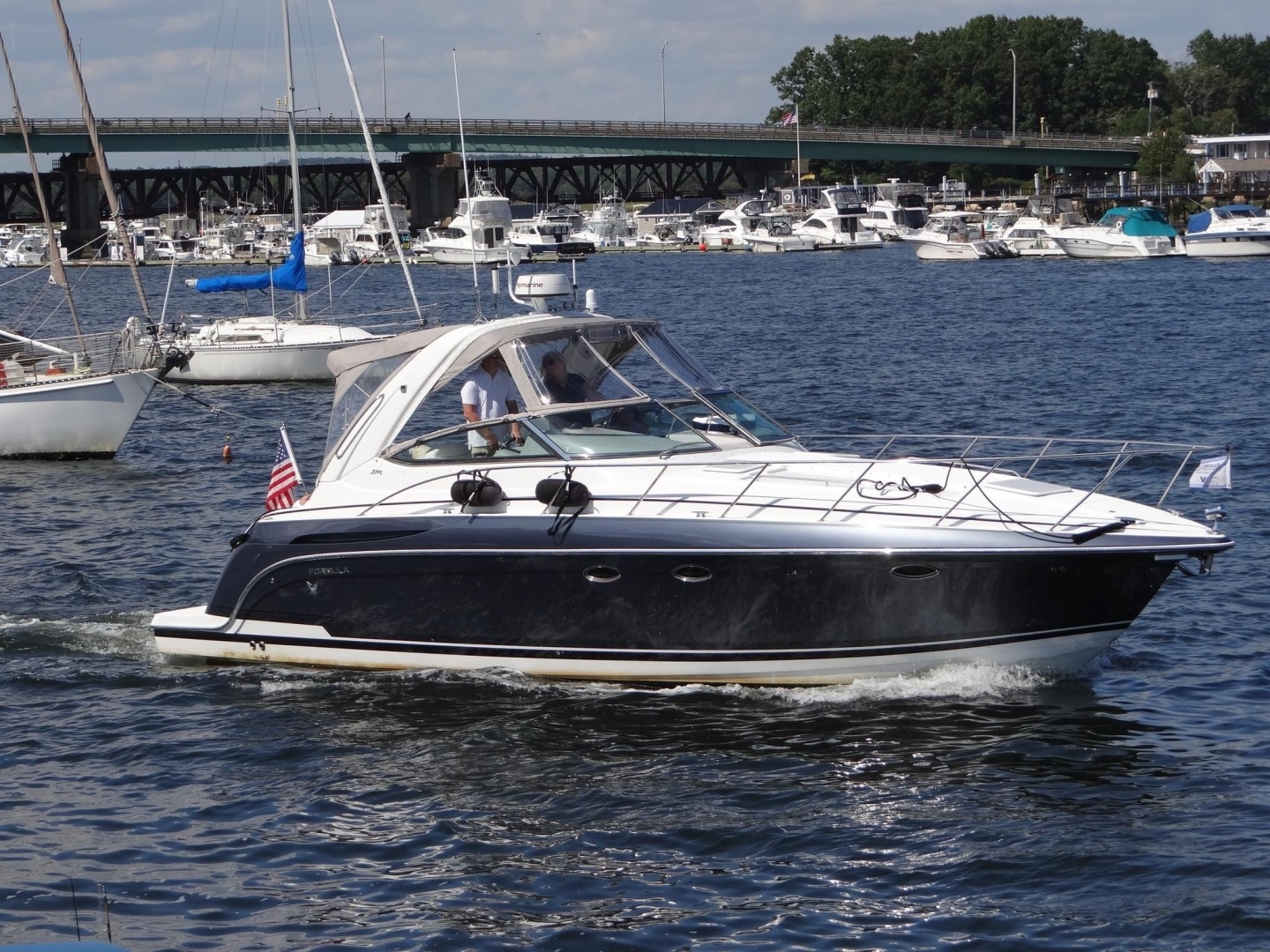
2006 Formula
$139,000
37
Newburyport Massachusetts
2019 Bilgin 156'
$20,646,000
2028 Columbus Yachts 137'
$22,900,008
2012 Benetti 132'
$10,975,000
2028 Kingship 125'
$20,000,000
2024 Silver Yachts 117'
$25,400,000
2009 Hargrave 114'
$2,500,000
2028 Extra Yachts 100'
$20,646,000
2028 Alpha 100'
2028 Extra Yachts 96'
$9,495,000
2021 Sanlorenzo 96'
$6,795,000
2028 Kingship 90'
1999 Northern Marine 84'
$2,495,000
2013 Pershing 82'
$1,550,000
1997 Ferretti Yachts 80'
$825,000
2008 Princess Yachts 75'
$1,095,000
2014 Sunseeker 68'
$1,400,000
2024 Fairline 68'
$2,750,000
2024 Sunreef 60'
$3,700,000
2019 Vanquish Yachts 58'
$1,799,000
2025 Formula 53'
$1,895,000
2023 Fairline 45'
$900,000
2012 Zeelander 44'
$575,000
2006 Formula 37'
$139,000