

Key yachting regulations define the essential legal and environmental standards that yacht owners and operators must follow to maintain compliance, protect their vessels, and access international waters without interruption. The framework governing modern yachting spans the International Maritime Organization (IMO), MARPOL conventions, ISO technical standards, and flag state law. Recent updates from the IMO PPR 13 session in february 2026 introduced tighter biofouling and sewage requirements that affect superyacht operators directly. Whether you own a private vessel or manage a commercial charter fleet, understanding these rules is the difference between operational freedom and costly detention.
1. What are the key yachting regulations shaping global compliance?
International yachting laws operate through a layered system of global conventions, regional rules, and flag state requirements. The IMO sets the overarching framework, while individual flag states translate those rules into enforceable national law. MARPOL, the ISM Code, and the Maritime Labour Convention (MLC) form the three pillars that most yacht operators encounter first.
Compliance is not optional. Ignoring these frameworks risks vessel detention, insurance invalidation, and loss of charter certification. The good news is that a well-structured compliance program protects both the vessel’s value and its operational range.

2. What are the international environmental regulations every yacht must follow?
Environmental compliance sits at the center of modern boating regulations. MARPOL governs the most critical areas through its annexes.
MARPOL Annex I controls oily water discharge. Yachts must maintain an oil record book and use approved oily water separators before any overboard discharge. Annex IV covers sewage, requiring certified treatment plants or holding tanks in designated special areas. Annex V restricts garbage disposal at sea, with near-total bans on plastic discharge. Annex VI regulates air emissions, including a global sulfur cap of 0.50% m/m in force since 2020, with stricter limits inside Emission Control Areas (ECAs) such as the North Sea and Baltic.
The IMO PPR 13 session, which concluded in february 2026, moved toward mandatory hull biofouling management standards and tightened sewage treatment requirements for superyachts. That shift means operators can no longer treat biofouling as a maintenance preference. It is becoming a legal obligation.
Exhaust gas cleaning systems, commonly called scrubbers, face growing port-level restrictions. Several European and Asian ports now ban open-loop scrubber discharge in their waters. Voyage planning must account for these local rules alongside the global MARPOL framework.
Pro Tip: Keep a dedicated compliance binder aboard with your oil record book, garbage management plan, and sewage treatment plant service records. Port state control officers check these documents first.
3. How does flag state registration impact yacht compliance and operations?
Flag state selection determines the entire legal framework governing your yacht’s operation, surveys, insurance, and taxation. This is a strategic business decision, not a registration formality.
Your flag state sets which safety standards apply, which classification society conducts surveys, and how aggressively port state control inspects your vessel. A flag with a poor compliance record attracts more frequent and intensive inspections under the Paris and Tokyo MOU port state control regimes.
Choosing the wrong flag state does not just create paperwork headaches. It can invalidate your insurance, expose you to tax liability in your home country, and result in vessel detention at a foreign port with no legal recourse.
Key considerations when selecting a flag state include:
- Survey requirements: Some flags require annual surveys; others allow extended intervals with class society oversight.
- Tax implications: Certain flags offer VAT advantages for commercial charter operations, while others create unexpected tax exposure.
- Port state control targeting: Flags on grey or black lists under Paris MOU face higher inspection rates.
- Insurance compatibility: Underwriters assess flag state reputation when setting terms and premiums.
Operators planning transoceanic voyages or charter operations across multiple regions should review their yacht documentation carefully before committing to a flag. Changing flags mid-ownership is possible but carries administrative and financial costs.
4. What are the safety and crew welfare regulations yacht operators must adhere to?
The ISM Code and the Maritime Labour Convention form the backbone of safety and crew welfare compliance for commercial and large private yachts. Both carry mandatory certification requirements.
The ISM Code requires operators to implement a documented Safety Management System (SMS). The SMS covers emergency procedures, maintenance schedules, and incident reporting. Certification produces a Document of Compliance for the company and a Safety Management Certificate for the vessel.
The MLC sets minimum standards for crew working hours, rest periods, accommodation quality, medical care, and repatriation rights. Vessels subject to MLC must carry a Maritime Labour Certificate and a Declaration of Maritime Labour Compliance. Port state control officers inspect both documents routinely.
Practical steps for managing crew compliance:
- Conduct an annual internal SMS audit and update procedures after any incident.
- Maintain accurate crew work and rest hour logs in the format required by your flag state.
- Verify that accommodation meets MLC standards before each charter season.
- Ensure all crew hold valid medical certificates and flag-state-required endorsements.
- Brief crew on their rights under MLC at the start of each contract.
Pro Tip: Appoint a designated person ashore (DPA) even if your flag state does not strictly require one for your vessel size. The DPA role creates accountability and speeds up incident response.
5. How do new ISO standards affect large yacht environmental performance?
ISO/TS 23099 received formal approval in february 2026, offering the first science-based, standardized method to evaluate the operational environmental performance of large yachts. The standard applies to yachts 30 meters and longer.
The specification focuses on propulsion and hotel power energy consumption during actual operation. Its methodology aligns with IMO MARPOL principles, creating a transparent comparative framework that designers, builders, and operators can use consistently. The operational profile assumes yachts are professionally crewed year-round and capable of independent transoceanic voyages, which matches how most large yachts actually operate.
| Aspect | ISO/TS 23099 Scope |
|---|---|
| Vessel size | 30 meters and longer |
| Focus areas | Propulsion energy, hotel power, emissions |
| Methodology basis | IMO MARPOL principles |
| Operational assumption | Professionally crewed, transoceanic capable |
| Primary benefit | Standardized benchmarking across vessel types |
The practical value for operators is significant. The standard enables apples-to-apples comparison between vessels, which matters when buyers assess environmental credentials. Yachts that score well under ISO/TS 23099 carry a measurable advantage in charter markets and resale negotiations.
Key benefits of early adoption:
- Establishes a documented environmental baseline for the vessel.
- Supports future regulatory submissions as IMO tightens emissions reporting.
- Differentiates the vessel in a charter market increasingly sensitive to sustainability.
- Provides a structured framework for identifying efficiency improvements.
6. What are the best compliance practices and emerging trends for 2026?
Proactive compliance protects operational freedom and commercial value. Environmental rules are increasingly becoming market differentiators rather than mere restrictions. Operators who treat compliance as an asset rather than a burden gain access to more ports, better insurance terms, and stronger resale positions.
Current priorities for yacht operators in 2026:
- Biofouling documentation: Maintain a Biofouling Management Plan and record all in-water hull inspections. Australia, New Zealand, and Pacific island nations have early mandatory frameworks already in place, and IMO formalization is expected to follow.
- Scrubber discharge restrictions: Map every port of call against local open-loop scrubber bans before departure. The list of restricting ports grows each season.
- Arctic fuel rules: Vessels operating above 60°N must comply with heavy fuel oil restrictions under MARPOL Annex VI amendments.
- Emissions trading exposure: Monitor EU Emissions Trading System (ETS) developments, which now apply to certain commercial maritime operations and may extend to large yachts.
- Charter tax compliance: Understanding yacht charter tax regulations in each operating region prevents costly surprises at the end of a charter season.
Pro Tip: Work with a brokerage compliance specialist who tracks regulatory changes across multiple flag states and port jurisdictions. The cost of expert guidance is a fraction of the cost of a single port detention.
The most forward-thinking operators integrate compliance planning into their annual management cycle. They review flag state requirements, update their SMS, audit crew documentation, and assess environmental performance against ISO/TS 23099 benchmarks before each operating season. That rhythm turns compliance from a reactive scramble into a quiet, confident routine.
Key Takeaways
Mastering yachting compliance requires understanding that flag state choice, environmental standards, and safety certifications work as an interconnected system, not as separate checklists.
| Point | Details |
|---|---|
| MARPOL annexes govern environmental compliance | Annexes I, IV, V, and VI cover oily water, sewage, garbage, and air emissions for all yachts. |
| Flag state selection is a strategic decision | Your flag determines applicable law, survey requirements, insurance terms, and port inspection intensity. |
| ISM Code and MLC are mandatory for commercial yachts | Both require certified documentation: Document of Compliance, Safety Management Certificate, and Maritime Labour Certificate. |
| ISO/TS 23099 sets the new environmental benchmark | Approved in 2026, this standard applies to yachts 30m and longer and enables standardized emissions benchmarking. |
| Proactive compliance builds commercial value | Operators who document biofouling management, scrubber use, and energy performance gain charter and resale advantages. |
What I’ve learned about treating compliance as a competitive edge
Spending years working alongside yacht owners and operators across the Mediterranean, the Caribbean, and the Pacific has taught me one consistent truth: the owners who treat regulations as a burden are always the ones scrambling at the worst possible moment. The ones who treat compliance as part of the vessel’s identity are the ones who sail freely.
Flag state decisions deserve the same careful thought as hull design. I’ve seen owners choose a flag purely for cost savings, only to face intensive port state control inspections in every European port they entered. The short-term saving evaporated quickly. A flag with a strong compliance reputation is worth the slightly higher administrative cost.
The arrival of ISO/TS 23099 is genuinely exciting to me. For the first time, there is a credible, science-based way to compare environmental performance across large yachts. That matters enormously in a charter market where sophisticated clients ask hard questions about sustainability. Vessels that can produce a documented environmental performance assessment will stand apart from those that cannot.
Biofouling management is the regulation most owners underestimate. It sounds like a maintenance issue. It is actually a biosecurity issue with international legal weight. Australia and New Zealand already enforce mandatory hull inspection requirements. The IMO is moving in the same direction globally. Getting ahead of that curve now costs very little. Getting caught behind it costs a great deal.
My honest advice: build your compliance calendar before your cruising calendar. Know your flag state obligations, your MARPOL documentation requirements, and your crew certification deadlines before you plan your first port of call. The sea rewards the prepared.
— Jason
How Yachts-bysteve supports owners through complex regulatory waters
Regulatory compliance shapes the value, operational range, and charter potential of every luxury vessel. Yachts-bysteve brings deep market knowledge and specialist brokerage expertise to help owners and buyers make decisions that hold up under scrutiny. Whether you are acquiring a vessel and need to understand flag state implications, or you are selling and want to present a fully compliant asset to the market, the right brokerage partner makes a measurable difference. Working with an expert who understands both the regulatory environment and the luxury market means your vessel is positioned correctly from day one. Choose a yacht broker who understands compliance as well as they understand the market.
FAQ
What does MARPOL cover for private yachts?
MARPOL covers oily water discharge, sewage, garbage disposal, and air emissions for all vessels, including private yachts operating internationally. Compliance requirements vary by vessel size and operating area.
How does flag state choice affect yacht insurance?
Flag state reputation directly influences insurance underwriting terms. Flags on Paris MOU grey or black lists signal higher risk to underwriters, which can raise premiums or restrict coverage.
What is ISO/TS 23099 and who does it apply to?
ISO/TS 23099 is a 2026 technical specification that provides a standardized method for assessing the operational environmental performance of yachts 30 meters and longer.
Do biofouling regulations apply to all yachts?
Biofouling management requirements currently apply most strictly in Australian, New Zealand, and Pacific island waters, but IMO is moving toward a mandatory global framework following the PPR 13 session outcomes.
What certifications does the ISM Code require?
The ISM Code requires a Document of Compliance for the operating company and a Safety Management Certificate for the vessel. Both are subject to periodic audits by the flag state or a recognized organization.
Recommended
Featured Listings

2028 Columbus Yachts
$22,900,008
137
Ancona
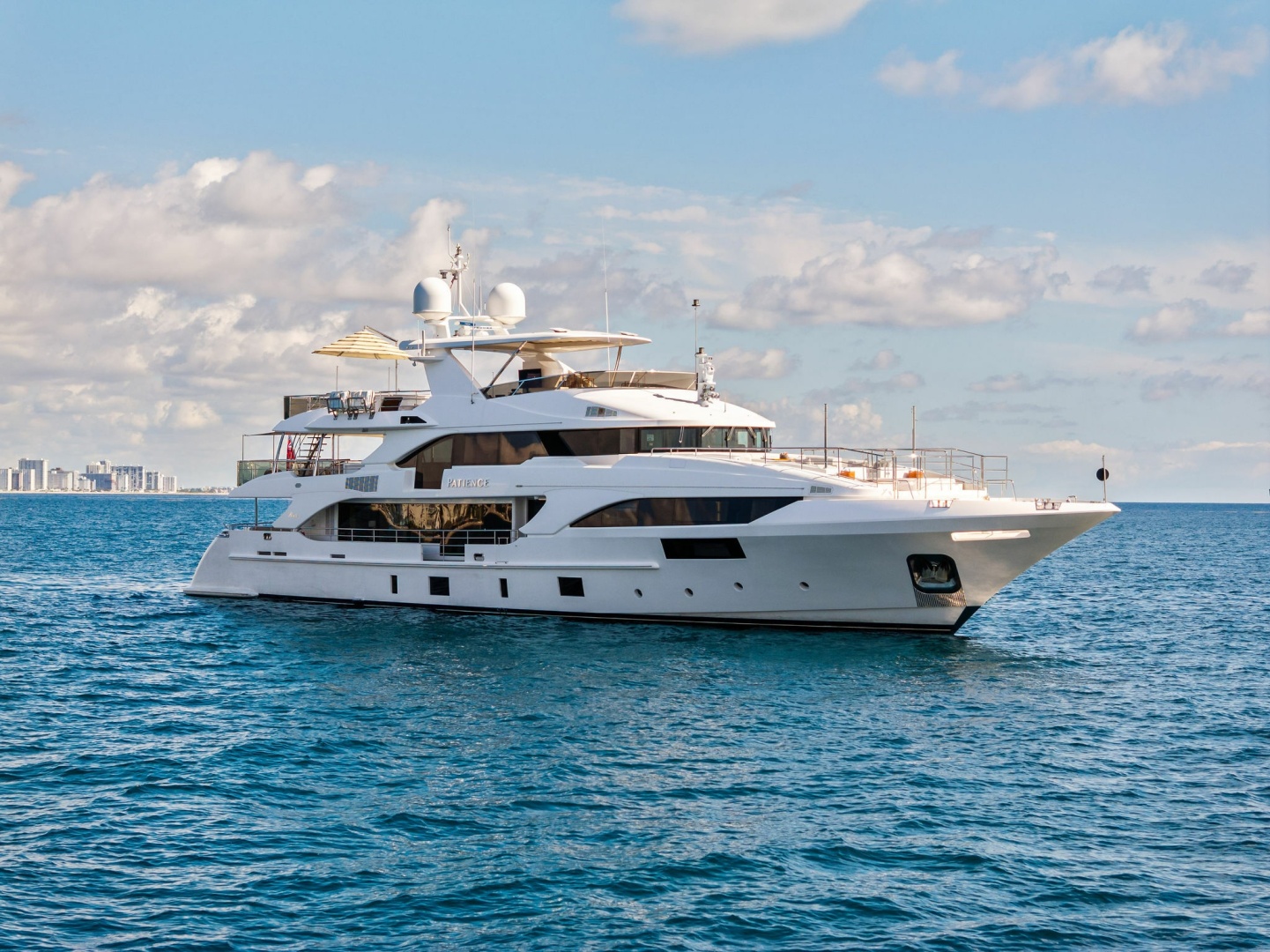
2012 Benetti PATIENCE
$10,975,000
132
Fort Lauderdale Florida
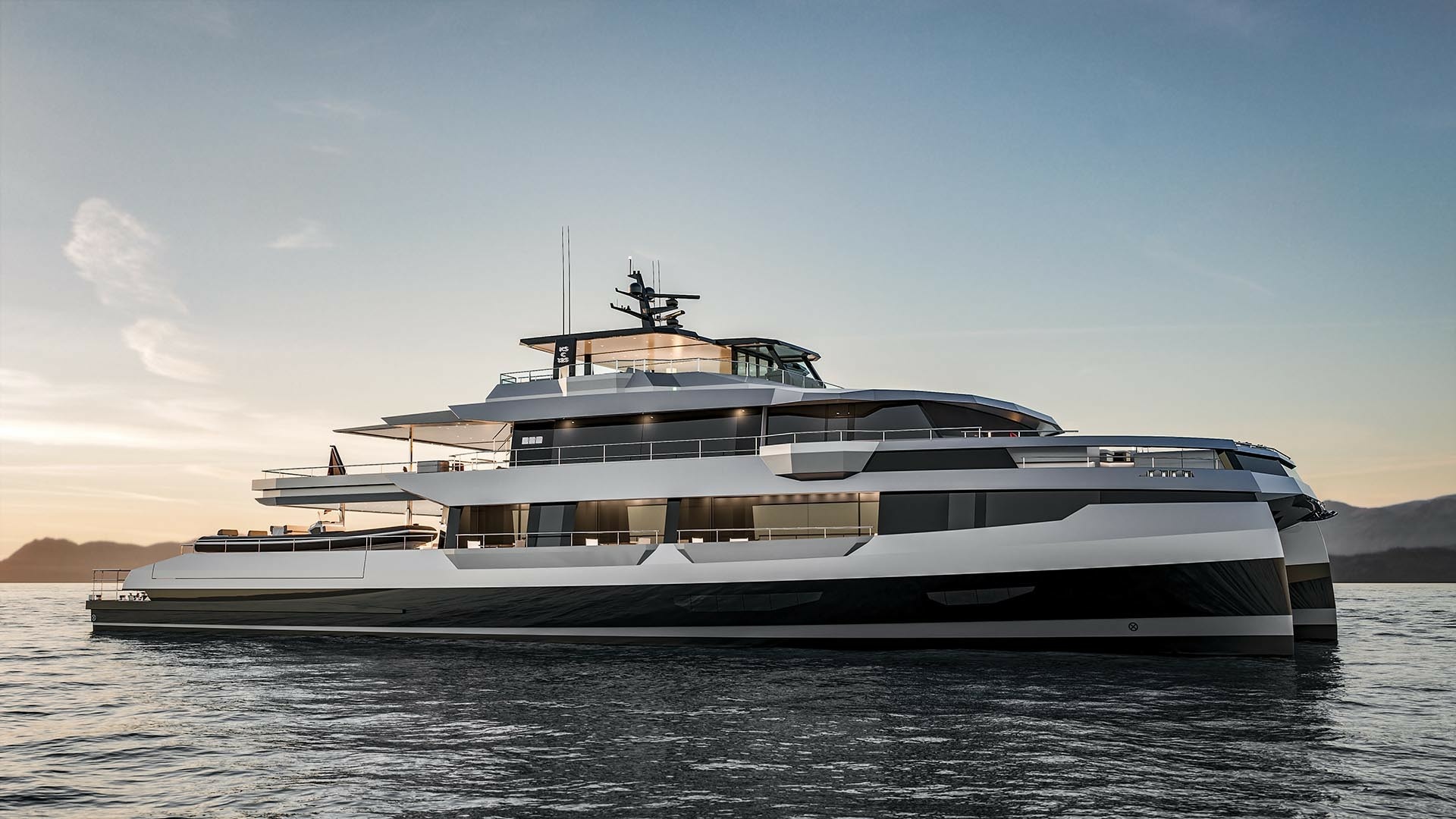
2028 Kingship Kingship
$20,350,000
125
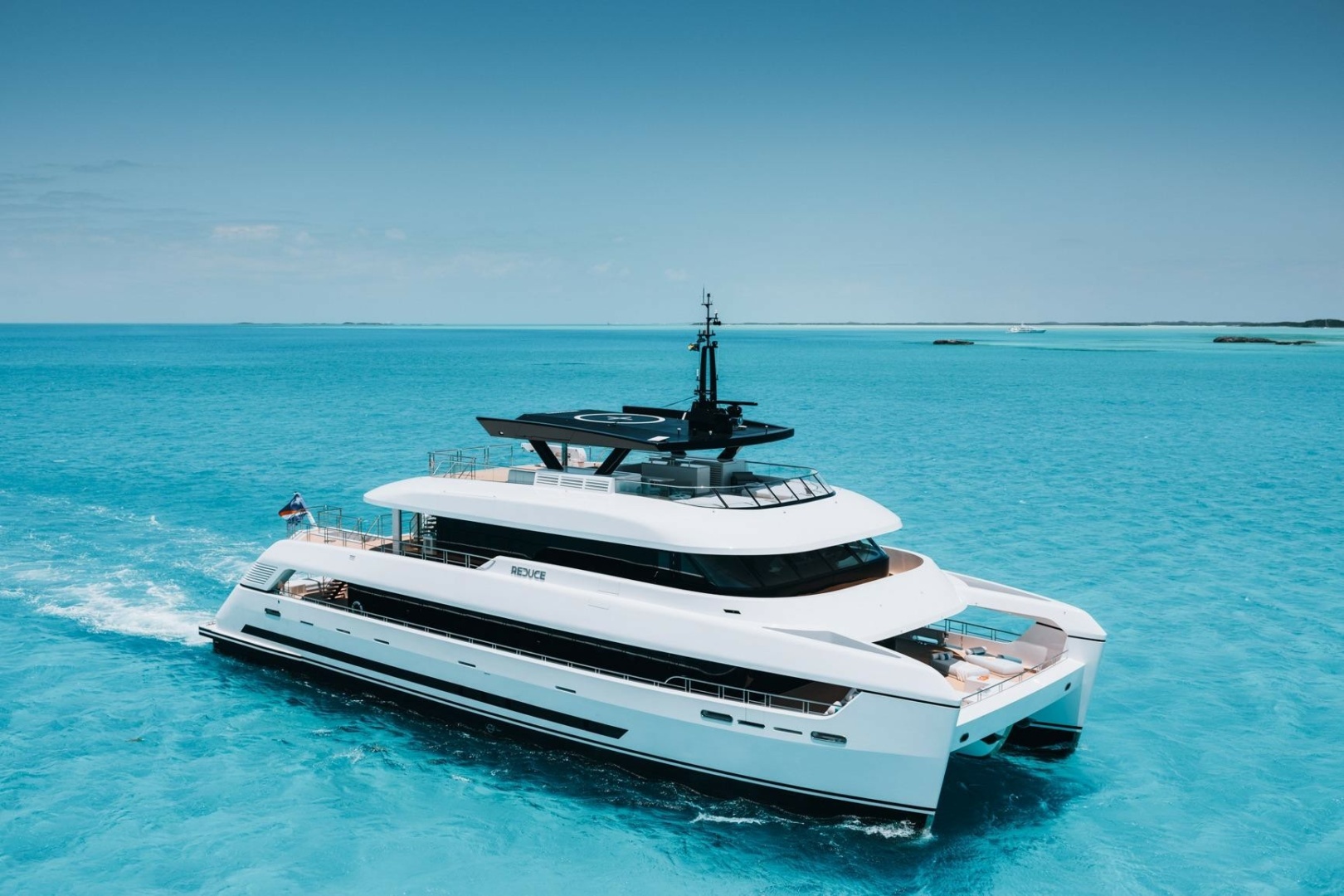
2024 Silver Yachts
$25,400,000
117
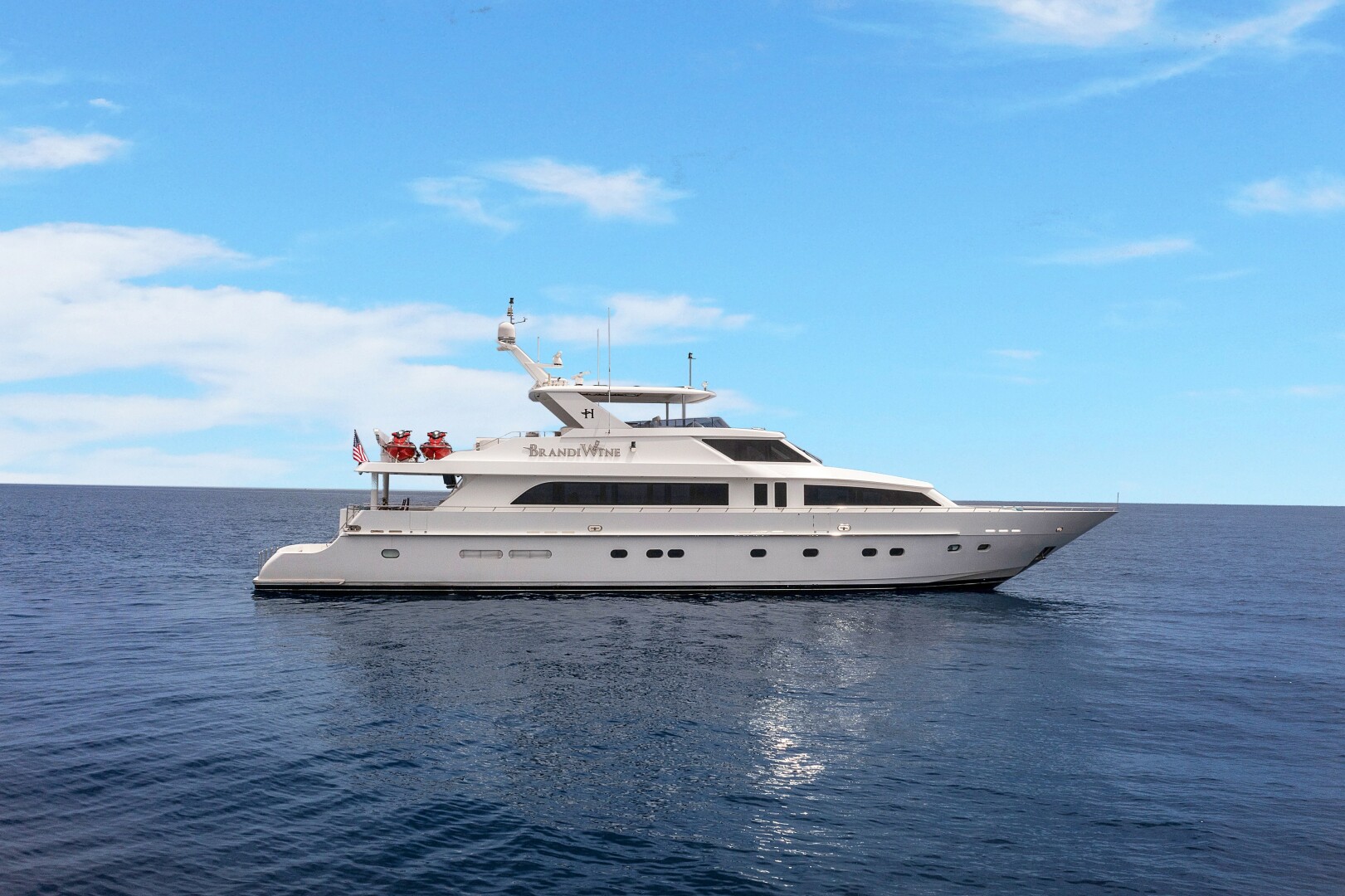
2009 Hargrave BRANDI WINE
$2,500,000
114
Fort Lauderdale Florida

2028 Extra Yachts
$20,350,000
100
Ancona

2028 Alpha
$12,100,000
100
Ft Lauderdale Florida

2028 Extra Yachts Extra 96
$9,495,000
96
Ancona
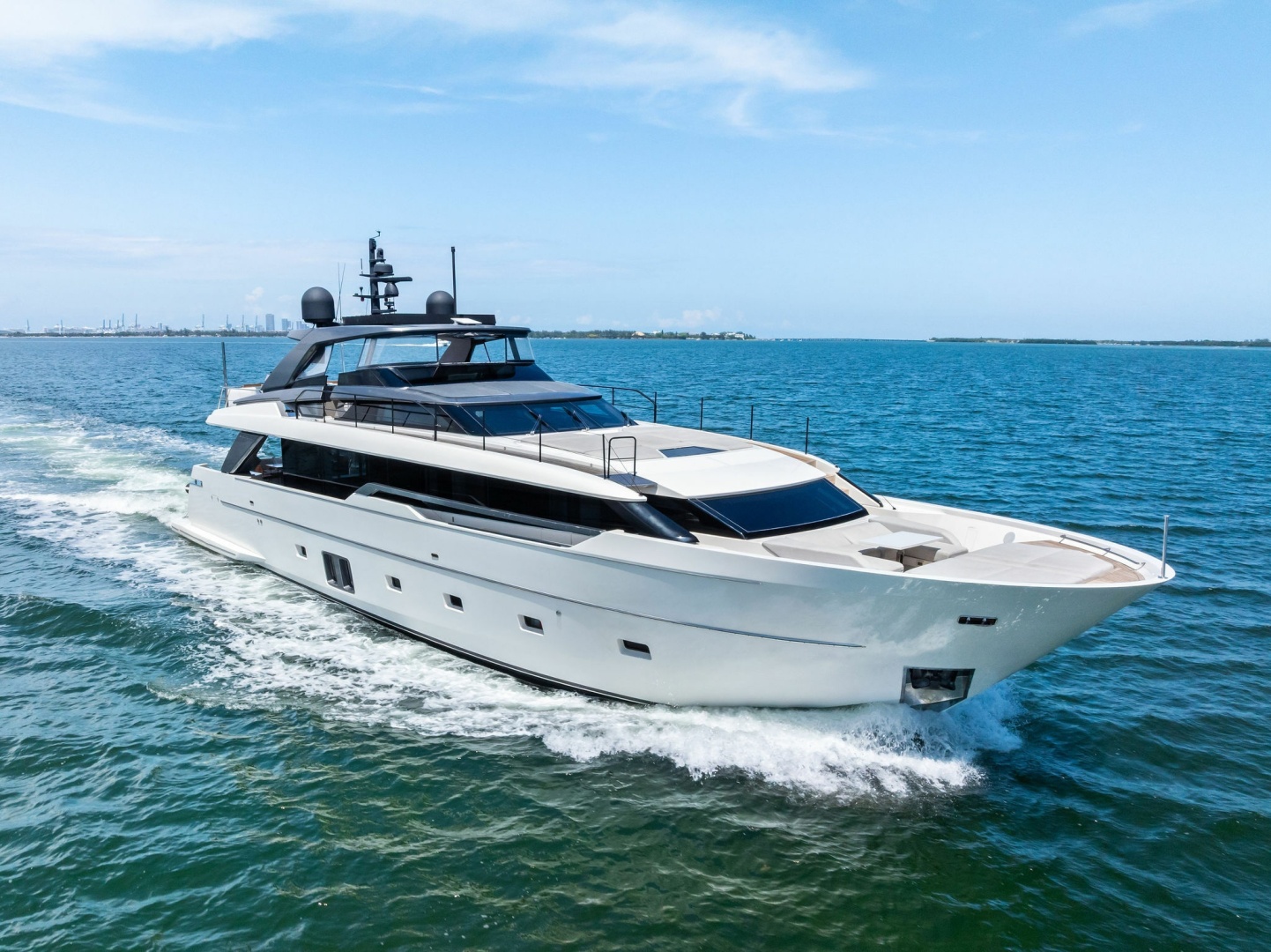
2021 Sanlorenzo GATSBY
$6,795,000
96
Fort Lauderdale Florida
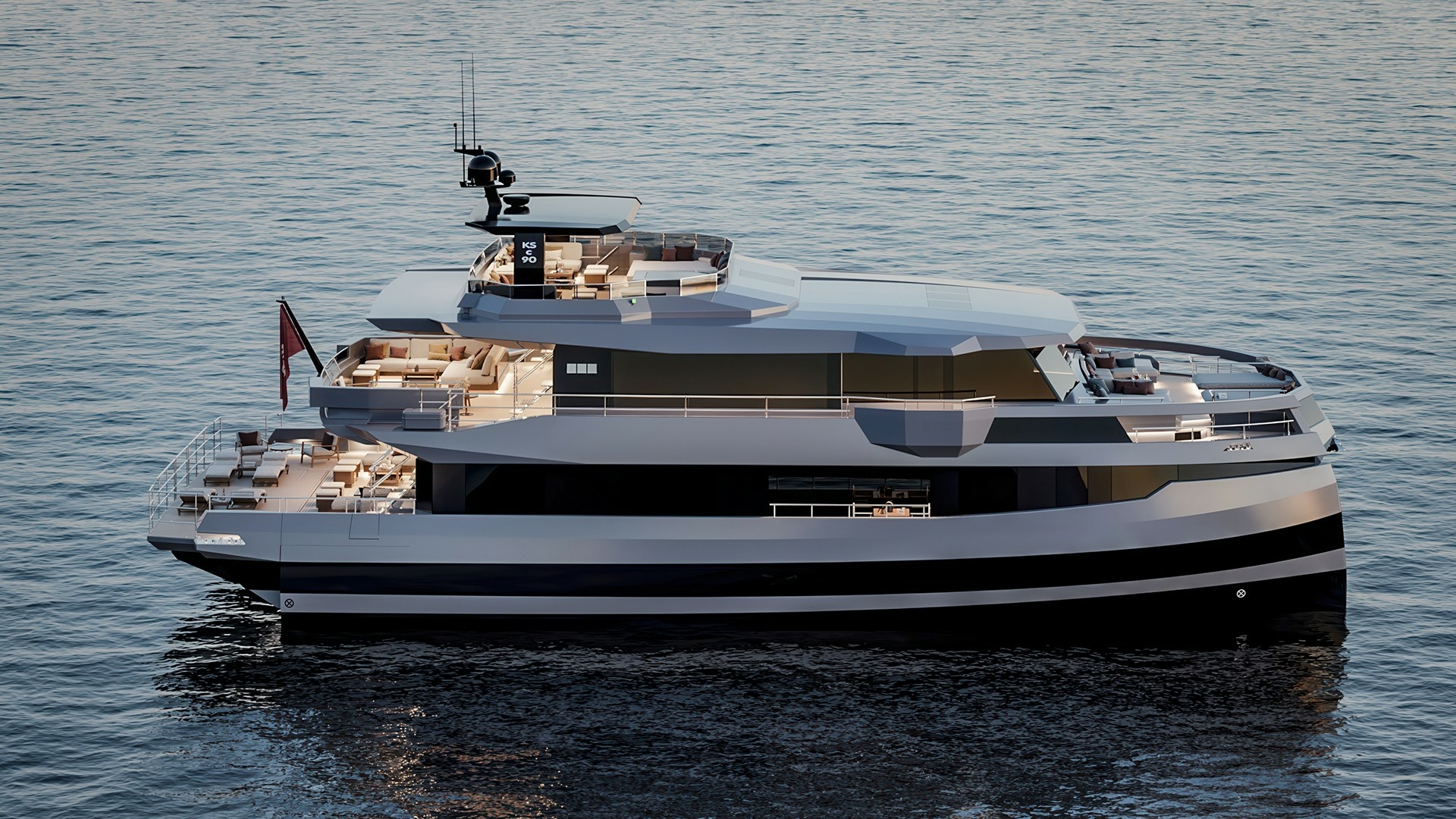
2028 Kingship
$11,990,000
90
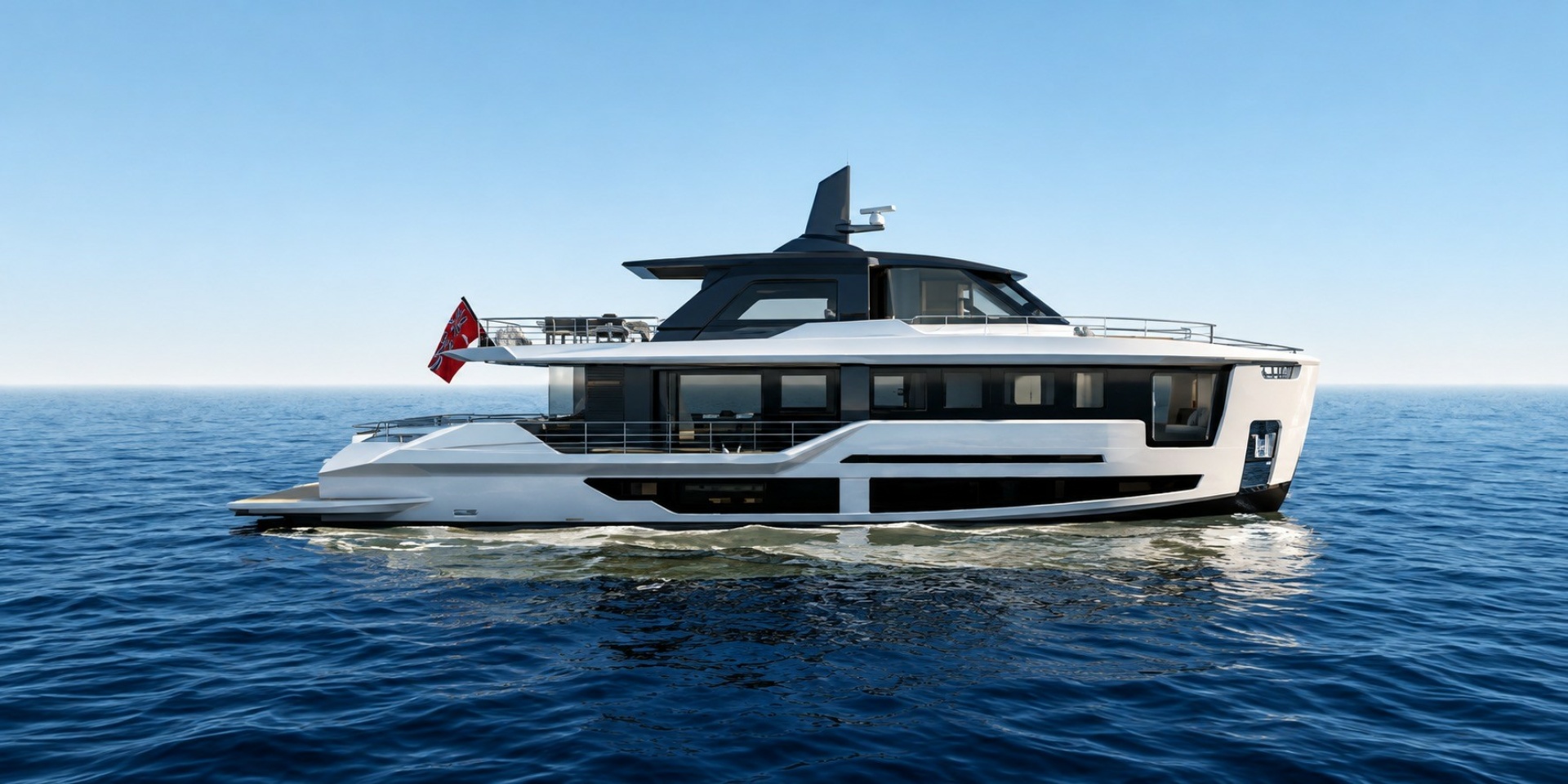
2028 Alpha
$9,894,500
90
Fano
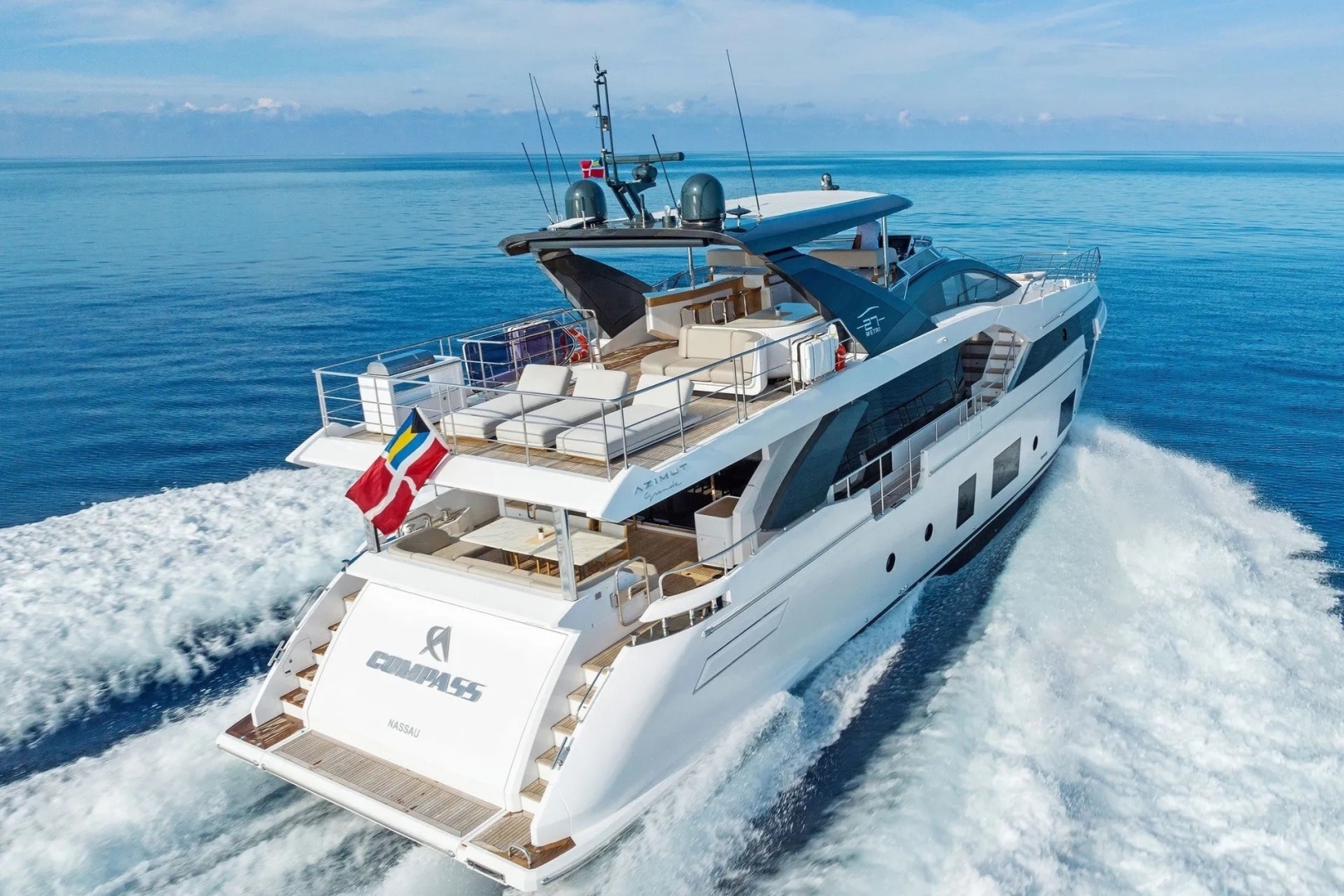
2023 Azimut COMPASS
$7,950,000
88
Miami Beach Florida

1999 Northern Marine OFF LINE
$2,495,000
84
Ft Lauderdale Florida
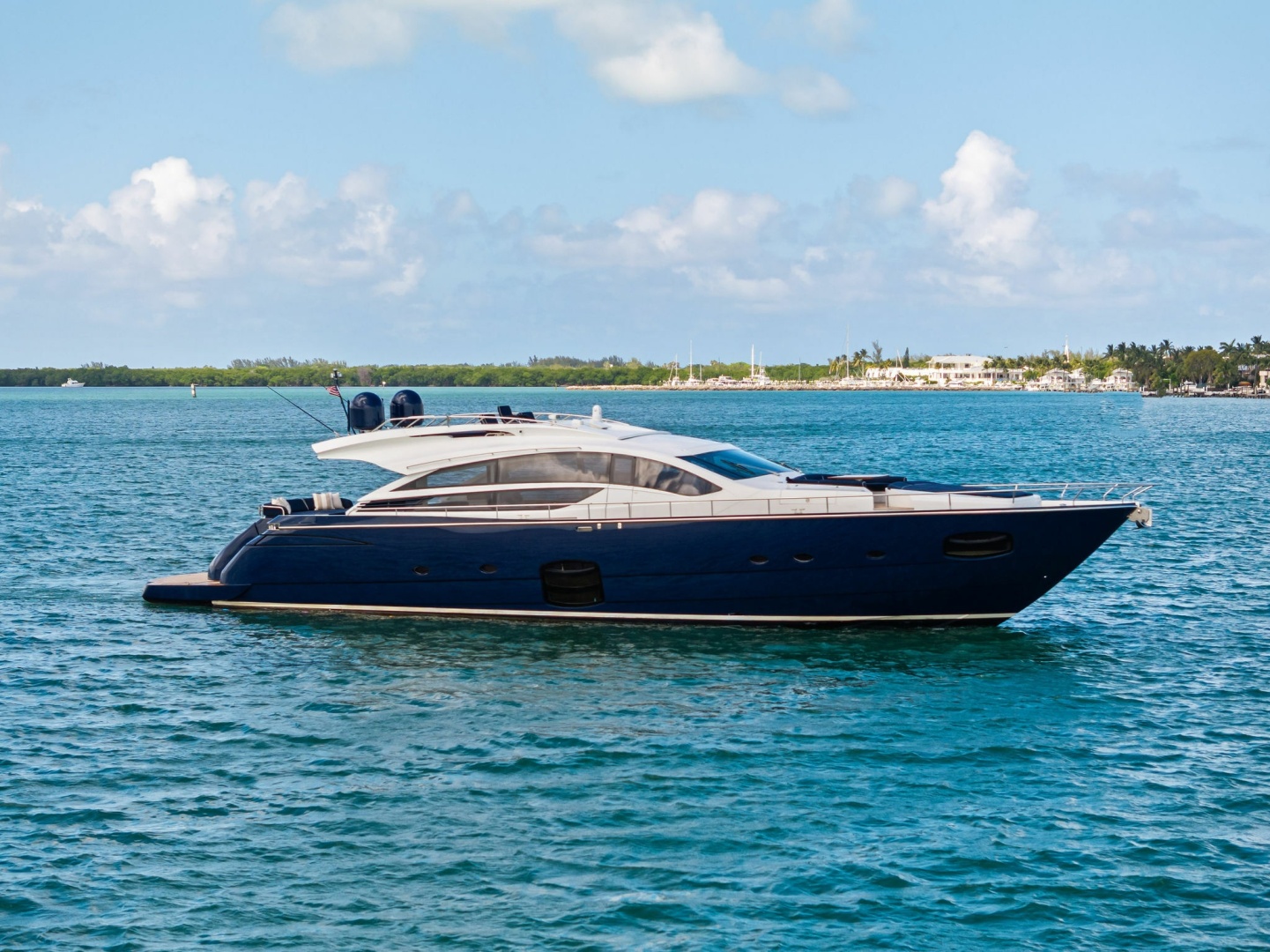
2013 Pershing DOROTHY ANN
$1,375,000
82
Fort Lauderdale Florida

1997 Ferretti Yachts
$825,000
80
La Paz
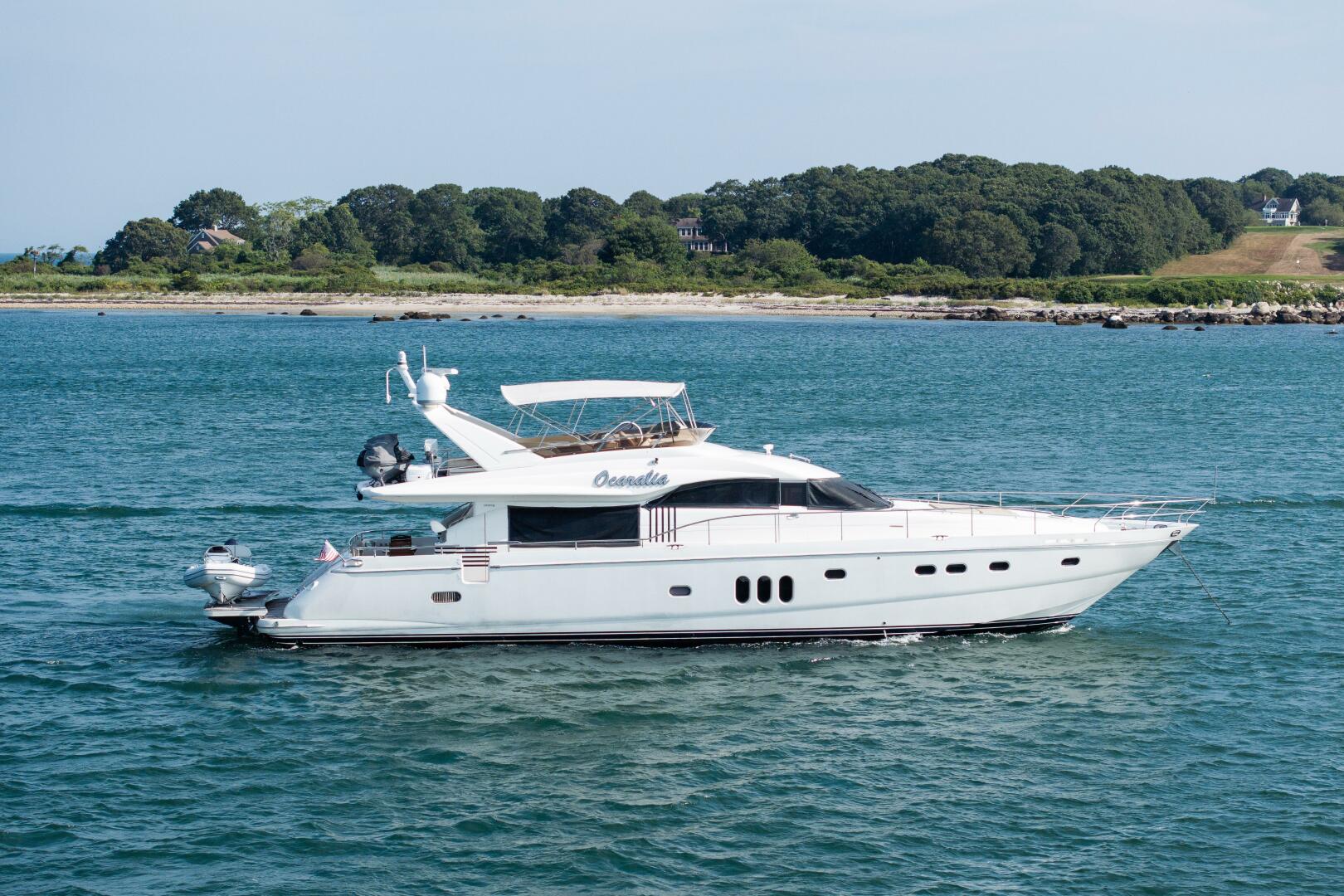
2008 Princess Yachts OCARALIA
$1,095,000
75
Charleston South Carolina
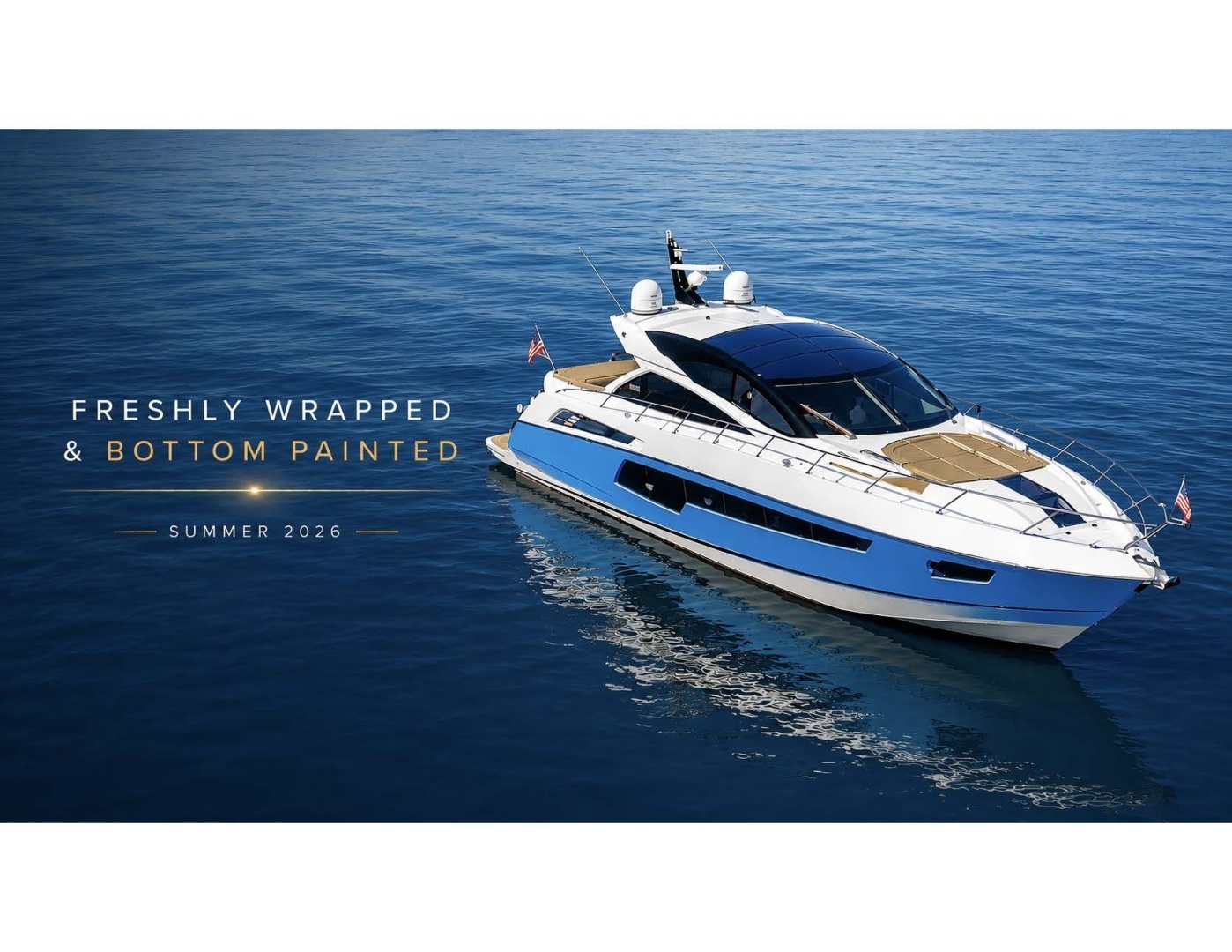
2014 Sunseeker
$1,400,000
68
New York New York

2024 Fairline
$2,750,000
68
Ft. Lauderdale Florida
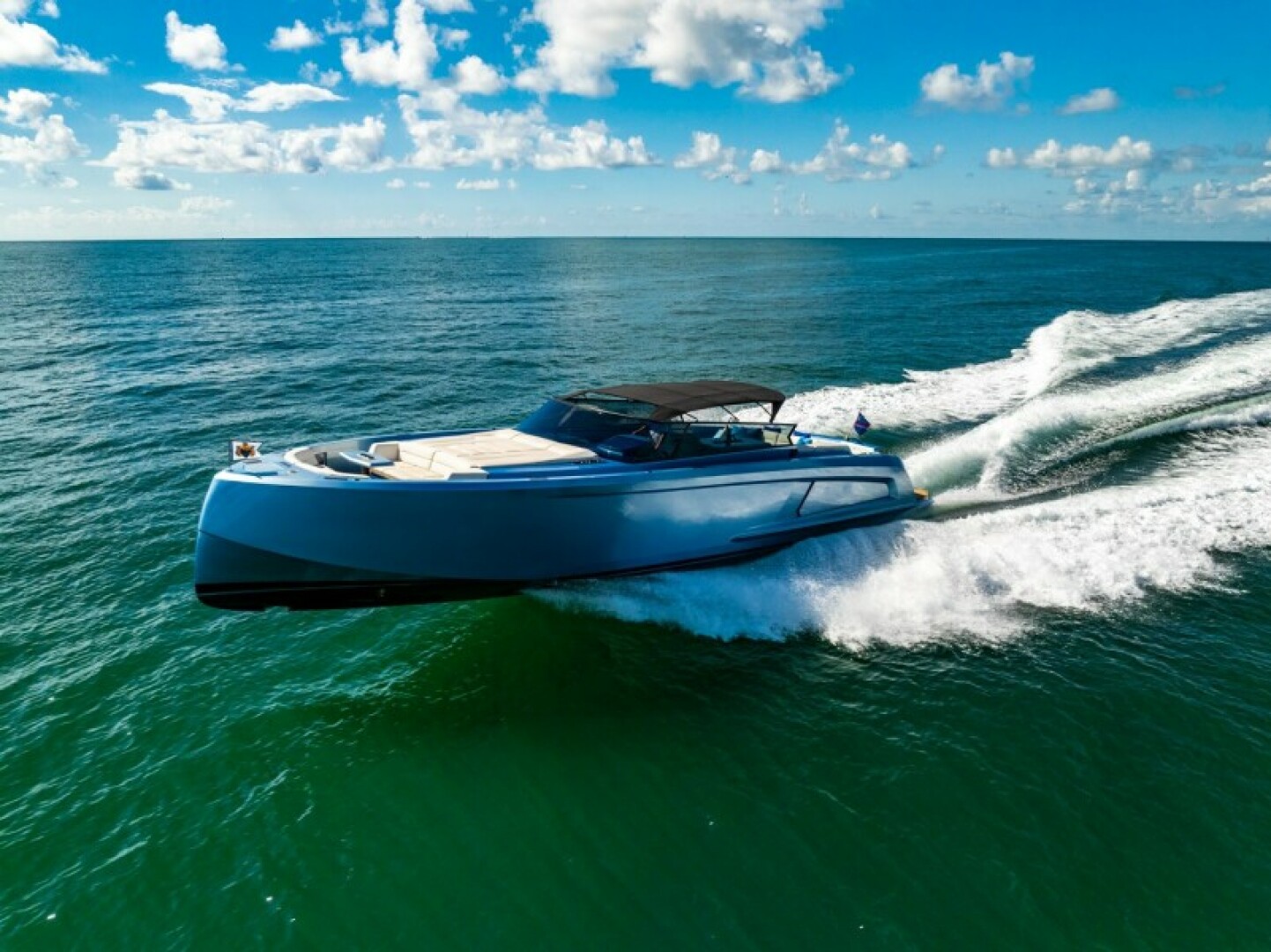
2019 Vanquish Yachts IMPULSIVE
$1,799,000
58
Miami Beach Florida
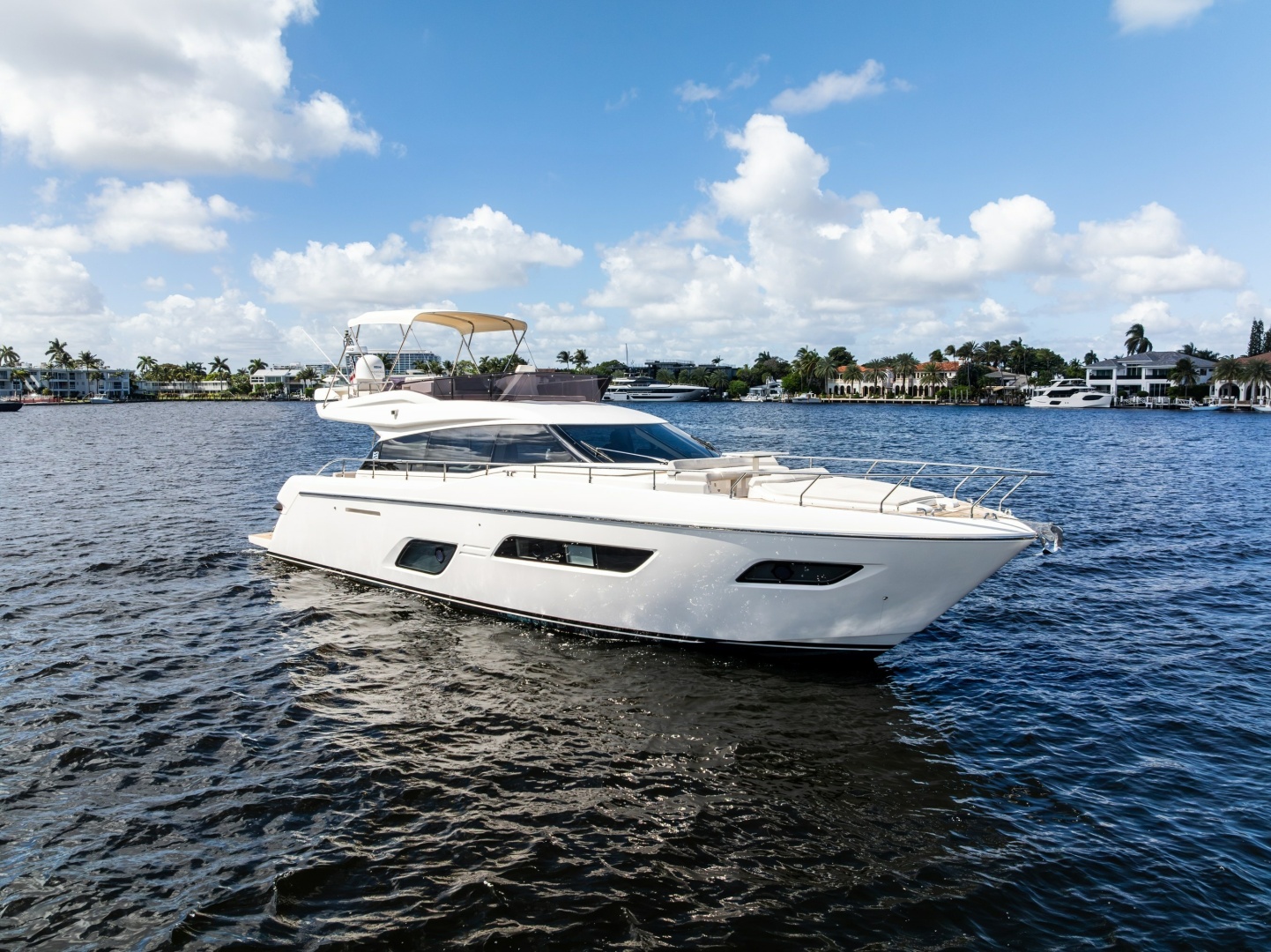
2021 Ferretti Yachts HAVEN
$1,595,000
57
Fort Lauderdale Florida
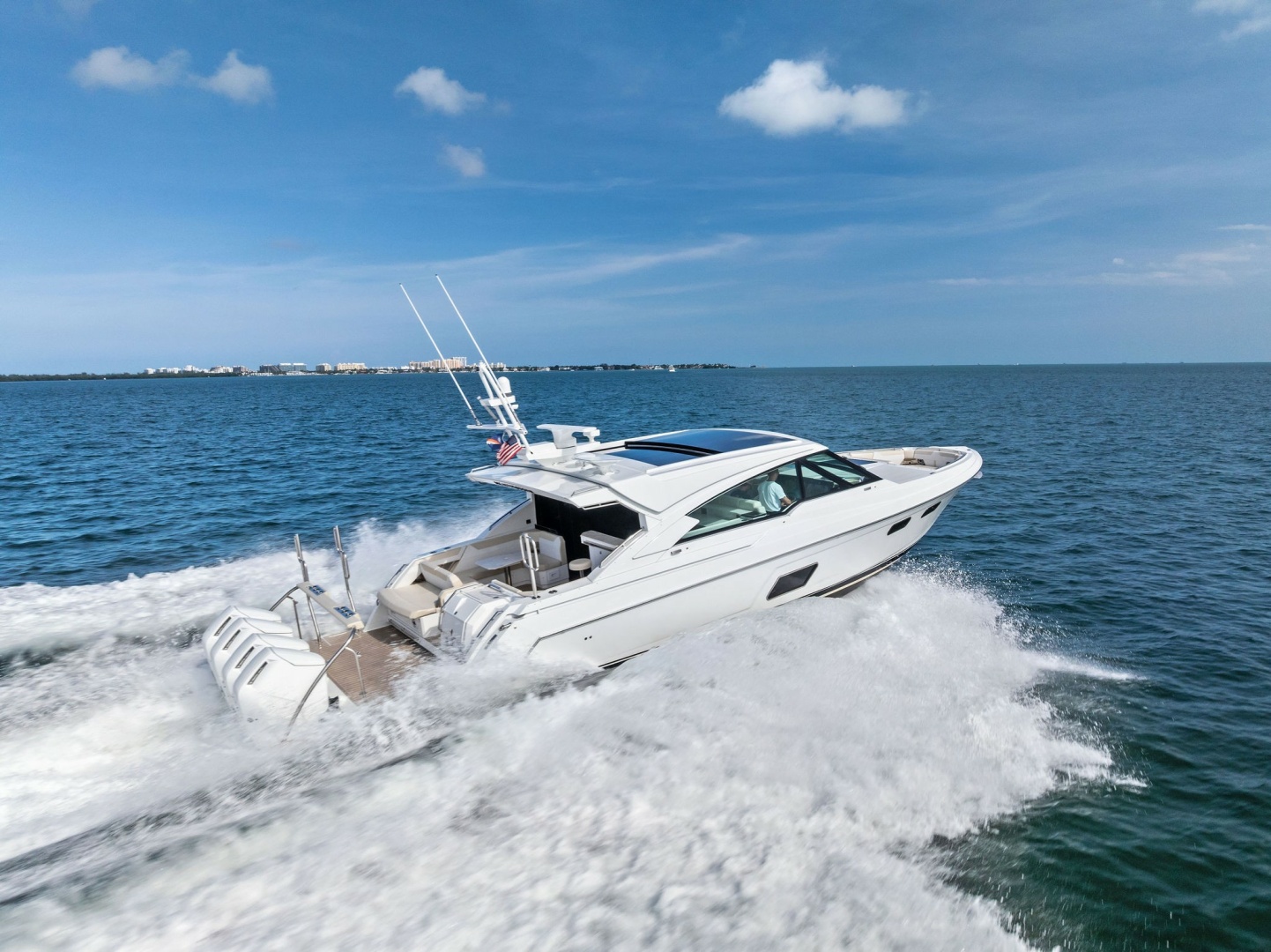
2025 Formula BREAKTHROUGH III
$1,895,000
53
Miami Beach Florida

2023 Fairline
$900,000
45
Fort Lauderdale Florida
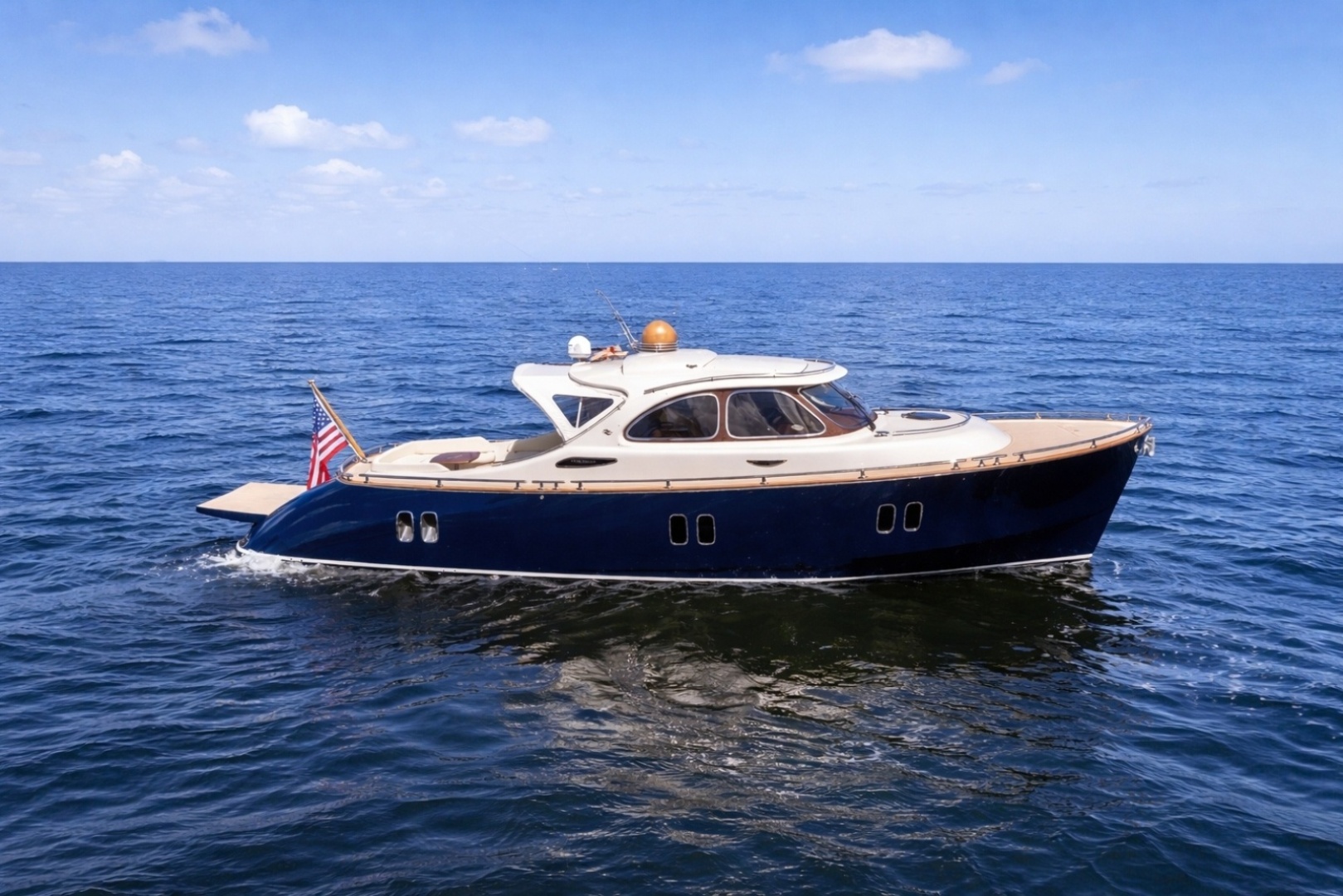
2012 Zeelander Mississippi Queen
$575,000
44
West Palm Beach Florida
2028 Columbus Yachts 137'
$22,900,008
2012 Benetti 132'
$10,975,000
2028 Kingship 125'
$20,350,000
2024 Silver Yachts 117'
$25,400,000
2009 Hargrave 114'
$2,500,000
2028 Extra Yachts 100'
$20,350,000
2028 Alpha 100'
$12,100,000
2028 Extra Yachts 96'
$9,495,000
2021 Sanlorenzo 96'
$6,795,000
2028 Kingship 90'
$11,990,000
2028 Alpha 90'
$9,894,500
2023 Azimut 88'
$7,950,000
1999 Northern Marine 84'
$2,495,000
2013 Pershing 82'
$1,375,000
1997 Ferretti Yachts 80'
$825,000
2008 Princess Yachts 75'
$1,095,000
2014 Sunseeker 68'
$1,400,000
2024 Fairline 68'
$2,750,000
2019 Vanquish Yachts 58'
$1,799,000
2021 Ferretti Yachts 57'
$1,595,000
2025 Formula 53'
$1,895,000
2023 Fairline 45'
$900,000
2012 Zeelander 44'
$575,000