

LOA, or length overall, measures your yacht from its farthest forward point to its farthest aft point, the number that determines marina fees and whether a slip will actually fit your boat. LWL, or length at the waterline, measures the hull where it meets the water, the figure that governs speed, resistance, and how the boat actually feels underway. The practical takeaway: LOA sets your costs and logistics, LWL sets your performance, and LWL shifts every time you load fuel, water, and gear aboard.
TL;DR:
- The marina fee depends on whether LOA includes bowsprits, pulpits, or platforms, which varies by facility and measurement convention.
- LWL determines a boat’s hull speed and actual performance, often being shorter than LOA, especially on boats with long overhangs.
- Loaded waterline length can be significantly lower than the brochure’s designed waterline, affecting speed, draft, and handling under real cruising conditions.
- Verify the measurement method used for LOA and LWL before purchasing or docking to avoid surprises on bills or performance expectations.
- Industry standards like ISO clarify measurement definitions, but ambiguities often require direct clarification with brokers, builders, or marinas.
Table of Contents
- Definitions That Matter: LOA, LWL, and Their Lesser-Known Cousins
- How Builders and Surveyors Actually Measure These Lengths
- Why Waterline Length Decides How Fast and How Comfortably You’ll Travel
- What LOA and LWL Actually Cost You as an Owner
- Why the Waterline on the Brochure Isn’t the Waterline You’ll Get
- A Broker’s Honest Take on LOA and LWL
- FAQ
- Sources
Definitions That Matter: LOA, LWL, and Their Lesser-Known Cousins
We find that most confusion among first-time buyers starts here, because builders and brokers use several related terms almost interchangeably when they shouldn’t.
LOA (Length Overall) is the maximum length of the hull, measured between its extreme forward and aft points. Depending on the vessel and the convention used, LOA sometimes includes bowsprits, pulpits, or other fixed spars, which is why two listings for similar boats can report different LOA figures for nearly identical hulls.
LWL (Length at the Waterline) is the length of the hull where it intersects the water’s surface. Because LWL changes with loading and trim, builders often quote a Designed Waterline (DWL) rather than a real-world figure, a distinction we will return to later.
Two more terms worth knowing:
- LOD (Length on Deck): the hull length measured along the deck, excluding bow pulpits or swim platforms that extend beyond it.
- LOH (Length of Hull): essentially the molded hull length, often close to LOD but used more in technical and ISO contexts.
- Sparred Length: LOA including bowsprits, davits, or other projecting gear, common on classic sailing yachts with long spars.
Here is how these measurements typically get used in practice:
| Decision | Length used |
|---|---|
| Marina berth fees | LOA |
| Hull speed and performance | LWL |
| Vessel registration | Usually LOA or LOD |
| Trailering and storage | LOA |
Our guide to yacht beam covers a related dimension that often gets confused with these length terms, worth a look if you’re building out a full picture of a boat’s proportions.
How Builders and Surveyors Actually Measure These Lengths
Measuring LOA sounds simple: find the two extreme points of the hull, bow and stern, and measure the straight-line distance between them. In practice, ambiguity creeps in with swim platforms, anchors, outboard brackets, and bow pulpits, elements that some builders include and others exclude.
LWL is trickier still, because it depends on a specified float plane. A boat sitting at rest with full tanks will show a different waterline than the same boat light and empty.
- LOA is measured hull-extreme to hull-extreme, with spars included or excluded depending on convention.
- LWL is measured at the design waterline unless otherwise specified, and that waterline shifts with load.
- Ambiguity most often arises from swim platforms, pulpits, and outboard motor brackets.
One useful reference point: the ISO standard for small craft dimensions formally defines terms like length of hull (LH) and loading conditions, which is the closest thing the industry has to a shared rulebook for resolving disputes between a builder’s spec sheet and a marina’s measurement.
When a listing omits DWL entirely, or doesn’t state which convention it used for LOA, that’s your cue to ask directly. A broker should be able to pull hydrostatics or clarify the measurement method before you ever step aboard, and the USCG Navigation Rules Handbook includes technical annexes that touch on vessel dimension conventions worth citing if a dispute ever needs a neutral reference point.
Why Waterline Length Decides How Fast and How Comfortably You’ll Travel
Here’s the part that surprises a lot of new owners: a longer boat on paper doesn’t always mean a faster boat in the water. Hull speed, the practical ceiling for a displacement hull, is governed almost entirely by LWL, not LOA.
The formula is straightforward: hull speed in knots is approximately 1.34 multiplied by the square root of the LWL in feet.
| LWL (feet) | Approximate hull speed (knots) |
|---|---|
| 20 | 6.0 |
| 25 | 6.7 |
| 30 | 7.34 |
| 35 | 7.9 |
| 40 | 8.5 |
A boat with a waterline length around 30 feet typically has a hull speed just over 7 knots, regardless of whether its overall length measures lower or higher. This is exactly why designers sometimes stretch a hull with long overhangs, bow and stern sections that extend LOA without touching LWL at rest, for aesthetics or interior volume while keeping a shorter LWL for racing rating advantages, as noted in explanations of length overall conventions.
Heel and trim complicate this further. A sailboat heeled over in a good breeze often gains effective waterline length as the hull’s curved ends dip into the water, which is part of why some classic designs with pronounced overhangs feel livelier once they’re pressed.

Pro Tip: When comparing two boats with similar LOA, ask for LWL before anything else. It tells you more about real-world speed and ride than any brochure photo.
What LOA and LWL Actually Cost You as an Owner
Most marinas bill by LOA, not LWL, and that single fact catches a lot of buyers off guard when the first dockage invoice arrives. Our breakdown of yacht dockage fees walks through how marinas structure these charges and why confirming the exact measurement method before you sign a berth contract saves you from an unpleasant surprise.
Here’s what to verify before you commit to a purchase or a slip:
- Ask the marina whether their chargeable LOA includes bow pulpits, swim platforms, or davits, since definitions vary by facility.
- Confirm your trailer’s rated length and tongue weight against the boat’s actual LOA, not just the “advertised” length.
- Check draft alongside LWL if you plan to launch from a shallow ramp or cruise shoal waters; our guide to yacht draft explains how the two interact.
- Ask your insurer which length figure they use to calculate premiums, since some policies key off LOA and others off registered length.
- Request hydrostatics or a lines plan if the listing only states LOA, since resale value and performance expectations both hinge on knowing LWL too.
Registration paperwork and insurance forms tend to default to LOA or LOD, while resale buyers who know their way around a spec sheet will ask about LWL specifically, because it tells them more about how the boat actually performs.
Pro Tip: Before signing a marina contract, get the chargeable length in writing. A verbal quote based on “about 40 feet” can turn into a bill based on 44 feet once pulpits and platforms are counted.
For a deeper look at how these numbers ripple through a purchase decision, our guide to why yacht length matters is worth the extra ten minutes.
Why the Waterline on the Brochure Isn’t the Waterline You’ll Get
Here’s something brochures rarely mention: the Designed Waterline (DWL) printed in a spec sheet usually reflects a light-ship condition, often with empty tanks and minimal gear aboard. Load your actual cruising fuel, water, and provisions, and that waterline sinks lower than advertised.
Ask for the following before you buy:
- Full hydrostatics or a lines plan, not just a single DWL figure.
- A half-load displacement figure, which tends to reflect real cruising conditions far better than light-ship numbers.
- An estimate of how much draft and waterline will shift once fuel, water, and gear are aboard, something USCG safe loading guidance explains in terms of displacement and capacity.
- A direct comparison during a sea trial between the boat empty and the boat loaded as you’d actually use it.
Pro Tip: A fully loaded cruising boat can sit noticeably lower than its brochure DWL suggests, and that extra immersion costs you speed and changes handling. Always ask what condition the quoted LWL assumes.
A hull fouled with growth below the waterline adds resistance too, which is one more reason the cleaning and timing of hull maintenance matters more than most new owners expect.
A Broker’s Honest Take on LOA and LWL
We’ve seen plenty of buyers fall for a boat’s LOA on a listing page, only to feel disappointed by its performance once they’re underway, or surprised by a dockage bill that counted every inch of the swim platform. The fix isn’t complicated: verify LWL and the marina’s chargeable length before you fall in love with a number on a spec sheet. If you’re unsure how to read hydrostatics or reconcile conflicting figures, that’s precisely the kind of detail a good yacht broker should walk through with you line by line.
— Jason
FAQ
Why don’t sailors say left and right?
Sailors use “port” and “starboard” instead of left and right because those directions change depending on which way a person is facing, while port and starboard stay fixed relative to the vessel itself. This fixed terminology, as explained by NOAA’s navigation guidance, prevents dangerous confusion when giving directions in critical moments.
What is the 10% rule for yachts?
There isn’t a universally recognized “10% rule” tied specifically to LOA or LWL measurements; definitions and rules of thumb vary by context, insurer, and marina. If you’ve heard this phrase applied to your situation, ask the specific source what measurement and condition it refers to before relying on it.
Does LOA include outboard motors?
It depends on the convention used by the builder or registration authority, since LOA definitions sometimes include fixed projections like brackets and sometimes don’t. Always confirm with the specific listing, marina, or registration body how they define the measurement for your boat.
How is LOA measured on a boat?
LOA is measured as the straight-line distance between a hull’s most forward point and its most aft point, with conventions varying on whether to include pulpits, platforms, or spars. For a formal reference, the ISO small craft dimension standard defines these measurement points precisely.
Sources
- NOAA Office of Coast Survey — Port and starboard
- Length overall — Wikipedia
- ISO — Definitions of main dimensions and related data for small craft
- U.S. Coast Guard Navigation Rules Handbook (NavRules Handbook)
Recommended
Featured Listings

2028 Columbus Yachts
$22,900,008
137
Ancona
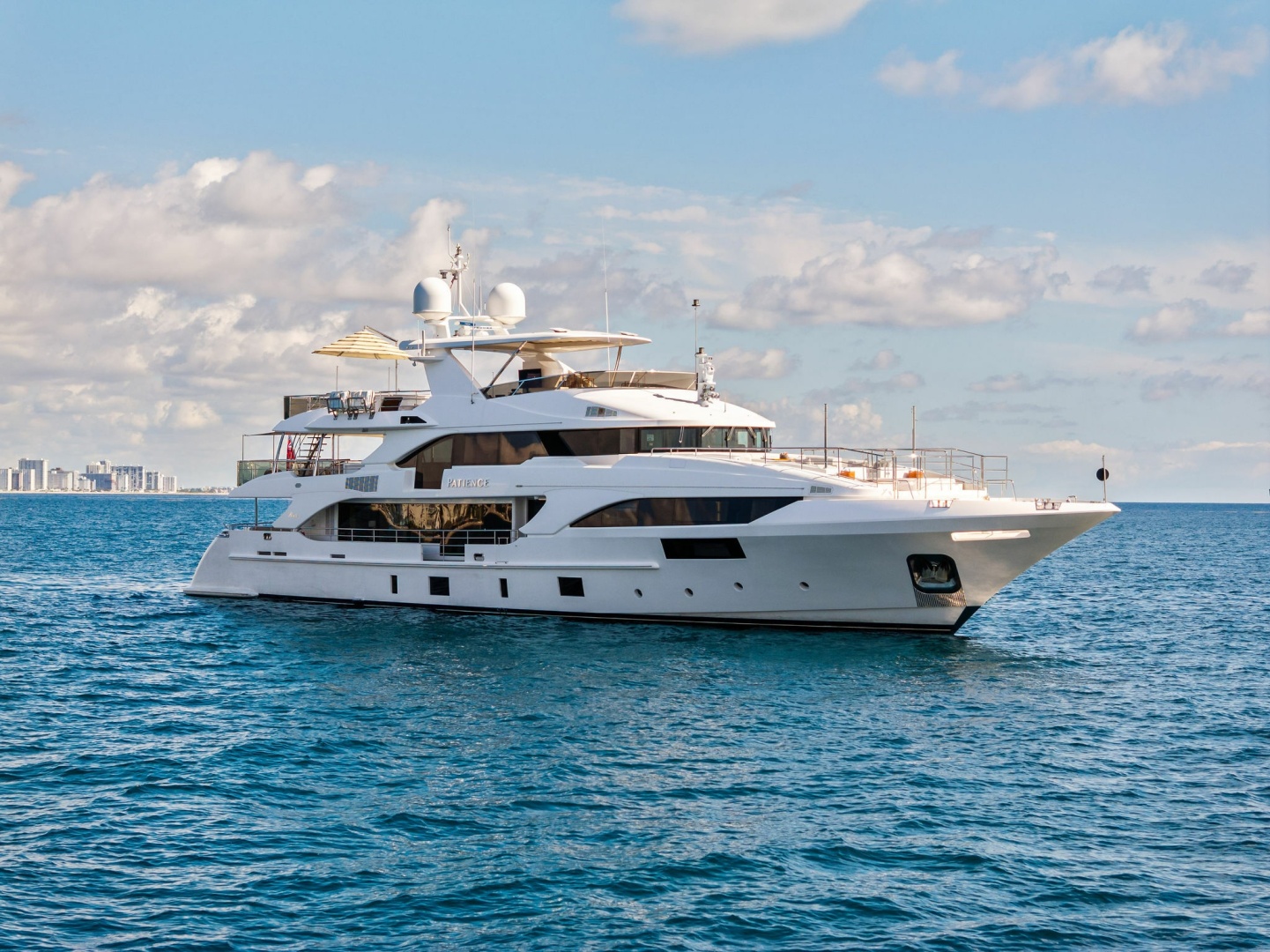
2012 Benetti PATIENCE
$10,975,000
132
Fort Lauderdale Florida
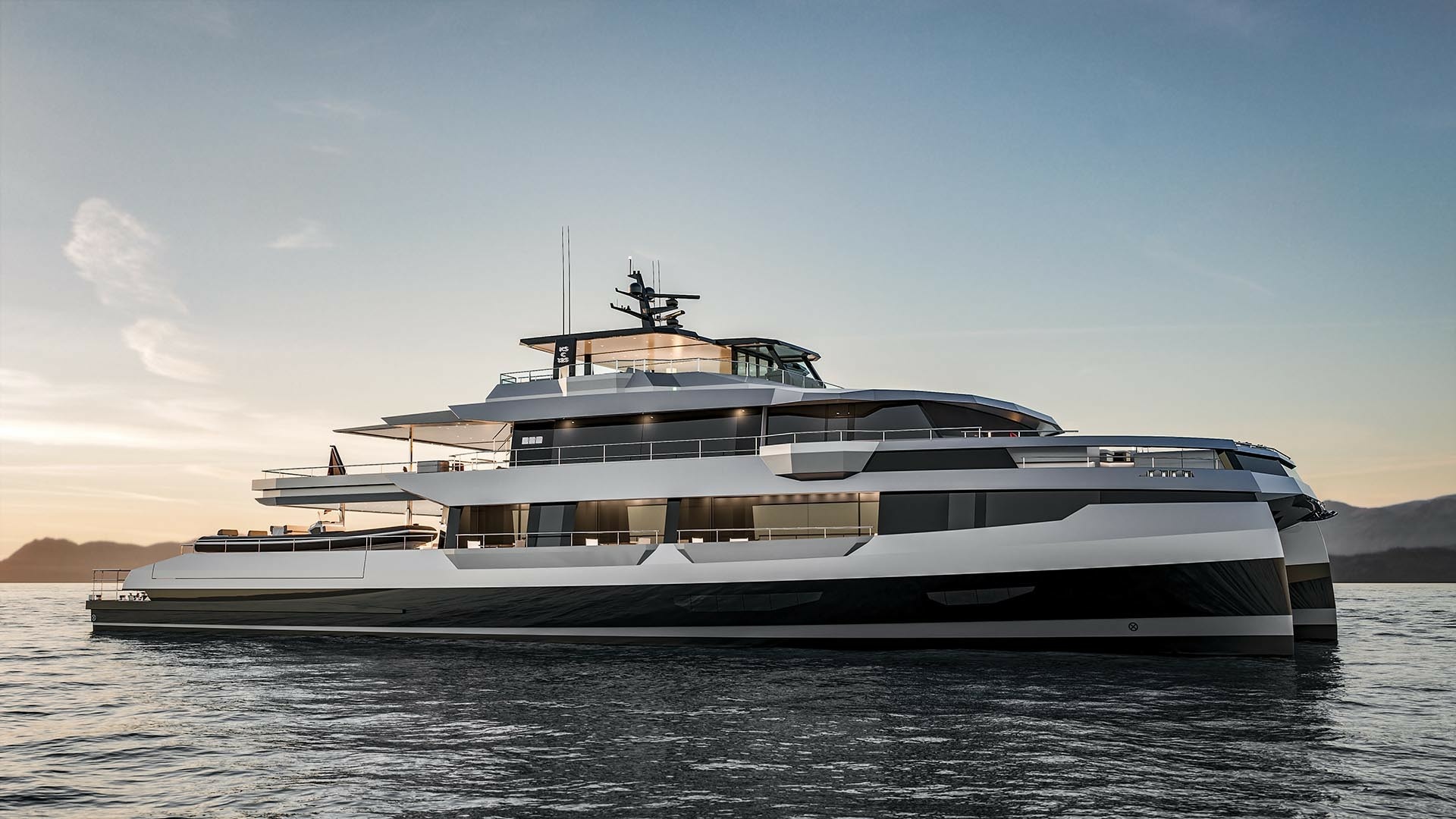
2028 Kingship Kingship
$20,350,000
125
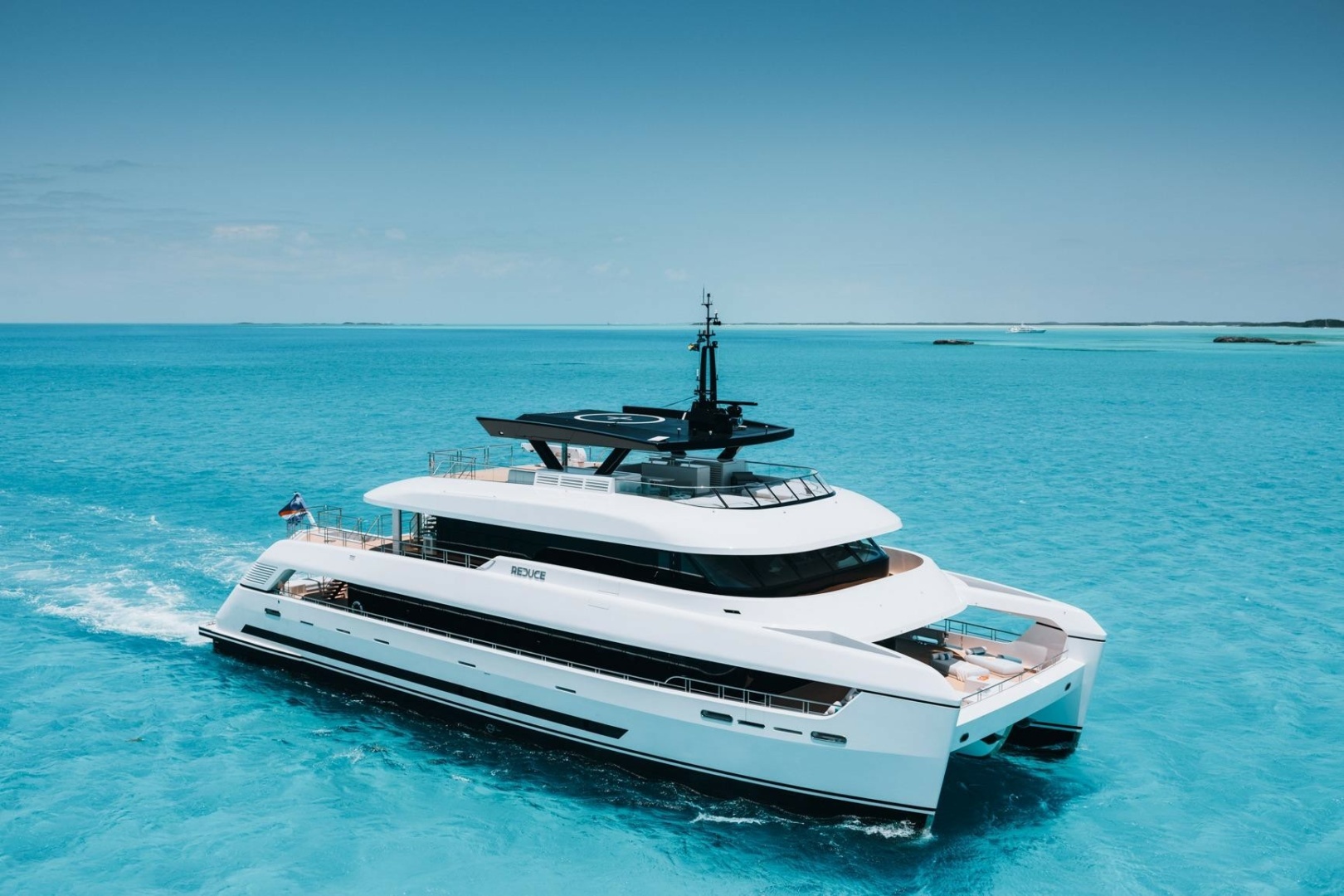
2024 Silver Yachts
$25,400,000
117
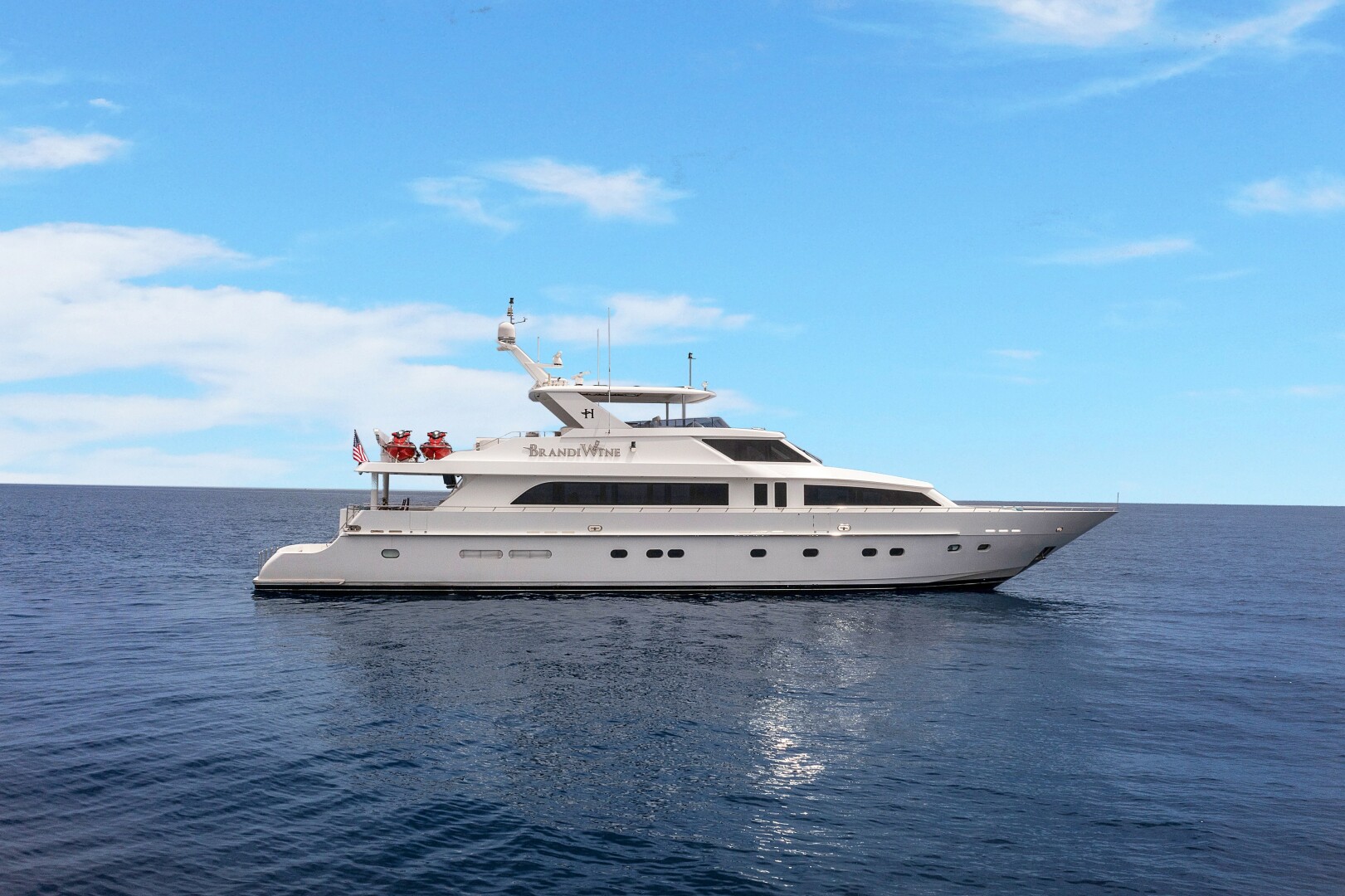
2009 Hargrave BRANDI WINE
$2,500,000
114
Fort Lauderdale Florida

2028 Extra Yachts
$20,350,000
100
Ancona

2028 Alpha
$12,100,000
100
Ft Lauderdale Florida

2028 Extra Yachts Extra 96
$9,495,000
96
Ancona
2021 Sanlorenzo GATSBY
$6,795,000
96
Fort Lauderdale Florida
2028 Kingship
$11,990,000
90
2028 Alpha
$9,894,500
90
Fano
2023 Azimut COMPASS
$7,950,000
88
Miami Beach Florida

1999 Northern Marine OFF LINE
$2,495,000
84
Ft Lauderdale Florida
2013 Pershing DOROTHY ANN
$1,375,000
82
Fort Lauderdale Florida

1997 Ferretti Yachts
$825,000
80
La Paz
2008 Princess Yachts OCARALIA
$1,095,000
75
Charleston South Carolina
2014 Sunseeker
$1,400,000
68
New York New York

2024 Fairline
$2,750,000
68
Ft. Lauderdale Florida
2019 Vanquish Yachts IMPULSIVE
$1,799,000
58
Miami Beach Florida
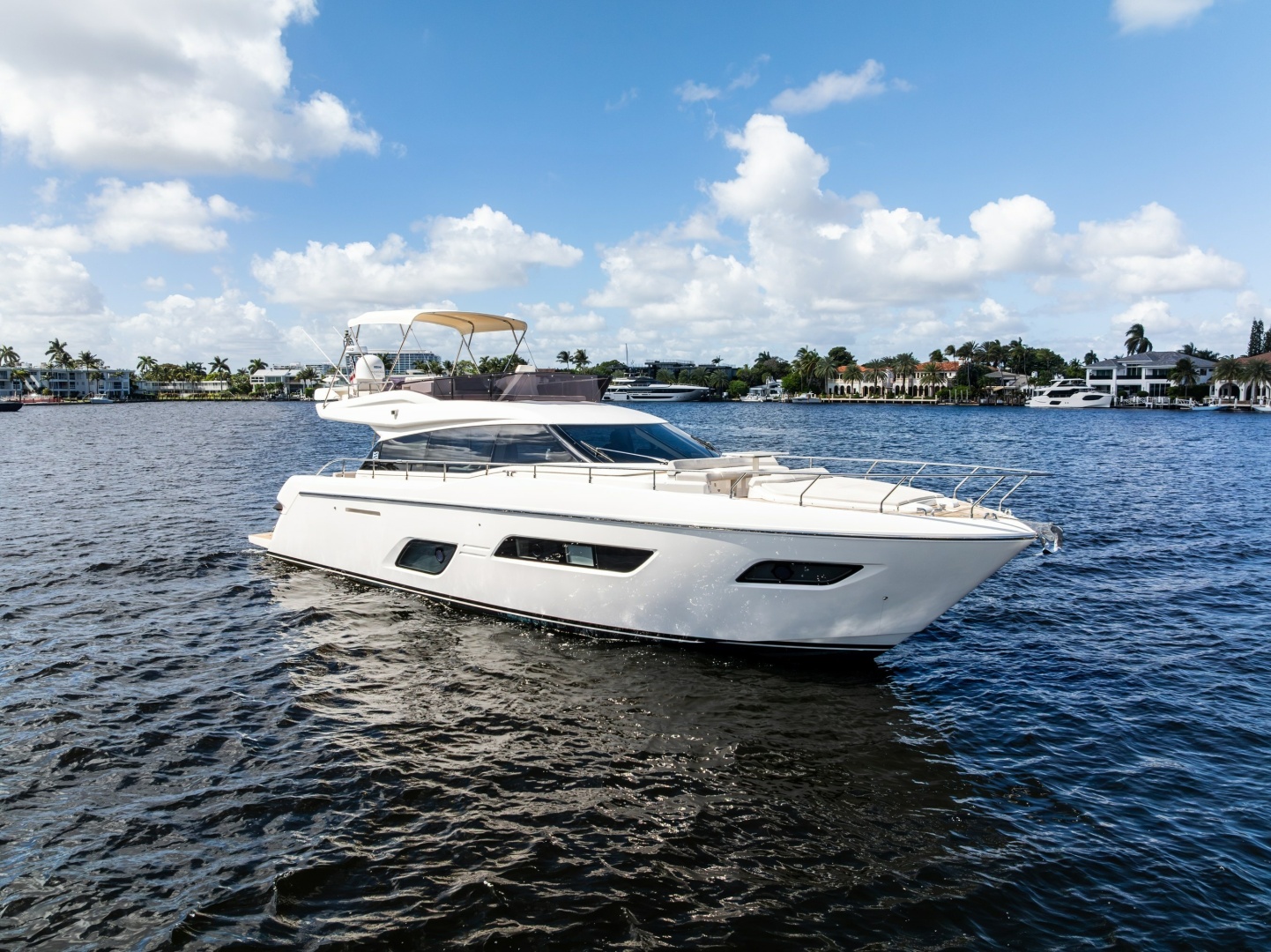
2021 Ferretti Yachts HAVEN
$1,595,000
57
Fort Lauderdale Florida
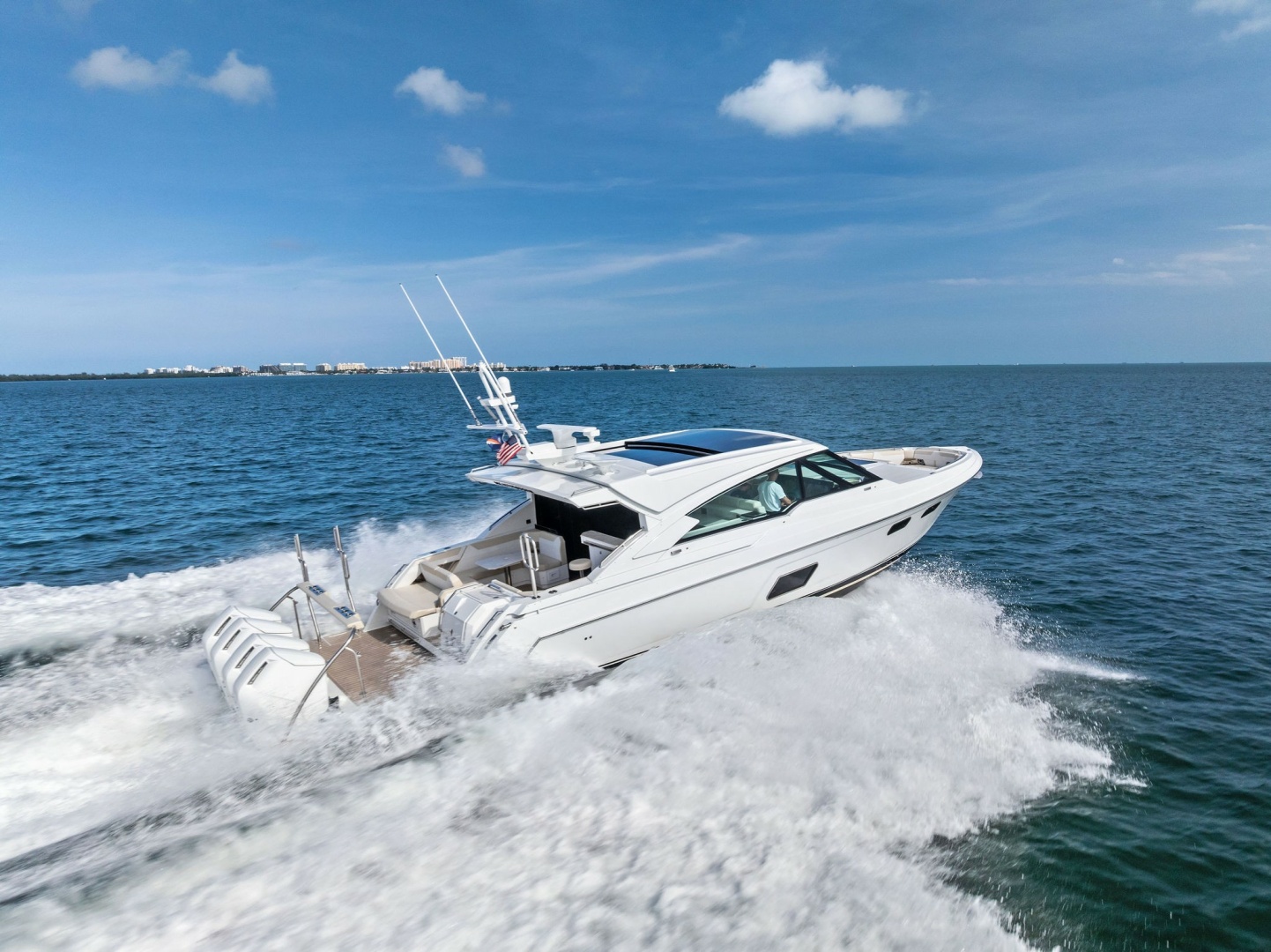
2025 Formula BREAKTHROUGH III
$1,895,000
53
Miami Beach Florida

2023 Fairline
$900,000
45
Fort Lauderdale Florida
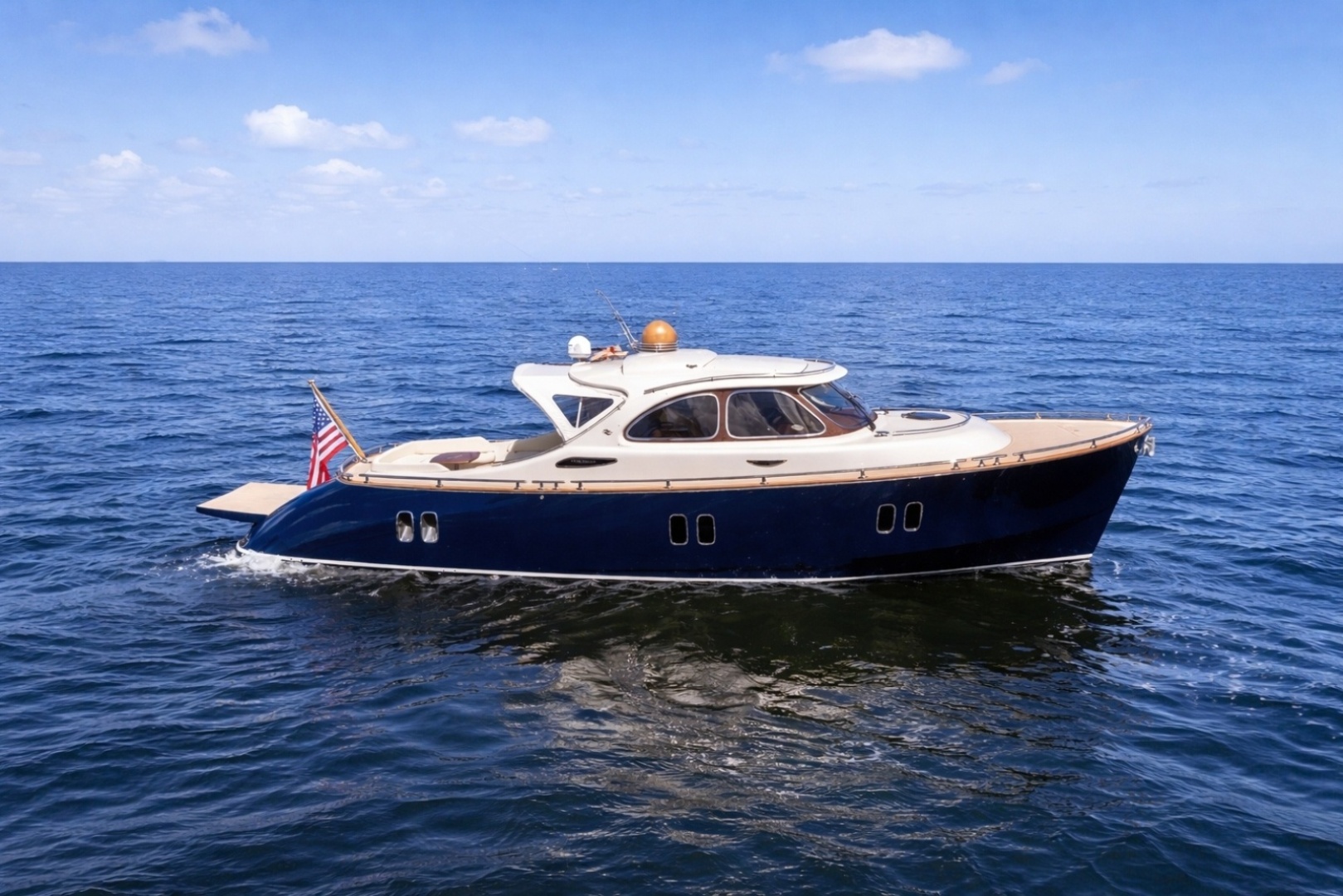
2012 Zeelander Mississippi Queen
$575,000
44
West Palm Beach Florida
2028 Columbus Yachts 137'
$22,900,008
2012 Benetti 132'
$10,975,000
2028 Kingship 125'
$20,350,000
2024 Silver Yachts 117'
$25,400,000
2009 Hargrave 114'
$2,500,000
2028 Extra Yachts 100'
$20,350,000
2028 Alpha 100'
$12,100,000
2028 Extra Yachts 96'
$9,495,000
2021 Sanlorenzo 96'
$6,795,000
2028 Kingship 90'
$11,990,000
2028 Alpha 90'
$9,894,500
2023 Azimut 88'
$7,950,000
1999 Northern Marine 84'
$2,495,000
2013 Pershing 82'
$1,375,000
1997 Ferretti Yachts 80'
$825,000
2008 Princess Yachts 75'
$1,095,000
2014 Sunseeker 68'
$1,400,000
2024 Fairline 68'
$2,750,000
2019 Vanquish Yachts 58'
$1,799,000
2021 Ferretti Yachts 57'
$1,595,000
2025 Formula 53'
$1,895,000
2023 Fairline 45'
$900,000
2012 Zeelander 44'
$575,000