

Luxury yacht insurance is defined as a specialized marine policy combining agreed value hull and machinery coverage, protection and indemnity (P&I) liability, crew protections, and tailored endorsements to guard against the full spectrum of risks that come with owning a high-value vessel. The industry term for this category is “yacht and superyacht insurance,” and understanding its components is the first step toward genuine financial security at sea. Mechanical breakdown tops owner concerns at 55%, followed by coverage gaps at 48% and liability risks at 46%. Those numbers tell you exactly where policies tend to fall short. Getting the luxury yacht insurance essentials right means addressing each of those vulnerabilities before you cast off.
1. What coverage does hull and machinery insurance provide?
Hull and machinery (H&M) insurance is the foundation of any yacht policy. It covers physical loss or damage to the vessel itself, including the hull, engines, generators, navigation electronics, and all permanently installed equipment. Think of it as the structural backbone of your entire coverage strategy.
The most important concept here is agreed value coverage. An agreed value policy pays the predetermined insured amount in a total loss scenario, rather than a depreciated market value. For a vessel worth several million dollars, that distinction is the difference between replacing your yacht and absorbing a painful financial loss.
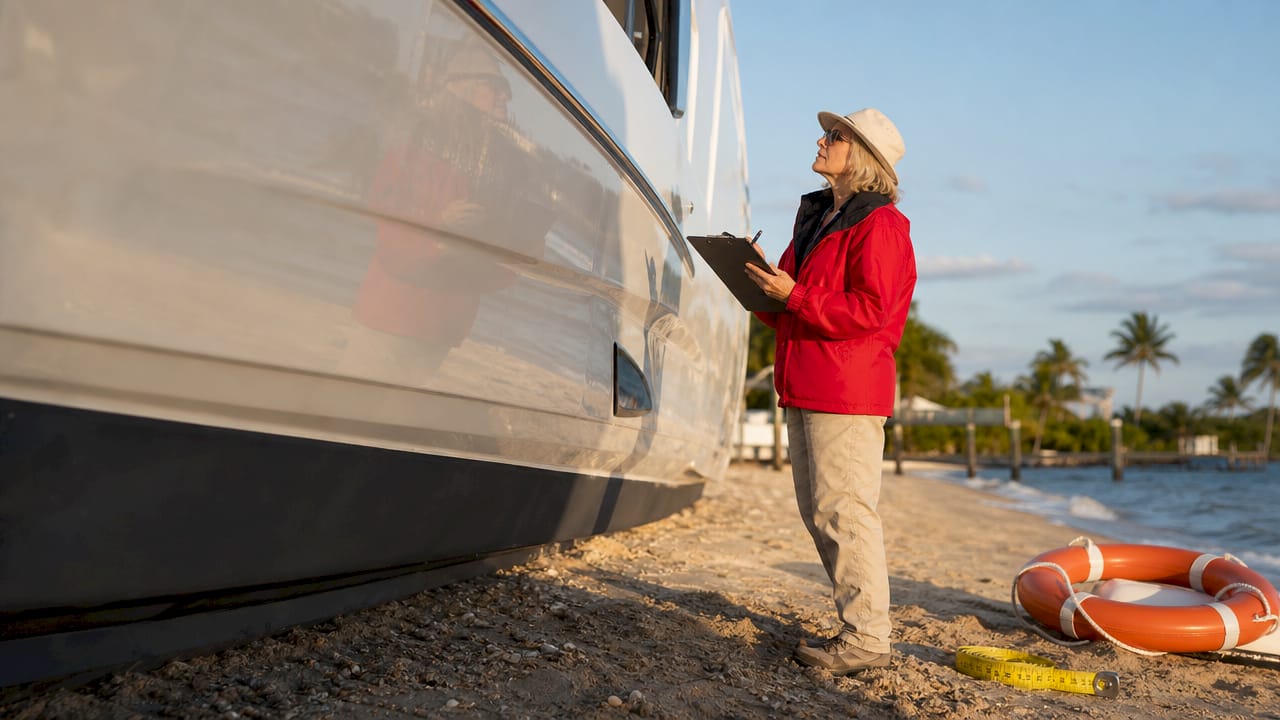
Underwriters increasingly require detailed maintenance logs for critical systems, including seacocks, fire suppression, and bilge pumps, before binding coverage. Documented storm haul-out plans are also becoming standard requirements. Owners who treat these records as optional often find their claims disputed at the worst possible moment.
Common H&M claims include storm damage, grounding, mechanical breakdown, and fire. Each of these scenarios can generate repair costs that dwarf the annual premium. Keeping your vessel survey current, typically within 24 months, is the single most effective way to maintain favorable underwriting terms.
Pro Tip: Deductibles on luxury yachts are calculated as a percentage of hull value. A 1% deductible on a $2 million yacht means $20,000 out of pocket per claim. Accepting a slightly higher deductible percentage can meaningfully reduce your annual premium, which makes sense if your loss history is clean.
2. Why P&I liability coverage is non-negotiable
Protection and indemnity (P&I) insurance covers your legal liability to third parties. That includes bodily injury to guests or marina workers, damage to other vessels or dock infrastructure, pollution liability, and wreck removal costs. Without adequate P&I, a single incident can expose you to claims that exceed the value of the yacht itself.
P&I limits for superyachts range from $5 million to $100 million, depending on vessel size and usage. A 40-meter motor yacht operating in busy Mediterranean marinas warrants limits at the higher end of that range. A smaller sailing yacht in less trafficked waters may be adequately protected at lower limits, but the calculation should always be made deliberately, not by default.
Key scenarios P&I covers include:
- Bodily injury to guests, crew, or third parties
- Property damage to other vessels, docks, or marina infrastructure
- Pollution liability from fuel or oil spills
- Wreck removal costs mandated by port authorities
- Legal defense costs in admiralty proceedings
Flag-state regulations and marina requirements often set minimum P&I thresholds. Cruising in European Union waters, for example, frequently requires documented liability coverage before a berth is assigned. Treating P&I as a regulatory checkbox rather than a genuine risk tool is a mistake owners tend to regret after the fact.
3. What crew coverages should owners consider?
Crew insurance is mandatory under most flag-state regulations and aligns with the Maritime Labour Convention 2006 (MLC 2006) framework. MLC 2006 sets minimum standards for crew welfare, including medical care, repatriation, and compensation for injury or death. Failing to meet these standards exposes owners to regulatory penalties and personal liability.
A complete crew coverage package includes:
- Workers’ compensation for injury or illness sustained on duty
- Jones Act liability for vessels operating in U.S. waters
- Medical expenses and hospitalization coverage
- Repatriation costs if a crew member must return home due to illness or injury
- Death and disability benefits
Pro Tip: Charter operations and commercial use change the underwriting picture significantly. If your yacht operates under a charter flag, confirm that your crew policy explicitly covers commercially employed staff. Many standard crew policies exclude commercial operations, creating a gap that only surfaces during a claim.
Owners who employ professional captains and full-time crew often underestimate the cumulative liability exposure. A single serious injury claim can reach six figures in medical and legal costs. Crew coverage is not a courtesy. It is a contractual and ethical obligation that also protects the owner’s financial position.
4. Optional endorsements that strengthen your policy
A base policy covering hull, P&I, and crew addresses the core risks. Specialized endorsements address the rest. Specialist insurers offer worldwide cruising ranges with all-risk policies that include cyber damage, racing participation, and specialized tender coverage as endorsed extras.
- Tender and water toy coverage. Tenders, jet skis, and paddleboards are often excluded from the main hull policy unless specifically endorsed. A tender yacht represents a significant asset in its own right and deserves its own agreed value endorsement.
- Racing and regatta endorsements. Standard policies exclude racing because the risk profile changes dramatically. If you participate in events like the Superyacht Cup or Antigua Sailing Week, a racing endorsement is required to maintain coverage during competition.
- Cyber insurance. Modern yachts run networked navigation, communication, and entertainment systems. A cyberattack or system failure can disable critical safety equipment. Cyber coverage for onboard electronics is a relatively new endorsement category, but it is rapidly becoming standard practice.
- Fine art, valuables, and personal effects. Artwork, wine collections, and high-end electronics stored aboard require scheduled coverage. Standard policies cap personal effects at nominal amounts that rarely reflect actual value.
- Towing, salvage, and emergency services. Salvage operations in open water can cost hundreds of thousands of dollars. Confirming that your policy includes adequate salvage and wreck removal limits prevents a rescue from becoming a second financial disaster.
- Navigation limits and storm haul-out plans. Cruising outside approved navigation limits without prior insurer approval can void coverage entirely, even for minor deviations. Proactive communication with your underwriter before any extended passage is the only reliable safeguard.
| Coverage type | What it protects |
|---|---|
| Tender and water toys | Auxiliary vessels and recreational equipment |
| Racing endorsement | Vessel and liability during competitive events |
| Cyber insurance | Networked navigation and onboard systems |
| Fine art and valuables | Scheduled high-value items aboard |
| Salvage and wreck removal | Emergency towing and mandatory wreck clearance |
5. Understanding premium costs and what drives them
Annual premiums for luxury yachts typically run from 0.5% to 1.5% of vessel value. For superyachts valued above $50 million, annual premiums can exceed $250,000. That range reflects the complexity of the risk, not just the asset value.
Several factors push premiums toward the higher end of the range. These include extended cruising areas, charter operations, racing participation, older vessels with limited survey history, and crew with limited documented experience. Owners who invest in professional crew training, current surveys, and thorough maintenance records consistently achieve better underwriting terms.
The single-carrier strategy is worth examining here. Consolidating yacht insurance with broader personal liability and high-net-worth coverage under one insurer simplifies claims management and often produces premium savings. It also eliminates the coverage gaps that appear when multiple carriers argue over which policy responds to a given loss.
6. How to select a qualified yacht surveyor
A current marine survey is the document underwriters trust most. Selecting the right surveyor is therefore a direct insurance consideration, not just a purchase formality. The types of yacht surveys that matter most for insurance purposes are the condition and valuation survey and the pre-purchase survey.
Yacht surveyor selection criteria should include membership in a recognized professional body such as the Society of Accredited Marine Surveyors (SAMS) or the National Association of Marine Surveyors (NAMS). Both organizations require members to meet documented competency standards and carry professional liability insurance. A surveyor without professional accreditation produces a report that many specialist underwriters will not accept.
The survey itself should cover structural integrity, mechanical systems, safety equipment, electrical systems, and navigation electronics. A thorough survey report gives underwriters the confidence to offer agreed value terms. A thin or outdated report often results in market value terms or outright declination. Treat the survey as an investment in your coverage quality, not a cost to minimize.
7. Building a yacht insurance checklist before binding coverage
A structured yacht insurance checklist prevents the coverage gaps that surface only during a claim. Working through each item before signing a policy is the most practical risk management step an owner can take.
The checklist should confirm the following:
- Agreed value hull and machinery coverage with current survey documentation
- P&I liability limits appropriate to vessel size and cruising area
- Crew coverage compliant with MLC 2006 and flag-state requirements
- Endorsements for tenders, water toys, and any racing participation
- Cyber coverage for networked onboard systems
- Scheduled coverage for fine art, valuables, and personal effects
- Navigation limits reviewed and approved for planned passages
- Storm haul-out plan documented and on file with the underwriter
- Deductible structure reviewed against out-of-pocket risk tolerance
- Annual review date set to align with vessel use changes
Specialized marine insurance brokers with maritime law expertise are the most reliable guides through this process. They know which underwriters specialize in luxury vessels, which policy wordings create hidden gaps, and how to negotiate terms that reflect the owner’s actual risk profile rather than a generic template.
Key takeaways
Luxury yacht insurance requires agreed value hull coverage, adequate P&I liability, MLC 2006-compliant crew protection, and tailored endorsements to close the gaps that standard marine policies leave open.
| Point | Details |
|---|---|
| Agreed value is non-negotiable | Agreed value policies pay the predetermined insured amount, not a depreciated market value. |
| P&I limits must match vessel size | Superyacht P&I coverage ranges from $5 million to $100 million depending on size and usage. |
| Crew coverage is a legal obligation | MLC 2006 mandates crew welfare standards including medical care, repatriation, and injury compensation. |
| Endorsements close critical gaps | Tenders, cyber risks, racing, and fine art require specific endorsements beyond the base policy. |
| Documentation drives underwriting quality | Current surveys, maintenance logs, and storm plans determine whether you receive agreed value terms. |
What I’ve learned about getting yacht insurance right
Working alongside luxury yacht owners and buyers for years, I’ve noticed one pattern that repeats itself with uncomfortable regularity. Owners who spend months selecting the perfect vessel spend far less time selecting the right insurance structure. The policy gets treated as a formality rather than a financial instrument. That mindset is expensive.
The most common oversight I see is inadequate P&I limits. An owner insures a $10 million yacht with $5 million in liability coverage and considers the job done. But a serious collision in a crowded marina, or a fuel spill that triggers environmental cleanup, can generate claims that dwarf that limit. The liability exposure on a luxury vessel is not proportional to its size. It is proportional to the damage it can cause.
The second pattern is the fragmented policy approach. Owners hold hull coverage with one insurer, crew coverage with another, and personal liability with a third. When a claim involves all three, the carriers spend months determining which policy responds. Meanwhile, the owner manages the dispute while also managing the aftermath of the incident. Consolidating under a single carrier with a specialized yacht broker who understands the full picture is the cleaner, more defensible approach.
My honest recommendation is to treat your annual insurance review with the same seriousness as your annual survey. Vessel use changes. Cruising areas expand. You add a tender, hire a new captain, or start chartering. Each of those changes alters your risk profile. A policy that was perfectly calibrated two years ago may have three coverage gaps today. The review costs nothing. The gap costs everything.
— Jason
Yachts-bysteve and the art of protecting what you own
Owning a luxury yacht is one of the most rewarding expressions of a life well built. Protecting it deserves the same care and expertise that went into acquiring it. Yachts-bysteve works with owners and prospective buyers to connect them with the right specialists at every stage, from the initial purchase decision through the complexities of insurance, surveys, and ongoing ownership. If you are preparing to buy or already own a vessel and want guidance on choosing the right broker to support your insurance and acquisition decisions, Yachts-bysteve offers the kind of personalized, knowledgeable partnership that affluent owners deserve. The sea is constant. Your coverage should be too.
FAQ
What is agreed value coverage in yacht insurance?
Agreed value coverage pays the predetermined insured amount in a total loss, rather than a depreciated market value. It is the preferred structure for high-value yachts because it provides financial certainty.
How much P&I liability coverage does a luxury yacht need?
P&I limits range from $5 million to $100 million depending on vessel size and cruising area. Larger vessels operating in busy marinas or international waters warrant limits at the higher end of that range.
Is crew insurance legally required for yacht owners?
Crew coverage is mandatory under most flag-state regulations and aligns with the Maritime Labour Convention 2006 (MLC 2006). It covers medical expenses, repatriation, workers’ compensation, and Jones Act liability for U.S. waters.
What happens if I cruise outside my policy’s navigation limits?
Cruising outside approved navigation limits without prior insurer approval can void your coverage entirely, even for minor deviations. Always notify your underwriter before any passage that extends beyond your stated cruising area.
How often should a luxury yacht owner review their insurance policy?
An annual review aligned with any change in vessel use, cruising area, crew, or onboard valuables is the standard best practice. Changes in any of these factors can create coverage gaps in an otherwise sound policy.
Recommended
Featured Listings
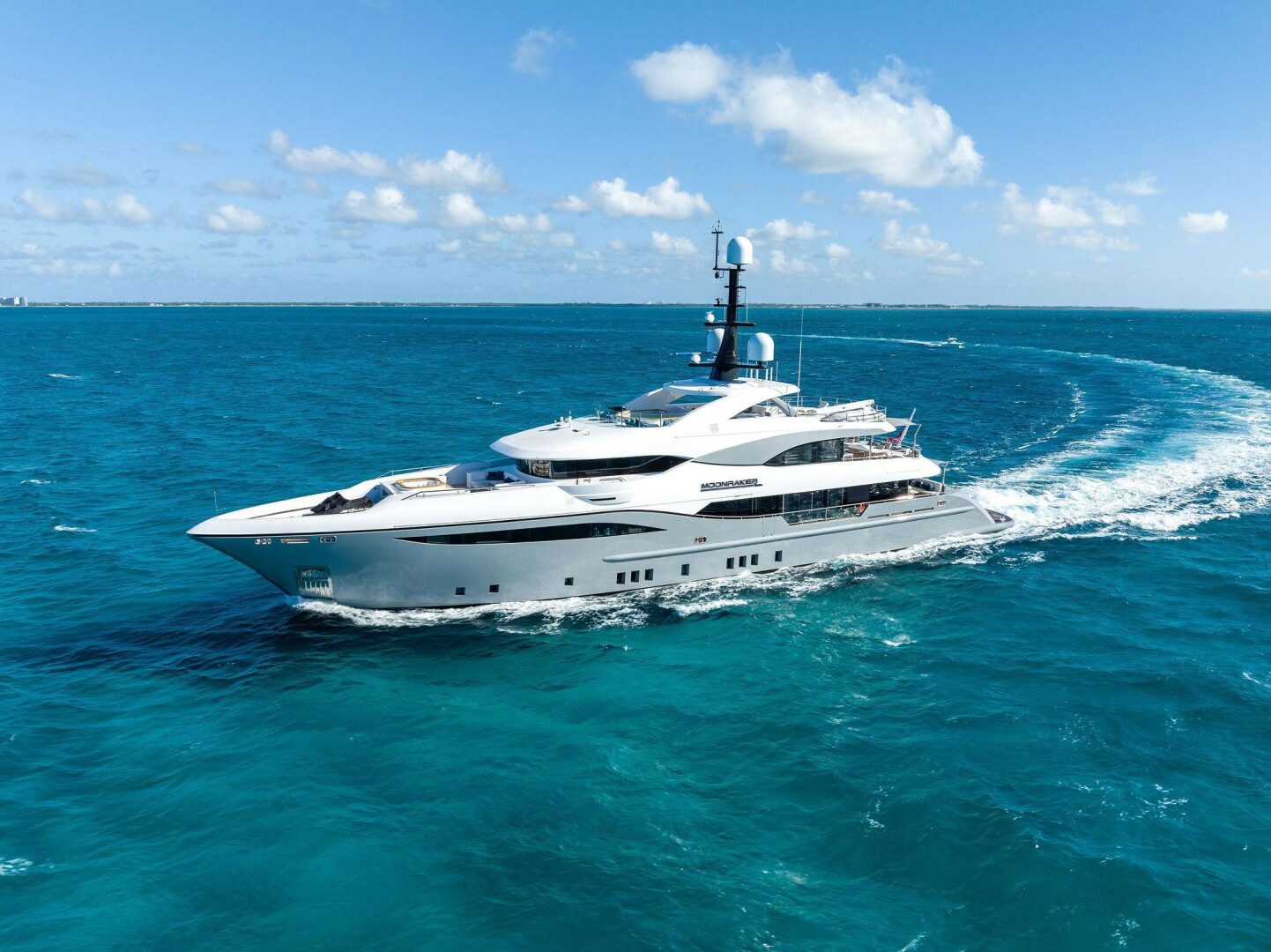
2019 Bilgin MOONRAKER
$21,404,500
156
West Palm Beach Florida

2028 Columbus Yachts
$22,900,008
137
Ancona
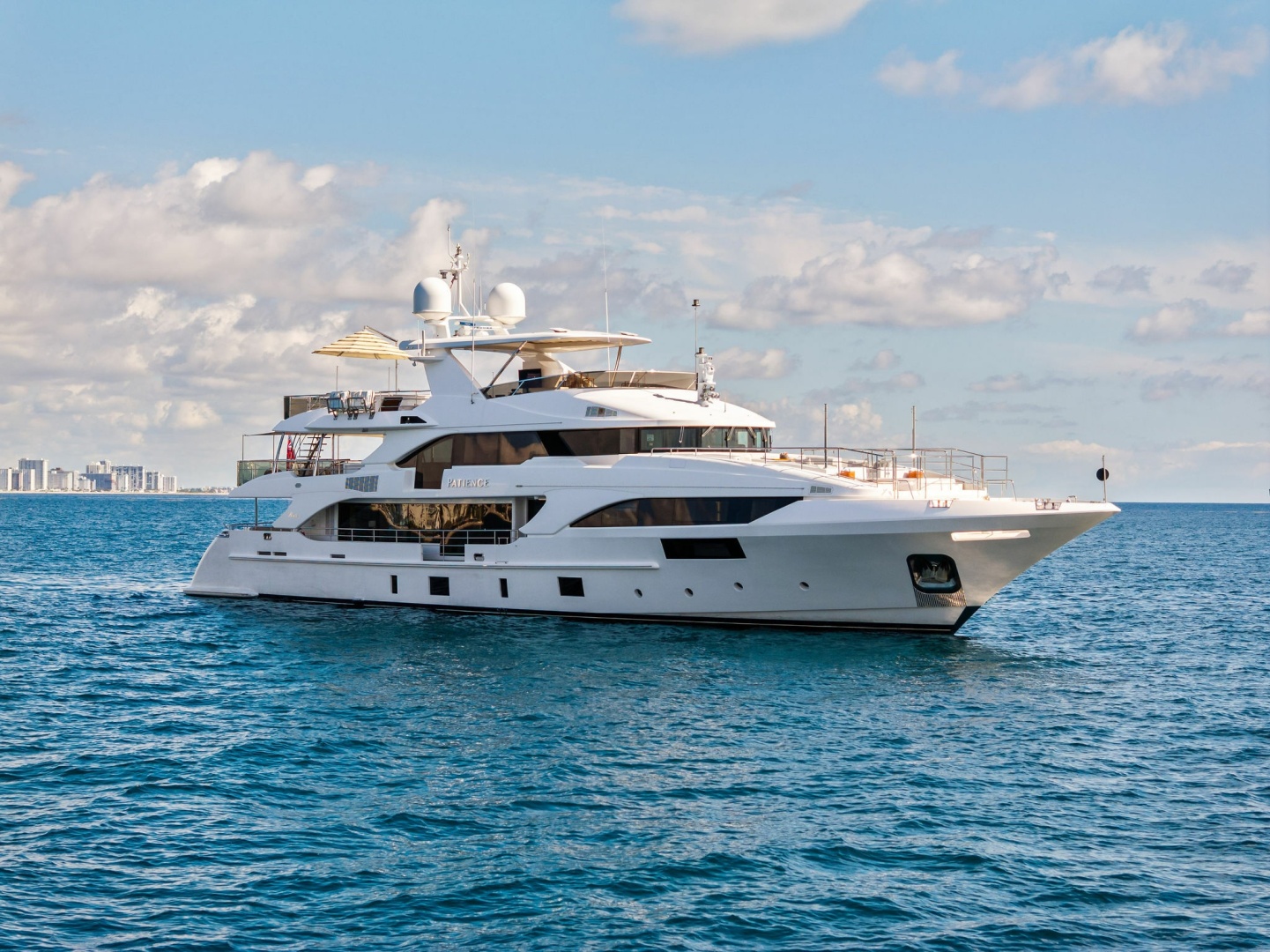
2012 Benetti PATIENCE
$10,975,000
132
Fort Lauderdale Florida
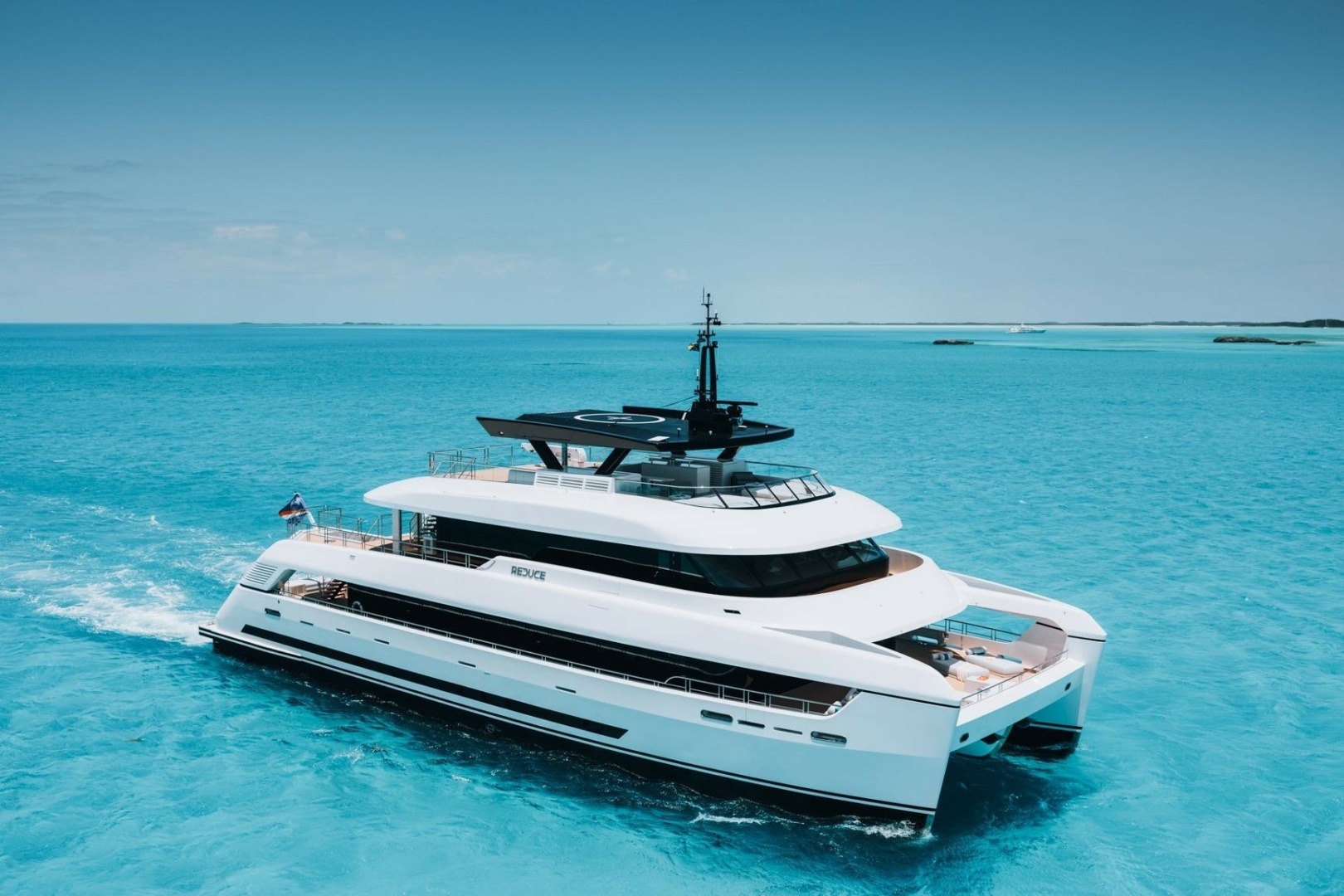
2024 Silver Yachts
$25,400,000
117
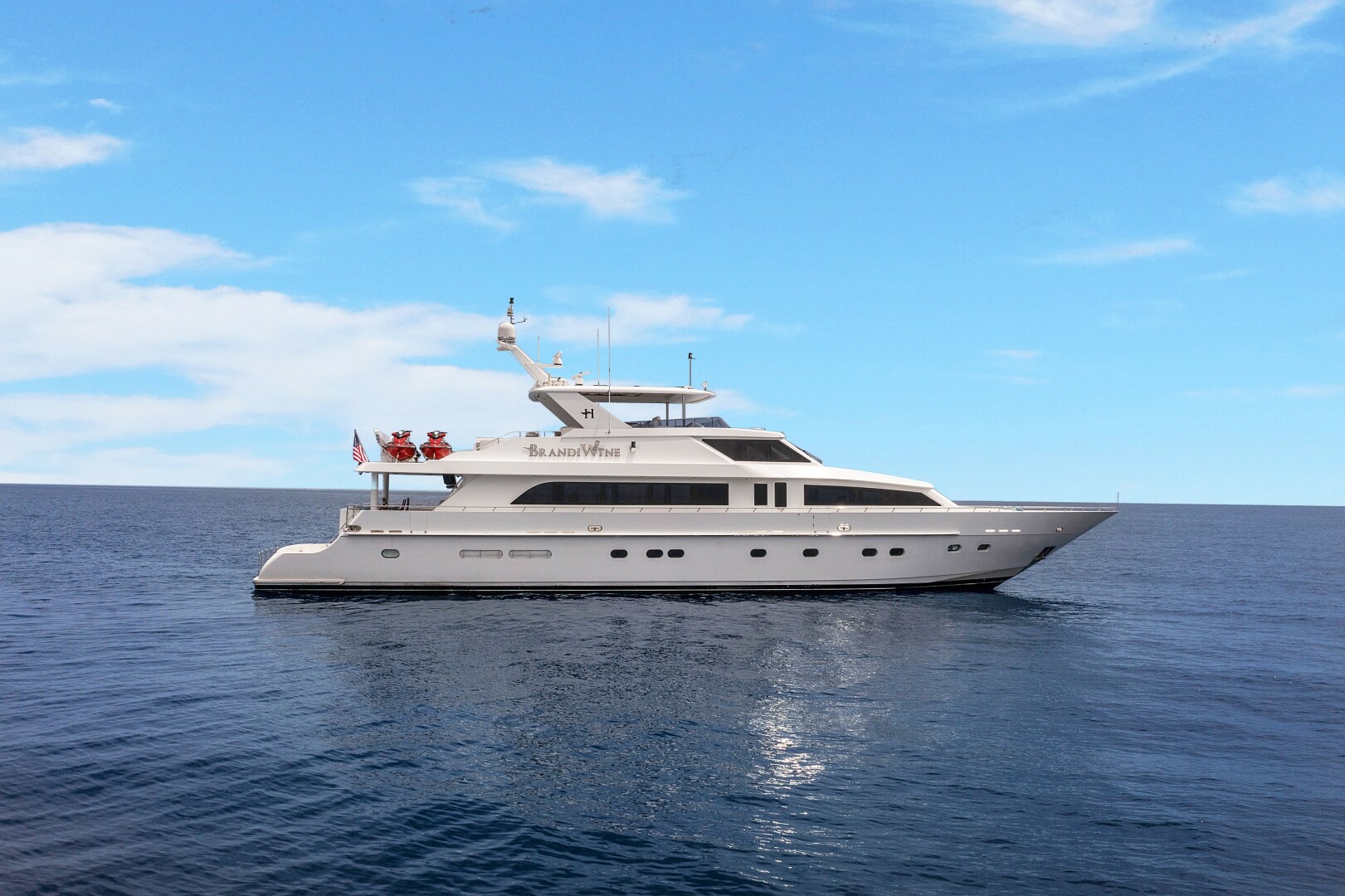
2009 Hargrave BRANDI WINE
$2,995,000
114
Fort Lauderdale Florida

2028 Extra Yachts
$21,404,500
100
Ancona

2028 Extra Yachts Extra 96
$9,495,000
96
Ancona
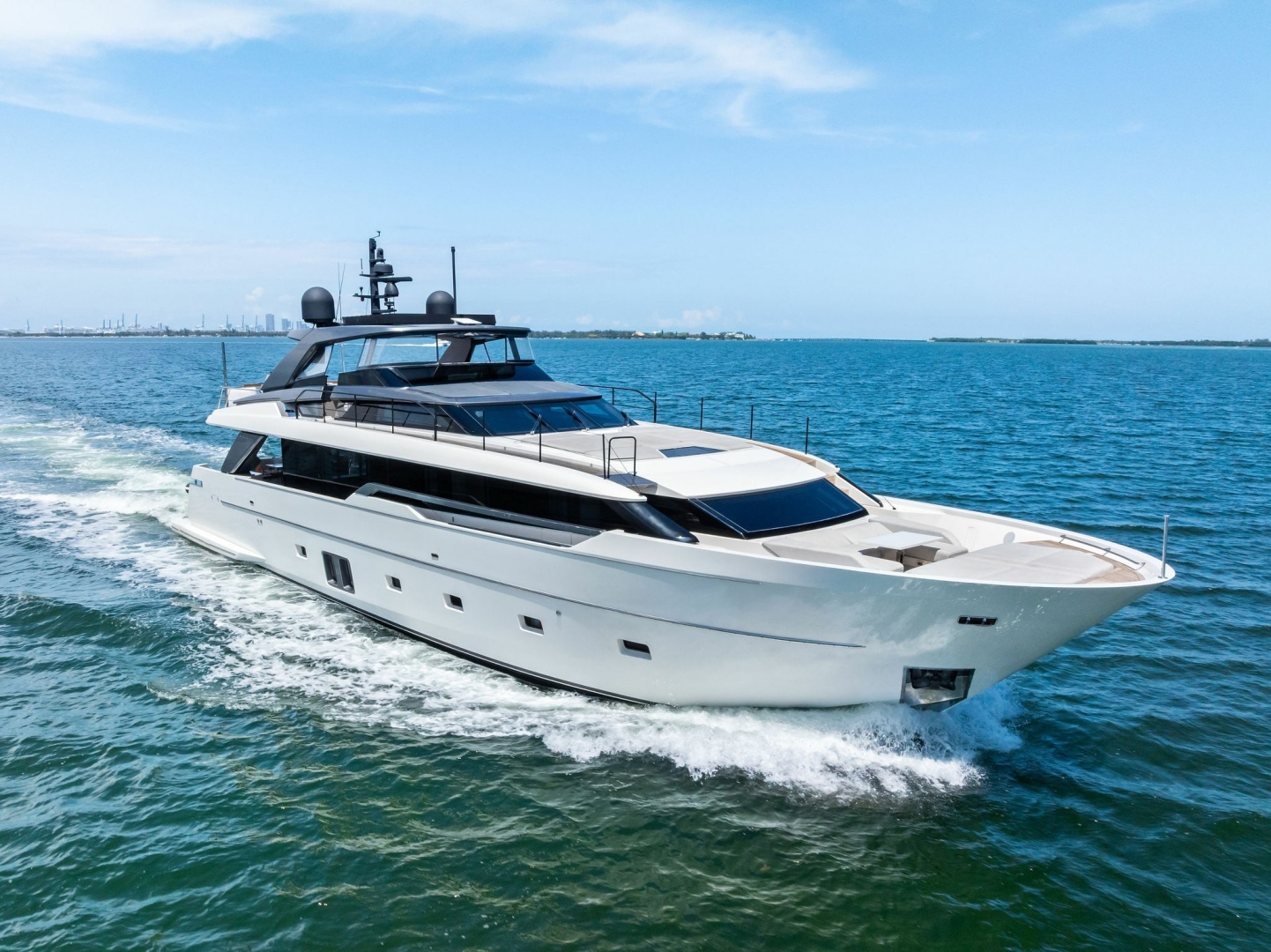
2021 Sanlorenzo GATSBY
$6,795,000
96
Miami Beach Florida

1999 Northern Marine OFF LINE
$2,495,000
84
Ft Lauderdale Florida
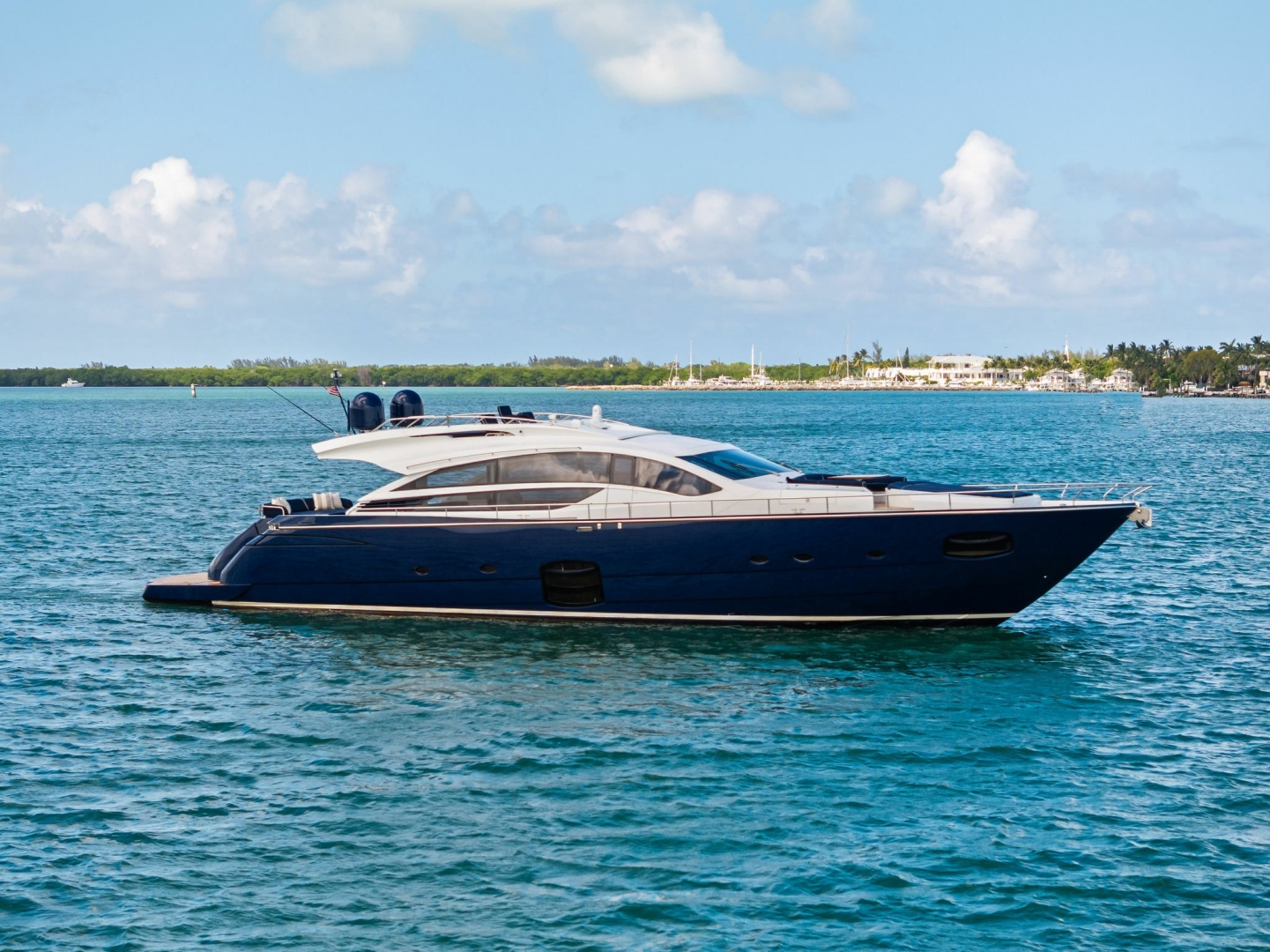
2013 Pershing DOROTHY ANN
$1,750,000
82
Miami Beach Florida

1997 Ferretti Yachts
$850,000
80
La Paz
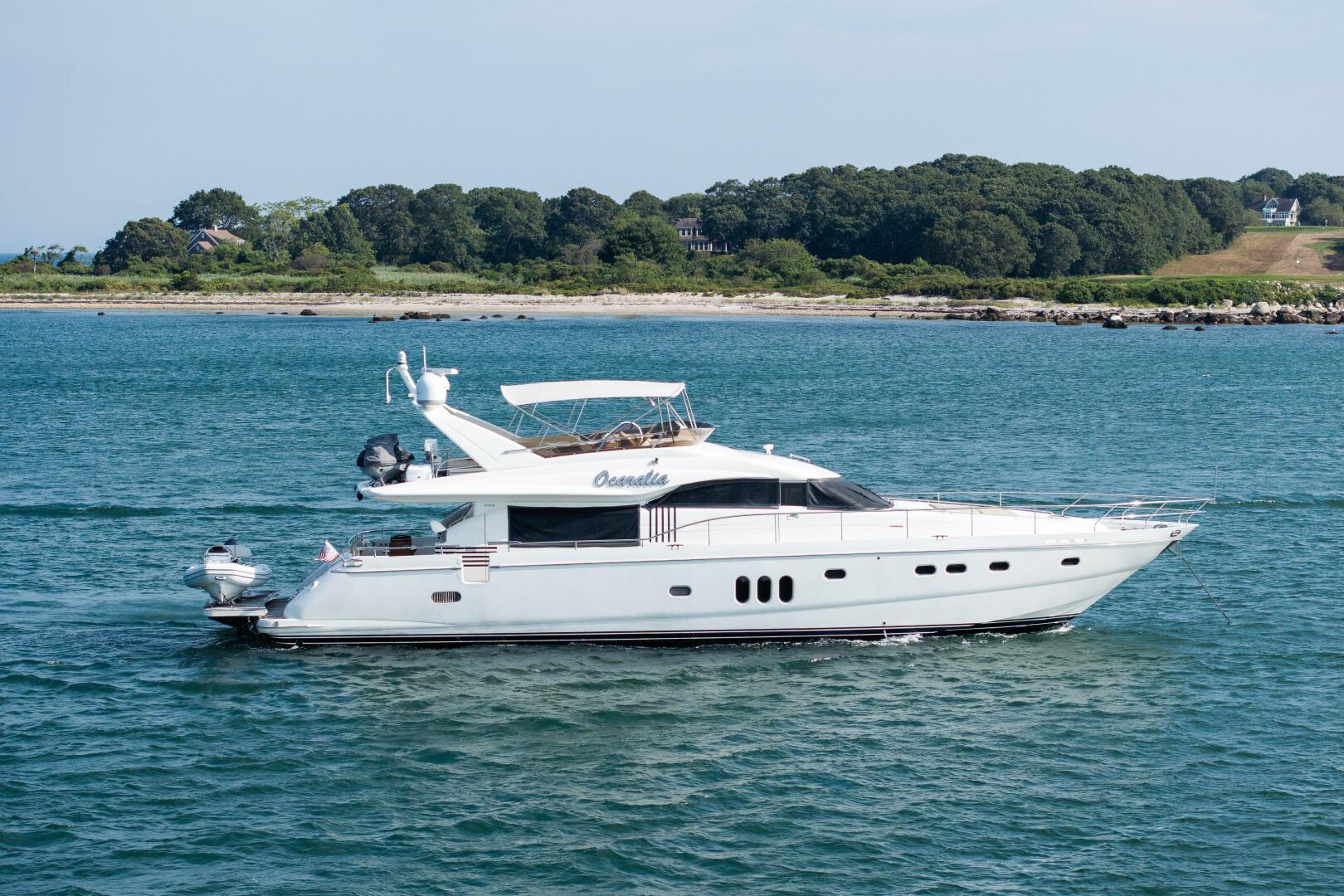
2008 Princess Yachts OCARALIA
$1,095,000
75
Charleston South Carolina
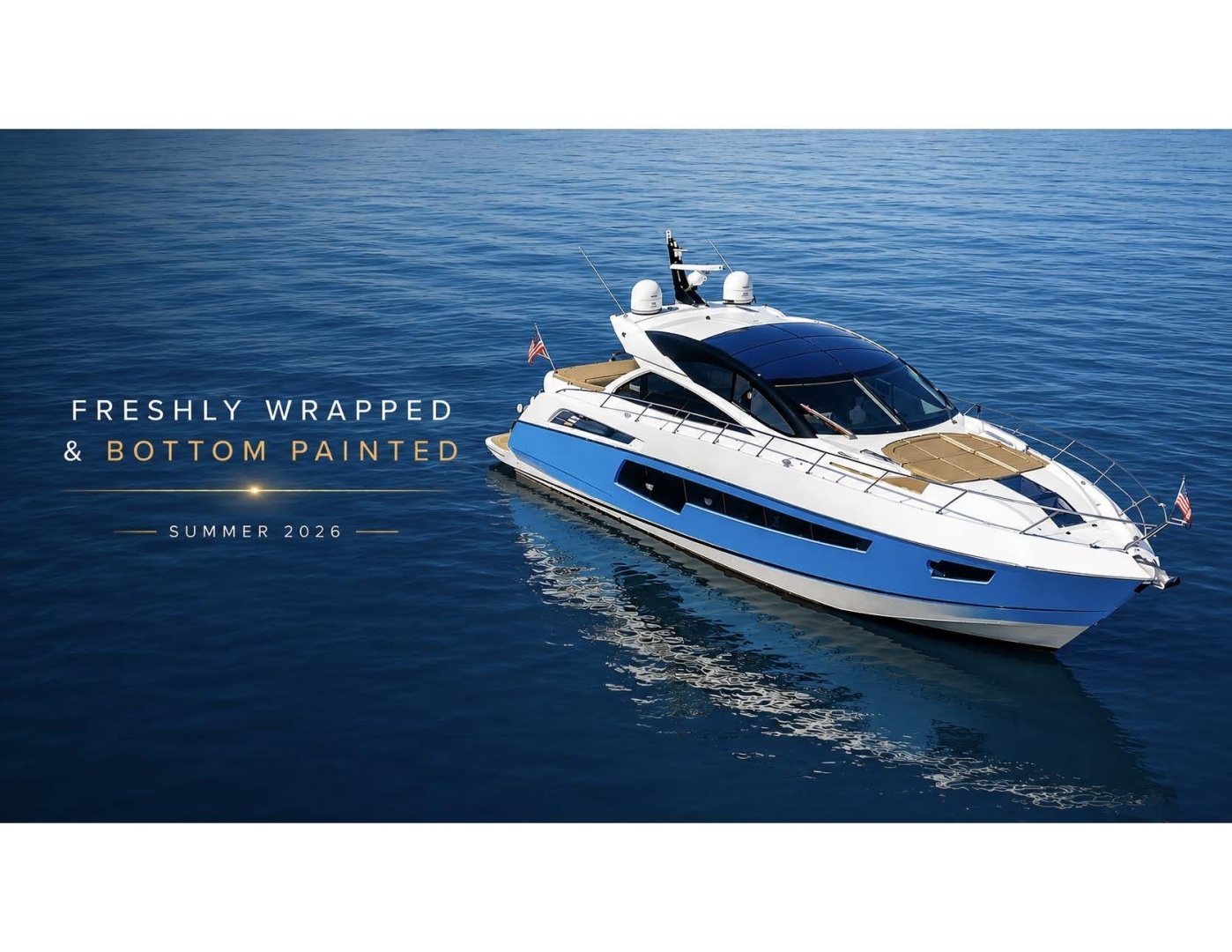
2014 Sunseeker
$1,400,000
68
New York New York

2024 Fairline
$2,750,000
68
Ft. Lauderdale Florida

2024 Sunreef Catallaxi
$3,700,000
60
Newport Rhode Island
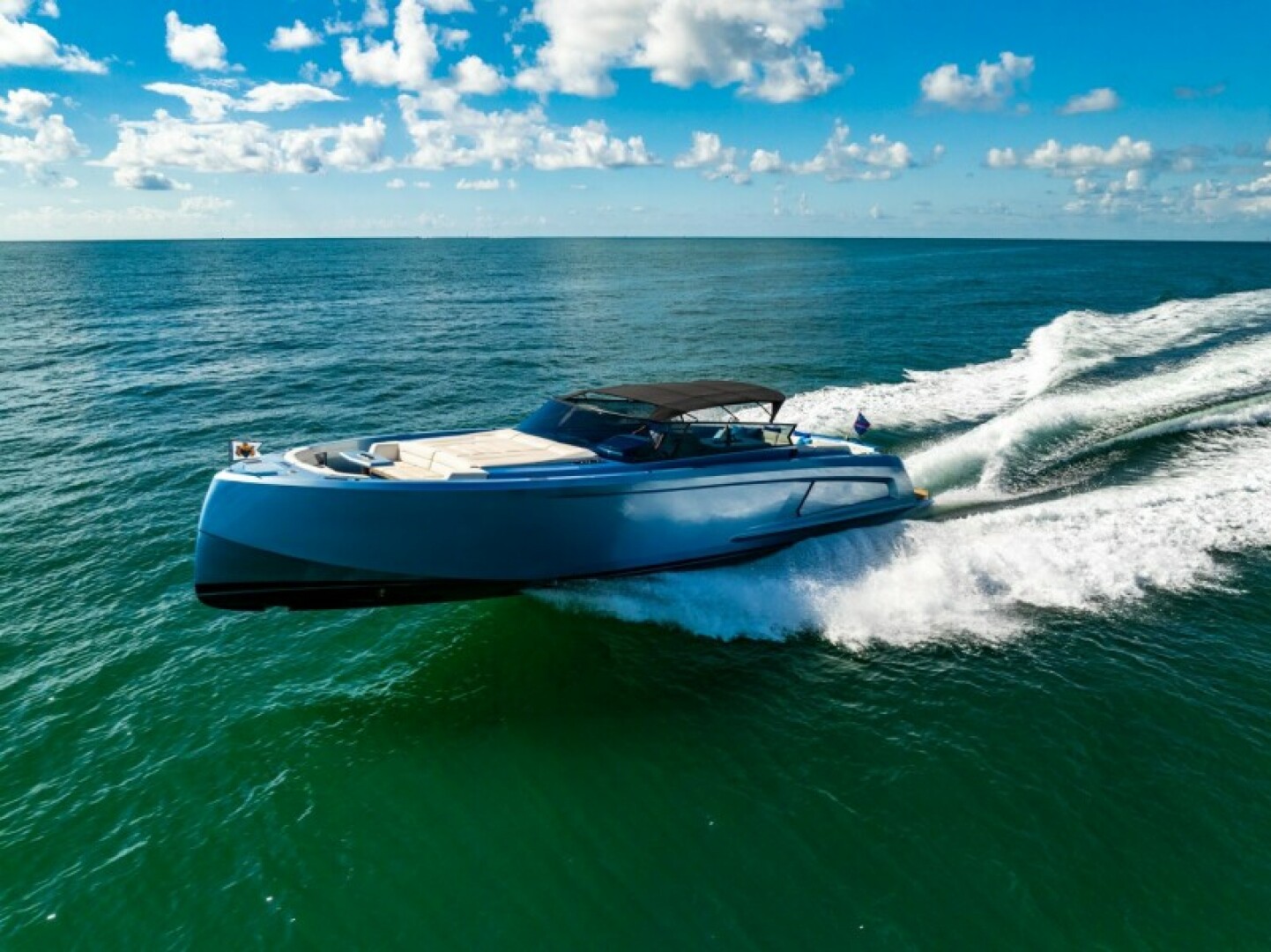
2019 Vanquish Yachts IMPULSIVE
$1,799,000
58
Miami Beach Florida
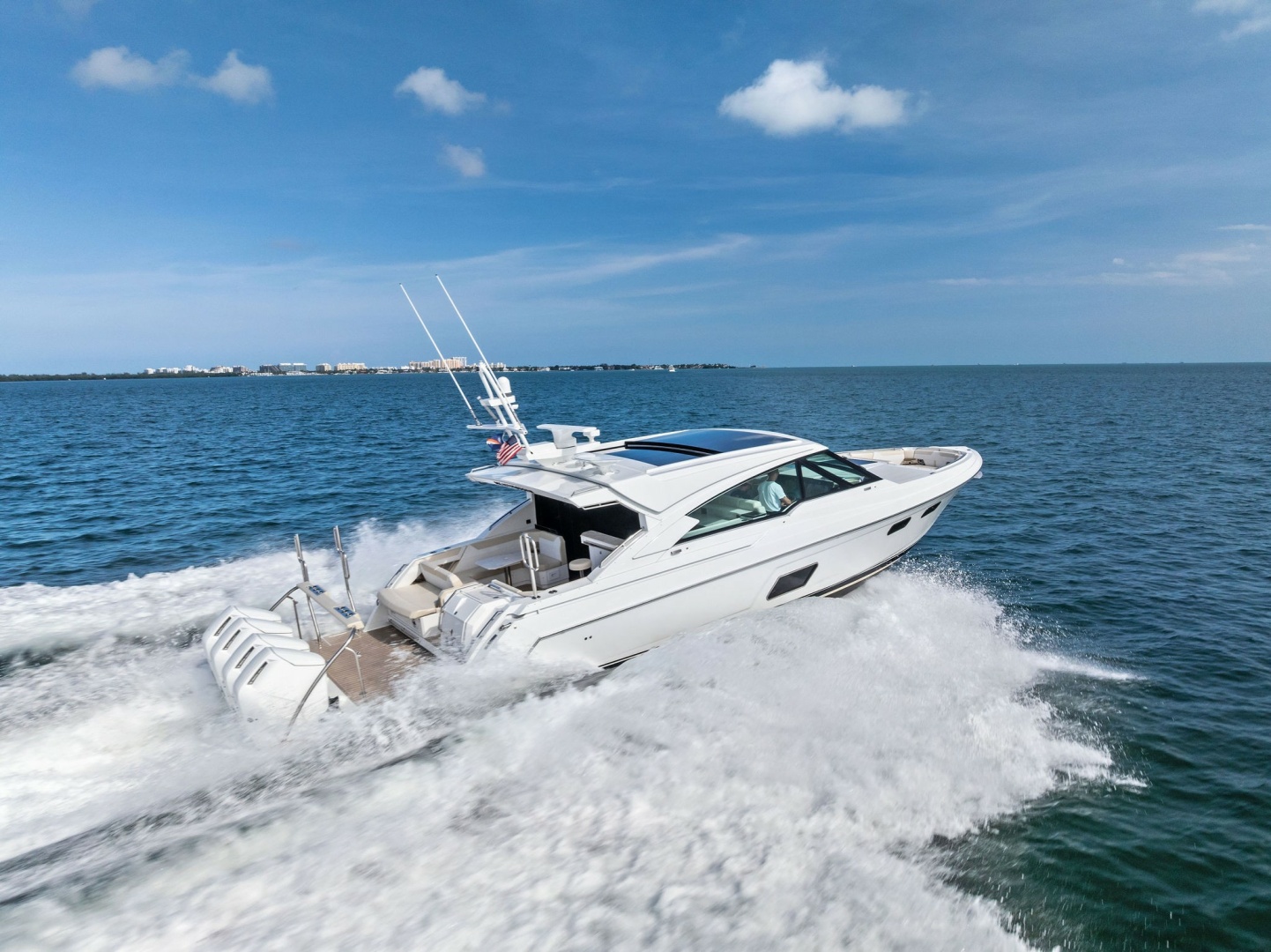
2025 Formula BREAKTHROUGH III
$1,895,000
53
Miami Beach Florida

2023 Fairline
$900,000
45
Fort Lauderdale Florida
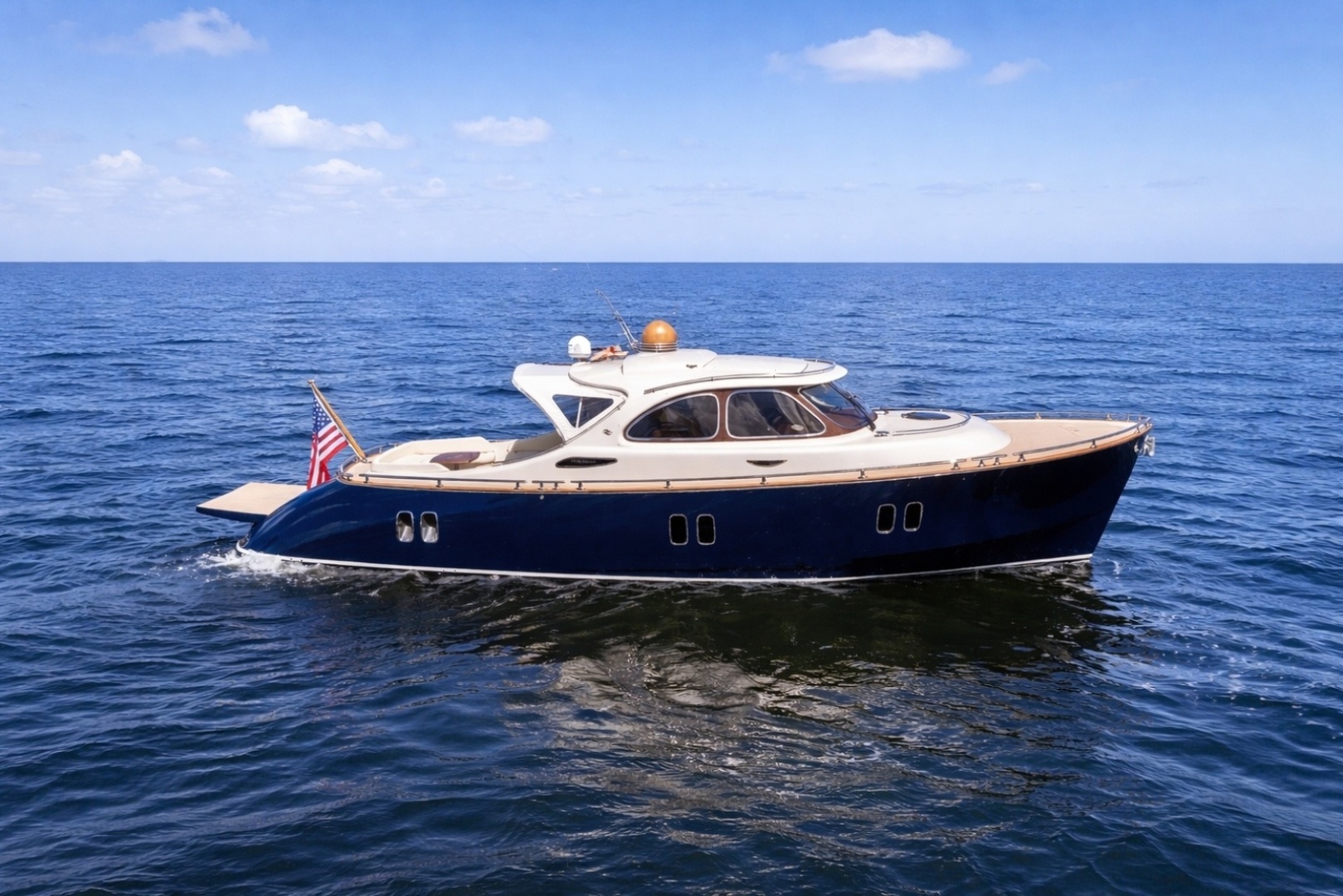
2012 Zeelander Mississippi Queen
$575,000
44
West Palm Beach Florida
2019 Bilgin 156'
$21,404,500
2028 Columbus Yachts 137'
$22,900,008
2012 Benetti 132'
$10,975,000
2024 Silver Yachts 117'
$25,400,000
2009 Hargrave 114'
$2,995,000
2028 Extra Yachts 100'
$21,404,500
2028 Extra Yachts 96'
$9,495,000
2021 Sanlorenzo 96'
$6,795,000
1999 Northern Marine 84'
$2,495,000
2013 Pershing 82'
$1,750,000
1997 Ferretti Yachts 80'
$850,000
2008 Princess Yachts 75'
$1,095,000
2014 Sunseeker 68'
$1,400,000
2024 Fairline 68'
$2,750,000
2024 Sunreef 60'
$3,700,000
2019 Vanquish Yachts 58'
$1,799,000
2025 Formula 53'
$1,895,000
2023 Fairline 45'
$900,000
2012 Zeelander 44'
$575,000