

Everyone recognizes the allure of luxury yachts, but defining what truly sets a yacht apart as an investment often sparks debate among American, British, and European ultra-wealthy circles. Beyond the image of exclusive Mediterranean parties and Caribbean voyages, these vessels serve as both indulgent private retreats and strategic assets. This article unpacks the nuanced reality of luxury yacht investment, separating myth from fact and revealing how the intersection of asset value, personal use, and charter income shapes your portfolio decisions.
Table of Contents
- Defining Luxury Yacht Investment And Misconceptions
- Types Of Luxury Yachts And Investment Models
- How Yacht Ownership Structures Influence Returns
- Global Legal, Tax, And Compliance Considerations
- Risks, Costs, And Maximizing Yacht Value
Key Takeaways
| Point | Details |
|---|---|
| Understanding Luxury Yachts | Luxury yacht investments are unique, blending personal enjoyment with financial potential, and are typically defined as vessels over 24 meters in length. |
| Investment Models | There are various ownership models—personal use, charter, and hybrid—that influence financial returns, operational costs, and lifestyle experiences. |
| Ownership Structures | Your choice of ownership structure (sole, joint, corporate) significantly impacts tax efficiency, liability protection, and overall investment returns. |
| Operational Costs | Annual operating expenses vary by yacht size, and establishing a maintenance reserve is crucial to avoid financial emergencies from unexpected repairs. |
Defining Luxury Yacht Investment and Misconceptions
When most people hear “luxury yacht investment,” they conjure images of billionaires sipping champagne on sun-drenched decks or celebrities hosting lavish parties in Monaco. While those scenes certainly exist, the reality of yacht ownership as an asset class is far more nuanced and strategic. A luxury yacht investment refers to the acquisition of a high-value vessel, typically exceeding $1 million, with the dual purpose of personal enjoyment and financial appreciation. Unlike purchasing a primary residence or traditional securities, yacht investments operate in a unique intersection of lifestyle spending and tangible asset ownership. The vessel serves as both a personal sanctuary and a potential revenue-generating asset through charter operations, making it distinctly different from conventional luxury purchases that immediately depreciate.
The term “luxury yacht” itself lacks a universally accepted definition, though industry professionals generally classify vessels over 24 meters (approximately 79 feet) as luxury-grade craft. [Superyachts], typically defined as vessels exceeding 24 meters, are professionally crewed, highly customized vessels often seen as symbols of wealth and status. What separates a true luxury yacht investment from simply buying a boat comes down to several factors: construction quality, customization options, professional crew capabilities, and resale value retention. These yachts feature integrated navigation systems, advanced climate control, sophisticated entertainment installations, and materials sourced globally. Understanding how luxury goods function economically reveals that yachts occupy a unique position as assets with high income elasticity, meaning their demand fluctuates significantly with the wealth of potential buyers rather than with general economic conditions.
Critical misconceptions cloud how investors evaluate yacht ownership. The most pervasive myth suggests that yachts are purely depreciating assets destined to lose value rapidly. While it’s true that yachts experience depreciation, this misconception ignores the nuanced reality of the luxury marine market. Well-maintained vessels constructed by reputable builders actually maintain their value more effectively than many assume, particularly when positioned for charter income. A second widespread misunderstanding portrays yacht investment as exclusively for leisure, overlooking the serious business implications of charter operations and expedition capabilities. Sophisticated investors recognize that structuring yacht ownership to generate revenue through professional charters or corporate rentals transforms the economics entirely. Another dangerous misconception involves assuming all yachts are equivalent investments. In reality, hull material, propulsion type, age, builder reputation, and interior design dramatically affect both enjoyment and asset retention. Additionally, many potential investors incorrectly believe yacht investment requires direct, hands-on management. Professional crew, dedicated yacht management companies, and established brokerage networks like those at Yachts by Steve mean you can maintain distance from operational details while the asset works for you. Perhaps most significantly, some dismiss yachts as environmentally problematic without recognizing that modern luxury vessels employ substantially more efficient technologies than their predecessors, and that responsible ownership practices can minimize environmental impact.
Pro tip: Before committing to any yacht investment, work with a specialized broker to distinguish between yachts designed purely for personal use versus those configured for charter income generation, as this distinction fundamentally shapes your investment thesis and potential returns.
Types of Luxury Yachts and Investment Models
The luxury yacht market isn’t monolithic. Different vessel types serve distinct purposes and attract different investor profiles, each with unique financial implications and lifestyle considerations. Understanding the spectrum of options available helps you align your purchase with both your personal preferences and investment objectives. Broadly speaking, luxury yachts fall into several categories based on design philosophy, propulsion type, and intended use. Motor yachts prioritize speed, comfort, and entertainment, making them ideal for those who enjoy traveling between destinations quickly while hosting sophisticated gatherings. Sailing yachts appeal to purists and experienced mariners who value the tactile experience of wind-powered navigation combined with luxury accommodations. Expedition yachts represent a newer category designed for serious travelers seeking extended range and capability in remote regions, from Arctic expeditions to Antarctic voyages. Megayachts, typically exceeding 30 meters, occupy the apex of the market with virtually unlimited customization and amenities. Each category commands different operational costs, attracts different charter clientele, and carries distinct depreciation curves. Comprehensive yacht classifications provide detailed breakdowns of these categories based on size, construction, and functional design principles that directly impact investment viability.
Beyond vessel type, your investment model fundamentally shapes your financial returns and lifestyle experience. The pure personal use model involves buying a yacht exclusively for private enjoyment, with no income generation. This approach appeals to ultra-high-net-worth individuals for whom charter operations feel incompatible with their privacy preferences or whose wealth makes operational income irrelevant. However, this model provides no revenue offset against maintenance, crew, fuel, and docking expenses, meaning the yacht functions purely as a consumption asset. The charter model structures ownership specifically to generate revenue through professional charter operations. A well-positioned charter yacht can generate $300,000 to $1 million annually in revenue, depending on size, location, and market positioning. This model requires accepting reduced personal availability during peak season, professional crew management, and regulatory compliance with charter regulations. The hybrid model balances personal use with selective charter availability, allowing you to recoup a portion of operational costs while maintaining flexible access to your vessel. This approach demands careful scheduling and professional management but offers middle-ground economics for investors seeking lifestyle without complete financial sacrifice.
Your choice between custom-built and pre-owned vessels also influences investment dynamics substantially. Custom builds allow complete control over design, materials, and systems, potentially enhancing long-term value retention and personalization. However, custom construction requires 24 to 36 months and demands active involvement in design decisions. Pre-owned yachts offer immediate delivery, established maintenance histories, and reduced depreciation exposure since the previous owner absorbed initial value loss. The secondary market also provides opportunities to purchase well-maintained vessels from respected builders at significant discounts. Industry professionals recognize that superyacht ownership models vary considerably based on individual investor goals, with charter-positioned vessels often appreciating more steadily than pure personal use yachts due to demonstrated income potential and broader appeal among future buyers. Size deserves particular attention within your investment framework. Smaller luxury motor yachts between 50 and 80 feet command broader appeal, lower operational costs, and easier docking at premium marinas worldwide. Larger vessels between 100 and 150 feet offer enhanced cruising range and entertainment space but face substantially higher insurance, fuel, and crew expenses. Megayachts exceeding 150 feet represent ultra-exclusive territory with annual operating costs potentially reaching $1 million or more, viable only for those whose investment thesis centers on trophy asset ownership rather than financial optimization.
Pro tip: Start by clarifying whether income generation through charter operations aligns with your goals, as this single decision determines nearly every other aspect of your investment structure, from crew requirements to yacht positioning to insurance considerations.
To clarify investment paths, here is a summary comparing major luxury yacht ownership models:
| Model Type | Primary Goal | Revenue Potential | Control Level |
|---|---|---|---|
| Personal Use | Privacy & leisure | None | Full, owner manages all |
| Charter | Generate income | High ($300k–$1M/year) | Shared with management |
| Hybrid | Mix of leisure & revenue | Moderate | Scheduled, balanced access |
How Yacht Ownership Structures Influence Returns
The way you structure yacht ownership ranks among the most consequential decisions you’ll make as an investor, yet many ultra-high-net-worth individuals overlook its significance while fixating on vessel selection. Your ownership structure fundamentally determines tax efficiency, liability protection, operational flexibility, and ultimately your net returns on the investment. The difference between selecting the wrong structure versus the optimal one can mean saving or losing hundreds of thousands of dollars over the life of your ownership. Three primary ownership frameworks dominate the luxury yacht market, each carrying distinct advantages and drawbacks that align differently with various investor profiles and objectives. Sole ownership represents the simplest approach, where one individual owns the yacht outright or finances it personally. This structure offers complete operational control and straightforward decision making, but concentrates liability exposure on a single entity and typically provides minimal tax optimization. Joint ownership allows multiple parties to share title and operational responsibilities, reducing individual financial burden and enabling cost sharing among partners. However, joint ownership introduces complexity around decision authority, liability allocation, and eventual disposition, often requiring detailed partnership agreements to prevent conflict. Corporate ownership structures the yacht through a business entity such as a limited liability company or corporation, offering significant liability separation and potential tax advantages. Various yacht ownership structures each present different implications for financing capacity, asset protection, and tax treatment that warrant careful professional analysis before commitment.
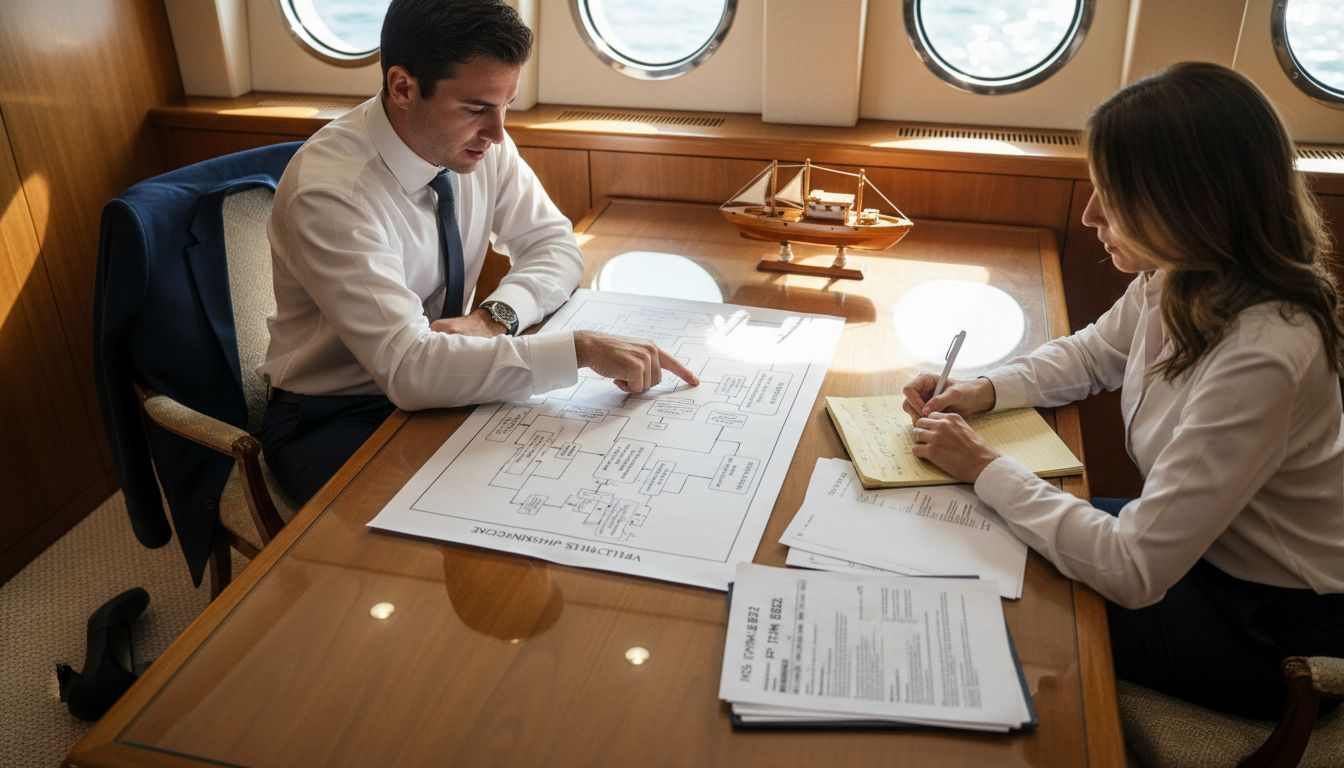
Tax optimization represents perhaps the most substantial return influence tied to ownership structure. When structured appropriately through corporate entities in favorable jurisdictions, yacht ownership can generate deductions for depreciation, operational expenses, and interest on financing, potentially reducing taxable income substantially. Sole ownership typically limits these opportunities unless the yacht generates charter income, at which point certain expenses become deductible against that revenue stream. Corporate structures allow for more sophisticated tax planning, including potential depreciation strategies that sole owners cannot access. Additionally, if you anticipate passing the yacht to heirs or integrating it into estate planning, corporate structures often provide superior outcomes through stepped-up basis treatment and clarity around succession. Some ultra-wealthy investors utilize trust structures specifically designed for yacht ownership, combining liability protection with estate planning advantages. However, tax treatment varies dramatically based on your residency, the yacht’s flagging jurisdiction, and whether you engage in charter operations. The interaction between American tax law, foreign tax treaties, and the flag state’s regulations creates a complex matrix where professional tax and legal counsel becomes not merely advisable but essential. Attempting to optimize independently without specialized expertise frequently costs more than engaging competent professionals upfront.
Liability considerations demand equally serious attention. When you own a yacht personally, liability from accidents, injuries, or environmental incidents can reach directly into your personal assets. Structured ownership through corporate entities creates separation between yacht liabilities and your personal wealth, providing crucial asset protection for individuals with substantial net worth. Insurance policies provide another layer of protection, yet they function within the framework established by your ownership structure. A properly formed limited liability company holding yacht title, combined with appropriate insurance coverage, creates the most robust protection available for ultra-high-net-worth individuals. Conversely, joint ownership without clear liability agreements can create unexpected exposure if one co-owner’s actions generate liability that flows to all co-owners. Charter operations intensify these considerations since commercial maritime activities attract heightened legal exposure compared to purely personal use. Your crew is statistically likely to experience minor injuries during extended operations, and even with comprehensive insurance, claims may exceed policy limits in catastrophic scenarios. The ownership structure you select should anticipate these possibilities rather than ignoring them.
Operational flexibility varies considerably across ownership frameworks, influencing both day-to-day satisfaction and financial outcomes. Sole ownership provides maximum personal control but also maximum personal responsibility for crew management, maintenance oversight, and charter coordination if you pursue that model. Corporate ownership allows you to delegate operational authority to professional management while maintaining ownership interest, creating useful separation between decision making and liability. Joint ownership requires consensus decision making among partners, which can slow responses to operational issues or limit strategic flexibility when market conditions shift. For investors who lack deep maritime experience or who prefer distance from operational details, corporate ownership with professional management typically produces superior outcomes compared to personal ownership that forces you into uncomfortable operational roles. Some investors further benefit from ownership structures that allow easy transition from personal use to charter operations as circumstances evolve. Selecting structures that permit operational flexibility without requiring complete restructuring preserves optionality, which matters significantly when market conditions change or your personal situation evolves.
Pro tip: Engage a maritime attorney and tax specialist before finalizing any ownership structure rather than afterward, as restructuring an already-purchased yacht typically costs substantially more than getting the structure right initially and often creates unexpected tax consequences.
Global Legal, Tax, and Compliance Considerations
Yacht ownership operates within a complex web of international maritime law, flag state regulations, tax treaties, and compliance frameworks that vary dramatically depending on where you purchase, register, and operate your vessel. Many first-time yacht investors dramatically underestimate these legal and tax dimensions, discovering mid-ownership that their purchase structure creates unnecessary complications or that their vessel’s registration exposes them to unexpected liabilities. The reality is that yacht investment cannot be evaluated purely on acquisition price and anticipated appreciation. You must factor in jurisdiction-specific tax obligations, VAT implications, crew licensing requirements, environmental compliance, and maritime liability frameworks that exist independently of your investment thesis. Neglecting these considerations frequently costs investors more than careful planning would have cost initially. The intersection of American tax law, foreign vessel registration, and international maritime conventions creates a labyrinth where specialized professional guidance becomes absolutely necessary rather than merely advisable. Your flag state selection fundamentally determines which regulatory regime governs your vessel, affecting taxation, crew requirements, safety standards, and environmental compliance obligations. Nations such as the Marshall Islands, Panama, and Malta offer favorable flag state registration providing tax efficiency and operational flexibility, while others impose stricter requirements. Conversely, registering under an American flag creates American tax and regulatory exposure but may align with certain business structures or insurance requirements.
Tax treatment varies enormously based on vessel registration, ownership structure, and whether you engage in charter operations. When you own a yacht registered in a low-tax jurisdiction but operate it in high-tax countries through charter activities, conflicting tax claims frequently emerge. The United States imposes worldwide income taxation on American citizens and residents, meaning charterable income from a foreign-flagged yacht remains taxable to American owners regardless of flag state. However, American tax law provides specific provisions for vessels operated as businesses, potentially allowing depreciation deductions and expense offsets that reduce effective tax burden substantially. European jurisdictions typically impose VAT (value added tax) on yacht purchases and ongoing services, with rates ranging from 15 to 25 percent depending on country. Some jurisdictions provide VAT refund mechanisms for non-resident owners who charter vessels commercially, while others impose strict VAT collection requirements on charter operators. Understanding global luxury tax frameworks reveals how different countries justify and structure luxury asset taxation, with profound implications for your effective ownership costs. Additionally, several countries impose annual wealth taxes on yacht ownership, assessed either based on vessel value or flagging jurisdiction. Some investors exploit tax treaty provisions allowing temporary importation of yachts for personal use without triggering VAT obligations, then strategically time operations to minimize tax exposure. However, these strategies require meticulous documentation and professional tax planning to survive audit scrutiny.
Compliance obligations extend far beyond taxation into safety, environmental, and operational domains. International maritime regulatory requirements govern safety equipment, crew certification, environmental protocols, and vessel documentation that yacht owners must maintain continuously. Your crew must hold appropriate certifications corresponding to your yacht’s size and the waters where you operate, with different flag states maintaining different standards. Environmental regulations restrict discharge of ballast water, wastewater, and other materials based on increasingly strict international conventions. If you operate in certain protected waters or sensitive marine areas, additional restrictions may apply beyond baseline international requirements. Some jurisdictions require environmental impact assessments before granting permission for yacht operations. Insurance requirements interact with regulatory obligations, with marine liability policies often imposing conditions that exceed baseline legal requirements. Non-compliance with safety or environmental regulations can result in vessel detention, substantial fines, or criminal liability for company officers depending on violation severity. The complexity intensifies significantly when you operate across multiple jurisdictions, as each territorial water potentially imposes distinct requirements. Professional crew training and robust compliance documentation protect against unexpected exposures.
Estate planning and succession considerations deserve serious attention, particularly for ultra-wealthy investors acquiring yachts as legacy assets. Different jurisdictions treat yacht ownership differently within estate tax frameworks, with some recognizing yacht ownership as part of taxable estate while others provide exemptions or deferrals. International succession treaties don’t consistently govern yacht ownership, meaning your vessel might experience conflicting succession claims from multiple jurisdictions if your estate spans multiple countries. Establishing clear title documentation and maintaining comprehensive ownership records prevents your heirs from discovering complications years after your death. Some sophisticated investors establish trust structures specifically designed to hold yacht title, preserving ownership continuity while providing tax and liability benefits. However, trust structures themselves create regulatory implications that vary by jurisdiction. Professional estate planning counsel who understands maritime assets should review your ownership structure as part of comprehensive estate planning rather than treating yacht ownership as a separate, disconnected financial matter.
Pro tip: Before finalizing any yacht purchase, engage both a maritime law specialist and an international tax advisor to assess your specific flag state, ownership structure, and operational plans, as the cost of professional guidance (typically 5,000 to 15,000 dollars) frequently saves multiples of that amount by preventing suboptimal structural decisions.
Risks, Costs, and Maximizing Yacht Value
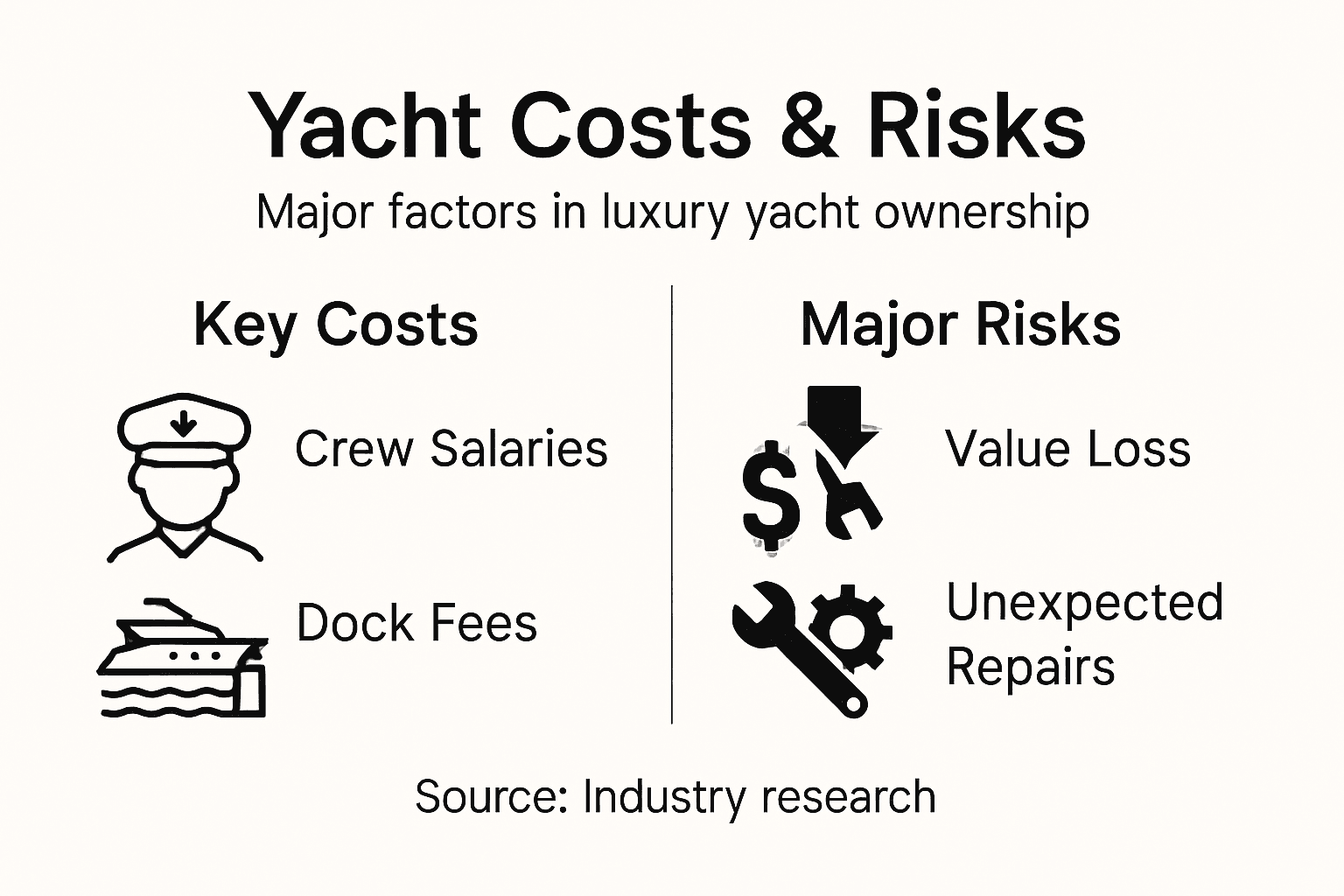
Yacht ownership presents a distinctive risk profile that differs fundamentally from traditional real estate or securities investments. The combination of high operational expenses, market volatility, and specialized maintenance requirements creates financial dynamics that demand careful planning before acquisition. Unlike a residential property that requires minimal intervention beyond routine maintenance, yachts demand continuous professional oversight, sophisticated crew management, and substantial capital reserves for unexpected repairs. Understanding these risks honestly allows you to structure your investment defensively and pursue strategies that genuinely maximize long-term value rather than depleting it through poor decision-making. The primary risk categories affecting yacht investments span operational expenses, market depreciation, maintenance unpredictability, and deterioration from environmental factors. Operational costs include crew salaries, fuel consumption, insurance, docking fees, and regulatory compliance expenses that accumulate regardless of how frequently you actually use the vessel. A 100-foot motor yacht typically incurs between 800,000 and 1.2 million dollars in annual operating expenses before any major repairs or upgrades. These costs remain relatively fixed whether you use the yacht 50 days per year or 150 days per year, creating meaningful financial drag for owners who envision occasional use. Market depreciation compounds these expense challenges. Unlike primary residences or diversified securities portfolios, yachts appreciate inconsistently and often depreciate during the first five years of ownership, with value stabilization typically occurring only in years six through ten for well-maintained vessels. Understanding investment risks involves recognizing that luxury assets like yachts carry volatility factors beyond your direct control, including market demand fluctuations, economic cycles affecting wealthy purchasers, and technological obsolescence affecting older vessels.
Maintenance and capital reserve requirements frequently catch unprepared investors off guard. Beyond routine maintenance, yachts require periodic major systems overhauls including engine servicing, hull inspections, propulsion system replacements, and electrical system upgrades that can each cost 50,000 to 200,000 dollars or more. Fiberglass hulls develop osmotic blistering requiring expensive repairs. Teak and other exotic woods deteriorate in saltwater environments, necessitating periodic restoration. Electronics become obsolete and require replacement to maintain safe navigation and operational efficiency. Smart yacht investors establish dedicated capital reserve accounts, setting aside 10 to 15 percent of the vessel’s purchase price annually to fund these inevitably recurring major expenses. Failing to maintain adequate reserves forces reactive crisis management where expensive repairs become urgent, preventing competitive bidding and often resulting in premium pricing. Additionally, environmental and market risks affect value retention significantly. Hurricanes, saltwater corrosion, and tropical storms damage yachts catastrophically, with insurance providing limited coverage for certain scenarios. Market demand fluctuates based on economic conditions, fuel prices, and shifting wealth patterns among the ultra-wealthy. A yacht perfectly positioned for charter income during economic expansion may find zero demand during recession, leaving you with substantial fixed costs and no offsetting revenue.
Maximizing yacht value requires deliberate strategic decisions implemented systematically throughout your ownership period. First, vessel selection matters enormously. Yachts constructed by established builders with strong reputations (such as Lürssen, Benetti, or Feadship) retain value more effectively than lesser-known builders, even when comparing vessels of similar age and condition. Custom builds from respected yards command premium secondary market prices when you eventually sell. Smaller yachts between 50 and 80 feet typically offer better value retention than megayachts exceeding 150 feet, since the secondary buyer pool expands significantly for smaller vessels. Professional yacht maintenance and inspection protocols before purchase reveal potential hidden costs and condition issues that dramatically affect long-term value. Second, documentation and maintenance records prove invaluable when selling. Yachts with complete service histories, documented upgrades, and professional maintenance records command 10 to 15 percent premiums compared to vessels with incomplete or missing documentation. Keeping meticulous records of every repair, upgrade, and maintenance procedure protects value substantially. Third, charter positioning enhances returns significantly. A vessel generating 400,000 dollars annually in charter revenue maintains value more effectively than an identical yacht used exclusively for personal enjoyment, since future purchasers recognize the income-producing capability. However, charter operations require positioning the yacht in desirable charter markets (Caribbean, Mediterranean, Southeast Asia) where demand justifies professional marketing and crew. Fourth, technological upgrades modernize aging systems without requiring complete vessel replacement. Upgrading navigation electronics, communication systems, entertainment technology, and power management systems keeps older yachts competitive in the market. Finally, strategic timing on disposal matters substantially. Selling during market peaks or when demand exceeds supply yields significantly better results than desperate sales during market downturns.
Pro tip: Establish a dedicated maintenance reserve fund containing 10 to 15 percent of your yacht’s purchase price and never raid it for discretionary expenses, since this cushion prevents the financial emergency situations that force you to accept below-market offers when major repairs become unavoidable.
Understanding annual operation costs and value considerations helps set realistic expectations:
| Yacht Size | Typical Annual Operating Cost | Value Retention Trends | Main Cost Drivers |
|---|---|---|---|
| 50–80 ft | $200,000–$400,000 | Stable after year 5 | Crew, marina, fuel |
| 100–150 ft | $800,000–$1.2 million | Stabilizes by year 6–10 | Crew, insurance, upgrades |
| 150+ ft | $1 million+ | High volatility | Customization, repairs, global compliance |
Elevate Your Luxury Yacht Investment Journey Today
Understanding that luxury yacht investment involves navigating complex ownership structures, operational challenges, and market dynamics is essential. If you are seeking to transform your passion into a strategic asset that blends lifestyle with potential income, addressing concerns like tax optimization, charter income generation, and maintenance cost management is crucial. At Yachts by Steve, we specialize in connecting you with premium yacht listings tailored to your exact investment goals and personal preferences.
Explore our expert insights and curated selections designed to help you make informed decisions while maximizing your yacht’s value. Whether you aim for a personal leisure yacht or a charter-ready vessel, our personalized service supports every step. Start your journey now by visiting Uncategorized – Jason for in-depth articles and insights or browse our complete offerings at Yachts by Steve. Don’t miss the opportunity to partner with seasoned professionals who understand the unique demands of luxury yacht investments and can guide you toward success.
Frequently Asked Questions
What factors differentiate a luxury yacht investment from a standard boat purchase?
A luxury yacht investment is characterized by high-quality construction, customization options, professional crew capabilities, and strong resale value retention, setting it apart from standard boat purchases that do not offer these features.
How can owning a luxury yacht generate income?
Owning a luxury yacht can generate income primarily through charter operations, where the yacht is rented out to clients when not in personal use, potentially earning substantial annual revenue depending on the yacht’s size and market positioning.
What are the primary costs associated with owning a luxury yacht?
The primary costs of owning a luxury yacht include crew salaries, fuel, insurance, docking fees, maintenance, and compliance with regulatory requirements, which can accumulate to significant annual expenses.
How does yacht ownership structure impact tax benefits and liabilities?
The ownership structure of a yacht, whether sole, joint, or corporate, influences tax efficiency and liability protection, affecting how expenses and ownership are treated for tax purposes, as well as safeguarding personal assets from operational liabilities.
Recommended
Featured Listings
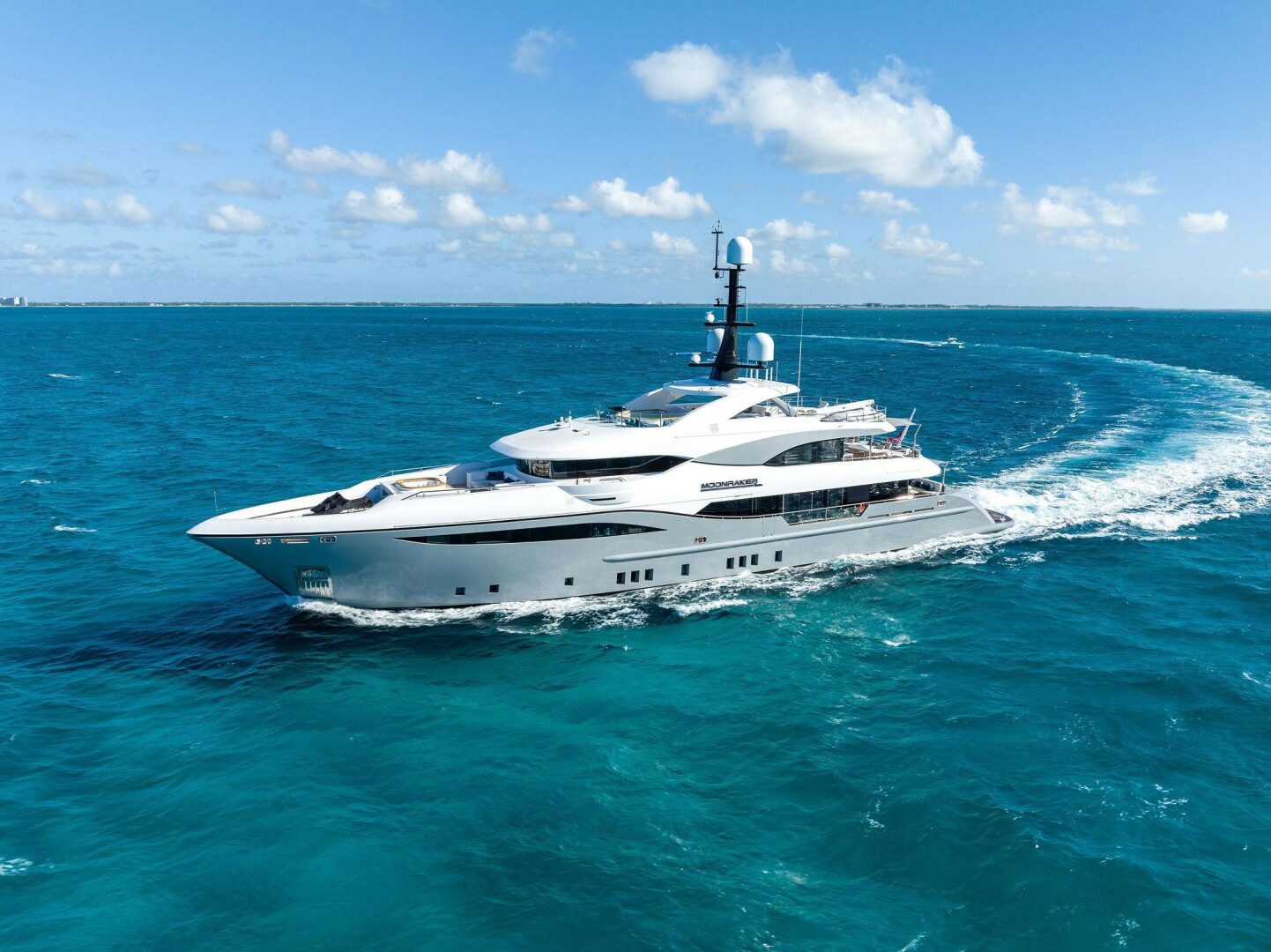
2019 Bilgin MOONRAKER
$21,404,500
156
West Palm Beach Florida

2028 Columbus Yachts
$22,900,008
137
Ancona
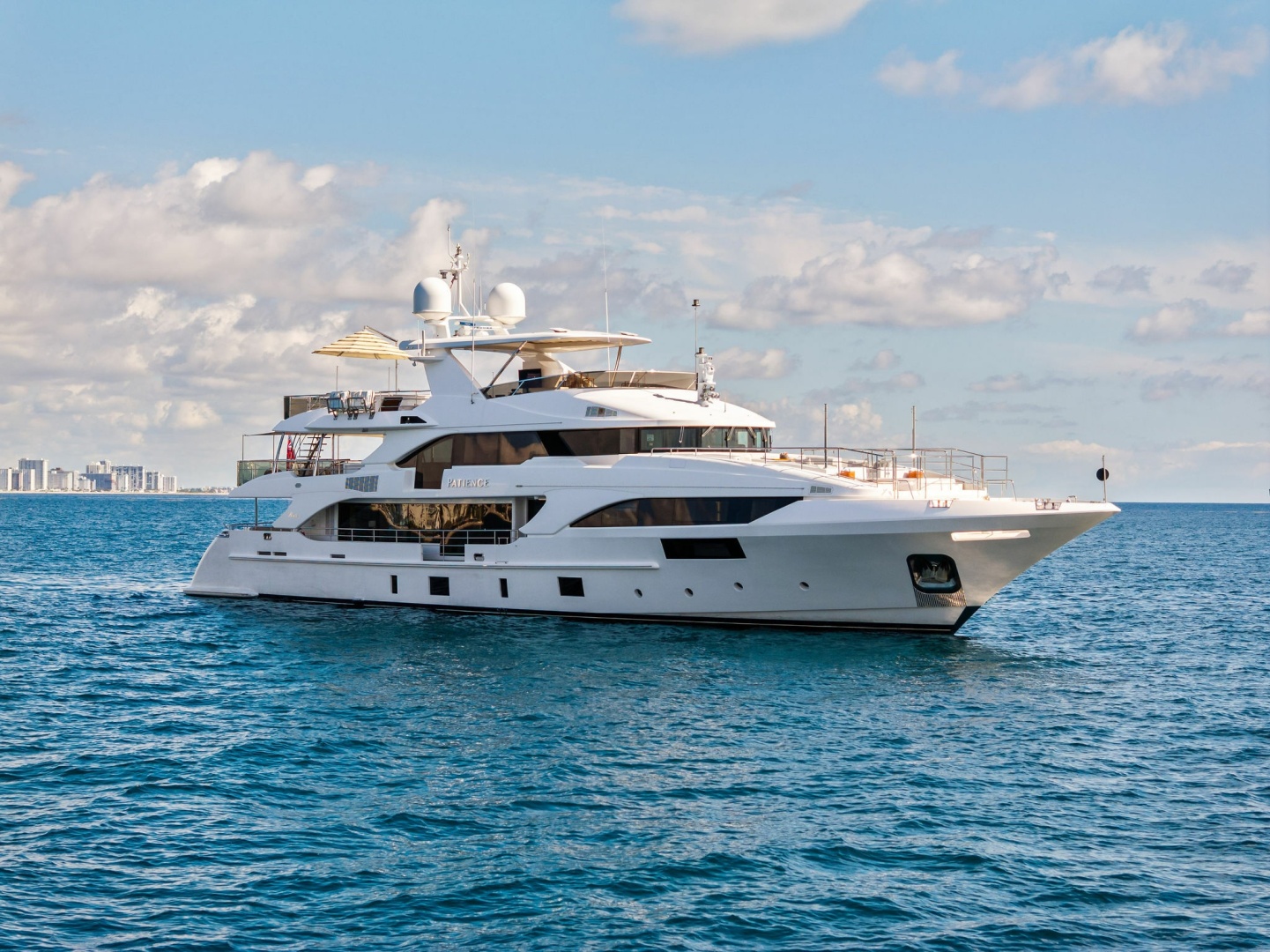
2012 Benetti PATIENCE
$10,975,000
132
Fort Lauderdale Florida
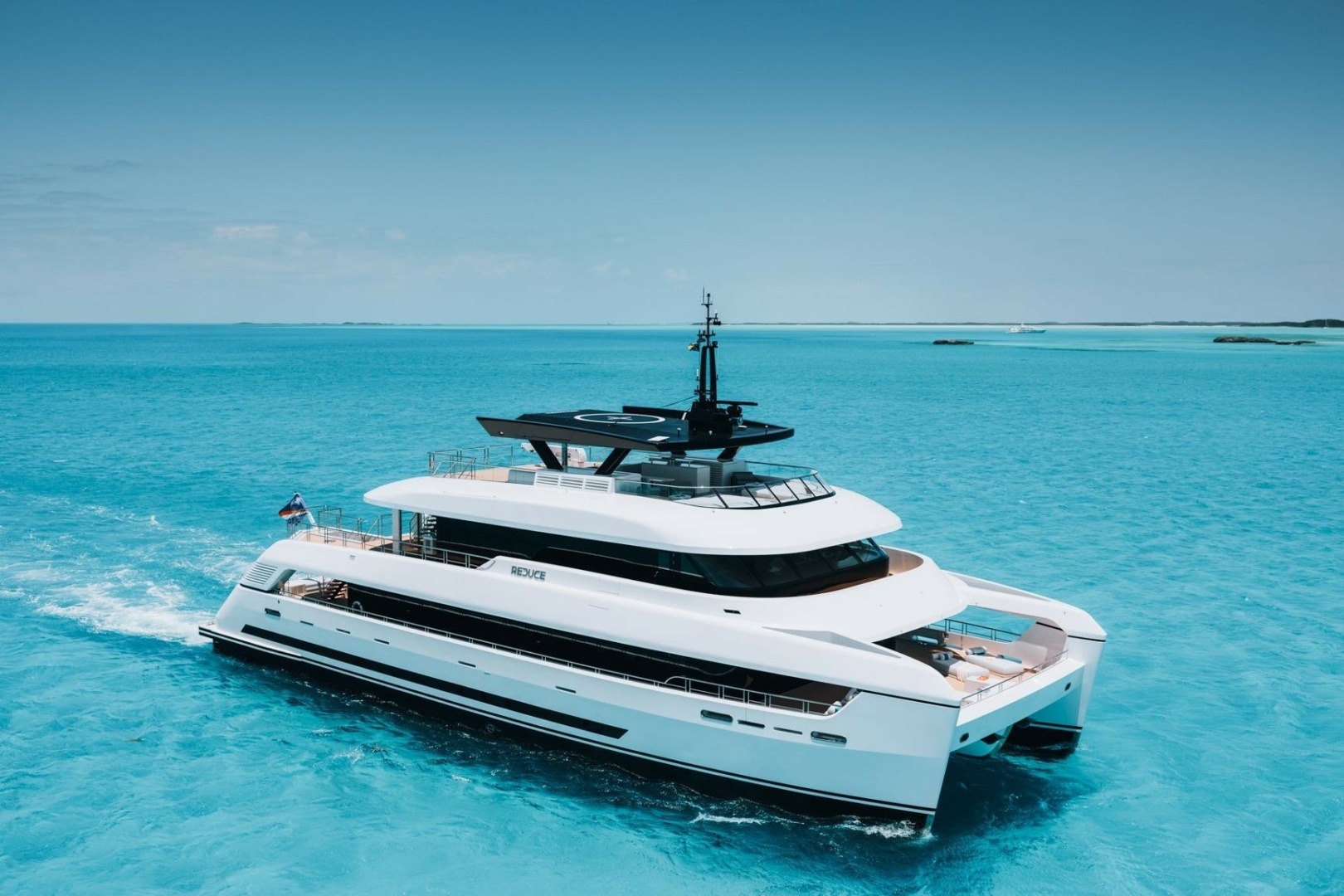
2024 Silver Yachts
$25,400,000
117
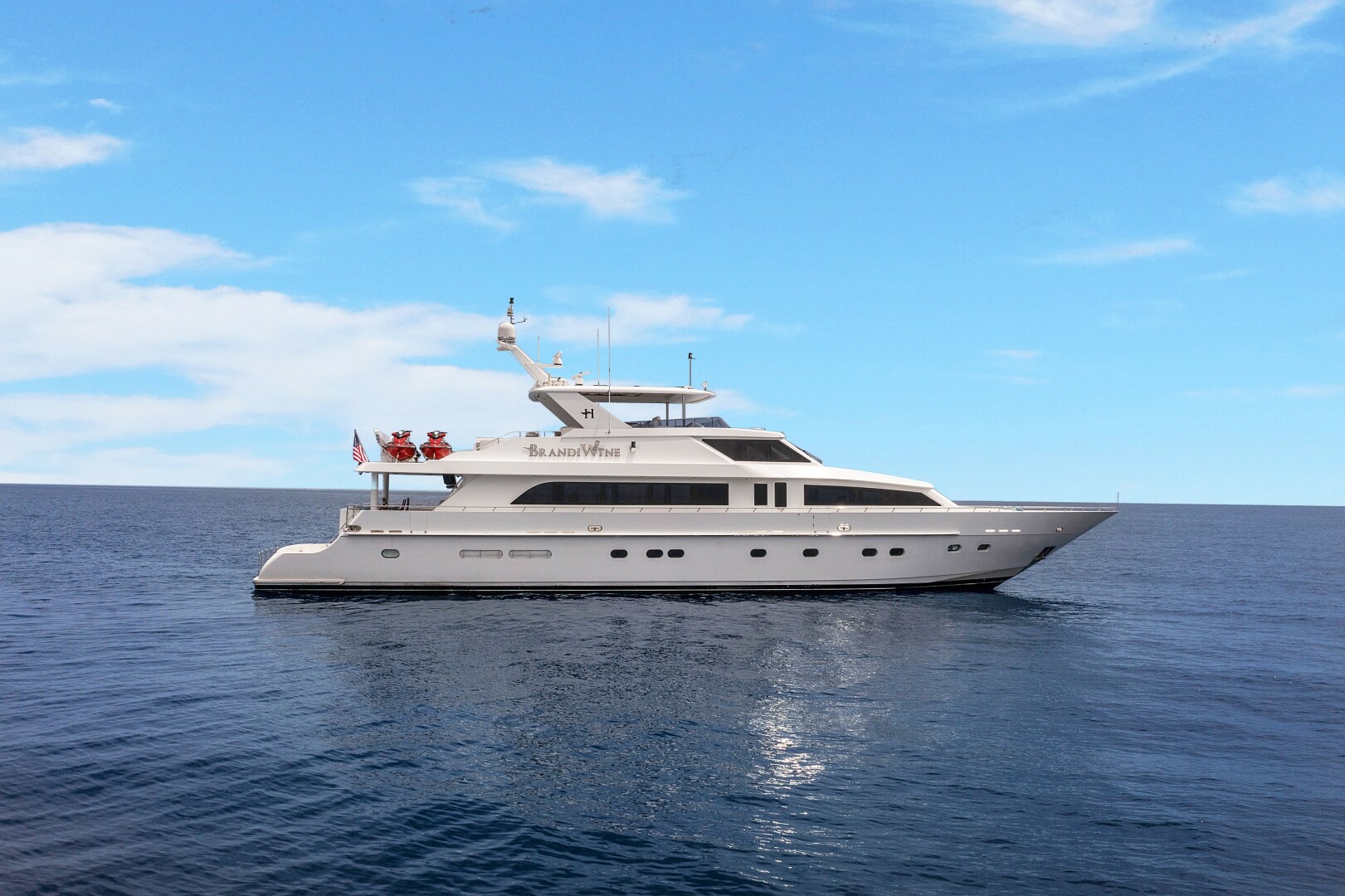
2009 Hargrave BRANDI WINE
$2,995,000
114
Fort Lauderdale Florida

2028 Extra Yachts
$21,404,500
100
Ancona

2028 Extra Yachts Extra 96
$9,495,000
96
Ancona
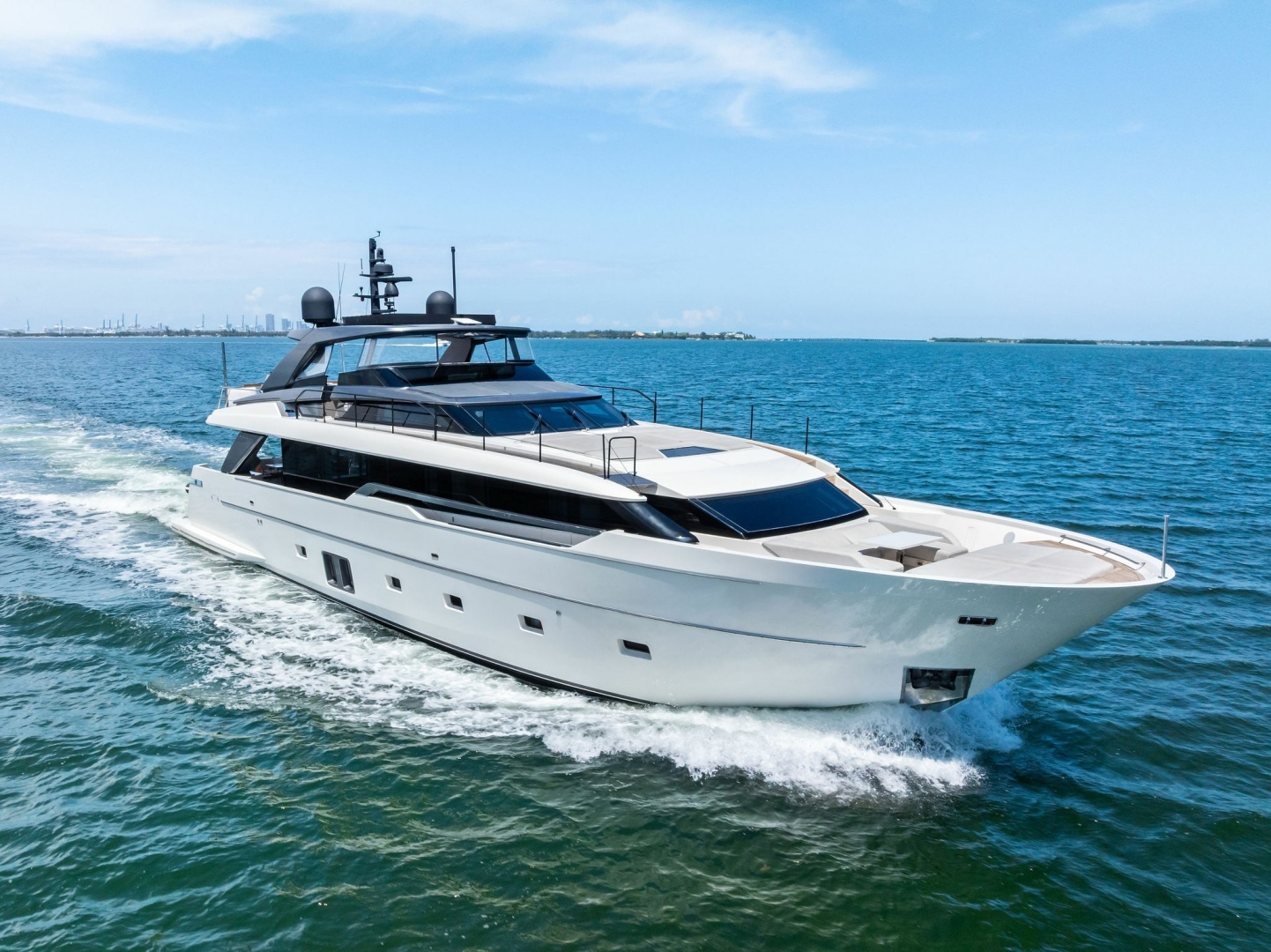
2021 Sanlorenzo GATSBY
$6,795,000
96
Miami Beach Florida

1999 Northern Marine OFF LINE
$2,495,000
84
Ft Lauderdale Florida
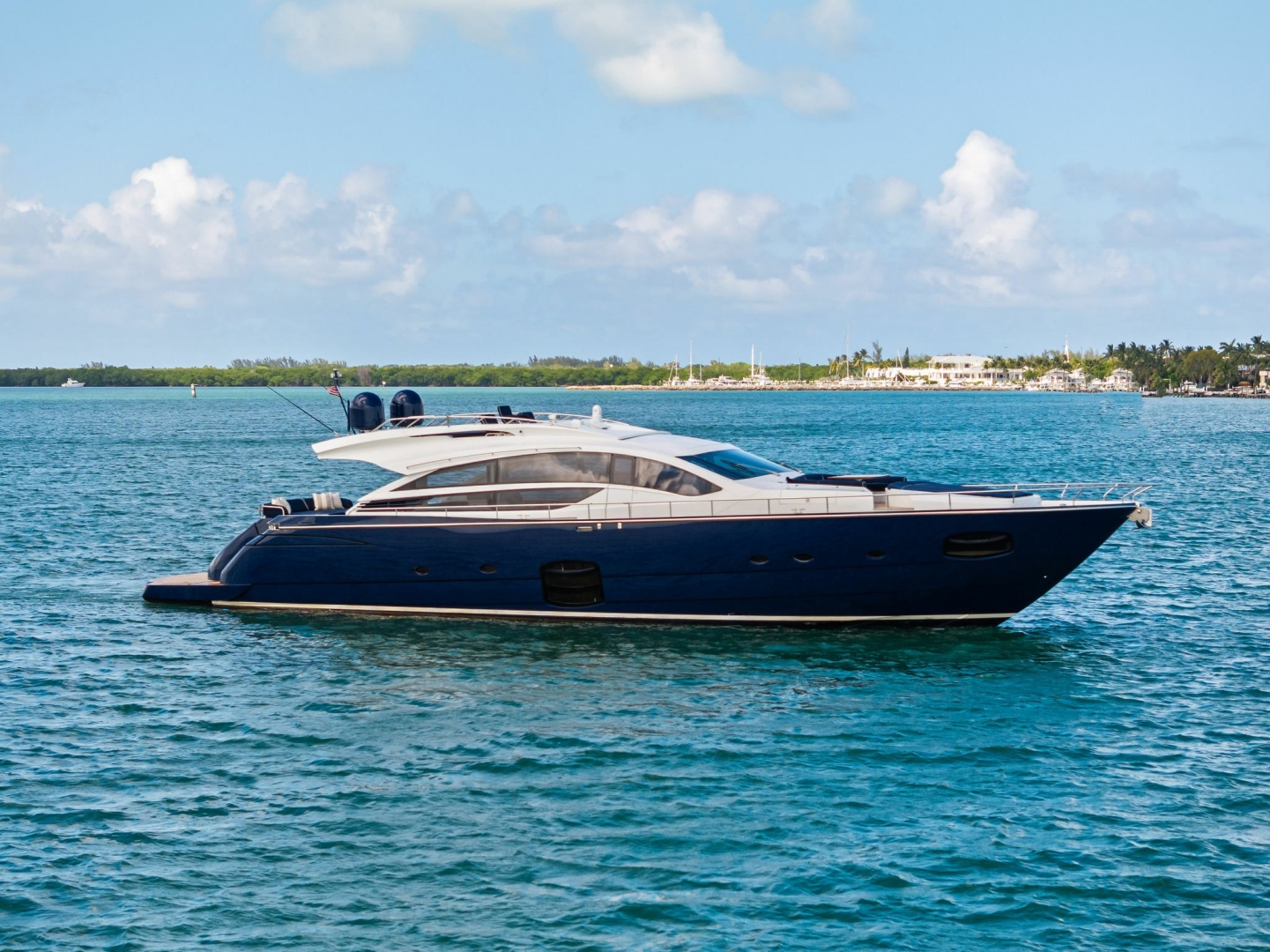
2013 Pershing DOROTHY ANN
$1,750,000
82
Miami Beach Florida

1997 Ferretti Yachts
$850,000
80
La Paz
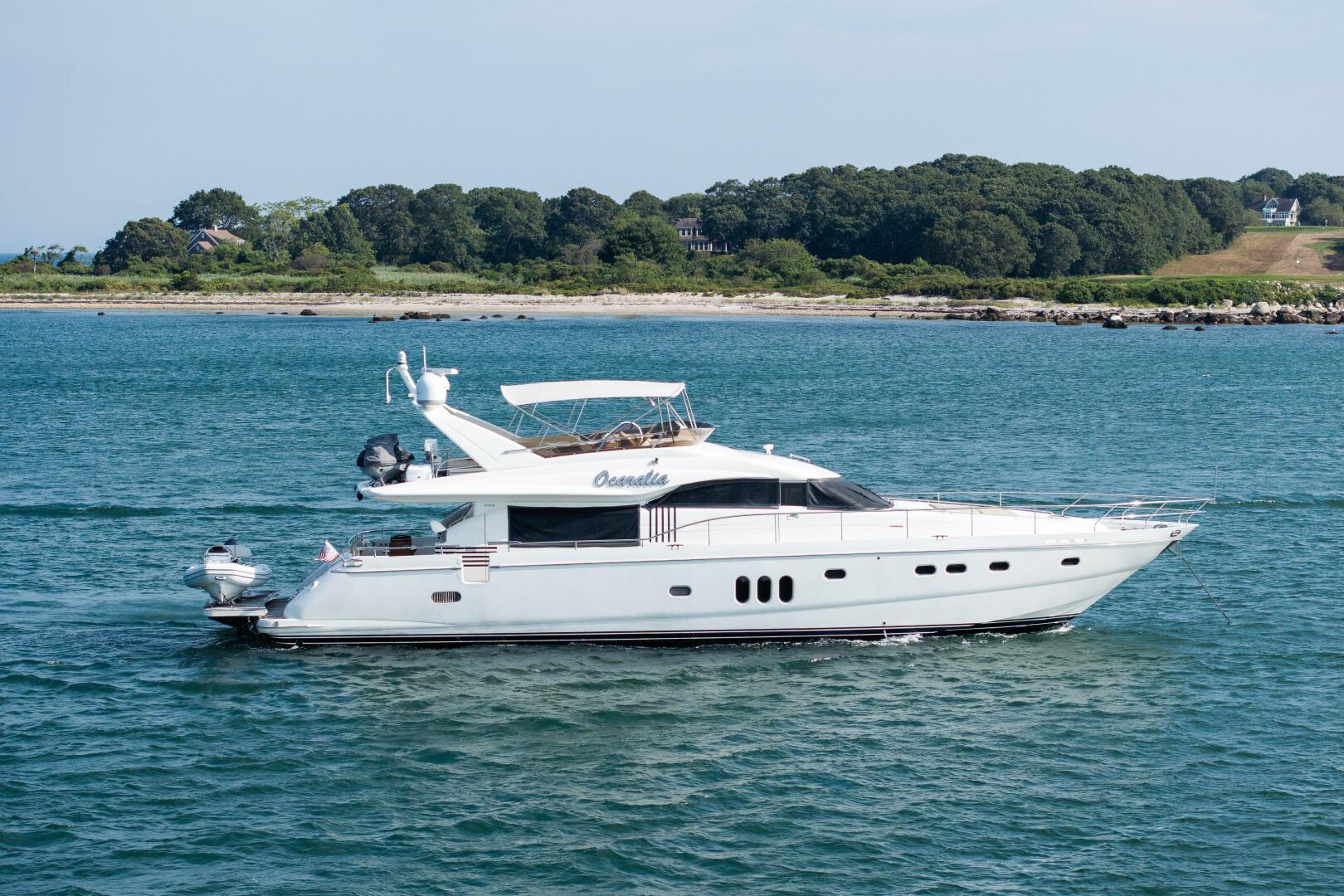
2008 Princess Yachts OCARALIA
$1,095,000
75
Charleston South Carolina
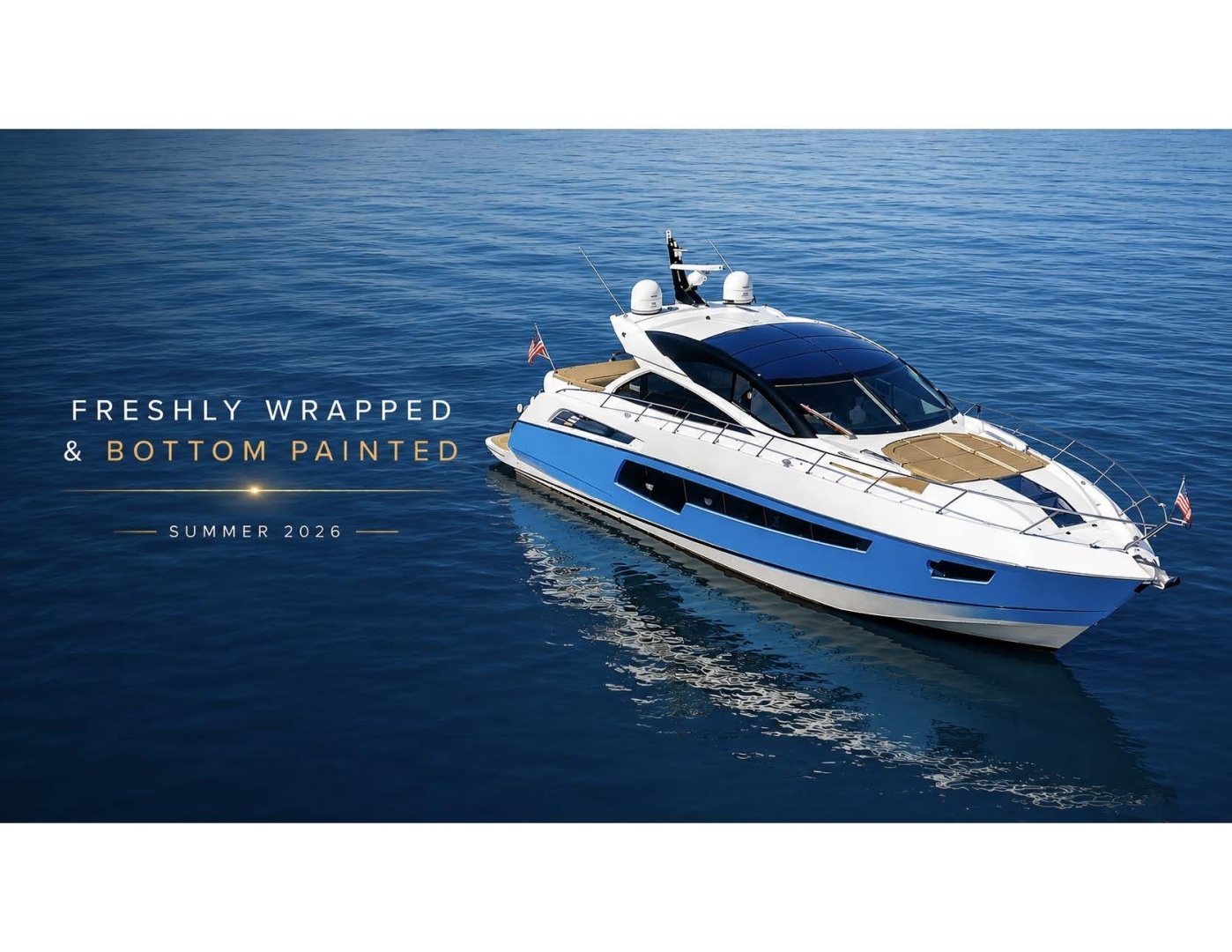
2014 Sunseeker
$1,400,000
68
New York New York

2024 Fairline
$2,750,000
68
Ft. Lauderdale Florida

2024 Sunreef Catallaxi
$3,700,000
60
Newport Rhode Island
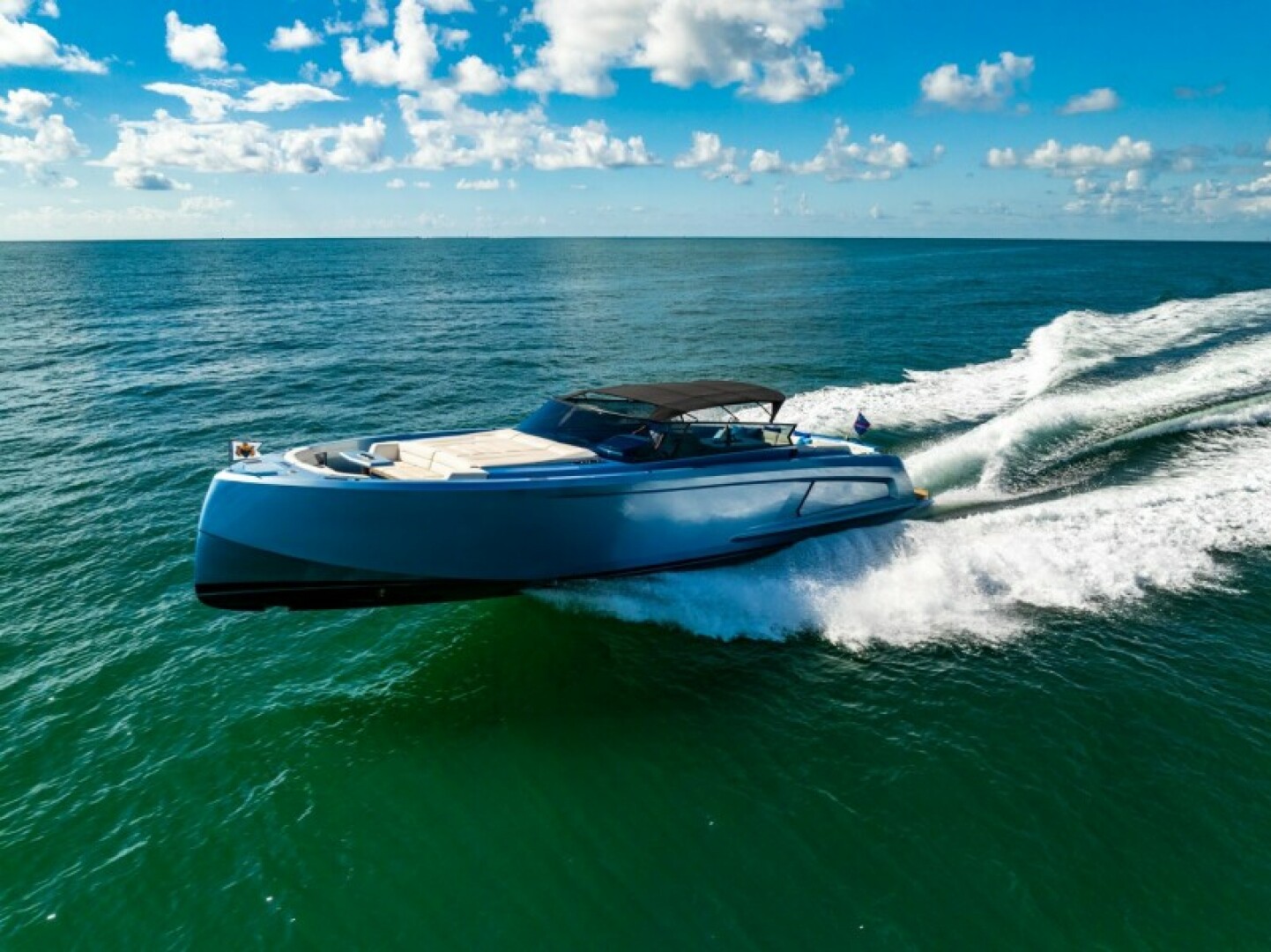
2019 Vanquish Yachts IMPULSIVE
$1,799,000
58
Miami Beach Florida
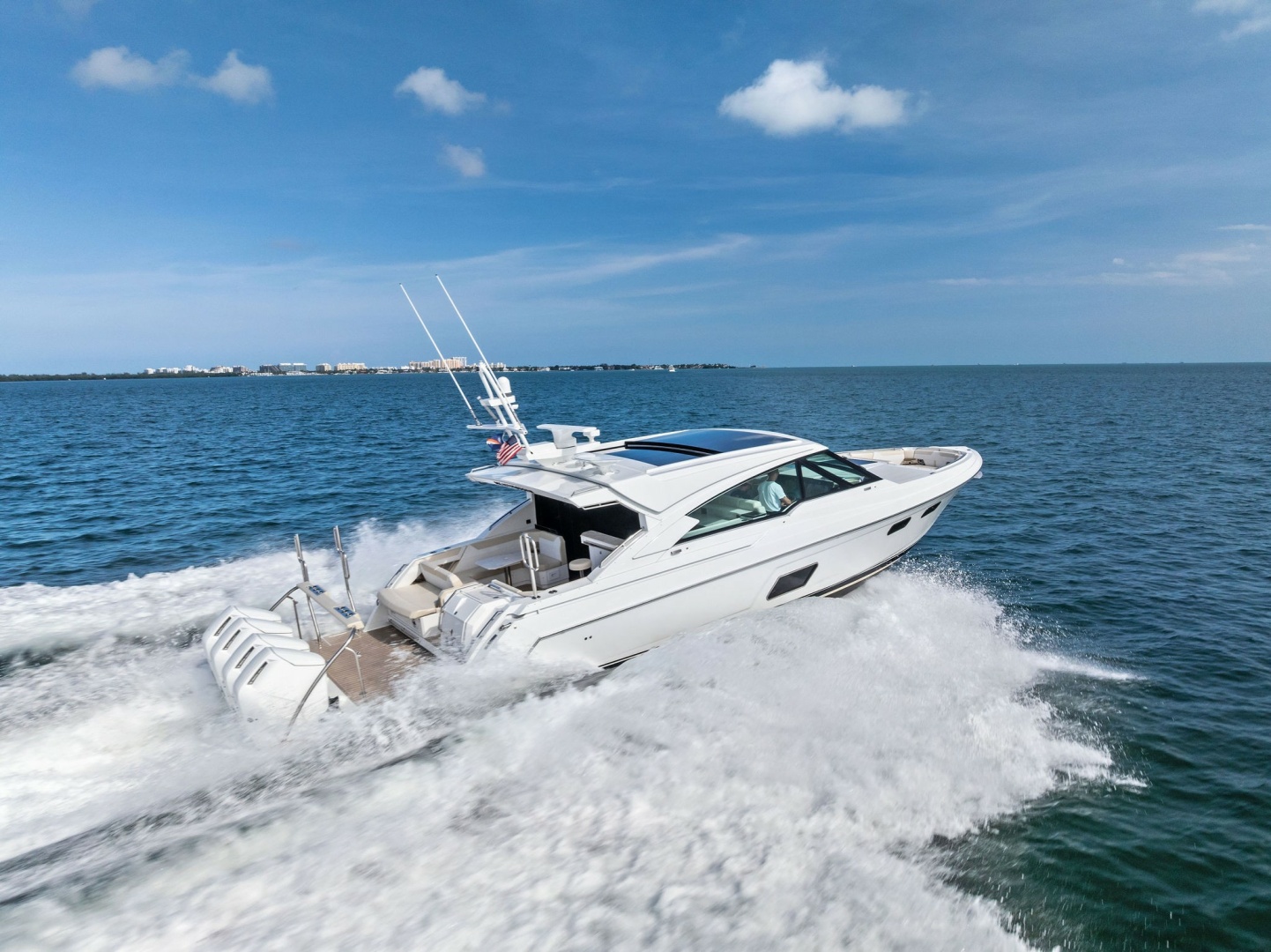
2025 Formula BREAKTHROUGH III
$1,895,000
53
Miami Beach Florida

2023 Fairline
$900,000
45
Fort Lauderdale Florida
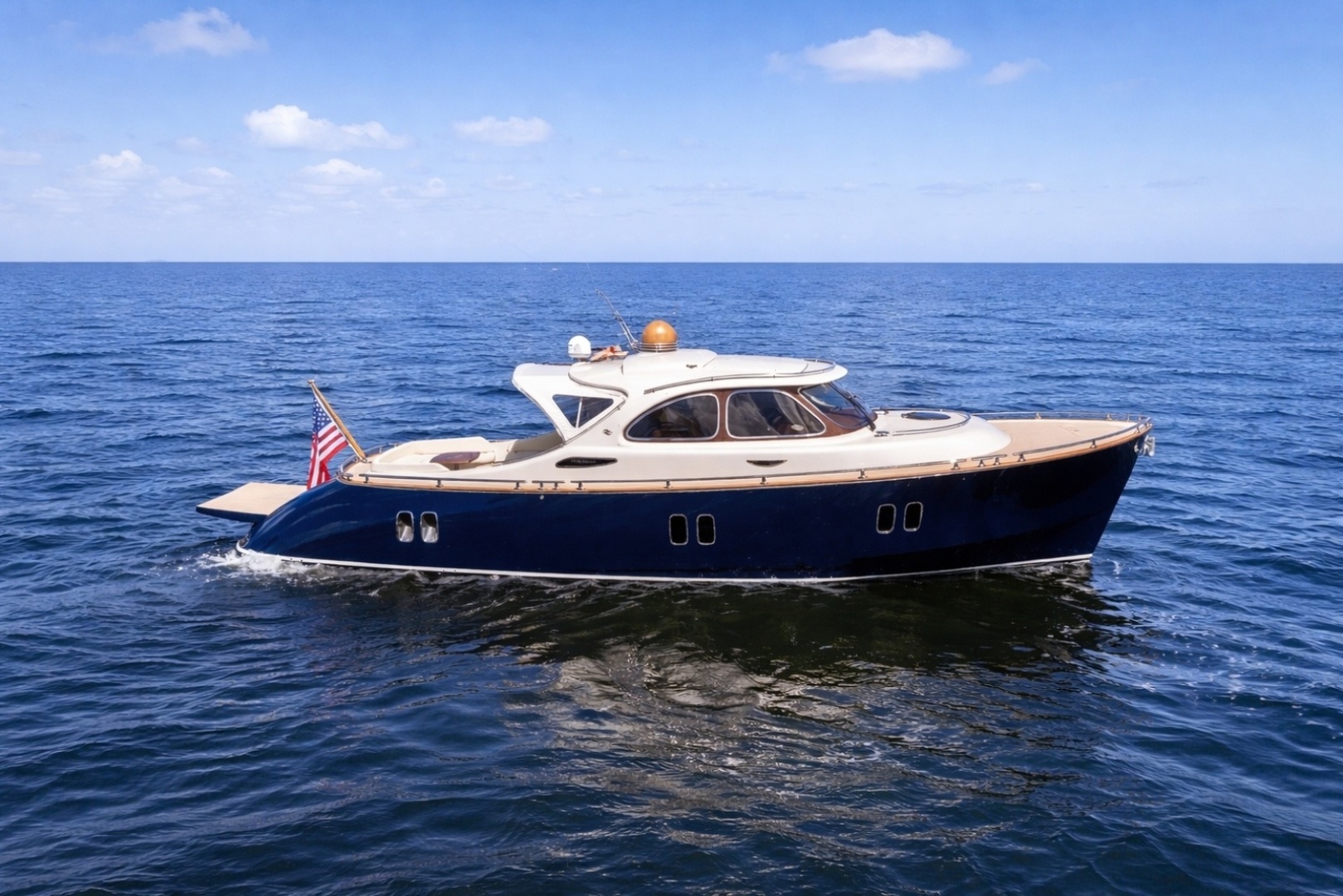
2012 Zeelander Mississippi Queen
$575,000
44
West Palm Beach Florida
2019 Bilgin 156'
$21,404,500
2028 Columbus Yachts 137'
$22,900,008
2012 Benetti 132'
$10,975,000
2024 Silver Yachts 117'
$25,400,000
2009 Hargrave 114'
$2,995,000
2028 Extra Yachts 100'
$21,404,500
2028 Extra Yachts 96'
$9,495,000
2021 Sanlorenzo 96'
$6,795,000
1999 Northern Marine 84'
$2,495,000
2013 Pershing 82'
$1,750,000
1997 Ferretti Yachts 80'
$850,000
2008 Princess Yachts 75'
$1,095,000
2014 Sunseeker 68'
$1,400,000
2024 Fairline 68'
$2,750,000
2024 Sunreef 60'
$3,700,000
2019 Vanquish Yachts 58'
$1,799,000
2025 Formula 53'
$1,895,000
2023 Fairline 45'
$900,000
2012 Zeelander 44'
$575,000