

Luxury yacht brokers face a persistent challenge: inefficient marketing workflows that lose buyer interest within days. Delayed follow-up, generic outreach, and poor client profiling result in extended sales cycles and missed opportunities with high-net-worth individuals. A structured, technology-enabled marketing workflow transforms lead attraction and accelerates sales by systematically targeting qualified buyers, personalizing engagement, and maintaining timely communication. This guide provides a practical roadmap to implement workflows that attract affluent clients and close sales faster.
Table of Contents
- Introduction To Luxury Yacht Marketing Workflows
- Prerequisites: What You Need Before Starting
- Step 1: Client Profiling And Market Segmentation
- Step 2: Multi-Channel Marketing And Personalization
- Step 3: Follow-Up And Client Engagement Strategies
- Troubleshooting Common Mistakes And Failure Points
- Expected Timelines, Costs, And Measurable Outcomes
- Safety And Compliance In Luxury Yacht Marketing
- Explore Expert Yacht Brokerage Services To Maximize Your Marketing Success
- Frequently Asked Questions About Luxury Yacht Marketing Workflows
Key takeaways
| Point | Details |
|---|---|
| Structured workflows reduce sales cycles | Efficient processes cut luxury yacht sales timelines by 25% through better targeting and follow-up. |
| Personalization drives engagement | Tailored emails boost open rates by 29% and click-through rates by 41% compared to generic messages. |
| Rapid follow-up retains buyer interest | Contacting leads within 48 hours preserves 70% of potential buyer engagement and intent. |
| VIP programs build loyalty | Exclusive client lists and invite-only events increase referrals and repeat business by 33%. |
| Compliance protects your business | Adhering to data privacy laws prevents fines and maintains client trust in sensitive transactions. |
Introduction to luxury yacht marketing workflows
A marketing workflow is an integrated sequence combining client profiling, targeted outreach, personalized communication, and performance analysis. For luxury yacht brokers, this approach addresses unique complexities inherent in marketing high-value vessels to affluent buyers who demand discretion, expertise, and seamless service. Generic marketing strategies fail because they ignore the sophisticated expectations and long decision timelines characteristic of yacht transactions.
Structured, technology-enabled workflows outperform ad hoc methods by ensuring consistent communication, precise targeting, and data-driven optimization. High-net-worth individuals expect personalized attention and rapid responses. A workflow that leverages CRM systems, marketing automation, and analytics meets these expectations while reducing manual effort. The role of marketing in yacht sales extends beyond simple advertising to building relationships and demonstrating value at every touchpoint.
Key benefits include:
- Improved lead quality through precise client profiling and segmentation
- Faster sales cycles via timely, personalized follow-up and engagement
- Enhanced brand visibility across multiple channels reaching affluent audiences
- Data-driven decision-making that refines strategies based on measurable outcomes
- Scalable processes that grow with your brokerage without proportional resource increases
Understanding these foundational concepts prepares you to build workflows that attract serious buyers and convert interest into closed sales efficiently.
Prerequisites: what you need before starting
Successful luxury yacht marketing workflows require specific tools, data, and compliance measures before execution. Without these prerequisites, even well-designed strategies fail to deliver results or expose your brokerage to legal risks.
First, you need a comprehensive CRM system customized for yacht brokerage operations. Using CRM systems tailored for yacht brokers increases follow-up efficiency by 60% and improves engagement by automating reminders, tracking buyer interactions, and segmenting clients by preferences and purchase readiness. Choose platforms that integrate with email marketing, social media management, and analytics tools.
Second, compile verified demographic and psychographic client data. This includes wealth tier classifications, yacht preferences (size, style, features), geographic location, and lifestyle interests. Accurate data enables precise targeting and personalization that resonates with high-net-worth buyers.
Third, develop multimedia content capabilities. Professional yacht photography, videography, virtual tours, and compelling copywriting are non-negotiable in luxury marketing. Affluent buyers expect visual excellence and detailed information before considering a purchase.
Fourth, ensure familiarity with data privacy laws. Yacht brokerage compliance steps include adhering to regulations like CCPA and GDPR when collecting, storing, and using client information. Non-compliance risks substantial fines and reputation damage.
| Prerequisite | Purpose | Implementation Time |
|---|---|---|
| CRM System | Automate follow-up and track client interactions | 2-4 weeks |
| Client Data | Enable precise targeting and personalization | Ongoing |
| Multimedia Content | Showcase yachts professionally to affluent buyers | 1-3 months |
| Privacy Compliance | Protect client data and avoid legal penalties | 2-6 weeks |
| Marketing KPIs | Measure effectiveness and optimize strategies | 1-2 weeks |
Finally, establish clear marketing objectives and key performance indicators. Define what success looks like, whether that is lead conversion rates, email engagement metrics, or sales cycle duration. Measurable goals guide optimization and demonstrate ROI.
Step 1: client profiling and market segmentation
Client profiling and market segmentation form the foundation of effective luxury yacht marketing. Without precise targeting, your messages reach the wrong audience, wasting resources and missing qualified buyers.
Begin by segmenting your market by wealth tier. Ultra-high-net-worth individuals (over $30 million net worth) have different expectations and buying behaviors than high-net-worth buyers ($1-30 million). Tailor messaging, channels, and service levels accordingly. Within each tier, further segment by yacht preferences: motor yachts versus sailing yachts, size ranges, intended use (private versus charter), and desired features.
Use data analytics to build detailed buyer profiles. Analyze past client purchases, browsing behavior on your website, email engagement patterns, and social media interactions. Identify common characteristics among your best clients and use these insights to refine targeting criteria. CRM systems with robust filtering and tagging features make this process efficient and scalable.
Personalization based on segmentation dramatically improves marketing effectiveness. When you understand a buyer’s specific interests, you can highlight yachts and features that match their profile, increasing relevance and engagement. For example, a buyer interested in Mediterranean cruising receives content about yachts with range and amenities suited for that region, while someone focused on Caribbean charter income sees financial performance data and charter-ready features.
Pro Tip: Create separate email lists and campaign tracks for each major segment. This allows you to test messaging variations and optimize content for each group without diluting your overall strategy. Tag clients in your CRM based on engagement level, purchase readiness, and specific interests to trigger automated, personalized follow-up sequences.
Develop a step-by-step profiling process:
- Collect initial data through inquiry forms, website analytics, and direct conversations
- Enrich profiles with third-party data sources providing wealth and lifestyle insights
- Continuously update profiles based on interactions and changing preferences
- Review and refine segments quarterly to ensure accuracy and relevance
Accurate profiling transforms generic marketing into targeted conversations that resonate with choose a yacht broker criteria buyers use when evaluating brokerage partnerships. This precision increases lead quality and shortens sales cycles by focusing effort on the most promising opportunities.
Step 2: multi-channel marketing and personalization
After profiling clients, deploy personalized marketing campaigns across multiple channels to maximize reach and engagement. Affluent yacht buyers interact with brands through diverse touchpoints, and your workflow must deliver consistent, tailored messages wherever they are.
Key channels include:
- Social media platforms (Instagram, Facebook, LinkedIn) showcasing yacht lifestyle content and listings
- Digital advertising (Google Ads, programmatic display) targeting high-net-worth demographics
- Email marketing with personalized yacht recommendations and market insights
- Exclusive events (boat shows, private previews, VIP gatherings) for direct relationship building
- Content marketing (blog articles, destination guides, industry news) establishing authority
Personalization elevates generic outreach into meaningful conversations. Personalized marketing emails with yacht buyer-specific content generate a 29% higher open rate and 41% higher click-through rate than generic emails. Use recipient names, reference their stated preferences, and recommend yachts matching their profile. Dynamic content blocks in emails allow you to show different yachts or messages based on segment membership without creating entirely separate campaigns.

Mobile optimization is critical. High-net-worth individuals frequently browse on smartphones and tablets while traveling or between commitments. Ensure all marketing materials, from emails to landing pages to virtual tours, display perfectly on mobile devices. Slow loading times or poor mobile formatting lose 45% of potential engagement immediately.
Coordinate cross-channel campaigns for maximum impact. A cohesive strategy might introduce a new listing via email to your VIP list, follow up with targeted social media ads to prospects who opened the email but did not click, and invite engaged leads to an exclusive preview event. Each touchpoint reinforces the message and moves buyers through your funnel.
Research consistently shows that personalized, multi-channel marketing campaigns outperform single-channel or generic approaches by maintaining top-of-mind awareness and demonstrating attentiveness to individual buyer needs. This approach mirrors the concierge-level service affluent clients expect throughout the yacht purchase process.
Integrate your CRM with marketing automation platforms to trigger personalized sequences based on buyer behavior. When a prospect views a specific yacht listing multiple times, automatically send additional information, comparable options, and an invitation to schedule a showing. This responsiveness keeps marketing in yacht sales proactive rather than reactive, positioning your brokerage as attentive and buyer-focused.
Step 3: follow-up and client engagement strategies
Timely, personalized follow-up transforms initial interest into committed buyers and long-term client relationships. The luxury yacht market rewards persistence and attention to detail, making systematic engagement strategies essential.
Follow-up within 48 hours is critical. Research shows that contacting leads within this window retains 70% of buyer interest, while delays beyond 72 hours see engagement drop precipitously. High-net-worth individuals have numerous demands on their time and attention. Prompt responses signal professionalism and respect for their interest.
Use CRM automation to ensure consistency. Set triggers that create follow-up tasks immediately when a lead takes action, such as requesting information, attending an event, or viewing a listing. Automated email sequences can nurture leads with relevant content while your team focuses on high-value personal interactions. Balance automation with genuine personal touch; affluent buyers detect and reject overly robotic communication.
Create VIP client lists for your most engaged and high-value prospects. Implementing exclusive client VIP lists and invite-only preview events increases client loyalty and referral rates by 33% by making clients feel valued and connected to your brokerage. Offer these clients first access to new listings, private showings before public availability, and exclusive market insights.
Effective engagement strategies include:
- Personalized check-ins that reference previous conversations and specific client interests
- Regular market updates tailored to the yacht types and price ranges each client prefers
- Invitations to exclusive events where clients network with other yacht owners and industry experts
- Post-purchase follow-up ensuring satisfaction and requesting referrals at appropriate times
- Birthday and holiday greetings that maintain relationships during inactive purchase periods
Pro Tip: Schedule follow-ups using your CRM’s calendar and alert features, not just your memory. Assign each lead a follow-up cadence based on their engagement level and purchase timeline. Hot leads might need weekly contact, while long-term prospects receive monthly updates. Personalization triggers can adjust frequency automatically based on buyer behavior, ensuring you stay present without becoming intrusive.
Building loyalty extends beyond the initial sale. Former clients become your best referral sources when you maintain relationships through thoughtful communication. The 7 essential yacht selling steps include post-sale service that keeps clients engaged with your brokerage for future transactions and recommendations to their networks.
Troubleshooting common mistakes and failure points
Even well-designed workflows fail when brokers overlook common pitfalls. Recognizing and correcting these mistakes protects your marketing investment and client relationships.
Ignoring mobile optimization causes immediate engagement loss. Nearly 45% of affluent buyers access marketing content primarily on mobile devices. If your emails, landing pages, or virtual tours do not display correctly on smartphones and tablets, you lose these prospects before they see your yachts. Solution: Test all marketing materials on multiple devices and screen sizes before deployment, and choose responsive design templates that adapt automatically.
Delaying lead follow-up beyond 48 hours drastically reduces conversion rates. Buyers contact multiple brokers simultaneously, and the first to respond often wins the relationship. Solution: Implement CRM-triggered alerts that notify your team immediately when leads take action, and use automated acknowledgment emails to confirm receipt while you prepare personalized responses.
Neglecting regular performance measurement prevents workflow improvement. Without tracking key metrics, you cannot identify what works and what wastes resources. Solution: Establish weekly or monthly KPI review cycles examining lead conversion rates, email engagement, channel performance, and sales cycle duration. Use these insights to refine targeting, messaging, and follow-up strategies continuously.
Failing data privacy compliance exposes your brokerage to substantial fines and reputation damage. Mishandling sensitive client financial information or violating consent requirements undermines trust permanently. Solution: Train all team members on compliance steps for yacht brokerage, conduct regular data handling audits, and implement secure systems for storing and transmitting client information.
Common workflow failures include:
- Sending generic content that ignores client preferences and purchase readiness
- Overwhelming prospects with excessive communication frequency causing unsubscribes
- Failing to coordinate messaging across channels creating confusion and inconsistency
- Neglecting post-sale engagement that could generate referrals and repeat business
- Using outdated or inaccurate client data resulting in irrelevant recommendations
Remedies center on automation with personalization, continuous data hygiene, ongoing team training, and feedback loops that incorporate client responses into workflow refinements. Small adjustments based on performance data compound into significant improvements over time.
Expected timelines, costs, and measurable outcomes
Understanding realistic expectations for implementing luxury yacht marketing workflows helps brokers plan resources and measure success accurately.
Typical luxury yacht sales last 90 to 180 days from initial contact to closing. Effective marketing workflows reduce this timeline by approximately 25% by attracting more qualified leads and maintaining consistent engagement throughout the buying process. However, implementation itself requires an initial investment of 4 to 8 weeks to establish systems, train teams, and launch campaigns.
Cost considerations vary between in-house marketing and outsourcing to specialized agencies. In-house approaches provide greater control and brand consistency but require hiring skilled personnel and purchasing technology platforms. Outsourcing accelerates implementation and leverages specialized expertise but involves ongoing agency fees and potential communication delays.
| Approach | Control | Typical Cost | Speed to Launch | Best For |
|---|---|---|---|---|
| In-House | High | $75K-150K annually | 6-8 weeks | Established brokerages with marketing teams |
| Outsourced | Moderate | $50K-100K annually | 2-4 weeks | Smaller brokerages or rapid scaling needs |
| Hybrid | High | $60K-120K annually | 4-6 weeks | Brokerages wanting control with expert support |
Key performance indicators to track include:
- Lead conversion rate: percentage of inquiries becoming qualified buyers
- Return on investment: revenue generated per marketing dollar spent
- Brand visibility: website traffic, social media engagement, industry recognition
- Email engagement: open rates, click-through rates, unsubscribe rates
- Client referral rate: percentage of sales originating from existing client recommendations
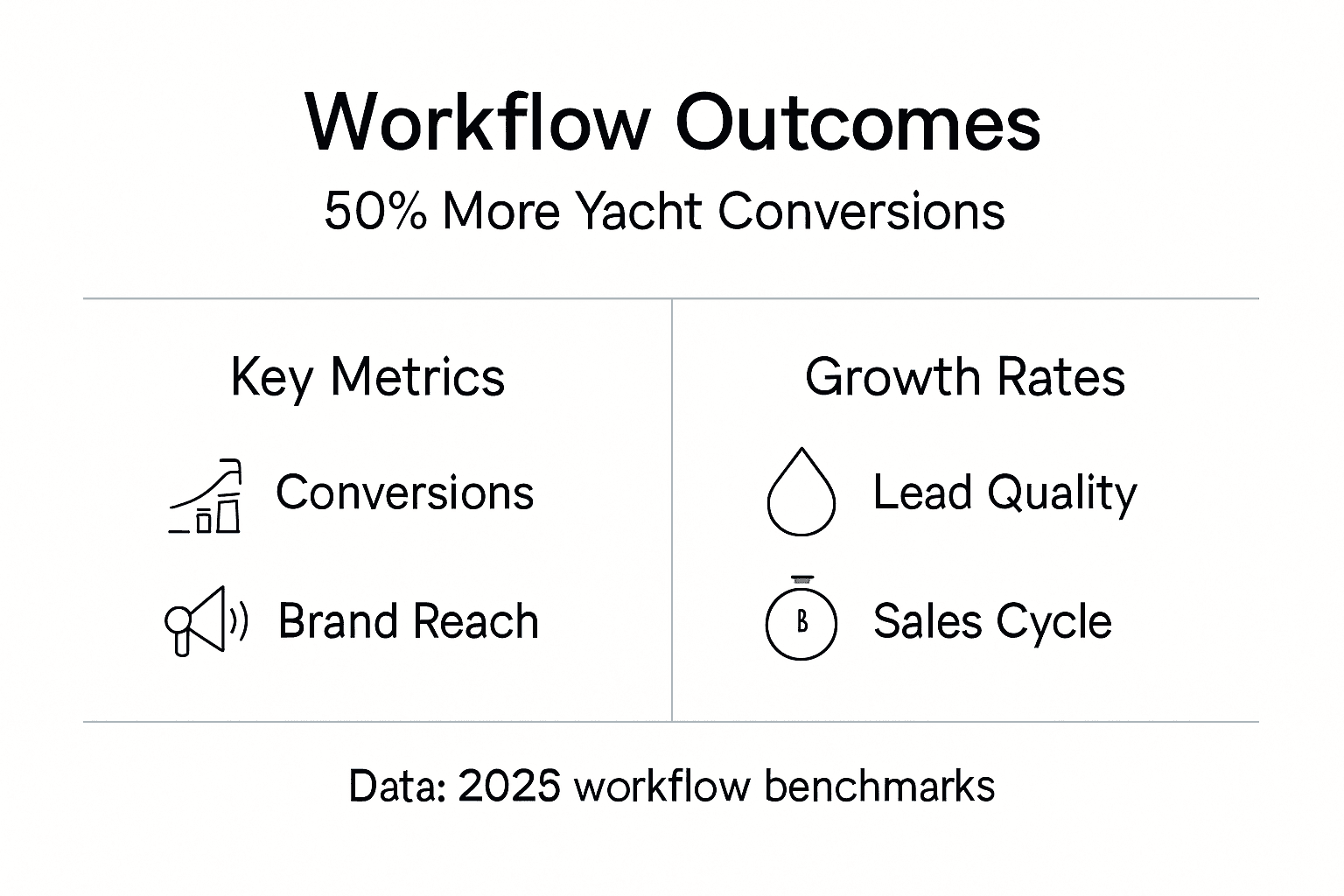
Expected outcomes from well-executed workflows include 50% improvement in lead conversion rates, 40 to 50% growth in brand visibility metrics, and 30% better email engagement compared to generic marketing approaches. These improvements translate directly to faster sales cycles and higher transaction volumes.
Brokers should budget for ongoing optimization and technology updates. Marketing platforms, CRM systems, and advertising channels evolve continuously. Allocate 10 to 15% of your marketing budget for testing new approaches and refining existing workflows based on performance data. The yacht brokerage tips emphasize continuous improvement as essential for maintaining competitive advantage in luxury markets.
Safety and compliance in luxury yacht marketing
Legal and ethical handling of client data and marketing communications protects your brokerage from regulatory penalties and maintains the trust essential for luxury transactions.
Adherence to US data privacy laws, particularly CCPA, is mandatory when marketing to California residents and recommended as best practice for all client interactions. These regulations require explicit consent for data collection, transparent communication about data usage, and the ability for clients to access or delete their information upon request. Non-compliance risks fines exceeding $7,500 per violation and devastating reputation damage in close-knit luxury markets.
Secure handling of sensitive client financial and personal data prevents breaches that could expose your brokerage to liability and clients to identity theft or fraud. High-net-worth individuals demand discretion, and any security lapse permanently damages relationships and referral potential.
Transparency in marketing communications builds trust and ensures compliance. Clearly identify your brokerage in all messages, provide easy opt-out mechanisms, and honor unsubscribe requests immediately. Misleading claims about yacht features, pricing, or availability create legal exposure and reputation harm.
Best practices for safety and compliance:
- Encrypt all client data both in storage and during transmission
- Limit data access to team members who need it for specific client interactions
- Conduct quarterly security audits identifying vulnerabilities and updating protocols
- Train all staff on privacy laws, data handling procedures, and ethical marketing standards
- Document consent for all marketing communications with timestamps and opt-in records
- Partner with legal advisors reviewing campaigns for compliance before launch
Regular compliance training keeps your team current as regulations evolve. Assign a compliance officer responsible for monitoring regulatory changes and updating internal policies accordingly. Prevention through systematic processes and ongoing education far exceeds the cost of violations or breaches.
The compliance steps extend beyond data privacy to include advertising truthfulness, fair housing laws where applicable, and industry-specific regulations governing yacht sales. Integrating compliance into your marketing workflow from the beginning protects your business and demonstrates professionalism to discerning clients.
Explore expert yacht brokerage services to maximize your marketing success
Implementing sophisticated luxury yacht marketing workflows requires expertise, technology, and ongoing optimization. Partnering with experienced brokerage professionals accelerates results and ensures best practices throughout your marketing efforts.
Our team specializes in helping yacht brokers build and refine marketing systems that attract high-net-worth buyers and close sales efficiently. We provide consultancy on CRM selection and configuration, campaign strategy tailored to luxury markets, and hands-on support implementing personalized outreach workflows. When you choose a yacht broker partner committed to marketing excellence, you gain competitive advantage in attracting qualified leads.
We understand the unique challenges of luxury yacht marketing because we live them daily. Our insights into the role of marketing in yacht sales inform strategies proven to reduce sales cycles and increase conversion rates. Whether you need full-service marketing support or targeted assistance optimizing specific workflow elements, we customize solutions to your brokerage goals and client base.
Explore our comprehensive resources on expert yacht brokerage help to learn how professional guidance transforms marketing effectiveness and accelerates your success in competitive luxury markets.
Frequently asked questions about luxury yacht marketing workflows
What is the most effective follow-up timeframe to keep yacht buyers engaged?
Contact leads within 48 hours of their initial inquiry or interaction to retain approximately 70% of buyer interest. Delays beyond 72 hours see engagement drop significantly as buyers move forward with more responsive brokers. Use CRM automation to trigger immediate acknowledgment emails while preparing personalized follow-up from your team.
How can I ensure my marketing content is compliant with privacy laws?
Obtain explicit consent before collecting client data, clearly communicate how you will use their information, and provide easy opt-out mechanisms in all communications. Work with legal advisors to audit campaigns for CCPA and GDPR compliance, train your team on data handling best practices, and document all consent with timestamps. Regular compliance audits identify gaps before they become violations.
Which marketing channels are best for attracting ultra-high-net-worth yacht buyers?
Personalized email marketing, exclusive in-person events, and targeted social media advertising on platforms like Instagram and LinkedIn perform best with affluent buyers. Ultra-high-net-worth individuals value discretion and personalized attention, so private previews and VIP client programs often outperform mass advertising. Combine multiple channels in coordinated campaigns for maximum reach and reinforcement.
How do I measure the ROI of my luxury yacht marketing efforts?
Track lead conversion rates, cost per qualified lead, sales cycle duration, and revenue per marketing dollar spent. Compare these metrics before and after implementing your workflow to quantify improvements. Additionally, monitor brand visibility through website traffic, social media engagement, and industry recognition as leading indicators of future sales.
What tools are essential for managing a yacht marketing workflow efficiently?
A comprehensive CRM system customized for yacht brokerage is foundational, enabling client profiling, automated follow-up, and interaction tracking. Email marketing platforms with personalization and automation capabilities, analytics tools for performance measurement, and content management systems for organizing multimedia assets complete the essential toolkit. Integration between these platforms maximizes efficiency and ensures consistent client experiences.
Recommended
Featured Listings
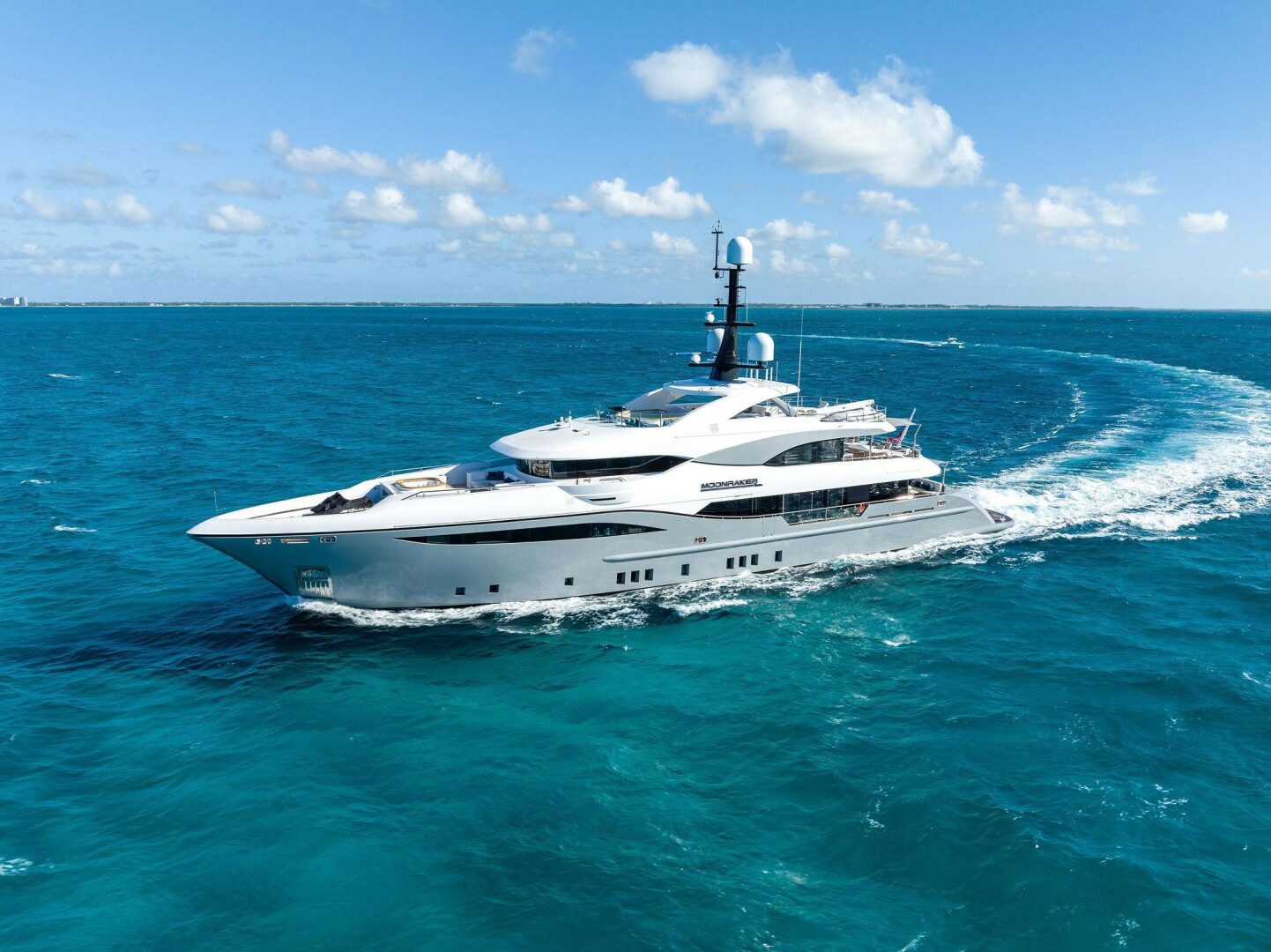
2019 Bilgin MOONRAKER
$21,404,500
156
West Palm Beach Florida

2028 Columbus Yachts
$22,900,008
137
Ancona
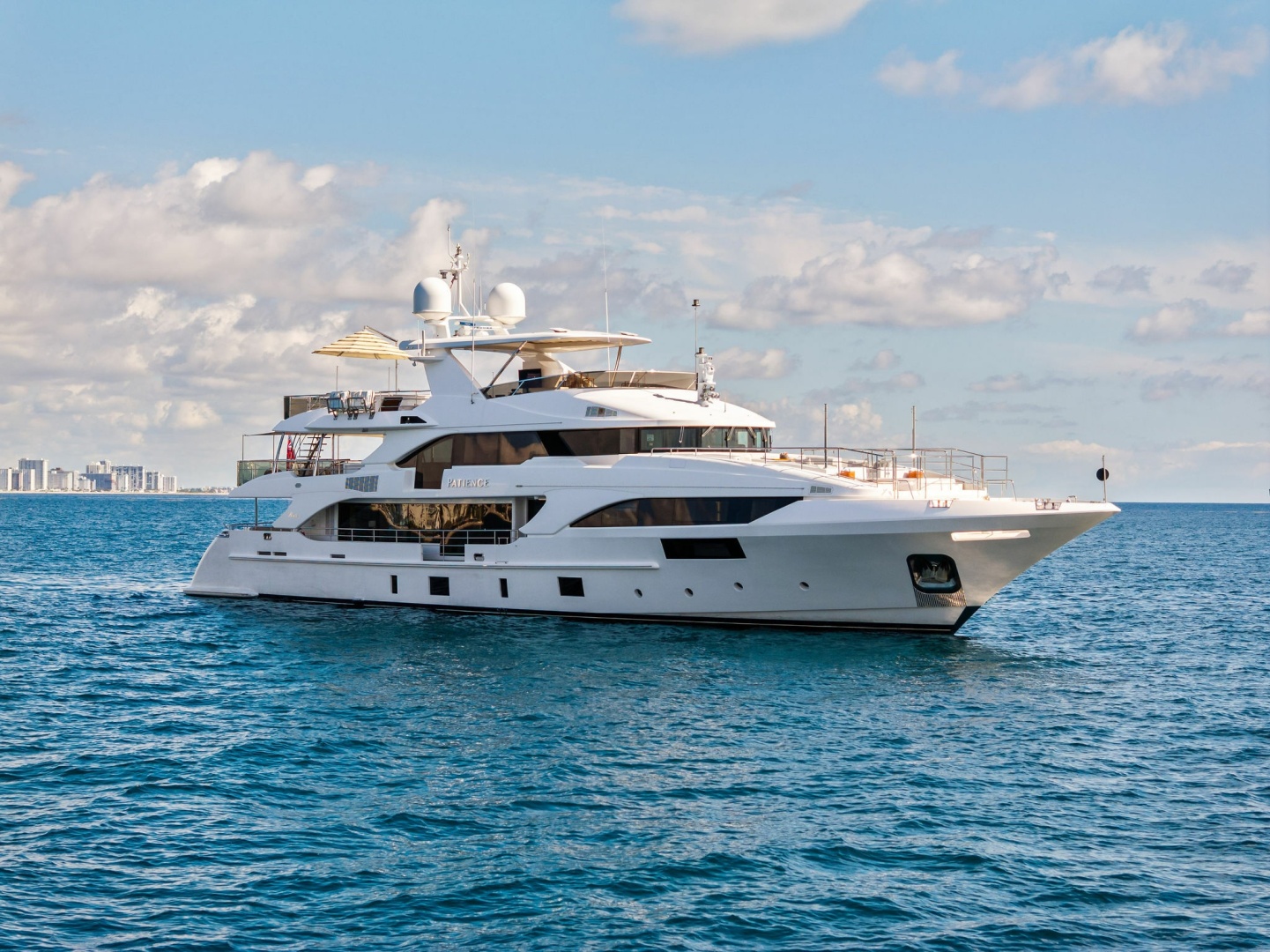
2012 Benetti PATIENCE
$10,975,000
132
Fort Lauderdale Florida
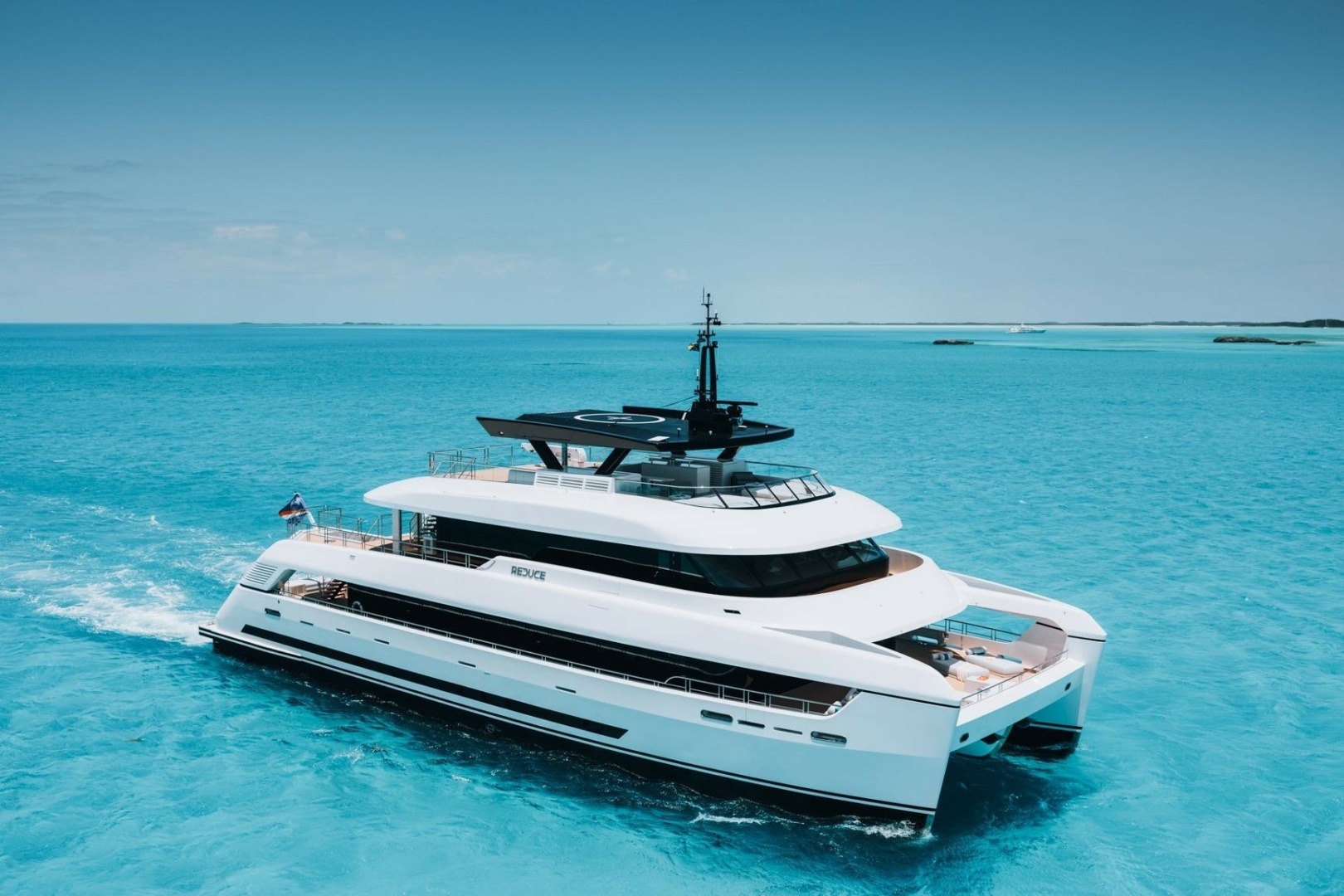
2024 Silver Yachts
$25,400,000
117
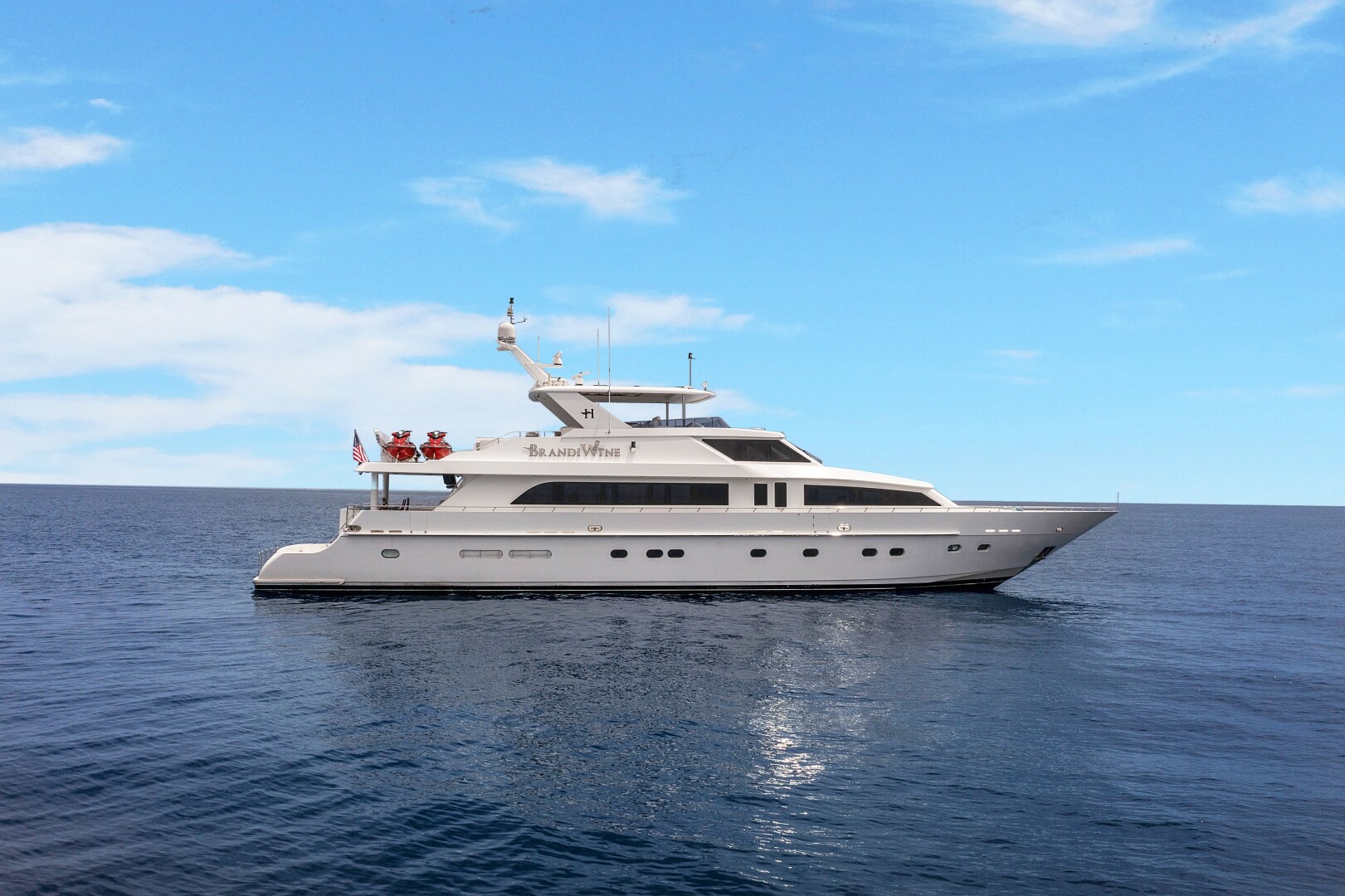
2009 Hargrave BRANDI WINE
$2,995,000
114
Fort Lauderdale Florida

2028 Extra Yachts
$21,404,500
100
Ancona

2028 Extra Yachts Extra 96
$9,495,000
96
Ancona
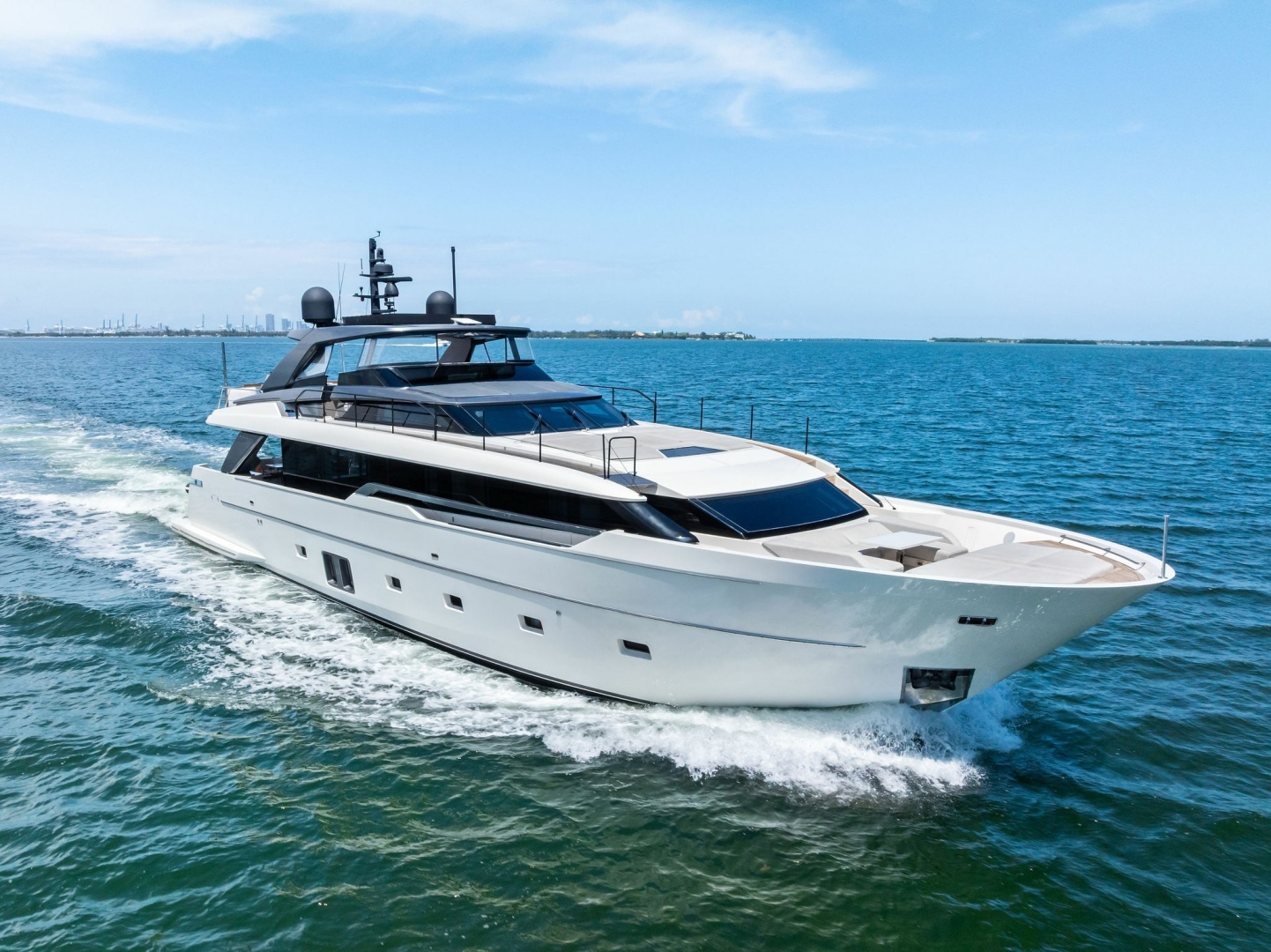
2021 Sanlorenzo GATSBY
$6,795,000
96
Miami Beach Florida

1999 Northern Marine OFF LINE
$2,495,000
84
Ft Lauderdale Florida
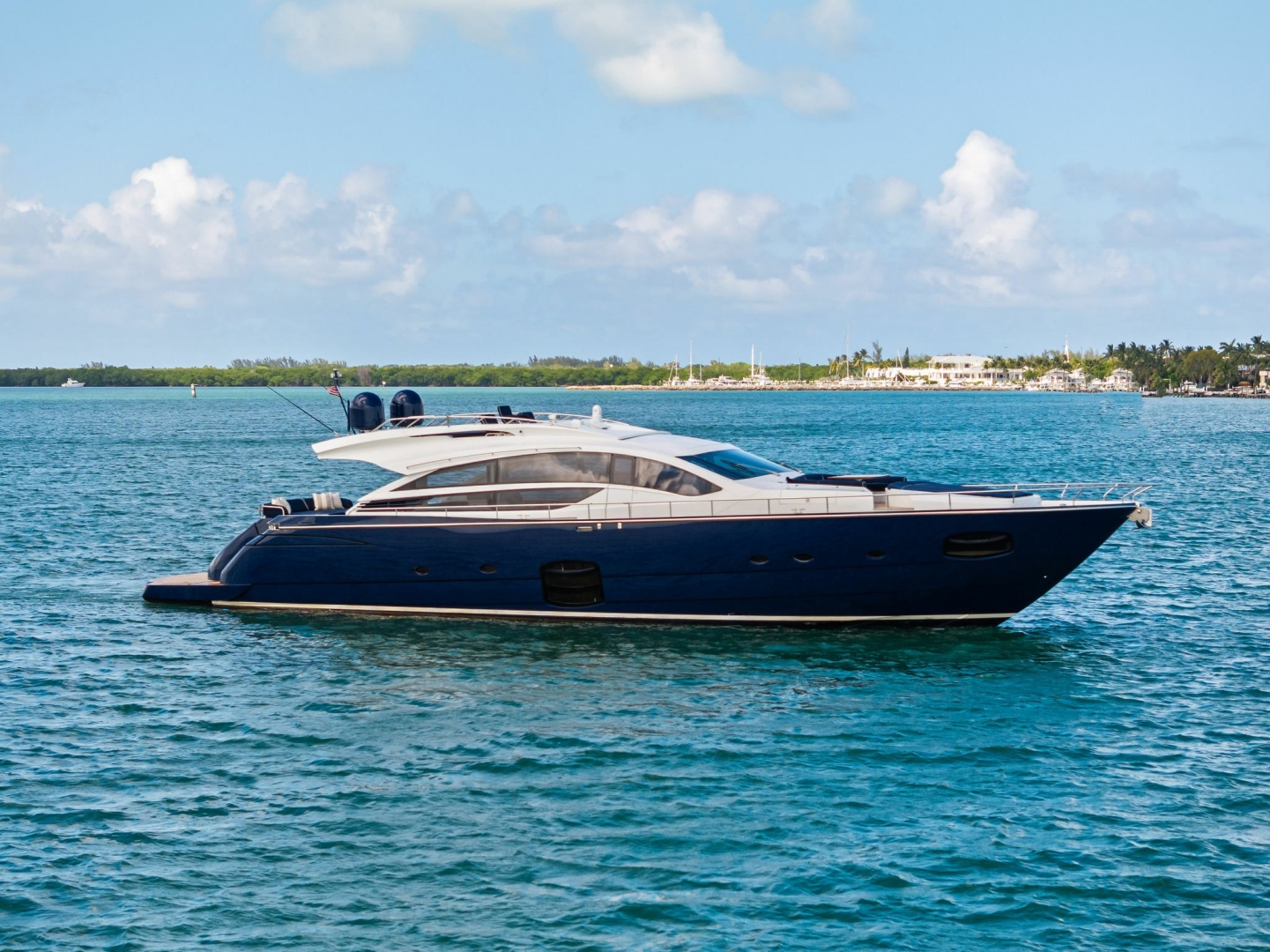
2013 Pershing DOROTHY ANN
$1,750,000
82
Miami Beach Florida

1997 Ferretti Yachts
$850,000
80
La Paz
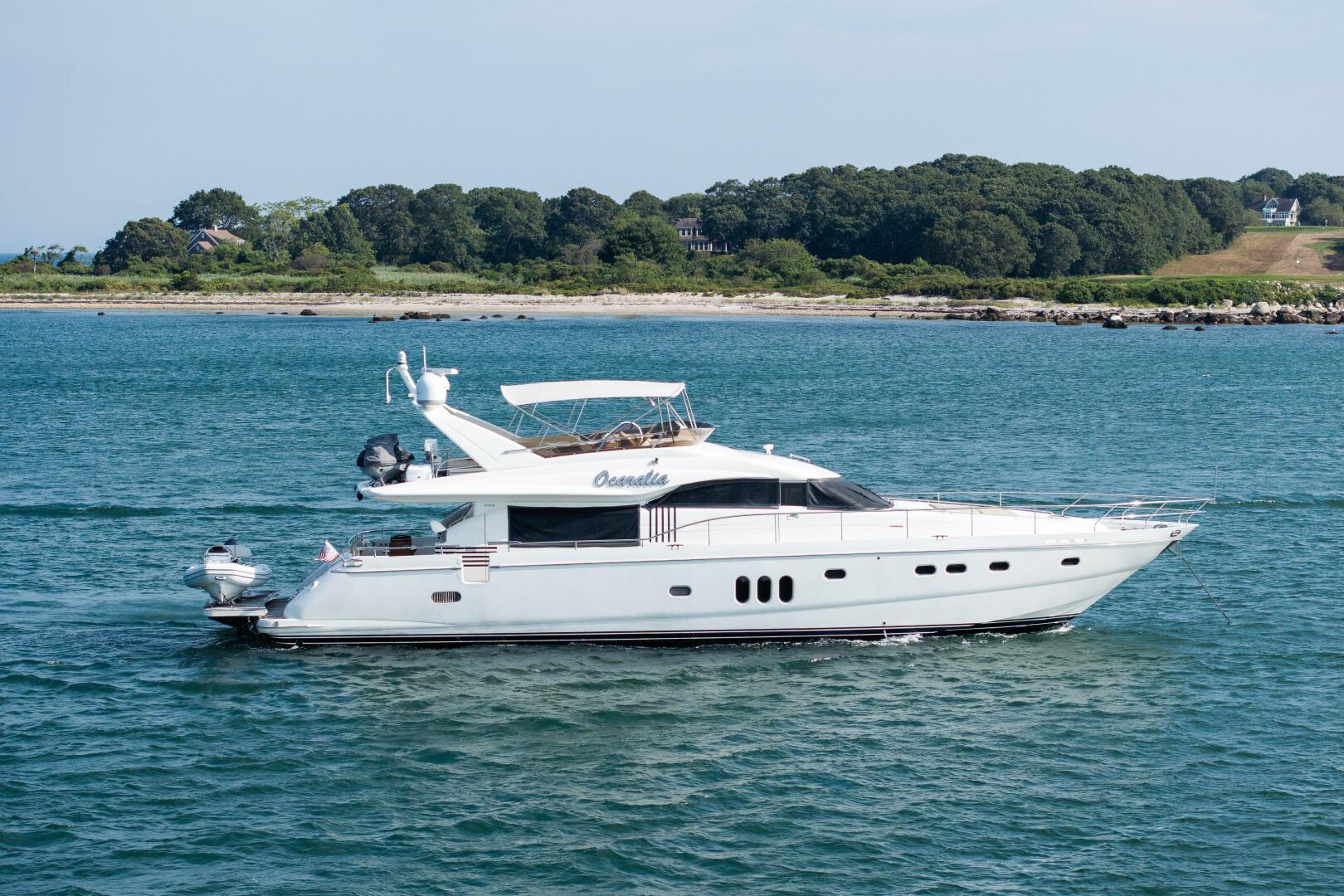
2008 Princess Yachts OCARALIA
$1,095,000
75
Charleston South Carolina
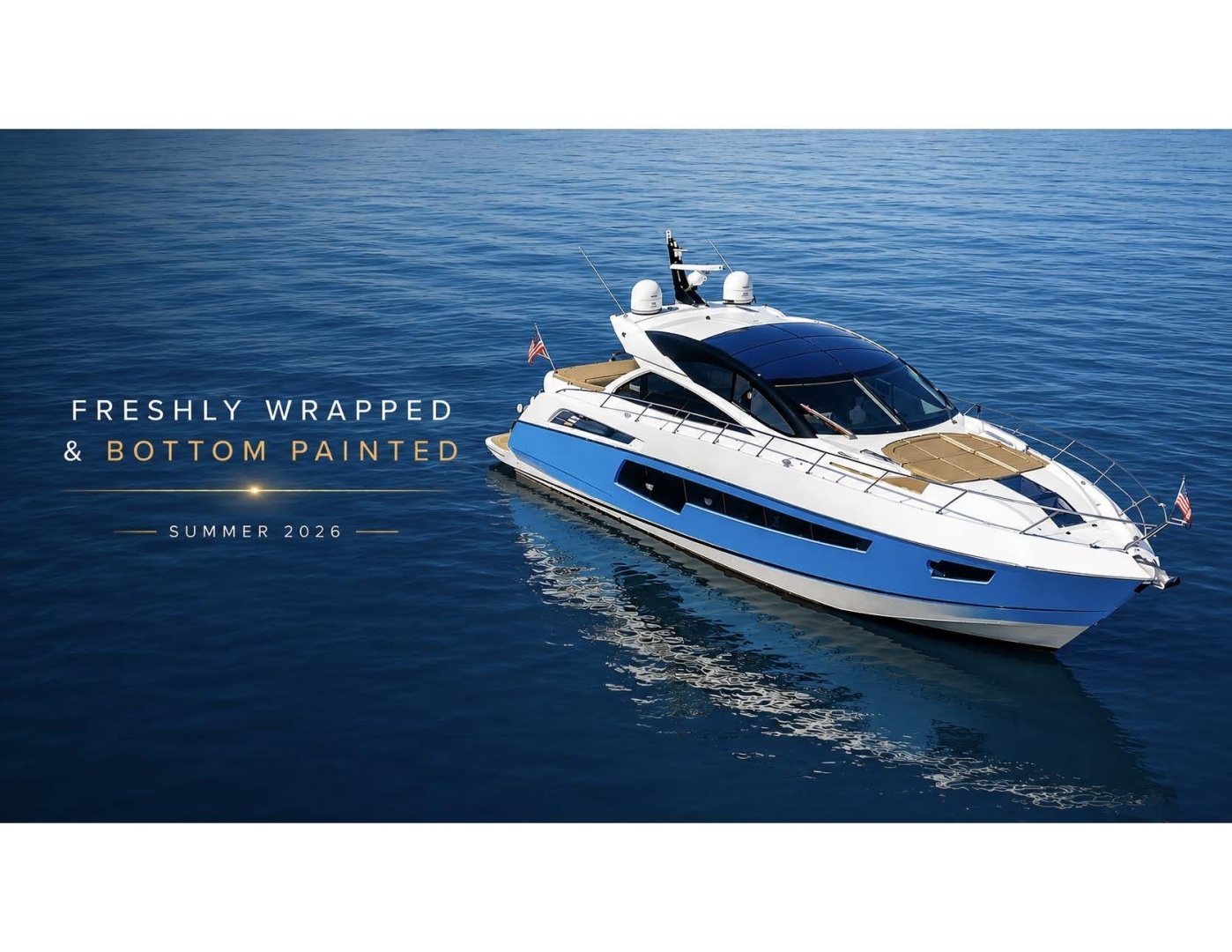
2014 Sunseeker
$1,400,000
68
New York New York

2024 Fairline
$2,750,000
68
Ft. Lauderdale Florida

2024 Sunreef Catallaxi
$3,700,000
60
Newport Rhode Island
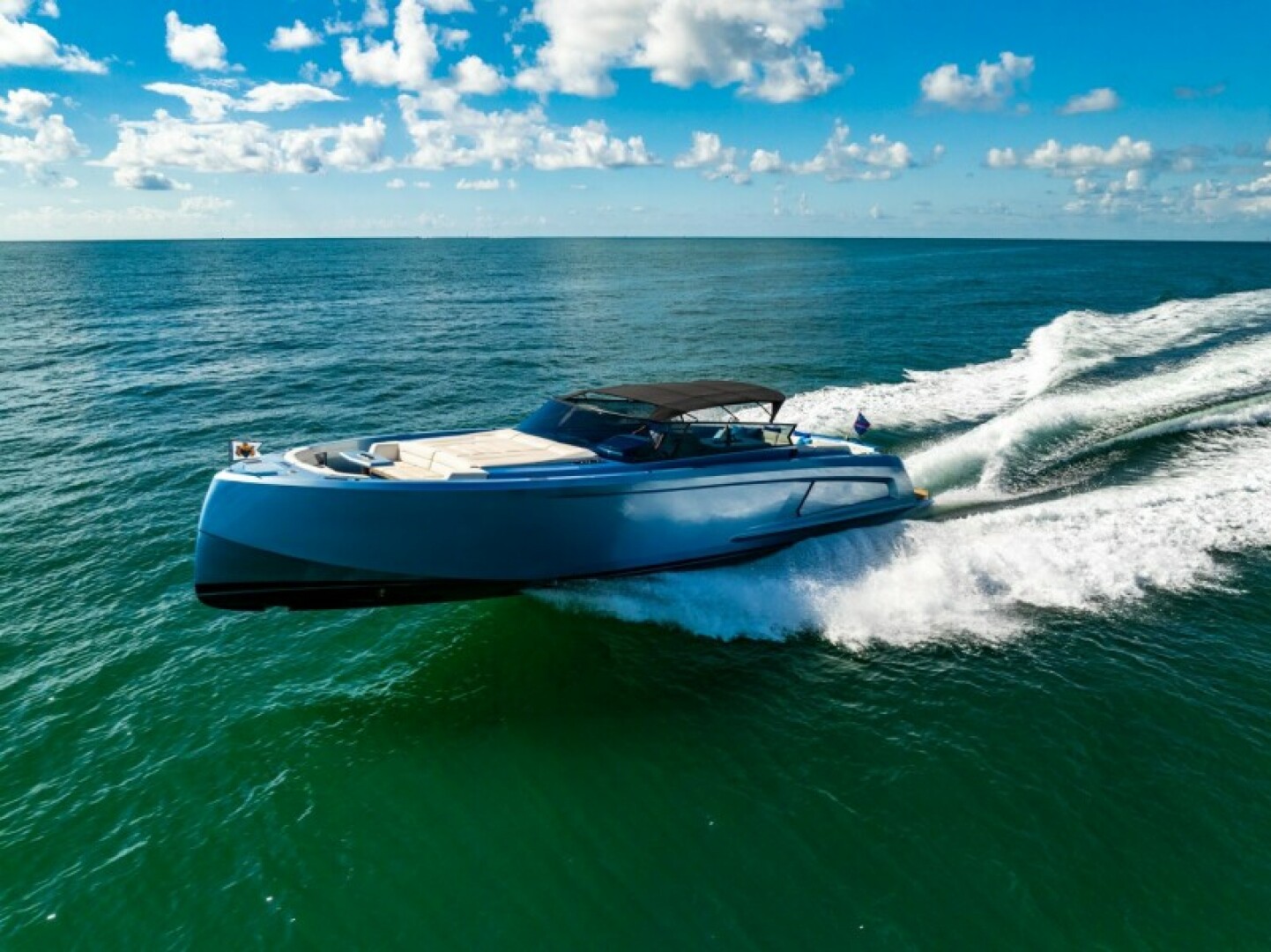
2019 Vanquish Yachts IMPULSIVE
$1,799,000
58
Miami Beach Florida
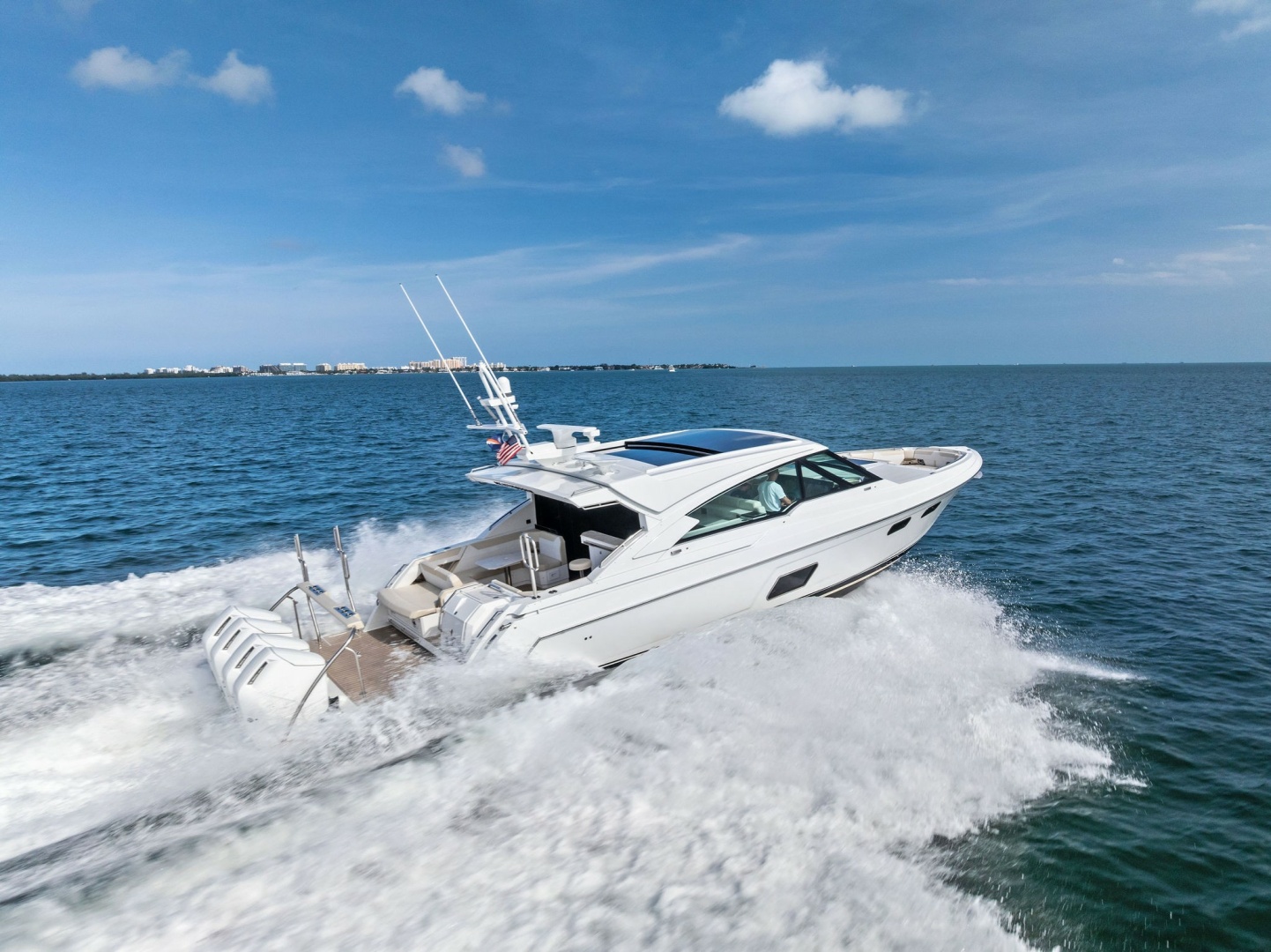
2025 Formula BREAKTHROUGH III
$1,895,000
53
Miami Beach Florida

2023 Fairline
$900,000
45
Fort Lauderdale Florida
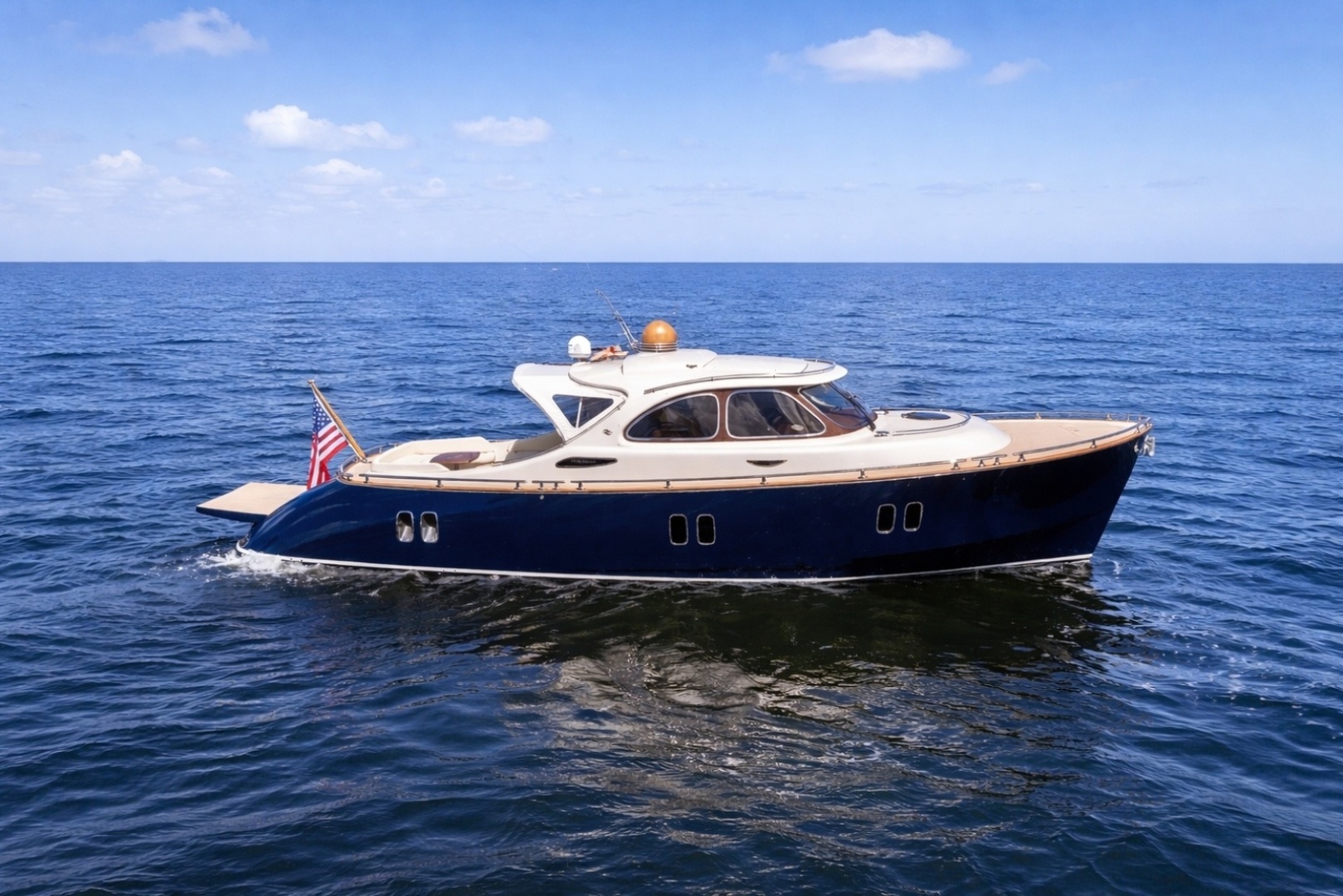
2012 Zeelander Mississippi Queen
$575,000
44
West Palm Beach Florida
2019 Bilgin 156'
$21,404,500
2028 Columbus Yachts 137'
$22,900,008
2012 Benetti 132'
$10,975,000
2024 Silver Yachts 117'
$25,400,000
2009 Hargrave 114'
$2,995,000
2028 Extra Yachts 100'
$21,404,500
2028 Extra Yachts 96'
$9,495,000
2021 Sanlorenzo 96'
$6,795,000
1999 Northern Marine 84'
$2,495,000
2013 Pershing 82'
$1,750,000
1997 Ferretti Yachts 80'
$850,000
2008 Princess Yachts 75'
$1,095,000
2014 Sunseeker 68'
$1,400,000
2024 Fairline 68'
$2,750,000
2024 Sunreef 60'
$3,700,000
2019 Vanquish Yachts 58'
$1,799,000
2025 Formula 53'
$1,895,000
2023 Fairline 45'
$900,000
2012 Zeelander 44'
$575,000