

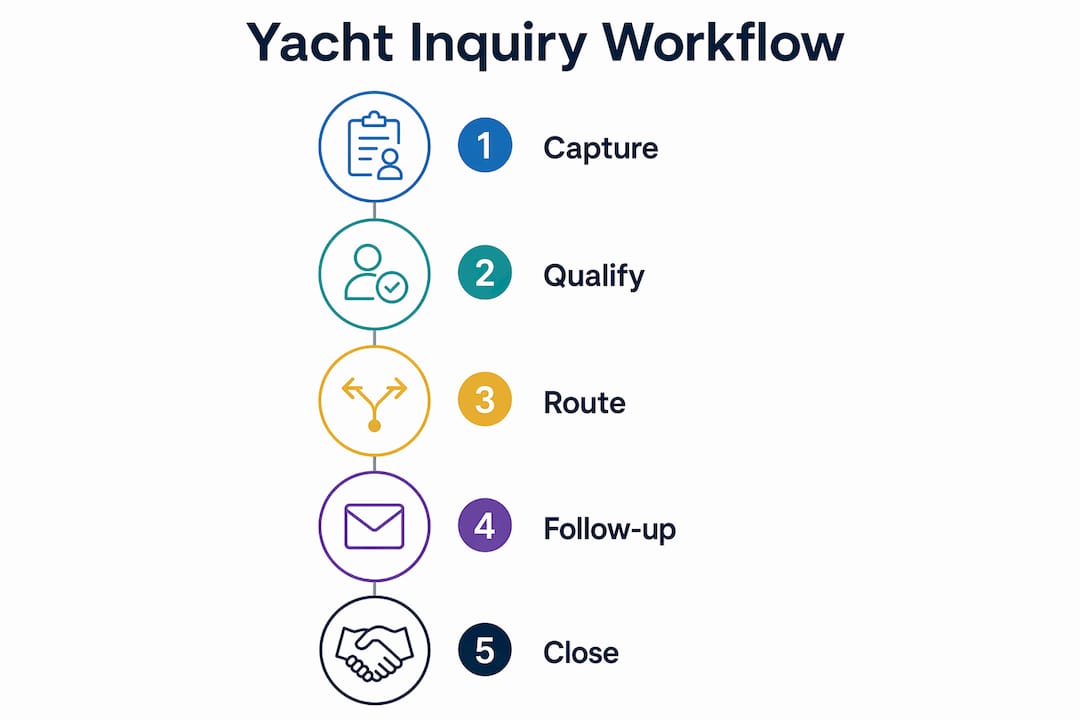
The managing yacht inquiries process is the structured method of capturing, qualifying, routing, and responding to buyer and charter guest requests to maximize conversion and protect broker time. In luxury yacht sales, where a single transaction can exceed seven figures, a missed inquiry or a slow response is not a minor inconvenience. It is a lost relationship. The brokers and managers who close consistently are not simply the most knowledgeable. They are the most organized, using tools like CRM platforms, AI-driven filters, and centralized communication hubs to turn raw interest into signed agreements.
What tools are essential for efficient yacht inquiry management?
Yacht inquiry management begins with the right infrastructure. Specialized CRM systems are the foundation, because spreadsheets and generic contact tools cannot track the complexity of high-net-worth client profiles, preferences, and communication histories. A luxury buyer expects you to remember that they prefer a flybridge layout, have a crew of four, and last inquired about a 70-foot motor yacht in the Adriatic. A spreadsheet will not remind you of that.
AI-driven qualification tools serve as the frontline filter. AI chatbots pre-vet leads by asking structured questions before a human broker ever gets involved, increasing closing rates by approximately 15%. That figure matters because it means your senior brokers spend their hours on buyers who are ready to act, not on tire-kickers requesting a general price list.

Centralized communication platforms complete the picture. When inquiries arrive through email, WhatsApp, web forms, and phone simultaneously, consolidating into a unified CRM interface prevents messages from falling through the cracks. The Gold’s Yacht case study with CallGear showed that this approach reduced lost inquiries from 15% to 3% and cut first response times from up to 40 minutes down to 5–7 minutes.
Pro Tip: Set up automated routing rules inside your CRM so that inquiries mentioning specific vessel types or budget thresholds are immediately assigned to the broker with matching expertise. This single step removes the most common source of delay in the yacht booking process.
| Tool Category | Primary Function | Best For |
|---|---|---|
| Specialized CRM (e.g., YachtWyse, Salesforce Marine) | Client profile tracking, follow-up scheduling | Brokers managing multiple active leads |
| AI Chat Qualification | Pre-screening and lead scoring | High-volume inquiry environments |
| Centralized Communication Hub (e.g., CallGear) | Multi-channel message consolidation | Teams handling phone, email, and web simultaneously |
| Automated Routing Software | Lead assignment by criteria | Firms with specialist brokers by vessel type |
How to build a step-by-step yacht inquiry workflow
A repeatable workflow is what separates a brokerage that scales from one that scrambles. The process below reflects what the most organized luxury yacht operations actually use.
-
Audit your current inquiry flow. Map every channel where inquiries arrive today. Phone, email, website forms, social media, and referrals each need a documented path. If you cannot trace where an inquiry goes after it arrives, you are already losing leads.
-
Define buyer personas and qualification criteria. A serious buyer for a 100-foot superyacht asks about vessel history, classification society records, and refit schedules. A charter guest asks about guest capacity, itinerary flexibility, and crew credentials. Build separate qualification profiles for each segment so your team knows exactly what “qualified” looks like.
-
Build multi-step inquiry forms. Detailed inquiry forms that ask for guest count, preferred dates, and budget create what the industry calls a Demand Control framework. This professional friction deters low-intent browsers while signaling to serious clients that you operate at a high level.
-
Automate routing and assign leads to specialists. Once a form is submitted or a call is logged, your CRM should automatically assign the lead based on vessel type, budget range, or geography. Manual assignment is a bottleneck that costs you response time.
-
Establish service-level agreements (SLAs) for response times. The Gold’s Yacht data is instructive here. Booking conversion rose from 14% to 19% after response times dropped to under 10 minutes. Set a firm internal standard: qualified leads receive a personalized response within that window, every time.
-
Time your preference collection carefully. For charter bookings specifically, sending preference sheets 4–6 weeks before the charter date produces the most complete and actionable data. Too early and guests have not finalized plans. Too late and specialty sourcing becomes impossible.
-
Track, measure, and refine. Review inquiry volume, response times, qualification rates, and conversion monthly. The workflow that works in January may need adjustment by July when Mediterranean charter season peaks.
Pro Tip: Review your inquiry forms quarterly. A question that once filtered effectively may become outdated as your client base evolves. Treat your forms as living documents, not set-and-forget tools.
| Workflow Element | Manual Approach | Automated Approach |
|---|---|---|
| Inquiry capture | Staff monitors multiple inboxes | Unified platform aggregates all channels |
| Lead qualification | Broker calls each lead individually | AI chatbot pre-screens before handoff |
| Routing | Manager assigns manually | CRM routes by pre-set criteria instantly |
| Follow-up | Broker remembers or uses notes | Automated reminders triggered by timeline |
| Reporting | Monthly manual spreadsheet review | Real-time dashboard with conversion metrics |
What are the most common mistakes in handling yacht inquiries?
Even experienced brokers fall into patterns that quietly erode their pipeline. These are the mistakes worth examining honestly.
-
Channel fragmentation. When inquiries arrive through five different platforms and no one owns the consolidation process, messages get missed. A prospect who sends a WhatsApp message and receives no reply within an hour will simply move to the next listing. Multi-channel consolidation is not optional in a competitive market.
-
Responding only to price questions. High-value buyers assess broker competence through the quality of the first response. Responding only to price without addressing vessel history, usage records, or technical specifications signals low-tier service. Ask technical questions early. It demonstrates expertise and builds trust simultaneously.
-
Ignoring unqualified lead volume. Spending equal time on every inquiry is a resource drain. Automated filters protect broker bandwidth for high-margin contracts. The goal is not to respond to everyone equally. It is to respond to the right people exceptionally well.
-
Failing to personalize follow-up. A generic follow-up email is almost worse than no follow-up at all. It signals that the client is just a number. Luxury clients expect their broker to reference the specific vessel they inquired about, the dates they mentioned, and the preferences they shared.
“The brokers who win in this market are not the fastest to reply. They are the most relevant when they do.” This distinction defines the difference between a good inquiry process and a great one.
For a deeper look at how personalized service shapes outcomes in luxury yacht sales, the pattern is consistent: clients remember how they were made to feel, not just what they were shown.
How does strong inquiry management improve sales outcomes?
The connection between inquiry management and closed deals is direct and measurable. Luxury clients expect a concierge-level experience from the first point of contact. Specialized CRM systems for inquiry tracking are the operational backbone of that experience, enabling brokers to deliver precision and consistency that generic tools simply cannot match.
The numbers from the Gold’s Yacht case study tell a clear story. Missed calls dropped from 25% to 8%. First response times fell from 20–40 minutes to 5–7 minutes. Booking conversion climbed from 14% to 19%. These are not marginal gains. They represent a fundamental shift in how a brokerage is perceived by the clients it serves.
The benefits extend beyond conversion rates:
- Faster deal closing. Qualified buyers who receive fast, technically informed responses move through the sales process with less friction. They spend less time second-guessing and more time deciding.
- Stronger client relationships. A broker who tracks preferences, follows up on schedule, and references prior conversations builds the kind of trust that generates referrals. In the luxury market, referrals are the highest-quality inquiry source available.
- Greater transparency. When every interaction is logged in a CRM, both the client and the brokerage have a clear record of the relationship. This reduces misunderstandings and supports smoother negotiations.
- Higher listing value. Sellers who work with brokers running organized inquiry systems benefit from better-qualified buyer pools and faster time to offer. You can explore how listing with a broker yields higher value as a direct result of this kind of operational discipline.
For brokers managing remote sales, the discipline of conducting remote yacht sales effectively depends almost entirely on having a structured inquiry and follow-up system in place before the first virtual showing.
Key takeaways
Effective yacht inquiry management requires centralized tools, structured qualification, and consistent follow-up to convert high-net-worth interest into closed deals.
| Point | Details |
|---|---|
| Centralize all channels | Consolidate phone, email, and web inquiries into one CRM to eliminate lost messages. |
| Qualify before routing | Use AI filters and detailed forms to pre-screen leads before broker involvement. |
| Set firm response SLAs | Respond to qualified leads within 5–10 minutes to protect conversion rates. |
| Time preference collection | Send charter preference sheets 4–6 weeks out for complete, actionable guest data. |
| Personalize every follow-up | Reference specific vessels, dates, and preferences to signal concierge-level attention. |
What i have learned about the yacht inquiry process
After years of working in luxury yacht sales, the lesson that took me longest to fully accept is this: automation is not the enemy of the personal touch. It is what makes the personal touch possible at scale.
When I first started building out inquiry workflows, I resisted automating too much. It felt impersonal. What I discovered is that the brokers who try to handle everything manually end up delivering inconsistent service. They are fast with some clients and slow with others. They remember preferences for their favorite buyers and forget them for everyone else. That inconsistency is what actually feels impersonal to a high-net-worth client.
The brokers I respect most treat their CRM the way a great concierge treats a guest profile. Every detail goes in. Every preference is noted. Every follow-up is scheduled. The automation handles the timing. The human handles the conversation. That balance is where the real trust is built.
Client expectations in 2026 have also shifted in a way that deserves honest acknowledgment. Buyers and charter guests have experienced concierge-level service in hotels, private aviation, and wealth management. They arrive at a yacht inquiry with that standard already set. Meeting it requires process, not just personality.
The one thing I would tell any broker or manager reading this: start with the audit. Map where your inquiries actually go today before you invest in any new tool. The gaps you find will tell you exactly where to focus first.
— Jason
How Yachts-bysteve supports your inquiry and sales process
Yachts-bysteve combines deep market knowledge with a personalized approach to inquiry management that high-net-worth clients recognize immediately. Whether you are a buyer seeking a specific vessel, a seller looking to attract qualified prospects, or a manager refining your team’s workflow, the expertise here is built around your goals. The team at Yachts-bysteve understands that every inquiry represents a relationship worth protecting. To work with brokers who treat your inquiry with the precision and care it deserves, start by exploring how to choose a yacht broker for luxury purchases. The right partnership makes every step of the process feel exactly as it should: considered, confident, and entirely yours.
FAQ
What is the managing yacht inquiries process?
The managing yacht inquiries process is the structured system of capturing, qualifying, routing, and following up on buyer or charter guest requests. It combines CRM tools, automated filters, and defined response protocols to convert interest into closed transactions.
How quickly should a yacht broker respond to an inquiry?
Qualified leads should receive a personalized response within 5–10 minutes. The Gold’s Yacht case study showed that reducing response times to this window raised booking conversion from 14% to 19%.
What is a demand control framework in yacht charter inquiries?
A Demand Control framework uses detailed inquiry forms requesting guest count, dates, and budget to filter out low-intent browsers. This professional friction attracts serious clients and protects broker time for high-value conversations.
Why do luxury yacht clients need specialized CRM systems?
Spreadsheets and generic contact tools cannot manage the complexity of high-net-worth client profiles, preferences, and communication histories. Specialized CRM systems deliver the precision and consistency that concierge-level service requires.
When should charter preference sheets be sent to guests?
The optimal window for sending preference sheets is 4–6 weeks before the charter date. This timing gives guests enough clarity to provide complete data while leaving sufficient time to source specialty requests and finalize logistics.
Recommended
Featured Listings
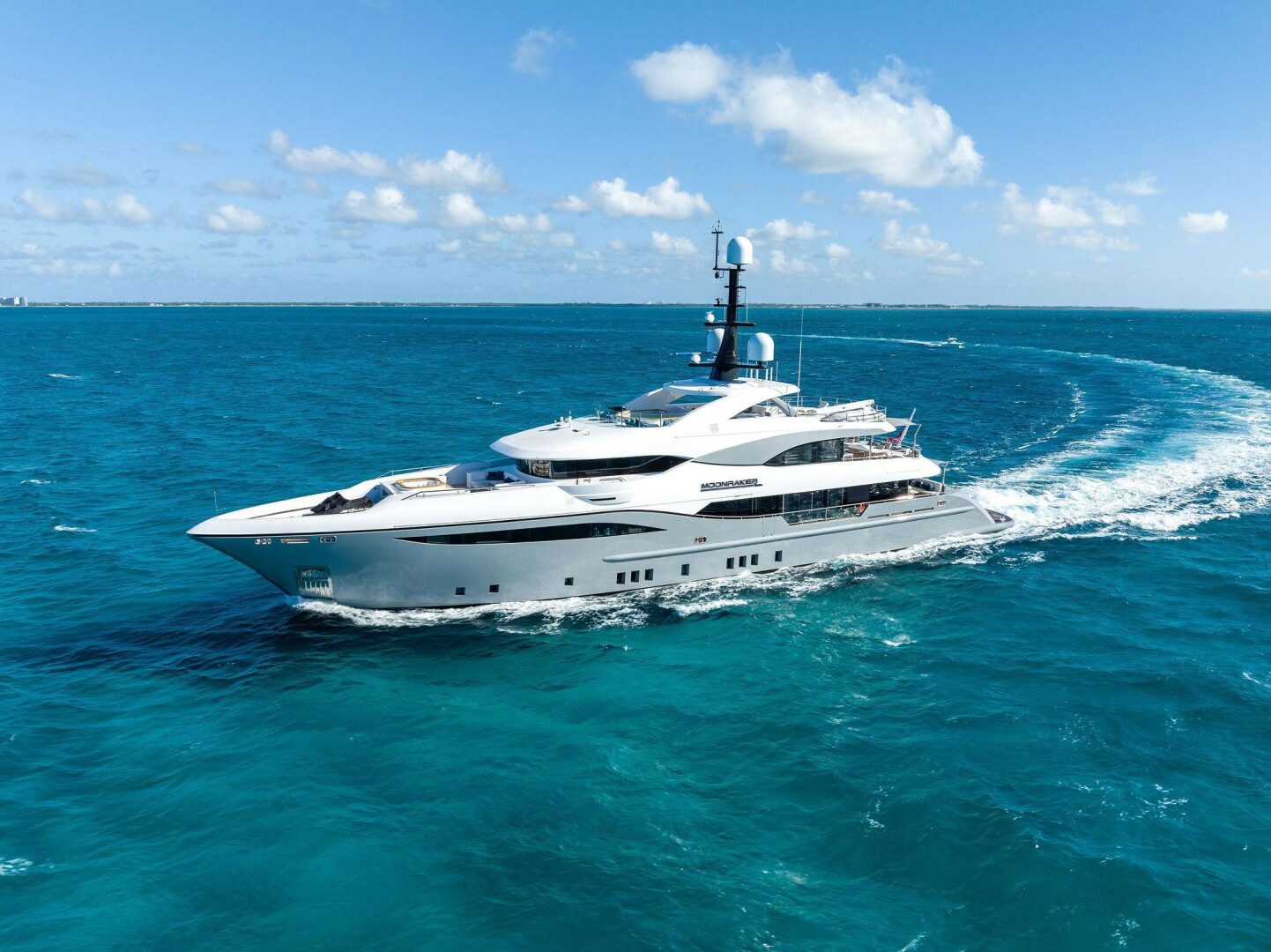
2019 Bilgin MOONRAKER
$21,404,500
156
West Palm Beach Florida

2028 Columbus Yachts
$22,900,008
137
Ancona
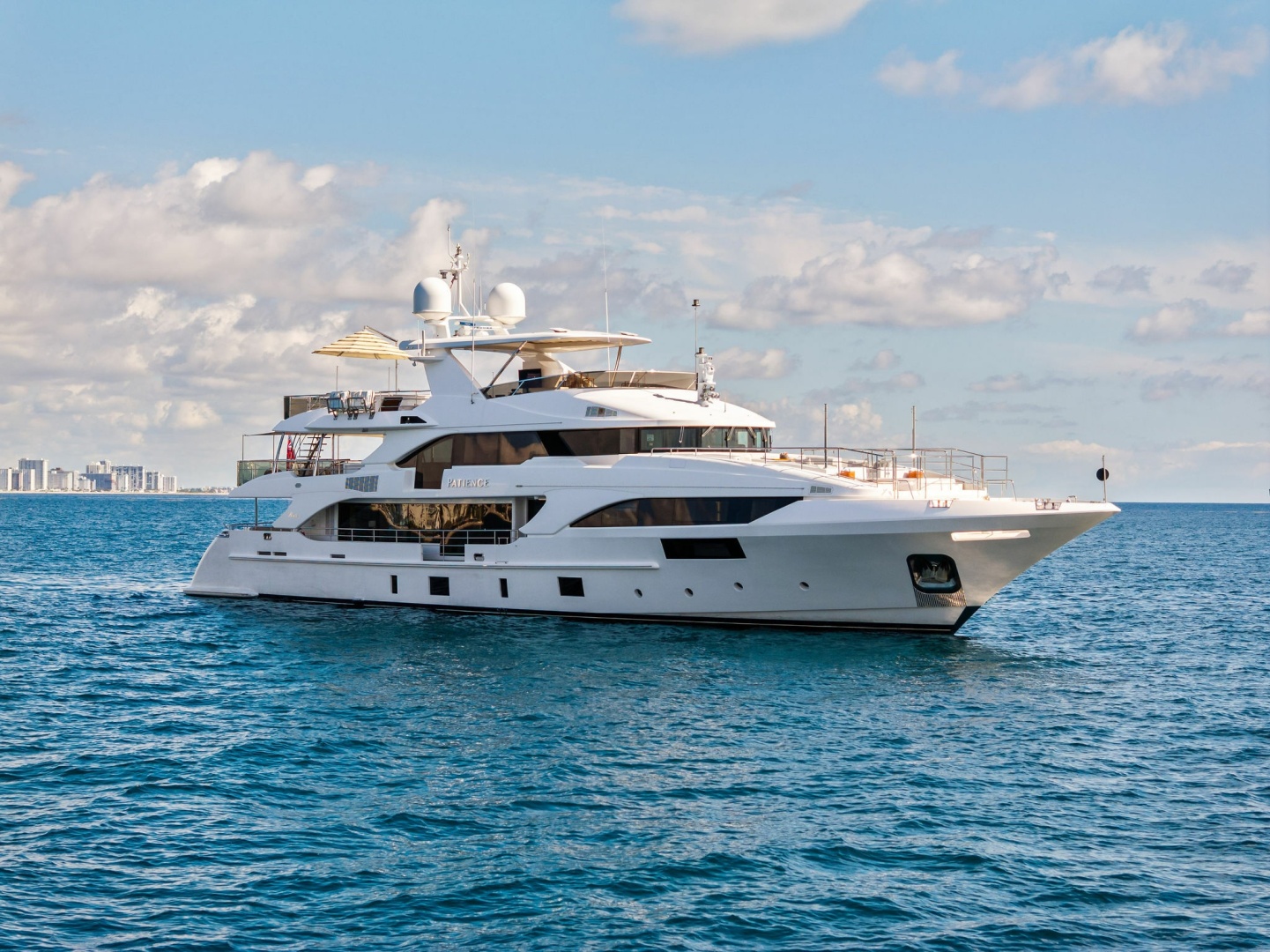
2012 Benetti PATIENCE
$10,975,000
132
Fort Lauderdale Florida
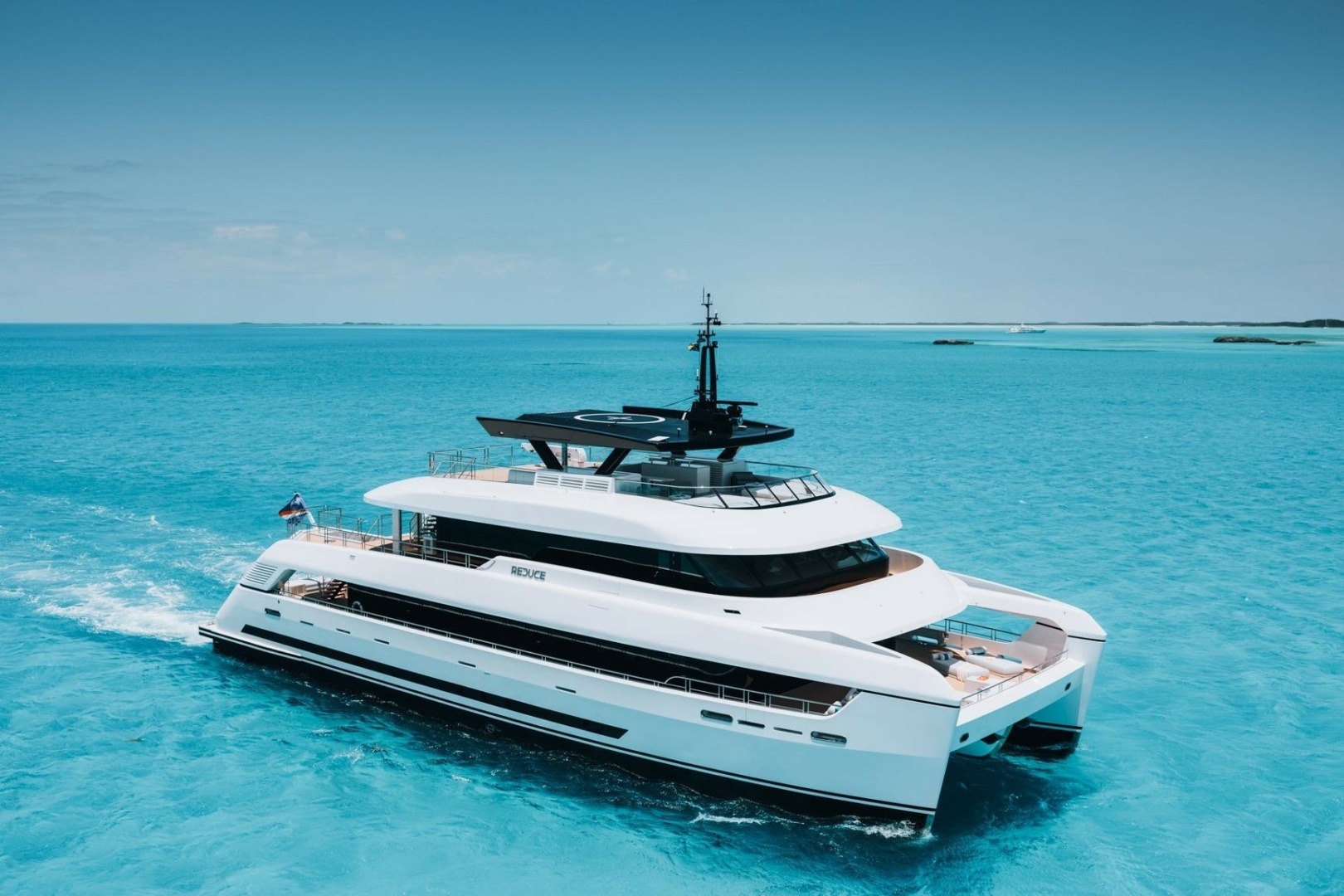
2024 Silver Yachts
$25,400,000
117
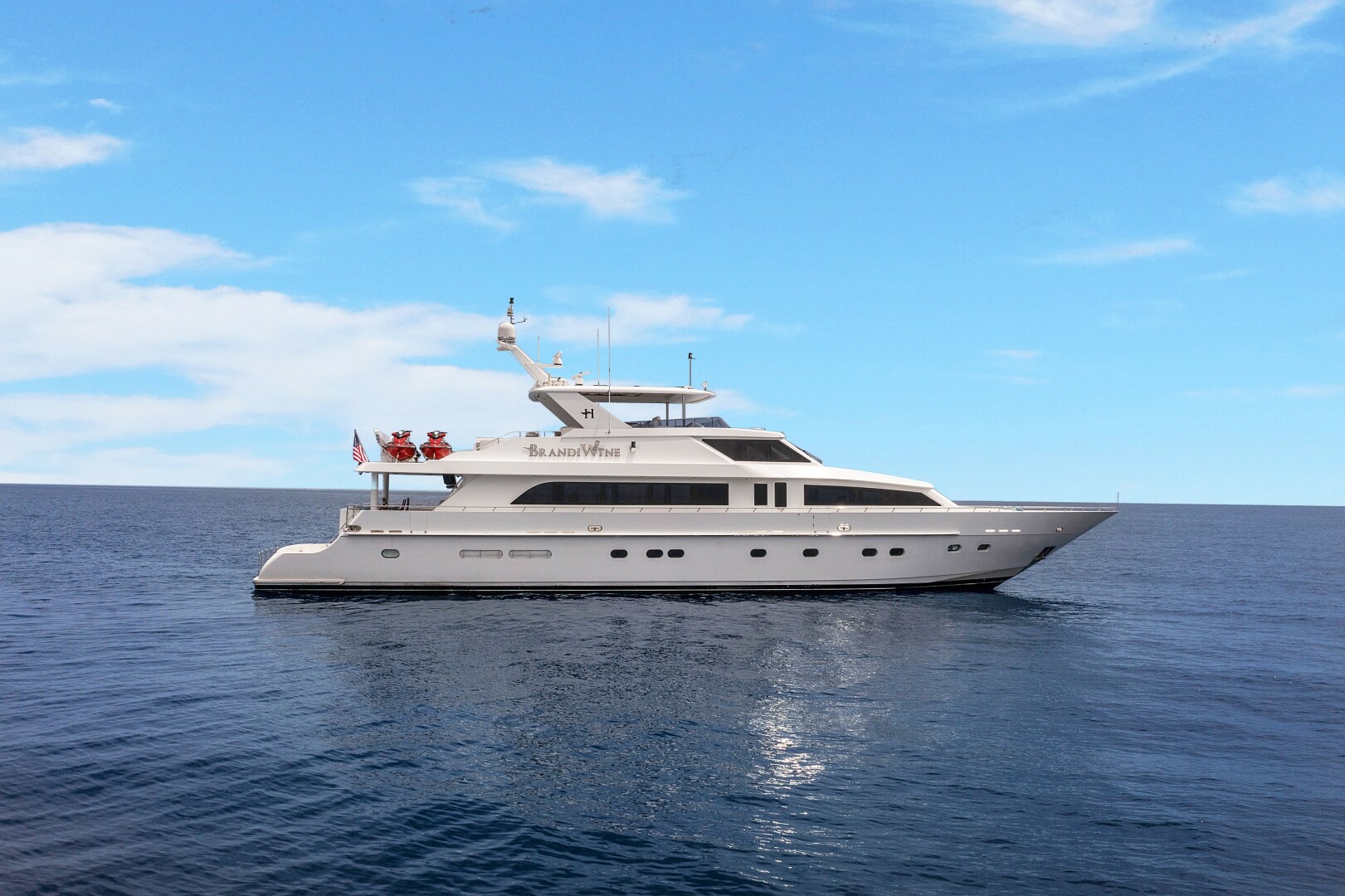
2009 Hargrave BRANDI WINE
$2,995,000
114
Fort Lauderdale Florida

2028 Extra Yachts
$21,404,500
100
Ancona

2028 Extra Yachts Extra 96
$9,495,000
96
Ancona
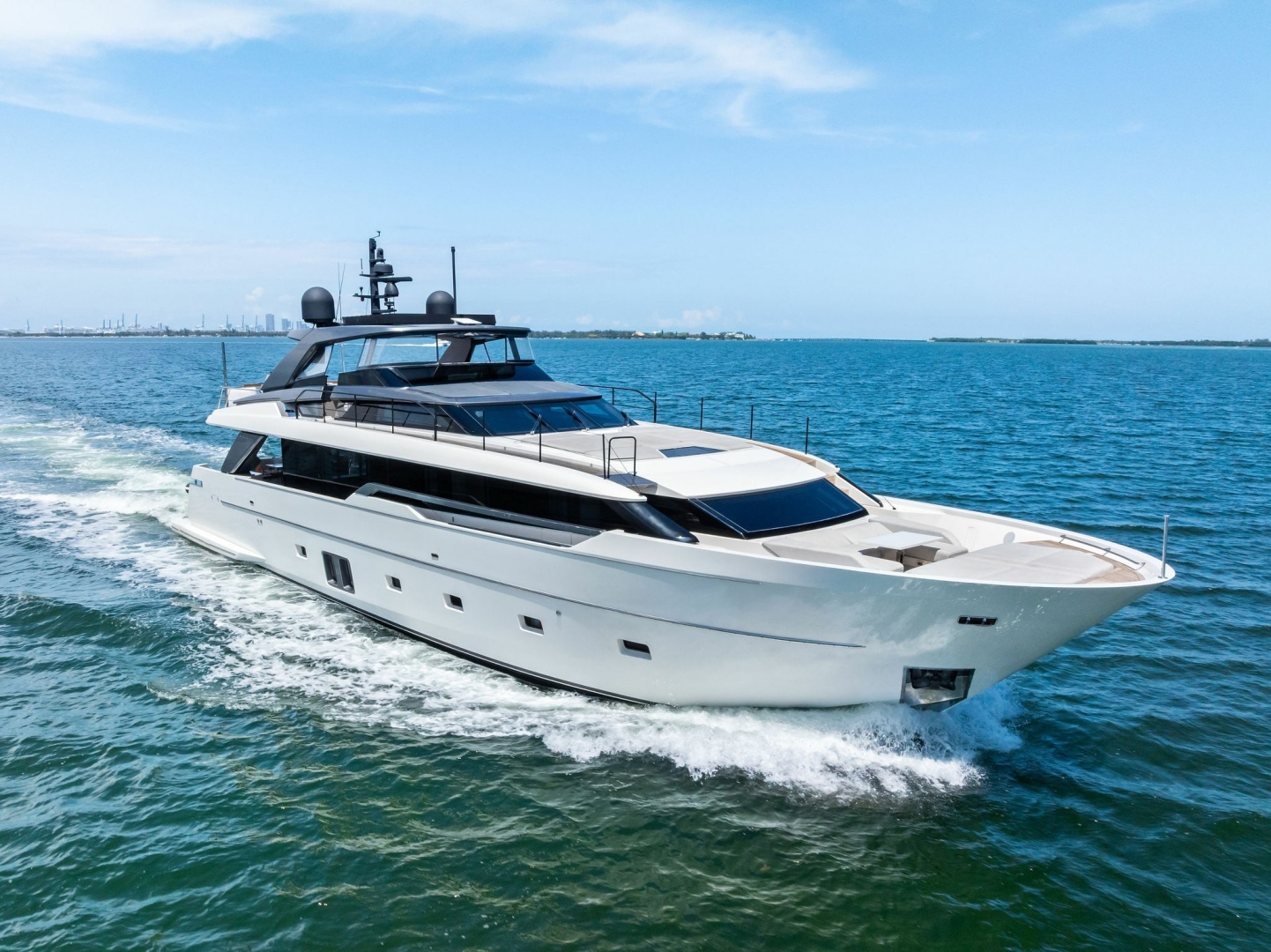
2021 Sanlorenzo GATSBY
$6,795,000
96
Miami Beach Florida

1999 Northern Marine OFF LINE
$2,495,000
84
Ft Lauderdale Florida
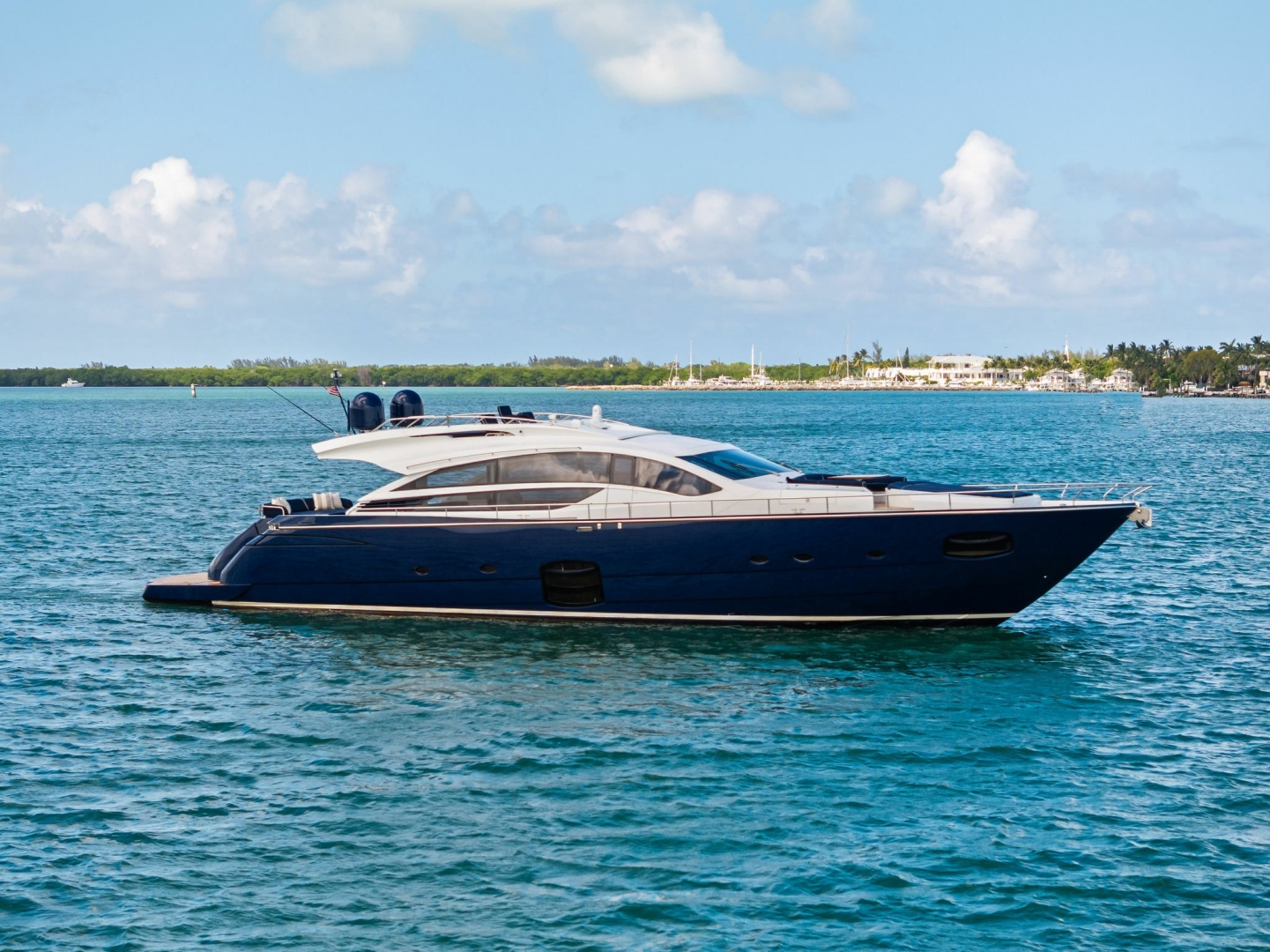
2013 Pershing DOROTHY ANN
$1,750,000
82
Miami Beach Florida

1997 Ferretti Yachts
$850,000
80
La Paz
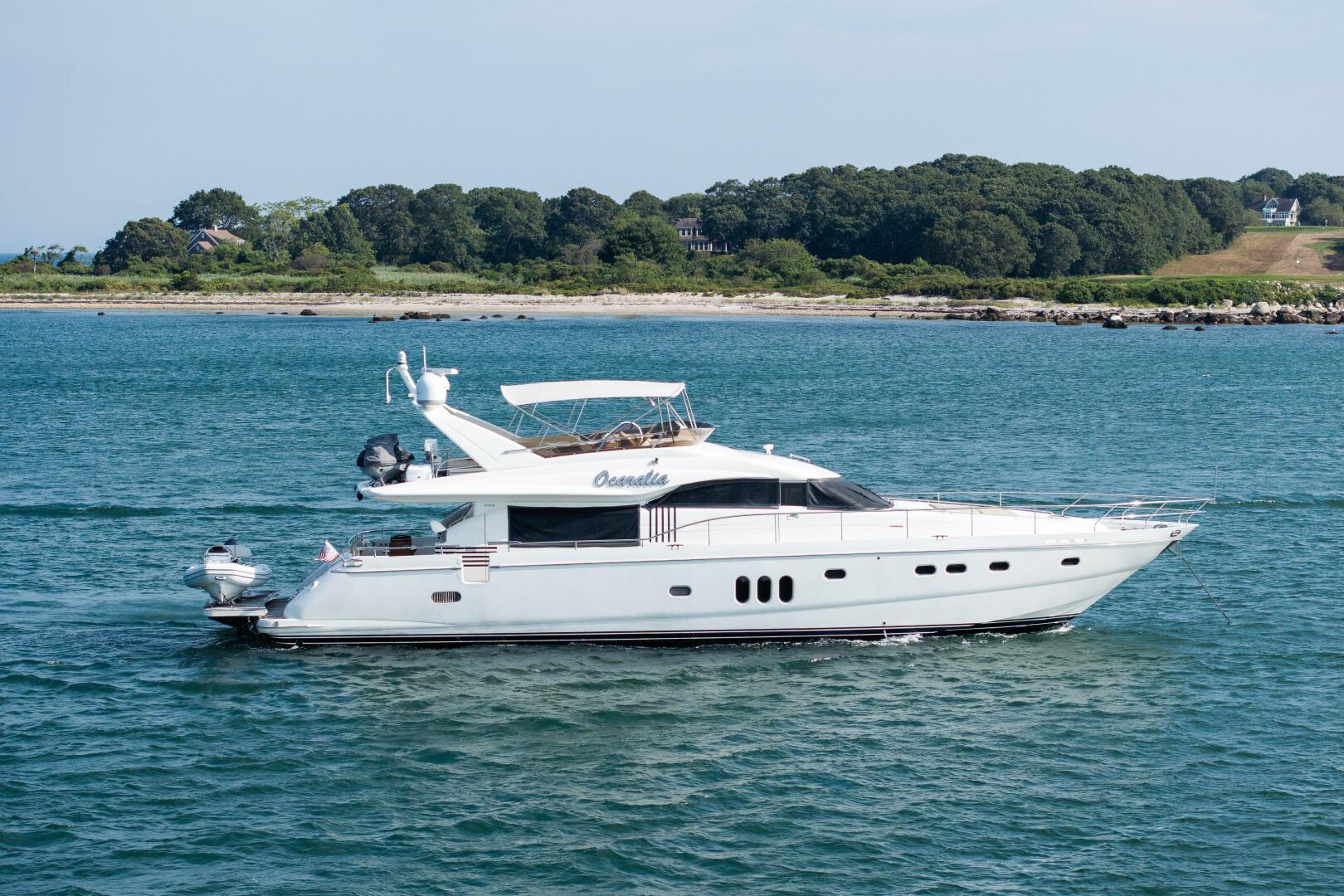
2008 Princess Yachts OCARALIA
$1,095,000
75
Charleston South Carolina
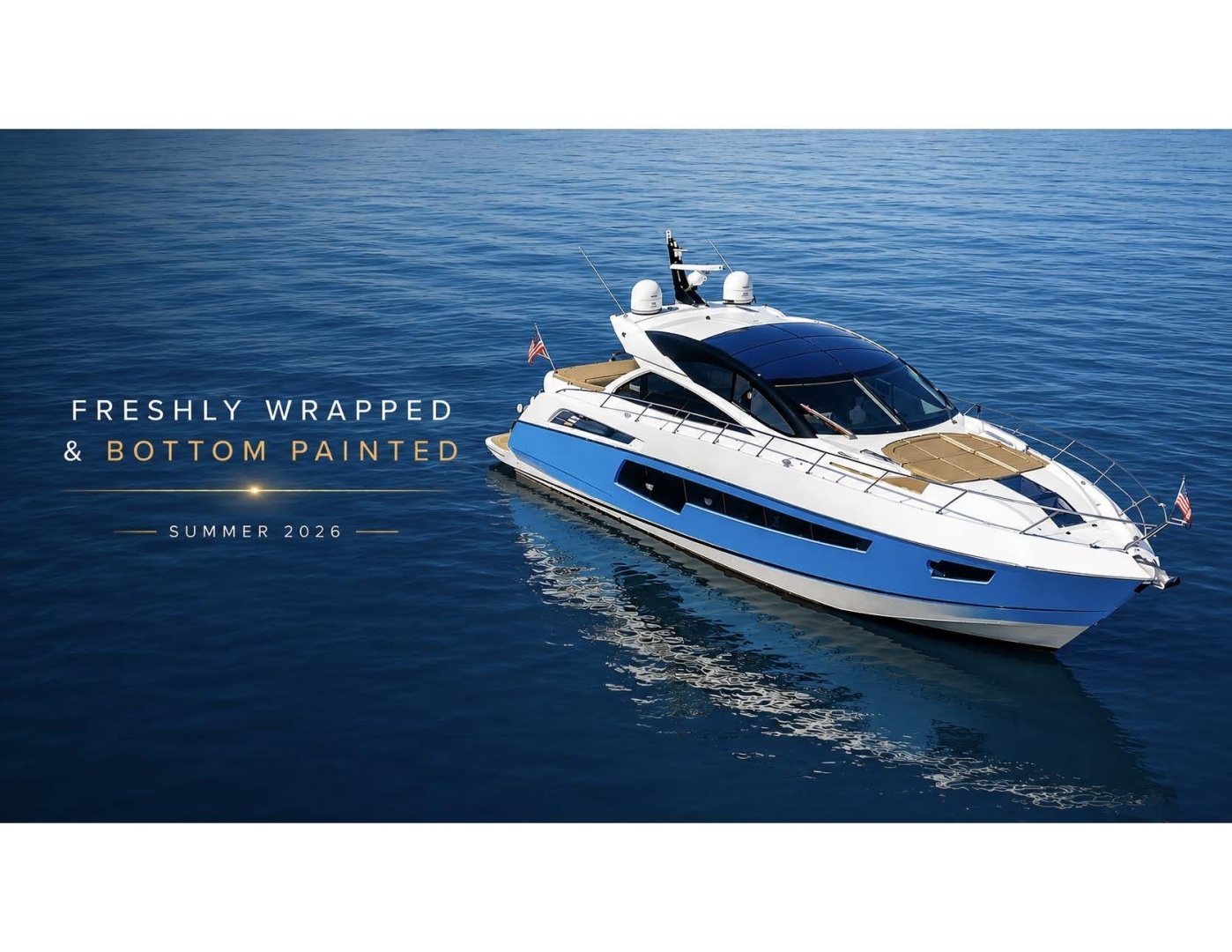
2014 Sunseeker
$1,400,000
68
New York New York

2024 Fairline
$2,750,000
68
Ft. Lauderdale Florida

2024 Sunreef Catallaxi
$3,700,000
60
Newport Rhode Island
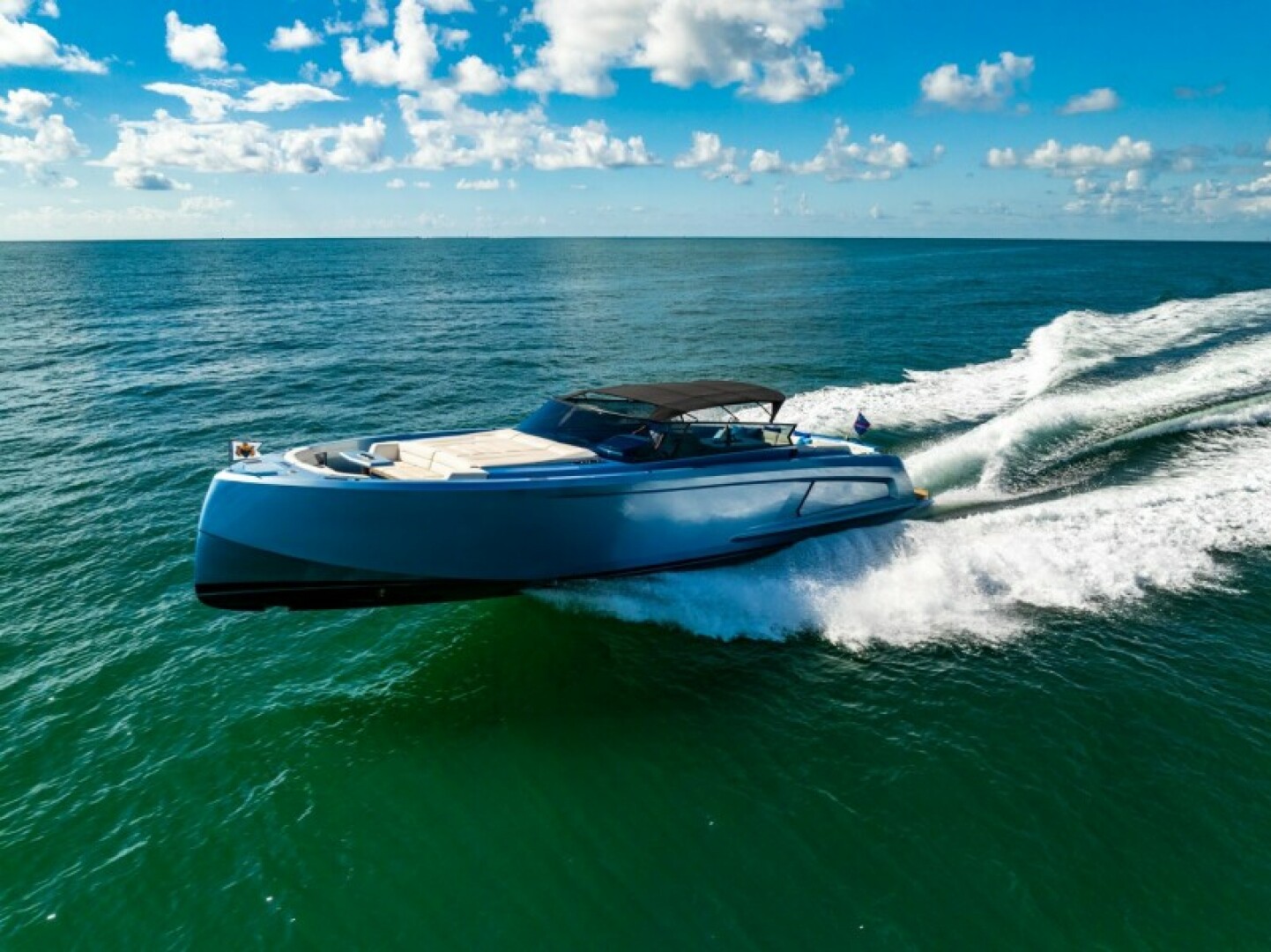
2019 Vanquish Yachts IMPULSIVE
$1,799,000
58
Miami Beach Florida
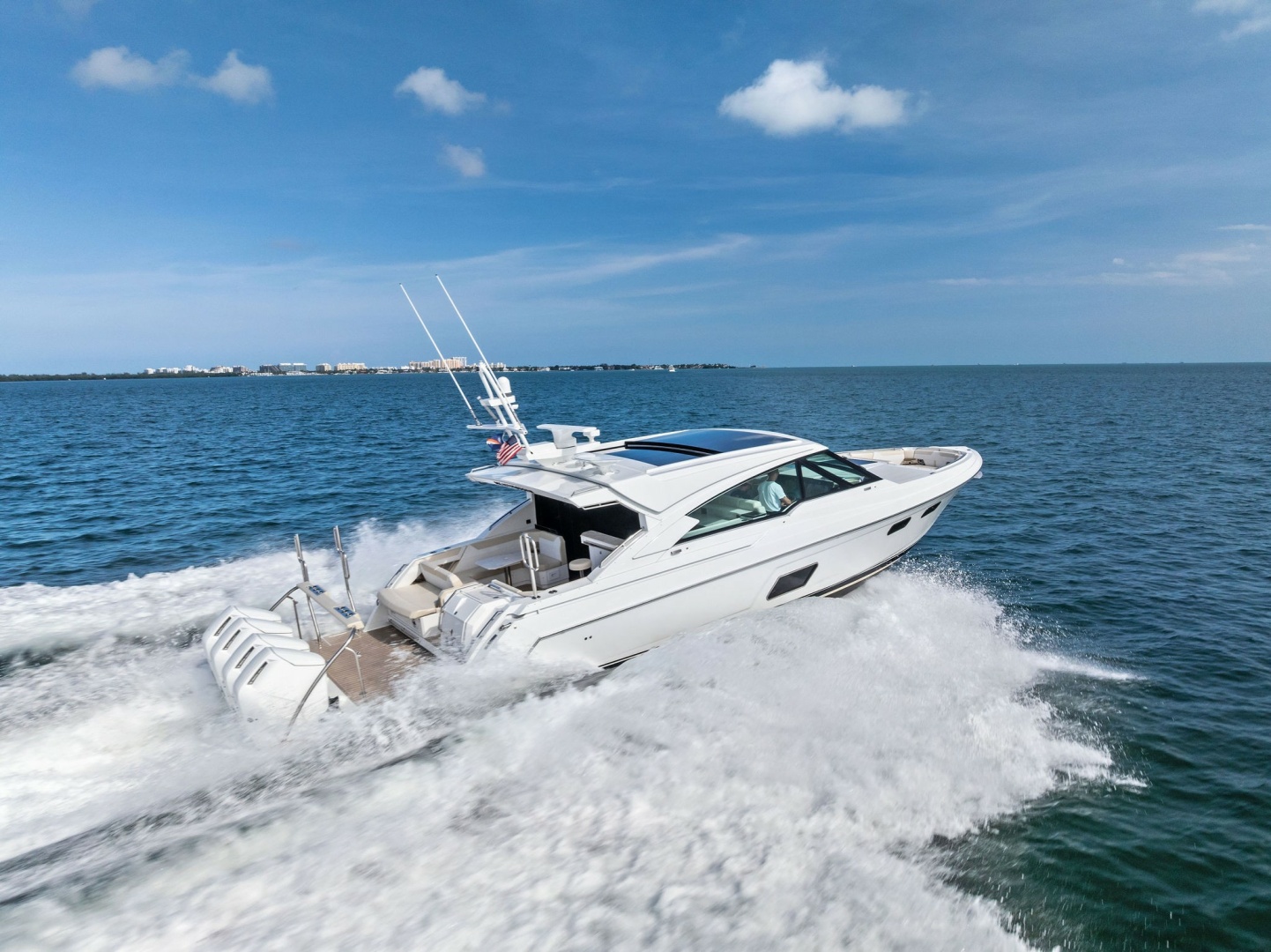
2025 Formula BREAKTHROUGH III
$1,895,000
53
Miami Beach Florida

2023 Fairline
$900,000
45
Fort Lauderdale Florida
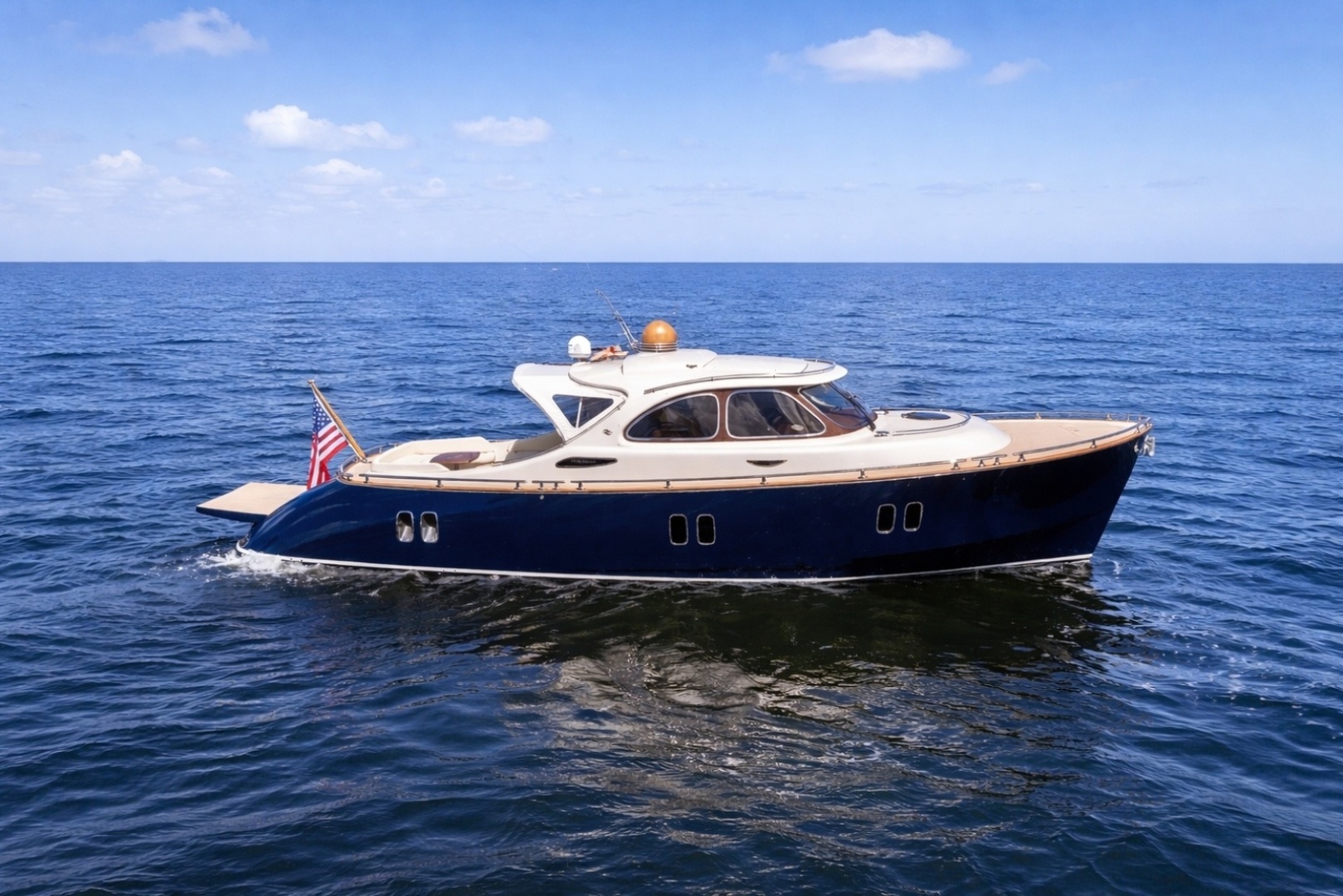
2012 Zeelander Mississippi Queen
$575,000
44
West Palm Beach Florida
2019 Bilgin 156'
$21,404,500
2028 Columbus Yachts 137'
$22,900,008
2012 Benetti 132'
$10,975,000
2024 Silver Yachts 117'
$25,400,000
2009 Hargrave 114'
$2,995,000
2028 Extra Yachts 100'
$21,404,500
2028 Extra Yachts 96'
$9,495,000
2021 Sanlorenzo 96'
$6,795,000
1999 Northern Marine 84'
$2,495,000
2013 Pershing 82'
$1,750,000
1997 Ferretti Yachts 80'
$850,000
2008 Princess Yachts 75'
$1,095,000
2014 Sunseeker 68'
$1,400,000
2024 Fairline 68'
$2,750,000
2024 Sunreef 60'
$3,700,000
2019 Vanquish Yachts 58'
$1,799,000
2025 Formula 53'
$1,895,000
2023 Fairline 45'
$900,000
2012 Zeelander 44'
$575,000