

A gleaming hull and a prestigious price tag can inspire genuine excitement, but neither guarantees what lies beneath. For affluent buyers navigating the luxury yacht market, confidence in a purchase depends entirely on the depth and rigor of the inspection process. Too many transactions proceed on visual appeal alone, leaving costly mechanical surprises to surface only after the paperwork is signed. This guide walks you through every critical stage of a thorough yacht inspection, from understanding why it matters to knowing exactly what seasoned experts look for, so you can step into your acquisition with clarity, not guesswork.
Table of Contents
- Why thorough yacht inspections matter
- Step-by-step: The yacht inspection process explained
- preparation tips for a successful yacht inspection
- What expert buyers focus on: High-risk yacht inspection items
- Why most yacht buyers underestimate the inspection process
- Connect with the right experts for your yacht purchase
- frequently asked questions
Key Takeaways
| Point | Details |
|---|---|
| Comprehensive inspection is vital | Skipping steps in the inspection process can lead to costly surprises post-purchase. |
| Sea trials uncover hidden issues | A full sea trial often reveals problems invisible during dockside checks. |
| Preparation improves outcomes | A well-prepared yacht makes inspections more thorough and builds buyer confidence. |
| Expertise prevents major losses | Specialists in engines and high-risk systems help catch problems that many surveys miss. |
Why thorough yacht inspections matter
A luxury yacht represents one of the most significant asset purchases a person can make. Unlike a piece of real estate, a vessel operates in one of the most demanding environments on earth, where saltwater, pressure, vibration, and heat work constantly to degrade systems and structures. The financial stakes are extraordinary. A missed defect in the hull, the mechanical systems, or the electrical bonding network can translate to repair costs that rival the vessel’s market value.
This is precisely why yacht surveys explained matter so much as a buyer’s first line of defense. A proper marine survey is not simply a formality or a checkbox on the way to closing. It is a strategic evaluation that identifies risk, establishes negotiating leverage, and creates a prioritized roadmap for responsible ownership.
“A quality inspection doesn’t just surface problems. It tells you which problems matter most, what they’ll cost to fix, and whether they affect the vessel’s safety or seaworthiness.”
However, not every survey delivers that kind of depth. As bad marine survey warning signs illustrate, marine surveys aren’t equal and buyers should be wary of thin or vague reports that lack photographic evidence, moisture readings, or prioritized findings.
So, what separates a thorough survey from a superficial one? Watch for these red flags:
- Generic report language with no vessel-specific observations
- Missing or unrecorded moisture readings and structural notes
- No photographic documentation of defects or areas of concern
- A lack of prioritized findings (critical vs. cosmetic)
- No actionable recommendations for remediation
Insist on methodical, documented testing. You deserve a report that functions as a strategic asset, not just a piece of paper that satisfies a lender.
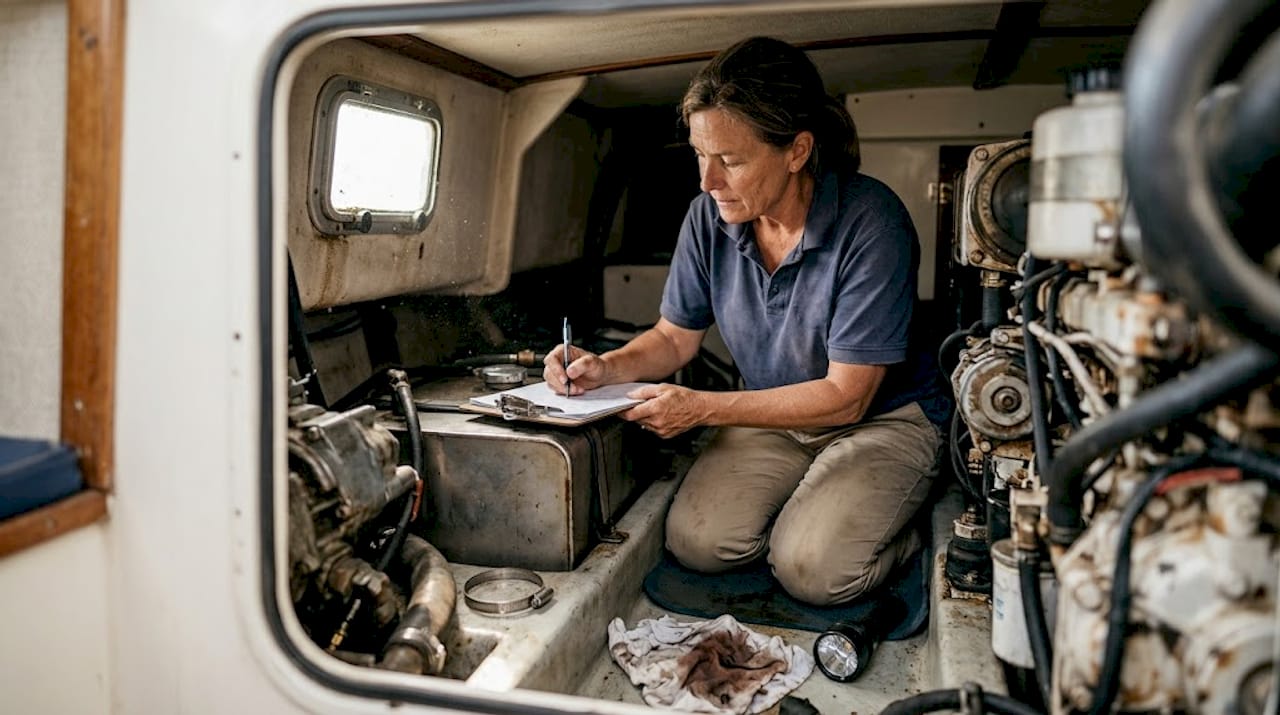
Pro tip: Always verify that your marine surveyor holds a recognized certification from organizations such as the Society of American Marine Engineers or the National Association of Marine Engineers. This credential signals training in both structural and systems evaluation.
Now that you know why inspections are critical, let’s break down the steps involved.
Step-by-step: The yacht inspection process explained
A rigorous pre-purchase inspection follows a clear sequence. Each stage builds on the last, and skipping any one of them leaves gaps that can prove costly.
- Pre-inspection preparation. The buyer and broker align on the scope of the survey, confirm surveyor selection, and coordinate vessel access with the seller or marina.
- Document and records review. The surveyor and buyer review maintenance logs, title documents, prior survey reports, and any known repair histories.
- Static (dockside) inspection. The surveyor examines the hull, deck, superstructure, interior systems, safety equipment, and machinery while the vessel is in the water or on the hard.
- Sea trial. The vessel is taken underway to test propulsion, steering, navigation electronics, and onboard systems under realistic operating conditions.
- In-water or haul-out inspection. The underwater hull, running gear, through-hull fittings, and propellers are examined. A haul-out is often required for GRP (fiberglass reinforced plastic) moisture analysis.
- Engine and systems specialist review. For complex propulsion or generator packages, a dedicated engine surveyor is brought in alongside the general marine surveyor.
- Report generation. The surveyor delivers a written report with prioritized findings, supporting data, photos, and recommended next steps.
For reference, here is a summary of typical inspection stages, responsibilities, and associated costs:
| Stage | Primary responsible party | Est. cost range (2026) | Notes (U.S. dollar) |
|---|---|---|---|
| General marine survey | Marine surveyor | $18–$33 per foot | Per-foot pricing is standard in the U.S. market |
| Sea trial support | Marine surveyor + buyer | Often included | May incur fuel/dock fees |
| Engine/systems specialist | Engine surveyor | $500–$1,500+ | Add-on for complex rigs |
| Hull haul-out | Marine yard | $300–$1,000+ | Variable by vessel size |
| Full inspection total | All parties | $500–$2,000+ | Total inspection budgets vary widely |
Understanding the yacht pricing strategy behind a vessel’s ask price becomes far more meaningful when set against the context of a thorough inspection report. Use pro valuation methods to cross-reference survey findings with fair market value.
Pro tip: For vessels with twin diesel engines, turbocharged systems, or complex generator setups, always retain a dedicated engine specialist. The general marine surveyor is trained for structural and systems assessment, not deep mechanical diagnostics.
Understanding the structure of the process helps you prepare. Next: how to ensure inspection readiness.
preparation tips for a successful yacht inspection
Whether you are the seller preparing your yacht for scrutiny or the buyer setting expectations before the survey begins, preparation shapes the outcome more than most people realize. A well-prepared yacht invites a more thorough, transparent inspection. A neglected one signals hidden problems even before the surveyor picks up a moisture meter.
For sellers and owners, inspection preparation tips outline several non-negotiable steps. Clean and declutter all bilge spaces, provide clear access to all compartments and panels, ensure safety gear is functional and within certification dates, and have all maintenance paperwork ready before the surveyor arrives.
Here is a practical breakdown of what thorough preparation looks like compared to a neglected approach:
| Area | Well-prepared yacht | poorly prepared yacht** |
|---|---|---|
| Documentation | Full logs, title, repair receipts | Missing or incomplete records |
| Physical access | All panels open and bilges clean | Access blocked, dirty bilges |
| Safety equipment | Updated, certified, functional | Out-of-date or missing items |
| Systems readiness | All systems operational for testing | Systems offline or untested |
| Visual cleanliness | Clean hull and interior surfaces | Build-up obscures defects |
For buyers, a poorly prepared vessel is itself a red flag. It may indicate that the seller is concealing defects or simply lacks pride of ownership, both of which affect future maintenance costs. Review the yacht maintenance checklist to understand what a well-maintained vessel should look like.
Pro tip: Ask the seller to provide a formal pre-survey checklist response in writing before your surveyor arrives. It establishes accountability and creates a record of any claims made about the vessel’s condition.
With clear preparation underway, let’s look closer at what technical elements to prioritize during inspection.
What expert buyers focus on: High-risk yacht inspection items
Experienced buyers and seasoned surveyors know that the most consequential findings rarely appear on the surface. The issues that matter most, the ones that affect safety, seaworthiness, and long-term value, tend to hide in places a casual walkthrough misses entirely.
Sea trials are where the vessel must perform under pressure. As noted in in-depth survey guides, issues under load may not appear during dockside testing, which is why the sea trial is not optional for any serious acquisition. Engine vibration, steering lag, autopilot behavior, and throttle response all tell a richer story when the vessel is underway.
The yacht defects checklist identifies the most critical hidden categories that demand expert attention:
- Hull moisture and delamination. High moisture readings in fiberglass hulls signal osmotic damage that can compromise structural integrity over time.
- Through-hull fittings and seacocks. Failed or corroded seacocks are a leading cause of catastrophic vessel sinking. Every fitting must be exercised and inspected.
- Engine exhausts and cooling systems. Internal corrosion in wet exhaust systems often hides until failure, especially in saltwater-operated vessels.
- DC and AC electrical bonding. A compromised bonding system accelerates galvanic corrosion and creates electrocution risk in marinas.
- Standing rigging and chainplates (for sailing yachts). These carry enormous loads and rarely show visible fatigue until they fail.
“For complex engine packages, the general surveyor alone is not enough. A dedicated engine surveyor will catch issues buried in fuel injection systems, turbocharger health, and oil analysis results that a hull-and-structure specialist simply isn’t trained to assess.”
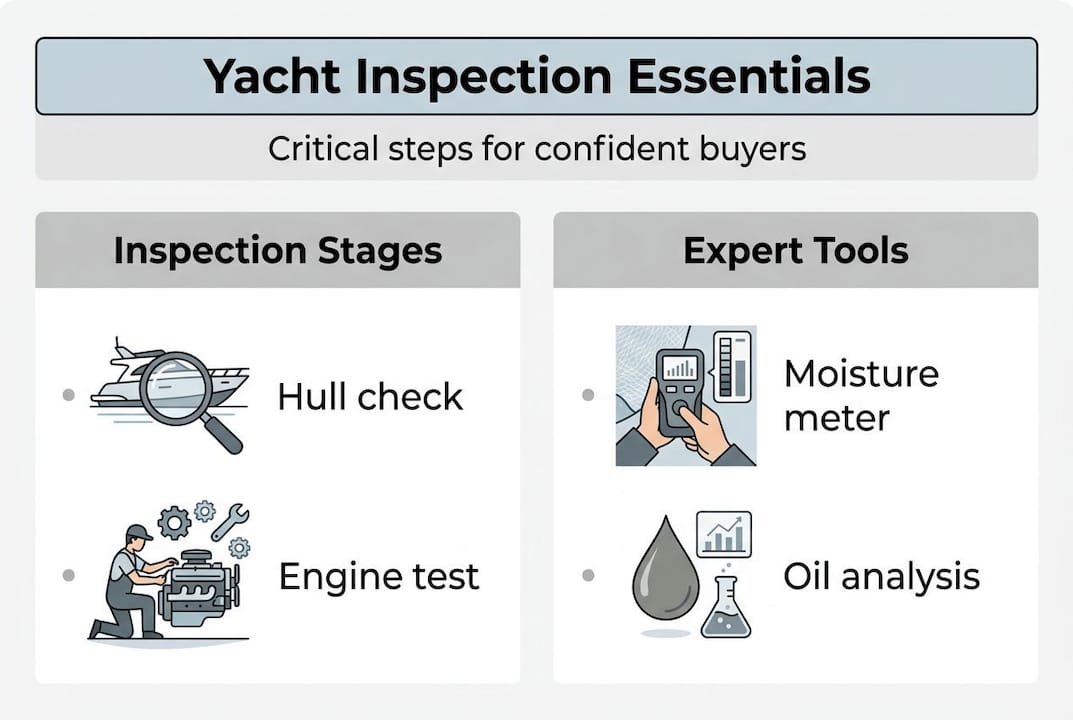
Diagnostic tools that expert buyers rely on include moisture meters for hull and deck analysis, oil sample kits for laboratory analysis of engine wear metals, thermal imaging cameras for electrical panel hot spots, and borescopes for internal inspection of engine cylinders and exhaust passages.
And remember: the yacht sea trial essentials are not a formality. They are your most honest window into what this vessel will demand of you as an owner.
By prioritizing the right technical checks, you can maximize the value of your inspection and your future investment.
Why most yacht buyers underestimate the inspection process
In our experience, even the most discerning buyers tend to enter the inspection process with one of two misconceptions. Either they trust the vessel’s provenance and reputation too readily, or they focus so heavily on the survey cost that they cut corners on specialist involvement. Both approaches carry serious risk.
The uncomfortable truth is that a yacht’s visual presentation can be almost perfectly deceiving. A fresh coat of antifouling paint and a polished interior do nothing to reveal osmotic damage in the hull, a degraded impeller, or failing seacocks. We’ve seen buyers skip engine surveys on the basis that “the seller has always maintained it well,” only to face five-figure repair bills within the first season.
The real value of a rigorous inspection lies not only in what it uncovers, but in how those findings position you at the negotiating table. A thorough, prioritized report is a strategic tool. It allows you to negotiate repairs, price adjustments, or escrow holdbacks with precision and authority. Understanding the full yacht valuation step-by-step process reveals how inspection findings translate directly into fair market positioning. When you invest in thoroughness at the survey stage, that investment frequently returns tenfold in negotiation savings and avoided repair costs.
Connect with the right experts for your yacht purchase
At luxury yacht brokerage level, the inspection process should never feel like something you navigate alone. The right broker doesn’t just open doors to premium listings. They connect you with vetted marine surveyors, coordinate inspection logistics, and help you interpret findings in the context of current market values. choosing a yacht broker who understands the full inspection lifecycle is one of the most important early decisions you’ll make. At yachts by steve, we guide every client through the survey process with the same care we bring to every other stage of the transaction. From helping you align on yacht specifications guide priorities to coordinating specialist access, we make sure your investment is protected from the very first inspection to the final signature.
frequently asked questions
How long does a typical yacht inspection take?
Most full pre-purchase yacht inspections span one to two days, depending on the vessel’s size and the complexity of its systems.
Are sea trials always included in yacht inspections?
Sea trials are included in the vast majority of pre-purchase inspections, because in-water performance reveals issues that simply cannot appear when the vessel is stationary at the dock.
What are the most common add-on inspection fees?
Haul-out and yard fees along with advanced engine diagnostics are the most common additional costs, and inspection budgets of $500 to $2,000 typically do not include these extras.
Can I trust any marine surveyor, or should I look for specialists?
You should always verify survey quality by checking credentials, reviewing sample reports, and insisting on evidence-backed findings rather than relying on reputation alone.
What documents should I have ready for a yacht survey?
Owners should prepare maintenance logs, title and registration documents, and recent repair records, as organized documentation accelerates the inspection and builds surveyor confidence in the vessel’s history.
Recommended
Featured Listings
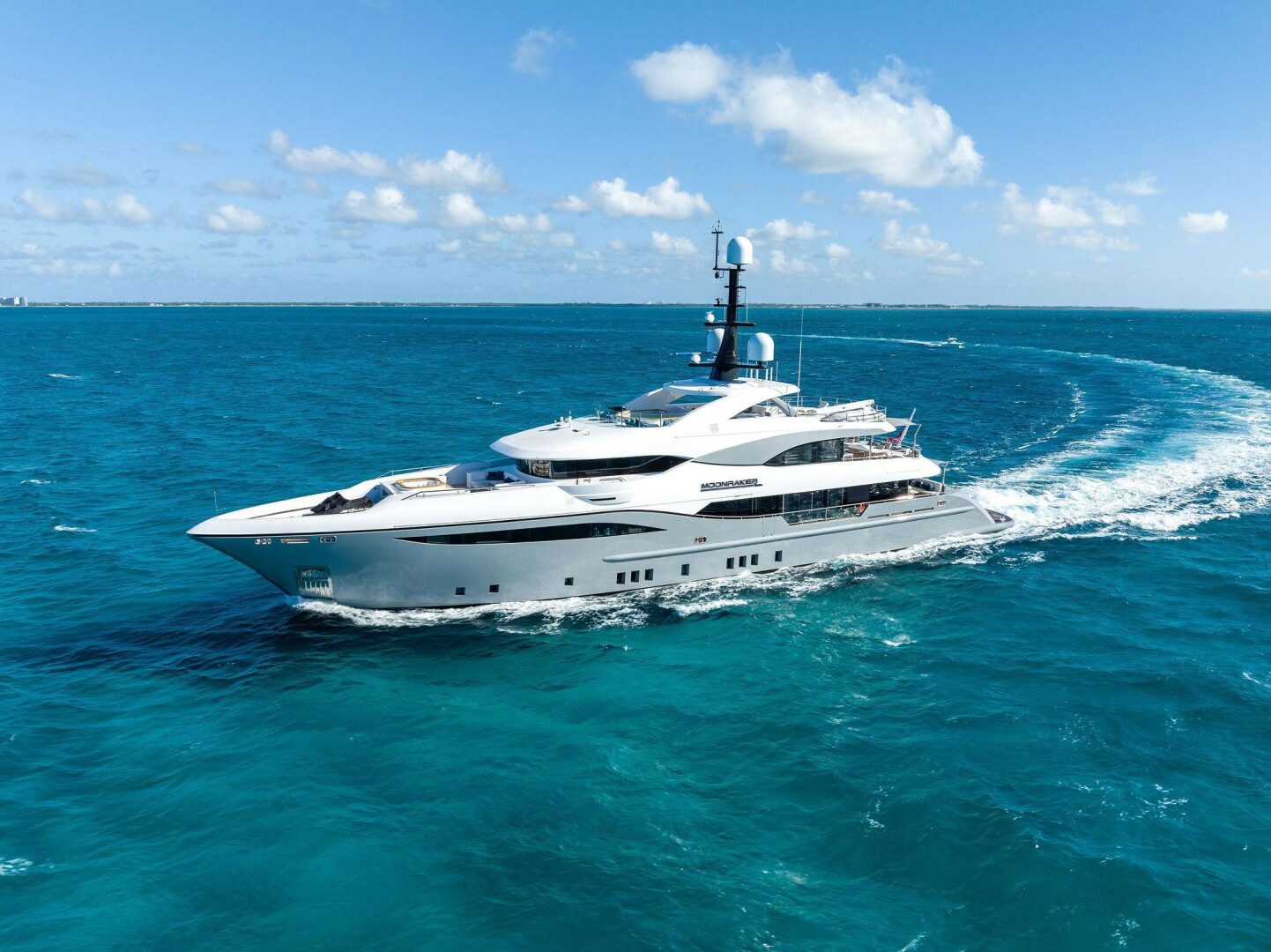
2019 Bilgin MOONRAKER
$21,404,500
156
West Palm Beach Florida

2028 Columbus Yachts
$22,900,008
137
Ancona
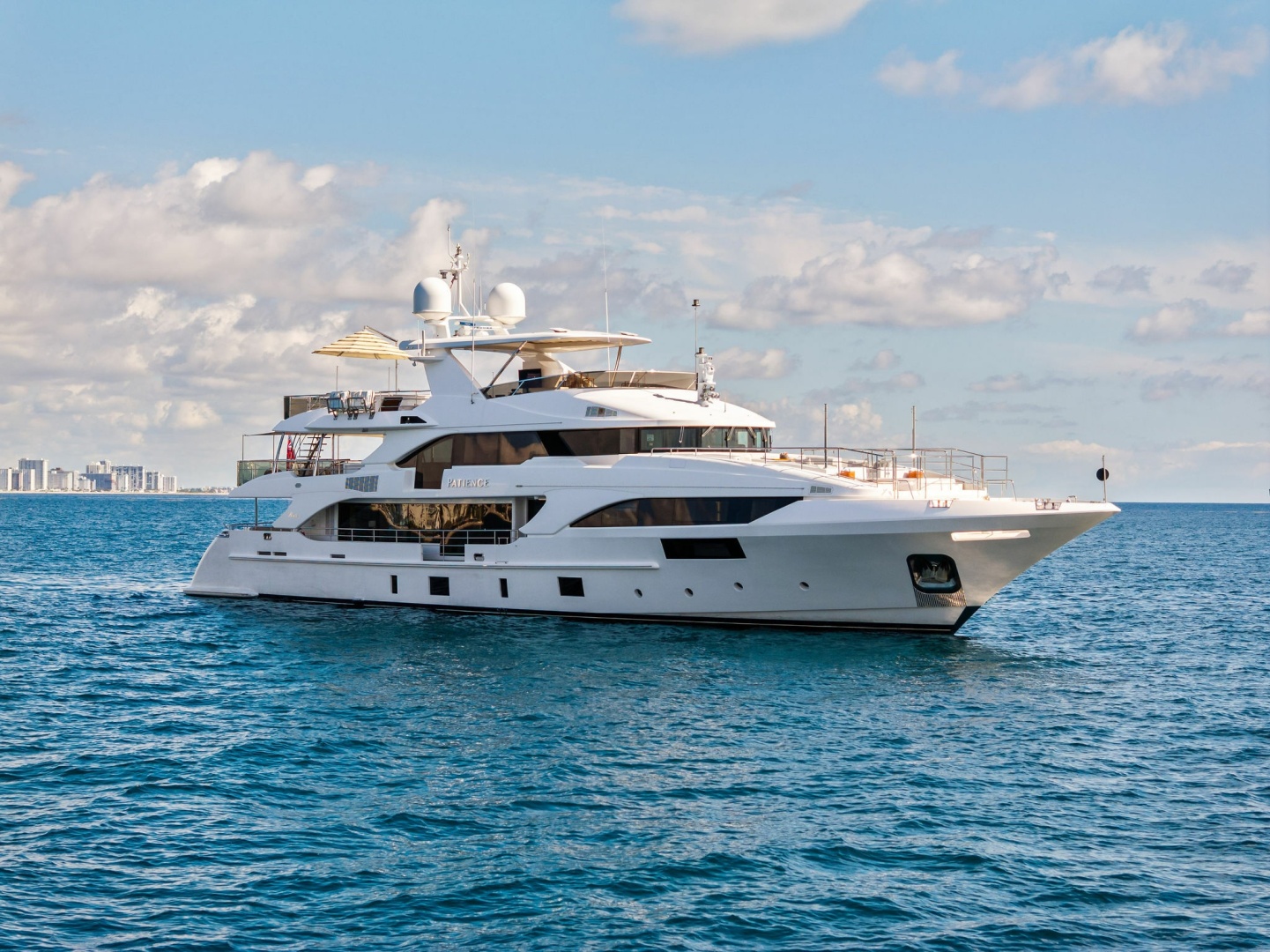
2012 Benetti PATIENCE
$10,975,000
132
Fort Lauderdale Florida
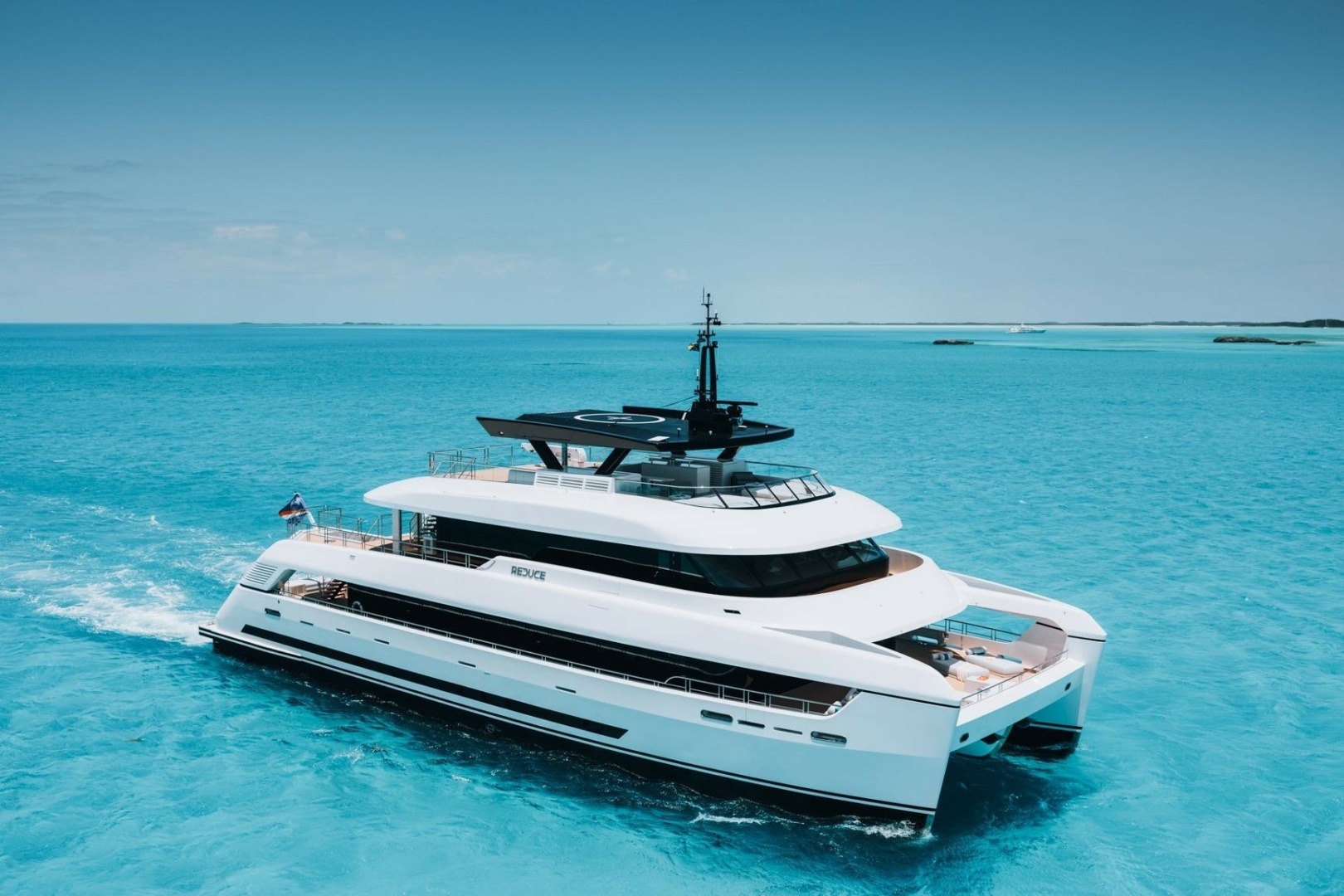
2024 Silver Yachts
$25,400,000
117
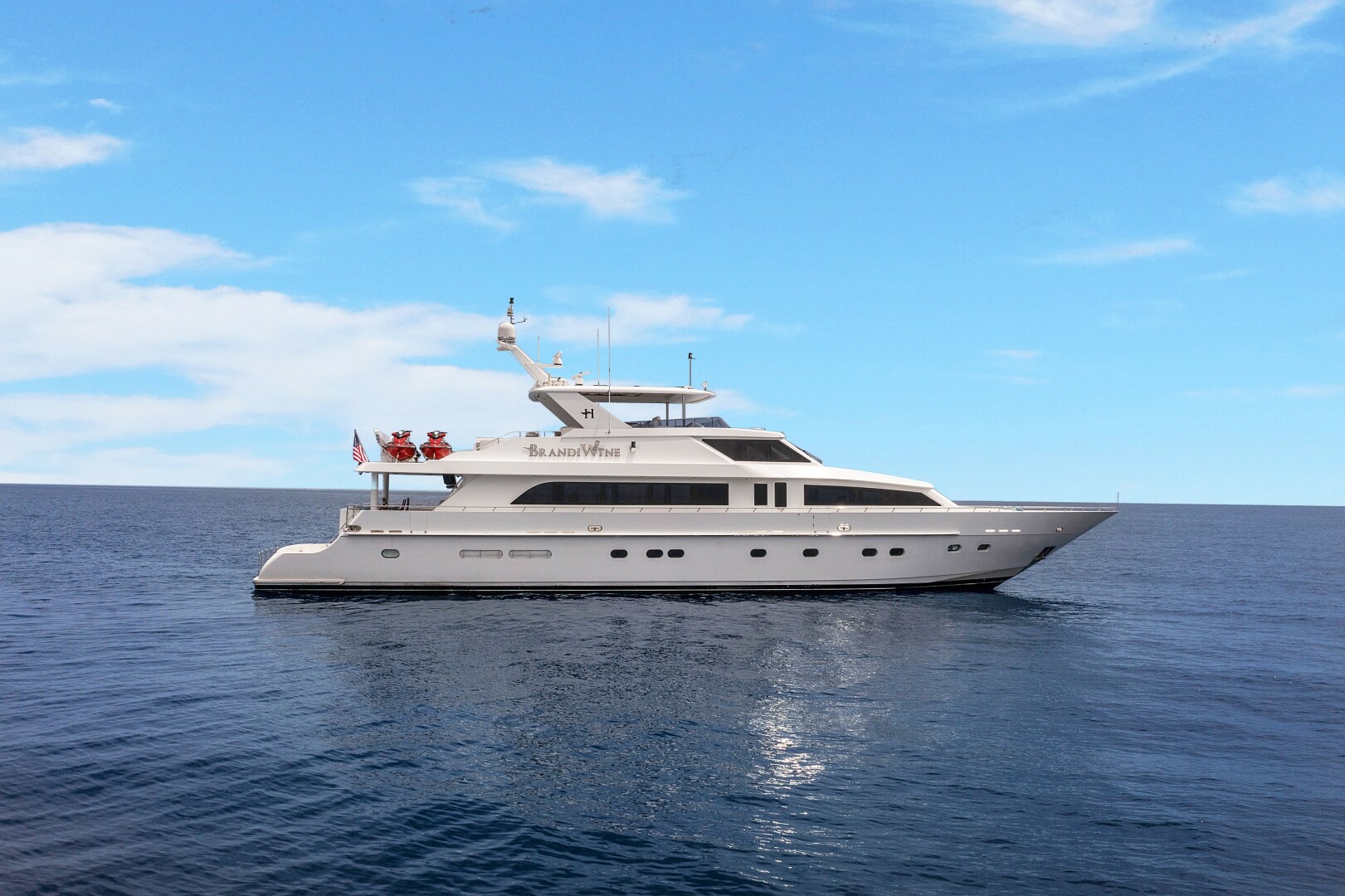
2009 Hargrave BRANDI WINE
$2,995,000
114
Fort Lauderdale Florida

2028 Extra Yachts
$21,404,500
100
Ancona

2028 Extra Yachts Extra 96
$9,495,000
96
Ancona
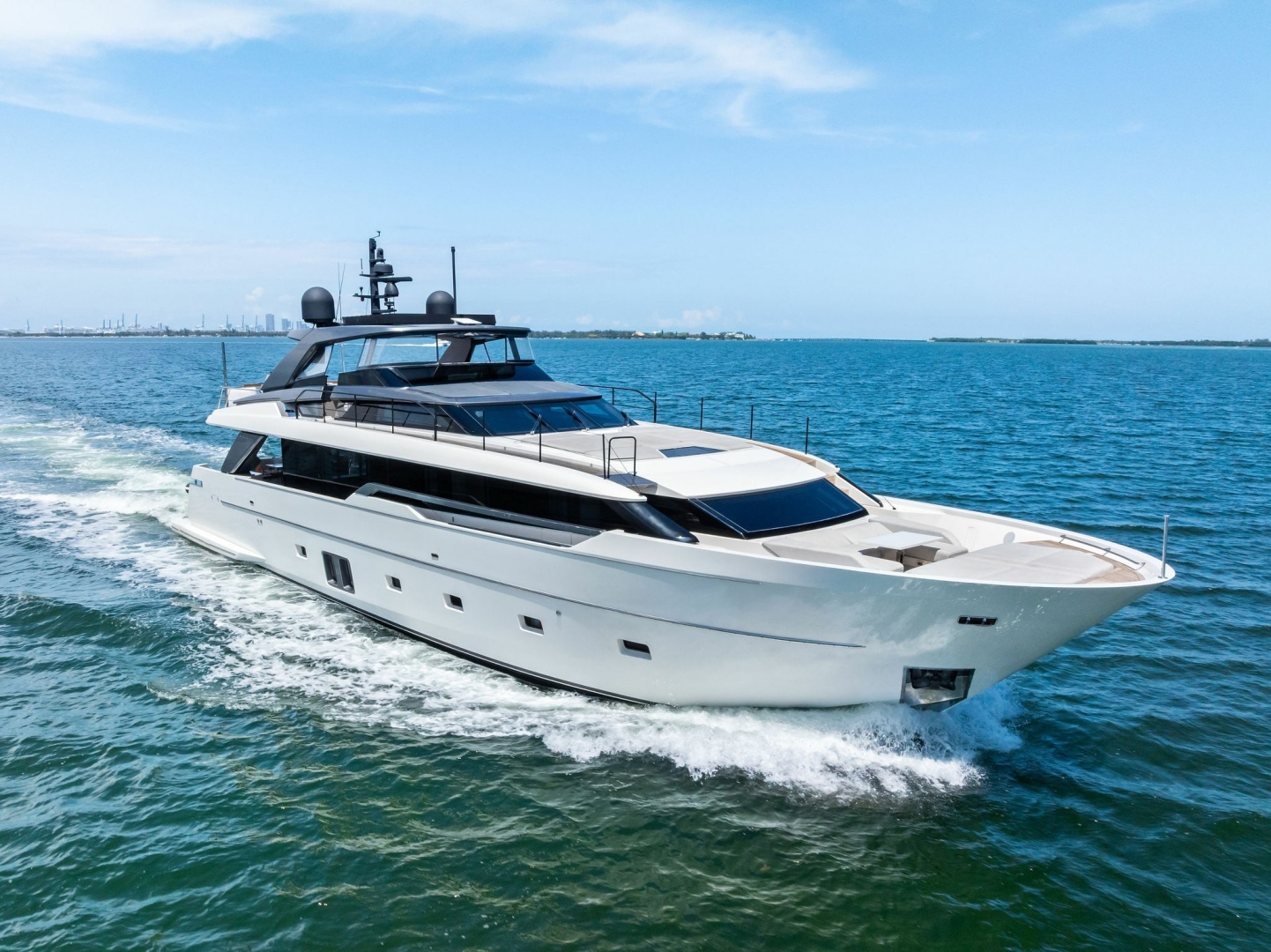
2021 Sanlorenzo GATSBY
$6,795,000
96
Miami Beach Florida

1999 Northern Marine OFF LINE
$2,495,000
84
Ft Lauderdale Florida
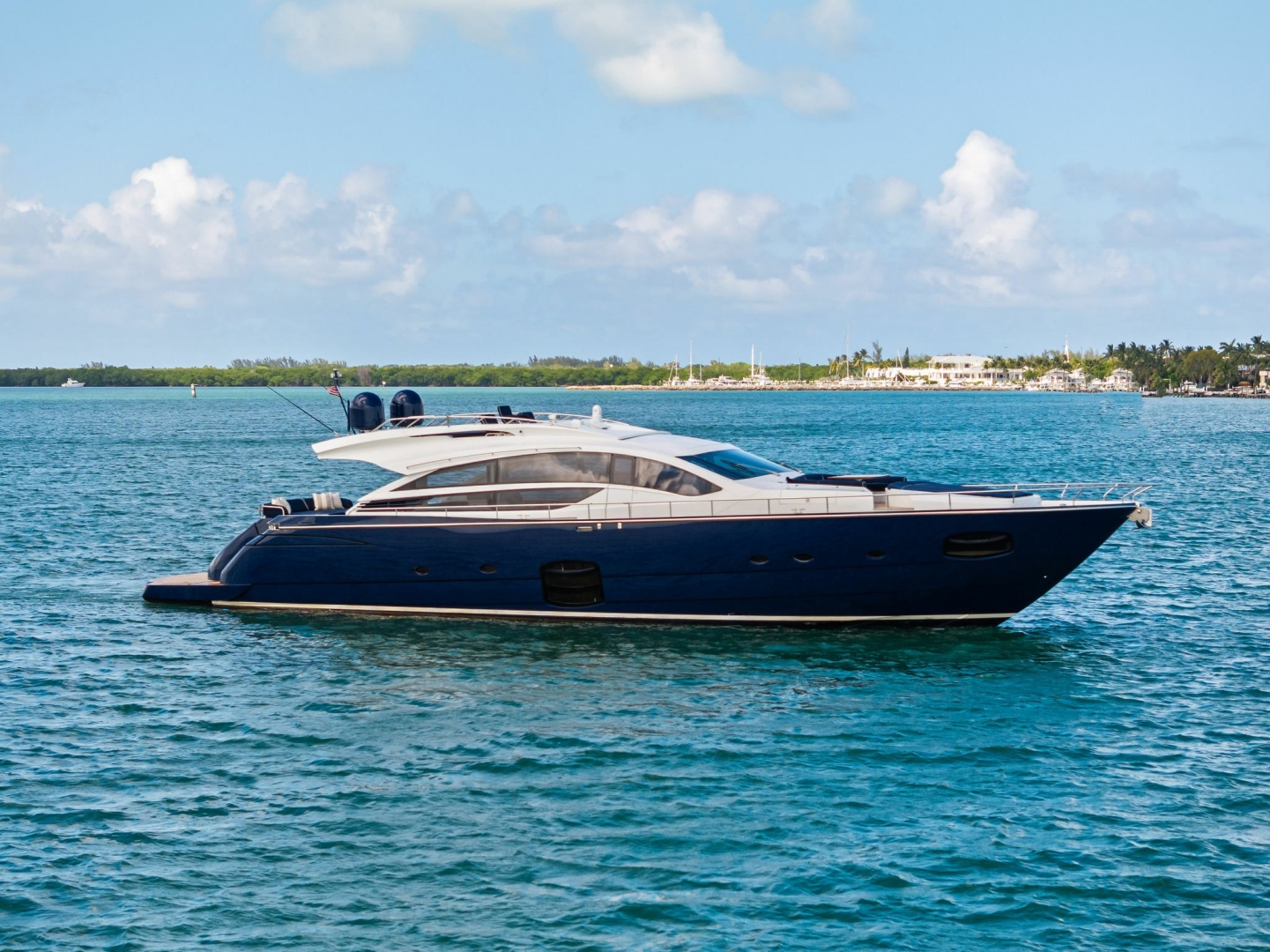
2013 Pershing DOROTHY ANN
$1,750,000
82
Miami Beach Florida

1997 Ferretti Yachts
$850,000
80
La Paz
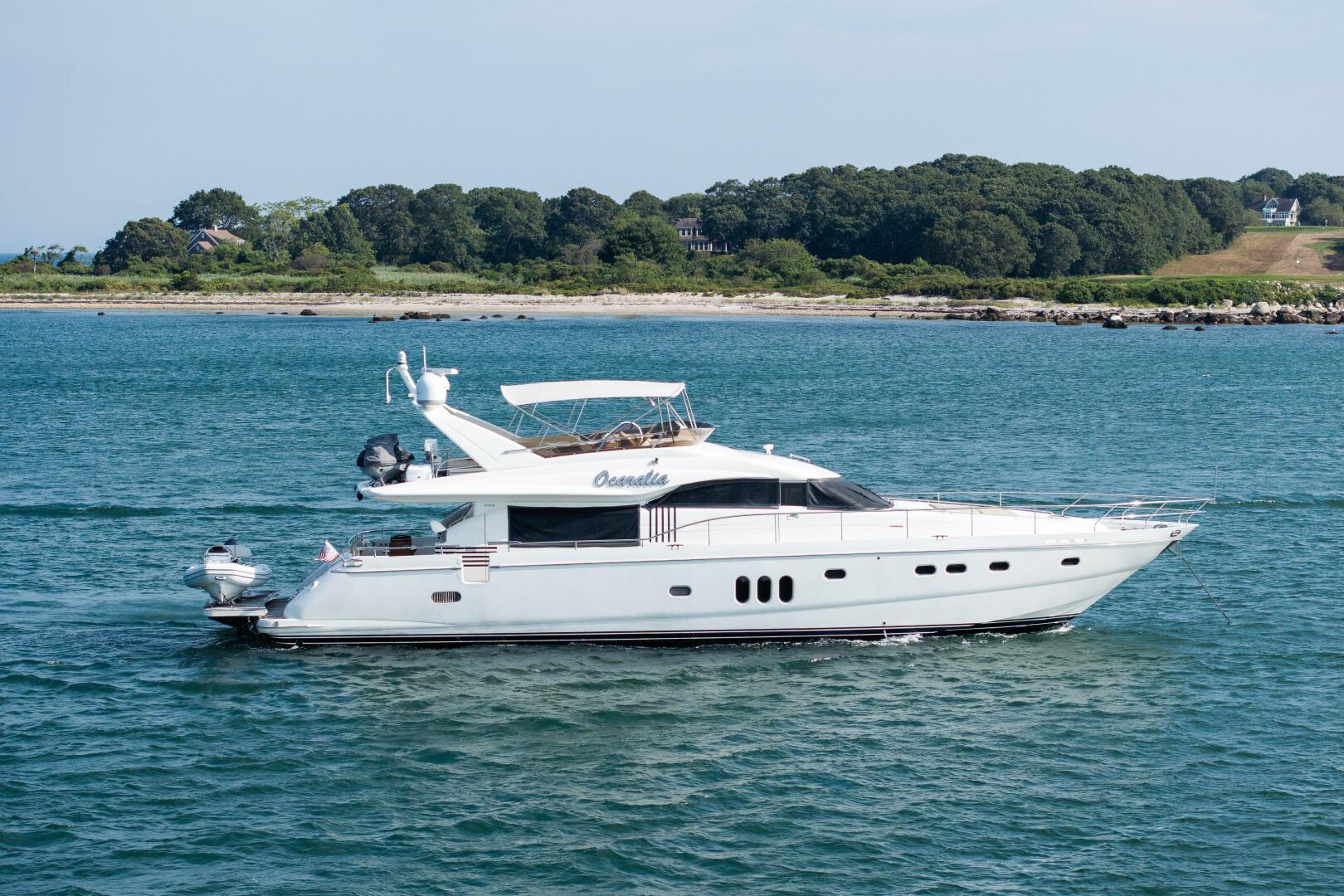
2008 Princess Yachts OCARALIA
$1,095,000
75
Charleston South Carolina
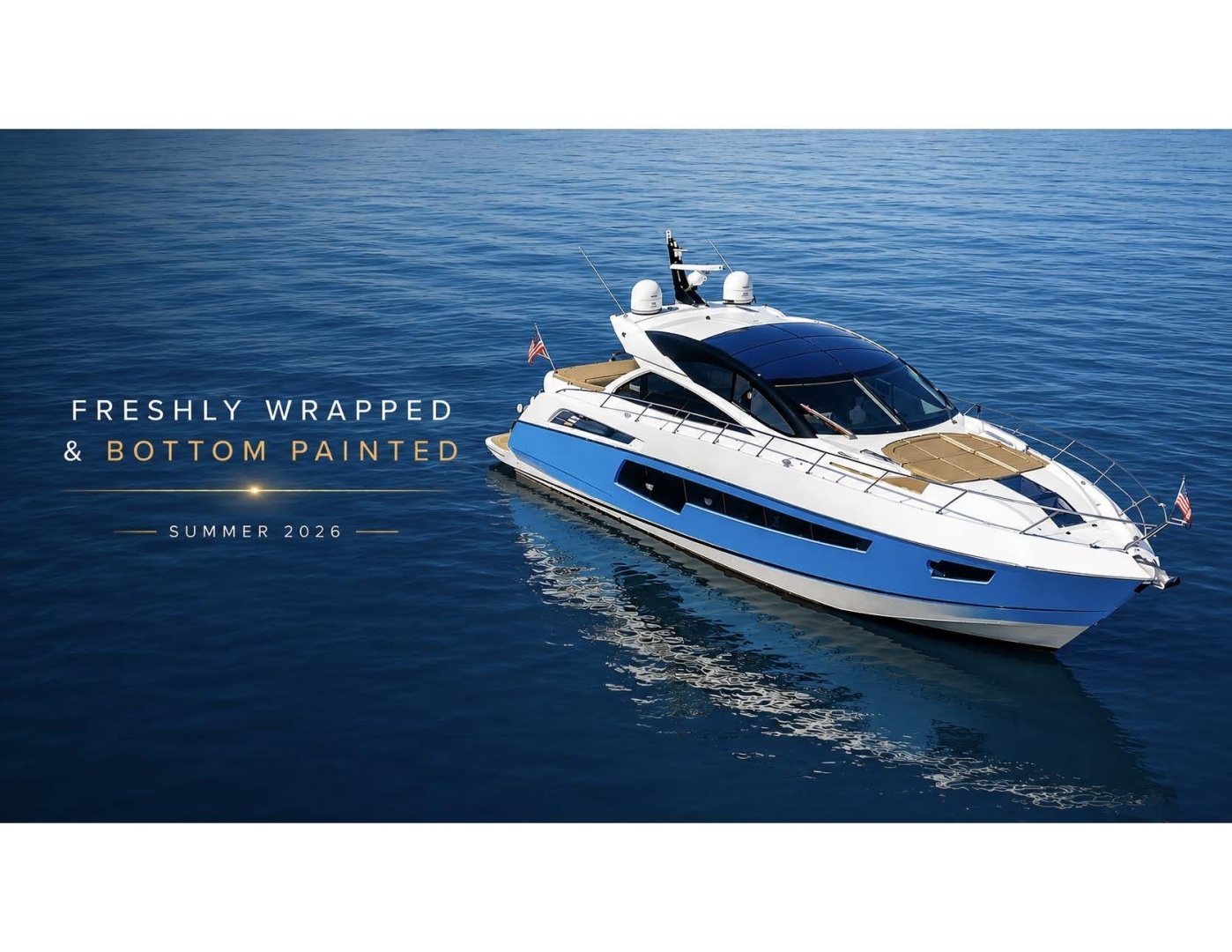
2014 Sunseeker
$1,400,000
68
New York New York

2024 Fairline
$2,750,000
68
Ft. Lauderdale Florida

2024 Sunreef Catallaxi
$3,700,000
60
Newport Rhode Island
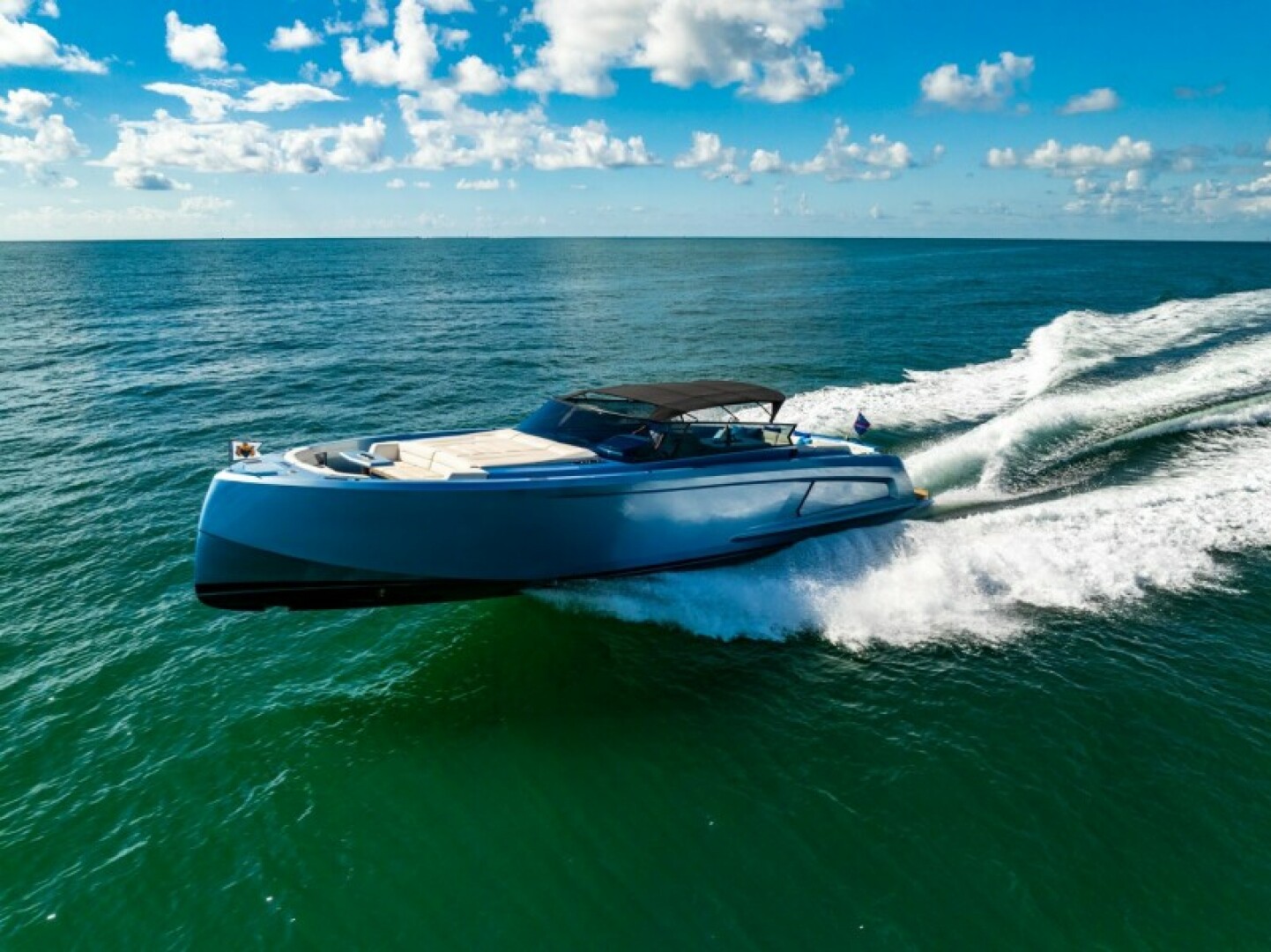
2019 Vanquish Yachts IMPULSIVE
$1,799,000
58
Miami Beach Florida
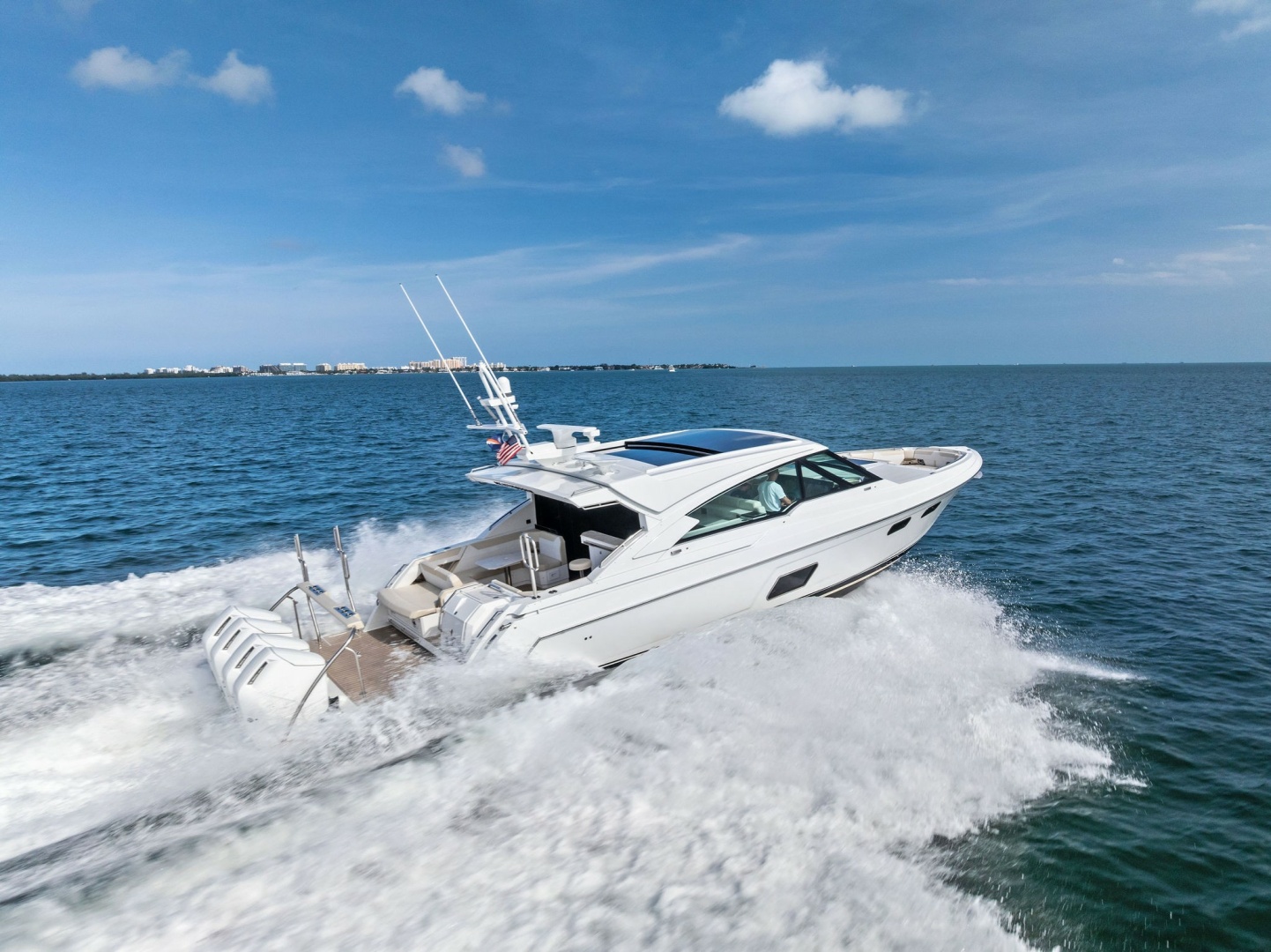
2025 Formula BREAKTHROUGH III
$1,895,000
53
Miami Beach Florida

2023 Fairline
$900,000
45
Fort Lauderdale Florida
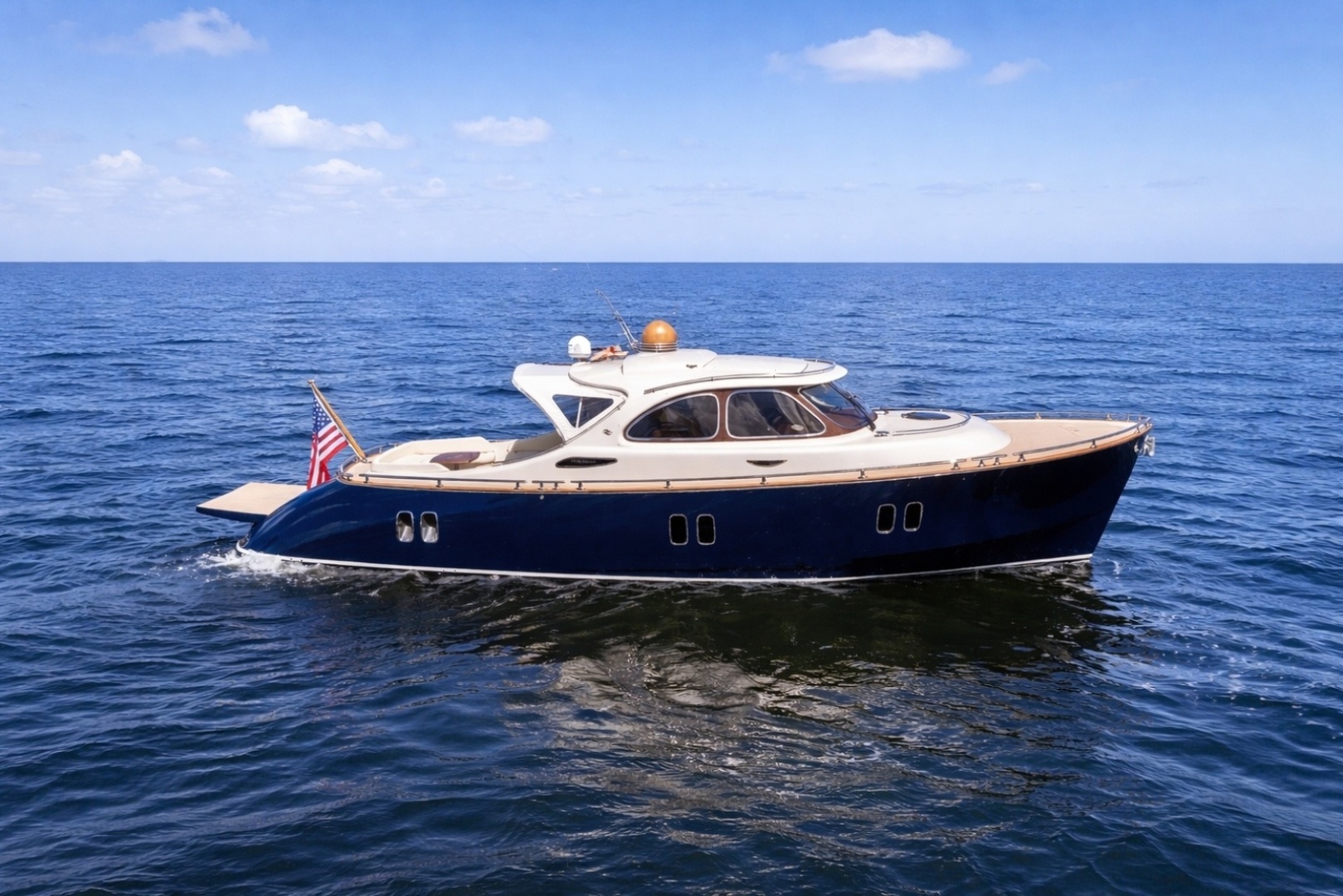
2012 Zeelander Mississippi Queen
$575,000
44
West Palm Beach Florida
2019 Bilgin 156'
$21,404,500
2028 Columbus Yachts 137'
$22,900,008
2012 Benetti 132'
$10,975,000
2024 Silver Yachts 117'
$25,400,000
2009 Hargrave 114'
$2,995,000
2028 Extra Yachts 100'
$21,404,500
2028 Extra Yachts 96'
$9,495,000
2021 Sanlorenzo 96'
$6,795,000
1999 Northern Marine 84'
$2,495,000
2013 Pershing 82'
$1,750,000
1997 Ferretti Yachts 80'
$850,000
2008 Princess Yachts 75'
$1,095,000
2014 Sunseeker 68'
$1,400,000
2024 Fairline 68'
$2,750,000
2024 Sunreef 60'
$3,700,000
2019 Vanquish Yachts 58'
$1,799,000
2025 Formula 53'
$1,895,000
2023 Fairline 45'
$900,000
2012 Zeelander 44'
$575,000