

Purchasing a luxury yacht is one of the most significant investments you’ll ever make, and the registration process that follows is far more consequential than most buyers anticipate. Get it wrong, and you risk restricted cruising zones, unexpected tax exposure, compliance violations, or complications at resale. Get it right, and registration becomes a seamless extension of your ownership strategy, protecting your privacy, preserving your asset’s value, and granting you the freedom to sail where and how you choose. This guide walks you through every essential step, tailored specifically to the expectations and requirements of discerning luxury yacht owners.
Table of Contents
- Why yacht registration matters: More than meets the eye
- The step-by-step yacht registration process explained
- Choosing a flag state: Comparing popular jurisdictions
- Complex scenarios, edge cases, and insider strategies
- What most luxury buyers get wrong about yacht registration
- Let experts streamline your yacht journey
- Frequently asked questions
Key Takeaways
| Point | Details |
|---|---|
| Strategic flag selection | Your choice of flag state impacts taxes, privacy, and cruising regions—make it an informed decision. |
| Registration isn’t just paperwork | A thorough registration process protects your legal rights, investment, and operational freedom. |
| Documentation is critical | Gather all ownership, technical, and compliance documents early to avoid delays or denials. |
| Edge cases require expertise | Complex scenarios like joint ownership or commercial use may need extra steps and professional advice. |
| Expert guidance pays off | Specialized brokers and legal advisors help you avoid costly surprises and maximize your yacht’s value. |
Why yacht registration matters: More than meets the eye
Registration is the legal foundation of your yacht ownership. It establishes who owns the vessel, under which nation’s laws it operates, and what rights you hold on international waters. Think of it less as filing paperwork and more as setting the terms of your ownership experience for years to come.
The flag you choose shapes far more than your vessel’s stern plate. Choosing the right flag and registration approach can affect taxation and cruising rights in ways that ripple across your entire ownership journey. Some jurisdictions offer favorable VAT treatment. Others carry strong international reputations that simplify port entry and insurance negotiations. The wrong choice can limit your cruising territory or expose you to regulatory scrutiny.
Registration also intersects with privacy and asset protection in meaningful ways. Many affluent owners structure their purchase through an LLC or offshore holding company, which can shield personal identity and reduce legal exposure. Exploring ownership structure strategies before you finalize registration can save you from restructuring costs later.
Here are the core areas where registration decisions leave a lasting mark:
- Legal rights and operational territory: Your flag state determines where you can cruise, for how long, and under what conditions.
- Tax implications: VAT status, import duties, and income from charter use are all shaped by jurisdiction.
- Insurance and crew regulations: Some flags impose specific crew certification standards and affect how insurers price your policy.
- Resale value: A clean compliance record and a well-regarded flag state can materially improve buyer confidence at resale.
- Privacy: Registering under a corporate structure can keep your name off public ownership records.
“The most expensive registration mistake isn’t a fee. It’s choosing a flag that limits where you want to go.”
Pro Tip: Consult both a maritime attorney and an experienced yacht broker before selecting your flag state. Yacht tax planning is deeply intertwined with registration, and a coordinated approach from the outset protects you on multiple fronts.
Most buyers assume all registrations are roughly equivalent. They are not. The difference between a well-considered registration and a hasty one can define your ownership experience for the next decade.
The step-by-step yacht registration process explained
The yacht registration process consists of six key steps: documentation, flag selection, technical certifications, licensing, application submission, and ongoing compliance. Understanding each stage in sequence removes ambiguity and sets you up for a smooth, uninterrupted process.
- Gather core ownership documents. You’ll need the original bill of sale, the builder’s certificate (for new builds), and the Hull Identification Number (HIN). For previously registered vessels, a deletion certificate from the prior registry is required.
- Select your flag state. This is a strategic decision. We cover it in depth in the next section, but flag selection should align with your cruising plans, tax situation, and privacy preferences.
- Complete technical certifications. Your yacht must meet the flag state’s safety and seaworthiness standards. This includes surveys, equipment inspections, and, for larger vessels, Load Line and SOLAS compliance checks.
- Secure licenses and identifiers. You’ll need a Maritime Mobile Service Identity (MMSI) number for communications, and appropriate marine insurance must be in place before most registries will issue a certificate.
- Submit the full application. Compiled documents go to your chosen registry, often via an accredited agent. Agents are strongly recommended for luxury buyers as they catch documentation gaps before submission.
- Receive your certificate and initiate compliance tracking. Once issued, your registration certificate must be kept aboard. Renewal timelines and ongoing inspections become part of your ownership calendar.
| Stage | Typical timeline | Key document(s) |
|---|---|---|
| Documentation gathering | 1 to 2 weeks | Bill of sale, HIN, builder’s cert |
| Flag state selection | Immediate to 1 week | Legal and tax consultation |
| Technical certification | 1 to 3 weeks | Survey report, safety inspection |
| Application submission | 1 to 2 weeks | Full application package |
| Certificate issuance | 1 to 4 weeks | Registration certificate |
For charter or commercial use, the compliance steps escalate significantly, including commercial surveys and flag state inspections that can add weeks to the timeline. The ownership transfer process for previously owned vessels adds another layer, especially if clearing a prior flag’s encumbrances.
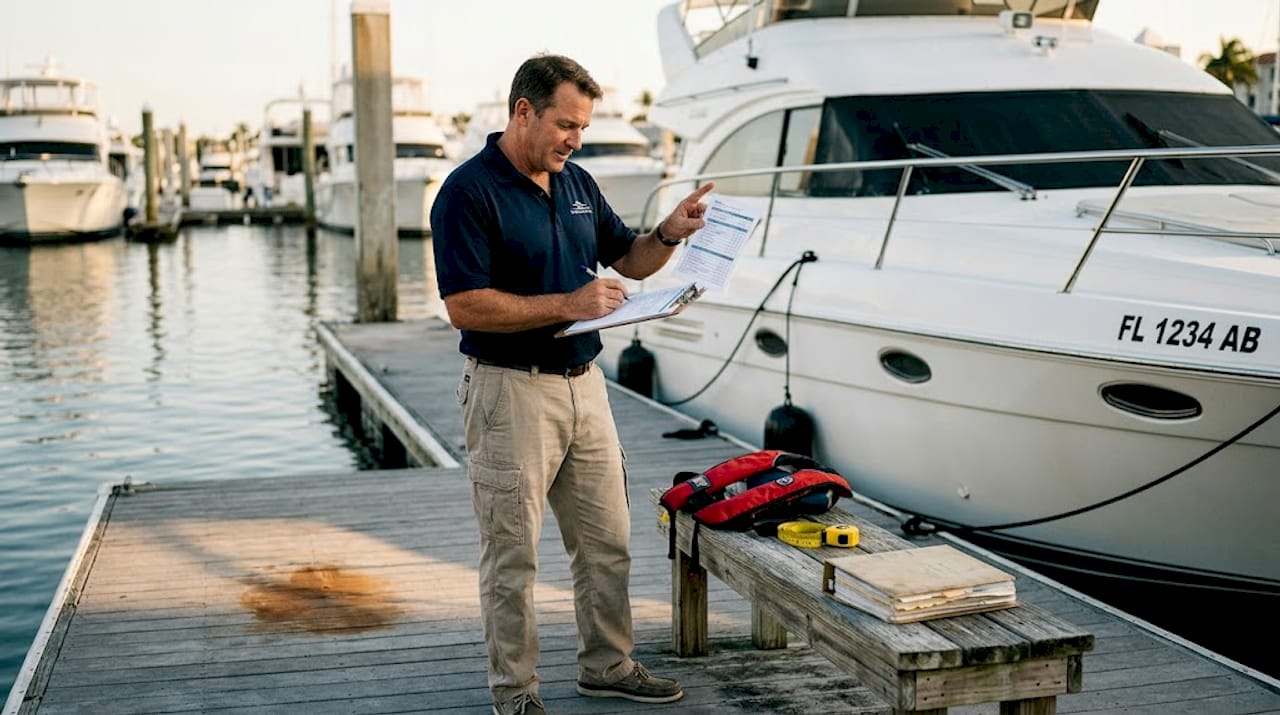
Pro Tip: If you’re new to yacht ownership, reviewing a detailed yacht purchase guide before beginning registration will help you understand how each purchase milestone feeds into the registration timeline.
Choosing a flag state: Comparing popular jurisdictions
Flag state selection sits at the intersection of lifestyle, law, and financial strategy. The “best” flag is the one that aligns with where you cruise, how you structure ownership, and what compliance demands you’re prepared to meet.
Flag selection is key for tax advantages, operational range, and ownership structure benefits. Here’s how the most popular options compare:
| Flag state | Tax advantages | Reputation | Cost | Cruising scope |
|---|---|---|---|---|
| Cayman Islands | Strong offshore benefits | Excellent, globally recognized | Moderate to high | Worldwide |
| Marshall Islands | Favorable for large vessels | Strong commercial reputation | Moderate | Worldwide |
| Malta | EU flag, VAT advantages | Solid within EU | Moderate | EU and Mediterranean |
| USA | Domestic clarity, no EU VAT | Strong domestic | Lower | US waters, limited EU |
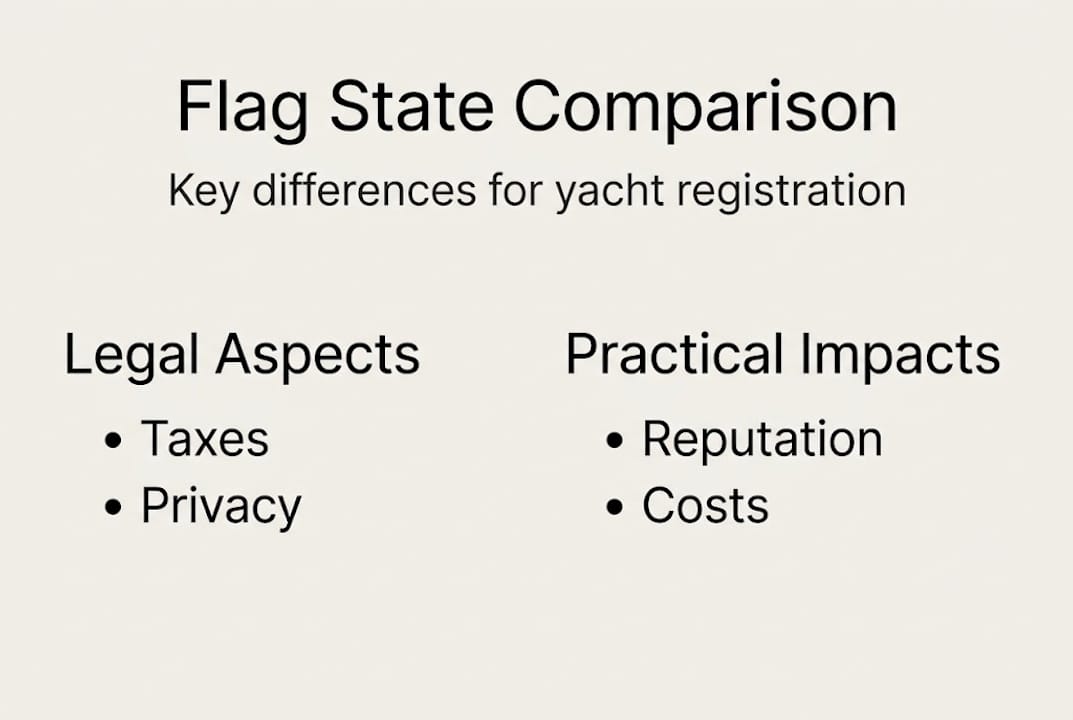
For owners planning extended Mediterranean seasons, EU VAT requirements make Malta an attractive flag choice, as it can simplify VAT status within European waters. Non-EU flags operating in those same waters may trigger import VAT obligations that catch buyers off guard.
Common flag state pitfalls to avoid:
- Choosing prestige over practicality: A well-regarded flag that doesn’t cover your cruising plans is a misalignment.
- Ignoring crew certification requirements: Some flags mandate specific STCW standards for paid crew, which affects charter operations.
- Overlooking renewal complexity: Certain jurisdictions have demanding annual compliance schedules that require ongoing agent support.
- Underestimating transfer costs: Moving from one flag to another mid-ownership is possible but rarely simple or inexpensive.
“Your flag state isn’t just where your yacht is registered. It’s the legal system that governs everything that happens aboard.”
Reviewing legal compliance tips alongside your flag selection ensures that your registration works harmoniously with your broader ownership goals, rather than creating friction down the line.
Complex scenarios, edge cases, and insider strategies
The standard registration process is manageable. But luxury buyers frequently encounter less obvious complications that require careful handling. Multi-owner yachts, prior flagged vessels, new builds, and commercial or charter yachts all have unique document, survey, and compliance requirements that the standard process doesn’t fully address.
Here’s where things get nuanced:
- Joint or multi-owner structures: Each owner must provide identity documentation, and ownership shares must be clearly defined in the registry. Disputes over ownership percentages have derailed transactions at late stages.
- New builds: A provisional registration is typically issued during construction, with full registration following delivery and final survey. Builders’ certificates and class certificates must be current and issued by approved classification societies.
- Previously registered vessels: Obtaining a deletion certificate from the prior registry is non-negotiable. Liens or mortgages attached to the old registration must be formally discharged before a new flag state will accept the application.
- US-flagged vs. foreign-flagged vessels: US buyers purchasing a foreign-flagged yacht must navigate Customs documentation in addition to standard registration, including potential duty implications.
For those switching flags mid-ownership, the timing matters. An experienced agent can coordinate the deletion and new registration to minimize any gap in legal coverage.
Pro Tip: Exploring ownership types for multi-owner yachts early in the purchase process can prevent documentation complications that surface only at registration. Detailed buyer guidance on ownership structures will help you anticipate exactly what your registry will require.
Insider strategy: An LLC or offshore holding company, registered in a jurisdiction aligned with your flag state, offers the most elegant combination of privacy, liability protection, and tax efficiency. It’s a structure worth architecting before you sign a bill of sale, not after.
What most luxury buyers get wrong about yacht registration
After working with high-net-worth clients through countless transactions, one pattern emerges with striking consistency: buyers invest enormous energy into the initial registration and then treat it as a closed chapter. It isn’t.
Registration is a living element of your ownership experience. Flag states update their compliance requirements. Tax treaties shift. Your cruising plans evolve. What worked brilliantly at purchase may need refinement two years later when you decide to spend a season in the Mediterranean or bring on paying charter guests.
Conventional wisdom focuses almost entirely on the initial paperwork. What it misses is the ongoing interplay between your registration status, your tax residency, and the operational territories you want to access. We’ve seen owners face unexpected VAT assessments years into ownership simply because no one revisited their registration structure after their circumstances changed.
The smartest approach treats registration as you would any other element of a sophisticated wealth strategy. Revisit it regularly. Work with advisors who understand both maritime law and tax planning. And use ownership structures for privacy as a dynamic tool, not a one-time decision. The registration choices you make today shape your privacy, legal exposure, and cruising freedom for the life of your ownership.
Let experts streamline your yacht journey
Ready to ensure your yacht registration is seamless, secure, and truly works for your lifestyle? The registration process rewards those who approach it with expert guidance rather than assumption. At Yachts by Steve, we connect buyers with the knowledge, resources, and trusted advisors needed to navigate every stage with confidence. From choosing the right yacht broker to understanding the nuances of flag state selection, our team is here to make sure nothing is left to chance. Explore our yacht brokerage insights or connect directly with our luxury yacht experts to begin a conversation tailored to your ownership goals.
Frequently asked questions
How long does the yacht registration process usually take?
Most registrations take between 1 to 6 weeks, depending on the flag state chosen and how complete your documentation package is at submission.
Can I register my yacht under an offshore company for privacy?
Yes, many owners use LLCs or offshore holding companies to protect personal privacy and shield assets, though this structure must align with your legal and tax obligations.
What are the main differences between registering a private and a commercial/charter yacht?
Commercial and charter yachts face significantly stricter survey, inspection, and ongoing compliance requirements compared to privately operated vessels.
What documents are essential for registering a yacht?
At minimum, you’ll need a bill of sale and builder’s certificate, along with the Hull Identification Number, current technical certificates, proof of insurance, and completed application forms.
Do I need to renew my yacht’s registration, and how often?
Yes, registration renewal is typically required every 1 to 3 years, and ongoing compliance monitoring between renewals is essential to avoid lapses in legal standing.
Recommended
Featured Listings
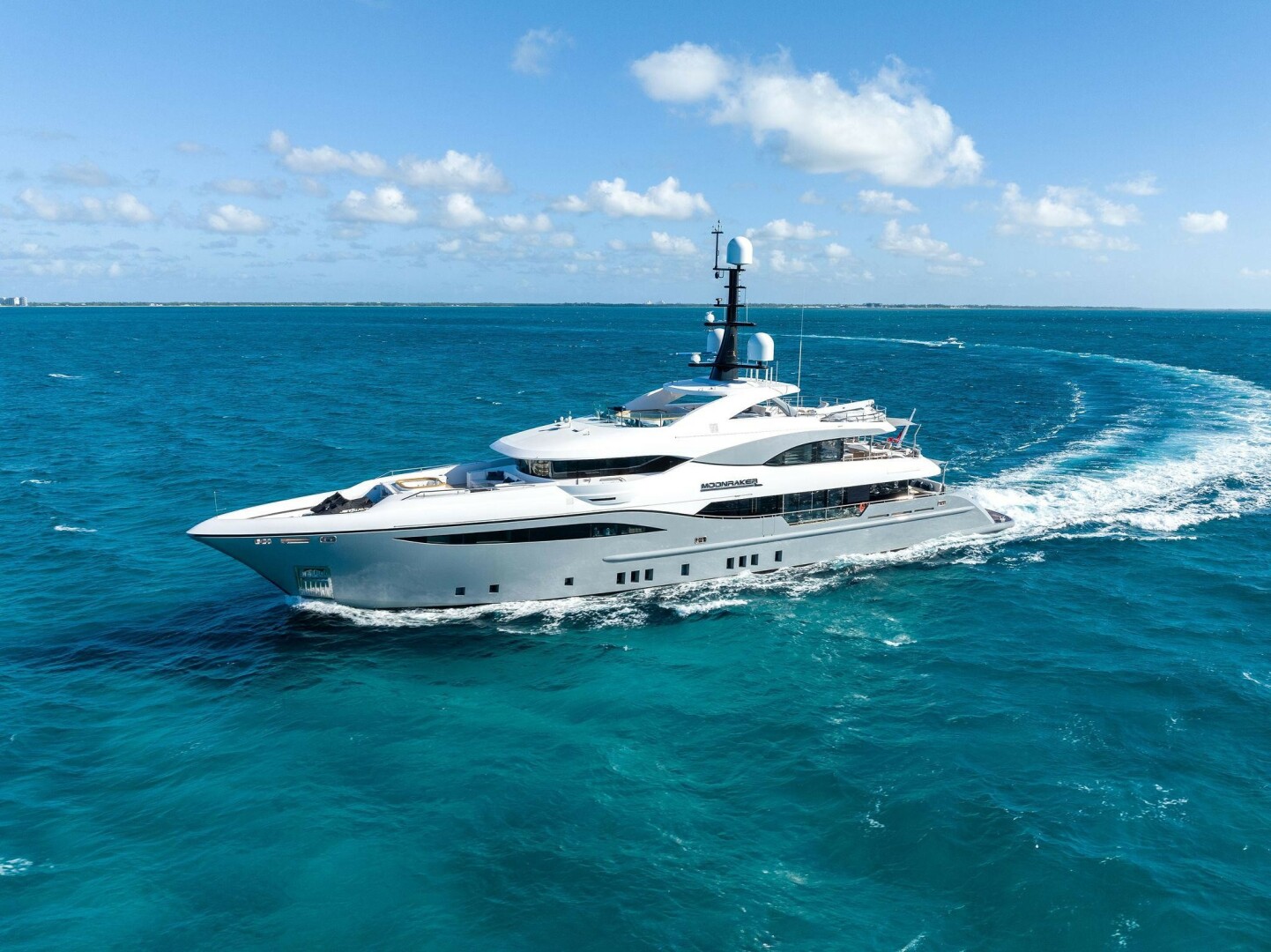
2019 Bilgin MOONRAKER
$20,646,000
156
West Palm Beach Florida

2028 Columbus Yachts
$22,900,008
137
Ancona
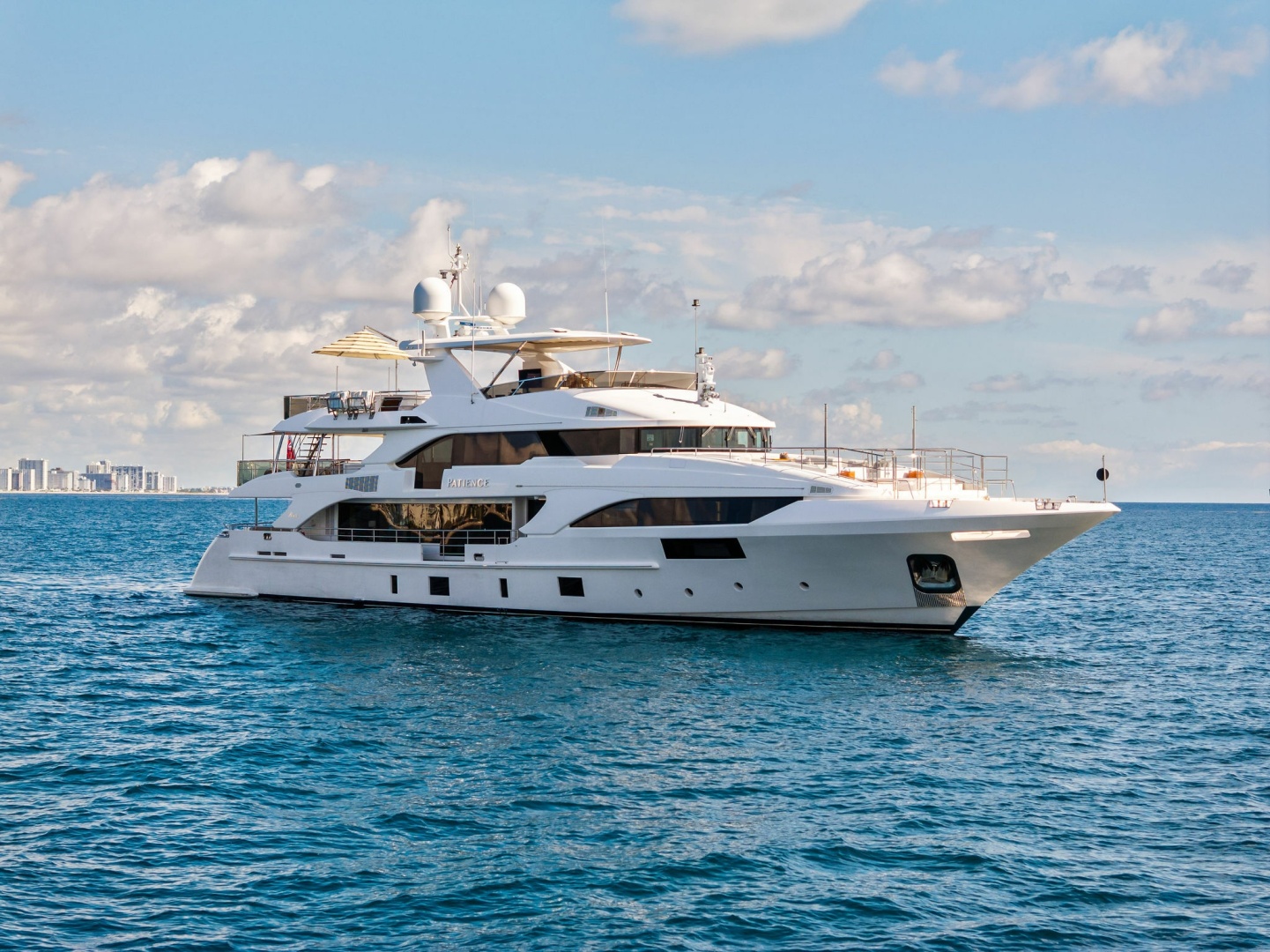
2012 Benetti PATIENCE
$10,975,000
132
Fort Lauderdale Florida
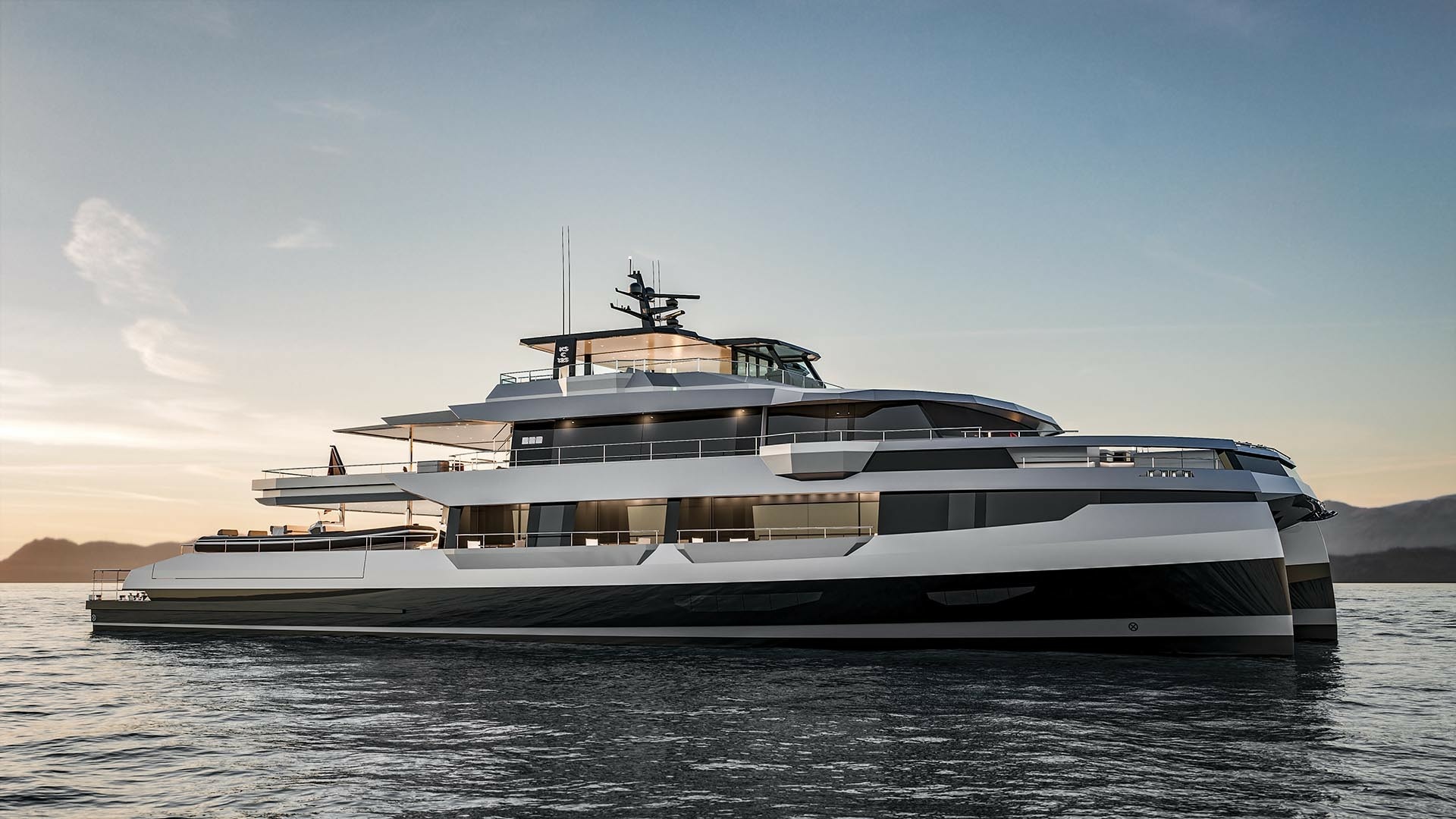
2028 Kingship Kingship
$20,000,000
125
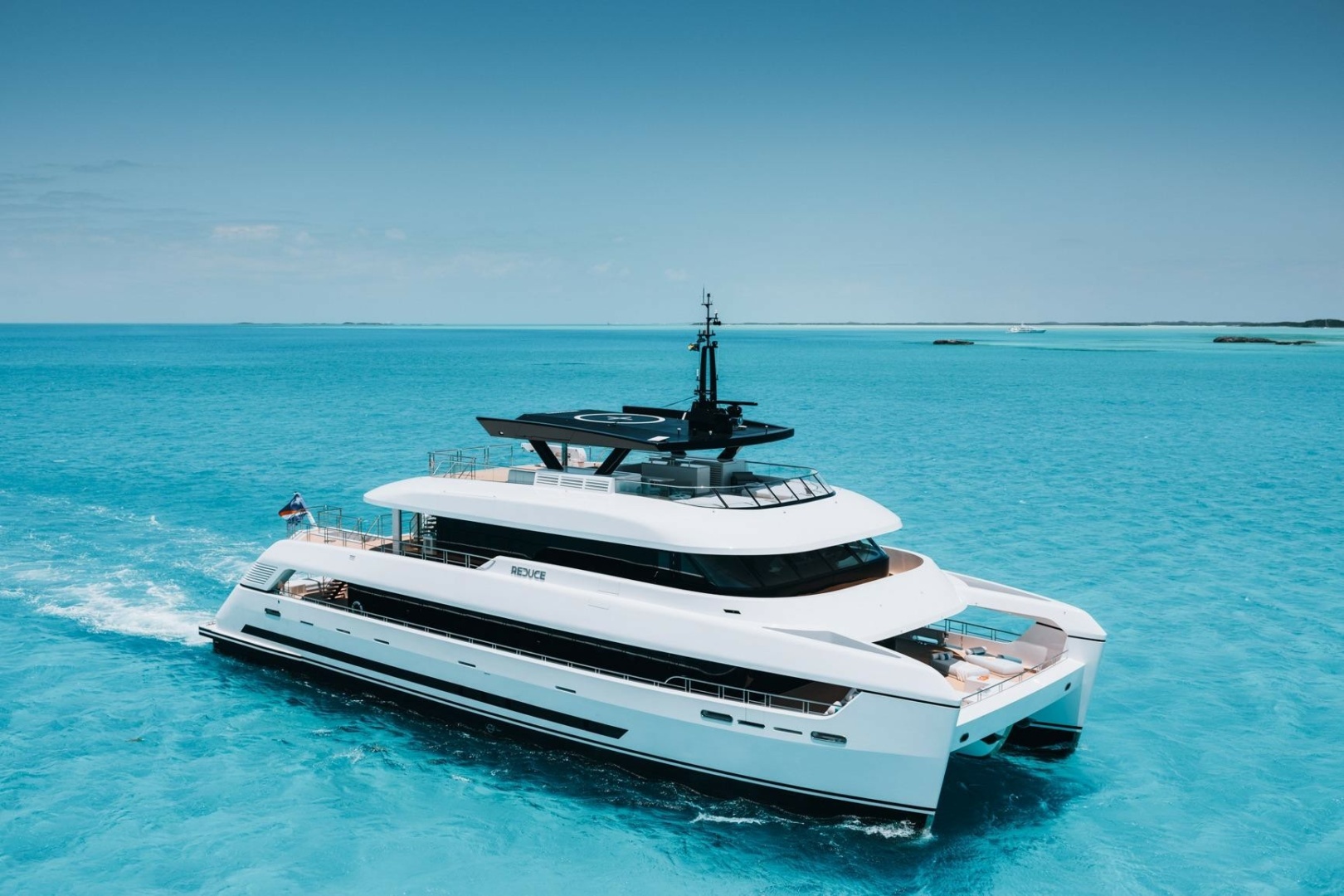
2024 Silver Yachts
$25,400,000
117
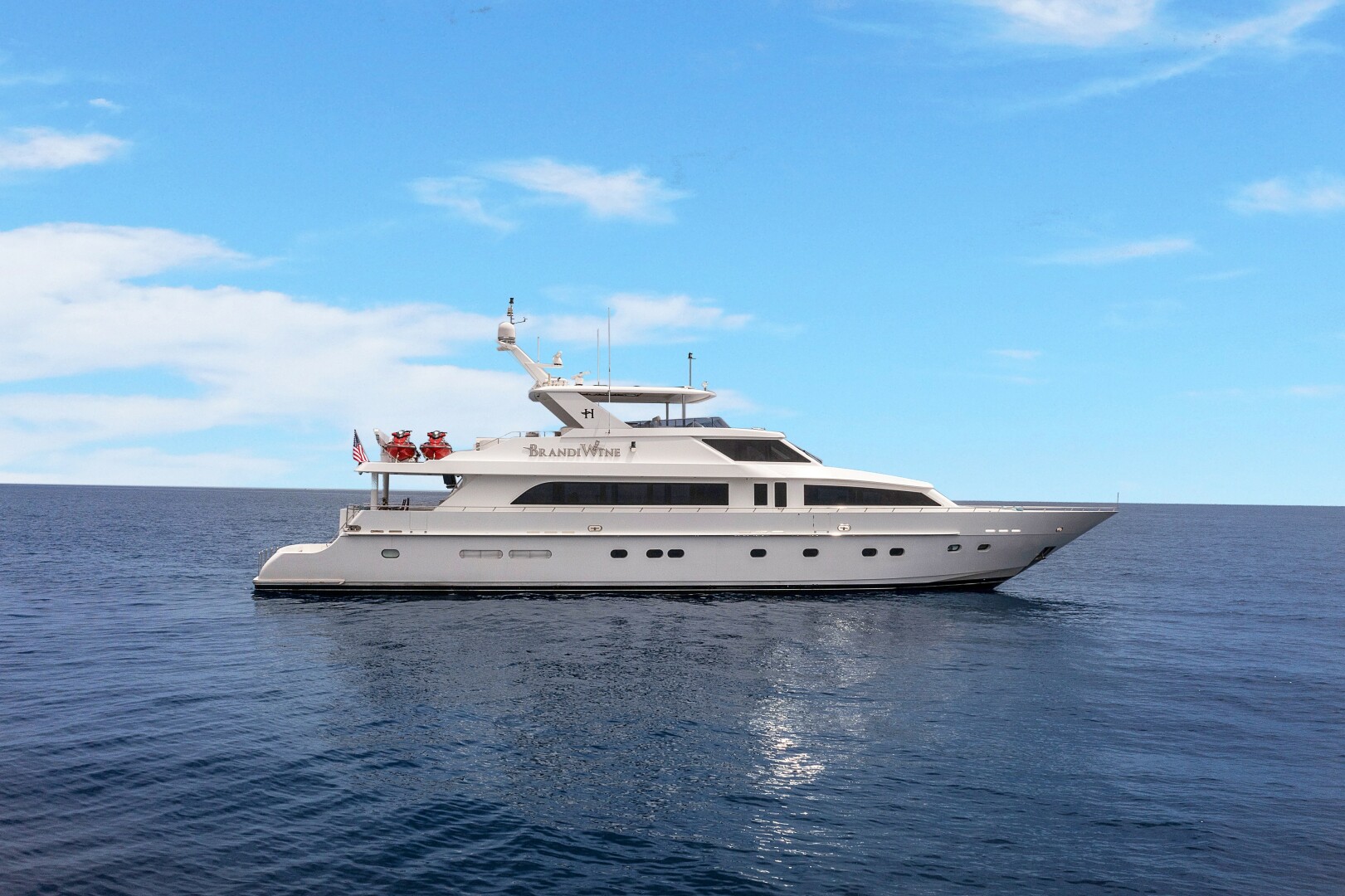
2009 Hargrave BRANDI WINE
$2,500,000
114
Fort Lauderdale Florida

2028 Extra Yachts
$20,646,000
100
Ancona
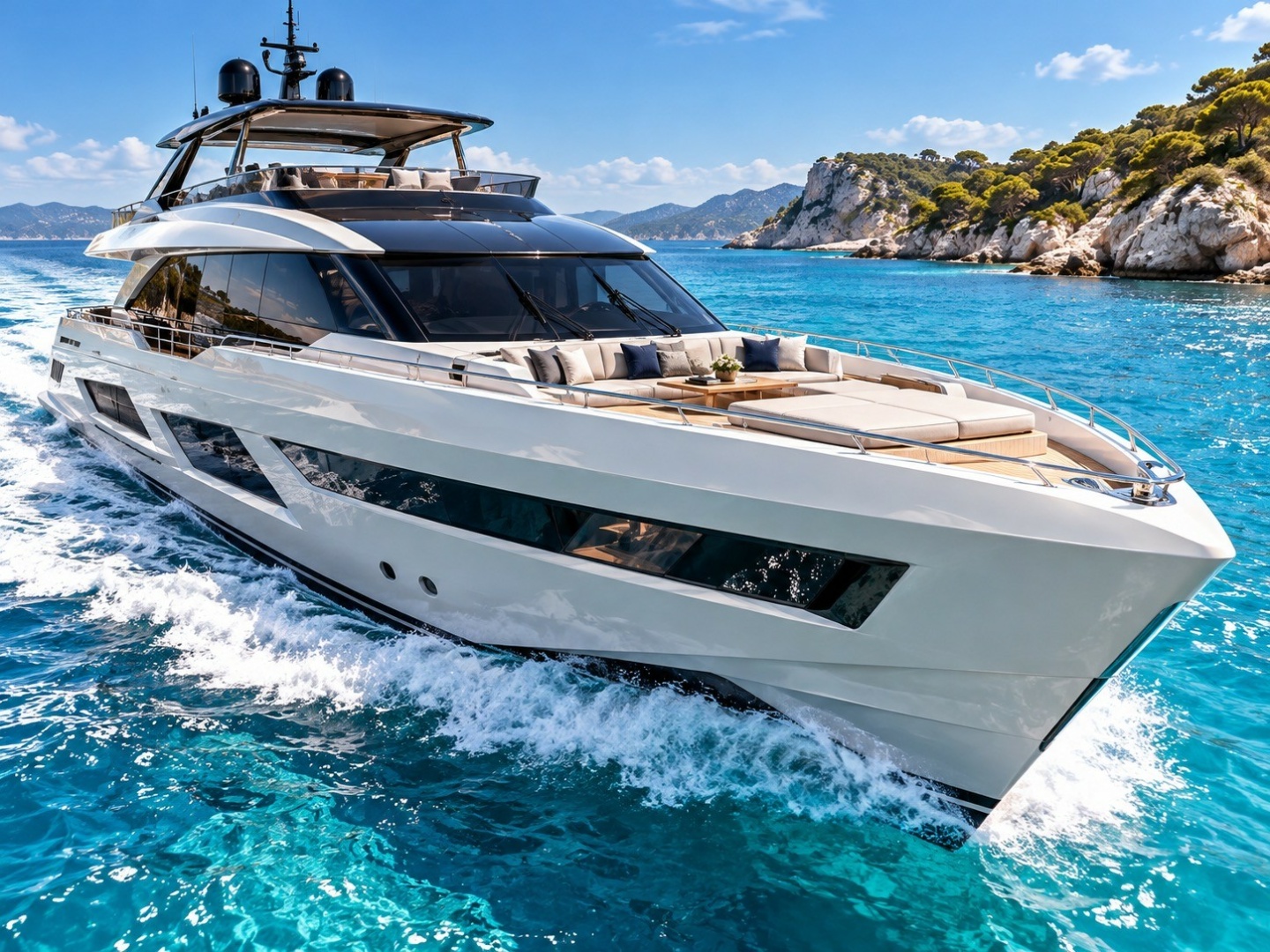
2028 Alpha
100
Ft Lauderdale Florida

2028 Extra Yachts Extra 96
$9,495,000
96
Ancona
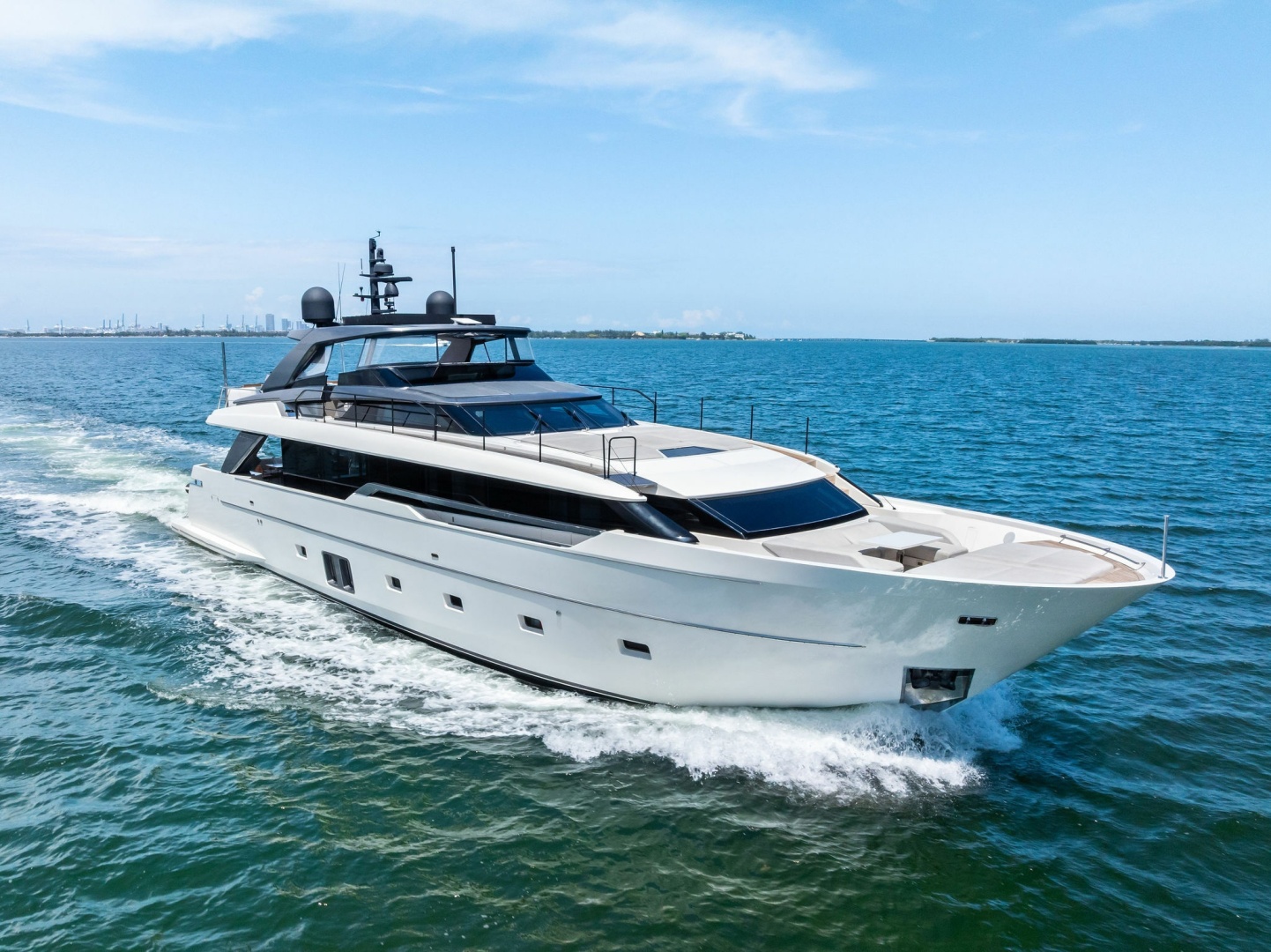
2021 Sanlorenzo GATSBY
$6,795,000
96
Miami Beach Florida
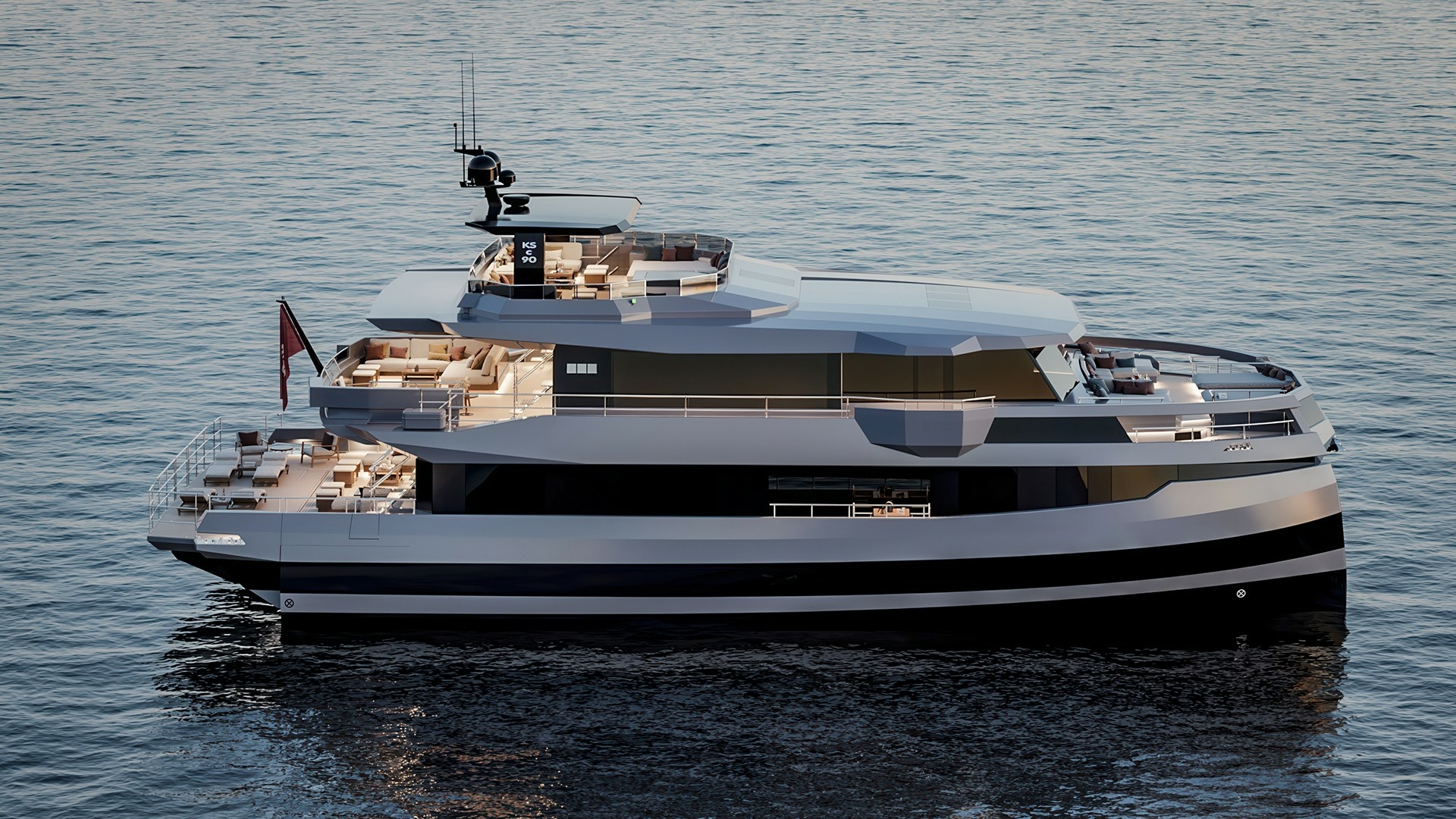
2028 Kingship
90

1999 Northern Marine OFF LINE
$2,495,000
84
Ft Lauderdale Florida
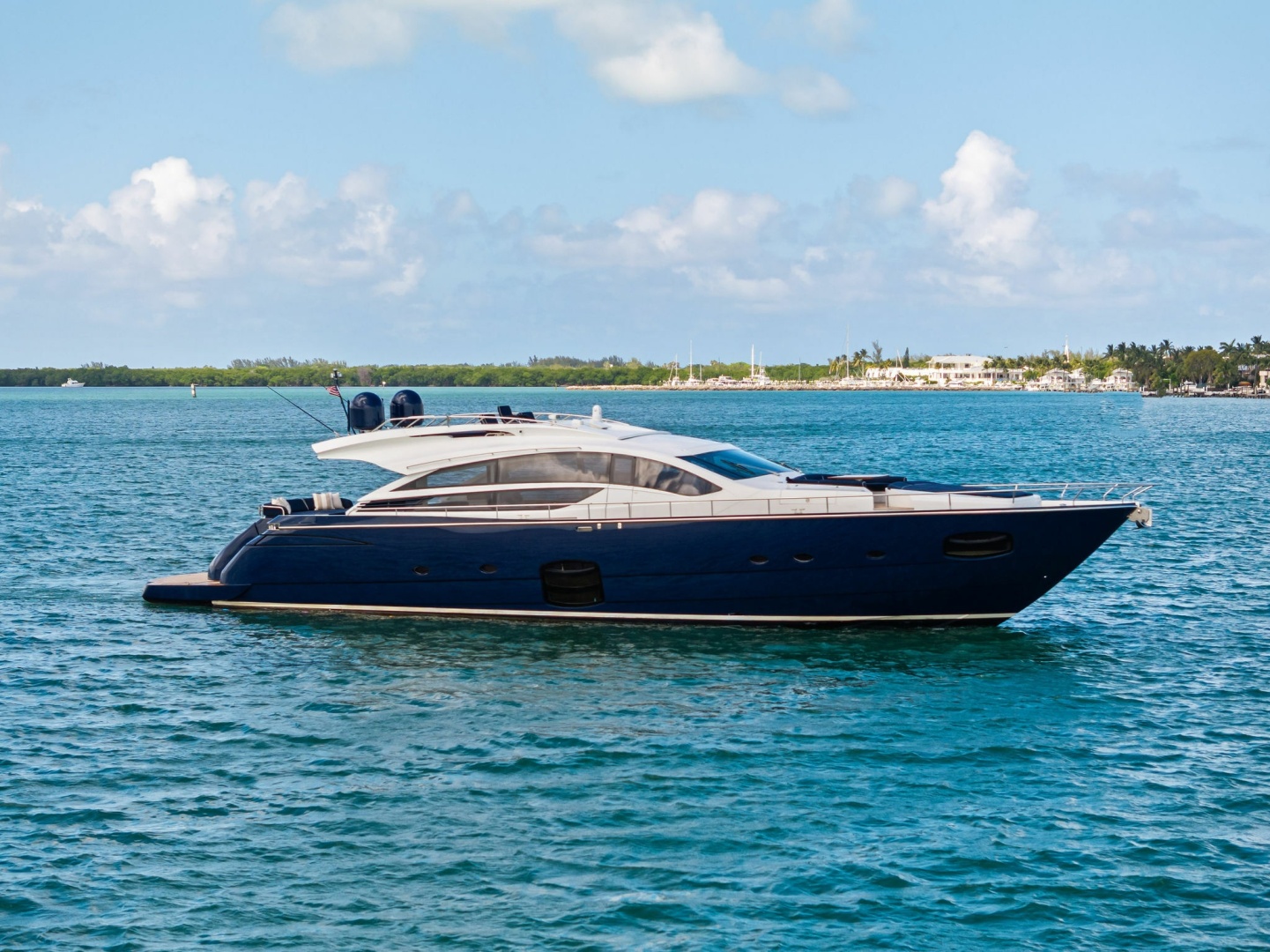
2013 Pershing DOROTHY ANN
$1,550,000
82
Miami Beach Florida

1997 Ferretti Yachts
$825,000
80
La Paz
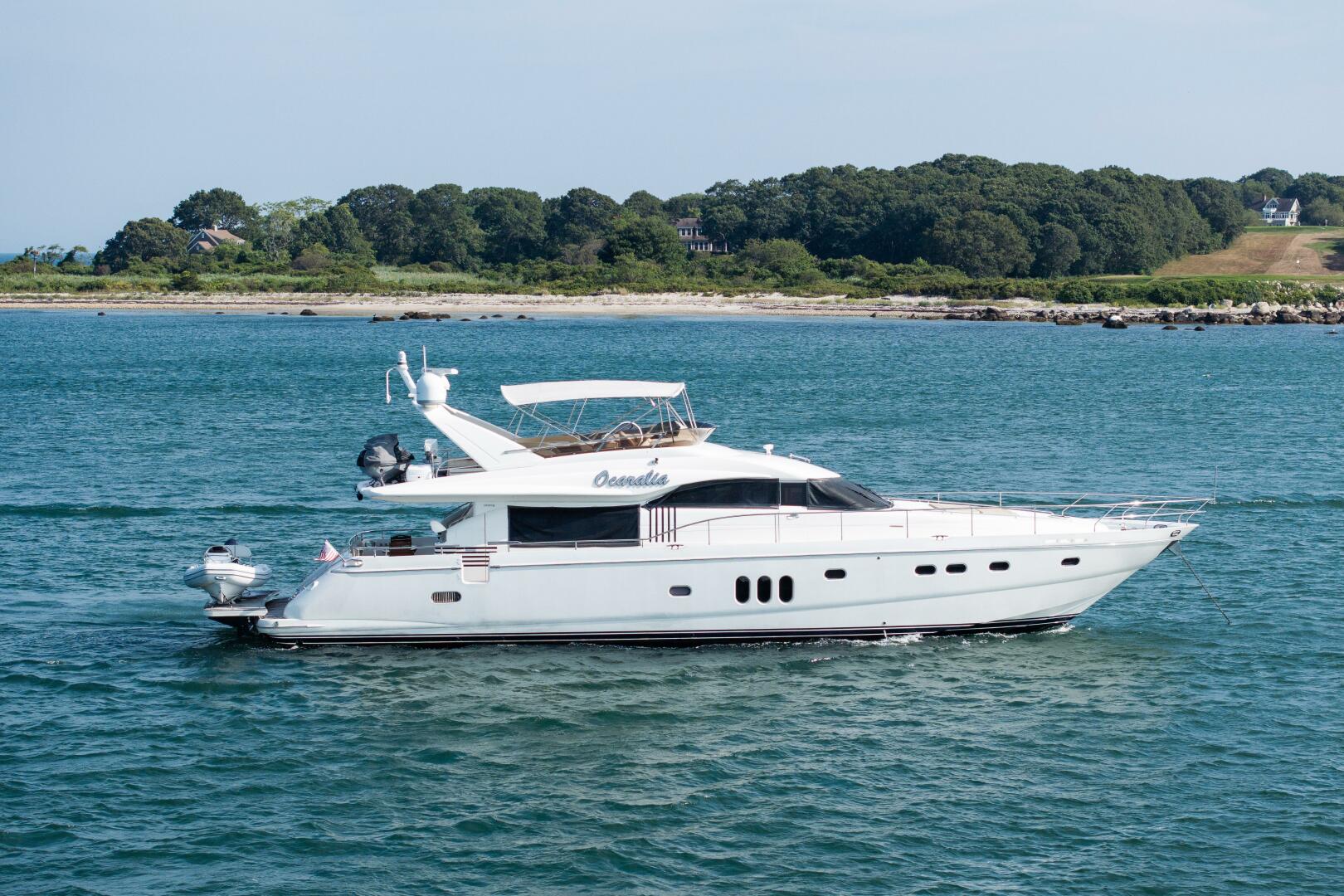
2008 Princess Yachts OCARALIA
$1,095,000
75
Charleston South Carolina
2014 Sunseeker
$1,400,000
68
New York New York

2024 Fairline
$2,750,000
68
Ft. Lauderdale Florida

2024 Sunreef Catallaxi
$3,700,000
60
Newport Rhode Island
2019 Vanquish Yachts IMPULSIVE
$1,799,000
58
Miami Beach Florida
2025 Formula BREAKTHROUGH III
$1,895,000
53
Miami Beach Florida

2023 Fairline
$900,000
45
Fort Lauderdale Florida
2012 Zeelander Mississippi Queen
$575,000
44
West Palm Beach Florida
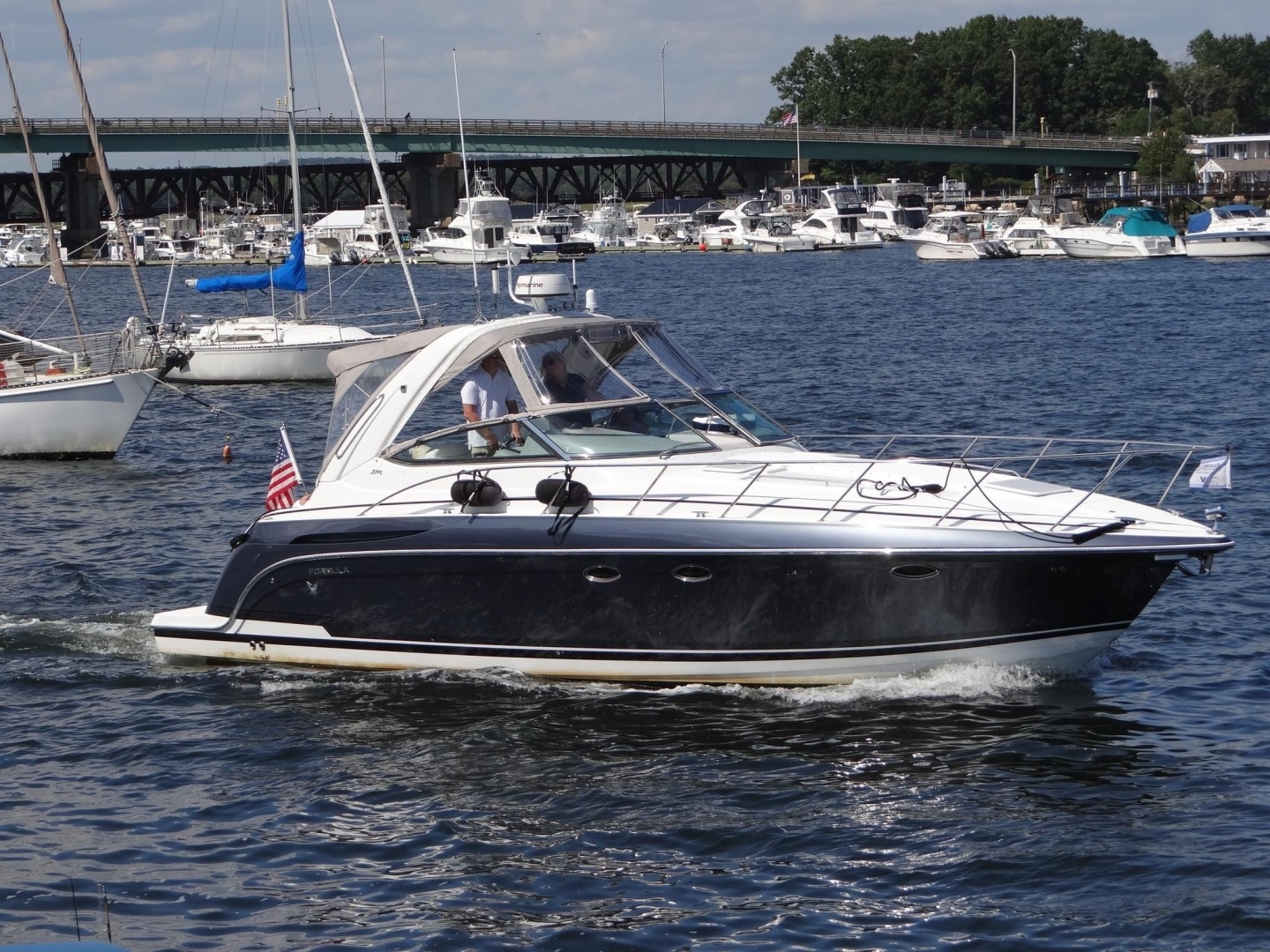
2006 Formula
$139,000
37
Newburyport Massachusetts
2019 Bilgin 156'
$20,646,000
2028 Columbus Yachts 137'
$22,900,008
2012 Benetti 132'
$10,975,000
2028 Kingship 125'
$20,000,000
2024 Silver Yachts 117'
$25,400,000
2009 Hargrave 114'
$2,500,000
2028 Extra Yachts 100'
$20,646,000
2028 Alpha 100'
2028 Extra Yachts 96'
$9,495,000
2021 Sanlorenzo 96'
$6,795,000
2028 Kingship 90'
1999 Northern Marine 84'
$2,495,000
2013 Pershing 82'
$1,550,000
1997 Ferretti Yachts 80'
$825,000
2008 Princess Yachts 75'
$1,095,000
2014 Sunseeker 68'
$1,400,000
2024 Fairline 68'
$2,750,000
2024 Sunreef 60'
$3,700,000
2019 Vanquish Yachts 58'
$1,799,000
2025 Formula 53'
$1,895,000
2023 Fairline 45'
$900,000
2012 Zeelander 44'
$575,000
2006 Formula 37'
$139,000