

Optimize yacht ownership structures for tax savings
Choosing the right ownership structure for your yacht can save up to 25% in taxes and fees, transforming your investment strategy. Whether you opt for a domestic LLC, offshore entity, trust, or hybrid model, each structure offers distinct advantages in liability protection, tax efficiency, and operational flexibility. Understanding these options empowers you to make informed decisions that align with your financial goals while navigating complex U.S. and international regulations.
Table of Contents
- Introduction To Yacht Ownership Structures
- Domestic Ownership Structures Explained
- Offshore Ownership Advantages And Risks
- Trusts And Estate Planning For Yacht Ownership
- Impact Of Ownership Structure On Chartering Income And Liability
- Common Misconceptions About Yacht Ownership
- Hybrid Ownership Models
- Costs And Complexity Trade-Offs
- Practical Steps To Structuring Your Yacht Ownership
- Find Expert Guidance For Your Yacht Ownership Needs
- Frequently Asked Questions About Yacht Ownership Structures
Key takeaways
| Point | Details |
|---|---|
| Ownership structure selection | Different entities balance tax efficiency, liability protection, and operational requirements based on your usage patterns. |
| Domestic LLCs provide simplicity | Pass-through taxation and strong liability shields make LLCs popular for U.S.-based yacht owners. |
| Offshore options reduce import costs | International registration can cut VAT and duties by 20-25% but demands strict compliance. |
| Trusts enable estate planning | Asset continuity and inheritance tax benefits make trusts valuable for long-term wealth management. |
| Hybrid models maximize benefits | Combining offshore and domestic entities delivers optimal tax savings and asset protection. |
Introduction to yacht ownership structures
The entity you choose to own your yacht determines how much you pay in taxes, your personal liability exposure, and your operational flexibility. Six primary ownership structures exist, each with unique financial and legal implications. Personal ownership offers simplicity but exposes you to maximum liability and tax burdens. LLCs and corporations provide varying degrees of protection and tax treatment. Trusts facilitate estate planning objectives. Offshore entities open doors to international tax benefits.
Regulatory compliance shapes every ownership decision. The IRS scrutinizes yacht ownership closely, especially when offshore entities or charter income enter the picture. State laws create wide variations in asset protection strength and formation costs. Understanding these regulatory landscapes helps you avoid costly mistakes and penalties down the road.
Operational impacts vary significantly by structure. Some entities simplify charter operations while others create administrative burdens. Your choice affects everything from insurance requirements to crew employment structures. Consider these factors:
- Personal liability exposure levels
- Tax efficiency for your specific situation
- Estate planning and inheritance goals
- Charter income plans and commercial use
- Maintenance cost deductibility
- International cruising requirements
The right structure aligns with your reasons for buying a luxury yacht and supports your long-term ownership vision.
Domestic ownership structures explained
LLCs dominate U.S. yacht ownership because they combine liability protection with tax simplicity. Pass-through taxation and strong asset shields make them attractive for both personal and charter use. Unlike corporations, LLCs avoid double taxation since profits and losses flow directly to your personal return. Your yacht becomes a business asset protected from personal creditors.
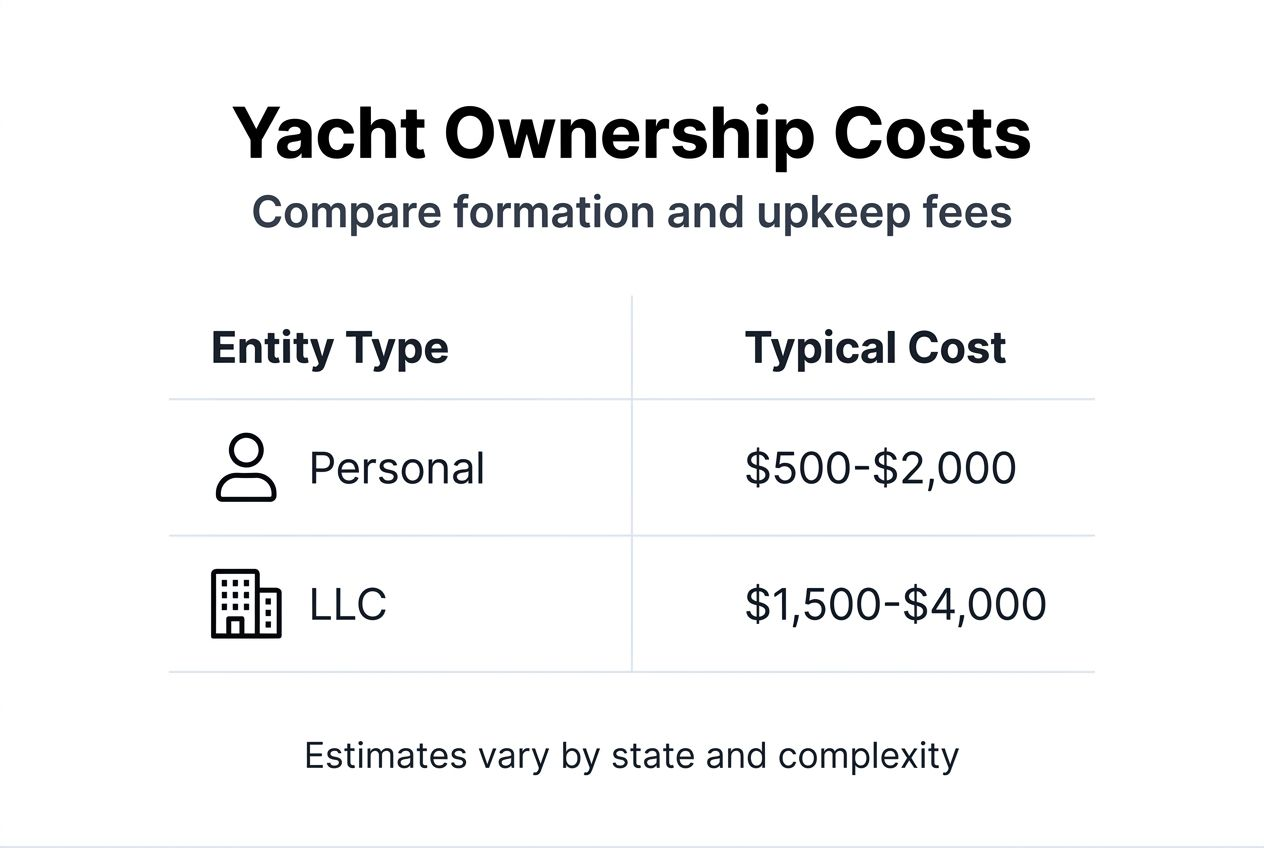
State selection matters enormously. Delaware and Wyoming offer superior creditor protection laws and privacy provisions compared to most states. Formation costs range from $500 to $2,000 depending on jurisdiction, with annual maintenance fees typically under $1,000. Some states charge franchise taxes based on asset value, which can become substantial for expensive yachts.
Corporate ownership provides operational control benefits but usually creates tax inefficiencies. C corporations face double taxation: once at the corporate level and again when distributing dividends. S corporations offer pass-through treatment but restrict ownership to U.S. citizens and residents. Corporations make sense primarily when extensive charter operations justify the administrative complexity and you need formalized governance structures.
Maintenance requirements differ by entity type. LLCs demand annual reports, registered agent services, and proper record keeping to maintain liability protection. Corporations require board meetings, shareholder resolutions, and more extensive documentation. Failing to follow formalities can pierce the corporate veil, exposing personal assets.
Pro Tip: Form your LLC in a state with strong charging order protection like Wyoming or Nevada to maximize creditor barriers, even if you keep the yacht elsewhere.
Consider these domestic ownership advantages:
- Simplified U.S. tax reporting
- Strong legal precedents protecting owners
- Easier financing and insurance arrangements
- No foreign compliance complications
- Straightforward charter licensing processes
Working with experienced yacht brokers helps you navigate entity formation and state law differences effectively.
Offshore ownership advantages and risks
Offshore registration reduces VAT and import duties by 20-25% on eligible purchases, creating immediate savings on multimillion-dollar vessels. Popular flag states like the Cayman Islands, Marshall Islands, and Malta offer favorable tax treaties and reduced regulatory burdens. These jurisdictions allow foreign ownership without residency requirements while providing internationally recognized vessel documentation.
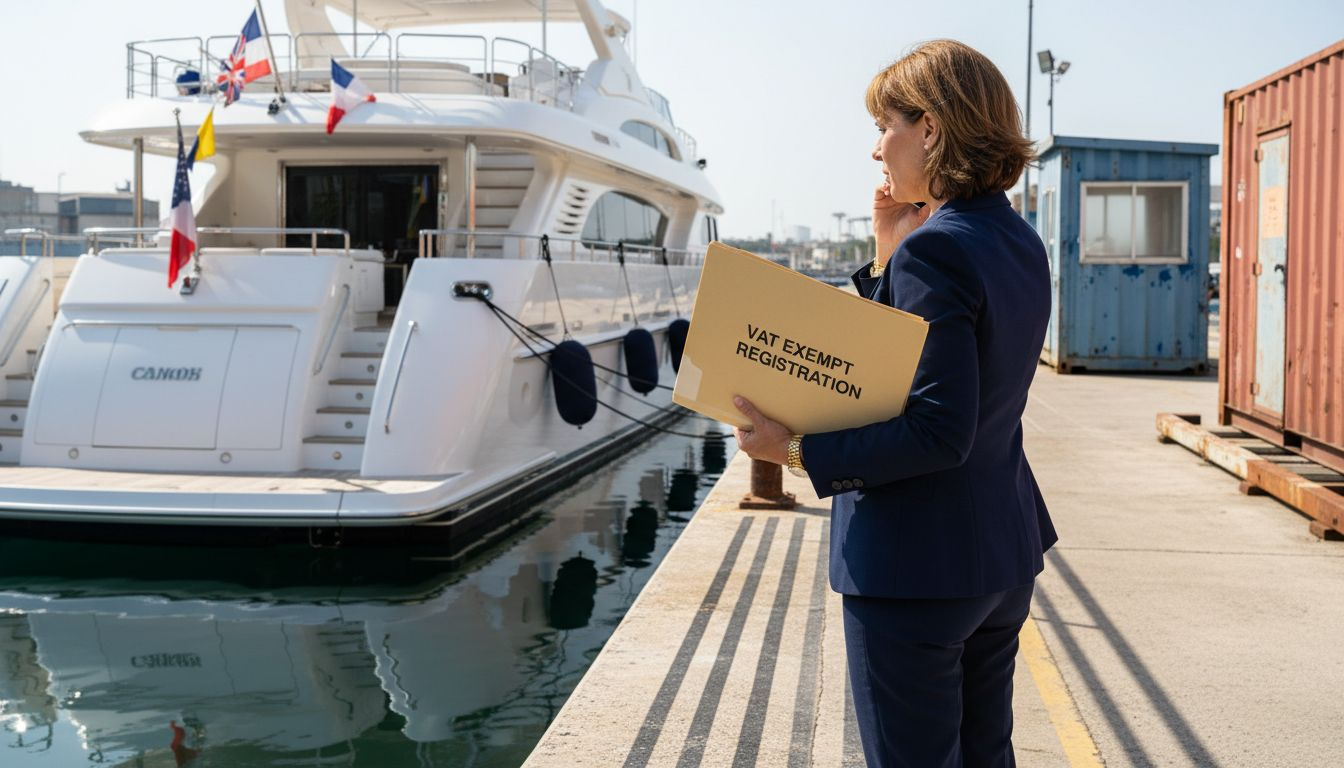
Tax treaty benefits extend beyond import savings. Some flag states impose no income taxes on charter revenue earned outside their waters. Others offer tonnage tax regimes that calculate tax based on vessel size rather than actual income, dramatically reducing effective tax rates for profitable charter operations. These structures work best for yachts spending significant time in international waters or foreign ports.
Compliance complexity increases substantially with offshore ownership. The IRS requires extensive reporting of foreign entities and financial accounts. Form 5471 disclosures for foreign corporations and FBAR filings for foreign bank accounts create annual obligations with severe penalties for mistakes. Professional tax preparation becomes essential, adding $5,000 to $15,000 annually to your operating costs.
Legal advice prevents costly errors. Improperly structured offshore ownership can trigger constructive ownership rules, piercing supposed tax benefits. Transfer pricing regulations govern transactions between U.S. owners and their foreign entities. Getting this wrong invites audits and penalties.
“Offshore ownership delivers real tax savings but demands meticulous compliance. The money you save on import duties can vanish quickly through penalties if you cut corners on IRS reporting requirements.”
Key offshore considerations include:
- Substantial upfront formation costs ($10,000 to $30,000)
- Annual compliance expenses for legal and accounting
- Complex reporting to multiple jurisdictions
- Potential scrutiny from tax authorities
- Insurance and financing complications
Yacht brokerage compliance expertise becomes invaluable when structuring offshore ownership. Understanding superyacht ownership’s full cost picture helps you evaluate whether offshore benefits justify the complexity for your situation.
Trusts and estate planning for yacht ownership
Trusts provide estate tax benefits and ensure smooth ownership transitions to heirs without probate delays. Placing your yacht in a trust removes it from your taxable estate while maintaining your control through trustee arrangements. This strategy proves especially valuable for yachts worth millions, where estate taxes could force heirs to sell the vessel to pay tax bills.
Revocable trusts offer flexibility during your lifetime. You maintain complete control, can modify terms, and face no immediate tax consequences. The yacht remains in your estate for tax purposes, but avoids probate at death. This approach works well when estate taxes are not a primary concern or when your total estate falls below exemption thresholds.
Irrevocable trusts deliver stronger tax benefits but require giving up control. Once established, you cannot easily modify terms or reclaim the yacht. However, the vessel and its appreciation leave your taxable estate immediately. For yachts likely to appreciate significantly or when combined with other substantial assets, irrevocable trusts create meaningful estate tax savings.
Trustee selection shapes your practical control. Naming yourself as trustee of a revocable trust maintains full authority. Irrevocable trusts require independent trustees, though you can provide detailed instructions governing yacht use and maintenance. Family members or professional trustees can serve, each option carrying different costs and control dynamics.
Trusts complement other ownership structures effectively:
- A trust can own LLC membership interests
- Offshore companies can be trust assets
- Corporate stock transfers easily to trusts
- Hybrid models layer trusts with operating entities
This flexibility makes trusts powerful tools in comprehensive luxury yacht investment strategies that address both current operations and long-term wealth transfer goals.
Impact of ownership structure on chartering income and liability
Operating your yacht as a charter vessel through an LLC or corporation dramatically reduces personal liability exposure. When guests injure themselves or damage property during charters, the entity becomes the primary defendant rather than you personally. This protection holds as long as you maintain proper corporate formalities and adequate insurance coverage.
Tax treatment of charter income varies significantly by structure. Sole proprietors pay self-employment tax (15.3%) on net charter profits in addition to income tax. S corporations allow you to pay yourself reasonable wages subject to employment taxes while distributing remaining profits without self-employment tax. C corporations pay corporate tax rates but avoid self-employment tax entirely.
Expense deductions become more straightforward with formal business entities. Operating charters through structured ownership enables you to deduct maintenance, fuel, crew salaries, insurance, and depreciation against charter income. Personal use limits these deductions proportionally, but proper allocation strategies maximize tax benefits.
Structuring ownership for charter optimization follows this process:
- Form an LLC in a favorable state for liability protection
- Elect S corporation tax treatment if charter profits justify employment tax savings
- Document business purpose and maintain separate finances
- Track personal versus charter use meticulously
- Obtain proper commercial insurance and licensing
- File quarterly estimated taxes on charter income
Pro Tip: Engage tax advisors before starting charter operations to structure ownership correctly from day one, avoiding costly restructuring later.
Liability considerations extend beyond guest injuries. Environmental damage, crew employment disputes, and maritime lien claims all create exposure. Proper entity selection provides crucial protection layers. Understanding the charter versus purchase decision helps you evaluate whether commercial use justifies the additional complexity and cost of structured ownership.
Common misconceptions about yacht ownership
Many buyers believe personal ownership offers the safest, simplest path. Reality contradicts this assumption. Personal ownership exposes your entire net worth to liability claims from yacht accidents or injuries. It also provides zero tax advantages and complicates estate transfers. The perceived simplicity disappears when legal or tax problems arise.
Another myth suggests offshore ownership operates in legal gray areas or invites IRS trouble. Properly structured offshore entities are completely legal and widely used by sophisticated yacht owners. The key lies in full disclosure and compliance with reporting requirements. Problems occur only when owners hide offshore structures or fail to file required forms.
Some assume corporate ownership always delivers superior tax outcomes compared to other entities. This belief ignores double taxation at corporate and shareholder levels for C corporations. While S corporations avoid this trap, they restrict ownership and create additional administrative burdens. LLCs frequently provide better tax efficiency with less complexity for yacht owners.
| Myth | Reality |
|---|---|
| Personal ownership is safest | Exposes all personal assets to unlimited liability from yacht-related claims and lawsuits |
| Offshore ownership is illegal | Completely legal when properly disclosed and compliant with IRS reporting requirements |
| Corporations give best tax treatment | Often create double taxation; LLCs and trusts frequently provide superior tax efficiency |
| Simpler structures save money | Inadequate structures lead to excessive taxes and liability exposure costing far more long-term |
| One structure fits all situations | Optimal ownership depends on yacht value, usage patterns, charter plans, and estate goals |
Understanding common yacht ownership myths helps you avoid expensive mistakes and make informed decisions based on facts rather than misconceptions.
Hybrid ownership models
Hybrid structures combine offshore and domestic entities to capture advantages from both approaches while mitigating individual weaknesses. A typical model uses a foreign corporation to own the yacht, gaining import duty savings and favorable flag state benefits. That foreign company is then owned by a U.S. LLC, providing domestic asset protection and simplified U.S. tax reporting through proper elections.
These arrangements deliver compelling benefits. You enjoy offshore VAT and duty reductions on the initial purchase while maintaining strong U.S. legal protections for your ownership interests. The domestic LLC can elect pass-through taxation, avoiding foreign corporation complexity for U.S. tax purposes. This structure works especially well for yachts splitting time between U.S. and international waters.
Implementation requires careful planning. The foreign corporation must be properly capitalized and operated as a legitimate business entity. Transfer pricing rules govern transactions between the entities. Professional advisors structure these arrangements to withstand IRS scrutiny while maximizing legitimate tax benefits.
Key hybrid model advantages include:
- Offshore duty and tax savings on purchase
- U.S. asset protection through domestic LLC
- Flexible international registration options
- Balanced compliance requirements
- Optimized tax treatment for charter income
- Estate planning flexibility through trust ownership of LLC interests
Pro Tip: Review your hybrid structure annually with tax and legal advisors to ensure ongoing compliance as regulations evolve and your usage patterns change.
Costs increase with hybrid complexity. Formation expenses typically range from $15,000 to $40,000, with annual maintenance and compliance costs of $8,000 to $20,000. These expenses make sense for yachts valued above $2 million where tax savings justify the investment. Hybrid yacht ownership examples demonstrate how sophisticated buyers optimize their structures.
Costs and complexity trade-offs
Formation fees vary dramatically by entity type and jurisdiction. Simple domestic LLCs cost $500 to $2,000 to establish, while offshore corporations require $10,000 to $30,000 in legal and registration fees. Hybrid structures demand even higher upfront investments. Annual maintenance ranges from under $1,000 for basic LLCs to $15,000 or more for complex international arrangements.
Administrative burdens scale with sophistication. Personal ownership requires minimal paperwork beyond registration and insurance. LLCs demand annual reports and registered agent services. Offshore entities multiply compliance obligations, requiring foreign accountants, local legal representation, and extensive U.S. tax filings. Each additional layer adds time and cost.
Your yacht’s value and usage patterns should guide complexity decisions. For vessels under $1 million used purely recreationally, simple LLC ownership often provides adequate protection without excessive costs. Yachts worth $3 million or more, especially those generating charter income or cruising internationally, justify sophisticated hybrid structures. The tax savings and liability protection quickly exceed the additional expenses.
Major cost drivers and compliance factors include:
- Entity formation and registration fees
- Annual franchise taxes and filing requirements
- Professional accounting and legal services
- Foreign compliance and reporting obligations
- Transfer taxes when changing ownership structures
- Insurance premium variations by entity type
- Crew employment and payroll complexity
- Charter licensing and commercial operation permits
Understanding ownership costs and complexity helps you select structures matching your tolerance for administrative work and professional service expenses. Balance sophistication against genuine benefits rather than choosing complex arrangements for their own sake.
Practical steps to structuring your yacht ownership
Begin by assessing your specific goals and priorities. Consider whether liability protection, tax efficiency, estate planning, or charter income generation matters most. Your answers shape which entity types deserve serious consideration. Also evaluate your tolerance for administrative complexity and ongoing professional service costs.
Select appropriate entities and jurisdictions based on your assessment. For straightforward U.S. ownership emphasizing liability protection, Wyoming or Delaware LLCs offer strong options. If international cruising and duty savings drive your decision, research flag states like the Cayman Islands or Malta. Estate planning priorities may favor trust ownership of operating entities.
Engage specialized professionals early in the process. Maritime attorneys understand unique yacht ownership issues that general business lawyers miss. Tax advisors experienced with IRC Section 183 hobby loss rules and charter income reporting provide invaluable guidance. International tax specialists become essential for offshore or hybrid structures.
Implement your chosen structure following this roadmap:
- Define your primary objectives and usage intentions clearly
- Research entity options and jurisdictions matching your goals
- Consult maritime attorneys and tax advisors for structure design
- Form entities with proper documentation and capitalization
- Transfer yacht title to the chosen ownership entity
- Establish separate bank accounts and meticulous record keeping
- Obtain appropriate insurance coverage for the entity
- File all required annual reports and tax returns on time
- Review structure effectiveness annually and adjust as needed
Ongoing compliance maintains your structure’s integrity and tax benefits. Calendar annual filing deadlines to avoid penalties. Update operating agreements when circumstances change. Document business purposes and activities to support tax positions.
Working with yacht ownership advisors ensures you implement structures correctly and maintain them properly over time, protecting your investment and maximizing financial benefits.
Find expert guidance for your yacht ownership needs
Navigating ownership structures, tax implications, and liability protections requires specialized knowledge that professional yacht brokers provide. Experienced advisors guide you through complex entity formations, flag state selections, and compliance requirements while ensuring your structure aligns with your financial goals. Their expertise helps you avoid costly mistakes and maximize your yacht investment’s value.
Leveraging professional guidance delivers peace of mind throughout the ownership journey. Brokers understand current regulations, tax law changes, and best practices that even sophisticated buyers may miss. They connect you with qualified maritime attorneys and tax specialists who design optimal structures for your situation.
Explore these resources to make informed decisions. Learn how to choose a yacht broker who understands ownership structuring. Discover what yacht brokerage services include beyond vessel selection. Review our expert yacht buying guide covering the complete purchase process from initial search through closing.
Frequently asked questions about yacht ownership structures
What are the biggest tax advantages of using an LLC for yacht ownership?
LLCs provide pass-through taxation, meaning income and expenses flow directly to your personal return without entity-level tax. This avoids corporate double taxation while allowing deductions for maintenance, insurance, and depreciation. For charter operations, LLCs with S corporation elections can reduce self-employment taxes significantly.
Can offshore yacht ownership lead to IRS audits and how to mitigate?
Offshore ownership itself does not trigger audits when properly disclosed. The IRS scrutinizes incomplete or incorrect foreign entity reporting on Forms 5471, 8938, and FBAR filings. Mitigate risk by engaging experienced international tax advisors, filing all required forms accurately and timely, and maintaining thorough documentation of the business purposes for offshore structures.
How do trusts help with yacht estate planning compared to direct ownership?
Trusts remove yachts from your taxable estate (if irrevocable) or avoid probate delays (if revocable), ensuring smooth transitions to heirs. Direct ownership subjects the vessel to estate taxes and probate, potentially forcing sales to cover tax bills. Trusts also provide continuity of operations and detailed instructions for yacht management after your death.
Is corporate ownership better for chartering my yacht commercially?
Corporations offer strong liability protection for charter operations but often create tax inefficiencies through double taxation. LLCs with S corporation elections typically deliver better results, combining liability shields with favorable tax treatment. The best structure depends on your charter revenue level, personal tax bracket, and long-term business plans.
What are common pitfalls to avoid when setting up hybrid ownership models?
Failing to properly capitalize and operate the foreign entity as a legitimate business invites IRS challenges. Neglecting transfer pricing rules between entities creates audit risks. Inadequate documentation of business purposes undermines tax positions. Avoid these issues by engaging qualified advisors, maintaining meticulous records, and ensuring all entities conduct genuine business activities rather than serving purely as tax shelters.
Recommended
Featured Listings
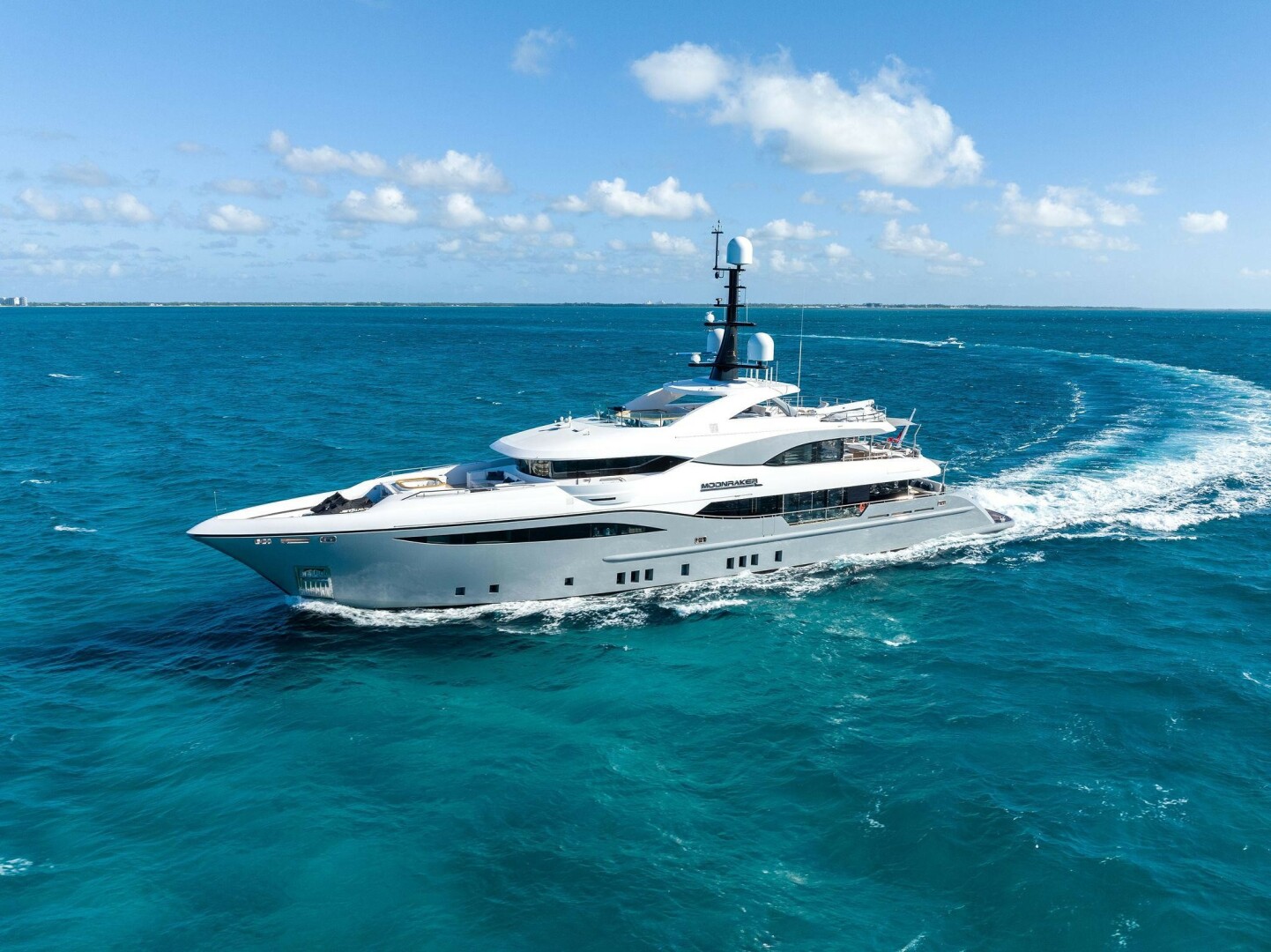
2019 Bilgin MOONRAKER
$20,646,000
156
West Palm Beach Florida

2028 Columbus Yachts
$22,900,008
137
Ancona
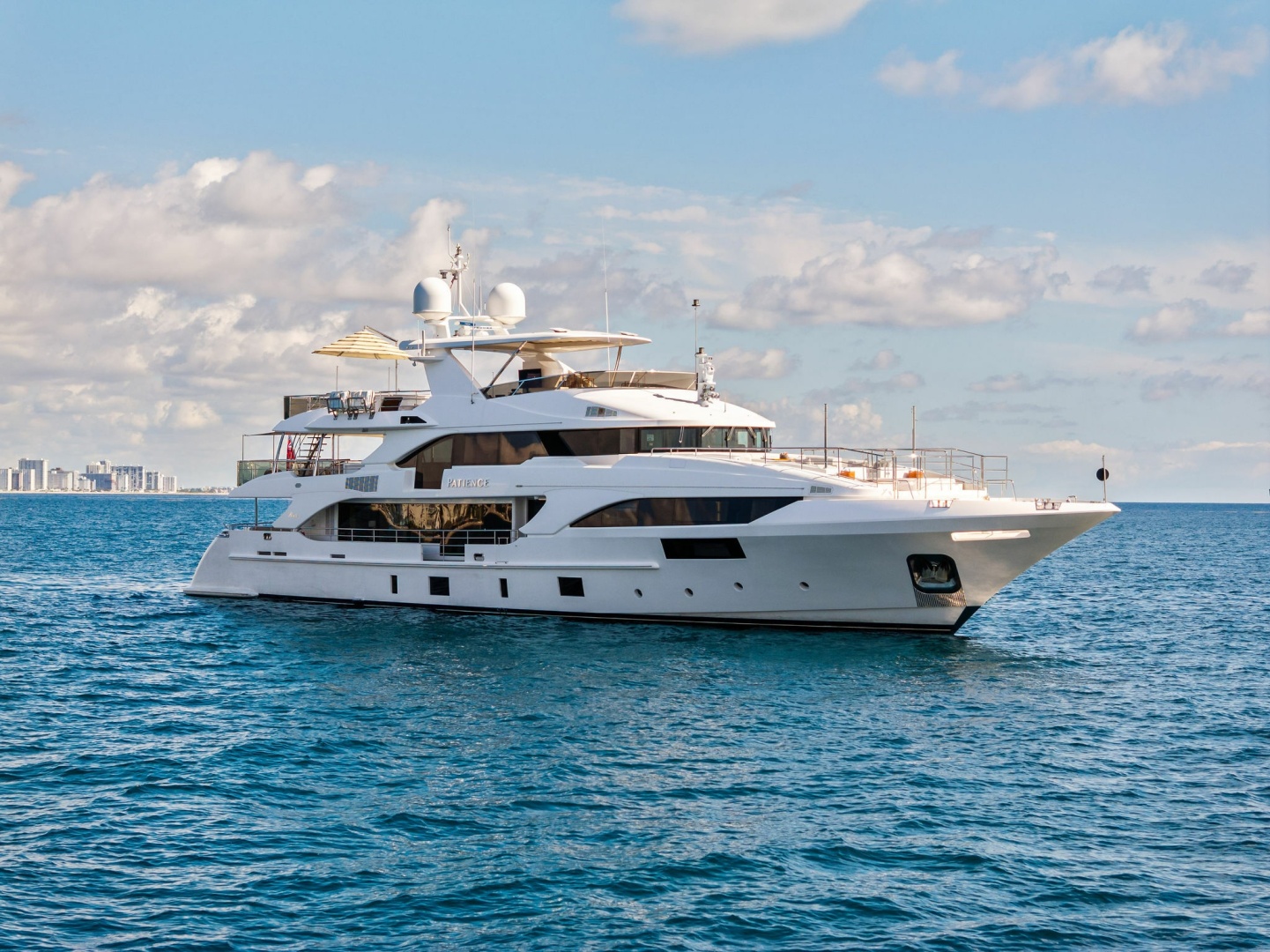
2012 Benetti PATIENCE
$10,975,000
132
Fort Lauderdale Florida
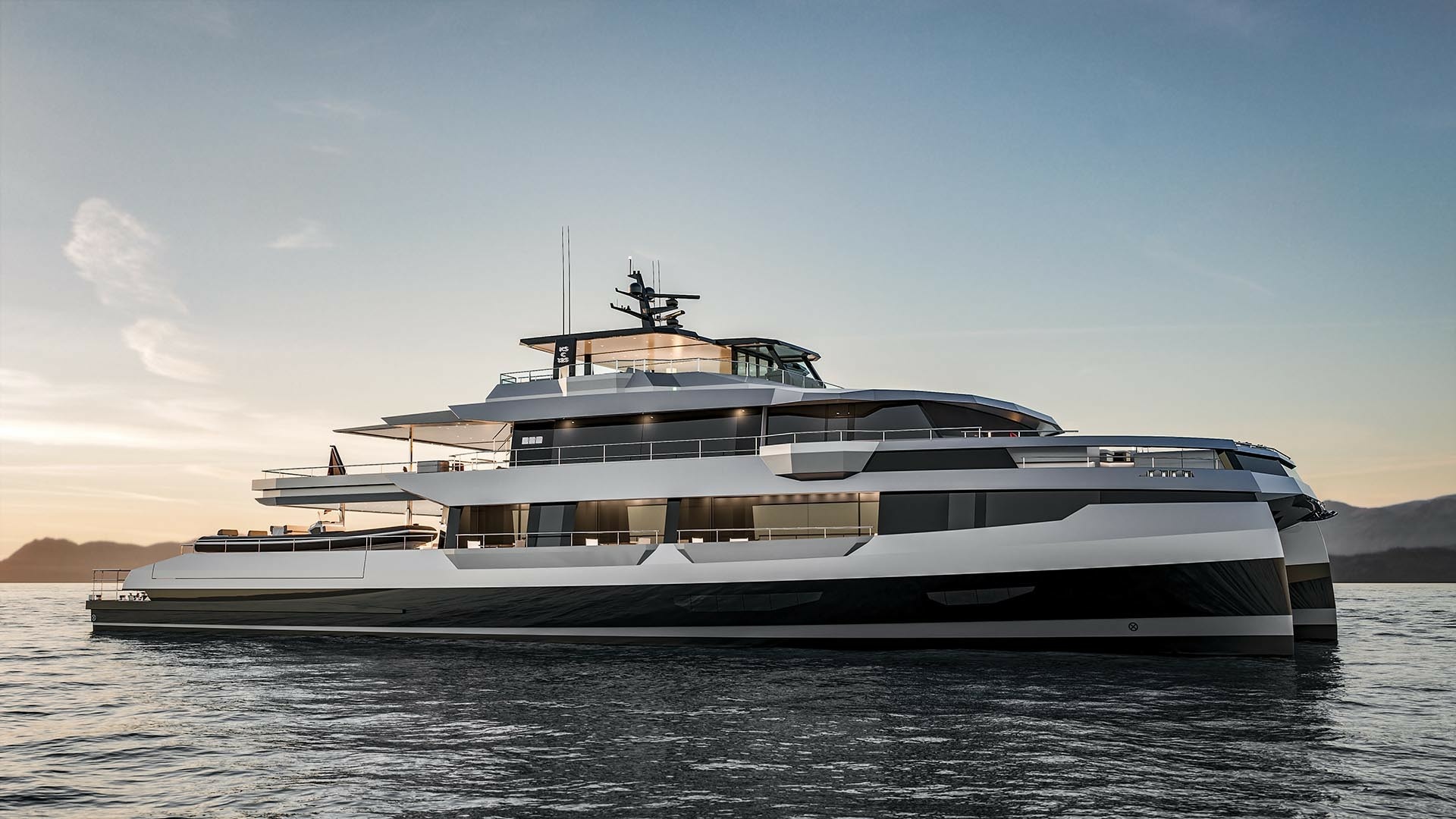
2028 Kingship Kingship
$20,000,000
125
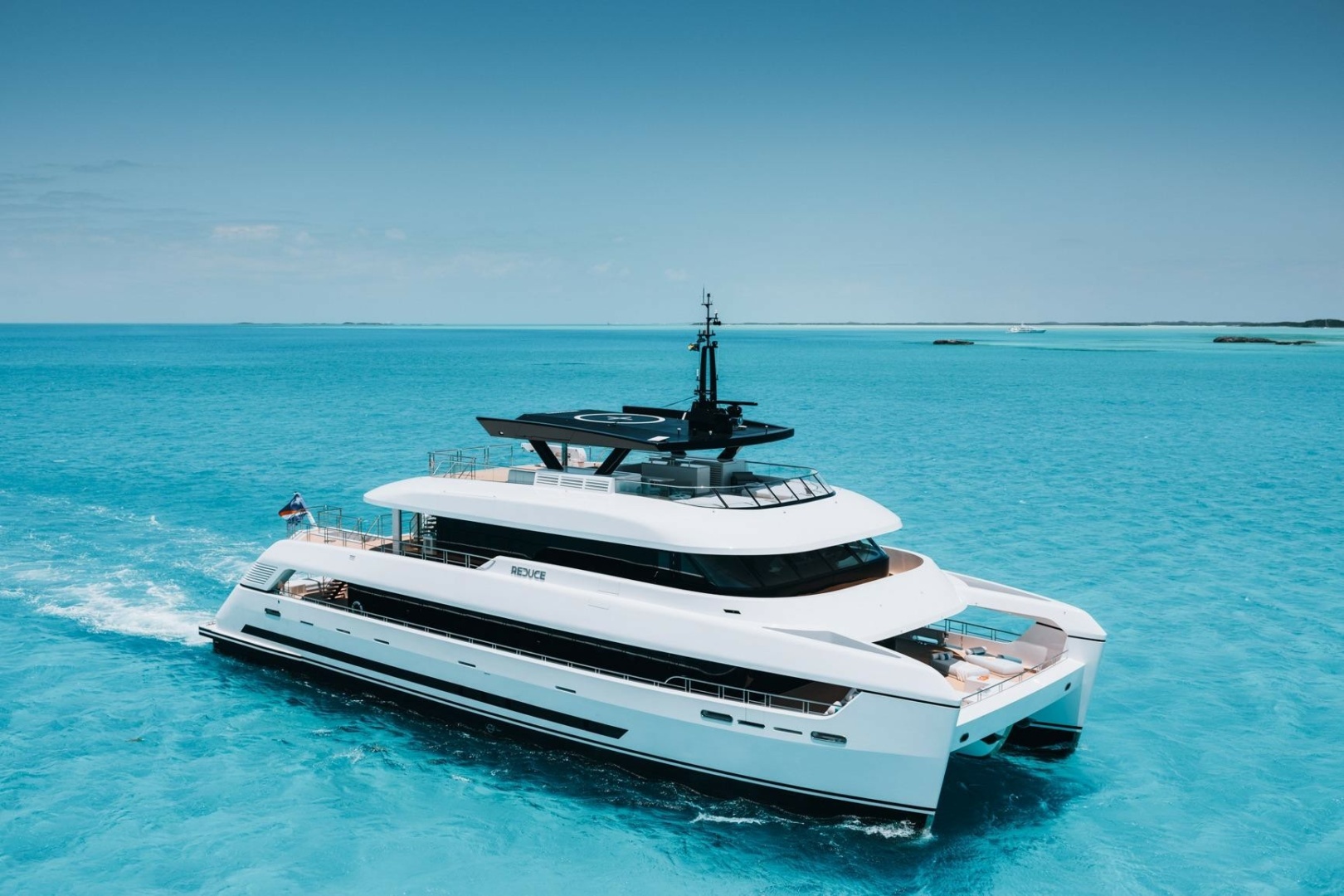
2024 Silver Yachts
$25,400,000
117
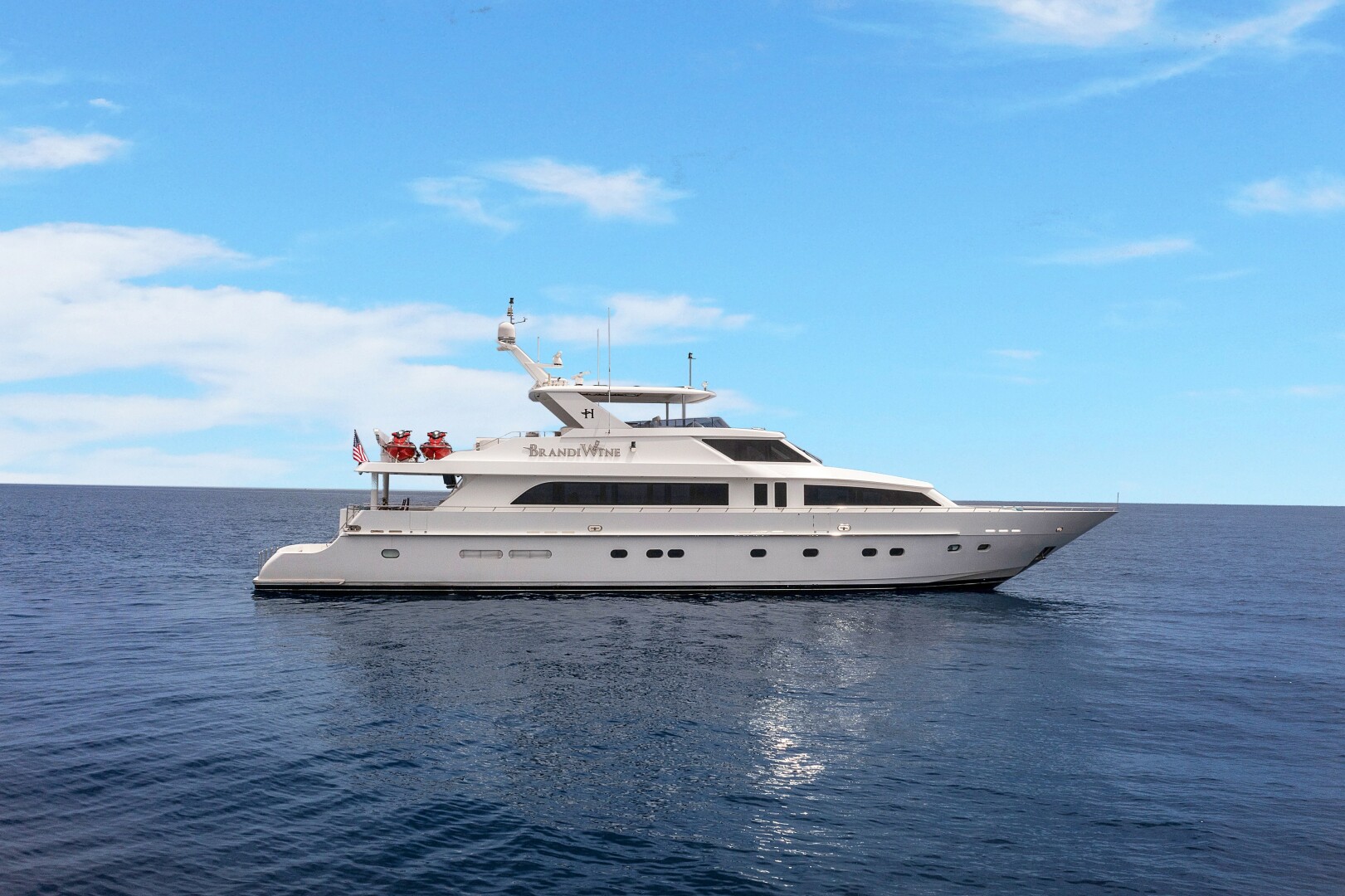
2009 Hargrave BRANDI WINE
$2,500,000
114
Fort Lauderdale Florida

2028 Extra Yachts
$20,646,000
100
Ancona
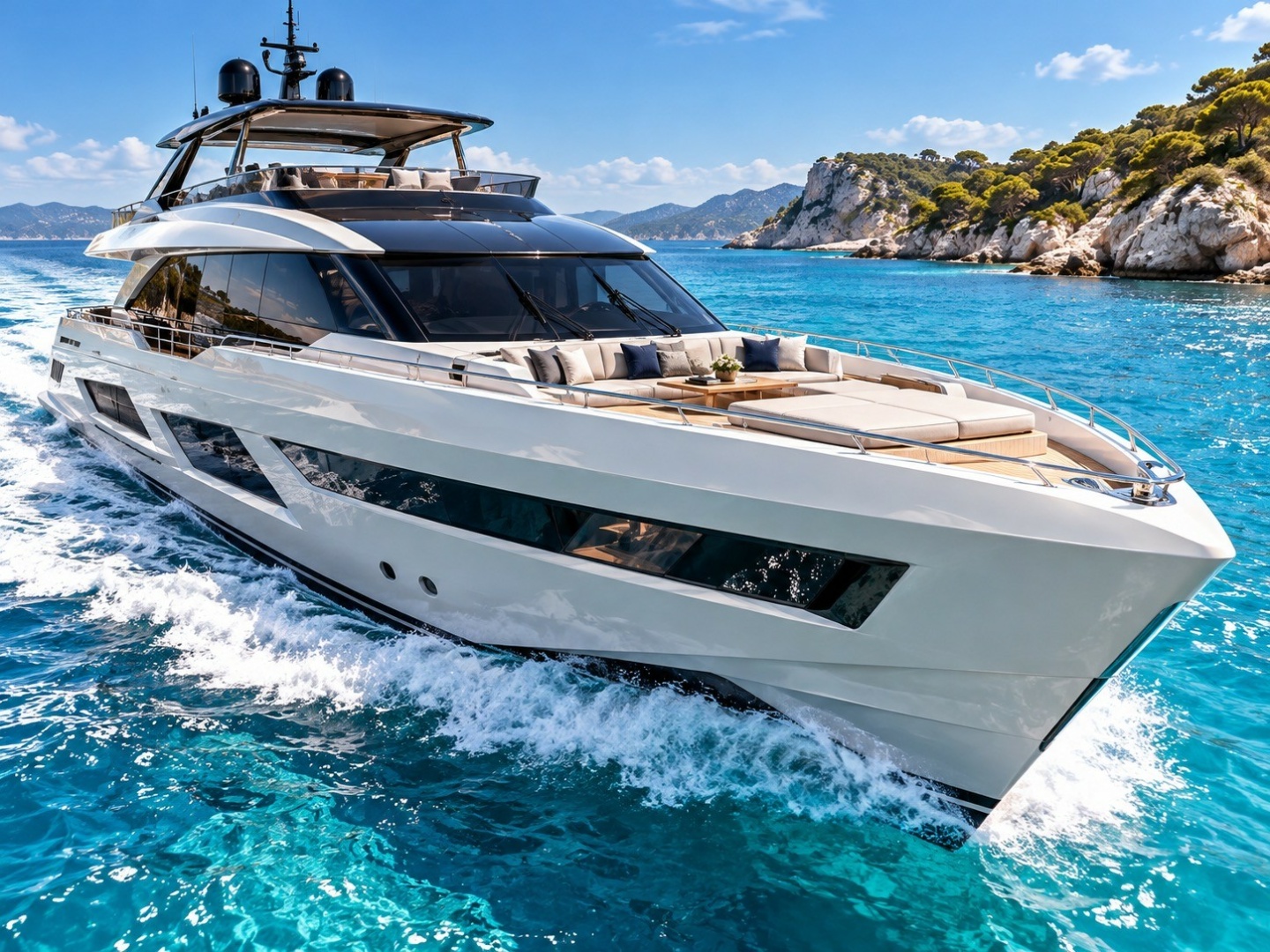
2028 Alpha
100
Ft Lauderdale Florida

2028 Extra Yachts Extra 96
$9,495,000
96
Ancona
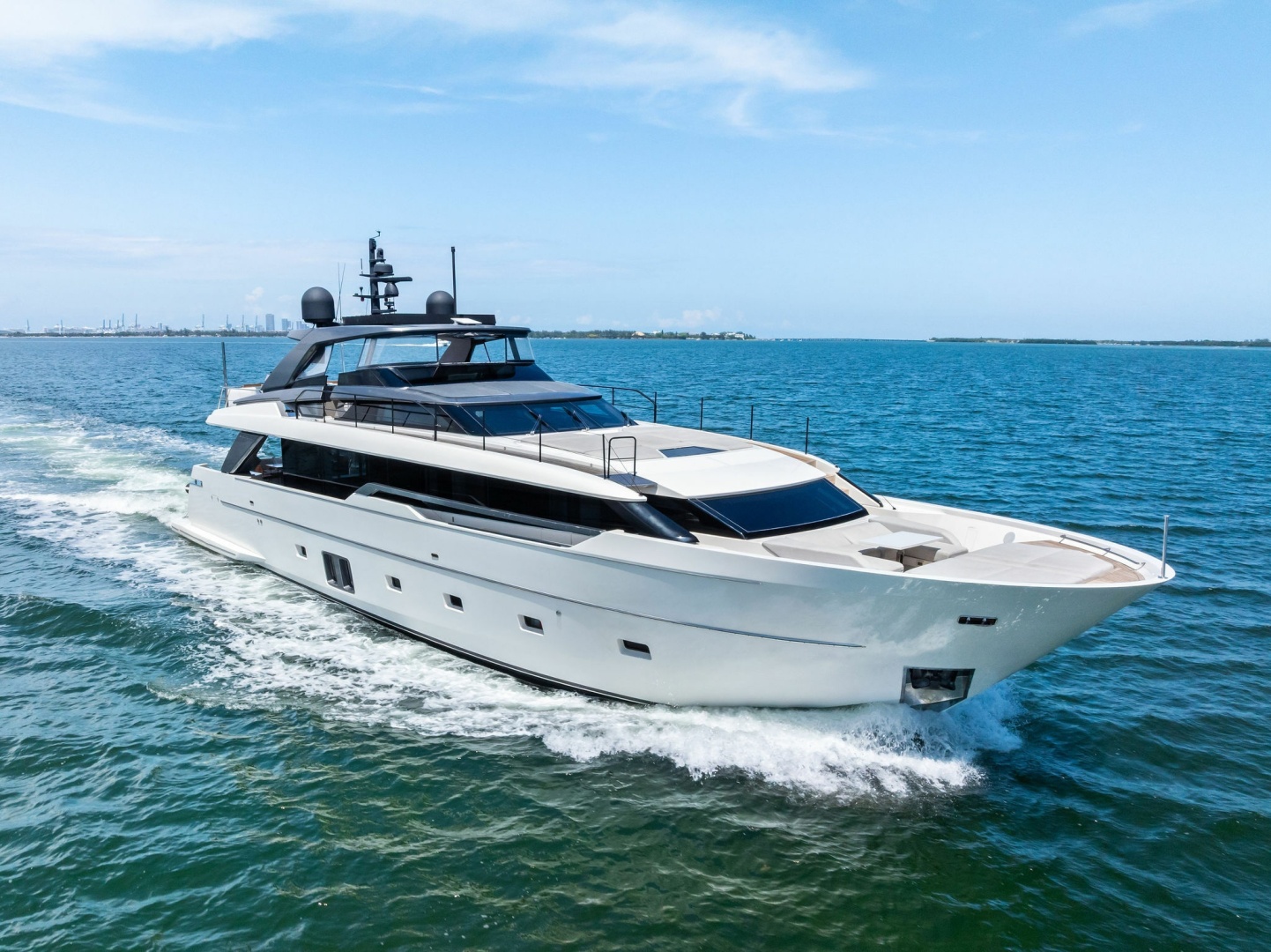
2021 Sanlorenzo GATSBY
$6,795,000
96
Miami Beach Florida
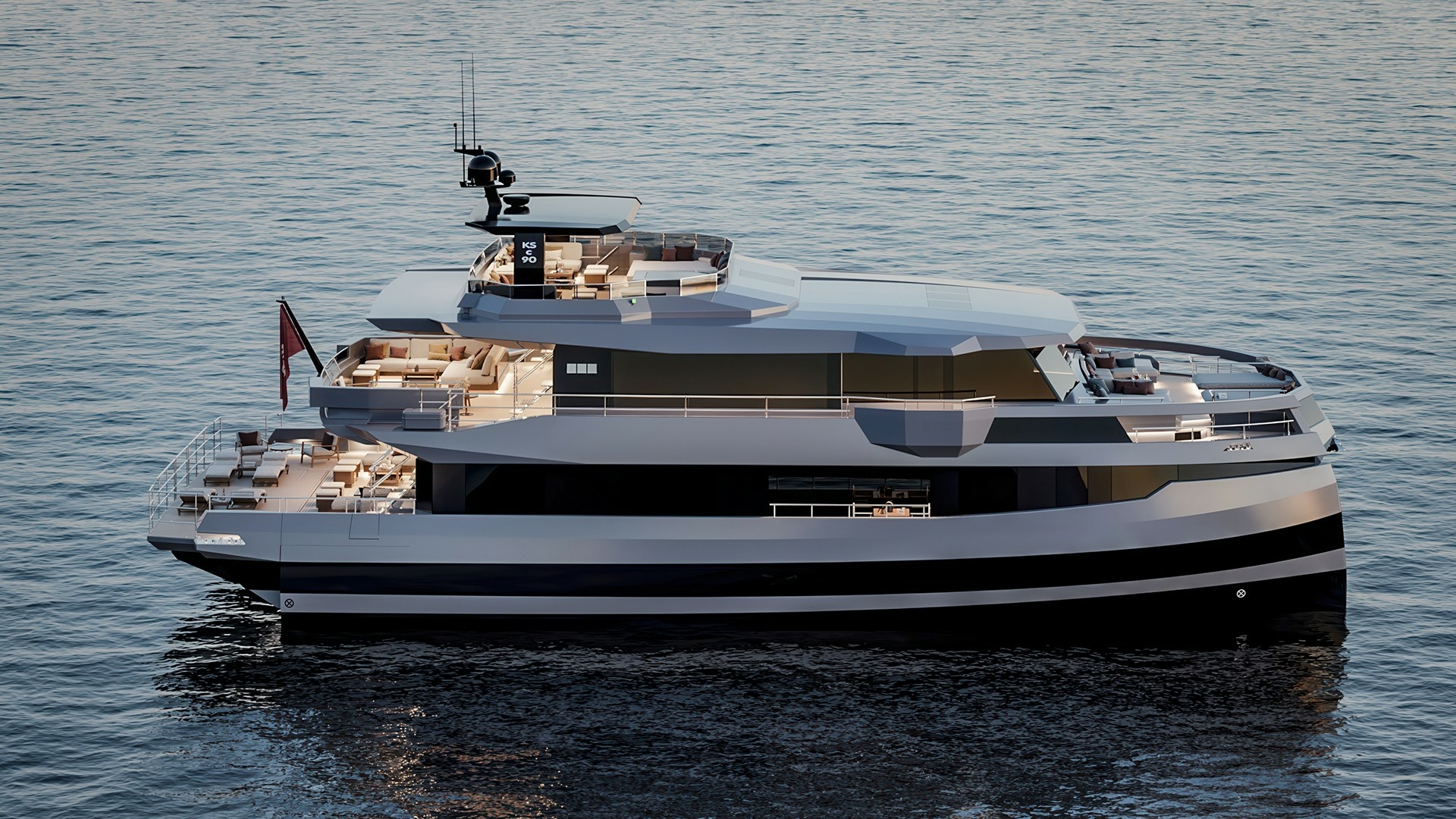
2028 Kingship
90

1999 Northern Marine OFF LINE
$2,495,000
84
Ft Lauderdale Florida
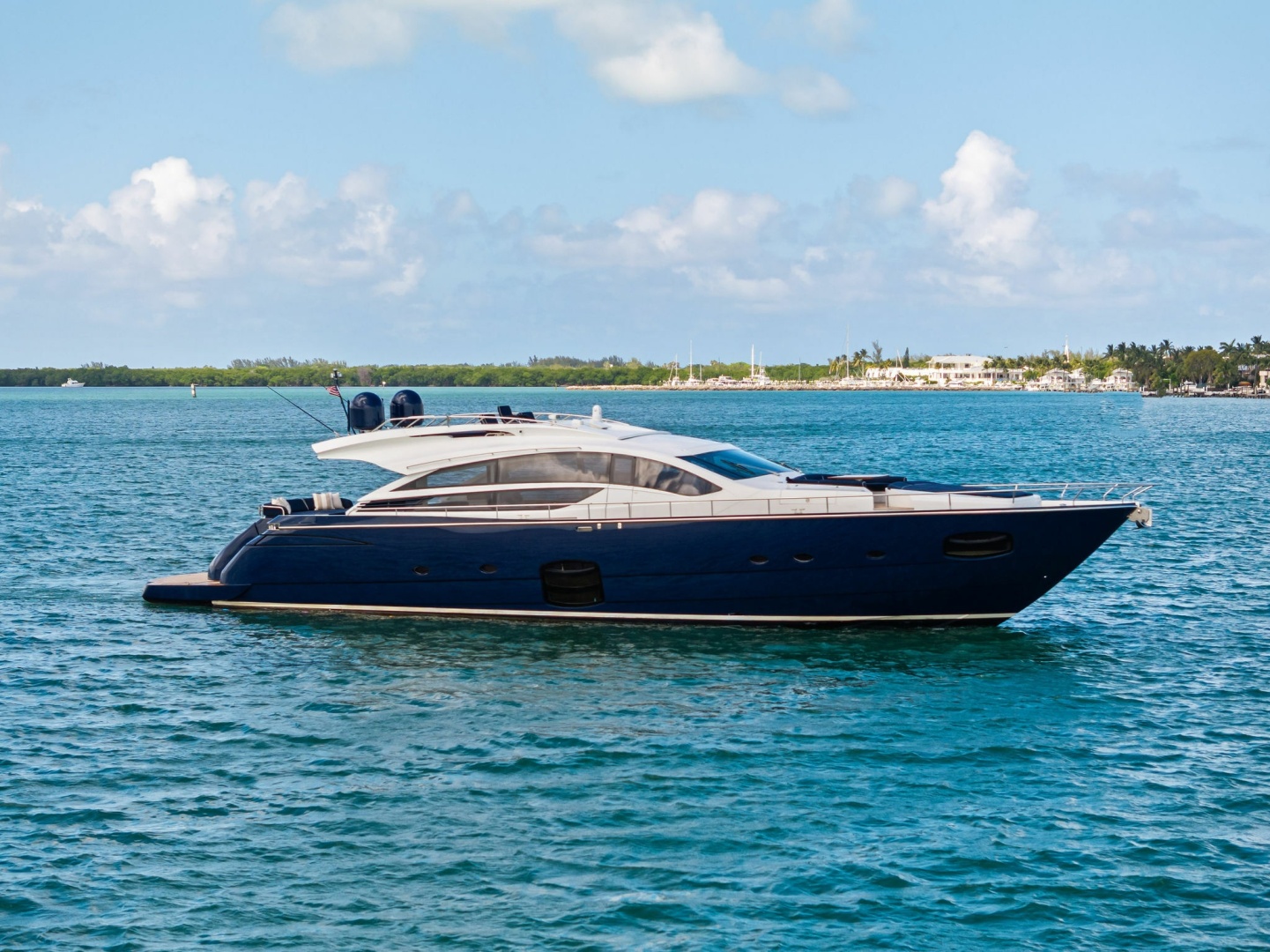
2013 Pershing DOROTHY ANN
$1,550,000
82
Miami Beach Florida

1997 Ferretti Yachts
$825,000
80
La Paz
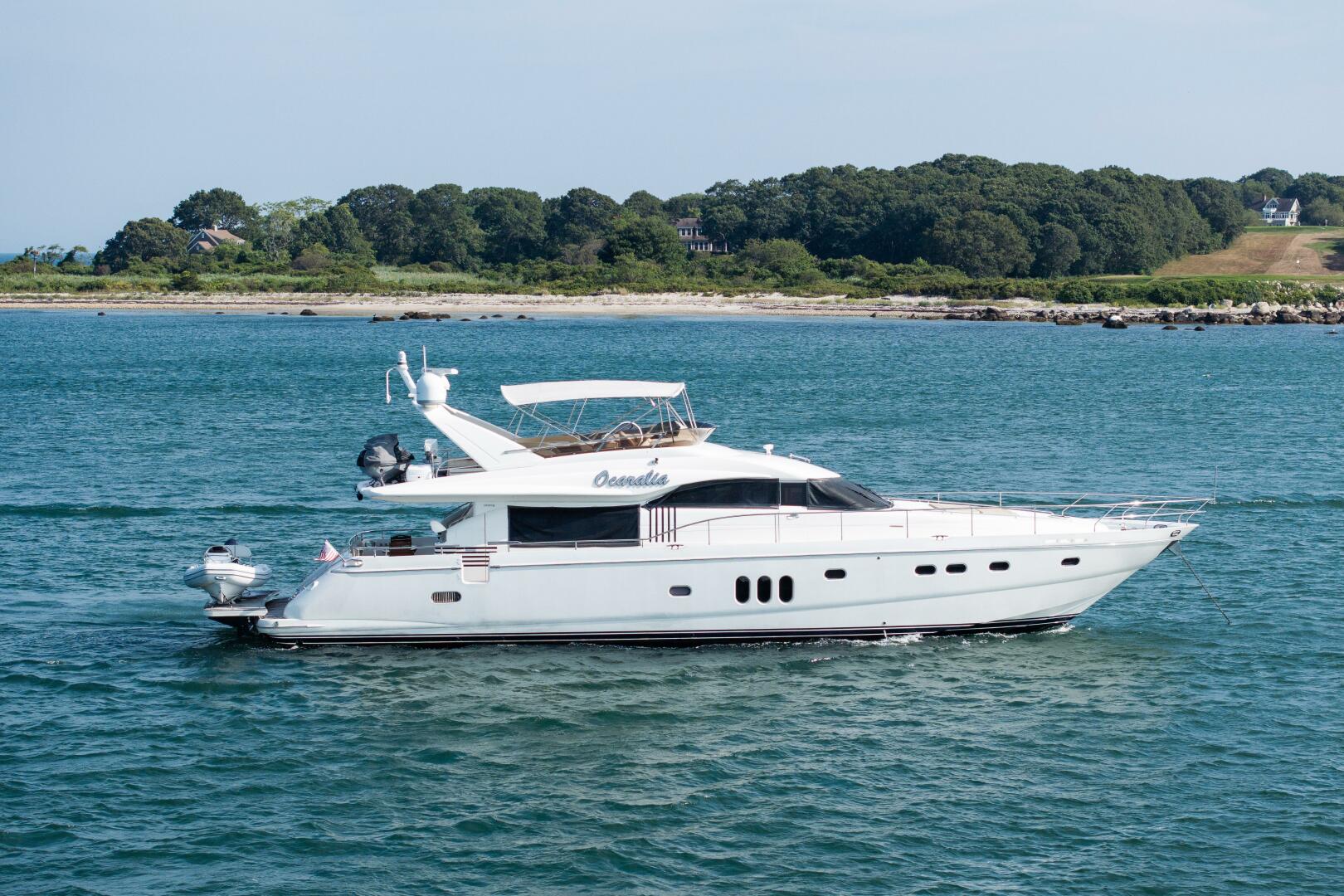
2008 Princess Yachts OCARALIA
$1,095,000
75
Charleston South Carolina
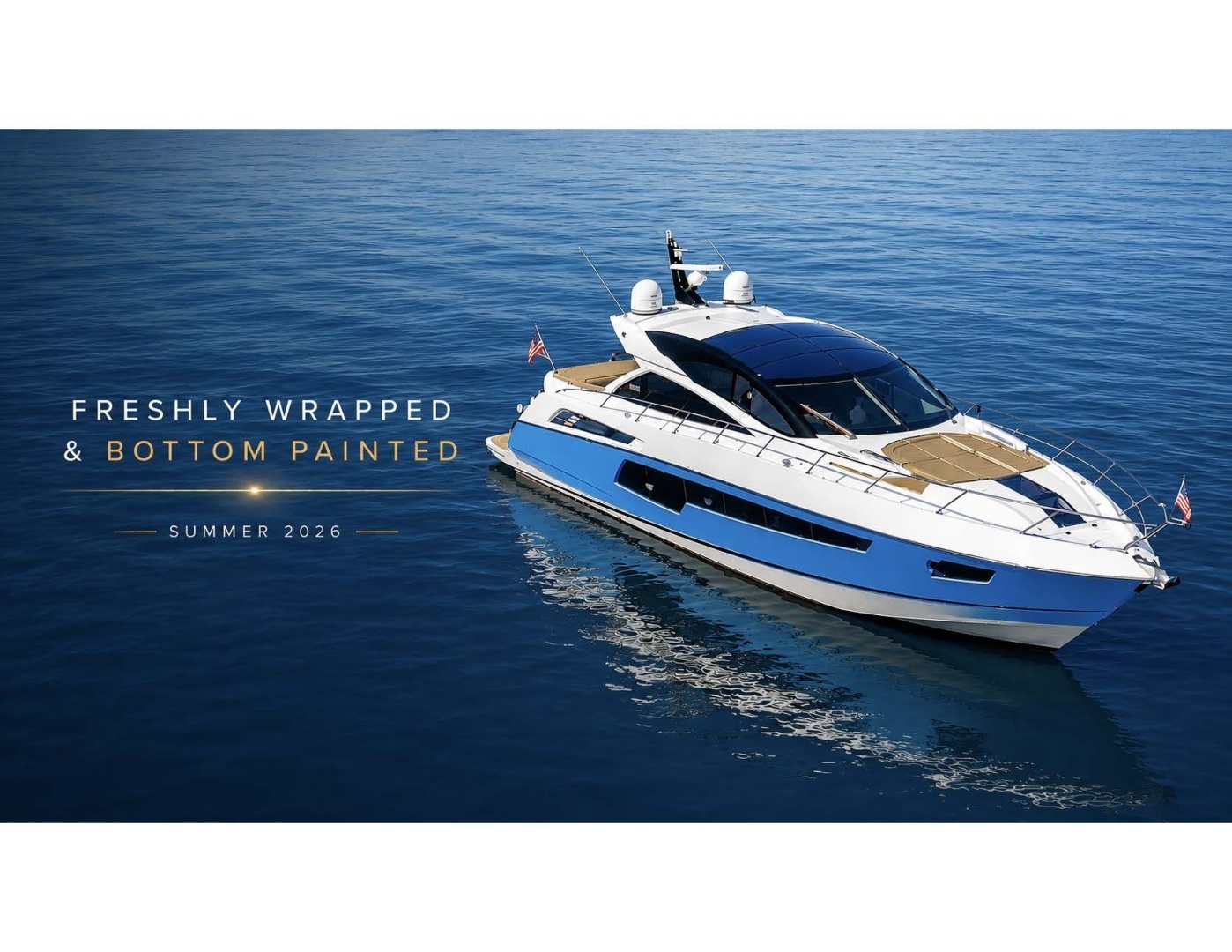
2014 Sunseeker
$1,400,000
68
New York New York

2024 Fairline
$2,750,000
68
Ft. Lauderdale Florida

2024 Sunreef Catallaxi
$3,700,000
60
Newport Rhode Island
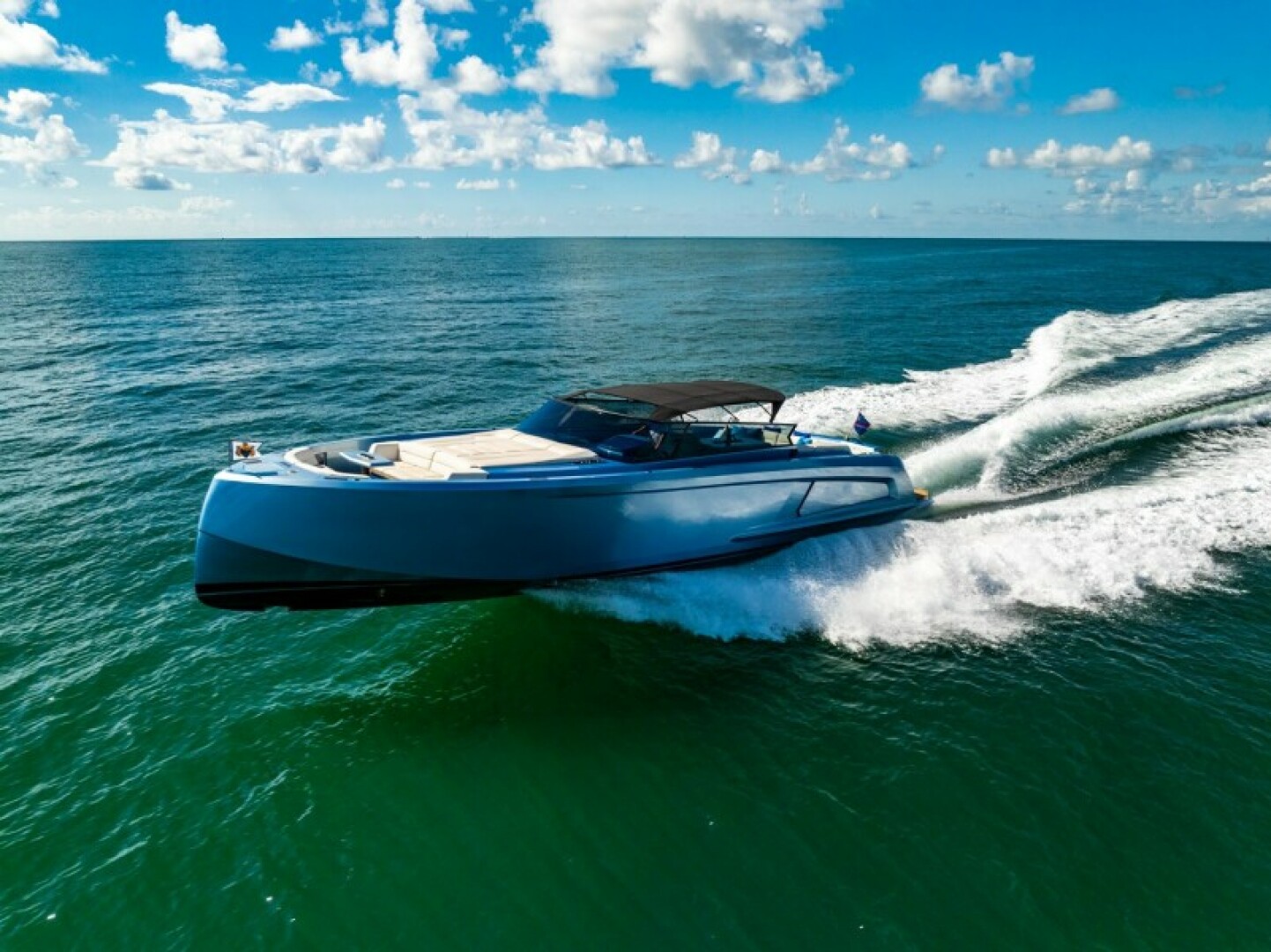
2019 Vanquish Yachts IMPULSIVE
$1,799,000
58
Miami Beach Florida
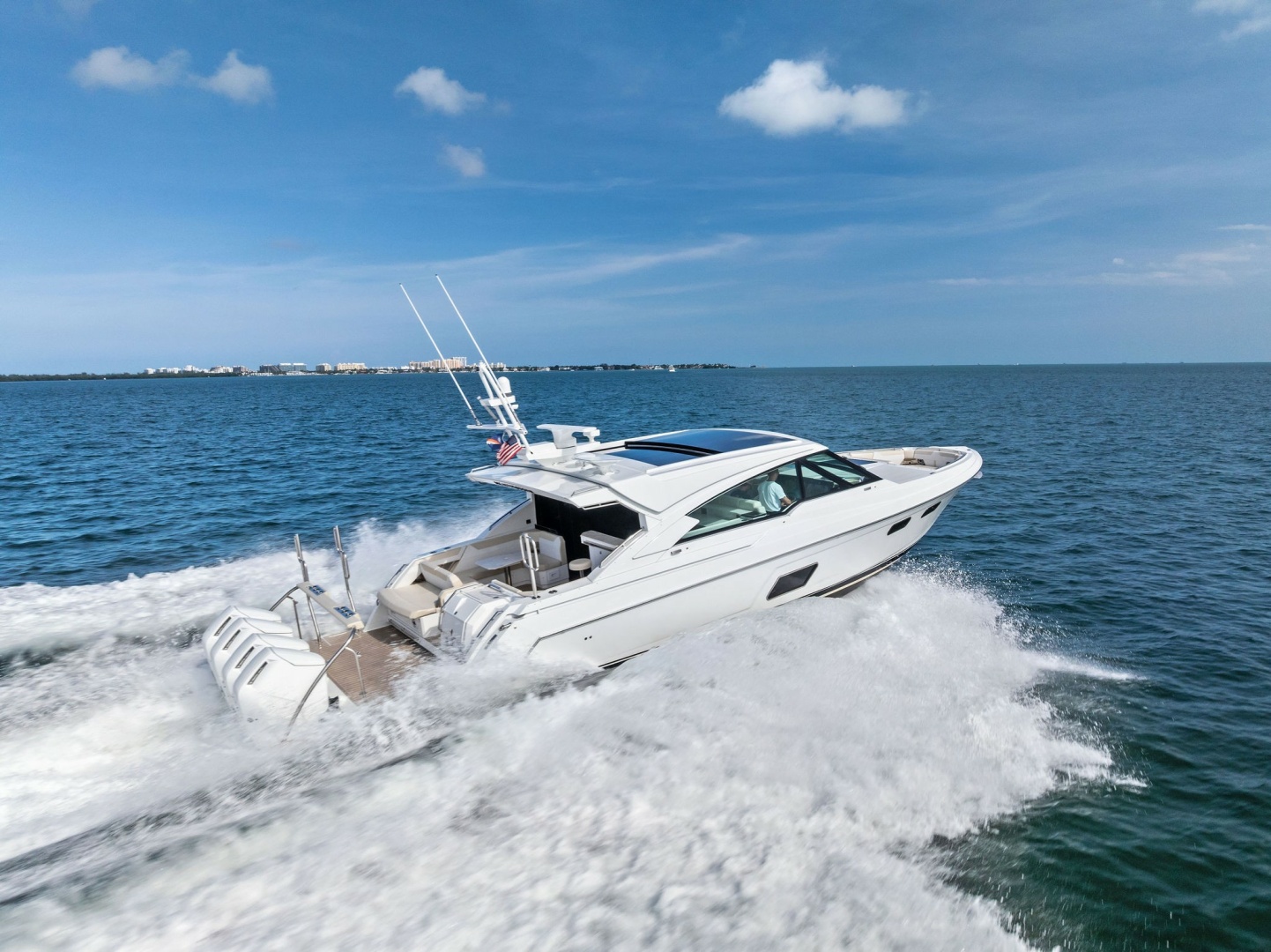
2025 Formula BREAKTHROUGH III
$1,895,000
53
Miami Beach Florida

2023 Fairline
$900,000
45
Fort Lauderdale Florida
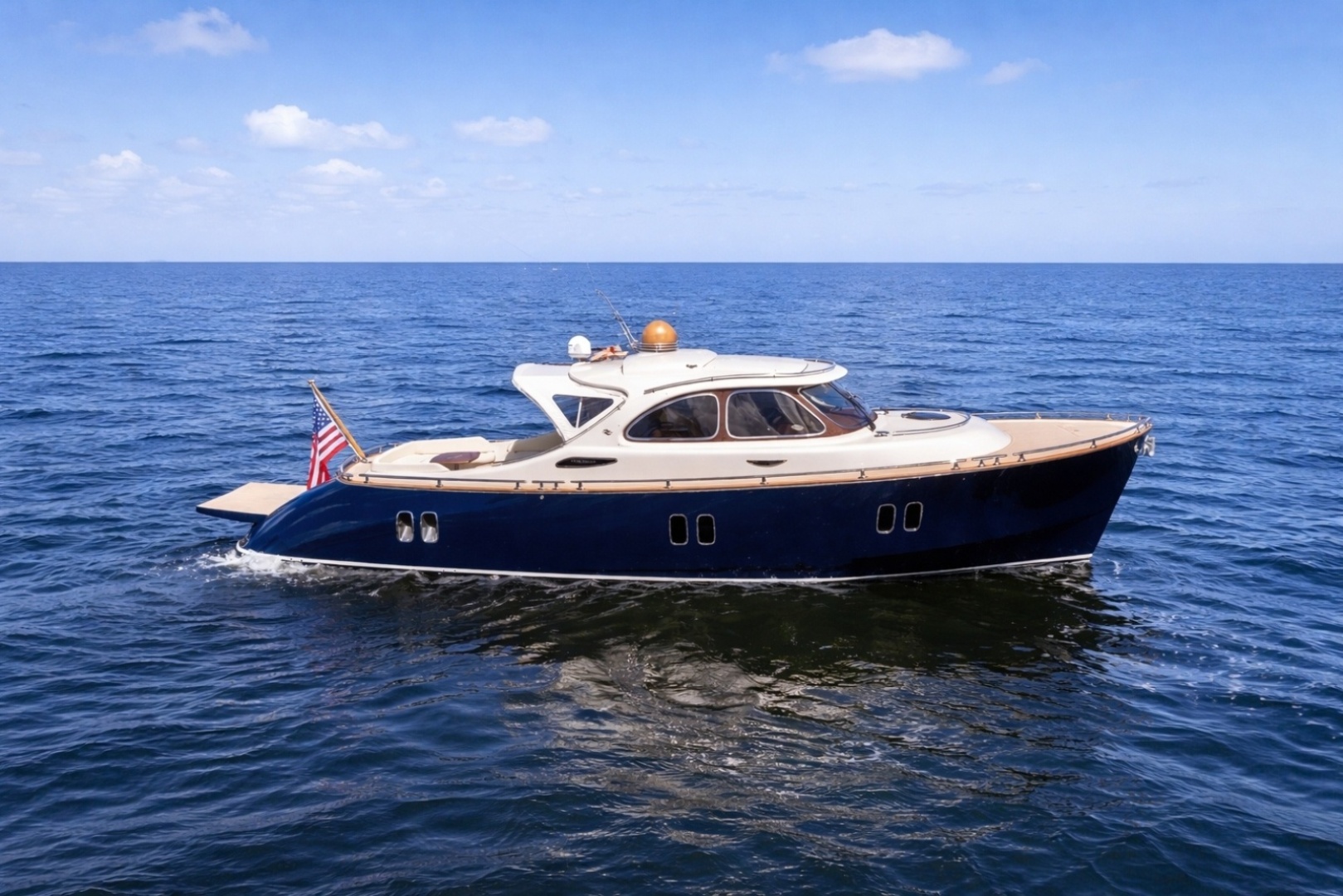
2012 Zeelander Mississippi Queen
$575,000
44
West Palm Beach Florida
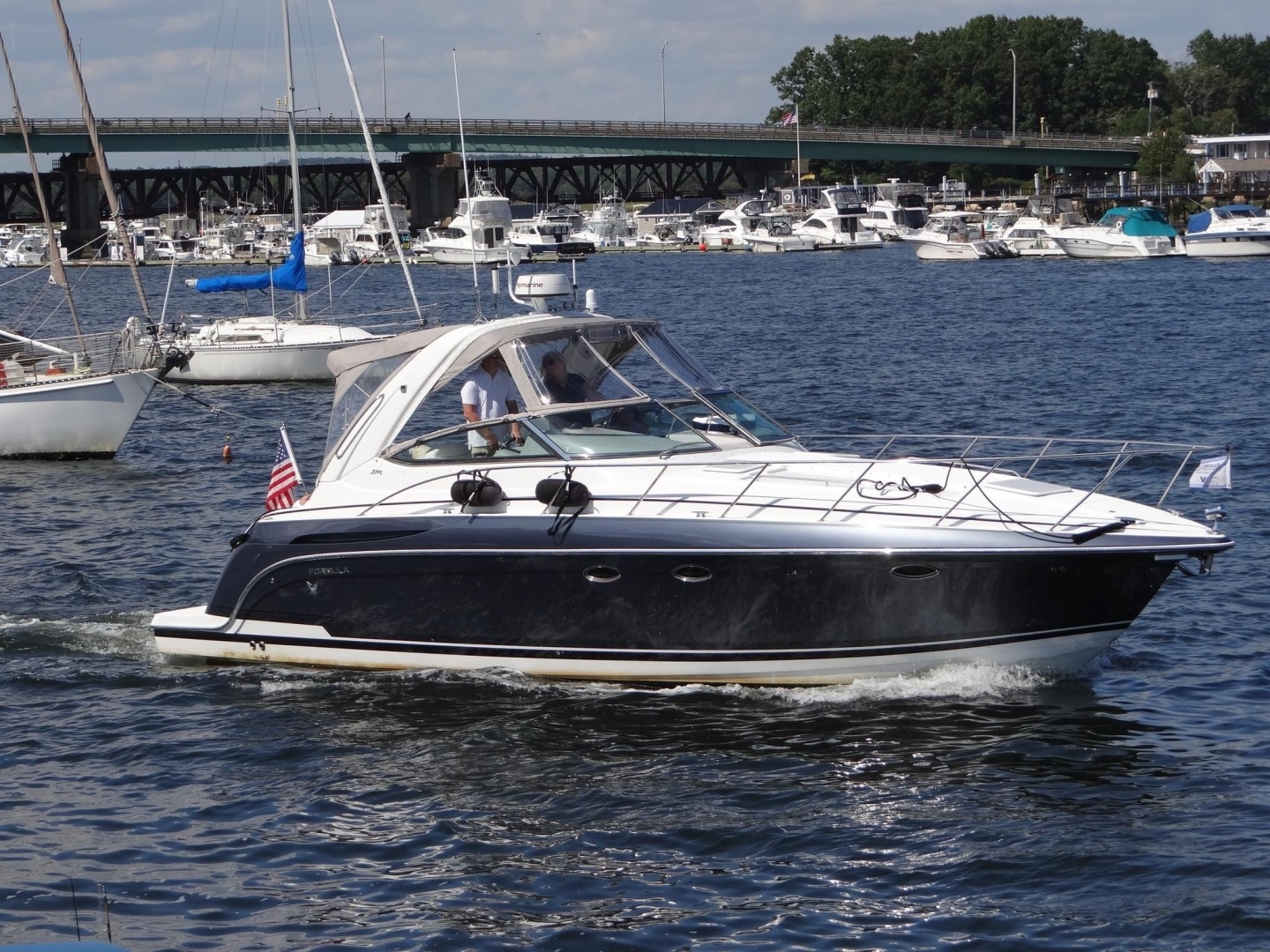
2006 Formula
$139,000
37
Newburyport Massachusetts
2019 Bilgin 156'
$20,646,000
2028 Columbus Yachts 137'
$22,900,008
2012 Benetti 132'
$10,975,000
2028 Kingship 125'
$20,000,000
2024 Silver Yachts 117'
$25,400,000
2009 Hargrave 114'
$2,500,000
2028 Extra Yachts 100'
$20,646,000
2028 Alpha 100'
2028 Extra Yachts 96'
$9,495,000
2021 Sanlorenzo 96'
$6,795,000
2028 Kingship 90'
1999 Northern Marine 84'
$2,495,000
2013 Pershing 82'
$1,550,000
1997 Ferretti Yachts 80'
$825,000
2008 Princess Yachts 75'
$1,095,000
2014 Sunseeker 68'
$1,400,000
2024 Fairline 68'
$2,750,000
2024 Sunreef 60'
$3,700,000
2019 Vanquish Yachts 58'
$1,799,000
2025 Formula 53'
$1,895,000
2023 Fairline 45'
$900,000
2012 Zeelander 44'
$575,000
2006 Formula 37'
$139,000