

Buying or selling a luxury yacht represents one of the most significant financial decisions you’ll make, with transactions often exceeding millions of dollars and involving complex legal frameworks across multiple jurisdictions. The stakes are high, and while yacht brokers bring invaluable expertise to the table, your ability to ask the right questions can mean the difference between a seamless transaction and costly complications down the line. This guide reveals the essential questions every affluent buyer should pose to yacht brokers in 2026, ensuring transparency, legal protection, and confidence throughout your yacht acquisition journey.
Table of Contents
- Why Verifying Yacht Ownership And Liens Matters
- Key Questions To Evaluate A Yacht Broker’s Expertise And Transparency
- Understanding Regulatory, VAT, And Legal Compliance In Yacht Transactions
- Questions To Ask About Yacht Condition, Warranties, And Surveys
- Comparing Brokers: A Table Of Key Questions And Considerations
- Explore Expert Yacht Broker Services At Yachts By Steve
- Frequently Asked Questions About Yacht Broker Selection
Key takeaways
| Point | Details |
|---|---|
| Verify ownership and liens | Confirm legal title and absence of maritime charges to avoid post-purchase disputes |
| Assess broker credentials | Evaluate experience, commission structure, and client references for transparency |
| Understand compliance requirements | Clarify VAT status, registration, and regulatory obligations in your jurisdiction |
| Review vessel condition thoroughly | Request surveys, warranties, and defect disclosures to prevent unexpected expenses |
| Engage legal expertise | Use specialized maritime lawyers to protect your interests throughout the transaction |
Why verifying yacht ownership and liens matters
Before committing to any yacht purchase, you must establish beyond doubt that the seller holds clear legal title to the vessel. A thorough search of the vessel’s registration is crucial to confirm the seller is the legal owner and that no maritime liens or charges are outstanding. Registration records reveal the vessel’s documented history, including previous owners, flag state, and any encumbrances that could transfer to you as the new owner.
Hidden liens pose one of the most serious risks in yacht transactions. These can include unregistered mortgages, unpaid crew wages, salvage claims, or port authority charges that attach to the vessel itself rather than the owner. Under the maritime principle of caveat emptor, buyers assume responsibility for discovering these issues, and failure to identify liens before purchase can result in unexpected financial liabilities or even loss of the vessel to creditors.
The financial exposure from undiscovered liens can be substantial, potentially adding hundreds of thousands of dollars to your purchase price. Maritime liens take priority over ownership in many jurisdictions, meaning creditors can seize the yacht regardless of your good faith purchase. Understanding types of yacht ownership structures helps you recognize which registration systems apply and what protections they offer.
To protect yourself, take these verification steps before finalizing any purchase:
- Request complete registration documentation from the current flag state registry
- Obtain a certified abstract of title showing ownership history and any recorded encumbrances
- Verify the seller’s identity matches registration records exactly
- Confirm all outstanding loans or mortgages have been satisfied and properly discharged
- Check for pending litigation involving the vessel through maritime court records
Pro Tip: Engage a professional marine surveyor or maritime attorney who specializes in title searches for your target jurisdiction. Their expertise in navigating international registries and identifying red flags provides insurance against costly oversights that could jeopardize your investment.
Key questions to evaluate a yacht broker’s expertise and transparency
Selecting the right broker requires more than reviewing their website or accepting a referral at face value. You need to conduct a thorough vetting process through strategic questions that reveal their true capabilities and alignment with your interests. Start by asking about their direct experience with vessels in your target size range and price bracket, as expertise with 40-foot sailboats doesn’t translate to competence with 100-foot motor yachts.
Commission structure transparency separates ethical brokers from those with potential conflicts of interest. Ask explicitly how their fees work, what percentage they charge, and critically, who pays them. In most transactions, the seller pays the broker’s commission, but understanding this dynamic helps you recognize any incentives that might not align with securing your best deal. Request a written breakdown of all fees, including any administrative charges or third-party costs you’ll incur.
Client references provide invaluable insight into a broker’s actual performance beyond their marketing materials. Request contact information for at least three recent clients who purchased vessels similar to your target yacht. When speaking with references, ask about communication responsiveness, problem-solving abilities when issues arose, and whether the broker delivered on promised timelines and outcomes. Understanding how to choose a yacht broker involves evaluating both technical competence and interpersonal fit.
Regulatory and tax knowledge separates amateur brokers from true professionals in the luxury yacht space. Your broker should demonstrate fluency in international maritime regulations, VAT implications, flag state requirements, and tax optimization strategies relevant to your citizenship and intended cruising grounds. Ask specific questions about how they’ve navigated complex compliance scenarios for past clients.
Essential broker vetting questions include:
- How many yachts in my price range have you personally brokered in the past two years?
- What is your commission rate and are there any additional fees I should anticipate?
- Can you provide three client references from transactions completed within the last 12 months?
- What professional certifications or industry memberships do you maintain?
- How do you stay current on changing regulations across different jurisdictions?
Pro Tip: Verify whether your broker specializes in your preferred yacht type and geographic market. A broker focused on Mediterranean motor yachts may lack the network and expertise needed for a Caribbean sailing vessel purchase, potentially limiting your options and negotiating power. Review yacht sales commission explained to understand industry standards before negotiations.
Understanding regulatory, VAT, and legal compliance in yacht transactions
Navigating the regulatory landscape represents one of the most complex aspects of yacht ownership, with requirements varying dramatically based on vessel specifications, intended use, and operational waters. Vessels over 24 meters face substantially different regulations than smaller yachts, including mandatory certification under codes like the Large Commercial Yacht Code or Passenger Yacht Code if you plan any charter operations. Your broker should provide clear guidance on which regulatory frameworks apply to your specific situation.
VAT status constitutes a critical financial consideration that can add 20% or more to your purchase price if mishandled. Buying within the EU or the UK requires proof of a vessel’s VAT status, and purchasing a yacht without proper VAT documentation can result in immediate tax liability upon entering EU waters. Brokers must demonstrate the vessel’s VAT-paid status through official documentation or explain exemption qualifications if applicable.

The following table outlines essential compliance verification steps:
| Compliance Area | Required Documentation | Verification Method |
|---|---|---|
| VAT Status | VAT receipt or exemption certificate | Confirm with tax authority in purchase jurisdiction |
| Registration | Certificate of registry from flag state | Verify directly with maritime registry |
| Safety Certification | Stability book, safety equipment certificates | Review by qualified marine surveyor |
| Insurance | Hull and P&I coverage documentation | Confirm policy validity with underwriter |
| Environmental | MARPOL compliance certificates | Check current certification dates |
Legal representation provides essential protection throughout the transaction process. Ask your broker about their standard practice for legal review and whether they work with maritime attorneys they can recommend. However, always engage your own independent legal counsel rather than relying solely on broker referrals to ensure your interests receive primary consideration.
Key legal and compliance questions for your broker:
- What regulatory certifications does this specific vessel currently hold?
- Can you provide documented proof of VAT-paid status or applicable exemptions?
- Which flag state offers the best combination of regulatory efficiency and protection for my intended use?
- What ongoing compliance obligations will I face as the new owner?
- Do you work with maritime attorneys, and will you facilitate their involvement in document review?
Understanding yacht brokerage compliance steps guide before beginning your search prevents costly surprises during closing. Maritime law complexity demands professional guidance, so budget for qualified legal counsel as a non-negotiable transaction cost. The comprehensive how to buy a yacht expert guide walks through each compliance milestone you’ll encounter.
Questions to ask about yacht condition, warranties, and surveys
The physical condition of your prospective yacht requires scrutiny equal to its legal status, as hidden mechanical or structural issues can cost hundreds of thousands in repairs. Demand access to recent survey reports, ideally conducted within the past 12 months, covering both hull integrity and mechanical systems. Professional surveys reveal issues invisible to untrained eyes, from osmotic blistering in fiberglass to engine wear patterns indicating poor maintenance.
Warranty coverage and manufacturer support vary dramatically across yacht brands and ages. For newer vessels, confirm remaining warranty periods on engines, generators, and major systems, along with any transferability requirements. Older yachts typically lack warranties, making maintenance history documentation even more critical. Request complete service records showing regular maintenance intervals and any major repairs or upgrades performed.
Defect disclosure obligations exist in many jurisdictions, but enforcement varies and sellers may not volunteer information about known issues. Ask explicitly about any defects, repairs, or operational limitations the current owner has experienced. Document these conversations in writing and ensure your purchase agreement includes comprehensive seller representations about vessel condition.
Post-sale support and management services can significantly ease your ownership transition. Some brokerages offer yacht management packages, crew placement assistance, or preferred relationships with maintenance facilities. Clarify what support remains available after closing and whether any costs apply for ongoing consultation or problem resolution.
Engaging a lawyer for paperwork ensures correct legal procedures are followed, offering greater protection in yacht purchases. Your attorney should review all survey reports alongside purchase contracts to identify liability gaps or condition-related contingencies you should negotiate. This legal oversight proves especially valuable when surveys reveal issues requiring price adjustments or repair agreements.
Critical condition and warranty questions:
- Can you provide the most recent hull and mechanical survey reports?
- What warranty coverage remains on engines, generators, and major systems?
- Has the vessel experienced any significant damage, repairs, or insurance claims?
- What is the complete maintenance history, including service intervals and parts replacements?
- Are there any known operational issues or systems requiring near-term repair or replacement?
- What post-sale support or yacht management services do you offer?
Reference the yacht buying checklist 7 key steps to ensure you address every condition-related consideration before finalizing your purchase. Survey contingencies in your offer protect your deposit if inspections reveal deal-breaking issues.
Comparing brokers: a table of key questions and considerations
Systematic broker evaluation prevents emotional decisions and ensures you select representation aligned with your specific needs. The following comparison framework helps you assess multiple brokers objectively across the dimensions that most impact transaction success. Use this structure when interviewing candidates to ensure consistent evaluation criteria.
| Evaluation Category | Key Questions | Impact on Transaction | Decision Factors |
|---|---|---|---|
| Experience & Specialization | Years in business? Yachts sold in my size/type? Geographic expertise? | Directly affects negotiation leverage and problem-solving capability | Prefer 5+ years with specific expertise in your target market |
| Fee Structure | Commission percentage? Additional fees? Who pays? | Impacts total transaction cost and potential conflicts of interest | Standard is 10% seller-paid; beware unusual fee structures |
| Legal & Compliance Knowledge | Regulatory certifications? VAT expertise? Flag state recommendations? | Determines ability to navigate complex international requirements | Must demonstrate current knowledge of your target jurisdictions |
| Client Service & Communication | References available? Response time commitments? Post-sale support? | Affects stress levels and confidence throughout purchase process | Insist on written communication protocols and availability guarantees |
| Network & Resources | Surveyor relationships? Legal counsel referrals? Financing connections? | Expands your options and streamlines transaction logistics | Strong networks indicate established reputation and resources |
When comparing brokers side by side, weight experience and specialization most heavily, as these factors determine whether the broker can actually deliver on their promises. A generalist broker may offer lower commissions but lack the specialized knowledge and industry connections that smooth complex transactions and uncover off-market opportunities.
Fee structure transparency serves as a reliable indicator of overall business ethics. Brokers who clearly explain their compensation and potential conflicts demonstrate the integrity you need in a trusted advisor. Conversely, vague answers about fees or resistance to discussing commission details should raise immediate red flags about hidden costs or misaligned incentives.
Client service quality becomes most apparent during challenging moments in the transaction. Ask references specifically about how brokers handled unexpected issues, whether they maintained communication during stressful periods, and if they advocated effectively when negotiations became contentious. These real-world scenarios reveal character more than polished marketing materials.
Understanding why use a yacht broker helps you recognize the value proposition each candidate offers beyond basic transaction facilitation. The best brokers function as strategic advisors who protect your interests across legal, financial, and operational dimensions. Familiarize yourself with industry terms yacht brokerage to communicate effectively during broker evaluations.
Explore expert yacht broker services at Yachts by Steve
Navigating the complexities of luxury yacht acquisition demands more than general knowledge. It requires partnership with brokers who combine deep market expertise with unwavering commitment to client interests. Yachts by Steve specializes in guiding affluent buyers through every dimension of yacht transactions in 2026, from initial market research through final closing and beyond. Our team brings decades of combined experience in luxury yacht brokerage, with particular strength in navigating international regulations, optimizing tax strategies, and securing off-market opportunities.
We understand that your yacht represents both a significant financial investment and a lifestyle aspiration. Our dedicated services maximize vessel value while easing ownership transition through comprehensive support including legal coordination, survey management, and post-purchase yacht management solutions. Whether you’re acquiring your first yacht or adding to an existing fleet, our personalized approach matches vessels to your specific preferences and usage plans.
Explore how to choose a yacht broker to understand our selection criteria and service standards. Learn more about yacht brokerage expert help and discover essential yacht brokerage tips that inform our client-first philosophy. Contact us today for a confidential consultation about your yacht acquisition goals.
Pro Tip: Leveraging expert brokers with established reputations and extensive industry networks saves substantial time while mitigating the legal and financial risks inherent in complex luxury transactions.
Frequently asked questions about yacht broker selection
What are the most important questions to ask a yacht broker before buying?
Prioritize questions about their direct experience with vessels in your size and price range, commission structure and fee transparency, client references from recent transactions, and regulatory knowledge relevant to your target jurisdictions. Also ask about their network of surveyors, attorneys, and other professionals who support the transaction process.
How do I verify a yacht broker’s credentials and reputation?
Request professional certifications like CPYB (Certified Professional Yacht Broker) designation, verify membership in organizations like IYBA or MYBA, check online reviews and testimonials, and most importantly, speak directly with at least three recent client references. Ask references specific questions about communication, problem-solving, and whether they would use the broker again.
What legal protections should I request from my yacht broker?
Insist on written representation agreements clearly defining the broker’s obligations and your rights, ensure they facilitate independent legal review of all documents, request proof of professional liability insurance, and confirm they will provide written disclosure of any potential conflicts of interest. Your broker should actively encourage you to engage independent maritime legal counsel.
How does VAT status affect my yacht purchase decision?
VAT-paid status in EU jurisdictions means the vessel can cruise EU waters without triggering additional tax liability, potentially saving 20% or more of the purchase price. Your broker must provide documented proof of VAT payment or explain valid exemptions. Purchasing a non-VAT-paid vessel requires either paying VAT upon import or restricting cruising to non-EU waters.
What should a comprehensive yacht survey include?
A thorough survey covers hull integrity including moisture testing and structural assessment, all mechanical systems including engines and generators, electrical systems and electronics, safety equipment and regulatory compliance, and cosmetic condition affecting value. Insist on surveys by accredited professionals with specific experience in your vessel type.
How can I verify there are no liens against a yacht I want to purchase?
Request a certified abstract of title from the vessel’s flag state registry, conduct searches with maritime lien databases in jurisdictions where the yacht has operated, verify satisfaction of any recorded mortgages through bank documentation, and engage a maritime attorney to perform comprehensive lien searches. Never rely solely on seller representations about clear title.
Recommended
Featured Listings
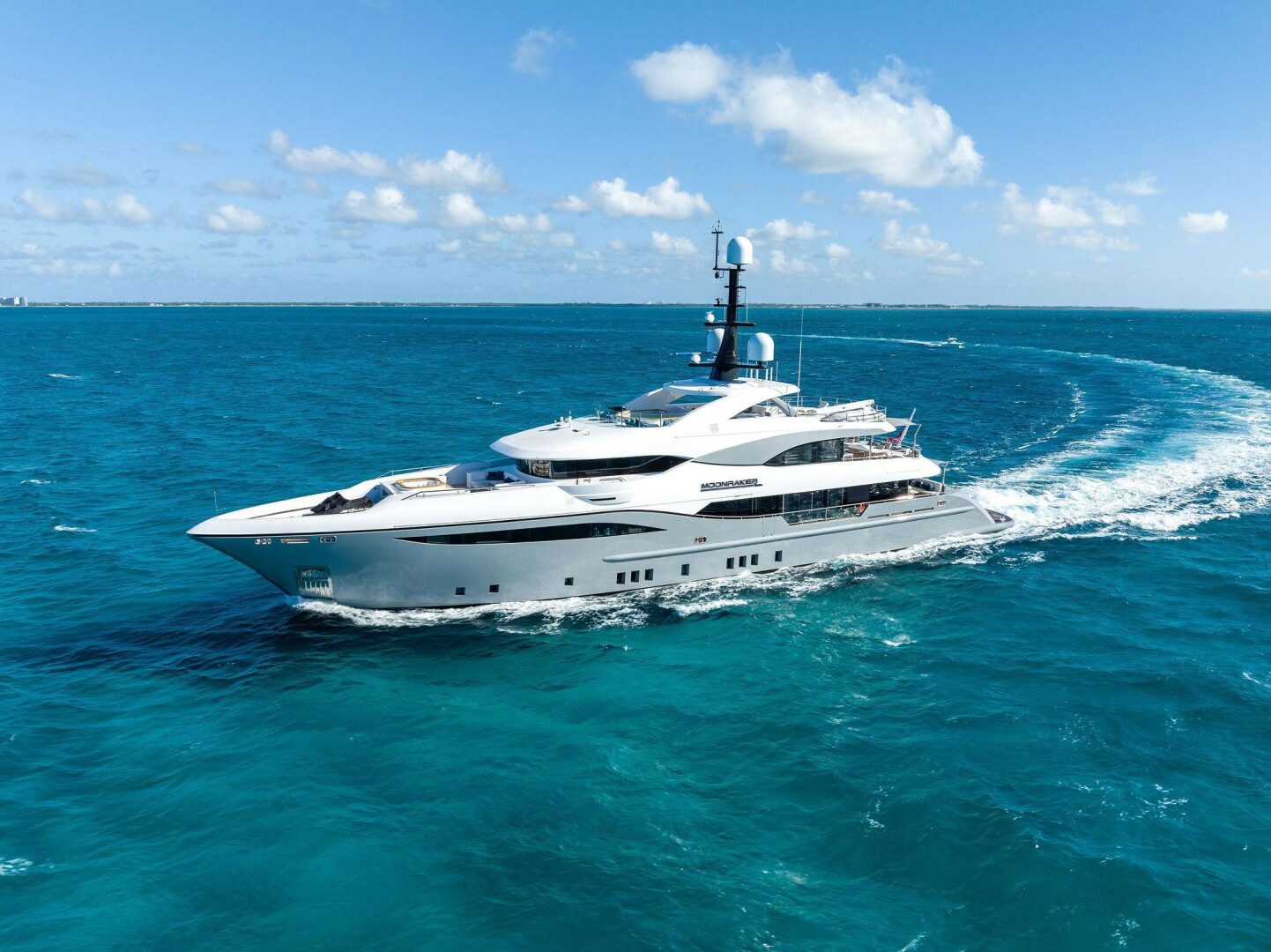
2019 Bilgin MOONRAKER
$21,404,500
156
West Palm Beach Florida

2028 Columbus Yachts
$22,900,008
137
Ancona
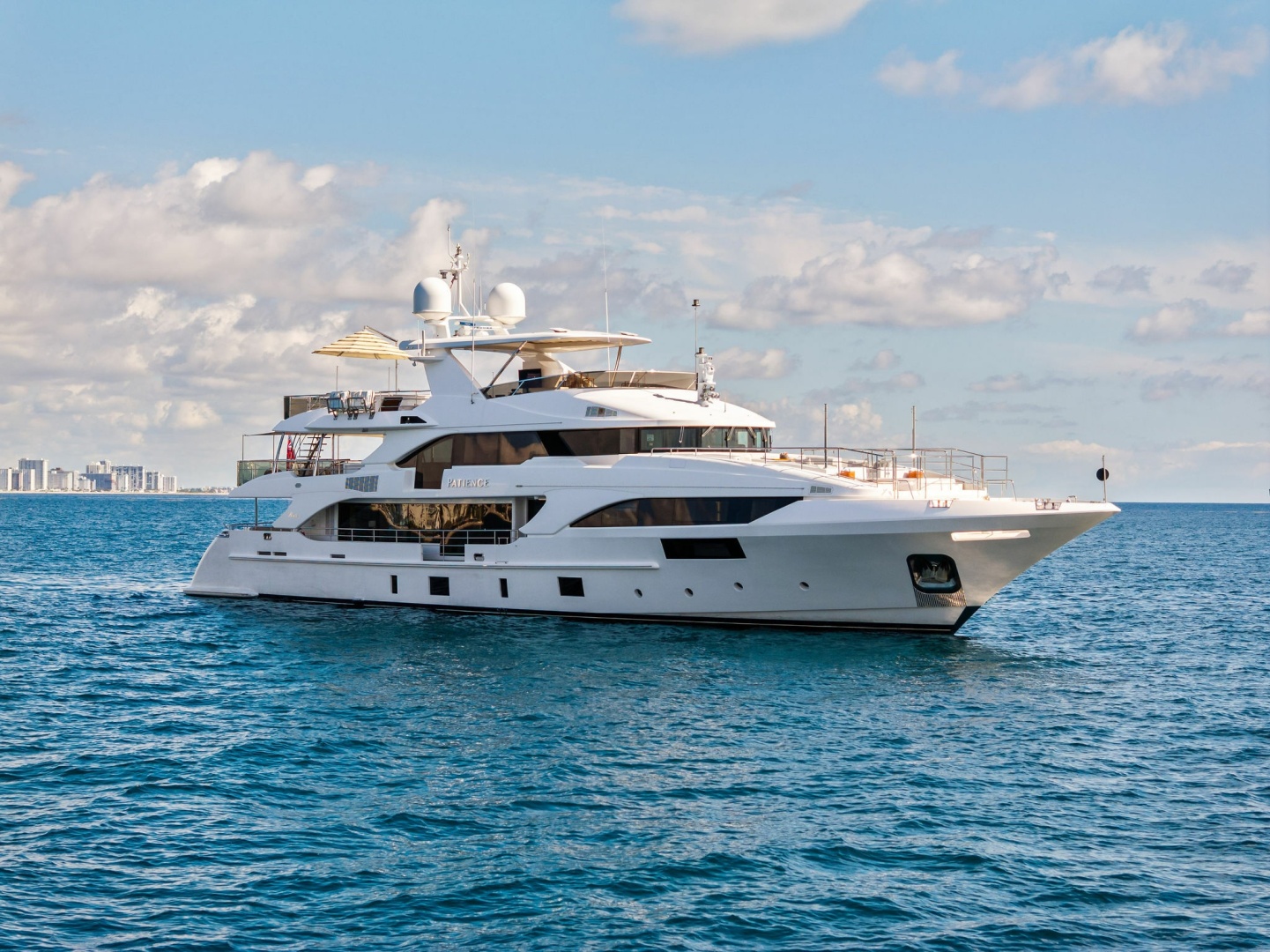
2012 Benetti PATIENCE
$10,975,000
132
Fort Lauderdale Florida
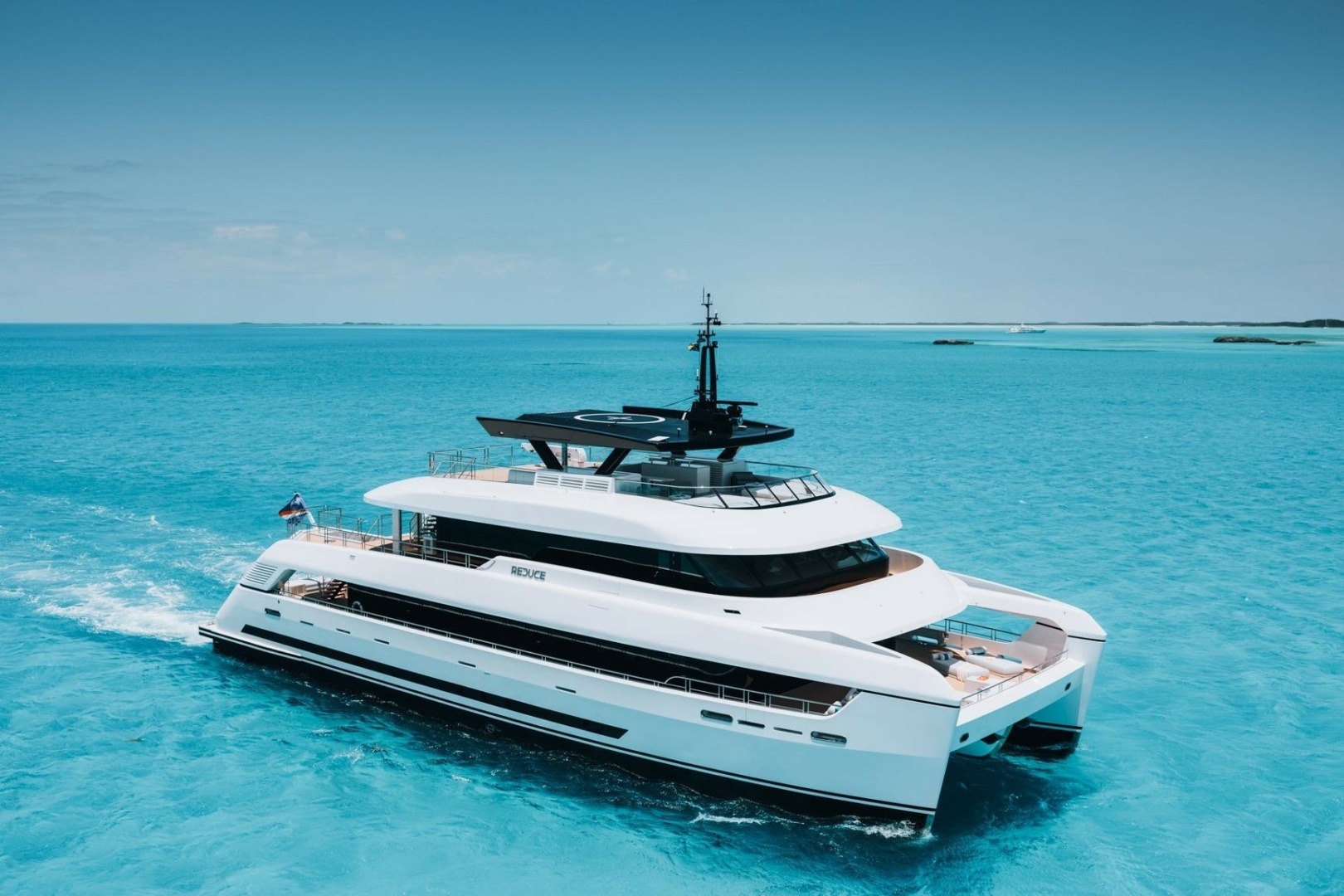
2024 Silver Yachts
$25,400,000
117
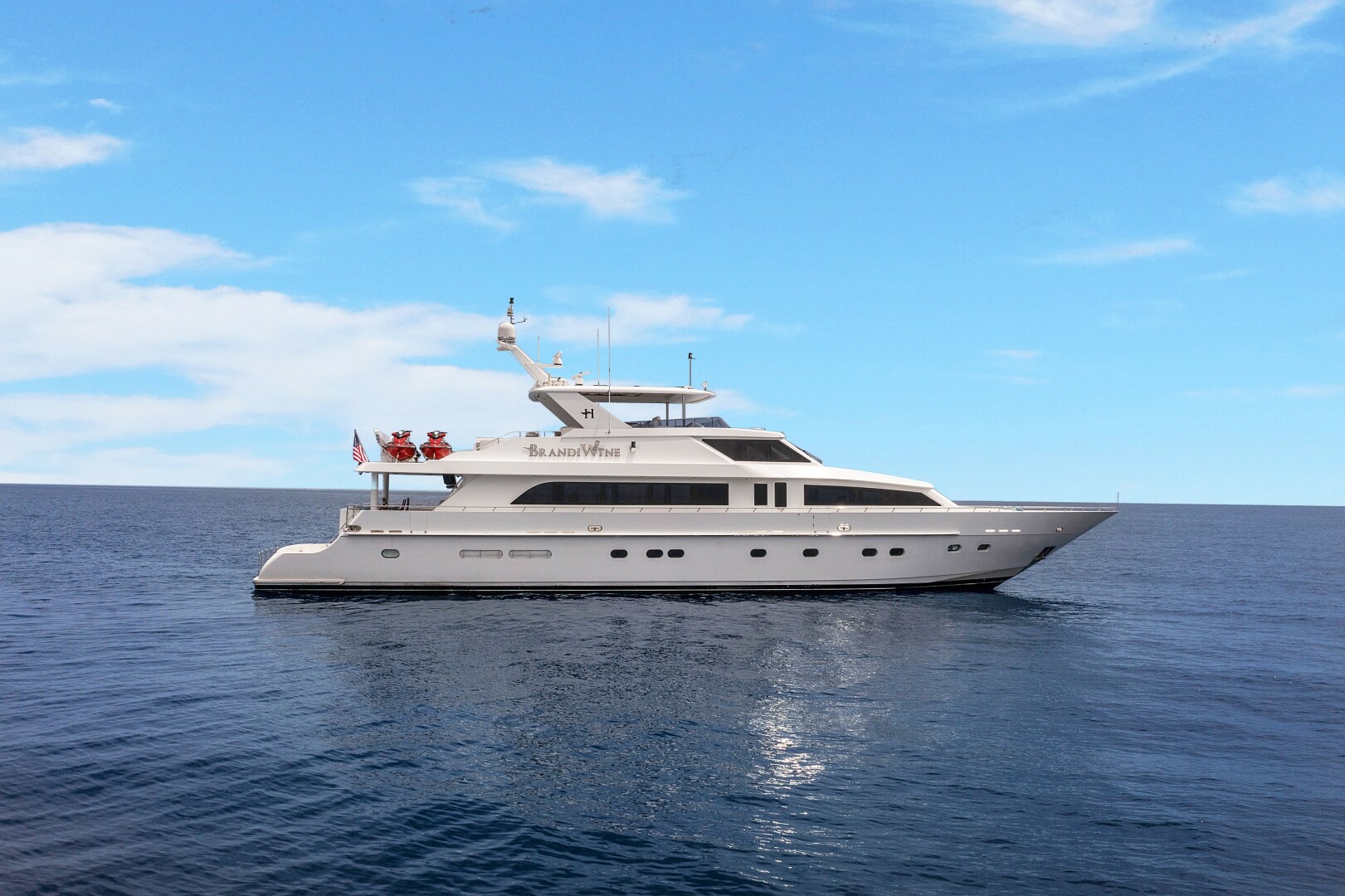
2009 Hargrave BRANDI WINE
$2,995,000
114
Fort Lauderdale Florida

2028 Extra Yachts
$21,404,500
100
Ancona

2028 Extra Yachts Extra 96
$9,495,000
96
Ancona
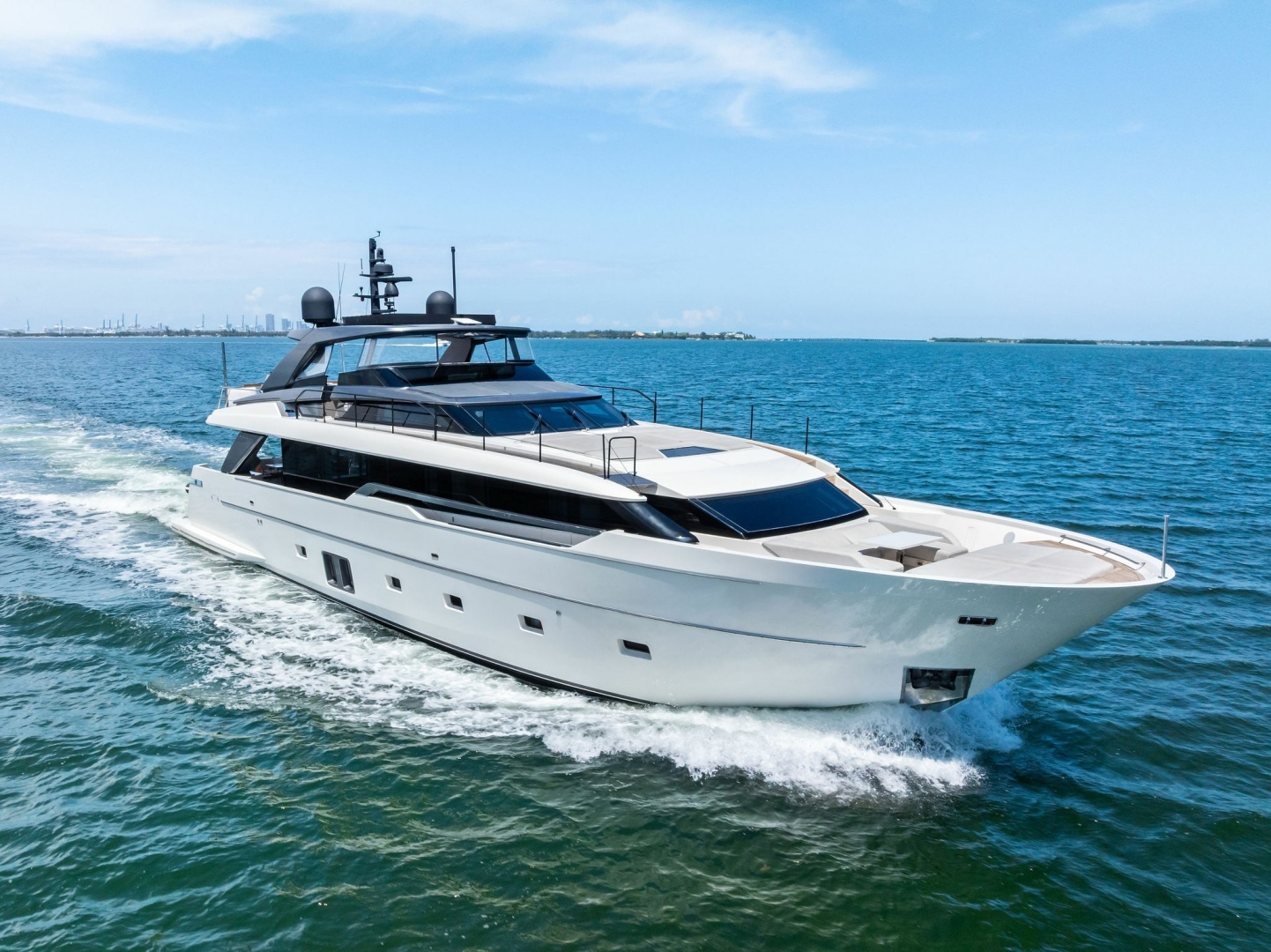
2021 Sanlorenzo GATSBY
$6,795,000
96
Miami Beach Florida

1999 Northern Marine OFF LINE
$2,495,000
84
Ft Lauderdale Florida
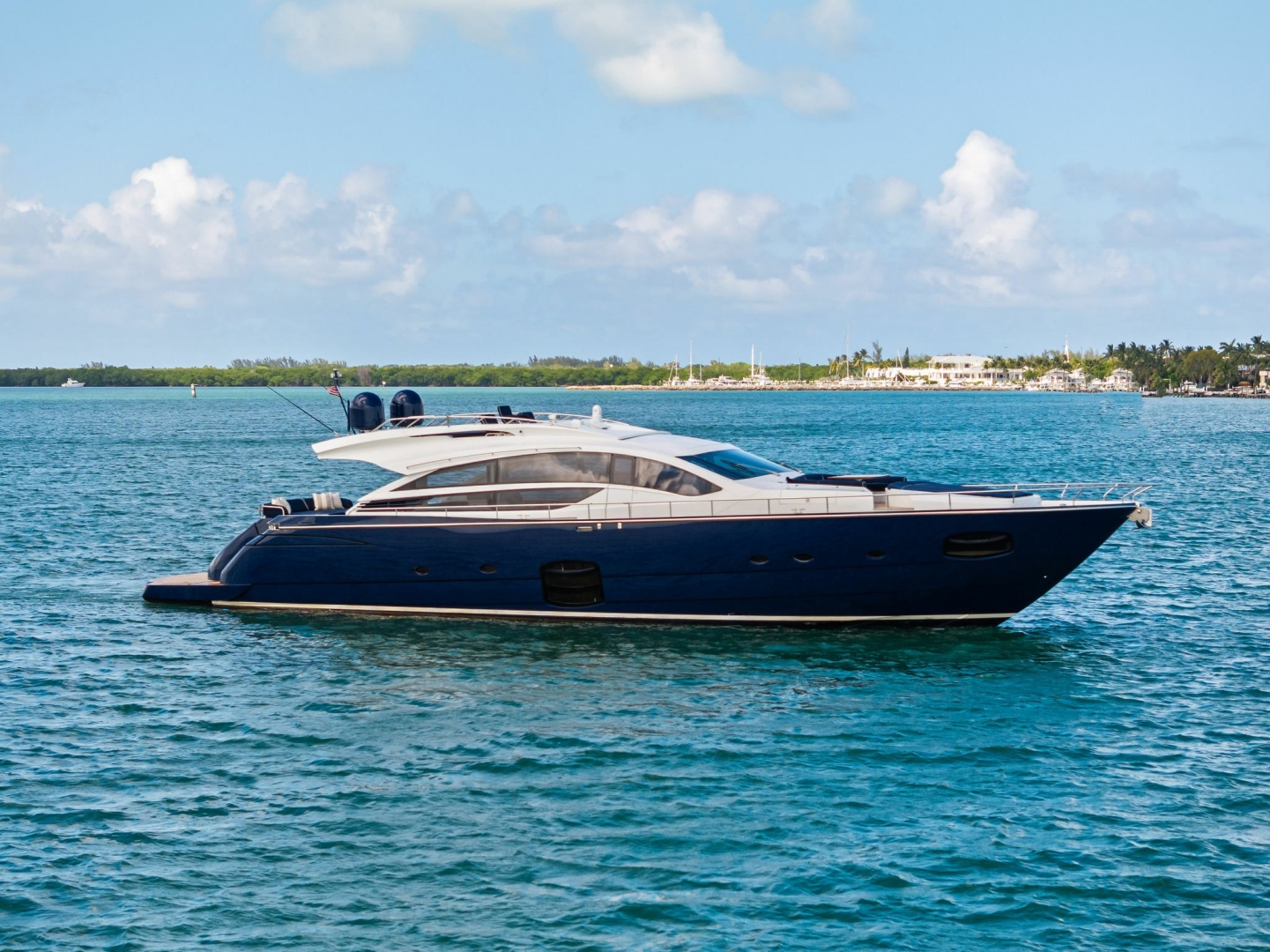
2013 Pershing DOROTHY ANN
$1,750,000
82
Miami Beach Florida

1997 Ferretti Yachts
$850,000
80
La Paz
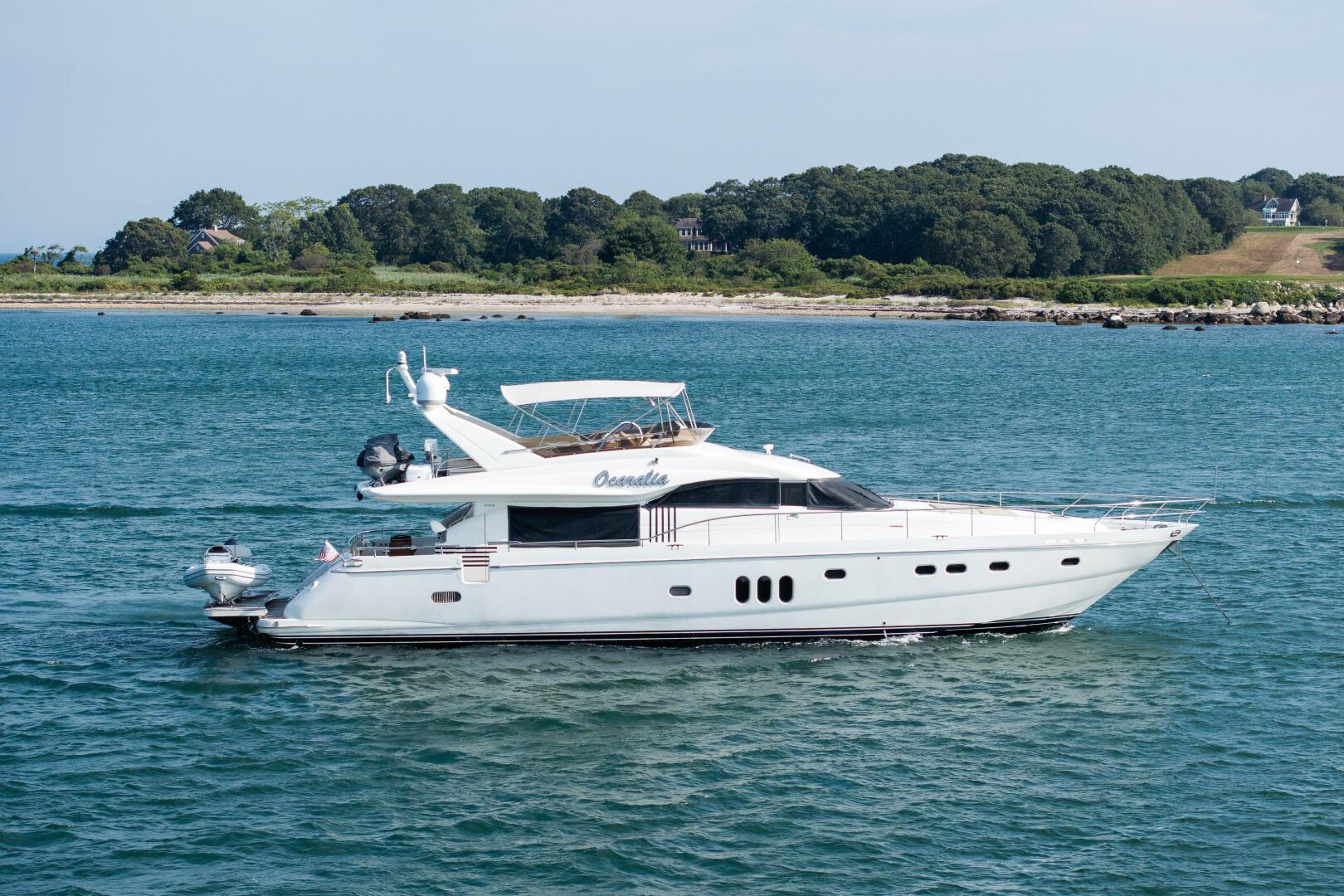
2008 Princess Yachts OCARALIA
$1,095,000
75
Charleston South Carolina
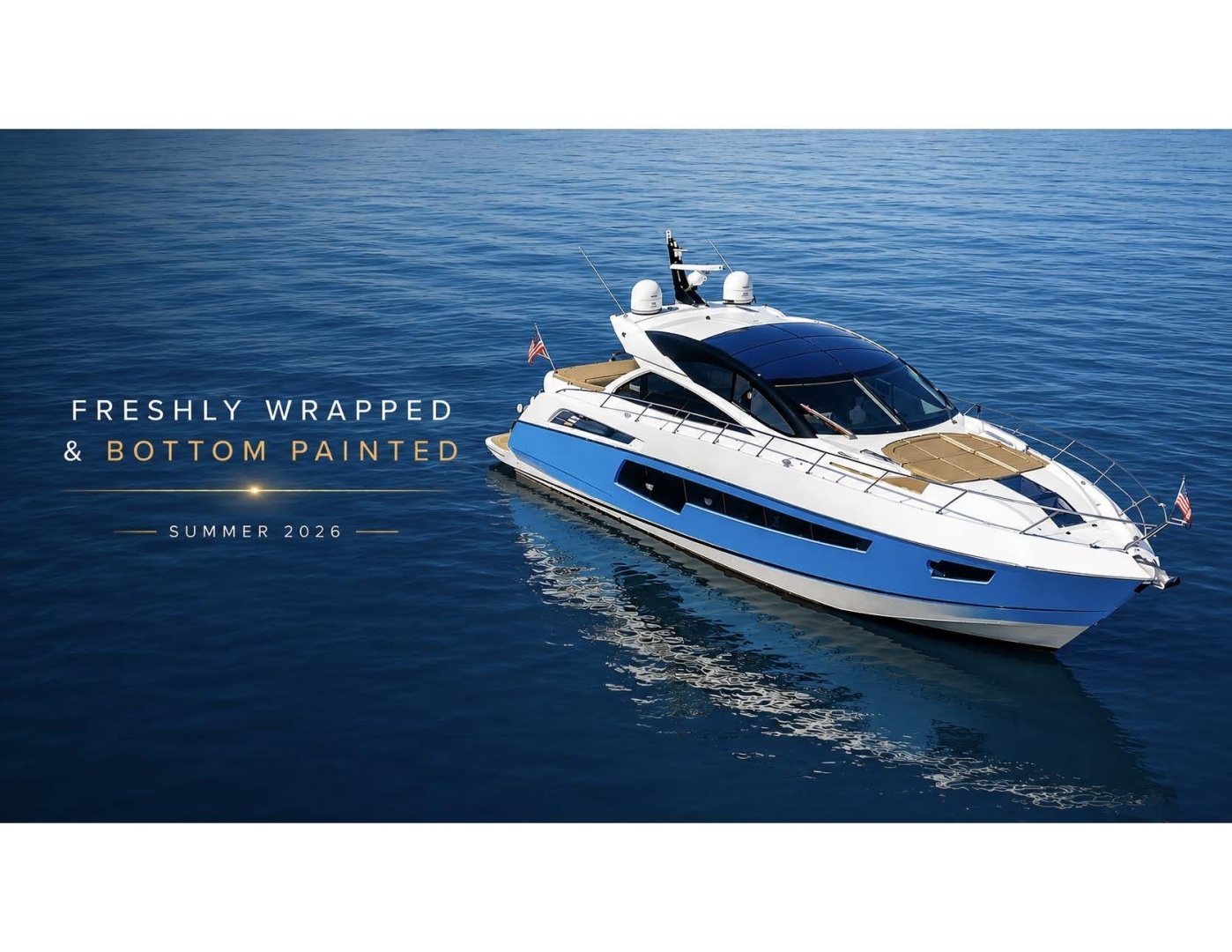
2014 Sunseeker
$1,400,000
68
New York New York

2024 Fairline
$2,750,000
68
Ft. Lauderdale Florida

2024 Sunreef Catallaxi
$3,700,000
60
Newport Rhode Island
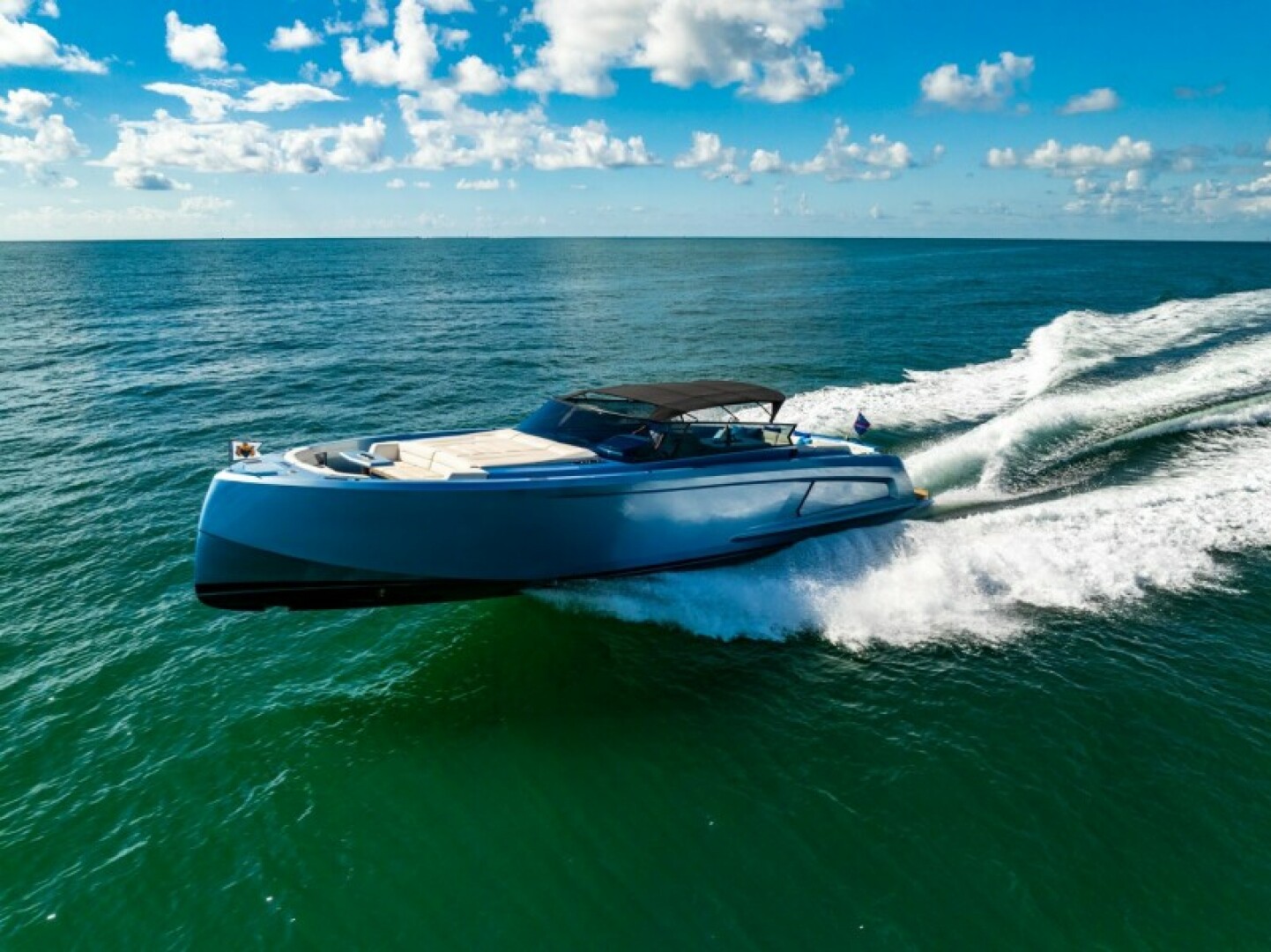
2019 Vanquish Yachts IMPULSIVE
$1,799,000
58
Miami Beach Florida
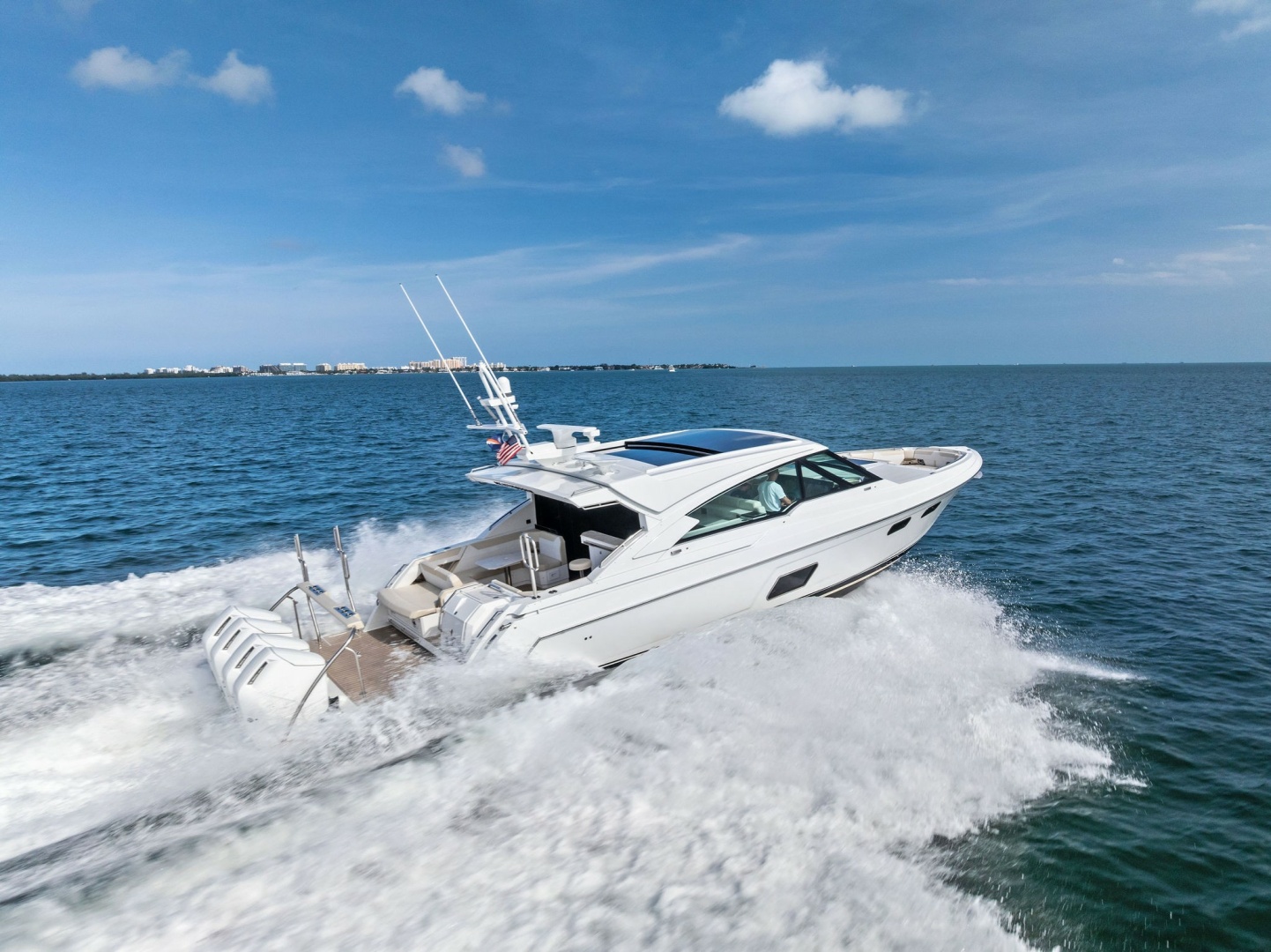
2025 Formula BREAKTHROUGH III
$1,895,000
53
Miami Beach Florida

2023 Fairline
$900,000
45
Fort Lauderdale Florida
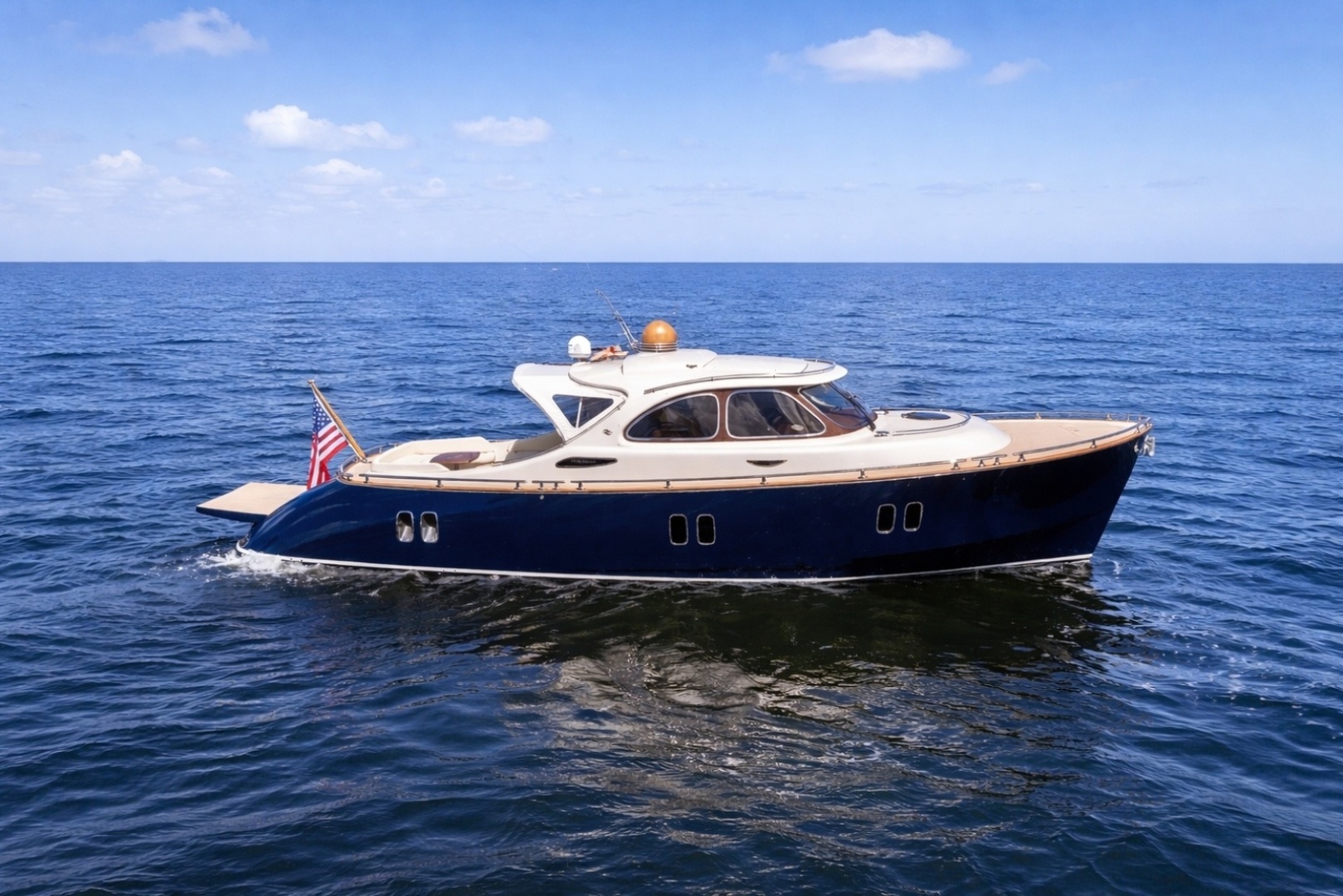
2012 Zeelander Mississippi Queen
$575,000
44
West Palm Beach Florida
2019 Bilgin 156'
$21,404,500
2028 Columbus Yachts 137'
$22,900,008
2012 Benetti 132'
$10,975,000
2024 Silver Yachts 117'
$25,400,000
2009 Hargrave 114'
$2,995,000
2028 Extra Yachts 100'
$21,404,500
2028 Extra Yachts 96'
$9,495,000
2021 Sanlorenzo 96'
$6,795,000
1999 Northern Marine 84'
$2,495,000
2013 Pershing 82'
$1,750,000
1997 Ferretti Yachts 80'
$850,000
2008 Princess Yachts 75'
$1,095,000
2014 Sunseeker 68'
$1,400,000
2024 Fairline 68'
$2,750,000
2024 Sunreef 60'
$3,700,000
2019 Vanquish Yachts 58'
$1,799,000
2025 Formula 53'
$1,895,000
2023 Fairline 45'
$900,000
2012 Zeelander 44'
$575,000