

Many yacht owners believe self-management saves money, but research shows they underestimate hidden costs by 70%, leading to expensive surprises. Professional yacht management transforms ownership from a complex burden into a seamless experience. This service integrates operational logistics, crew oversight, regulatory compliance, and financial control to protect your investment while enhancing safety and value.
Table of Contents
- Introduction To Yacht Management
- Core Responsibilities In Yacht Management
- Economic Impact And Cost-Benefit Analysis Of Yacht Management
- Common Misconceptions About Yacht Management
- Choosing And Evaluating Yacht Management Services
- Conclusion: Maximizing Benefits Of Yacht Management
- Explore Expert Yacht Buying And Management Resources
- Frequently Asked Questions
Key takeaways
| Point | Details |
|---|---|
| Operational efficiency | Yacht management optimizes operations, compliance, and finances through expert coordination. |
| Value preservation | Professional management boosts resale value by up to 25% through systematic maintenance. |
| Cost control | Avoid costly mistakes and hidden expenses that plague self-management approaches. |
| Strategic selection | Choosing the right management firm directly impacts ownership success and satisfaction. |
| Enhanced experience | Professional oversight ensures safety, compliance, and peace of mind throughout ownership. |
Introduction to yacht management
Yacht management represents a specialized service designed to handle the complex demands of luxury yacht ownership. This comprehensive approach addresses operational logistics, financial administration, crew coordination, and regulatory compliance simultaneously. Without professional oversight, owners face unexpected maintenance issues, regulatory penalties, and budget overruns that erode both value and enjoyment.
The scope of yacht management includes operational, financial, crew, and regulatory services that reduce risks throughout the ownership lifecycle. Professional managers coordinate everything from routine maintenance scheduling to international maritime law compliance. This integrated approach prevents the fragmentation that occurs when owners attempt to juggle multiple vendors and requirements independently.
Strategic yacht management preserves asset value while reducing owner workload significantly. The luxury yacht marketing workflow demonstrates how professional oversight maintains yacht condition at peak levels. Key management responsibilities include:
- Scheduling preventive maintenance to avoid emergency repairs
- Coordinating crew recruitment, training, and retention programs
- Managing vendor relationships for supplies, repairs, and services
- Tracking regulatory deadlines across multiple jurisdictions
- Maintaining detailed financial records and budget forecasts
- Ensuring insurance coverage remains current and adequate
Professional management transforms yacht ownership from a reactive scramble into a proactive strategy. This shift protects your investment while freeing you to enjoy the lifestyle benefits that motivated your purchase.
Core responsibilities in yacht management
Operational management forms the foundation of professional yacht services. Managers create detailed maintenance schedules based on manufacturer specifications, usage patterns, and environmental conditions. They coordinate repairs before small issues escalate into major failures. Safety inspections occur regularly, with documentation maintained for insurance and regulatory compliance.
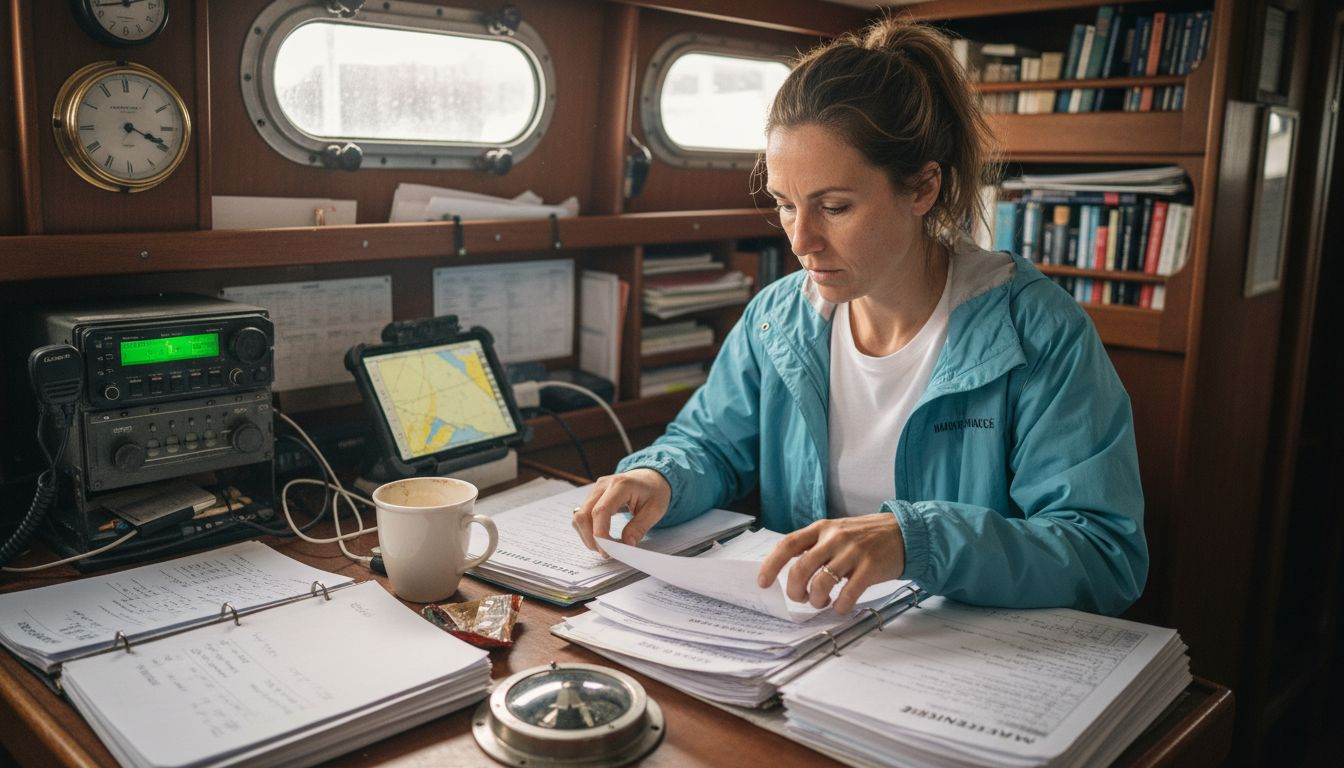
Crew management requires specialized expertise in maritime employment law and operational procedures. Professional managers handle recruitment, vetting, training, and performance monitoring. They ensure crew certifications remain current and address interpersonal issues before they impact operations. The yacht brokerage compliance steps guide outlines how proper crew oversight protects owners from liability.
Regulatory compliance spans multiple jurisdictions and constantly evolving requirements. Operational logistics, crew recruitment, regulatory compliance, and financial planning intersect in ways that demand professional expertise. Managers track registration renewals, safety equipment inspections, environmental regulations, and customs documentation. They maintain relationships with flag state authorities and classification societies to streamline approvals.
Financial management provides transparency and cost control throughout ownership. Managers create annual budgets based on historical data and projected usage. They track expenses against budget in real time, flagging overruns before they spiral. Monthly financial reports show exactly where money goes, enabling informed decisions about discretionary spending.
Core financial responsibilities include:
- Creating detailed annual operating budgets with contingency reserves
- Processing invoices and managing vendor payment schedules
- Negotiating rates with service providers and suppliers
- Tracking fuel consumption and optimizing efficiency
- Managing insurance claims and coordinating with underwriters
- Preparing tax documentation for ownership entities
Pro Tip: Schedule monthly calls with your manager to review financial reports and upcoming maintenance. This regular communication prevents surprises and ensures alignment between management actions and your priorities.
Economic impact and cost-benefit analysis of yacht management
Professional yacht management delivers quantifiable financial benefits that typically exceed service costs. Yacht management can save up to 15% in operational costs through optimized maintenance scheduling, bulk purchasing, and vendor negotiations. These savings accumulate year after year, creating substantial value over typical ownership periods.
Resale value preservation represents the most significant economic benefit. Yachts under professional management maintain comprehensive service records, current certifications, and pristine condition. Buyers pay premium prices for well-documented maintenance histories. Luxury yacht investment explained details how systematic care translates directly into higher resale values.
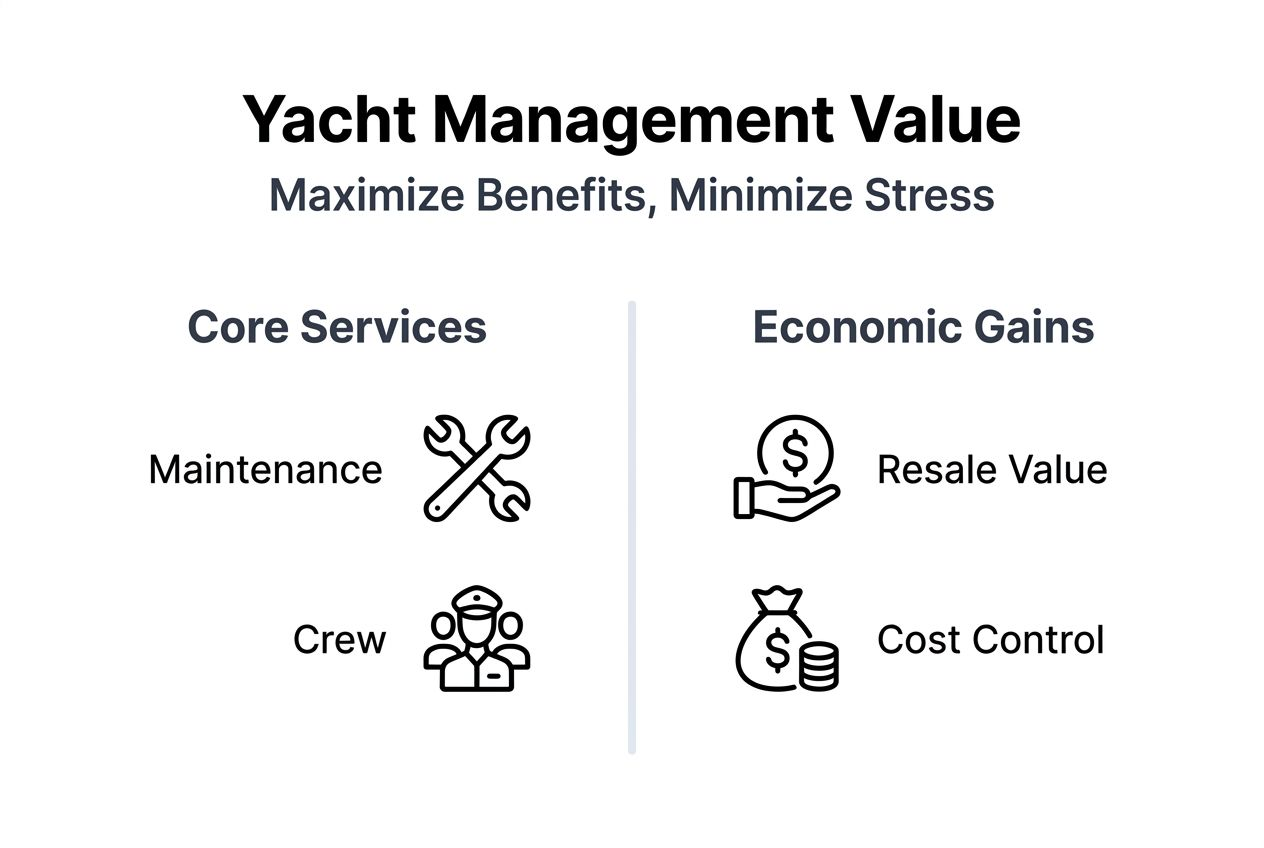
| Benefit Category | Self-Managed | Professionally Managed | Value Difference |
|---|---|---|---|
| Annual Operating Cost | $500,000 | $425,000 | 15% savings |
| Emergency Repairs | $75,000 | $15,000 | 80% reduction |
| Resale Value (5 years) | $3,750,000 | $5,000,000 | 25% premium |
| Owner Time Investment | 300 hours | 20 hours | 93% reduction |
Risk reduction provides another crucial economic advantage. Proactive maintenance prevents catastrophic failures that trigger insurance claims or void coverage. Professional managers identify potential issues during routine inspections, addressing them before they escalate. This approach avoids the six-figure repair bills that plague self-managed yachts.
The cost-benefit analysis becomes even more favorable for owners who use their yachts extensively. Higher usage demands more frequent maintenance, tighter crew coordination, and greater regulatory attention. Professional management scales efficiently with increased operational complexity, while self-management becomes exponentially more difficult.
Pro Tip: Calculate your effective hourly rate for self-management by dividing annual costs by time invested. Most owners discover they pay themselves far below market rate while accepting inferior results compared to professional management.
Common misconceptions about yacht management
Many owners believe self-management saves money by eliminating service fees. This overlooks the hidden costs that accumulate through missed maintenance, poor vendor negotiations, and regulatory mistakes. Owners who self-manage often underestimate hidden costs by 70%, leading to budget crises and deferred maintenance that compounds over time.
Another misconception limits yacht management to charter operations exclusively. Private owners actually benefit more from professional oversight because they lack the operational infrastructure charter companies build. Management firms provide expertise, vendor relationships, and systems that would cost private owners far more to develop independently.
The belief that in-house staff can replace professional management ignores specialized expertise requirements. Maritime regulations, international compliance, and vendor management demand knowledge that extends far beyond operational crew capabilities. How to choose a yacht broker explains why specialized professionals deliver superior results compared to generalist approaches.
Common myths include:
- Management fees exceed the value delivered through cost savings
- Yacht management removes owner control over decisions and preferences
- Only large yachts justify professional management expenses
- Hiring a captain provides equivalent oversight to full management
- Management companies prioritize their interests over owner needs
- Self-management allows greater flexibility and responsiveness
The reality contradicts each misconception. Management fees typically represent 3 to 5 percent of annual operating costs, far less than the savings generated. Owners retain full decision authority while delegating execution. Yachts as small as 80 feet benefit from professional management when usage patterns justify it.
Captains excel at operational execution but lack the business, financial, and regulatory expertise that management demands. Their focus remains on safe navigation and crew coordination, not vendor negotiations or compliance tracking. Attempting to expand captain responsibilities beyond their core competency creates gaps in both areas.
Choosing and evaluating yacht management services
Deciding when to engage professional yacht management depends on three key factors. First, consider usage patterns and whether you spend significant time aboard. Frequent use demands tighter operational coordination that benefits from professional oversight. Second, evaluate your expertise in maritime operations, regulations, and vendor management. Finally, assess your desire for direct involvement versus delegated execution.
Selecting the right management firm requires systematic evaluation across multiple dimensions. Selecting management firms based on compliance, service scope, and trustworthiness ensures alignment between your needs and their capabilities. Begin by verifying their track record with similar yachts in comparable operating areas.
Follow these steps to identify qualified management firms:
- Research firms managing yachts similar in size, type, and usage to yours
- Request references from current clients and verify their satisfaction levels
- Review their service agreements to understand scope, exclusions, and fees
- Evaluate their crew recruitment process and retention rates
- Assess their financial reporting systems and transparency practices
- Confirm their insurance coverage and professional liability limits
- Discuss their approach to vendor selection and relationship management
The choice between in-house and third-party management depends on yacht size, usage intensity, and owner involvement preferences. How to choose a luxury yacht provides context for this decision within the broader ownership framework.
| Factor | In-House Management | Third-Party Management |
|---|---|---|
| Cost Structure | Fixed salaries plus overhead | Variable fees based on services |
| Expertise Breadth | Limited to hired staff | Access to firm-wide specialists |
| Vendor Leverage | Individual yacht buying power | Pooled purchasing across fleet |
| Operational Continuity | Vulnerable to staff turnover | Institutional knowledge preserved |
| Owner Control | Direct authority over staff | Contractual relationship with firm |
| Scalability | Requires additional hires | Flexible resource allocation |
Contract terms deserve careful attention during firm selection. Specify service scope explicitly, including routine maintenance, emergency response, financial reporting, and crew management. Define communication protocols, decision authorities, and escalation procedures. Include termination clauses that protect both parties while allowing reasonable exit if the relationship fails.
Establish clear performance metrics to evaluate management effectiveness. Track budget variance, maintenance completion rates, crew retention, and owner satisfaction. Schedule quarterly reviews to address concerns before they escalate. The best management relationships combine professional expertise with transparent communication and aligned incentives.
Conclusion: maximizing benefits of yacht management
Yacht management integrates operational excellence, regulatory compliance, and financial discipline into a comprehensive ownership support system. This professional approach transforms complex responsibilities into streamlined processes that protect your investment. The economic benefits extend beyond immediate cost savings to long-term value preservation and enhanced resale potential.
Professional management provides operational continuity regardless of crew changes, seasonal variations, or ownership transitions. Systematic maintenance prevents the deferred care that erodes yacht condition and value. Regulatory compliance expertise shields owners from penalties while ensuring safe operations across jurisdictions.
Selecting the right service provider determines your ownership experience quality. Evaluate firms based on relevant expertise, transparent communication, and proven track records. The investment in professional management pays dividends through reduced stress, lower costs, and higher asset values throughout your ownership journey.
Explore expert yacht buying and management resources
Understanding yacht management represents just one aspect of successful luxury yacht ownership. Our comprehensive guides help you navigate every phase of the ownership journey, from initial purchase decisions through ongoing operations. Why buy luxury yacht explores the strategic and lifestyle benefits that motivate ownership, while how to choose a luxury yacht provides practical selection frameworks.
The financial dimensions of yacht ownership extend beyond management costs. Luxury yacht investment explained examines how professional oversight protects and enhances your investment over time. These resources complement your management knowledge by addressing the broader ownership context that determines long-term success and satisfaction.
Frequently asked questions
What does yacht management include?
Yacht management encompasses operational logistics, crew oversight, regulatory compliance, and financial administration. Professional managers coordinate maintenance scheduling, vendor relationships, insurance coverage, and certification renewals. This integrated approach reduces complexity while protecting your investment through expert oversight across all ownership dimensions.
How can yacht management increase my yacht’s resale value?
Professional management ensures systematic maintenance, complete service documentation, and current certifications that buyers demand. This meticulous care preserves yacht condition at levels that command premium prices. Industry data shows professionally managed yachts achieve up to 25% higher resale values compared to self-managed alternatives. Learn more about luxury yacht investment explained to understand value drivers.
What should I consider when choosing a yacht management company?
Evaluate firms based on comprehensive service offerings, proven compliance records, and client references from similar yachts. Balance cost considerations against quality and transparent communication practices. Verify their expertise matches your yacht type, operating areas, and usage patterns. The guidance in how to choose a luxury yacht applies equally to selecting management partners.
Can I manage my yacht without professionals?
Self-management appears cost-effective initially but typically underestimates hidden expenses by 70%. Without specialized expertise, owners face compliance violations, vendor overcharges, and deferred maintenance that escalates into major repairs. Professional management delivers superior results at lower total cost through optimized operations and proactive issue prevention.
Recommended
Featured Listings
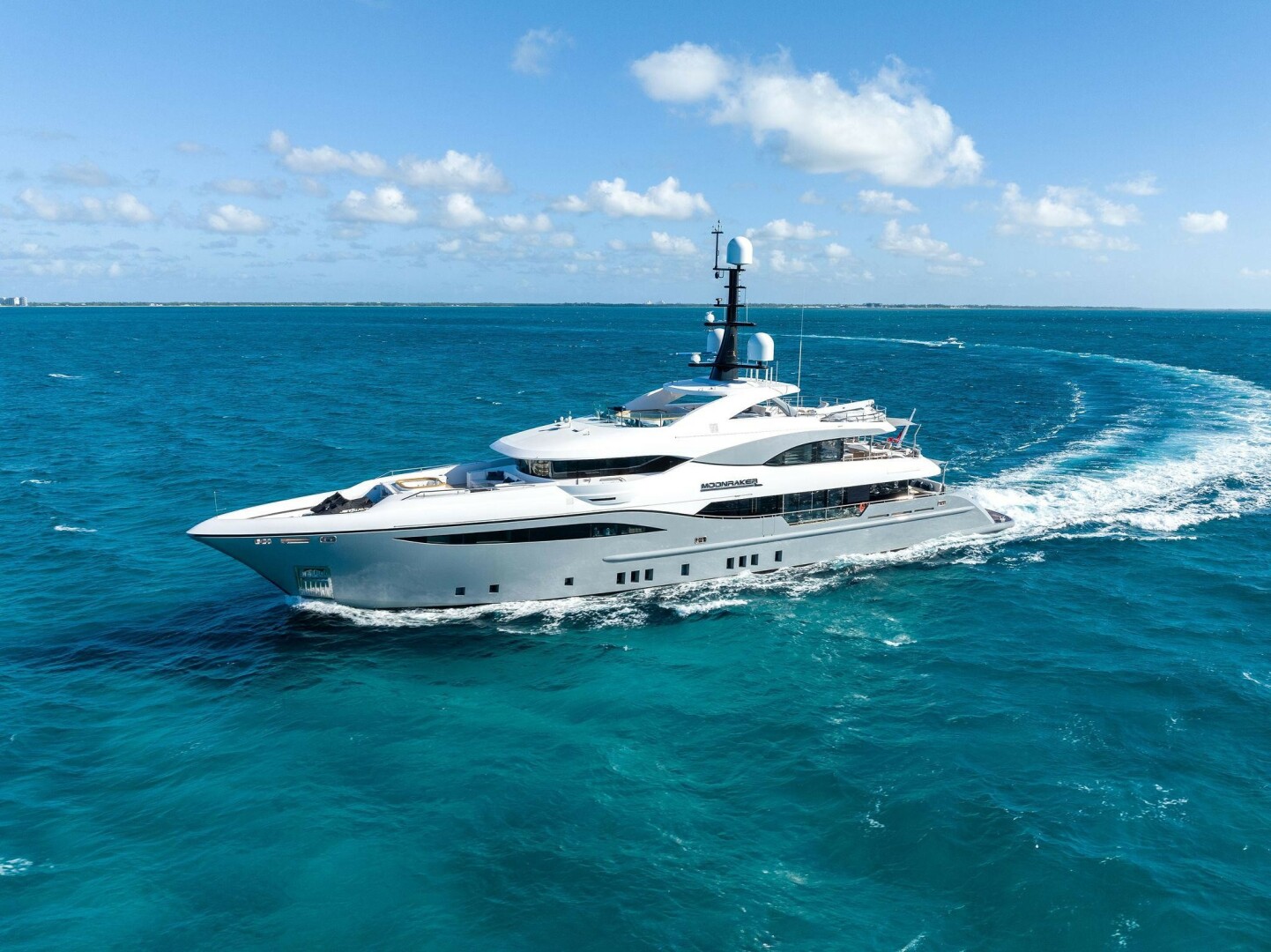
2019 Bilgin MOONRAKER
$20,646,000
156
West Palm Beach Florida

2028 Columbus Yachts
$22,900,008
137
Ancona
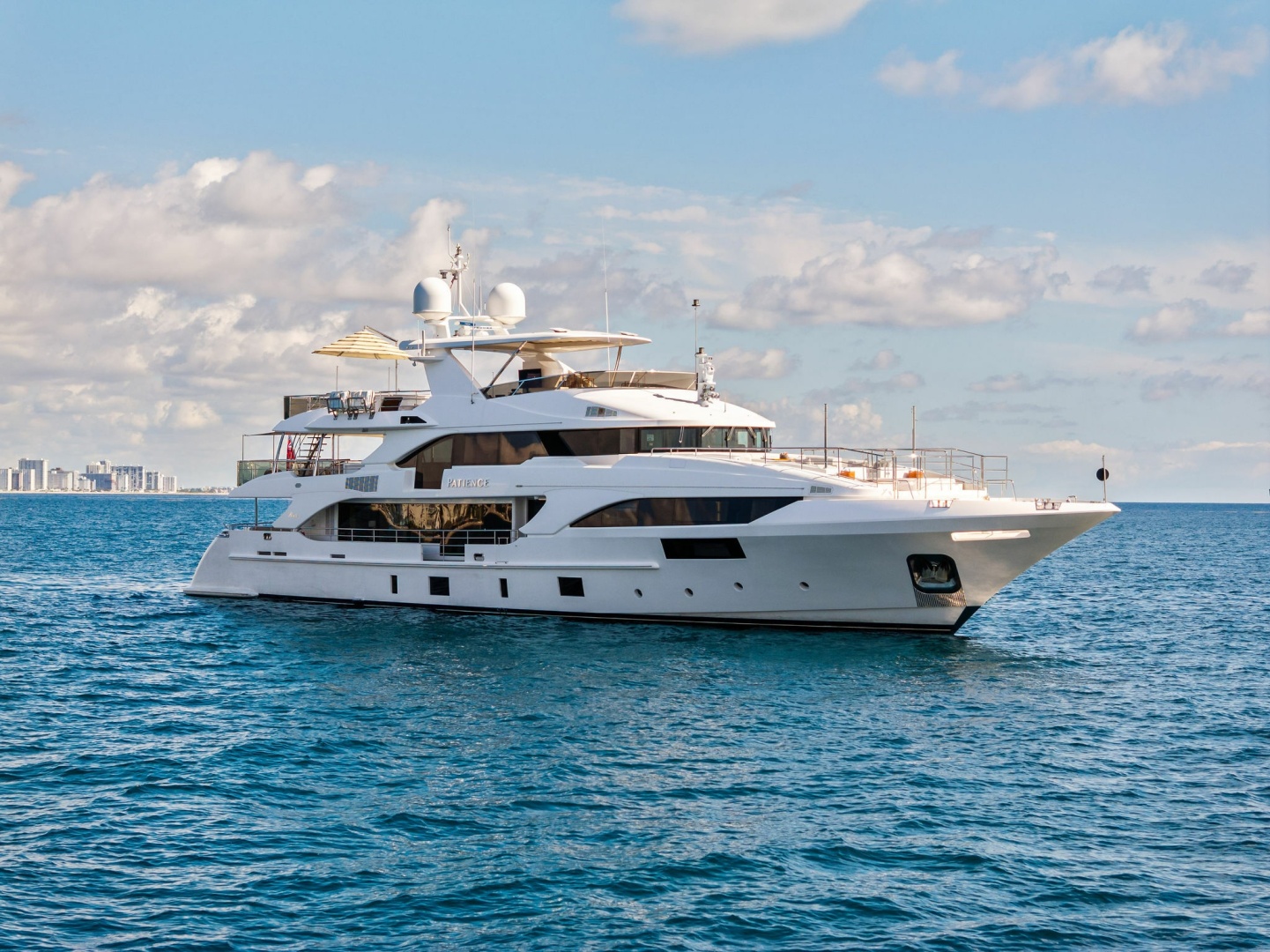
2012 Benetti PATIENCE
$10,975,000
132
Fort Lauderdale Florida

2028 Kingship Kingship
$20,000,000
125
2024 Silver Yachts
$25,400,000
117
2009 Hargrave BRANDI WINE
$2,500,000
114
Fort Lauderdale Florida

2028 Extra Yachts
$20,646,000
100
Ancona
2028 Alpha
100
Ft Lauderdale Florida

2028 Extra Yachts Extra 96
$9,495,000
96
Ancona
2021 Sanlorenzo GATSBY
$6,795,000
96
Miami Beach Florida

2028 Kingship
90

1999 Northern Marine OFF LINE
$2,495,000
84
Ft Lauderdale Florida
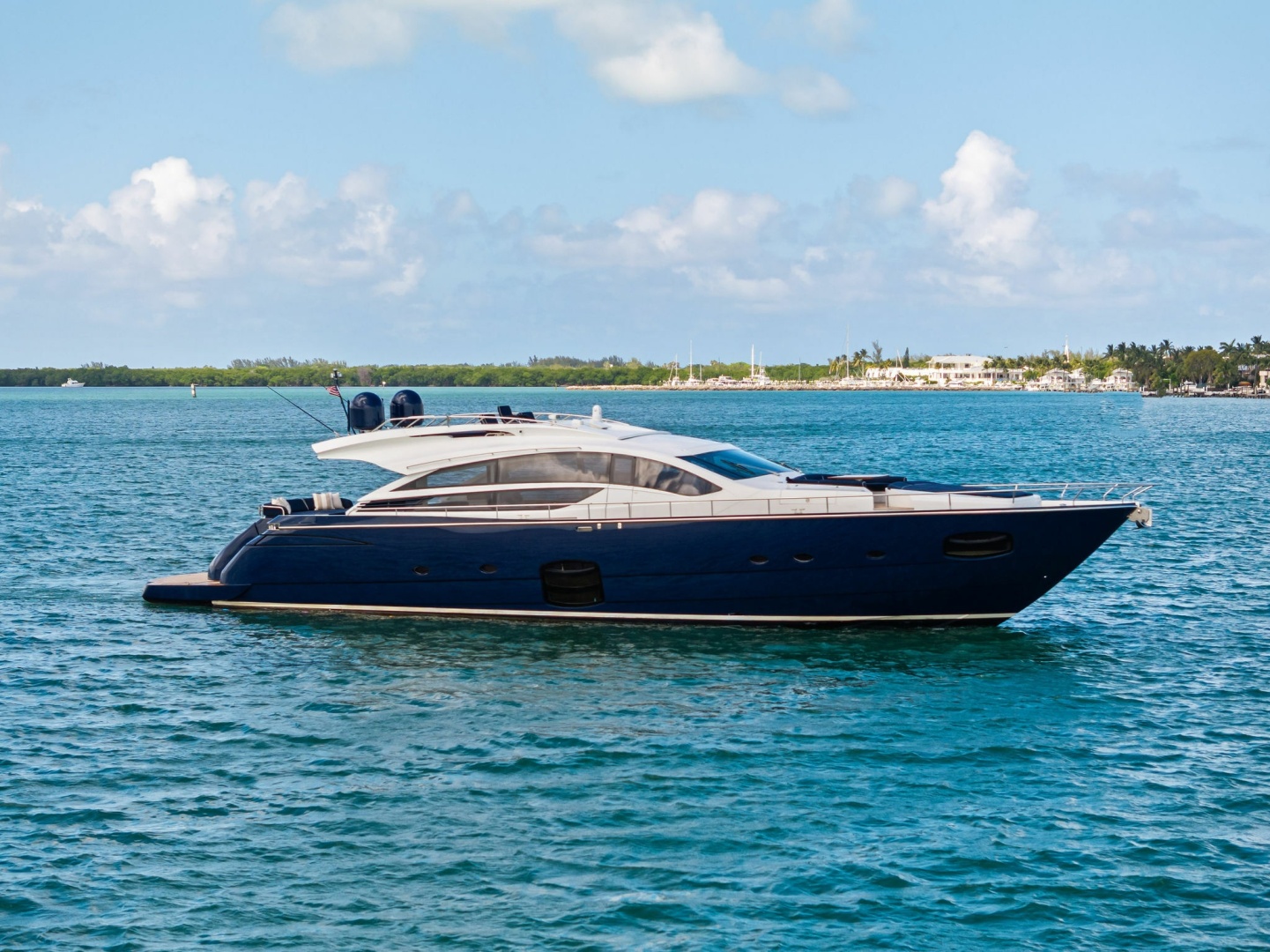
2013 Pershing DOROTHY ANN
$1,550,000
82
Miami Beach Florida

1997 Ferretti Yachts
$825,000
80
La Paz
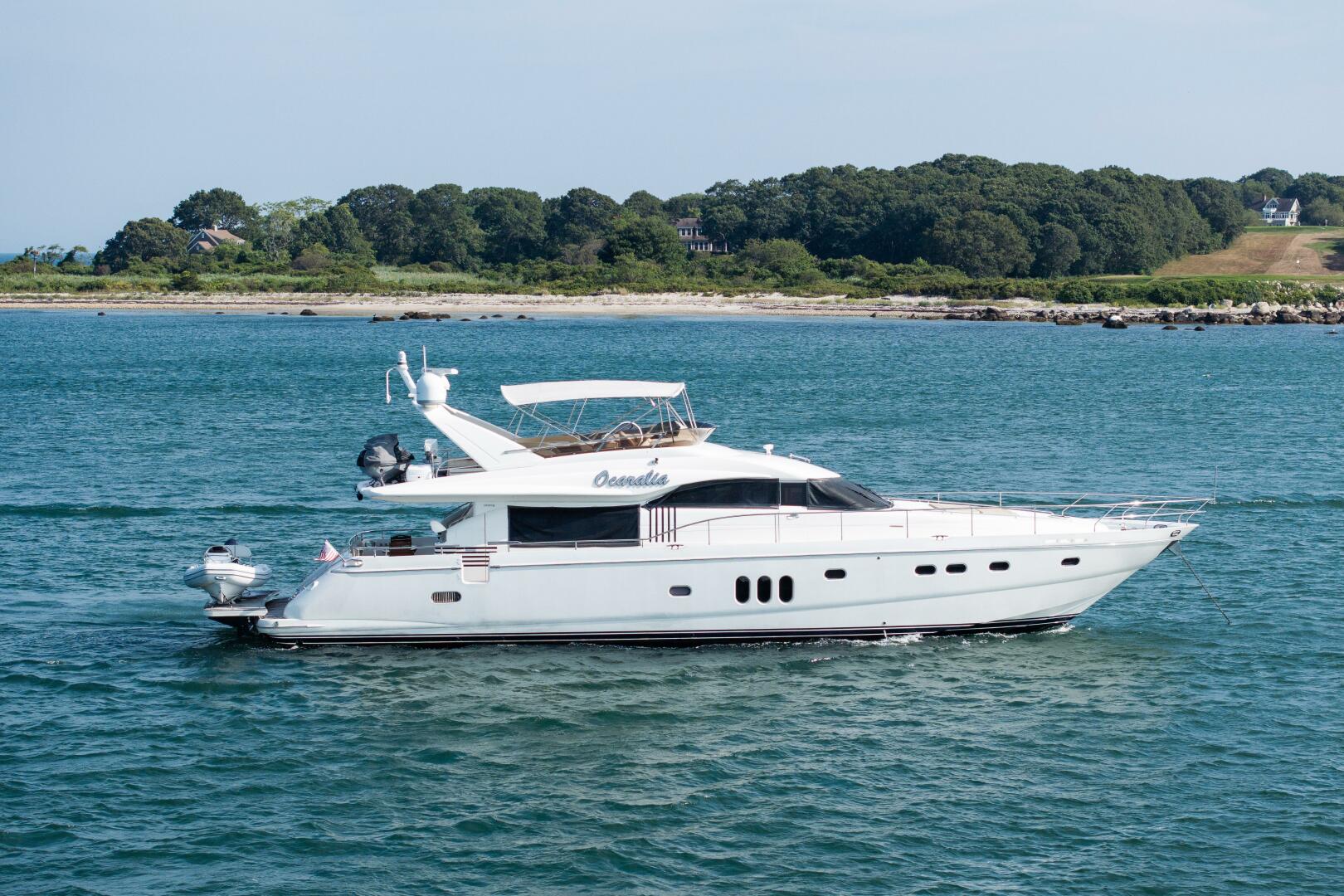
2008 Princess Yachts OCARALIA
$1,095,000
75
Charleston South Carolina
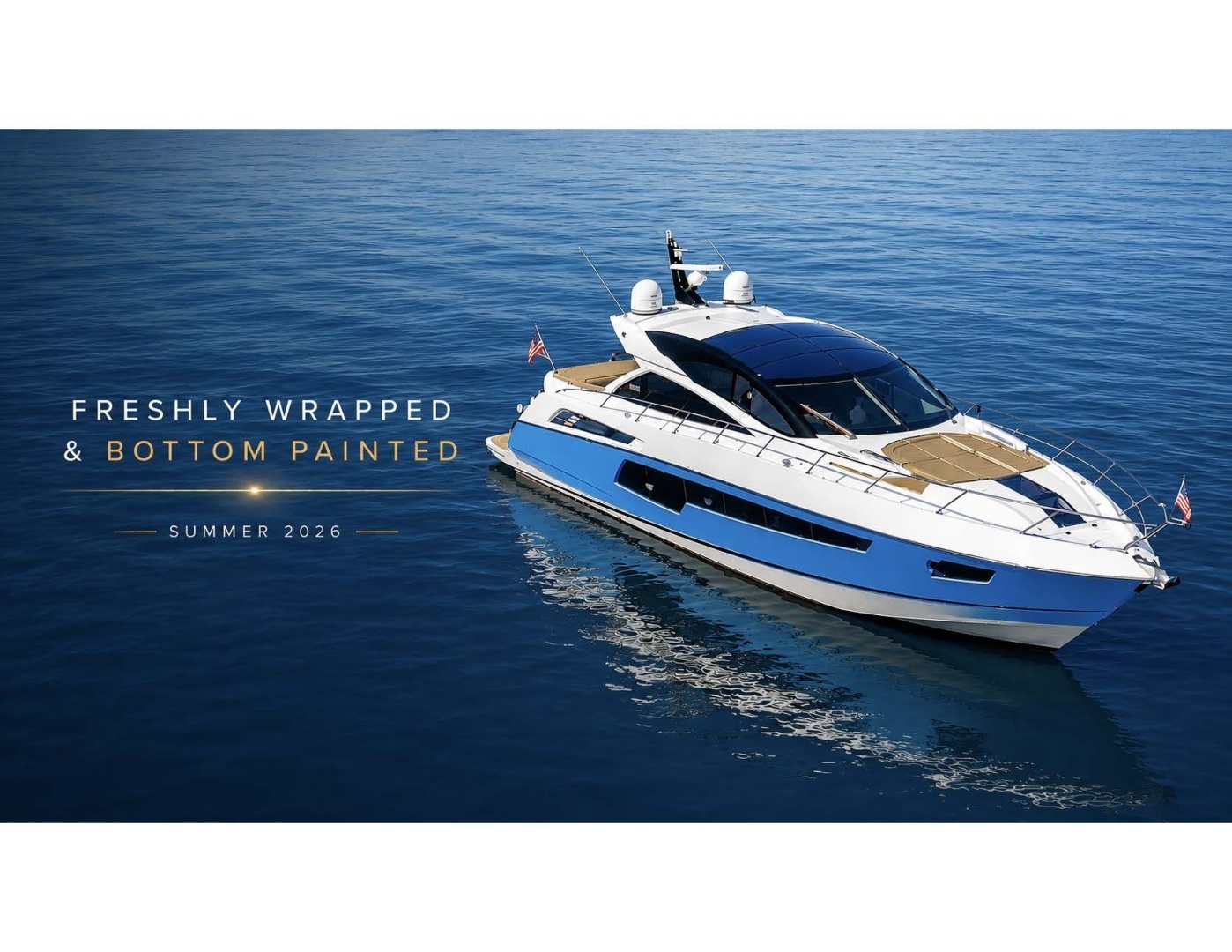
2014 Sunseeker
$1,400,000
68
New York New York

2024 Fairline
$2,750,000
68
Ft. Lauderdale Florida

2024 Sunreef Catallaxi
$3,700,000
60
Newport Rhode Island
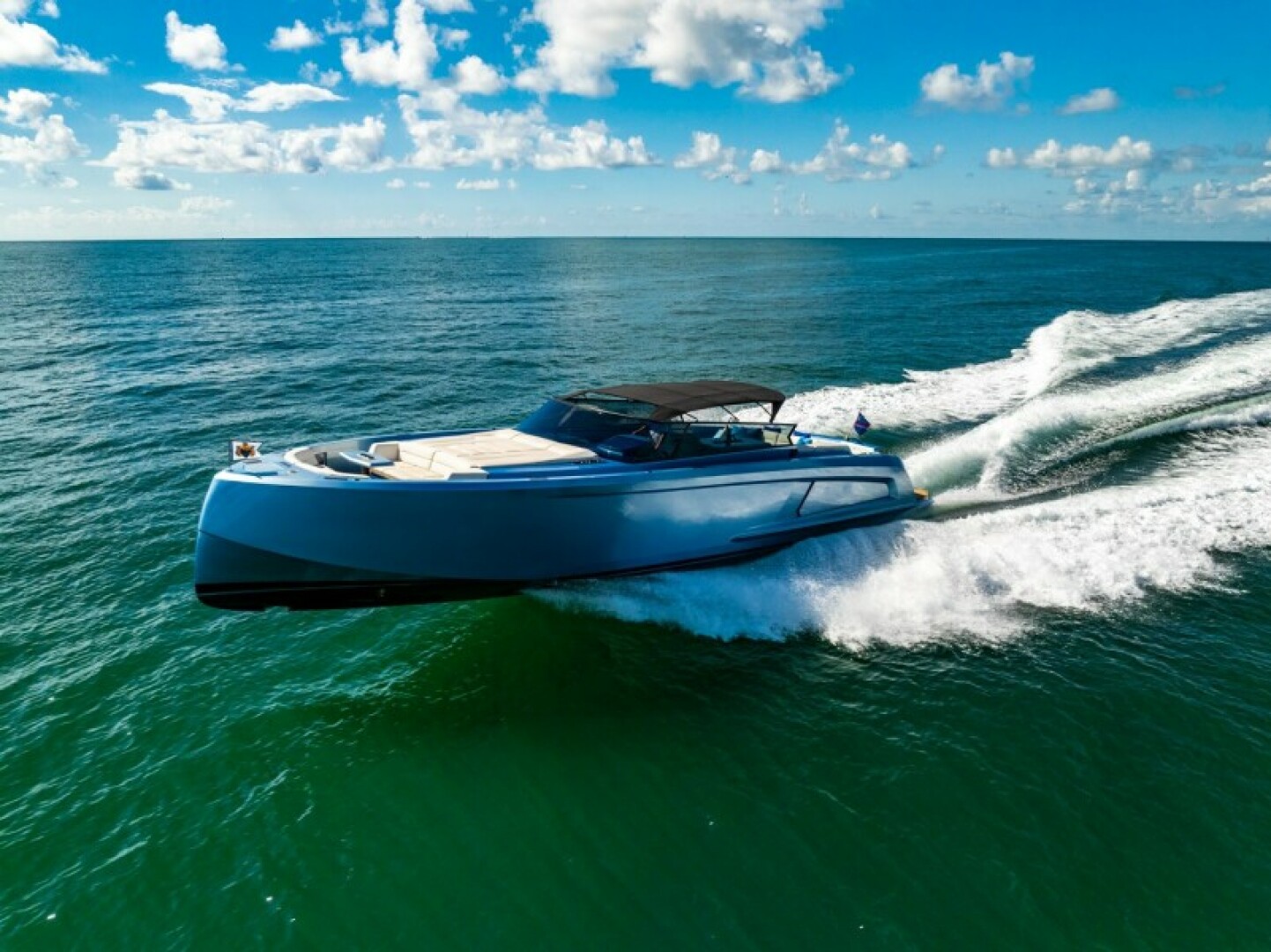
2019 Vanquish Yachts IMPULSIVE
$1,799,000
58
Miami Beach Florida
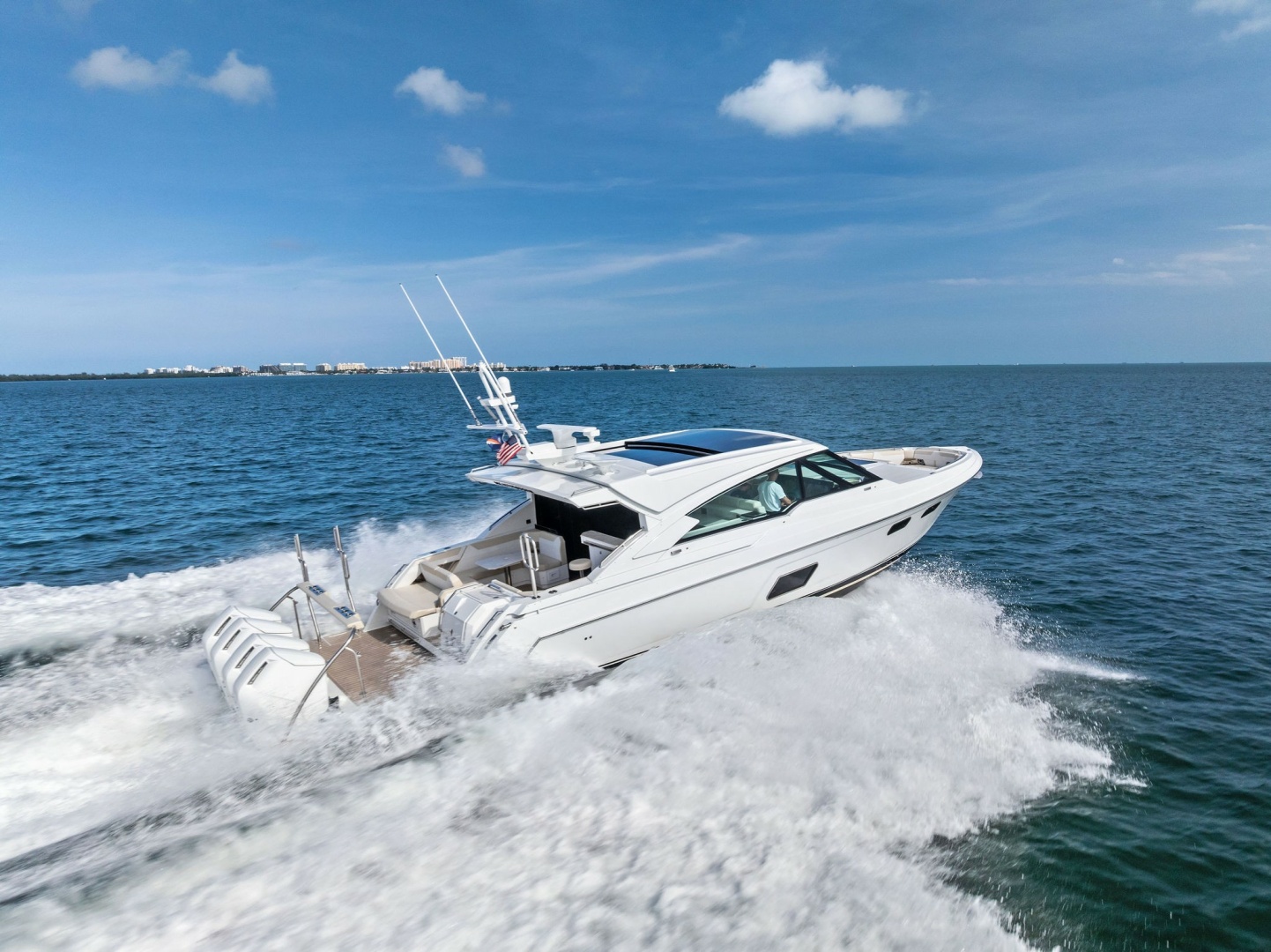
2025 Formula BREAKTHROUGH III
$1,895,000
53
Miami Beach Florida

2023 Fairline
$900,000
45
Fort Lauderdale Florida
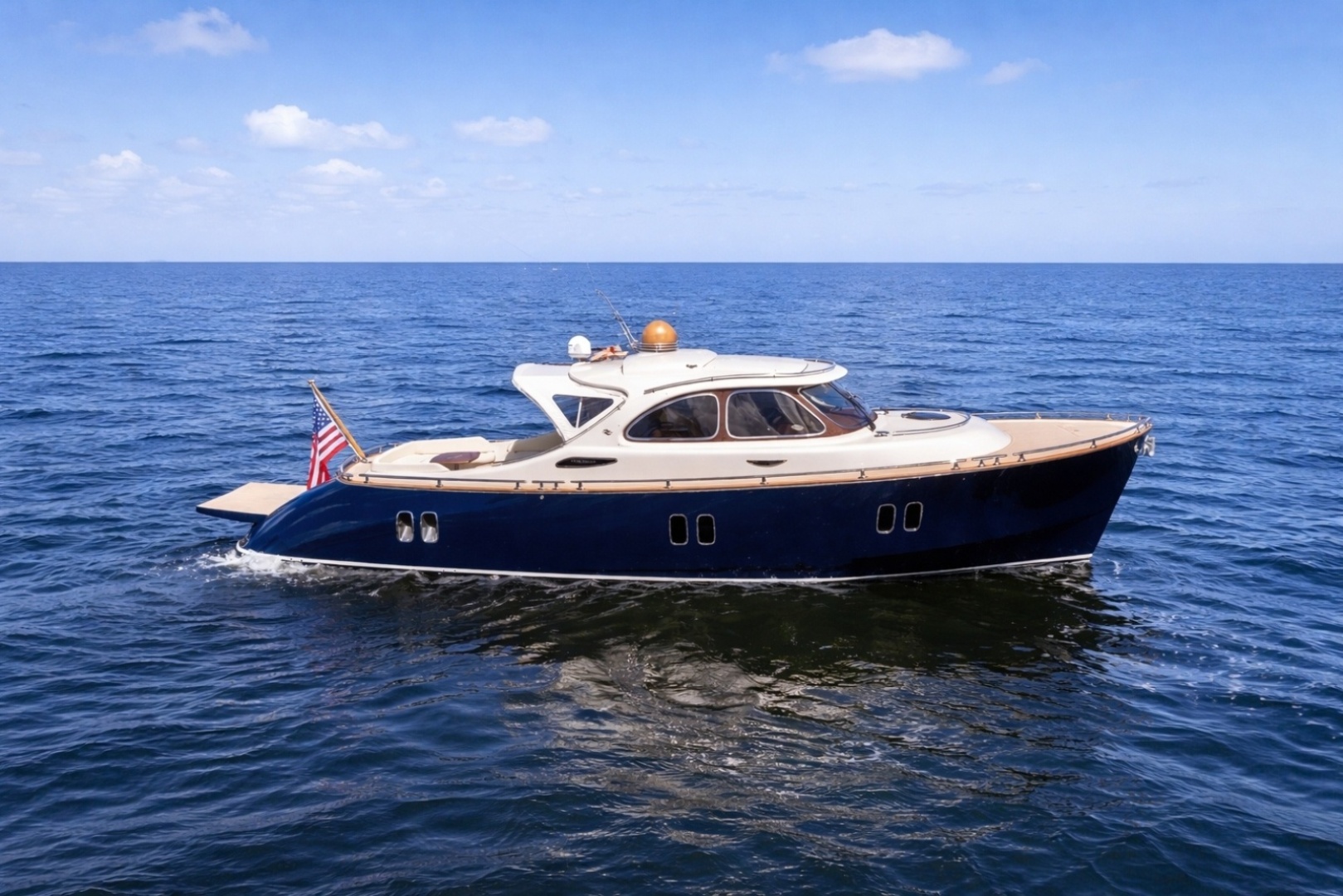
2012 Zeelander Mississippi Queen
$575,000
44
West Palm Beach Florida
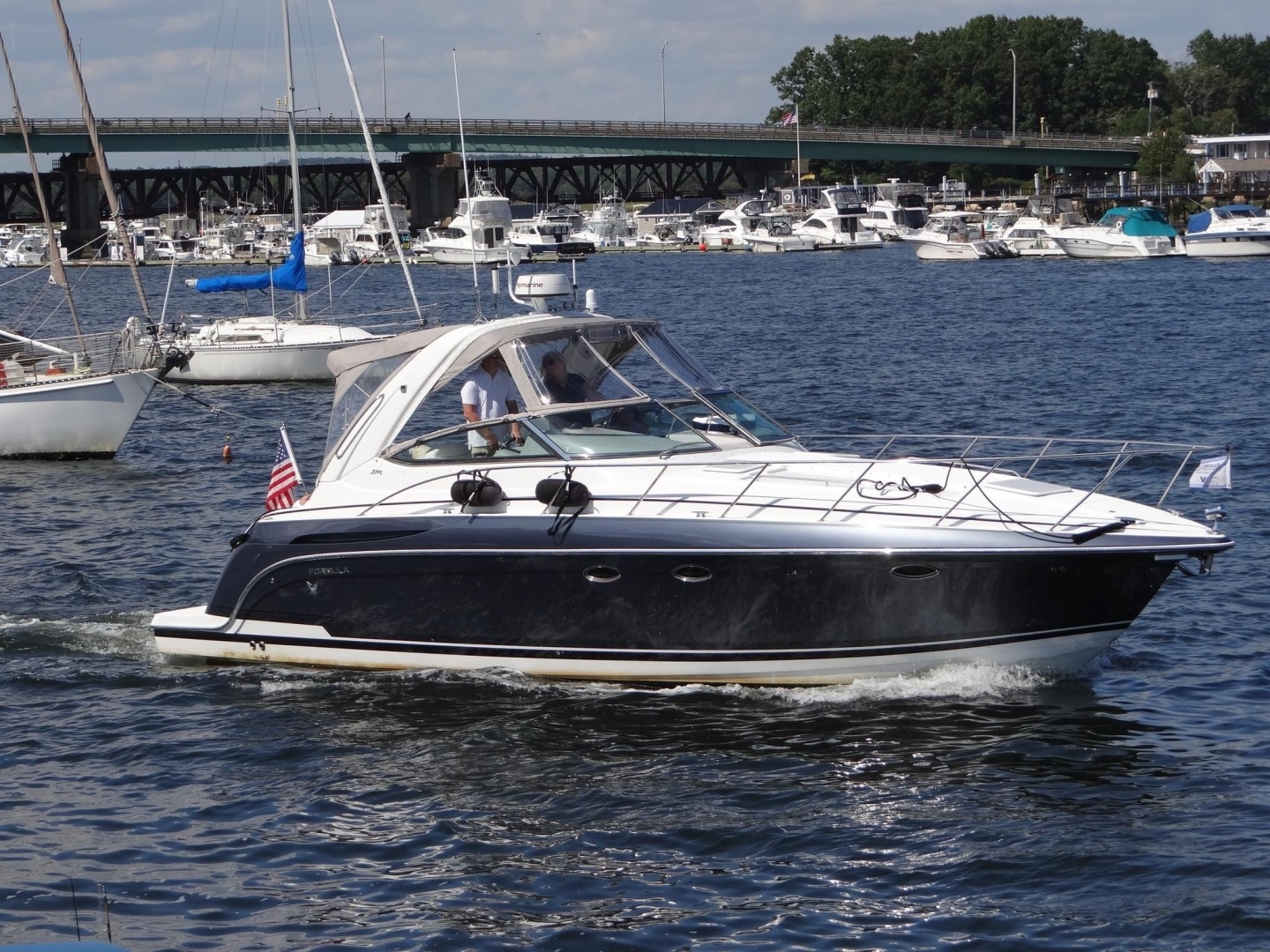
2006 Formula
$139,000
37
Newburyport Massachusetts
2019 Bilgin 156'
$20,646,000
2028 Columbus Yachts 137'
$22,900,008
2012 Benetti 132'
$10,975,000
2028 Kingship 125'
$20,000,000
2024 Silver Yachts 117'
$25,400,000
2009 Hargrave 114'
$2,500,000
2028 Extra Yachts 100'
$20,646,000
2028 Alpha 100'
2028 Extra Yachts 96'
$9,495,000
2021 Sanlorenzo 96'
$6,795,000
2028 Kingship 90'
1999 Northern Marine 84'
$2,495,000
2013 Pershing 82'
$1,550,000
1997 Ferretti Yachts 80'
$825,000
2008 Princess Yachts 75'
$1,095,000
2014 Sunseeker 68'
$1,400,000
2024 Fairline 68'
$2,750,000
2024 Sunreef 60'
$3,700,000
2019 Vanquish Yachts 58'
$1,799,000
2025 Formula 53'
$1,895,000
2023 Fairline 45'
$900,000
2012 Zeelander 44'
$575,000
2006 Formula 37'
$139,000