

Selecting the right superyacht features in 2026 demands careful evaluation as the global superyacht market expands at 11.1% annually, driven by luxury customization and advanced technology. Buyers must balance lifestyle priorities with investment value while navigating evolving propulsion systems, wellness amenities, and sustainability innovations. Understanding key criteria helps you align features with your cruising goals and long-term operational needs.
Table of Contents
- How To Select Superyacht Features For 2026
- Advanced Propulsion Systems: Powering The Future
- Wellness And Lifestyle Amenities: Elevating Luxury Onboard
- Environmental Sustainability Features: Responsible Luxury
- Design Innovation And Bespoke Customization: Craftsmanship Meets Technology
- Explorer And Expedition Features: Beyond Luxury To Adventure
- Technology Integration And Smart Systems: The Connected Yacht Experience
- Summary Comparison Of Features And Situational Recommendations
- Discover Expert Help For Your Superyacht Selection
Key Takeaways
| Point | Details |
|---|---|
| Market Growth | The superyacht market reaches USD 45.16 billion by 2032, fueled by customization demand. |
| Technology Priority | Hybrid propulsion and smart systems dominate buyer preferences for efficiency and control. |
| Lifestyle Alignment | Wellness amenities, bespoke design, and expedition capabilities match diverse owner needs. |
| Sustainability Impact | Environmental features ensure regulatory compliance and boost resale value. |
How to Select Superyacht Features for 2026
The superyacht market growth report confirms that customization and advanced features drive industry expansion. Buyers in 2026 prioritize technology integration, sustainability, and luxury amenities that reflect personal lifestyle while protecting investment value. Owners in emerging markets such as Asia-Pacific emphasize privacy, environmental responsibility, and cutting-edge technology more than traditional Western buyers.
Vessel size directly impacts available features and performance capabilities. Yachts over 100 meters accommodate comprehensive wellness facilities, explorer equipment, and multiple entertainment zones. Mid-range vessels balance amenities with operational efficiency for regular cruising. Smaller superyachts focus on intimate luxury and agile performance suited to coastal exploration.
Lifestyle-driven criteria guide feature prioritization across several key dimensions:
- Cruising purpose: Define whether you prioritize coastal luxury, transoceanic voyages, or polar expeditions.
- Guest capacity: Match entertainment spaces and cabin configurations to typical party size.
- Environmental values: Choose propulsion and materials aligned with sustainability commitments.
- Operational frequency: Balance upfront costs against long-term efficiency for regular use versus seasonal cruising.
- Technology comfort: Assess your preference for automation versus traditional yacht operation.
Understanding these factors helps you understand the latest yacht market trends and make informed decisions about feature investments.
Advanced Propulsion Systems: Powering the Future
Hybrid and fuel-cell propulsion systems represent the technological frontier in 2026 superyachts, delivering sustainability and operational efficiency. Hybrid systems combine diesel engines with electric motors and battery banks, reducing emissions by 20-40% while maintaining long-range capability. Fuel-cell technology offers zero emissions but requires specialized infrastructure and higher acquisition costs.
Propulsion choice impacts regulatory compliance as maritime authorities tighten emission standards. Vessels operating in protected zones benefit from electric-only modes that eliminate local pollution. This flexibility becomes essential for accessing environmentally sensitive cruising grounds without restrictions.
Selection criteria vary by yacht size and usage patterns:
- Large yachts (100m+): Hybrid systems provide best balance of range, emissions reduction, and proven reliability.
- Explorer vessels: Conventional diesel offers maximum fuel capacity for extreme-range voyages to remote locations.
- Coastal cruisers: Full electric or hybrid configurations suit shorter trips with frequent port access.
- Charter yachts: Quiet electric operation enhances guest comfort during anchorage and slow cruising.
Pro Tip: Calculate five-year fuel savings against hybrid system premiums. Owners cruising over 3,000 hours annually typically recover added costs within four years while enjoying operational flexibility.
Long-term value extends beyond fuel economy. Green propulsion enhances brand reputation and appeals to eco-conscious charter clients. When selling your yacht with advanced features, modern propulsion systems command premium resale values as buyers seek future-proof vessels.
Wellness and Lifestyle Amenities: Elevating Luxury Onboard
Wellness-centric layouts with spas, gyms, and relaxation zones define luxury in the 100-meter-plus range, addressing owner lifestyle preferences. Beach clubs with fold-down platforms create seamless water access for swimming, diving, and water sports. Full-service spas offer massage rooms, saunas, and treatment areas rivaling shore-based facilities.
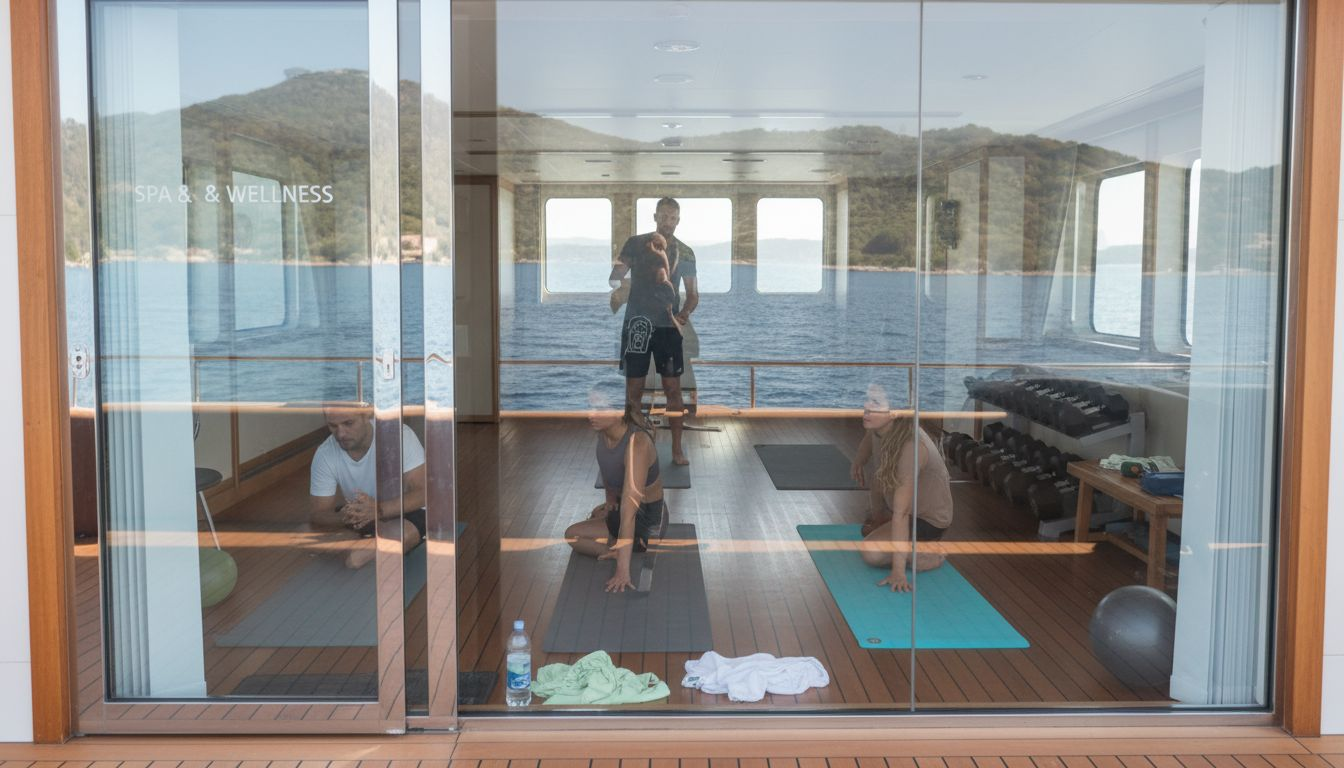
Fitness centers feature professional-grade equipment, personal training spaces, and wellness technology tracking health metrics. Dedicated yoga studios and meditation rooms support holistic wellness routines during extended voyages. These amenities prove essential for owners who view their yacht as a primary residence rather than occasional retreat.
Customization integrates lifestyle technology throughout wellness spaces:
- Smart environmental controls: Adjust lighting, temperature, and humidity for optimal comfort.
- Entertainment integration: Seamless audio-visual systems create immersive experiences.
- Personalized configurations: Adaptable spaces transform from gym to cinema to social lounge.
- Outdoor wellness zones: Protected deck areas extend spa and fitness facilities into fresh air.
Pro Tip: Prioritize multi-functional wellness spaces that adapt to different activities rather than single-purpose rooms. This approach maximizes usable area without compromising amenity quality, especially valuable in yachts under 80 meters.
Wellness areas significantly enhance guest comfort during extended voyages and social entertaining. Owners hosting charter guests or family gatherings find these features drive booking premiums and positive reviews. When exploring modern luxury yacht wellness features, consider how amenities align with your entertaining style and personal health priorities.
Environmental Sustainability Features: Responsible Luxury
Environmental regulations drive integration of greener propulsion and energy systems into superyachts, including hybrid propulsion and battery storage solutions. Sustainable materials such as recycled teak alternatives, low-VOC finishes, and eco-certified textiles reduce ecological impact without compromising aesthetics. Energy-efficient HVAC systems and LED lighting cut power consumption by 30-50% compared to conventional installations.
Hybrid propulsion and energy storage systems deliver measurable emissions reductions while lowering fuel costs. Battery banks store excess generator capacity for later use, minimizing engine runtime during anchorage. Solar panels integrated into deck structures supplement house power for lighting and electronics.
Compliance with tightening maritime environmental regulations protects your investment:
- Emission standards: Meet current and anticipated IMO sulfur and nitrogen oxide limits.
- Wastewater treatment: Advanced systems enable operation in protected marine areas.
- Ballast management: Prevent invasive species transfer between ecosystems.
- Fuel specifications: Compatibility with emerging low-carbon marine fuels.
Future-proofing vessels for evolving legal requirements prevents costly retrofits and operational restrictions. Yachts built to exceed current standards maintain access to premium cruising destinations as regulations tighten. This consideration proves especially important for owners planning 15-plus-year ownership periods.
Environmental responsibility enhances brand value and appeals to socially conscious peers. Charter markets increasingly demand green certifications as guests seek guilt-free luxury experiences. Discover how sustainable superyacht innovations balance ecological stewardship with uncompromising comfort and performance.
Design Innovation and Bespoke Customization: Craftsmanship Meets Technology
Project Tanzanite exemplifies advanced design integration with large structured geometric windows and extensive deck space, showcasing what innovation delivers in 2026. Novel materials including carbon fiber composites enable lighter structures with increased interior volume. These engineering advances create dramatic shapes impossible with traditional steel or aluminum construction.
Customization scope extends across every yacht system and space:
- Interior layouts: Completely personalized cabin configurations, entertainment areas, and service zones.
- Material selection: Choose from thousands of finish options, from exotic woods to engineered surfaces.
- Technology integration: Specify automation levels, entertainment systems, and control interfaces.
- Exterior styling: Work with designers to create signature profiles and functional deck arrangements.
Design reflects owner individuality through countless detail decisions. Some buyers prefer understated elegance with timeless materials and classic proportions. Others commission bold contemporary statements featuring dramatic atriums, infinity pools, or glass-floored observation lounges. Your choices communicate personal taste while influencing operational characteristics like speed, range, and crew requirements.
| Yacht Example | Design Innovation | Material Highlights | Customization Level |
|---|---|---|---|
| Project Tanzanite | Geometric windows, expansive decks | Advanced composites | Fully bespoke interior |
| REV Ocean | Research-focused layout | Reinforced expedition-grade | Scientific integration |
| Standard Luxury | Traditional elegance | Premium natural materials | Semi-custom options |
Pro Tip: Engage designers early in the build process to explore structural possibilities before finalizing contracts. Changes made during construction cost 3-5 times more than decisions integrated into initial specifications.
Shipyard approaches vary from production-oriented builders offering semi-custom packages to full-custom yards delivering one-of-a-kind creations. Understanding these differences helps you select partners aligned with your vision and budget. Review latest design innovations and trend insights to see how market trends impacting design choices influence contemporary yacht aesthetics.
Explorer and Expedition Features: Beyond Luxury to Adventure
The 194.9-meter REV Ocean scheduled for 2026 delivery represents the ultimate research-focused design blending scientific functionality with luxury amenities. Ice Class reinforced hulls enable safe navigation through polar regions and rough southern ocean conditions. These structural enhancements include thickened plating, protected propellers, and strengthened bow sections designed for ice contact.
Extended fuel and provisions capacity supports 8,000-plus nautical mile ranges without resupply. Larger tanks and efficient propulsion enable true transoceanic capability reaching remote destinations inaccessible to conventional yachts. This autonomy proves essential for scientific expeditions, wildlife observation, and exploration cruising.
Onboard laboratories and advanced navigation systems transform yachts into research platforms:
- Wet labs: Equipped for marine biology research and sample analysis.
- Submersible support: Launch and recovery systems for deep-sea exploration vehicles.
- Advanced sonar: Seafloor mapping and underwater feature identification.
- Weather stations: Professional-grade meteorological monitoring equipment.
Balancing ruggedness with luxury living accommodation defines successful explorer designs. Reinforced structures and expanded technical spaces coexist with five-star staterooms, gourmet galleys, and entertainment areas. Owners need not sacrifice comfort for capability when selecting properly designed expedition vessels.
Use cases for adventure seekers differ significantly from conventional superyacht programs. Explorer owners prioritize reaching untouched destinations over maximum speed or Mediterranean glamour. These vessels suit buyers passionate about wildlife, underwater exploration, or experiencing extreme environments. Learn about explorer yacht capabilities and designs to determine if expedition features match your cruising ambitions.
Technology Integration and Smart Systems: The Connected Yacht Experience
Automation improves operational efficiency and safety through integrated monitoring and control systems. Smart platforms manage lighting, climate, entertainment, and security from centralized touchscreen interfaces or mobile devices. Crew workload decreases as automated systems handle routine tasks like bilge monitoring, tank level tracking, and equipment diagnostics.
Smart navigation and security systems enhance voyage control with real-time weather routing, collision avoidance, and perimeter monitoring. Advanced radar and AIS integration provide comprehensive situational awareness during passages and anchorage. Camera systems with facial recognition secure access while providing safety monitoring throughout the vessel.
Integrated entertainment systems create seamless guest experiences:
- Multi-room audio: Synchronized music throughout interior and exterior spaces.
- Cinema-quality video: 4K projection systems with immersive surround sound.
- Gaming and virtual reality: Entertainment options for younger guests and family time.
- Streaming integration: Access personal media libraries and subscription services anywhere onboard.
Remote monitoring and IoT connectivity increase convenience for owners and captains. Systems report vessel status, security alerts, and maintenance needs via smartphone apps regardless of your location. This visibility enables proactive management and quick response to issues before they become serious problems.
Owners should ensure system compatibility and expert integration when specifying technology. Proprietary platforms from different manufacturers may not communicate effectively, creating frustration and limiting functionality. Work with experienced marine technology integrators who understand yacht-specific requirements and can deliver cohesive solutions. Explore smart technology features for yachts to see how automation enhances your onboard experience.
Summary Comparison of Features and Situational Recommendations
Comparative data shows larger yachts offer more advanced wellness and expedition features but come at significantly higher acquisition and operational costs. Trade-offs between size, capability, and expense require careful analysis based on your priorities and usage patterns. A 120-meter yacht delivers unmatched amenities but costs 5-8 times more annually to operate than a 60-meter vessel with fewer features.
Best feature combinations for different buyer scenarios:
- Private luxury focus: Prioritize wellness amenities, bespoke interiors, smart automation, and coastal hybrid propulsion.
- Eco-conscious buyers: Select fuel-cell or advanced hybrid systems, sustainable materials, solar integration, and green certifications.
- Explorer adventurers: Choose Ice Class hull, extended range, scientific equipment, and rugged luxury accommodations.
- Charter operators: Emphasize wellness features, entertainment systems, beach clubs, and efficient hybrid propulsion for operating cost control.
- Technology enthusiasts: Specify comprehensive automation, advanced navigation, security systems, and integrated entertainment throughout.
| Feature Category | Performance Impact | Cost Premium | 2026 Availability |
|---|---|---|---|
| Hybrid Propulsion | 30% emission reduction | +15-20% build cost | Widely available |
| Fuel-Cell Systems | Zero emissions | +35-40% build cost | Limited builders |
| Ice Class Hull | Polar capability | +10-15% build cost | Specialized yards |
| Full Wellness Suite | Guest satisfaction | +8-12% build cost | Standard 100m+ |
| Smart Automation | 25% crew efficiency | +5-8% build cost | Universal option |
Suitability of propulsion and wellness features varies by lifestyle. Owners cruising Mediterranean summers need different capabilities than those exploring Patagonia or Arctic regions. Your entertaining frequency, guest count, and cruising duration shape optimal feature selections more than following industry trends.
Pro Tip: Create a weighted scoring matrix ranking features by importance to your specific lifestyle. This objective approach prevents over-specifying amenities you rarely use while ensuring critical capabilities receive proper attention and budget.
Review different yacht classes and features to understand how size and design philosophy influence available options. Consult feature cost-performance data to make informed trade-offs between acquisition cost and long-term value.
Discover Expert Help for Your Superyacht Selection
Navigating complex feature choices benefits from professional guidance throughout your buying journey. Expert brokers understand how specific features align with lifestyle needs, operational realities, and investment value. They provide access to exclusive listings matching your criteria while negotiating favorable terms and coordinating technical evaluations.
Learn the essentials of choosing the right yacht broker to find advisors with deep market knowledge and proven track records. Understanding what yacht brokerage services deliver helps you leverage professional expertise effectively. Our comprehensive resource on how to buy a yacht walks you through each stage from initial search through final delivery and commissioning.
FAQ
What are the must-have features in 2026 superyachts?
Hybrid propulsion, comprehensive wellness amenities, sustainable materials, and integrated smart systems dominate buyer preferences. These features balance environmental responsibility, operational efficiency, and luxury lifestyle expectations while protecting long-term investment value.
How does propulsion choice impact superyacht operation?
Hybrid systems reduce emissions by 30% and fuel costs by 25% compared to conventional diesel while maintaining excellent range. Fuel-cell technology delivers zero local emissions but requires specialized infrastructure and adds 35-40% to build costs, making hybrids the practical choice for most buyers.
Can explorer features be integrated into luxury superyachts?
Modern expedition yachts successfully blend Ice Class hulls, extended range capability, and scientific equipment with five-star accommodations and wellness facilities. Proper design balances rugged capability with uncompromised luxury, enabling adventure without sacrificing comfort or style.
How important is environmental sustainability in yacht selection?
Sustainability ensures regulatory compliance as emission standards tighten, reduces ecological impact, and enhances resale value as green features become mainstream expectations. Eco-conscious design appeals to charter clients and protects access to environmentally sensitive cruising destinations worldwide.
Recommended
- Yacht Market Trends 2026: What Buyers Need to Know
- 7 Key Indicators of Yacht Market Trends for Smart Buyers
- Yachting Destinations: Elevate Luxury Travel Worldwide
- Market Watch: December Yacht Sales Top €476M, Closing the Year on a High Note
- INVESTING YACHTS Launches RWA Yacht Charter Model – Crypto Daily
- ‘Marvellous’ emerging markets tipped for another star showing in 2026
Featured Listings
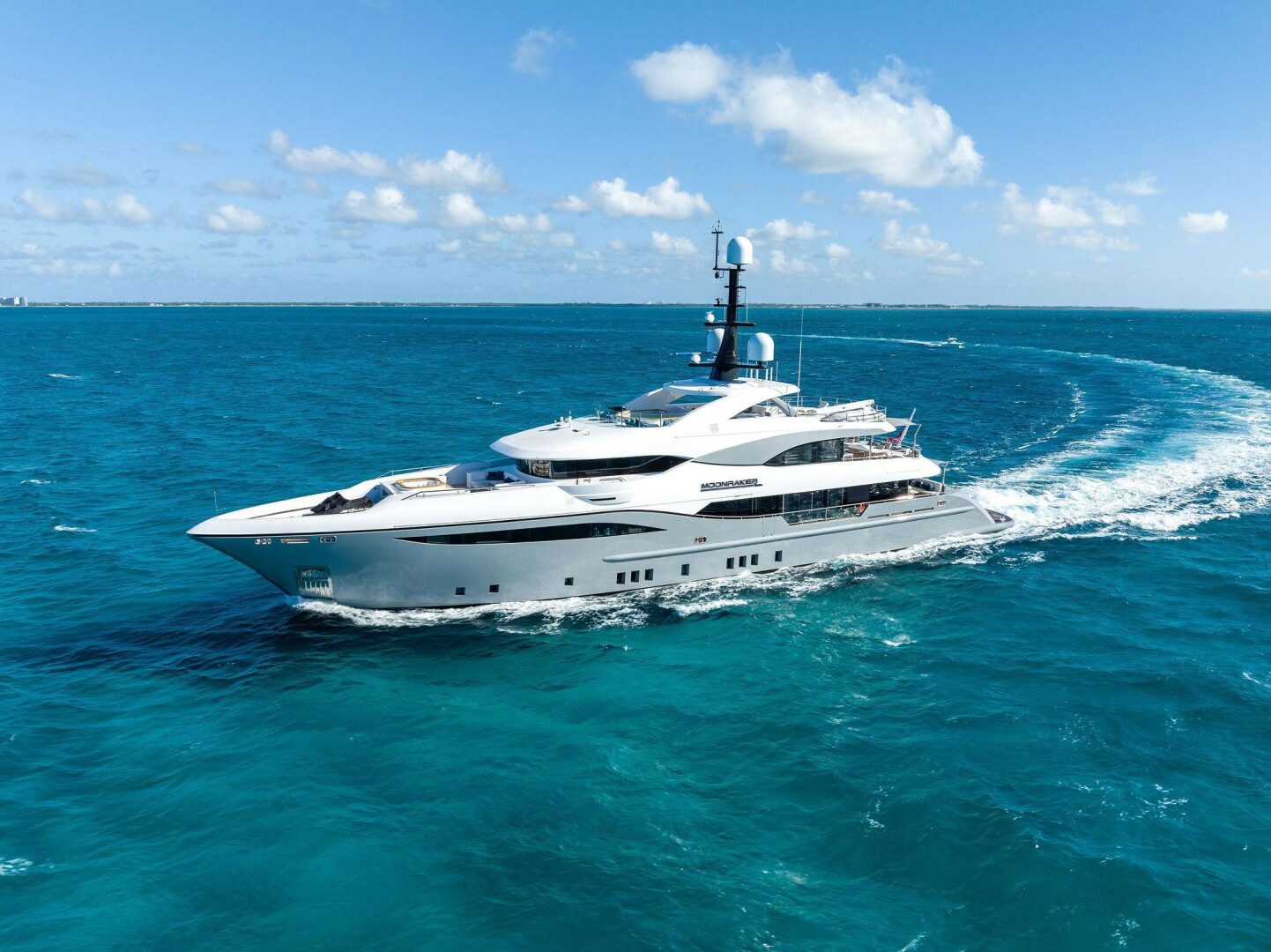
2019 Bilgin MOONRAKER
$21,404,500
156
West Palm Beach Florida

2028 Columbus Yachts
$22,900,008
137
Ancona
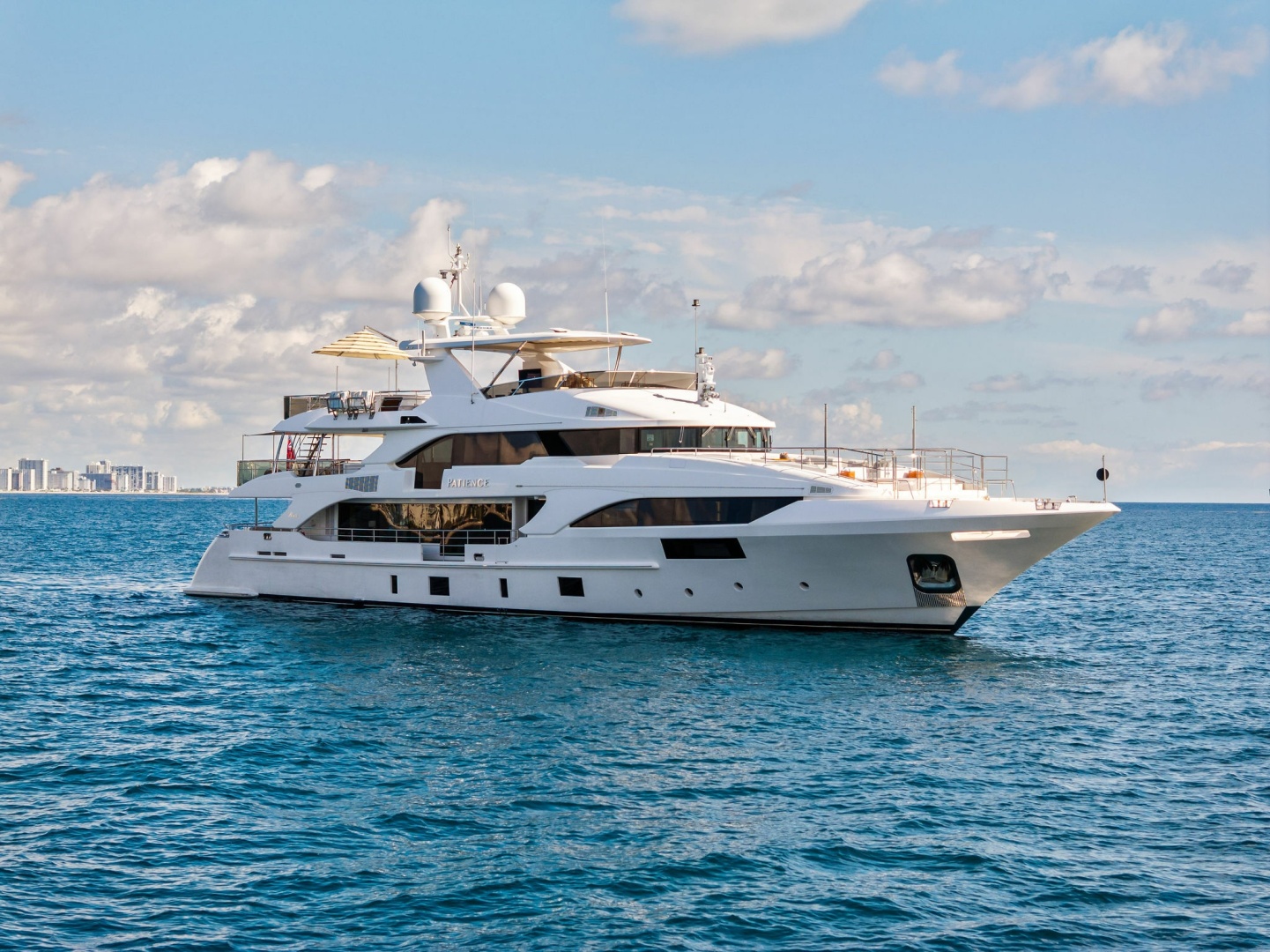
2012 Benetti PATIENCE
$10,975,000
132
Fort Lauderdale Florida
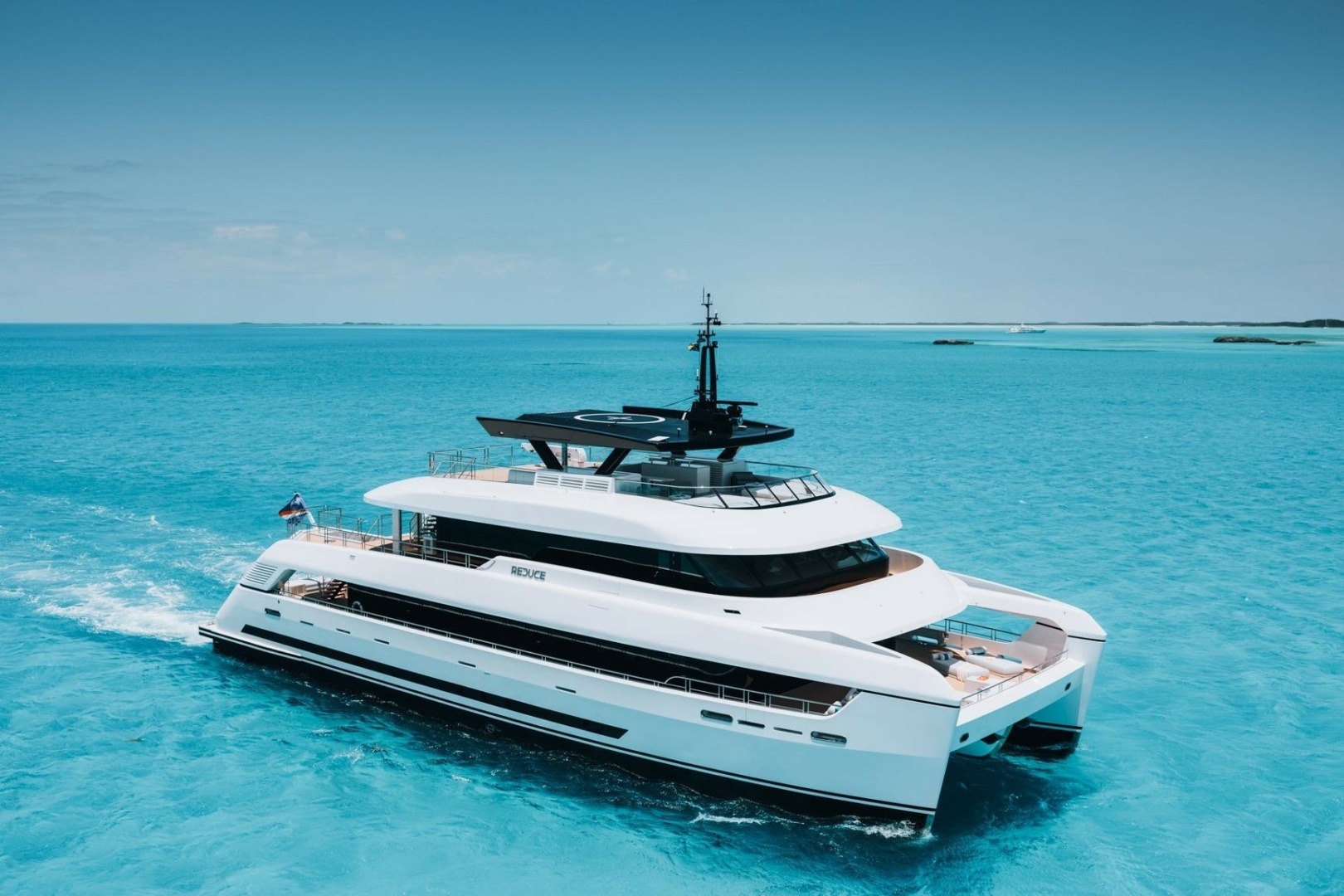
2024 Silver Yachts
$25,400,000
117
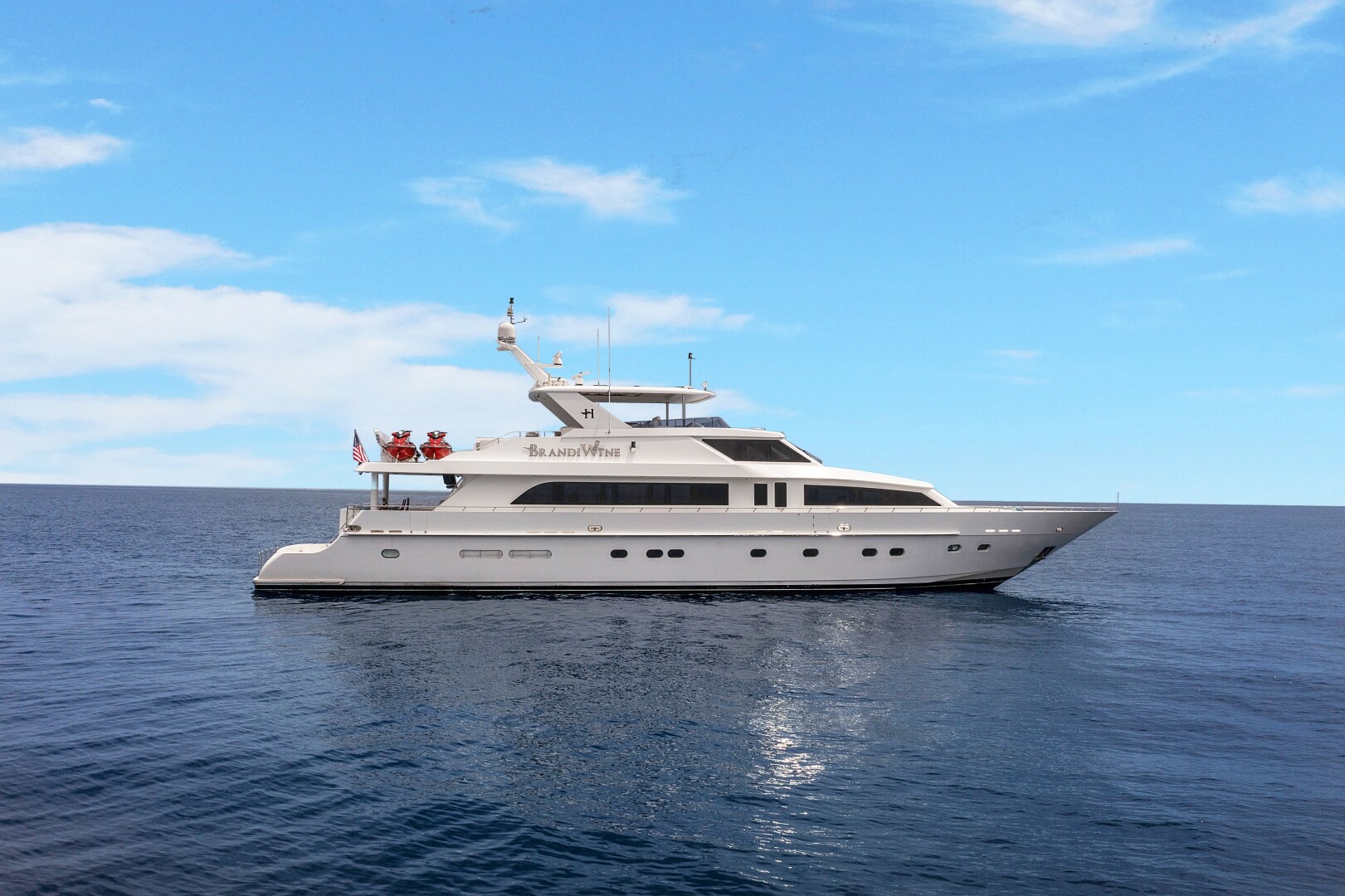
2009 Hargrave BRANDI WINE
$2,995,000
114
Fort Lauderdale Florida

2028 Extra Yachts
$21,404,500
100
Ancona

2028 Extra Yachts Extra 96
$9,495,000
96
Ancona
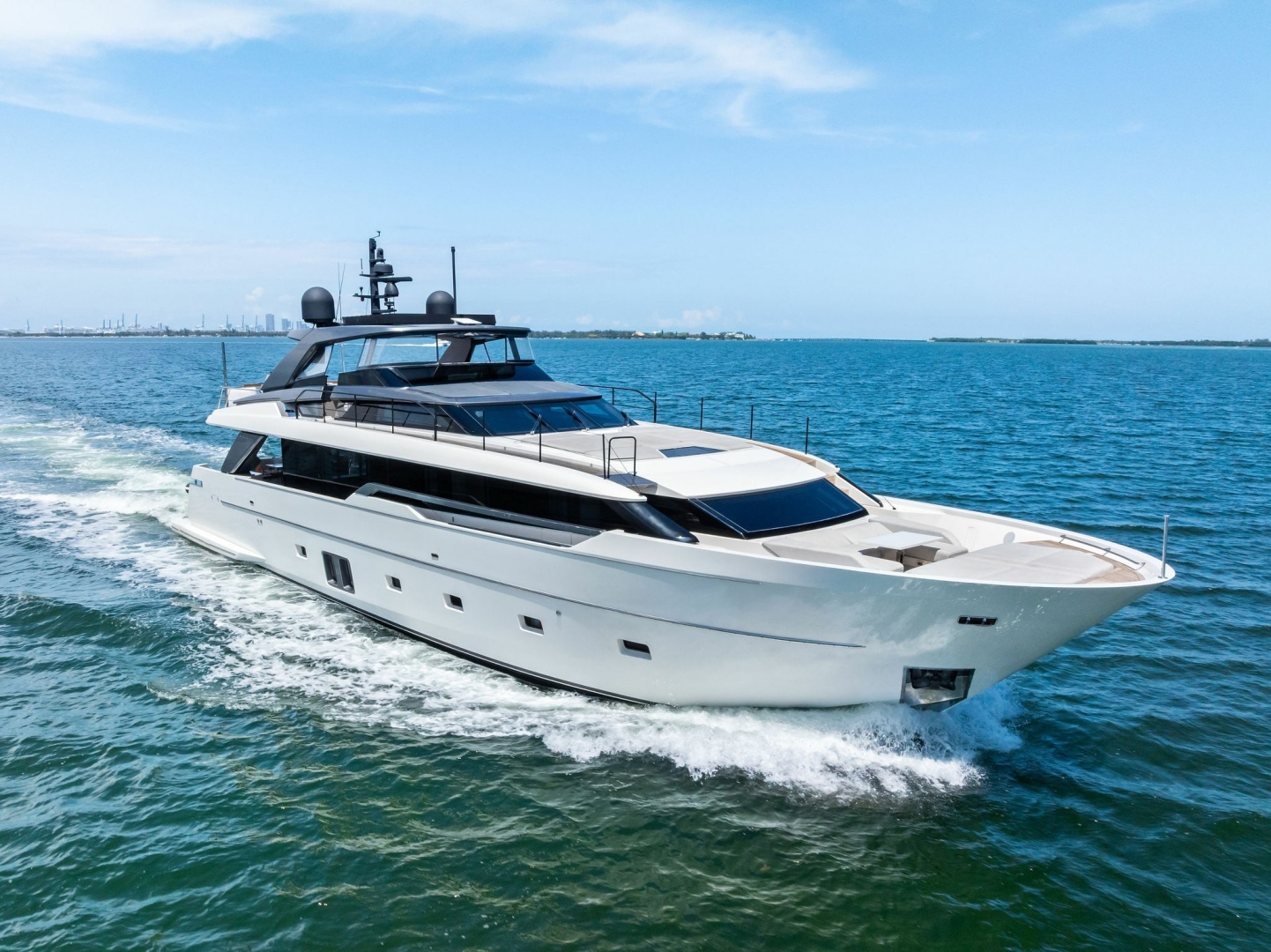
2021 Sanlorenzo GATSBY
$6,795,000
96
Miami Beach Florida

1999 Northern Marine OFF LINE
$2,495,000
84
Ft Lauderdale Florida
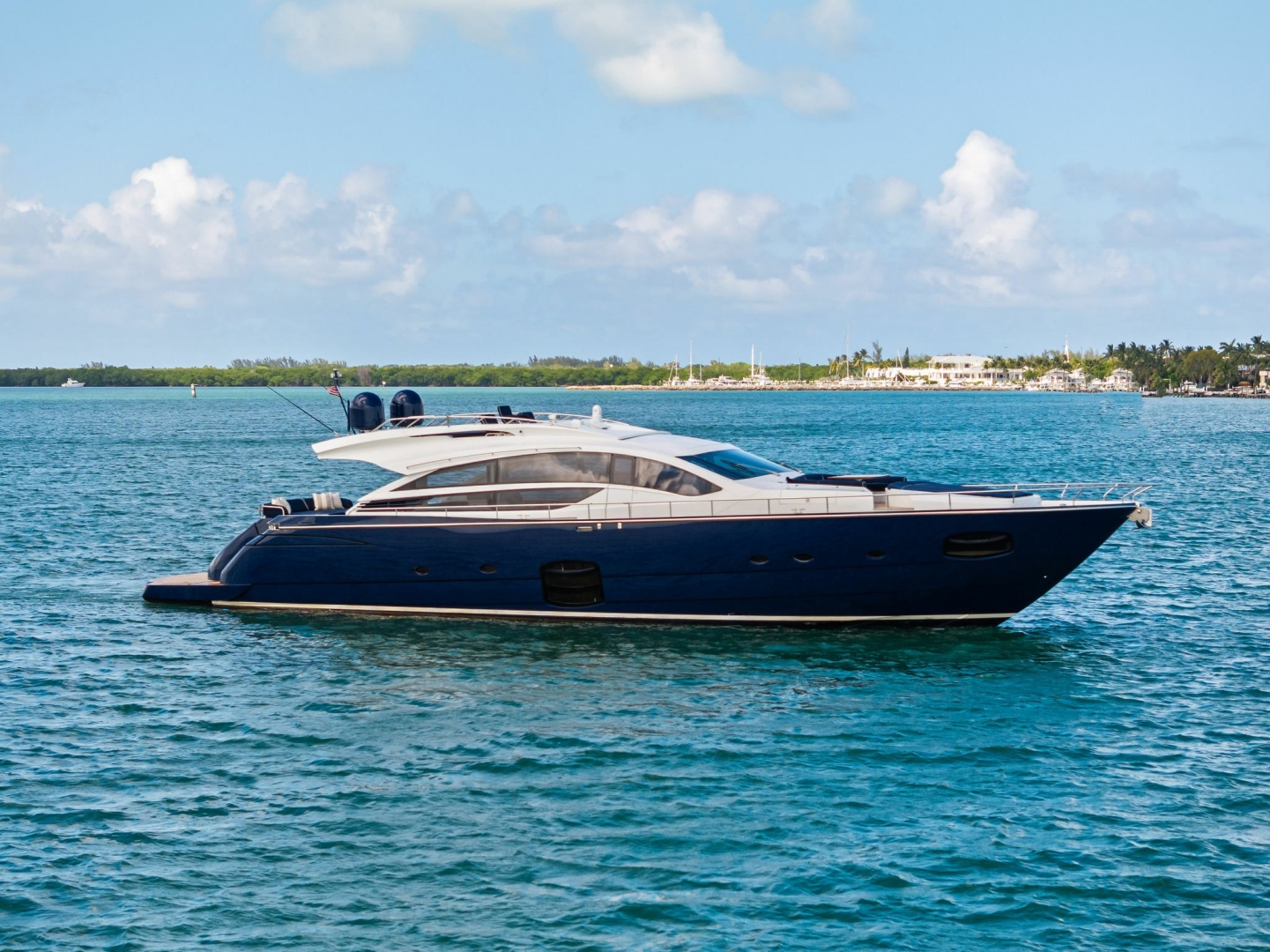
2013 Pershing DOROTHY ANN
$1,750,000
82
Miami Beach Florida

1997 Ferretti Yachts
$850,000
80
La Paz
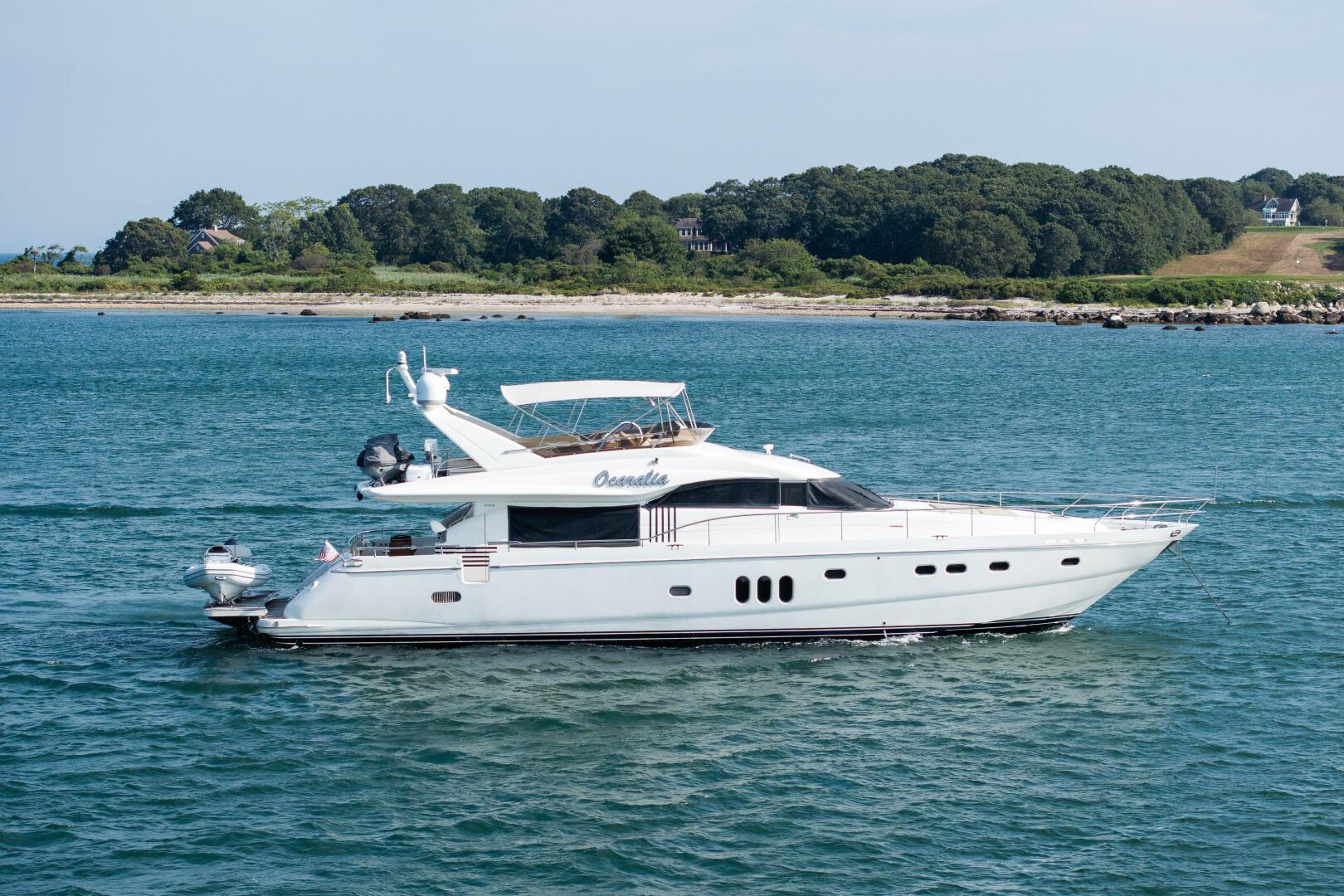
2008 Princess Yachts OCARALIA
$1,095,000
75
Charleston South Carolina
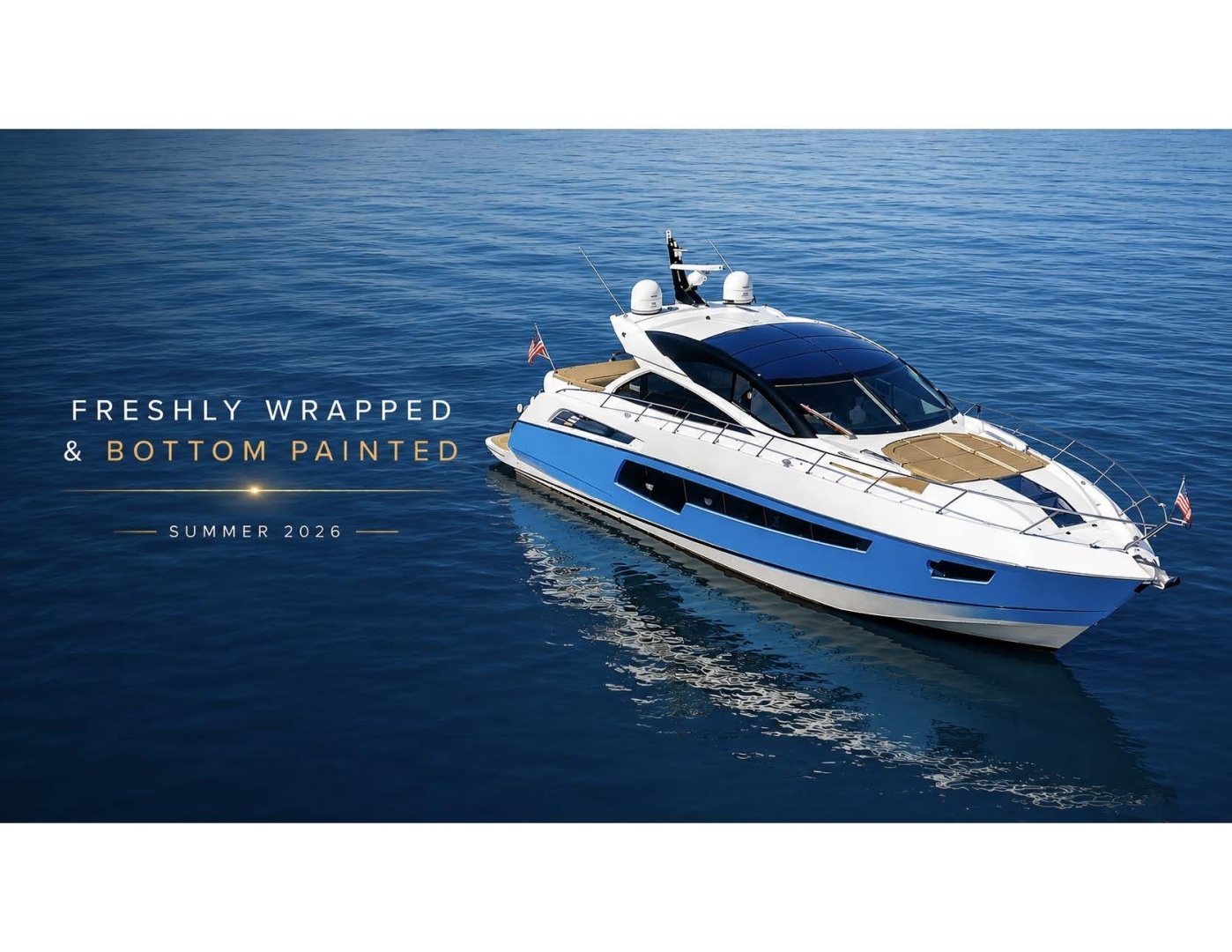
2014 Sunseeker
$1,400,000
68
New York New York

2024 Fairline
$2,750,000
68
Ft. Lauderdale Florida

2024 Sunreef Catallaxi
$3,700,000
60
Newport Rhode Island
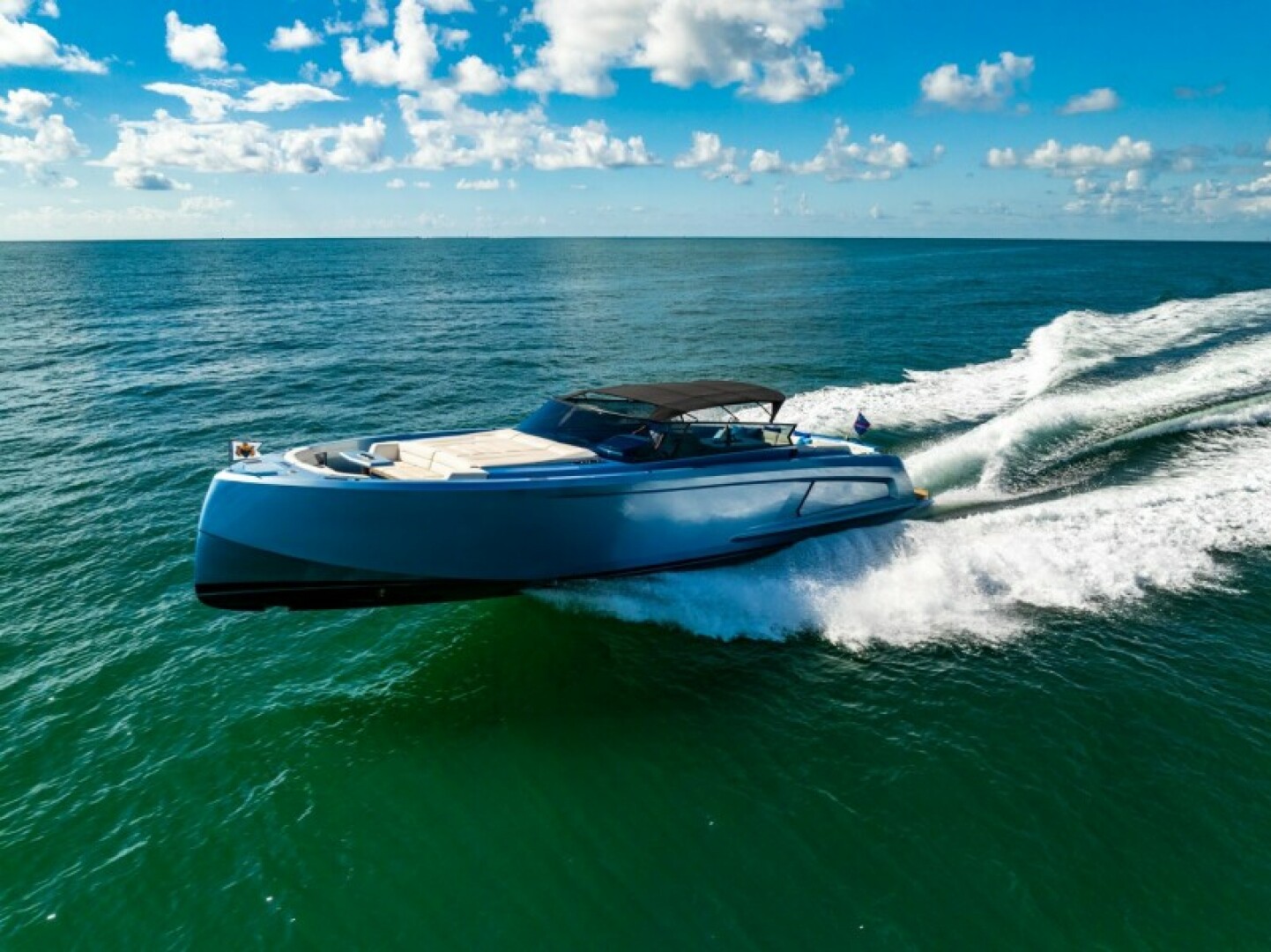
2019 Vanquish Yachts IMPULSIVE
$1,799,000
58
Miami Beach Florida
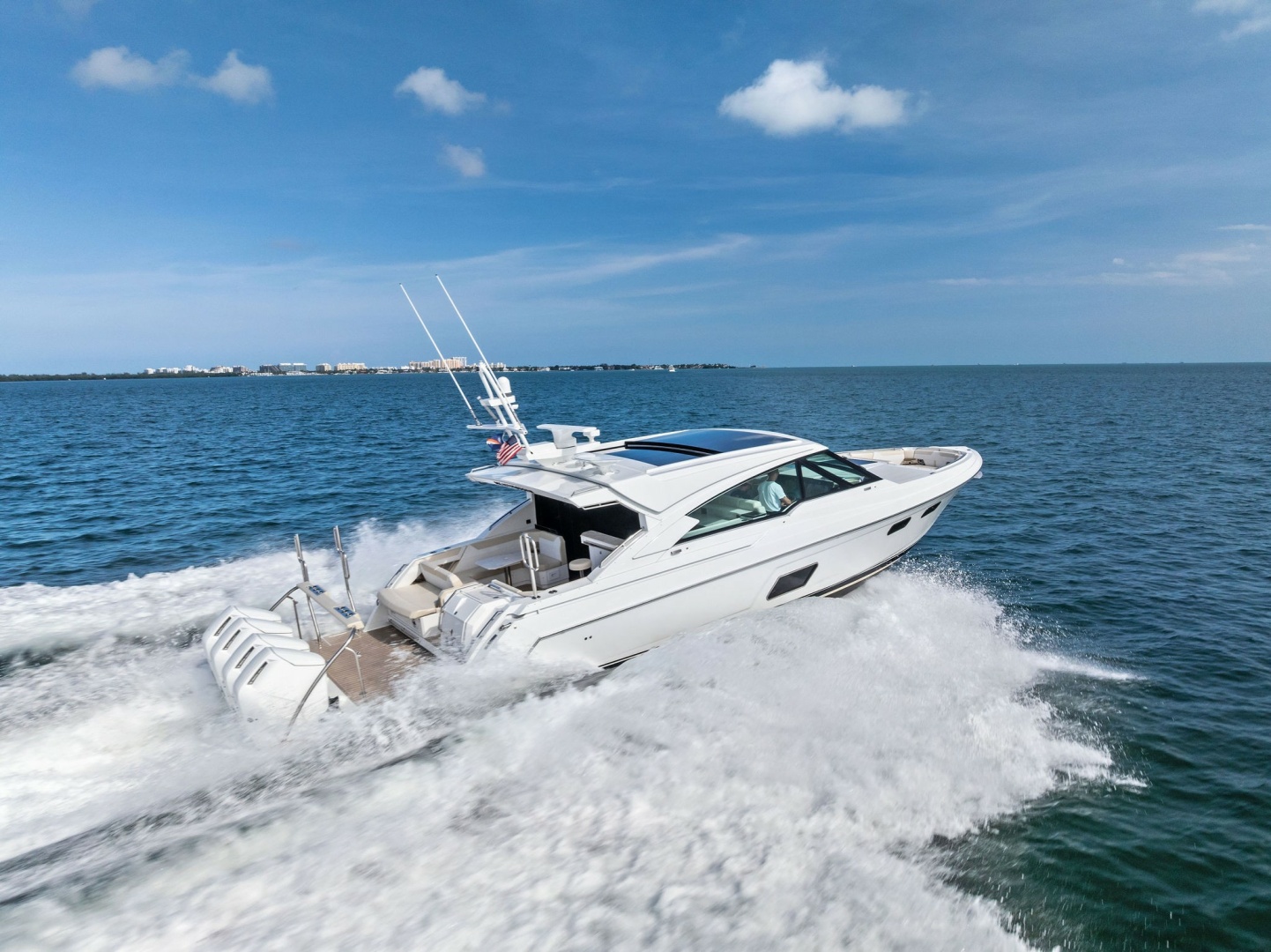
2025 Formula BREAKTHROUGH III
$1,895,000
53
Miami Beach Florida

2023 Fairline
$900,000
45
Fort Lauderdale Florida
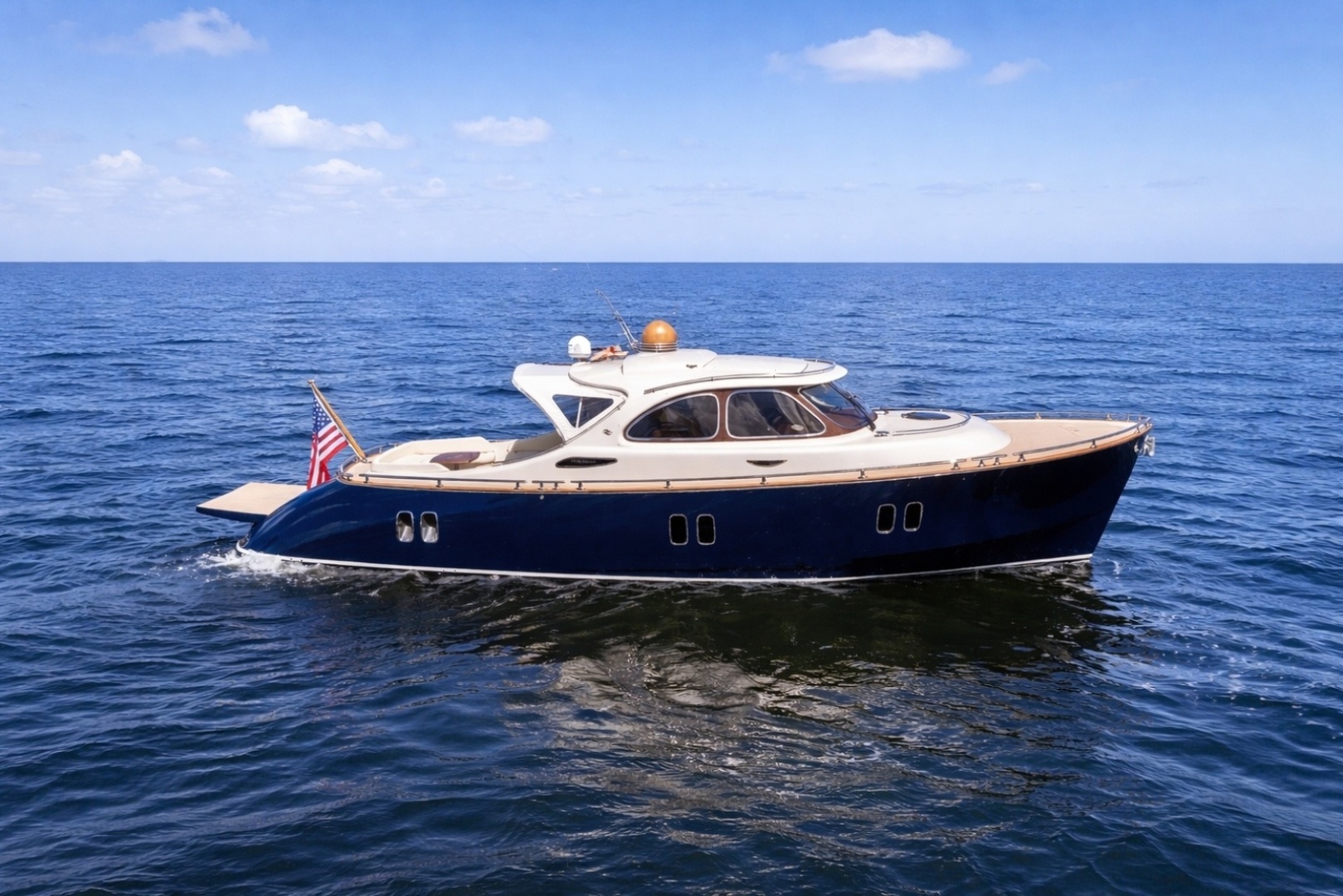
2012 Zeelander Mississippi Queen
$575,000
44
West Palm Beach Florida
2019 Bilgin 156'
$21,404,500
2028 Columbus Yachts 137'
$22,900,008
2012 Benetti 132'
$10,975,000
2024 Silver Yachts 117'
$25,400,000
2009 Hargrave 114'
$2,995,000
2028 Extra Yachts 100'
$21,404,500
2028 Extra Yachts 96'
$9,495,000
2021 Sanlorenzo 96'
$6,795,000
1999 Northern Marine 84'
$2,495,000
2013 Pershing 82'
$1,750,000
1997 Ferretti Yachts 80'
$850,000
2008 Princess Yachts 75'
$1,095,000
2014 Sunseeker 68'
$1,400,000
2024 Fairline 68'
$2,750,000
2024 Sunreef 60'
$3,700,000
2019 Vanquish Yachts 58'
$1,799,000
2025 Formula 53'
$1,895,000
2023 Fairline 45'
$900,000
2012 Zeelander 44'
$575,000