

Yacht ownership cost management, known in the industry as total cost of ownership (TCO) planning, is the discipline that separates owners who thrive from those who quietly sell under pressure. The most effective ways to save on yacht costs combine disciplined budgeting, strategic maintenance timing, smart mooring choices, and a calibrated mix of DIY and professional labor. None of these strategies require sacrificing the quality of your time on the water. They require planning before the lines are cast.
1. Ways to save on yacht costs start with bottom-up budgeting
The biggest budgeting mistake yacht owners make is applying a top-down percentage rule instead of building a detailed, vessel-specific cost breakdown. A percentage estimate feels tidy, but it obscures the actual drivers of your spend and leaves you exposed when reality diverges from the formula.
A sound bottom-up budget covers five distinct categories: fixed costs (insurance, registration, slip fees), variable costs (fuel, provisions, crew overtime), scheduled maintenance, contingency reserves, and capital reserves for major periodic works. Foreland Marine recommends a 5 to 10% contingency on top of your planned annual spend, plus a separate capital reserve for haul-outs, engine overhauls, and electronics replacements. Skipping either reserve is how owners end up financing emergency repairs at the worst possible moment.
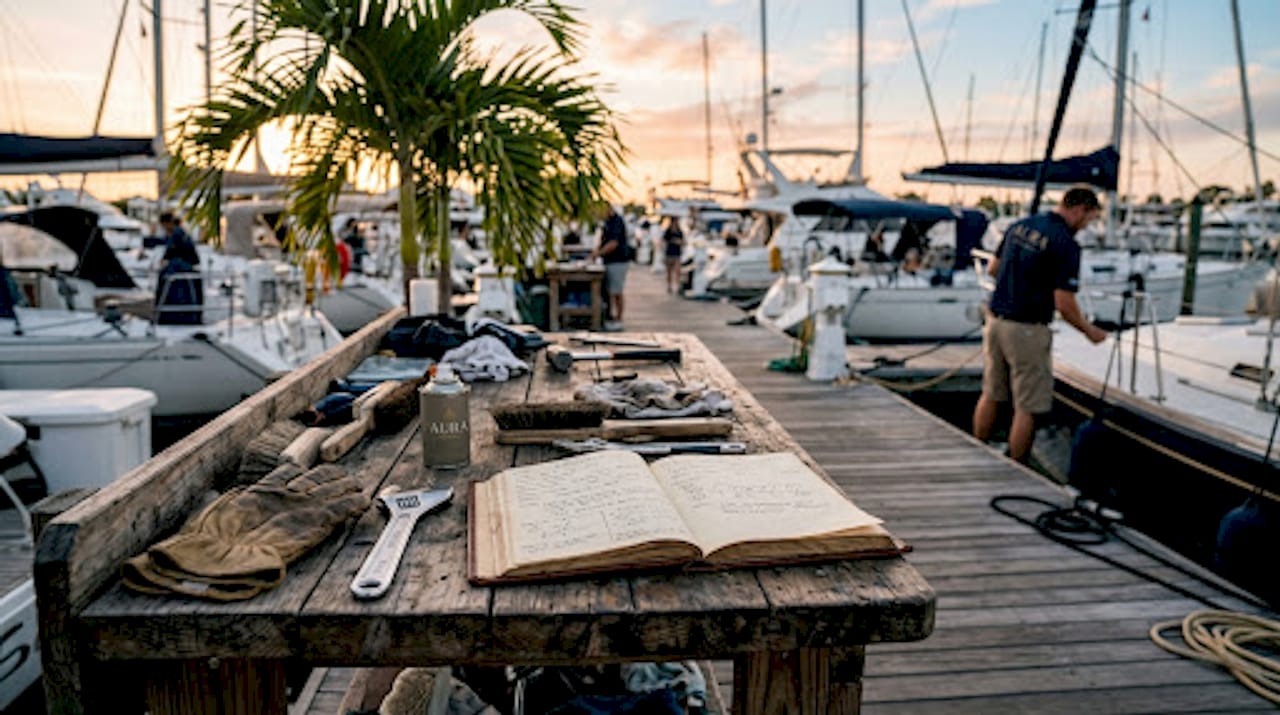
Quarterly budget reviews are not optional. Tracking cost variance each quarter reveals patterns, such as fuel overruns in summer or crew overtime in peak season, that a single annual review misses entirely. Owners who catch a 15% fuel overage in Q2 can adjust cruising plans before the damage compounds.
Pro Tip: Yacht management platforms like Dockwa, YachtCloud, or a dedicated marine accountant can automate expense tracking and flag variances before they become problems. The monthly fee is almost always recovered in the first overage they catch.
Common budget traps include underestimating insurance premiums, which run 0.5% to 1.5% of vessel value annually, and ignoring crew costs. For a 40-meter yacht, crew salaries and benefits alone can reach EUR 400,000 to 600,000 per year, representing 30 to 40% of the total annual budget. Knowing these numbers before you buy changes every negotiation.
2. Reducing maintenance costs through timing and bundling
Annual yacht maintenance runs 8 to 12% of vessel value each year. For a 60-foot yacht, that translates to $48,000 to $72,000 annually. That figure is not fixed. Owners who plan their maintenance calendar deliberately can pull it meaningfully lower without cutting corners on safety.
The most effective tactics for reducing maintenance expenses:
- Bundle haul-out tasks. Package all scheduled underwater work into a single yard visit. Combining antifouling, prop shaft inspection, zinc replacement, and hull cleaning into one haul-out amortizes the carriage fee across multiple jobs and eliminates the cost of a second lift.
- Schedule off-season. Yard labor rates range from $85 to $120 per hour for general work and $125 to $175 per hour for mechanical work. Weekend and after-hours premiums can add up to 50% on top of those rates. Booking mid-week in November instead of April is one of the cleanest ways to reduce yacht expenses.
- Build a rolling 3 to 5 year maintenance plan. Owners who maintain a long-range maintenance schedule avoid the cost spikes that come with deferred work. A $2,000 impeller replacement done on schedule costs far less than a $22,000 engine overhaul caused by ignoring it.
- Prioritize preventive care. Deferred maintenance is the most expensive form of yacht cost management. Salt water, UV exposure, and mechanical stress do not pause while you decide whether to act.
- Negotiate yard rates through relationships. Yards reward loyalty. Owners who return to the same facility year after year, pay on time, and refer other clients consistently receive priority scheduling and informal rate flexibility.
Pro Tip: Ask your yard for a written estimate that separates labor from materials. Labor is where negotiation lives. Materials are largely fixed. Knowing the split gives you a cleaner conversation.
3. Comparing mooring options and their impact on ongoing expenses
Where you keep your yacht is one of the most consequential financial decisions in ownership, and it is rarely treated with the rigor it deserves. Slip costs run $10 to $25 per foot per month, while mooring balls typically cost $100 to $400 per month. Anchoring is nearly free. The raw numbers favor anchoring, but the true cost picture is more layered.
| Option | Typical monthly cost | Hidden costs | Best suited for |
|---|---|---|---|
| Marina slip | $10–$25/ft/month | Shore power, pump-outs, amenities fees | Owners wanting full services |
| Mooring ball | $100–$400/month | Dinghy operation, pump-out logistics | Moderate convenience seekers |
| Anchoring | Near zero | Dinghy fuel, owner time, safety gear | Experienced, flexible cruisers |
The true cost of a mooring includes dinghy maintenance, outboard fuel, pump-out fees, and the time cost of ferrying gear and provisions. An owner who values their time at $150 per hour and spends four extra hours per week managing mooring logistics is spending $2,400 per month in opportunity cost alone. That reframes the marina slip as the cheaper option for many owners.
Regional variability matters enormously. A slip in Newport, Rhode Island costs two to three times more than an equivalent berth in Beaufort, North Carolina. Seasonal discounts of 20 to 30% are common at marinas in the Northeast and Pacific Northwest during winter months. Scouting a less expensive home port, even one that requires a short delivery passage each season, can save thousands annually.
Pro Tip: Negotiate a full-season or annual contract with your marina in September, when demand drops and managers are motivated to fill slips through winter. Month-to-month rates rarely reflect the discount available to committed tenants.
4. High-ROI DIY maintenance tasks that protect your budget
Performing roughly 65% of routine maintenance yourself yields substantial savings without compromising safety. With professional labor rates running $75 to $175 per hour, a disciplined DIY approach can save approximately $6,500 annually on a mid-size cruising yacht. The key is knowing which tasks belong in your hands and which belong in a professional’s.
Tasks well-suited to owner maintenance include:
- Varnish and brightwork. Time-intensive but low-risk. The materials cost a fraction of professional labor.
- Teak cleaning and oiling. Straightforward chemistry, no specialized tools required.
- Bilge pump testing and cleaning. A 30-minute task that prevents a catastrophic oversight.
- Filter replacements. Fuel, water maker, and air conditioning filters are owner-level work.
- Sail inspection and minor repairs. Basic stitching and UV cover replacement are within reach for most owners.
- Zincs replacement. Simple when the boat is hauled, and critical for corrosion protection.
Safety-critical systems belong to licensed professionals. Electrical systems, through-hull fittings, rigging inspections, and engine fuel systems carry consequences that no hourly savings justifies. Insurance policies frequently require certified work on these systems, and a claim denied because of unlicensed repairs is a painful lesson.
Pro Tip: Keep a detailed maintenance log with photos of every task you complete yourself. This documentation supports insurance claims, increases resale value, and gives a surveyor confidence in the vessel’s history.
5. How chartering and management services offset ownership costs
Chartering your yacht during periods you are not using it is one of the most direct ways to lower yacht fees and reduce the net cost of ownership. Charter timing matters: booking your vessel into a charter program during peak demand seasons, while you cruise during shoulder seasons, can offset 25 to 50% of annual operating costs.
Professional yacht management companies add a layer of cost control that surprises many first-time owners. Management fees typically run 10 to 15% of the annual operating budget, but the procurement advantages, vendor relationships, and operational oversight they provide frequently recover that fee and more. A well-connected management company negotiates fuel contracts, crew placement, and yard rates that an individual owner simply cannot access.
Key considerations for chartering as a cost-offset strategy:
- Understand the wear trade-off. Charter use accelerates wear on soft goods, engines, and systems. Factor refurbishment costs into your charter income projections.
- Choose a reputable charter management company. Their reputation determines the quality of charterers who board your vessel.
- Clarify personal use windows in writing. Ambiguity about your own access creates friction and missed opportunities.
- Review tax implications. Charter income changes your ownership structure’s tax profile. The tax considerations for yacht owners are worth reviewing with a marine tax specialist before you commit.
Owners who treat their yacht purely as a lifestyle asset often overlook the charter versus purchase dynamic entirely. A thoughtful commercial strategy does not diminish the personal experience. It funds it.
Key takeaways
Reducing yacht ownership costs requires a vessel-specific budget, disciplined maintenance timing, honest mooring cost analysis, and a calibrated approach to DIY versus professional labor.
| Point | Details |
|---|---|
| Build a bottom-up budget | Include fixed costs, contingency, and capital reserves to avoid emergency repair surprises. |
| Time and bundle maintenance | Schedule haul-outs off-season and combine tasks to avoid premium labor rates and multiple yard fees. |
| Evaluate true mooring costs | Factor in dinghy logistics, shore power, and owner time before choosing the cheapest listed option. |
| Apply DIY selectively | Handle cosmetic and routine tasks yourself; always hire professionals for safety-critical systems. |
| Consider charter income | A managed charter program can offset 25 to 50% of annual operating costs during unused periods. |
What I’ve learned about saving without settling
After years of working with yacht owners at Yachts-bysteve, the pattern I see most often is not reckless spending. It is reactive spending. Owners who skip the detailed budget in year one spend the next three years catching up to costs they could have predicted. The yacht is not the problem. The absence of a plan is.
The hybrid approach to maintenance, doing the brightwork yourself on a Saturday morning while leaving the electrical panel to a certified marine electrician, is not a compromise. It is the most rational allocation of skill and risk I know. Owners who embrace it tend to stay in the market longer and enjoy their vessels more, because they are not constantly anxious about the next invoice.
What I tell every prospective buyer is this: the purchase price is the smallest number in the conversation. The ongoing cost structure is where your quality of life as an owner is actually determined. A yacht that fits your budget on paper but strains it in practice becomes a source of stress rather than sanctuary. That is the opposite of what this life is supposed to feel like.
Invest in the planning. Protect the experience.
— Jason
How Yachts-bysteve helps you own smarter from day one
At Yachts-bysteve, the conversation about cost starts before the purchase contract is signed. Understanding the full ownership cost profile of a specific vessel, its maintenance history, its systems complexity, and its mooring requirements, shapes every recommendation we make to our clients. A broker who only talks about the asking price is not doing their job.
Whether you are buying your first yacht or your fifth, working with an expert who understands how to choose a yacht broker for your specific situation protects you from the costly mistakes that come from moving too fast. Our team at Yachts-bysteve brings the market knowledge and vendor relationships that translate directly into smarter purchases and lower long-term costs. Explore our yacht brokerage services to see how we guide clients from first inquiry to confident ownership.
FAQ
What is the biggest hidden cost of yacht ownership?
Crew costs are often the largest single expense, representing 30 to 40% of the annual budget for larger vessels. Insurance premiums and unplanned maintenance are the most common surprises for first-time owners.
How much should I budget for annual yacht maintenance?
Annual maintenance typically costs 8 to 12% of the vessel’s value each year. A 60-foot yacht should carry a maintenance budget of $48,000 to $72,000 annually as a baseline.
Is a marina slip or mooring ball cheaper overall?
The answer depends on your usage pattern. Mooring balls cost $100 to $400 per month, but dinghy operation, pump-outs, and owner time often close the gap with marina slip pricing for active owners.
Can I really save money by doing my own yacht maintenance?
Yes, selectively. Performing about 65% of tasks yourself can save approximately $6,500 annually, but safety-critical systems including electrical, rigging, and through-hulls should always be handled by licensed professionals.
Does chartering my yacht actually reduce ownership costs?
Chartering during peak demand periods can offset 25 to 50% of annual operating costs, though wear, management fees, and tax implications must be factored into any realistic projection.
Recommended
Featured Listings
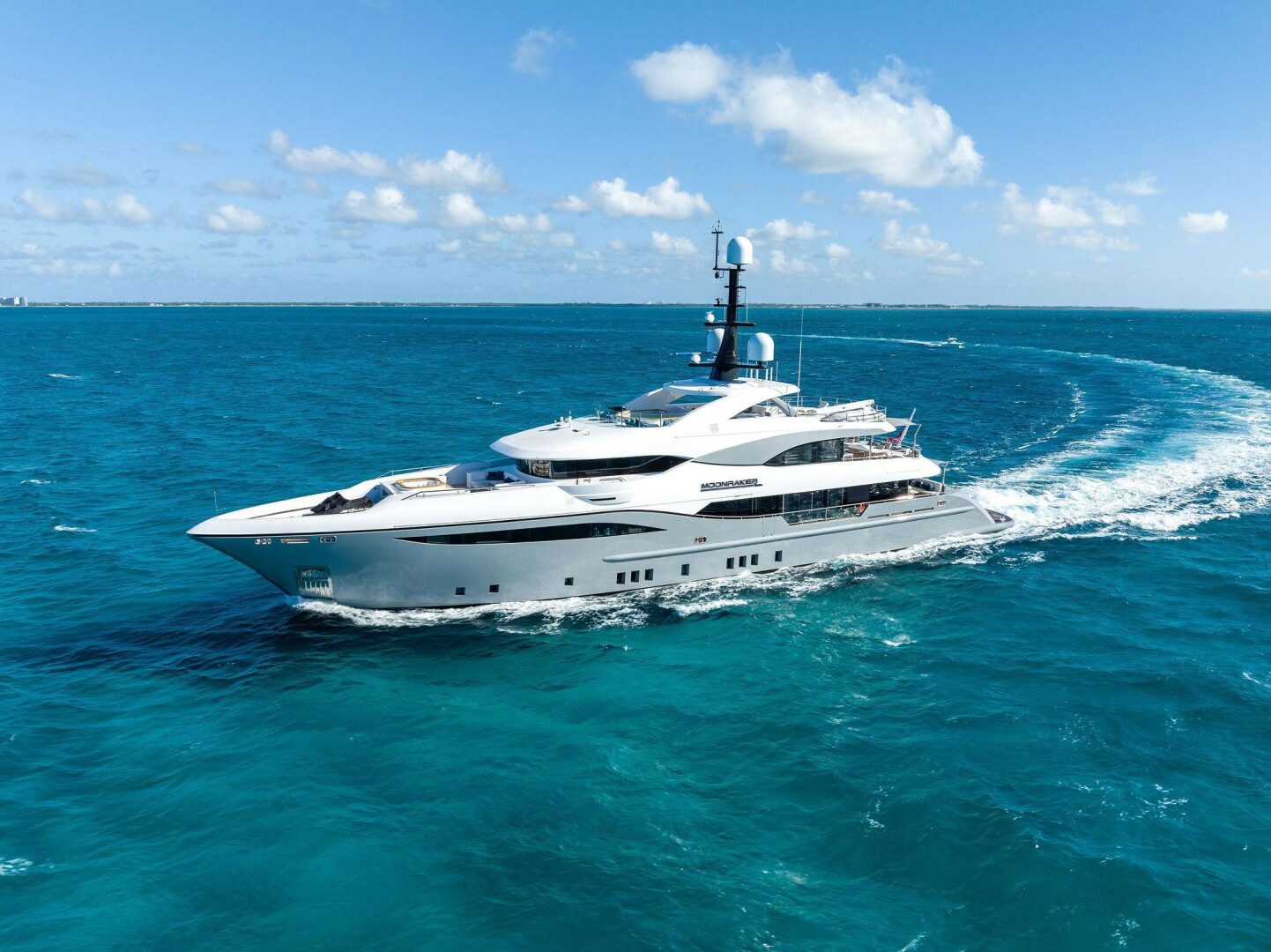
2019 Bilgin MOONRAKER
$21,404,500
156
West Palm Beach Florida

2028 Columbus Yachts
$22,900,008
137
Ancona
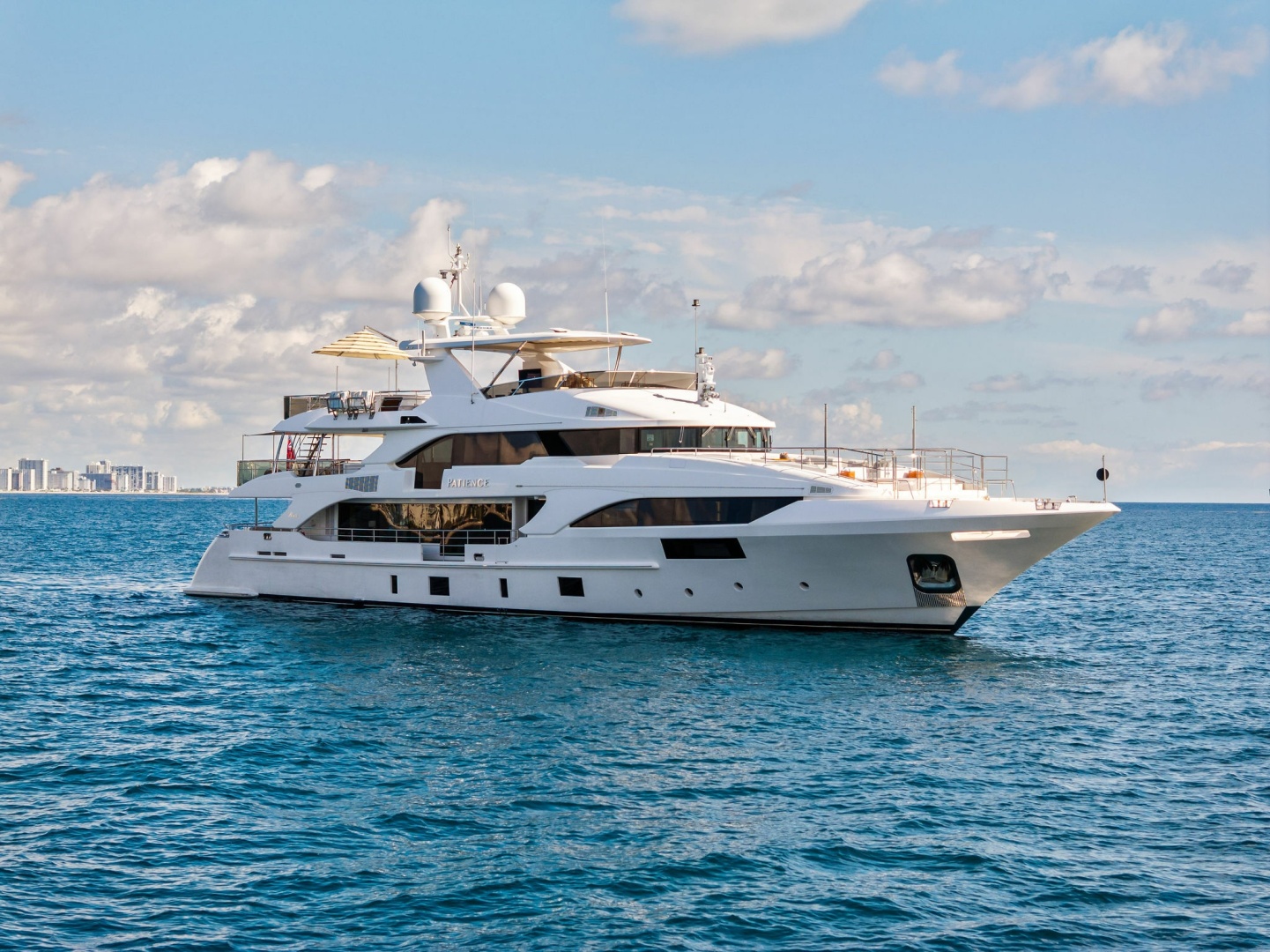
2012 Benetti PATIENCE
$10,975,000
132
Fort Lauderdale Florida
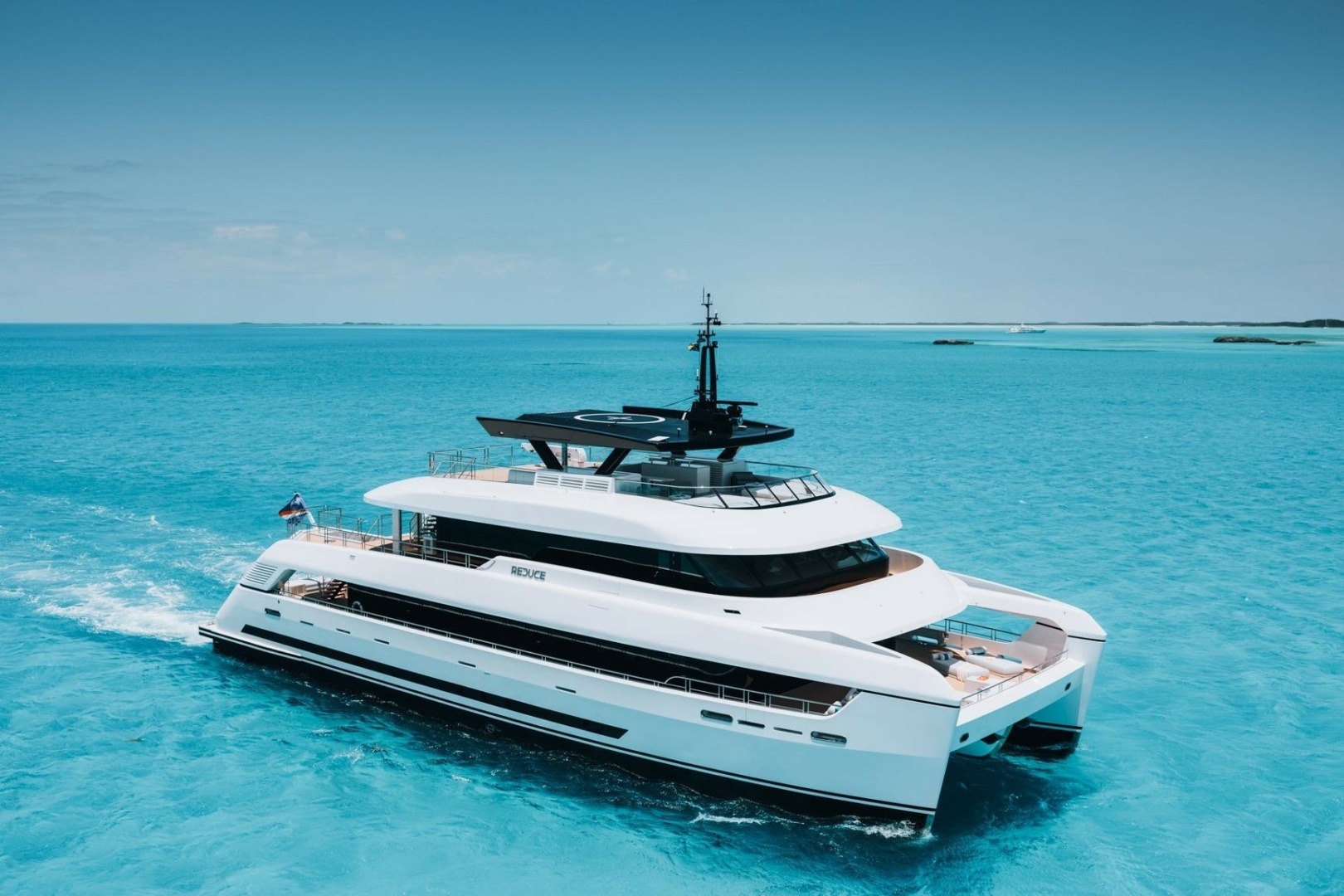
2024 Silver Yachts
$25,400,000
117
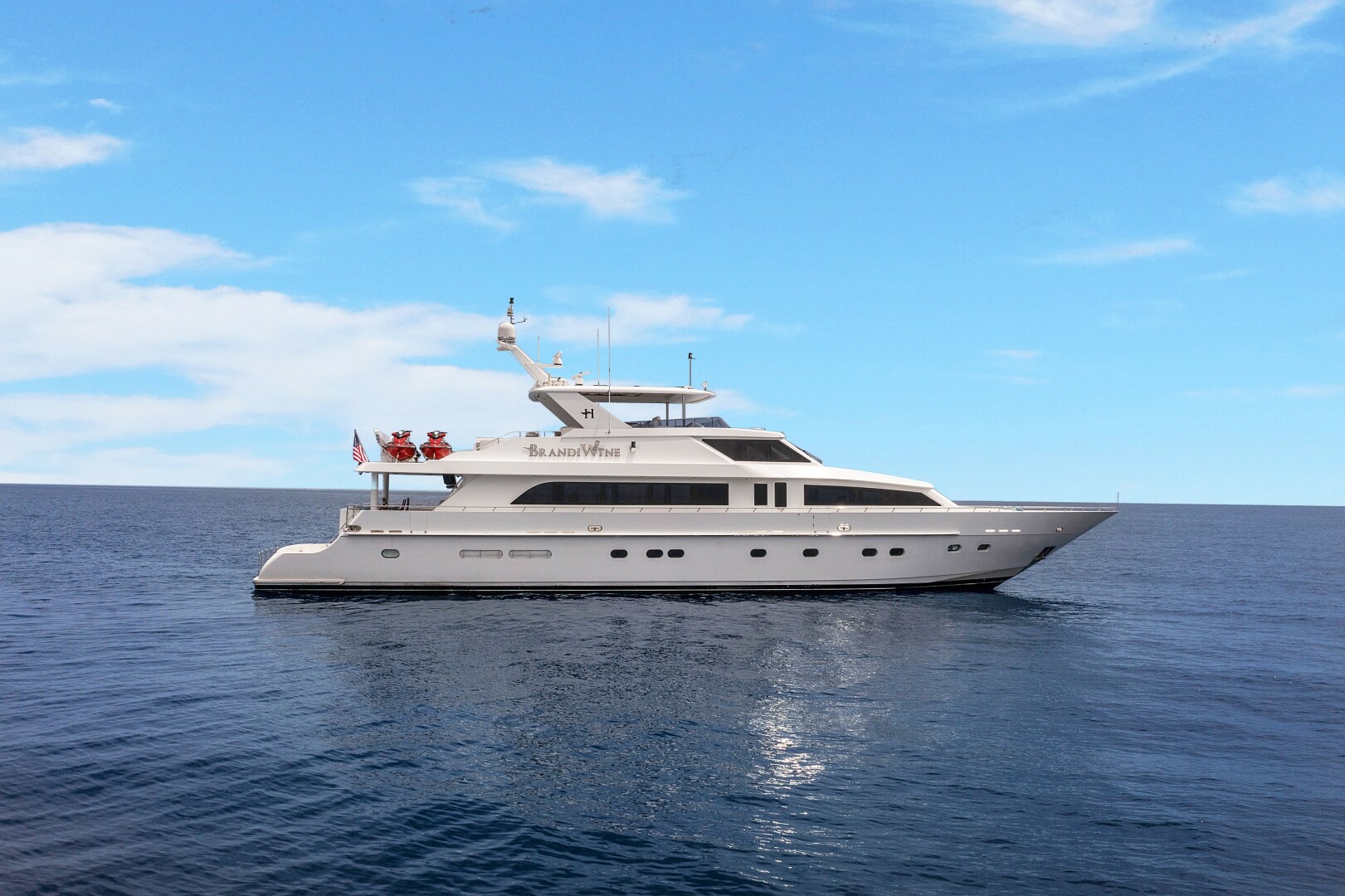
2009 Hargrave BRANDI WINE
$2,995,000
114
Fort Lauderdale Florida

2028 Extra Yachts
$21,404,500
100
Ancona

2028 Extra Yachts Extra 96
$9,495,000
96
Ancona
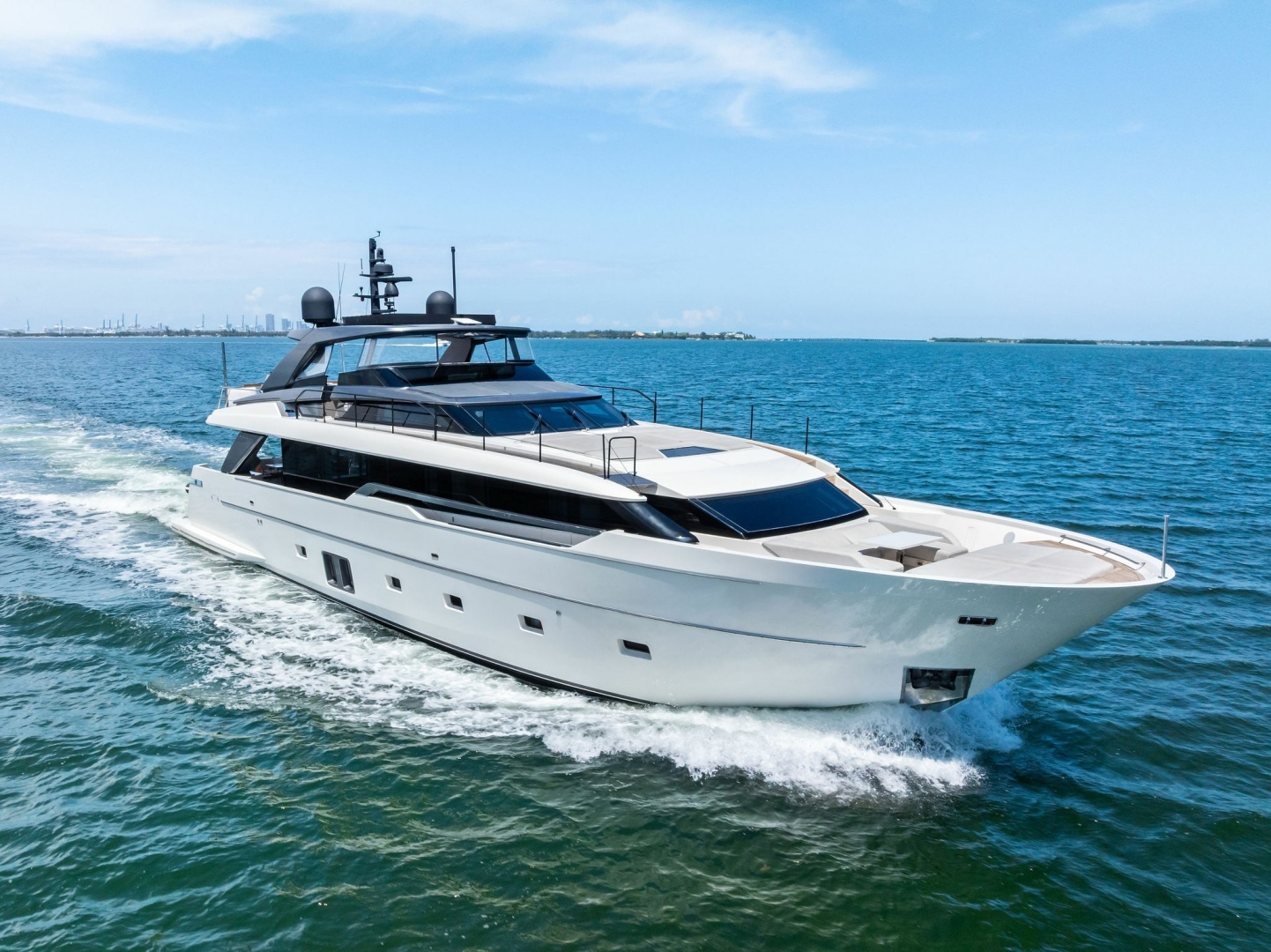
2021 Sanlorenzo GATSBY
$6,795,000
96
Miami Beach Florida

1999 Northern Marine OFF LINE
$2,495,000
84
Ft Lauderdale Florida
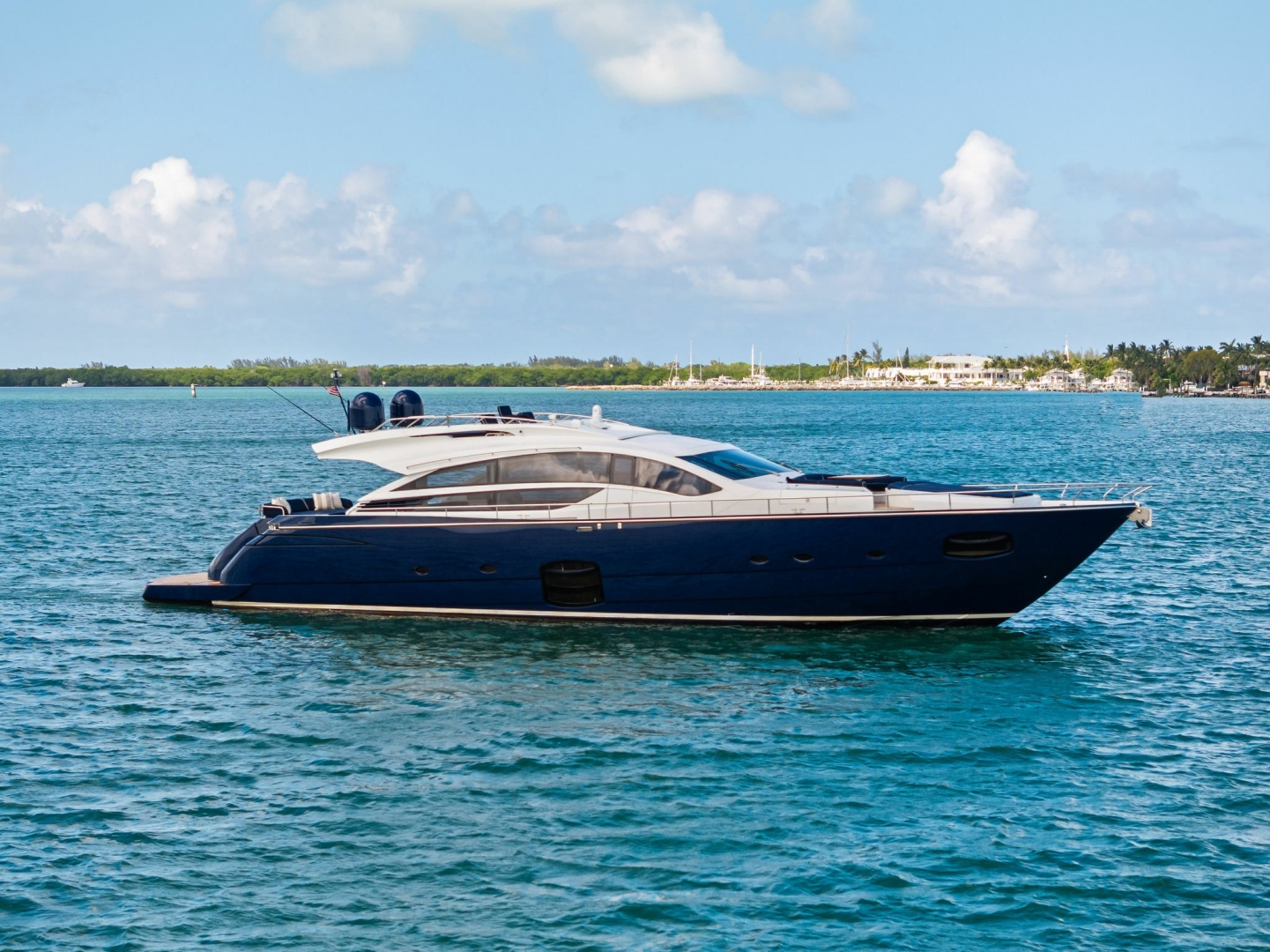
2013 Pershing DOROTHY ANN
$1,750,000
82
Miami Beach Florida

1997 Ferretti Yachts
$850,000
80
La Paz
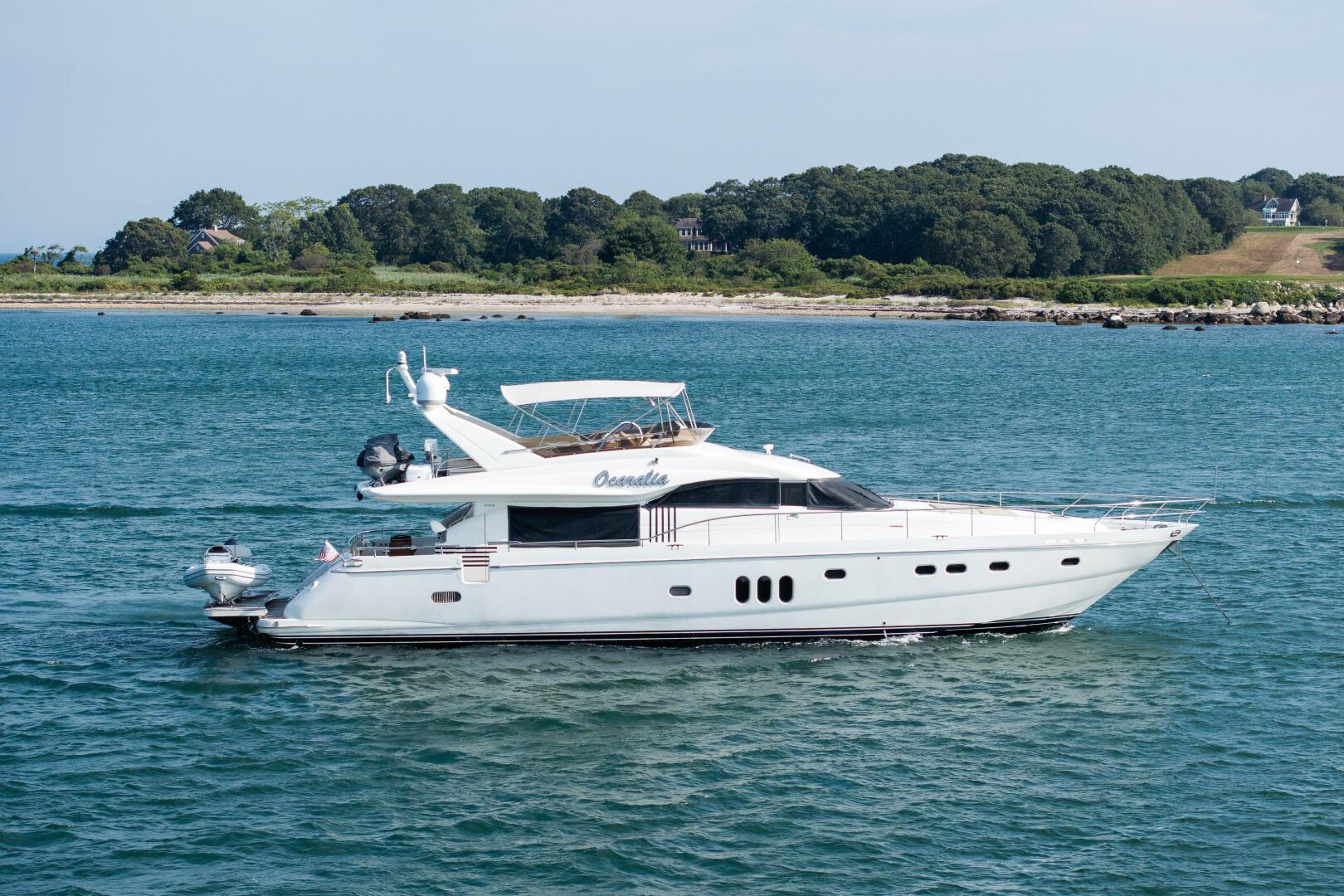
2008 Princess Yachts OCARALIA
$1,095,000
75
Charleston South Carolina
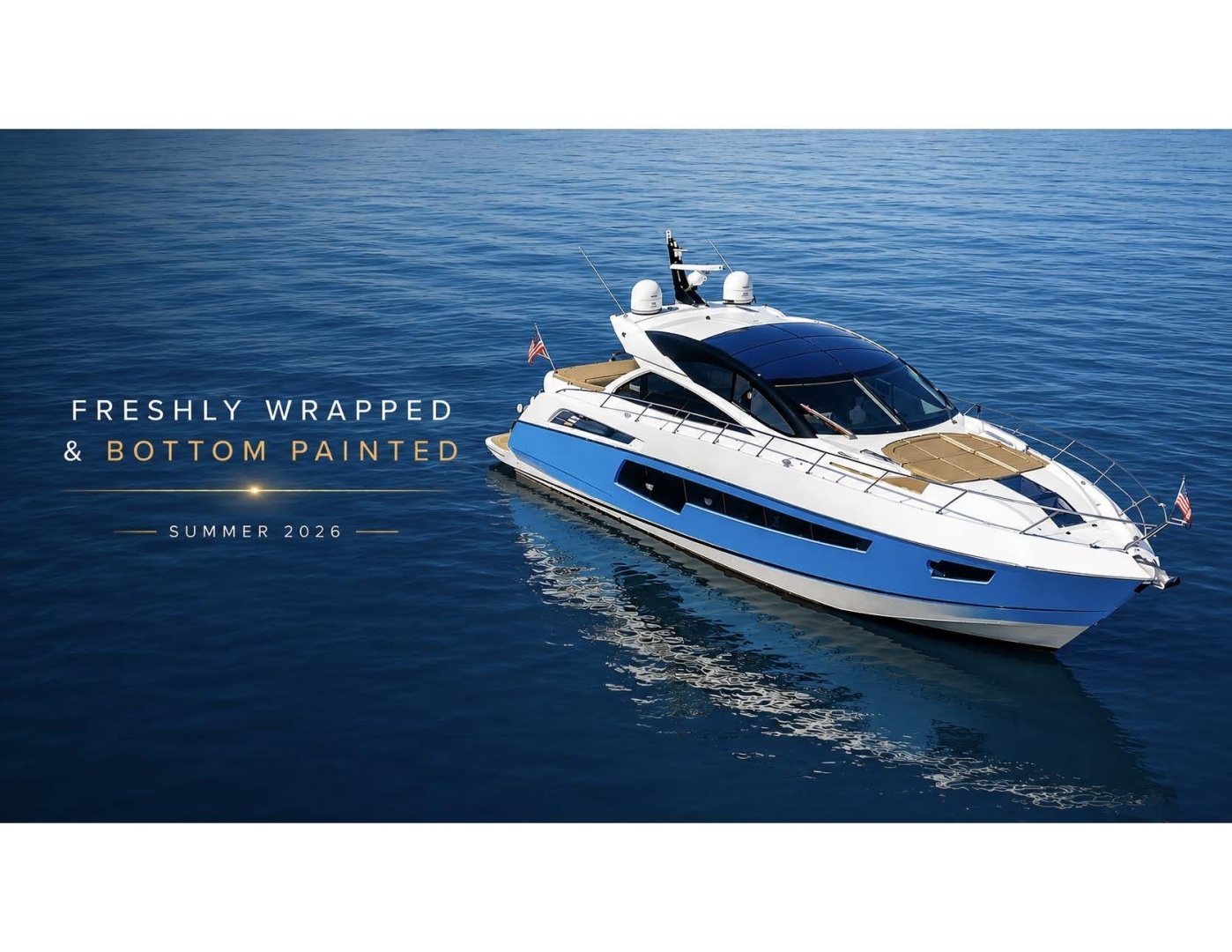
2014 Sunseeker
$1,400,000
68
New York New York

2024 Fairline
$2,750,000
68
Ft. Lauderdale Florida

2024 Sunreef Catallaxi
$3,700,000
60
Newport Rhode Island
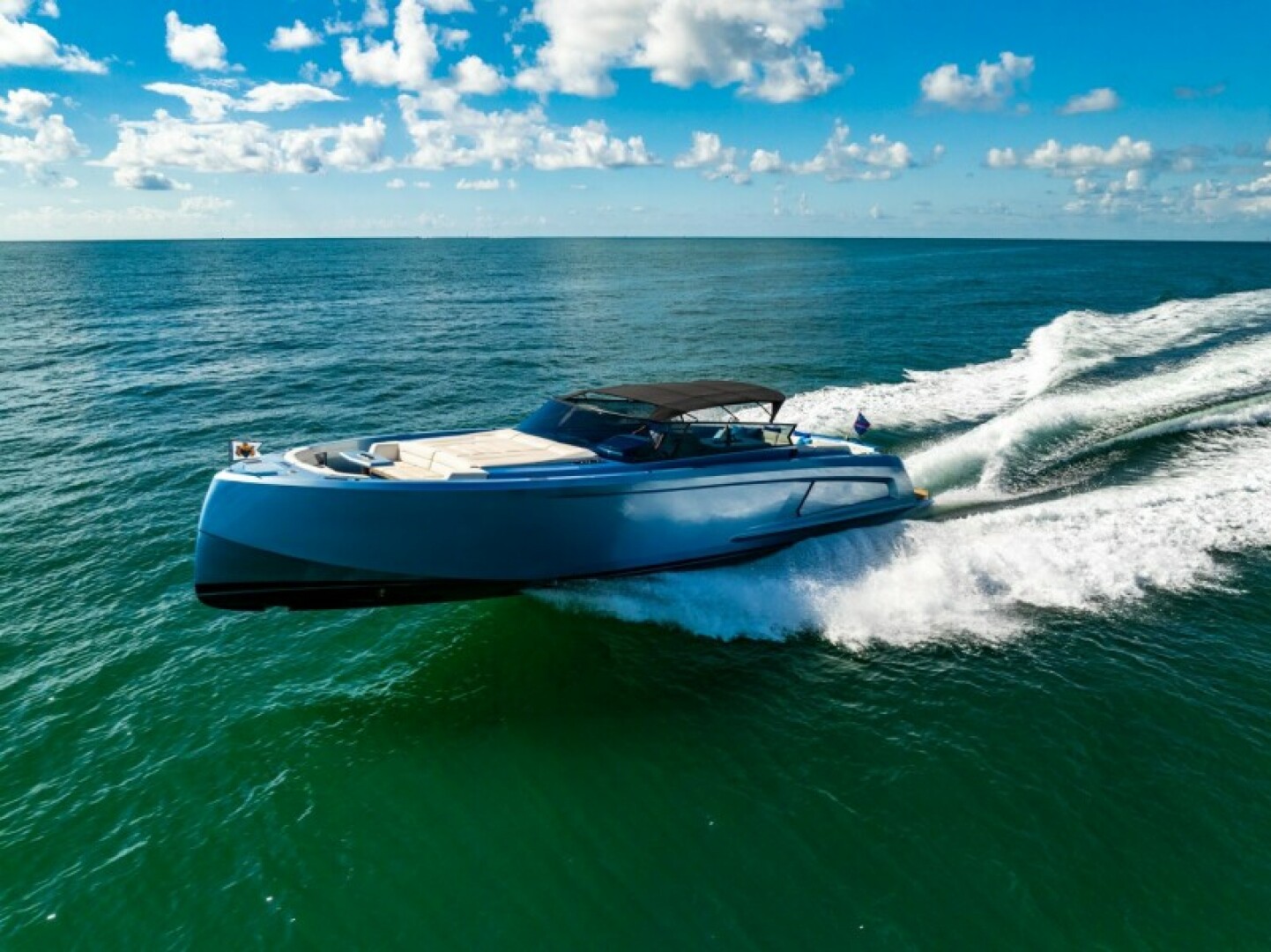
2019 Vanquish Yachts IMPULSIVE
$1,799,000
58
Miami Beach Florida
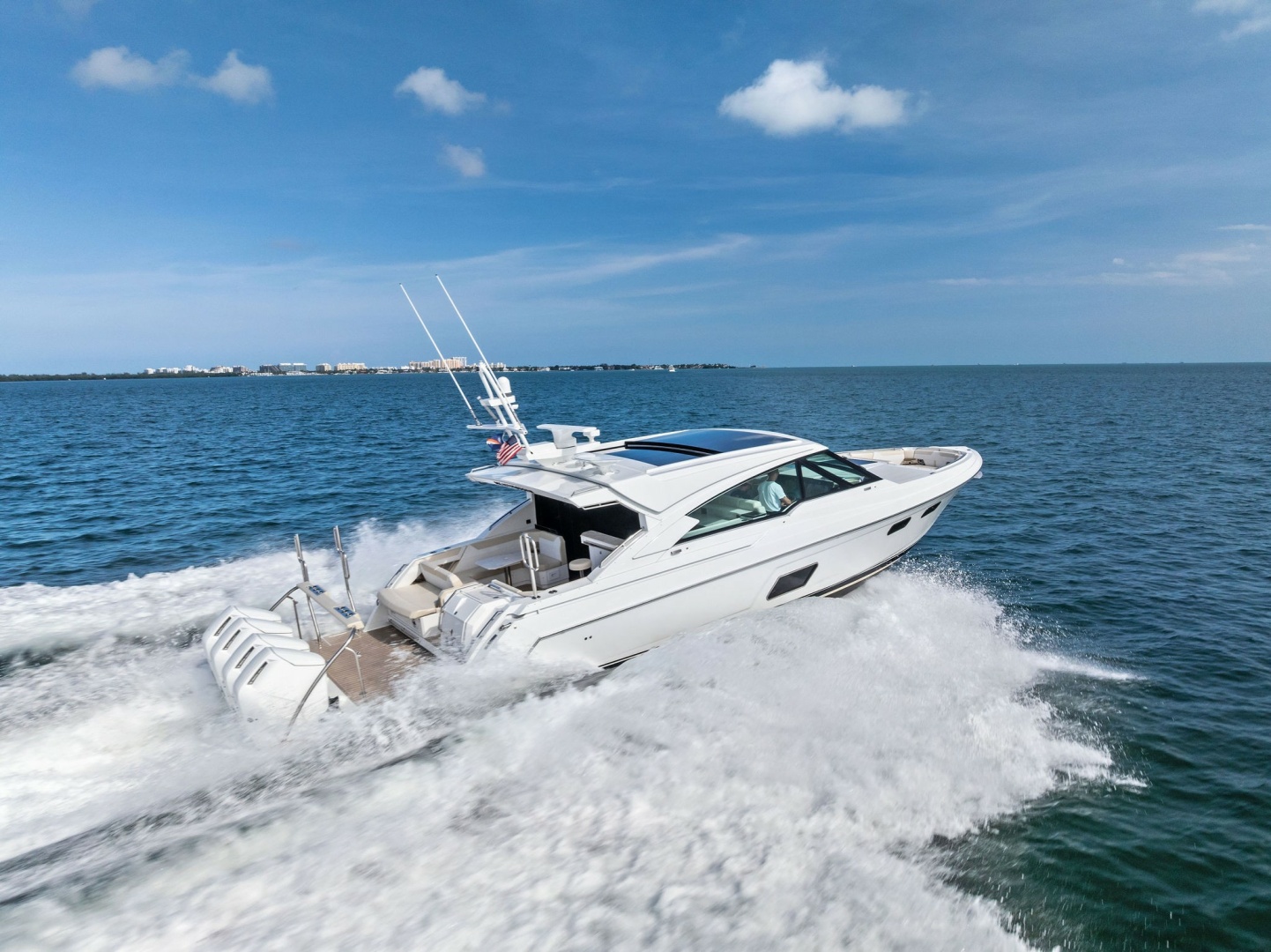
2025 Formula BREAKTHROUGH III
$1,895,000
53
Miami Beach Florida

2023 Fairline
$900,000
45
Fort Lauderdale Florida
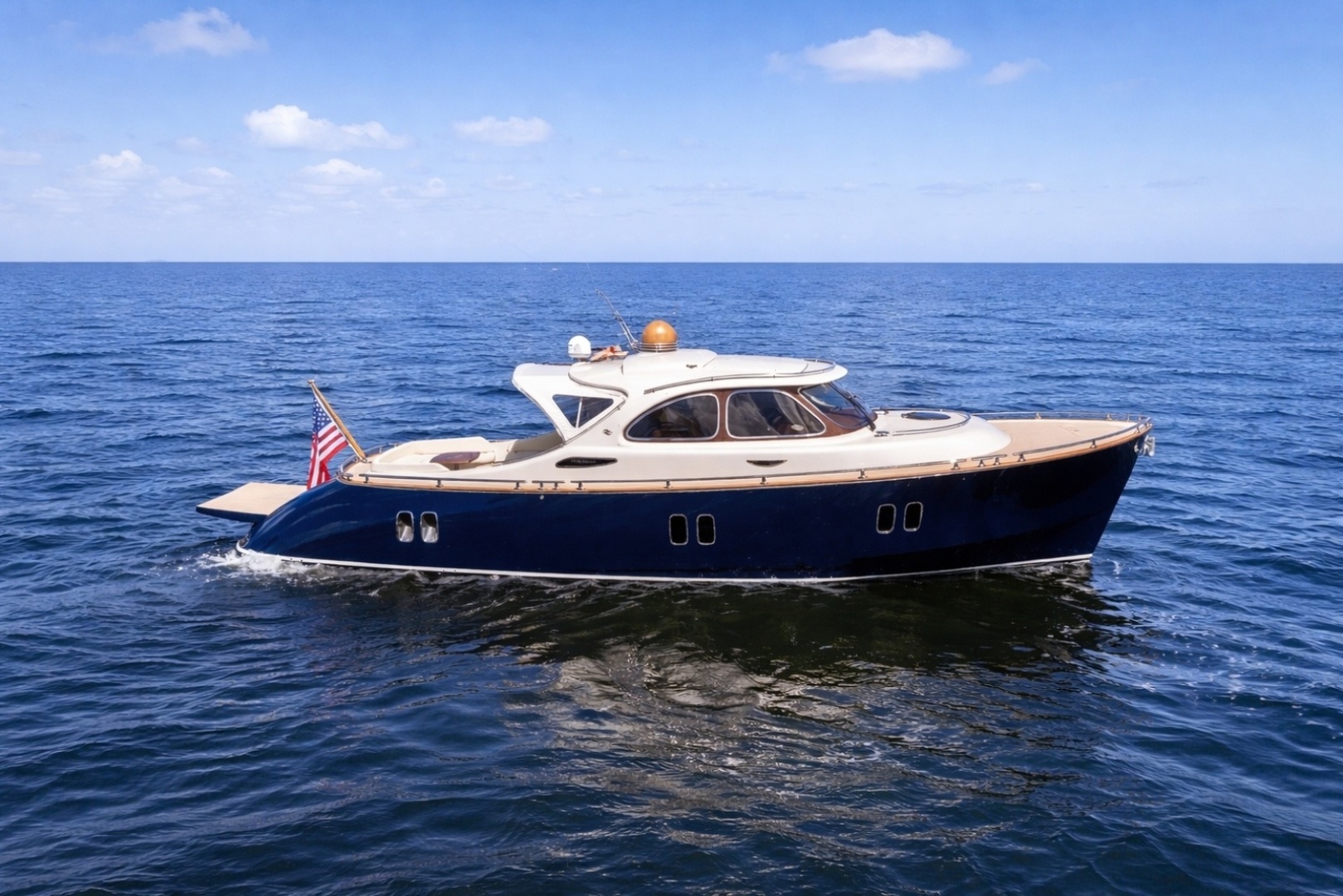
2012 Zeelander Mississippi Queen
$575,000
44
West Palm Beach Florida
2019 Bilgin 156'
$21,404,500
2028 Columbus Yachts 137'
$22,900,008
2012 Benetti 132'
$10,975,000
2024 Silver Yachts 117'
$25,400,000
2009 Hargrave 114'
$2,995,000
2028 Extra Yachts 100'
$21,404,500
2028 Extra Yachts 96'
$9,495,000
2021 Sanlorenzo 96'
$6,795,000
1999 Northern Marine 84'
$2,495,000
2013 Pershing 82'
$1,750,000
1997 Ferretti Yachts 80'
$850,000
2008 Princess Yachts 75'
$1,095,000
2014 Sunseeker 68'
$1,400,000
2024 Fairline 68'
$2,750,000
2024 Sunreef 60'
$3,700,000
2019 Vanquish Yachts 58'
$1,799,000
2025 Formula 53'
$1,895,000
2023 Fairline 45'
$900,000
2012 Zeelander 44'
$575,000