

Most buyers entering the superyacht market focus on interior design, deck space, and amenities. It’s a natural instinct. But the detail that truly shapes a vessel’s safety, insurability, and long-term market value sits beneath the surface: its classification. Superyacht classification refers to certification by independent classification societies confirming that a yacht meets rigorous technical rules for design, construction, materials, and ongoing maintenance. Understanding this framework isn’t just useful. For discerning buyers and investors, it’s essential.
Table of Contents
- What is superyacht classification?
- How classification societies set superyacht standards
- The classification process: From blueprint to ongoing compliance
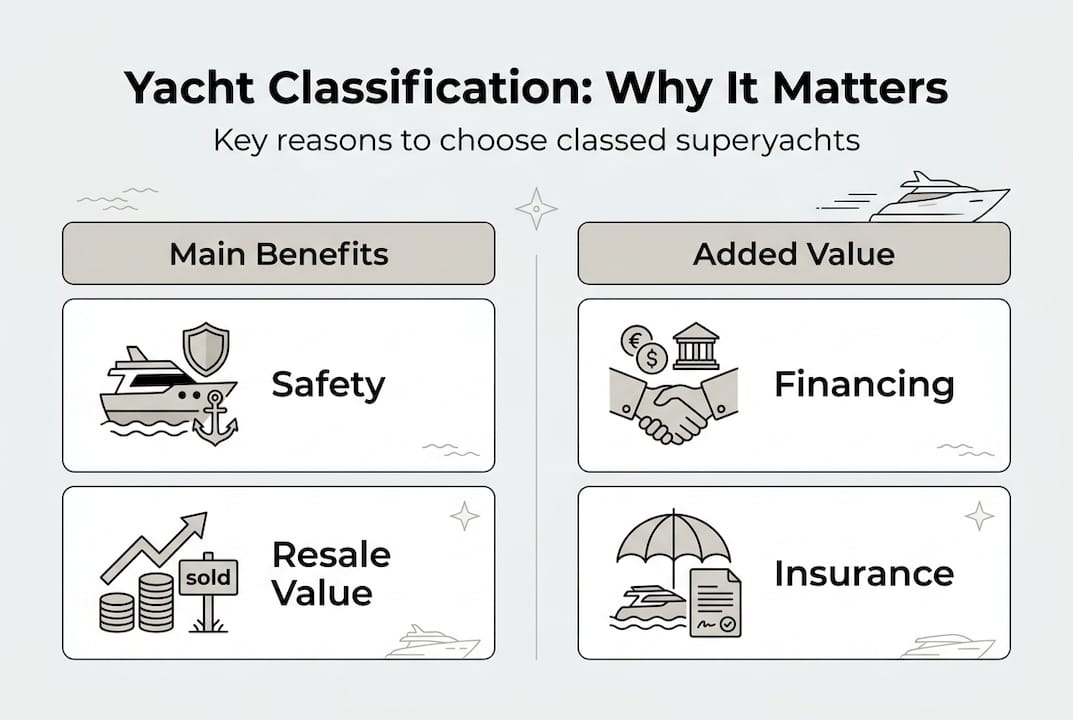
- Why superyacht classification matters: Benefits and value
- Classification versus flag-state codes: Navigating compliance
- Exceptions and edge cases: Small, private, and unique yachts
- Next steps: Navigating the luxury superyacht market with expert guidance
- Frequently asked questions
Key Takeaways
| Point | Details |
|---|---|
| Classification ensures safety | Classification by recognized societies confirms a superyacht’s safety, engineering, and seaworthiness throughout its lifecycle. |
| Value beyond luxury | Classification boosts insurance options, resale value, and legal compliance for both private owners and investors. |
| Multiple standards apply | Buyers must distinguish between technical classification and operational flag-state codes to avoid costly mistakes. |
| Not all yachts require class | Certain smaller or private yachts may follow alternative standards but commercial and larger yachts need full class. |
| Expert advice pays off | Engaging brokers familiar with classification streamlines transactions and protects high-value investments. |
What is superyacht classification?
At its core, classification is a formal seal of technical integrity. It tells you, your insurer, your financier, and any future buyer that the vessel was built and maintained to internationally recognized engineering standards. Think of it as the structural backbone behind every polished surface and bespoke fitting you admire on board.
Classification societies certify yachts against technical rules covering safety and seaworthiness, operating as independent third parties with no commercial stake in the outcome. Their role is purely to verify. The major societies recognized globally include:
- ABS (American Bureau of Shipping): Widely respected, particularly in North American markets
- Bureau Veritas (BV): French society with strong European and Mediterranean presence
- Lloyd’s Register (LR): One of the oldest and most prestigious, based in the UK
- DNV (Det Norske Veritas): Norwegian society known for rigorous technical standards
- RINA (Registro Italiano Navale): Italian society with deep roots in Mediterranean yachting
Each society publishes its own set of “class rules,” which are detailed technical documents governing every aspect of a vessel’s construction and operation. These aren’t bureaucratic formalities. They are the engineering foundation upon which your investment rests.
“Classification is not a luxury add-on. It is the invisible architecture that gives a superyacht its integrity, its insurability, and its enduring value on the open market.”
For buyers exploring the full spectrum of luxury yacht types, understanding classification early shapes every subsequent decision. And for those weighing the broader picture of superyacht ownership benefits, classification is the foundation those benefits are built upon.
How classification societies set superyacht standards
Understanding who creates and enforces these standards is vital. Each major society develops its own class rules, but the technical domains they cover are broadly consistent. Class rules cover hull, machinery, electrical systems, fire safety, stability, and more, creating a comprehensive framework that governs a vessel from keel to mast.
Here’s a snapshot of how the major societies compare:
| Society | Headquarters | Known strength | Yacht focus |
|---|---|---|---|
| ABS | USA | Offshore and commercial | Large motor yachts |
| Bureau Veritas | France | European compliance | Motor and sailing yachts |
| Lloyd’s Register | UK | Heritage and prestige | Expedition and explorer yachts |
| DNV | Norway | Technical rigor | Performance and sailing yachts |
| RINA | Italy | Mediterranean expertise | Custom and classic yachts |
The technical domains regulated by these societies span far more than most buyers realize. Hull structural integrity, propulsion machinery, electrical installations, fire detection and suppression, bilge systems, and stability calculations all fall within the scope of class rules. This breadth is precisely why classification carries such weight in the market.

For buyers focused on yacht investment benefits, choosing the right society early in a new build project can influence design decisions, material sourcing, and even the vessel’s eventual resale geography. Similarly, those interested in yacht design and innovation will find that class rules often drive the most sophisticated engineering choices on board.
Pro Tip: If you’re commissioning a new build, select your classification society before the design phase begins. Each society has nuanced preferences and requirements that can affect structural choices, systems layout, and even interior configurations. Changing societies mid-build is costly and disruptive.
The classification process: From blueprint to ongoing compliance
With a clear view of who certifies yachts, let’s unpack what owners, investors, and their teams must navigate across a superyacht’s lifetime. The classification process involves design approval, construction supervision, material testing, and periodic surveys, creating a continuous relationship between the vessel and its certifying society.
Here are the major stages in sequence:
- Design approval: The society reviews and approves structural drawings, systems plans, and stability calculations before construction begins.
- Material and component certification: Steel, aluminum, key machinery, and electrical components must meet society-approved specifications.
- Construction surveys: Society surveyors attend the build at defined milestones to verify compliance in real time.
- Delivery survey: A final inspection confirms the completed vessel meets all class requirements before the certificate is issued.
- Annual surveys: Lightweight inspections conducted each year to confirm the vessel remains in class.
- Intermediate survey: A more detailed inspection, typically at the 2.5-year mark within a 5-year cycle.
- Special survey (dry-dock): The most thorough inspection, required every five years, involving hull inspection out of the water.
For buyers, this lifecycle has direct practical implications. When evaluating a pre-owned superyacht, always request the full survey history and confirm the vessel’s current class status. A lapsed or suspended classification is a serious red flag that can affect insurance coverage, charter licensing, and financing options.
Effective yacht management and compliance practices ensure that survey schedules are tracked, deficiencies are addressed promptly, and the vessel’s class certificate remains valid at all times.
Pro Tip: Before finalizing any purchase, verify the vessel’s class status directly with the issuing society. Most major societies offer online registries where you can confirm current certification. Don’t rely solely on documentation provided by the seller.
Why superyacht classification matters: Benefits and value
Now that the steps are clear, it’s critical to see why these details create real financial and operational advantages. The benefits of classification extend well beyond technical compliance.
- Insurance: Underwriters for high-value marine assets require or strongly prefer classed vessels. Classification reduces perceived risk and directly influences premium levels.
- Financing: Lenders providing yacht financing typically require classification as a condition of the loan, particularly for vessels above a certain value threshold.
- Charter operations: Commercial charter licensing in most jurisdictions requires classification as a baseline condition.
- Resale value: Classification is voluntary for private yachts but required for commercial operations, insurance, financing, and chartering, and classed yachts consistently command higher resale values.
- Legal standing: In the event of an incident, a classed vessel has documented proof of compliance with recognized safety standards, which carries significant legal weight.
With approximately 10,000 superyachts operating globally, the market is competitive. Classed vessels occupy a premium tier, attracting more qualified buyers, better financing terms, and stronger charter demand.
“A superyacht’s classification certificate is, in many ways, its most valuable document. It is the proof of promise that every system, every structure, and every safety measure was built and maintained to a standard the world recognizes.”
For those weighing the costs and benefits of ownership or exploring yacht financing strategies, classification is not an optional detail. It is a core pillar of the investment case.
Classification versus flag-state codes: Navigating compliance
Having seen why classification pays off, buyers must also grasp how it fits with equally important flag-state obligations. These two frameworks are frequently confused, and the confusion can be expensive.
| Aspect | Classification | Flag-state codes |
|---|---|---|
| Governed by | Independent societies (ABS, DNV, etc.) | National maritime authorities |
| Focus | Engineering and technical standards | Operational, manning, and statutory rules |
| Enforcement | Society surveyors | Flag-state inspectors |
| Voluntary or mandatory | Voluntary for private yachts | Mandatory for all registered vessels |
| Examples | DNV class rules, LR yacht rules | LY3, REG-YC, MCA codes |
Flag codes focus on statutory and operational issues such as passenger limits, crew manning requirements, and safety equipment inventories, while classification focuses on engineering. Both are complementary and both are necessary.
Commercial yachts over 24 meters must follow specific codes such as LY3 (Large Yacht Code) or REG-YC, which are distinct from classification requirements but often reference class standards within them. Understanding which code applies to your intended use is critical before purchase.
Key pitfalls to avoid:
- Assuming a classed yacht automatically meets all flag-state requirements
- Overlooking the flag-state code applicable to your intended charter jurisdiction
- Failing to verify that the vessel’s flag registration is current and in good standing
- Confusing yacht brokerage industry terms related to compliance during negotiations
For buyers considering captained charter operations, understanding both frameworks before signing any purchase agreement is non-negotiable.
Exceptions and edge cases: Small, private, and unique yachts
Buyers sometimes encounter special cases where standard classification rules don’t apply in the expected way. Knowing how to interpret these situations protects you from costly surprises.
Here’s what to watch for:
- Yachts under 24 meters: These vessels may follow CE (Conformité Européenne) marking standards in Europe or ABYC (American Boat and Yacht Council) standards in the US rather than full classification society rules.
- Private use only: Smaller yachts under 24 meters or certain private craft may use CE or ABYC standards, and yachts over 400 gross tons or carrying more than 12 passengers require stricter regulatory frameworks.
- Expedition and explorer yachts: These vessels often operate in remote or polar regions where additional class notations (such as ice class) are required beyond standard certification.
- Historic or classic yachts: Older vessels may hold legacy class certificates or operate under exemptions. Buyers should commission an independent survey to assess actual condition versus documented status.
- Yachts in transition: A vessel moving from private to commercial use, or changing flag state, may require reclassification or additional surveys before the transition is complete.
For buyers exploring types of yacht ownership or considering a sailing yacht with unique specifications, these edge cases are worth examining carefully with a qualified broker and maritime lawyer before committing.
Next steps: Navigating the luxury superyacht market with expert guidance
Armed with a clear framework for classification, you’re positioned to make decisions that protect your investment and elevate your ownership experience. But knowing the standards is only part of the equation. The other part is having the right partner at your side.
At Yachts by Steve, we work with buyers and sellers who understand that every detail matters. Whether you’re choosing a yacht broker for the first time or listing your yacht with a broker to maximize its market value, our team brings the nuanced knowledge of classification, compliance, and market positioning that discerning clients deserve. Explore what expert yacht brokerage truly looks like when it’s built around your goals.
Frequently asked questions
Is superyacht classification required by law?
For private yachts, classification is voluntary but becomes essential the moment you pursue charter operations, financing, or insurance coverage. Most serious buyers treat it as a baseline requirement regardless.
Which are the main classification societies for superyachts?
The major societies recognized worldwide are ABS, Bureau Veritas, Lloyd’s Register, DNV, and RINA, each with distinct regional strengths and technical specializations that can influence your choice.
What’s the difference between flag-state codes and classification?
Flag-state codes regulate operation, manning, and legal compliance at the national level, while classification focuses exclusively on technical and engineering standards verified by independent societies.
Does classification increase yacht resale value?
Yes. Classed yachts command higher resale values and attract better insurance terms because their safety and compliance history is independently documented and verifiable by any prospective buyer.
Are there alternatives to classification for smaller yachts?
Yes. Yachts under 24 meters or certain private craft may follow CE or ABYC standards instead of full classification, though buyers should verify which standard applies based on intended use and operating region.
Recommended
- Top Superyacht Features: 11.1% CAGR Growth in 2026
- Yacht specifications explained: guide for buyers 2026
- Industry trends in yachting: a buyer’s guide for 2026
- Yacht pricing strategy: maximize value in 2026
- 75’ semi-custom Bertram motor yacht for up to 49 passengers – Maritime Burials at Sea
- Defining luxury watch mods: Your 2026 guide to custom timepieces – Ottoman Prieur
Featured Listings
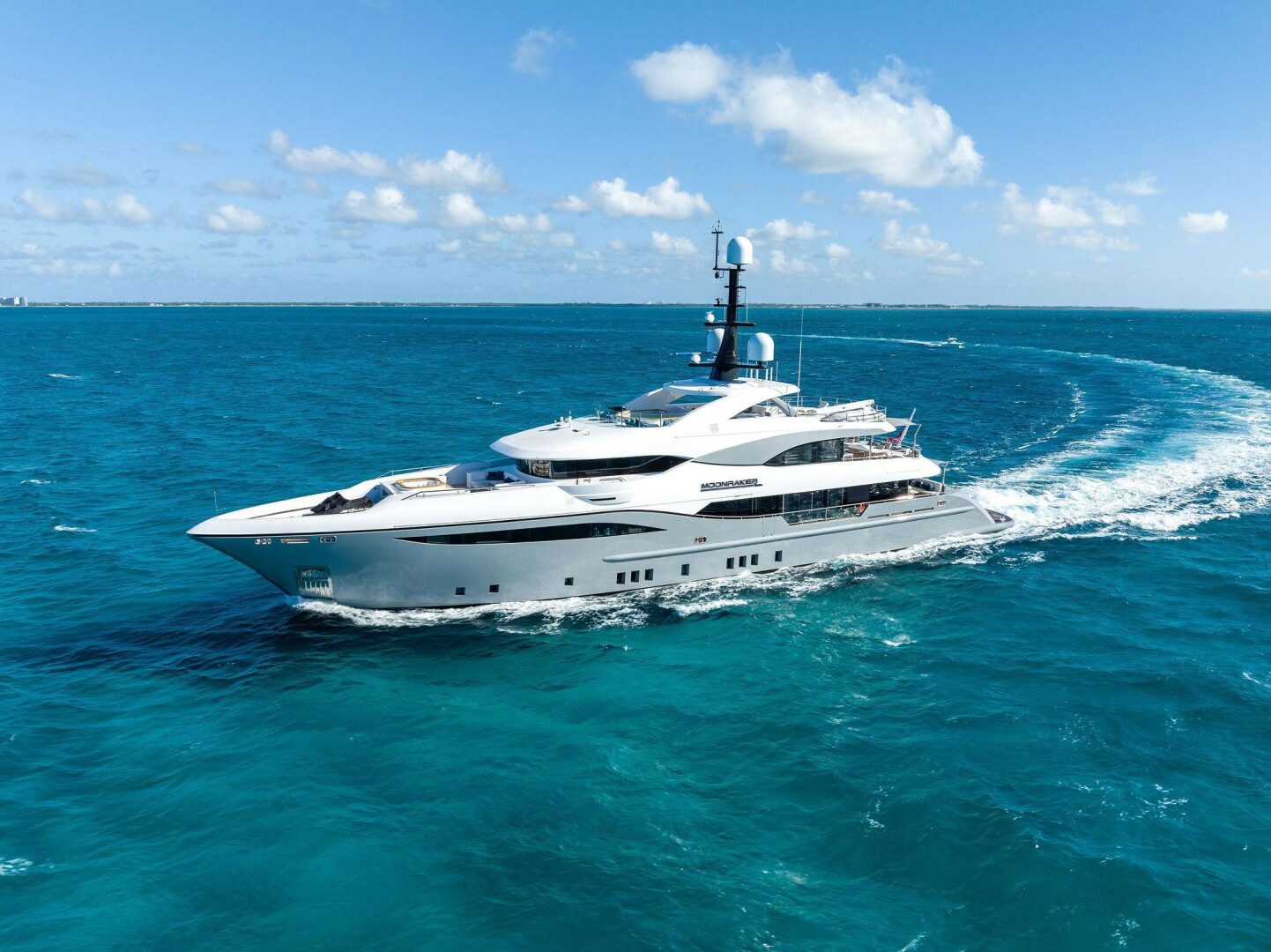
2019 Bilgin MOONRAKER
$21,404,500
156
West Palm Beach Florida

2028 Columbus Yachts
$22,900,008
137
Ancona
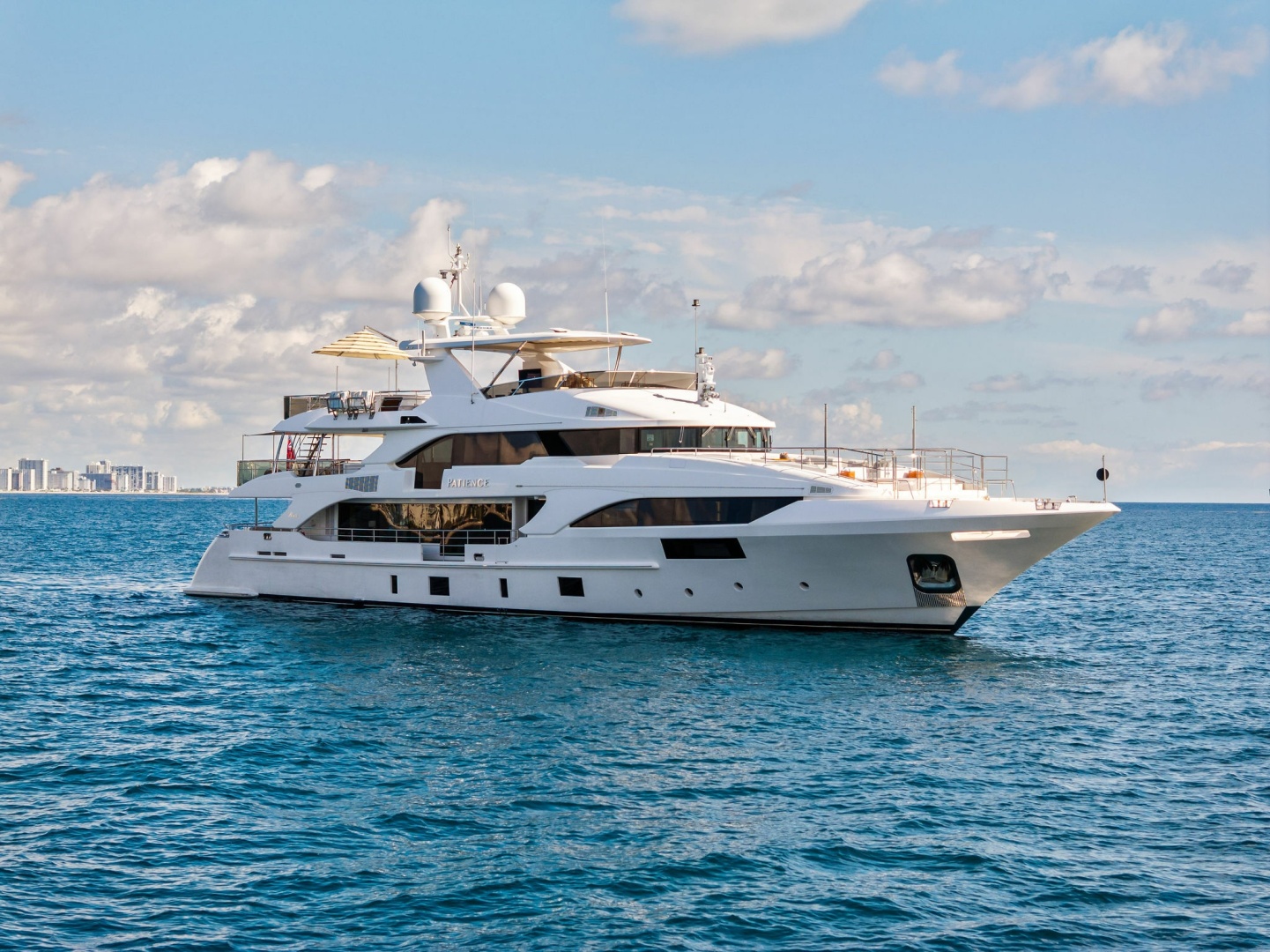
2012 Benetti PATIENCE
$10,975,000
132
Fort Lauderdale Florida
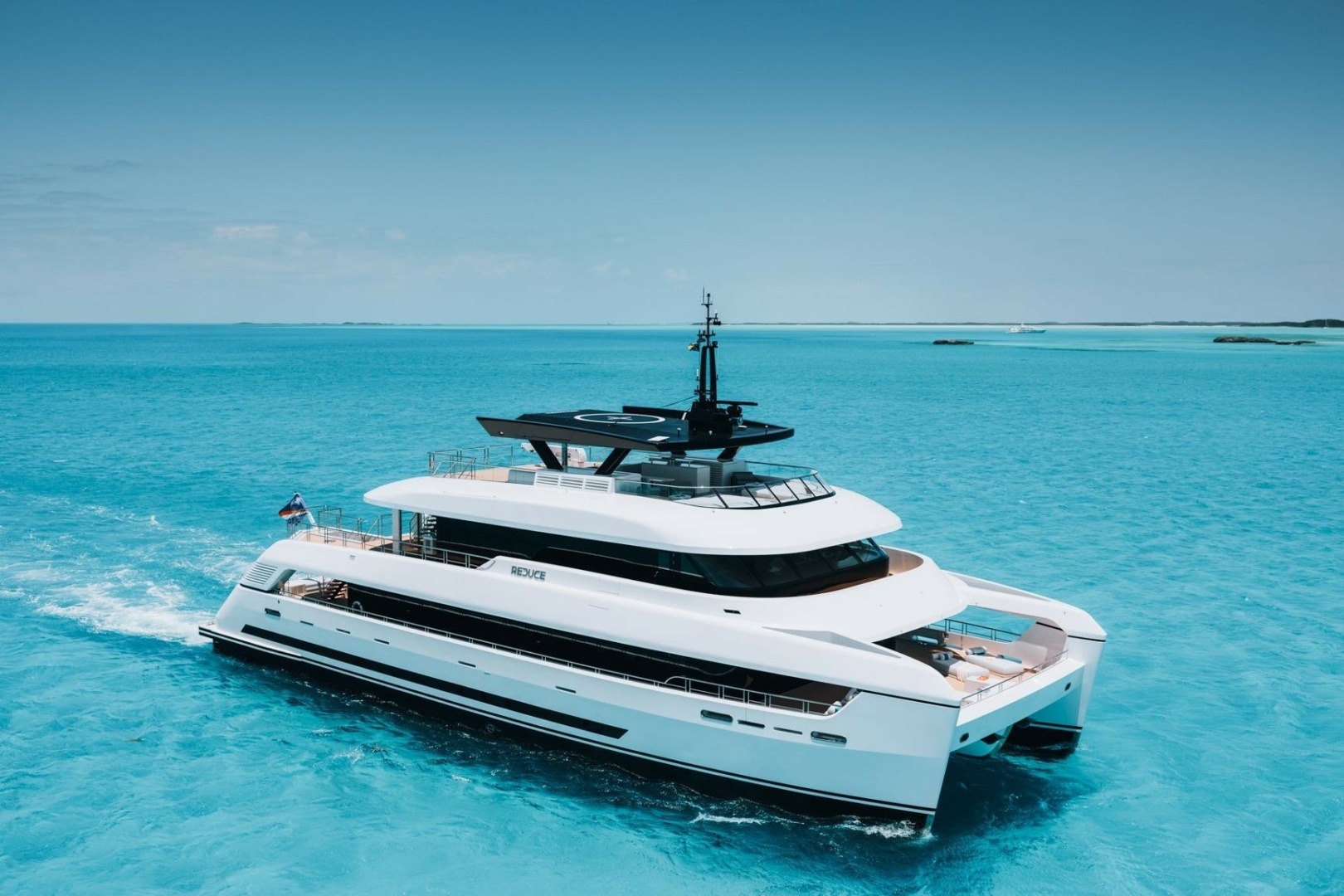
2024 Silver Yachts
$25,400,000
117
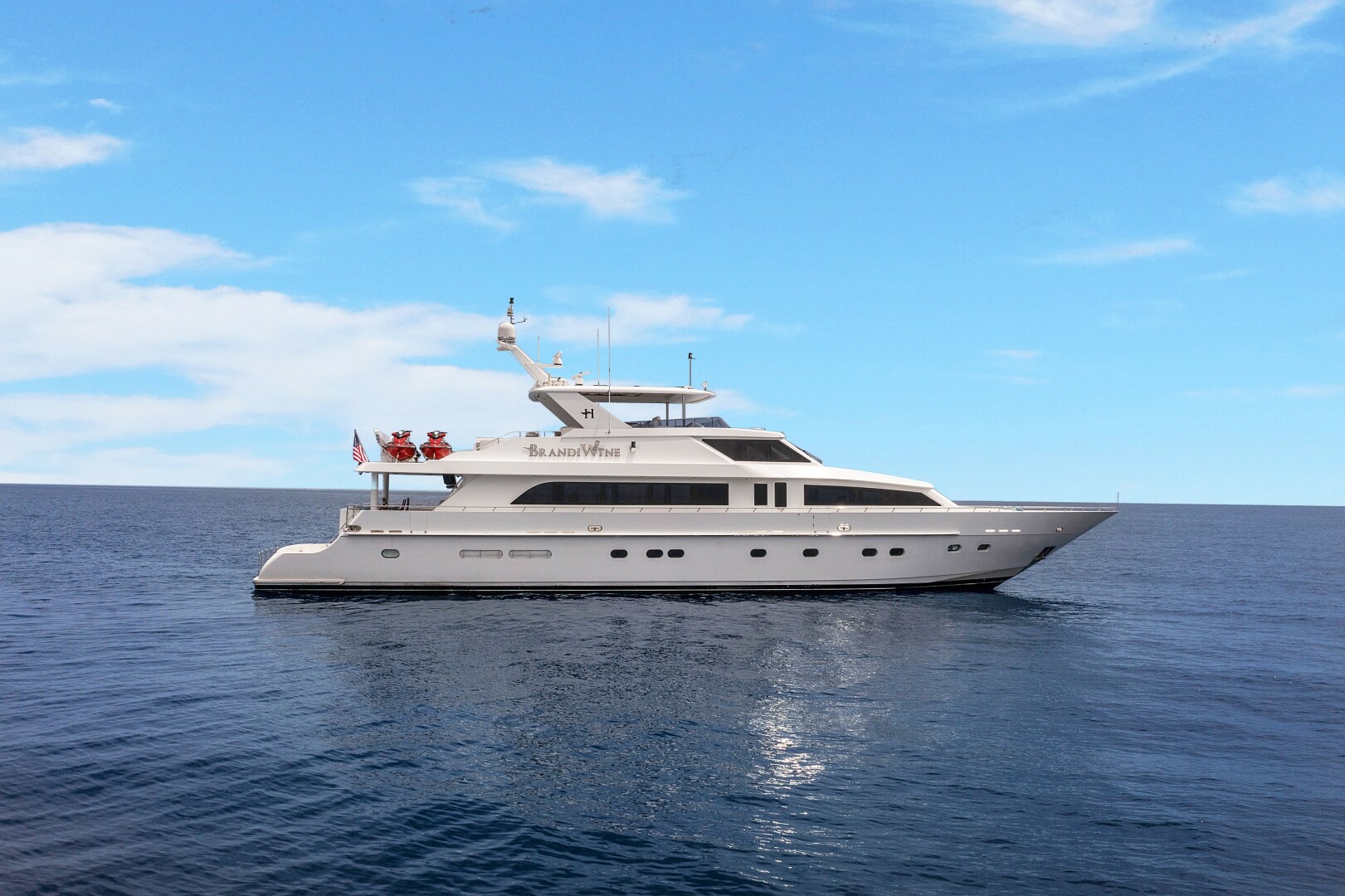
2009 Hargrave BRANDI WINE
$2,995,000
114
Fort Lauderdale Florida

2028 Extra Yachts
$21,404,500
100
Ancona

2028 Extra Yachts Extra 96
$9,495,000
96
Ancona
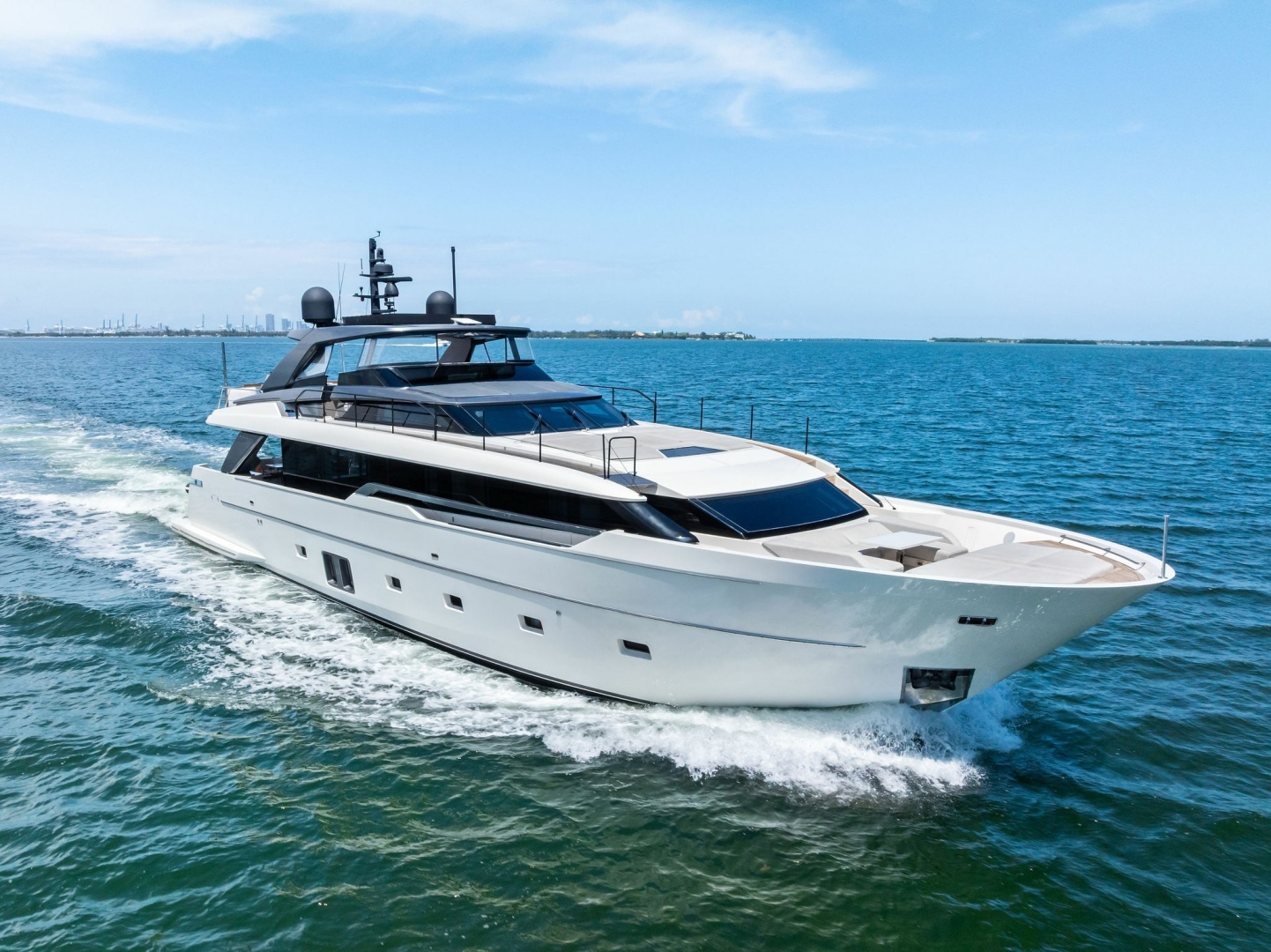
2021 Sanlorenzo GATSBY
$6,795,000
96
Miami Beach Florida

1999 Northern Marine OFF LINE
$2,495,000
84
Ft Lauderdale Florida
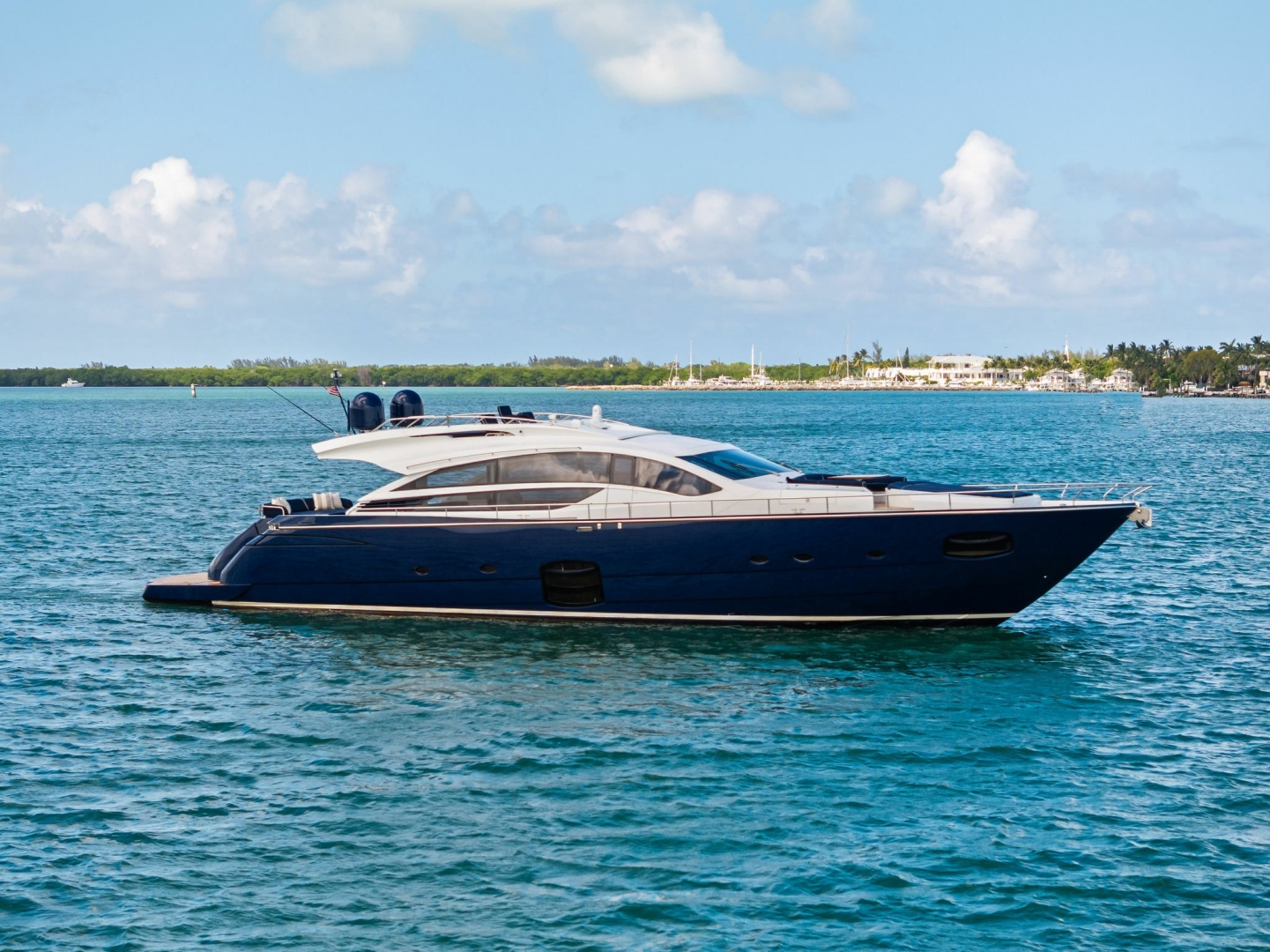
2013 Pershing DOROTHY ANN
$1,750,000
82
Miami Beach Florida

1997 Ferretti Yachts
$850,000
80
La Paz
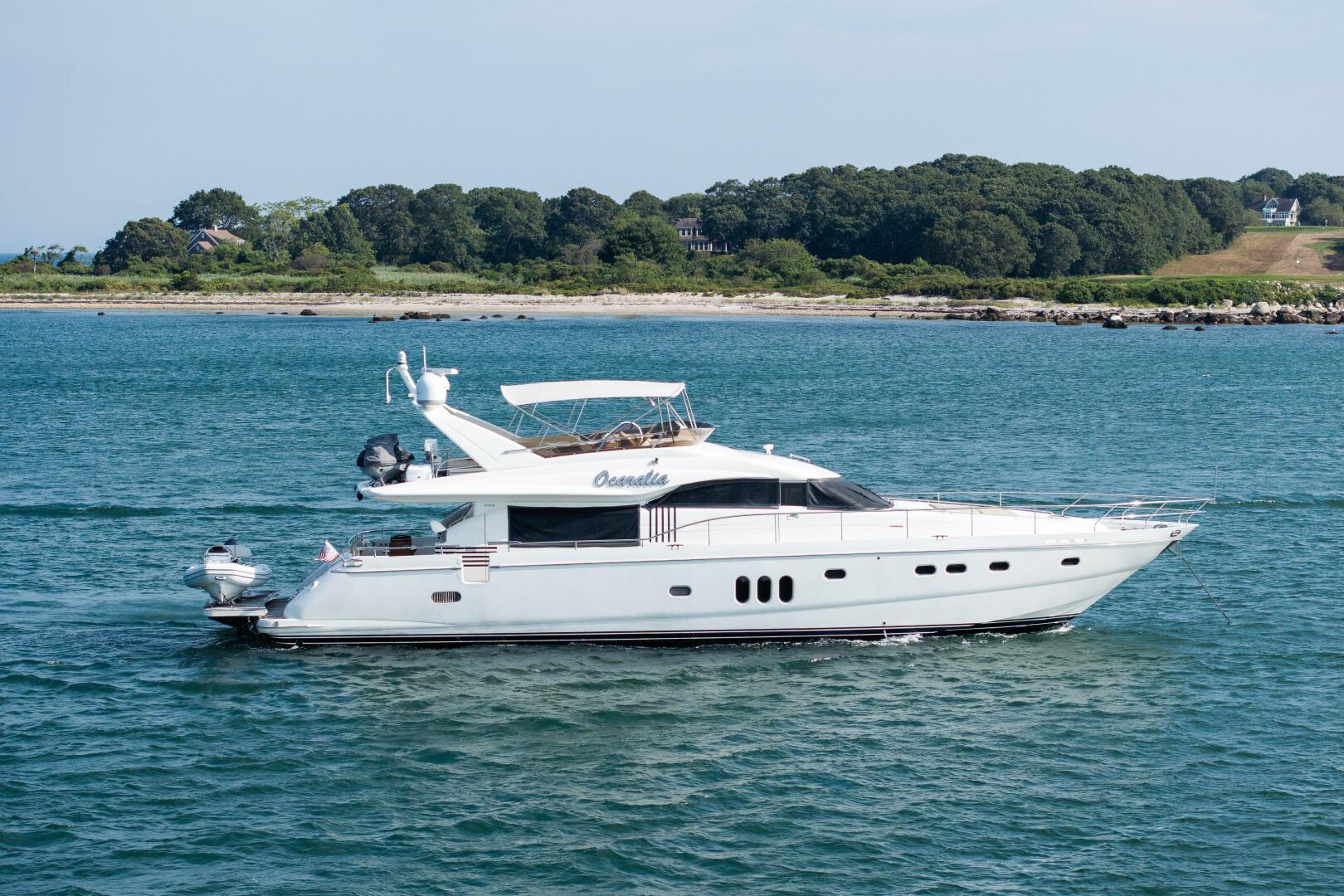
2008 Princess Yachts OCARALIA
$1,095,000
75
Charleston South Carolina
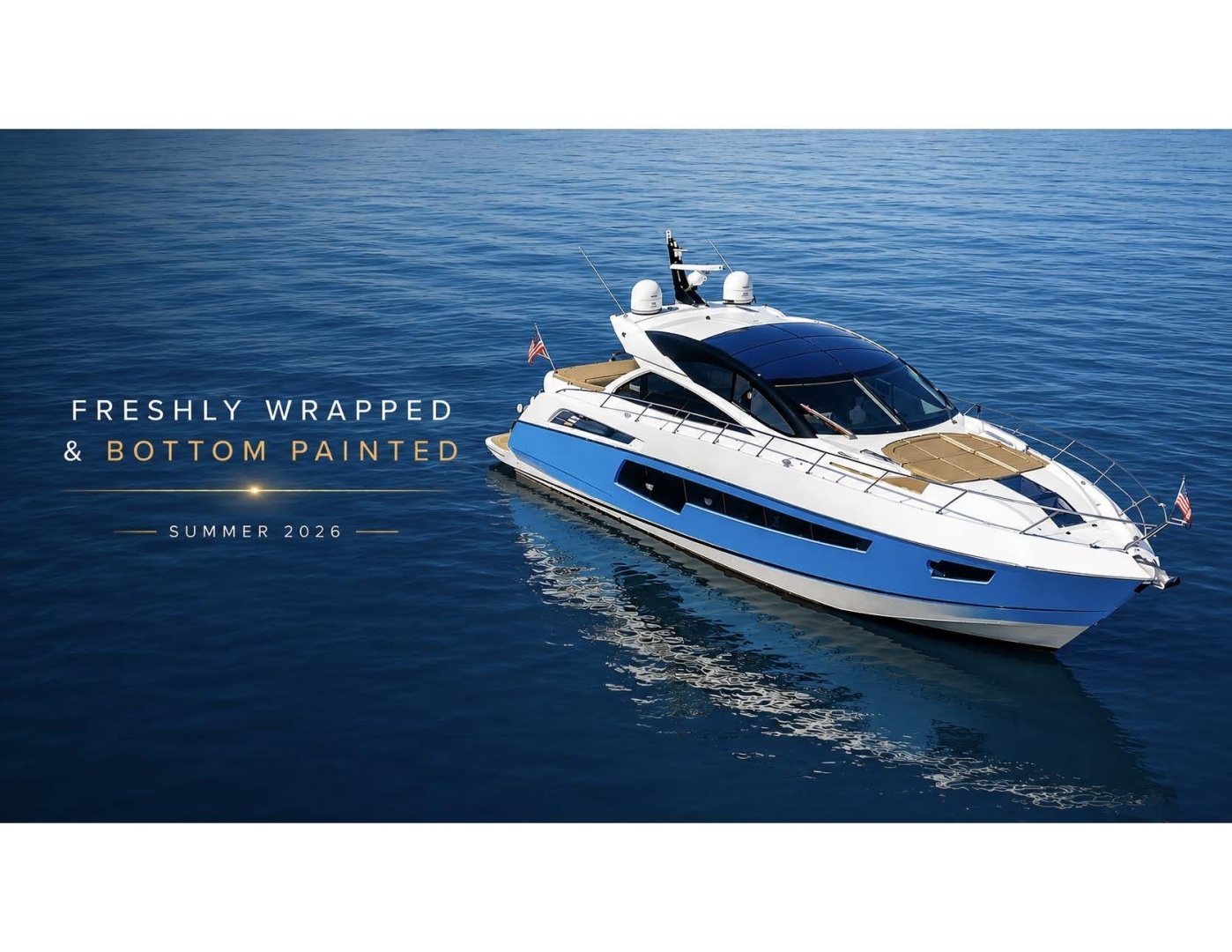
2014 Sunseeker
$1,400,000
68
New York New York

2024 Fairline
$2,750,000
68
Ft. Lauderdale Florida

2024 Sunreef Catallaxi
$3,700,000
60
Newport Rhode Island
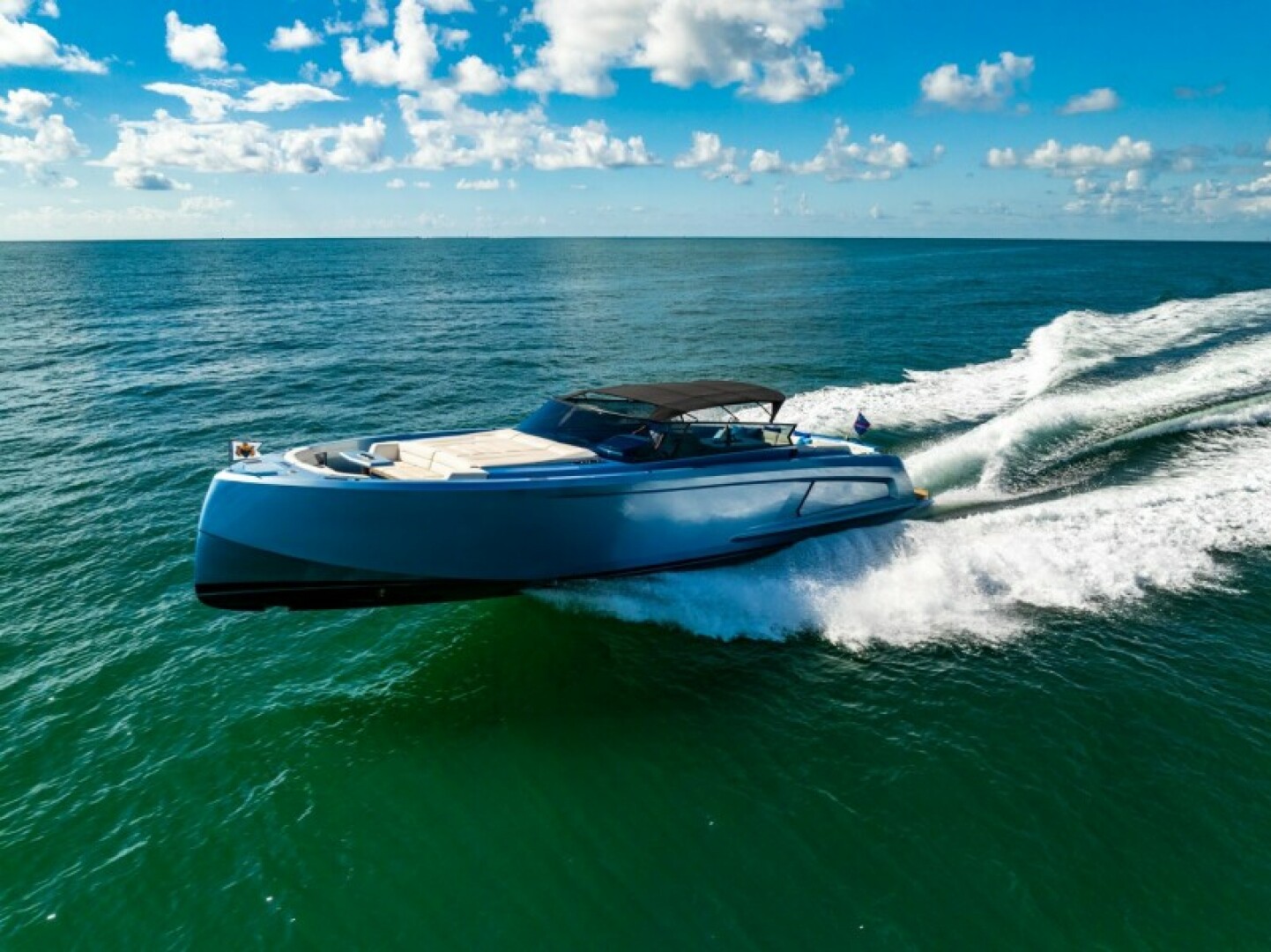
2019 Vanquish Yachts IMPULSIVE
$1,799,000
58
Miami Beach Florida
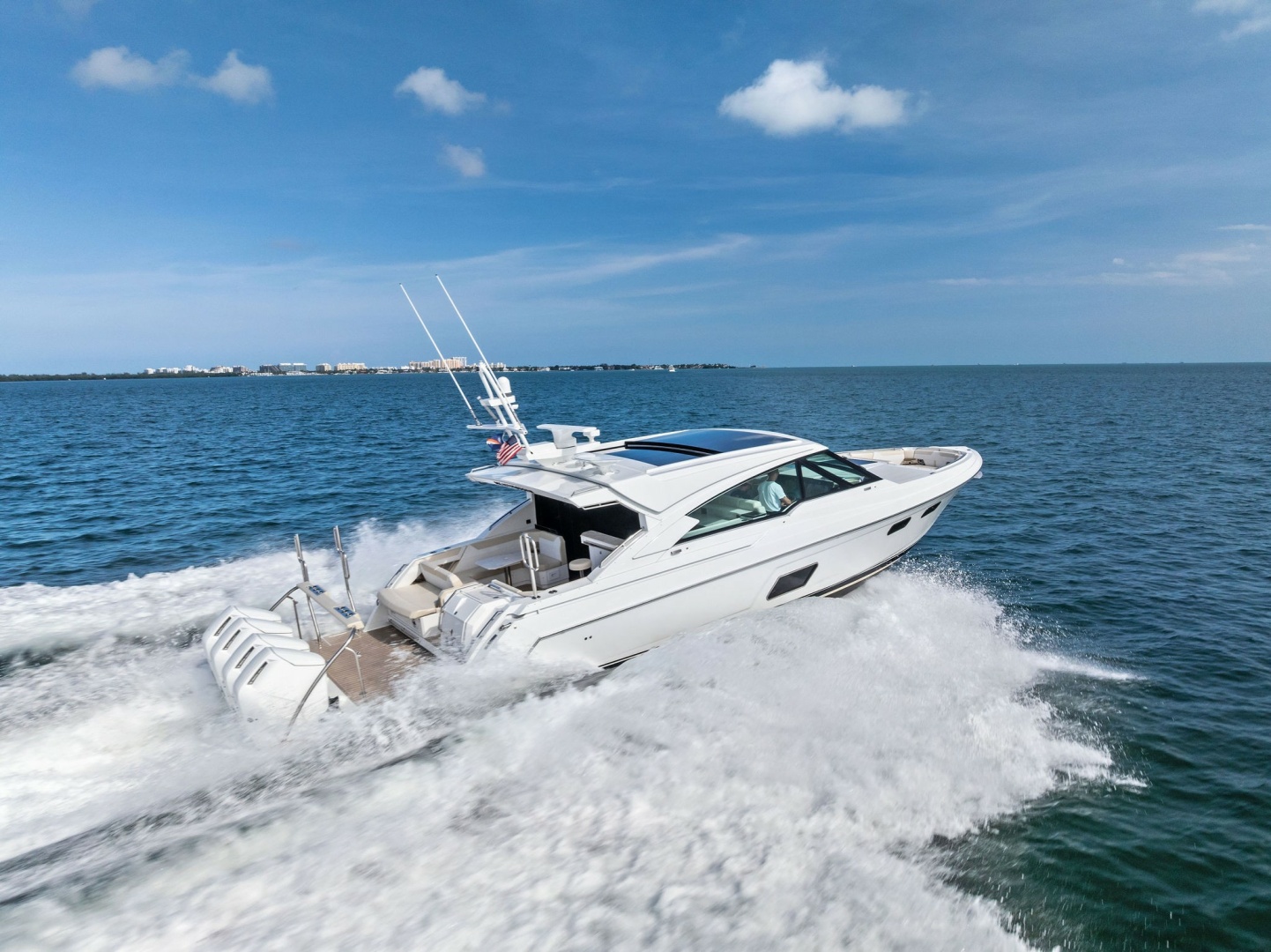
2025 Formula BREAKTHROUGH III
$1,895,000
53
Miami Beach Florida

2023 Fairline
$900,000
45
Fort Lauderdale Florida
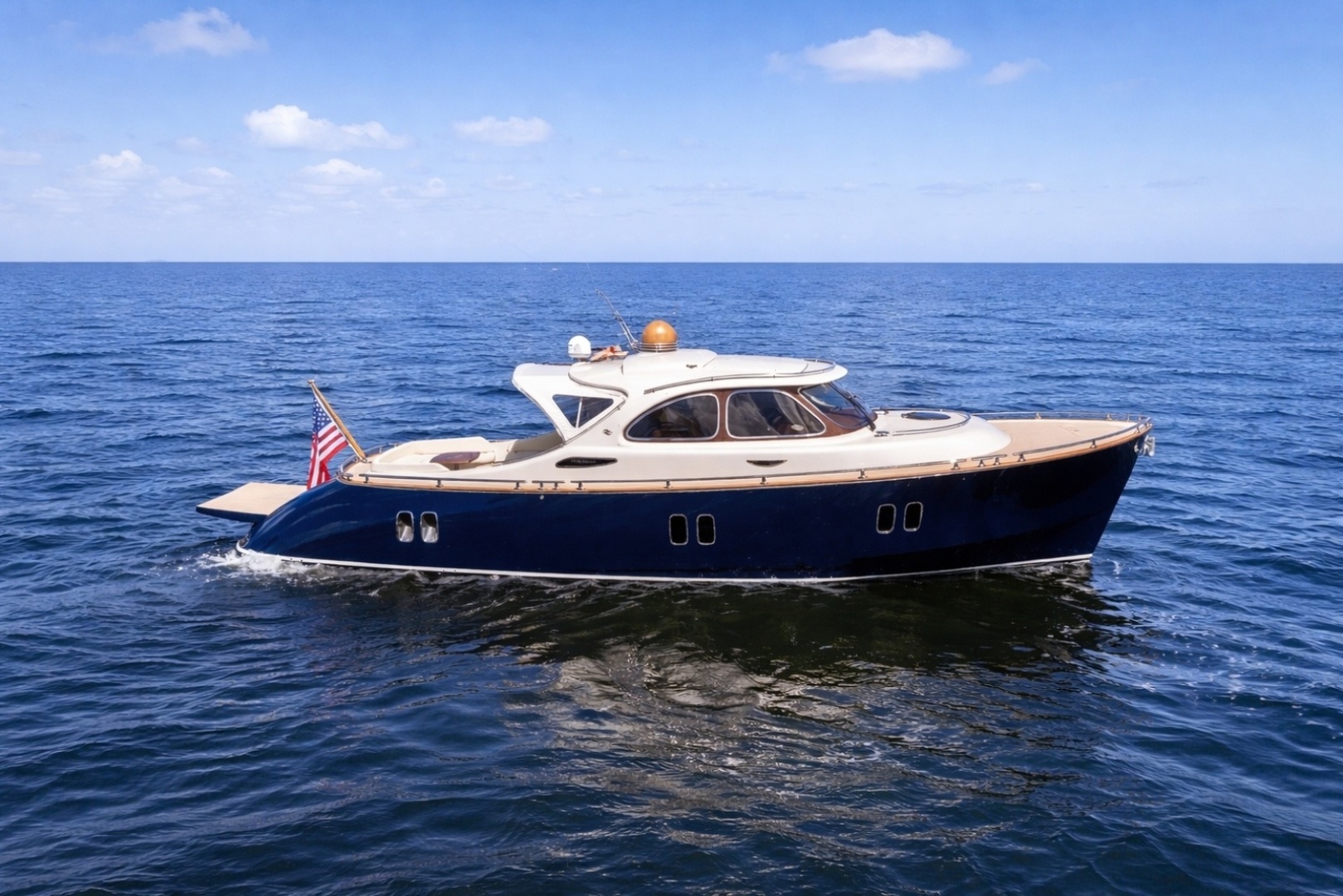
2012 Zeelander Mississippi Queen
$575,000
44
West Palm Beach Florida
2019 Bilgin 156'
$21,404,500
2028 Columbus Yachts 137'
$22,900,008
2012 Benetti 132'
$10,975,000
2024 Silver Yachts 117'
$25,400,000
2009 Hargrave 114'
$2,995,000
2028 Extra Yachts 100'
$21,404,500
2028 Extra Yachts 96'
$9,495,000
2021 Sanlorenzo 96'
$6,795,000
1999 Northern Marine 84'
$2,495,000
2013 Pershing 82'
$1,750,000
1997 Ferretti Yachts 80'
$850,000
2008 Princess Yachts 75'
$1,095,000
2014 Sunseeker 68'
$1,400,000
2024 Fairline 68'
$2,750,000
2024 Sunreef 60'
$3,700,000
2019 Vanquish Yachts 58'
$1,799,000
2025 Formula 53'
$1,895,000
2023 Fairline 45'
$900,000
2012 Zeelander 44'
$575,000