

A closing agent in yachting is defined as the impartial professional who manages every legal, financial, and administrative step required to transfer ownership of a vessel from seller to buyer. This role goes far beyond shuffling paperwork. The closing agent verifies clear title, handles escrow accounts, prepares settlement statements, and confirms compliance with federal, state, and maritime regulations. For buyers and sellers navigating a luxury yacht transaction, understanding the role of closing agent in yachting is the difference between a clean handover and a costly dispute. The Yacht Brokers Association of America (YBAA) recognizes this function as “legal mechanics management,” a standard that separates professional closings from amateur ones.
What are the specific duties of a yacht closing agent?
The closing agent is the impartial transaction facilitator who examines and manages all closing documents to confirm legal compliance and smooth transfer of ownership. That definition sounds simple. The reality is considerably more layered.
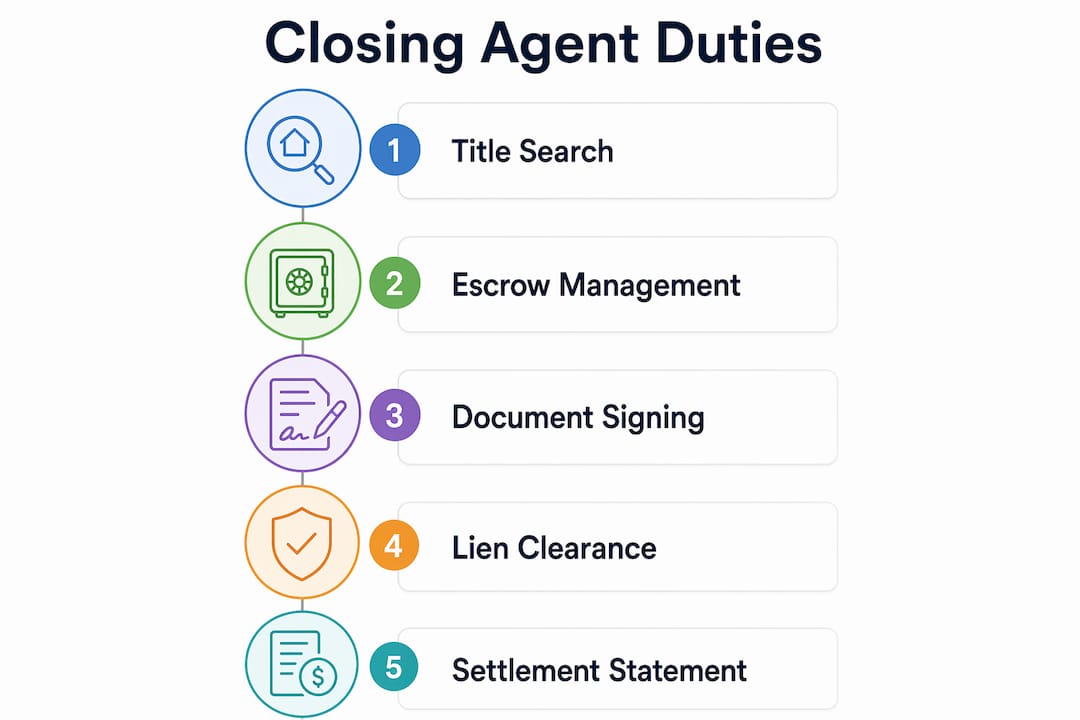
Yacht closing agent duties span the entire arc of a transaction, from the moment a purchase agreement is signed to the day the vessel changes hands. Here is what a professional closing agent handles:
- Document preparation and review. The closing agent drafts or reviews the bill of sale, deed of transfer, and settlement statements. Every figure on those documents must reconcile with the agreed purchase price, credits, and charges. Learn more about what goes into a yacht bill of sale before your closing day.
- Lien and title searches. Before any funds move, the closing agent confirms the vessel carries no undisclosed encumbrances. A hidden lien discovered after closing can void the transaction or leave the buyer financially exposed.
- Escrow management. Escrow services managed by closing agents support most major currencies and provide itemized closing statements outlining sale price, charges, credits, and total consideration. That level of transparency protects both parties throughout the process.
- Regulatory compliance. Yacht transaction coordination requires understanding of federal, state, local, and maritime regulations, which closing agents help navigate for compliance. Compliance protects clients from legal exposure and supports clean ownership transfer.
- Insurance and customs coordination. For vessels crossing jurisdictions, the closing agent coordinates insurance certificates, customs clearance paperwork, and any required documentation filings.
- Funds distribution. Once all conditions are met, the closing agent releases funds to the seller, pays outstanding charges, and confirms the transaction is financially settled.
Pro Tip: Ask your closing agent for a preliminary settlement statement at least 48 hours before closing. Reviewing figures in advance catches errors before they become delays.
Closing agents actively guide clients and coordinate essential steps from agreement to delivery. Their value is not clerical. It is architectural. They build the sequence that keeps a transaction from collapsing.
How does a closing agent differ from yacht brokers and attorneys?
Buyers often assume their yacht broker handles everything. That assumption creates real risk. The three roles in a yacht transaction serve distinct functions, and confusing them is one of the most common mistakes in the market.
| Role | Primary Function | Legal Authority |
|---|---|---|
| Yacht broker | Marketing, negotiation, buyer/seller representation | None |
| Closing agent | Document preparation, escrow, title verification, compliance | Administrative |
| Maritime attorney | Legal counsel, offshore structures, multi-jurisdictional disputes | Full legal authority |
The YBAA describes closing agents and brokers as performing critical legal mechanics management, which goes well beyond simple paperwork assistance. That distinction matters. A broker’s expertise lies in finding the right vessel, negotiating price, and representing your interests in the deal. The closing agent takes over once the agreement is signed and manages the financial and administrative finalization.
When a transaction involves international tax structures, offshore entities, or multi-jurisdictional liens, maritime legal counsel becomes necessary. The closing agent recognizes those thresholds and refers clients to the right specialists. Relying solely on a broker for these legal mechanics can create significant, unrecoverable financial exposure if documentation is incorrectly filed.
Pro Tip: Treat your broker, closing agent, and maritime attorney as a team, not interchangeable roles. Each one protects a different layer of your transaction.
The three roles work best when they operate in parallel. The broker closes the deal. The closing agent closes the paperwork. The attorney closes the legal gaps.
Why is a professional closing agent critical to preventing transaction problems?
The most expensive yacht transactions are not the ones with the highest price tags. They are the ones that go wrong at closing. Hidden liens, incomplete documentation, and escrow mismanagement are the most common pitfalls in yacht transactions, and a skilled closing agent is the primary defense against all three.
Consider what happens when a lien search is skipped. A buyer purchases a vessel, takes delivery, and later discovers the previous owner had an outstanding loan secured against the hull. The lender’s claim does not disappear with the sale. The buyer now owns a vessel with a debt attached to it. That scenario is entirely preventable with a proper title search before closing.
Escrow mismanagement carries its own consequences. Funds released prematurely, before all conditions are satisfied, can leave a seller with no recourse if the buyer later disputes the transaction. Proper closing management ensures transparent fund flow, accurate documentation, and final ownership transfer without disputes.
“The closing agent’s role is not to rubber-stamp a transaction. It is to confirm that every condition has been met, every document is accurate, and every party’s interest is protected before a single dollar changes hands.”
Closing agents also prepare buyer and seller settlement statements that clarify all transaction components, including credits and charges. Those statements create a shared record that both parties can reference if questions arise after closing. Transparency at this level builds trust and prevents the kind of post-closing disputes that end up in arbitration.
The risks of bypassing a closing agent are not theoretical. They are well-documented across the industry. The yacht brokerage compliance steps that protect buyers and sellers exist precisely because transactions without proper oversight fail at a measurable rate.
How do closing agents handle international and private yacht sales?
International yacht sales add layers of complexity that a standard domestic closing does not encounter. A closing agent working on a cross-border transaction manages a significantly broader scope of responsibilities.
- Multi-currency escrow accounts. When a buyer and seller operate in different currencies, the closing agent manages exchange rate timing, currency conversion, and itemized settlement statements that account for all financial movements across jurisdictions.
- Customs clearance and importation. Bringing a vessel into a new country requires customs documentation, duty calculations, and coordination with port authorities. The closing agent ensures these filings are accurate and submitted in the correct sequence.
- Private sale documentation. When no broker is involved, the closing agent takes on additional responsibility for drafting all transaction documents. The absence of a broker does not reduce the documentation requirements. It increases the closing agent’s workload.
- International registration and tax compliance. Different flag states carry different registration requirements and tax obligations. A vessel flagged in one jurisdiction and sold to a buyer in another may require re-flagging, which the closing agent coordinates alongside the ownership transfer.
- Multi-jurisdictional lien resolution. A vessel with liens filed in multiple countries requires coordinated releases before the title is clear. The closing agent maps those encumbrances and works with the relevant authorities to resolve them before closing.
For buyers considering a purchase in a marina-rich international market, understanding how marina property transactions intersect with vessel ownership adds useful context to the broader picture of international yachting investment.
Private sales without broker involvement are particularly vulnerable to documentation errors. The closing agent becomes the single professional ensuring the transaction meets all legal requirements. That responsibility is not one to assign to a generalist.
Key Takeaways
A closing agent in yachting is the professional most responsible for ensuring a transaction closes cleanly, legally, and without financial exposure for either party.
| Point | Details |
|---|---|
| Core function | Closing agents manage documents, escrow, title searches, and regulatory compliance from agreement to delivery. |
| Distinct from brokers | Brokers handle negotiation and representation; closing agents handle the legal and financial mechanics of finalization. |
| Risk prevention | Hidden liens, escrow errors, and incomplete documentation are the top causes of failed closings that agents prevent. |
| International complexity | Cross-border sales require multi-currency escrow, customs coordination, and multi-jurisdictional lien resolution. |
| Legal referrals | When offshore entities or complex tax structures arise, closing agents refer clients to maritime legal counsel. |
What I’ve learned about closing agents after years in luxury yacht transactions
After working alongside buyers and sellers through dozens of high-value yacht transactions, one pattern stands out clearly. The deals that close without drama are almost always the ones where a professional closing agent was engaged early, not as an afterthought at the finish line.
I have seen transactions stall for weeks because a lien search was delayed. I have watched buyers lose confidence when settlement statements arrived with unexplained charges the day before closing. Those situations are not inevitable. They are the product of undervaluing the closing agent’s role until it is too late to course-correct.
The regulatory environment in yachting has grown considerably more complex over the past several years. Flag state requirements, anti-money-laundering documentation, and cross-border tax reporting have all added new layers to what was once a relatively straightforward process. A closing agent who stays current with those changes is not a luxury. They are a necessity.
My honest advice to any buyer or seller: engage your closing agent at the same time you engage your broker. Give them the purchase agreement the day it is signed. Let them begin the title search, review the escrow terms, and flag any documentation gaps before they become closing-day crises. The yacht ownership transfer process rewards preparation, and no one prepares it better than a skilled closing agent.
The closing agent is, in many ways, the quiet architect of a successful transaction. The broker gets the credit. The attorney gets the headlines when things go wrong. The closing agent simply makes sure things go right.
— Jason
Working with Yachts-bysteve on your next yacht transaction
Yachts-bysteve works with buyers and sellers who expect more than a listing and a handshake. Every transaction the team supports includes access to experienced closing professionals and referrals to vetted maritime legal counsel when the situation calls for it. Whether you are purchasing your first luxury vessel or selling a well-appointed motor yacht, the closing process deserves the same attention as the negotiation that preceded it. If you are ready to understand how expert brokerage and closing support work together, the guide on how to choose a yacht broker is the clearest next step. For a broader view of the full transaction picture, the expert buyer’s guide covers every stage from search to handover.
FAQ
What is the role of a closing agent in a yacht sale?
A closing agent is the impartial professional who manages all closing documents, escrow accounts, lien searches, and regulatory compliance to finalize a yacht transaction. Their function ensures clean title transfer and protects both buyer and seller from financial and legal exposure.
Are yacht closing agents the same as notaries?
No. A notary authenticates signatures, while a closing agent manages the full scope of transaction logistics including escrow, title verification, document preparation, and funds distribution. Some transactions require both, but their roles are distinct.
When should I hire a closing agent for a yacht purchase?
Engage a closing agent the same day you sign the purchase agreement. Early involvement allows them to begin the title search, review escrow terms, and identify documentation gaps before they delay the closing.
Do I need a closing agent for a private yacht sale without a broker?
A closing agent is especially important in private sales. Without a broker coordinating the process, the closing agent becomes the primary professional ensuring all documents, funds, and compliance requirements are handled correctly.
What happens if a closing agent finds a lien on a vessel?
The closing agent pauses the closing process and works with the relevant parties to resolve the lien before funds are released. Proceeding without a clear title exposes the buyer to the previous owner’s debt obligations.
Recommended
Featured Listings

2028 Columbus Yachts
$22,900,008
137
Ancona
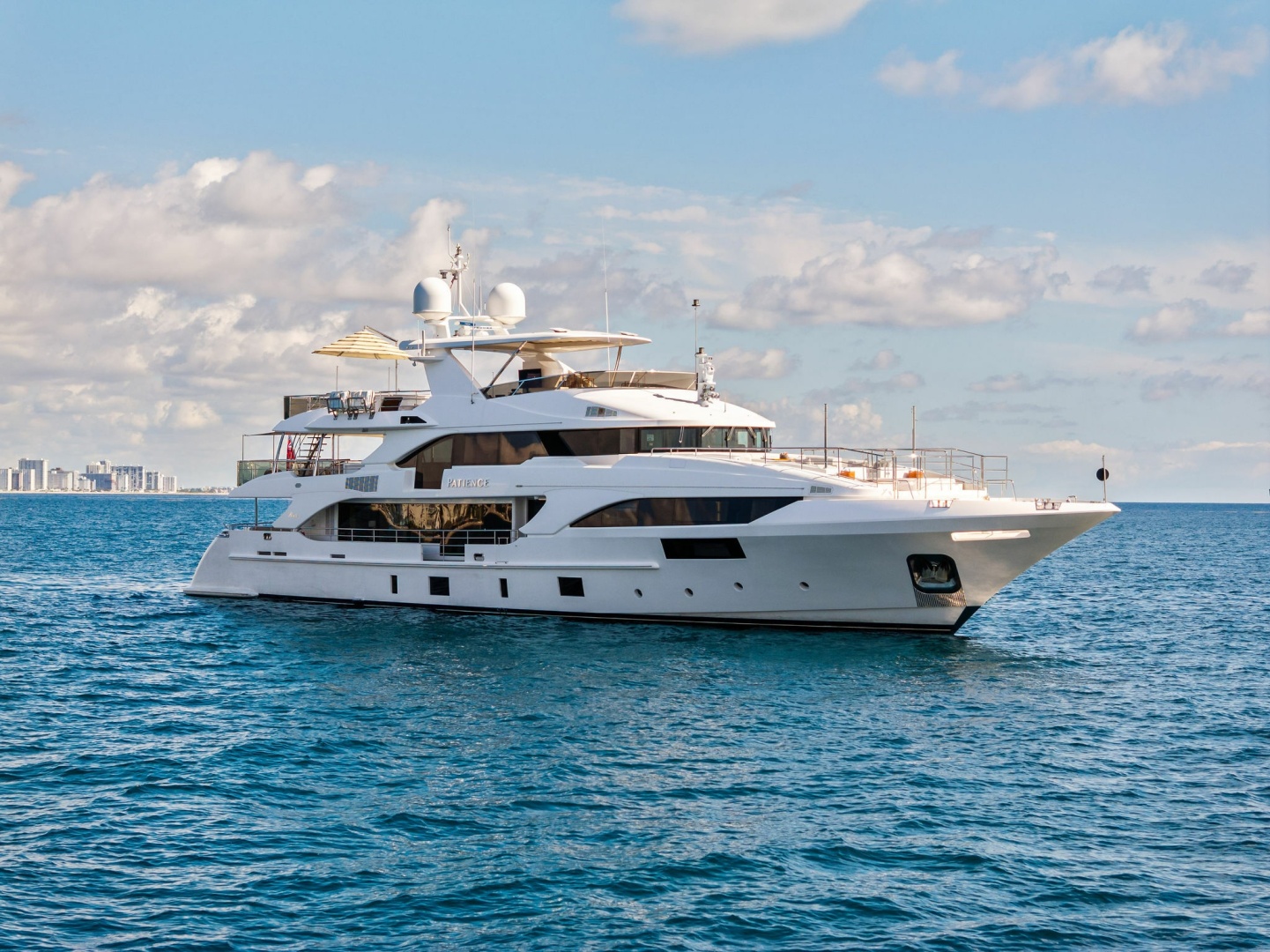
2012 Benetti PATIENCE
$10,975,000
132
Fort Lauderdale Florida

2028 Kingship Kingship
$20,350,000
125
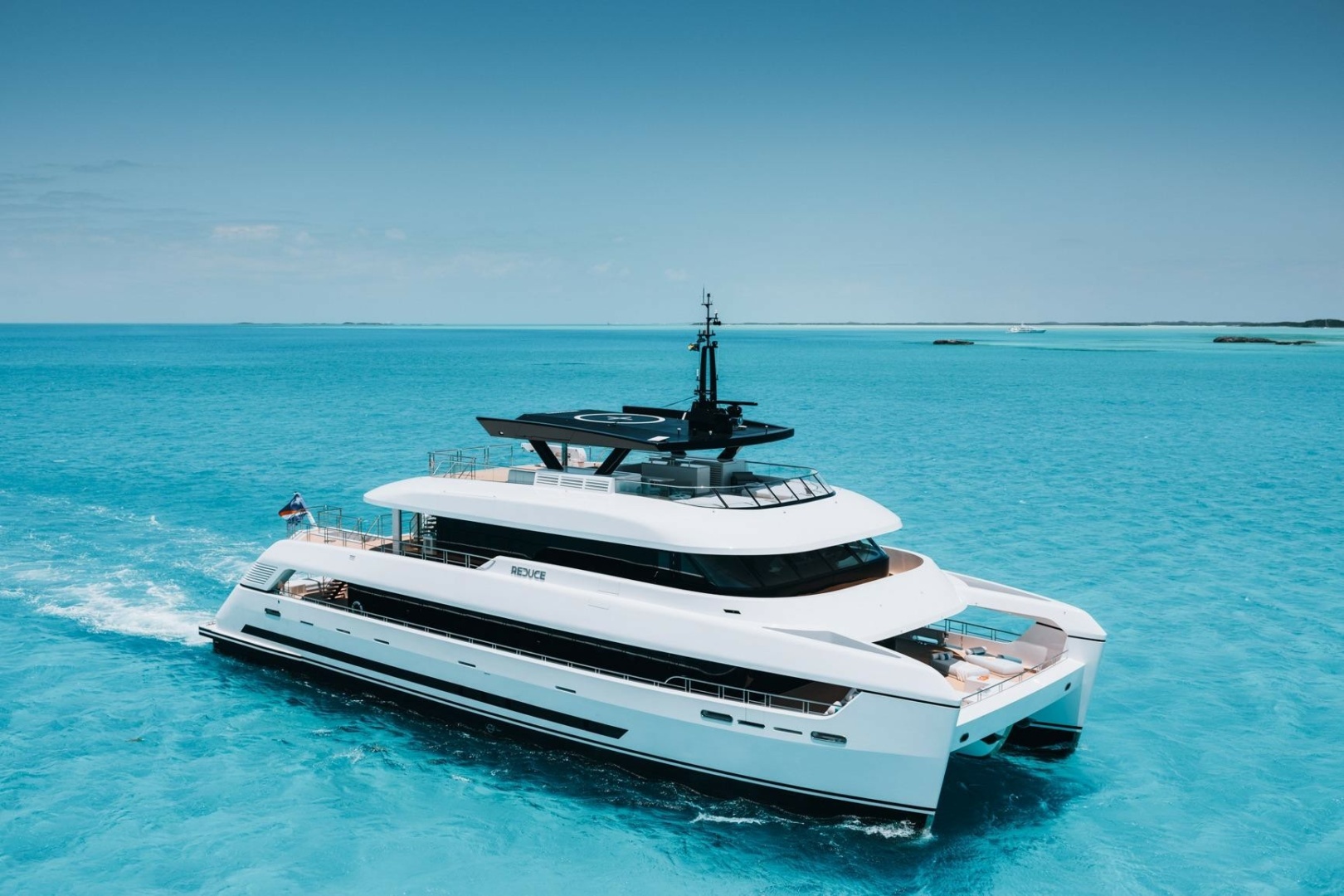
2024 Silver Yachts
$25,400,000
117
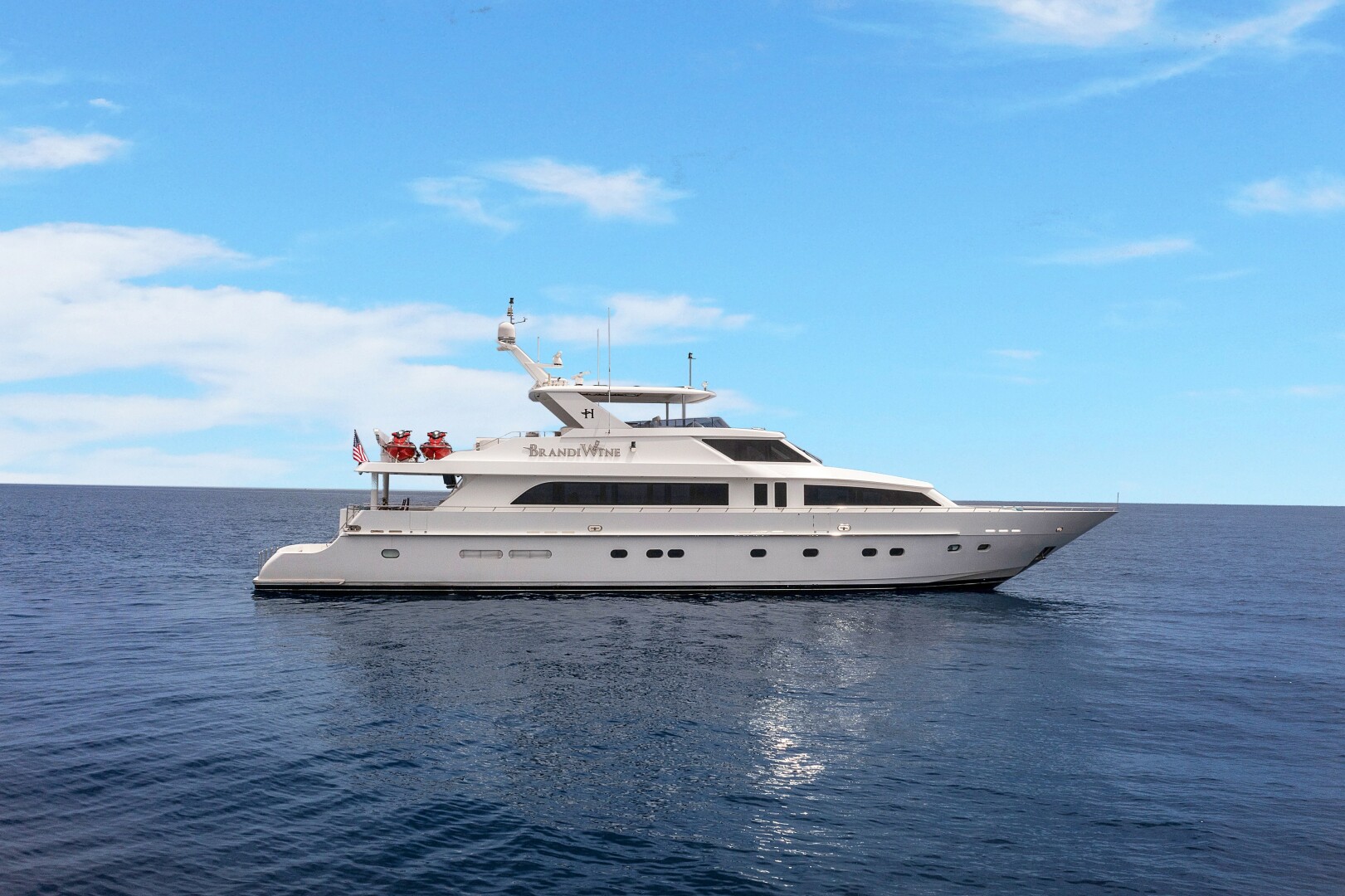
2009 Hargrave BRANDI WINE
$2,500,000
114
Fort Lauderdale Florida

2028 Extra Yachts
$20,350,000
100
Ancona

2028 Alpha
$12,100,000
100
Ft Lauderdale Florida

2028 Extra Yachts Extra 96
$9,495,000
96
Ancona
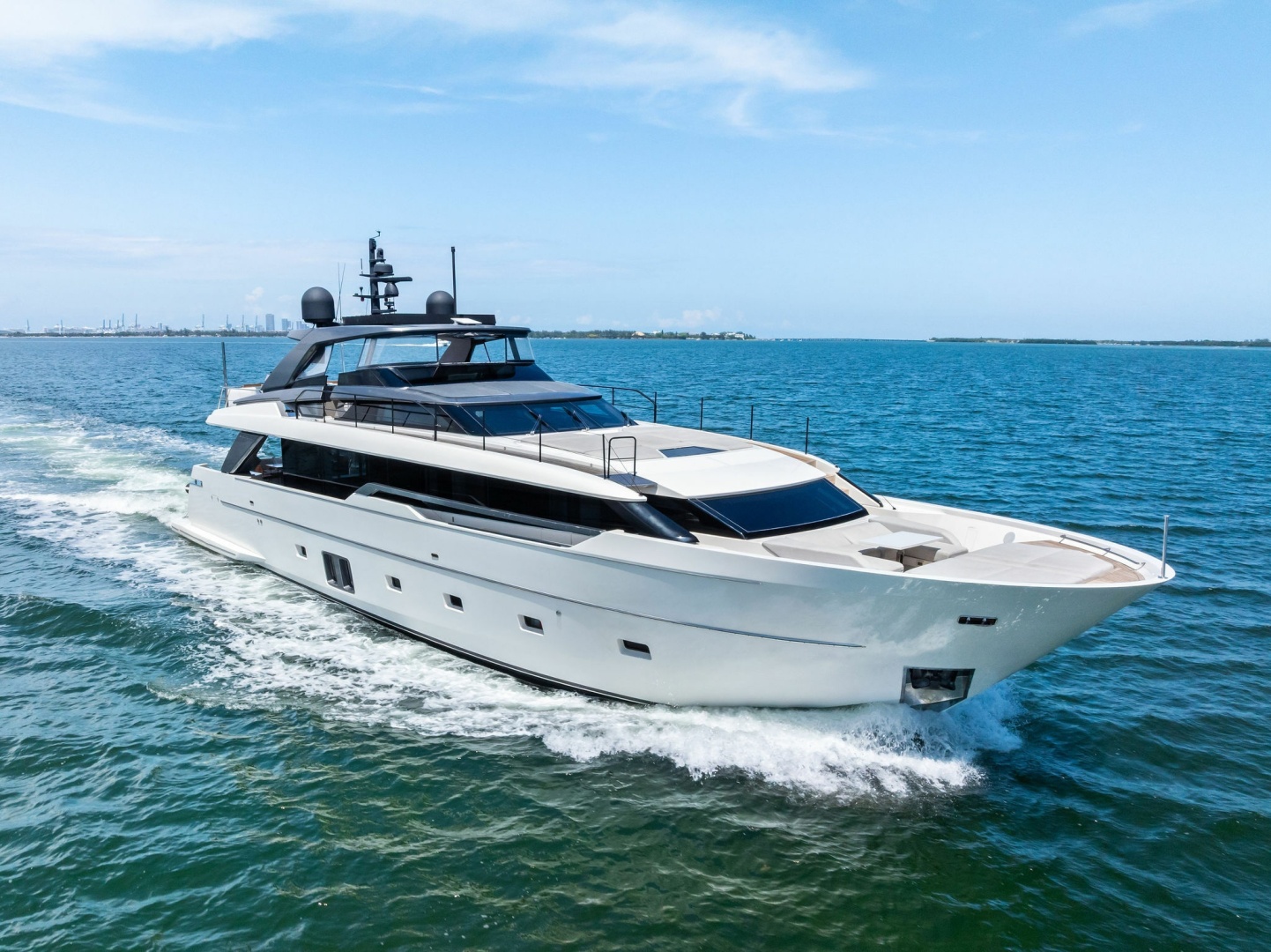
2021 Sanlorenzo GATSBY
$6,795,000
96
Fort Lauderdale Florida

2028 Kingship
$11,990,000
90

2028 Alpha
$9,894,500
90
Fano
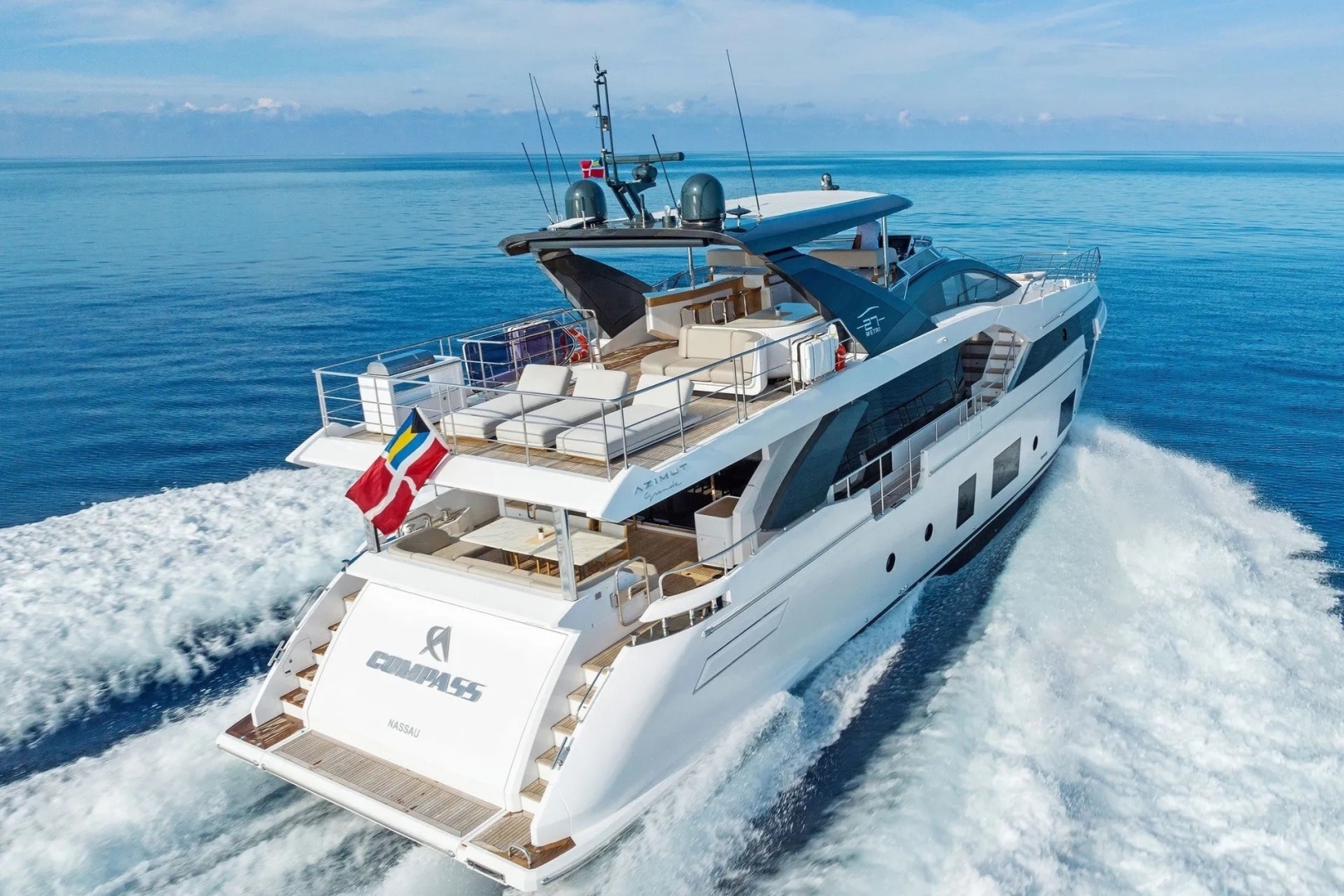
2023 Azimut COMPASS
$7,950,000
88
Miami Beach Florida

1999 Northern Marine OFF LINE
$2,495,000
84
Ft Lauderdale Florida
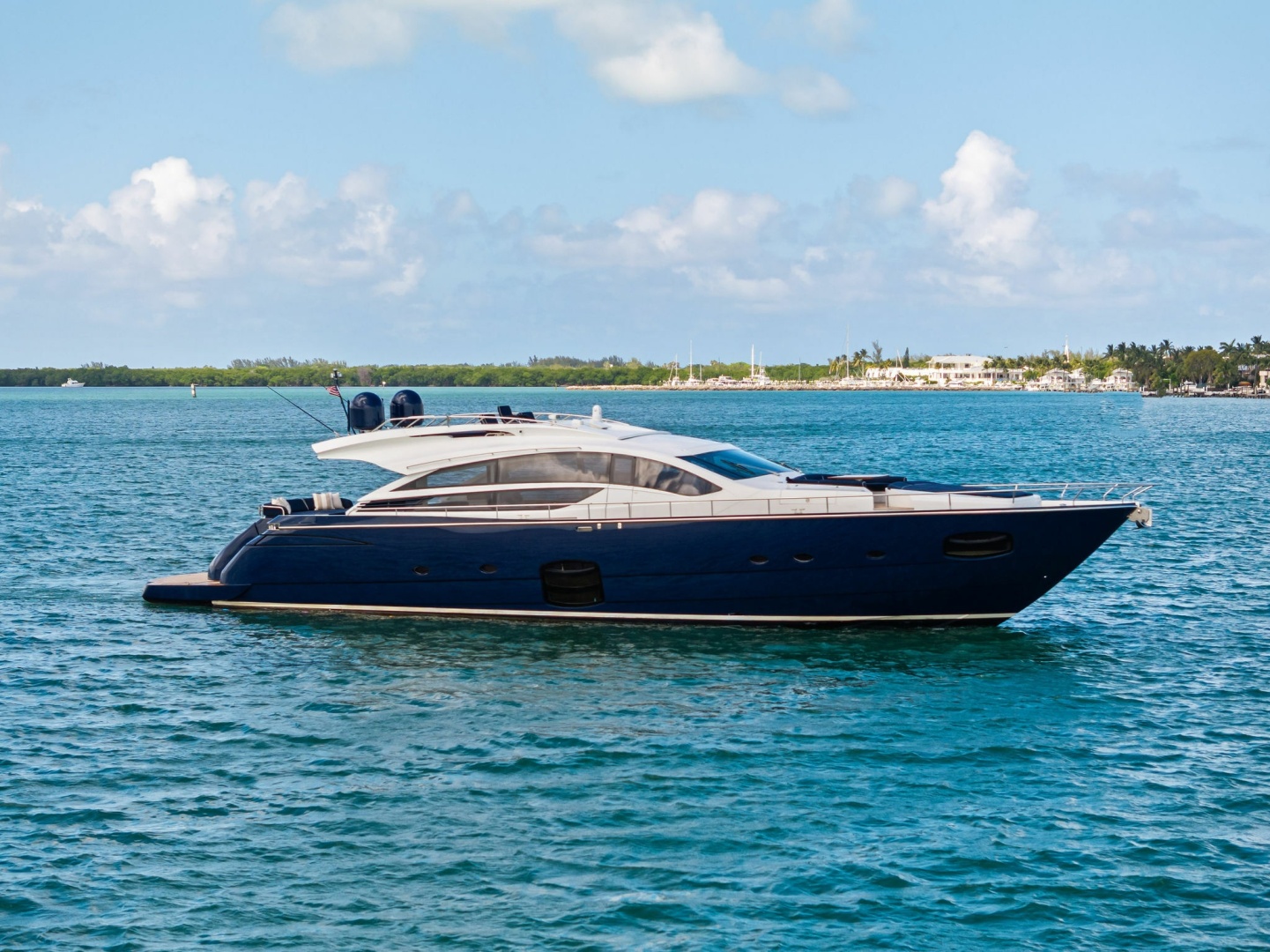
2013 Pershing DOROTHY ANN
$1,375,000
82
Fort Lauderdale Florida

1997 Ferretti Yachts
$825,000
80
La Paz
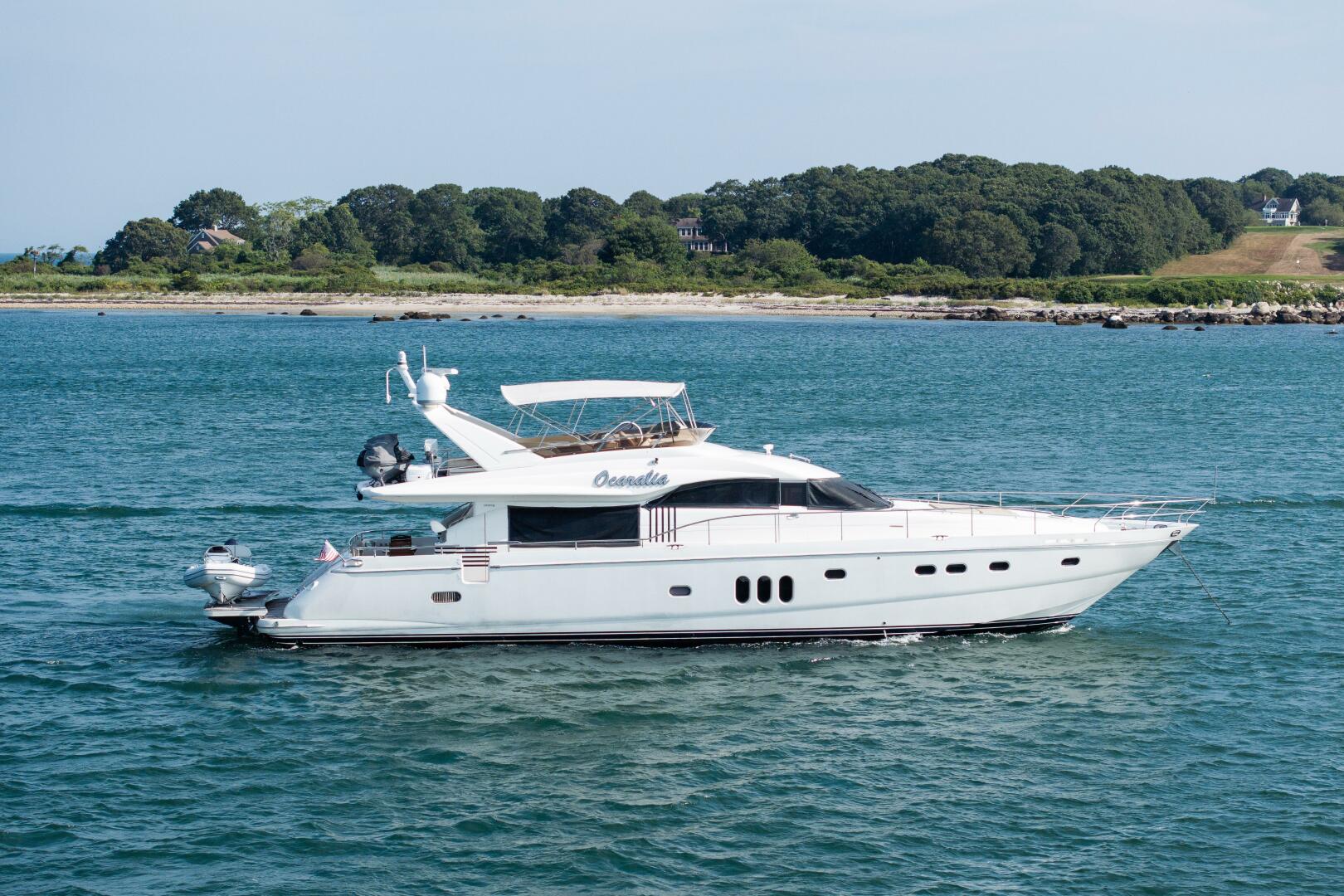
2008 Princess Yachts OCARALIA
$1,095,000
75
Charleston South Carolina
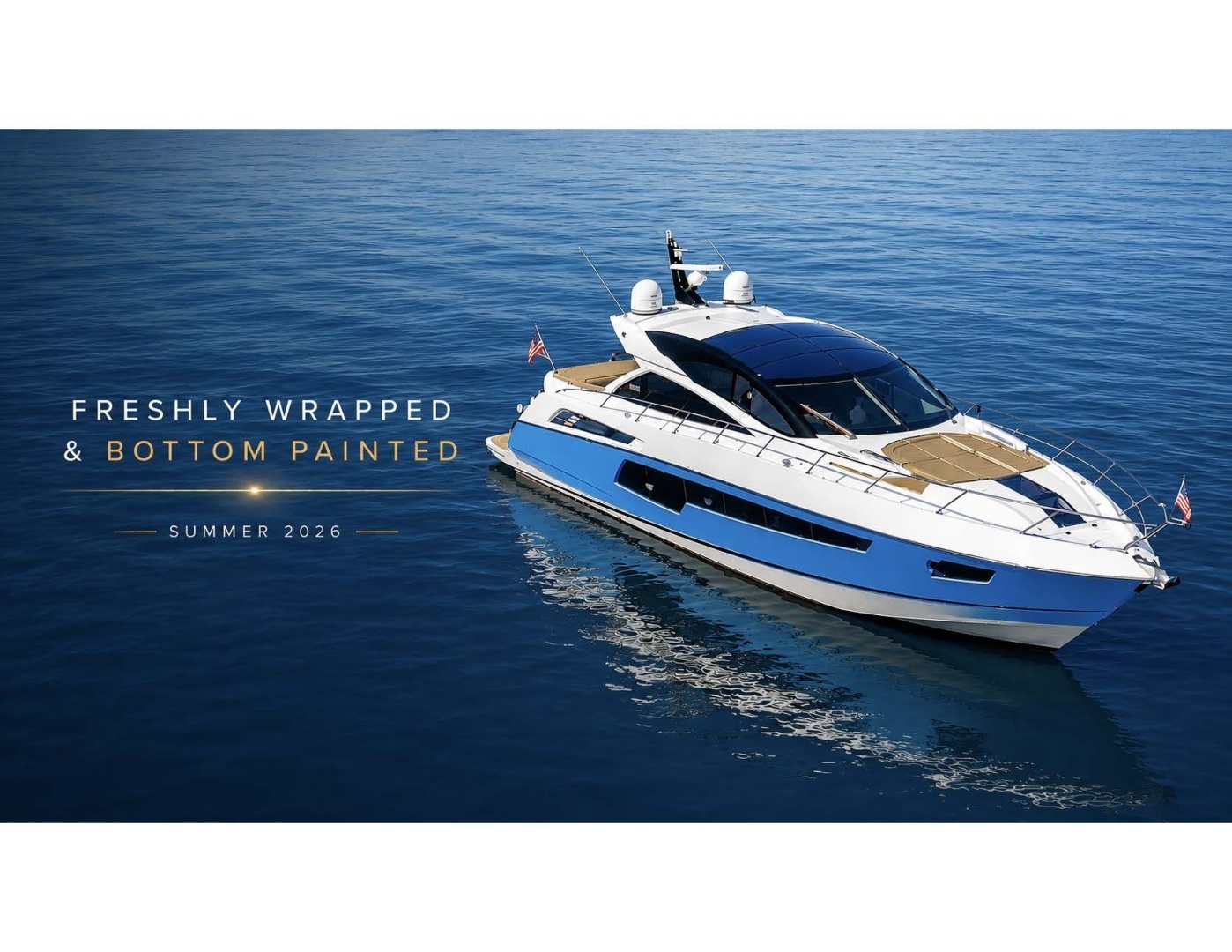
2014 Sunseeker
$1,400,000
68
New York New York

2024 Fairline
$2,750,000
68
Ft. Lauderdale Florida
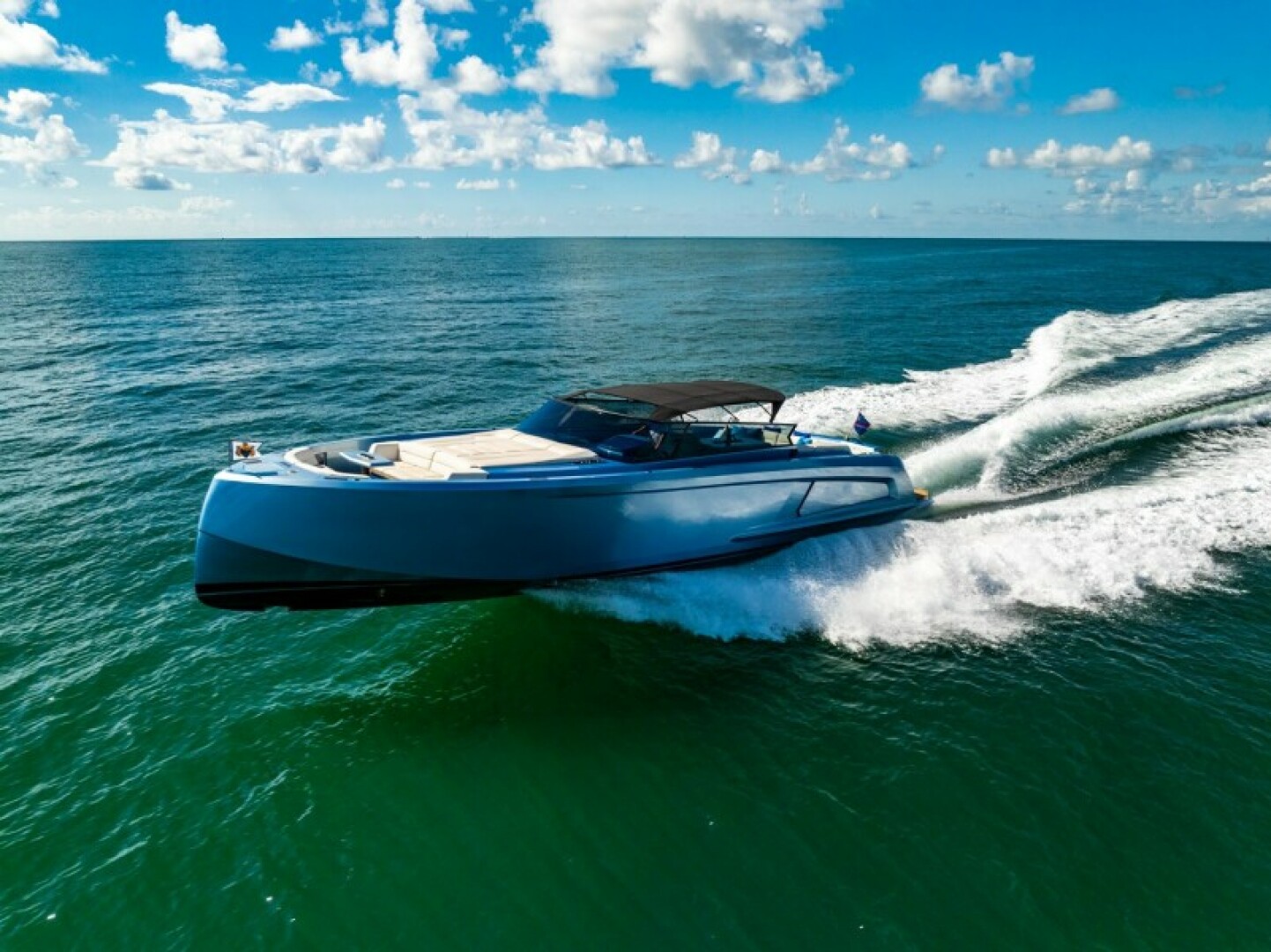
2019 Vanquish Yachts IMPULSIVE
$1,799,000
58
Miami Beach Florida
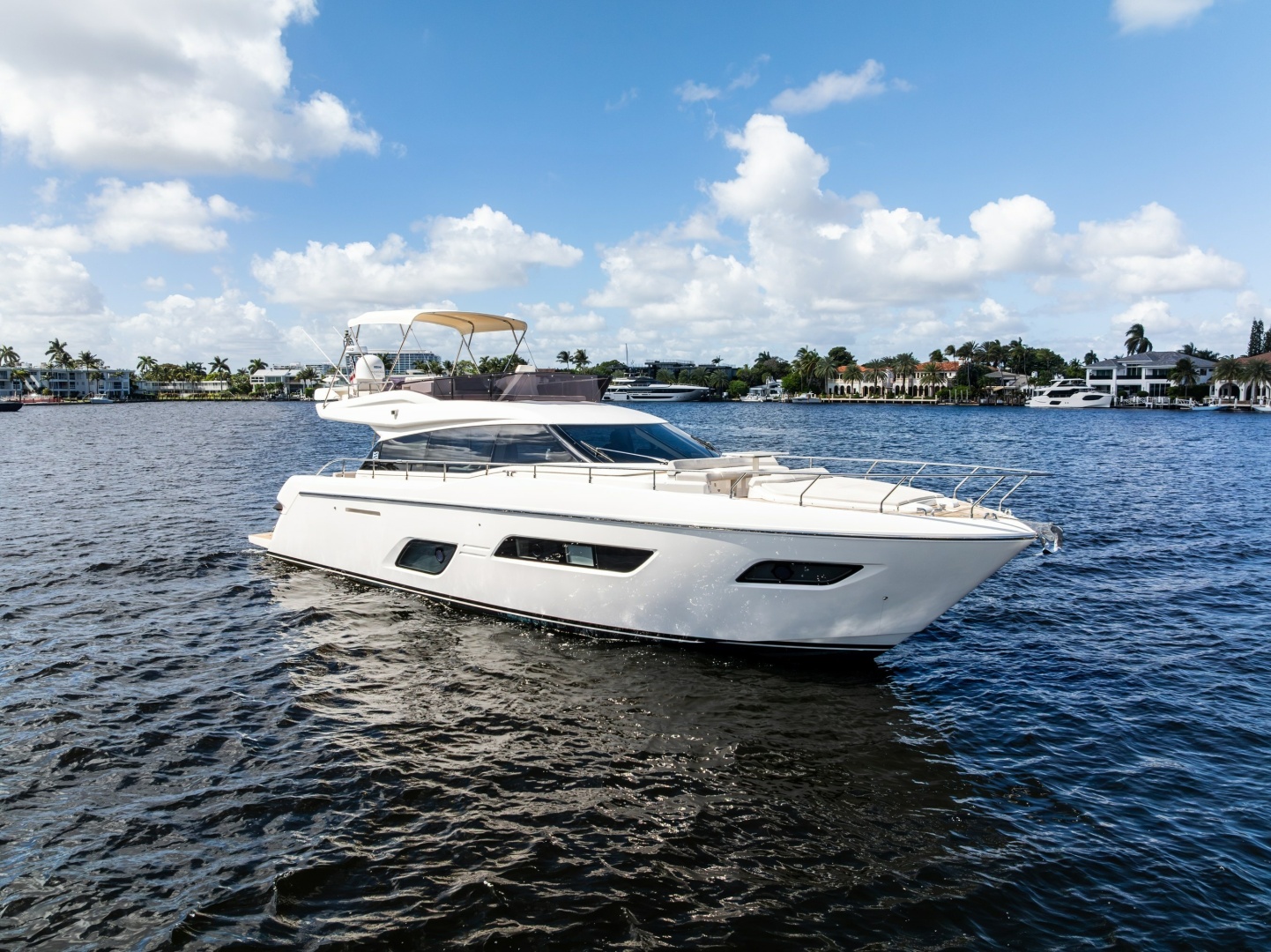
2021 Ferretti Yachts HAVEN
$1,595,000
57
Fort Lauderdale Florida
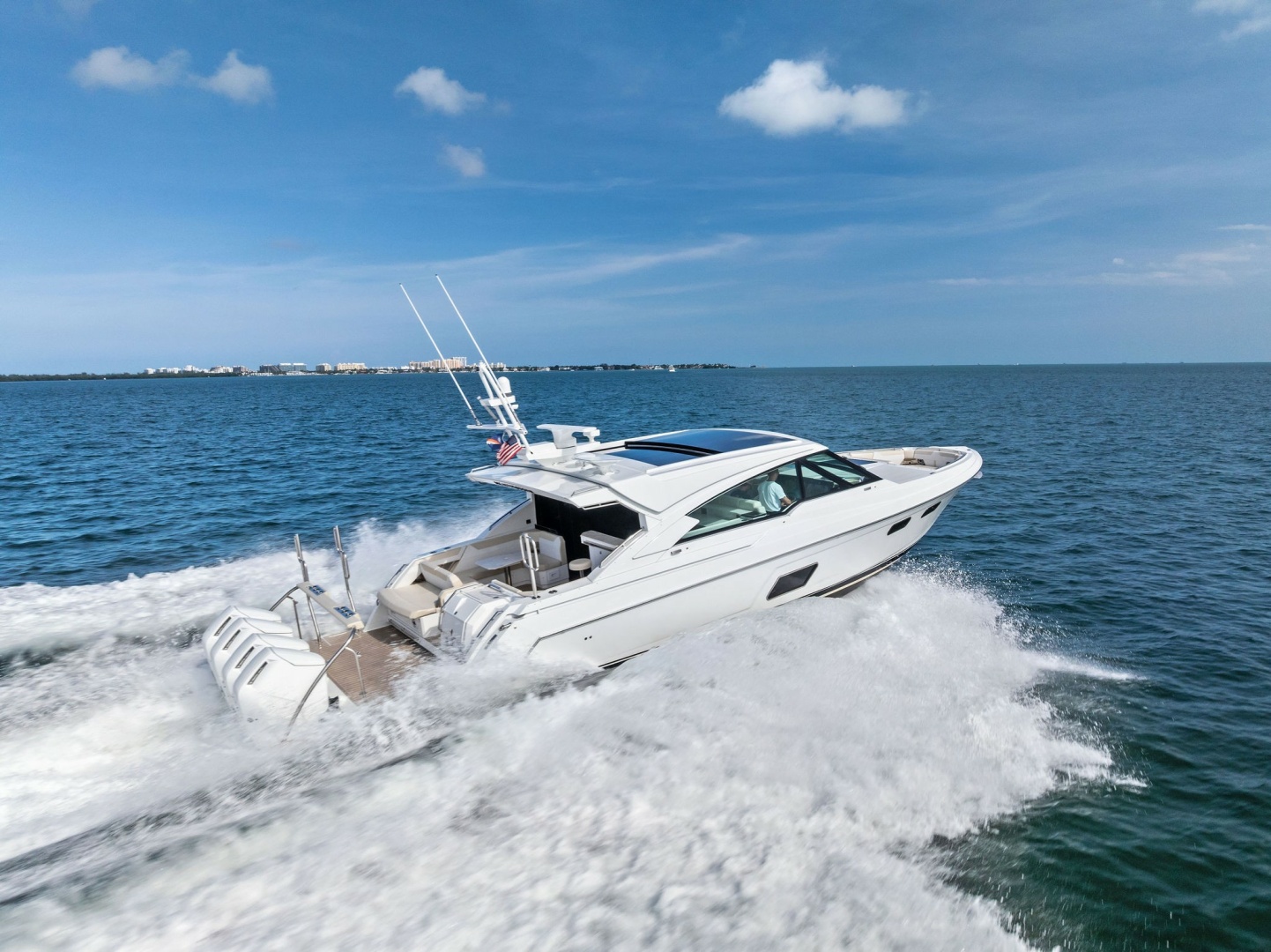
2025 Formula BREAKTHROUGH III
$1,895,000
53
Miami Beach Florida

2023 Fairline
$900,000
45
Fort Lauderdale Florida
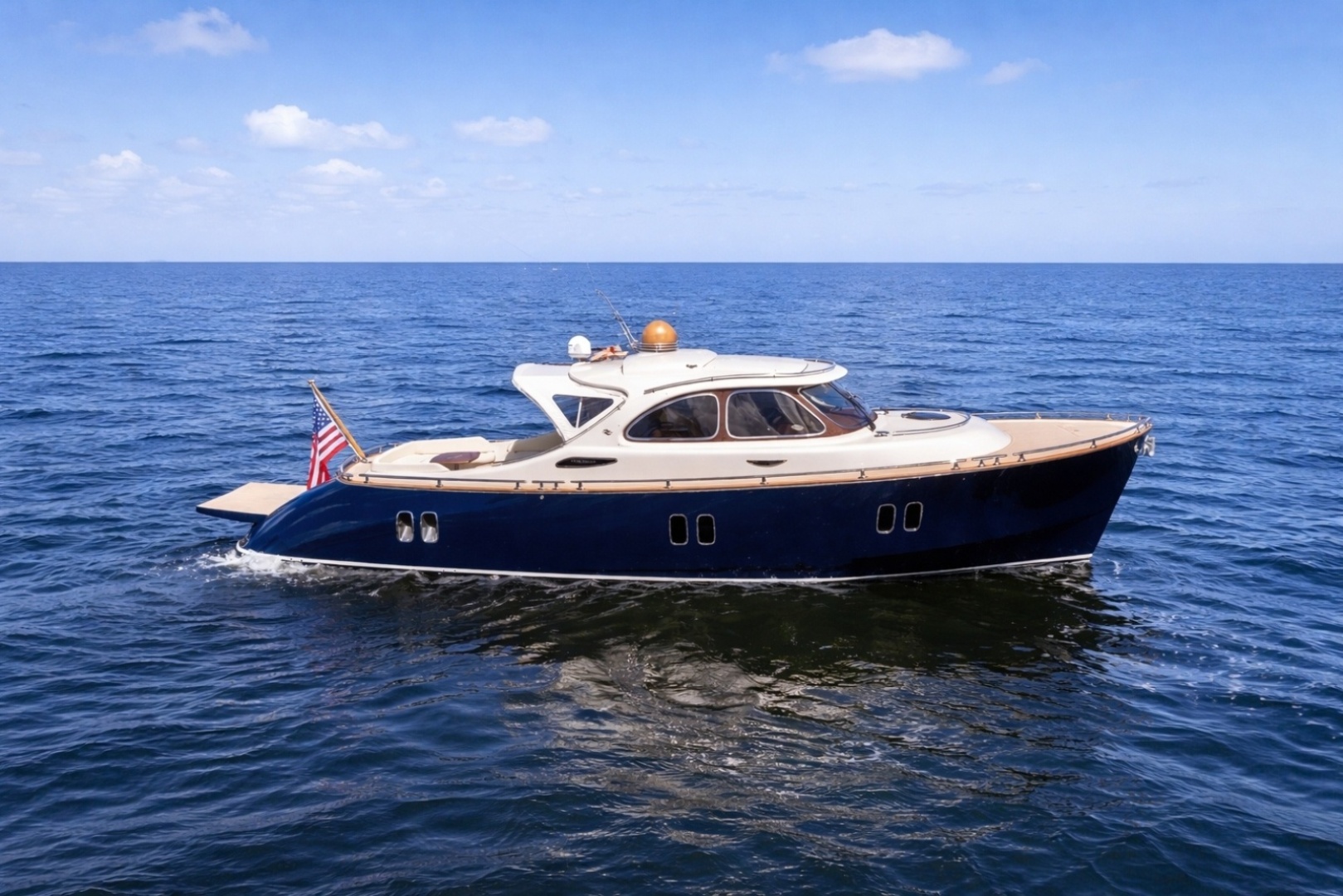
2012 Zeelander Mississippi Queen
$575,000
44
West Palm Beach Florida
2028 Columbus Yachts 137'
$22,900,008
2012 Benetti 132'
$10,975,000
2028 Kingship 125'
$20,350,000
2024 Silver Yachts 117'
$25,400,000
2009 Hargrave 114'
$2,500,000
2028 Extra Yachts 100'
$20,350,000
2028 Alpha 100'
$12,100,000
2028 Extra Yachts 96'
$9,495,000
2021 Sanlorenzo 96'
$6,795,000
2028 Kingship 90'
$11,990,000
2028 Alpha 90'
$9,894,500
2023 Azimut 88'
$7,950,000
1999 Northern Marine 84'
$2,495,000
2013 Pershing 82'
$1,375,000
1997 Ferretti Yachts 80'
$825,000
2008 Princess Yachts 75'
$1,095,000
2014 Sunseeker 68'
$1,400,000
2024 Fairline 68'
$2,750,000
2019 Vanquish Yachts 58'
$1,799,000
2021 Ferretti Yachts 57'
$1,595,000
2025 Formula 53'
$1,895,000
2023 Fairline 45'
$900,000
2012 Zeelander 44'
$575,000