

Purchasing a luxury yacht is one of the most significant financial decisions you will ever make. We are talking about transactions that routinely reach into the millions, involving complex legal contracts, international regulations, and vessels whose condition can only be assessed by trained eyes. The broker standing between you and your dream yacht holds extraordinary influence over the outcome. Choose wisely, and the experience is seamless, even exhilarating. Choose poorly, and the consequences can be costly, stressful, and lasting. Understanding yacht broker credentials is not a formality. It is the single most reliable safeguard you have.
Table of Contents
- What are yacht broker credentials and why they matter
- Top industry certifications: CPYB and beyond
- Regional licensing: Key examples in the US
- Professional memberships: MYBA, YBAA, and ethics in practice
- How to spot and verify a highly qualified yacht broker
- Our perspective: Credentials are a must—here’s the real difference they make
- Get expert help from credentialed yacht brokers
- Frequently asked questions
Key Takeaways
| Point | Details |
|---|---|
| Credentialed brokers protect you | Top certifications and licenses ensure your broker has proven expertise, accountability, and ethics. |
| State rules differ | Florida and California require broker licensing while in other regions, association credentials matter most. |
| Verification is essential | Always check a broker’s certification or license and validate through official directories before hiring. |
| Membership adds assurance | Associations like MYBA and YBAA reinforce ethics, provide dispute support, and prove a broker’s standing. |
What are yacht broker credentials and why they matter
Before you sign anything or wire a single dollar, it helps to understand what broker credentials actually are and how they differ from one another. The term “credentials” covers three distinct categories: mandatory state licensing, voluntary professional certifications, and association memberships. Each serves a different purpose, and together they paint a clear picture of a broker’s expertise and integrity.
Mandatory licensing means a government authority requires the broker to meet specific standards before practicing. Voluntary certifications are earned through industry bodies and signal a broker’s commitment to going beyond the minimum. Association memberships connect brokers to enforceable codes of ethics and professional communities that hold them accountable. As the YBAA FAQs confirm, licensing is mandatory only in select US states like Florida and California. Everywhere else, voluntary certifications and memberships are what separate credible brokers from the rest.
Why does this matter to you? Because an uncredentialed broker may lack verified knowledge of maritime law, proper escrow handling, or the technical nuances of high-value vessel inspections. They may not carry errors and omissions insurance. They may not be bound by any ethical code at all. Understanding yacht brokerage terms is a useful first step, but knowing your broker’s qualifications is what truly protects your investment.
Here are the key red flags to watch for:
- No verifiable license in states where one is required
- Inability to produce certification documentation on request
- No active membership in YBAA or MYBA
- Reluctance to provide references or verifiable transaction history
- Vague answers about escrow procedures and contract standards
Pro Tip: Always request documentation of credentials upfront and verify the broker’s status directly through the issuing organization’s official online directory before any formal engagement.
Top industry certifications: CPYB and beyond
Among all voluntary credentials, one stands above the rest in North America. The Certified Professional Yacht Broker (CPYB) is the leading credential for yacht brokers across the continent, and it is not easily earned. This designation signals that a broker has invested seriously in their craft and has been tested on it.
To earn the CPYB, a candidate must meet substantial prerequisites. According to YBAA certification requirements, brokers must demonstrate at least three years of industry experience, submit a formal application, and pass a rigorous three-hour exam covering maritime law, technical vessel knowledge, ethical responsibilities, and transactional procedures. Continuing education is required to maintain the designation. There is no shortcut.
Here is what the CPYB process looks like in practice:
- Meet the minimum experience threshold (typically three years of active brokerage)
- Submit a complete application with professional references
- Pass the three-hour written exam covering law, ethics, and technical knowledge
- Maintain the designation through ongoing continuing education requirements
- Renew periodically to confirm current, active status
The full details of eligibility and examination standards are available through the CPYB requirements page, which is worth reviewing before your first broker conversation.
Beyond the CPYB, some brokers hold additional designations from regional bodies or specialized training programs focused on superyacht transactions or charter management. These can be valuable supplements, though none carry the same universal recognition in North America as the CPYB. When choosing a yacht broker, this credential should be near the top of your checklist. It is also worth understanding what yacht brokerage means as a profession before evaluating any individual’s qualifications.
Pro Tip: Prioritize brokers with current, active CPYB status. Expired or lapsed certification is a meaningful signal worth investigating before moving forward.
Regional licensing: Key examples in the US
While certifications set a professional standard, some states have gone further by making government-issued licensing a legal requirement. Florida and California are the two most significant examples, and understanding their requirements gives you a concrete sense of what serious credentialing looks like.
Florida operates one of the most structured yacht broker licensing frameworks in the country. According to Florida’s licensing authority, brokers must obtain a Yacht and Ship Salesperson or Broker license, which involves a formal application, fingerprinting, a surety bond ranging from $10,000 to $25,000, applicable fees, and biennial renewal. This process ensures that practicing brokers have been vetted at a governmental level.
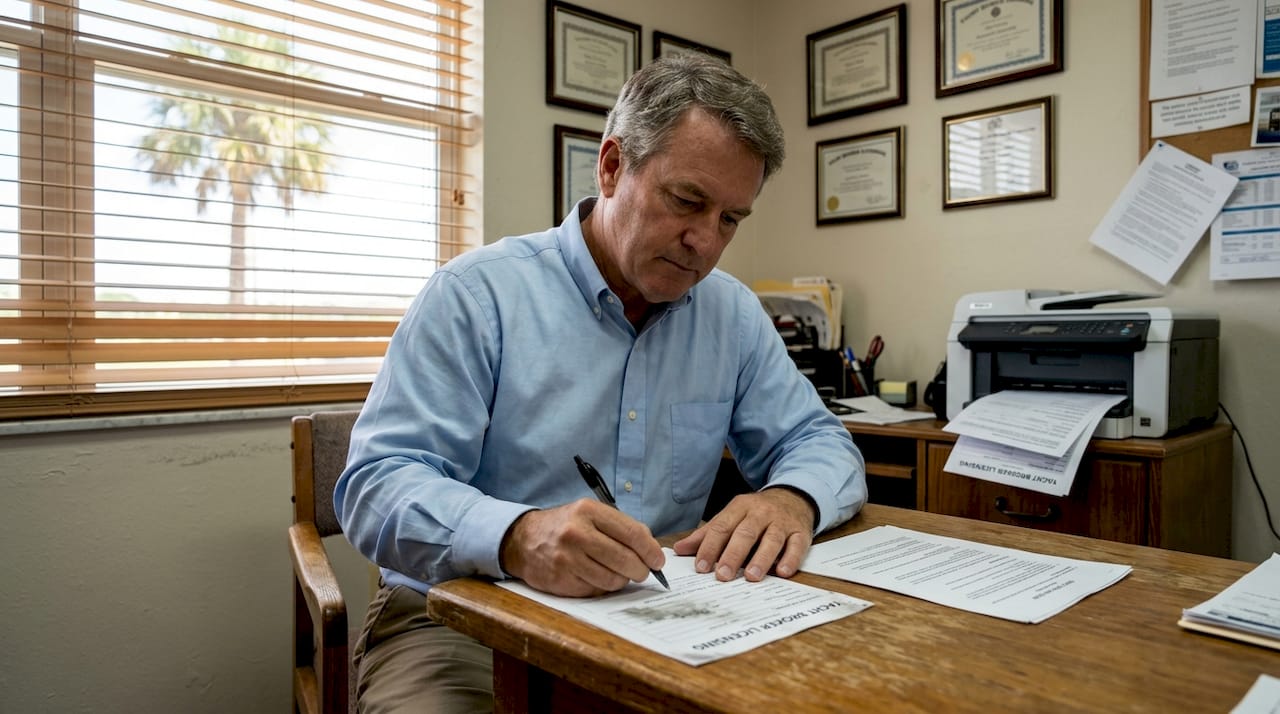
California takes a similarly rigorous approach. As outlined by California’s licensing framework, a Yacht and Ship Broker License is required for vessels over 16 feet and under 300 gross tons. Candidates must demonstrate one to three years of relevant experience, pass a written exam with a minimum score of 70%, and maintain a surety bond.
| Requirement | Florida | California |
|---|---|---|
| License type | Yacht and Ship Broker/Salesperson | Yacht and Ship Broker |
| Experience required | Not specified | 1 to 3 years |
| Surety bond | $10,000 to $25,000 | Required (amount varies) |
| Exam required | Yes | Yes (70% minimum) |
| Fingerprinting | Yes | Not specified |
| Renewal | Biennial | Periodic |
These protections are meaningful. They create accountability, financial recourse through the bond, and a verifiable paper trail. Outside these states, no equivalent government requirement exists, which is precisely why voluntary credentials become so important. Your broker selection criteria should always account for the regulatory environment where the transaction is taking place.
Professional memberships: MYBA, YBAA, and ethics in practice
Beyond licenses and certifications, association memberships offer something equally valuable: an enforceable ethical framework and a community of accountability. Two organizations define this space at the highest level.
MYBA, the World Yachting Association, is the international benchmark for yacht brokerage professionalism. MYBA membership ensures brokers adhere to a strict code of ethics, use standardized contracts, and demonstrate proven excellence accumulated over years of practice. Membership is not granted lightly, and maintaining it requires ongoing adherence to the association’s standards. For international transactions, a MYBA-affiliated broker provides a layer of assurance that transcends any single country’s regulatory environment.
YBAA, the Yacht Brokers Association of America, is the North American counterpart. YBAA membership promotes ethics and competence, supports the CPYB credential, and connects brokers to a network of professionals committed to integrity. Together, these two organizations represent the gold standard of voluntary accountability.
| Feature | MYBA | YBAA |
|---|---|---|
| Geographic focus | International | North America |
| Ethics code | Yes, strictly enforced | Yes |
| Standard contracts | Yes | Supported |
| Credential supported | Industry-wide | CPYB |
| Membership rigor | High, experience-based | Application and review |
“A broker who belongs to MYBA or YBAA has chosen to be held to a standard that goes beyond what any law requires. That choice tells you something important about how they approach their work.”
To verify active membership, visit the official MYBA and YBAA directories directly. Lapsed or expired membership is a red flag worth taking seriously. Knowing the smart questions to ask your broker, following compliance steps for safe purchases, and understanding brokerage industry terms will all help you interpret what you find. These memberships are also a strong signal of why a broker matters to the outcome of your purchase.
How to spot and verify a highly qualified yacht broker
Knowing what credentials exist is only half the equation. The other half is knowing how to verify them with confidence and without awkwardness. Here is a practical, step-by-step approach that any discerning buyer can follow.
- Ask directly and early. In your first conversation, request a summary of the broker’s credentials, including any licenses, certifications, and association memberships. A qualified broker will welcome this question.
- Verify state licenses. If the transaction involves Florida or California, confirm the broker’s license number through the relevant state licensing portal. This takes minutes and is definitive.
- Check CPYB status. Visit the YBAA’s official CPYB directory and search for the broker by name. Active status should be clearly listed. If it is not, ask why.
- Confirm MYBA or YBAA membership. Both organizations maintain searchable member directories on their websites. Cross-reference the broker’s name and firm.
- Request references. Ask for contact information for two or three past clients who completed transactions at a similar price point. A credentialed broker with genuine experience will have these readily available.
- Trust your instincts. If a broker is evasive, dismissive, or unable to produce documentation, that tells you everything you need to know.
For trusted broker criteria, the YBAA recommends prioritizing brokers with CPYB or MYBA credentials, exam-based knowledge, and verifiable ethical standards, particularly for high-value transactions. Familiarizing yourself with the industry terms reference will make these conversations more productive, and reviewing guidance on picking the right broker ensures you are asking the right questions from the start.
Our perspective: Credentials are a must—here’s the real difference they make
Here is something most articles will not tell you. The real value of broker credentials is not the piece of paper. It is the mindset that earning them requires. A broker who has sat for a three-hour exam on maritime law, ethics, and technical vessel knowledge has demonstrated something that no amount of charm or sales volume can replicate: a commitment to knowing their craft deeply.
We have seen what happens when buyers skip this step. Contracts with gaps. Surveys that miss critical defects because the broker did not know what to flag. Escrow handled informally. These are not hypothetical risks. They are patterns we recognize.
Credentialed brokers solve problems before they surface. They know the common industry terms, the legal nuances, and the negotiation pressure points that protect you when things get complicated. Think of credentials as a stress discount built into your transaction. The conventional wisdom that any experienced broker will do is simply not true at the luxury level. Here, the stakes are too high and the variables too many for anything less than verified, current, exam-tested expertise. Always verify. Never assume.
Get expert help from credentialed yacht brokers
When you are ready to move forward with confidence, the team at Yachts by Steve is here to guide you. Our brokers hold recognized credentials and bring verified expertise to every transaction, so you never have to wonder whether the person representing your interests truly knows what they are doing. Reviewing luxury broker selection tips is a great place to start, and exploring expert broker support will show you exactly how we approach each client relationship. You can also review yacht specifications for buyers to arrive at your first conversation fully informed. Reach out today and experience the difference that genuine expertise makes.
Frequently asked questions
What is the most important credential for a yacht broker?
The Certified Professional Yacht Broker (CPYB) credential is widely recognized as the gold standard for North American yacht brokers, requiring demonstrated experience, a formal application, and a rigorous written exam.
Do all states require yacht brokers to be licensed?
No. Licensing is mandatory only in select states like Florida and California. In most of the US, professional certifications and association memberships are voluntary but serve as the primary markers of credibility.
How do I verify a broker’s credentials?
You can search official directories maintained by CPYB, MYBA, and YBAA, and confirm state licenses through the relevant government portal. For wealthy clients, cross-referencing multiple sources provides the most complete picture.
What risks come with an uncredentialed yacht broker?
Uncredentialed brokers may lack verified knowledge of maritime law, ethical obligations, or proper contract standards. MYBA membership specifically ensures access to standardized contracts and enforceable ethics, protections that uncredentialed brokers simply cannot offer.
Are professional association memberships like MYBA or YBAA necessary?
They are not legally required in most jurisdictions, but YBAA membership and MYBA affiliation signal proven expertise, ethical commitment, and accountability that go well beyond what any voluntary certification alone can guarantee.
Recommended
Featured Listings
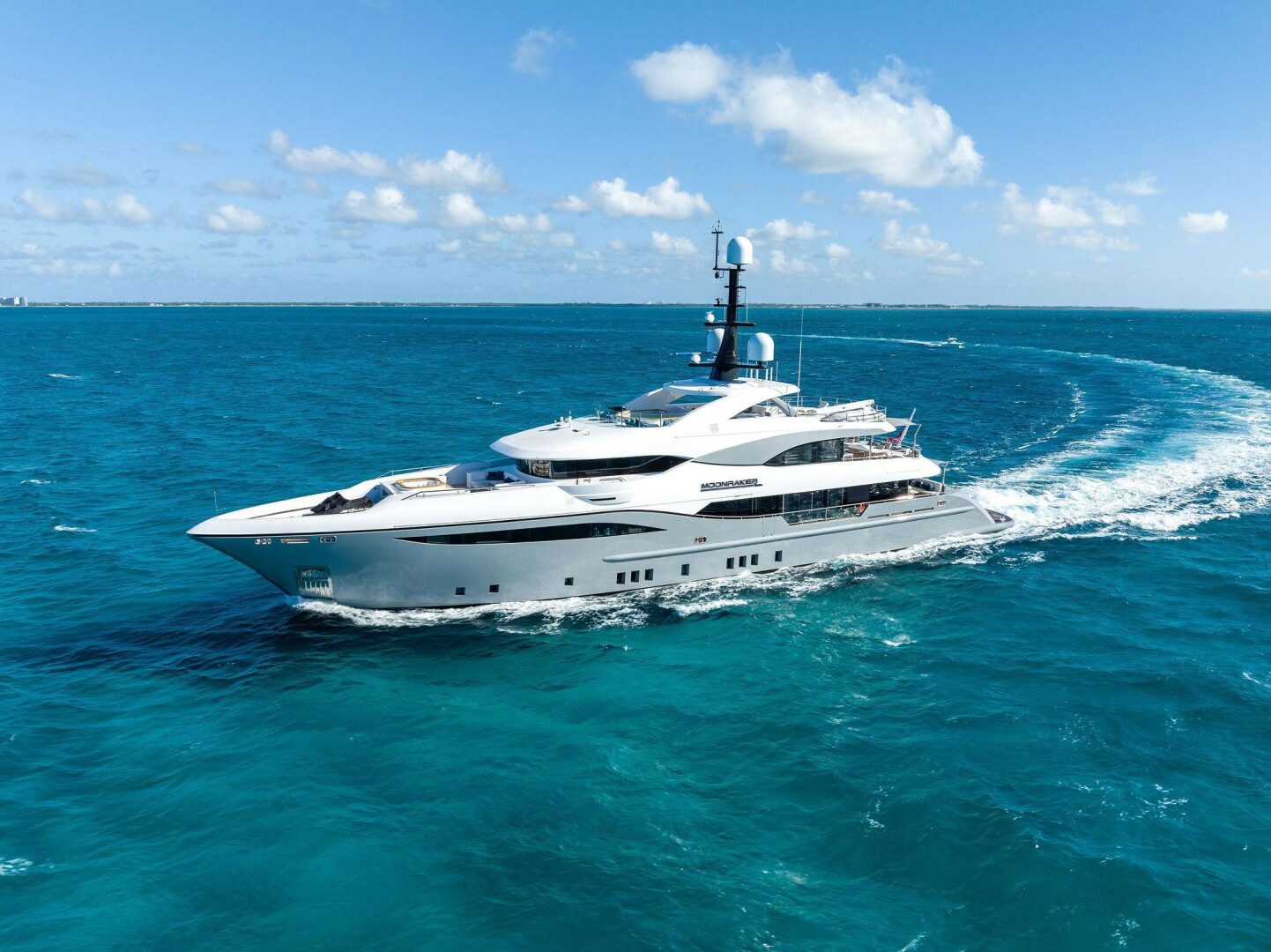
2019 Bilgin MOONRAKER
$21,404,500
156
West Palm Beach Florida

2028 Columbus Yachts
$22,900,008
137
Ancona
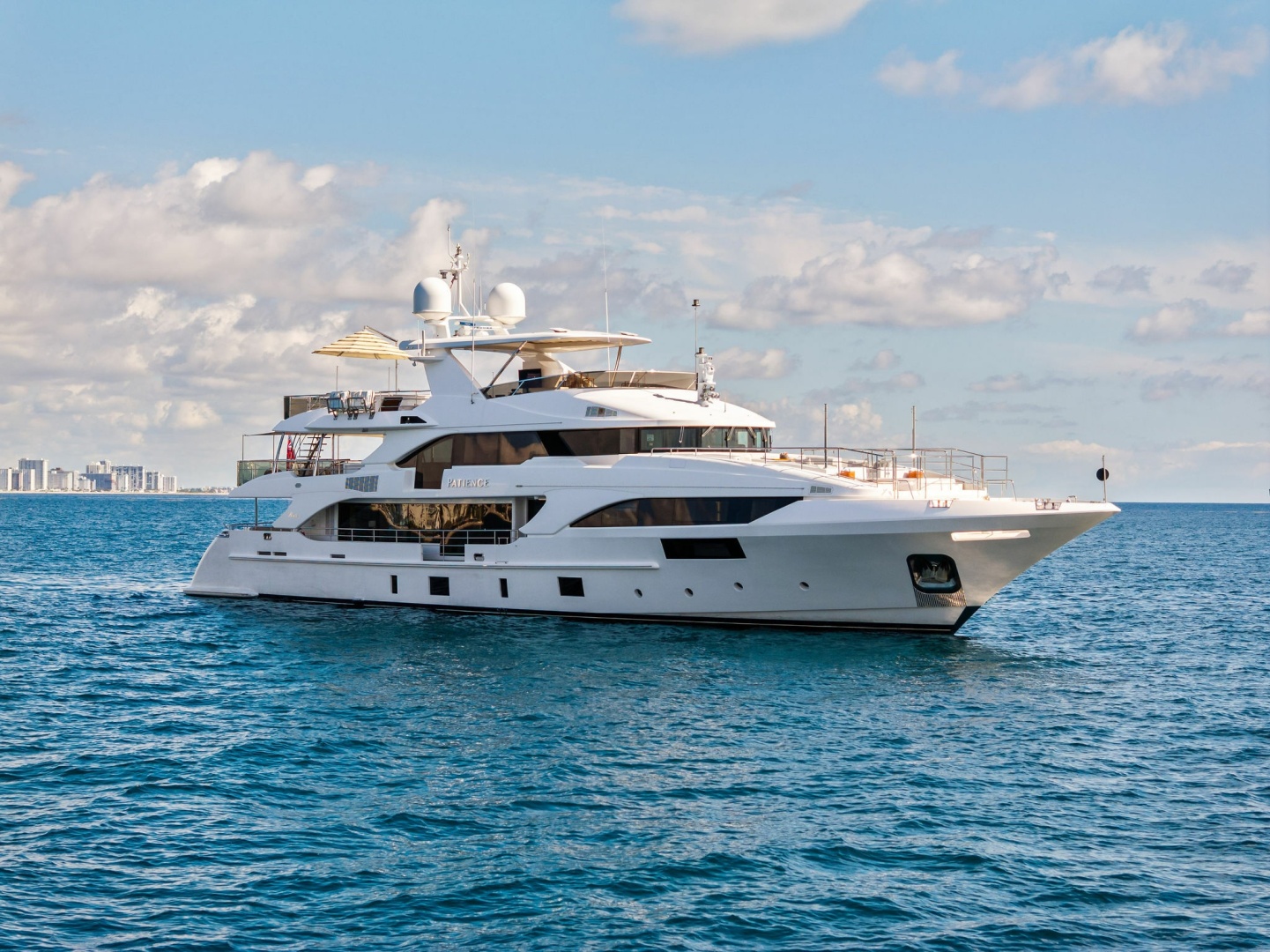
2012 Benetti PATIENCE
$10,975,000
132
Fort Lauderdale Florida
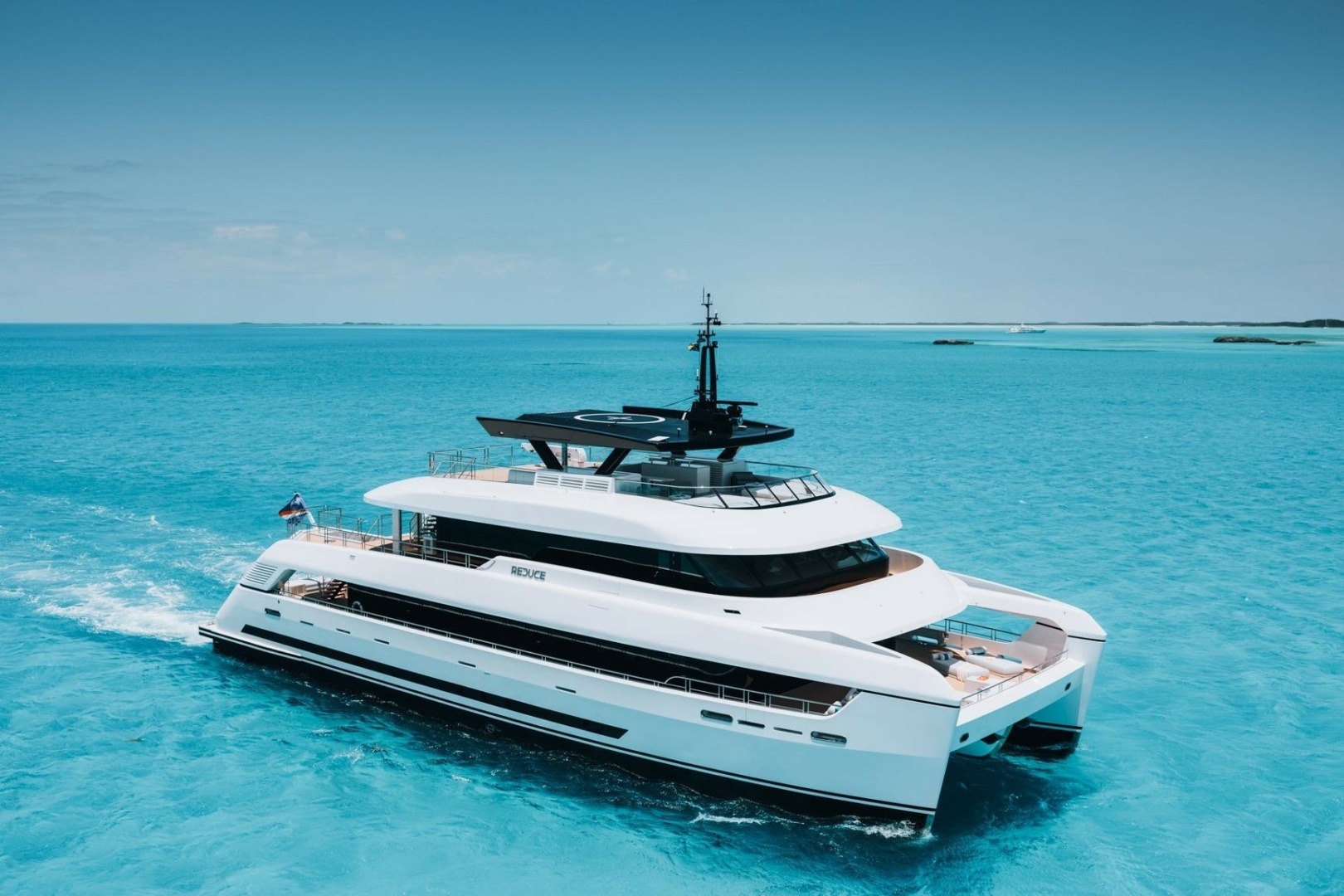
2024 Silver Yachts
$25,400,000
117
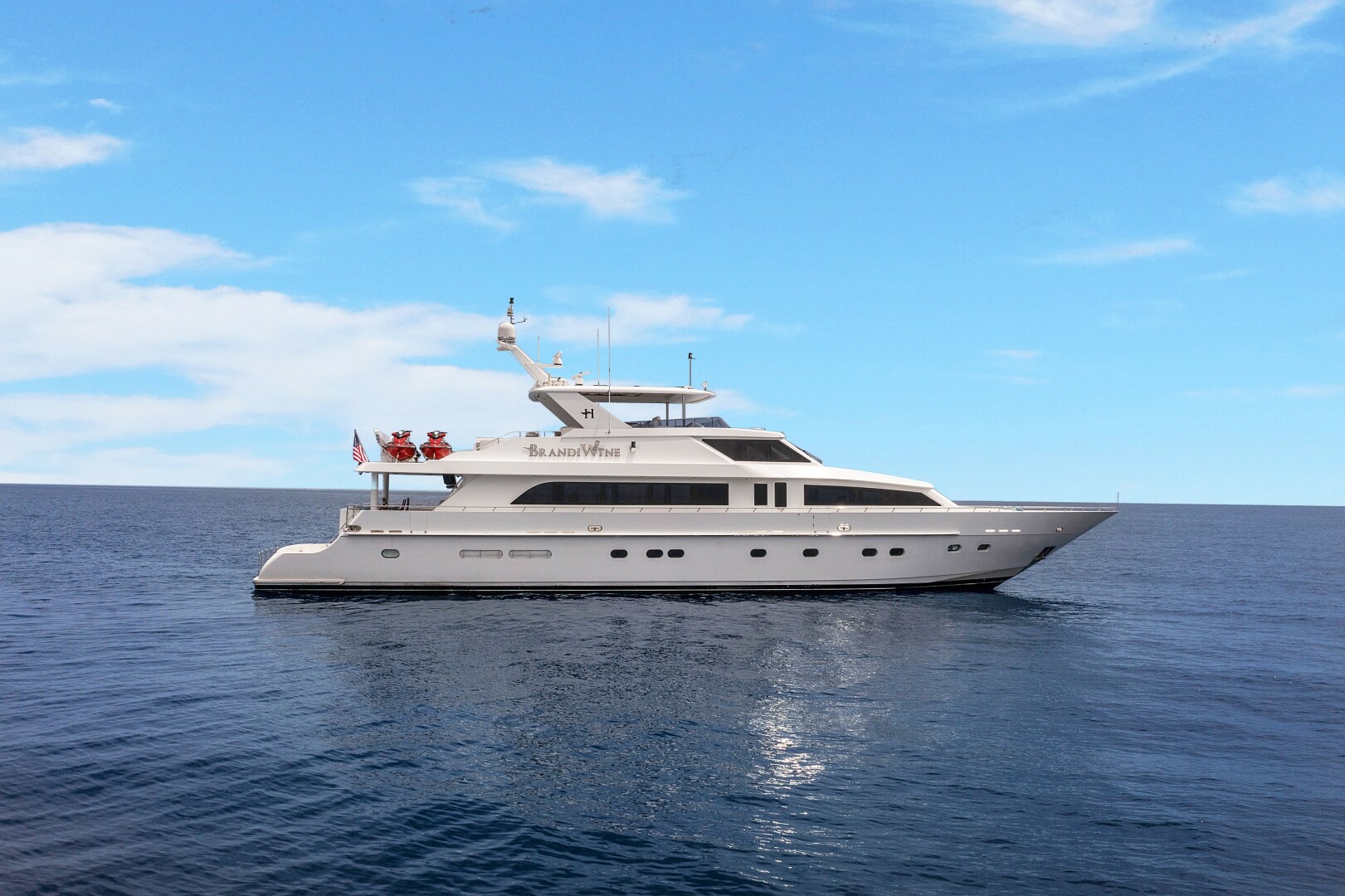
2009 Hargrave BRANDI WINE
$2,995,000
114
Fort Lauderdale Florida

2028 Extra Yachts
$21,404,500
100
Ancona

2028 Extra Yachts Extra 96
$9,495,000
96
Ancona
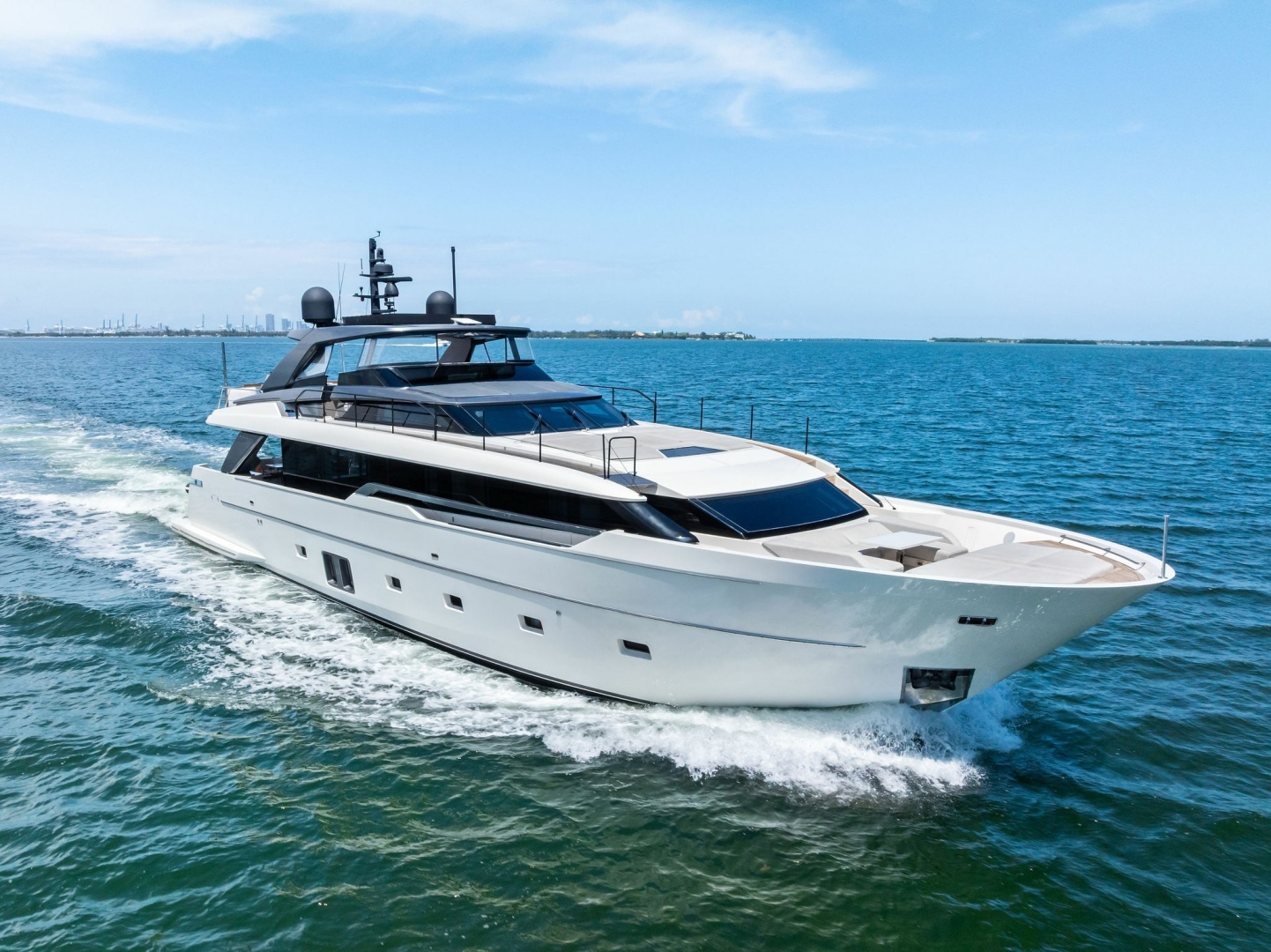
2021 Sanlorenzo GATSBY
$6,795,000
96
Miami Beach Florida

1999 Northern Marine OFF LINE
$2,495,000
84
Ft Lauderdale Florida
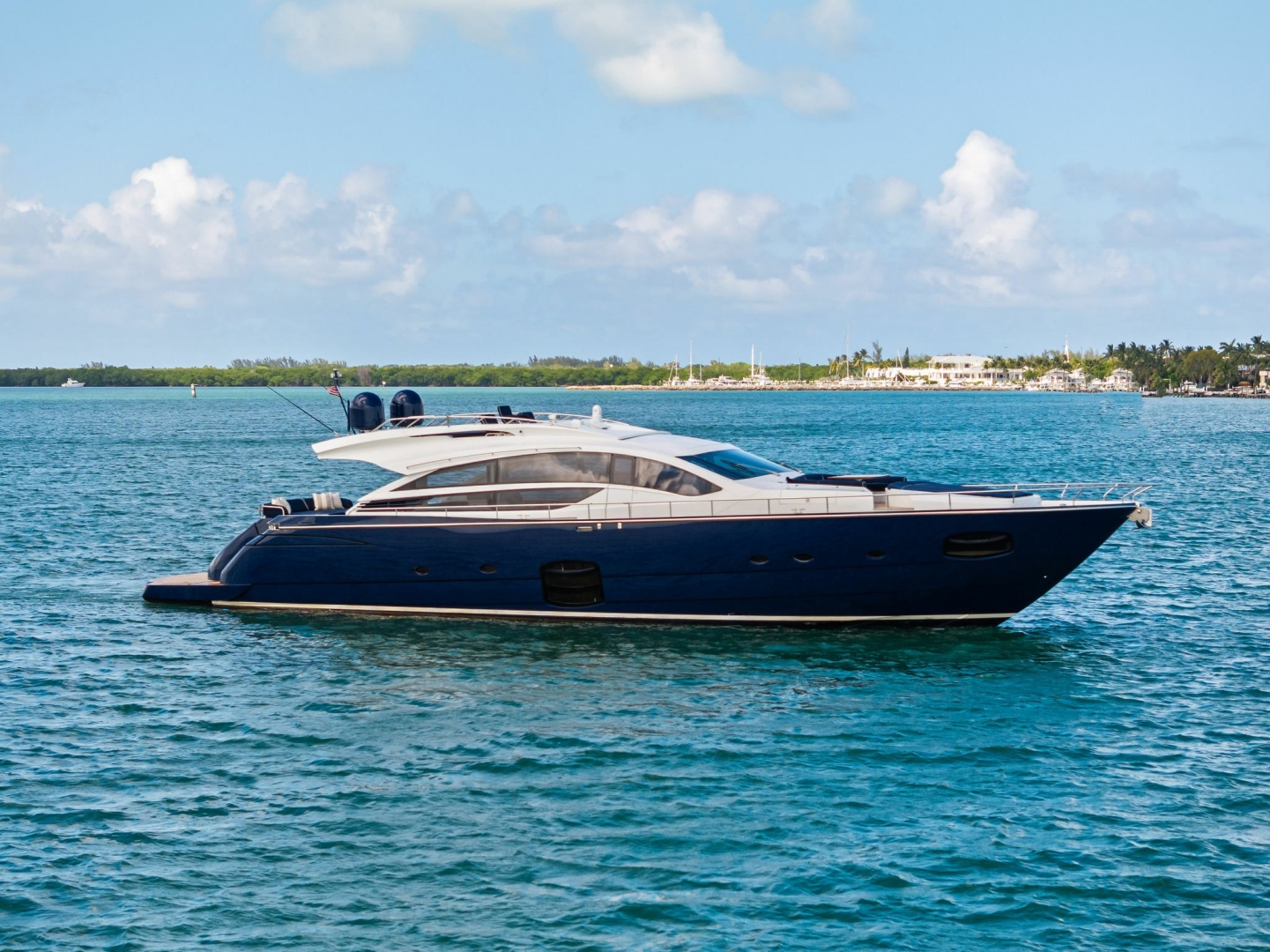
2013 Pershing DOROTHY ANN
$1,750,000
82
Miami Beach Florida

1997 Ferretti Yachts
$850,000
80
La Paz
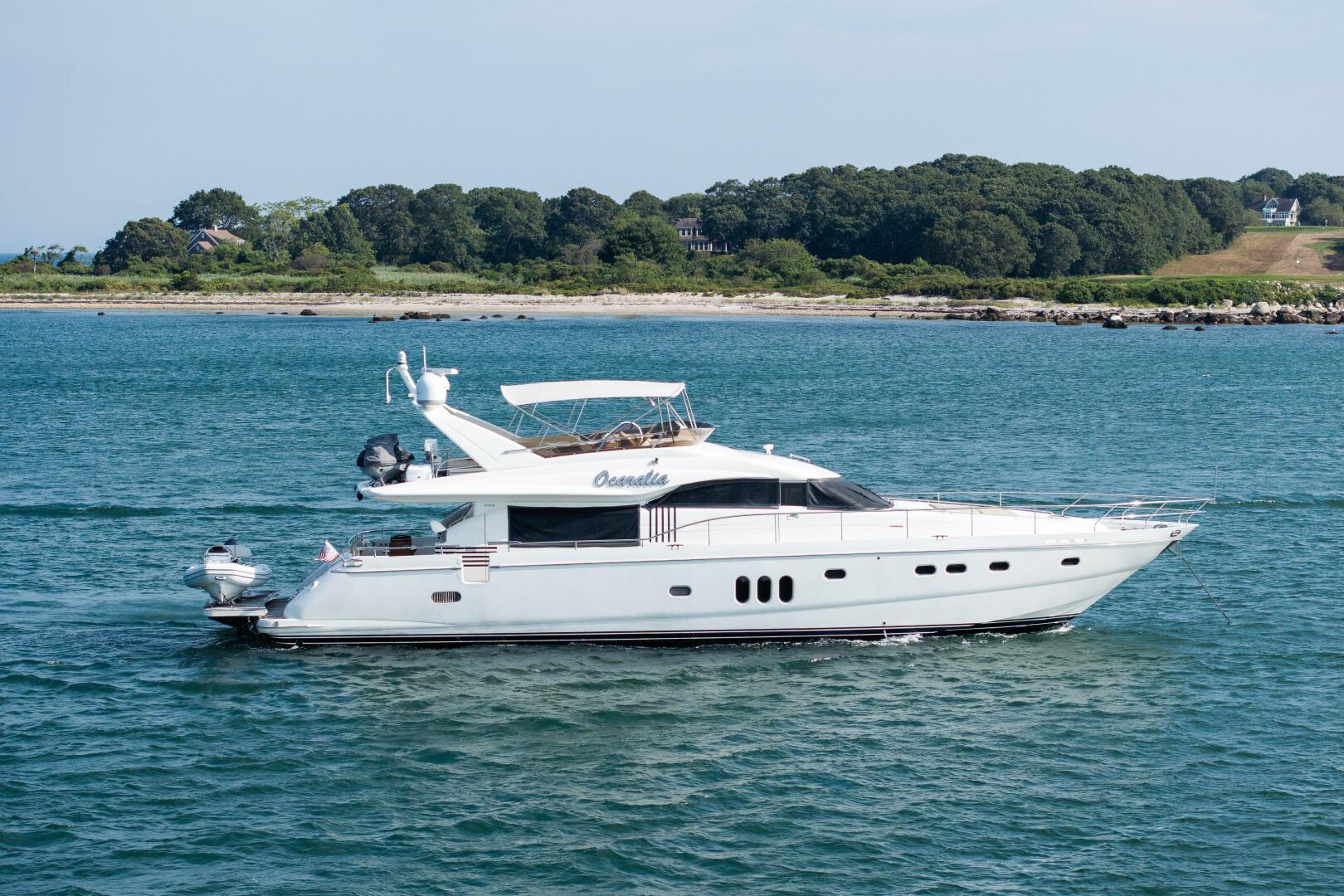
2008 Princess Yachts OCARALIA
$1,095,000
75
Charleston South Carolina
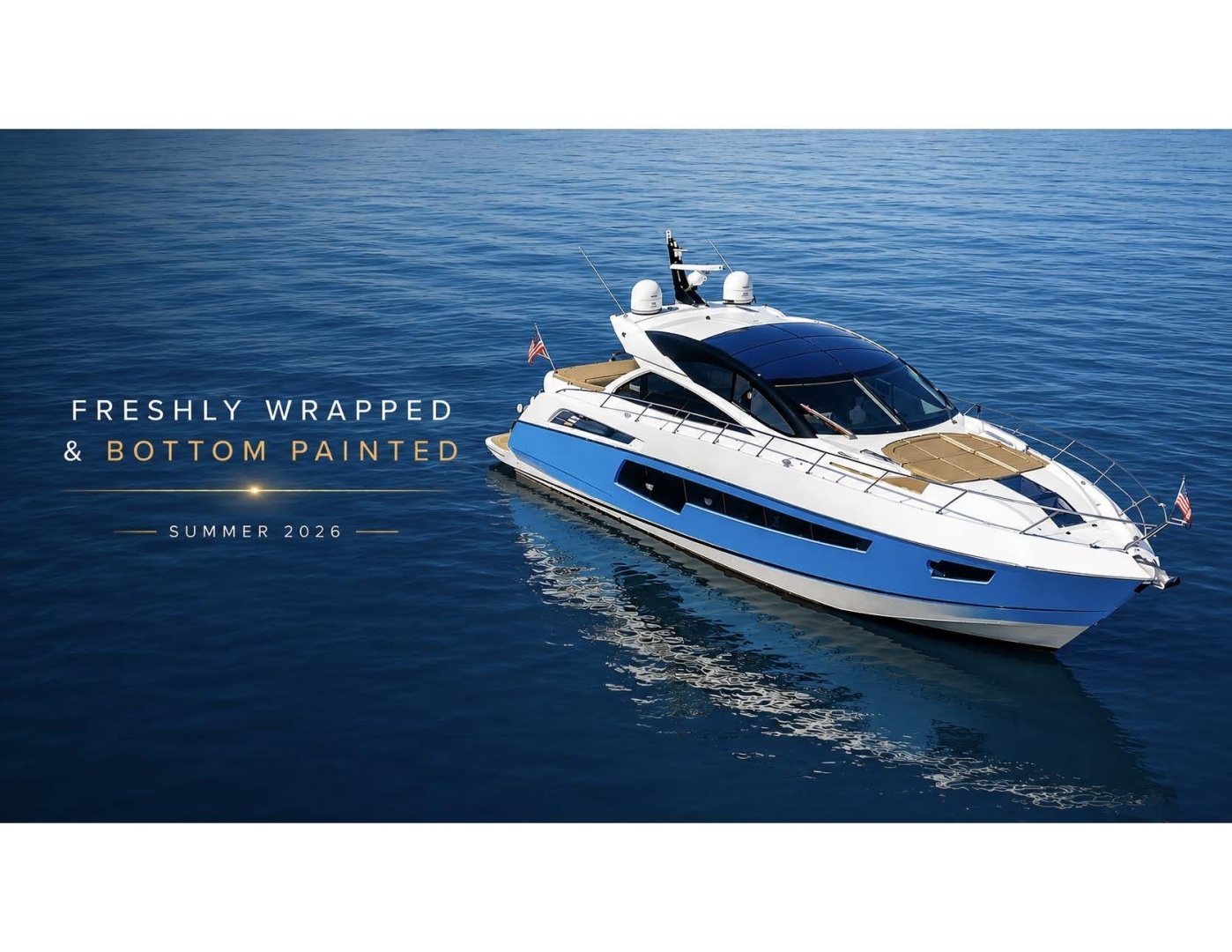
2014 Sunseeker
$1,400,000
68
New York New York

2024 Fairline
$2,750,000
68
Ft. Lauderdale Florida

2024 Sunreef Catallaxi
$3,700,000
60
Newport Rhode Island
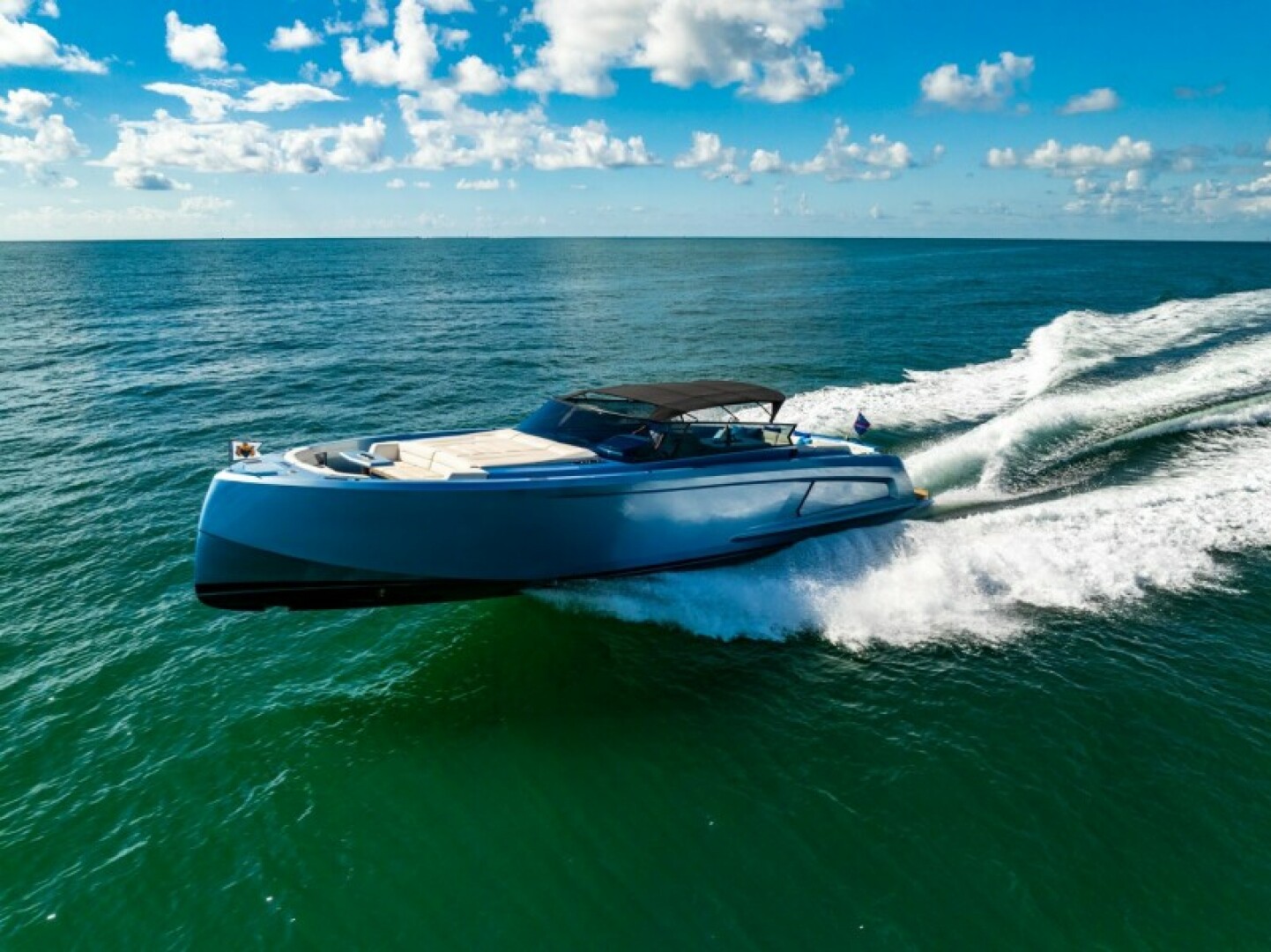
2019 Vanquish Yachts IMPULSIVE
$1,799,000
58
Miami Beach Florida
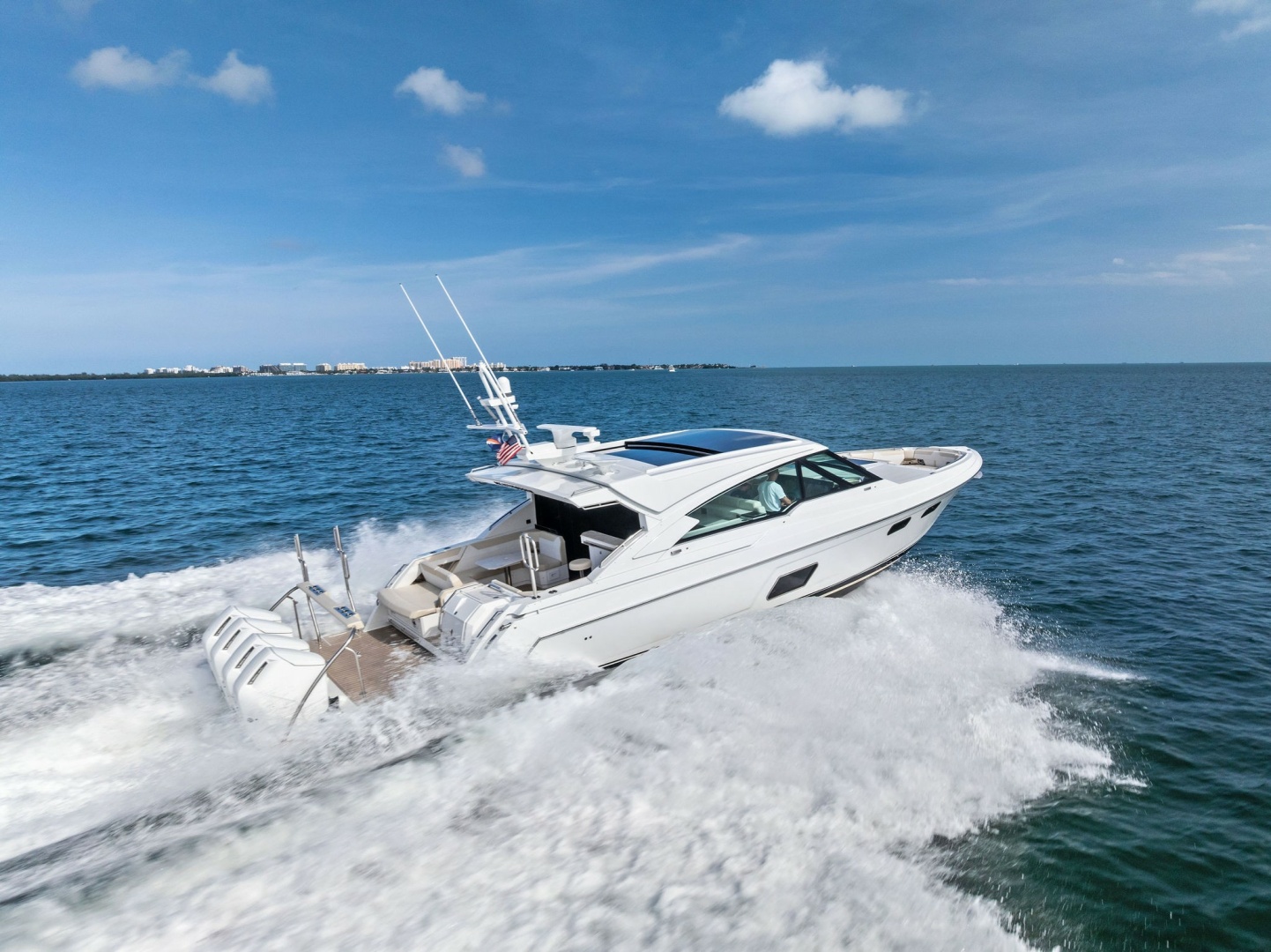
2025 Formula BREAKTHROUGH III
$1,895,000
53
Miami Beach Florida

2023 Fairline
$900,000
45
Fort Lauderdale Florida
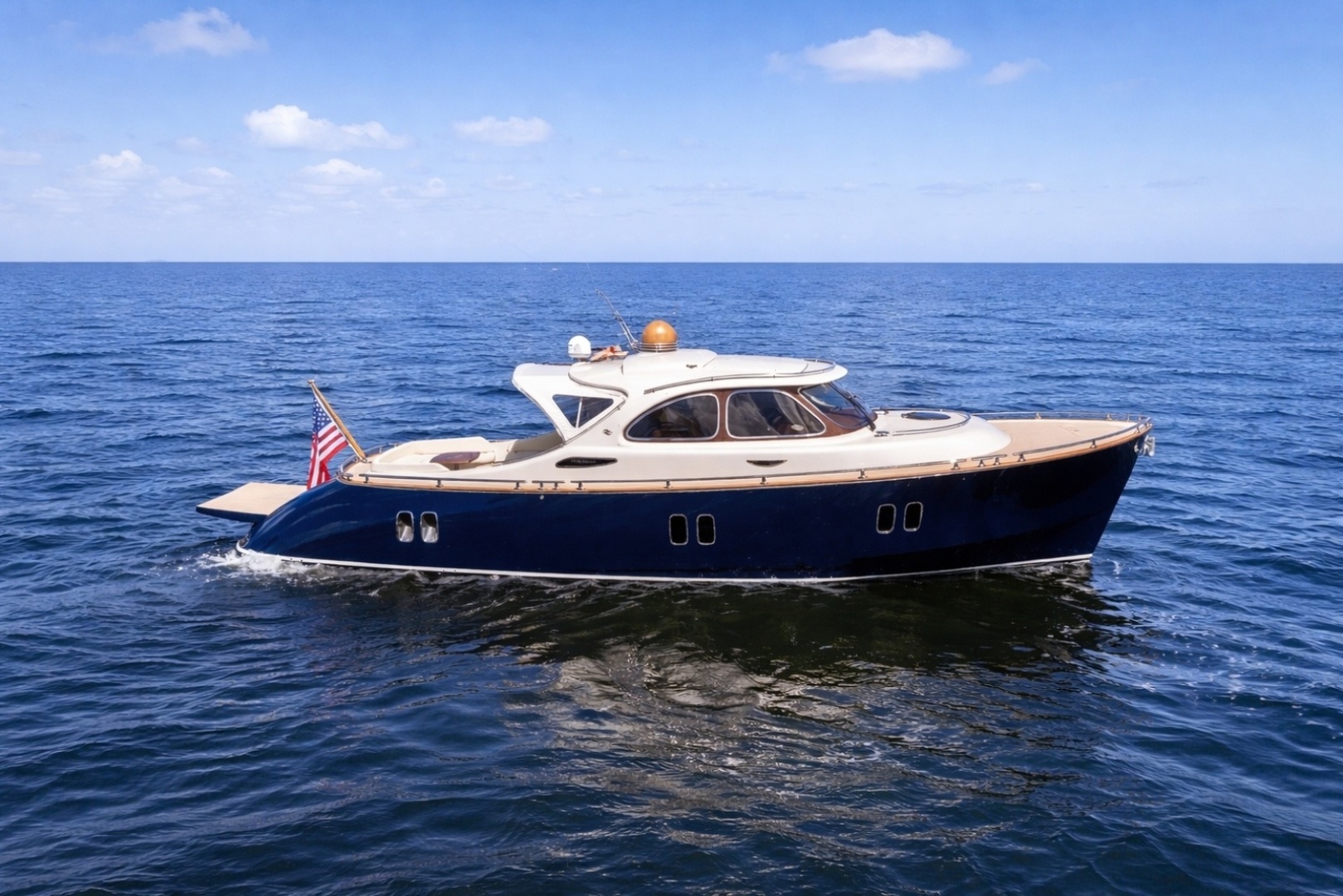
2012 Zeelander Mississippi Queen
$575,000
44
West Palm Beach Florida
2019 Bilgin 156'
$21,404,500
2028 Columbus Yachts 137'
$22,900,008
2012 Benetti 132'
$10,975,000
2024 Silver Yachts 117'
$25,400,000
2009 Hargrave 114'
$2,995,000
2028 Extra Yachts 100'
$21,404,500
2028 Extra Yachts 96'
$9,495,000
2021 Sanlorenzo 96'
$6,795,000
1999 Northern Marine 84'
$2,495,000
2013 Pershing 82'
$1,750,000
1997 Ferretti Yachts 80'
$850,000
2008 Princess Yachts 75'
$1,095,000
2014 Sunseeker 68'
$1,400,000
2024 Fairline 68'
$2,750,000
2024 Sunreef 60'
$3,700,000
2019 Vanquish Yachts 58'
$1,799,000
2025 Formula 53'
$1,895,000
2023 Fairline 45'
$900,000
2012 Zeelander 44'
$575,000