

Luxury yacht design is evolving faster than at any point in recent memory. From silent hybrid propulsion to bulkhead-free interiors and AI-powered management systems, the options available to today’s discerning buyer are genuinely extraordinary. Yet with so many innovations competing for attention, the real challenge is knowing which trends will elevate your ownership experience and which are simply noise. Hybrid and electric propulsion is now delivering up to 30% fuel savings alongside silent operation, signaling that sustainability and luxury are no longer in tension. This guide cuts through the complexity and gives you a clear, evidence-backed view of what matters most right now.
Table of Contents
- How to evaluate the latest yacht design trends
- Eco-focused propulsion: Hybrid and electric power
- Bigger beach clubs and explorer yacht features
- Smart yachts: Seamless technology and innovation
- Breaking conventions: Flexible layouts and minimalist opulence
- Which yacht design trend is best for you?
- Expert help with your next luxury yacht decision
- Frequently asked questions
Key Takeaways
| Point | Details |
|---|---|
| Hybrid power leads | Sustainable propulsion delivers up to 30 percent fuel savings with silent operation. |
| Explorer features grow | Adventure-ready yachts now combine long range and luxury with features like beach clubs and ice-class hulls. |
| Smart tech is standard | AI, voice controls, and hidden systems are essential for today’s seamless digital luxury. |
| Minimalism wins awards | Current top yachts blend subtle elegance and flexible, open layouts for peace and function. |
How to evaluate the latest yacht design trends
Smart selection starts with understanding what actually drives modern yacht design. The industry is no longer shaped by a single vision of opulence. Instead, it reflects a sophisticated conversation between energy efficiency, personalization, technology, and environmental responsibility. Knowing how to weigh these forces against your own priorities is the foundation of a sound purchasing decision.
Here are the five essential categories every serious buyer should consider:
- Energy efficiency vs. traditional luxury: Hybrid and electric systems are redefining what premium performance looks like, without sacrificing comfort.
- Personalization and bespoke options: Bespoke yachts are preferred over production models, with buyers prioritizing one-of-a-kind builds that reflect their identity.
- Future-proofing with smart technology: Integrated systems that adapt to your lifestyle add long-term value and daily convenience.
- Sustainability’s investment value: Eco-conscious features are increasingly tied to resale value and marina access in regulated waters.
- Balance of aesthetics and functionality: The finest yachts today are as purposeful as they are beautiful.
Our yachting trends buyer’s guide offers a deeper framework for navigating these priorities, and our coverage of luxury performance explores how innovation is reshaping the market from the hull up.
Pro Tip: Before you evaluate any specific trend, define your primary use case. A yacht built for long-range exploration demands different priorities than one designed for Mediterranean entertaining.
Eco-focused propulsion: Hybrid and electric power
Propulsion is no longer just an engineering decision. It is a statement of values, and the market has taken notice. Hybrid systems have moved from niche to mainstream, and the performance data is compelling.
The Heesen ORION, a 50-meter hybrid superyacht, is one of the clearest examples. In electric mode, ORION consumes just 45 liters per hour at 10 knots, compared to 98 liters per hour under diesel power. That is a reduction of more than 50% in fuel consumption during low-speed cruising, and it comes with the added benefit of near-silent operation at anchor.
Stat to know: Hybrid propulsion systems typically deliver 20 to 30% fuel savings across a full voyage, with even greater efficiency gains during anchoring and slow-speed passages.
Here is why eco-focused propulsion deserves serious consideration:
- Operational cost savings: Fuel is one of the largest ongoing expenses in yacht ownership. A 20 to 30% reduction compounds significantly over years of use.
- Silent anchoring: Electric mode eliminates engine noise and vibration, transforming the experience of evenings at anchor in a secluded bay.
- Environmental credentials: Access to protected marine areas and eco-sensitive destinations is increasingly tied to emissions standards.
- Resale appeal: Buyers in 2026 are actively seeking vessels with hybrid capability, making it a strong value-retention feature.
Explore how yacht sustainability is being woven into the fabric of modern design at every level.
Pro Tip: When reviewing hybrid systems, ask for real-world consumption data at your typical cruising speed, not just manufacturer estimates. The difference can be significant.
Bigger beach clubs and explorer yacht features
The way owners use their yachts has changed, and the spaces being designed reflect that shift. Beach clubs have grown from a modest aft platform into expansive sea-level sanctuaries with fold-out terraces, water sports storage, and lounge areas that blur the line between vessel and resort.
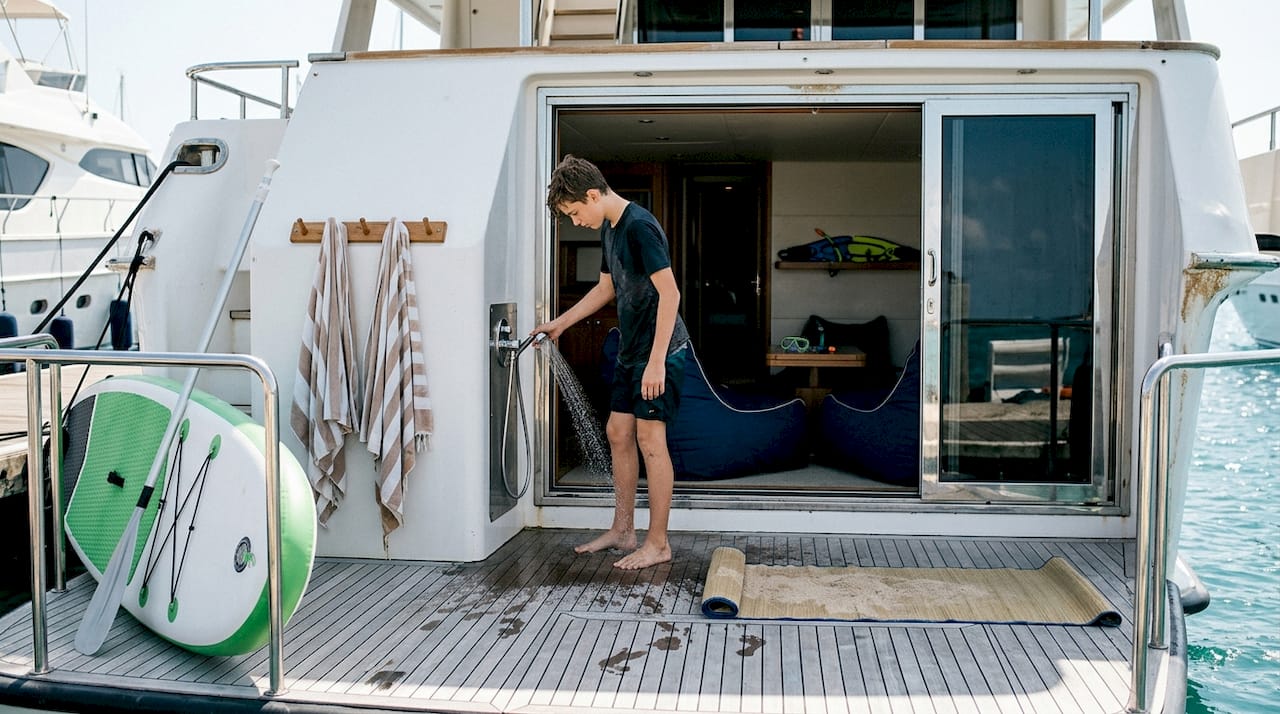
At the same time, the explorer yacht category is experiencing remarkable growth. These vessels are built for genuine range and resilience, not just the appearance of adventure.
| Feature | Standard yacht | Explorer yacht |
|---|---|---|
| Range | 1,000 to 2,500 nm | 5,000 to 15,000+ nm |
| Hull construction | Standard fiberglass or steel | Reinforced, often ice-class |
| Beach club | Compact aft platform | Expansive fold-out terraces |
| Tender storage | Limited | Dedicated garage for multiple tenders |
| Destination access | Mediterranean, Caribbean | Polar regions, remote archipelagos |
Explorer yachts now offer ranges of 5,000 to more than 15,000 nautical miles, with ice-class hulls that open up destinations most yachts simply cannot reach. The appeal is not just adventure. It is the freedom to go anywhere, on your own terms.
Key lifestyle features driving demand in this category include:
- Fold-out terraces that double the usable deck space at anchor
- Integrated water sports garages with jet skis, paddleboards, and dive equipment
- Stabilization systems for comfortable passage-making in open ocean conditions
- Expedition-grade provisions storage for extended voyages
For a full breakdown of what to look for, our modern luxury yacht features list and yacht types explained guide are excellent starting points.
Smart yachts: Seamless technology and innovation
The most sophisticated yachts of 2026 are defined not by what you can see, but by what you cannot. Technology has become invisible luxury. The goal is a vessel that anticipates your needs, responds to your preferences, and manages complexity without demanding your attention.
AI, voice commands, circadian lighting, and hidden tech systems now define next-generation luxury yachts. Here is how these features translate into daily experience:
| Technology | What it does | Owner benefit |
|---|---|---|
| AI yacht management | Monitors and adjusts climate, lighting, and security | Effortless comfort, reduced crew workload |
| Voice and app control | Manages all onboard systems remotely | Intuitive, seamless operation |
| Circadian lighting | Adjusts color temperature throughout the day | Supports sleep, mood, and wellbeing |
| Hidden AV and navigation | Concealed screens and speakers | Clean, uncluttered interiors |
The shift toward hidden technology is particularly significant. Owners no longer want visible equipment interrupting the aesthetic of a beautifully designed saloon. Screens retract into cabinetry. Speakers disappear into walls. Navigation systems are tucked away, accessible when needed and invisible when not.
Additional smart features gaining traction include:
- Biometric access control for enhanced security and personalization
- Predictive maintenance alerts that flag issues before they become problems
- Integrated energy management that balances solar, battery, and generator use
- Remote monitoring for owners who want visibility when they are not aboard
For those interested in how design innovation is shaping the next generation of vessels, the conversation around smart systems is central. You can also explore a compelling example of integrated design in the Bertram motor yacht category.
Pro Tip: When evaluating smart systems, prioritize platforms with open architecture. Proprietary systems can lock you into a single vendor for upgrades and repairs, which limits flexibility over time.
Breaking conventions: Flexible layouts and minimalist opulence
The aesthetic conversation in luxury yacht design has shifted decisively. Bold ornamentation and maximalist interiors are giving way to something more refined, more considered, and ultimately more enduring.
Industry awards in 2026 reward quiet luxury and spatial innovation, not just visual extravagance. Yachts like Pi by Feadship are being celebrated for their restraint, their craftsmanship, and their ability to create spaces that feel both expansive and intimate.
“In a world defined by structure and routine, the most compelling yachts are those that defy tradition entirely, offering fluid, open spaces that adapt to the moment.”
The bulkhead-free design movement is one of the most disruptive forces in contemporary yacht architecture. Vessels like HUB eliminate fixed interior walls, creating fluid, open-plan living environments that can be reconfigured for entertaining, relaxation, or focused work.
The defining characteristics of this trend include:
- Minimalist material palettes: Natural stone, brushed metals, and sustainably sourced woods replace ornate veneers and gilded finishes.
- Flexible multi-use spaces: A single area can serve as a dining room, a cinema, or a private office depending on the moment.
- Craftsmanship over decoration: The quality of joinery, upholstery, and surface finishing becomes the focal point rather than applied ornamentation.
- Connection to the exterior: Large glazed surfaces and seamless indoor-outdoor transitions bring the ocean into the living space.
Stay current with how these shifts are playing out across the broader market in our yacht market trends 2026 coverage.
Which yacht design trend is best for you?
With so many compelling directions, the question is not which trend is best in the abstract. It is which combination of features aligns with how you actually want to live aboard. The market is stable with growth concentrated in the 50 to 80 meter explorer segment, and demand is highest for bespoke builds that reflect individual vision.
| Buyer priority | Best-fit trend | Key consideration |
|---|---|---|
| Adventure and exploration | Explorer yacht features | Range, hull strength, destination access |
| Environmental values | Hybrid and electric propulsion | Fuel savings, silent operation, eco credentials |
| Aesthetic refinement | Minimalist and flexible layouts | Material quality, spatial fluidity |
| Effortless living | Smart yacht technology | System integration, ease of use |
| Unique identity | Bespoke personalization | Build time, designer collaboration |
Here is how to approach the decision with clarity:
- Define your cruising style first. Mediterranean summers and polar expeditions demand fundamentally different vessels.
- Consider your five-year vision. A yacht that suits your life today should also accommodate how your priorities may evolve.
- Weigh operational costs alongside purchase price. Hybrid systems and smart energy management can meaningfully reduce annual running costs.
- Go bespoke when your vision is specific. Production models offer value, but a truly personal yacht requires a custom approach.
Understanding the drivers behind luxury yacht demand and reviewing yacht specifications explained will sharpen your thinking before any serious conversation with a builder or broker.
Expert help with your next luxury yacht decision
Navigating the full spectrum of today’s yacht design trends is genuinely rewarding, but it is also complex. The right vessel is not simply the one with the most impressive features. It is the one that fits your life with precision and grace. At Yachts by Steve, we bring deep expertise in luxury performance and innovation to every client conversation, helping you identify which trends translate into real value for your specific vision. Whether you are ready to begin your search or simply want to understand your options more clearly, our yacht broker guide is a trusted starting point. Explore our full industry trends buyer’s guide and connect with us when you are ready to move forward.
Frequently asked questions
How much can hybrid propulsion save on fuel for yachts?
Hybrid propulsion systems typically reduce fuel usage by 20 to 30% compared to traditional diesel engines, with even greater savings during low-speed cruising and anchoring.
What defines an explorer yacht?
Explorer yachts are designed for long-range travel, offering 5,000 to 15,000+ nm range and often featuring reinforced, ice-class hulls that open access to remote and polar destinations.
Are smart systems in yachts hard to use or maintain?
Today’s smart yacht systems are designed for intuitive use, manageable by app or voice command, and typically supported with remote diagnostics that simplify maintenance considerably.
Is minimalism really a trend in superyacht interiors?
Absolutely. Bulkhead-free designs and minimalist interiors are among the most recognized trends of 2026, celebrated for their spatial fluidity, material quality, and enduring aesthetic appeal.
Recommended
Featured Listings
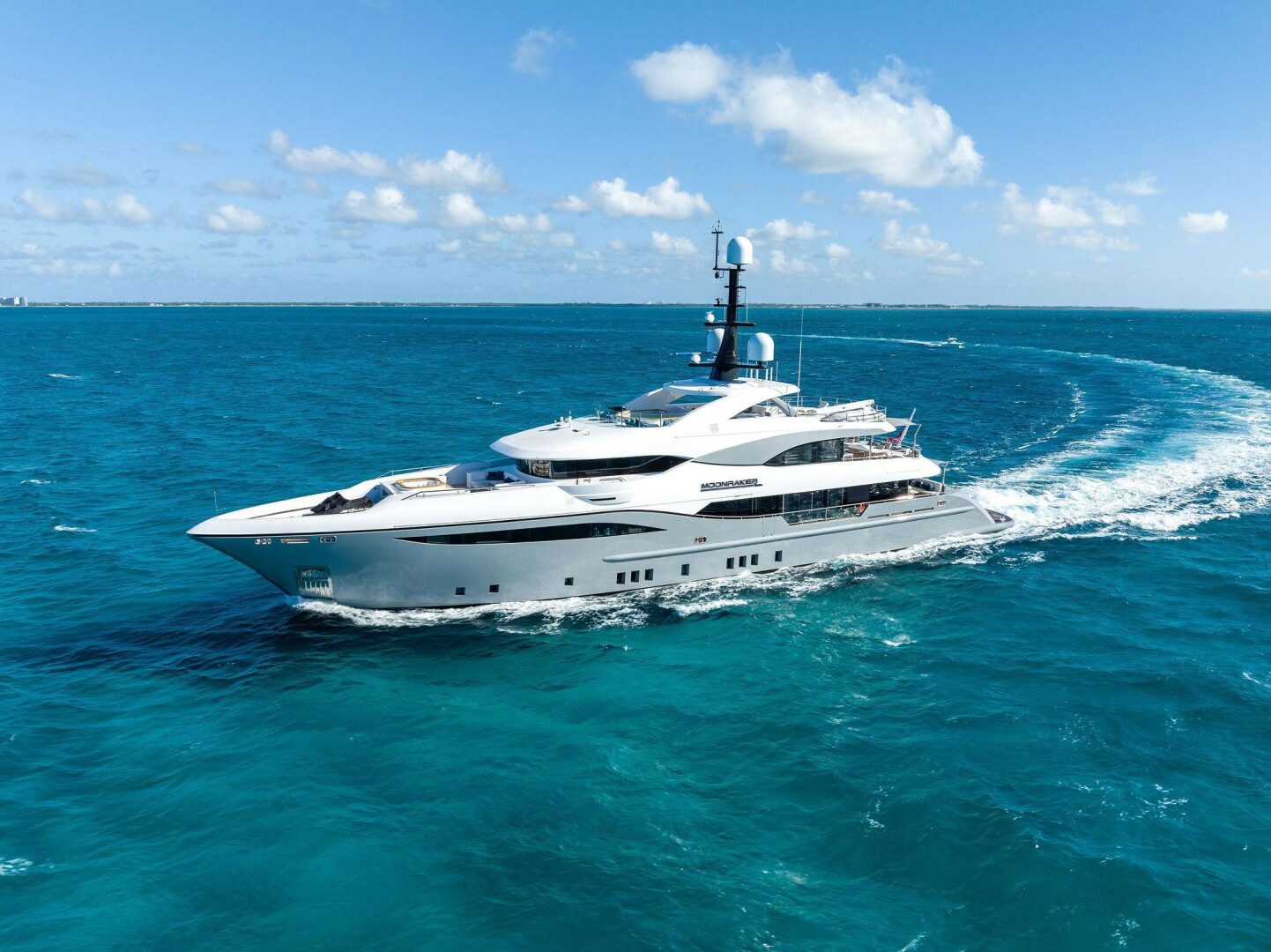
2019 Bilgin MOONRAKER
$21,404,500
156
West Palm Beach Florida

2028 Columbus Yachts
$22,900,008
137
Ancona
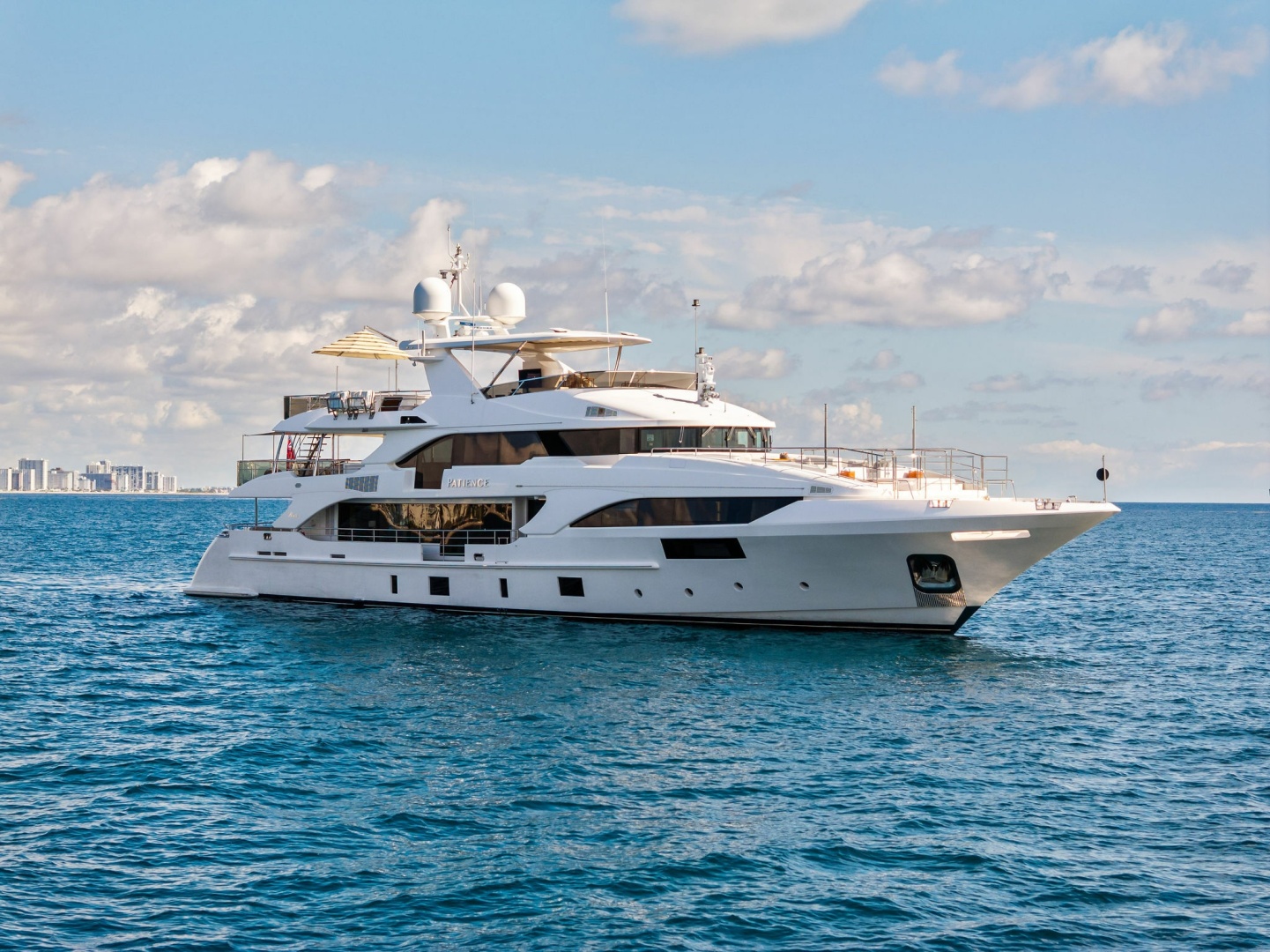
2012 Benetti PATIENCE
$10,975,000
132
Fort Lauderdale Florida
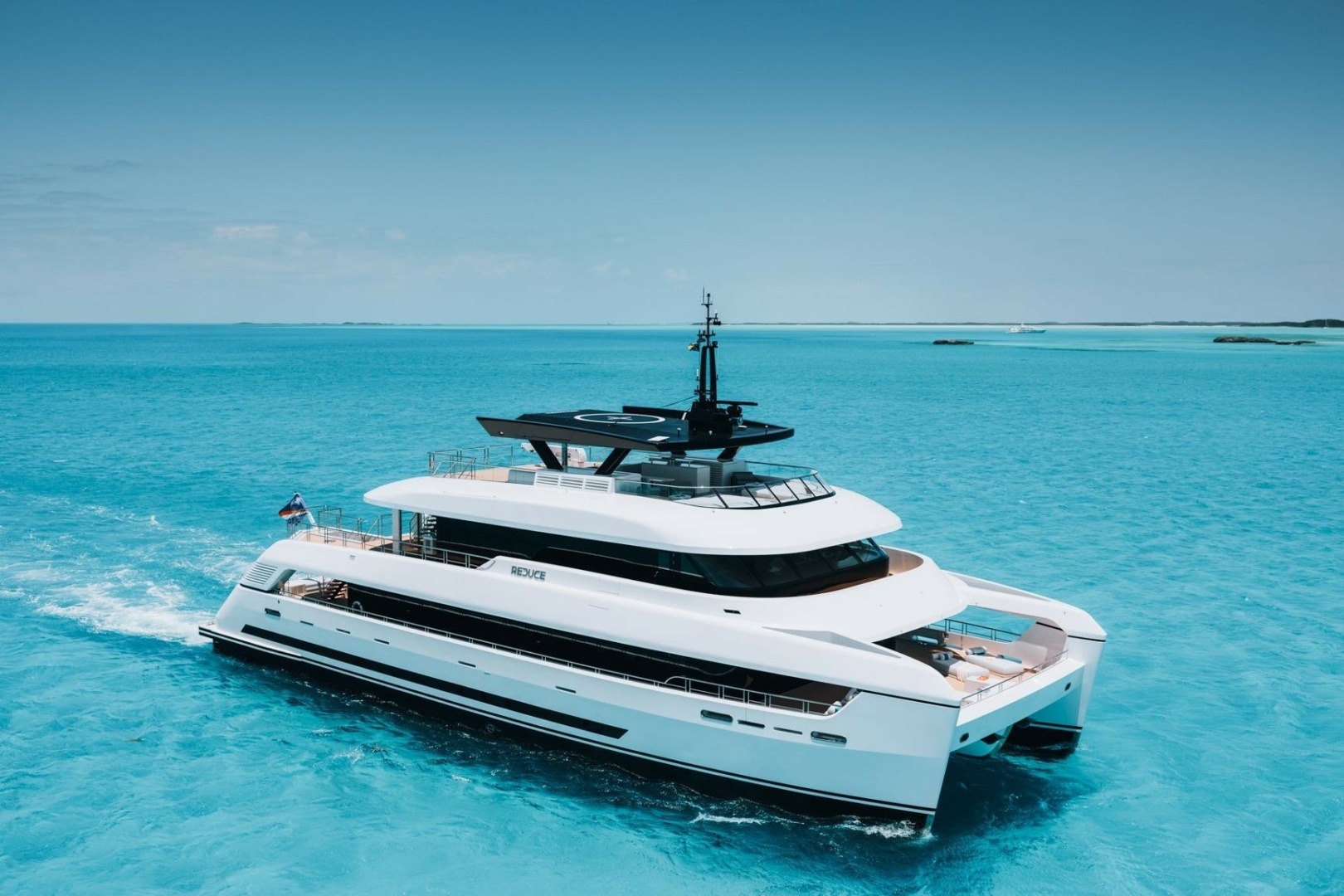
2024 Silver Yachts
$25,400,000
117
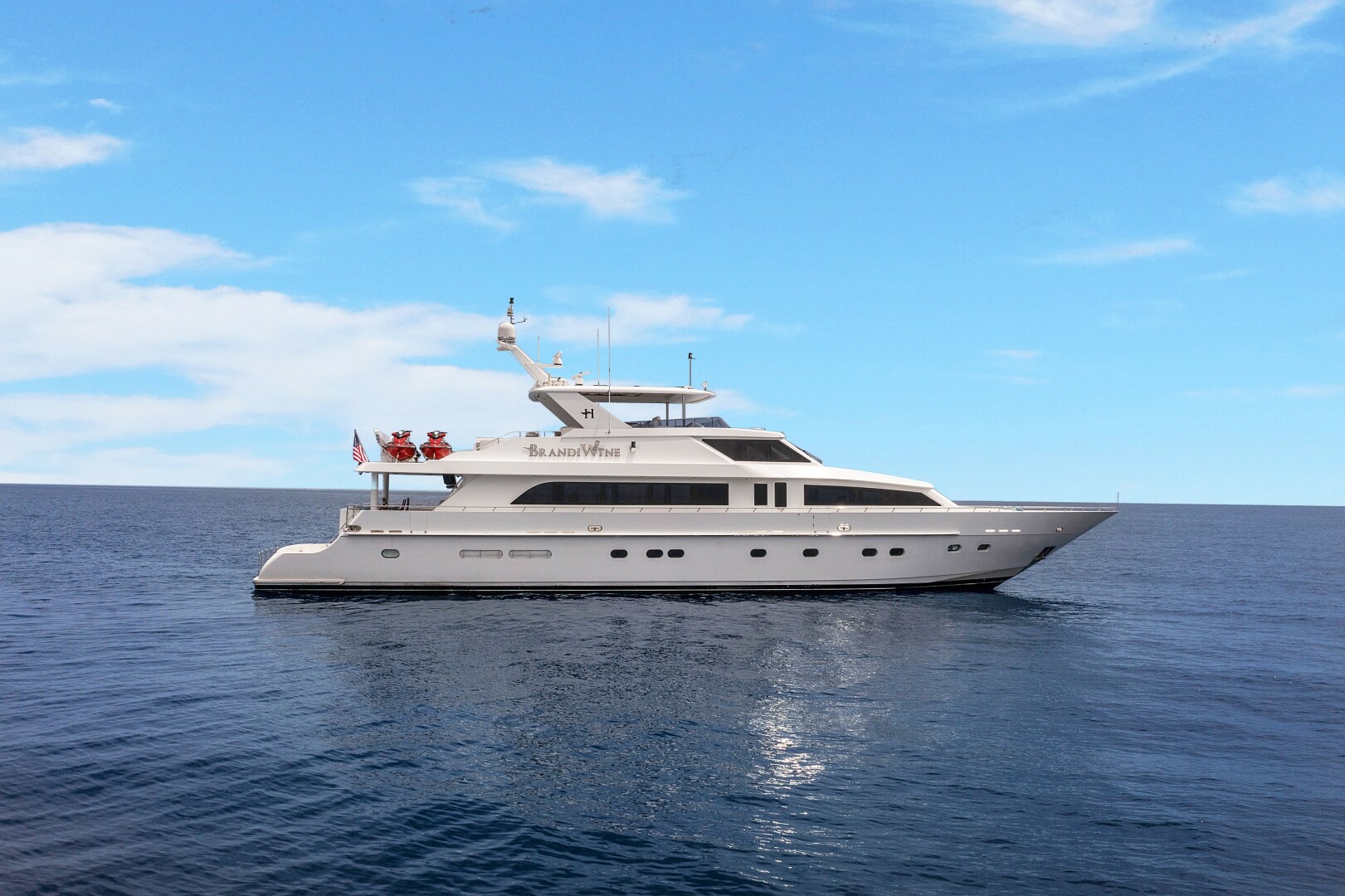
2009 Hargrave BRANDI WINE
$2,995,000
114
Fort Lauderdale Florida

2028 Extra Yachts
$21,404,500
100
Ancona

2028 Extra Yachts Extra 96
$9,495,000
96
Ancona
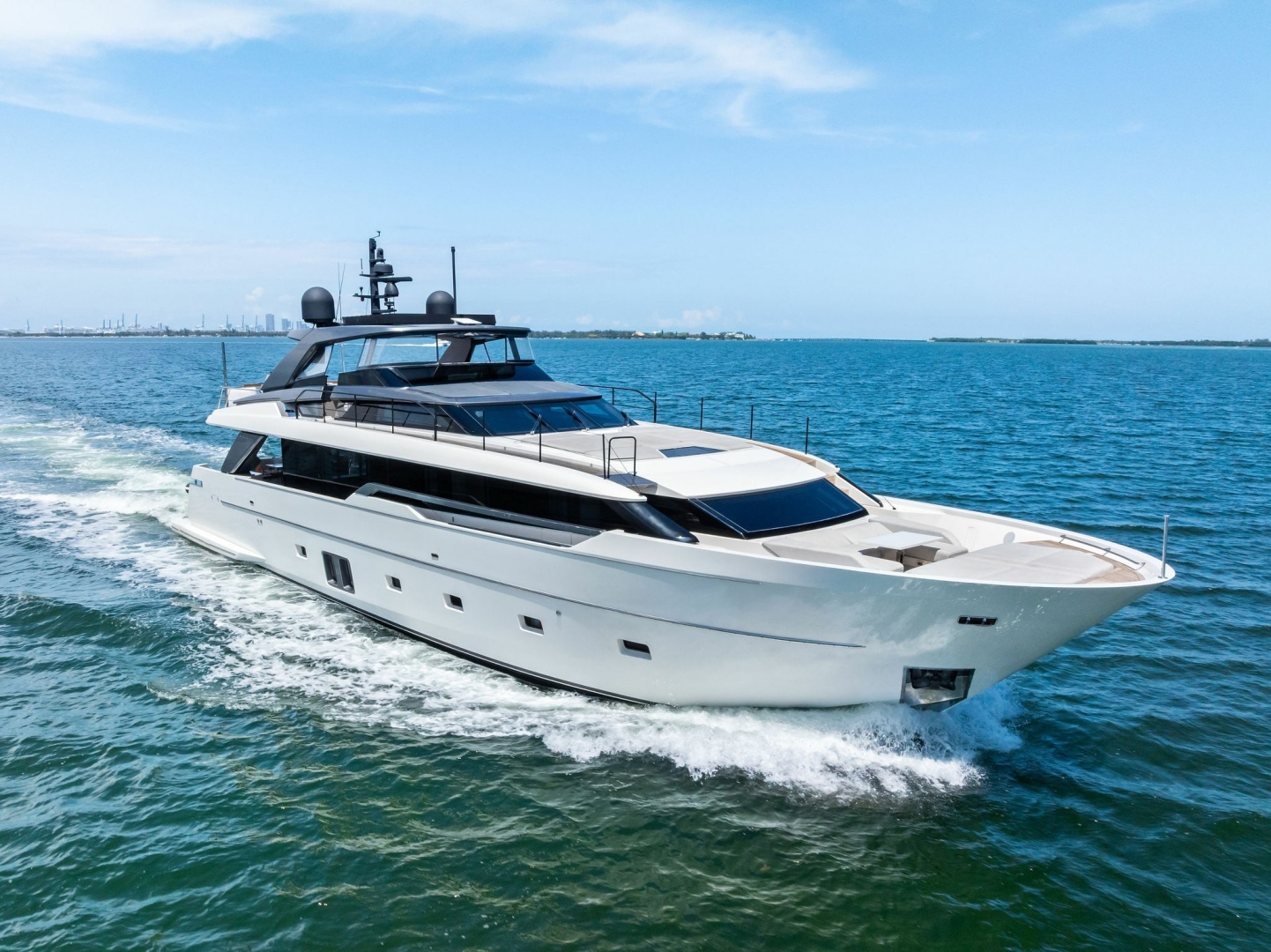
2021 Sanlorenzo GATSBY
$6,795,000
96
Miami Beach Florida

1999 Northern Marine OFF LINE
$2,495,000
84
Ft Lauderdale Florida
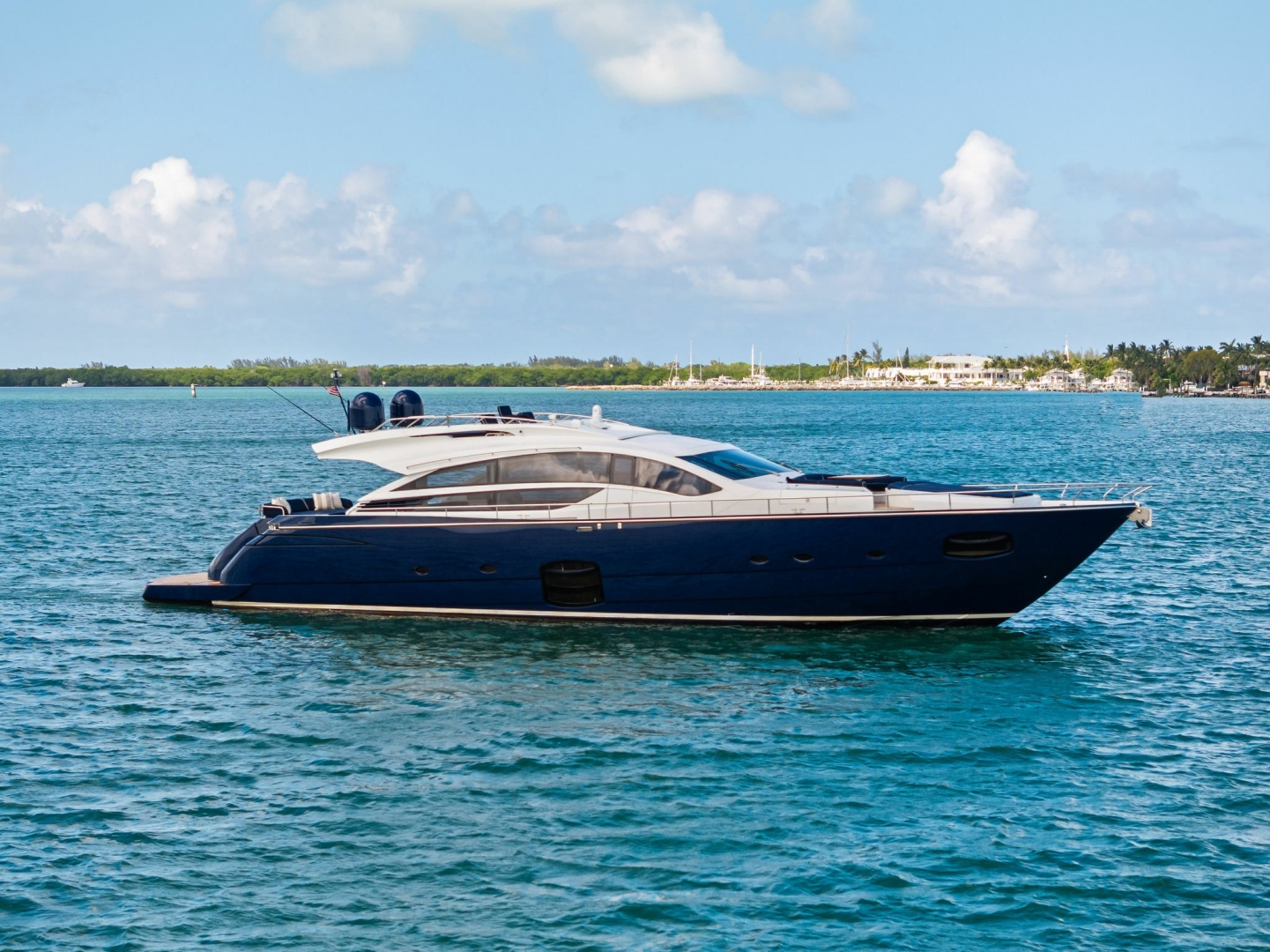
2013 Pershing DOROTHY ANN
$1,750,000
82
Miami Beach Florida

1997 Ferretti Yachts
$850,000
80
La Paz
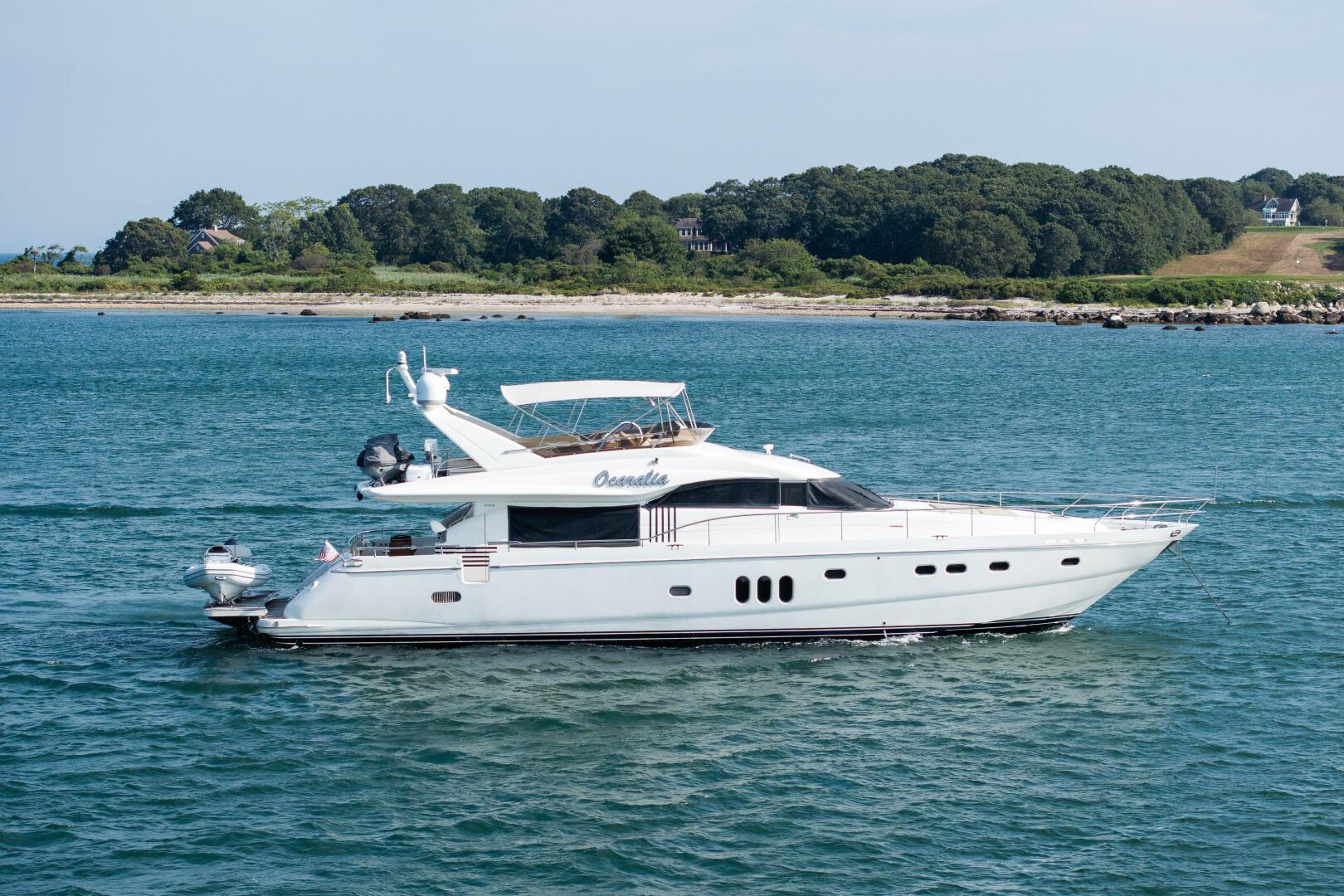
2008 Princess Yachts OCARALIA
$1,095,000
75
Charleston South Carolina
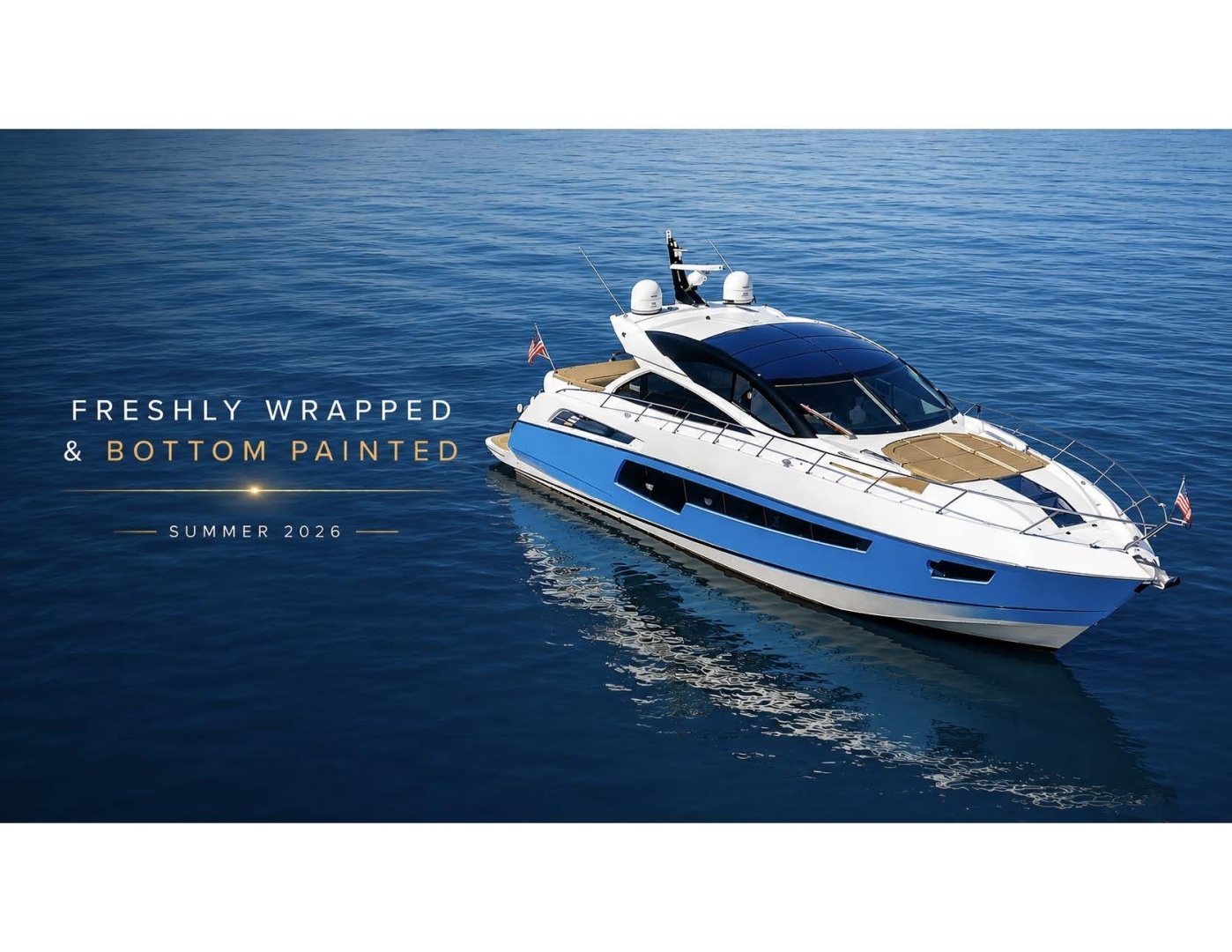
2014 Sunseeker
$1,400,000
68
New York New York

2024 Fairline
$2,750,000
68
Ft. Lauderdale Florida

2024 Sunreef Catallaxi
$3,700,000
60
Newport Rhode Island
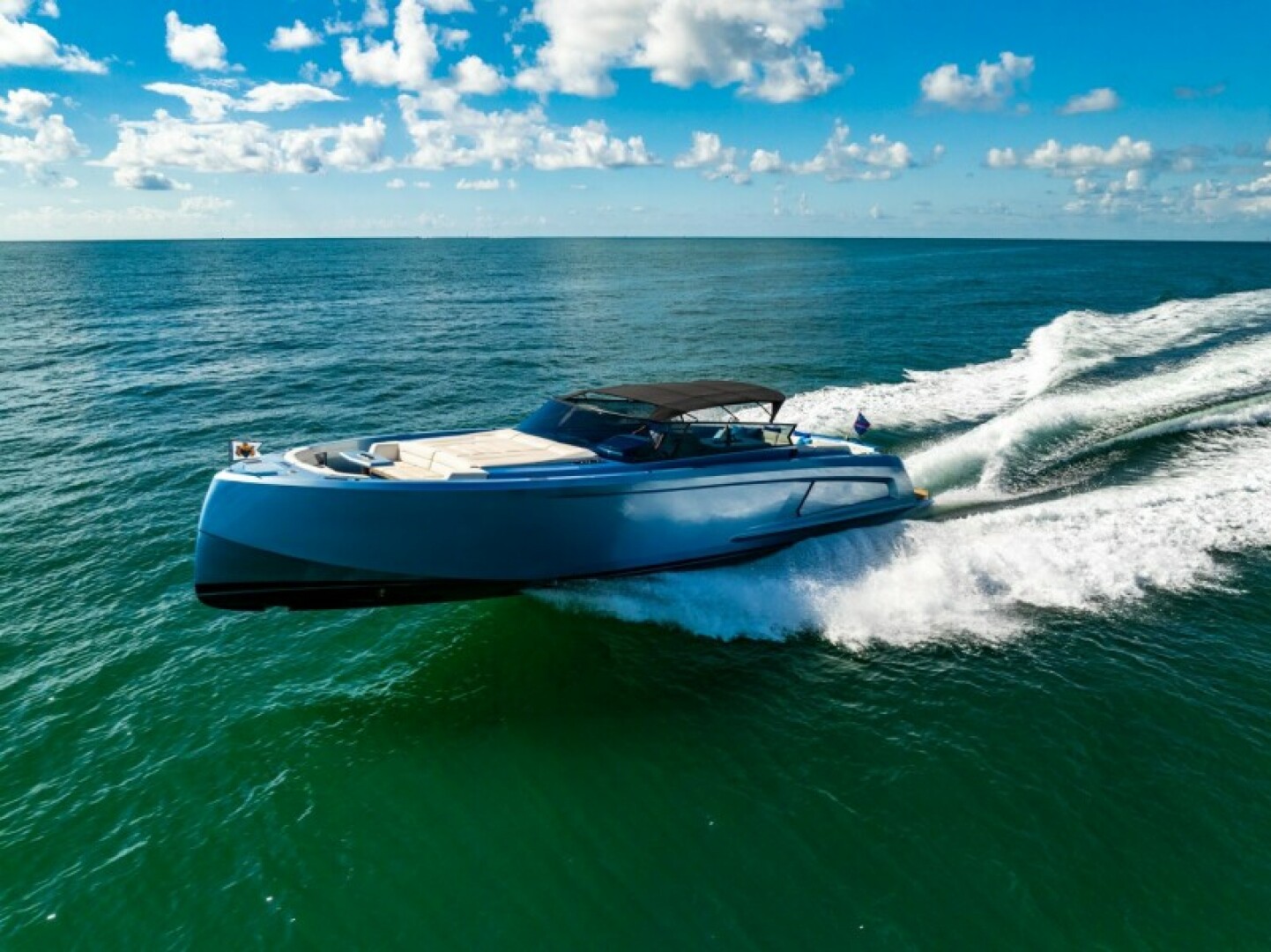
2019 Vanquish Yachts IMPULSIVE
$1,799,000
58
Miami Beach Florida
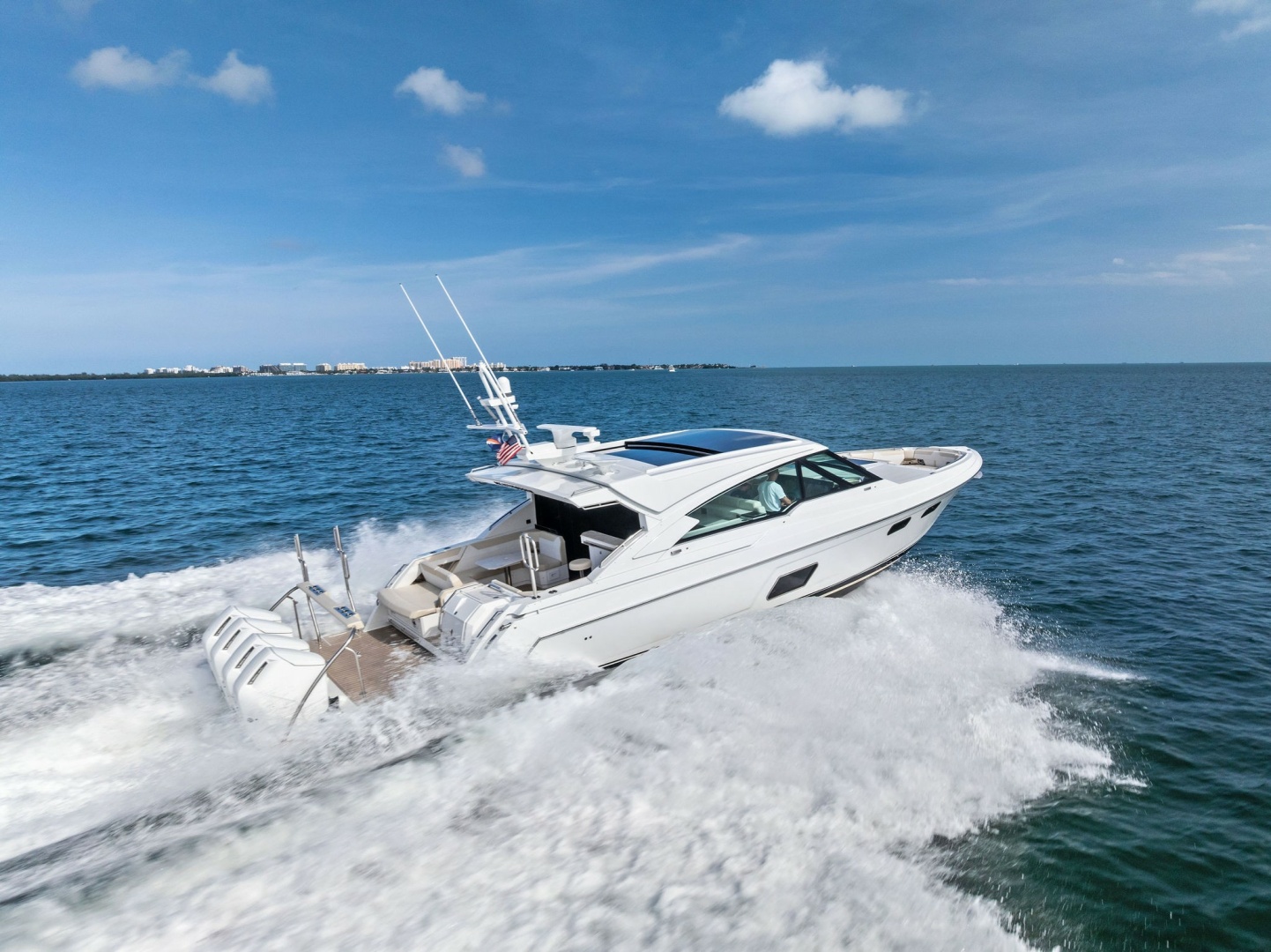
2025 Formula BREAKTHROUGH III
$1,895,000
53
Miami Beach Florida

2023 Fairline
$900,000
45
Fort Lauderdale Florida
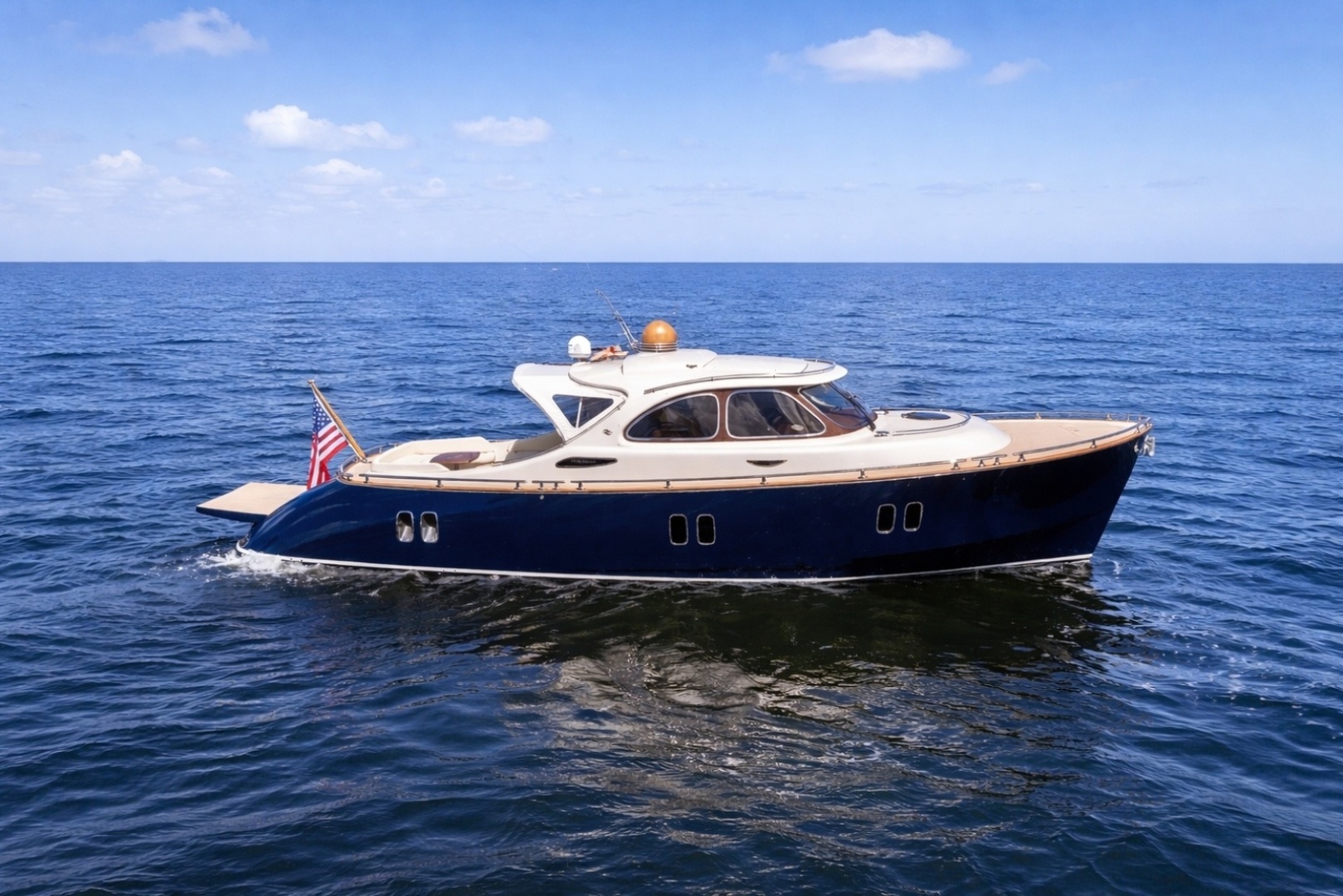
2012 Zeelander Mississippi Queen
$575,000
44
West Palm Beach Florida
2019 Bilgin 156'
$21,404,500
2028 Columbus Yachts 137'
$22,900,008
2012 Benetti 132'
$10,975,000
2024 Silver Yachts 117'
$25,400,000
2009 Hargrave 114'
$2,995,000
2028 Extra Yachts 100'
$21,404,500
2028 Extra Yachts 96'
$9,495,000
2021 Sanlorenzo 96'
$6,795,000
1999 Northern Marine 84'
$2,495,000
2013 Pershing 82'
$1,750,000
1997 Ferretti Yachts 80'
$850,000
2008 Princess Yachts 75'
$1,095,000
2014 Sunseeker 68'
$1,400,000
2024 Fairline 68'
$2,750,000
2024 Sunreef 60'
$3,700,000
2019 Vanquish Yachts 58'
$1,799,000
2025 Formula 53'
$1,895,000
2023 Fairline 45'
$900,000
2012 Zeelander 44'
$575,000