

Overview: The four primary yacht engine types are inboard, outboard, sterndrive, and jet drive. Each shapes a vessel’s performance, fuel economy, maintenance demands, and even its spatial design in fundamentally different ways. Choosing the right propulsion system is one of the most consequential decisions a yacht buyer makes, and yet it rarely gets the careful attention it deserves.
Here is a quick orientation before we go deeper:
- Inboard engines sit inside the hull, run mostly on diesel, and suit larger yachts
- Outboard engines mount externally on the transom, run mostly on petrol, and excel on smaller to mid-sized vessels
- Sterndrive engines place the motor inside but drive through an external unit, balancing performance and space for mid-sized yachts
- Jet drive engines expel water through a nozzle rather than spinning a propeller, offering superb shallow-water ability and swimmer safety
Table of Contents
- 1. What makes inboard engines the choice for larger yachts?
- 2. How do outboard engines work, and who are they really for?
- 3. Why do sterndrive engines appeal to mid-size yacht owners?
- 4. When does a jet drive engine make more sense than a propeller?
- 5. Which engine brands lead the US luxury yacht market?
- 6. How do the four engine types compare on efficiency and power?
- 7. What does owning each engine type actually cost?
- Key Takeaways
1. What makes inboard engines the choice for larger yachts?
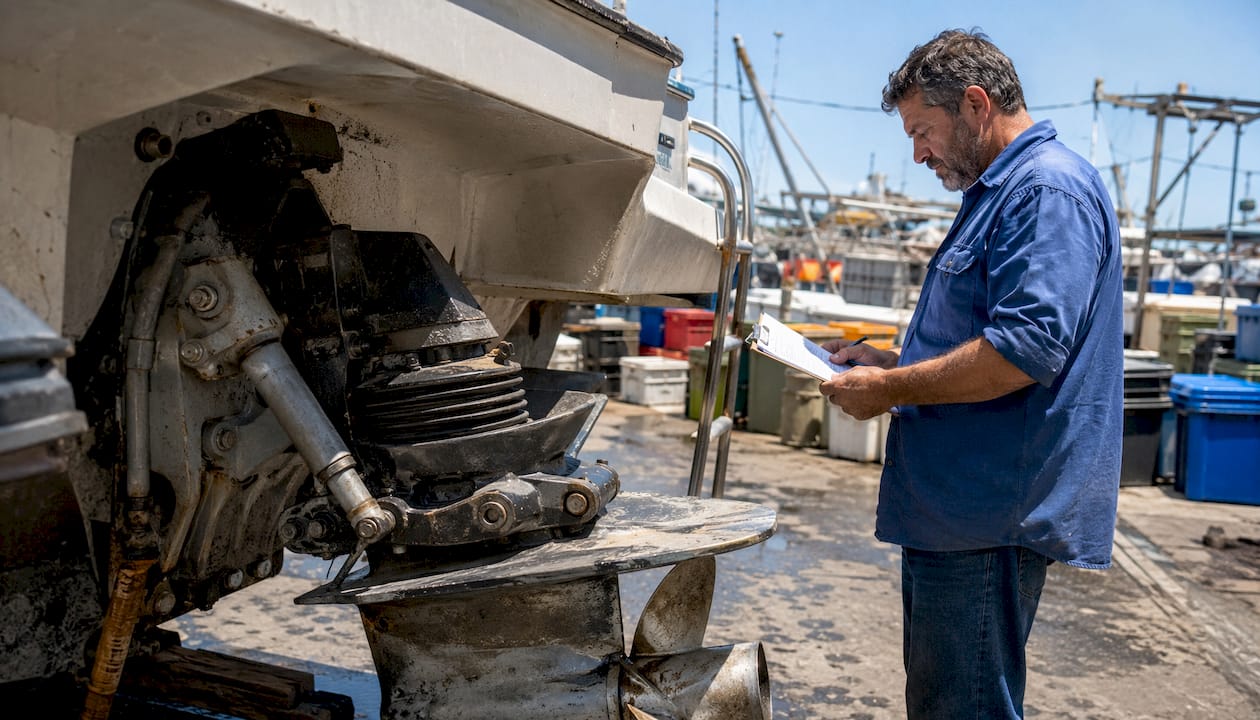
Inboard engines are mounted within the hull itself, connected to the propeller via a fixed shaft running through the bottom of the boat. Diesel inboards dominate yachts over 15 meters, and for good reason: diesel combustion delivers exceptional torque at low rpm, which translates to the kind of steady, confident thrust that long ocean passages demand.
Key characteristics at a glance:
- Fuel type: Predominantly diesel
- Power range: Scales from moderate to very high output, suitable for displacement and semi-displacement hulls
- Placement: Deep inside the hull, keeping the center of gravity low
- Maintenance: Requires access hatches and scheduled servicing of filters, impellers, and heat exchangers
Fuel efficiency is where inboards genuinely shine. Diesel’s energy density means fewer refueling stops on extended passages, a consideration that matters enormously on a 50-foot cruiser crossing the Gulf of Mexico. The trade-off is installation complexity: the engine bay consumes meaningful interior space, and repairs require a skilled marine mechanic rather than a quick transom swap.
Pro Tip: Schedule raw-water impeller replacements annually, regardless of hours logged. A failed impeller is the single most common cause of inboard overheating, and the part costs far less than the engine damage it prevents. For a full maintenance framework, the team at Yachts-bysteve covers this in depth on essential yacht maintenance.
2. How do outboard engines work, and who are they really for?
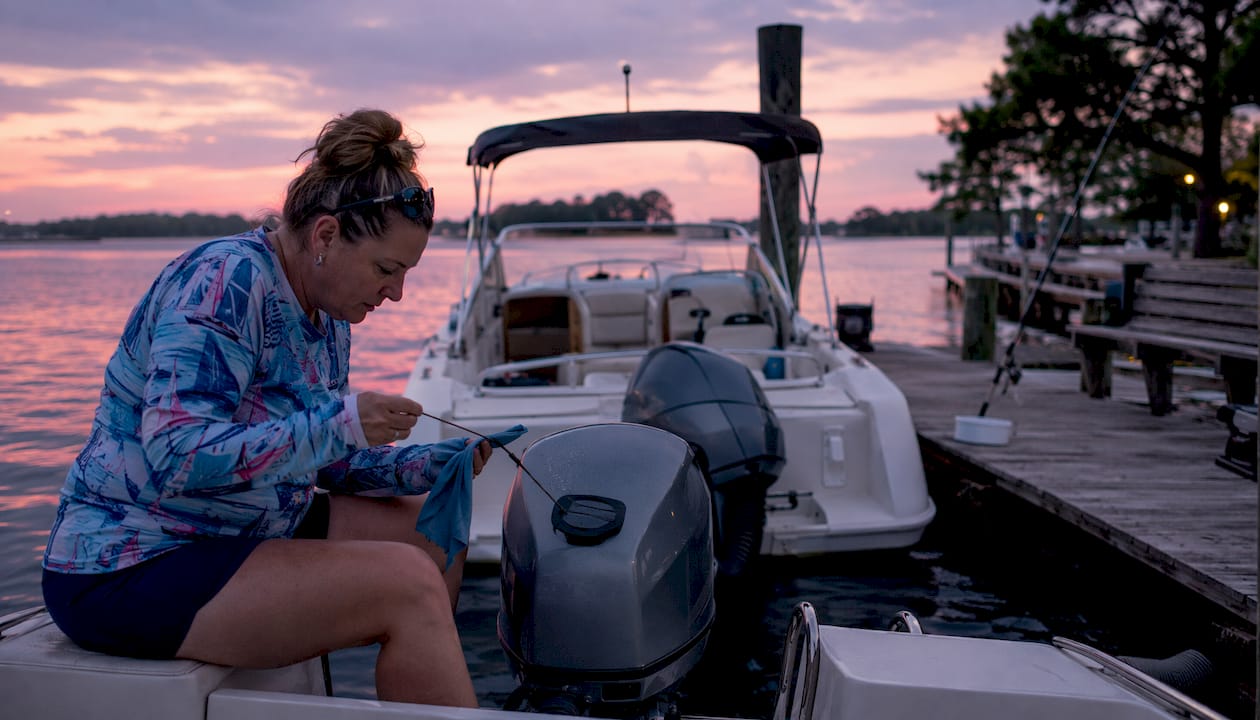
An outboard is a self-contained unit, engine, gearbox, and propeller all in one, that clamps or bolts to the transom. It tilts up for beaching, swings for steering, and lifts clear of the water when not in use. That simplicity is its greatest virtue.
- Fuel type: Mostly petrol; some diesel outboards exist at higher power outputs
- Power range: Practical ceiling for most recreational outboards sits well below large inboard installations
- Maintenance: Straightforward; the entire unit can be unbolted and replaced
- Electric outboards: Models like the STORM offer up to 300 hp with battery options that extend range, though at higher upfront cost
Outboards suit center-console sportfishers, RIBs, and day cruisers where speed, simplicity, and low ownership friction matter more than range. The exposed position on the transom does mean more weathering, and cables and seals need regular inspection. For buyers considering a smaller vessel as a tender to a larger yacht, outboards are almost always the right answer.
3. Why do sterndrive engines appeal to mid-size yacht owners?
Sterndrive engines place the motor inside the hull like an inboard but drive the propeller through an external unit that pivots for steering, much like an outboard’s lower section. The result is a configuration that feels sporty and responsive without the full footprint of a traditional inboard shaft drive.
- Ideal hull size: Roughly 10–15 meters
- Fuel type: Petrol or diesel depending on the specific installation
- Steering: The drive unit pivots, giving precise directional control
- Maintenance complexity: Higher than either pure inboard or outboard, since both the internal engine and the external drive unit require attention
The external drive unit is the sterndrive’s Achilles’ heel. Bellows, U-joints, and the gimbal bearing all live in a wet, corrosive environment and need regular inspection. Owners who stay on top of that schedule enjoy a genuinely rewarding combination of cabin space and performance. Those who don’t often face costly surprises.
4. When does a jet drive engine make more sense than a propeller?
Jet drives work by drawing water into an intake, accelerating it through an impeller, and expelling it through a nozzle at the stern. There is no exposed propeller beneath the hull, which changes the risk profile entirely.
- Shallow water: Operates in depths that would ground a prop-driven vessel
- Swimmer safety: No spinning blades below the waterline
- Maneuverability: Thrust vectoring through the nozzle allows tight turns
- Efficiency trade-off: Jet drives consume more fuel than equivalent propeller systems at cruising speeds
- Debris sensitivity: Intake screens can clog in weedy or silty water
Jet drive systems are the preferred choice for personal watercraft, certain patrol and rescue vessels, and yachts designed for shallow coastal cruising. For open-ocean passages where fuel economy is paramount, a diesel inboard remains the more practical option.
5. Which engine brands lead the US luxury yacht market?
The engine beneath the deck is often the first specification a serious buyer asks about. These five brands define the upper tier of the US market.
- MTU: High-power marine engines specified for large commercial and luxury yachts where performance and reliability are non-negotiable. MTU is the name you see on superyacht spec sheets from Fort Lauderdale to Newport.
- Caterpillar (Cat): Widely used across commercial and recreational vessels for durability and an unmatched dealer service network throughout the United States.
- Cummins: Recognized for fuel efficiency and performance balance in mid-sized yachts, with strong support for recreational vessel owners.
- Deutz: Dependable diesel engines with varied power outputs suited to mid-range and larger yachts, with an emphasis on fuel economy and emissions control.
- Baudouin: A respected name in marine diesel, known for reliable output and emissions discipline across a range of yacht applications.
For buyers exploring superyacht powertrain configurations, MTU and Cat installations tend to dominate the upper end of the market, while Cummins and Baudouin appear frequently on mid-sized yachts.
6. How do the four engine types compare on efficiency and power?
| Engine Type | Fuel Efficiency | Typical Power Profile | Best Hull Match |
|---|---|---|---|
| Inboard (diesel) | Highest | High torque, broad range | Displacement, 15m+ |
| Outboard (petrol) | Moderate | High rpm, lighter output | Planing, small vessels |
| Sterndrive | Moderate | Responsive, mid-range | Semi-planing, 10–15m |
| Jet drive | Lower at cruise | Strong burst thrust | Shallow water, sport |
Diesel inboards hold the efficiency advantage on longer passages because diesel carries more energy per gallon than petrol. Jet drives pay a fuel penalty at sustained cruise speeds, though their shallow-draft capability and safety profile justify the trade-off in the right context. Outboards have improved considerably in fuel consumption over the past decade, and modern four-stroke petrol outboards are far more economical than the two-strokes they replaced.
7. What does owning each engine type actually cost?
Purchase price is only the opening chapter. Operating costs, parts availability, and service labor shape the true cost of ownership over a vessel’s life.
Inboard diesel: Higher initial cost due to installation complexity, but diesel’s lower per-gallon price and longer service intervals reduce running costs over time. Major overhauls are expensive but infrequent on well-maintained engines.
Outboard petrol: Lower purchase price and the ability to replace the entire unit rather than rebuild it keeps costs predictable. Petrol prices are higher than diesel, and high-output outboards can consume fuel quickly at full throttle.
Sterndrive: Mid-range purchase cost, but the dual-component maintenance requirement (engine plus external drive) means service bills can accumulate. Bellows replacement alone is a recurring cost every few seasons.
Jet drive: Specialized components and less common service expertise push maintenance costs higher than propeller-driven alternatives. Initial installation can also carry a premium.
Understanding these cost dynamics is part of what Yachts-bysteve brings to every yacht buying consultation. The engine specification affects resale value, insurance premiums, and the overall ownership experience in ways that go well beyond the spec sheet.
Ready to match the right propulsion system to your ideal vessel? The specialists at Yachts-bysteve offer personalized guidance through every stage of the process. Explore our yacht brokerage services and let us help you find a yacht built to move the way you do.
Key Takeaways
Diesel inboard engines deliver the best fuel efficiency and longevity for larger yachts, while outboard, sterndrive, and jet drive systems each serve distinct hull sizes, performance needs, and operating environments.
| Point | Details |
|---|---|
| Inboard diesel dominates large yachts | Diesel inboards suit yachts over 15 meters, offering superior torque and fuel economy on long passages. |
| Outboards favor simplicity and access | Petrol outboards are easy to replace and service, making them ideal for smaller vessels and tenders. |
| Sterndrives balance space and performance | The 10–15 meter range benefits from sterndrive responsiveness, though dual-component maintenance adds cost. |
| Jet drives trade efficiency for safety | No exposed propeller and shallow-water capability make jet drives the right choice in specific environments. |
| Brand matters for support and resale | MTU, Cat, Cummins, Deutz, and Baudouin each carry distinct reputations that affect service access and vessel value. |
Recommended
Featured Listings

2028 Columbus Yachts
$22,900,008
137
Ancona
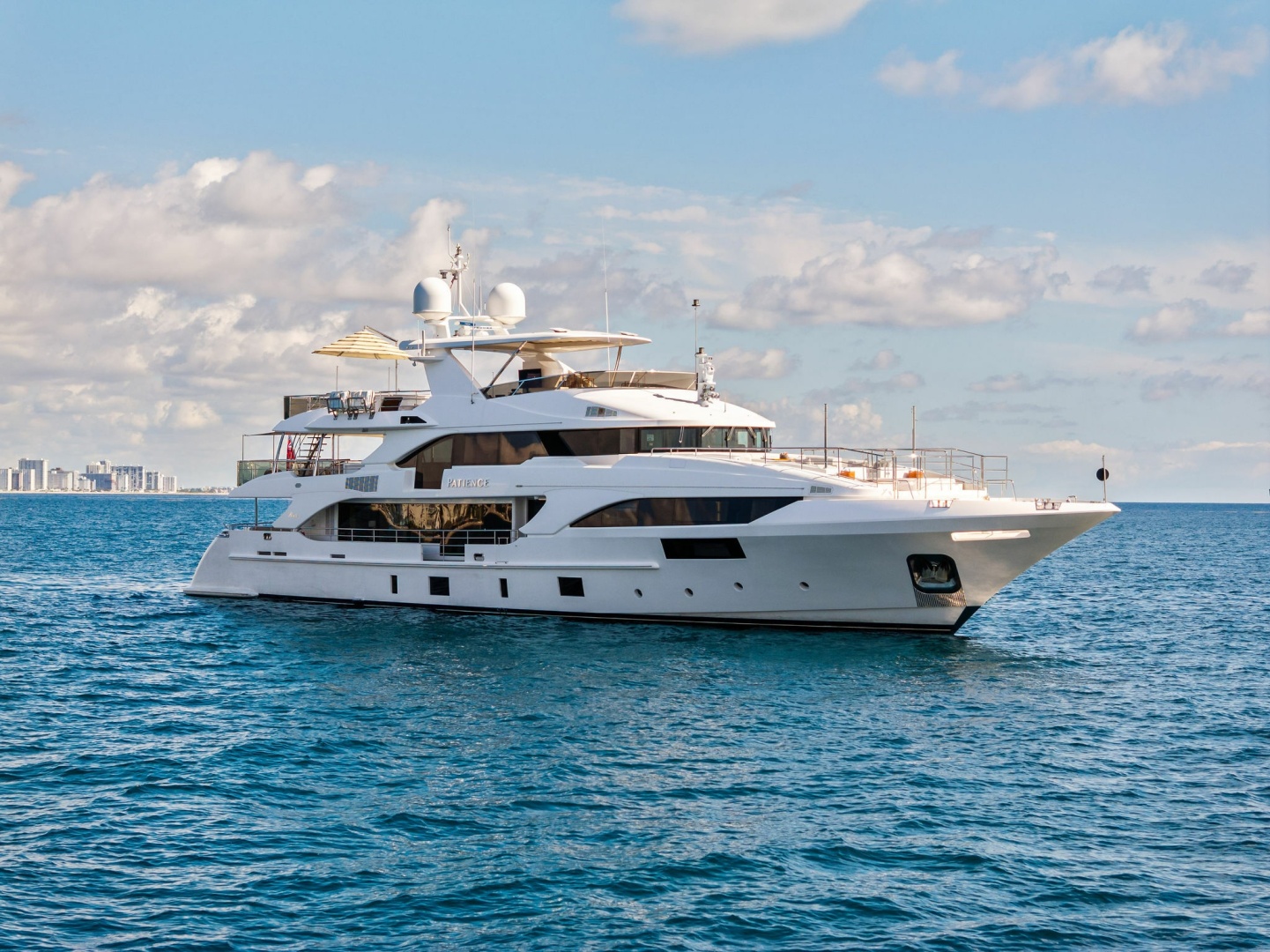
2012 Benetti PATIENCE
$10,975,000
132
Fort Lauderdale Florida
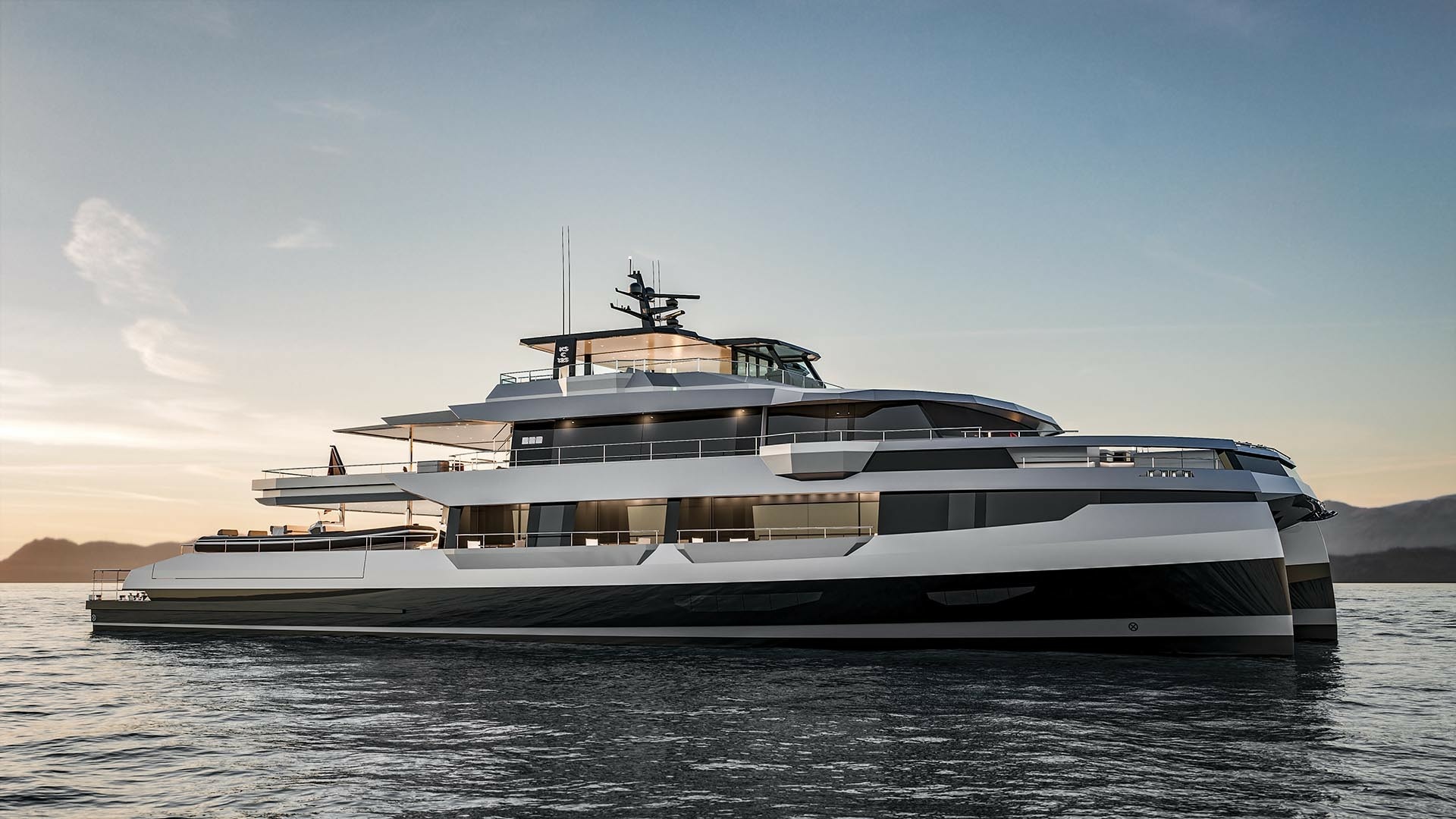
2028 Kingship Kingship
$20,350,000
125
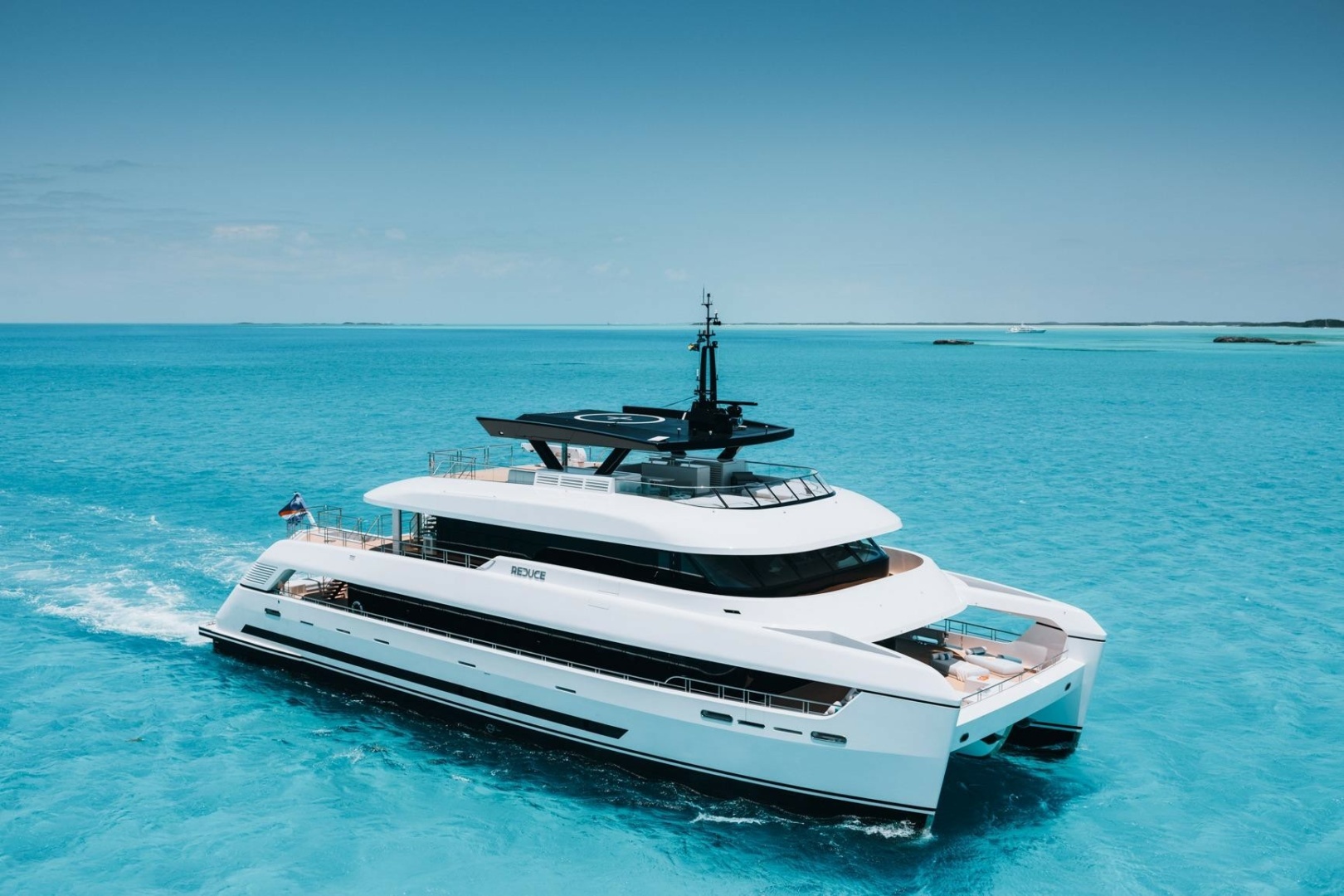
2024 Silver Yachts
$25,400,000
117
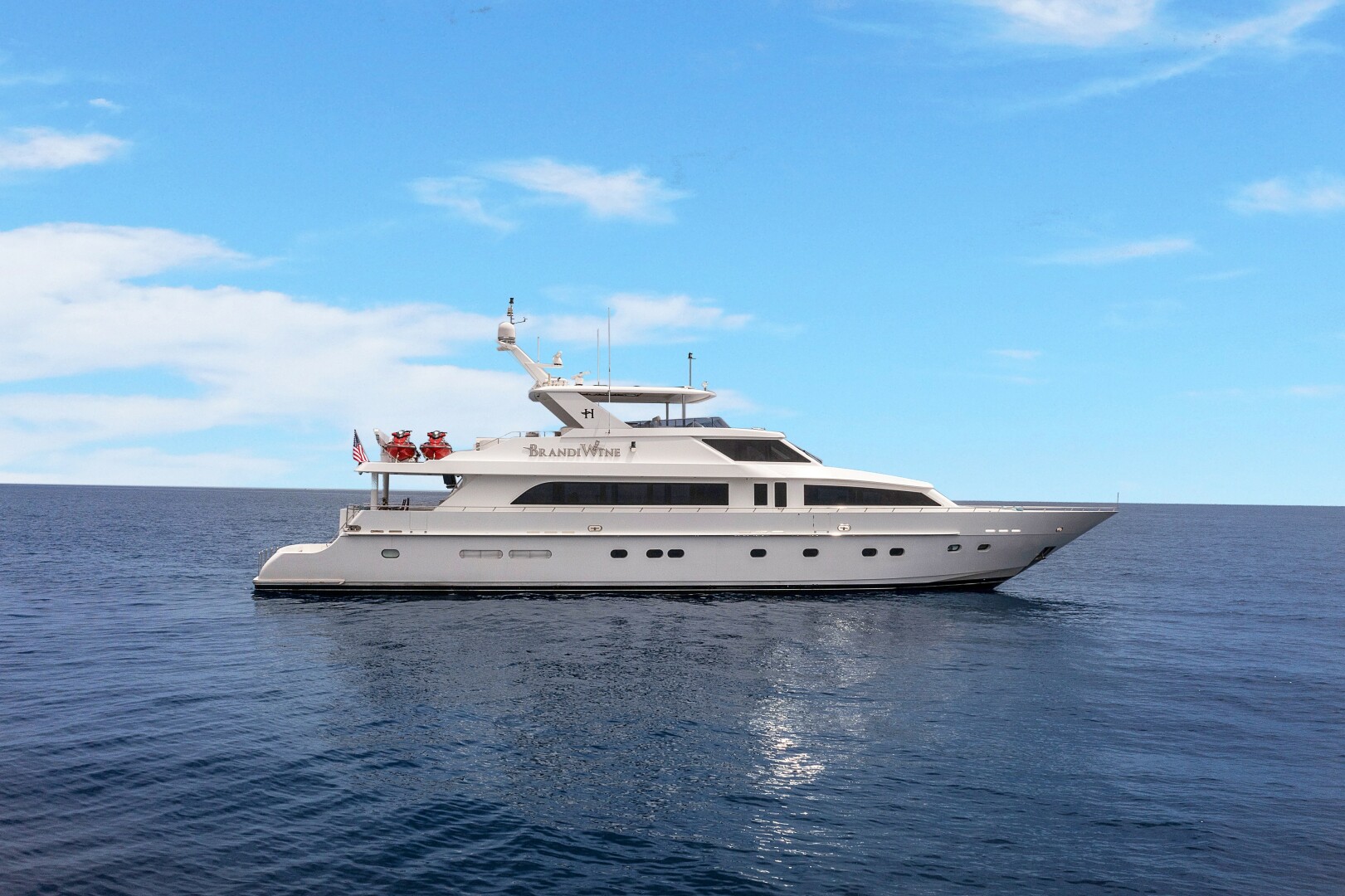
2009 Hargrave BRANDI WINE
$2,500,000
114
Fort Lauderdale Florida

2028 Extra Yachts
$20,350,000
100
Ancona

2028 Alpha
$12,100,000
100
Ft Lauderdale Florida

2028 Extra Yachts Extra 96
$9,495,000
96
Ancona
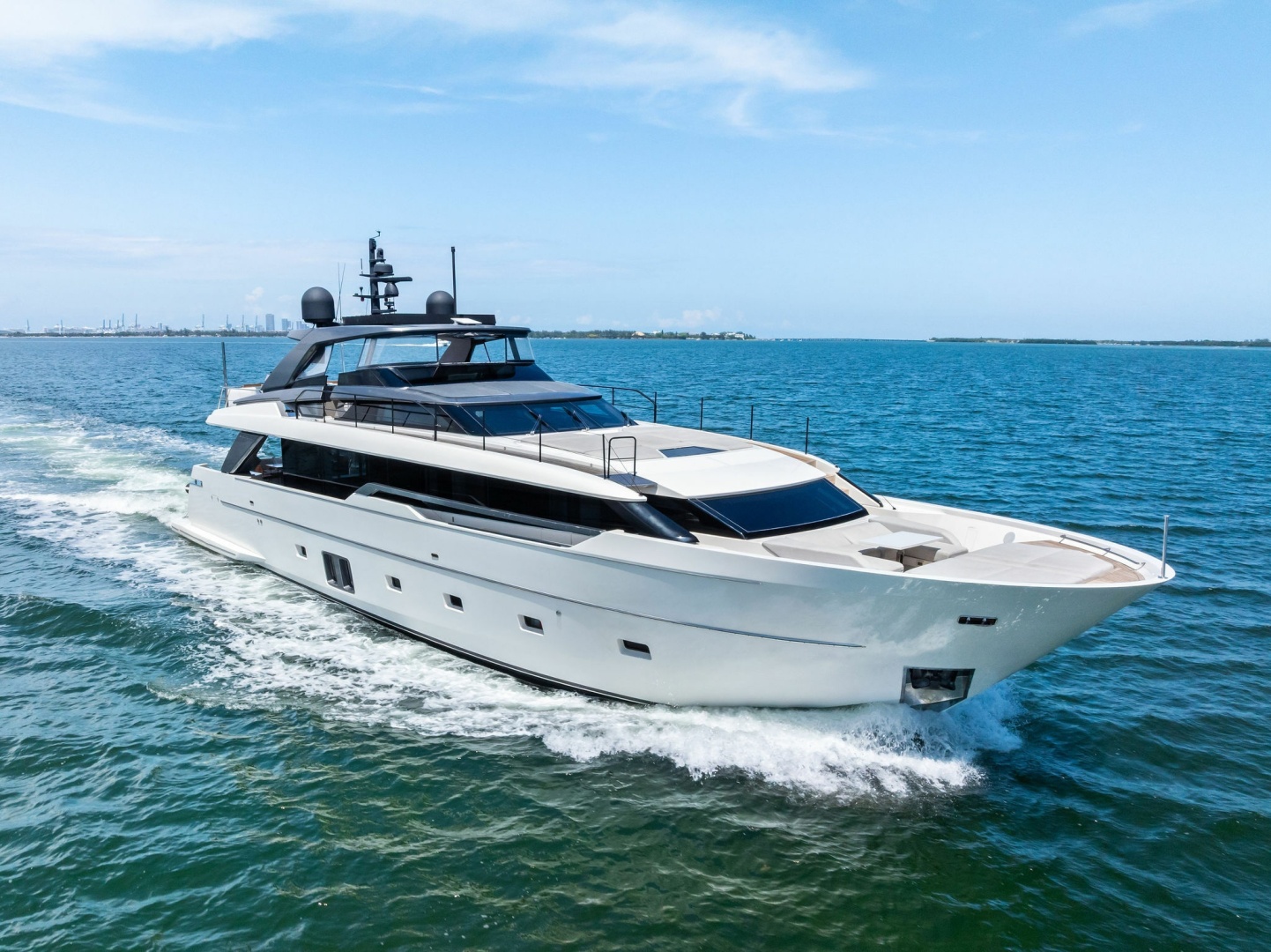
2021 Sanlorenzo GATSBY
$6,795,000
96
Fort Lauderdale Florida
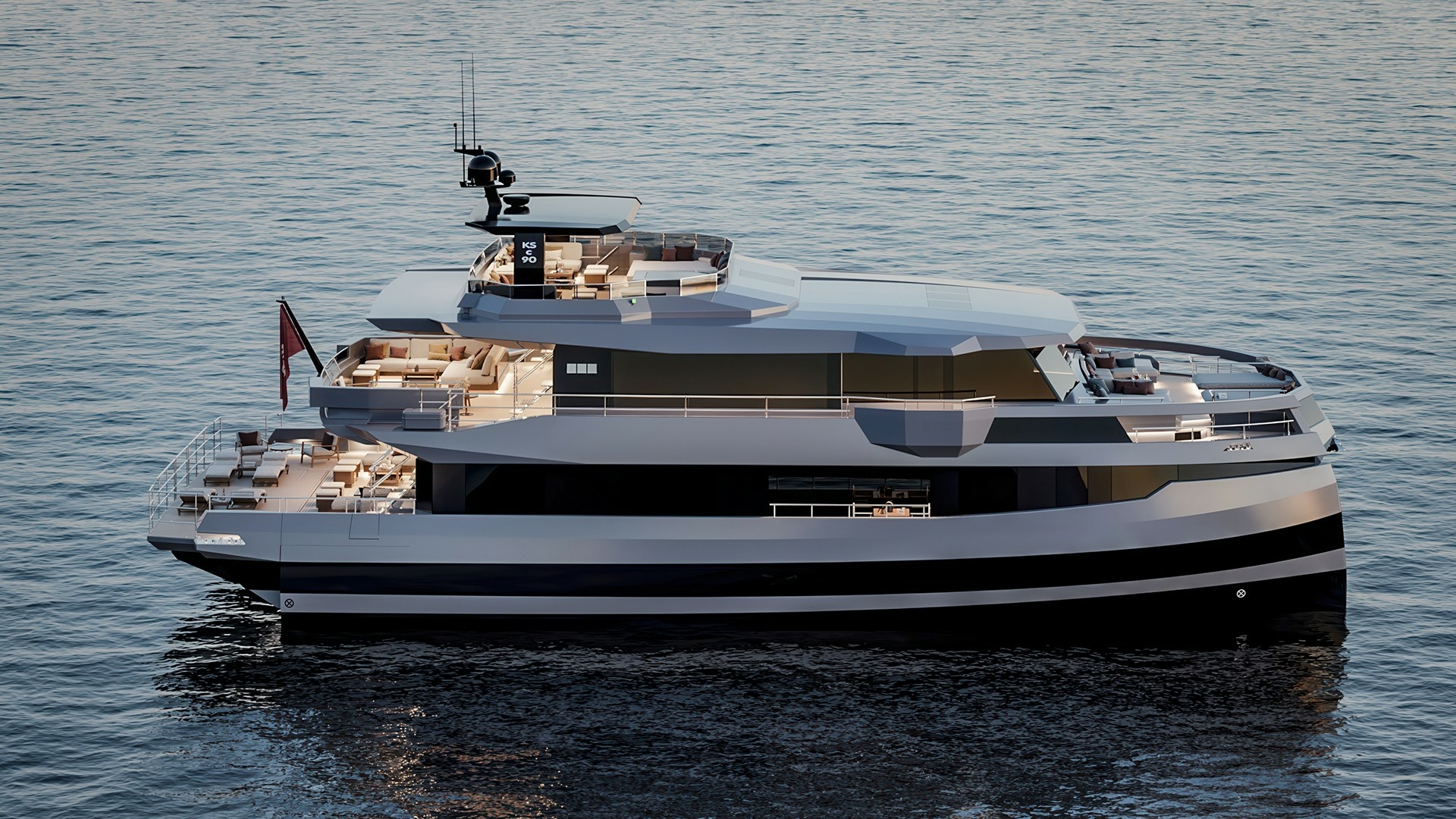
2028 Kingship
$11,990,000
90
2028 Alpha
$9,894,500
90
Fano
2023 Azimut COMPASS
$7,950,000
88
Miami Beach Florida

1999 Northern Marine OFF LINE
$2,495,000
84
Ft Lauderdale Florida
2013 Pershing DOROTHY ANN
$1,375,000
82
Fort Lauderdale Florida

1997 Ferretti Yachts
$825,000
80
La Paz
2008 Princess Yachts OCARALIA
$1,095,000
75
Charleston South Carolina
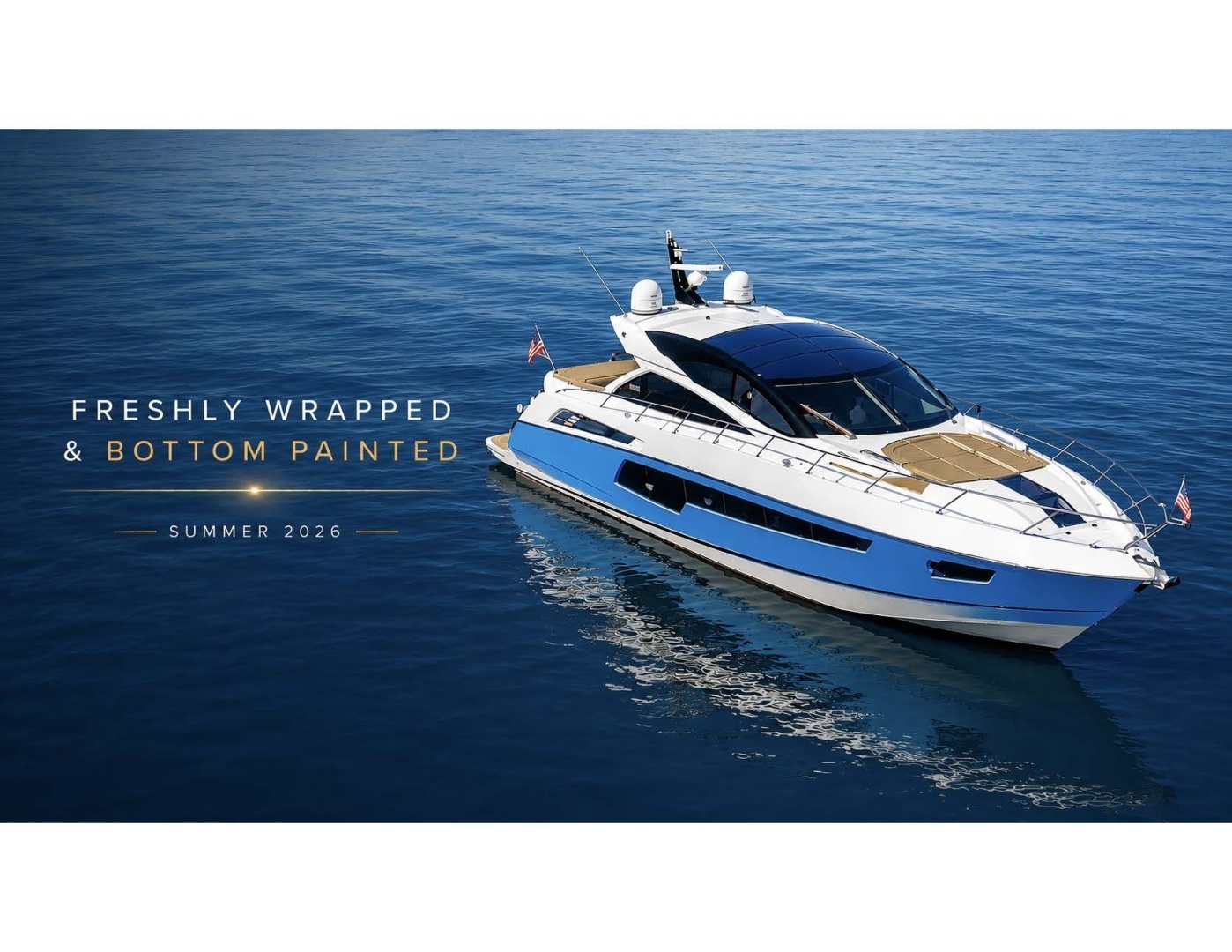
2014 Sunseeker
$1,400,000
68
New York New York

2024 Fairline
$2,750,000
68
Ft. Lauderdale Florida
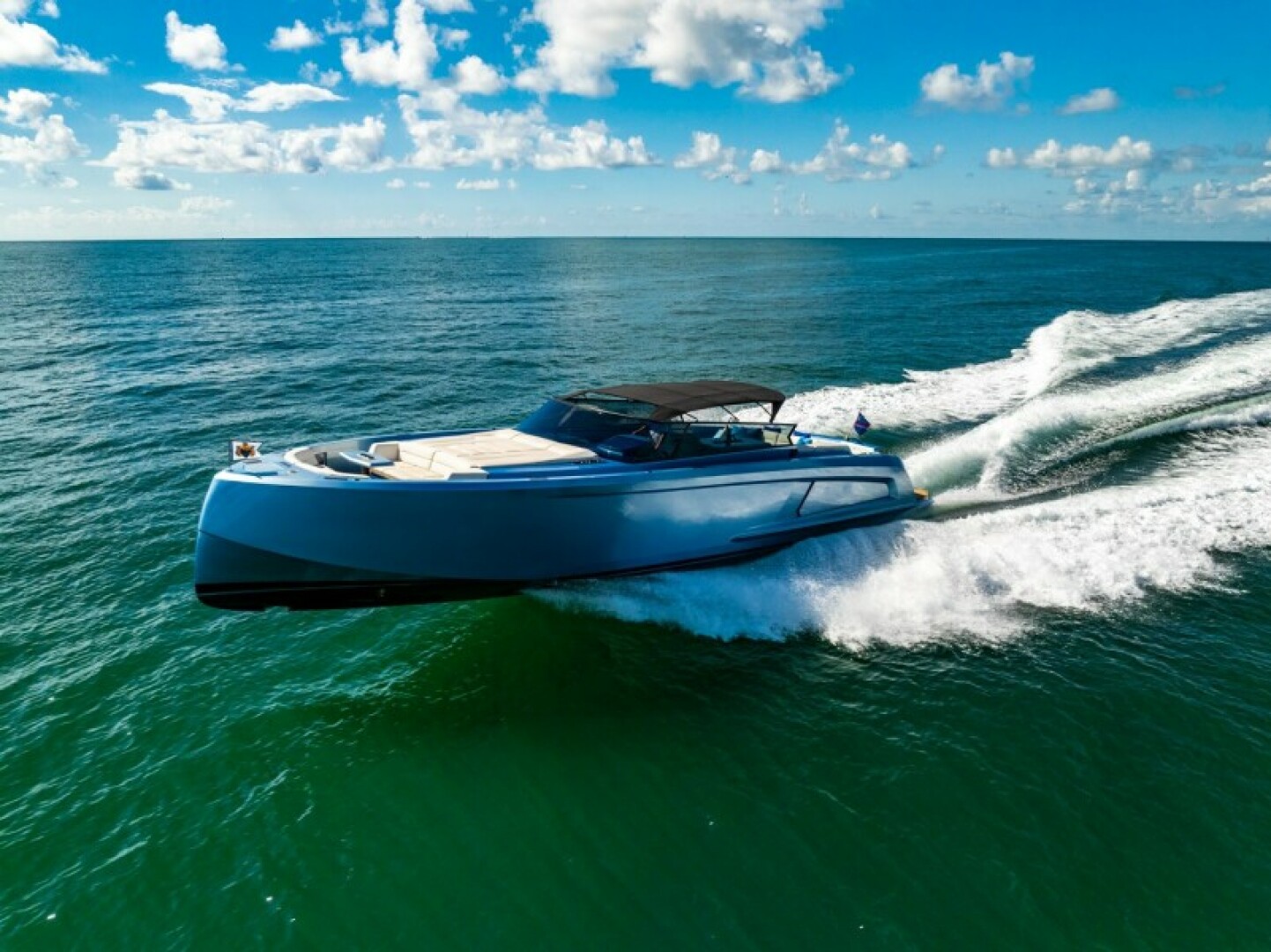
2019 Vanquish Yachts IMPULSIVE
$1,799,000
58
Miami Beach Florida
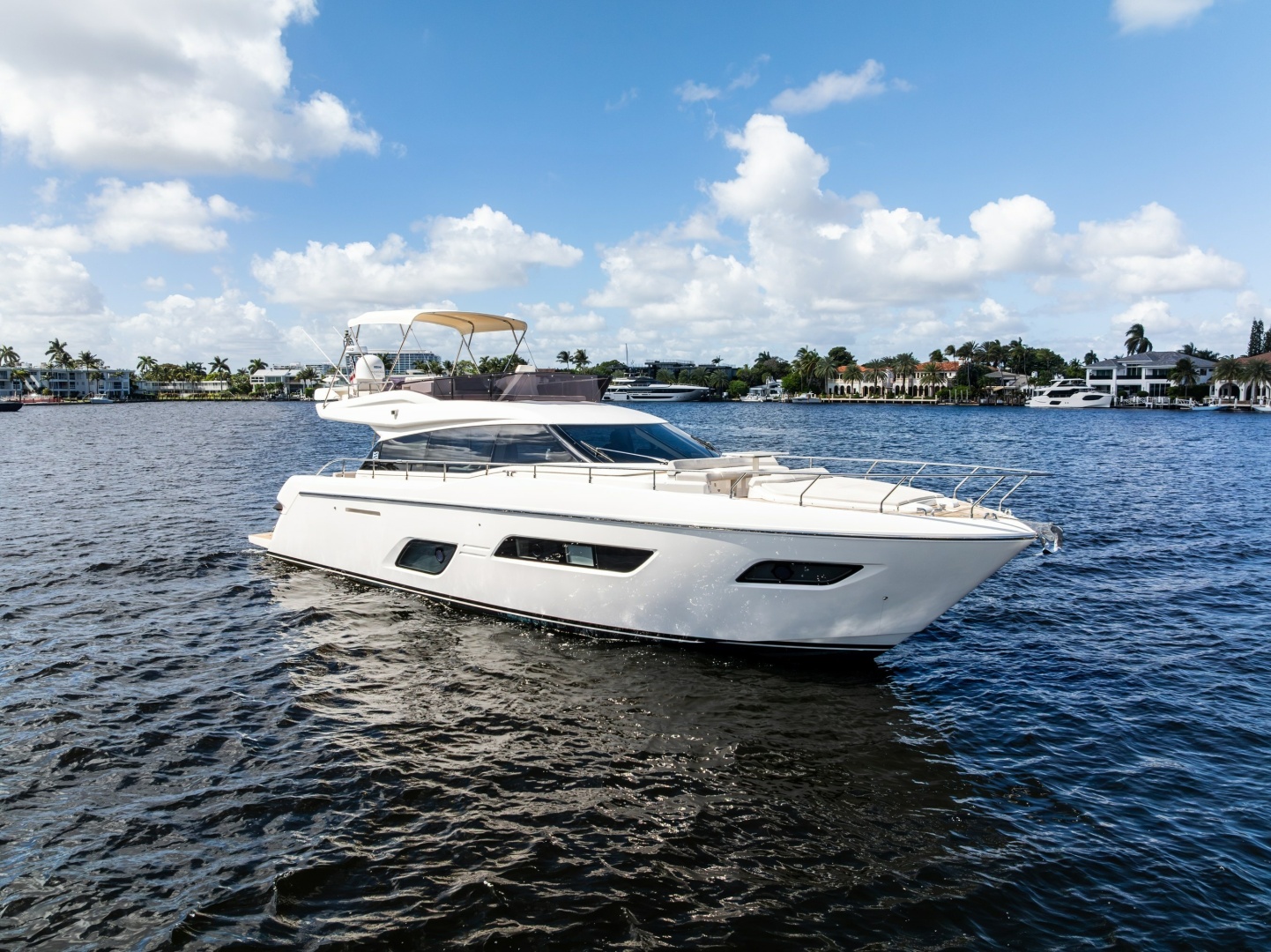
2021 Ferretti Yachts HAVEN
$1,595,000
57
Fort Lauderdale Florida
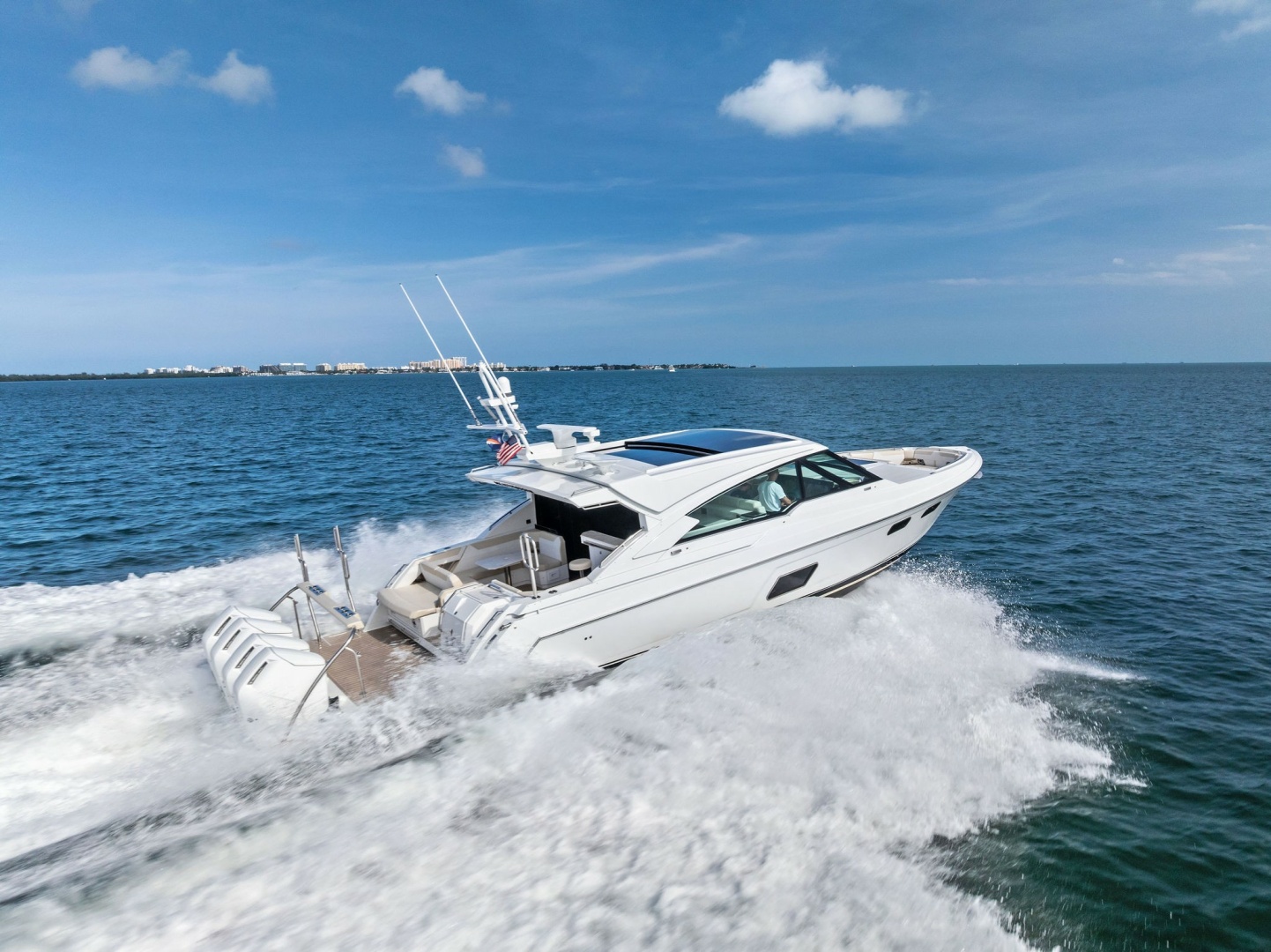
2025 Formula BREAKTHROUGH III
$1,895,000
53
Miami Beach Florida

2023 Fairline
$900,000
45
Fort Lauderdale Florida
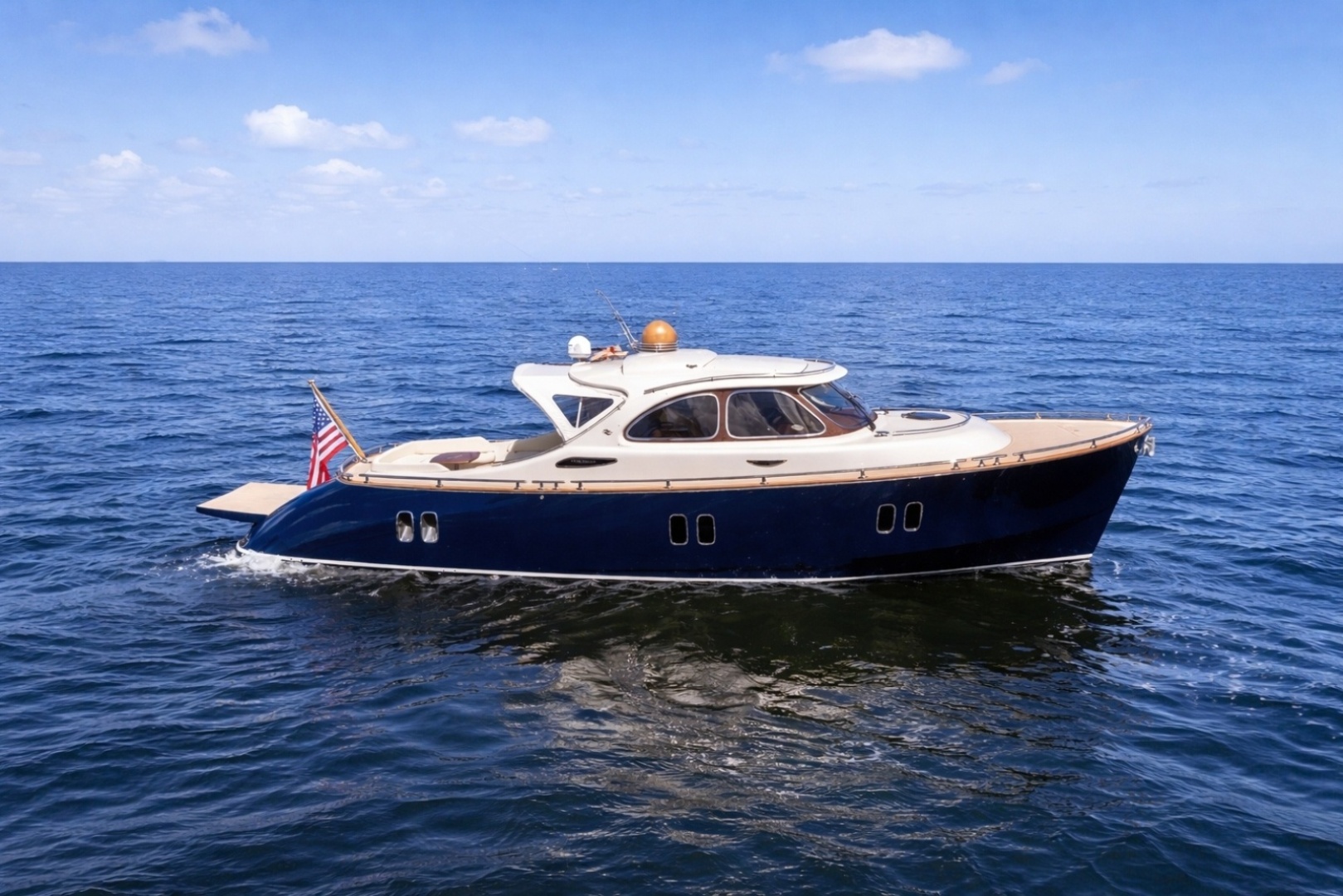
2012 Zeelander Mississippi Queen
$575,000
44
West Palm Beach Florida
2028 Columbus Yachts 137'
$22,900,008
2012 Benetti 132'
$10,975,000
2028 Kingship 125'
$20,350,000
2024 Silver Yachts 117'
$25,400,000
2009 Hargrave 114'
$2,500,000
2028 Extra Yachts 100'
$20,350,000
2028 Alpha 100'
$12,100,000
2028 Extra Yachts 96'
$9,495,000
2021 Sanlorenzo 96'
$6,795,000
2028 Kingship 90'
$11,990,000
2028 Alpha 90'
$9,894,500
2023 Azimut 88'
$7,950,000
1999 Northern Marine 84'
$2,495,000
2013 Pershing 82'
$1,375,000
1997 Ferretti Yachts 80'
$825,000
2008 Princess Yachts 75'
$1,095,000
2014 Sunseeker 68'
$1,400,000
2024 Fairline 68'
$2,750,000
2019 Vanquish Yachts 58'
$1,799,000
2021 Ferretti Yachts 57'
$1,595,000
2025 Formula 53'
$1,895,000
2023 Fairline 45'
$900,000
2012 Zeelander 44'
$575,000