

Owning a yacht is a dream for many, but the path to ownership is rarely simple. With rising costs, complex legal requirements, and new models like syndicates and charter programs, understanding your options is more important than ever. The wrong approach can create unexpected expenses and partnership headaches, while the right choice brings long-term enjoyment and financial clarity.
This guide uncovers the most effective yacht ownership structures available today. You will learn how each option—from sole ownership to innovative fractional and joint models—can impact your costs, usage flexibility, legal exposure, and peace of mind. Get ready to discover practical insights that help you choose the model that truly fits your goals and lifestyle.
Table of Contents
- Sole Ownership: Full Control and Responsibility
- Joint Ownership: Sharing Costs and Duties
- Fractional Ownership: Flexible Luxury Access
- Yacht Charter Programs: Income and Access
- Yacht Clubs and Syndicates: Seamless Shared Voyages
- Corporate Yacht Ownership: Tax and Business Perks
Quick Summary
| Takeaway | Explanation |
|---|---|
| 1. Sole ownership provides full control. | You dictate every aspect of yacht usage, from crew management to itineraries, ensuring complete privacy and authority. |
| 2. Joint ownership lowers financial burdens. | Sharing costs with partners makes yacht ownership more accessible, distributing maintenance, insurance, and operational expenses among co-owners. |
| 3. Fractional ownership allows flexible access. | Owning a share in a yacht provides scheduled access without full-time responsibility, making it ideal for investors seeking luxury without the commitment. |
| 4. Charter programs generate income. | Renting your yacht when not in use turns it into an asset that offsets operating costs, with professional companies handling operations and marketing. |
| 5. Corporate structures offer tax advantages. | Owning a yacht through a business entity can enhance liability protection and open up tax deductions that aren’t available with personal ownership. |
1. Sole Ownership: Full Control and Responsibility
When you own a yacht outright, you command every decision—from the color of the hull to how often the crew rotates. This is the simplest form of yacht ownership, offering unparalleled control over your vessel and complete privacy when you’re aboard.
Sole ownership means you bear full responsibility for everything. The financial burden, legal compliance, insurance, maintenance, and liability all rest squarely on your shoulders. But for those prepared to manage these obligations, the rewards run deep.
With sole ownership, your yacht is truly yours—no partnerships, no shareholders, no compromises on how you use your vessel.
What You Control
Your authority extends across multiple dimensions:
- Usage decisions: Use your yacht whenever you want, for as long as you want, without coordinating with other owners
- Crew and staffing: Hire, manage, and direct your crew according to your personal preferences and standards
- Maintenance schedules: Determine when repairs happen, which contractors perform the work, and what upgrades get installed
- Itineraries and destinations: Chart your own course without consulting partners or shareholders
- Aesthetic choices: Customize the interior design, artwork, and amenities to reflect your personal vision
The Financial Reality
You cover every expense directly. Yacht ownership complexities vary significantly depending on your yacht’s size, registry, and jurisdiction. Depending on where your yacht is registered and flagged, you may face additional tax implications and legal requirements.
These costs include routine maintenance, crew salaries, fuel, insurance, dockage, and unexpected repairs. Larger yachts demand proportionally larger budgets across all categories.
Legal and Tax Planning
Sole ownership isn’t merely about writing a check. Your jurisdiction matters enormously. Different countries impose varying tax burdens, registration fees, and regulatory demands.
This is where professional guidance becomes invaluable. A tax advisor familiar with maritime law can help you structure ownership in ways that optimize your financial position and ensure full compliance.
Who Should Choose This Model
Sole ownership suits you if you:
- Have the financial capacity to cover all ownership costs independently
- Want complete privacy and decision-making authority
- Plan to use your yacht frequently and long-term
- Prefer not coordinating with other owners or business partners
- Can dedicate time to overseeing yacht management and operations
This model demands commitment, but it delivers authentic freedom on the water.
Pro tip: Establish a dedicated budget that includes routine maintenance plus 15% extra for unexpected repairs—older systems fail when you need them least, and the ocean shows no mercy to unprepared owners.
2. Joint Ownership: Sharing Costs and Duties
Imagine splitting the expense of yacht ownership with trusted partners. Joint ownership lets multiple individuals purchase and maintain a vessel together, making luxury yachting accessible to those who might struggle with sole ownership costs.
This model transforms yacht ownership from a solitary financial burden into a shared venture. Instead of one person covering all expenses, partners divide the purchase price, fuel, insurance, maintenance, and crew costs proportionally based on their ownership shares.
Joint ownership democratizes luxury—it allows groups to enjoy yachting together while each person contributes what they can afford.
The Written Agreement Is Non-negotiable
Formal written agreements define everything between co-owners. Without clear documentation, partnerships dissolve into disputes and financial chaos.
Your agreement should address:
- Each owner’s percentage share and equity stake
- How expenses split among partners
- Usage schedules and booking procedures
- Decision-making authority and voting rights
- What happens if someone wants to exit
- How unexpected costs get distributed
- Maintenance standards and upgrade approval processes
Coordinating Among Partners
Shared ownership demands communication. You’ll coordinate schedules so multiple owners can enjoy the yacht without conflicts. Someone needs to manage availability calendars and ensure fair access.
Maintenance approaches require consensus too. One partner might want expensive upgrades while another prefers budget conservation. Clear contractual language prevents these disagreements from becoming relationship-damaging conflicts.
The Financial Advantages
The math is compelling. If a $2 million yacht requires $200,000 annually in operating costs, four equal partners each pay $50,000 instead of one owner bearing the full load. This affordability factor opens yacht ownership to a broader audience.
Partners also share financial risk. If an unexpected engine overhaul costs $75,000, splitting it four ways is far less painful than covering it alone.
Understanding Legal Frameworks
Ship co-ownership structures vary by jurisdiction. Some regions follow French maritime law while others use different frameworks. Your location and the yacht’s flag nation both matter legally.
Consult a maritime attorney before finalizing any partnership. They’ll ensure your agreement protects everyone and complies with applicable laws.
Who Benefits From Joint Ownership
This model works best for:
- Friends or family wanting to share yacht experiences
- Individuals with moderate budgets seeking luxury access
- Groups comfortable with scheduled usage rather than constant availability
- People who value partnership and shared decision-making
- Those willing to invest time in coordinating with co-owners
Pro tip: Establish an emergency fund within your joint agreement—set aside 10% of annual operating costs collectively so unexpected repairs never force difficult financial conversations between partners.
3. Fractional Ownership: Flexible Luxury Access
Fractional ownership combines the best of both worlds: you own a stake in a luxury yacht without bearing the full financial weight of sole ownership. Multiple investors purchase shares of a single vessel, splitting both acquisition costs and operating expenses.
This model works by dividing the yacht into ownership units, typically ranging from 4 to 12 equal shares. Each owner receives guaranteed usage blocks throughout the year, professional management, and a path to generate income through charter programs.
Fractional ownership transforms yachting from a consumption model into an investment that potentially pays for itself through charter revenue.
How Charter Revenue Changes the Economics
The magic happens when your yacht generates income between your usage periods. Professional management companies charter the vessel to qualified renters when you’re not using it. Capital efficiency improvements can reduce your effective costs by up to 90 percent compared to traditional sole ownership.
This isn’t passive income in the traditional sense—but it significantly offsets what you’d otherwise pay in operating expenses.
What Fractional Ownership Includes
When you buy a fractional share, you’re typically getting:
- Professional crew and yacht management included
- Scheduled usage blocks (often 4 to 8 weeks annually)
- Full operating expenses covered by the program
- Insurance and maintenance handled by specialists
- Access to additional weeks at discounted charter rates
- Professional marketing and guest coordination
Capital Efficiency for Investors
This structure appeals heavily to family offices and investment-minded buyers. You’re not tying up millions in an underutilized asset that depreciates annually. Instead, your capital works harder through shared usage and charter income generation.
A $10 million yacht might be purchased as eight fractional shares at $1.25 million each. Annual operating costs of $400,000 split eight ways means each owner’s baseline is $50,000, but charter revenue can reduce that further.
The Flexibility Factor
Unlike sole ownership, you’re not locked into full-time yacht responsibility. You get guaranteed access and flexibility without the management burden. Professional operators handle scheduling, maintenance, crew, insurance, and guest coordination.
This appeals to busy executives and families wanting luxury without operational headaches.
Who Thrives With Fractional Ownership
This model suits:
- Investors seeking income-producing luxury assets
- High-net-worth individuals wanting usage without constant management
- Families wanting seasonal yacht access without year-round costs
- Those valuing predictable, shared expenses
- People comfortable with scheduled access rather than on-demand availability
- Buyers prioritizing financial prudence alongside luxury
Pro tip: Before committing to fractional ownership, review the charter revenue projections and ask for historical utilization data from the program operator—realistic earnings assumptions separate solid investments from overpromised ventures.
4. Yacht Charter Programs: Income and Access
Yacht charter programs let you retain ownership of your vessel while professional operators rent it to guests when you’re not aboard. This model transforms your yacht from a pure expense into an income-generating asset that simultaneously provides personal access.
Think of it as having your yacht work for you. Professional charter companies handle all the operational complexity, from scheduling and marketing to crew management and compliance. You keep your usage rights while benefiting financially from the downtime.
Charter programs represent the sweet spot: enjoy your yacht whenever you want while offset costs through guest rentals.
How the Income Model Works
Yacht charter programs professionally manage vessel use, taking care of everything operational. Your charter company markets the yacht, screens guests, manages bookings, and coordinates all logistics. You receive revenue from rental periods without lifting a finger.
A $5 million yacht generating $200,000 annually in charter revenue can substantially offset your ownership costs. That income directly reduces what you’d otherwise pay out of pocket for operations and maintenance.
What Charter Operators Handle
Your responsibility drops dramatically when you enroll in a professional program. The operator manages:
- Guest screening and booking coordination
- Crew hiring, training, and payroll
- Marketing and promotion across platforms
- Scheduling conflicts and availability management
- Insurance compliance and legal requirements
- Maintenance scheduling and vendor coordination
- Guest communication and experience management
Your Personal Access Remains Secured
You don’t lose the ability to use your own yacht. Charter agreements guarantee you reserved blocks of personal usage time, typically 4 to 12 weeks annually depending on the program. Your family gets priority scheduling.
This flexibility lets you enjoy your yacht on your timeline while generating income the rest of the year.
The Sustainability Angle
Collaborative consumption models in yacht charter services maximize vessel utilization rather than letting yachts sit idle. This approach benefits owners financially and represents responsible asset stewardship by reducing underutilization.
Quality guest experiences drive repeat bookings and referrals, creating stable income streams.
Who Should Consider Charter Programs
This structure appeals to:
- Owners wanting to offset significant operating expenses
- Investors viewing yachts as income-producing assets
- People unable to use their yacht extensively themselves
- Those wanting professional management without hassle
- Buyers prioritizing financial pragmatism alongside ownership
- Owners comfortable with occasional guests aboard their vessel
Pro tip: Before enrolling your yacht in a charter program, request detailed historical occupancy rates and revenue projections from multiple operators—charter income varies dramatically by yacht size, location, and seasonal demand, so verify realistic expectations before committing.
5. 5. Yacht Clubs and Syndicates: Seamless Shared Voyages
Yacht clubs and syndicates represent the community side of yachting, where members pool resources and share experiences. These organizations blend the social fabric of maritime traditions with practical access to luxury vessels and world-class facilities.
Yacht clubs function as membership hubs offering dockage, social events, regattas, and sailing activities. Syndicates operate within or alongside clubs as structured fractional ownership groups where multiple investors collectively purchase and manage a single yacht. Together, they create a seamless pathway to yacht access without the isolation of sole ownership.
Yacht clubs transform yachting from a solitary pursuit into a connected lifestyle where shared passion creates lasting friendships and opportunities.
Understanding Yacht Syndicates
Yacht syndicates gain momentum among sophisticated buyers globally seeking efficient ownership structures. Members pool capital to acquire superyachts, then share acquisition costs, crew expenses, maintenance fees, and berth charges proportionally.
This model dramatically lowers entry costs while providing professional management. A $20 million superyacht divided among eight syndicate members means each investor commits roughly $2.5 million instead of $20 million, plus shared operational expenses.
How Syndicates Function
Each syndicate member receives:
- Scheduled access blocks (typically 4 to 8 weeks annually)
- Professional crew and vessel management included
- Shared maintenance and operating costs
- Priority booking within usage windows
- Potential investment returns through yacht appreciation
- Access to high-caliber yachts otherwise unaffordable individually
- Freedom from day-to-day operational management
The Yacht Club Advantage
Yacht clubs foster community among owners and enthusiasts through regattas, social events, and maritime traditions. Beyond social benefits, clubs provide physical infrastructure including berths, fueling facilities, maintenance services, and crew placement networks.
Many syndicates form organically within club communities where members already share values and trust. This established network simplifies partnership dynamics and dispute resolution.
Why Family Offices Love This Structure
Syndicates appeal to sophisticated investors and family offices managing multiple assets. You gain exposure to luxury yacht investments without concentrated risk. The syndicate’s professional manager handles crew hiring, maintenance scheduling, insurance compliance, and guest coordination.
Your capital works efficiently while your personal time remains free.
Who Benefits From Clubs and Syndicates
This model suits:
- Affluent individuals wanting social connection alongside ownership
- Families seeking shared yacht experiences with aligned partners
- Investors prioritizing capital efficiency and diversified assets
- People valuing professional management and reduced operational burden
- Those comfortable with scheduled access rather than constant availability
- Yachting enthusiasts who want community involvement
- Buyers seeking entry into superyacht ownership at lower capital commitment
Pro tip: Before joining a syndicate, thoroughly review the partnership agreement and meet existing members—the best syndicates succeed through aligned values and transparent communication, so personality fit matters as much as financial structure.
6. Corporate Yacht Ownership: Tax and Business Perks
Corporate yacht ownership structures yacht titles within companies or special purpose vehicles rather than personal names. This legal approach opens doors to tax optimizations, liability protection, and privacy benefits that individual ownership cannot match.
When structured correctly, corporate ownership transforms your yacht from a personal luxury expense into a strategically positioned business asset. The right setup protects your personal wealth while potentially creating tax-efficient pathways for business use and charter operations.
Corporate ownership separates personal liability from yacht assets, creating a protective shield while unlocking tax advantages unavailable to individual owners.
Understanding Special Purpose Vehicles
A special purpose vehicle (SPV) is a legal entity created specifically to hold yacht title and manage operations. Instead of owning the yacht personally, you own shares in the company that owns the yacht. This seemingly simple distinction creates profound legal and financial consequences.
Corporate yacht ownership structures isolate liabilities so that yacht-related claims don’t threaten your personal assets. If someone is injured aboard your chartered yacht, the claim targets the SPV’s assets, not your home or other holdings.
Jurisdiction Matters Enormously
Your SPV’s location determines tax treatment, regulatory compliance, and privacy protections. Offshore jurisdictions like the Isle of Man offer tax-neutral frameworks specifically designed for yacht ownership, combined with strong privacy protections and regulatory clarity.
Other popular jurisdictions include the Cayman Islands, British Virgin Islands, and Malta. Each provides different advantages depending on your citizenship, residency, and business plans.
Tax Advantages Worth Considering
Corporate structures enable benefits that change ownership economics:
- Operating expense deductions if the yacht generates charter income
- Potential capital appreciation advantages within corporate entities
- Liability isolation protecting personal assets
- Enhanced privacy compared to personal ownership registration
- Flexible ownership transfer without probate complications
- Potential tax deferral strategies for international owners
When Corporate Ownership Makes Sense
This structure appeals to:
- High-net-worth individuals with significant personal liability exposure
- Business owners wanting to deduct yacht expenses against charter income
- International owners managing complex tax situations across jurisdictions
- Family offices holding multiple luxury assets
- Buyers prioritizing privacy and asset protection
- Those planning long-term wealth transfer strategies
Personal ownership works fine for straightforward situations, but corporate structures become invaluable as complexity increases.
Professional Guidance Is Mandatory
Corporate yacht ownership involves maritime law, international tax code, and regulatory compliance across multiple jurisdictions. This isn’t an area for amateur decision-making. You absolutely need qualified maritime attorneys and tax advisors familiar with your specific situation.
The investment in professional guidance pays for itself through optimized structures and avoided mistakes.
Pro tip: Before establishing any corporate yacht ownership structure, consult with both a maritime attorney and international tax advisor who specialize in luxury asset ownership—the wrong jurisdiction choice can erase potential tax benefits and create compliance headaches that cost far more than initial setup.
Below is a comprehensive table summarizing the key points about different methods of yacht ownership described in the article.
| Ownership Model | Description | Key Benefits | Ideal For |
|---|---|---|---|
| Sole Ownership | One individual owns the yacht and assumes all associated responsibilities and costs. | Full control over the vessel, absolute privacy. | Individuals desiring unwavering control and privacy, with sufficient resources and willingness to manage all aspects of yacht ownership. |
| Joint Ownership | Multiple owners collectively purchase and maintain a yacht, sharing usage and expenses proportionally. | Reduced financial burden, shared responsibility for maintenance and operational costs. | Trusted groups, such as families or friends, with moderate budgets and willingness to coordinate schedules and share decision-making. |
| Fractional Ownership | Owners purchase shares in a yacht, receiving dedicated usage periods and professional management services. | Reduced personal expense, professional management, potential to reduce costs through chartering the yacht when unused. | Investors, families, and high-net-worth individuals seeking flexibility, cost-effectiveness, and decreased management effort. |
| Yacht Charter Programs | Professionals manage and rent the yacht on behalf of the owner, while allowing personal access. | Revenue generation to offset expenses, professional management, and retained personal usage rights during reserved times. | Owners who utilize their yachts part-time and wish to mitigate operating costs while maintaining partial access. |
| Yacht Clubs and Syndicates | Resources and costs shared among members, offering access to yachts and maritime experiences. | Community-driven interactions, reduced costs, and access to luxury assets unattainable individually. | Enthusiasts desiring a social and cost-effective approach to yachting with professional management and scheduled access. |
| Corporate Ownership | Yachts are owned by a company for tax advantages, asset protection, and privacy. | Potential tax planning benefits, limited personal liability, streamlined asset management, and ownership transferability. | High-net-worth individuals, businesses, or family offices looking for optimized tax benefits and liability protections. |
Discover the Perfect Yacht Ownership Fit for You
Choosing the right type of yacht ownership can feel overwhelming given the many options such as sole ownership, joint ownership, fractional shares, and corporate structures. If you are seeking full control or want to share costs wisely, understanding these models is the key to making confident decisions that protect your investment and align with your lifestyle. Whether your priority is privacy, flexibility, or financial optimization, knowing the distinctions empowers you to avoid costly pitfalls.
At Yachts by Steve, we specialize in luxury yacht brokerage with personalized guidance tailored to your ownership goals. Explore insights from our Uncategorized – Jason section where we break down complex yacht matters into simple, actionable advice. Take the next step today by visiting our homepage and connect with experts ready to help you navigate every ownership type with confidence and ease. Your dream yacht and smart investment deserve nothing less.
Frequently Asked Questions
What are the advantages of sole yacht ownership?
Sole yacht ownership provides complete control over usage, maintenance, and decision-making. You manage every aspect, from crew and expenses to personalized customization. Consider owning solely if you have the financial capacity for all associated costs and prefer total autonomy.
How does joint yacht ownership work?
Joint yacht ownership allows a group of individuals to share the costs and responsibilities of owning a yacht. You’ll need a formal written agreement covering ownership shares, expense division, and usage schedules. Collaborate with your partners to ensure smooth communication and avoid conflicts.
What are the benefits of fractional yacht ownership?
Fractional yacht ownership lets multiple investors buy shares in a yacht while sharing costs and responsibilities. This model often includes professional management, allowing owners guaranteed access and the potential to generate income through charter programs. Evaluate the financial projections before committing to gauge your expected return.
How do yacht charter programs offset ownership costs?
Yacht charter programs allow you to rent your yacht when you’re not using it, turning the vessel into an income-generating asset. Professional operators handle all management tasks, marketing, and guest coordination for you. Actively participate by ensuring you reserve your desired usage time while maximizing potential rental revenue.
What should I know about joining a yacht club or syndicate?
Joining a yacht club or syndicate combines community engagement with shared yacht ownership. You’ll collaborate with like-minded individuals, benefit from professional management, and participate in social events. Review existing members and the partnership agreement to assess compatibility before joining.
When should I consider corporate yacht ownership?
Corporate yacht ownership may suit you if you require tax advantages or liability protection. Setting up a special purpose vehicle allows you to separate personal assets from the yacht while potentially optimizing tax benefits. Consult with professionals to explore the best structure for your situation.
Recommended
Featured Listings
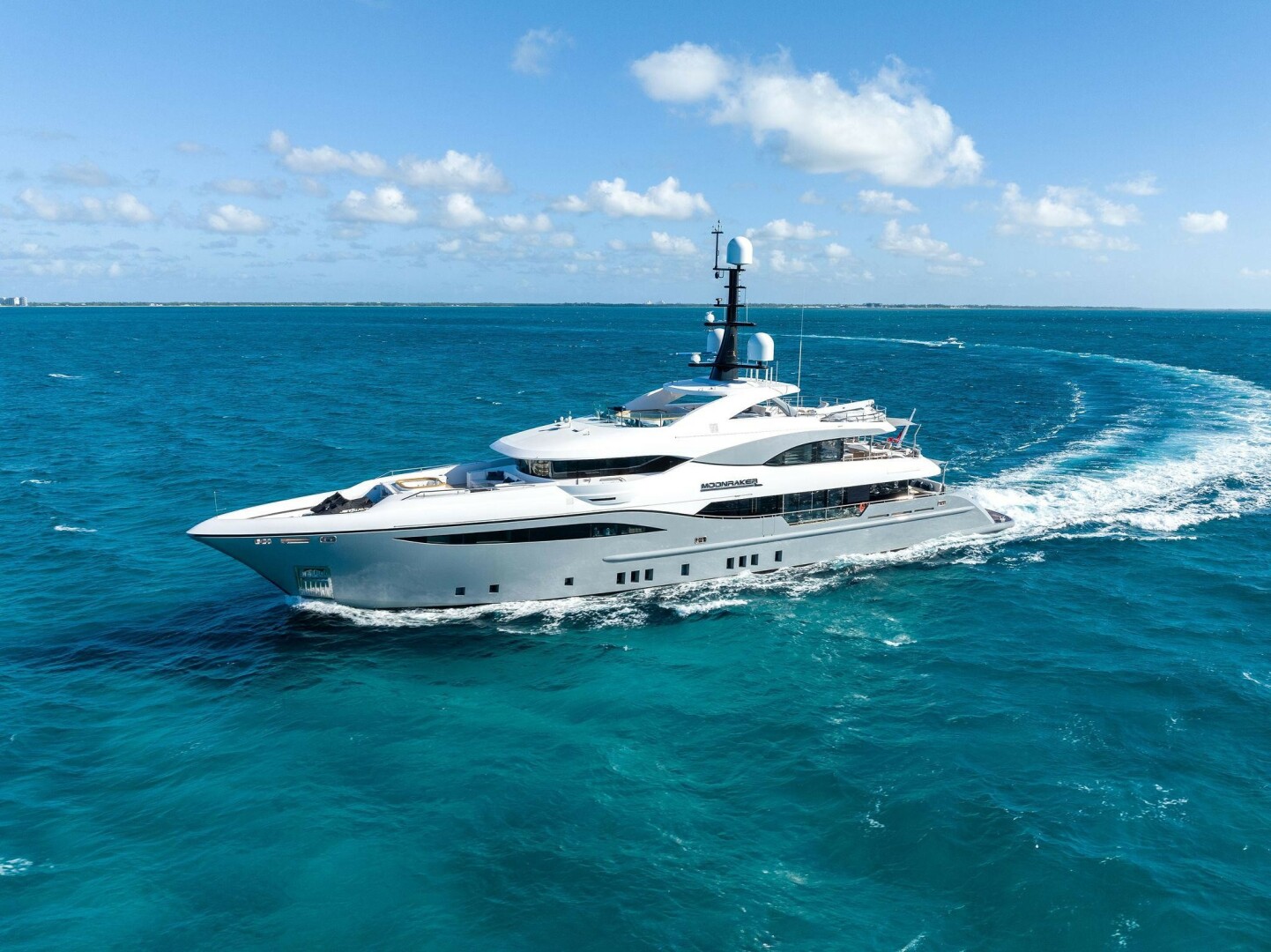
2019 Bilgin MOONRAKER
$20,646,000
156
West Palm Beach Florida

2028 Columbus Yachts
$22,900,008
137
Ancona
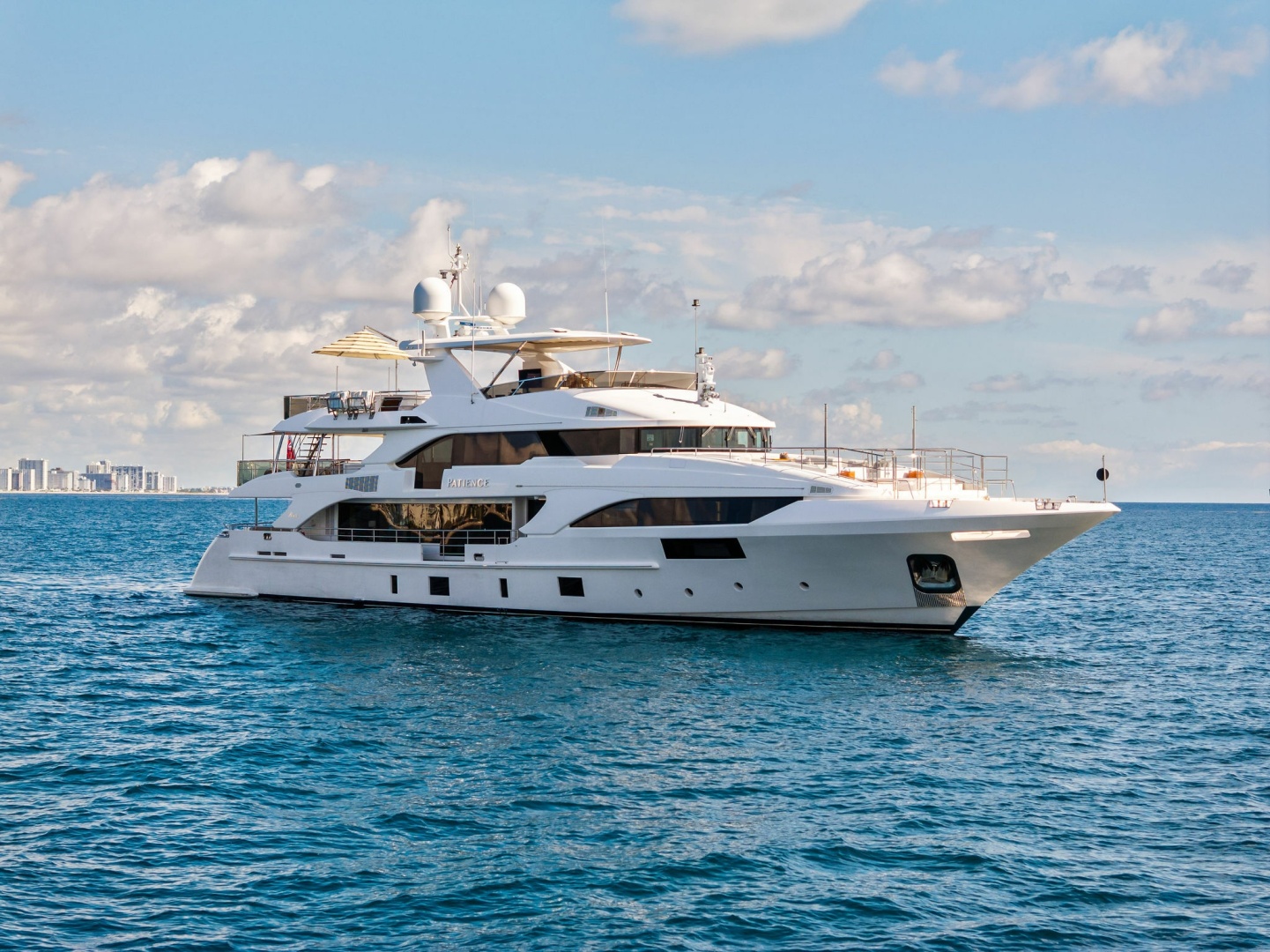
2012 Benetti PATIENCE
$10,975,000
132
Fort Lauderdale Florida
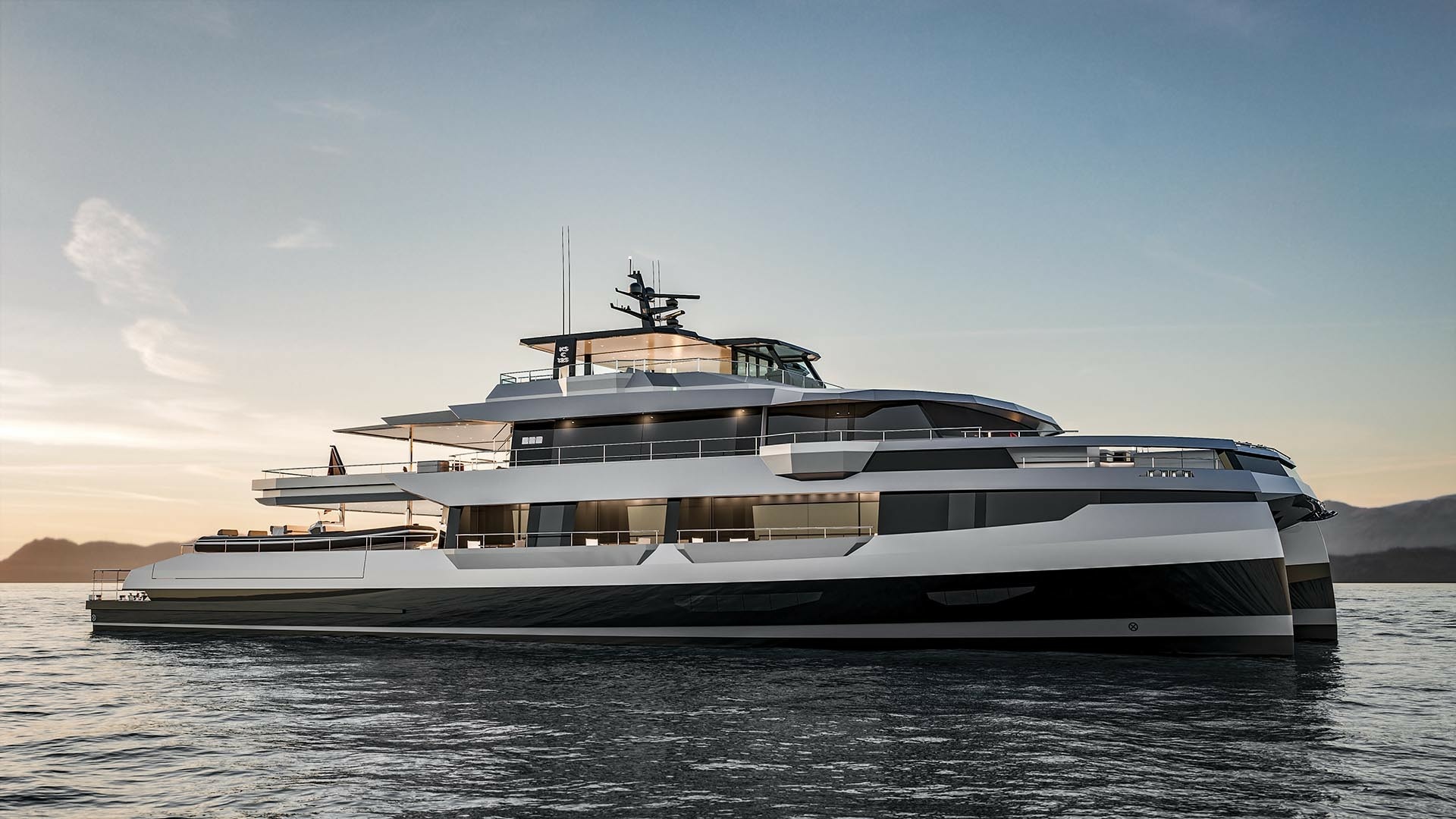
2028 Kingship Kingship
$20,000,000
125
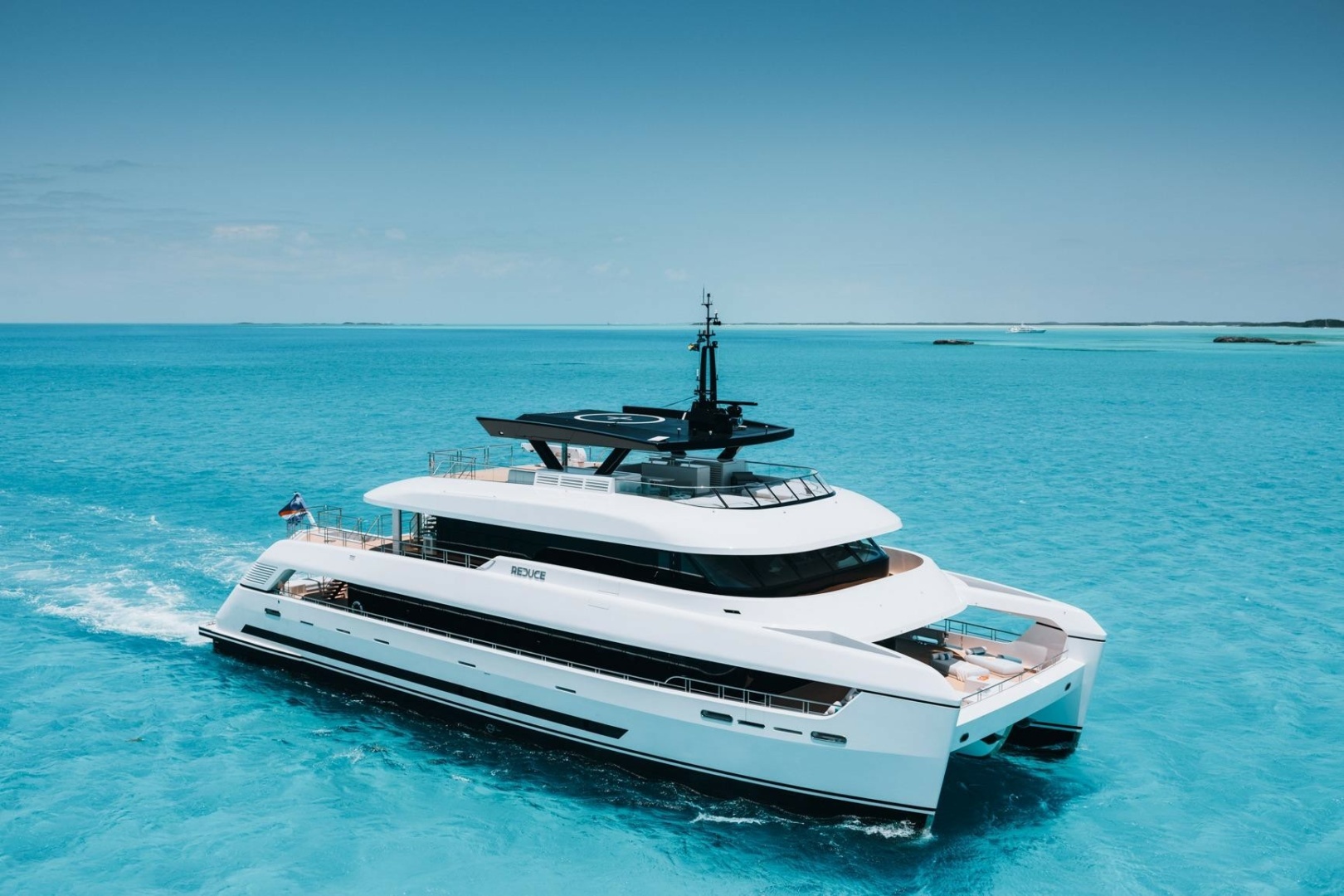
2024 Silver Yachts
$25,400,000
117
2009 Hargrave BRANDI WINE
$2,500,000
114
Fort Lauderdale Florida

2028 Extra Yachts
$20,646,000
100
Ancona
2028 Alpha
100
Ft Lauderdale Florida

2028 Extra Yachts Extra 96
$9,495,000
96
Ancona
2021 Sanlorenzo GATSBY
$6,795,000
96
Miami Beach Florida
2028 Kingship
90

1999 Northern Marine OFF LINE
$2,495,000
84
Ft Lauderdale Florida
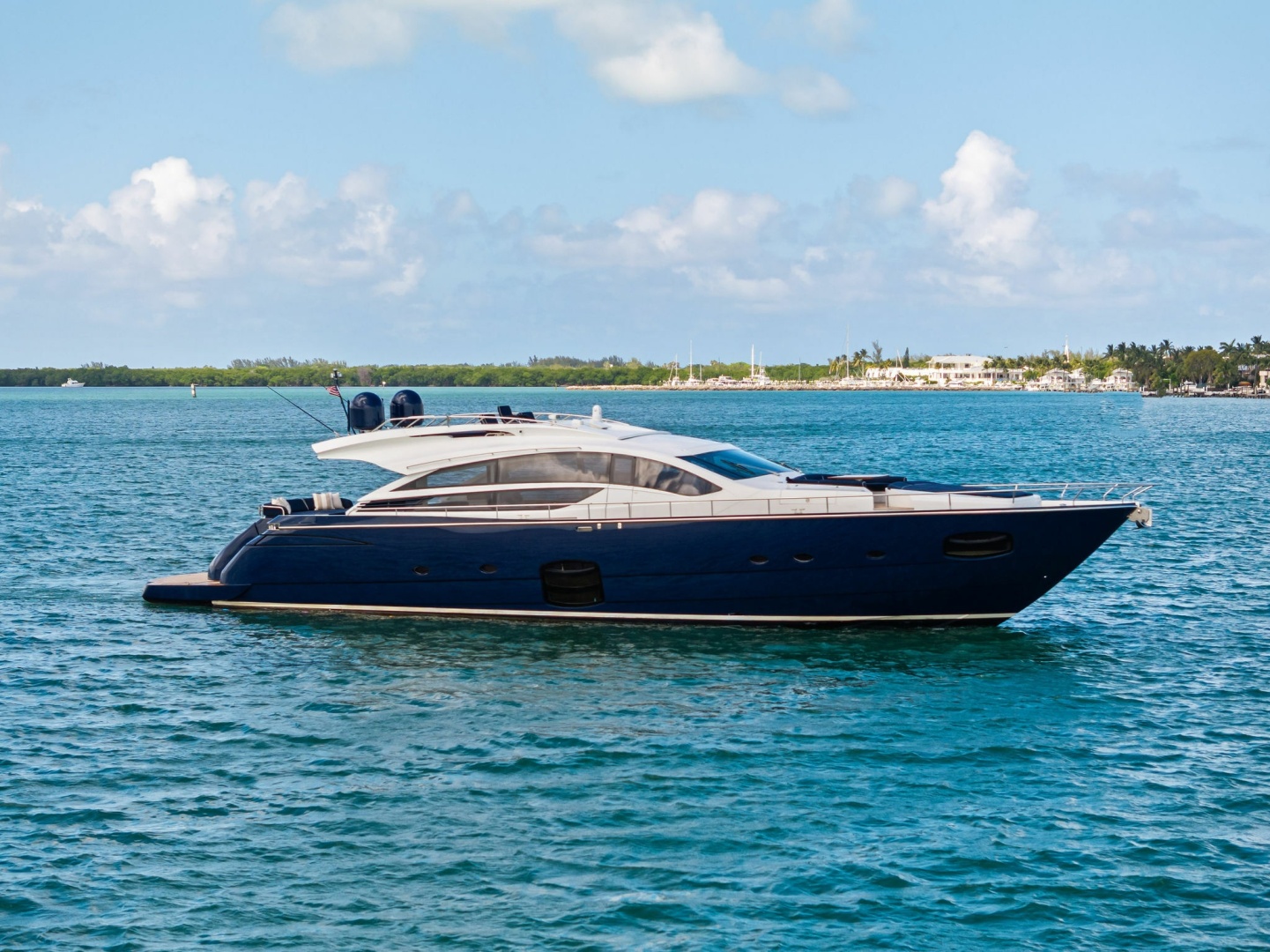
2013 Pershing DOROTHY ANN
$1,550,000
82
Miami Beach Florida

1997 Ferretti Yachts
$825,000
80
La Paz
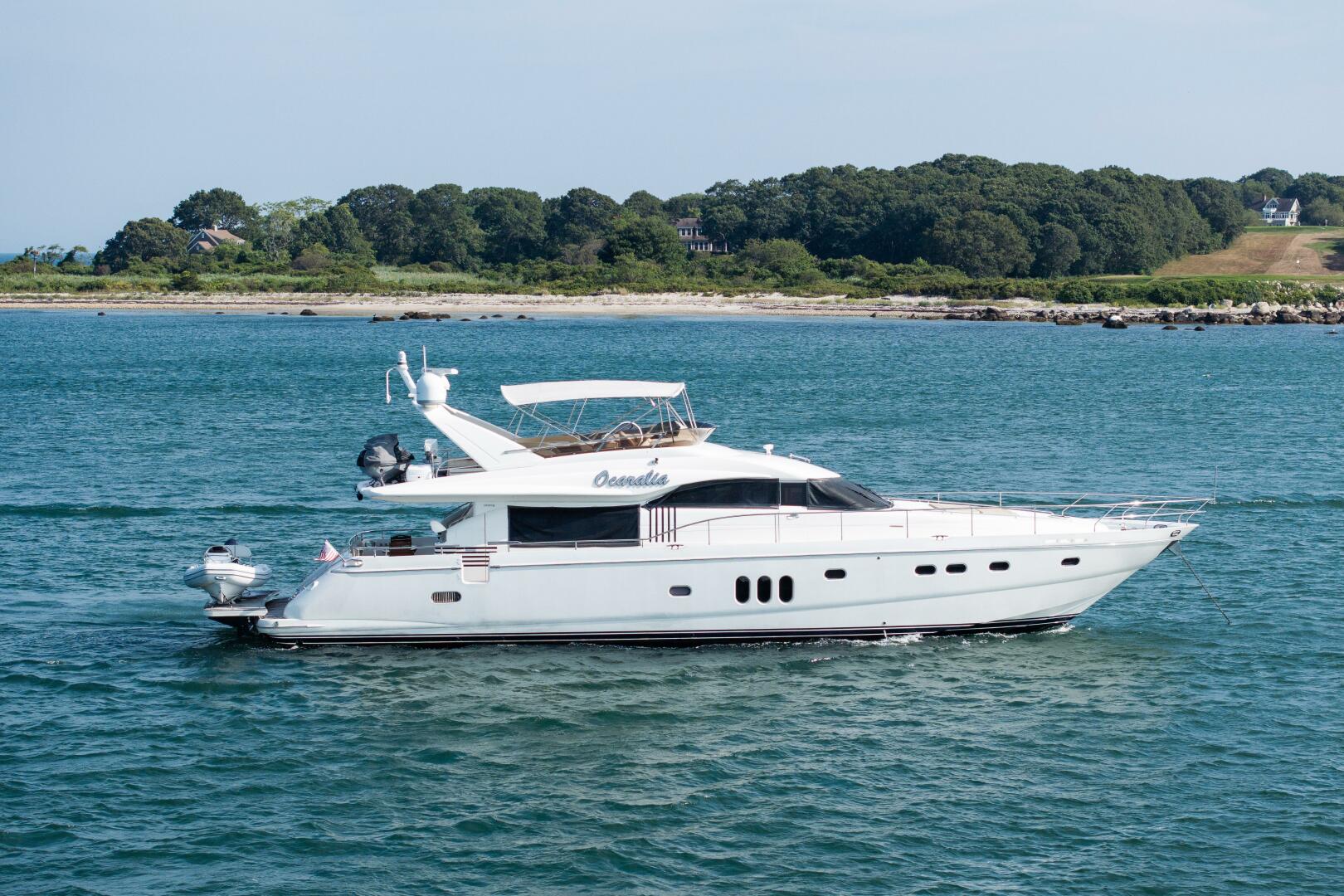
2008 Princess Yachts OCARALIA
$1,095,000
75
Charleston South Carolina
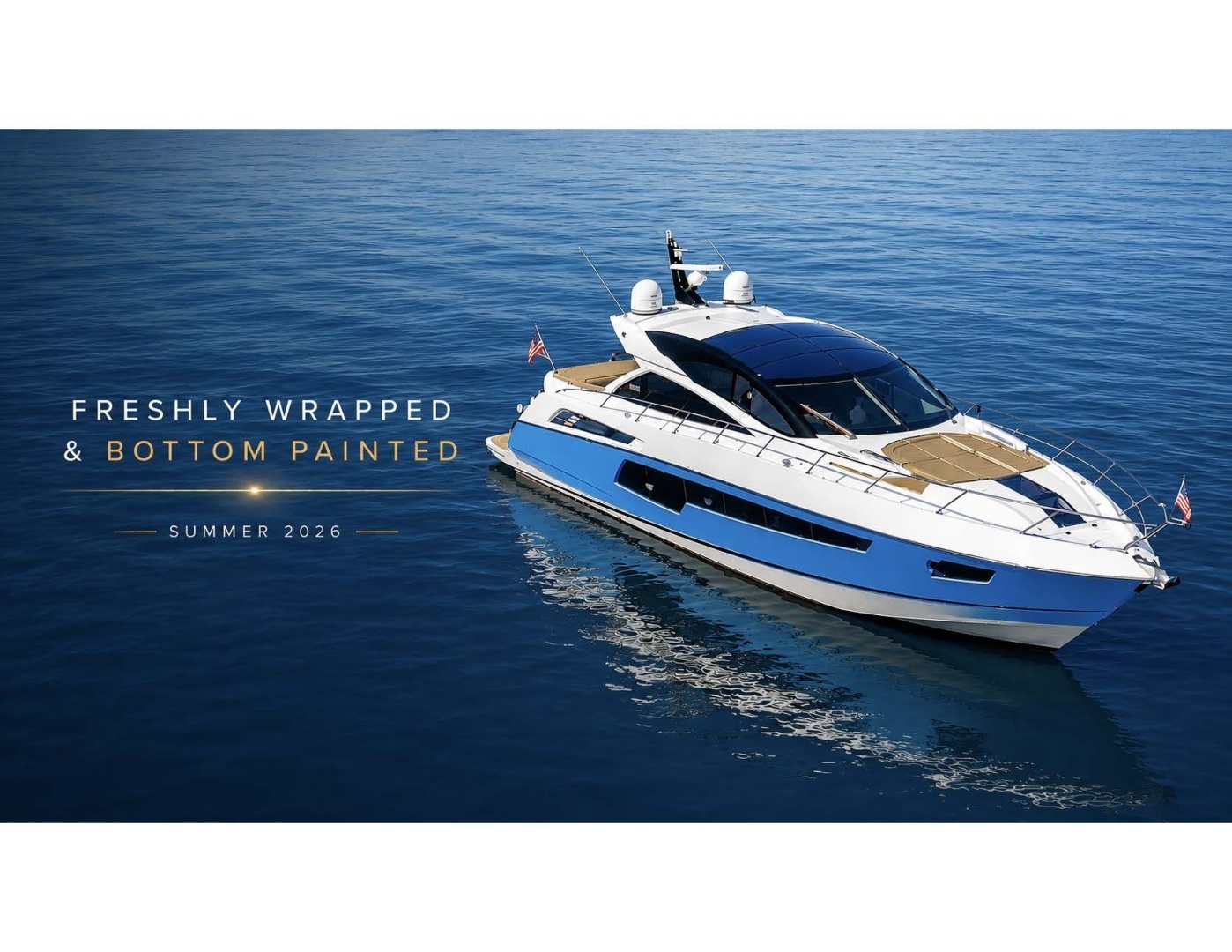
2014 Sunseeker
$1,400,000
68
New York New York

2024 Fairline
$2,750,000
68
Ft. Lauderdale Florida

2024 Sunreef Catallaxi
$3,700,000
60
Newport Rhode Island
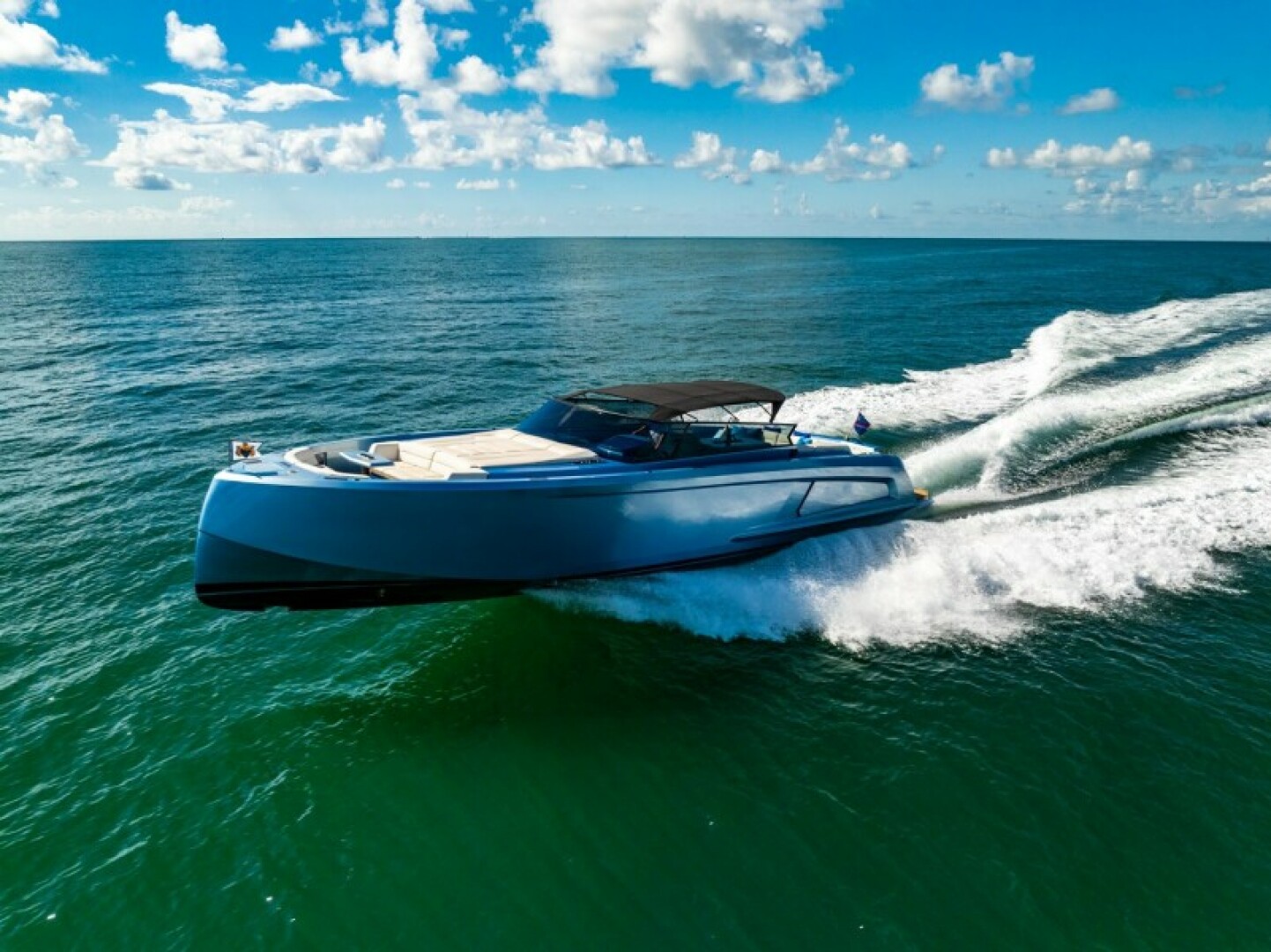
2019 Vanquish Yachts IMPULSIVE
$1,799,000
58
Miami Beach Florida
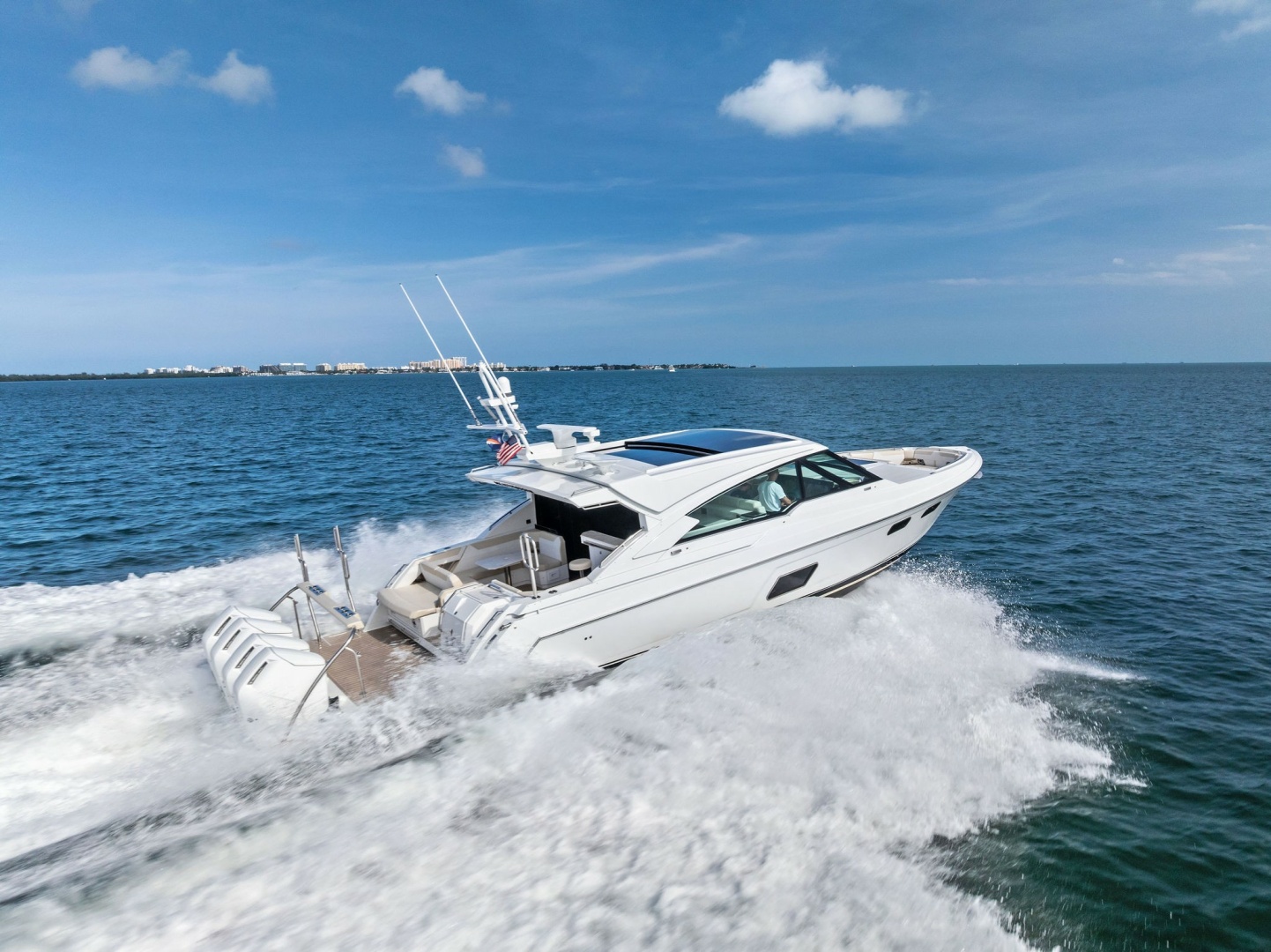
2025 Formula BREAKTHROUGH III
$1,895,000
53
Miami Beach Florida

2023 Fairline
$900,000
45
Fort Lauderdale Florida
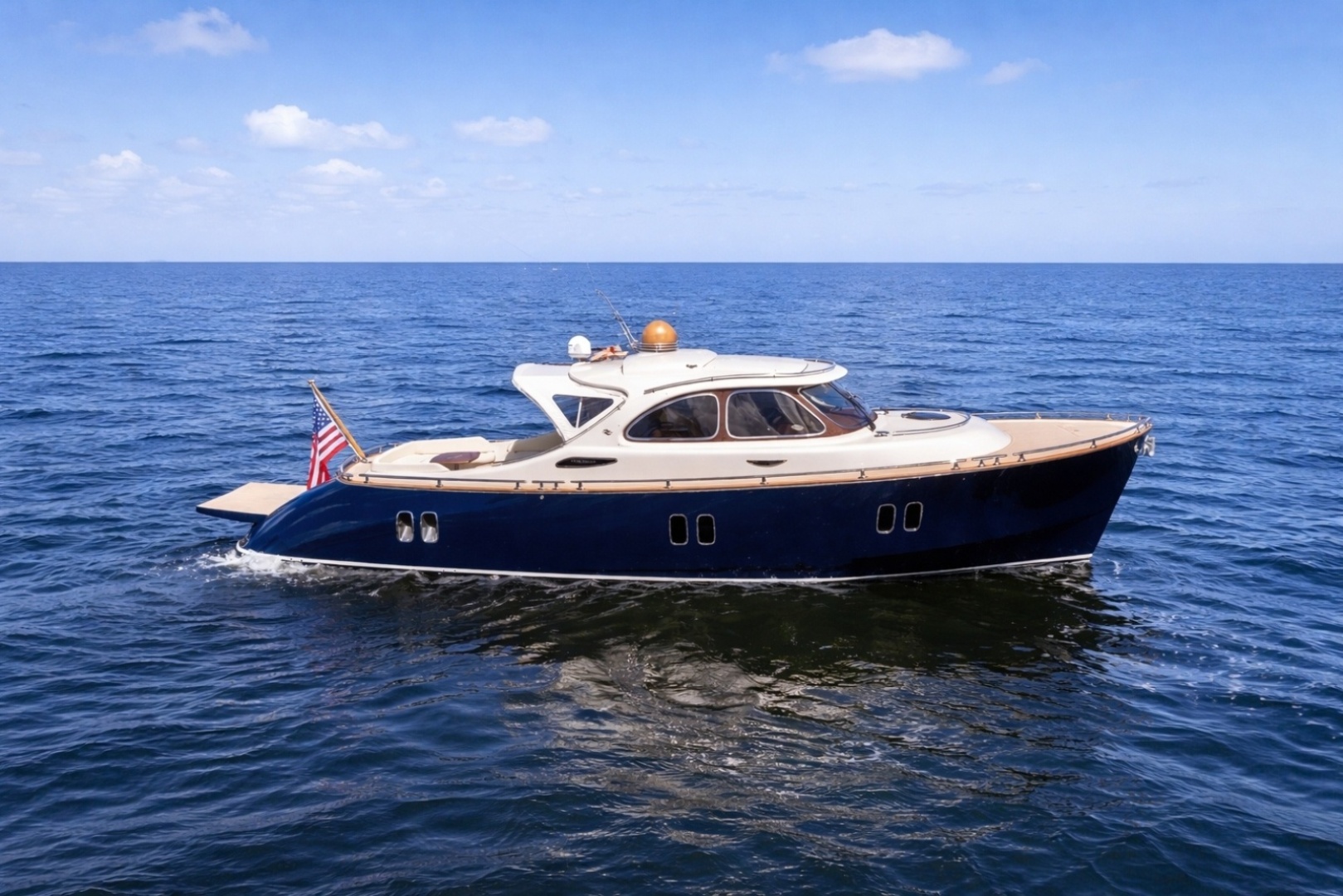
2012 Zeelander Mississippi Queen
$575,000
44
West Palm Beach Florida
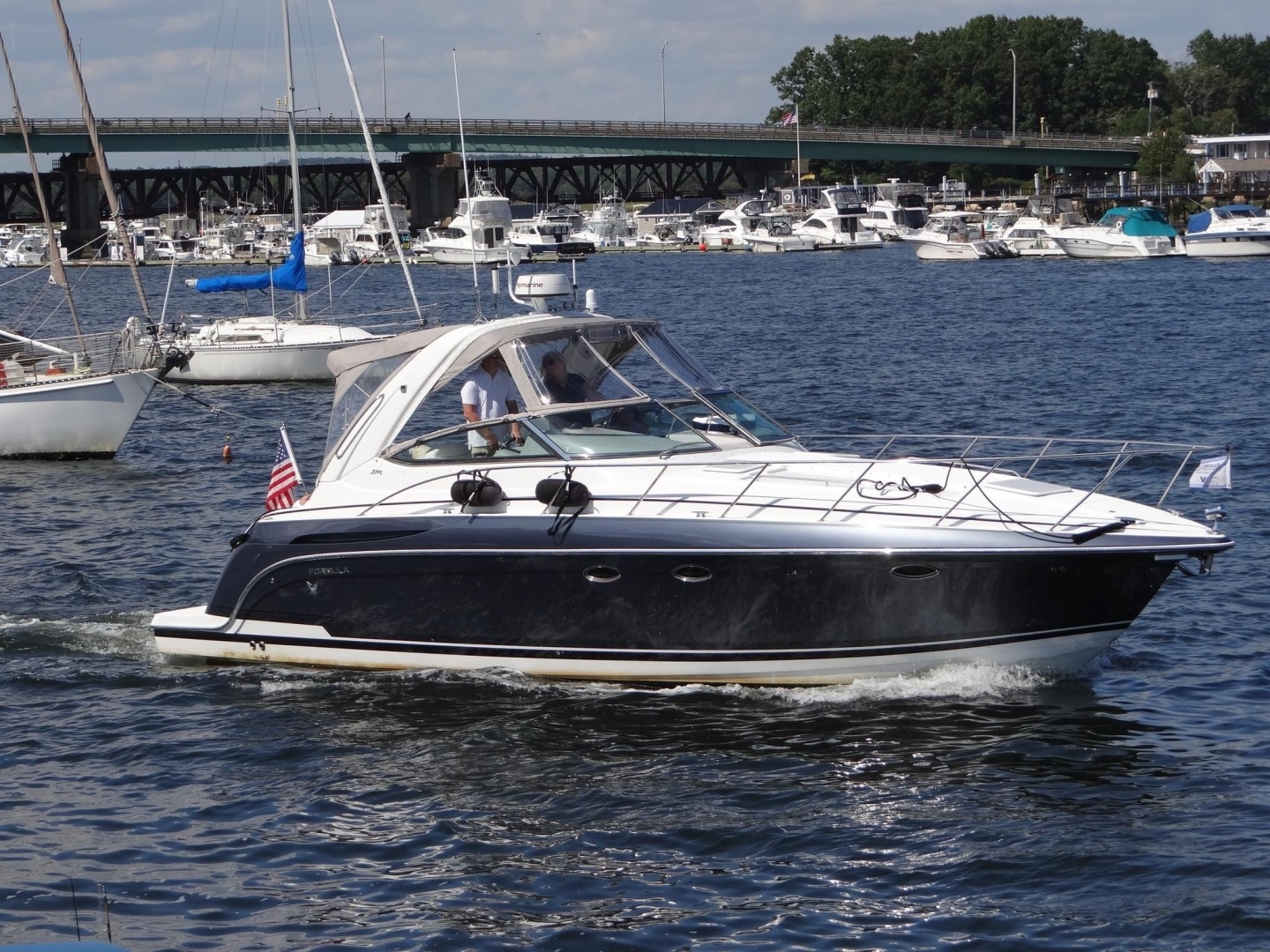
2006 Formula
$139,000
37
Newburyport Massachusetts
2019 Bilgin 156'
$20,646,000
2028 Columbus Yachts 137'
$22,900,008
2012 Benetti 132'
$10,975,000
2028 Kingship 125'
$20,000,000
2024 Silver Yachts 117'
$25,400,000
2009 Hargrave 114'
$2,500,000
2028 Extra Yachts 100'
$20,646,000
2028 Alpha 100'
2028 Extra Yachts 96'
$9,495,000
2021 Sanlorenzo 96'
$6,795,000
2028 Kingship 90'
1999 Northern Marine 84'
$2,495,000
2013 Pershing 82'
$1,550,000
1997 Ferretti Yachts 80'
$825,000
2008 Princess Yachts 75'
$1,095,000
2014 Sunseeker 68'
$1,400,000
2024 Fairline 68'
$2,750,000
2024 Sunreef 60'
$3,700,000
2019 Vanquish Yachts 58'
$1,799,000
2025 Formula 53'
$1,895,000
2023 Fairline 45'
$900,000
2012 Zeelander 44'
$575,000
2006 Formula 37'
$139,000