

A catamaran yacht is defined as a twin-hull recreational vessel where two parallel hulls of equal size connect through a bridge deck or structural frame, creating a platform that is wider, more stable, and more spacious than a traditional single-hull boat. Modern luxury cruising catamarans typically range from 45 to 80 feet, with some extending well beyond 100 feet. The design delivers a fundamentally different experience on the water: flat, level living, generous deck space, and access to shallow anchorages that monohull yachts simply cannot reach. For families, groups, and first-time buyers, understanding the catamaran yacht definition is the first step toward choosing the right vessel for the life you want to live at sea.
What are the main benefits of a catamaran yacht?
The most immediate benefit of a catamaran is stability. Because the vessel’s weight spreads across two hulls rather than one, it sits level on the water at anchor and barely heels under sail. Guests who have never set foot on a boat can walk around, cook a meal, or sleep soundly without bracing against a constant tilt. That single quality changes everything about the onboard experience.
Shallow draft under 1.2 meters is another defining advantage. That measurement means a catamaran can anchor in turquoise bays, lagoons, and coastal shallows that are completely off-limits to deeper-keeled monohulls. The Bahamas, the Maldives, and the Grenadines all become more accessible. You are not just sailing to a destination. You are sailing into it.
The living space is genuinely remarkable. The wide bridge deck creates a large salon, an expansive cockpit, and a forward deck that functions as a social terrace. Families and groups spread out naturally rather than crowding into a narrow cabin. Privacy is easier to find, and communal meals feel more like a dinner party than a camping trip.
- Zero heel angle keeps the boat level at anchor and under sail, reducing fatigue and seasickness
- Shallow draft opens access to anchorages monohulls cannot enter
- Wide bridge deck creates generous salon, cockpit, and deck space for groups
- Twin-hull anchoring stability means the boat barely swings or rocks at rest
- Inclusive layout makes the experience comfortable for non-sailors, children, and guests of all ages
Pro Tip: When chartering a catamaran for the first time, choose an itinerary with protected anchorages rather than open ocean passages. You will experience the full comfort advantage of the design without the demands of offshore sailing.
How does a catamaran yacht work?
A catamaran’s twin hulls connect through a rigid bridge deck that spans the full beam of the vessel. That structure carries the main living spaces, including the salon, galley, and helm station, while each hull houses private cabins and the mechanical systems. The design is essentially a floating platform supported at two points rather than one.
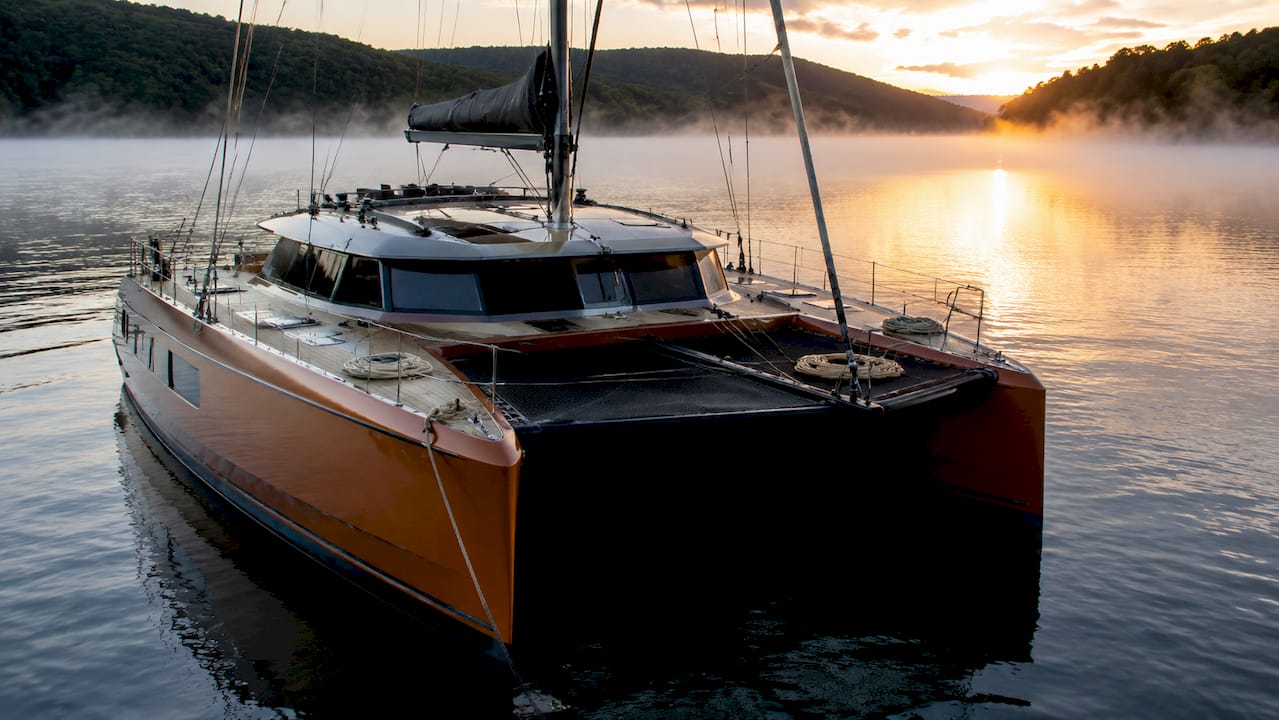
Twin engines in each hull give motor catamarans and sailing catamarans with auxiliary engines a distinct handling advantage. By running one engine forward and one in reverse, the skipper can pivot the boat on its own axis. That capability makes docking in tight marina berths far less stressful than maneuvering a comparable monohull.
Sailing catamarans use the same principles as any sailboat: sails catch wind, and the hull shape converts that force into forward motion. The key difference is that the wide stance between the two hulls resists the heeling force that tips a monohull. The boat accelerates upright, which feels fast and confident even to passengers with no sailing experience.
Here is how the core systems work together:
- Hull buoyancy distributes the vessel’s weight across two points, creating inherent lateral stability
- Bridge deck structure connects the hulls rigidly and carries the main living spaces above the waterline
- Twin engines allow independent throttle control for precise low-speed maneuvering
- Sail plan on sailing catamarans uses a mainsail and headsail to generate forward drive without heeling
- Daggerboards or centerboards on performance models improve upwind sailing efficiency
Pro Tip: Ask any catamaran seller or charter company to demonstrate the twin-engine pivot maneuver in a marina. Watching the boat spin in place tells you immediately how well the mechanical systems are working.
What types of catamaran yachts are available?
Sailing and motor catamarans represent the two primary categories, and each serves a different kind of buyer. Sailing catamarans are the more common choice for cruising families and liveaboard sailors. Motor catamarans prioritize speed, range, and fuel efficiency over sail performance, appealing to buyers who want the space of a catamaran without the complexity of managing sails.
Size is the next major variable. A 45-foot cruising catamaran suits a family of four to six with three or four private cabins and a well-equipped galley. Vessels in the 60-to-80-foot range add crew quarters, larger social spaces, and amenities that rival a luxury yacht experience ashore. Supercatamaran designs above 100 feet blur the line between multihull sailing vessel and full-scale motor yacht.
- Cruising sailing catamarans (45–65 feet): The most popular segment for private ownership and charter, balancing comfort, cost, and performance
- Performance sailing catamarans: Lighter, faster designs favored by experienced sailors who want speed alongside comfort
- Motor catamarans (45–80 feet): Prioritize range and fuel economy, with large interior volumes and minimal sailing equipment
- Luxury supercatamarans (80+ feet): Custom-built or semi-custom vessels with full crew, multiple guest suites, and resort-level amenities
- Liveaboard configurations: Any size range optimized for long-term living, with larger water and fuel capacity, robust electrical systems, and storage
| Category | Typical size | Best suited for |
|---|---|---|
| Cruising sailing catamaran | 45–65 feet | Families, charter, private ownership |
| Performance sailing catamaran | 40–55 feet | Experienced sailors, racing-oriented buyers |
| Motor catamaran | 45–80 feet | Long-range cruising, comfort-focused buyers |
| Luxury supercatamaran | 80–100+ feet | Full-crew charters, high-end private ownership |
What should buyers know about costs and challenges?
Catamaran ownership carries real financial weight beyond the purchase price. Maintaining two engines effectively doubles the service cost compared to a single-engine monohull. Every oil change, impeller replacement, and fuel filter applies twice. Buyers who budget for one engine’s annual maintenance and then multiply by two are still sometimes surprised by the total.
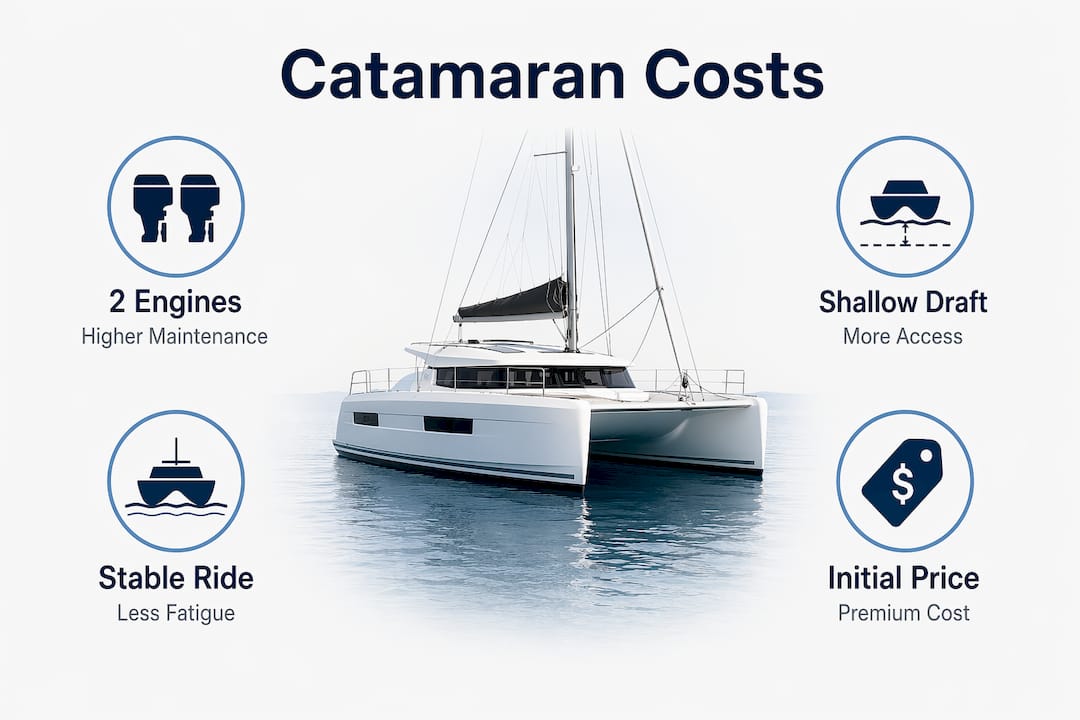
Haul-out and marina fees run 50% to 100% higher than comparable monohulls at many facilities. The wide beam requires specialized travel lifts and wider berths. Some marinas simply cannot accommodate a 28-foot-wide catamaran at all. Confirming local infrastructure before committing to a home port is not optional. It is a purchasing prerequisite.
Safety deserves honest attention. Catamarans lack the self-righting capability of weighted-keel monohulls. A capsized catamaran does not return upright on its own. That reality does not make catamarans dangerous for their intended use, which is coastal and blue-water cruising in reasonable conditions. It does mean that offshore passages in extreme weather require careful planning and a well-found vessel.
- Double engine costs: Budget for two full engine service schedules annually
- Marina compatibility: Verify berth width and travel lift capacity at your home port before purchase
- Haul-out premiums: Expect 50%–100% higher fees than monohull equivalents at many yards
- Safety awareness: Understand the capsize risk profile and choose a vessel rated for your intended sailing area
- Training investment: Build skills progressively before taking a catamaran offshore
Pro Tip: Starting on a monohull before transitioning to a catamaran builds the wind and wave sensitivity that makes you a more confident skipper on any vessel. The catamaran’s stability can mask developing sea conditions, so foundational training on a less forgiving hull pays dividends for years.
How do catamarans enhance family and group sailing experiences?
Wide, flat decks on one level create a social environment that monohulls cannot replicate. Guests move freely between the cockpit, salon, and forward deck without climbing over coamings or ducking under booms. Children play safely in the cockpit while adults relax on the trampoline netting forward. The boat becomes a destination in itself, not just a vehicle to reach one.
The stability that defines a catamaran’s design also reduces seasickness significantly. Families who have avoided sailing because of motion sickness often find that a catamaran changes their experience entirely. The vessel’s level motion is closer to sitting on a dock than to the rolling pitch of a monohull in a seaway. That comfort translates directly into longer, more enjoyable passages.
Catamaran charters focus on inclusive social experiences that engage every guest, including those with no sailing interest at all. The wide salon hosts group dinners. The cockpit becomes an outdoor living room at sunset. The forward trampoline is a sunbathing platform by day and a stargazing spot by night. Non-sailors arrive as passengers and leave as converts.
“The catamaran was the first boat where my whole family actually wanted to come back. The kids had space to move, my wife could cook without holding on, and I could actually enjoy the sailing instead of managing everyone’s comfort.”
Shallow draft access adds a dimension to cruising that experienced sailors describe as transformative. Anchoring in a private lagoon with three feet of crystal water beneath the keel, while monohulls wait outside in deeper water, is the kind of moment that defines why people choose this type of vessel.
Key Takeaways
A catamaran yacht’s twin-hull design delivers superior stability, shallow-water access, and living space that no single-hull vessel of comparable length can match.
| Point | Details |
|---|---|
| Twin-hull stability | Zero heel angle keeps the boat level, reducing fatigue and seasickness for all guests. |
| Shallow draft advantage | Draft under 1.2 meters opens anchorages and lagoons inaccessible to monohulls. |
| Double maintenance costs | Two engines and wide beam mean higher service and haul-out expenses than monohulls. |
| Training matters | Starting on a monohull builds foundational skills that make catamaran handling safer and more rewarding. |
| Type selection is key | Sailing, motor, and supercatamaran configurations serve very different buyer needs and budgets. |
Why I think catamarans are the most honest boats on the water
After years of working with buyers across every hull type, I keep returning to the same observation: a catamaran does not pretend to be something it is not. It is wide, it is stable, and it prioritizes the people on board over the purity of the sailing experience. That is not a compromise. For most families and cruising couples, that is exactly the right trade.
What surprises new buyers most is how quickly livability becomes the dominant value. You can choose the right yacht on paper based on performance specs, but after a week aboard, what you remember is whether you slept well, whether meals were enjoyable, and whether your guests wanted to come back. Catamarans win those conversations consistently.
The one caution I offer every buyer is this: do not let the catamaran’s forgiving nature substitute for genuine seamanship. The stability that makes it so comfortable can also make you less aware of building conditions. Invest in training. Sail in varied conditions before committing to offshore passages. The boat will reward your confidence with experiences that stay with you for a lifetime.
— Jason
Thinking about buying a catamaran yacht?
Yachts-bysteve works with buyers at every stage of the catamaran purchasing process, from clarifying the right size and configuration to identifying listings that match your lifestyle and budget. The catamaran market spans a wide range of price points, hull types, and intended uses, and having an experienced broker alongside you makes the difference between a good purchase and the right one. Whether you are drawn to a 50-foot cruising sailing cat for family charters or a luxury motor catamaran for extended blue-water travel, the team at Yachts-bysteve brings the market knowledge to guide you clearly. Work with a yacht broker who specializes in luxury vessels and understands what catamaran ownership actually demands.
FAQ
What is a catamaran yacht, exactly?
A catamaran yacht is a recreational vessel with two parallel hulls of equal size connected by a bridge deck, typically ranging from 45 to over 100 feet and designed for cruising, chartering, or private ownership.
Are catamarans safer than monohull yachts?
Catamarans are more stable in normal cruising conditions but lack the self-righting capability of weighted-keel monohulls, making them less suited for extreme offshore conditions without careful vessel selection and preparation.
How much more does it cost to maintain a catamaran?
Maintenance costs are meaningfully higher than monohulls because catamarans require servicing two engines, and haul-out fees run 50%–100% higher at many yards due to the wide beam.
What size catamaran is best for a family?
A 45-to-65-foot cruising catamaran suits most families, offering three to four private cabins, a full galley, and generous social space without requiring a professional crew.
Do I need special training to sail a catamaran?
Sailing experience on a monohull first is strongly recommended, as it builds wind and wave sensitivity that catamarans, with their forgiving stability, tend to mask for beginners.
Recommended
Featured Listings
2019 Bilgin MOONRAKER
$20,646,000
156
West Palm Beach Florida

2028 Columbus Yachts
$22,900,008
137
Ancona
2012 Benetti PATIENCE
$10,975,000
132
Fort Lauderdale Florida
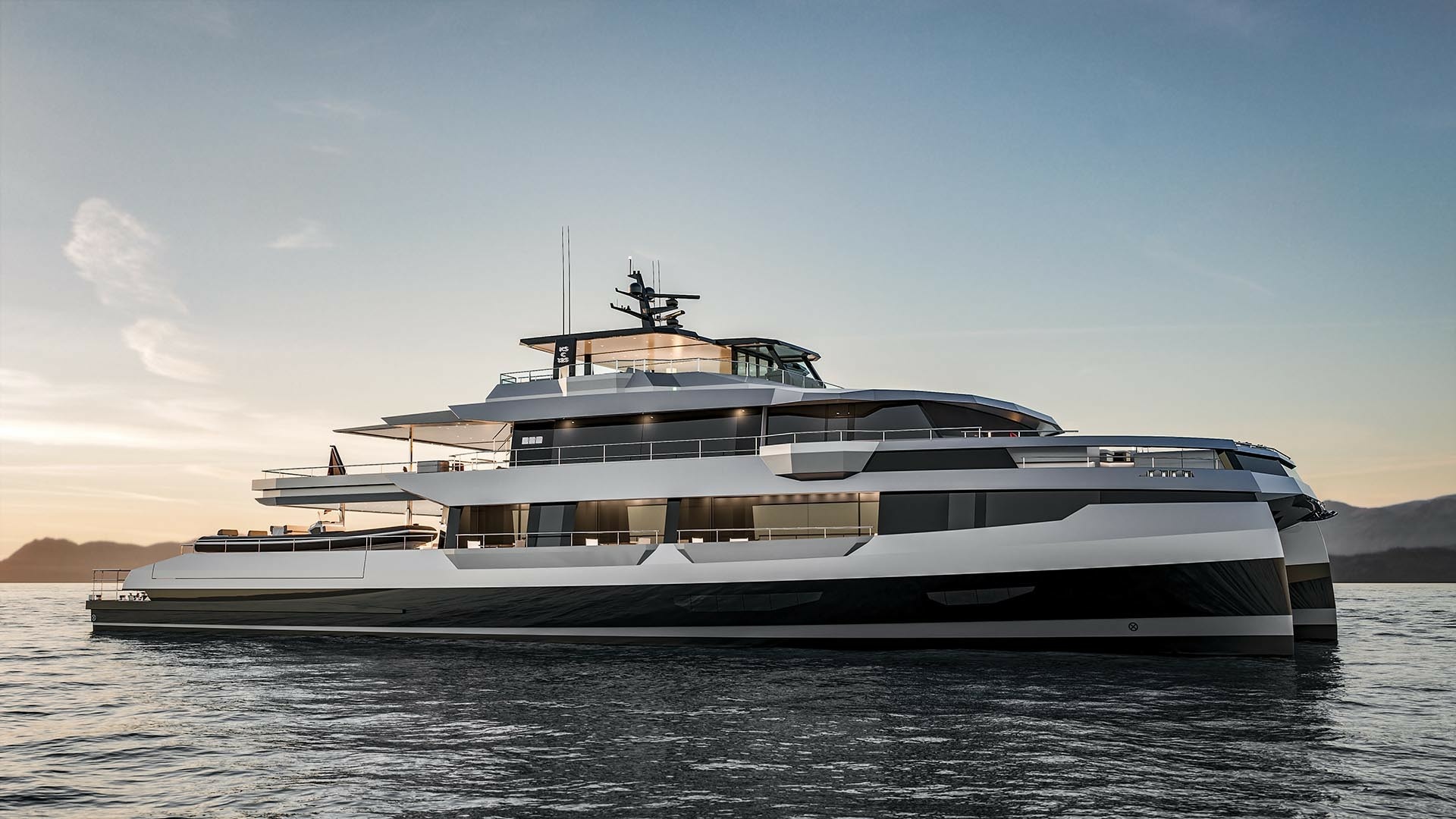
2028 Kingship Kingship
$20,000,000
125
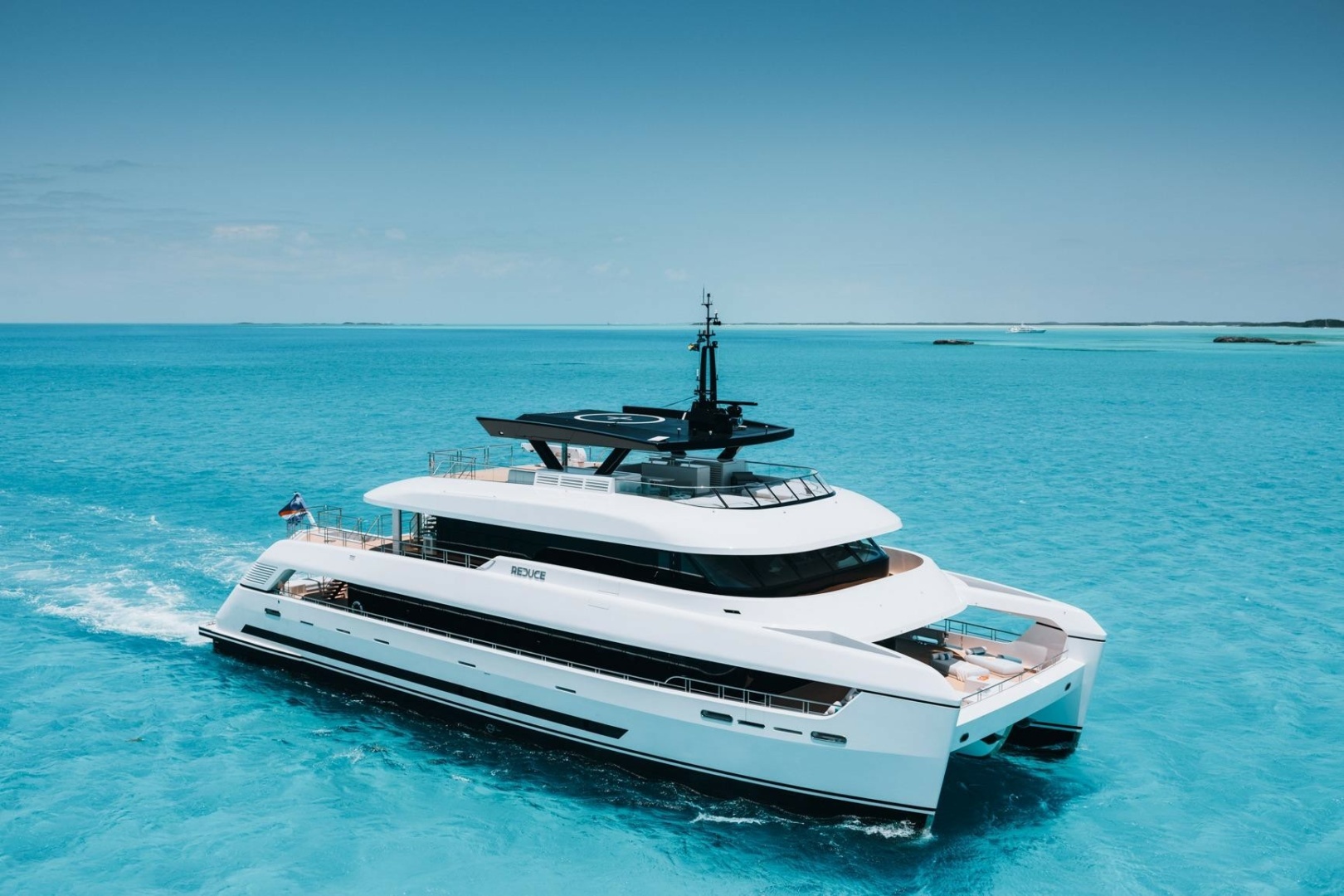
2024 Silver Yachts
$25,400,000
117
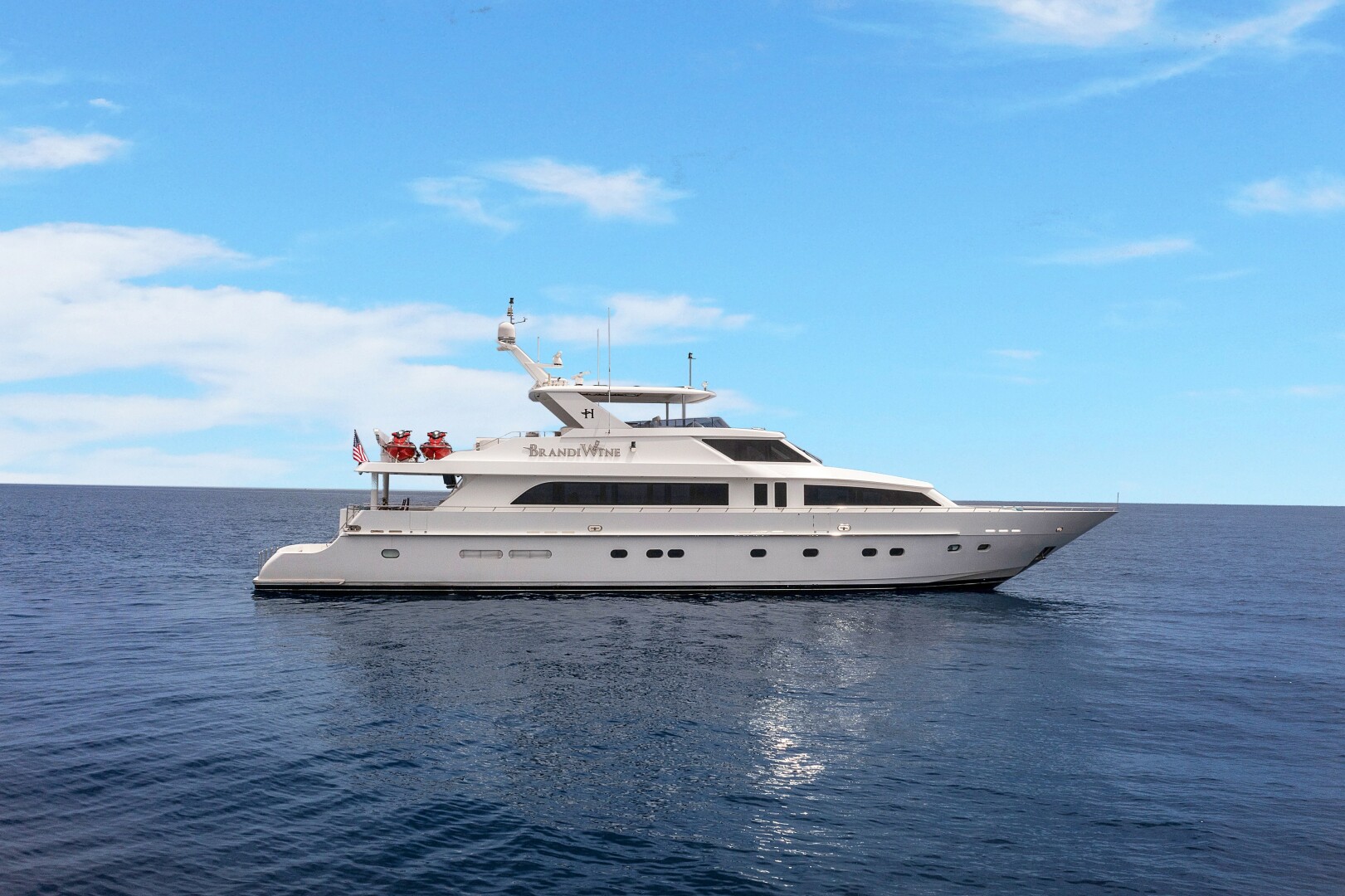
2009 Hargrave BRANDI WINE
$2,500,000
114
Fort Lauderdale Florida

2028 Extra Yachts
$20,646,000
100
Ancona
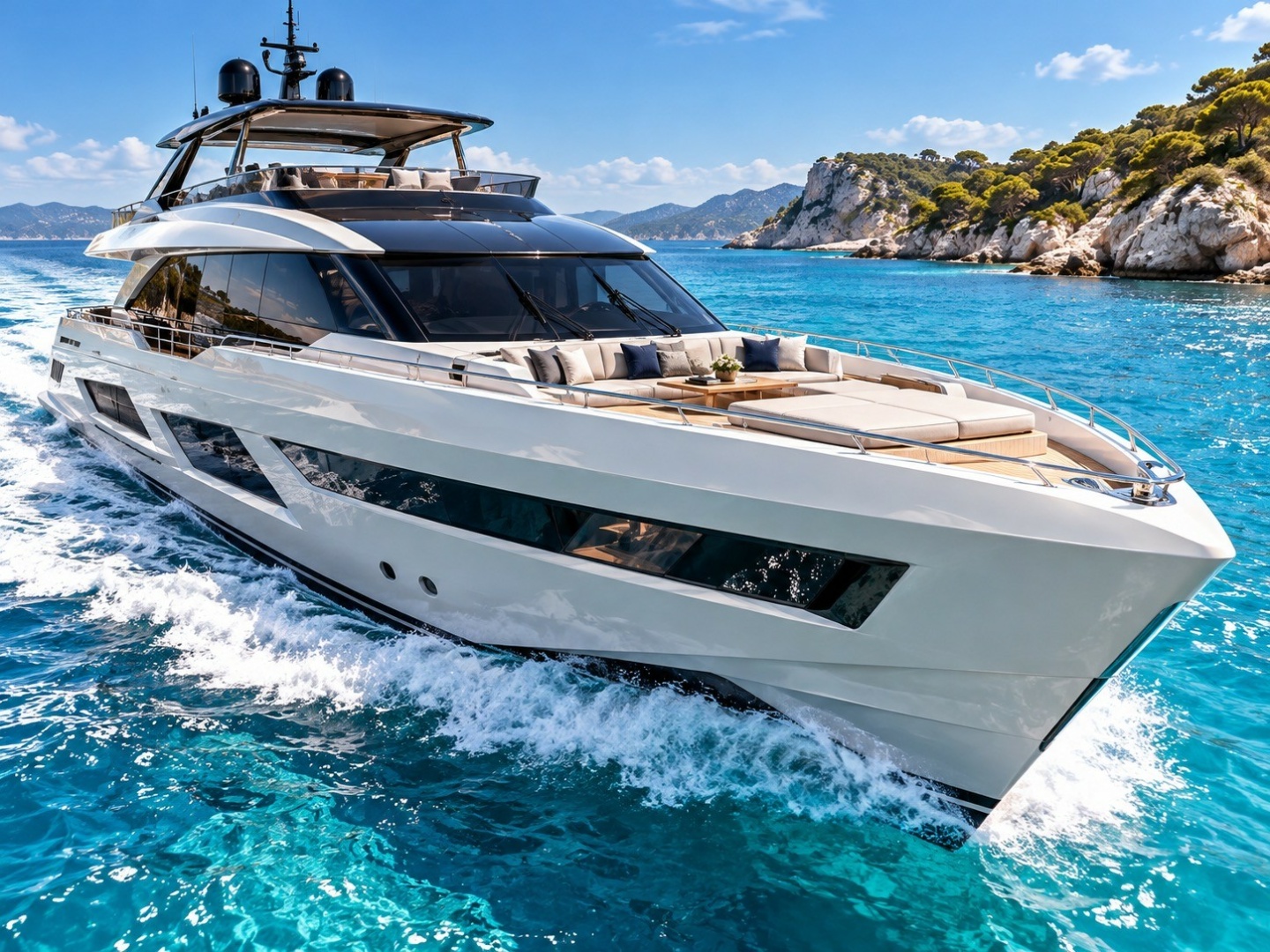
2028 Alpha
100
Ft Lauderdale Florida

2028 Extra Yachts Extra 96
$9,495,000
96
Ancona
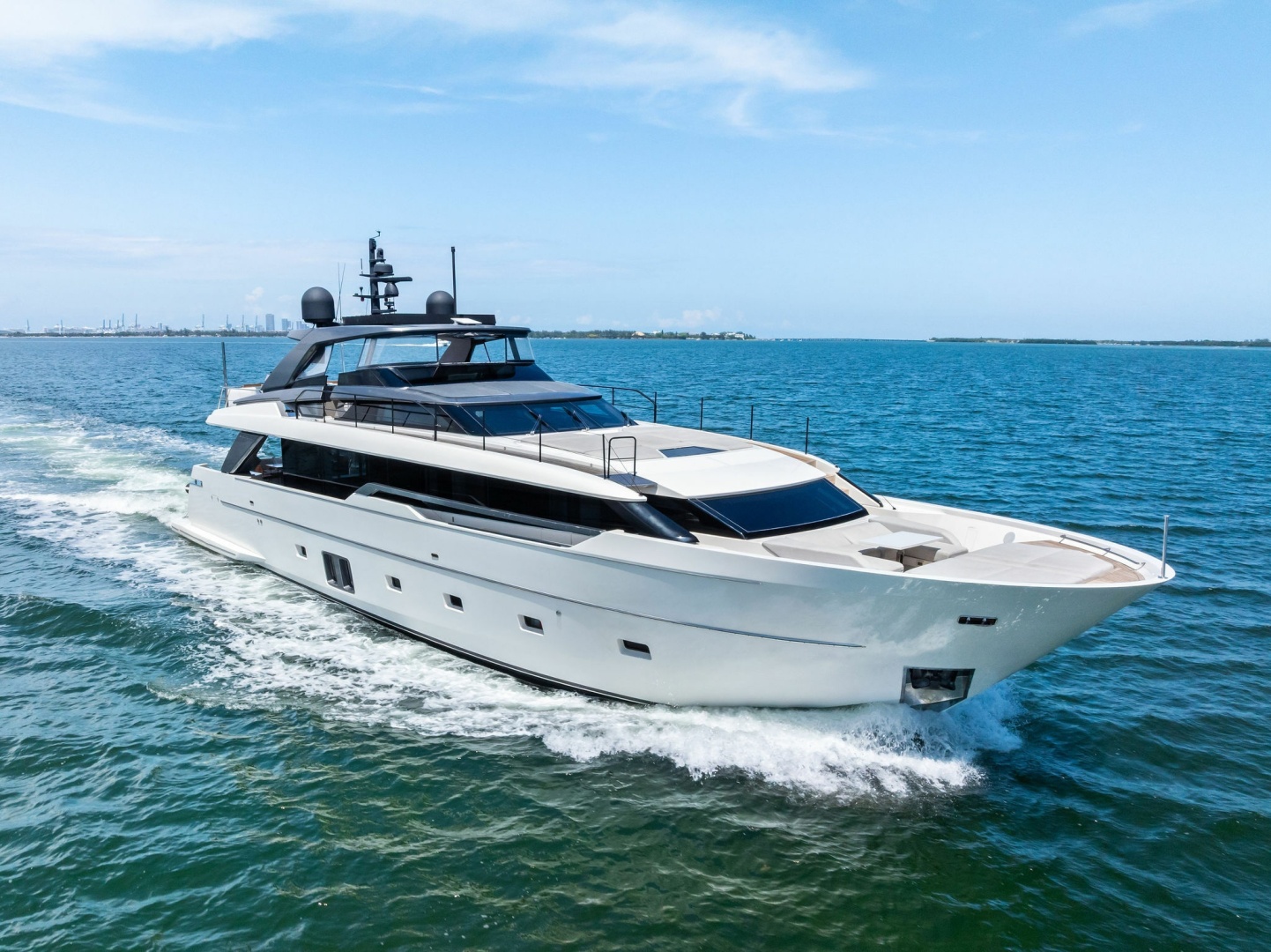
2021 Sanlorenzo GATSBY
$6,795,000
96
Miami Beach Florida
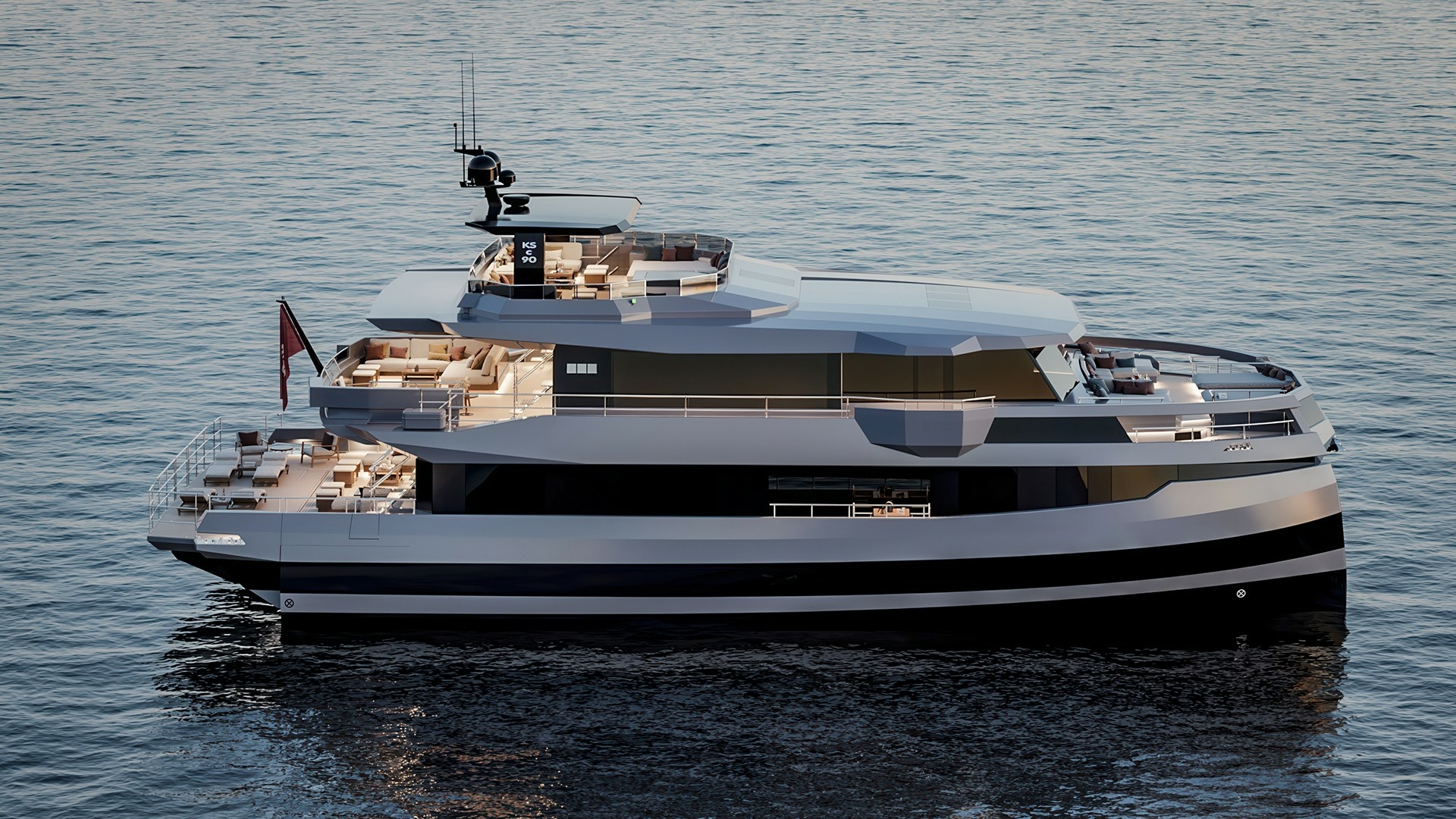
2028 Kingship
90

1999 Northern Marine OFF LINE
$2,495,000
84
Ft Lauderdale Florida
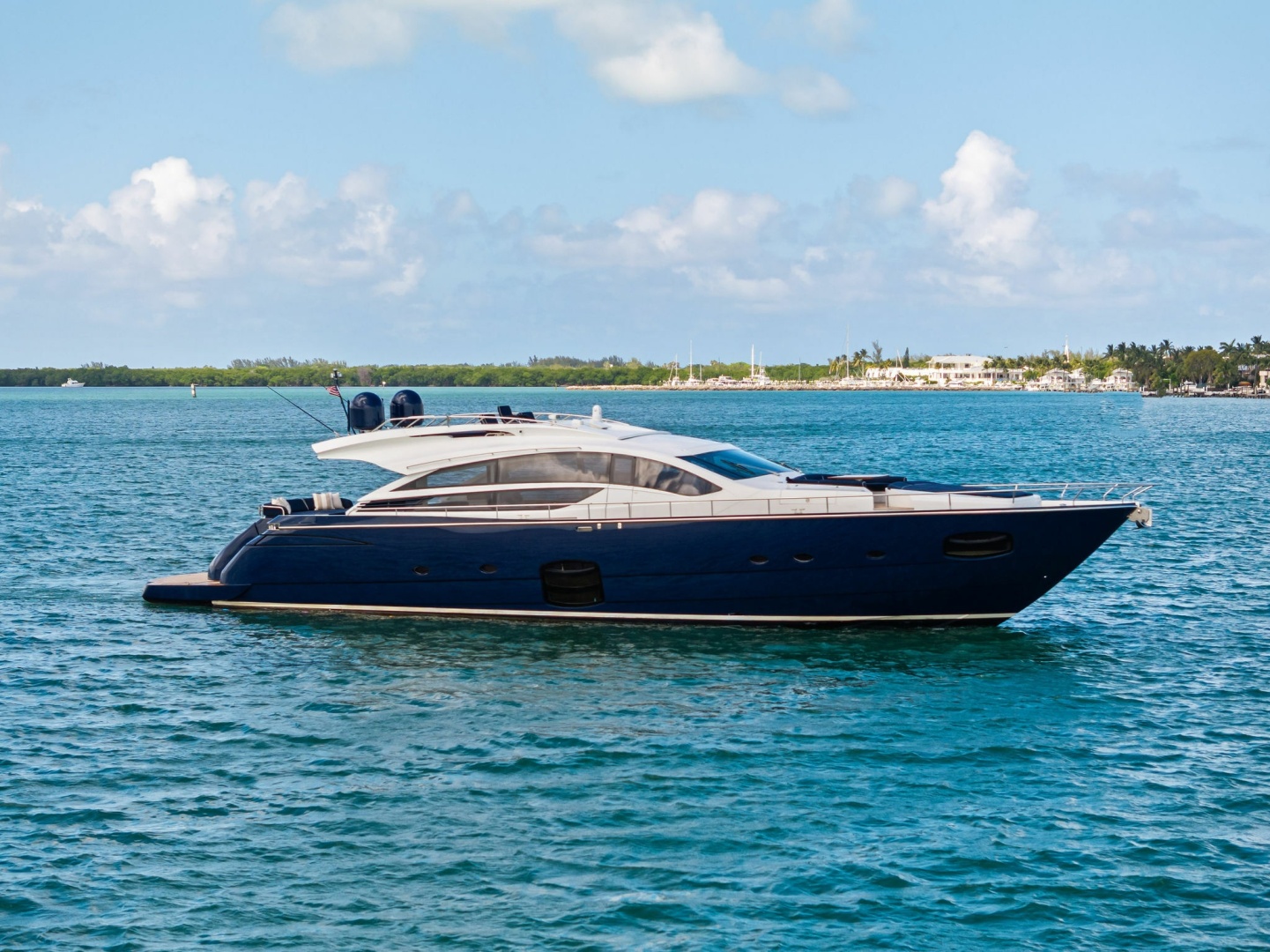
2013 Pershing DOROTHY ANN
$1,550,000
82
Miami Beach Florida

1997 Ferretti Yachts
$825,000
80
La Paz
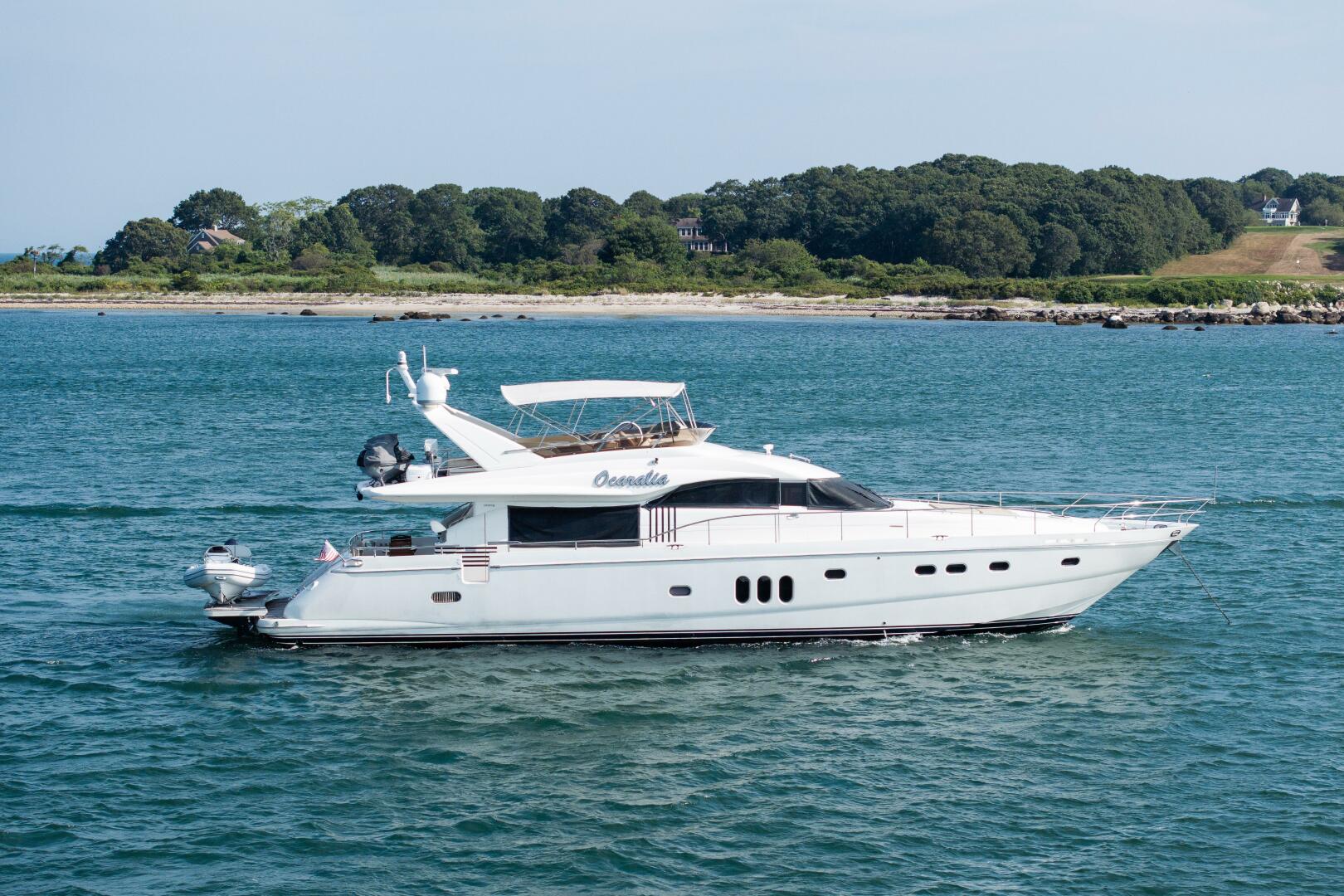
2008 Princess Yachts OCARALIA
$1,095,000
75
Charleston South Carolina
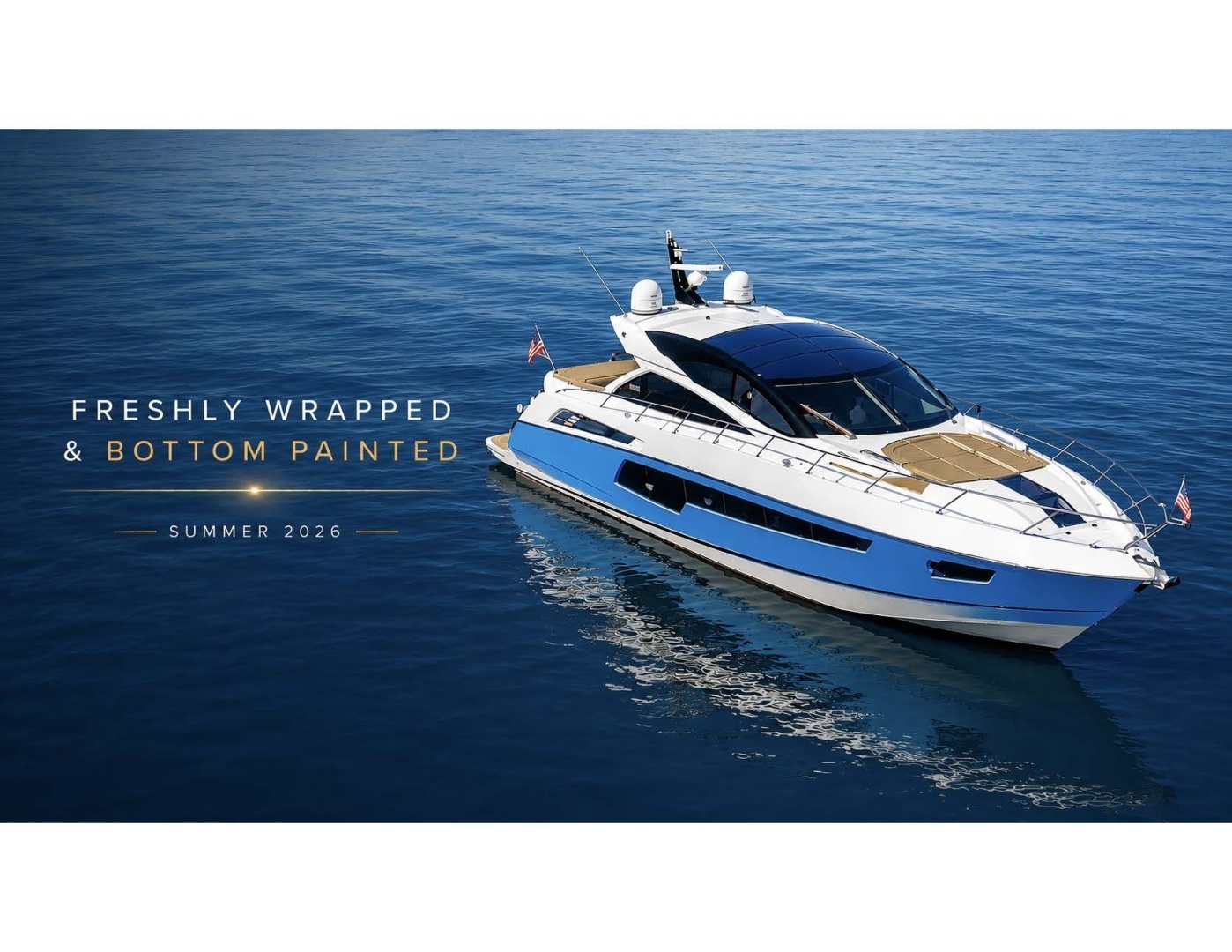
2014 Sunseeker
$1,400,000
68
New York New York

2024 Fairline
$2,750,000
68
Ft. Lauderdale Florida

2024 Sunreef Catallaxi
$3,700,000
60
Newport Rhode Island
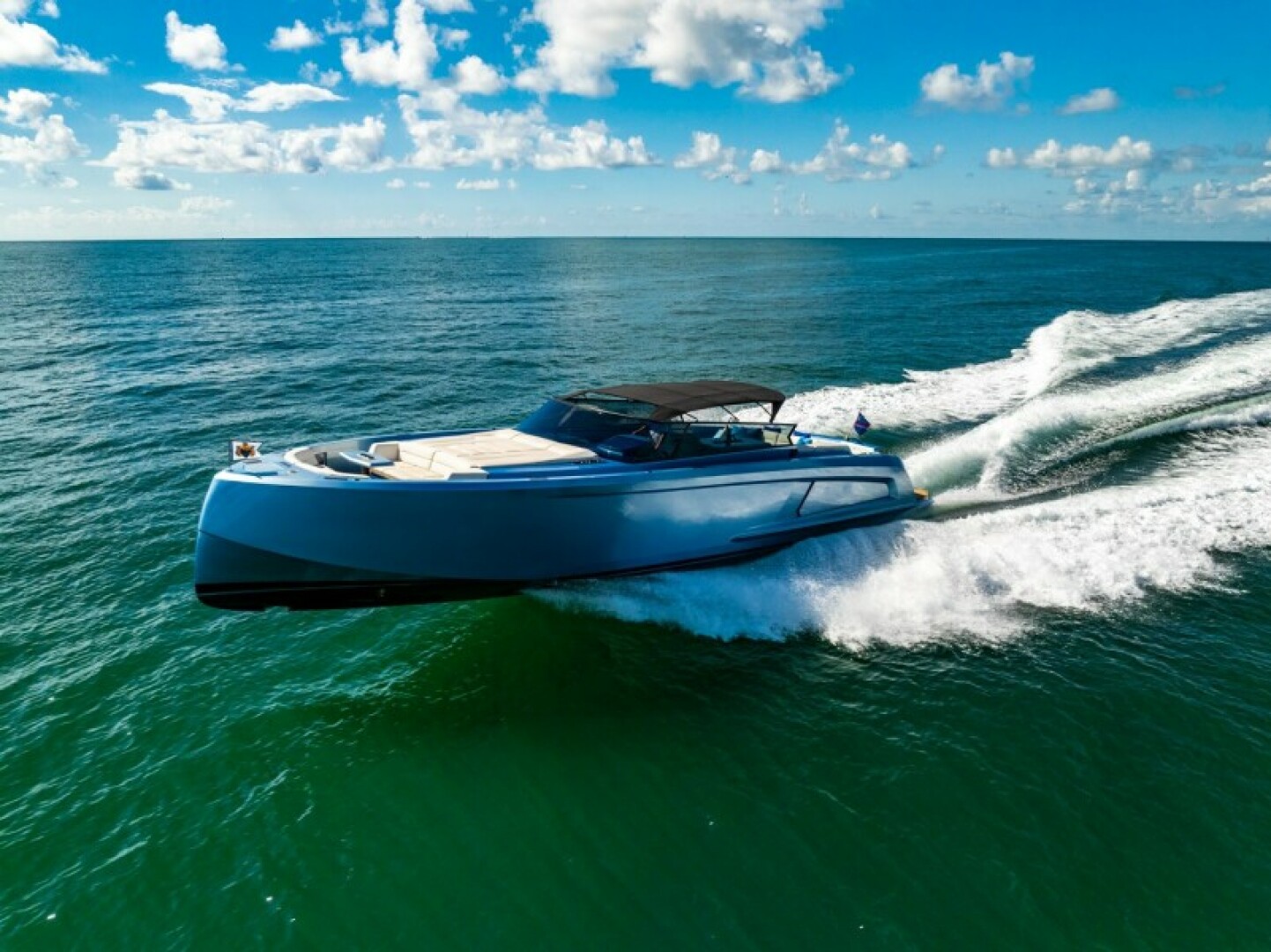
2019 Vanquish Yachts IMPULSIVE
$1,799,000
58
Miami Beach Florida
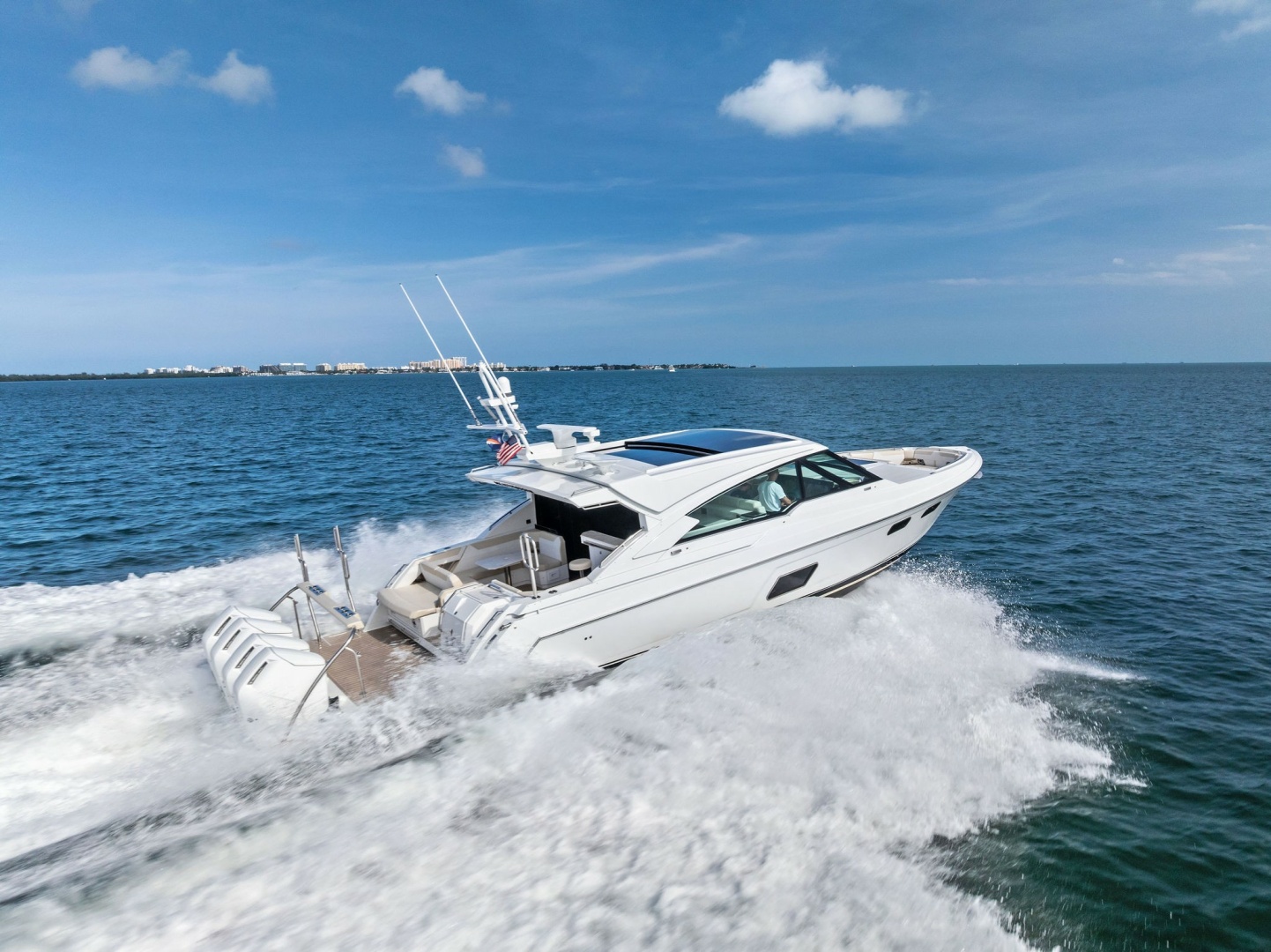
2025 Formula BREAKTHROUGH III
$1,895,000
53
Miami Beach Florida

2023 Fairline
$900,000
45
Fort Lauderdale Florida
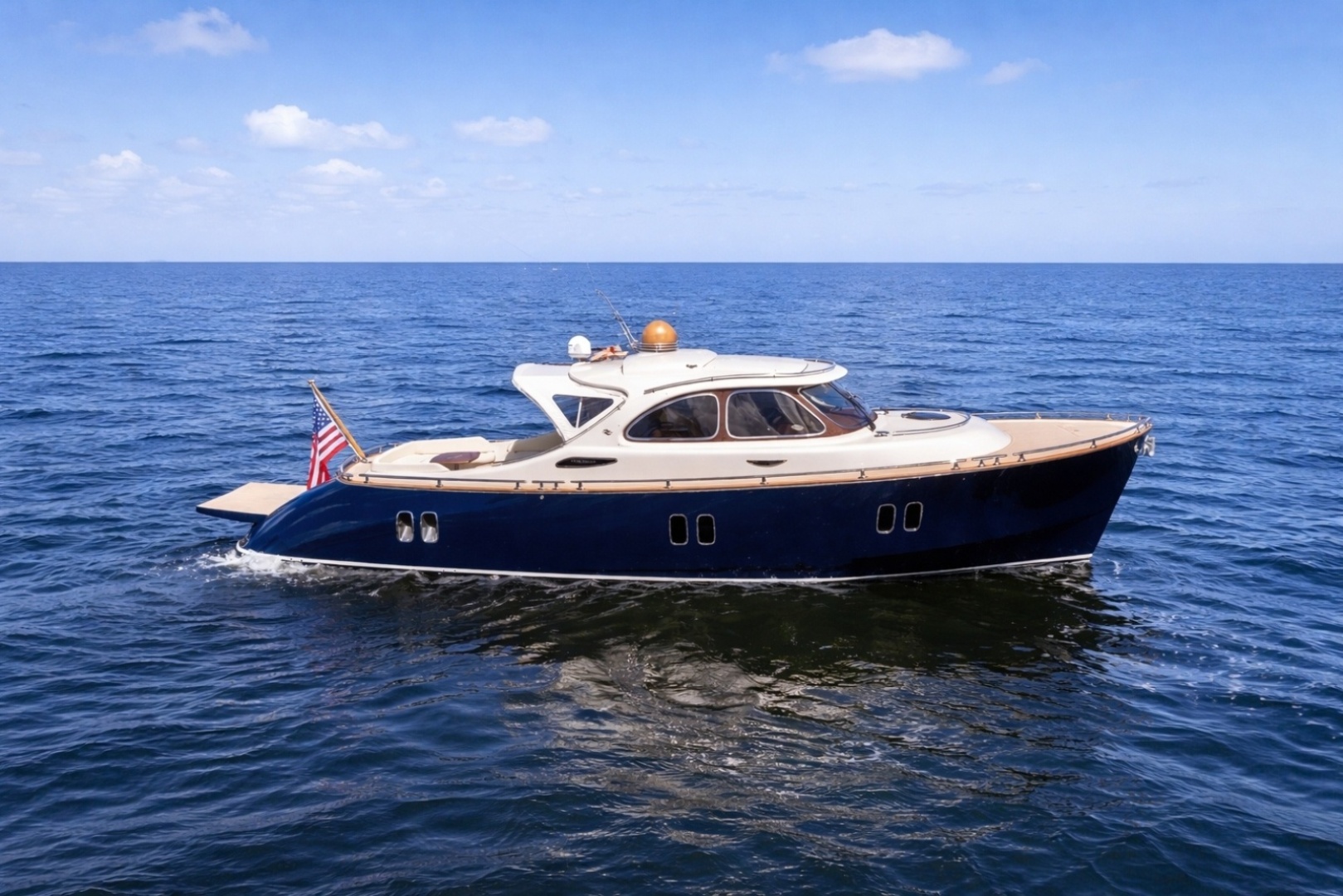
2012 Zeelander Mississippi Queen
$575,000
44
West Palm Beach Florida
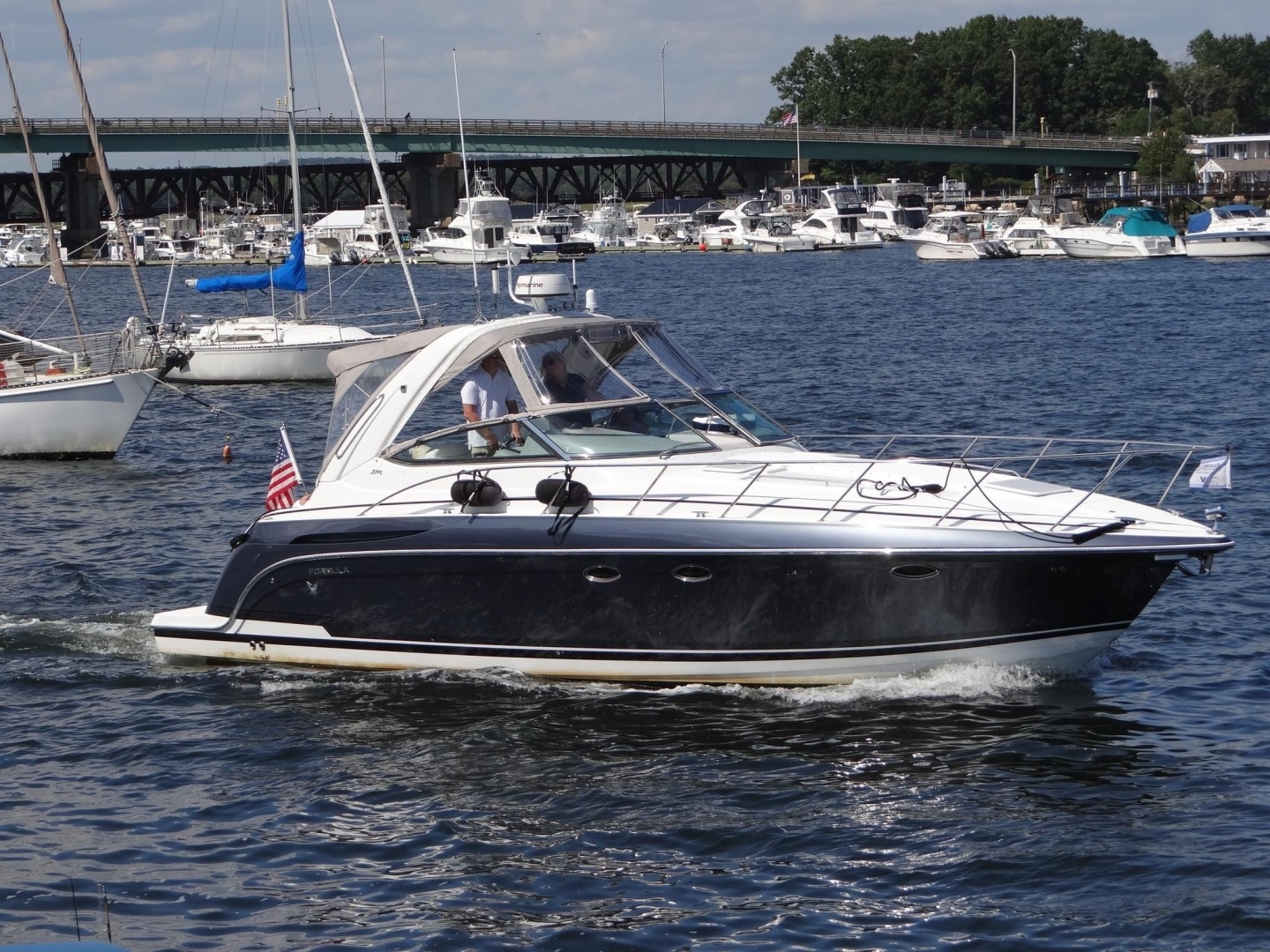
2006 Formula
$139,000
37
Newburyport Massachusetts
2019 Bilgin 156'
$20,646,000
2028 Columbus Yachts 137'
$22,900,008
2012 Benetti 132'
$10,975,000
2028 Kingship 125'
$20,000,000
2024 Silver Yachts 117'
$25,400,000
2009 Hargrave 114'
$2,500,000
2028 Extra Yachts 100'
$20,646,000
2028 Alpha 100'
2028 Extra Yachts 96'
$9,495,000
2021 Sanlorenzo 96'
$6,795,000
2028 Kingship 90'
1999 Northern Marine 84'
$2,495,000
2013 Pershing 82'
$1,550,000
1997 Ferretti Yachts 80'
$825,000
2008 Princess Yachts 75'
$1,095,000
2014 Sunseeker 68'
$1,400,000
2024 Fairline 68'
$2,750,000
2024 Sunreef 60'
$3,700,000
2019 Vanquish Yachts 58'
$1,799,000
2025 Formula 53'
$1,895,000
2023 Fairline 45'
$900,000
2012 Zeelander 44'
$575,000
2006 Formula 37'
$139,000