
Luxury on the water means more than opulent spaces and sleek designs for the seasoned international buyer. Owning a superyacht goes beyond status—it requires understanding the intricate blend of advanced engineering and strict international regulations that shape these remarkable vessels. Whether you are seeking personal enjoyment or assessing long-term investment potential, this guide reveals essential truths about superyachts, dispelling myths and providing clear insights to help you make informed decisions.
Table of Contents
- Defining Superyachts And Common Misconceptions
- Types Of Superyachts: Motor, Sailing, Explorer
- Key Features And Amenities That Set Superyachts Apart
- Legal Classification And International Regulations
- Ownership Structures, Privacy, And Tax Implications
- Hidden Costs, Risks, And Mistakes To Avoid
Key Takeaways
| Point | Details |
|---|---|
| Superyacht Definition | Superyachts are professionally crewed vessels over 79 feet that offer luxurious and intricate maritime experiences. |
| Types of Superyachts | There are three primary types: Motor, Sailing, and Explorer, each catering to different owner preferences and operational goals. |
| Operational Costs | Owners must plan for significant annual operating expenses, often 10% to 15% of the vessel’s purchase price, which include crew salaries and maintenance. |
| Legal and Tax Considerations | Superyacht ownership involves navigating complex international regulations and tax implications, making professional consultation essential. |
Defining Superyachts and Common Misconceptions
A superyacht represents the pinnacle of maritime luxury and engineering, typically defined as a professionally crewed vessel measuring over 79 feet (24 meters) in length. These extraordinary vessels go far beyond traditional boat ownership, embodying a sophisticated lifestyle choice for high-net-worth individuals seeking unparalleled maritime experiences.
Contrary to popular perception, superyachts are not merely expensive recreational vessels but complex technological marvels that require sophisticated design standards. Modern superyachts incorporate advanced engineering principles that extend well beyond basic maritime regulations. Comfort features like advanced noise reduction systems, precision air conditioning, and redundant mechanical systems distinguish these vessels from standard marine craft. They represent intricate floating sanctuaries engineered to provide maximum performance, safety, and luxury.
Common misconceptions about superyachts often stem from media portrayals that emphasize extravagance without understanding the nuanced engineering and operational complexities. These vessels are not simply status symbols but carefully designed transportation platforms that require significant technical expertise to operate and maintain. Owners must consider extensive factors including crew management, international maritime regulations, maintenance protocols, and substantial ongoing operational expenses.
Pro tip: When considering superyacht ownership, always engage multiple marine consultants to provide comprehensive assessments of potential vessels, focusing on technical specifications beyond superficial aesthetic attributes.
Types of Superyachts: Motor, Sailing, Explorer
Superyacht classification represents a complex ecosystem of maritime engineering, with three primary categories each offering unique experiences and capabilities. Motor, sailing, and explorer yachts differ dramatically in design philosophy, operational characteristics, and intended use, catering to diverse owner preferences and maritime ambitions.
Motor Yachts epitomize luxury and speed, featuring powerful engines, expansive deck spaces, and cutting-edge amenities. These vessels prioritize comfort and rapid transportation, typically equipped with stabilization systems, multiple entertainment zones, and sophisticated navigation technologies. Motor yachts range from sleek performance models to more substantial displacement vessels, offering owners unprecedented mobility and onboard luxury.
Sailing Yachts represent a more traditional maritime experience, emphasizing wind-powered propulsion and a closer connection to nautical heritage. These vessels often feature advanced sail configurations, lightweight hull designs, and a more environmentally conscious approach to maritime travel. Modern sailing superyachts combine classic wind-powered principles with contemporary engineering, creating vessels that balance performance, elegance, and sustainable transportation.
Explorer Yachts are engineered for serious maritime adventurers, designed to navigate challenging global conditions with remarkable resilience. Characterized by reinforced hulls, extensive fuel capacities, and robust technical systems, these vessels can undertake extended expeditions across remote maritime regions, including polar environments. Explorer yachts typically feature enhanced storage capabilities, advanced navigation equipment, and specialized support infrastructure for extended autonomous operations.
Pro tip: When selecting a superyacht type, carefully evaluate your intended usage, preferred maritime regions, and long-term operational goals to ensure optimal vessel selection.
Here’s a quick comparison of the three main types of superyachts and their distinguishing characteristics:
| Type of Superyacht | Primary Strength | Ideal Usage | Distinctive Feature |
|---|---|---|---|
| Motor Yacht | Speed and luxury | Fast travel and entertainment | Powerful engines and amenities |
| Sailing Yacht | Sustainability and tradition | Wind-powered voyages | Advanced sails and eco-focus |
| Explorer Yacht | Range and resilience | Long-range expeditions | Reinforced hull, extended autonomy |
Key Features and Amenities That Set Superyachts Apart
Superyachts represent the pinnacle of maritime engineering, distinguished by extraordinary technological innovations and unparalleled comfort features. Technological advances in comfort and sustainability have transformed these vessels from mere transportation platforms into sophisticated floating sanctuaries that cater to the most discerning owners.
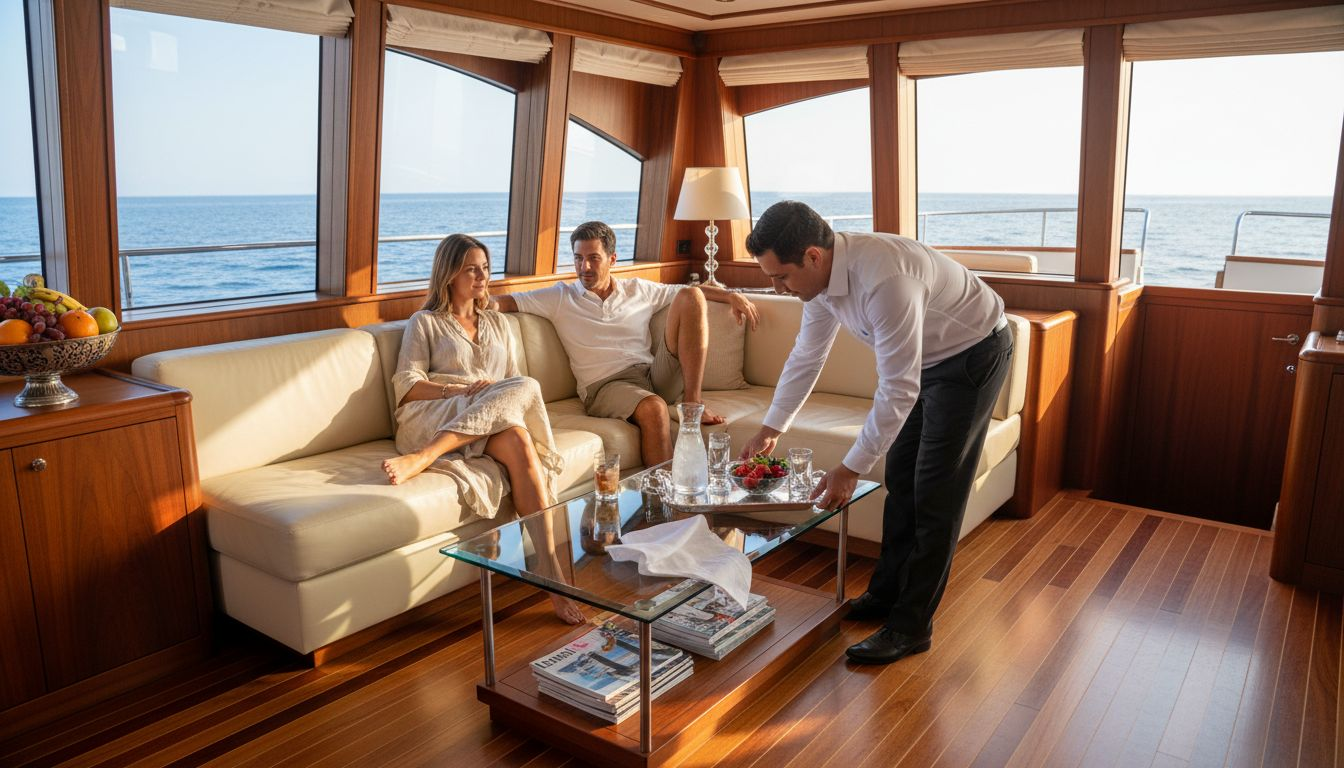
Technical Sophistication defines modern superyachts through advanced systems that ensure maximum reliability and performance. Critical amenities include state-of-the-art noise reduction technologies, sophisticated climate control systems with multiple independent zones, and redundant mechanical infrastructures that guarantee operational continuity. These vessels incorporate cutting-edge stabilization technologies, allowing unprecedented comfort in diverse maritime conditions, with gyroscopic and fin-based systems that dramatically minimize vessel movement and passenger discomfort.
Beyond technical capabilities, superyachts distinguish themselves through customized living spaces that rival the most luxurious terrestrial residences. Owners can expect fully personalized environments featuring professional-grade kitchens, multiple entertainment zones, private gyms, spa facilities, cinema rooms, and even helicopter landing platforms. The interior design often involves collaboration with world-renowned architects and designers, creating living spaces that reflect individual aesthetic preferences while maintaining maritime functionality.
Sustainability has emerged as a critical differentiator in contemporary superyacht design. Modern vessels increasingly integrate hybrid propulsion systems, advanced energy management technologies, and eco-friendly materials that reduce environmental impact without compromising luxury. Innovations like solar panel integration, waste recycling systems, and energy-efficient propulsion mechanisms demonstrate the industry’s commitment to responsible maritime experiences.
Pro tip: Prioritize vessels with comprehensive system redundancy and advanced technological integration to ensure maximum reliability and comfort during extended maritime journeys.
Legal Classification and International Regulations
Superyacht ownership navigates a complex landscape of international maritime regulations, requiring sophisticated understanding of legal frameworks that govern these extraordinary vessels. International maritime organizations establish comprehensive guidelines that define operational standards, safety protocols, and environmental compliance for these sophisticated maritime assets.
Regulatory Complexity emerges from the multijurisdictional nature of superyacht operations. Vessels must comply with regulations from multiple governing bodies, including the International Maritime Organization (IMO), flag state regulations, coastal state requirements, and classification society standards. This intricate legal framework encompasses technical specifications, crew certification, safety equipment standards, environmental protection protocols, and maritime navigation requirements. Owners must navigate these regulations carefully, understanding that compliance involves continuous monitoring and adaptation to evolving international maritime standards.
The legal classification of superyachts extends beyond traditional maritime regulations, incorporating specialized considerations unique to these high-end vessels. Factors such as vessel size, passenger capacity, operational range, and intended use significantly influence regulatory requirements. Commercial and private yacht classifications differ substantially, with commercial vessels subjected to more stringent safety, crew training, and operational regulations. Private superyachts, while still bound by comprehensive regulations, enjoy somewhat more flexible operational parameters.
Environmental regulations have become increasingly prominent in superyacht legal frameworks, reflecting global commitments to maritime sustainability. Modern regulatory standards mandate advanced waste management systems, emissions control technologies, and strict protocols for marine ecosystem protection. Sophisticated superyacht owners must invest in vessels that not only meet but exceed current environmental standards, anticipating future regulatory developments and demonstrating responsible maritime stewardship.
Pro tip: Engage specialized maritime legal consultants who understand the nuanced international regulatory landscape to ensure comprehensive compliance and mitigate potential legal risks.
Ownership Structures, Privacy, and Tax Implications
Superyacht ownership represents a sophisticated financial strategy requiring intricate legal and financial planning. Complex asset ownership structures have emerged as critical mechanisms for managing high-value maritime assets, balancing privacy, tax efficiency, and operational flexibility.
Corporate Ownership Strategies provide sophisticated owners multiple layers of protection and strategic advantages. Limited liability companies (LLCs), international business corporations, and specialized maritime holding entities offer nuanced approaches to vessel ownership. These structures help mitigate personal liability, create tax efficiencies, and provide enhanced privacy protections. Owners can strategically distribute ownership across jurisdictions, leveraging different legal frameworks to optimize financial and operational objectives while maintaining discretion about personal asset management.
Privacy considerations are paramount in superyacht ownership, extending far beyond traditional asset protection strategies. Modern ownership structures incorporate advanced technological and legal safeguards designed to protect owner identities, prevent unauthorized information disclosure, and maintain strict confidentiality. Techniques include using nominee shareholders, registering vessels in jurisdictions with robust privacy laws, and implementing sophisticated communication protocols that limit information exposure. Wealthy owners increasingly view privacy not just as a luxury but as a fundamental requirement in managing high-profile maritime assets.
Tax implications represent a critical dimension of superyacht ownership, with significant variations across international jurisdictions. Sophisticated owners must navigate complex tax landscapes, considering factors like vessel registration location, operational patterns, crew nationality, and personal residency status. Strategic jurisdictional selection can yield substantial tax optimization opportunities, though owners must carefully balance aggressive tax planning with legal compliance and transparency requirements. Professional tax advisors specializing in maritime assets become essential partners in developing comprehensive, legally sound ownership strategies.
Pro tip: Consult with specialized maritime legal and tax professionals who understand the intricate international regulatory environment before finalizing your superyacht ownership structure.
Hidden Costs, Risks, and Mistakes to Avoid
Superyacht ownership demands far more financial complexity than initial purchase price suggests, with extensive hidden operational expenses creating substantial long-term financial commitments. Sophisticated owners must anticipate and strategically plan for these multifaceted financial considerations to ensure sustainable maritime asset management.
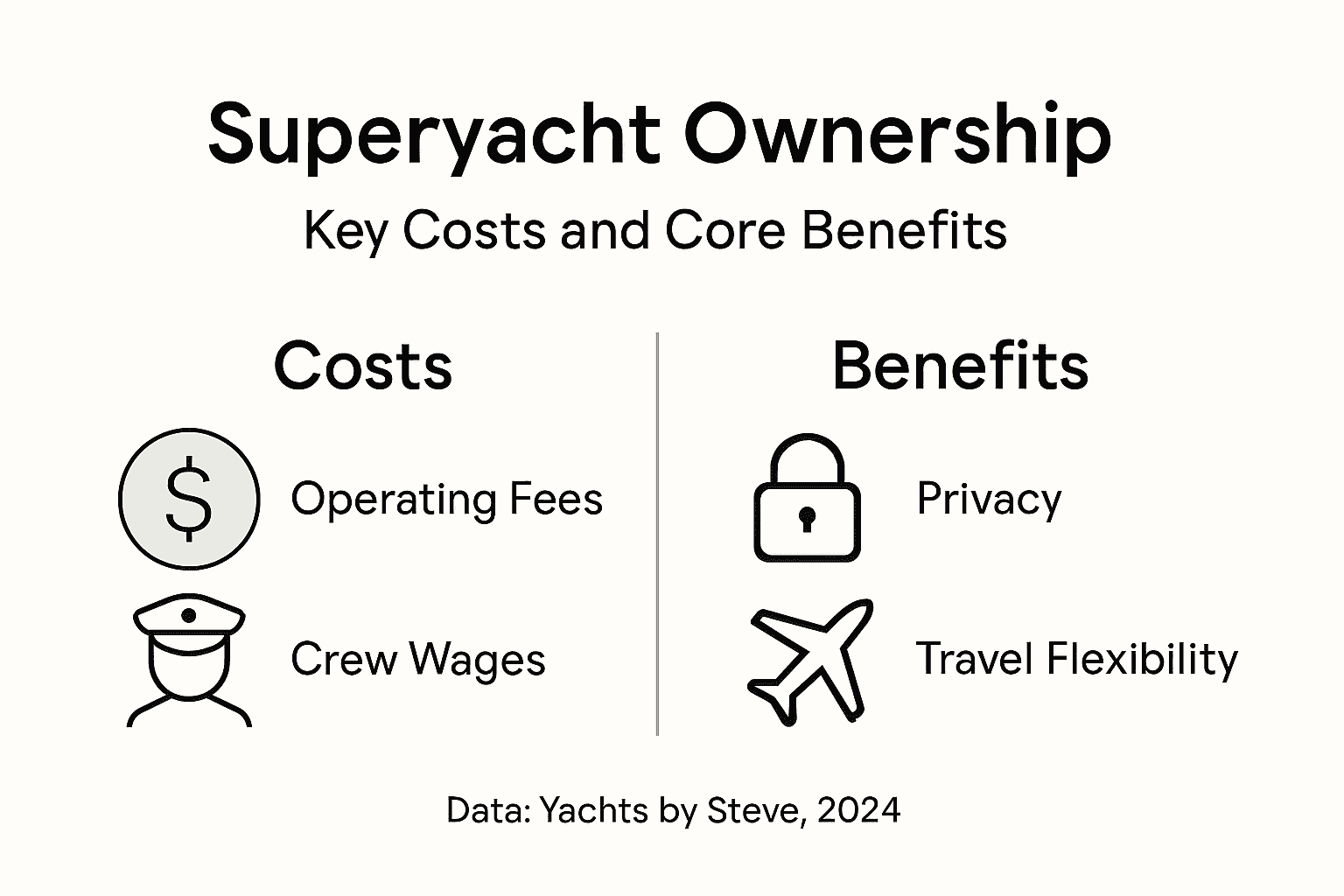
Annual Operating Expenses can represent 10% to 15% of the vessel’s original purchase value, with comprehensive costs extending well beyond basic maintenance. Critical expense categories include professional crew salaries, advanced technical maintenance, sophisticated insurance coverage, fuel consumption, port fees, regulatory compliance, and continuous technological upgrades. Unexpected repair requirements can rapidly escalate financial obligations, with complex marine engineering repairs potentially costing hundreds of thousands of dollars for single mechanical interventions.
Risk management represents another crucial dimension of superyacht ownership, encompassing legal, financial, and operational vulnerabilities. Potential risks include maritime accidents, crew-related liability issues, international regulatory compliance challenges, and substantial financial depreciation. Sophisticated owners must develop comprehensive risk mitigation strategies involving specialized maritime insurance, rigorous crew screening processes, advanced security protocols, and proactive maintenance schedules. Geographic operational considerations, including navigational restrictions and geopolitical tensions, further complicate risk assessment and management.
Common mistakes in superyacht ownership often stem from underestimating operational complexity and financial requirements. Inexperienced owners frequently miscalculate maintenance schedules, crew management protocols, and technological upgrade necessities. Challenges include selecting inappropriate vessel types for intended usage, inadequate budgeting for ongoing expenses, poor crew selection, and insufficient understanding of international maritime regulations. Successful ownership demands continuous education, professional consultation, and a strategic, long-term perspective on maritime asset management.
Below is a summary of common hidden costs and risks unique to superyacht ownership:
| Cost/Risk Area | Example Impact | Why It Matters |
|---|---|---|
| Crew Salaries | Major recurring expense | Directly affects service quality |
| Insurance | High premium costs | Essential for asset protection |
| Fuel & Port Fees | Variable and significant | Driven by usage/location |
| Unexpected Repairs | Can reach six figures | Disrupts operations, unplanned spend |
| Regulatory Compliance | Ongoing global updates | Fines, restrictions, legal exposure |
Pro tip: Develop a comprehensive five-year financial model that realistically projects all potential yacht-related expenses, including contingency funds for unexpected maintenance and operational requirements.
Discover the True Value of Superyacht Ownership with Yachts by Steve
Understanding the real costs and benefits of superyacht ownership can be overwhelming. From hidden expenses like crew salaries and regulatory compliance to choosing the right vessel type that fits your lifestyle and long-term goals these challenges require expert guidance. At Yachts by Steve we specialize in helping you navigate these complexities by connecting you with premium yacht listings and providing personalized advice tailored to your ambitions and financial planning.
Explore our news for insights and industry news that keep you informed. Don’t let uncertainty hold you back from owning your dream superyacht. Visit Yachts by Steve today to start your journey with a trusted partner who understands every technical and legal detail involved. Take control of your superyacht ownership experience now with expert support designed to protect your investment and maximize your enjoyment.
Frequently Asked Questions
What is a superyacht?
A superyacht is a professionally crewed vessel typically over 79 feet (24 meters) long, characterized by luxury, advanced engineering, and sophisticated design tailored for high-net-worth individuals.
What are the common hidden costs associated with superyacht ownership?
Hidden costs can include crew salaries, insurance, fuel and port fees, unexpected repairs, and ongoing regulatory compliance expenses, which can add up to 10% to 15% of the vessel’s original purchase price annually.
What types of superyachts are available, and how do they differ?
The primary types of superyachts are motor yachts, sailing yachts, and explorer yachts. Motor yachts focus on luxury and speed, sailing yachts emphasize wind-powered travel and environmental sustainability, while explorer yachts are designed for long-range expeditions in challenging conditions.
What risks should owners consider before purchasing a superyacht?
Owners should consider risks such as maritime accidents, crew-related liabilities, compliance with international regulations, and the potential for significant financial depreciation and unexpected repair costs.
Recommended
Featured Listings
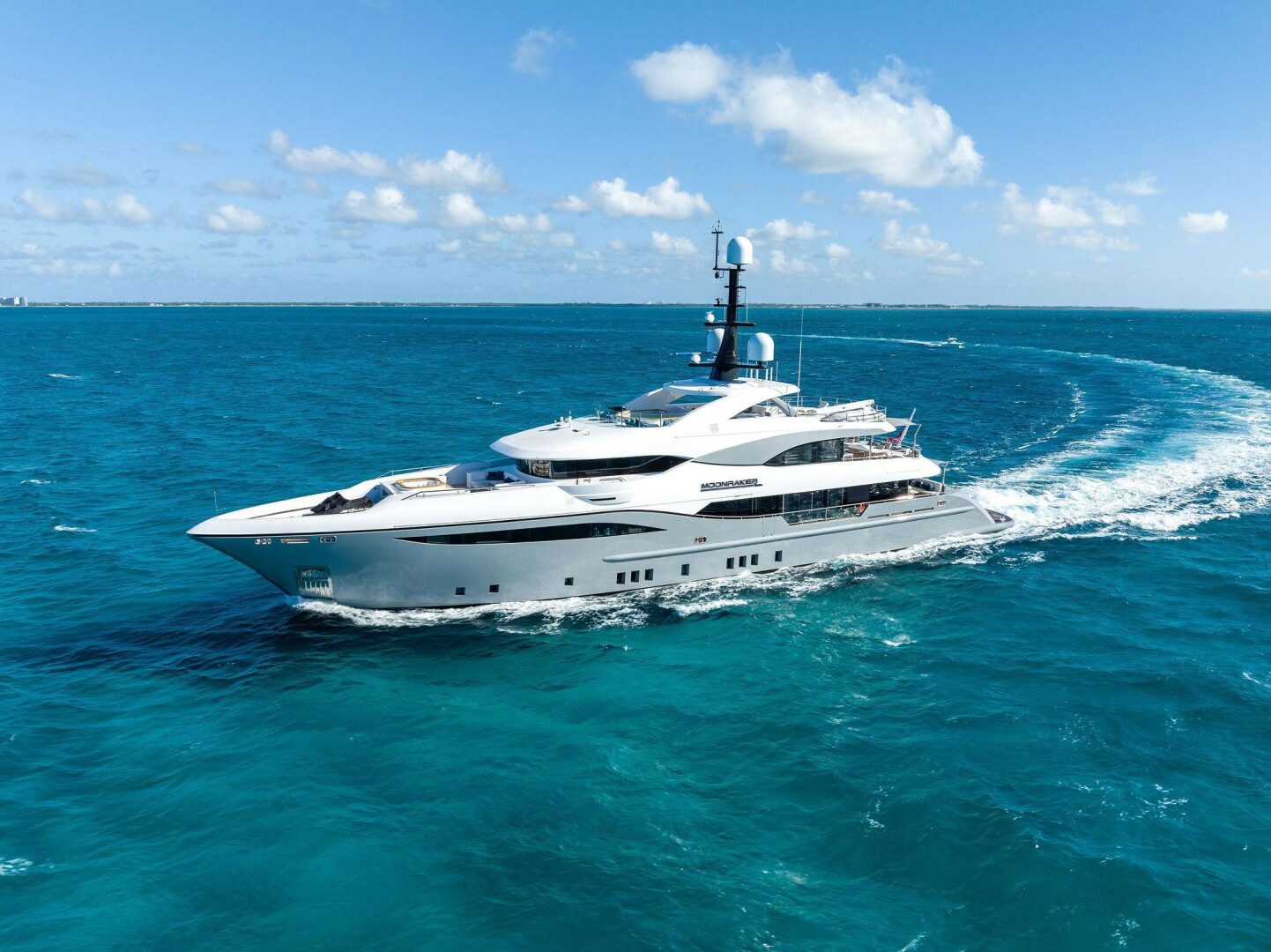
2019 Bilgin MOONRAKER
$21,404,500
156
West Palm Beach Florida

2028 Columbus Yachts
$22,900,008
137
Ancona
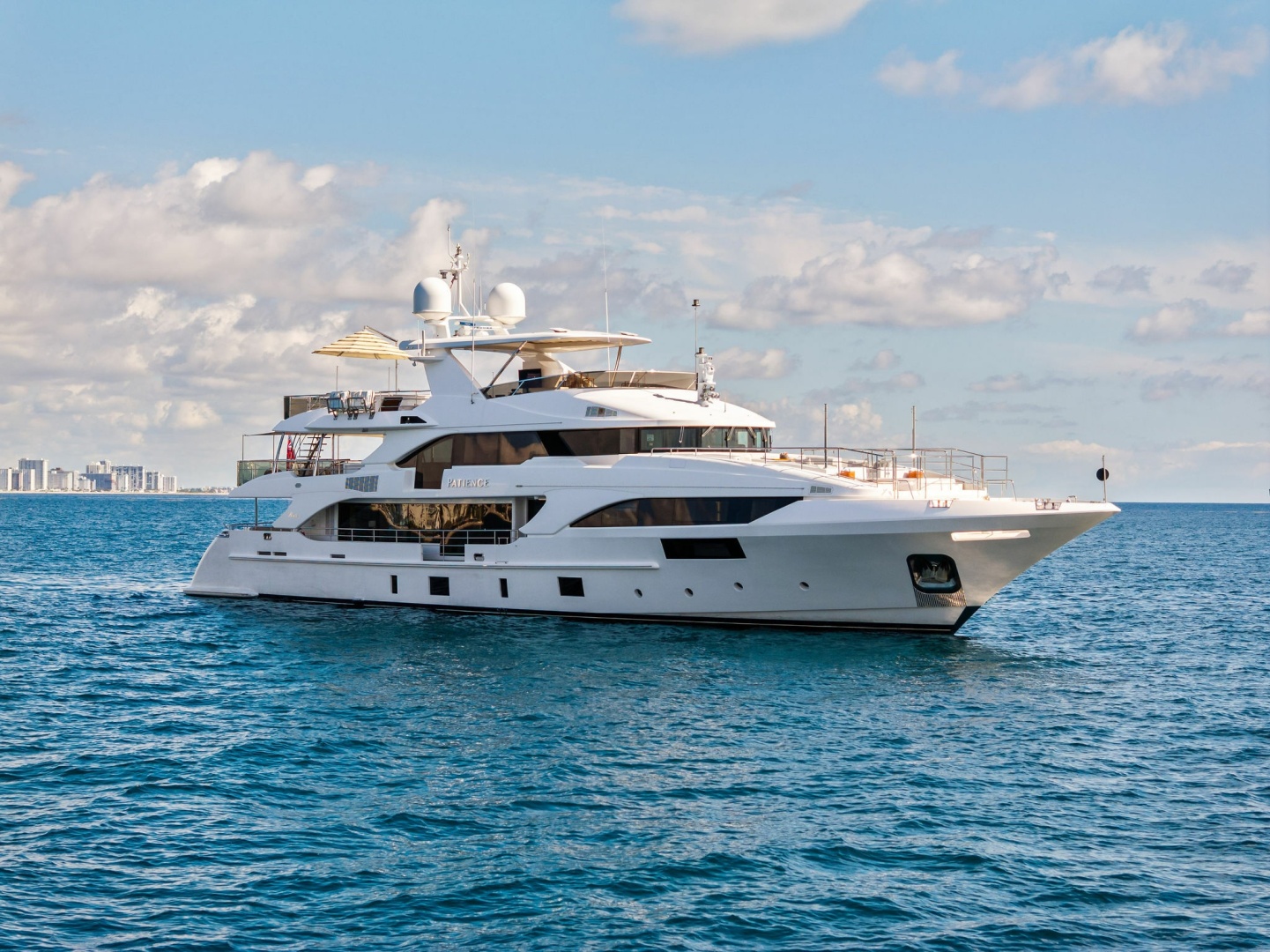
2012 Benetti PATIENCE
$10,975,000
132
Fort Lauderdale Florida
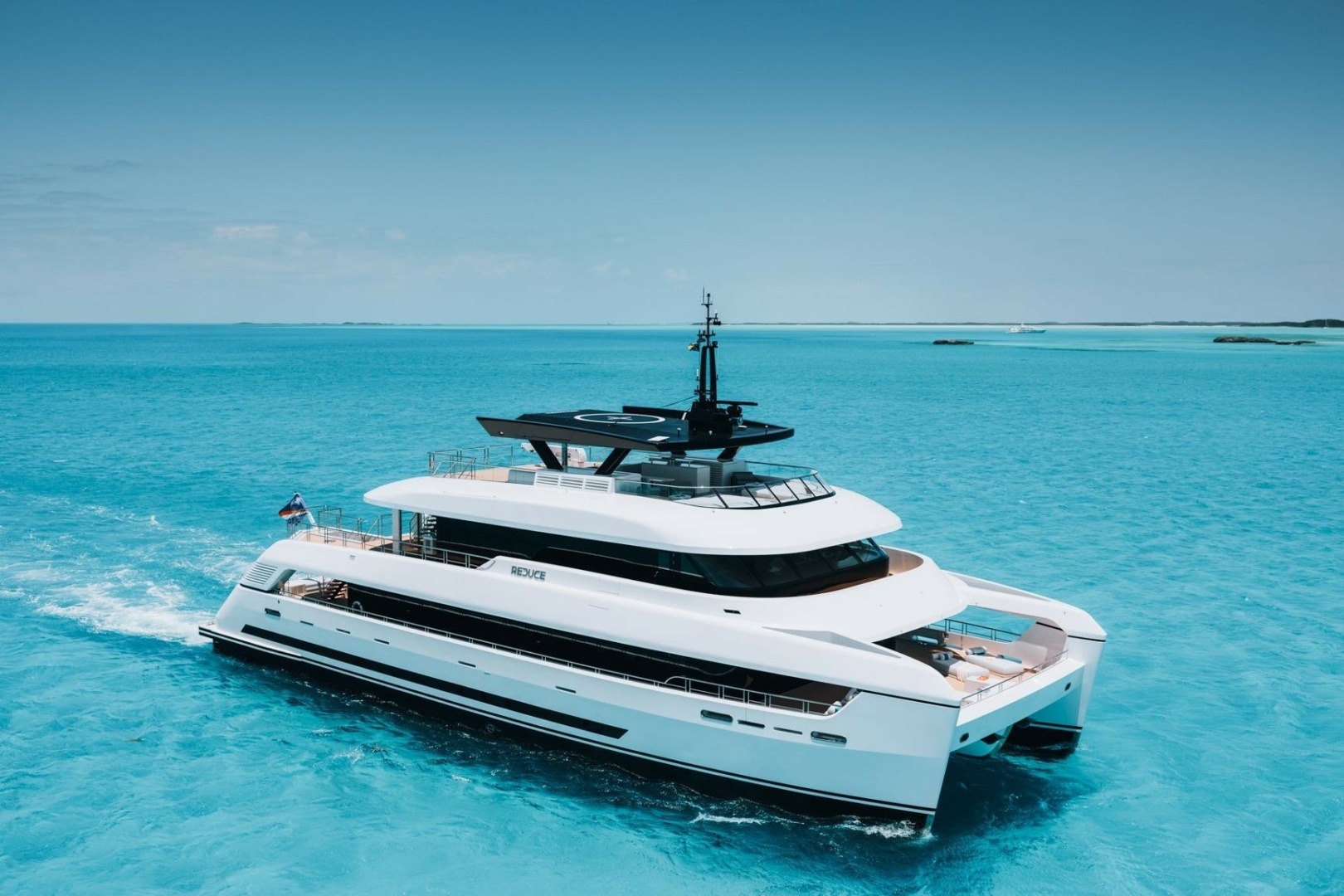
2024 Silver Yachts
$25,400,000
117
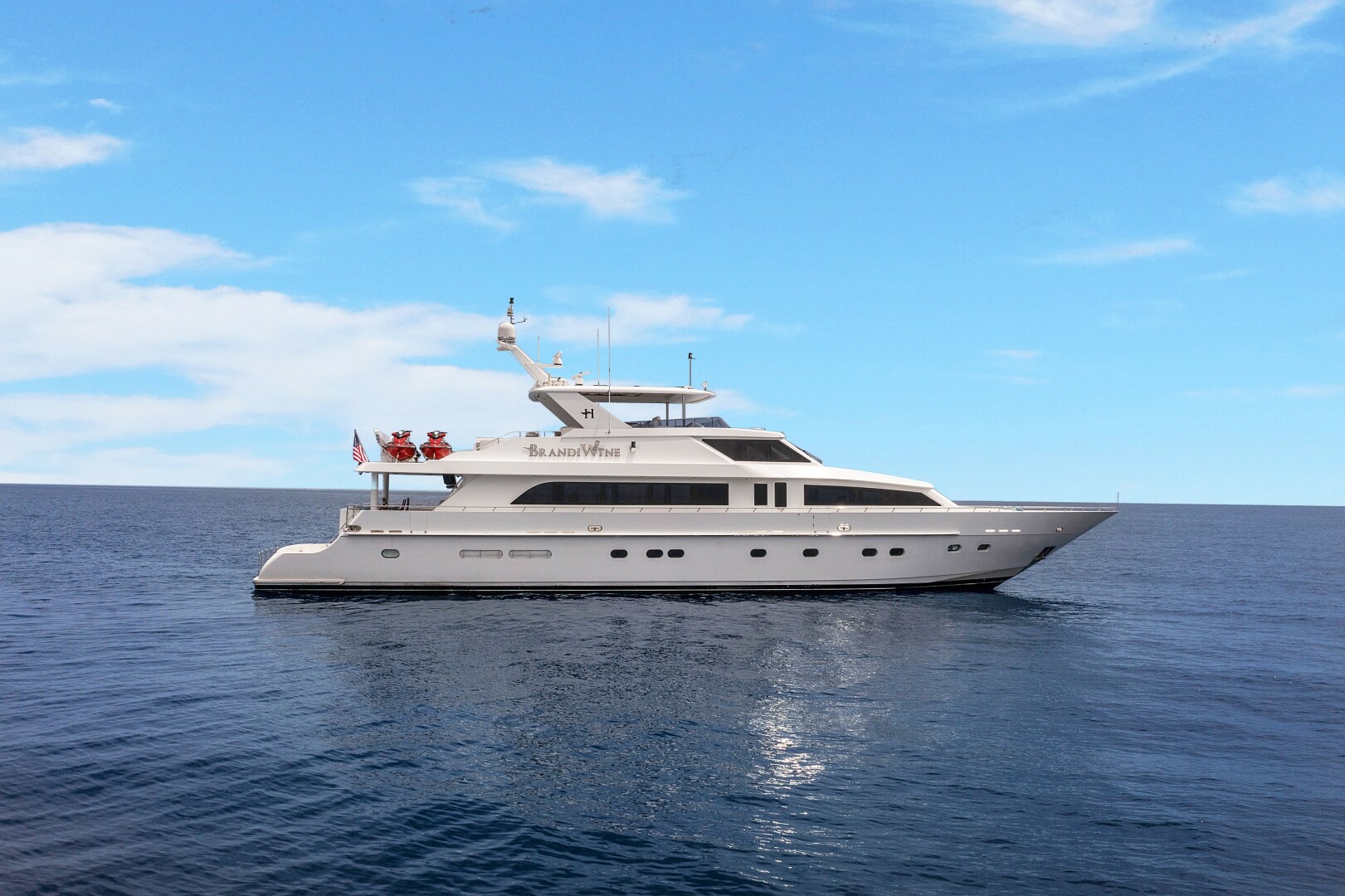
2009 Hargrave BRANDI WINE
$2,995,000
114
Fort Lauderdale Florida

2028 Extra Yachts
$21,404,500
100
Ancona

2028 Extra Yachts Extra 96
$9,495,000
96
Ancona
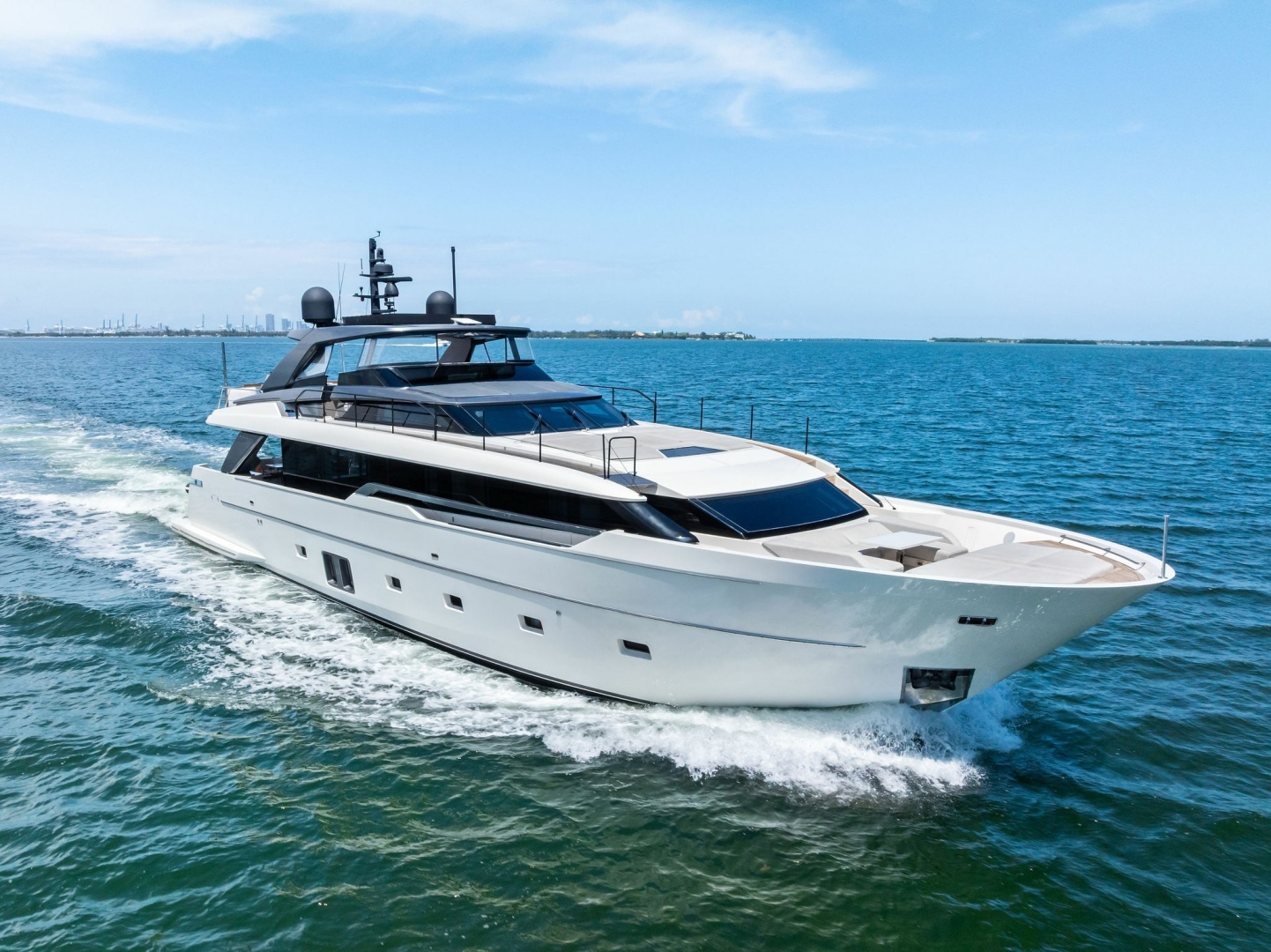
2021 Sanlorenzo GATSBY
$6,795,000
96
Miami Beach Florida

1999 Northern Marine OFF LINE
$2,495,000
84
Ft Lauderdale Florida
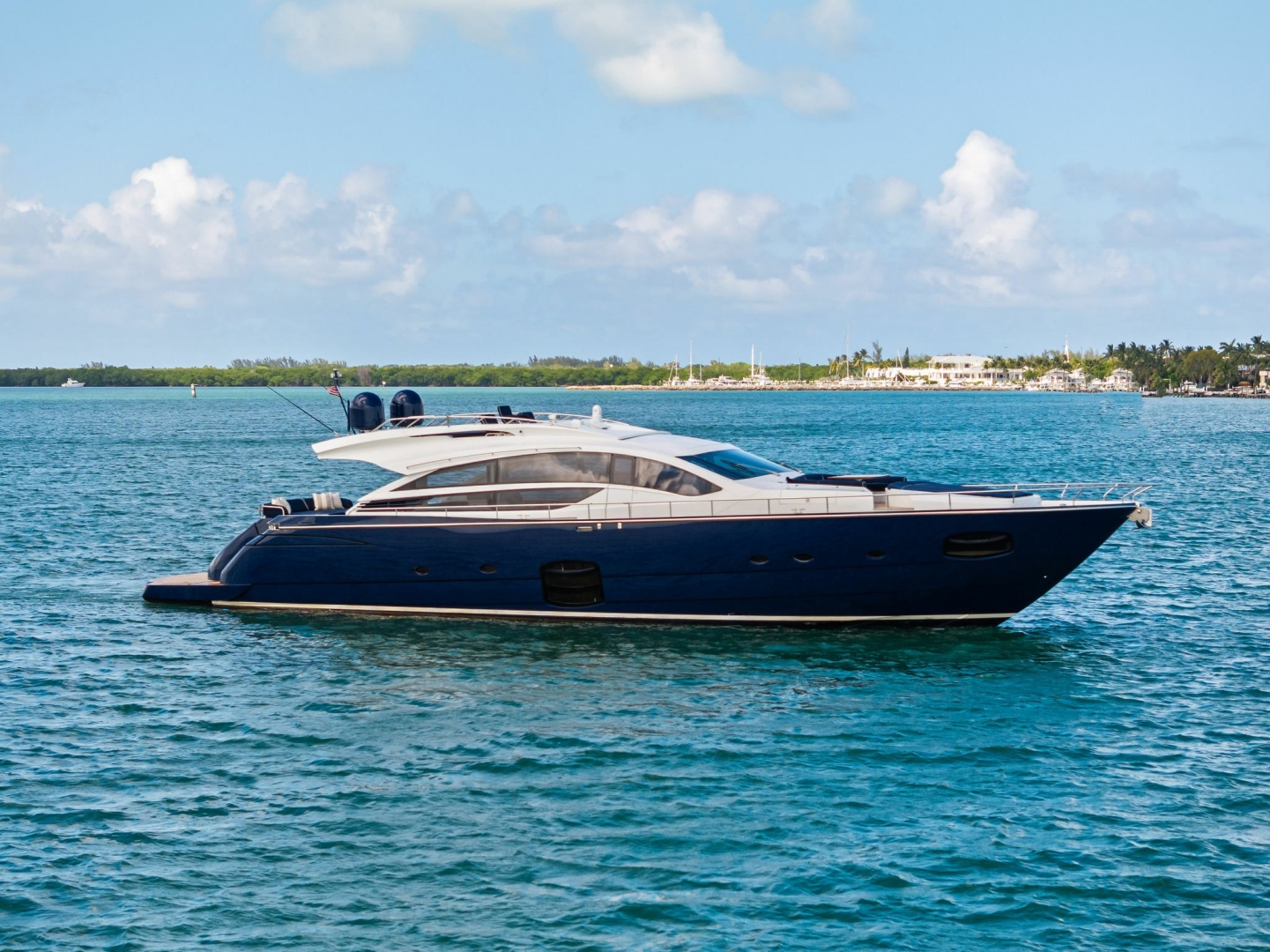
2013 Pershing DOROTHY ANN
$1,750,000
82
Miami Beach Florida

1997 Ferretti Yachts
$850,000
80
La Paz
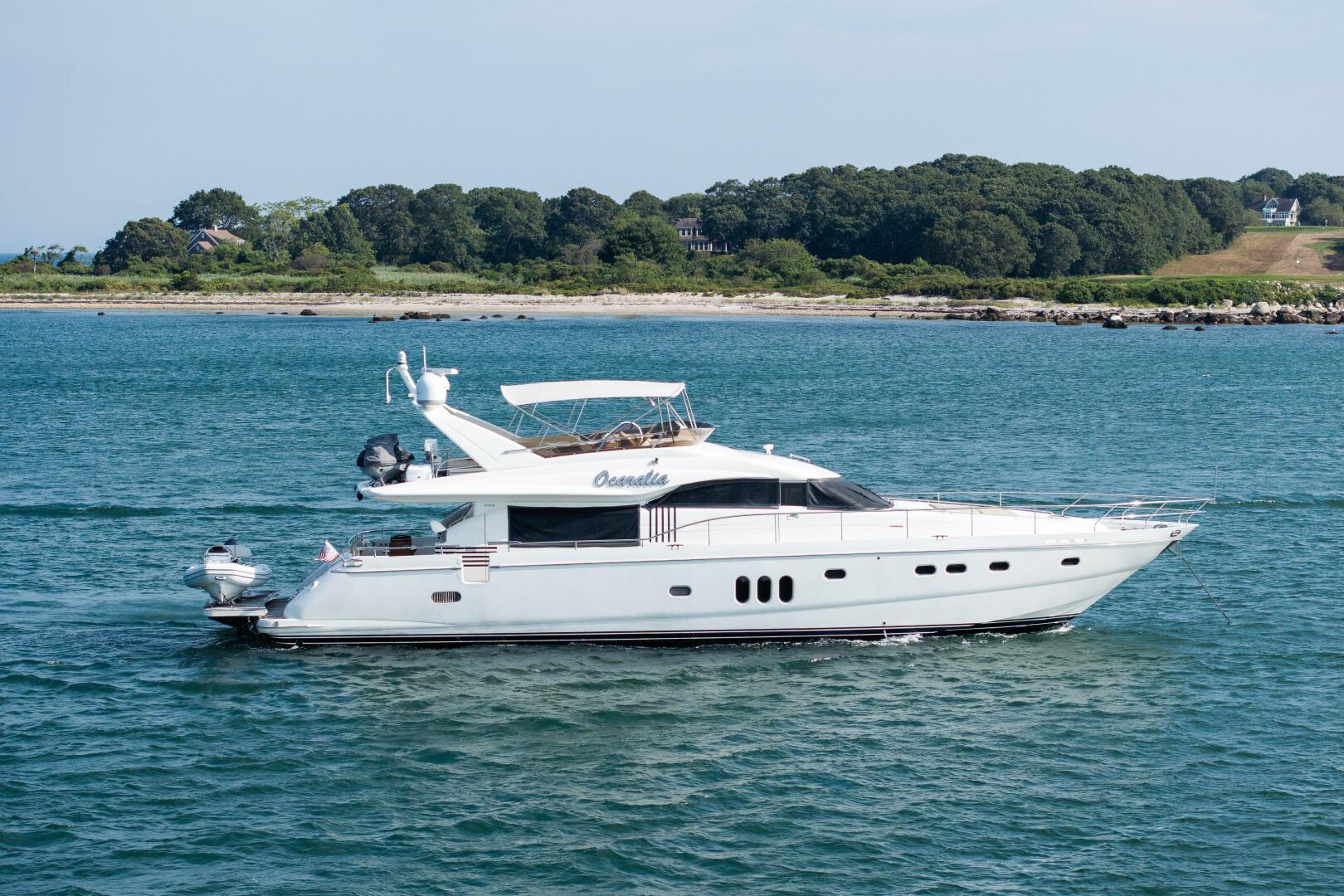
2008 Princess Yachts OCARALIA
$1,095,000
75
Charleston South Carolina
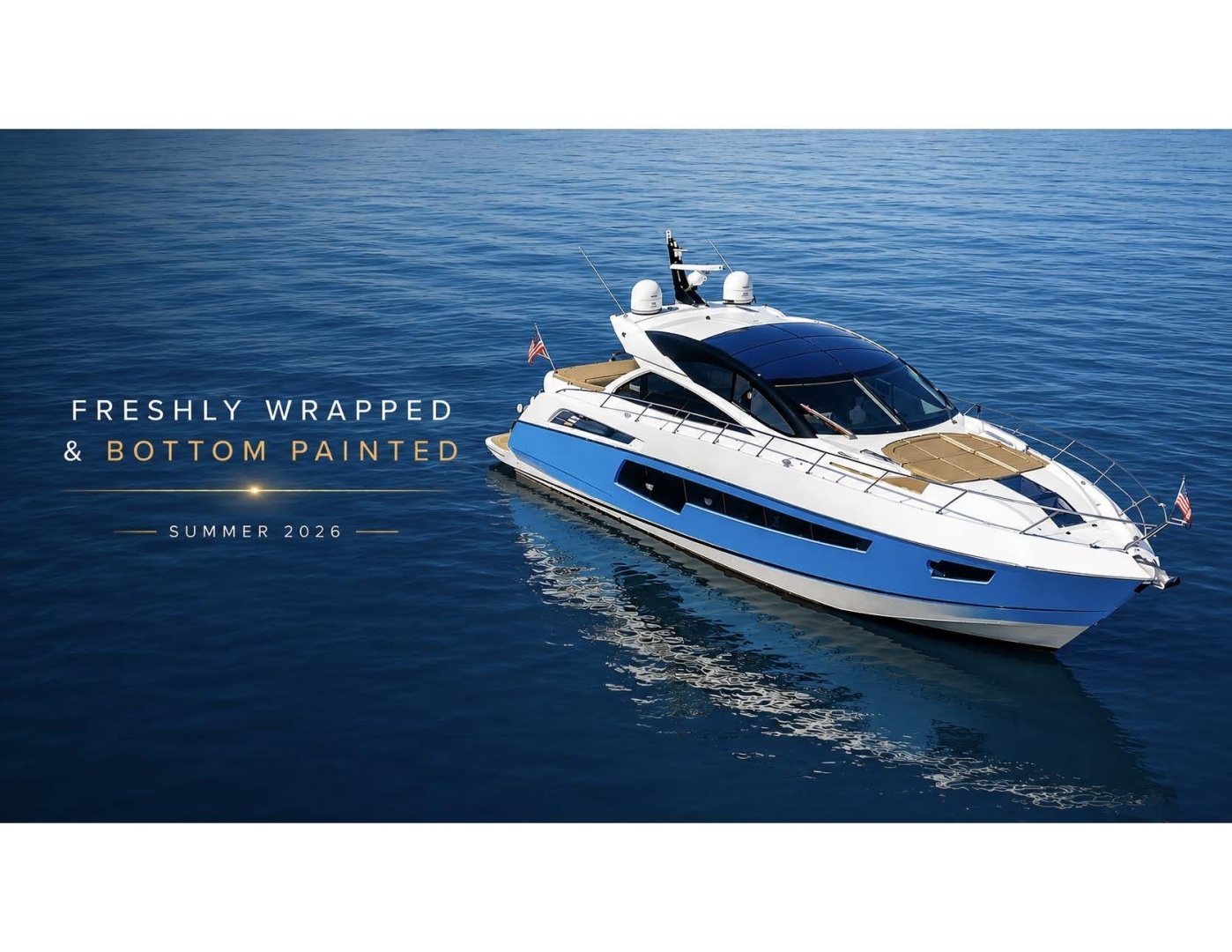
2014 Sunseeker
$1,400,000
68
New York New York

2024 Fairline
$2,750,000
68
Ft. Lauderdale Florida

2024 Sunreef Catallaxi
$3,700,000
60
Newport Rhode Island
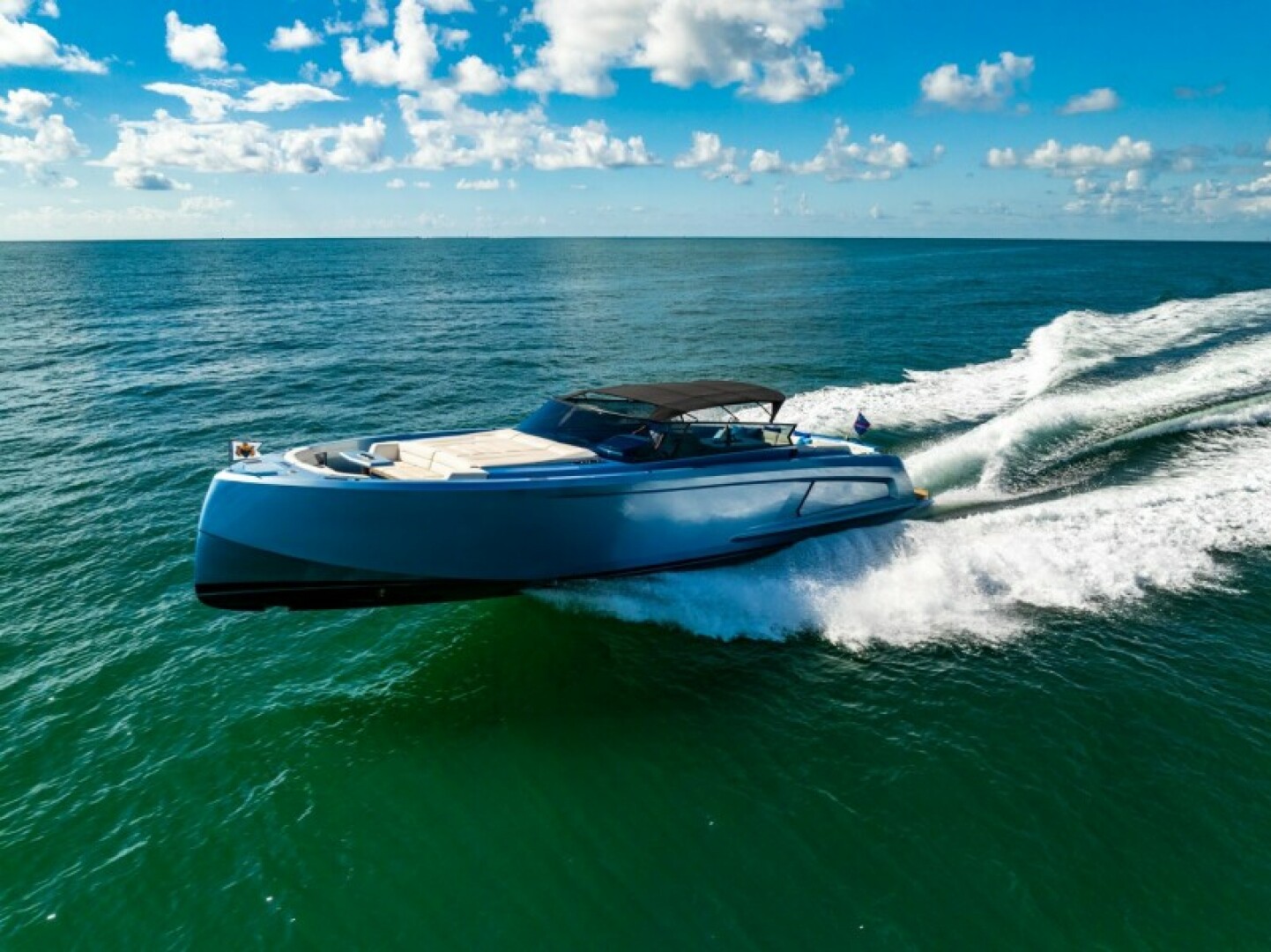
2019 Vanquish Yachts IMPULSIVE
$1,799,000
58
Miami Beach Florida
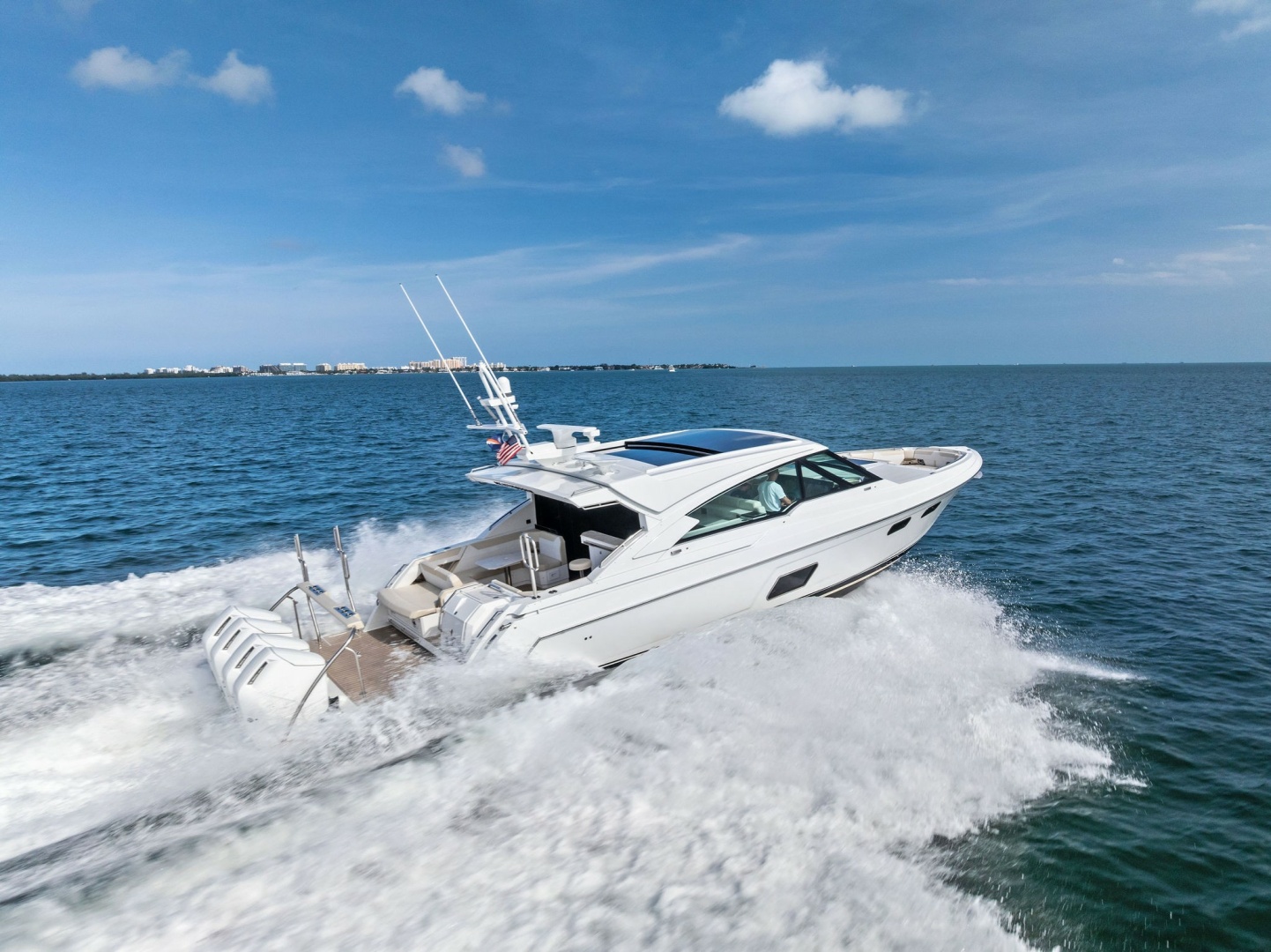
2025 Formula BREAKTHROUGH III
$1,895,000
53
Miami Beach Florida

2023 Fairline
$900,000
45
Fort Lauderdale Florida
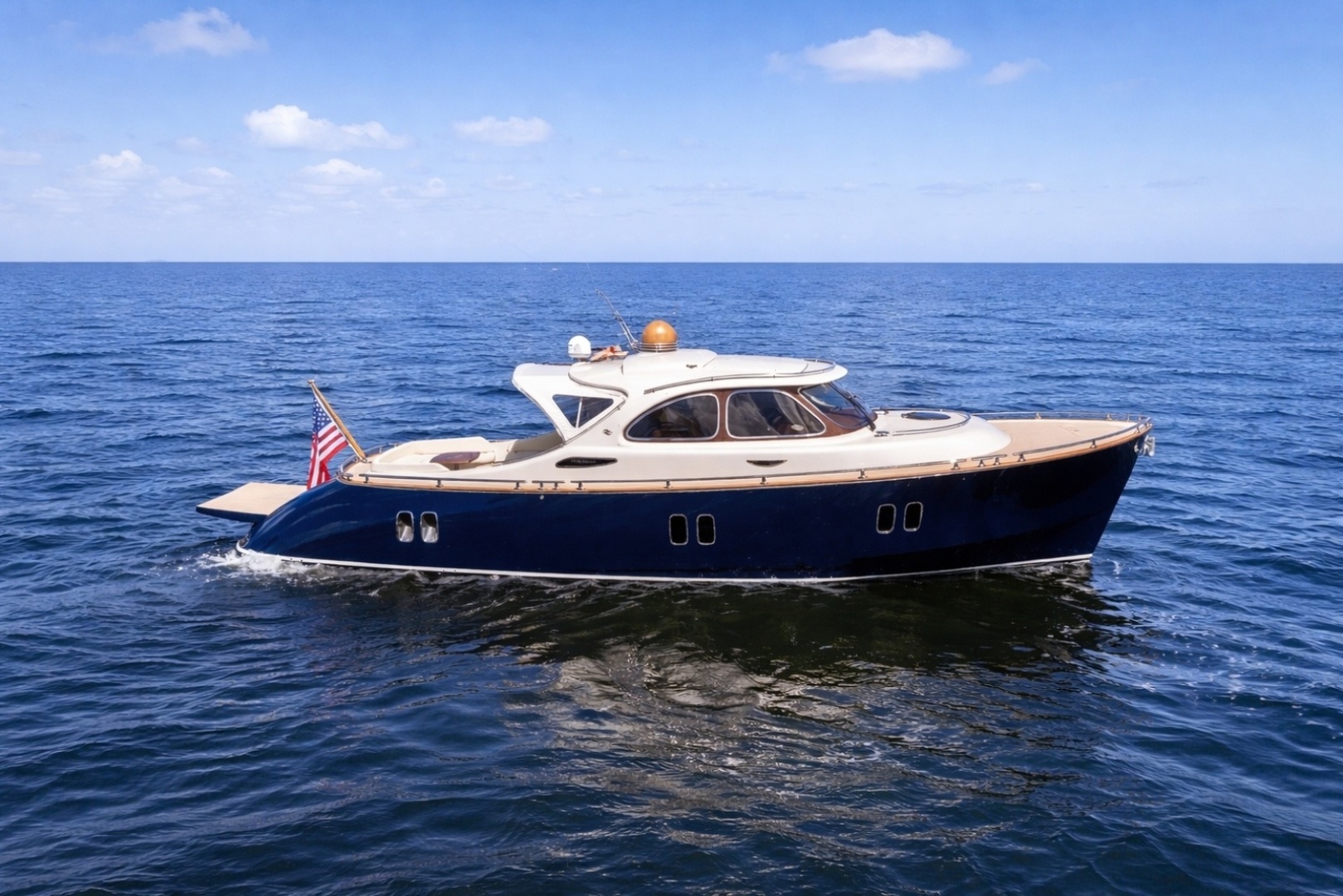
2012 Zeelander Mississippi Queen
$575,000
44
West Palm Beach Florida
2019 Bilgin 156'
$21,404,500
2028 Columbus Yachts 137'
$22,900,008
2012 Benetti 132'
$10,975,000
2024 Silver Yachts 117'
$25,400,000
2009 Hargrave 114'
$2,995,000
2028 Extra Yachts 100'
$21,404,500
2028 Extra Yachts 96'
$9,495,000
2021 Sanlorenzo 96'
$6,795,000
1999 Northern Marine 84'
$2,495,000
2013 Pershing 82'
$1,750,000
1997 Ferretti Yachts 80'
$850,000
2008 Princess Yachts 75'
$1,095,000
2014 Sunseeker 68'
$1,400,000
2024 Fairline 68'
$2,750,000
2024 Sunreef 60'
$3,700,000
2019 Vanquish Yachts 58'
$1,799,000
2025 Formula 53'
$1,895,000
2023 Fairline 45'
$900,000
2012 Zeelander 44'
$575,000