

Yacht documentation is the federal registration of a vessel with the U.S. Coast Guard, resulting in a Certificate of Documentation (COD) that serves as official proof of ownership and U.S. nationality. The COD functions as the vessel’s federal passport, a distinction that separates it entirely from state-level registration systems. For luxury yacht owners, whether buying for personal pleasure or commercial use, understanding this process is the foundation of responsible, legally sound ownership. The yacht documentation process touches everything from financing eligibility to international cruising rights, and getting it right from the start protects your investment at every turn.
What is yacht documentation and why does it matter?
Yacht documentation is a federal registration system administered by the U.S. Coast Guard’s National Vessel Documentation Center (NVDC), issuing a Certificate of Documentation that confirms both U.S. nationality and ownership. This is not simply a formality. The COD is a legally recognized instrument that establishes your vessel’s identity under federal law, separate from any state-issued title or registration number.
The distinction matters most when you cross state lines or international waters. A state registration card carries weight in one jurisdiction. A COD carries weight everywhere, from the Bahamas to the Mediterranean. For owners of larger recreational yachts or commercially operated vessels, this federal recognition is the difference between smooth passage and bureaucratic friction at every port of call.
Think of the COD as the deed to a piece of real estate, except it floats. It records the vessel’s official name, hailing port, hull identification number, and the owner’s legal identity. That clarity of record is what makes federal documentation the preferred choice for serious yacht owners and the lenders who finance them.
What are the eligibility requirements for yacht documentation?
Not every vessel qualifies for federal documentation, and understanding the criteria upfront saves considerable time. The U.S. Coast Guard requires the following for a vessel to be eligible:
- Minimum net tonnage of 5 net tons. This is a volume measurement, not weight. One net ton equals 100 cubic feet of internal vessel volume. In practical terms, most boats over roughly 25 feet in length meet this threshold.
- U.S. citizenship or qualifying ownership. The vessel must be owned entirely by a U.S. citizen, a U.S. corporation, or a qualifying entity under federal maritime law.
- Vessel type. Larger recreational yachts, commercial vessels, and vessels used in coastwise trade or fisheries are the most common candidates. Smaller day boats rarely qualify.
- Proper identification. The vessel must have a valid Hull Identification Number (HIN) and be measurable by NVDC standards.
Verifying eligibility before filing is the single most effective way to avoid application delays and outright rejections. Many first-time applicants submit paperwork before confirming tonnage, only to discover their vessel falls short of the threshold.
Pro Tip: Have a marine surveyor confirm your vessel’s net tonnage before you begin the documentation process. A written measurement certificate from a qualified surveyor carries weight with the NVDC and removes ambiguity from your application.
What benefits and protections does yacht documentation provide?
Federal documentation delivers a set of protections that state registration simply cannot replicate. For owners who take their yachts seriously, these advantages are concrete and consequential:
- Proof of U.S. nationality. The COD establishes the vessel as a U.S.-flagged craft, which simplifies customs clearance in foreign ports and protects the owner under U.S. admiralty law.
- Preferred Ship Mortgage eligibility. A Preferred Ship Mortgage recorded federally gives lenders a superior lien position, which is why most marine lenders require documentation before approving a loan. This is not a minor detail. Without it, financing a high-value yacht becomes significantly more complicated.
- Clean ownership records. The NVDC maintains a public record of all documented vessels, including liens and encumbrances. This transparency protects buyers and sellers alike during transactions.
- Display of vessel name and hailing port. Documented vessels display their name and hailing port on the hull rather than a state registration number. For a luxury yacht, this is both an aesthetic and a practical distinction.
- International cruising recognition. Foreign customs officials recognize the COD as proof of nationality and ownership. Many yacht owners choose federal documentation specifically because it simplifies international cruising in a way no state document can.
- Admiralty jurisdiction advantages. Documented vessels fall under federal admiralty jurisdiction, which provides a more predictable legal framework for disputes involving the vessel.
One nuance worth understanding: federal documentation does not eliminate all state obligations. Florida, for example, requires documented vessels to register with the state if operated in Florida waters for more than 90 consecutive days. Taxes and decal requirements may still apply depending on where you keep your yacht.
How does yacht documentation differ from state registration?
Federal documentation and state registration serve overlapping but distinct purposes, and confusing the two is one of the most common compliance mistakes yacht owners make. The table below captures the core differences:
| Feature | Federal documentation | State registration |
|---|---|---|
| Issuing authority | U.S. Coast Guard (NVDC) | State DMV or marine agency |
| Hull display | Vessel name and hailing port | State registration numbers |
| Validity period | 1 year (commercial) or 5 years (recreational) | Varies by state, typically 1-3 years |
| Financing | Enables Preferred Ship Mortgage | No federal lien recording |
| International recognition | Yes, recognized globally | Limited to domestic use |
| Scope | Federal, nationwide | State-specific |
State registration is administered by individual agencies such as the Florida Fish and Wildlife Conservation Commission or the California Department of Motor Vehicles. Each state sets its own fees, renewal schedules, and display requirements. Federal documentation, by contrast, is uniform across all U.S. waters and internationally recognized.
The scenario where both are required is more common than most owners expect. A yacht documented with the NVDC and kept in Florida for extended periods must also carry Florida registration decals. Ignoring this dual obligation creates compliance gaps that surface at the worst possible moments, typically during a sale or a flag inspection.
Pro Tip: When purchasing a documented yacht, verify the vessel’s documentation status directly through the NVDC’s online search tool before closing. Liens recorded against the vessel appear in this database and can affect the transaction significantly.
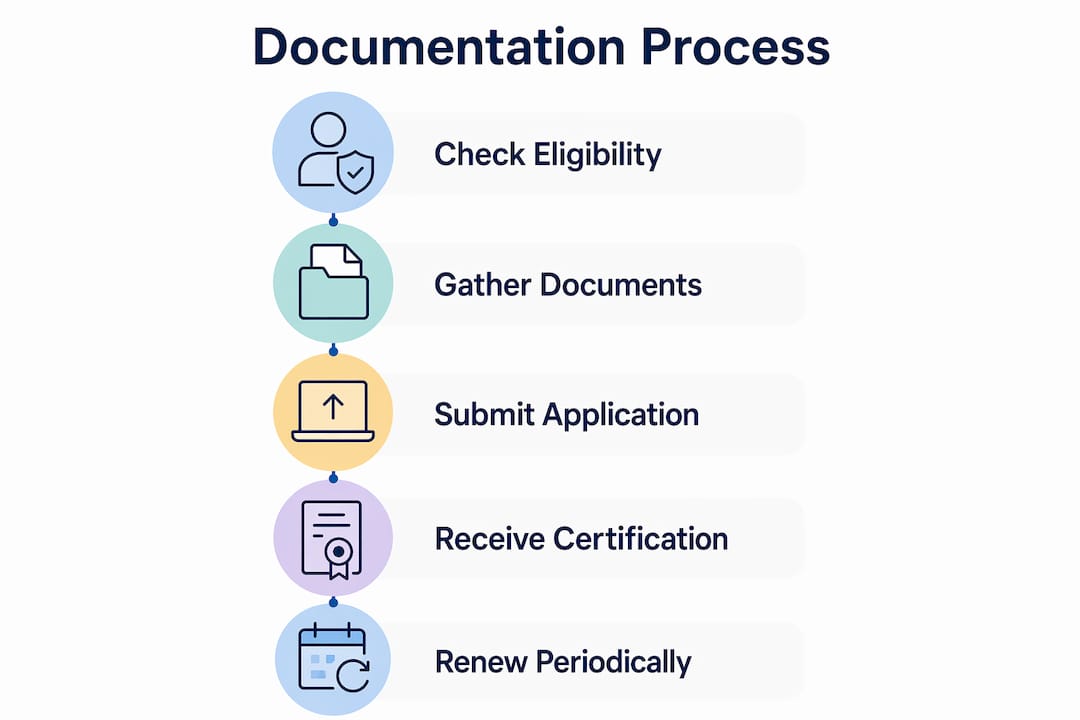
What is the process for documenting a yacht federally?
The federal yacht documentation process follows a clear sequence. Approaching it methodically prevents the delays that frustrate so many first-time applicants.
- Confirm eligibility. Verify net tonnage and ownership qualifications before gathering any paperwork. A marine surveyor’s measurement certificate is the cleanest way to confirm the 5 net ton threshold.
- Gather required documents. The CG-1258 form is the primary application document. Supporting materials include a bill of sale, builder’s certification (for new vessels), proof of U.S. citizenship or qualifying ownership, and vessel measurement documents. The specific form variation depends on whether you are filing for initial documentation, an exchange of documentation (ownership transfer), or a replacement certificate.
- Complete the CG-1258 accurately. Errors in vessel name, HIN, or owner information are the leading cause of processing delays. Every field must match the supporting documents exactly.
- Submit to the NVDC. Applications can be submitted by mail or through an authorized third-party documentation service. Processing times vary, but working with an experienced documentation agent typically reduces turnaround significantly.
- Receive and review your Certificate of Documentation. Once issued, verify all details immediately. Corrections after issuance require additional filings.
- Mark the vessel. The official number assigned by the NVDC must be permanently marked on the interior of the hull. The vessel name and hailing port must appear on the exterior hull.
- Track your renewal date. Recreational vessel CODs are valid for five years; commercial vessel CODs are valid for one year. Missing a renewal deadline converts a simple renewal into a reinstatement, which requires additional documentation and fees.
One detail that catches many owners off guard: tenders and dinghies under 5 net tons are not covered by the primary yacht’s documentation. These smaller auxiliary vessels require separate state registration. It is a compliance detail that gets overlooked until a harbor master or customs officer asks for the tender’s papers.
Pro Tip: Set a calendar reminder 90 days before your COD expiration date. This gives you time to gather renewal documents without the pressure of an imminent deadline, and it keeps your vessel in good standing for any financing or sale that might arise.
Key takeaways
Federal yacht documentation is the most legally protective and internationally recognized form of vessel registration available to U.S. owners, and completing it correctly from the start determines the ease of every transaction, voyage, and financing arrangement that follows.
| Point | Details |
|---|---|
| COD is a federal passport | The Certificate of Documentation proves U.S. nationality and ownership, recognized in ports worldwide. |
| Eligibility starts with tonnage | Vessels must measure at least 5 net tons, a volume standard typically met by boats over 25 feet. |
| Financing depends on it | Lenders require federal documentation to record a Preferred Ship Mortgage for marine loans. |
| State obligations still apply | States like Florida require separate registration for documented vessels used in local waters. |
| Renewals are time-sensitive | Missing a renewal converts the process to reinstatement, adding cost and paperwork. |
My honest read on yacht documentation after years in the field
I have worked with enough yacht owners to know that documentation anxiety is real, and almost always unnecessary. The process is methodical, not mysterious. What trips people up is not the complexity of the forms. It is the assumption that federal documentation covers everything, and that state compliance is someone else’s problem.
The owners who navigate this most gracefully are the ones who treat documentation as part of their ownership philosophy, not a box to check before departure. They verify eligibility before they fall in love with a vessel. They keep organized files with their COD, renewal history, and any recorded liens. When they head to the Bahamas or the British Virgin Islands, their paperwork is as polished as their yacht.
Working with a knowledgeable broker or a specialized documentation agent is not a shortcut. It is a smart allocation of expertise. The yacht ownership transfer process alone involves enough moving parts that having someone who has done it hundreds of times is genuinely valuable. I have seen deals stall for weeks because a HIN was transcribed incorrectly on a CG-1258. That kind of delay is entirely avoidable.
Keep your records current, understand where federal documentation ends and state obligations begin, and do not wait until a sale or a flag inspection to discover a gap. The COD is a powerful document. Treat it accordingly.
— Jason
How Yachts-bysteve helps you own with confidence
Documentation is the foundation of every clean yacht transaction, and Yachts-bysteve brings that clarity to every client relationship. Whether you are purchasing your first documented vessel or transferring ownership of a multi-million-dollar motor yacht, the guidance you receive matters as much as the paperwork itself. The team at Yachts-bysteve works alongside trusted legal and documentation specialists to keep your ownership journey free of compliance surprises. Explore how to choose a yacht broker who understands the full scope of federal documentation, financing requirements, and ownership transfer obligations. For a deeper look at the brokerage process itself, the yacht brokerage overview at Yachts-bysteve is a strong starting point.
FAQ
What is a Certificate of Documentation?
A Certificate of Documentation is the federal document issued by the U.S. Coast Guard’s NVDC that confirms a vessel’s U.S. nationality and ownership. It functions as the vessel’s official federal identity record, recognized in domestic and international waters.
How long does federal yacht documentation last?
Recreational vessel CODs are valid for five years, while commercial vessel CODs are valid for one year. Missing the renewal deadline requires reinstatement rather than a standard renewal, which involves additional paperwork and fees.
Do I still need state registration if my yacht is federally documented?
In many cases, yes. States like Florida require documented vessels to complete state registration and display decals if the vessel is used in state waters for more than 90 consecutive days. Federal documentation replaces hull registration numbers but does not eliminate all state obligations.
What documents are needed to document a yacht?
The core requirements include a completed CG-1258 form, a bill of sale, builder’s certification for new vessels, proof of U.S. citizenship or qualifying ownership, and vessel measurement documents confirming the 5 net ton minimum.
Are tenders and dinghies covered under the main yacht’s documentation?
No. Tenders and dinghies under 5 net tons are not federally documented and require separate state registration. This is a compliance detail that yacht owners frequently overlook until an inspection or customs clearance reveals the gap.
Recommended
Featured Listings
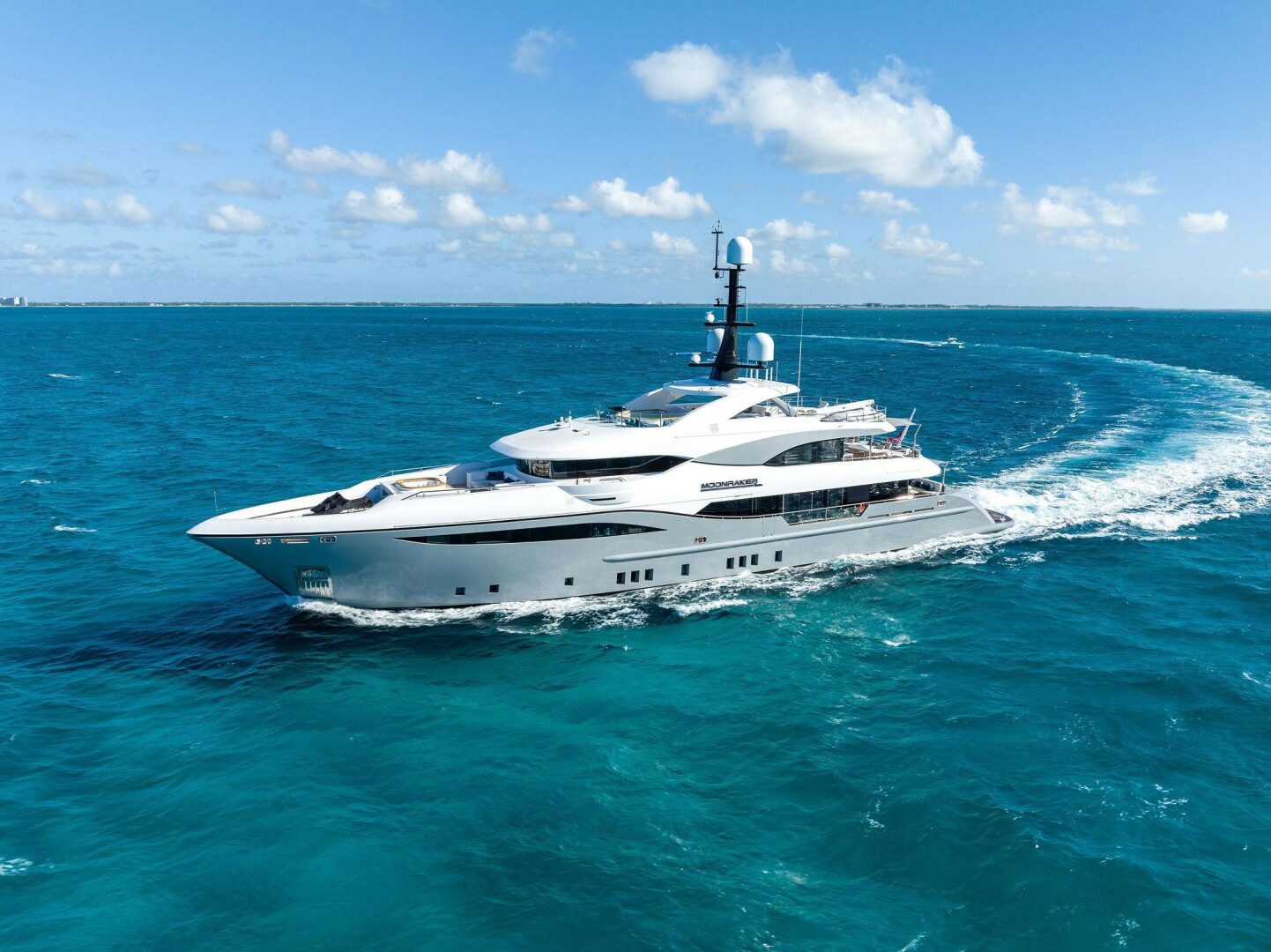
2019 Bilgin MOONRAKER
$21,404,500
156
West Palm Beach Florida

2028 Columbus Yachts
$22,900,008
137
Ancona
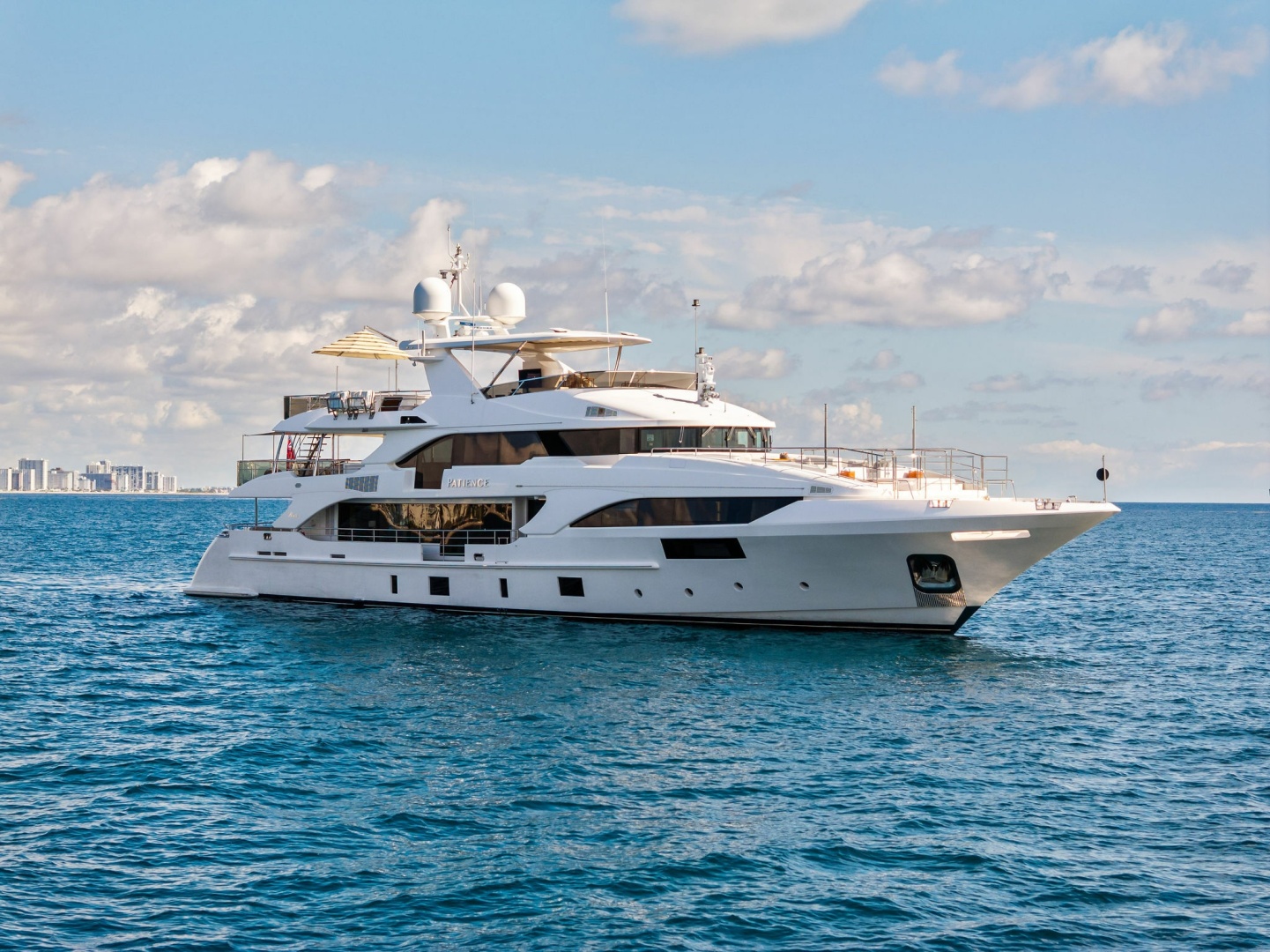
2012 Benetti PATIENCE
$10,975,000
132
Fort Lauderdale Florida
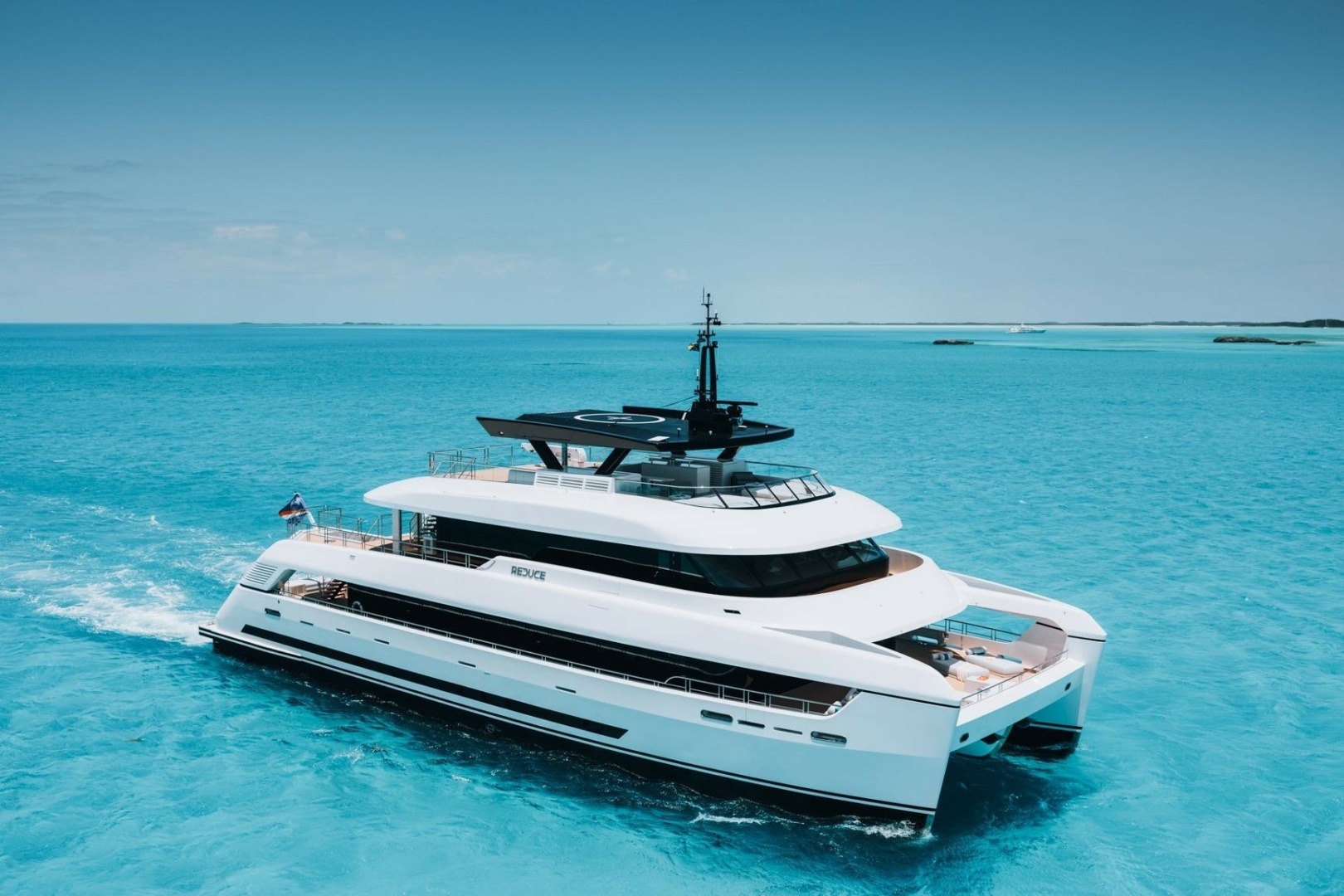
2024 Silver Yachts
$25,400,000
117
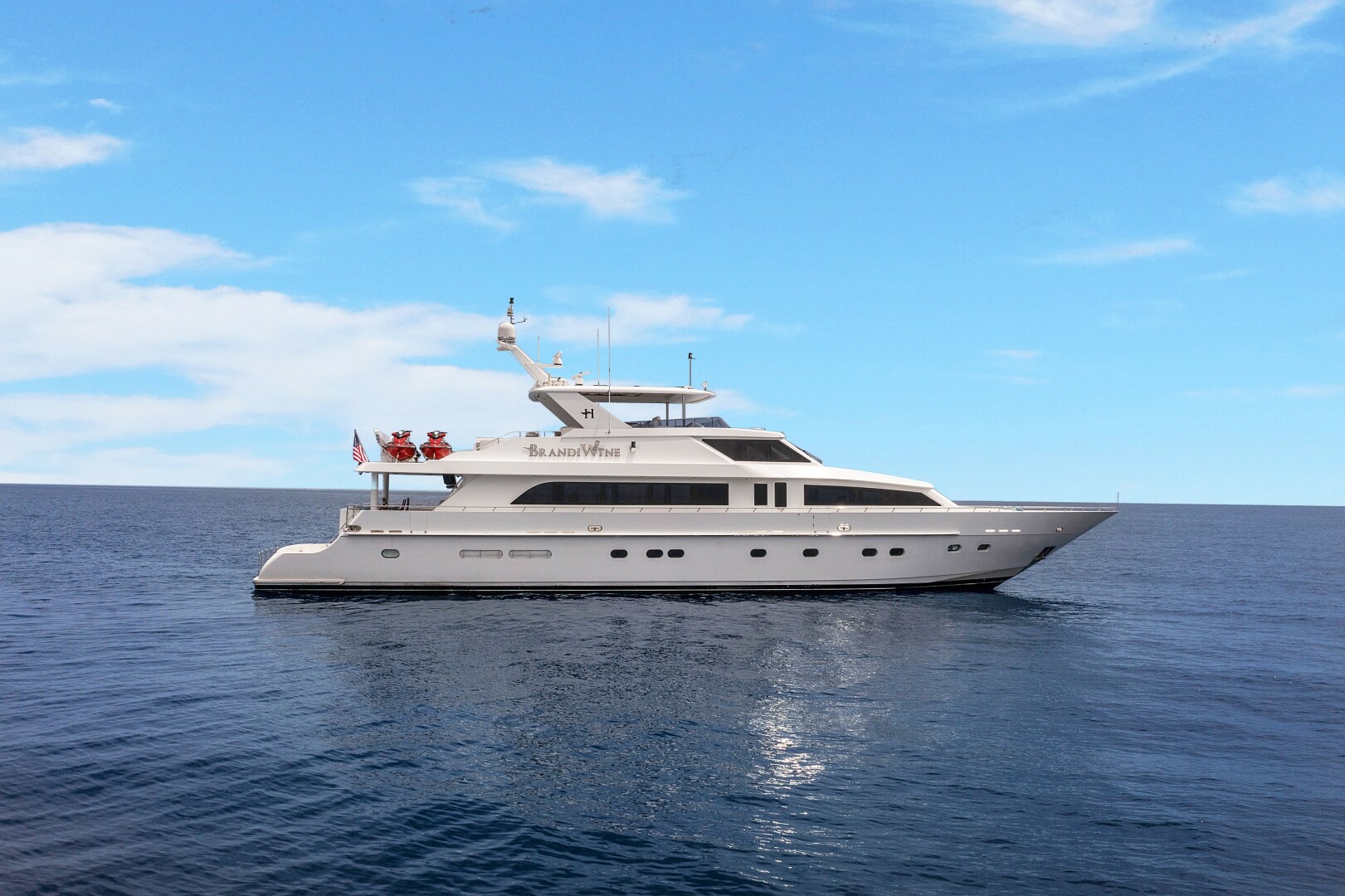
2009 Hargrave BRANDI WINE
$2,995,000
114
Fort Lauderdale Florida

2028 Extra Yachts
$21,404,500
100
Ancona

2028 Extra Yachts Extra 96
$9,495,000
96
Ancona
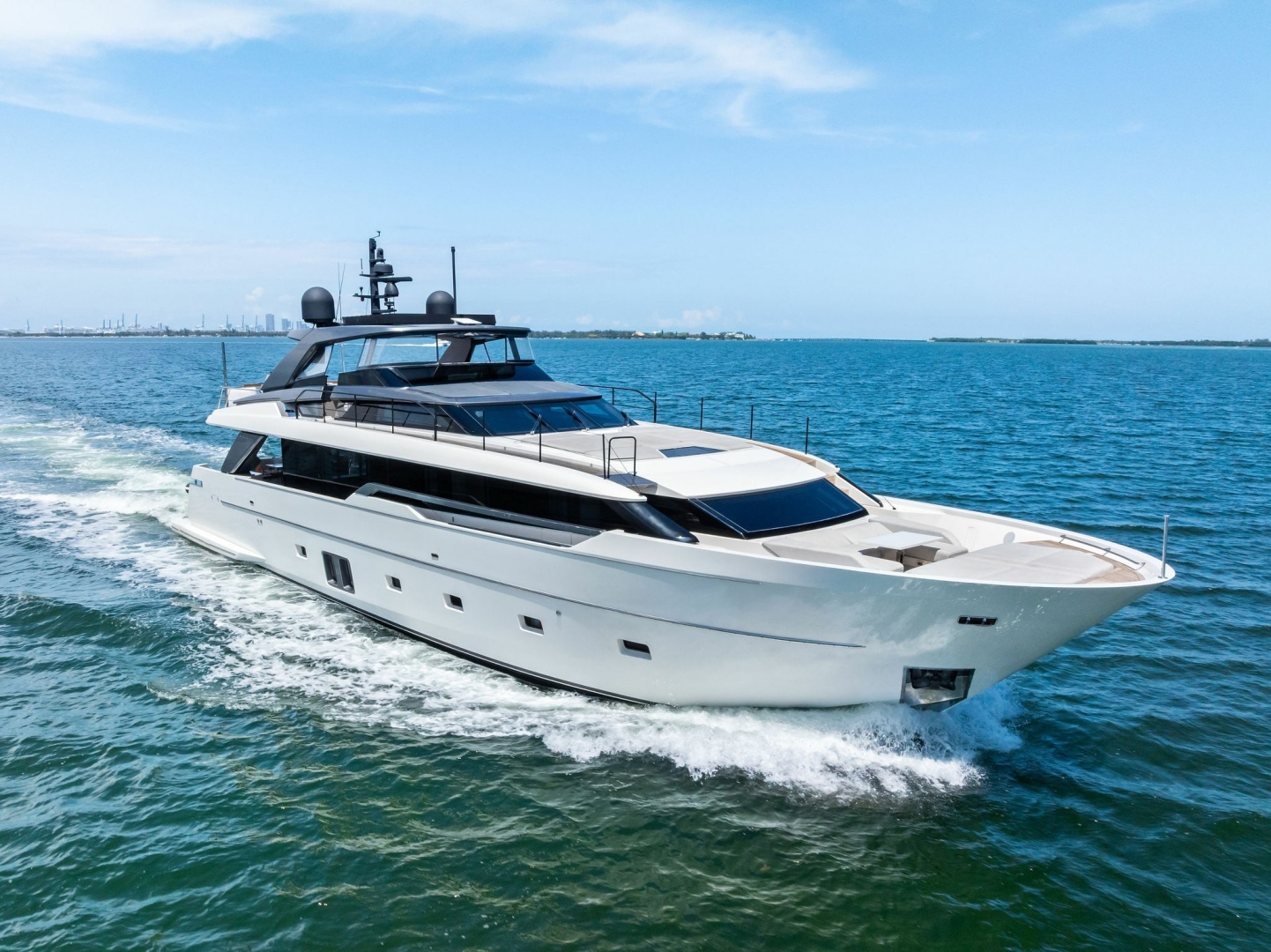
2021 Sanlorenzo GATSBY
$6,795,000
96
Miami Beach Florida

1999 Northern Marine OFF LINE
$2,495,000
84
Ft Lauderdale Florida
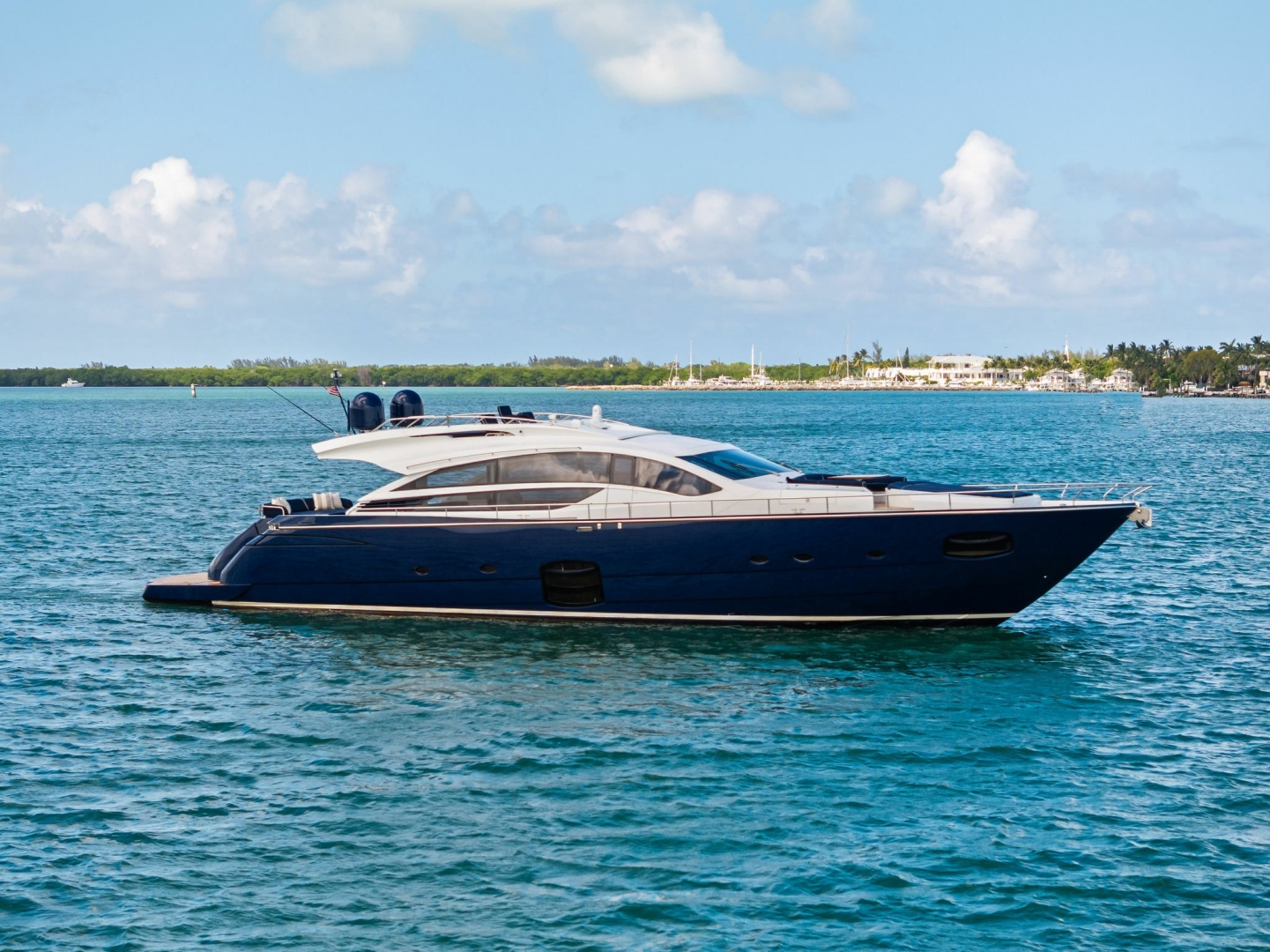
2013 Pershing DOROTHY ANN
$1,750,000
82
Miami Beach Florida

1997 Ferretti Yachts
$850,000
80
La Paz
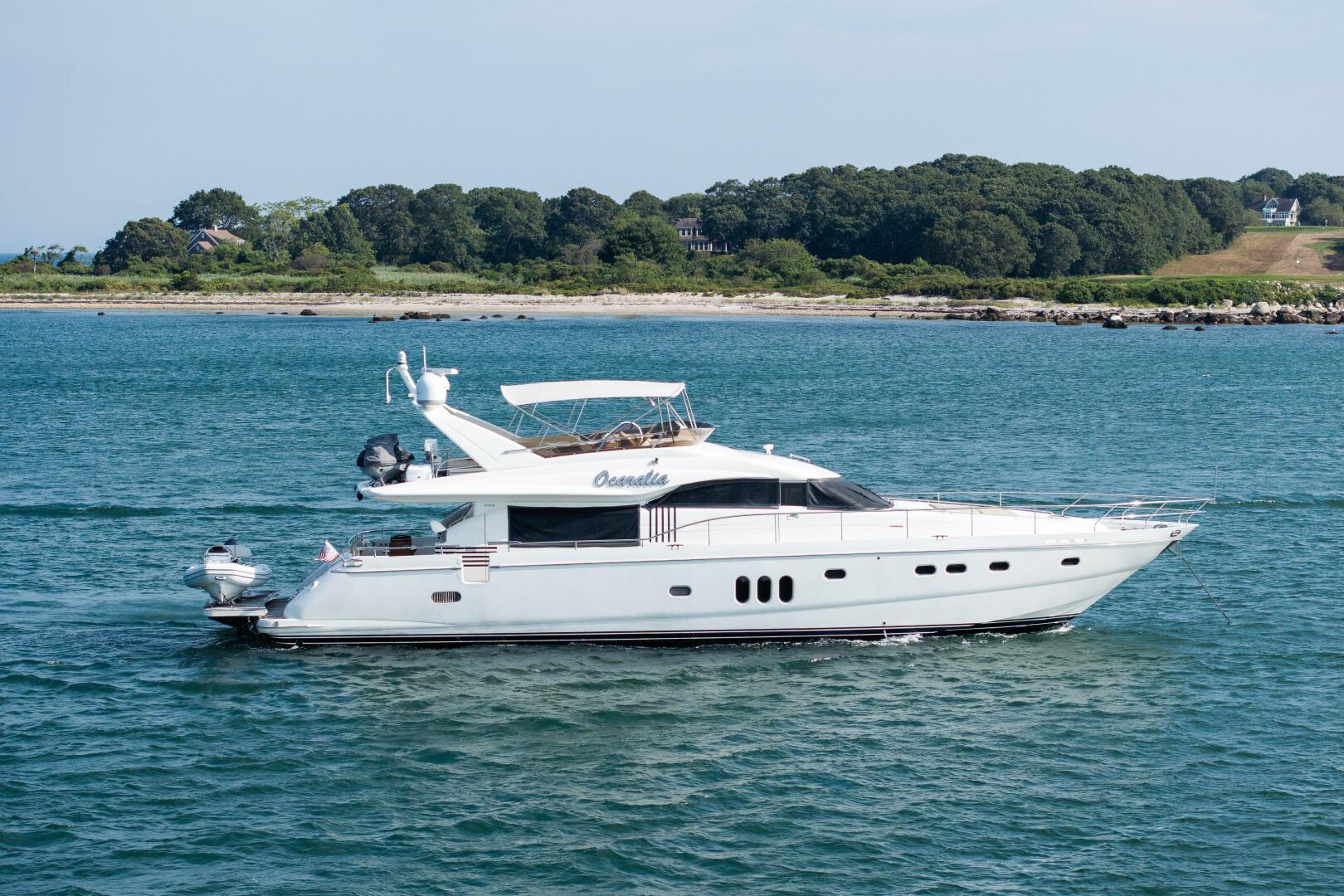
2008 Princess Yachts OCARALIA
$1,095,000
75
Charleston South Carolina
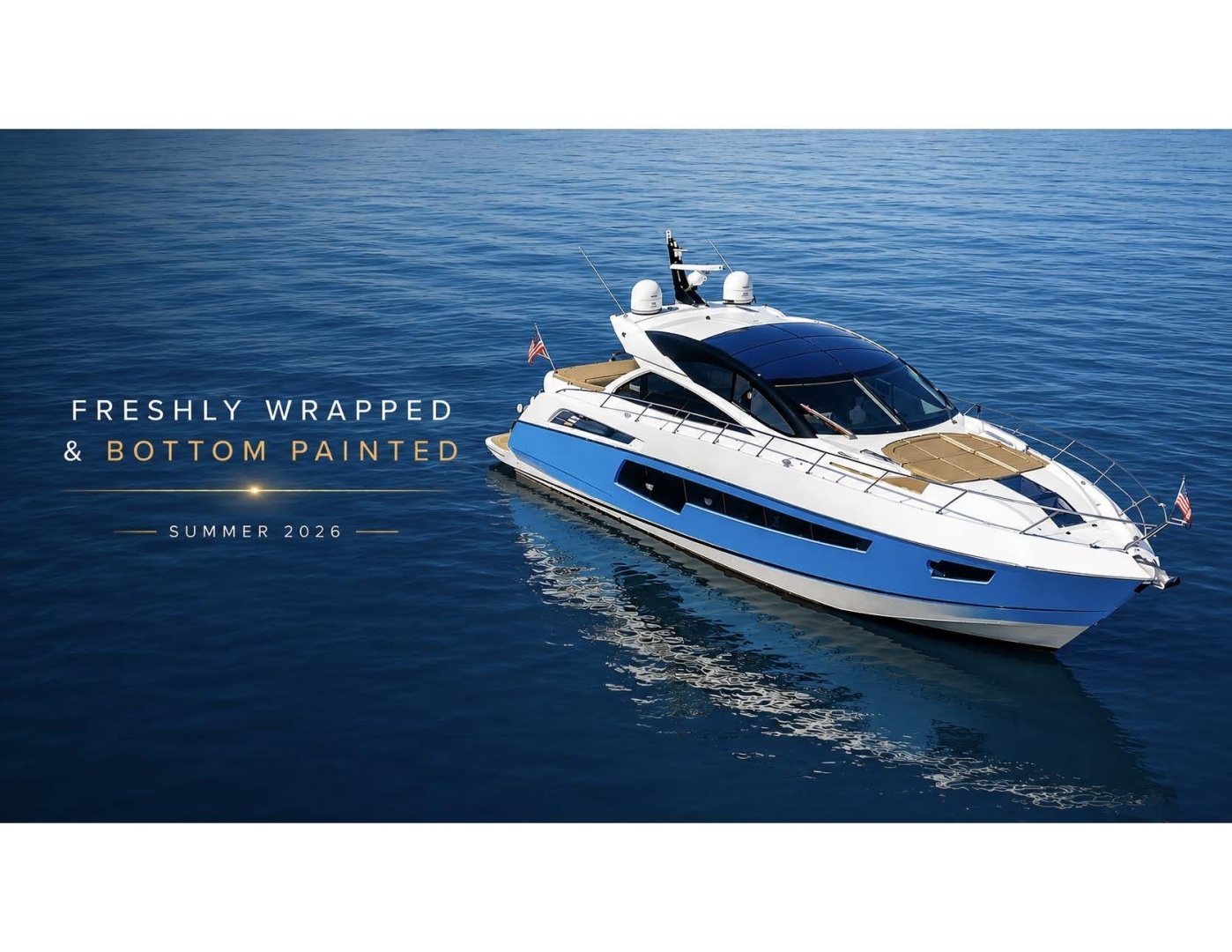
2014 Sunseeker
$1,400,000
68
New York New York

2024 Fairline
$2,750,000
68
Ft. Lauderdale Florida

2024 Sunreef Catallaxi
$3,700,000
60
Newport Rhode Island
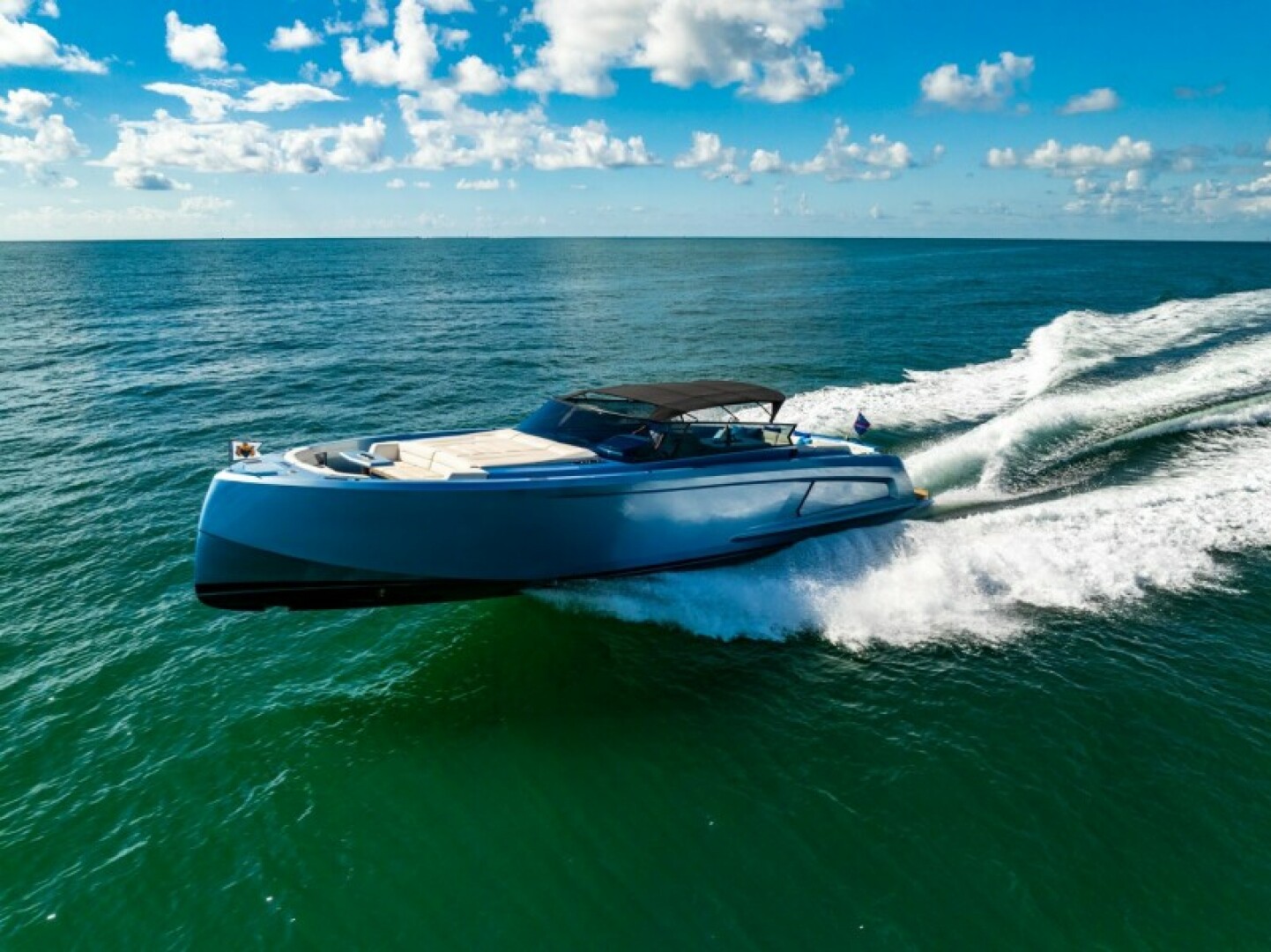
2019 Vanquish Yachts IMPULSIVE
$1,799,000
58
Miami Beach Florida
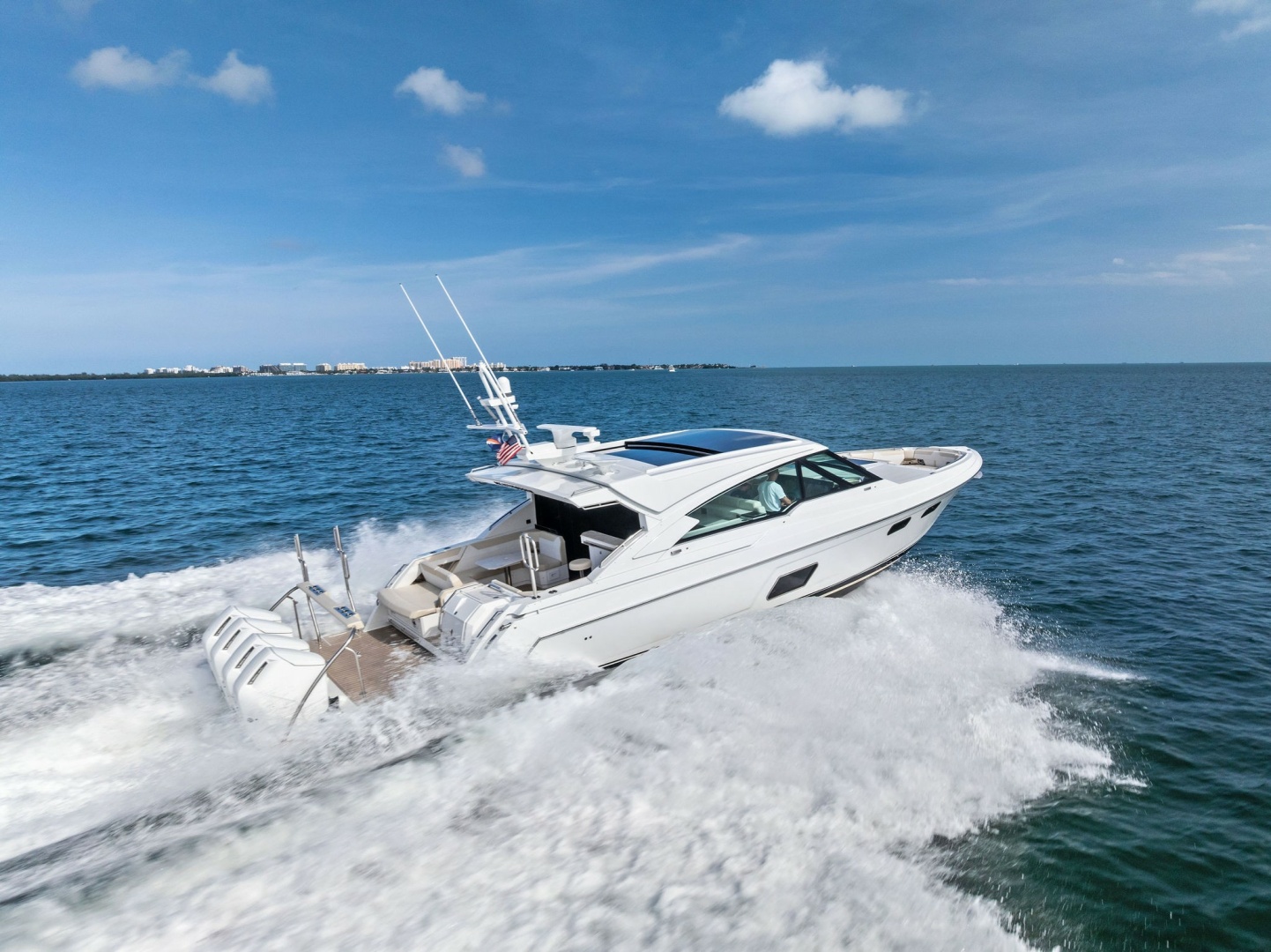
2025 Formula BREAKTHROUGH III
$1,895,000
53
Miami Beach Florida

2023 Fairline
$900,000
45
Fort Lauderdale Florida
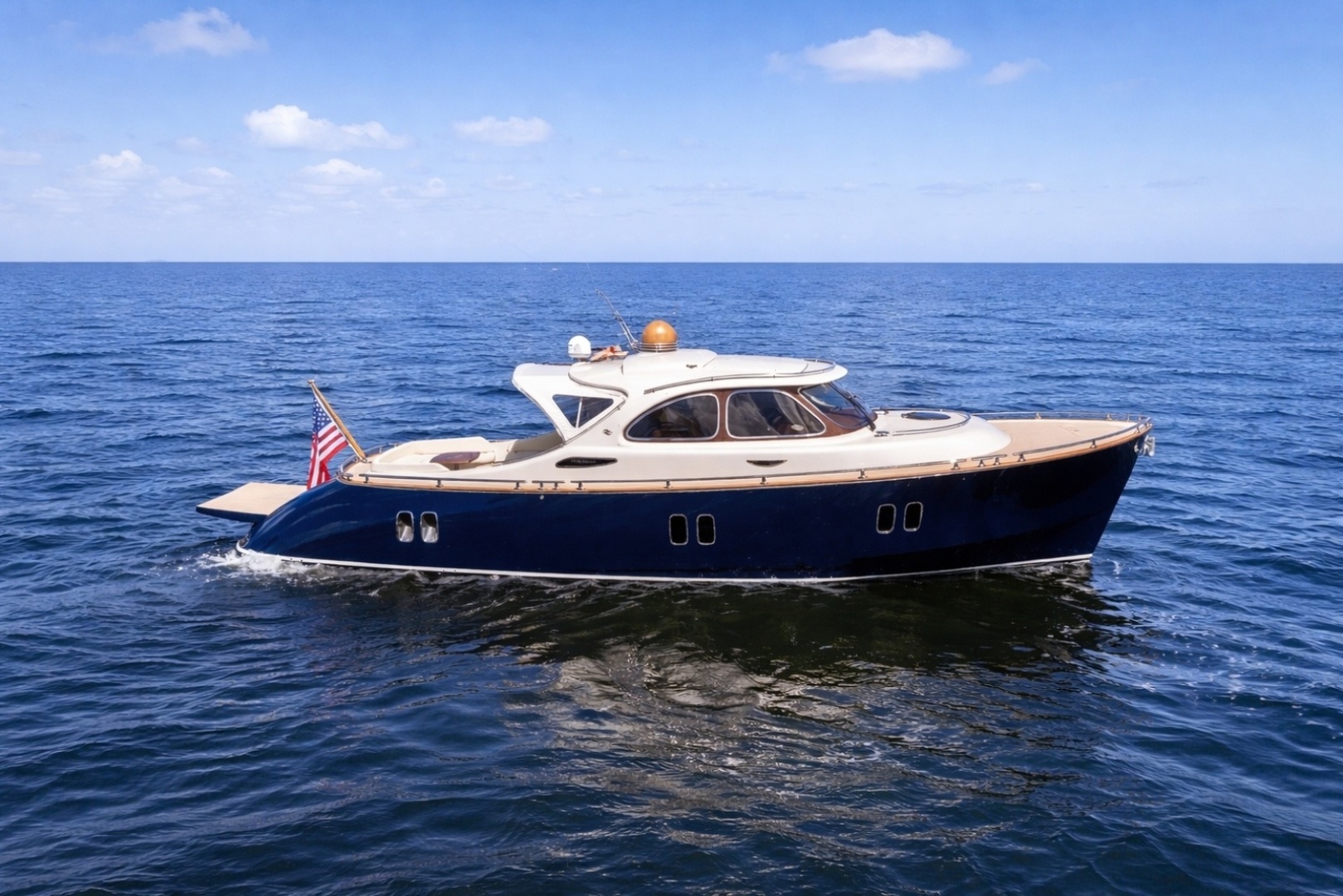
2012 Zeelander Mississippi Queen
$575,000
44
West Palm Beach Florida
2019 Bilgin 156'
$21,404,500
2028 Columbus Yachts 137'
$22,900,008
2012 Benetti 132'
$10,975,000
2024 Silver Yachts 117'
$25,400,000
2009 Hargrave 114'
$2,995,000
2028 Extra Yachts 100'
$21,404,500
2028 Extra Yachts 96'
$9,495,000
2021 Sanlorenzo 96'
$6,795,000
1999 Northern Marine 84'
$2,495,000
2013 Pershing 82'
$1,750,000
1997 Ferretti Yachts 80'
$850,000
2008 Princess Yachts 75'
$1,095,000
2014 Sunseeker 68'
$1,400,000
2024 Fairline 68'
$2,750,000
2024 Sunreef 60'
$3,700,000
2019 Vanquish Yachts 58'
$1,799,000
2025 Formula 53'
$1,895,000
2023 Fairline 45'
$900,000
2012 Zeelander 44'
$575,000