

Letting go of a luxury yacht is rarely just a financial transaction. For many American and Canadian owners seeking their next maritime adventure, selling reflects shifting priorities and signals a major lifestyle change. With evolving market trends, growing buyer expectations, and the importance of meticulous documentation, this guide spotlights how strategic preparation and expert insight can help you maximize your vessel’s sale value during this pivotal transition.
Table of Contents
- What Selling Your Yacht Really Means
- Reasons Owners Decide to Sell
- 2026 Market Trends Impacting Sales
- Financial and Legal Implications
- How Brokerage Experts Maximize Value
Key Takeaways
| Point | Details |
|---|---|
| Complex Process | Selling a yacht is a strategic process requiring meticulous preparation, documentation, and emotional understanding. |
| Personal Transition | The decision to sell is often influenced by personal lifestyle changes and shifts in financial strategy. |
| Market Trends | Awareness of emerging market trends, including younger buyers and eco-innovation, is crucial for maximizing sale potential. |
| Broker Expertise | Engaging a professional yacht broker can enhance valuation, marketing, and negotiation outcomes in the selling process. |
What Selling Your Yacht Really Means
Selling your yacht is far more complex than simply listing it for sale. It’s a strategic process that requires meticulous preparation, financial understanding, and emotional intelligence. The journey involves much more than a transactional exchange – it’s about understanding the true value of your maritime investment.
Preparing to sell your yacht demands comprehensive documentation and vessel readiness. Proper yacht documentation is critical, which includes:
- Proof of ownership
- Current registration certificates
- Comprehensive service records
- VAT payment evidence
- Certification of compliance
- Maintenance and repair history
These documents not only validate your yacht’s history but also build buyer confidence. Potential purchasers want transparent, well-documented vessels that demonstrate consistent care and professional maintenance. A meticulously maintained logbook can significantly increase your yacht’s marketability and perceived value.
Beyond paperwork, selling your yacht represents a significant lifestyle transition. It’s about recognizing when your current vessel no longer aligns with your maritime dreams or practical needs. Whether you’re upgrading to a larger yacht, shifting your recreational priorities, or restructuring your asset portfolio, the sale process reflects a strategic personal and financial decision.
Pro tip: Start gathering and organizing your yacht’s documentation at least 3-6 months before listing, ensuring a smooth and professional sales experience.
Reasons Owners Decide to Sell
Selling a yacht is rarely a simple or impulsive decision. Yacht ownership represents a significant financial and lifestyle investment, and the reasons for selling are as diverse as the owners themselves. Yacht owners explore multiple motivations when considering transitioning away from their maritime asset.
The most common reasons for selling a yacht can be categorized into several key areas:
- Lifestyle Evolution: Changing family dynamics or personal interests
- Technological Upgrades: Desire for newer, more advanced yacht models
- Financial Optimization: Managing asset portfolio and liquidity needs
- Maintenance Considerations: Avoiding escalating upkeep and repair costs
- Personal Transformation: Seeking new recreational experiences
Lifestyle changes often trigger the decision to sell. A growing or shrinking family, shifts in professional commitments, or evolving recreational preferences can make a current yacht less suitable. Some owners find their vessel no longer matches their desired maritime experience, prompting a strategic sale to realign with current needs.
Financial considerations play a significant role in yacht ownership transitions. Maintaining a yacht involves substantial ongoing expenses, including docking fees, insurance, regular maintenance, and potential major repairs. Owners might choose to sell to free up capital, reduce annual expenses, or reinvest in a more suitable vessel that better serves their current lifestyle and financial goals.
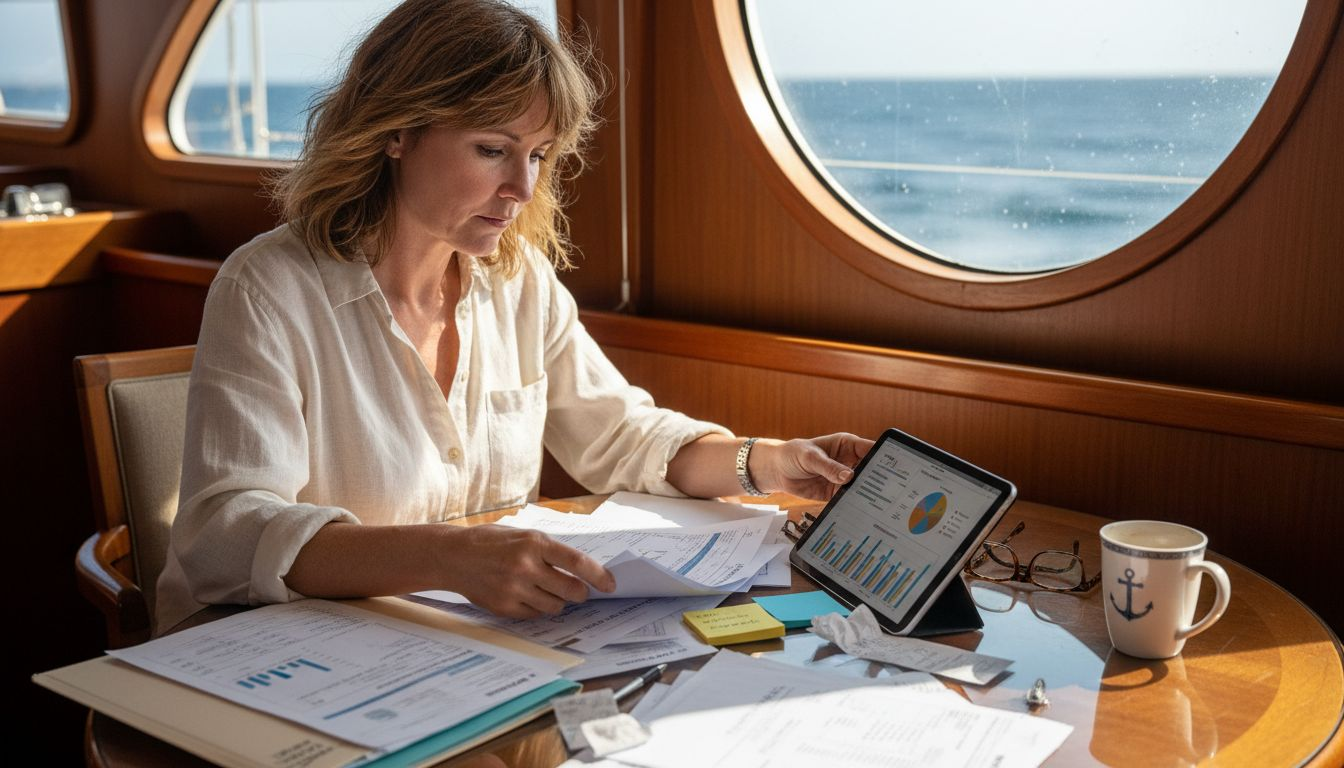
Here’s a summary of common seller motivations and their typical impact on the yacht sales process:
| Reason for Selling | Typical Timeframe to Sale | Effect on Pricing |
|---|---|---|
| Lifestyle changes | 3-12 months | May require flexible terms |
| Seeking technology update | 2-6 months | Higher price may be targeted |
| Financial rebalancing | 1-4 months | May accept quicker deals |
| Reducing maintenance | 3-9 months | May negotiate to close gaps |
| Personal transformation | 4-8 months | Can prioritize convenience |
Pro tip: Conduct a comprehensive personal and financial review before selling, evaluating both emotional attachment and practical considerations to ensure the timing is right.
2026 Market Trends Impacting Sales
The yacht market in 2026 is experiencing a profound transformation, driven by emerging technologies, shifting demographics, and evolving client expectations. Global superyacht market trends reveal a landscape marked by unprecedented innovation and strategic changes that will reshape yacht ownership and sales.
Key market trends for 2026 include:
- Demographic Shift: Younger ultra-high-net-worth buyers entering the market
- Technological Innovation: Advanced eco-friendly yacht designs
- Regional Growth: Significant expansion in Asia-Pacific markets
- Customization Demand: Increased focus on bespoke yacht experiences
- Sustainability Priority: Rising emphasis on environmental efficiency
The emerging buyer profile is dramatically different from previous decades. Younger entrepreneurs and tech-focused wealthy individuals are entering the yacht market with distinct preferences. They prioritize sustainable technologies, smart vessel integrations, and experiences that align with their lifestyle and environmental values. This shift is pushing manufacturers to develop more sophisticated, technologically advanced vessels that go beyond traditional luxury.
Geographic market dynamics are also experiencing significant transformations. The Asia-Pacific region is emerging as a critical growth center, with rising ultra-high-net-worth populations driving unprecedented demand for mid-size yachts and customized maritime experiences. Yacht manufacturers and brokers are adapting their strategies to accommodate these sophisticated, experience-driven clients who view yacht ownership as an extension of their personal brand and lifestyle philosophy.
This table highlights 2026 yacht market trends and why they matter to sellers:
| Trend | Seller Benefit | Potential Challenge |
|---|---|---|
| Younger buyers | Faster transactions possible | Different style preferences |
| Eco innovation | Higher value for green vessels | Costly upgrades needed |
| Asia-Pacific growth | Access to new buyer demographics | Navigating cultural nuances |
| Customization focus | Unique features add value | Standard yachts less in demand |
| Sustainability push | Good resale for efficient yachts | Older models lose appeal |
Pro tip: Monitor emerging technological and demographic trends closely when considering yacht sales, as market value increasingly depends on innovation and experiential potential.
Financial and Legal Implications
Selling a yacht involves complex financial considerations that extend far beyond the simple exchange of a vessel. The transaction requires a sophisticated understanding of tax implications, potential capital gains, and strategic asset management that can significantly impact an owner’s overall financial portfolio.
Key financial and legal elements to consider include:
- Tax Implications: Federal and state tax obligations
- Capital Gains Calculations: Potential profit or loss assessment
- Ownership Transfer Processes: Legal documentation requirements
- International Sales Regulations: Cross-border transaction complexities
- Insurance and Liability Transitions: Protecting financial interests
The tax landscape surrounding yacht sales is particularly nuanced. Owners must navigate a complex web of federal, state, and potentially international tax regulations that can dramatically affect the net proceeds from the sale. Depending on the vessel’s value, ownership duration, and jurisdictional regulations, sellers might encounter capital gains taxes, sales taxes, or specialized maritime transaction levies that require careful strategic planning.
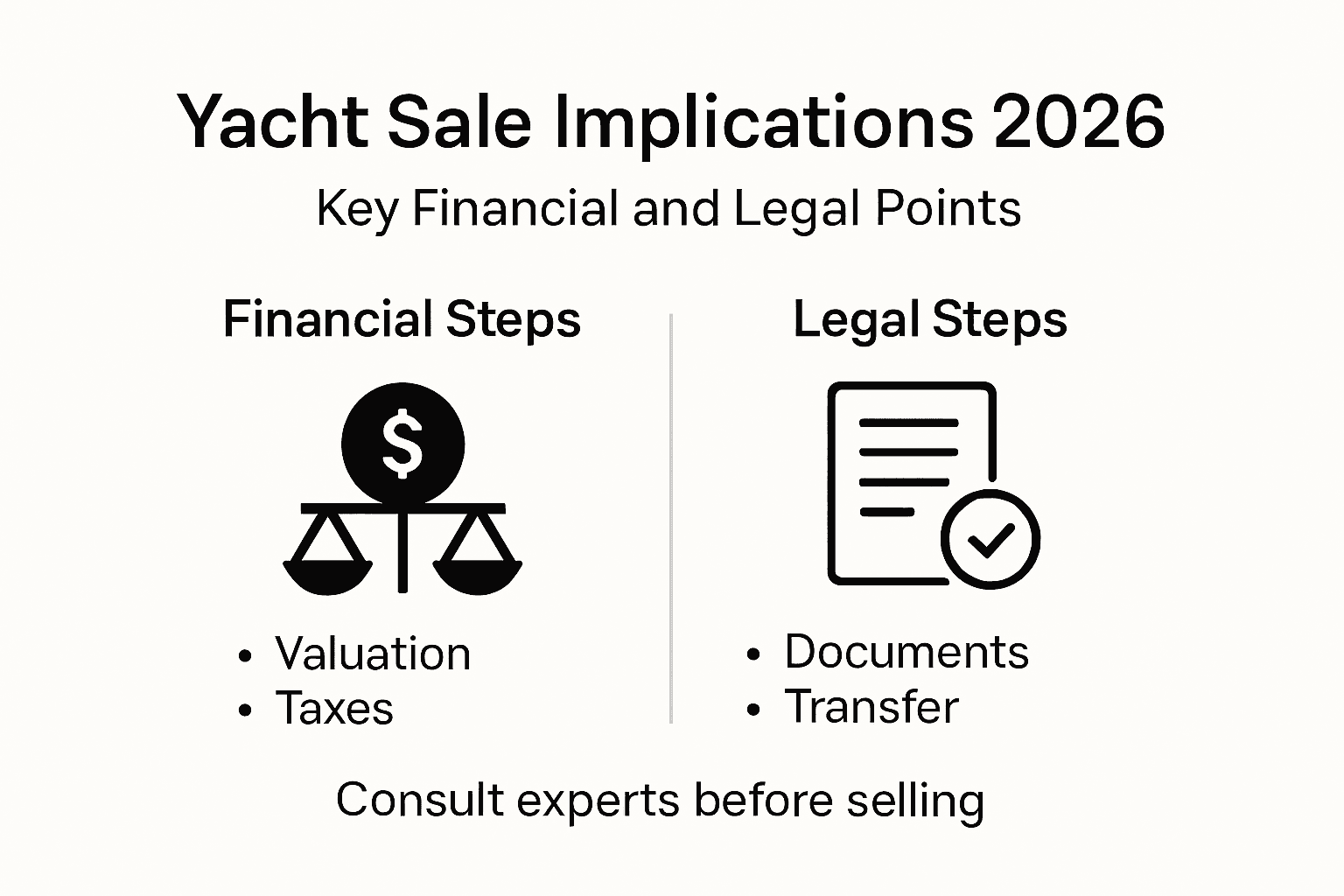
Legal documentation represents another critical aspect of the yacht sale process. Comprehensive paperwork must address ownership transfer, clear title verification, existing liens or encumbrances, and potential maritime regulations that vary significantly across different jurisdictions. Professional legal counsel specializing in maritime transactions becomes invaluable in ensuring a smooth, compliant transfer of ownership that protects both the seller’s and buyer’s interests.
Pro tip: Consult a maritime tax specialist and legal professional months before listing your yacht to fully understand the financial and legal implications of your specific sale scenario.
How Brokerage Experts Maximize Value
Navigating the complex yacht sales landscape requires specialized expertise that goes far beyond basic listing and marketing. Yacht brokerage professionals bring a strategic approach to maximizing vessel value, leveraging deep market insights and sophisticated negotiation techniques to optimize seller outcomes. Why use a yacht broker becomes critically important in this nuanced marketplace.
Key strategies employed by top brokerage experts include:
- Precise Valuation: Comprehensive market analysis and accurate pricing
- Strategic Positioning: Targeted marketing to qualified buyers
- Negotiation Expertise: Maximizing sale price and favorable terms
- Network Leverage: Access to high-net-worth buyer networks
- Compliance Management: Navigating complex legal and financial requirements
The valuation process represents a critical first step where brokerage experts demonstrate exceptional skill. Experienced brokers conduct exhaustive research, examining recent comparable sales, current market trends, vessel condition, and unique features that might influence pricing. They understand that yacht valuation is both an art and a science, requiring deep industry knowledge and nuanced analytical capabilities.
Marketing and positioning strategies distinguish professional brokers from amateur sellers. These experts create sophisticated presentation packages that highlight a yacht’s unique attributes, targeting specific buyer segments through carefully curated channels. Their extensive networks and relationships with potential buyers enable them to match vessels with precisely the right purchasers, often securing premium prices through strategic positioning.
Pro tip: Interview multiple brokers, assessing their track record, market knowledge, and specialized expertise before selecting a professional to represent your yacht sale.
Unlock Your Yacht’s True Potential with Expert Guidance
Selling your yacht in 2026 means navigating complex market trends, financial nuances, and evolving buyer expectations. The challenge lies in maximizing your vessel’s value while managing crucial legal and financial considerations that impact your outcome. If you are facing decisions influenced by lifestyle changes, technological upgrades, or sustainability demands, you need a partner who understands these dynamics and can turn them into advantages.
At Yachts by Steve, we specialize in helping luxury yacht owners like you unlock maximum value through precise valuation, strategic marketing, and expert negotiation. Explore insights from our Uncategorized – Jason articles to stay informed about market shifts while benefiting from our personalized brokerage services. Ready to take control of your yacht sale and connect with qualified buyers who appreciate your vessel’s unique qualities Explore our landing page at Yachts by Steve to start your journey toward a successful and rewarding sale today.
Frequently Asked Questions
What are the main reasons to sell my yacht?
Yacht owners often decide to sell for various reasons, including lifestyle changes, seeking technological upgrades, financial optimization, reducing maintenance costs, or pursuing new recreational experiences.
How can I determine the right time to sell my yacht?
Evaluating personal and financial circumstances is crucial. Consider factors like changing family dynamics, market trends, or financial needs. A thorough review 3-6 months before the intended sale can help ensure you’re making a well-informed decision.
What documentation is needed to sell my yacht?
Essential documentation includes proof of ownership, current registration, comprehensive service records, VAT payment evidence, compliance certification, and maintenance history. These papers enhance buyer confidence and support a smoother transaction.
Why should I consider using a yacht broker for selling my yacht?
Yacht brokers offer specialized expertise, including precise vessel valuation, targeted marketing, negotiation skills, and access to high-net-worth buyer networks. Their extensive experience can significantly maximize your yacht’s sale price and ensure compliance with legal requirements.
Recommended
Featured Listings
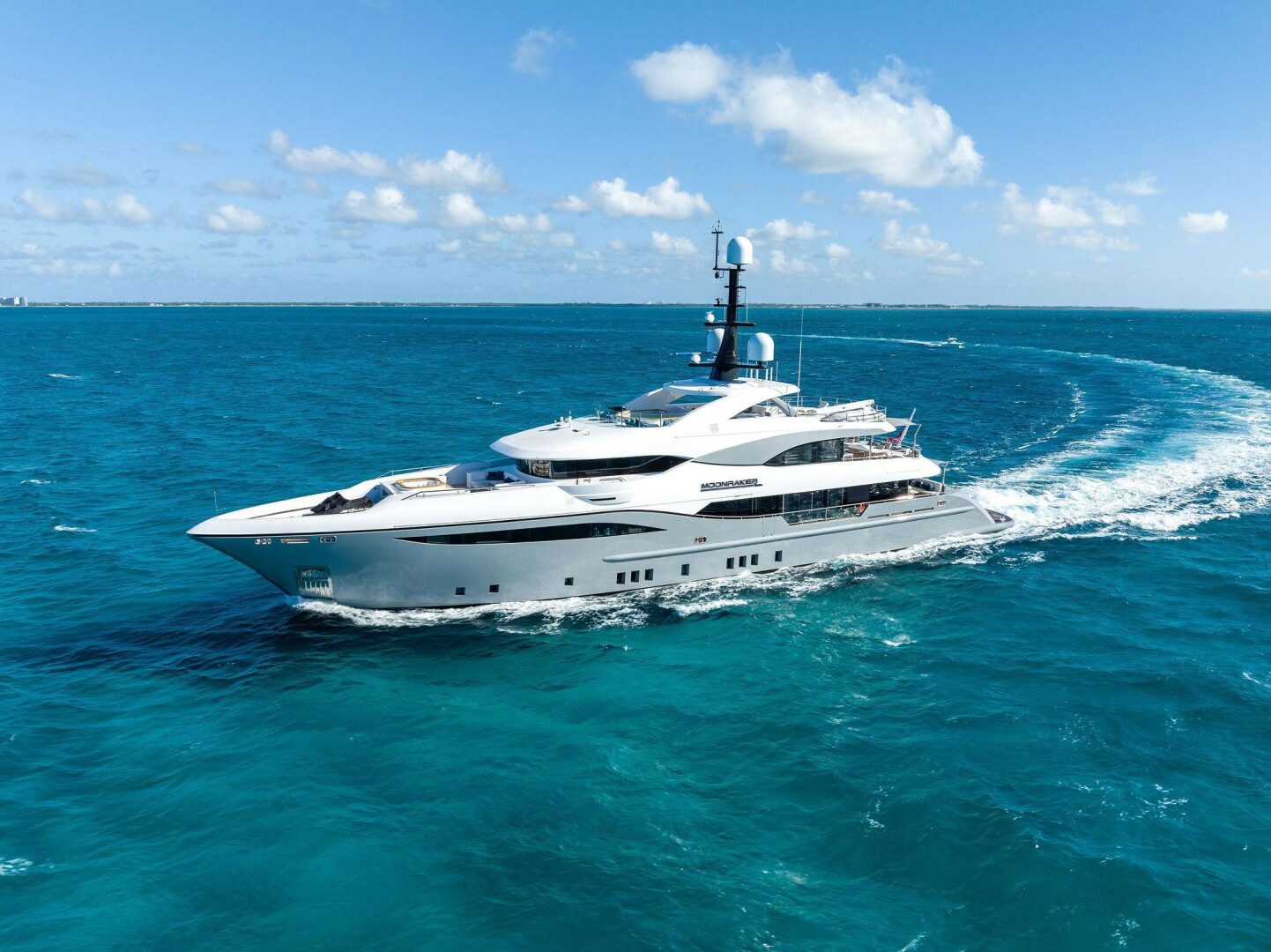
2019 Bilgin MOONRAKER
$21,404,500
156
West Palm Beach Florida

2028 Columbus Yachts
$22,900,008
137
Ancona
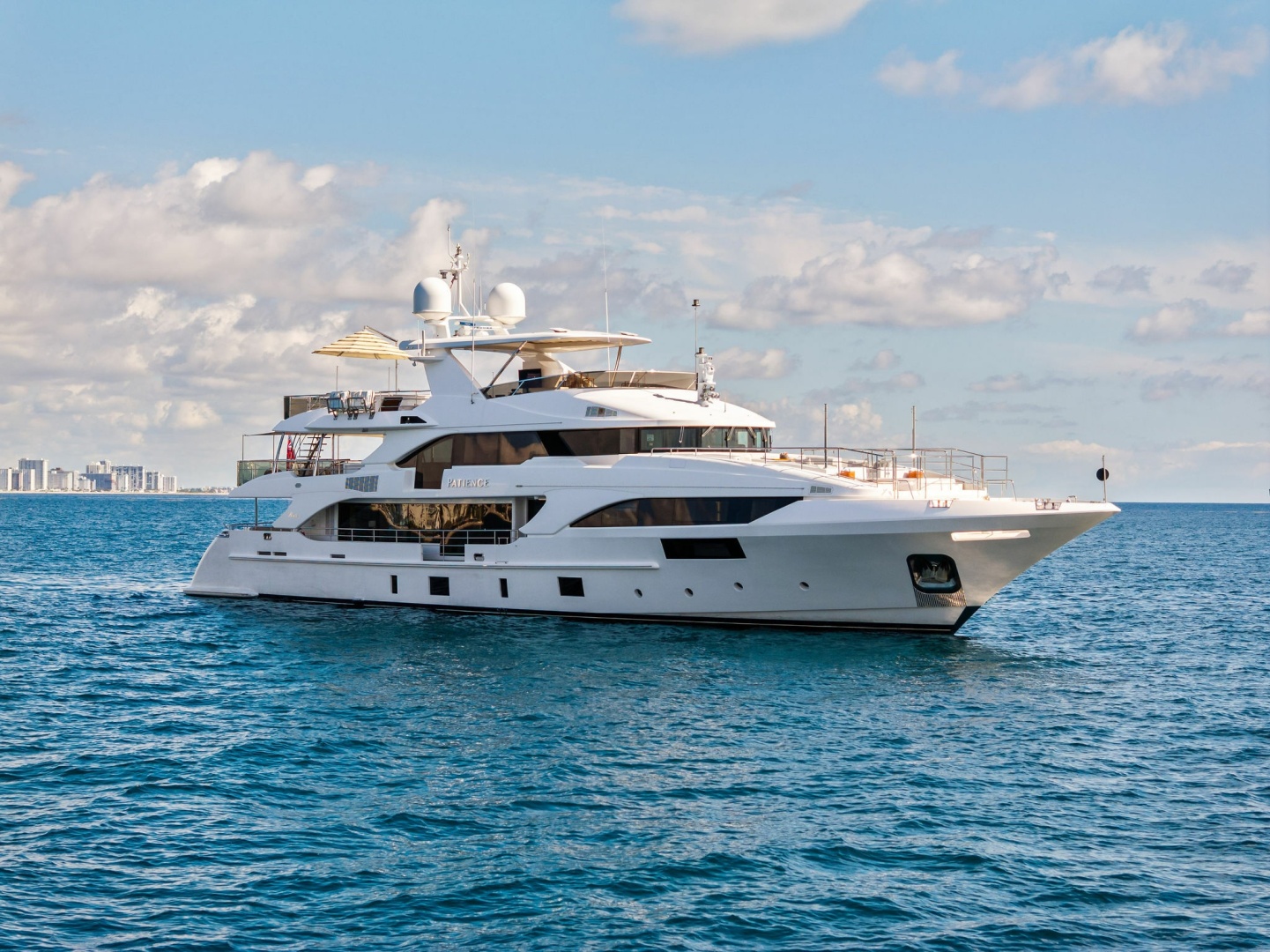
2012 Benetti PATIENCE
$10,975,000
132
Fort Lauderdale Florida
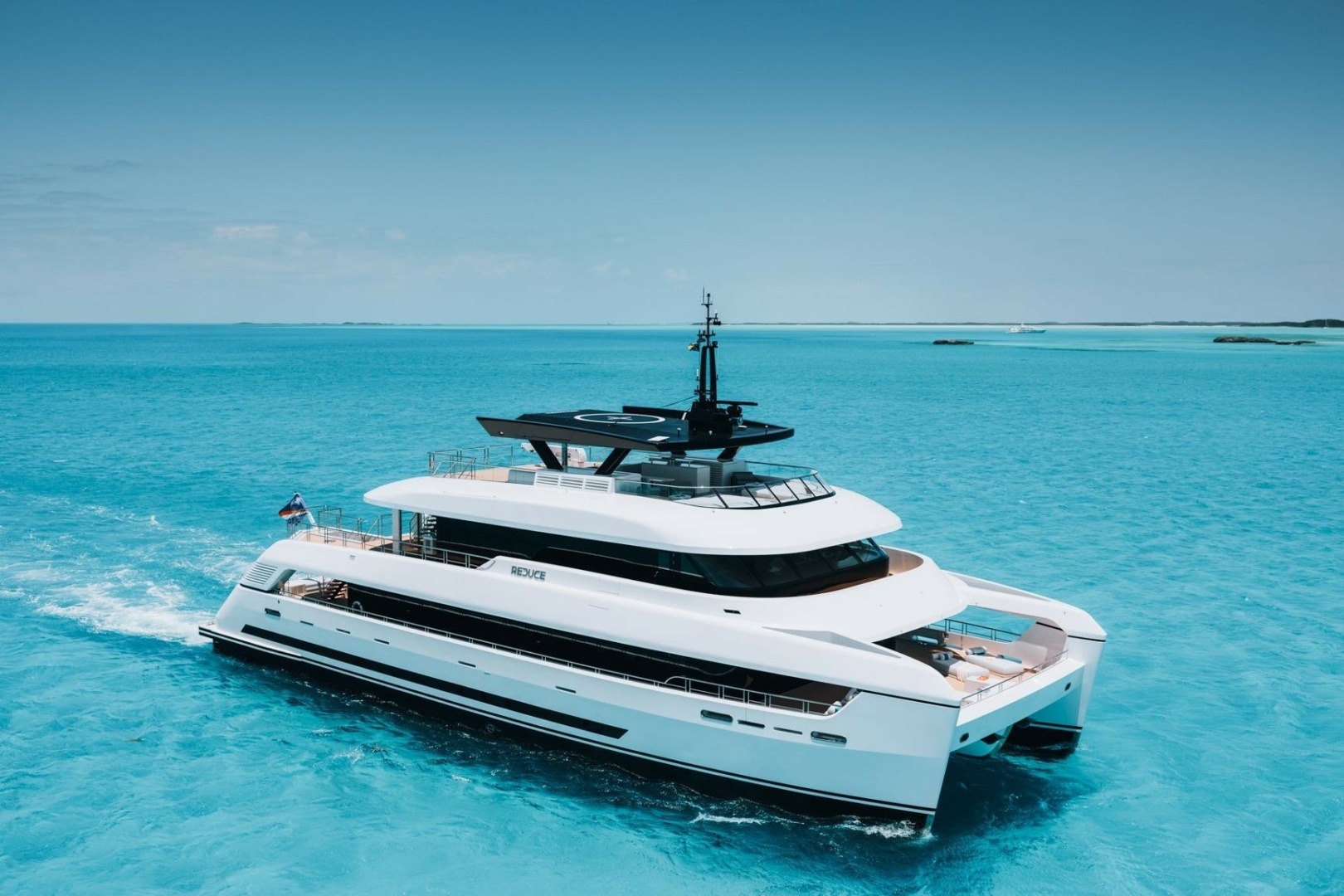
2024 Silver Yachts
$25,400,000
117
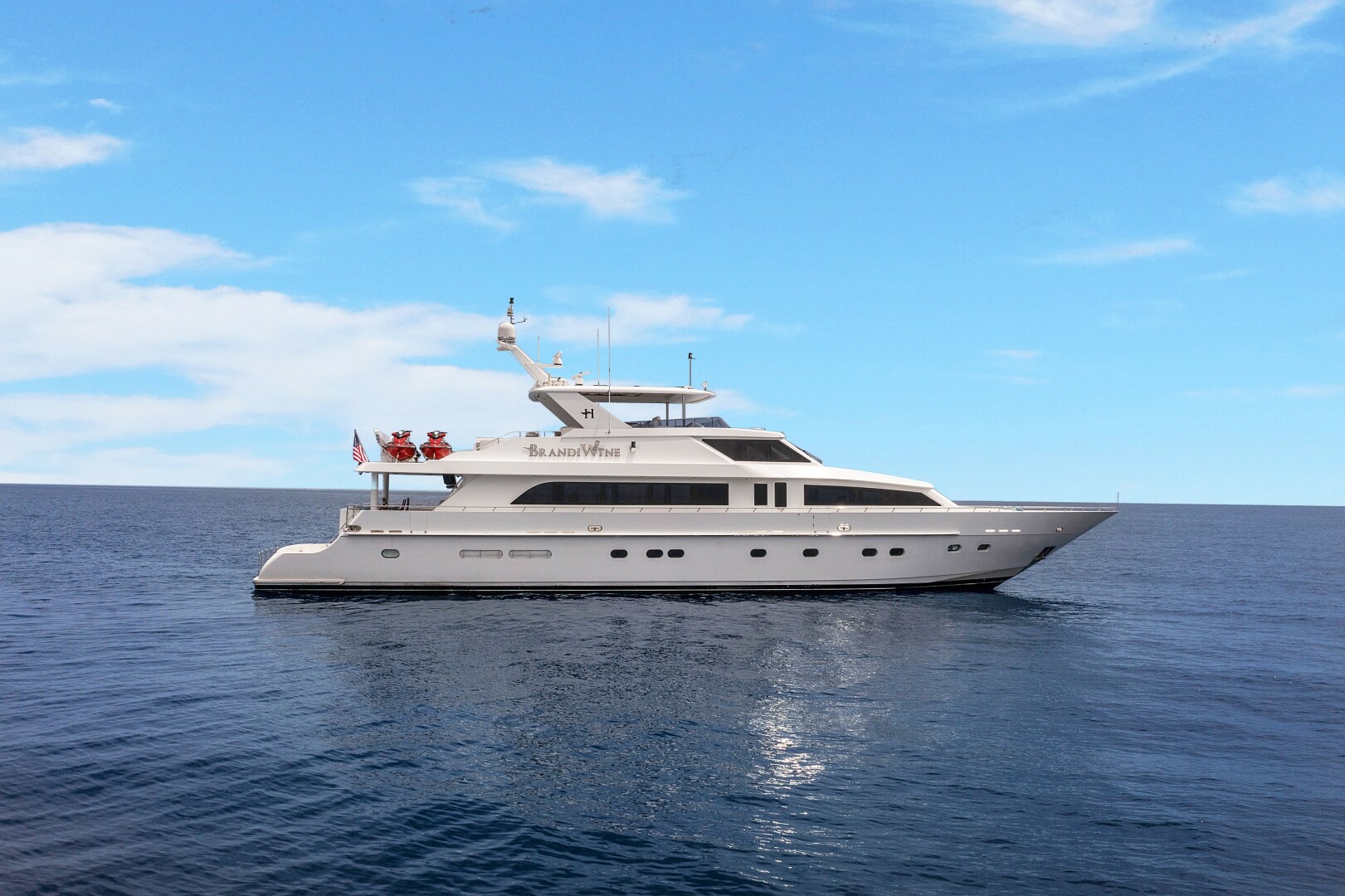
2009 Hargrave BRANDI WINE
$2,995,000
114
Fort Lauderdale Florida

2028 Extra Yachts
$21,404,500
100
Ancona

2028 Extra Yachts Extra 96
$9,495,000
96
Ancona
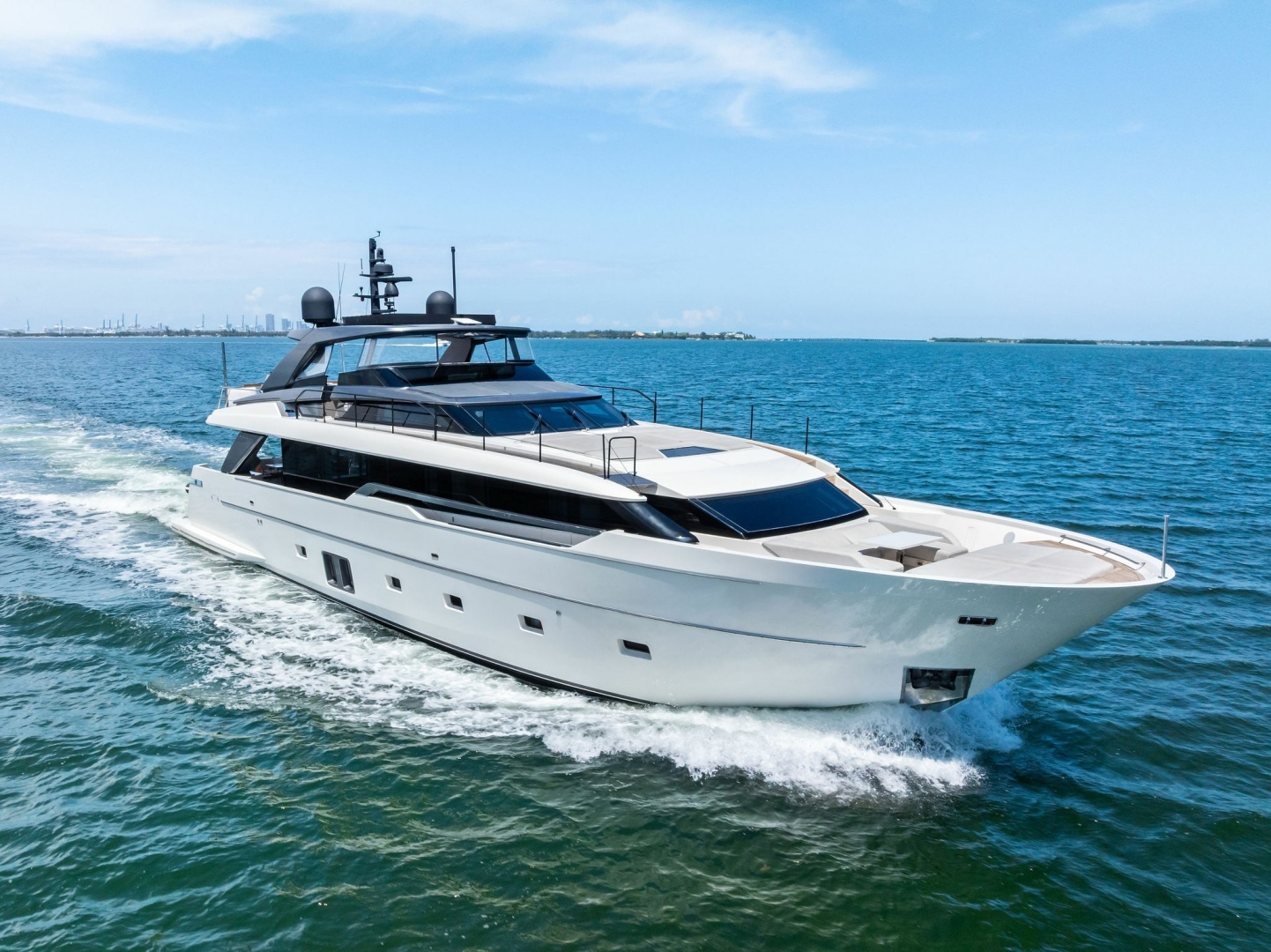
2021 Sanlorenzo GATSBY
$6,795,000
96
Miami Beach Florida

1999 Northern Marine OFF LINE
$2,495,000
84
Ft Lauderdale Florida
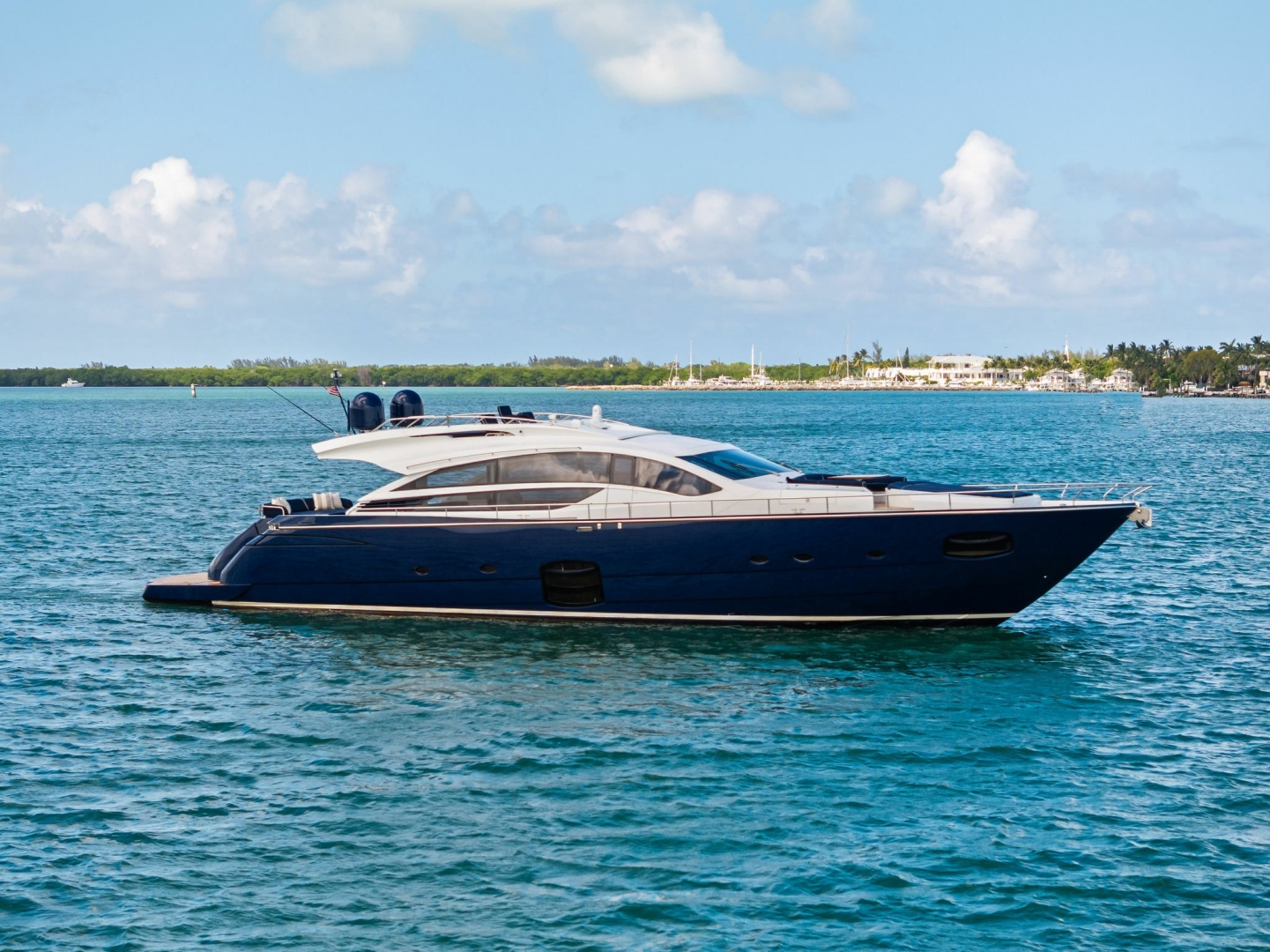
2013 Pershing DOROTHY ANN
$1,750,000
82
Miami Beach Florida

1997 Ferretti Yachts
$850,000
80
La Paz
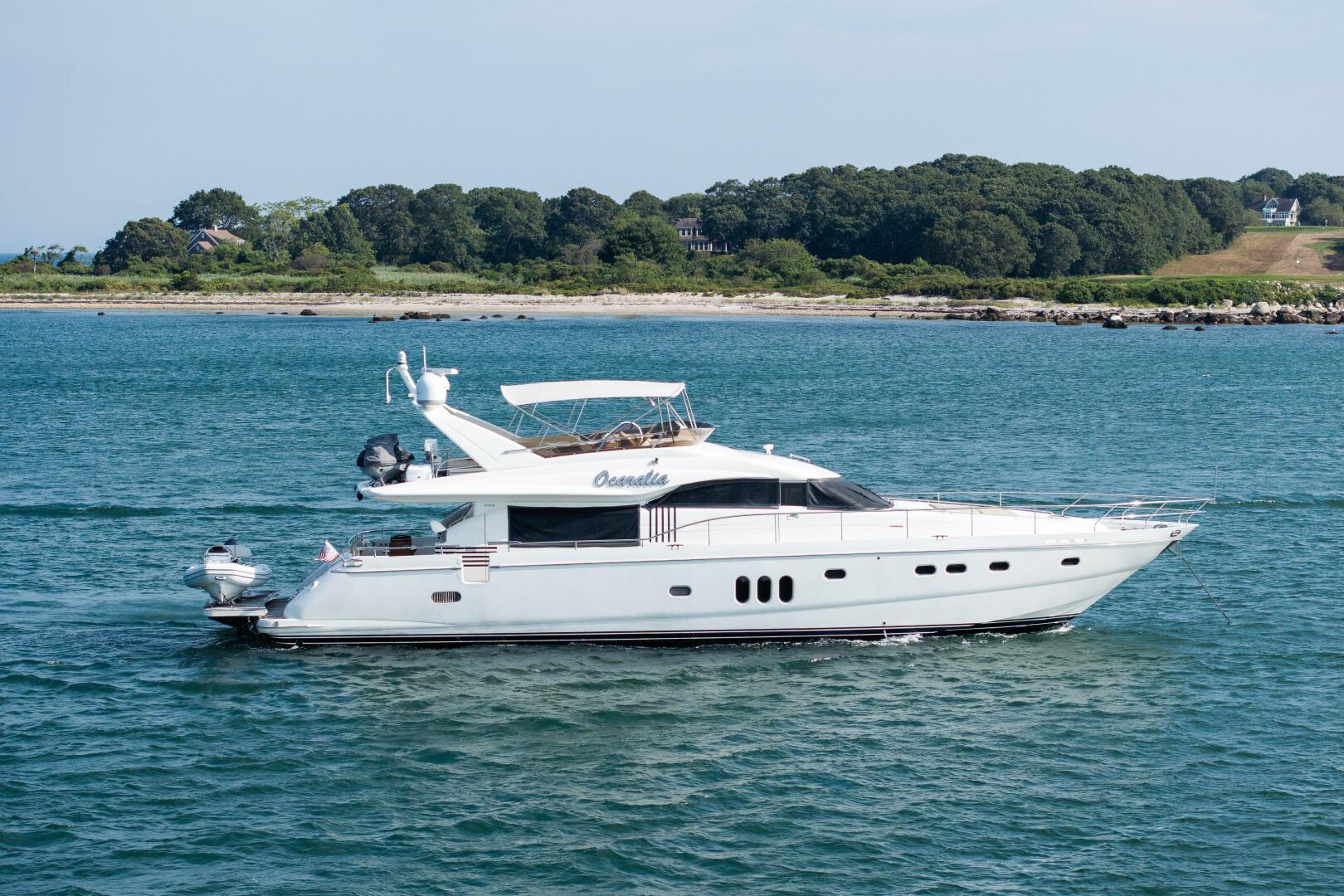
2008 Princess Yachts OCARALIA
$1,095,000
75
Charleston South Carolina
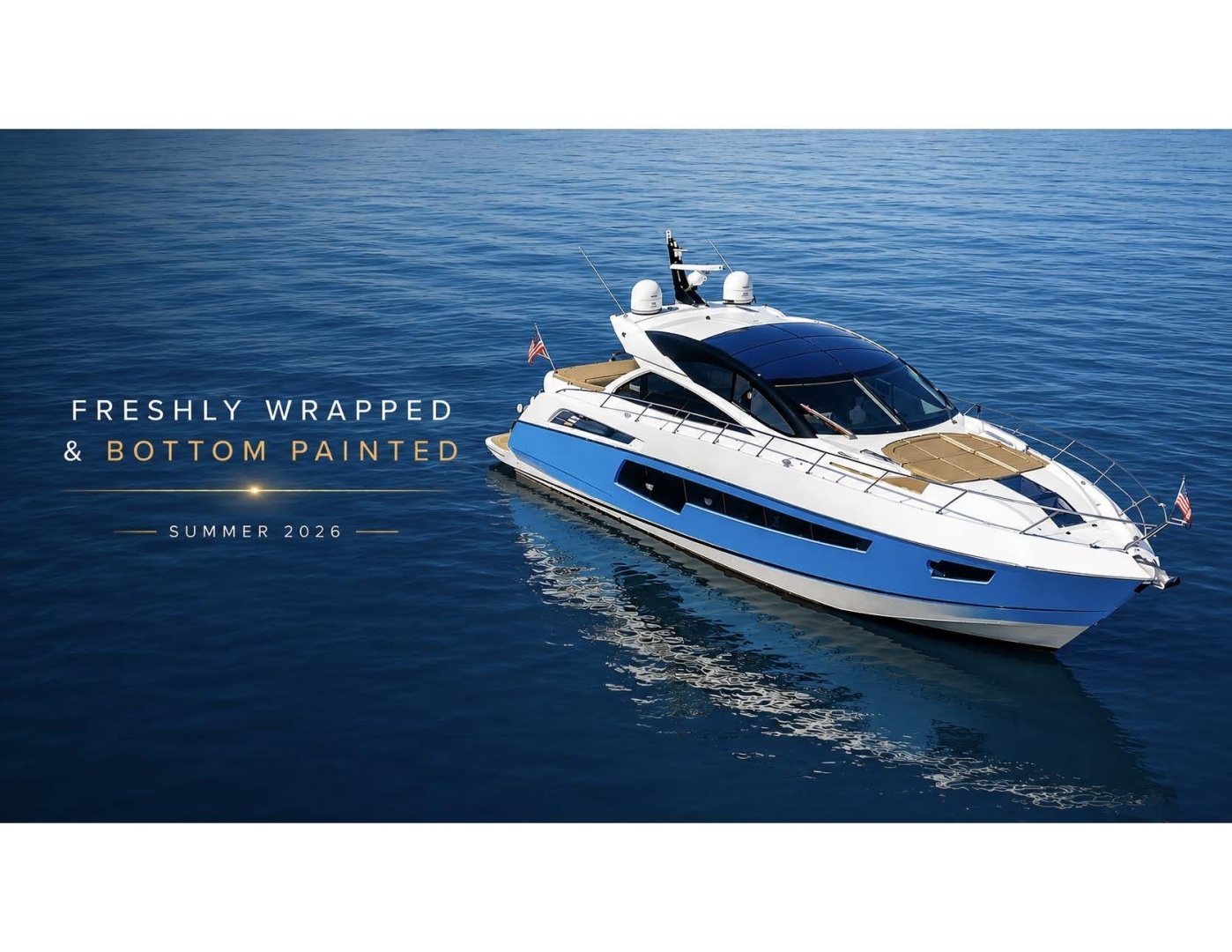
2014 Sunseeker
$1,400,000
68
New York New York

2024 Fairline
$2,750,000
68
Ft. Lauderdale Florida

2024 Sunreef Catallaxi
$3,700,000
60
Newport Rhode Island
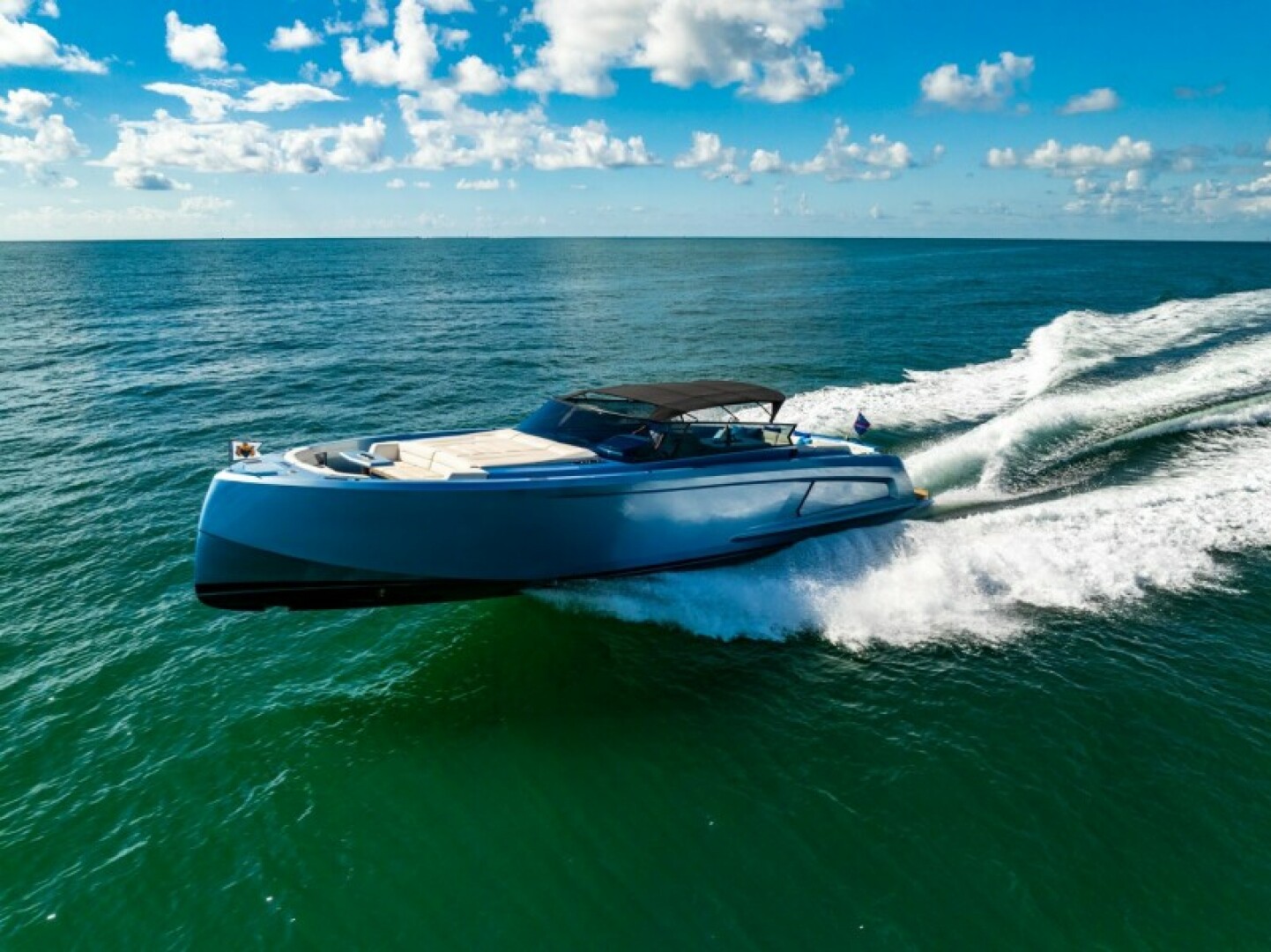
2019 Vanquish Yachts IMPULSIVE
$1,799,000
58
Miami Beach Florida
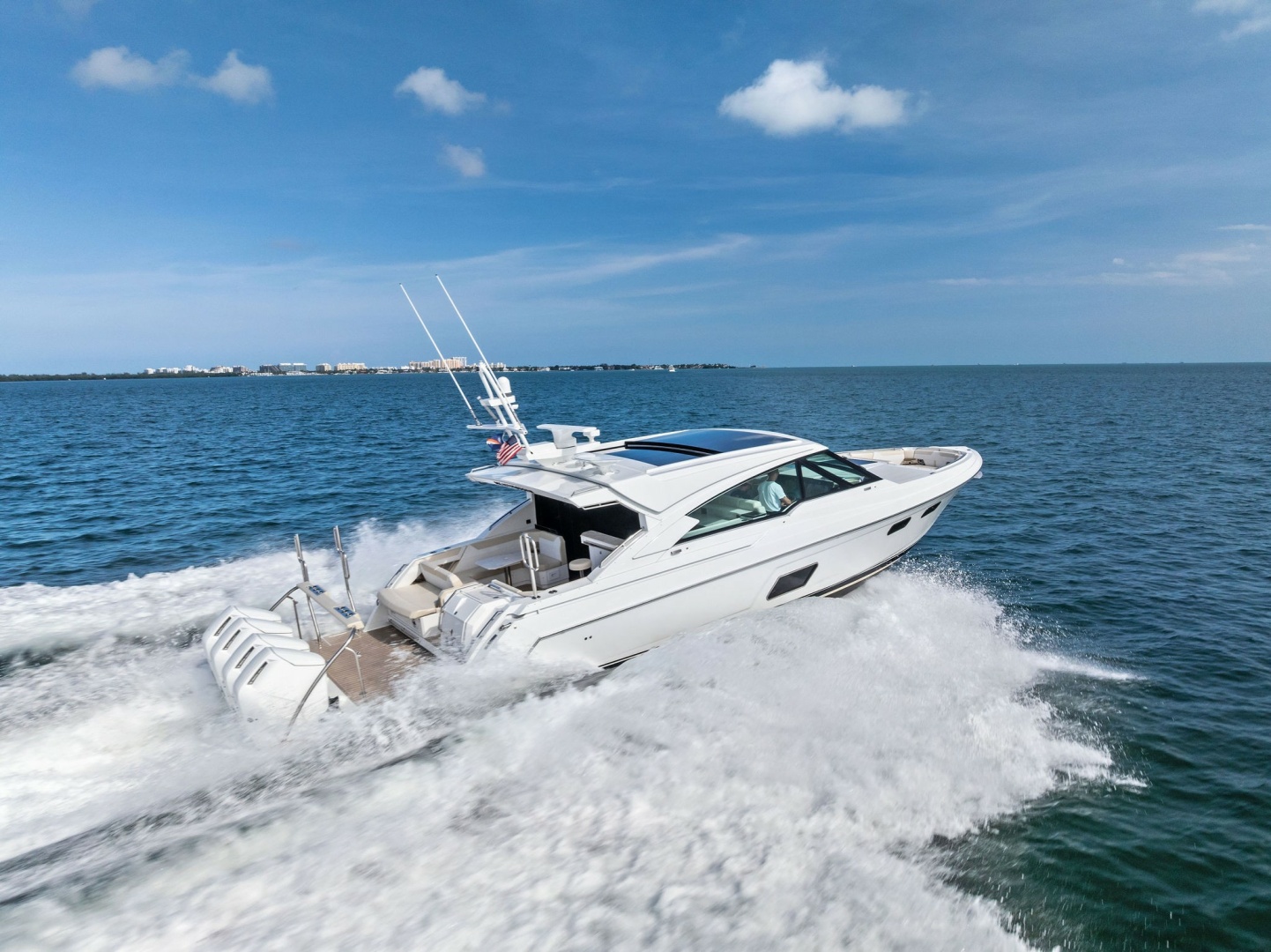
2025 Formula BREAKTHROUGH III
$1,895,000
53
Miami Beach Florida

2023 Fairline
$900,000
45
Fort Lauderdale Florida
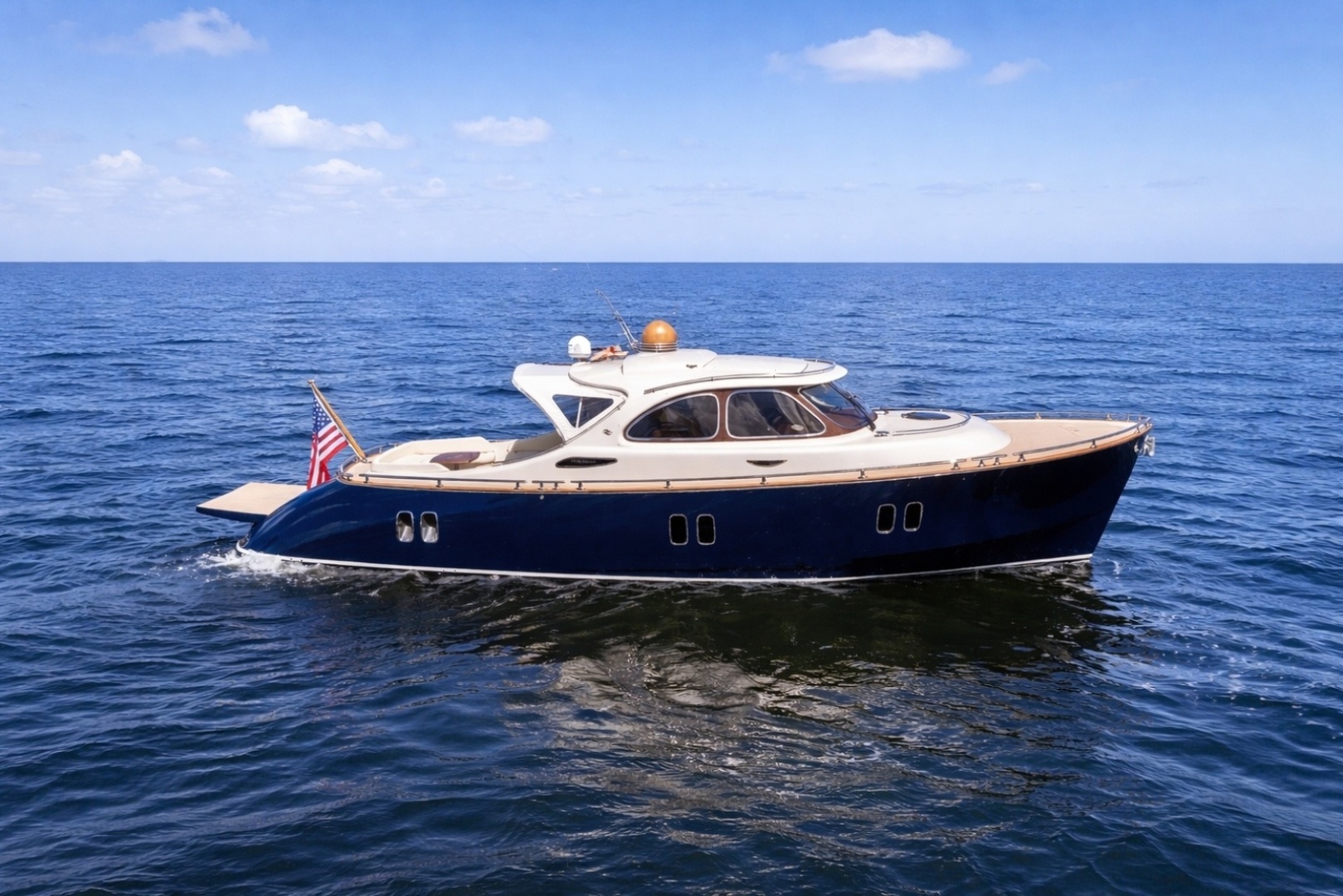
2012 Zeelander Mississippi Queen
$575,000
44
West Palm Beach Florida
2019 Bilgin 156'
$21,404,500
2028 Columbus Yachts 137'
$22,900,008
2012 Benetti 132'
$10,975,000
2024 Silver Yachts 117'
$25,400,000
2009 Hargrave 114'
$2,995,000
2028 Extra Yachts 100'
$21,404,500
2028 Extra Yachts 96'
$9,495,000
2021 Sanlorenzo 96'
$6,795,000
1999 Northern Marine 84'
$2,495,000
2013 Pershing 82'
$1,750,000
1997 Ferretti Yachts 80'
$850,000
2008 Princess Yachts 75'
$1,095,000
2014 Sunseeker 68'
$1,400,000
2024 Fairline 68'
$2,750,000
2024 Sunreef 60'
$3,700,000
2019 Vanquish Yachts 58'
$1,799,000
2025 Formula 53'
$1,895,000
2023 Fairline 45'
$900,000
2012 Zeelander 44'
$575,000