

Yacht length is the single most consequential measurement a buyer or owner will encounter. Expressed as Length Overall, or LOA, it governs everything from how fast your vessel moves through water to what you pay at the marina each night. LOA is the total physical length of the yacht, measured from the foremost point of the bow to the rearmost point of the stern, including any protrusions. Get this number right, and the rest of your ownership experience falls into place. Misread it, and the surprises start before you even leave the dock. Understanding why yacht length matters is the foundation of every sound purchase decision.
Why yacht length matters for performance
Length and performance are inseparable. A longer waterline length, known as LWL, increases theoretical hull speed and produces a smoother, more stable ride in open water. The physics are straightforward: a longer hull parts the water more gradually, reducing pitch and making passages more comfortable for everyone aboard.
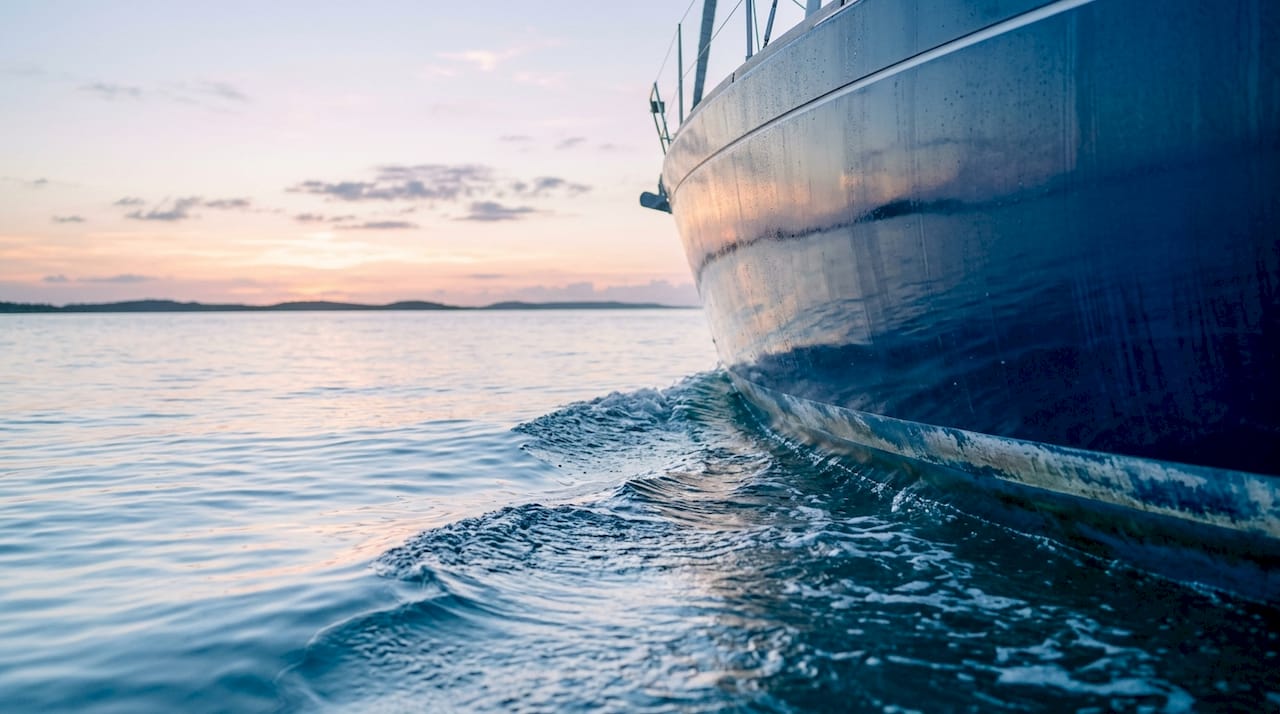
Stability tells a more nuanced story. Longer yachts generally handle ocean swells with greater composure, but they also carry more weight and require more powerful engines to maintain cruising speed. That engine size directly affects your cruising range and your fuel bill. A yacht that feels effortless at 10 knots may demand considerably more power to reach 15 knots, and the fuel consumption reflects that demand sharply.
The numbers on fuel are worth understanding before you commit to a size. Small yachts consume 80–150 liters per hour at cruising speed, while large yachts can burn 300–500 liters per hour. That gap is not a rounding error. It represents the difference between a relaxed coastal cruise and a logistical exercise in fuel planning.
- Longer LWL produces higher hull speed and calmer passages
- Larger engines required for longer hulls increase fuel burn significantly
- Fuel consumption scales from 80 liters per hour on smaller vessels to 500 liters per hour on the largest yachts
- Cruising range depends on tank capacity relative to consumption rate
- Seakeeping quality generally improves with length in open ocean conditions
Pro Tip: Before finalizing a purchase, ask for the yacht’s actual cruising range at its most economical speed. A 30-meter yacht with modest tanks may have a shorter practical range than a well-configured 22-meter vessel.
How does yacht length affect running costs?
The importance of yacht size becomes most tangible when you review the annual operating budget. Running costs typically fall between 8% and 12% of vessel value each year, and that percentage climbs as the yacht grows larger. A 30-meter yacht does not simply cost more than a 20-meter yacht in proportion to its size. Costs often more than double when you move between those two categories.
Marina slip fees are calculated on LOA, not on the nominal model length listed in a brochure. LOA determines slip availability and pricing because marinas bill for the physical space a vessel occupies. A swim platform or bow roller that adds a meter to your true footprint will add to your nightly fee, every night, at every marina you visit.
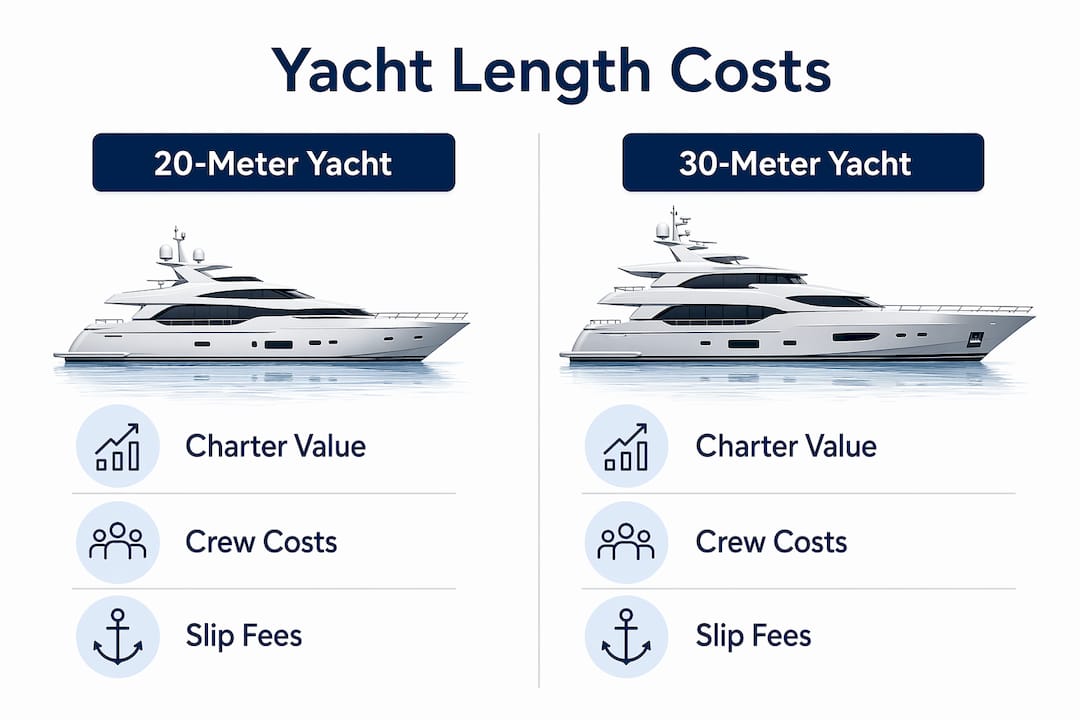
The table below illustrates how costs scale between a 20-meter and a 30-meter yacht in practical terms.
| Cost Category | 20-Meter Yacht | 30-Meter Yacht |
|---|---|---|
| Weekly charter value (peak season) | ~€8,000 | €20,000+ |
| Annual running costs (% of value) | 8%–10% | 10%–12% |
| Fuel consumption at cruise | 80–150 liters/hour | 300–500 liters/hour |
| Crew requirement | 2–4 crew | 5–8+ crew |
| Insurance and maintenance | Moderate | Significantly higher |
Crew costs deserve particular attention. A 30-meter yacht typically requires a captain, first mate, chef, and deckhands. Each additional crew member adds salary, accommodation, and provisioning costs to your annual budget. Fuel, maintenance, insurance, and crew expenses can more than double when upgrading from a mid-size to a large yacht.
Pro Tip: Request a full operating cost breakdown from the current owner or manager before purchase. Ask specifically for the last 12 months of marina fees, fuel receipts, and crew payroll. Real numbers reveal what brochures never show.
Does yacht size affect comfort and guest accommodations?
The relationship between length and onboard comfort is direct and deeply personal. A longer hull creates more interior volume, which translates into more cabins, more bathrooms, and more generous communal spaces. Yachts over 25 meters can comfortably accommodate groups of 8 or more with spacious layouts that preserve privacy for every guest. Below that threshold, the experience is still wonderful, but the geometry demands more creative design compromises.
Privacy is the variable most buyers underestimate. A couple hosting four guests on a 20-meter yacht will feel the difference between a well-designed layout and a cramped one by day two. Add four more guests and the calculus changes entirely. The right length for your lifestyle is the one that matches your typical guest count without forcing anyone to share a bathroom across the boat.
The amenities that define luxury yachting scale directly with length. Longer vessels can accommodate features that simply do not fit on smaller hulls.
- Full-beam master staterooms with private terraces
- Dedicated crew quarters separated from guest areas
- Formal dining saloons with seating for 10 or more
- Beach clubs, swim platforms, and water toy garages
- Onboard gyms, cinema rooms, and spa facilities
- Multiple outdoor lounging and dining areas
A 35-meter yacht can carry a full complement of water toys, a tender garage, and a spa without sacrificing guest cabin space. A 20-meter yacht forces a choice between some of those features. Neither is wrong. The question is which tradeoffs align with how you actually intend to use the vessel.
How does yacht length influence marina access and cruising destinations?
Yacht length benefits extend beyond performance and comfort. They also determine where you can go. Some smaller ports limit overnight berthing to yachts under 25 meters during peak season, particularly in the Mediterranean and the Caribbean. A 32-meter yacht that cannot enter a charming Aegean harbor is not a failure of the yacht. It is a mismatch between size and intended itinerary.
Draft, which increases with length and displacement, adds another layer of restriction. Shallow anchorages in the Bahamas, the Turks and Caicos, and parts of Croatia become inaccessible as draft deepens. Smaller yachts, precisely because they draw less water, can reach secluded anchorages inaccessible to larger vessels. That access is a genuine luxury that no amount of onboard square footage can replace.
Registration and compliance requirements also shift with length. Larger yachts face more complex yacht registration and compliance challenges related to flag state rules, safety equipment mandates, and crew certification requirements. Understanding these obligations before purchase prevents costly surprises after the ink dries.
Pro Tip: Always verify the true LOA of any yacht you are considering, including swim platforms, bow rollers, and anchor equipment. True LOA includes all protrusions, and marinas charge for every centimeter. A yacht listed at 28 meters may present as 29.5 meters at the dock.
Key Takeaways
Yacht length is the primary measurement that shapes every dimension of ownership, from performance and fuel costs to marina access and onboard comfort.
| Point | Details |
|---|---|
| LOA governs marina fees | Marinas bill for total physical footprint, including protrusions, not nominal model length. |
| Running costs scale sharply | Annual costs of 8%–12% of vessel value can more than double moving from 20 to 30 meters. |
| Fuel consumption multiplies with size | Consumption ranges from 80 liters per hour on small yachts to 500 liters per hour on large ones. |
| Comfort depends on guest count | Yachts over 25 meters comfortably host 8 or more guests with genuine privacy and space. |
| Length limits destination access | Ports and anchorages restrict entry by LOA and draft, making itinerary planning length-dependent. |
What buyers consistently get wrong about yacht length
I have watched buyers fall in love with a yacht’s interior photographs and then discover, weeks into due diligence, that the vessel cannot enter the harbor they had planned to call home for the summer. Length is the detail that looks abstract on a spec sheet and becomes very concrete the first time a marina master shakes his head and points you toward the outer anchorage.
The most common mistake is treating length as a proxy for quality. A longer yacht is not automatically a better yacht. The optimal yacht length for cruising depends entirely on where you want to go, how many guests you typically host, and what your annual operating budget actually supports. I have seen 22-meter yachts deliver a more satisfying ownership experience than 35-meter vessels, simply because the owner matched the boat to the life rather than the other way around.
The second mistake is ignoring the true LOA. Buyers review the model specification and assume that is what the marina will measure. It is not. Swim platforms, passerelles, and anchor equipment all extend the physical footprint. Verify the true measurement before you plan your first season. The difference between a listed length and a true LOA can cost you thousands in unexpected slip fees or, worse, a berth that simply does not fit.
Length also shapes the lifestyle in ways that go beyond logistics. A larger yacht demands more of your time, your attention, and your budget, even when it is sitting at the dock. The most fulfilled owners I have encountered are those who chose a vessel that felt like a sanctuary rather than a responsibility. Size should serve the life you want to live, not define it.
— Jason
How Yachts-bysteve helps you find the right fit
Choosing the right yacht length is one of the most consequential decisions a buyer makes, and it deserves more than a brochure and a guess. At Yachts-bysteve, expert brokers walk you through the full picture: performance expectations, real operating costs, marina compatibility, and how a vessel’s true LOA aligns with your intended cruising grounds. Whether you are purchasing your first yacht or upgrading to a larger vessel, the yacht buying process is clearer with a knowledgeable partner beside you. For personalized guidance on matching length to lifestyle, connect with a yacht broker who understands both the numbers and the experience you are seeking.
FAQ
What does LOA mean in yacht specifications?
LOA stands for Length Overall, the total physical length of a yacht from its foremost to its rearmost point, including all protrusions. Marinas use LOA, not nominal hull length, to assign slips and calculate fees.
What is the optimal yacht length for cruising?
The optimal length depends on your itinerary, guest count, and budget. Yachts in the 18–25 meter range offer the best balance of comfort, access to smaller ports, and manageable running costs for most cruising owners.
How does yacht length influence performance at sea?
A longer waterline length increases theoretical hull speed and improves seakeeping in open water. Fuel consumption rises significantly with size, ranging from 80 liters per hour on smaller yachts to 500 liters per hour on the largest vessels.
Does yacht size affect stability in rough conditions?
Longer yachts generally handle ocean swells more comfortably due to their greater waterline length and displacement. However, stability also depends on hull design, beam, and weight distribution, not length alone.
Why do marina fees vary so much by yacht length?
Marinas charge based on the physical space a vessel occupies, which is determined by true LOA including all equipment and protrusions. A yacht listed at 28 meters may occupy a 30-meter slip, and fees reflect that full footprint.
Recommended
Featured Listings

2028 Columbus Yachts
$22,900,008
137
Ancona
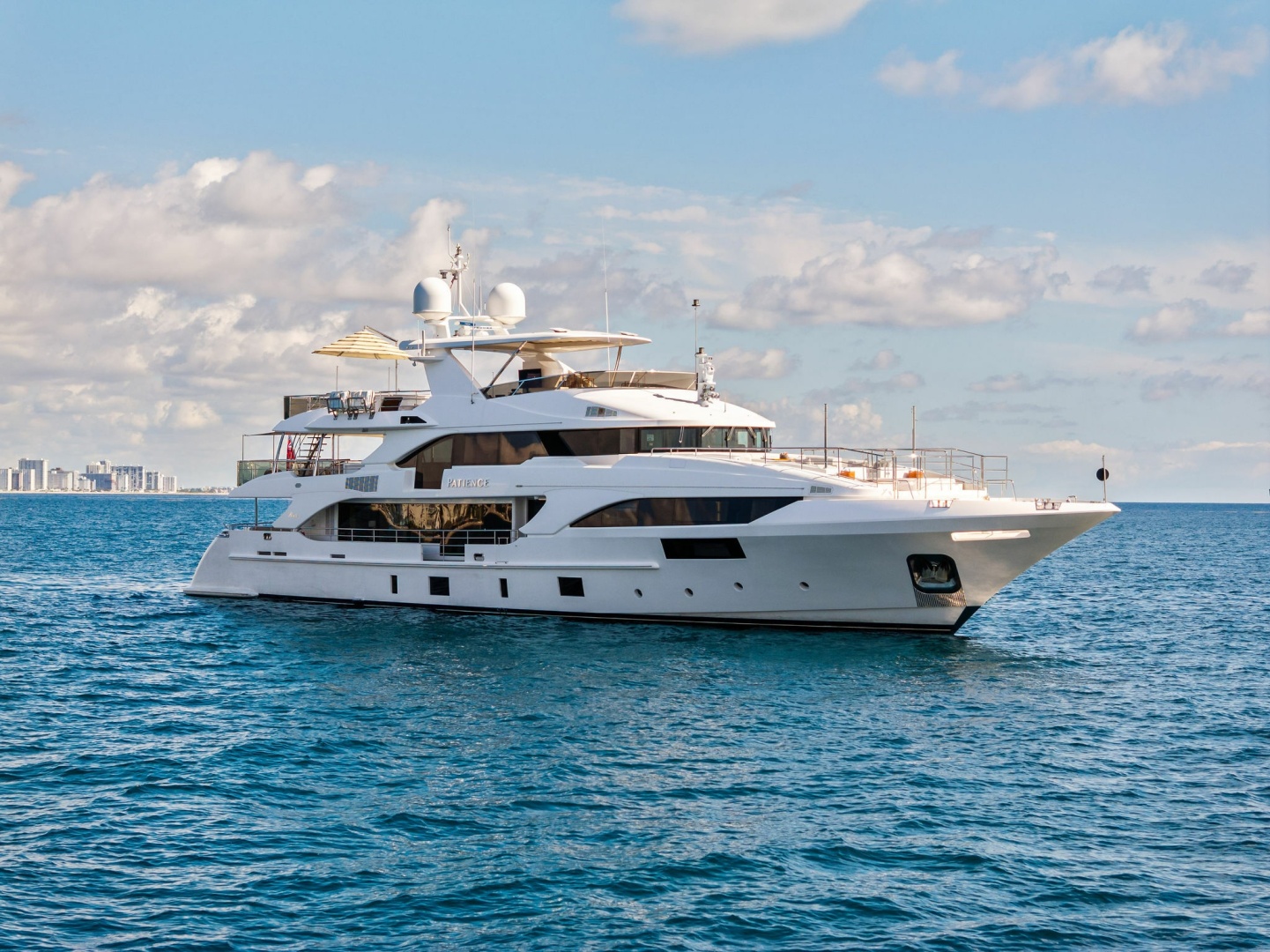
2012 Benetti PATIENCE
$10,975,000
132
Fort Lauderdale Florida
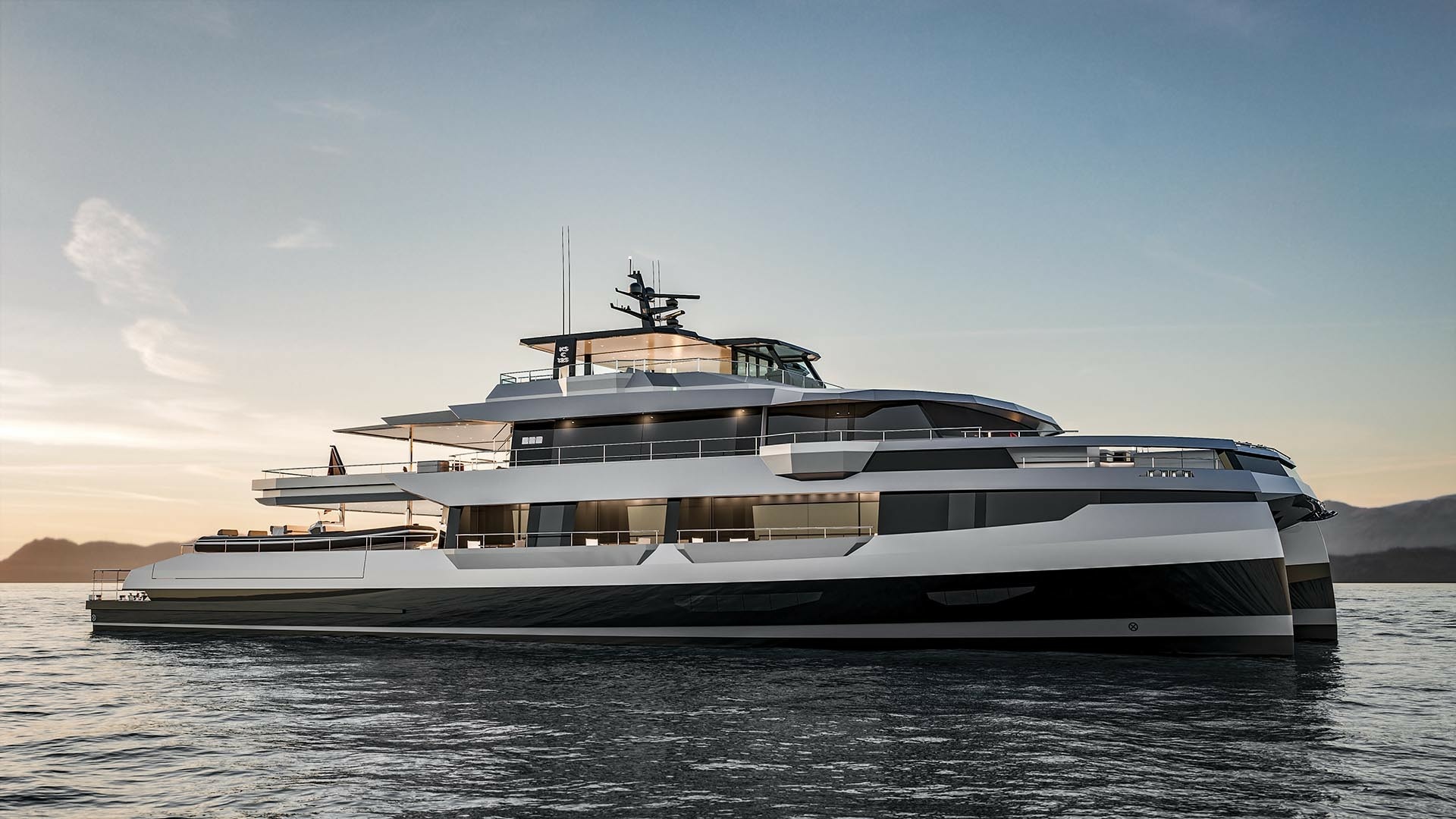
2028 Kingship Kingship
$20,350,000
125
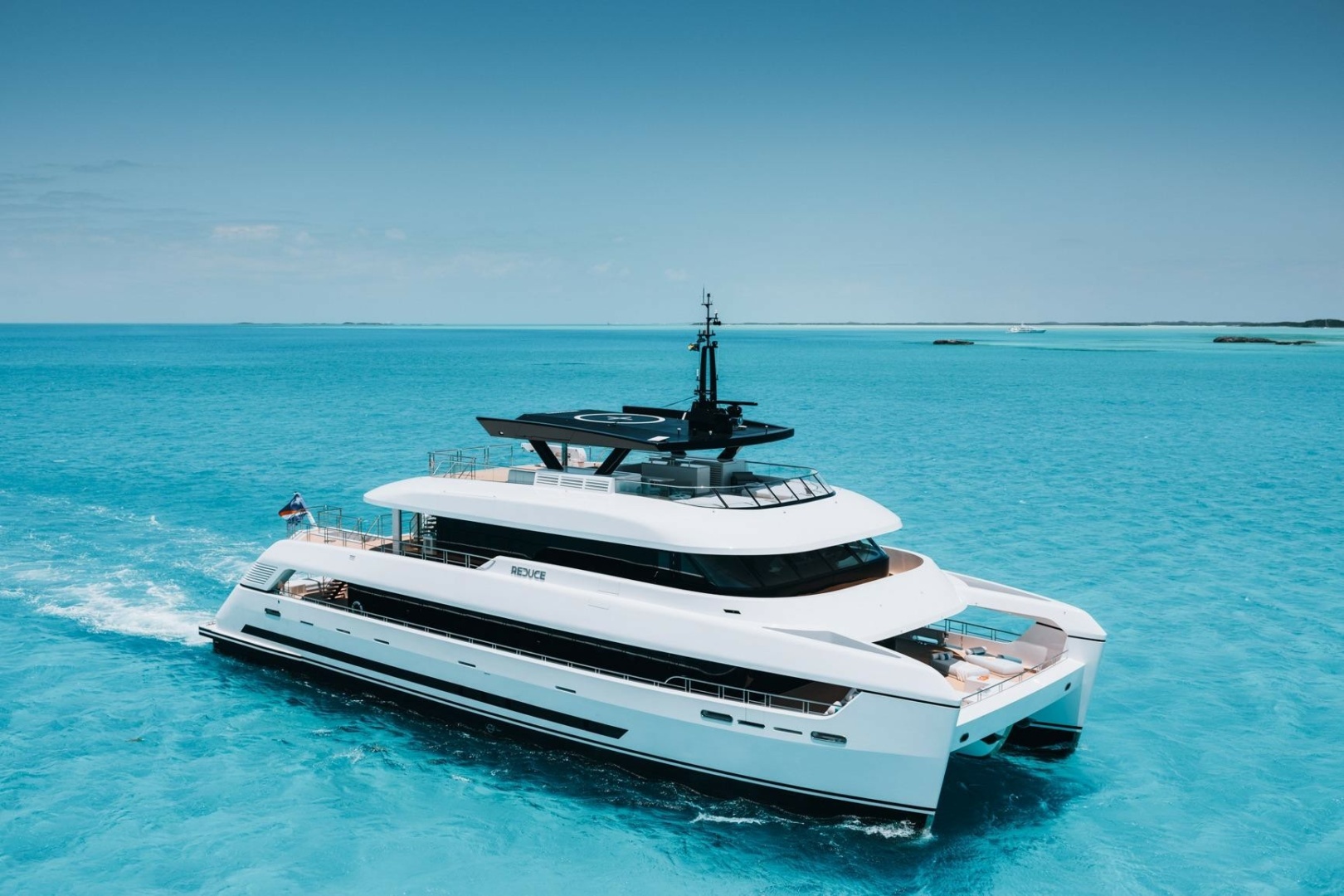
2024 Silver Yachts
$25,400,000
117
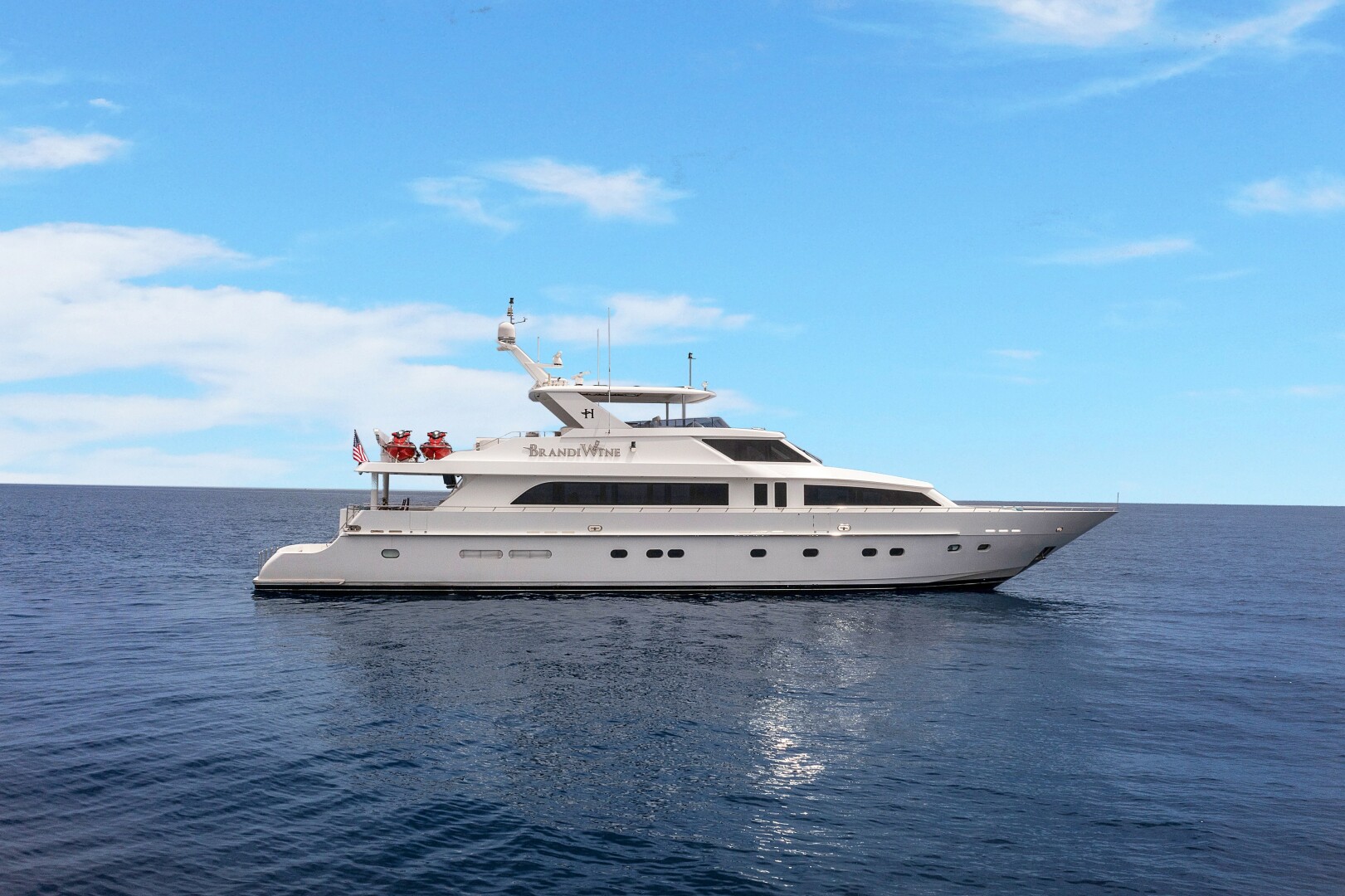
2009 Hargrave BRANDI WINE
$2,500,000
114
Fort Lauderdale Florida

2028 Extra Yachts
$20,350,000
100
Ancona

2028 Alpha
$12,100,000
100
Ft Lauderdale Florida

2028 Extra Yachts Extra 96
$9,495,000
96
Ancona
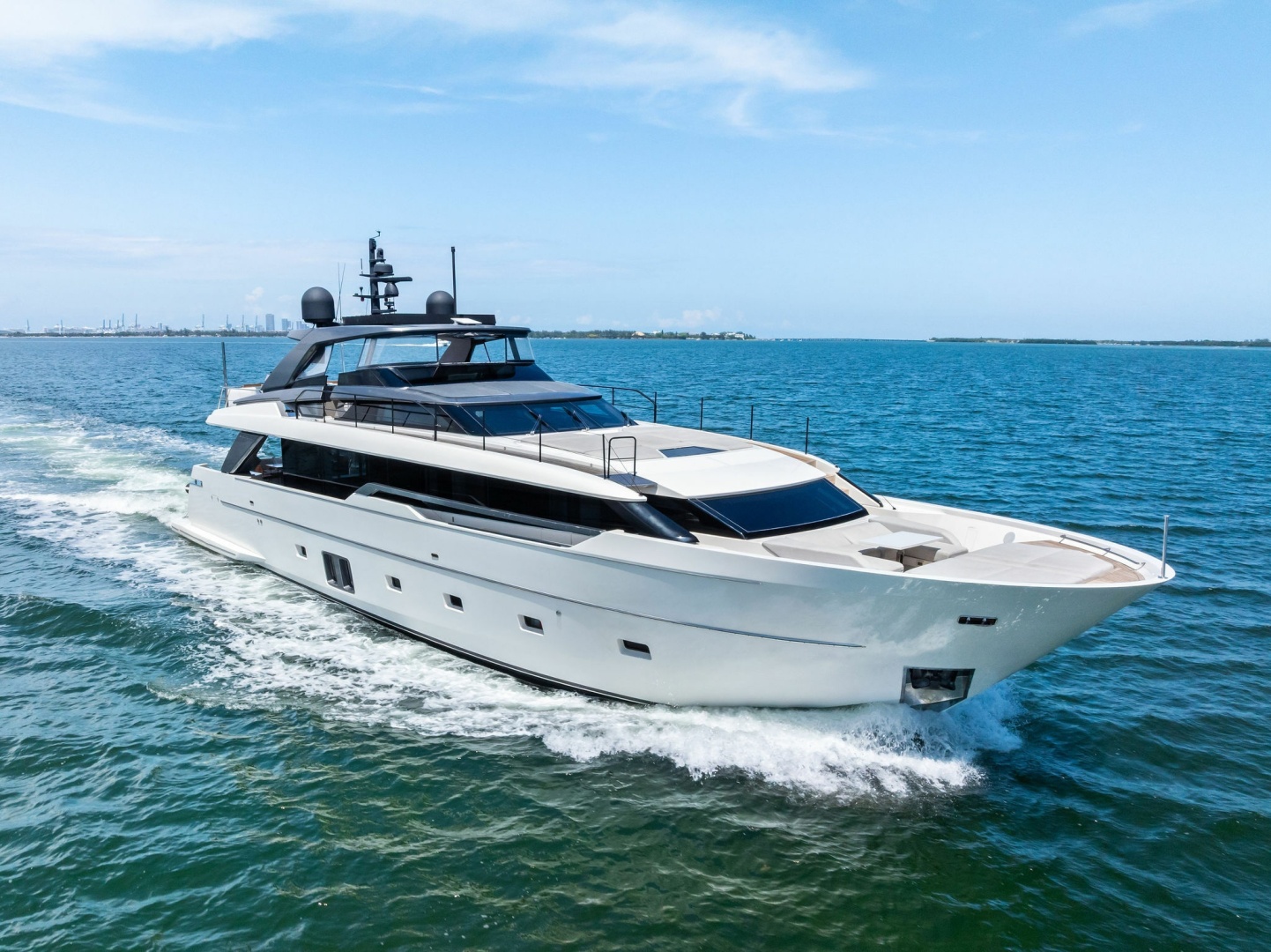
2021 Sanlorenzo GATSBY
$6,795,000
96
Fort Lauderdale Florida
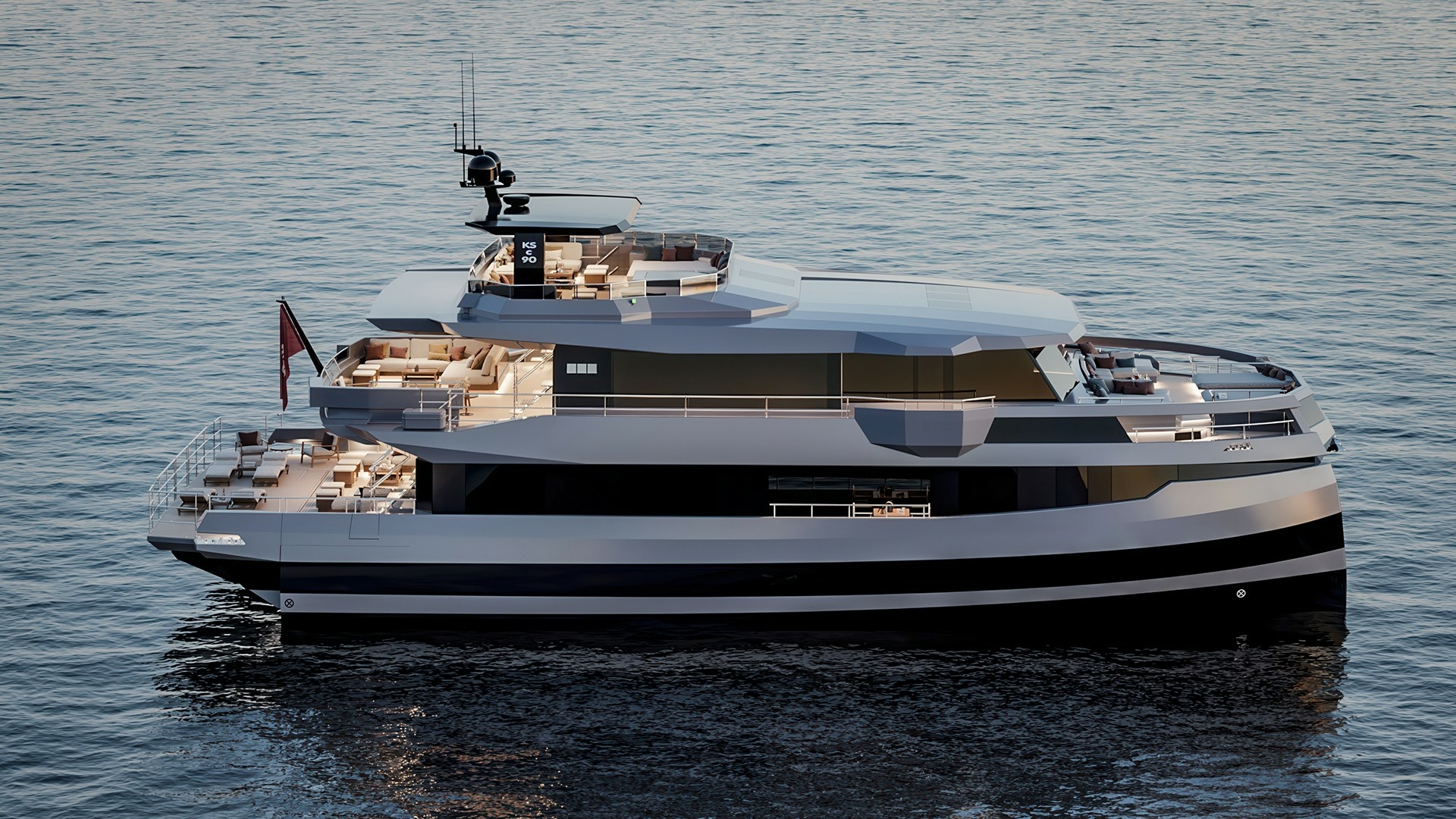
2028 Kingship
$11,990,000
90
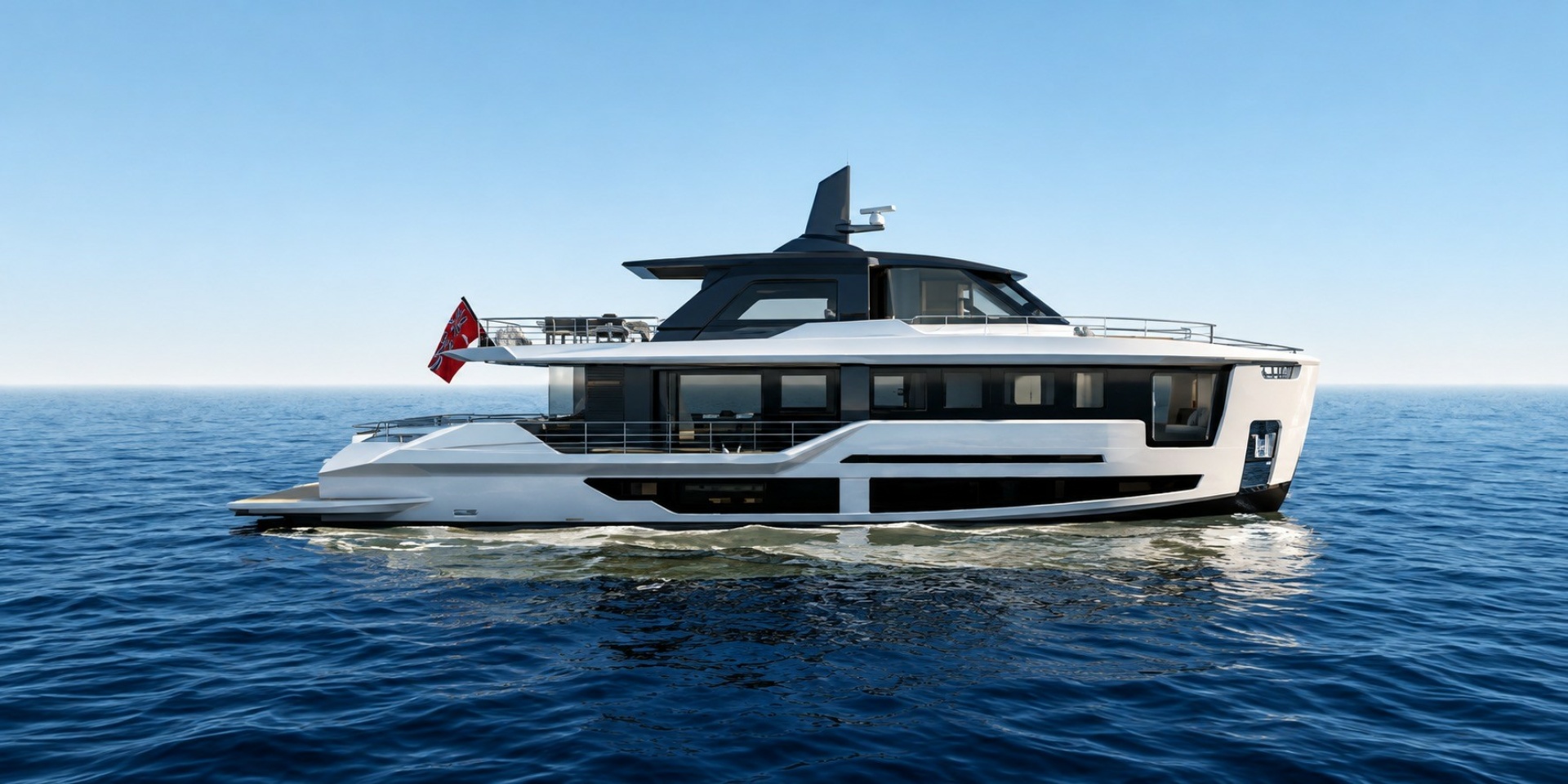
2028 Alpha
$9,894,500
90
Fano
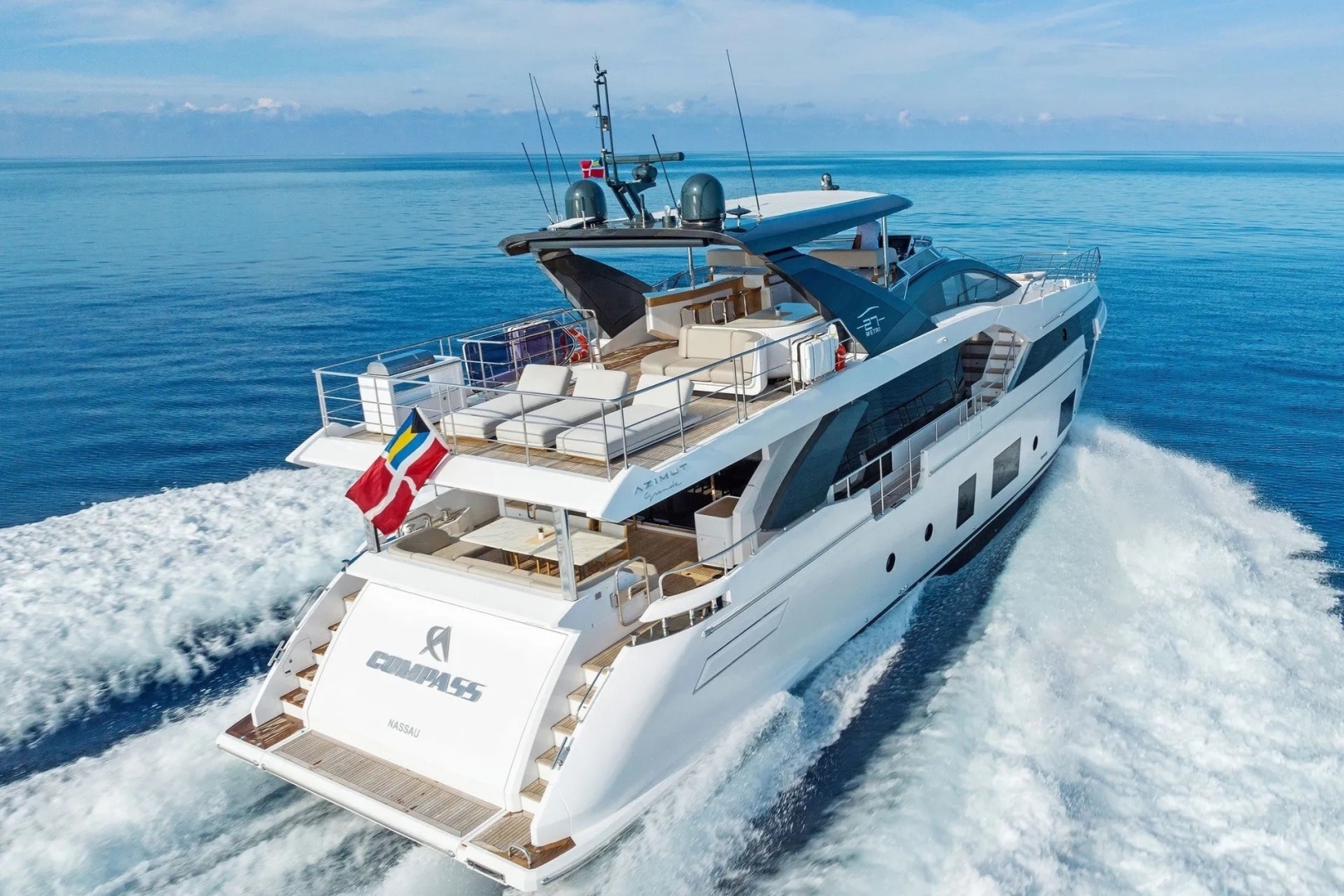
2023 Azimut COMPASS
$7,950,000
88
Miami Beach Florida

1999 Northern Marine OFF LINE
$2,495,000
84
Ft Lauderdale Florida
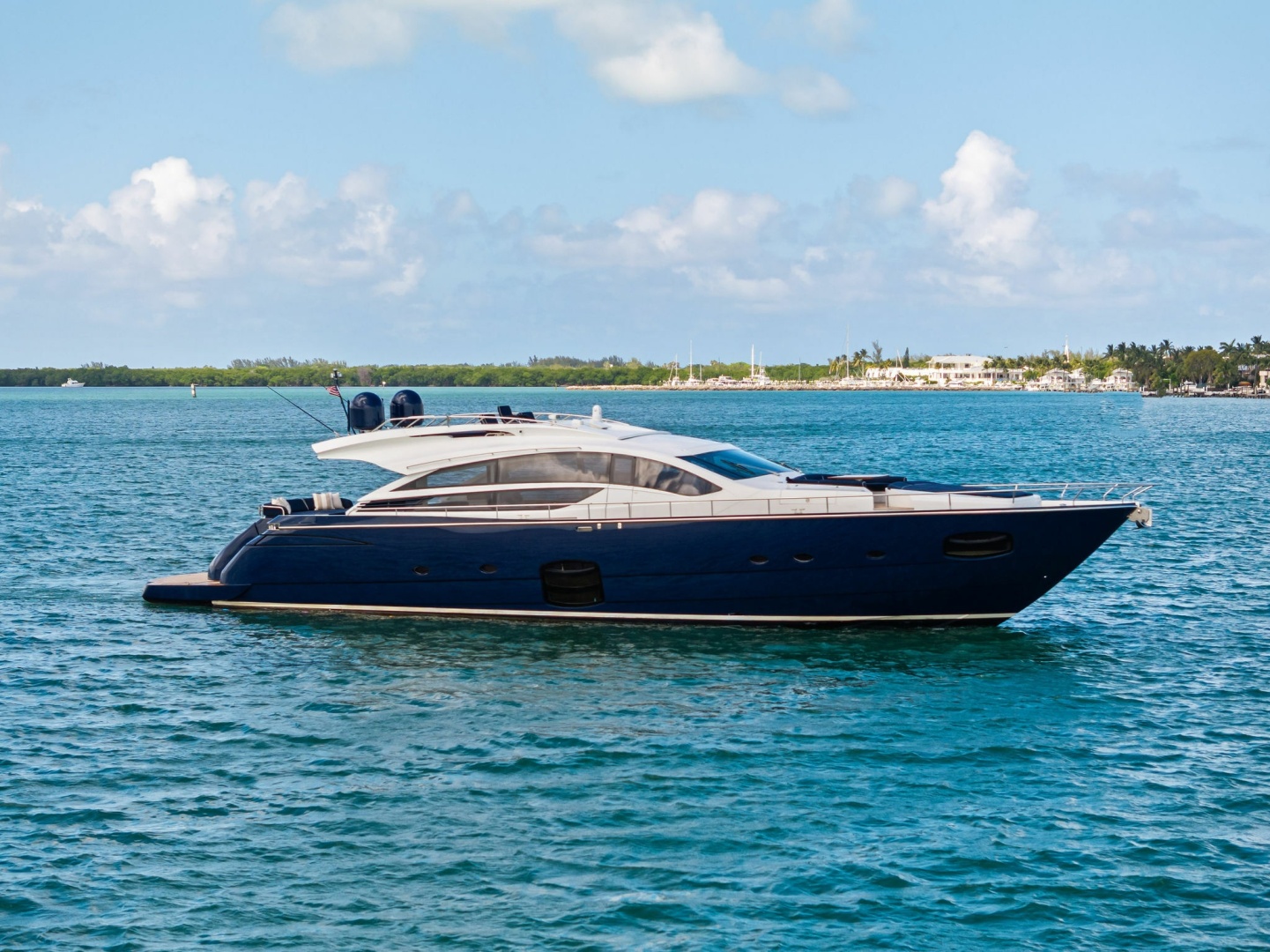
2013 Pershing DOROTHY ANN
$1,375,000
82
Fort Lauderdale Florida

1997 Ferretti Yachts
$825,000
80
La Paz
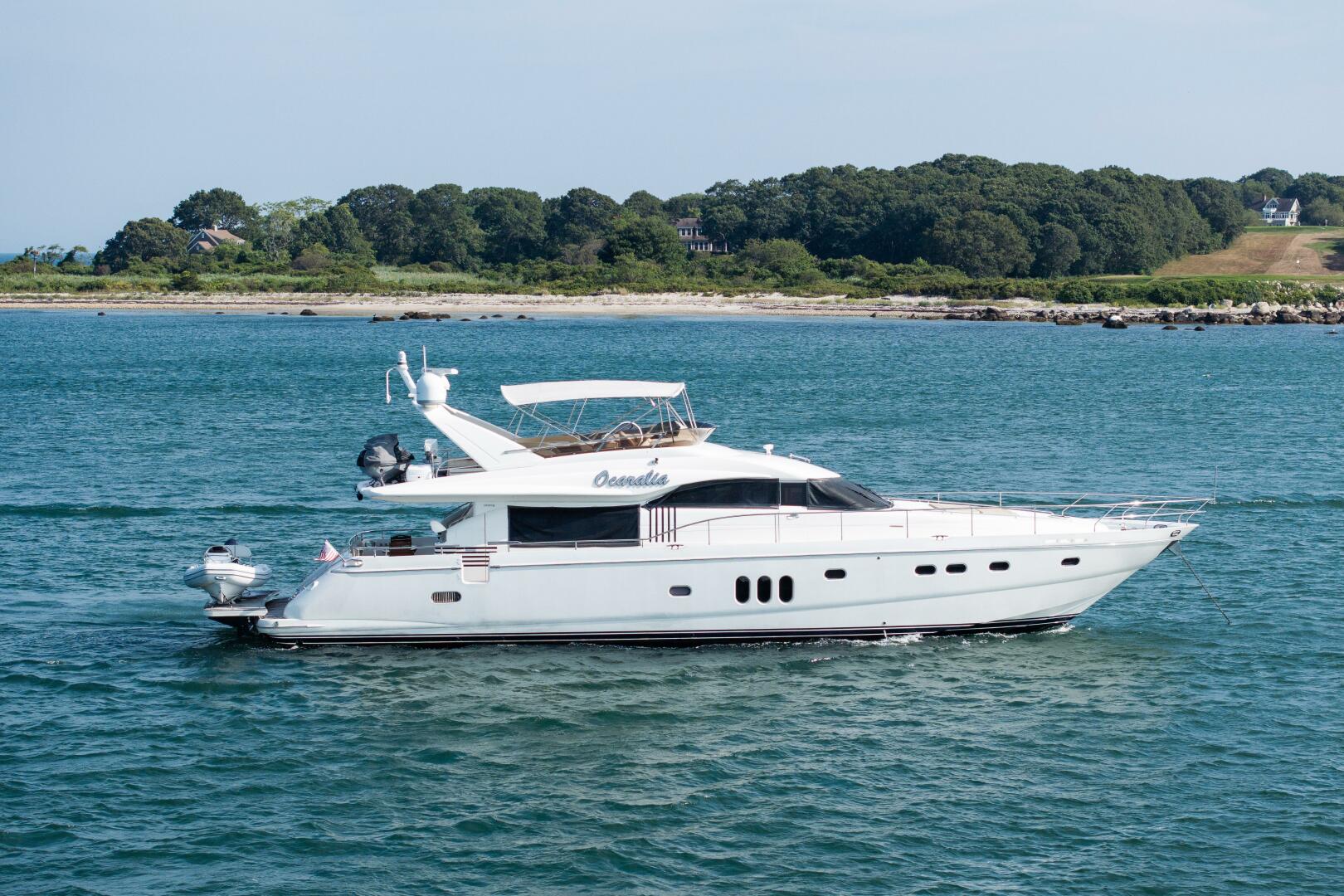
2008 Princess Yachts OCARALIA
$1,095,000
75
Charleston South Carolina
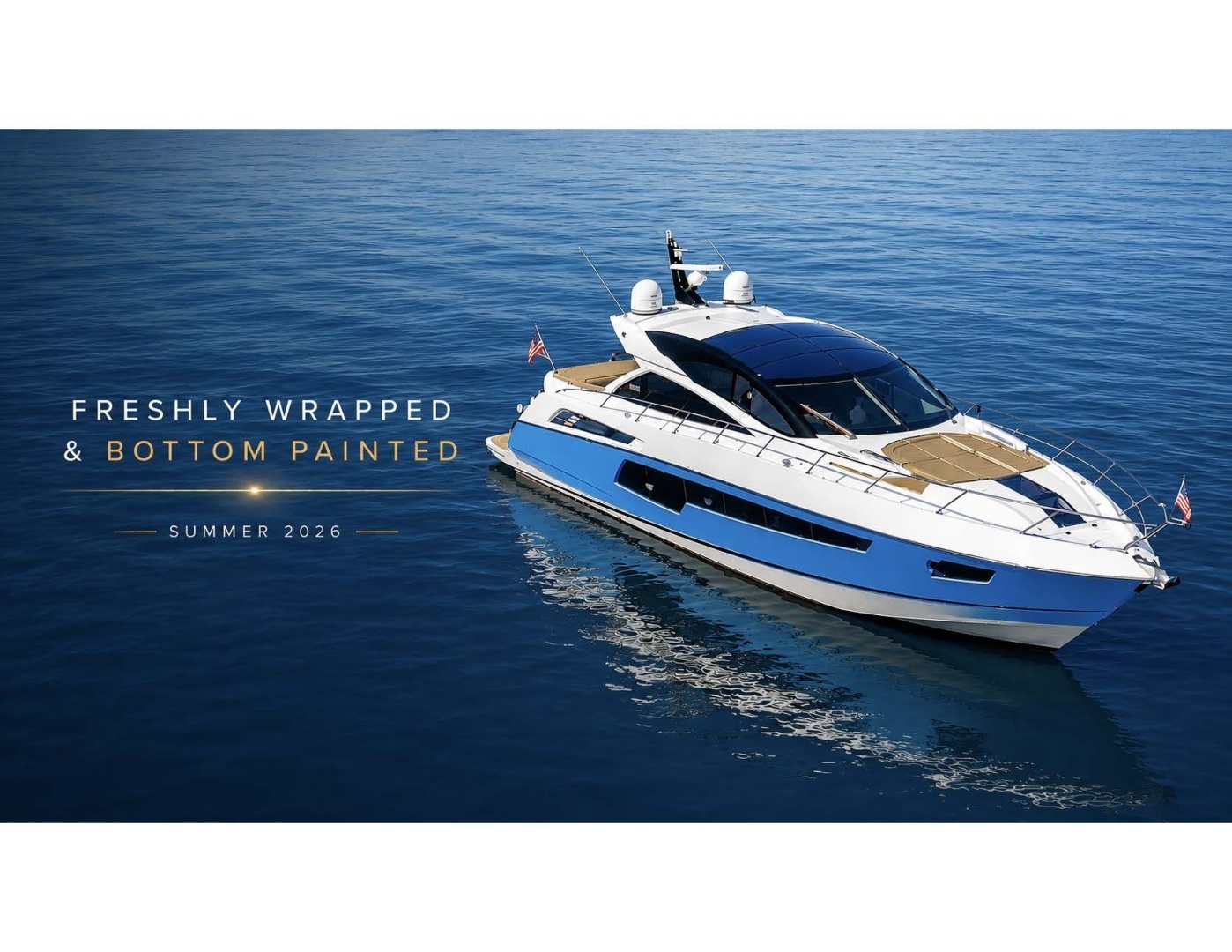
2014 Sunseeker
$1,400,000
68
New York New York

2024 Fairline
$2,750,000
68
Ft. Lauderdale Florida
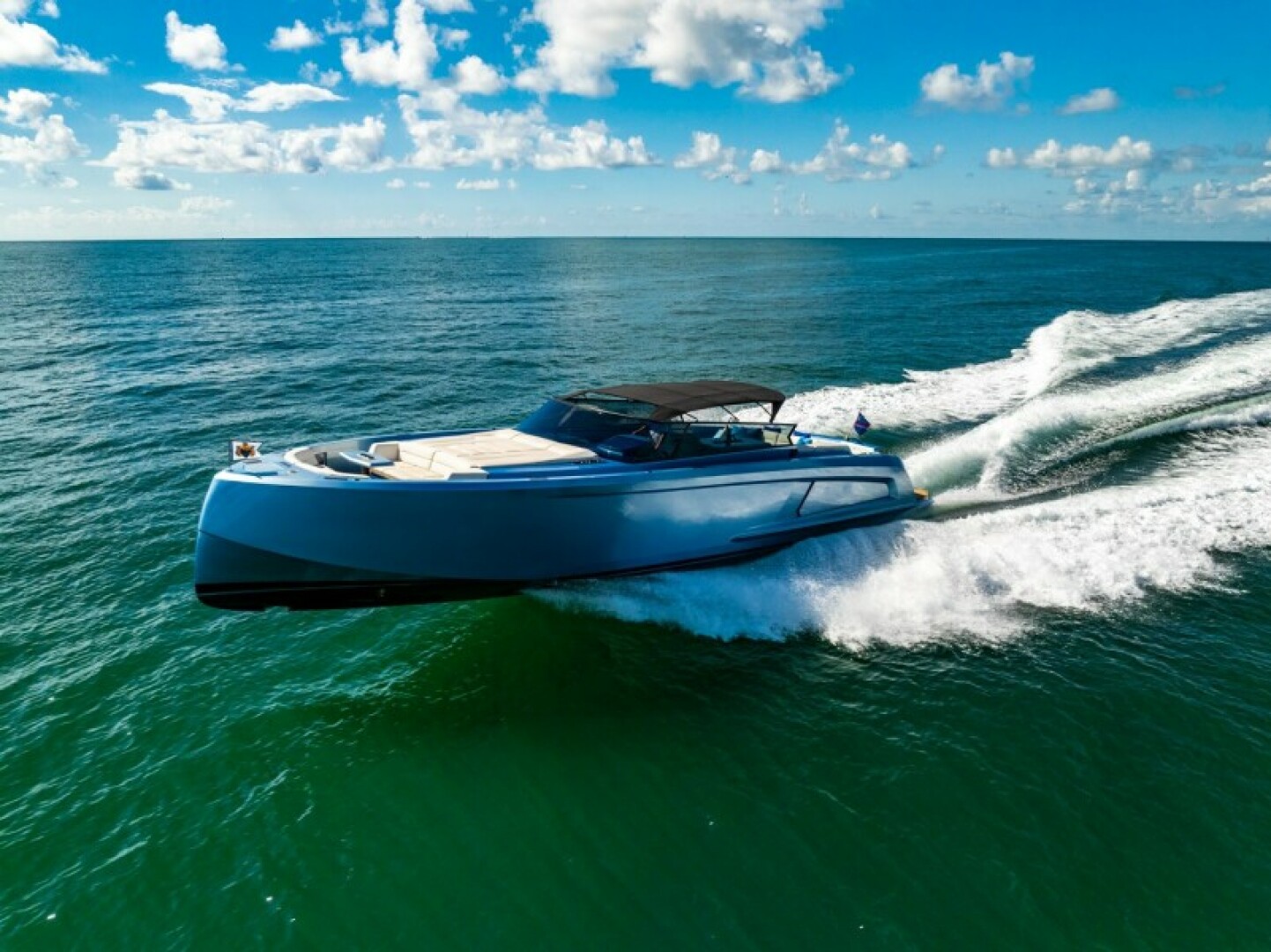
2019 Vanquish Yachts IMPULSIVE
$1,799,000
58
Miami Beach Florida
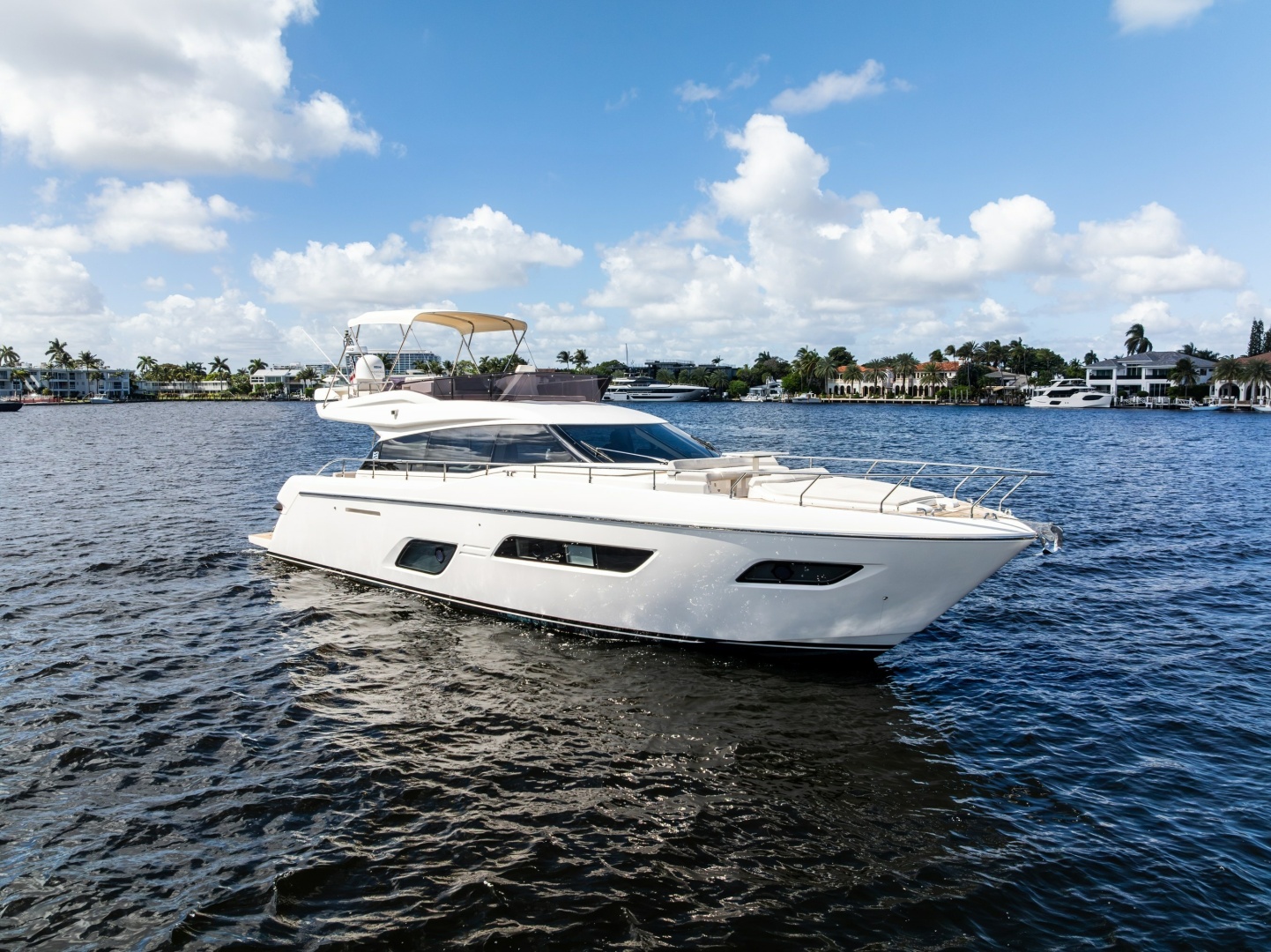
2021 Ferretti Yachts HAVEN
$1,595,000
57
Fort Lauderdale Florida
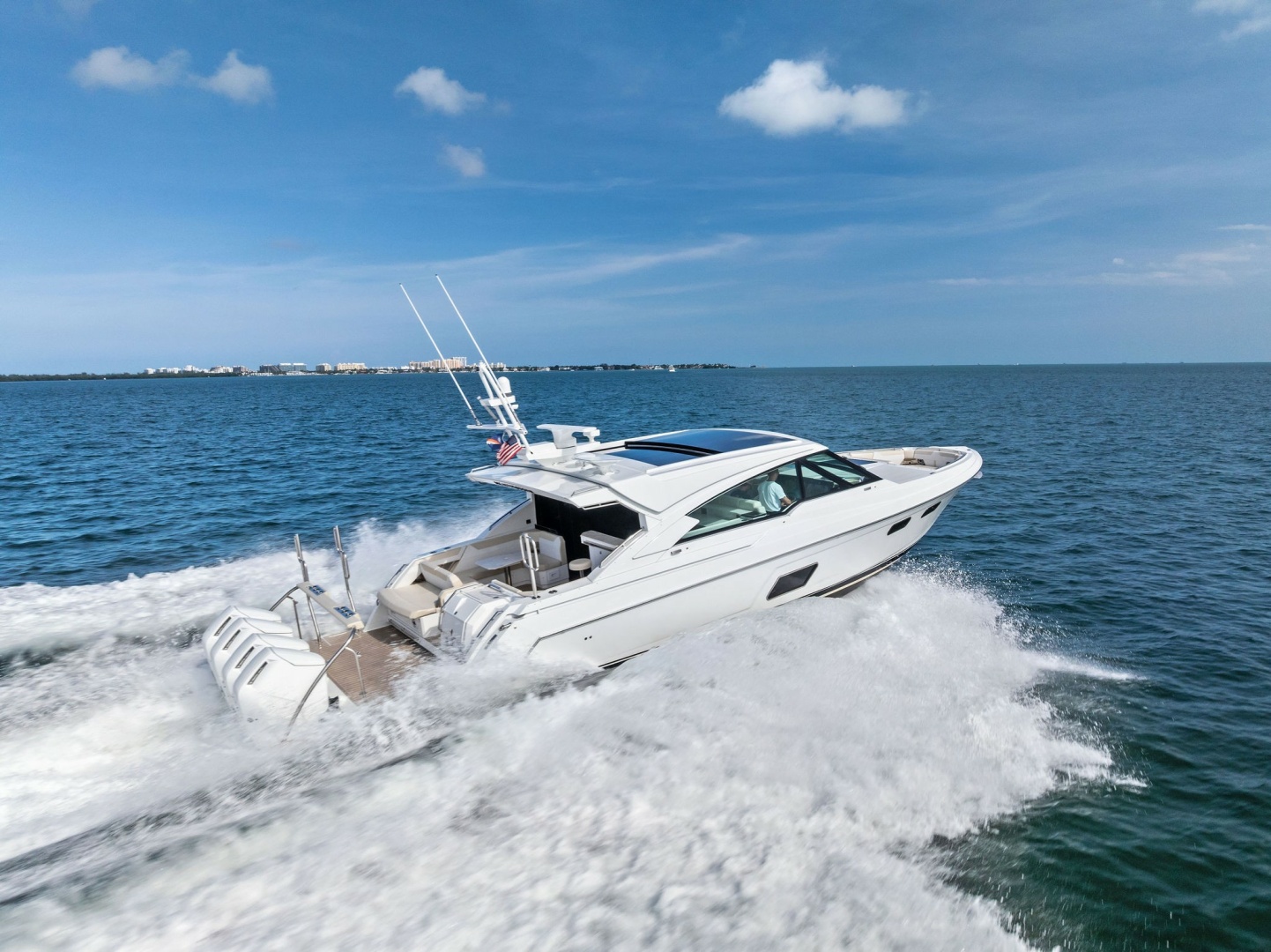
2025 Formula BREAKTHROUGH III
$1,895,000
53
Miami Beach Florida

2023 Fairline
$900,000
45
Fort Lauderdale Florida
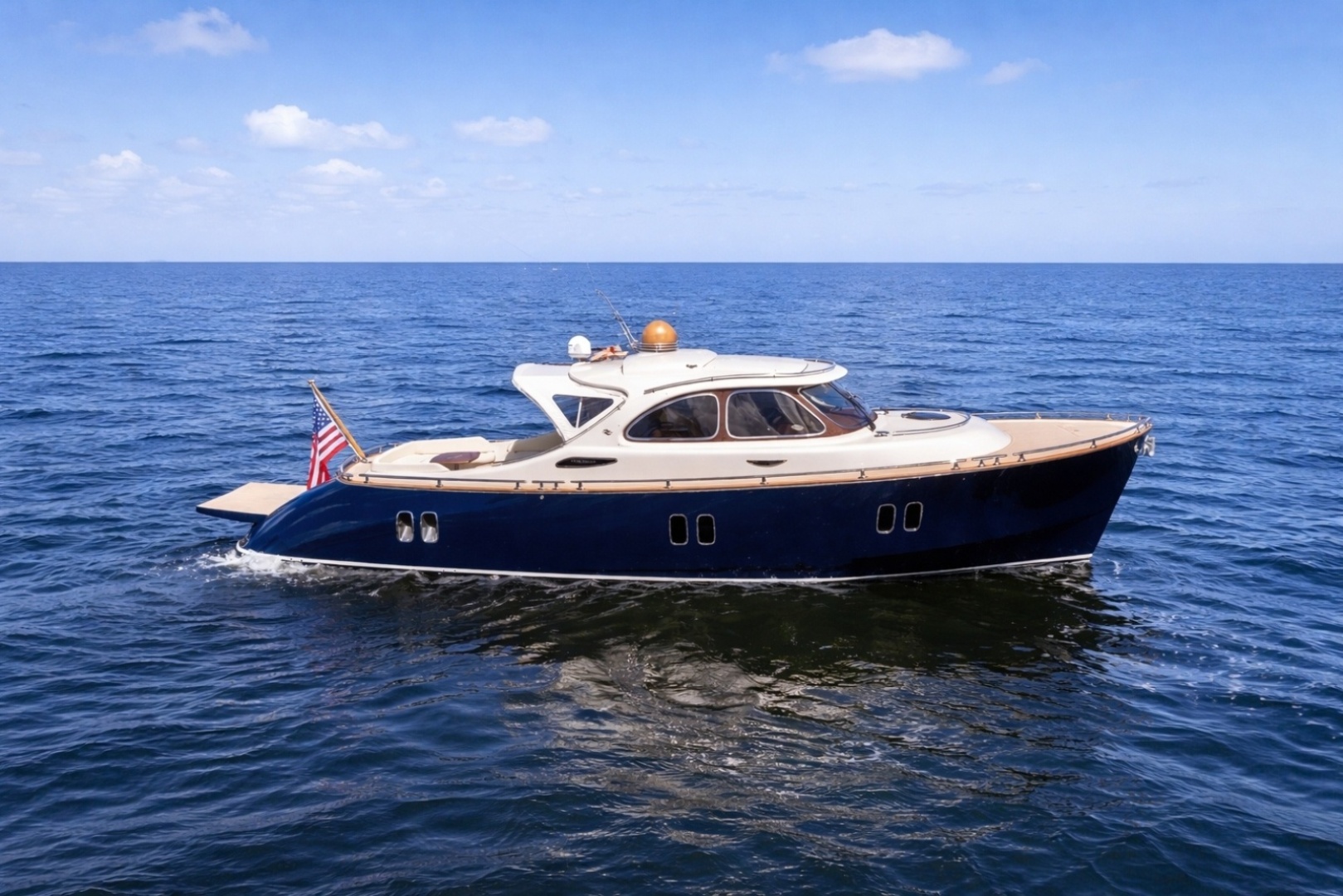
2012 Zeelander Mississippi Queen
$575,000
44
West Palm Beach Florida
2028 Columbus Yachts 137'
$22,900,008
2012 Benetti 132'
$10,975,000
2028 Kingship 125'
$20,350,000
2024 Silver Yachts 117'
$25,400,000
2009 Hargrave 114'
$2,500,000
2028 Extra Yachts 100'
$20,350,000
2028 Alpha 100'
$12,100,000
2028 Extra Yachts 96'
$9,495,000
2021 Sanlorenzo 96'
$6,795,000
2028 Kingship 90'
$11,990,000
2028 Alpha 90'
$9,894,500
2023 Azimut 88'
$7,950,000
1999 Northern Marine 84'
$2,495,000
2013 Pershing 82'
$1,375,000
1997 Ferretti Yachts 80'
$825,000
2008 Princess Yachts 75'
$1,095,000
2014 Sunseeker 68'
$1,400,000
2024 Fairline 68'
$2,750,000
2019 Vanquish Yachts 58'
$1,799,000
2021 Ferretti Yachts 57'
$1,595,000
2025 Formula 53'
$1,895,000
2023 Fairline 45'
$900,000
2012 Zeelander 44'
$575,000