

Every luxury yacht transaction carries more than just financial investment—it puts your reputation and peace of mind on the line. For buyers and sellers navigating complex international deals, ignoring the regulatory framework can invite costly delays or even legal trouble. With the rise of strict standards like the Red Ensign Group Yacht Code and global sanctions enforcement by the Office of Foreign Assets Control, regulatory compliance shapes not only your closing timelines but the very possibility of a valid transfer. Discover how seasoned professionals lay the groundwork for seamless, compliant yacht transactions.
Table of Contents
- Step 1: Establish Regulatory Requirements For Yacht Transactions
- Step 2: Gather Necessary Documentation For Compliance
- Step 3: Verify Ownership, Registration, And Tax Records
- Step 4: Implement Client Due Diligence Procedures
- Step 5: Conduct Final Compliance Checks Before Closing
Quick Summary
| Key Point | Explanation |
|---|---|
| 1. Understand Regulatory Frameworks | Identify applicable regulations for your yacht to ensure smooth transactions and compliance with international maritime authorities. |
| 2. Gather Comprehensive Documentation | Collect all necessary documentation to demonstrate compliance with safety, tax, and environmental requirements before closing the deal. |
| 3. Verify Ownership and Title | Confirm ownership, registration, and tax records are accurate and unencumbered to avoid potential legal issues during the transaction. |
| 4. Implement Rigorous Due Diligence | Vet all parties involved to prevent fraud and ensure legitimacy, especially for high-risk clients or transactions. |
| 5. Conduct Final Compliance Checks | Perform thorough verification of all regulatory elements before closing to catch any last-minute issues that could halt the transaction. |
Step 1: Establish regulatory requirements for yacht transactions
Before you sign anything or transfer funds, you need to understand the regulatory landscape that governs your yacht transaction. This step isn’t about paperwork for paperwork’s sake—it’s about protecting yourself legally and ensuring your purchase or sale stands up to scrutiny from international maritime authorities. Think of regulatory requirements as the foundation upon which your entire transaction rests. Without this foundation, even the most beautiful yacht deal can crumble under regulatory pressure.
Start by identifying which regulatory frameworks apply to your specific yacht and transaction. The first place to investigate is whether your yacht falls under commercial or private use designations. If your yacht exceeds 24 meters and operates in commercial use for sport or pleasure, you’ll need to comply with the Red Ensign Group Yacht Code, which sets internationally recognized standards for safety, pollution prevention, and operational practices based on established maritime conventions. This framework exists because larger yachts require different operational standards than typical commercial vessels, and understanding these distinctions prevents costly compliance issues down the line.
Beyond vessel classification, you must address sanctions compliance—a critical layer that many yacht transactions overlook. The Office of Foreign Assets Control (OFAC) enforces economic sanctions that directly impact maritime transactions, meaning your buyer or seller verification processes must incorporate risk-based ownership assessment and vessel tracking procedures. This involves conducting thorough due diligence to identify any potential sanctions evasion through deceptive documentation or shell company structures. Your yacht broker should guide you through this process, verifying that neither party is subject to international sanctions restrictions.
Here’s what your regulatory requirements checklist should include:
- Vessel registration and flag state requirements for your yacht’s jurisdiction
- Documentation standards for ownership transfer and title verification
- Environmental and pollution prevention compliance under international maritime law
- Sanctions screening for both buyer and seller entities
- Tax compliance and reporting obligations in relevant jurisdictions
- Insurance requirements mandated by maritime authorities
- Any specialized permits or licenses tied to the yacht’s intended use
Many luxury yacht buyers and sellers focus exclusively on price negotiation and delivery terms, but regulatory requirements often determine whether a transaction can actually close. You may discover during this phase that certain jurisdictions impose additional documentation burdens, extended verification timelines, or compliance costs that affect your transaction timeline or final pricing. Understanding what’s required upfront allows you to budget appropriately and avoid last-minute surprises that could derail negotiations.
Work closely with your yacht brokerage team during this step. Experienced brokers understand the specific regulatory pathways for different yacht sizes, flag states, and transaction types. They can identify which frameworks apply to your situation and connect you with maritime lawyers or compliance specialists when complex regulatory issues emerge. This collaborative approach ensures nothing gets overlooked.
Regulatory compliance isn’t an obstacle to smooth transactions—it’s the prerequisite that makes smooth transactions possible. Address it early, and the rest of your deal flows naturally.
Pro tip: Request a regulatory requirements summary from your broker before engaging legal counsel, outlining jurisdiction-specific compliance obligations for your yacht’s flag state and intended use—this focused briefing prevents expensive legal hours spent re-explaining basics and accelerates your timeline.
Step 2: Gather necessary documentation for compliance
Now that you understand which regulatory frameworks apply to your yacht, it’s time to systematically collect all the documentation that proves your vessel meets those standards. This step transforms regulatory requirements from abstract concepts into concrete, verifiable paperwork that authorities and transaction partners will actually review. Think of documentation gathering as assembling the evidence that your yacht is legitimate, safe, and legally transferable.
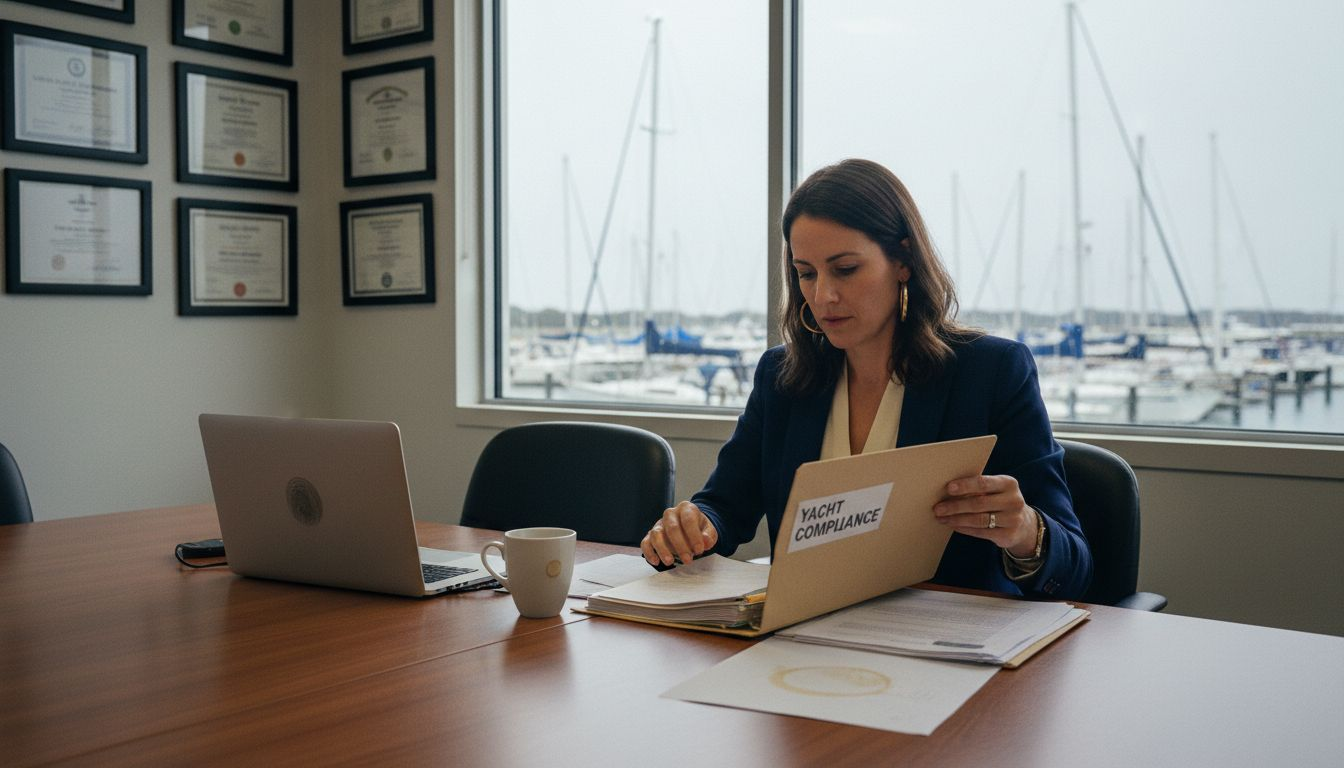
Begin by requesting a complete documentation package from the current yacht owner or their broker. This package should include vessel construction records, survey reports, and inspection certificates that demonstrate compliance with maritime safety standards. If your yacht undergoes classification through organizations like RINA, you’ll need detailed records on vessel classification and statutory certification processes, including documentation of all surveys, inspections, and renewal dates. These records prove your yacht has been regularly inspected and maintained according to international standards. Don’t settle for partial documentation—you need the complete chain showing every major inspection and certification renewal.
For yachts operating under United States jurisdiction or involved in transactions that cross American waters, federal documentation requirements become critical. The United States Coast Guard maintains specific standards for federal documentation requirements for recreational boats, including certificates of documentation, ownership proof, and safety certifications. If your yacht is registered in the United States or will be, you’ll need to gather the Certificate of Documentation and verify it’s current and unencumbered. Beyond federal requirements, compile ownership documentation that traces the yacht’s history through previous transactions, establishing a clear chain of title that prevents disputes later.
Create a comprehensive documentation checklist specific to your transaction. Your documentation package should span several categories to address different compliance angles.
Start with ownership and registration documents. Collect the current Certificate of Registry or Certificate of Documentation, proof of ownership from the seller, and any mortgage or lien documentation that needs to be cleared before transfer. Include beneficial ownership declarations if your transaction involves corporate or trust structures, since sanctions screening depends on identifying true owners rather than shell entities.
Next, gather safety and certification records. These include all recent survey reports (especially the most recent marine surveyor’s report), Classification Society certificates if applicable, stability documents, and lifesaving equipment certifications. Insurance certificates matter here too, as they confirm the yacht meets underwriting standards.
Third, compile operational and environmental compliance documentation. Collect International Oil Pollution Prevention certificates, ballast water management plans if required for your yacht size, and any environmental permits tied to the vessel’s intended use.
Fourth, prepare financial and tax documentation. This includes bills of sale from previous transactions, proof of tax payment in relevant jurisdictions, and any customs clearance certificates if the yacht has crossed international borders.
Finally, assemble sanctions and compliance verification records. Maintain documentation showing you’ve conducted due diligence on beneficial ownership, tracked the vessel’s recent movements, and verified neither party appears on sanctions lists.
Organize all documents chronologically and by category. Digital copies should be stored securely with backup access, since you’ll reference them repeatedly throughout your transaction. Work with your yacht broker and maritime attorney to verify you haven’t missed jurisdiction-specific documents that could delay closing.
Here’s how major compliance risks impact yacht transactions:
| Compliance Risk | Potential Impact | Prevention Tactic |
|---|---|---|
| Sanctions violations | Legal penalties, asset freezes | Rigorous screening of all parties |
| Undisclosed liens | Transaction delays, financial loss | Title company verification |
| Lapsed certifications | Deal cancellation, fines | Advance document checks |
| Beneficial owner opacity | Regulatory scrutiny, delays | Transparency in ownership chain |
Complete documentation doesn’t just satisfy regulators—it removes friction from your entire transaction by giving all parties confidence the deal is legitimate and can actually close.
Pro tip: Request from the current owner a “documentation map” listing every certificate with its issue date and expiration date, then cross-reference against actual documents to catch any gaps or renewals that lapsed—this ten-minute check prevents discovering mid-transaction that critical certifications expired.
Step 3: Verify ownership, registration, and tax records
This step separates legitimate transactions from problematic ones. Verifying ownership, registration, and tax records ensures you’re buying from (or selling to) someone who actually has the legal right to transfer the yacht. This verification also protects you from unknowingly participating in sanctions evasion or other illicit activity. Without this verification, you could inherit legal disputes, lose your investment, or face serious regulatory consequences.
Start by requesting the original Certificate of Registry or Certificate of Documentation directly from the seller’s legal representative. Don’t accept copies alone—you need to see the official document issued by the flag state authority. Cross-reference the vessel’s hull identification number on the certificate against the physical yacht. Verify that the registered owner’s name matches exactly with the seller you’re transacting with. If the seller is a corporate entity or trust, confirm through official business registries that this entity actually owns the yacht. Many yacht transactions involve ownership held through corporate structures for tax or privacy reasons, but you need to verify the structure is legitimate and transparent.
Next, verify that the yacht’s registration is current and unencumbered. Check the registration expiration date and confirm it won’t lapse before your transaction closes. Request a title search from a maritime title company that will reveal any mortgages, liens, or claims against the vessel. If the seller claims the yacht is free and clear but a lien search reveals outstanding obligations, that’s a major red flag requiring resolution before closing. Under Red Ensign Group Yacht Code standards, registration documentation must remain current and accurately reflect vessel ownership aligned with international maritime law, validating the legitimacy of your transaction globally.
Now address tax records and compliance. Request proof that the seller has satisfied all tax obligations related to yacht ownership in the flag state and any jurisdictions where the yacht has been registered or operated. This might include property tax clearance certificates, vessel excise tax compliance documentation, or proof of sales tax payment from previous transactions. Some jurisdictions impose transfer taxes on yacht sales—verify whether your transaction will trigger these obligations and confirm the seller hasn’t deferred them to you. Ask your yacht broker or attorney which tax clearances are critical for your specific flag state and transaction jurisdiction.
Ownership verification requires extra diligence when beneficial ownership isn’t obvious. If the registered owner is a shell company, trust, or international entity, you must trace through to identify the actual beneficial owners. According to OFAC’s sanctions compliance guidance, verifying ownership to detect hidden interests in vessels is essential for preventing illicit control and avoiding transactions involving sanctioned entities. Request beneficial ownership declarations and cross-reference against OFAC’s sanctions lists and similar international databases. This seems intensive, but it’s the only way to confirm neither party is connected to illegal activity.
Organize your verification findings in a clear document that you and your legal team can reference throughout closing. Your verification summary should include the following elements:
- Current Certificate of Registry or Documentation with all details
- Title search results confirming no liens or encumbrances
- Beneficial ownership chain documentation
- Tax clearance certificates from relevant jurisdictions
- OFAC sanctions screening confirmation for all parties
- Flag state authority confirmation of registration status
- Any outstanding mortgages or financing agreements with payoff terms
If any element raises concerns, pause and investigate before proceeding. Many transactions experience delays at closing because verification issues weren’t addressed upfront. Your broker and maritime attorney should review this documentation before you commit significant resources to due diligence on other aspects of the deal.
Ownership verification isn’t paranoia—it’s the foundation ensuring you’re buying a yacht you can actually own, from someone legally authorized to sell it.
Pro tip: Request that your broker obtain a preliminary title report from a maritime title company before you commit to the purchase, since title issues discovered after signing create expensive delays—spending three hundred dollars on preliminary title verification prevents discovering a fifty thousand dollar lien after closing.
Step 4: Implement client due diligence procedures
Client due diligence isn’t a bureaucratic hurdle—it’s your primary defense against reputational damage, legal liability, and participating in illicit activity. This step requires you to thoroughly vet the parties involved in your yacht transaction, identifying risks before they become problems. Whether you’re a buyer, seller, or broker, implementing robust due diligence procedures protects everyone and ensures your transaction withstands regulatory scrutiny.
Begin by establishing a systematic approach to client identification and verification. You need to confirm the legal identity of every party involved in the transaction, not just accept the name on a business card. For individual buyers or sellers, request government-issued identification and verify it matches the names on all transaction documents. For corporate entities, confirm the company’s registration status, identify authorized signatories, and verify they have legitimate authority to bind the company to a yacht sale. This foundational step prevents fraudsters from posing as authorized representatives and later claiming the transaction was unauthorized.
Next, conduct risk assessment based on client profiles and transaction characteristics. OFAC and international standards mandate client identification and risk assessment protocols to identify politically exposed persons, verify fund legitimacy, and ensure sanctions compliance. Higher-risk profiles require enhanced scrutiny. Red flags include clients paying in cash for large transactions, obscure corporate structures registered in high-risk jurisdictions, clients unwilling to provide ownership documentation, or transactions structured to avoid reporting thresholds. When you encounter these patterns, invest extra time in verification rather than rushing to close.
Politically exposed persons, or PEPs, warrant special attention. These individuals hold or have recently held significant public offices in government, international organizations, or state-owned enterprises. PEPs present elevated risk because of their access to public resources and potential involvement in corruption. Request additional documentation for PEPs, including source of funds verification and beneficial ownership transparency. Your due diligence team should screen all parties against PEP databases maintained by regulatory authorities and private compliance vendors.
Verify the source and legitimacy of funds your client will use for the transaction. This prevents money laundering and ensures the yacht purchase doesn’t inadvertently facilitate illegal activity. Request bank statements, proof of employment, investment account documentation, or other evidence showing where the purchase funds originated. For large transactions, tracing funds through multiple accounts or entities is reasonable due diligence. If a client struggles to document fund sources, that’s a warning sign worth investigating.
Document everything. Written supervisory procedures and risk-based due diligence processes are essential for regulatory compliance and transaction execution. Create a due diligence file for each transaction containing client identification documents, risk assessments, verification results, and any enhanced scrutiny documentation. This file demonstrates to regulators that you conducted appropriate diligence and acted in good faith. Without documented evidence, you can’t defend yourself if regulators later question whether proper due diligence occurred.
Your due diligence implementation should follow this sequence:
- Collect identification documents from all parties and verify authenticity
- Screen against OFAC sanctions lists and international databases
- Assess risk level based on client profile and transaction structure
- Conduct enhanced due diligence for higher-risk profiles
- Verify source and legitimacy of transaction funds
- Document all findings in a comprehensive due diligence file
- Review and approve the file before proceeding with closing
Many yacht brokers view due diligence as slowing transactions, but the opposite is true. Identifying issues early prevents costly delays at closing. A buyer who can’t document fund sources might default when the bank asks verification questions. A seller with unclear beneficial ownership might face title complications. A transaction involving sanctioned parties gets blocked entirely. Proper due diligence surfaces these problems when you can still address them.
Due diligence protects your transaction by ensuring everyone involved is legitimate and free to transact—this creates confidence that your deal will actually close.
Pro tip: Create a standardized due diligence checklist for your yacht brokerage that you complete identically for every transaction, documenting that you applied consistent standards regardless of deal size—this consistency demonstrates good faith compliance if regulators ever review your procedures.
Compare the focus areas for buyers, sellers, and brokers in yacht compliance:
| Role | Primary Concern | Key Responsibility |
|---|---|---|
| Buyer | Clean title, no sanctions | Verify ownership and due diligence |
| Seller | Accurate documentation | Provide full compliance records |
| Broker | Regulatory oversight | Coordinate checks and compliance |
Step 5: Conduct final compliance checks before closing
You’re in the final stretch. Before funds transfer and ownership changes hands, conduct a comprehensive compliance review to ensure nothing has been overlooked and all regulatory requirements are satisfied. This final step prevents last-minute surprises that could delay closing or, worse, prevent it entirely. Think of final compliance checks as your last opportunity to catch issues while you still have leverage to resolve them.
Start by verifying that all safety certifications, environmental compliance documentation, and vessel code adherence requirements remain valid through closing and beyond. Review the yacht’s current classification status to confirm it aligns with the Red Ensign Group Yacht Code and other applicable frameworks. Request updated certificates if any are approaching expiration—you don’t want to discover after closing that critical certifications expired last month. Verify that yacht code requirements including safety standards, environmental regulations, and valid certifications have all been confirmed before transaction closure, ensuring statutory and legal documents are complete for a valid transfer. This verification creates a paper trail demonstrating both parties acted responsibly.
Next, conduct a final sanctions compliance review. Request updated OFAC screening results for all parties immediately before closing, confirming that no new sanctions designations have been imposed since your earlier checks. Transaction delays sometimes extend timelines by weeks or months, and sanctions lists change continuously. A party who was compliant three months ago might appear on an updated list today. Request your broker or compliance officer to run fresh sanctions checks within 48 hours of closing. Additionally, verify that vessel documentation hasn’t revealed any hidden ownership interests or illicit connections. A comprehensive review of sanctions screening, ownership legitimacy, and document verification must be completed before closing to avoid sanctions breaches and ensure all parties meet global maritime regulatory obligations.
Conduct a final review of all transaction documentation to ensure consistency across documents. The vessel’s hull identification number should match identically across the certificate of registry, title documents, survey reports, and bill of sale. The registered owner’s name should appear consistently, spelling and capitalization identical in every document. Discrepancies in spelling, punctuation, or formatting can cause title companies to reject documents or flag them for further verification. Spend an hour reviewing documentation line-by-line rather than discovering conflicts when the title company reviews documents.
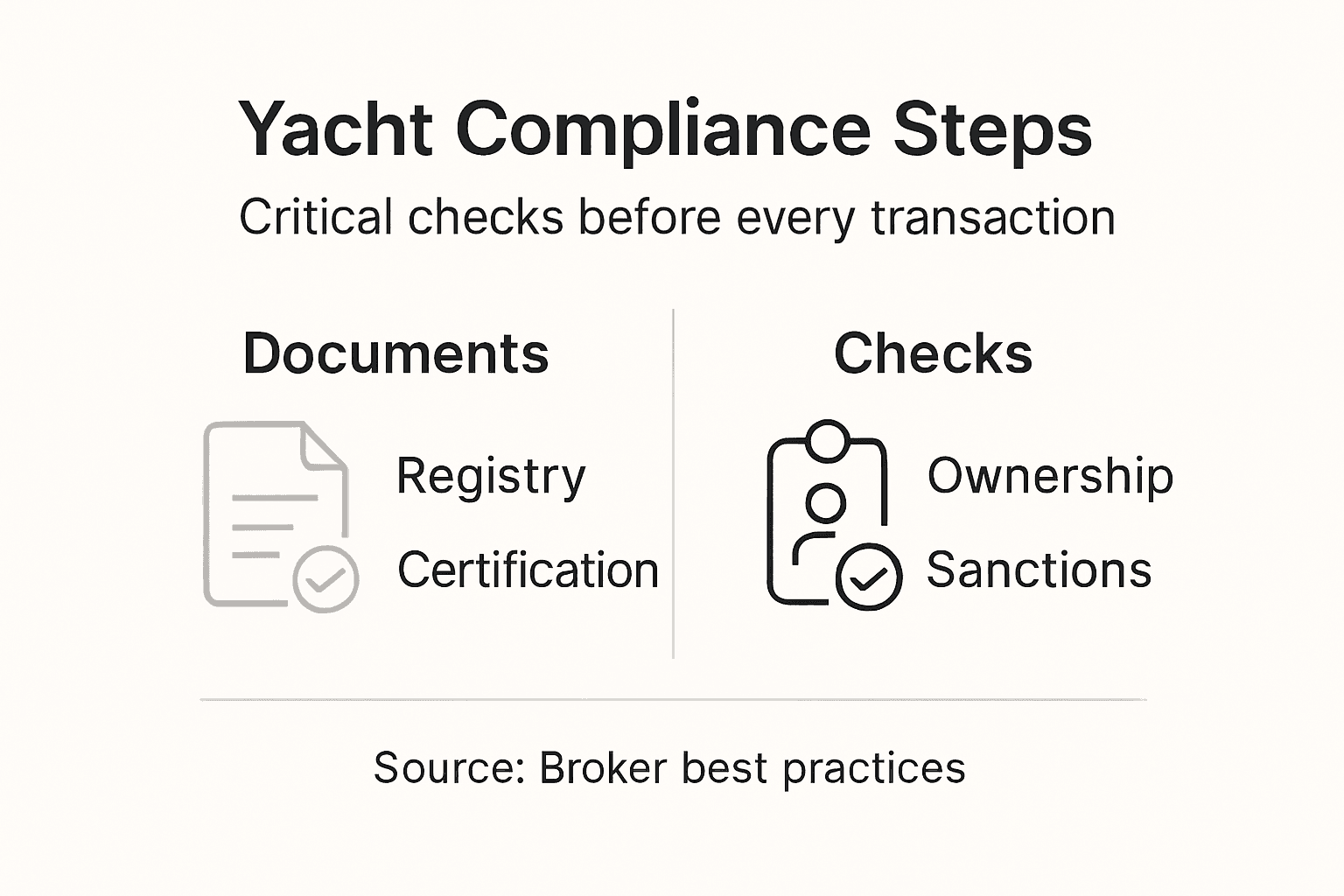
Verify that all financial obligations will be satisfied at closing. Confirm that existing liens or mortgages will be paid off using closing proceeds and that payoff letters are in place from all lien holders. Request updated payoff statements dated within five days of closing, as interest accumulates daily. Confirm that any tax clearance obligations, transfer taxes, or other jurisdiction-specific fees are accounted for in closing calculations. A surprised tax bill discovered post-closing creates disputes that damage relationships and delay final payment.
Your final compliance checklist should address these critical elements:
- Current vessel classification and safety certifications with expiration dates
- Updated environmental compliance documentation valid through closing
- Fresh OFAC sanctions screening for all parties within 48 hours of closing
- Title company preliminary title report with all liens identified and payoff letters confirmed
- Beneficial ownership verification consistent with earlier due diligence
- Documentation consistency check across all transaction documents
- Tax clearance confirmation in all relevant jurisdictions
- Insurance policy review confirming adequate coverage through closing
- Flag state registration verification showing no encumbrances or complications
- Broker and attorney sign-off that all compliance elements are satisfied
Schedule a final compliance meeting 72 hours before closing with your yacht broker, maritime attorney, and title company representative. Walk through every element of the compliance checklist and confirm each item is completed and documented. This meeting surfaces last-minute issues while you still have time to address them. A buyer facing a surprise compliance problem three days before closing has options. A buyer discovering issues the day after closing has recourse problems.
Document all final compliance findings in a closing compliance summary. This summary shows that you and all parties conducted thorough diligence and acted in good faith. If regulatory questions emerge later, this documentation proves you conducted appropriate final review.
Final compliance checks aren’t bureaucratic theater—they’re your confirmation that every requirement has been met and your transaction can close without regulatory obstacles.
Pro tip: Create a final compliance checklist that mirrors your due diligence checklist from Step 4, ensuring you verify nothing has changed in the interim period and all items remain satisfied—this repeated verification catches any new issues or expired certifications that emerged between due diligence completion and closing.
Ensure Your Yacht Transaction Flows Smoothly with Expert Compliance Support
Navigating the complex regulatory requirements and rigorous due diligence outlined in the yacht brokerage compliance steps can feel overwhelming. From verifying ownership and registration to conducting final sanctions checks, every detail matters to avoid costly delays or legal issues. At Yachts by Steve, we understand these challenges and specialize in guiding you through each step with confidence. Our personalized service focuses on transparency, meticulous documentation review, and strict adherence to the latest maritime regulations so your luxury yacht transaction closes smoothly.
Explore how our expert brokerage team leverages deep market insights and compliance expertise to protect your investment and simplify your journey. Visit our Uncategorized – Jason page for in-depth articles and updates related to yacht transactions. Ready to take the next step Avoid surprises and close your yacht deal with clarity and peace of mind. Connect with us now at Yachts by Steve to start your seamless compliance journey today.
Frequently Asked Questions
What are the key regulatory requirements for yacht transactions?
Understanding regulatory requirements involves identifying frameworks related to vessel registration, safety compliance, and sanctions screening. Start by compiling a checklist that includes safety certifications and sanctions verification, ensuring all required documents are gathered and meet legal standards before proceeding.
How can I ensure the yacht I’m purchasing is free from liens or encumbrances?
To verify that a yacht is free from liens, conduct a title search through a maritime title company. This step will identify any outstanding financial obligations, and ideally, you should complete this search at least a few days before closing to resolve any issues that may arise.
What should I include in my due diligence file for a yacht transaction?
Your due diligence file should include identification documents of all parties, risk assessments, verification results, and source of funds documentation. Create a systematic folder where all findings are organized and documented to demonstrate the diligence performed if questioned later.
How do I conduct effective sanctions compliance checks before closing?
Conduct sanctions compliance checks by screening all parties against relevant sanctions lists right before closing. Perform these checks within 48 hours of the transaction to capture any new designations and ensure that your transaction remains compliant with regulations.
What steps should I take to gather necessary compliance documentation for my yacht?
Begin by requesting a complete documentation package from the current owner or their broker, including safety certifications, survey reports, and ownership documentation. This process can be streamlined by creating a comprehensive checklist of all required documents specific to your transaction to ensure nothing is overlooked.
How can I confirm the yacht’s classification status before finalizing my transaction?
To confirm the yacht’s classification status, request the current classification certificates and ensure they are valid during the closing period. Verify with the classification society about the yacht’s compliance with safety and operational standards, aiming to complete this process at least a week before closing.
Recommended
Featured Listings
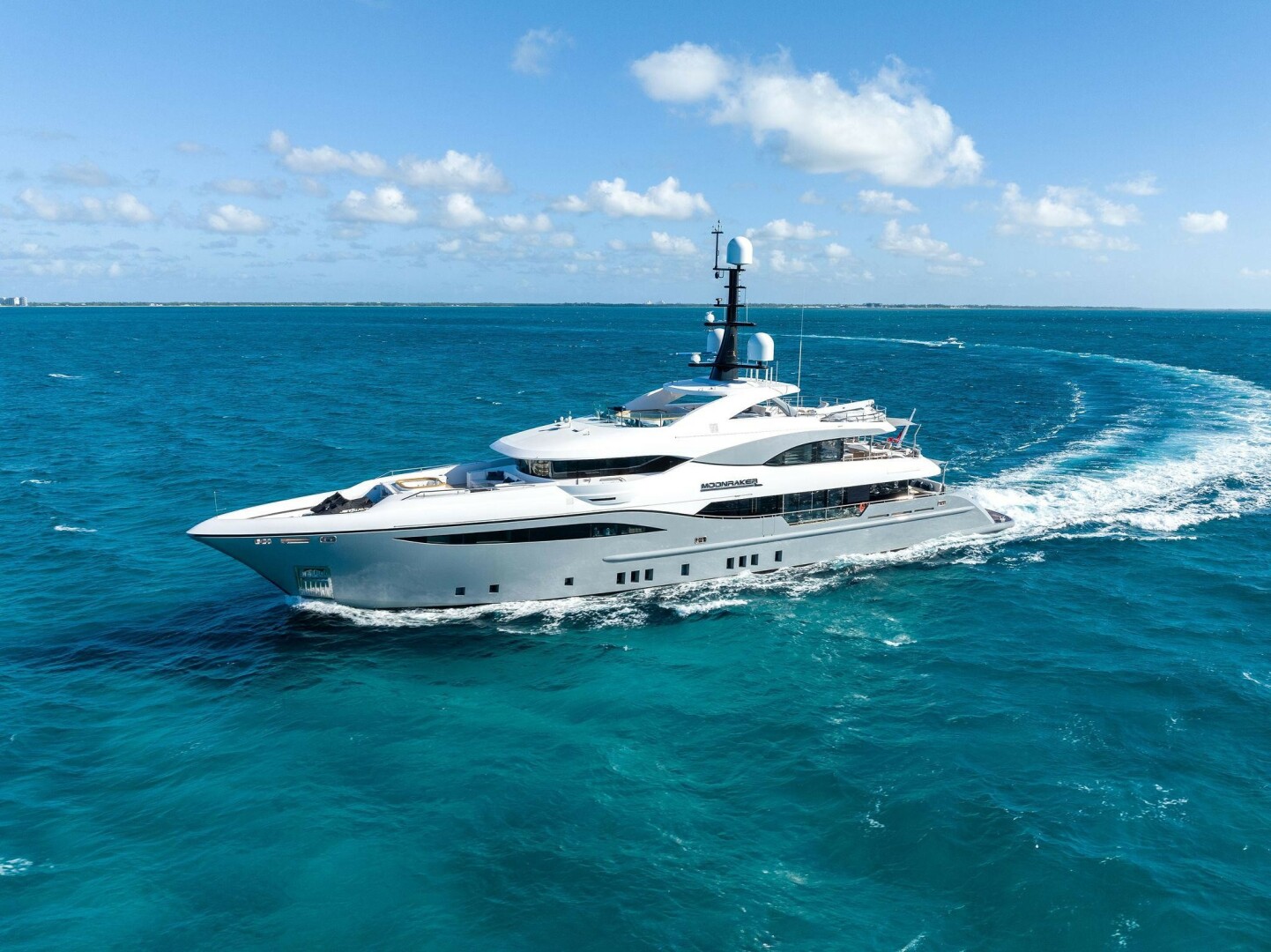
2019 Bilgin MOONRAKER
$20,646,000
156
West Palm Beach Florida

2028 Columbus Yachts
$22,900,008
137
Ancona
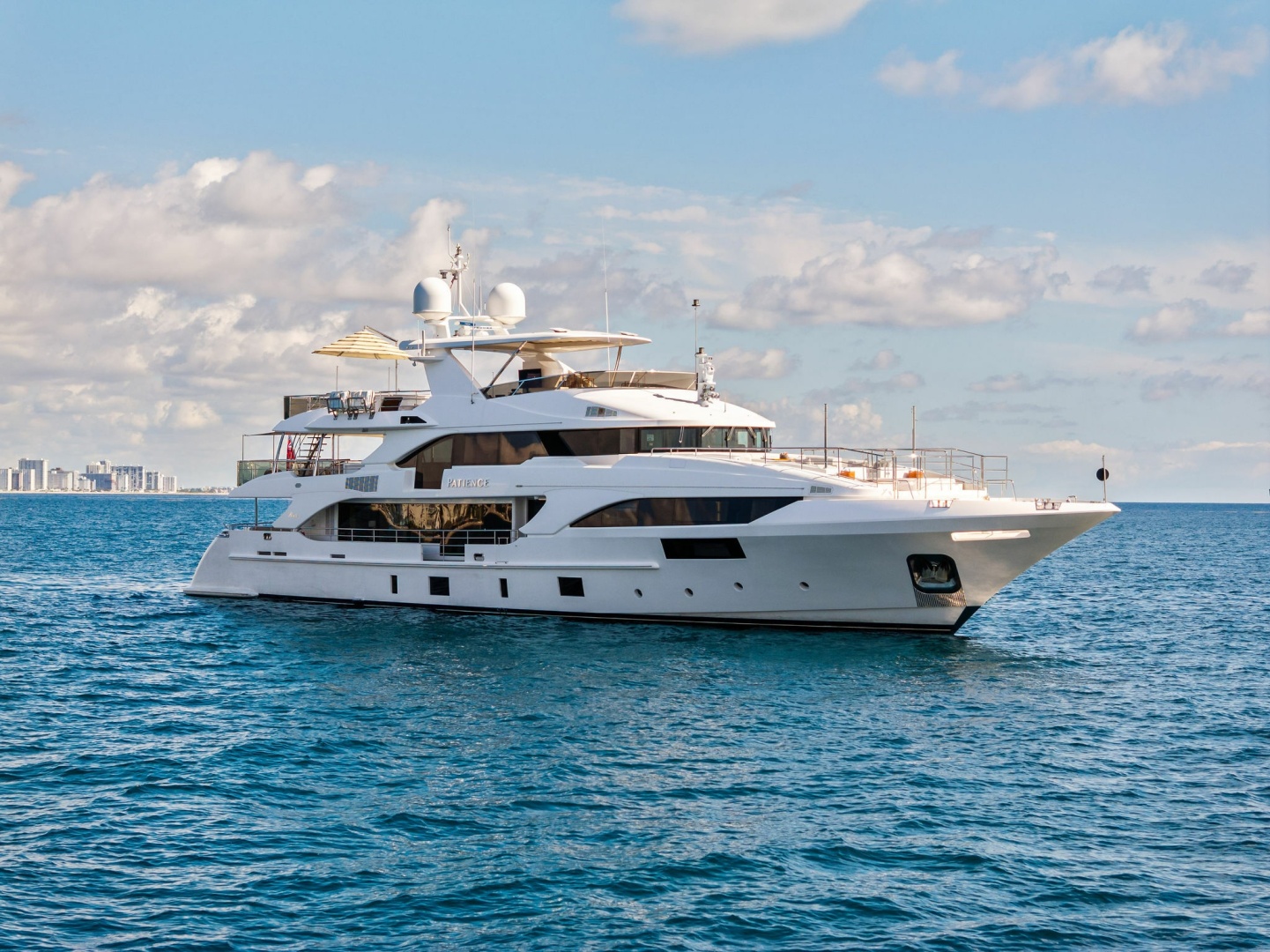
2012 Benetti PATIENCE
$10,975,000
132
Fort Lauderdale Florida

2028 Kingship Kingship
$20,000,000
125
2024 Silver Yachts
$25,400,000
117

2009 Hargrave BRANDI WINE
$2,500,000
114
Fort Lauderdale Florida

2028 Extra Yachts
$20,646,000
100
Ancona
2028 Alpha
100
Ft Lauderdale Florida

2028 Extra Yachts Extra 96
$9,495,000
96
Ancona
2021 Sanlorenzo GATSBY
$6,795,000
96
Miami Beach Florida

2028 Kingship
90

1999 Northern Marine OFF LINE
$2,495,000
84
Ft Lauderdale Florida
2013 Pershing DOROTHY ANN
$1,550,000
82
Miami Beach Florida

1997 Ferretti Yachts
$825,000
80
La Paz
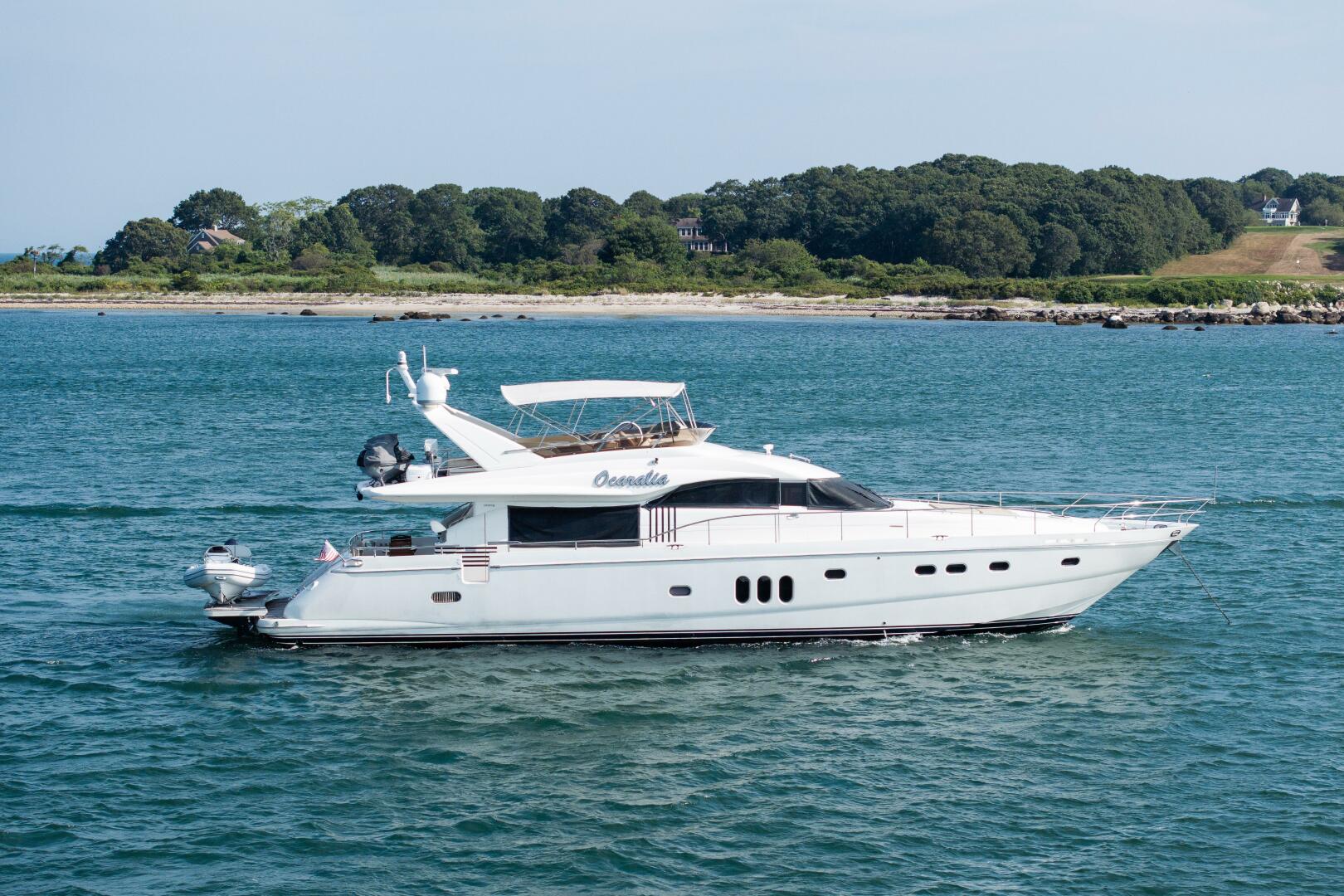
2008 Princess Yachts OCARALIA
$1,095,000
75
Charleston South Carolina
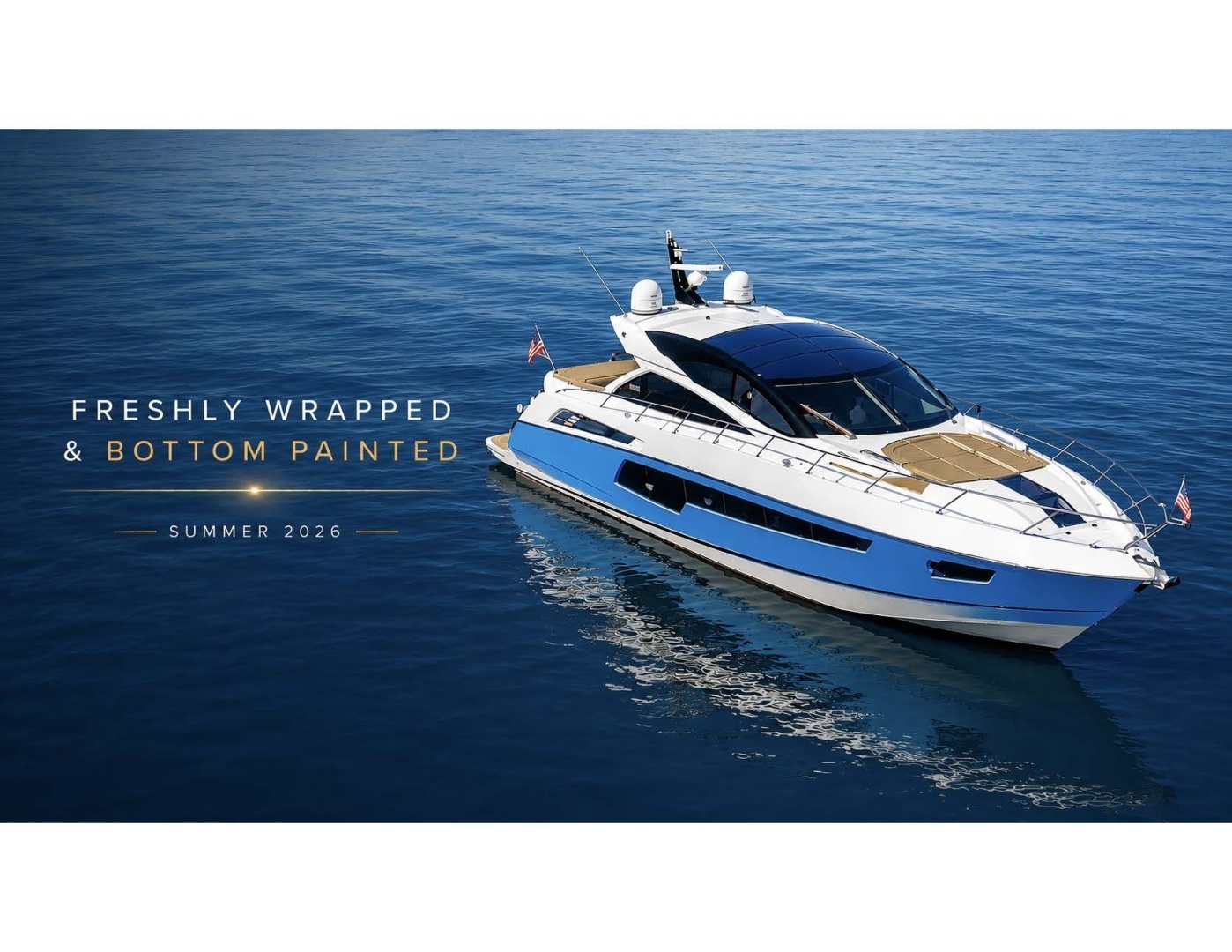
2014 Sunseeker
$1,400,000
68
New York New York

2024 Fairline
$2,750,000
68
Ft. Lauderdale Florida

2024 Sunreef Catallaxi
$3,700,000
60
Newport Rhode Island
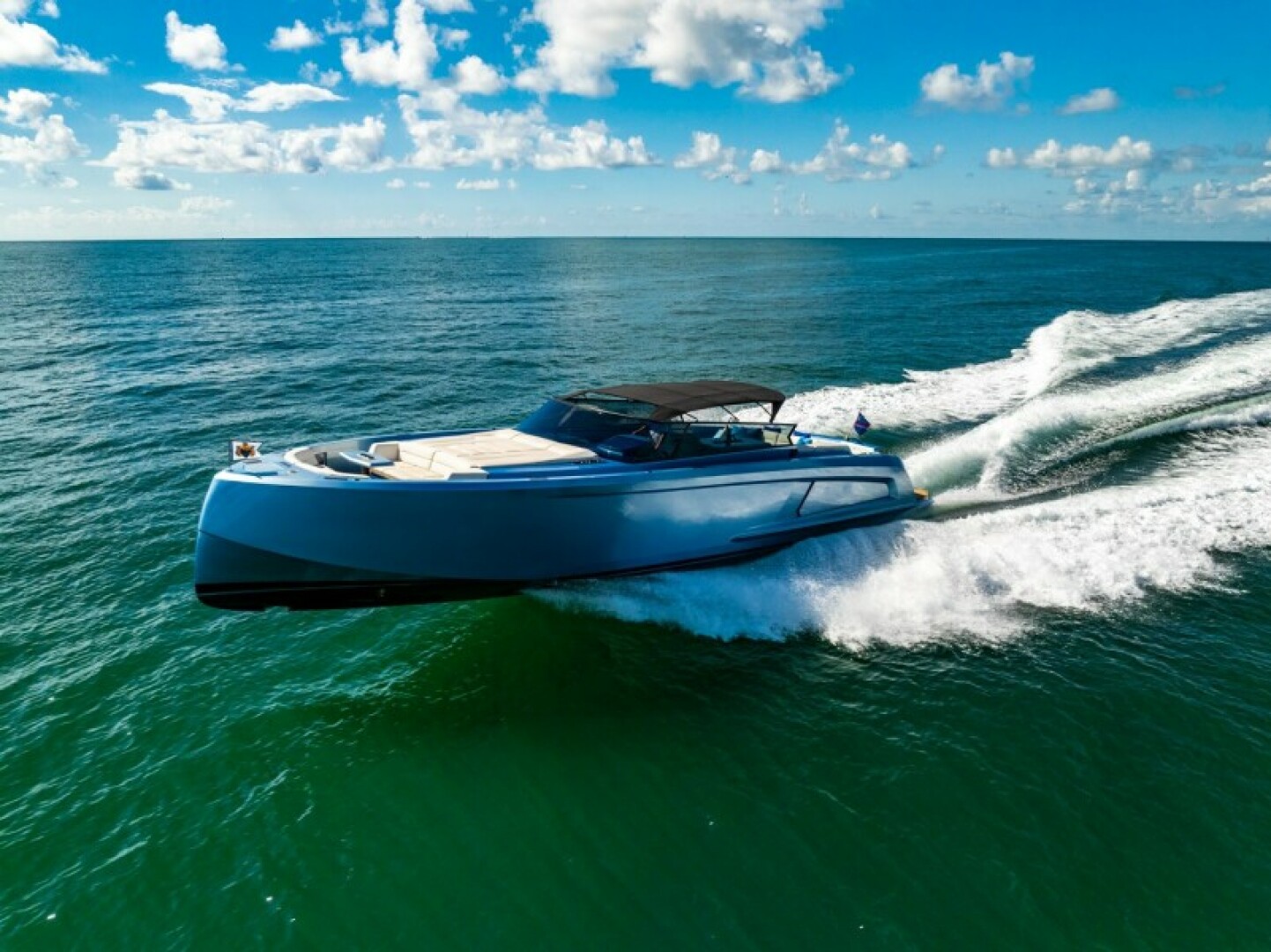
2019 Vanquish Yachts IMPULSIVE
$1,799,000
58
Miami Beach Florida
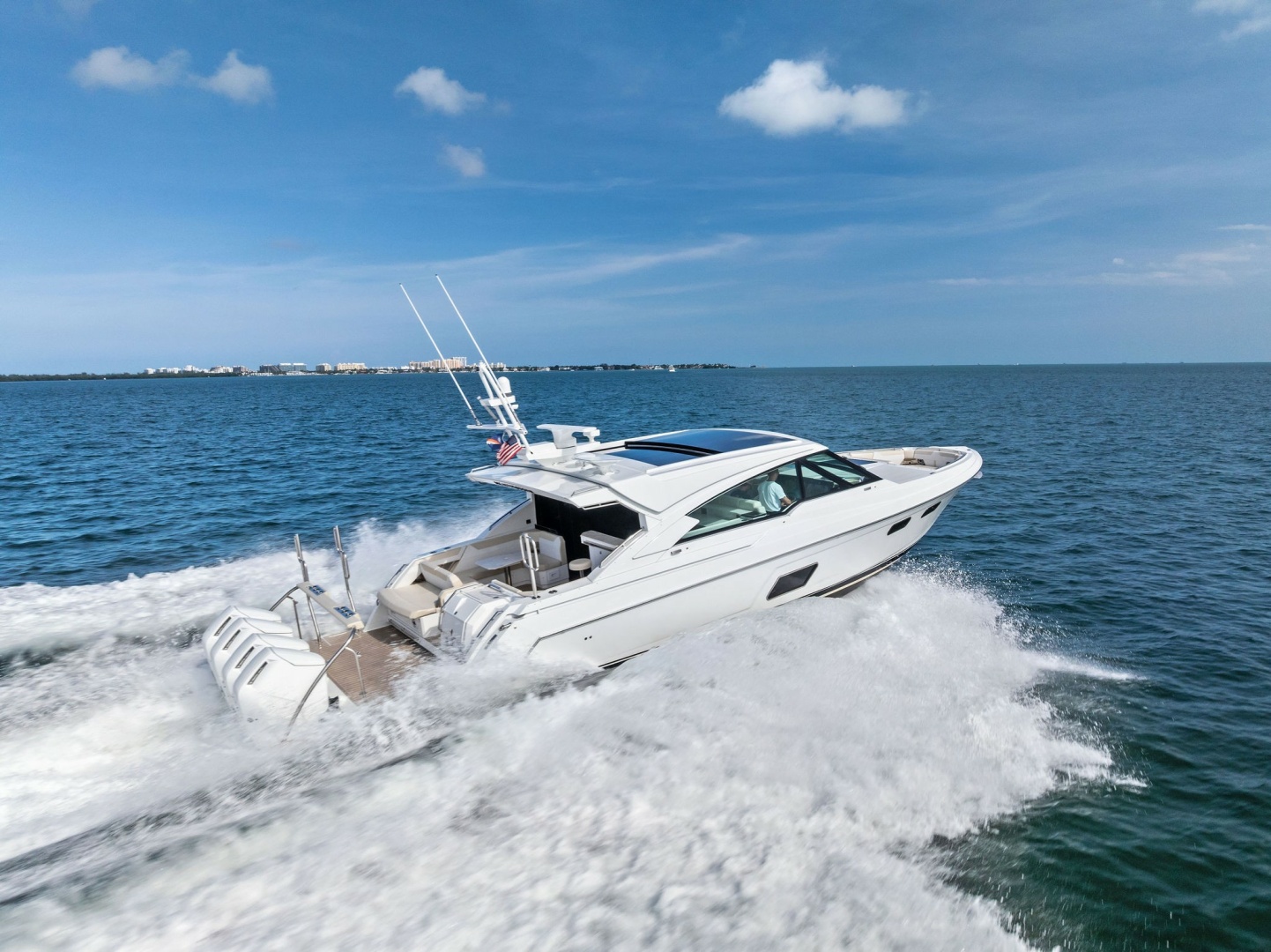
2025 Formula BREAKTHROUGH III
$1,895,000
53
Miami Beach Florida

2023 Fairline
$900,000
45
Fort Lauderdale Florida
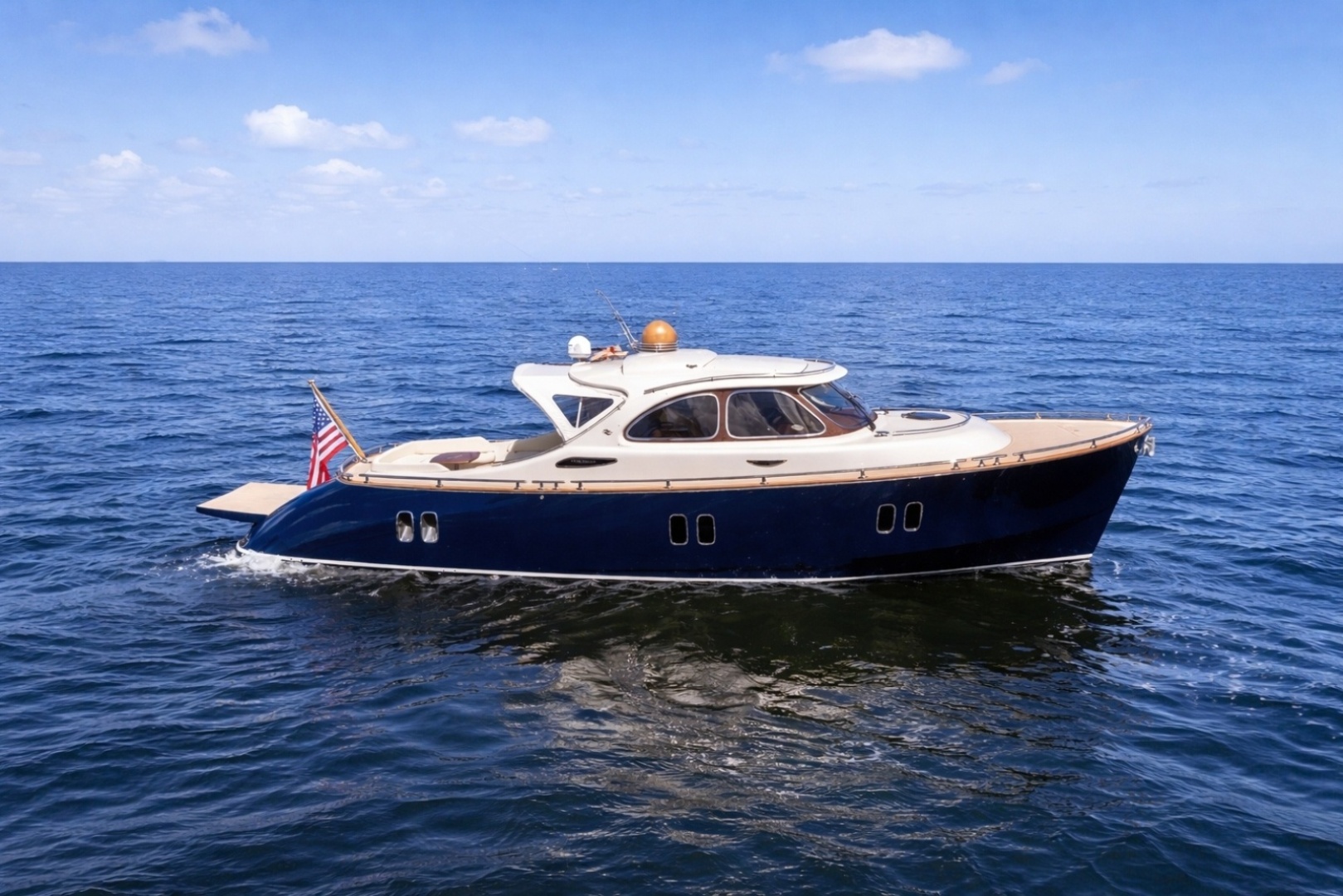
2012 Zeelander Mississippi Queen
$575,000
44
West Palm Beach Florida
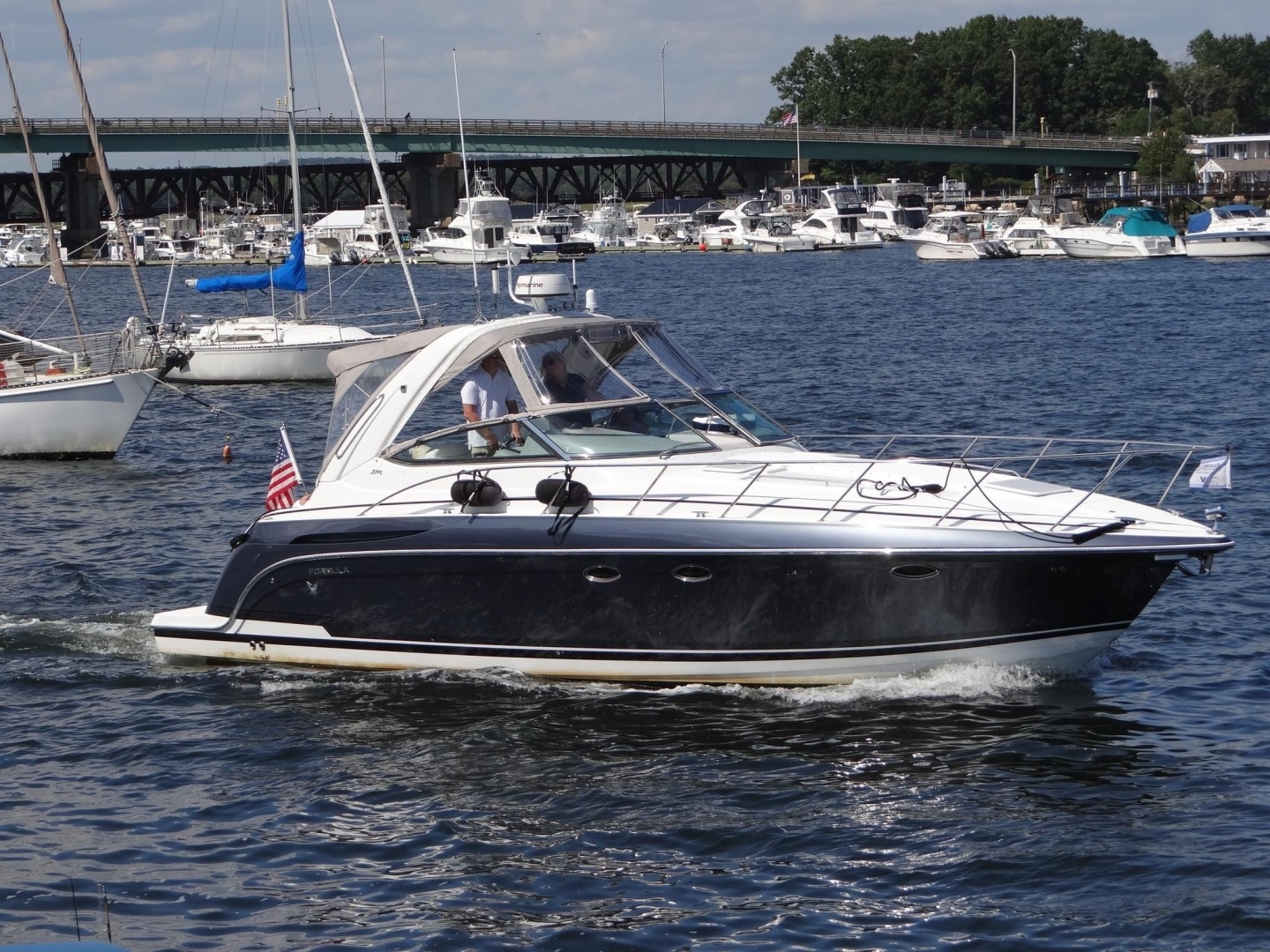
2006 Formula
$139,000
37
Newburyport Massachusetts
2019 Bilgin 156'
$20,646,000
2028 Columbus Yachts 137'
$22,900,008
2012 Benetti 132'
$10,975,000
2028 Kingship 125'
$20,000,000
2024 Silver Yachts 117'
$25,400,000
2009 Hargrave 114'
$2,500,000
2028 Extra Yachts 100'
$20,646,000
2028 Alpha 100'
2028 Extra Yachts 96'
$9,495,000
2021 Sanlorenzo 96'
$6,795,000
2028 Kingship 90'
1999 Northern Marine 84'
$2,495,000
2013 Pershing 82'
$1,550,000
1997 Ferretti Yachts 80'
$825,000
2008 Princess Yachts 75'
$1,095,000
2014 Sunseeker 68'
$1,400,000
2024 Fairline 68'
$2,750,000
2024 Sunreef 60'
$3,700,000
2019 Vanquish Yachts 58'
$1,799,000
2025 Formula 53'
$1,895,000
2023 Fairline 45'
$900,000
2012 Zeelander 44'
$575,000
2006 Formula 37'
$139,000