

Choosing between chartering and purchasing a luxury yacht in Europe can feel like a crossroads for many discerning investors. The decision is shaped by both lifestyle ambitions and financial strategy, with each option offering distinct advantages and obligations. Whether you seek the flexibility of access or the full power of ownership, this guide demystifies the operational, legal, and investment factors, empowering you to make a confident choice tailored to your personal vision and wealth management goals.
Table of Contents
- Yacht Charter And Purchase Explained
- Types Of Yacht Ownership And Charter Arrangements
- Lifestyle And Investment Factors Compared
- Legal, Tax, And Compliance Implications
- Costs, Risks, And Common Pitfalls
Key Takeaways
| Point | Details |
|---|---|
| Chartering vs. Purchasing | Chartering offers flexibility with lower financial commitment, while purchasing provides full ownership and customization options. |
| Investment Considerations | Ownership entails significant upfront costs, ongoing maintenance, and potential depreciation, in contrast to the minimal obligations of chartering. |
| Ownership Models | Various yacht ownership and charter arrangements exist, including full ownership, fractional ownership, and crewed charters, each impacting financial responsibility and user experience. |
| Legal and Compliance | Understanding legal, tax, and regulatory requirements is crucial for both ownership and chartering to avoid potential pitfalls and ensure compliance. |
Yacht Charter and Purchase Explained
Navigating the world of luxury yachts requires understanding the fundamental differences between chartering and purchasing. Both options offer unique experiences and investment potential, catering to different lifestyle preferences and financial strategies.
Yacht chartering provides flexibility and reduced financial commitment. Instead of owning a vessel outright, charterers can access premium yachts for specific durations, enjoying the luxury without long-term responsibilities. Vessel usage regulations play a crucial role in determining the operational parameters for both chartered and owned vessels.
The key distinctions between chartering and purchasing include:
- Ownership: Purchasing means full legal ownership with complete control
- Financial Investment: Ownership requires substantial upfront capital and ongoing maintenance costs
- Flexibility: Chartering allows access to different yacht types and locations without permanent commitment
- Maintenance: Owners bear full responsibility for vessel upkeep, while charterers typically have minimal maintenance obligations
Purchasing a yacht represents a significant lifestyle and financial decision. Potential owners must consider factors beyond the initial purchase price, including:
- Annual maintenance expenses
- Crew requirements
- Insurance and docking fees
- Potential depreciation
Yacht ownership transforms maritime experiences from occasional leisure to a personal sanctuary. Unlike chartering, ownership provides consistent access and the ability to customize your vessel precisely to your preferences. Yacht charter types offer insights into the operational nuances between different usage models.
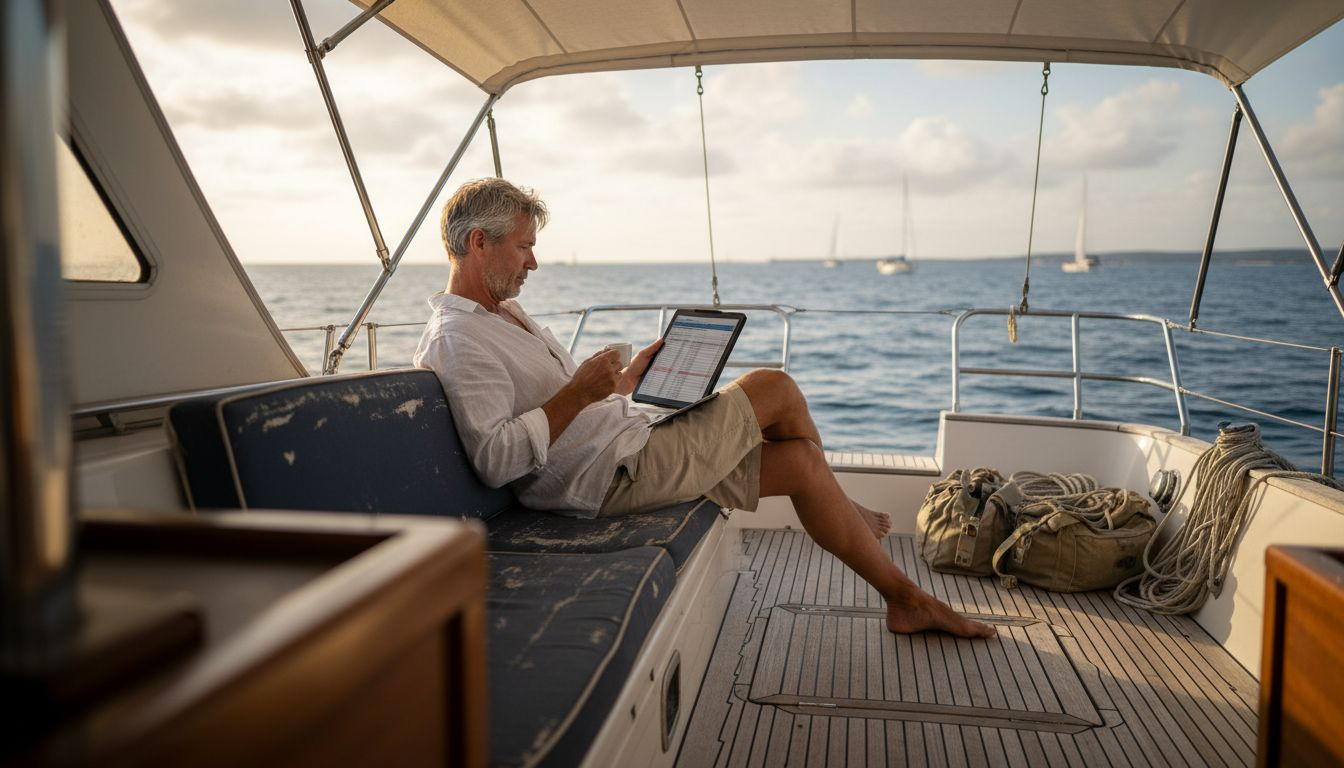
Pro tip: Consider renting multiple yacht styles before committing to a purchase to understand your specific preferences and lifestyle requirements.
Types of Yacht Ownership and Charter Arrangements
Luxury yacht enthusiasts have multiple options for accessing maritime experiences, each with unique advantages and considerations. Understanding these arrangements helps potential yacht owners and charterers make informed decisions aligned with their lifestyle and financial goals.
Yacht ownership models present diverse opportunities for maritime lifestyle engagement. These arrangements range from full ownership to more flexible alternatives that reduce financial commitment while maintaining access to premium vessels.
The primary yacht ownership and charter models include:
- Full Ownership: Complete control and customization of a private yacht
- Fractional Ownership: Shared ownership reducing individual financial burden
- Bareboat Charters: Renting a vessel without crew, requiring personal navigation skills
- Crewed Charters: Comprehensive yacht experience with professional staff included
- Time-Share Arrangements: Periodic access to yacht with structured usage schedules
Fractional ownership represents an increasingly popular middle ground for those seeking yacht experiences without full financial responsibility. This model allows multiple investors to share ownership costs, maintenance expenses, and usage privileges, making luxury yachting more accessible to a broader range of enthusiasts.
Crewed charters offer the most comprehensive maritime experience, providing professional navigation, hospitality, and maintenance services. These arrangements eliminate the operational complexities of yacht management while delivering a turnkey luxury experience.
Selecting the right yacht arrangement depends on personal preferences, financial capacity, and desired level of involvement in vessel management.
Each ownership model carries distinct financial and operational implications. Potential yacht enthusiasts must carefully evaluate their long-term commitment, budget, technical skills, and lifestyle objectives before selecting an arrangement.
Pro tip: Consult with a professional yacht broker to thoroughly assess which ownership or charter model best matches your specific maritime lifestyle and financial goals.
Here’s a summary of popular yacht ownership and charter models and their unique advantages:
| Model Type | Access Level | Financial Commitment | Personalization Potential |
|---|---|---|---|
| Full Ownership | Unlimited, anytime | Highest upfront & annual | Full, custom features |
| Fractional Ownership | Scheduled, shared use | Moderate, split costs | Partial, shared decisions |
| Bareboat Charter | Short-term, flexible | Pay per trip | Minimal, mostly basic |
| Crewed Charter | All-inclusive | Higher per-trip cost | Limited, staff-selected |
| Time-Share | Periodic, preset | Fixed, predictable | Partial, schedule-based |
Lifestyle and Investment Factors Compared
Understanding the nuanced differences between yacht chartering and ownership requires a comprehensive analysis of lifestyle implications and financial considerations. Modern maritime enthusiasts must carefully evaluate the emotional and economic dimensions of their nautical investments.
Yacht investment strategies reveal complex trade-offs between financial commitment and experiential value. The decision extends far beyond simple monetary calculations, encompassing personal preferences, lifestyle aspirations, and long-term financial planning.
Key comparative factors include:
- Initial Capital Investment: Ownership requires substantial upfront expenses
- Ongoing Maintenance: Continuous financial commitment for owned vessels
- Flexibility: Chartering provides wider range of vessel experiences
- Customization: Full ownership allows complete personalization
- Usage Frequency: Determines economic efficiency of ownership model
Financial depreciation represents a critical consideration for potential yacht investors. Owned vessels typically lose value over time, with annual depreciation rates ranging between 10-20% for luxury watercraft. Chartering eliminates this direct financial risk, allowing individuals to enjoy premium maritime experiences without asset value concerns.
The true value of yacht ownership transcends pure financial metrics, representing a lifestyle choice that blends personal passion with strategic investment.
Emotional fulfillment plays an equally significant role in the yacht ownership decision. Some enthusiasts prioritize the deep personal connection of owning a vessel, while others prefer the flexibility of experiencing multiple yacht styles through chartering.
Each approach offers distinct advantages. Full ownership provides consistent access and complete customization, whereas chartering minimizes financial complexity and maintenance responsibilities. The optimal choice depends on individual financial capacity, lifestyle preferences, and long-term maritime ambitions.
Pro tip: Conduct a comprehensive personal financial assessment and test multiple yacht experiences through chartering before committing to full ownership.
Legal, Tax, and Compliance Implications
Navigating the complex landscape of yacht ownership and chartering requires a comprehensive understanding of legal, regulatory, and tax considerations. Potential yacht enthusiasts must carefully assess the intricate compliance requirements that accompany maritime investments.
Yacht entry regulations establish critical guidelines for vessel operations, reporting, and international movement. These legal frameworks significantly impact ownership decisions, determining the operational parameters and potential restrictions for maritime investments.
Key legal and compliance considerations include:
- Customs Reporting: Mandatory documentation for vessel entry and exit
- International Maritime Regulations: Varying rules across different jurisdictions
- Tax Implications: Complex reporting requirements for offshore assets
- Licensing Requirements: Specific certifications for vessel operation
- Insurance Mandates: Comprehensive coverage across different maritime zones
Foreign financial reporting represents a critical compliance area for yacht owners. International tax compliance regulations, particularly the Foreign Account Tax Compliance Act (FATCA), impose stringent reporting requirements for U.S. taxpayers with offshore financial interests.
Yacht ownership transcends mere recreational pursuit, demanding a sophisticated understanding of legal and financial regulations.
The complexity of maritime legal frameworks varies significantly between jurisdictions. Yacht owners must navigate intricate regulations covering vessel registration, taxation, crew employment, environmental standards, and international maritime laws. These requirements differ substantially based on vessel size, usage type, and geographic operating areas.
Chartering introduces additional layers of legal complexity. Operators must comply with commercial maritime regulations, insurance requirements, and specific licensing standards that differ from private yacht ownership models. Each arrangement carries unique legal and financial responsibilities that demand careful professional consultation.
Pro tip: Consult with a maritime law specialist and international tax expert before finalizing any yacht ownership or charter arrangement to ensure full legal and regulatory compliance.
Costs, Risks, and Common Pitfalls
The maritime world presents complex financial landscapes where yacht ownership and chartering demand sophisticated risk management strategies. Prospective yacht enthusiasts must navigate a minefield of potential financial and operational challenges that can significantly impact their maritime experience.
Yacht investment risks encompass a broad spectrum of financial and practical considerations that extend far beyond initial acquisition costs. Understanding these nuanced challenges is essential for making informed decisions about maritime investments.
Critical financial risks include:
- Depreciation: Rapid value reduction of owned vessels
- Maintenance Expenses: Unpredictable and often substantial repair costs
- Operational Overheads: Continuous financial commitment
- Liquidity Challenges: Difficulty selling specialized assets
- Market Volatility: Fluctuating charter and resale values
Hidden ownership costs represent a significant potential pitfall for inexperienced maritime investors. Yacht ownership complexities reveal multiple financial layers beyond the initial purchase price, including crew management, insurance, docking fees, and ongoing maintenance requirements.
Financial success in yacht ownership demands meticulous planning and a comprehensive understanding of long-term economic implications.
Chartering introduces its own set of risks, including unpredictable availability, potential price fluctuations, and limited customization options. While charter arrangements reduce direct ownership responsibilities, they simultaneously limit personal control and long-term asset value generation.
Each maritime investment strategy carries unique risk profiles. Owners face asset depreciation and maintenance challenges, while charter clients confront potential availability constraints and variable pricing models. Successful navigation requires thorough due diligence, financial modeling, and realistic expectation management.
Compare common risks and costs between yacht ownership and chartering below:
| Risk/Cost Factor | Yacht Ownership Impact | Yacht Charter Impact |
|---|---|---|
| Depreciation | 10-20% annually | None, not owner’s concern |
| Maintenance | Continuous, unpredictable | Included in charter fee |
| Liquidity | Difficult asset resale | No asset tied up |
| Pricing Volatility | Subject to market changes | Fluctuates by season/location |
| Customization | Unlimited, full control | Limited, vessel set by provider |
Pro tip: Develop a comprehensive five-year financial projection that includes all potential yacht-related expenses before committing to either ownership or extended charter arrangements.
Unlock the Perfect Yacht Experience with Yachts by Steve
Choosing between yacht charter and purchase involves navigating complex decisions around lifestyle, financial investment, and long-term commitment. This article highlights the challenges many face when weighing options such as ownership costs, maintenance responsibilities, flexibility, and customization. If you seek expert guidance to make this crucial choice with confidence, Yachts by Steve is here to help.
Explore our tailored solutions and premium listings at Uncategorized – Jason to discover yachts that fit your unique preferences and investment goals. Whether you are ready for full ownership or want to understand market trends before taking the plunge, our personalized brokerage services provide clarity and trusted insight. Act now to begin your journey by visiting Yachts by Steve and connect with professionals dedicated to crafting your ideal maritime lifestyle.
Frequently Asked Questions
What are the main differences between yacht chartering and purchasing?
Yacht chartering provides flexibility and lower financial commitment, allowing access to premium yachts for specific durations. In contrast, purchasing means full ownership, complete control, and long-term responsibilities, including maintenance and operational costs.
How does yacht ownership impact financial planning?
Owning a yacht requires a substantial upfront investment and continuous expenses, including maintenance, crew, insurance, and docking fees. It’s essential to evaluate these costs against potential depreciation, which can be significant over time.
What are the advantages of fractional ownership compared to full ownership?
Fractional ownership allows multiple investors to share the costs and responsibilities associated with yacht ownership, making luxury yachting more accessible. It reduces individual financial burdens while still providing access to premium vessels.
What are the key legal considerations when owning or chartering a yacht?
Legal considerations include customs reporting, insurance mandates, international maritime regulations, and tax implications. Owners and charterers must ensure compliance with these rules to avoid legal complications in their maritime investments.
Recommended
Featured Listings
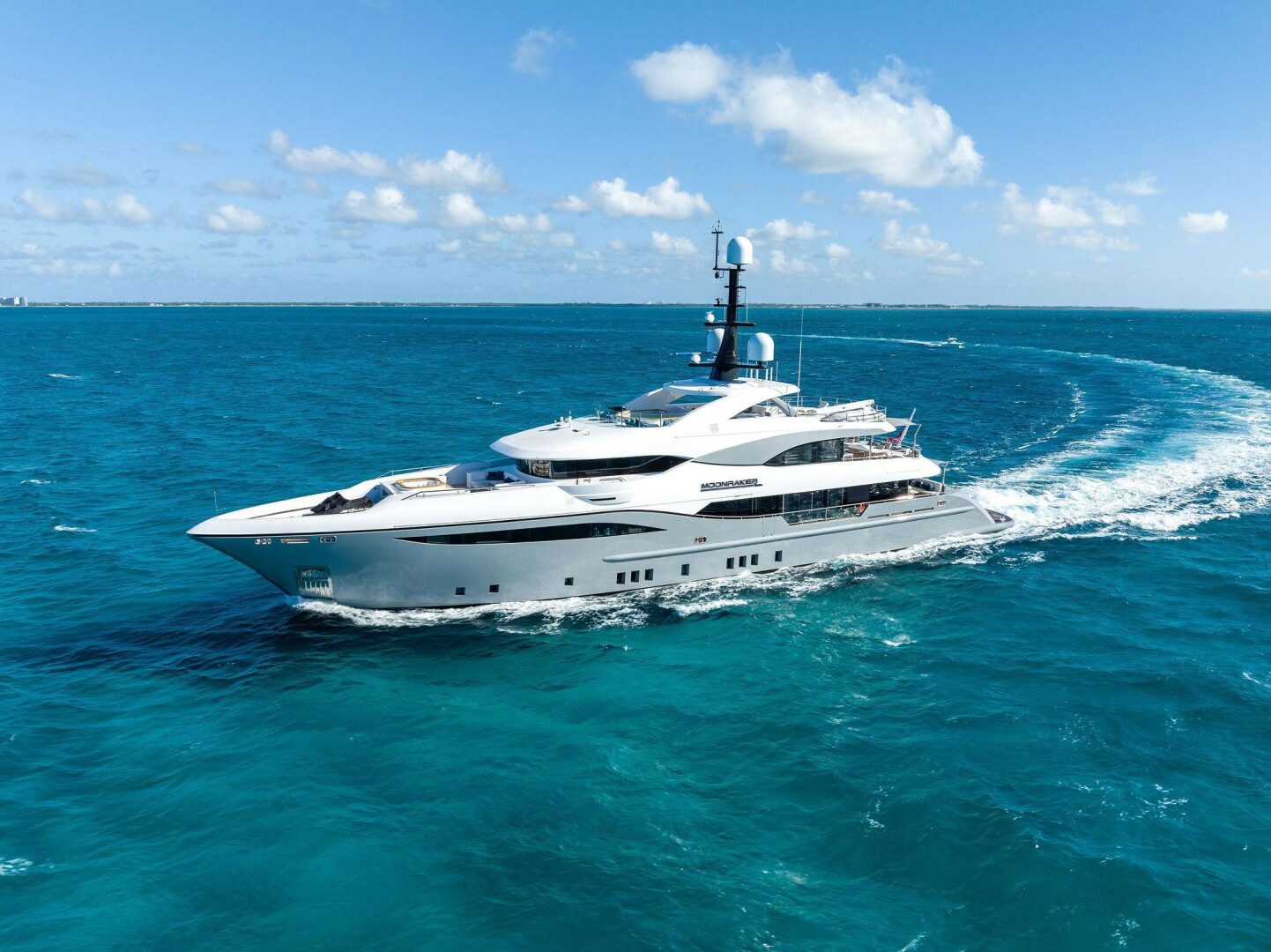
2019 Bilgin MOONRAKER
$21,404,500
156
West Palm Beach Florida

2028 Columbus Yachts
$22,900,008
137
Ancona
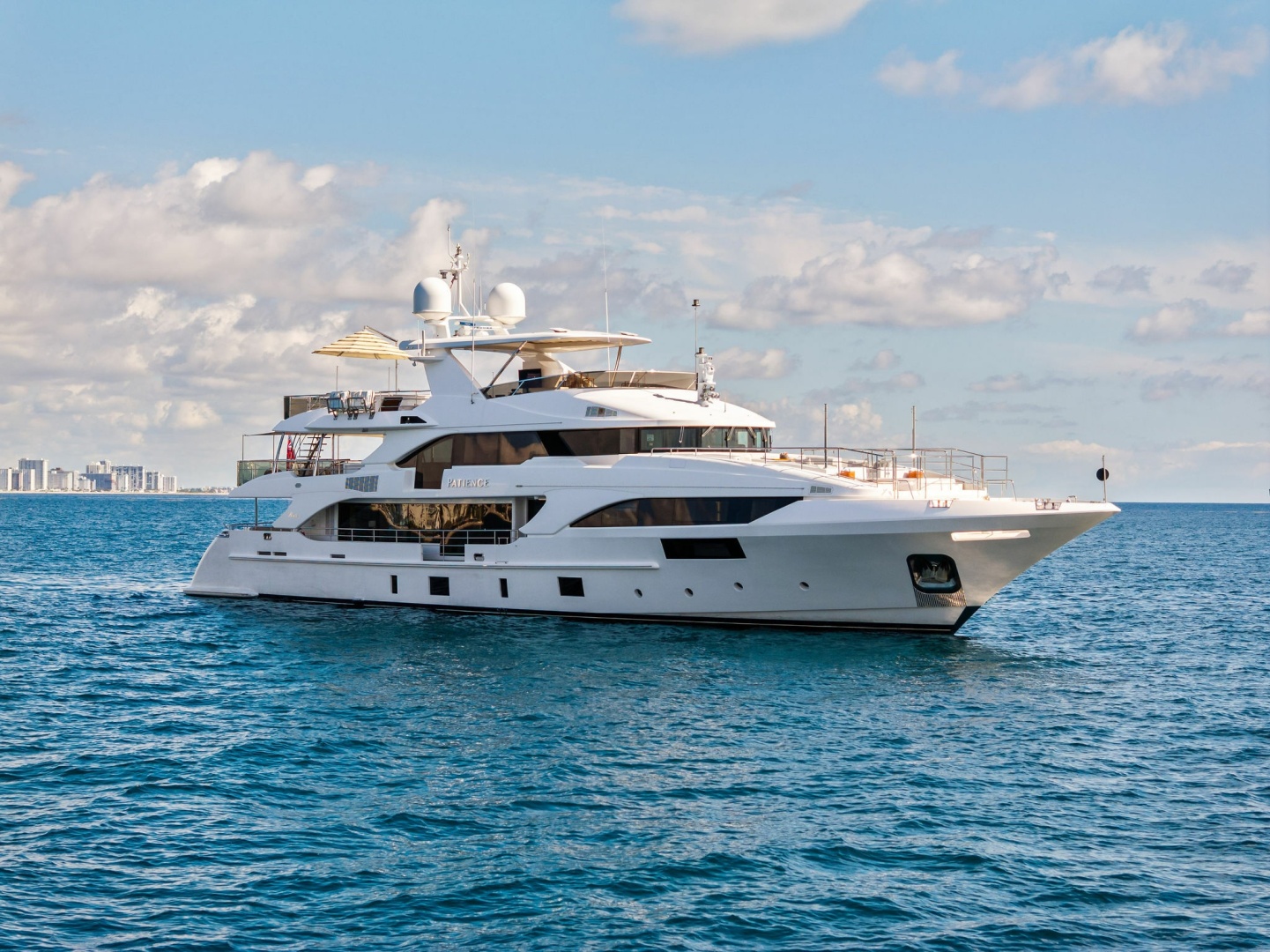
2012 Benetti PATIENCE
$10,975,000
132
Fort Lauderdale Florida
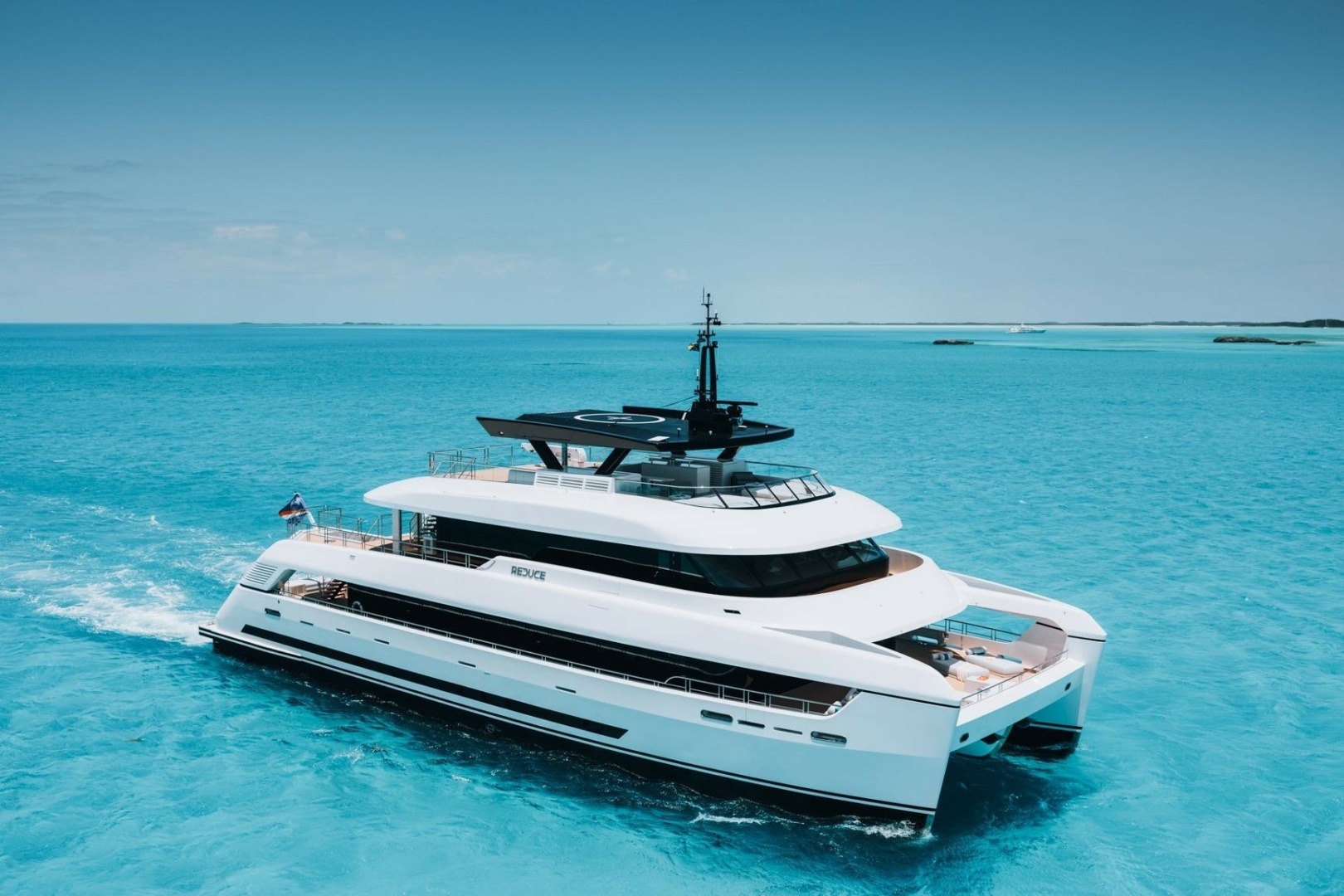
2024 Silver Yachts
$25,400,000
117
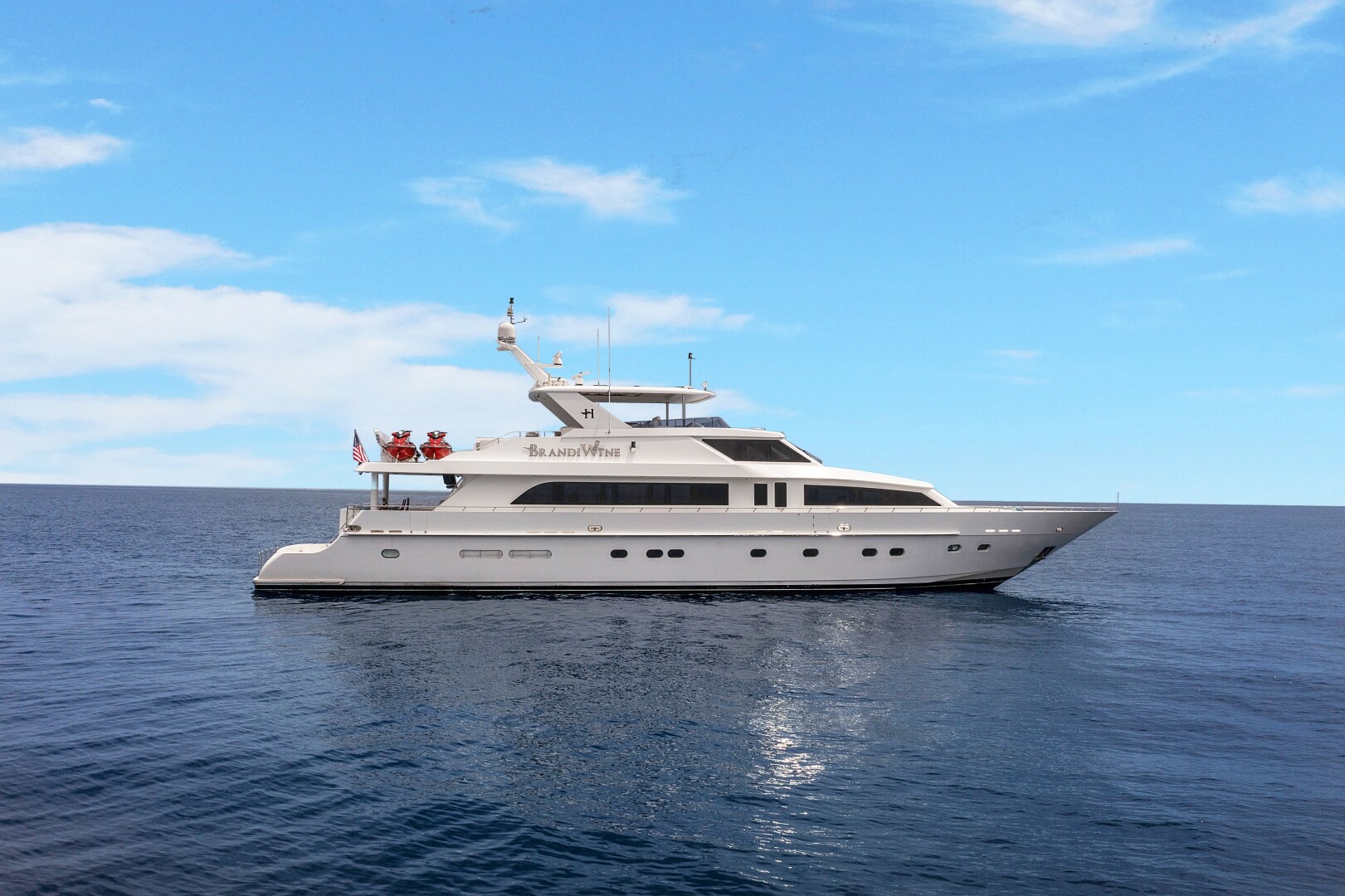
2009 Hargrave BRANDI WINE
$2,995,000
114
Fort Lauderdale Florida

2028 Extra Yachts
$21,404,500
100
Ancona

2028 Extra Yachts Extra 96
$9,495,000
96
Ancona
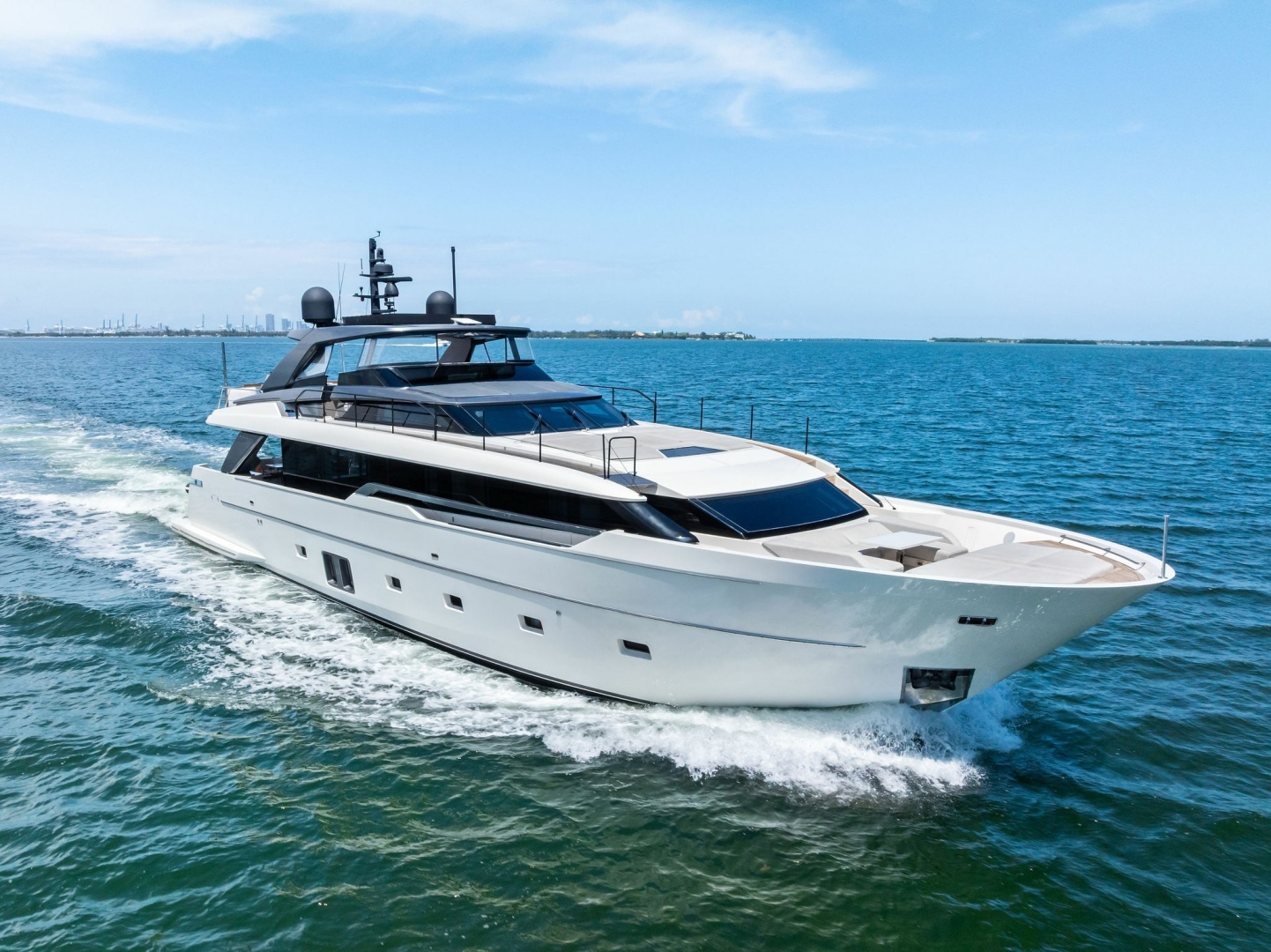
2021 Sanlorenzo GATSBY
$6,795,000
96
Miami Beach Florida

1999 Northern Marine OFF LINE
$2,495,000
84
Ft Lauderdale Florida
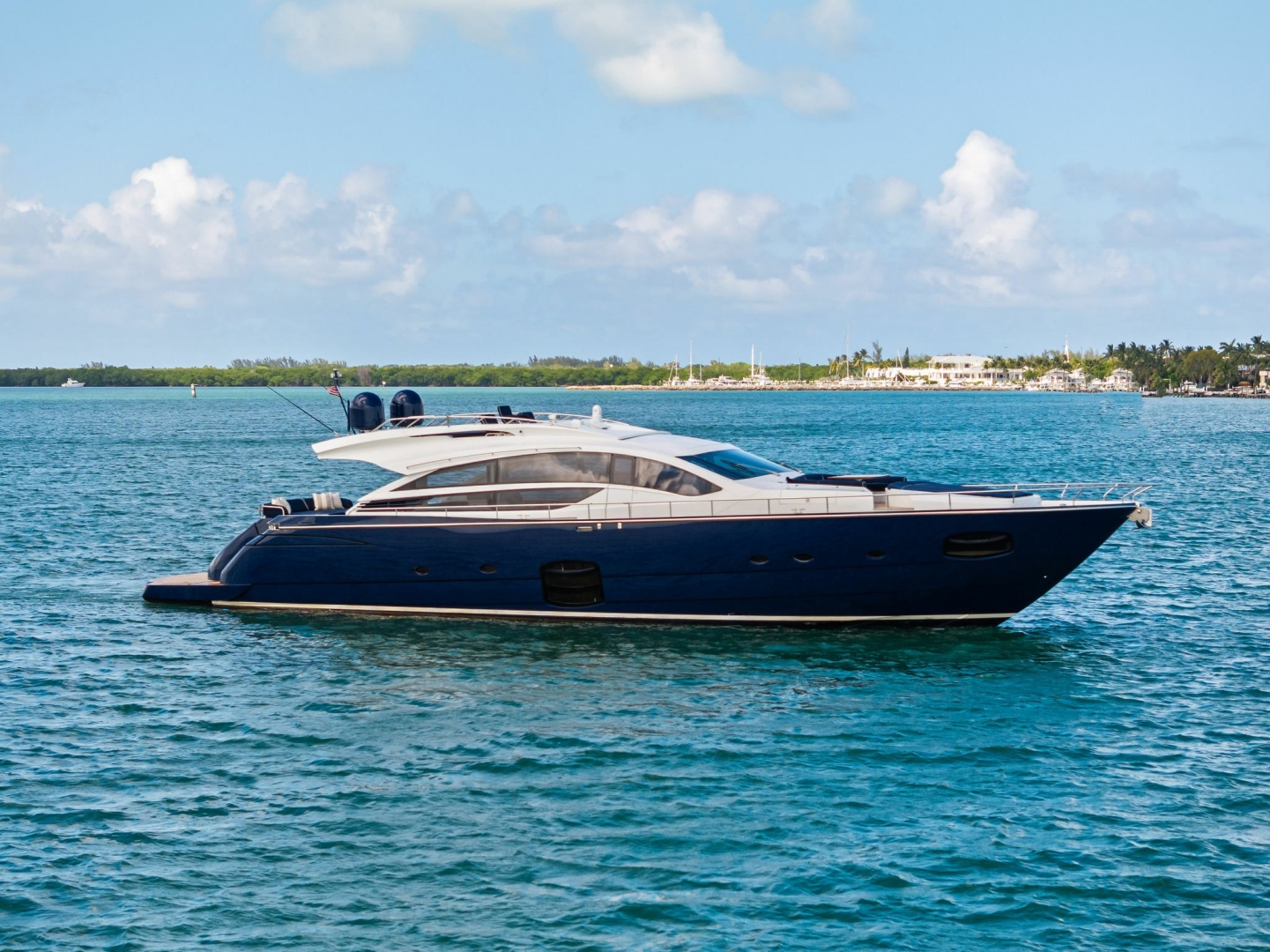
2013 Pershing DOROTHY ANN
$1,750,000
82
Miami Beach Florida

1997 Ferretti Yachts
$850,000
80
La Paz
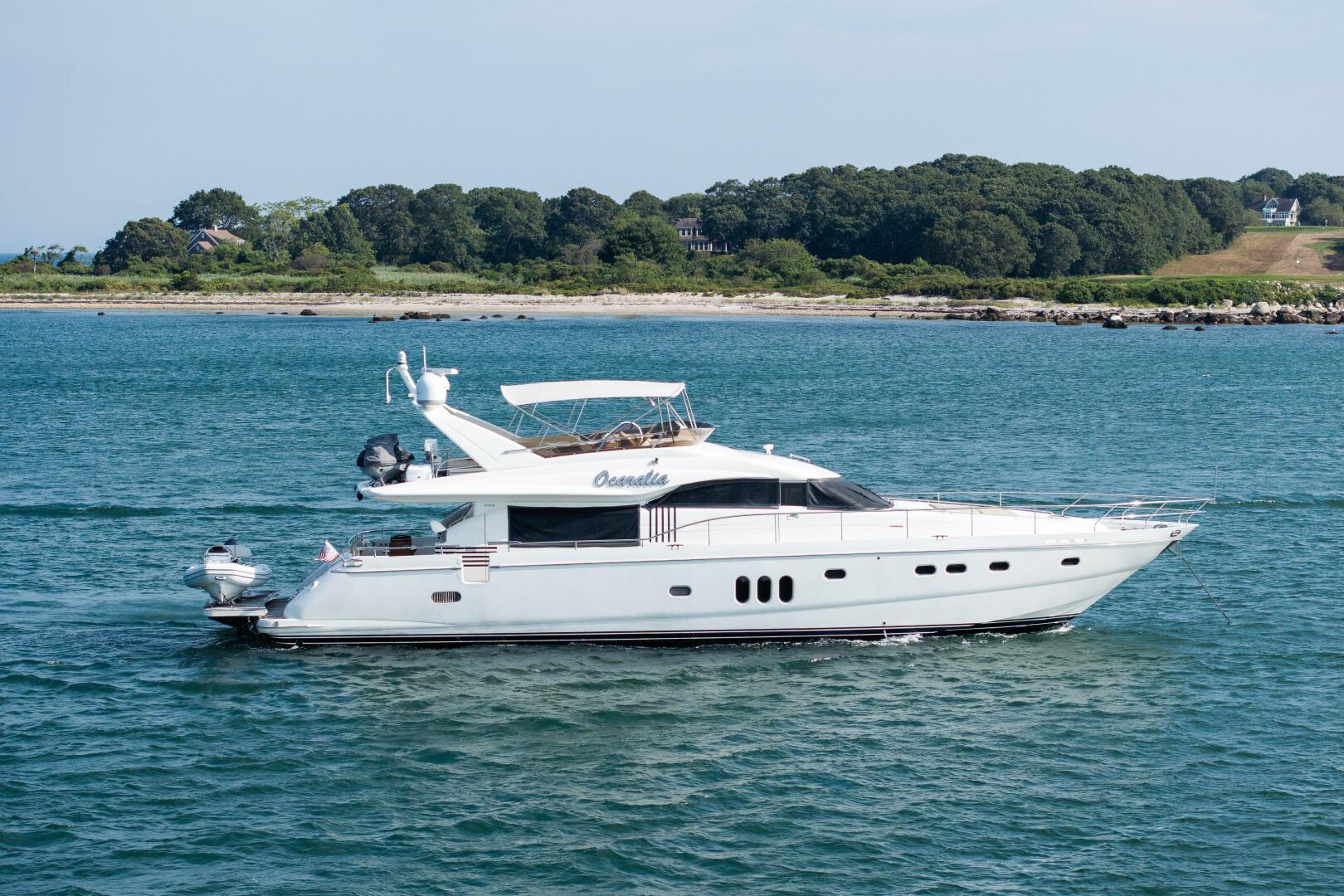
2008 Princess Yachts OCARALIA
$1,095,000
75
Charleston South Carolina
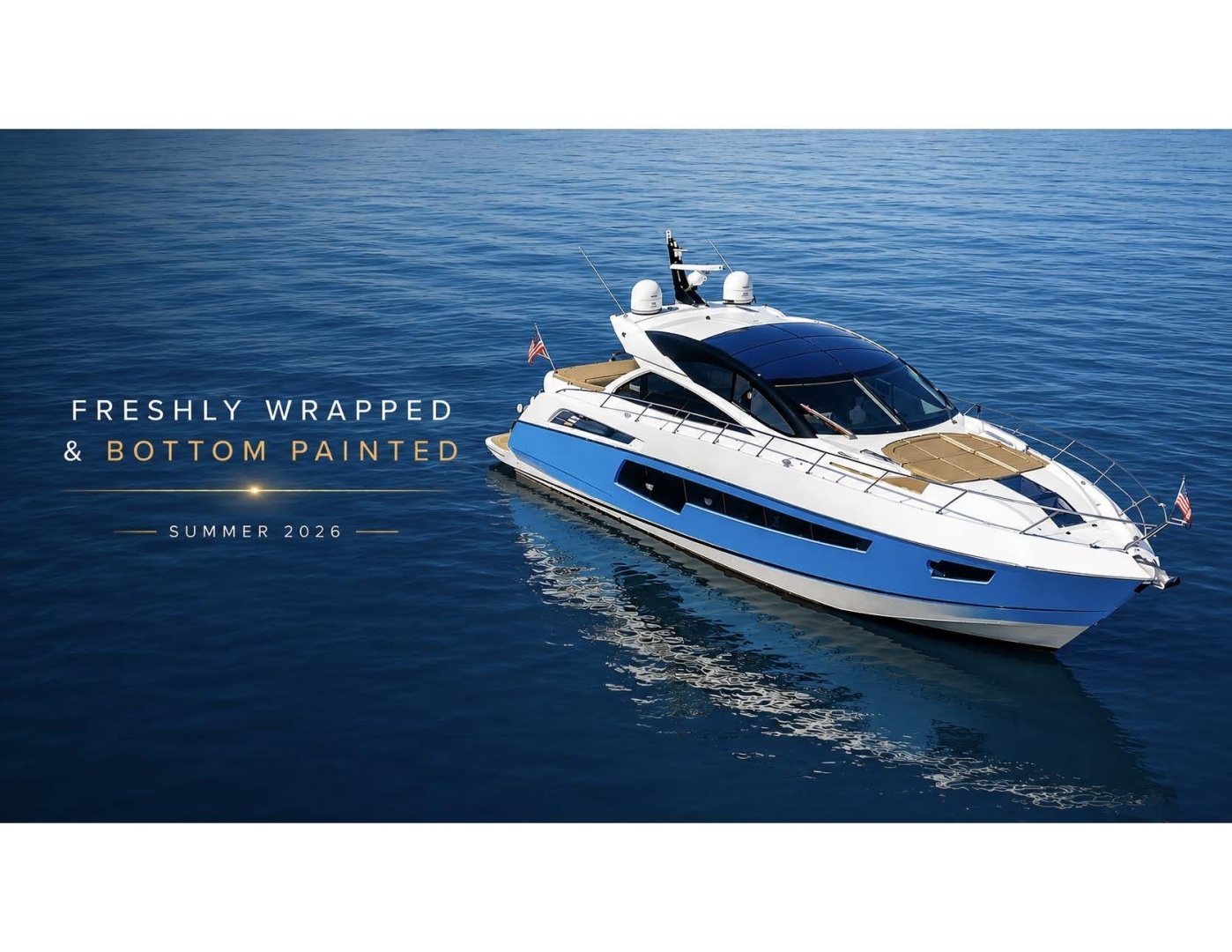
2014 Sunseeker
$1,400,000
68
New York New York

2024 Fairline
$2,750,000
68
Ft. Lauderdale Florida

2024 Sunreef Catallaxi
$3,700,000
60
Newport Rhode Island
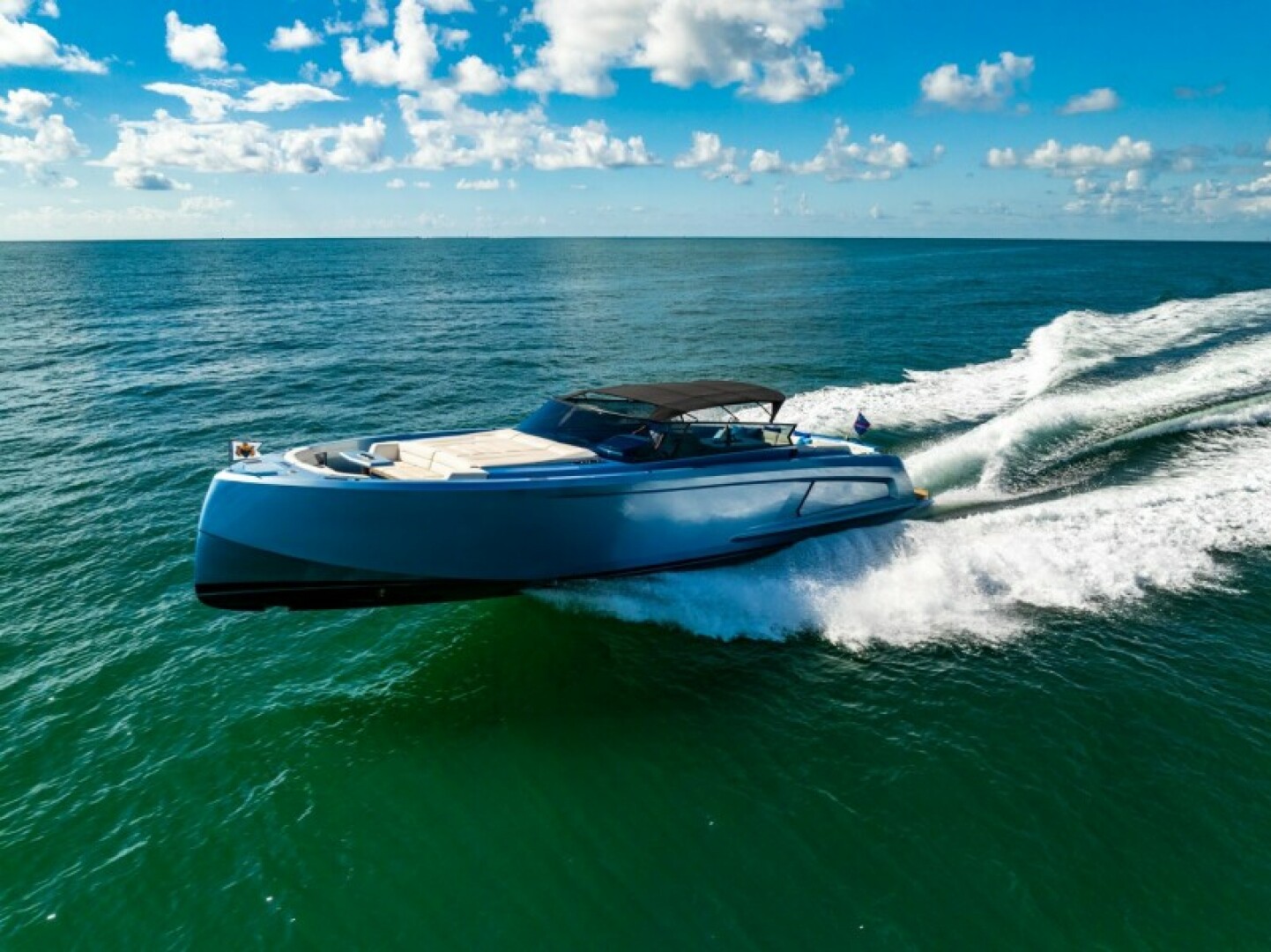
2019 Vanquish Yachts IMPULSIVE
$1,799,000
58
Miami Beach Florida
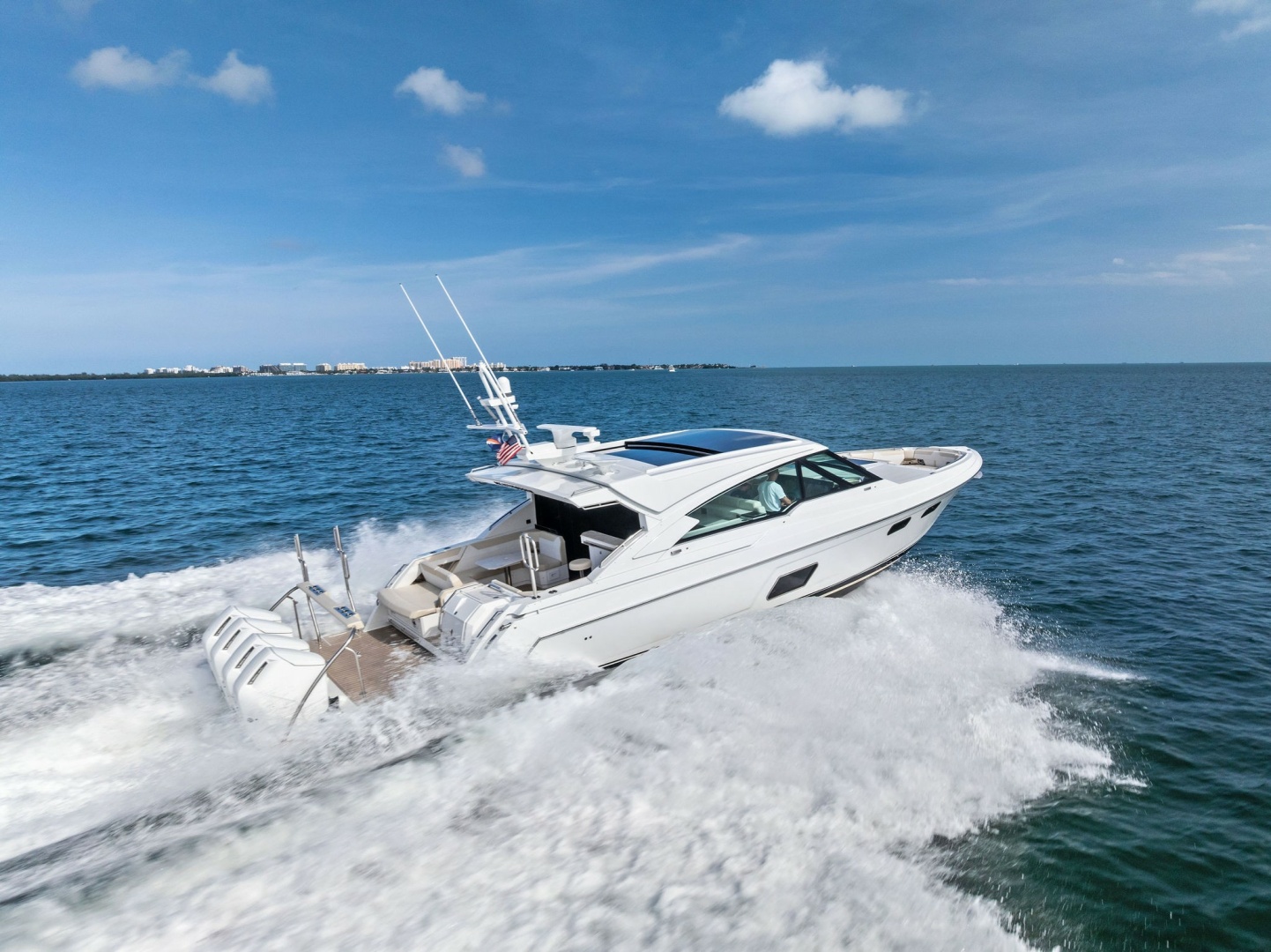
2025 Formula BREAKTHROUGH III
$1,895,000
53
Miami Beach Florida

2023 Fairline
$900,000
45
Fort Lauderdale Florida
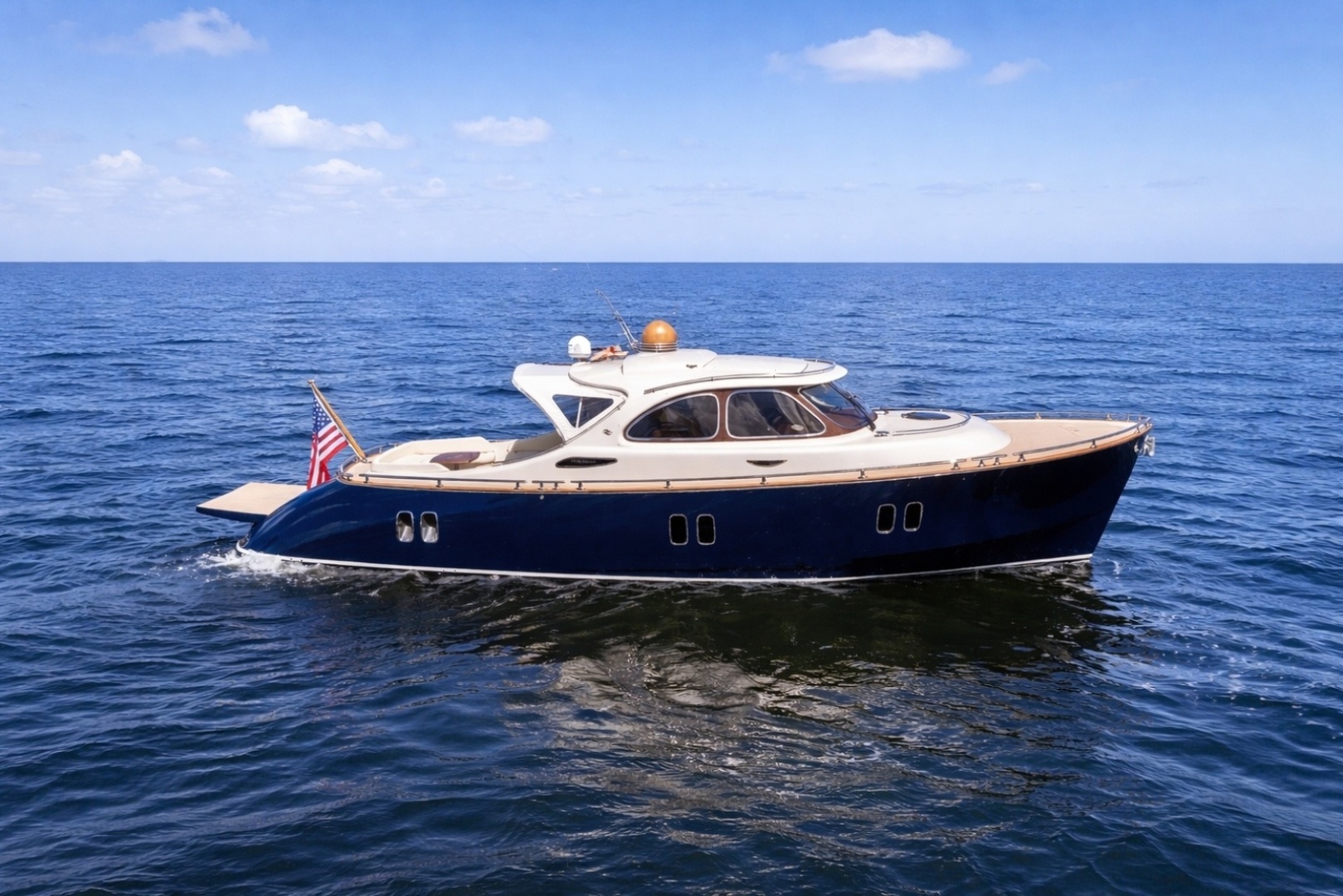
2012 Zeelander Mississippi Queen
$575,000
44
West Palm Beach Florida
2019 Bilgin 156'
$21,404,500
2028 Columbus Yachts 137'
$22,900,008
2012 Benetti 132'
$10,975,000
2024 Silver Yachts 117'
$25,400,000
2009 Hargrave 114'
$2,995,000
2028 Extra Yachts 100'
$21,404,500
2028 Extra Yachts 96'
$9,495,000
2021 Sanlorenzo 96'
$6,795,000
1999 Northern Marine 84'
$2,495,000
2013 Pershing 82'
$1,750,000
1997 Ferretti Yachts 80'
$850,000
2008 Princess Yachts 75'
$1,095,000
2014 Sunseeker 68'
$1,400,000
2024 Fairline 68'
$2,750,000
2024 Sunreef 60'
$3,700,000
2019 Vanquish Yachts 58'
$1,799,000
2025 Formula 53'
$1,895,000
2023 Fairline 45'
$900,000
2012 Zeelander 44'
$575,000