

When you’re considering an investment in a luxury yacht, it’s tempting to assume that every impressive vessel on the market meets the same global standards. That assumption, unfortunately, can cost you. Yacht classification is one of the most consequential factors in any premium purchase, shaping everything from insurance eligibility and global cruising access to resale value and onboard safety. Yet it remains widely misunderstood, even among experienced buyers. In this guide, we’ll break down exactly what yacht classification means, how it works, which societies set the standards, and what you truly need to know before you sign anything.
Table of Contents
- What is yacht classification and why does it matter?
- Key classification societies and what sets them apart
- Understanding the classification process: step by step
- Rules, size thresholds, and marketing terms: Decoding the jargon
- Our take: What most luxury buyers miss about yacht classification
- Next steps: Buy smart and protect your investment
- Frequently asked questions
Key Takeaways
| Point | Details |
|---|---|
| Definition matters | Yacht classification is official certification of a yacht’s design and build to set safety and quality standards. |
| Societies differ | Leading classification societies set slightly different standards, so it pays to know what each offers. |
| Process is ongoing | Classification involves initial approval and recurring surveys to ensure continued compliance. |
| Thresholds count | Most yachts over 24 meters or used for charter must be classed; marketing terms like ‘superyacht’ are not regulatory. |
| Smart buying pays | Classed yachts command higher resale value, better insurance, and wider acceptance worldwide. |
What is yacht classification and why does it matter?
At its core, yacht classification refers to certification by independent classification societies that a yacht meets specific technical standards for design, construction, materials, and ongoing maintenance to ensure safety, seaworthiness, and structural integrity. Think of it as the gold standard of structural validation, a rigorous, ongoing process rather than a one-time stamp of approval.
It’s important to separate classification from other quality markers you’ll encounter. A CE marking (common in Europe) confirms basic safety compliance for recreational craft. An ABYC certification reflects adherence to American Boating and Yacht Council standards. A flag state registration simply means a vessel is registered under a particular nation’s maritime authority. Classification, by contrast, is an independent technical audit conducted by a dedicated society, covering design, engineering, construction, and continued structural fitness over the vessel’s entire life.
For luxury buyers and families, the real-world benefits are considerable:
- Safety assurance: Surveys at regular intervals mean structural and mechanical issues are identified proactively, not discovered at sea.
- Resale value: A well-maintained classification history is a powerful signal of quality, supporting stronger resale prices.
- Global cruising access: Many prestigious marinas and charter markets require classification for entry or operation.
- Insurance eligibility: Premium underwriters often require classification, particularly for larger vessels.
- Flag state compliance: Certain flags mandate class for commercial use or yachts above specific size thresholds.
There are, however, nuances worth noting. For private yachts under 24 meters, classification is often optional. Many owners of smaller luxury vessels rely on CE or ABYC certification and manage perfectly well. The calculus shifts when you move into larger vessels, commercial use, or international charter. And while classification dramatically raises the bar, it is not a seaworthiness warranty. Classification societies disclaim liability; they are auditors, not guarantors.
“Classification adds a layer of credibility and discipline that’s genuinely reassuring for buyers. But the real value comes from the culture of maintenance it instills, not the certificate on the wall.”
For a deeper look at how superyacht classification elevates investment value, the patterns are as consistent as the tide.
Key classification societies and what sets them apart
Not all classification societies are created equal, and understanding their differences can sharpen your purchasing strategy considerably. Major classification societies for yachts include Lloyd’s Register (LR), Registro Italiano Navale (RINA), American Bureau of Shipping (ABS), DNV, and Bureau Veritas (BV), each with its own class rules, survey procedures, and documentation requirements.
Here’s a quick comparison of the top five:
| Society | Origin | Regional strength | Yacht specialization |
|---|---|---|---|
| Lloyd’s Register (LR) | United Kingdom | Global, especially UK/Europe | Strong superyacht rules |
| RINA | Italy | Mediterranean | Italian builder preference |
| ABS | United States | Americas | Strong US market presence |
| DNV | Norway | Northern Europe | Offshore and technical depth |
| Bureau Veritas (BV) | France | Global, strong France/Med | Broad yacht coverage |
All five are members of the IACS, the International Association of Classification Societies, which promotes standardization and mutual recognition across societies. In practice, this means a yacht classed by LR is broadly recognized by DNV or BV, which matters enormously if you plan to transfer classification or change flag states.
That said, differences in class rules do exist. RINA tends to be favored by Italian shipyards and Mediterranean operators. ABS has a natural home advantage in the United States. DNV carries particular prestige in technical engineering and offshore contexts. LR remains the most universally recognized name in global luxury yachting. Builders and flag states often gravitate toward a specific society based on geography, familiarity, and the specific type of vessel.
Pro Tip: When reviewing a yacht listing, don’t just note which society classed it. Ask for the full class record and survey history. A vessel that has maintained unbroken classification with a reputable society, without conditions or overdue surveys, is worth considerably more than one with gaps or outstanding items.
Working with experienced yacht broker credentials can help you interpret these records with confidence, especially when comparing vessels across different societies and flag states.
Understanding the classification process: step by step
Once you know which societies exist, the natural question is: how does a yacht actually earn and maintain its classification? The classification process is structured and methodical, following a defined lifecycle from design through operational surveys.
Here’s how it unfolds:
- Design approval: Engineering plans and technical drawings are submitted to the society for review before a single plate is cut. Structural calculations, machinery layouts, and safety systems are all scrutinized.
- Construction surveys: Society surveyors attend key stages of the build, verifying that materials, welds, and systems match the approved plans.
- Initial certification: Once construction is complete and all surveys are satisfied, the society issues the initial class certificate.
- Annual surveys: A general inspection conducted each year to confirm ongoing compliance and flag any deterioration.
- Intermediate survey: Conducted at approximately 2.5 years, this is more detailed, covering structural elements and systems in greater depth.
- Special/renewal survey: Every five years, the most thorough review, typically including a dry-dock inspection of the hull, propellers, and underwater systems.
The consequences of failing a survey or missing a deadline are serious. A society may issue a “condition of class,” which is a formal notice requiring a specific deficiency to be rectified within a set timeframe. If unresolved, classification can be suspended or withdrawn entirely. A suspended yacht loses its insurability under many policies and may be barred from commercial operation or certain ports.
| Survey type | Frequency | Key focus areas |
|---|---|---|
| Annual | Every 12 months | General condition, safety equipment, documentation |
| Intermediate | 2.5 years | Structural elements, machinery, systems |
| Special/renewal | Every 5 years | Full inspection, dry-dock, underwater hull |
For buyers, understanding the yacht surveying process before purchase is essential. A yacht approaching its special survey will require a budget allowance for that expense, and any outstanding conditions of class should be resolved before purchase agreements are finalized.
Rules, size thresholds, and marketing terms: Decoding the jargon
One of the most persistent sources of confusion in the luxury market is the blending of regulatory language with marketing terminology. Understanding the difference protects you from both overpaying and under-evaluating a vessel.
From a regulatory standpoint, size and use are the primary triggers for classification requirements. Not all yachts require classification: private yachts under 24 meters often don’t need it, relying instead on CE or ABYC certification. Yachts over 24 meters, those used for charter, or those operated commercially are typically required by insurers, flag states, and resale markets to carry classification. Yachts exceeding 500 gross tons trigger full SOLAS (Safety of Life at Sea) and ISM (International Safety Management) compliance, raising the regulatory bar significantly.
The charter market adds its own layer. Operating a yacht commercially under the Large Yacht Code requires classification as a baseline expectation from most flag states. This means a yacht without classification is effectively locked out of legitimate charter revenue, which matters enormously for buyers who intend to offset ownership costs.
Pro Tip: Always check whether a yacht you’re considering is classed for the operational profile you intend. A stunning 30-meter vessel with CE certification only may limit your ability to charter it or access certain flag states without significant additional investment.
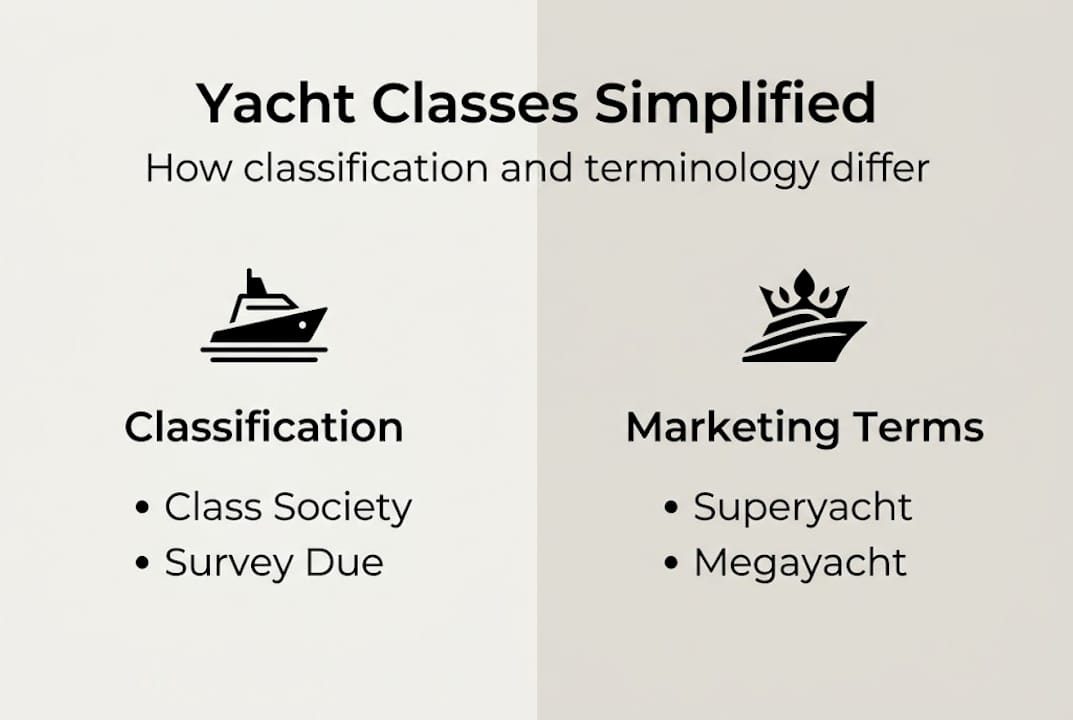
Now for the marketing terms. Superyacht and megayacht labels are industry conventions based on length overall, not legal or regulatory classifications. Generally, superyachts run from 24 to 60 meters and megayachts exceed 60 meters, but these definitions shift by source and have zero bearing on classification requirements.
When reading listings, look for the actual class certificate details: the issuing society, class notation, survey due dates, and any outstanding conditions. These tell the real story. Understanding yacht types explained alongside yacht specifications will give you a far clearer picture than any marketing label alone.
Our take: What most luxury buyers miss about yacht classification
Here’s the candid truth that most guides quietly sidestep. Classification is not a binary quality signal. Many buyers treat a class certificate like a report card, either passing or failing. The reality is more nuanced, and the gap between a freshly classed vessel and one coasting toward its renewal survey can be enormous.
We’ve seen buyers pay a premium for classification without asking when the next special survey is due, or whether any conditions of class remain open. These are not minor details. An overdue dry-dock survey on a 40-meter yacht can represent a six-figure cost that the seller is quietly passing along.
Equally, we’d caution against dismissing unclassed yachts outright. A well-maintained private vessel under 24 meters with a clean surveyor’s report and strong documentation can represent extraordinary value. The key is disciplined due diligence, not reflexive reliance on a class notation.
Classification’s real power lies in the culture it creates. When a yacht has maintained unbroken class for a decade, it reflects an owner who treated maintenance as a discipline, not a chore. That history, not just the certificate, is what you’re truly buying. For a clear view of where yachting industry trends are heading, the disciplined buyers consistently outperform those chasing labels.
Next steps: Buy smart and protect your investment
Navigating yacht classification is far more rewarding with a trusted expert by your side. At Yachts by Steve, we help discerning buyers move beyond the surface details to evaluate every dimension of a luxury yacht purchase, including classification history, survey timelines, and flag state implications. Whether you’re drawn to a sleek 30-meter cruiser or a commanding megayacht, our curated approach means you never miss what matters most.
Explore how to choose the right yacht broker for your specific goals, review our detailed yacht specification guide, or discover the full range of luxury yacht types available to you. Your ideal vessel, and the lifestyle it unlocks, deserves nothing less than expert guidance from the very first conversation.
Frequently asked questions
Is yacht classification required for all yachts?
No. Private yachts under 24 meters typically do not require classification, but yachts used for charter, commercial purposes, or those over 24 meters are generally expected to carry it by insurers and flag states.
Does classification guarantee a yacht is always safe to cruise?
No. Classification confirms standards at specific survey intervals, but continuous safety depends on disciplined maintenance and crew practices between those surveys.
What are the main classification societies for luxury yachts?
The five leading societies are Lloyd’s Register, RINA, ABS, DNV, and Bureau Veritas, each with slightly differing rules, regional strengths, and survey procedures.
If I buy an unclassed yacht, can I get it classed later?
It is possible, but the process requires fresh surveys and may demand structural or systems upgrades. Class transfer or new classification after construction is not always straightforward and can be costly.
Do size labels like ‘superyacht’ or ‘megayacht’ affect the legal requirements?
No. These are marketing terms based on vessel length and carry no regulatory or technical classification weight. Legal requirements hinge on actual size thresholds, use type, and flag state rules.
Recommended
Featured Listings
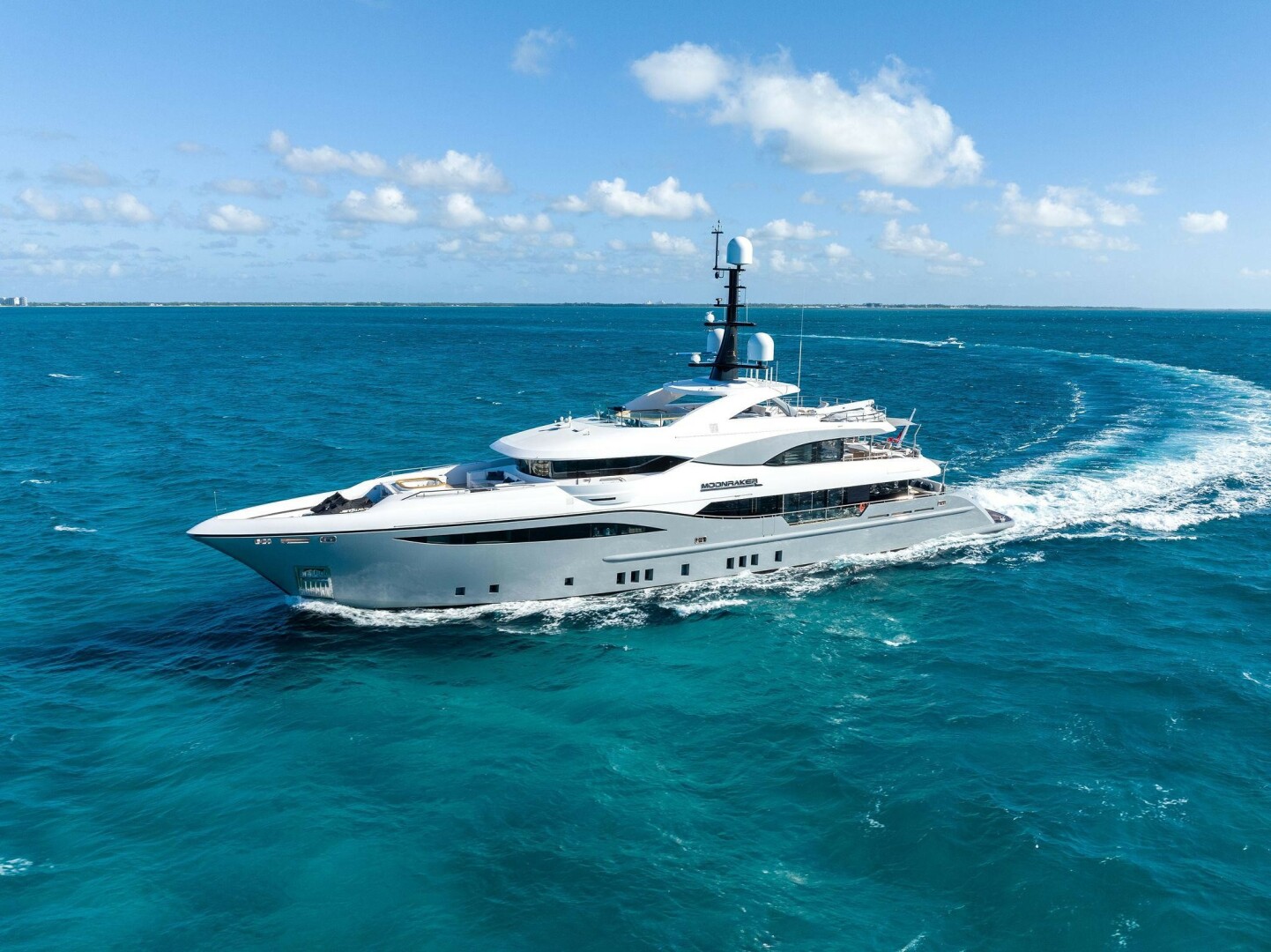
2019 Bilgin MOONRAKER
$20,738,500
156
West Palm Beach Florida

2028 Columbus Yachts
$22,900,008
137
Ancona
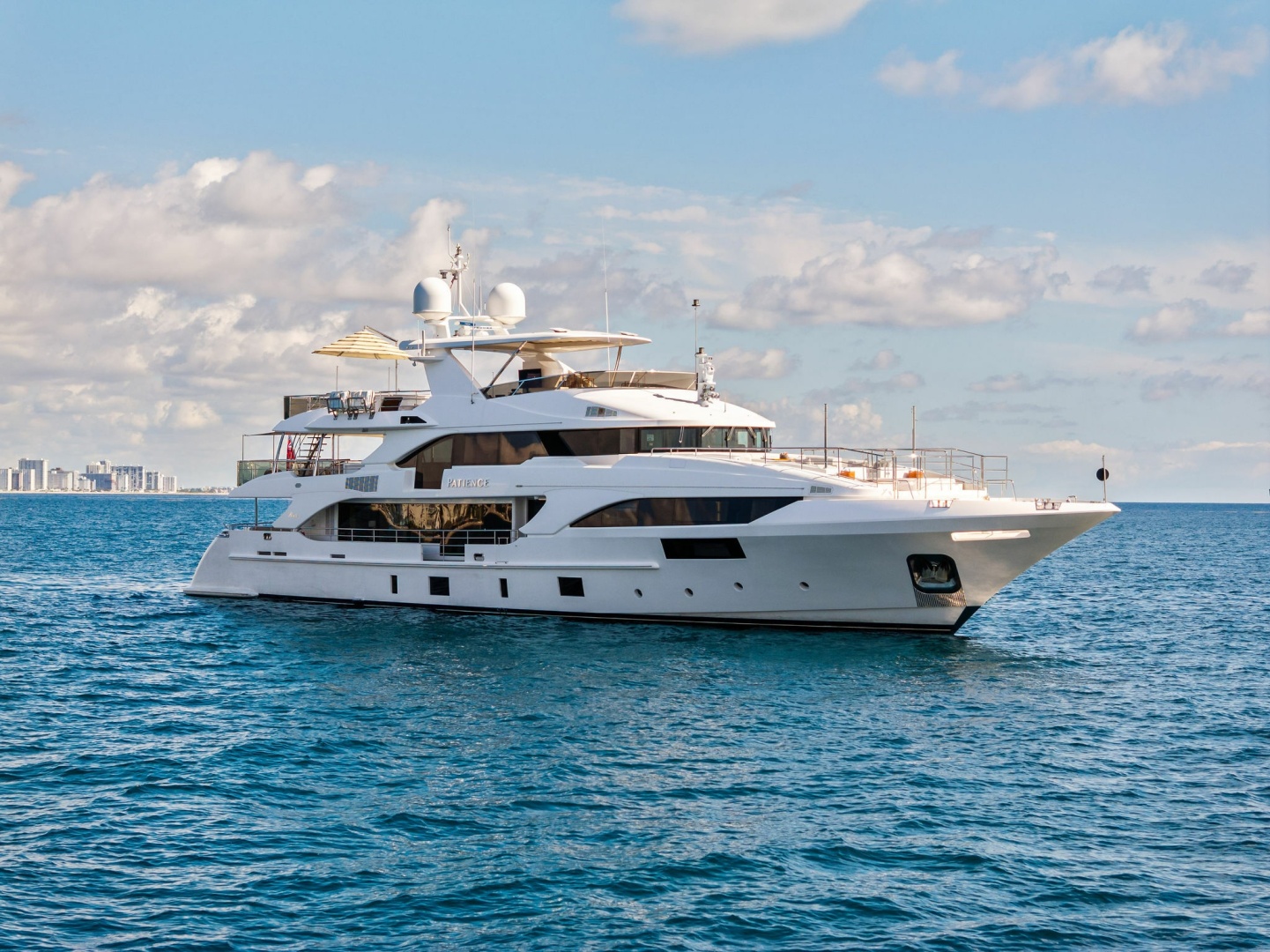
2012 Benetti PATIENCE
$10,975,000
132
Fort Lauderdale Florida
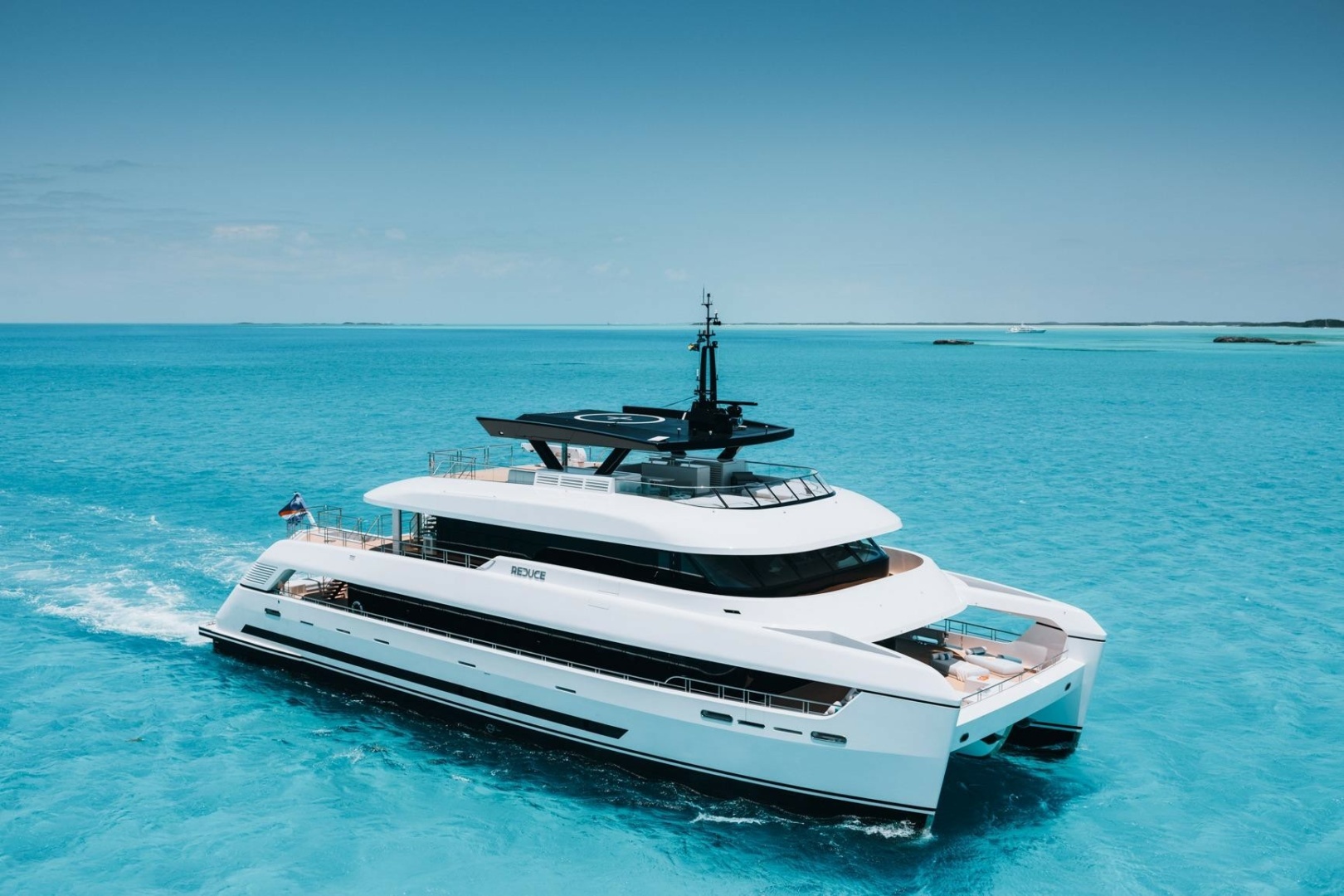
2024 Silver Yachts
$25,400,000
117
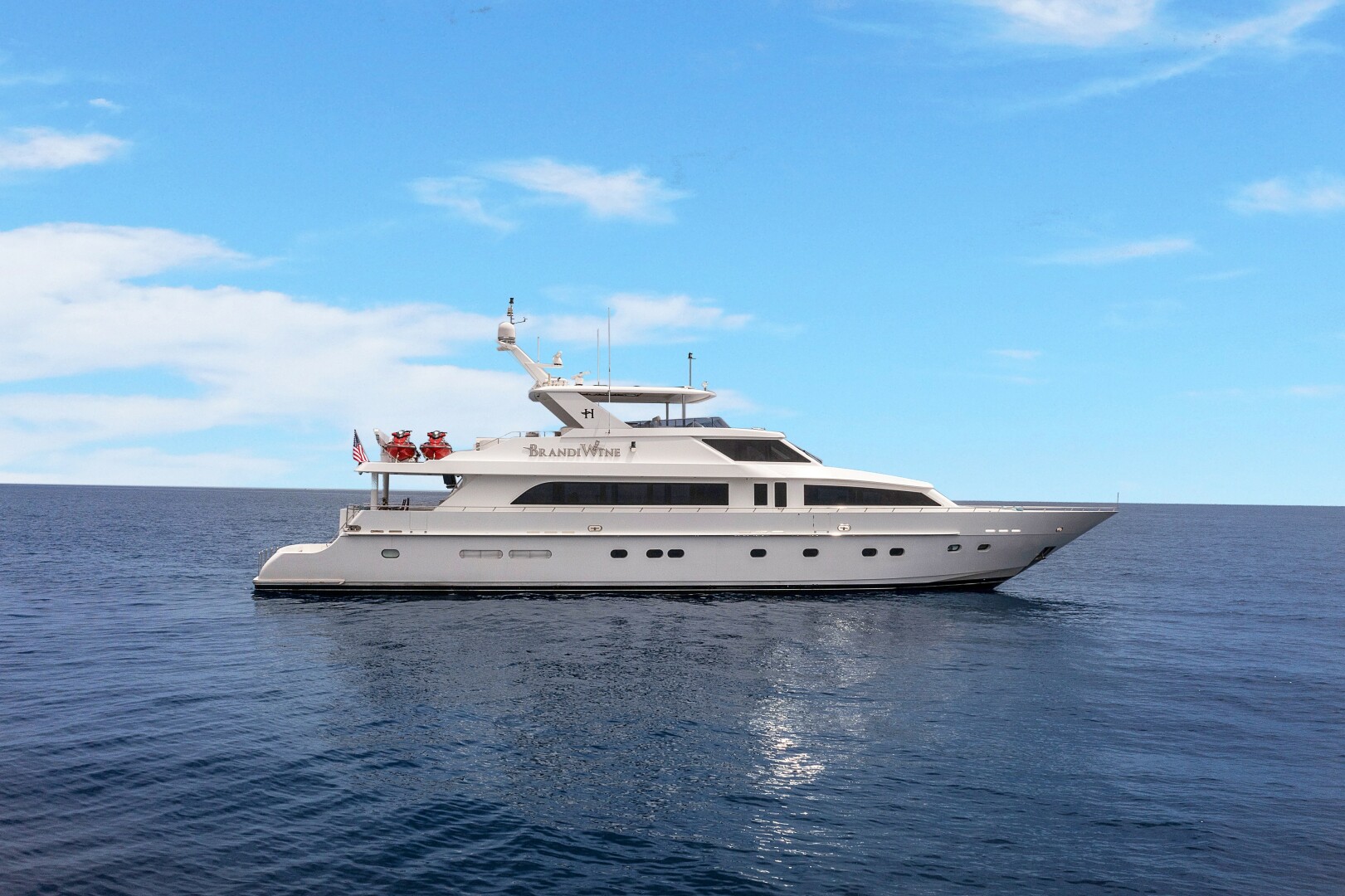
2009 Hargrave BRANDI WINE
$2,500,000
114
Fort Lauderdale Florida

2028 Extra Yachts
$20,738,500
100
Ancona

2028 Extra Yachts Extra 96
$9,495,000
96
Ancona
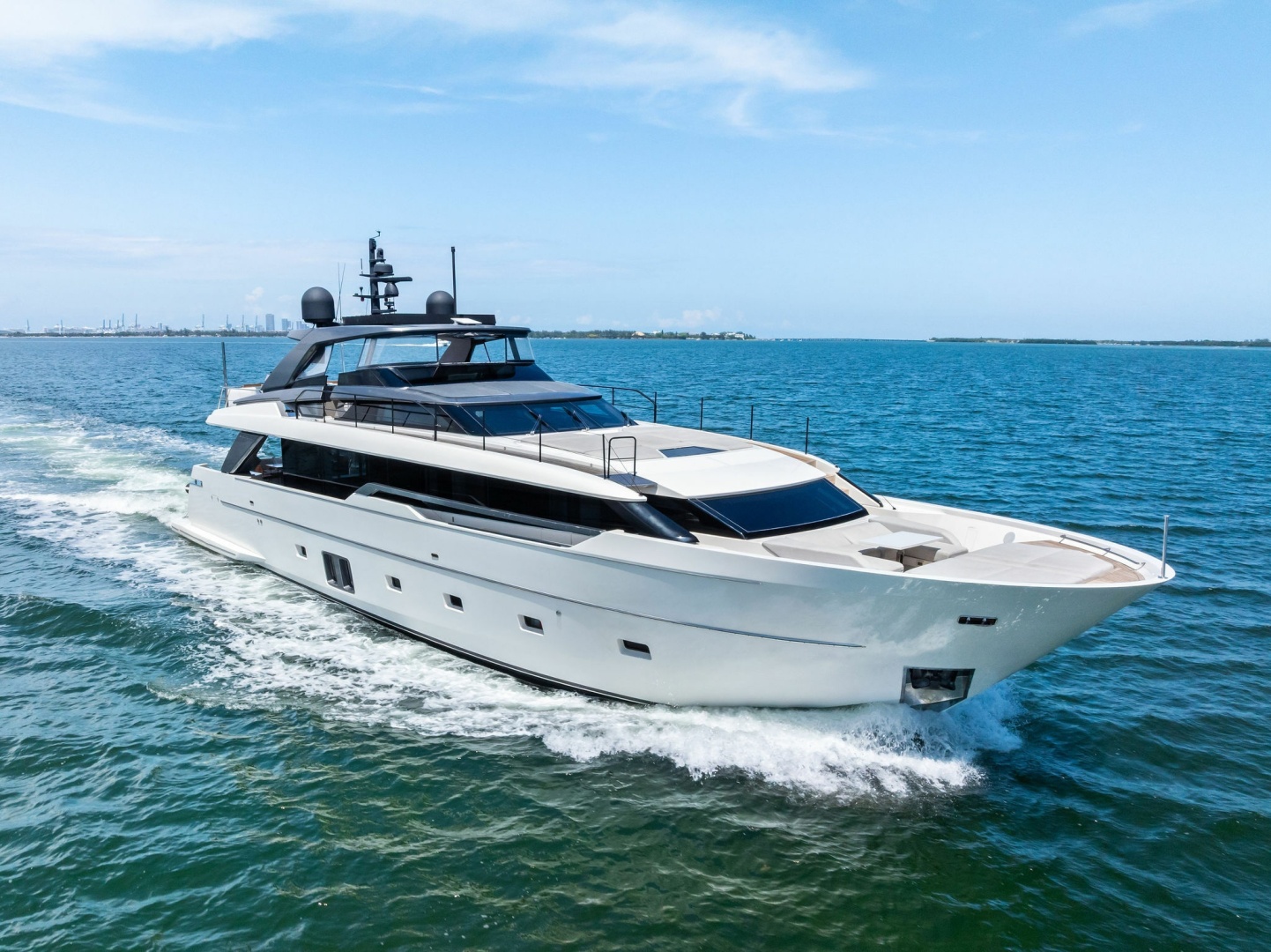
2021 Sanlorenzo GATSBY
$6,795,000
96
Miami Beach Florida

1999 Northern Marine OFF LINE
$2,495,000
84
Ft Lauderdale Florida
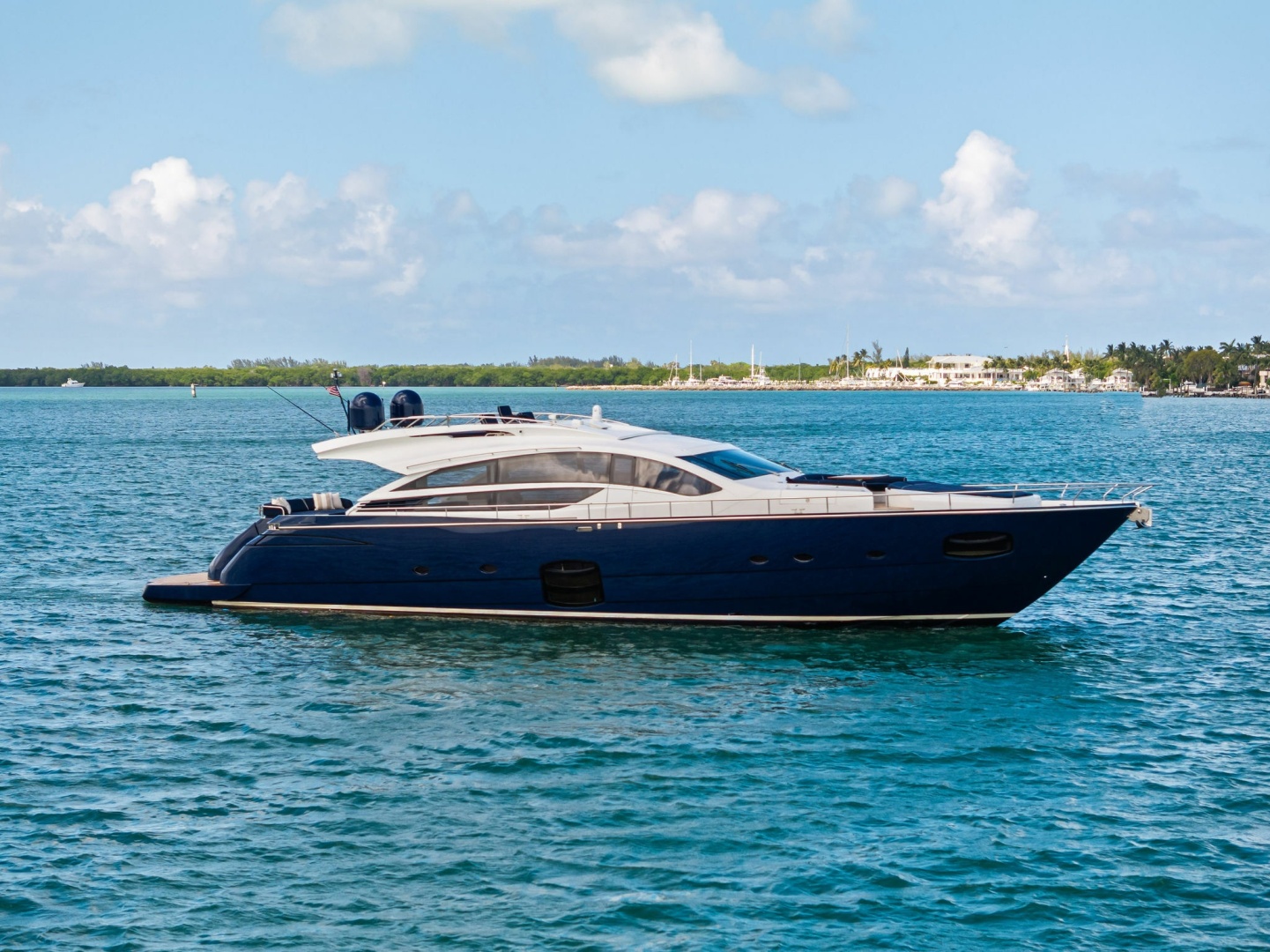
2013 Pershing DOROTHY ANN
$1,550,000
82
Miami Beach Florida

1997 Ferretti Yachts
$825,000
80
La Paz
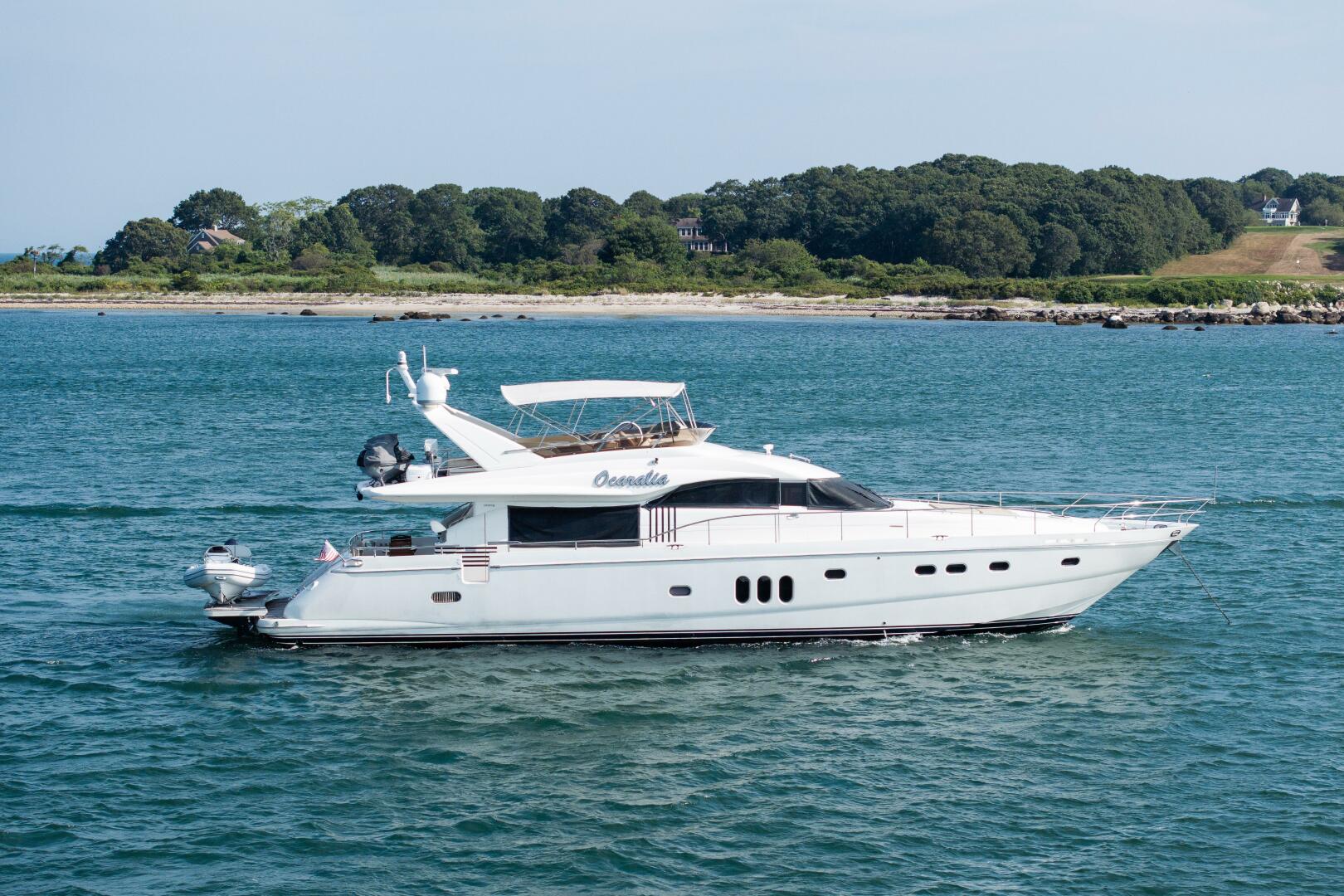
2008 Princess Yachts OCARALIA
$1,095,000
75
Charleston South Carolina
2014 Sunseeker
$1,400,000
68
New York New York

2024 Fairline
$2,750,000
68
Ft. Lauderdale Florida

2024 Sunreef Catallaxi
$3,700,000
60
Newport Rhode Island
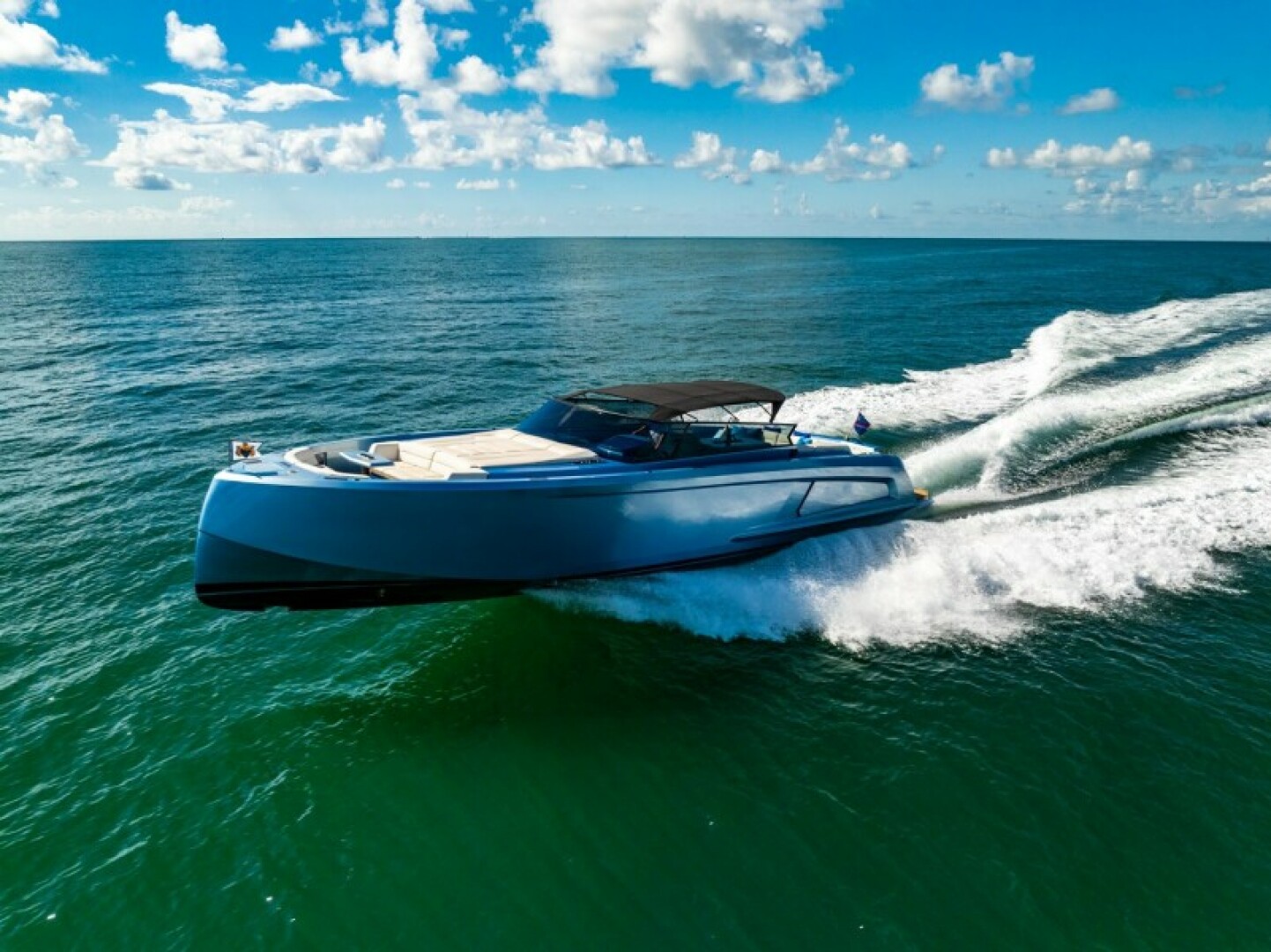
2019 Vanquish Yachts IMPULSIVE
$1,799,000
58
Miami Beach Florida
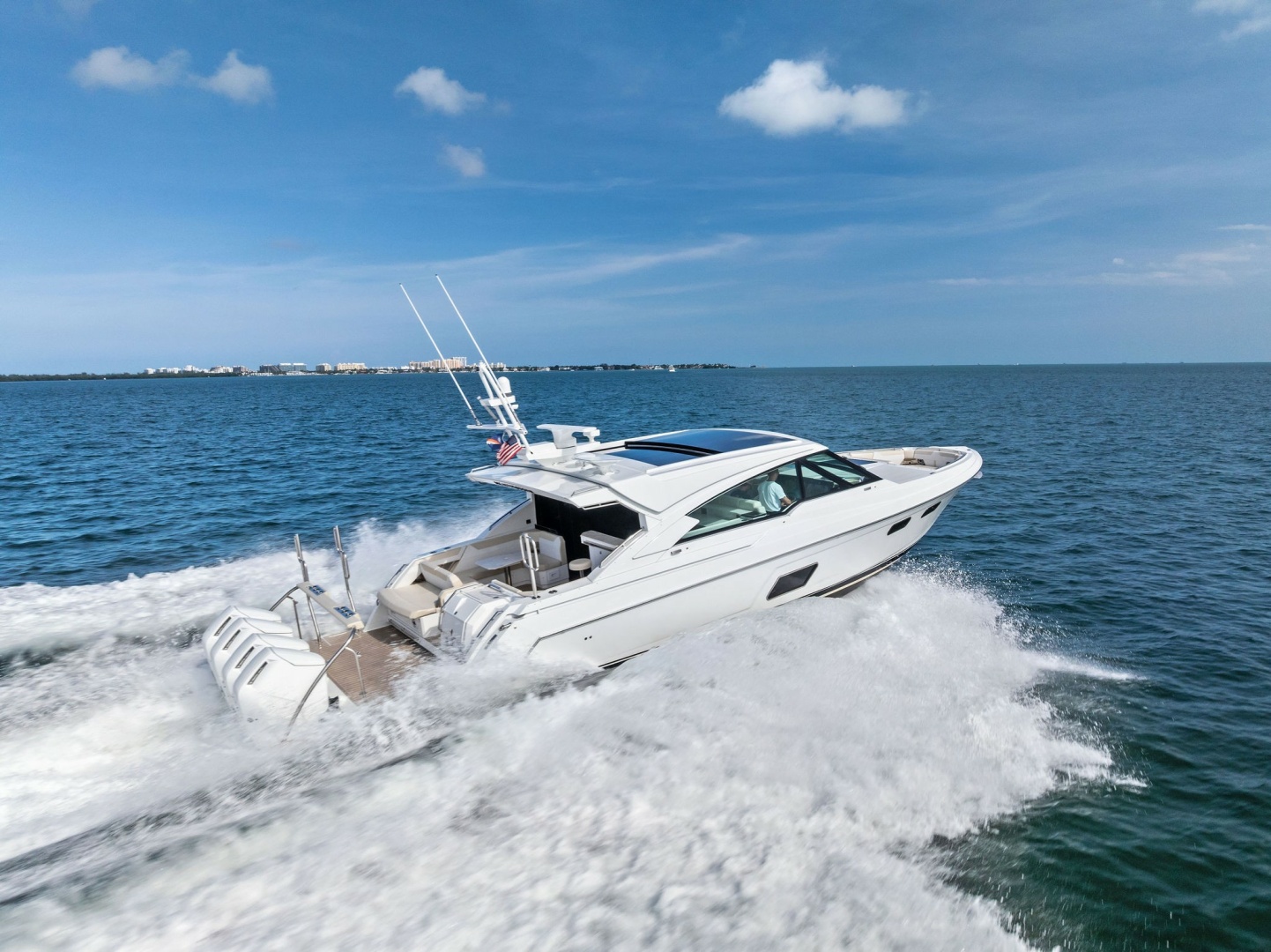
2025 Formula BREAKTHROUGH III
$1,895,000
53
Miami Beach Florida

2023 Fairline
$900,000
45
Fort Lauderdale Florida
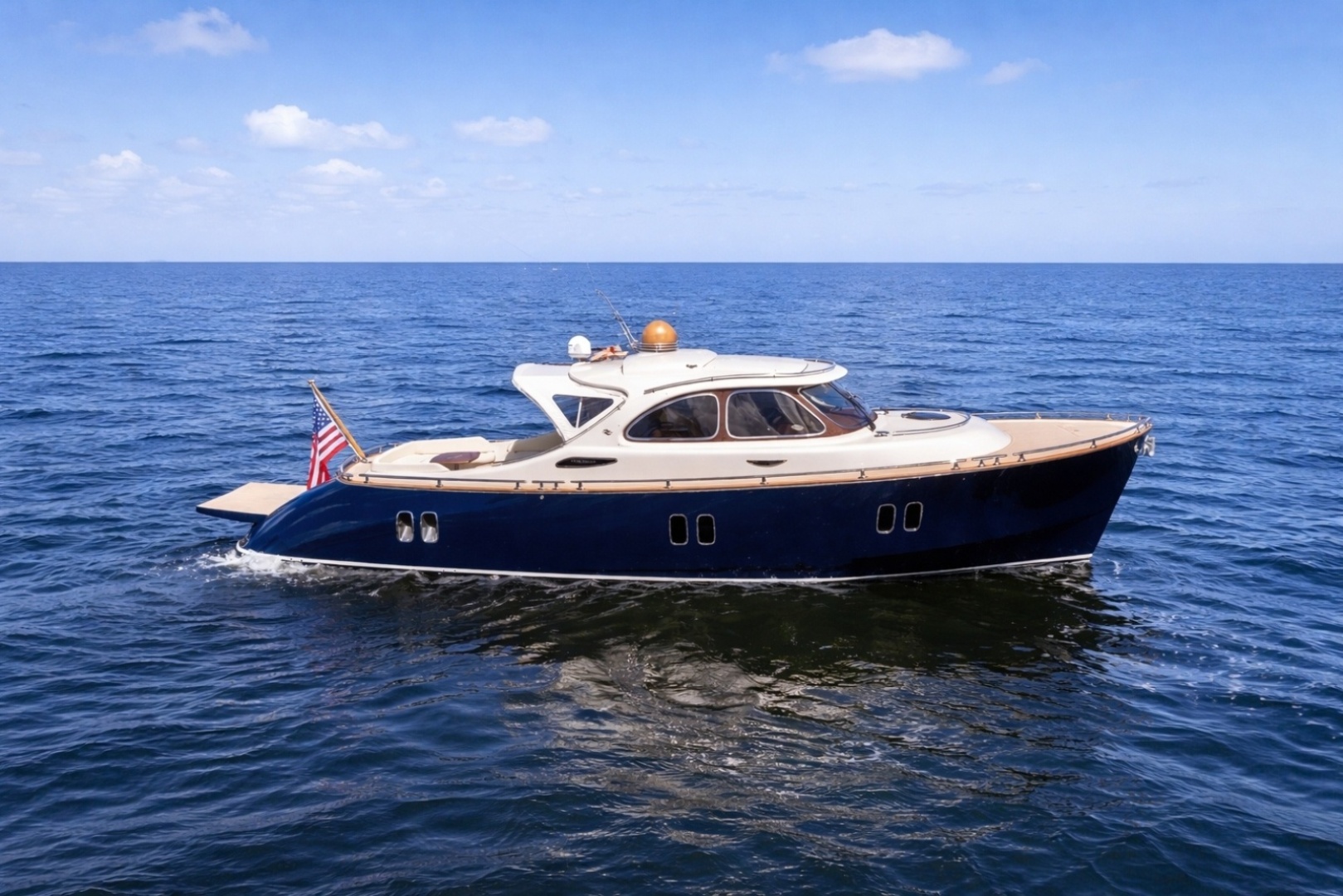
2012 Zeelander Mississippi Queen
$575,000
44
West Palm Beach Florida
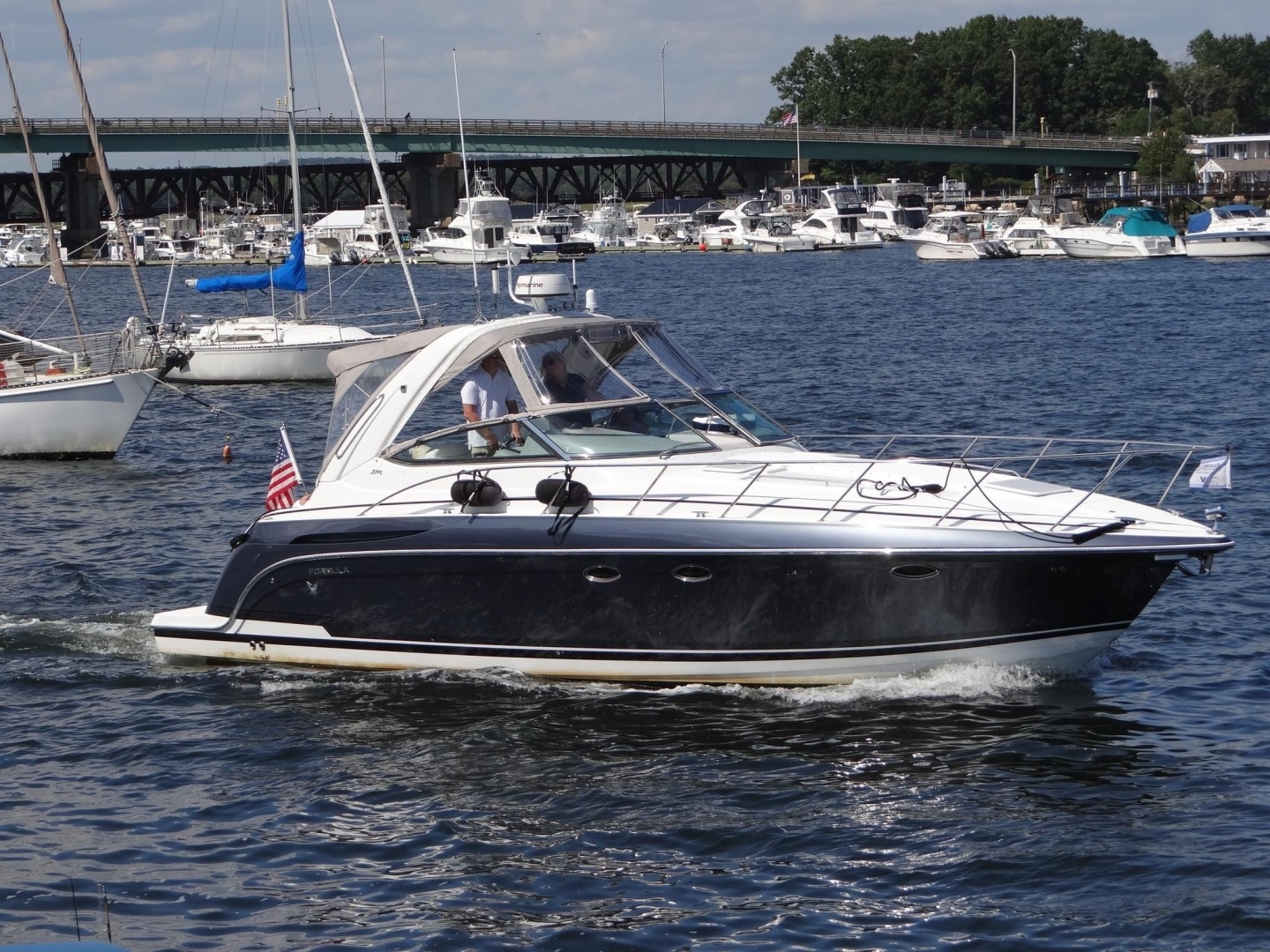
2006 Formula
$139,000
37
Newburyport Massachusetts
2019 Bilgin 156'
$20,738,500
2028 Columbus Yachts 137'
$22,900,008
2012 Benetti 132'
$10,975,000
2024 Silver Yachts 117'
$25,400,000
2009 Hargrave 114'
$2,500,000
2028 Extra Yachts 100'
$20,738,500
2028 Extra Yachts 96'
$9,495,000
2021 Sanlorenzo 96'
$6,795,000
1999 Northern Marine 84'
$2,495,000
2013 Pershing 82'
$1,550,000
1997 Ferretti Yachts 80'
$825,000
2008 Princess Yachts 75'
$1,095,000
2014 Sunseeker 68'
$1,400,000
2024 Fairline 68'
$2,750,000
2024 Sunreef 60'
$3,700,000
2019 Vanquish Yachts 58'
$1,799,000
2025 Formula 53'
$1,895,000
2023 Fairline 45'
$900,000
2012 Zeelander 44'
$575,000
2006 Formula 37'
$139,000