

That said, the sticker shock of resale value loss tells only half the story. For buyers who qualify for business use, U.S. tax rules like bonus depreciation and Section 179 can offset a meaningful share of that loss on paper, changing your after-tax cash outcome dramatically. Run the numbers with a marine CPA before you sign anything.
TL;DR:
- Yachts typically lose 10% to 20% of value in the first year and 15% to 20% over the initial three years, with depreciation slowing in later years.
- Market value decline depends on the vessel’s condition, builder reputation, and maintenance history, not just IRS depreciation schedules.
- Tax benefits like bonus depreciation and Section 179 can significantly offset costs if the yacht is used more than 50% for legitimate business purposes and properly documented.
- Owners should monitor the gap between market depreciation and IRS depreciation to avoid costly recapture taxes at resale.
- Building a team of a savvy broker, marine surveyor, CPA, and tax attorney is essential to optimize depreciation strategies and protect resale value.
Table of Contents
- What Are Typical Yacht Depreciation Rates?
- Market Value vs. Accounting Depreciation: Two Different Numbers
- Bonus Depreciation, Section 179, and the Rules That Change the Math
- How to Calculate Your Yacht’s Depreciation
- Protecting Resale Value: What Actually Moves the Needle
- Building the Right Team Before You Buy
- Your Next Steps, in Order
- A Brokerage’s View on Depreciation and Ownership
- How Yachts-bysteve Helps You Buy With Depreciation in Mind
- Sources
- FAQ
What Are Typical Yacht Depreciation Rates?
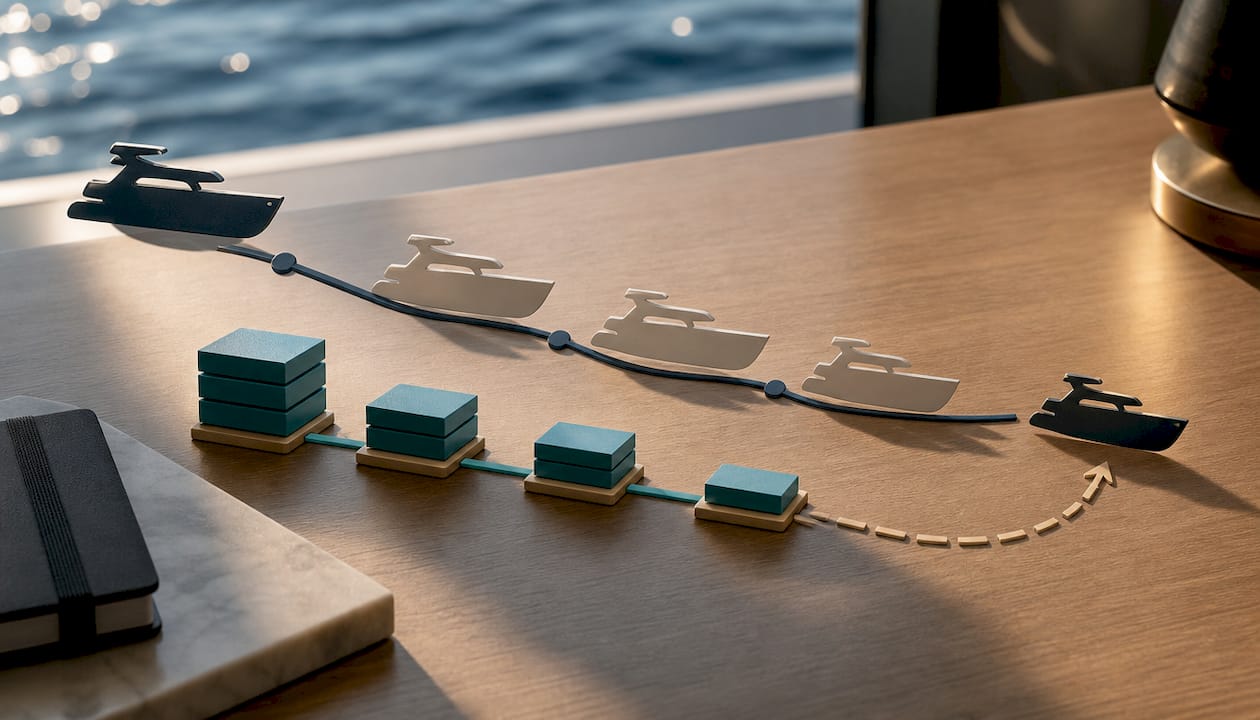
A new yacht sheds value fast the moment you take delivery. Most market reports put the first year drop at 10% to 20%, with the total decline over the first three years landing somewhere between 15% and 20%. That early slide is sometimes called the “new boat penalty,” and it’s the price of being first owner of something nobody else has broken in yet. Industry data shows the curve flattens noticeably after year five, though the exact shape depends heavily on builder reputation and how well the vessel has been kept.
Here’s roughly how that curve plays out across a typical ownership window:
| Ownership Period | Typical Value Decline |
|---|---|
| Year 1 | about 10 to 20 percent |
| Years 1 to 3 | approximately 15 to 20 percent total |
| Years 5 to 10 | Gradual, smaller annual declines |
| 10+ years | Value largely tracks condition and market demand |
- New yachts lose value fastest in year one, before the boat has even logged real sea time.
- Pre-owned buyers who purchase after year two or three often sidestep the steepest part of the curve entirely.
Market Value vs. Accounting Depreciation: Two Different Numbers
Your accountant’s depreciation schedule and your yacht’s actual resale value rarely match, and that gap trips up a lot of first-time owners. Market value decline is driven by tangible things: the vessel’s age, the builder’s standing, how meticulously the engine logs and maintenance records were kept, and whether refits happened on schedule. A vessel from a builder known for quality control simply holds its price better than one from a yard nobody recognizes.
Tax depreciation is a different animal entirely. It follows IRS schedules like the Modified Accelerated Cost Recovery System (MACRS) or straight-line methods, and it exists to determine deductions, not resale price. A yacht can be fully depreciated on paper while still commanding a strong price on the water, particularly from a builder with a loyal following.
- Market depreciation reflects buyer demand, condition, and reputation.
- Accounting depreciation reflects IRS recovery periods and elected methods.
- The two numbers converge only at sale, when depreciation recapture enters the picture.
That convergence matters. If you deducted more than the yacht’s value actually fell, the IRS treats the difference as recapture, taxed as ordinary income in the year you sell. It is one of the least understood parts of yacht ownership, and it deserves attention long before closing day.
Bonus Depreciation, Section 179, and the Rules That Change the Math
For owners who put a yacht to legitimate business use, charter operations or client entertainment that meets IRS documentation standards, the tax code offers real leverage. Here’s how the pieces fit together.
- Bonus depreciation once allowed 100% immediate expensing on qualifying property, but that benefit has been phasing down since 2022, with materially lower percentages available by 2025 and into 2026. Planning assumptions need updating every tax year.
- Section 179 works differently. It lets you expense qualifying property up to an annual cap, subject to income limitations, and it’s often used alongside bonus depreciation rather than instead of it.
- Business-use qualification generally requires the vessel to be used more than 50% for legitimate business purposes, with contemporaneous logs, charter agreements, or entertainment records to back the claim. The IRS does not take “we used it for a client dinner once” at face value.
- Depreciation recapture comes due at sale if the deductions you took outpaced the yacht’s actual decline in value, converting part of your gain into ordinary income rather than capital gain.
Pro Tip: Keep a dated logbook of every business use from day one. It’s the single cheapest form of audit insurance you can build, and it costs nothing but discipline.
How to Calculate Your Yacht’s Depreciation
Start with three numbers: purchase price, the percentage of business use, and the bonus depreciation rate that applies in your tax year. From there, the math is straightforward, even if the implications aren’t.
- Multiply purchase price by business-use percentage to isolate the depreciable business basis.
- Apply the applicable bonus depreciation percentage for the current tax year to that basis.
- Compare the resulting tax deduction against the yacht’s estimated market depreciation for the same period to spot any recapture exposure down the road.
The depreciable basis is —. Under a bonus depreciation rate that has stepped down from the 100% level available before 2023, the immediate deduction is smaller than it would have been a few years ago, but still substantial.
Notice that market value drop stays constant regardless of your tax election. What changes is when you get the cash benefit, and how much recapture risk you’re carrying if you sell before the deductions and the real depreciation curve line up.
Protecting Resale Value: What Actually Moves the Needle
The vessels that hold value best share a pattern: strong builder reputation, disciplined maintenance, and complete paperwork. A well-documented maintenance history can be the difference between a quick sale at a fair price and months of negotiation at a discount.
- Buying pre-owned after the first two to three years often means skipping the steepest part of the depreciation curve entirely.
- Refits and major system overhauls, typically every five to seven years, preserve value if documented and cost roughly 5% to 10% of current yacht value.
- Established builders with strong secondary markets tend to depreciate more slowly than boutique or lesser-known yards.
- Budgeting 10% to 15% of vessel value annually for operating costs, separate from depreciation, keeps the boat in the condition buyers actually pay for.
Pro Tip: Set aside roughly half a percent to one percent of the yacht’s value annually into a dedicated refit reserve. When the five-year overhaul arrives, you’ll write a check instead of scrambling for financing, and the boat’s resale value stays intact.
Building the Right Team Before You Buy
Depreciation-aware buying isn’t a solo project. The ownership structure you choose, whether personal, LLC, or a chartering entity, changes how depreciation, liability, and state tax exposure play out, and that decision deserves a conversation with both a marine CPA and tax counsel before you sign a purchase agreement.
The team worth assembling looks like this:
- A yacht broker who understands depreciation curves by builder and model, not just current asking prices.
- A marine surveyor to verify the maintenance history that protects resale value.
- A marine CPA and tax attorney to structure business-use elections and anticipate recapture.
- A yacht manager if the vessel will see charter or business use requiring documented logs.
Sourcing matters as much as structuring. A well-maintained pre-owned yacht with complete service records reduces the early depreciation exposure that catches so many first-time buyers off guard, and it’s a filter Yachts-bysteve applies when narrowing listings for depreciation-conscious clients. Pair that sourcing work with a look at optimizing your ownership structure and a deeper read on yacht tax strategies before you get to closing.
Your Next Steps, in Order
- Run the worked example above with your own purchase price and business-use percentage, then build three sensitivity scenarios around different bonus depreciation rates.
- Gather usage logs, charter contracts, or entertainment records now if you intend to pursue business-use deductions.
- Sit down with a marine CPA to discuss recapture exposure and your state’s tax treatment before you close.
- Set aside both an operating reserve and a refit sinking fund from day one.
A Brokerage’s View on Depreciation and Ownership
Some buyers choose pre-owned specifically to dodge that first steep drop. Others knowingly pay the new-boat premium for the latest hull design and electronics, and never regret it. In our experience, owners who keep a yacht for a decade or more worry less about resale timing and more about crew quality and maintenance discipline, because that’s what actually protects the number on the closing statement.
— Jason
How Yachts-bysteve Helps You Buy With Depreciation in Mind
Unlike shopping listings on your own with no read on which builders hold value or which maintenance gaps will cost you at resale, filtering pre-owned inventory specifically for documented service history and builder reputation are important considerations once the depreciation curve flattens. Connecting buyers with vetted marine CPAs and surveyors before an offer goes in rather than after can help address recapture exposure and business-use qualification while there’s still room to negotiate. If you’re weighing a purchase against the numbers in this article, start with our guide on how to choose a yacht broker and reach out before you sign anything with a seller directly.
This article is general information, not a substitute for advice from a qualified financial advisor. Consult a qualified financial professional about your own circumstances before acting on anything here.
Sources
FAQ
What is the typical depreciation rate for a yacht?
Most new yachts lose 10% to 20% of their value in the first year, with total decline over the first three years often reaching 15% to 20%.
What is the 10% rule for yachts?
The 10% rule refers to budgeting 10% to 15% of the vessel’s value annually for operating costs, a figure separate from and unrelated to depreciation itself.
Are yachts a depreciating asset?
Yes. Yachts consistently lose market value over time, especially in the early years of ownership, though the rate slows considerably after the first five years for well-maintained vessels.
Can I write off a yacht on my taxes?
You may deduct a portion of a yacht’s cost through bonus depreciation or Section 179 if it meets business-use requirements, typically over 50% qualifying use with proper documentation, but this requires guidance from a marine CPA to manage recapture risk correctly.
Recommended
Featured Listings

2028 Columbus Yachts
$22,900,008
137
Ancona
2012 Benetti PATIENCE
$10,975,000
132
Fort Lauderdale Florida
2028 Kingship Kingship
$20,350,000
125
2024 Silver Yachts
$25,400,000
117
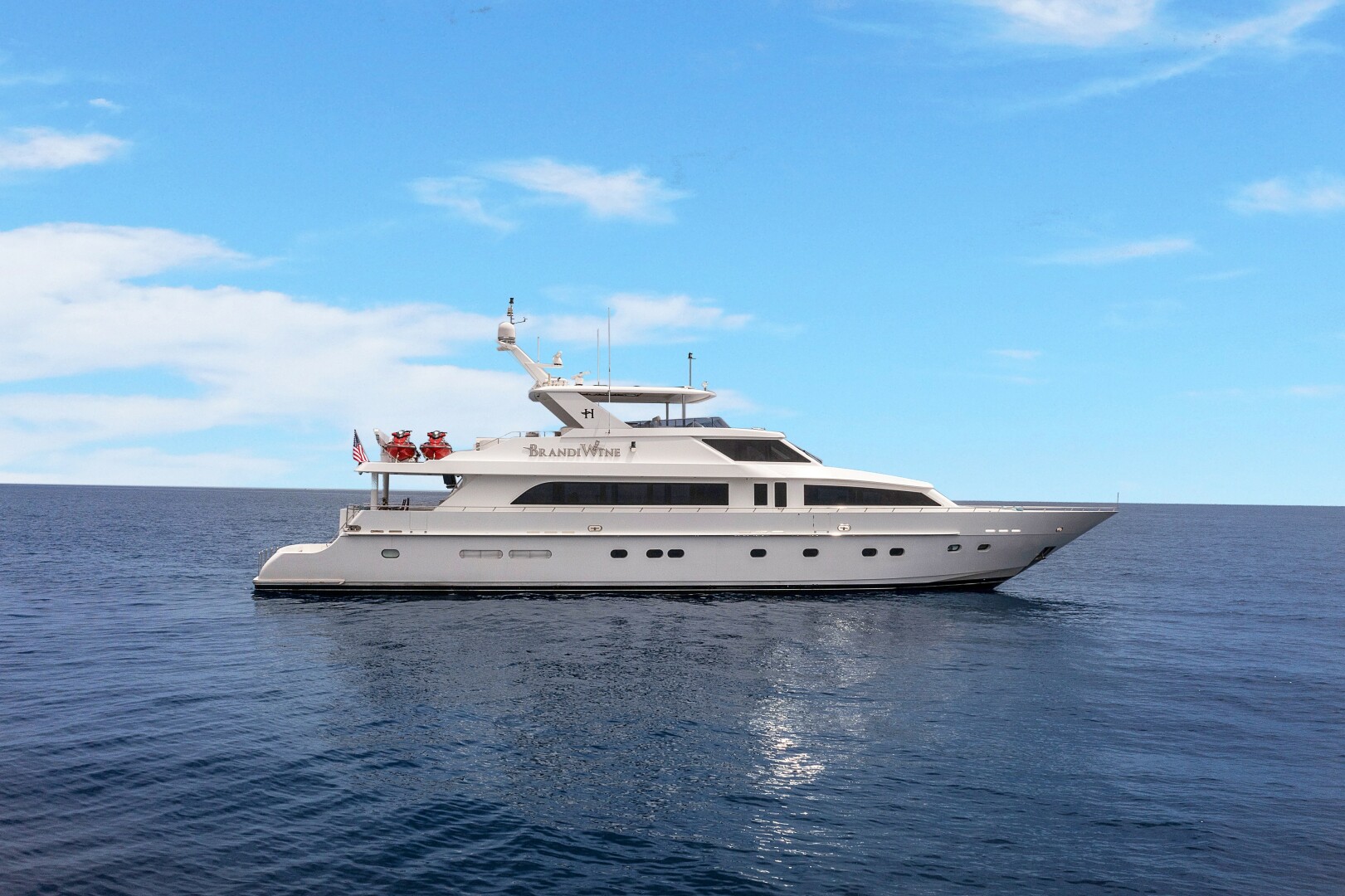
2009 Hargrave BRANDI WINE
$2,500,000
114
Fort Lauderdale Florida

2028 Extra Yachts
$20,350,000
100
Ancona

2028 Alpha
$12,100,000
100
Ft Lauderdale Florida

2028 Extra Yachts Extra 96
$9,495,000
96
Ancona
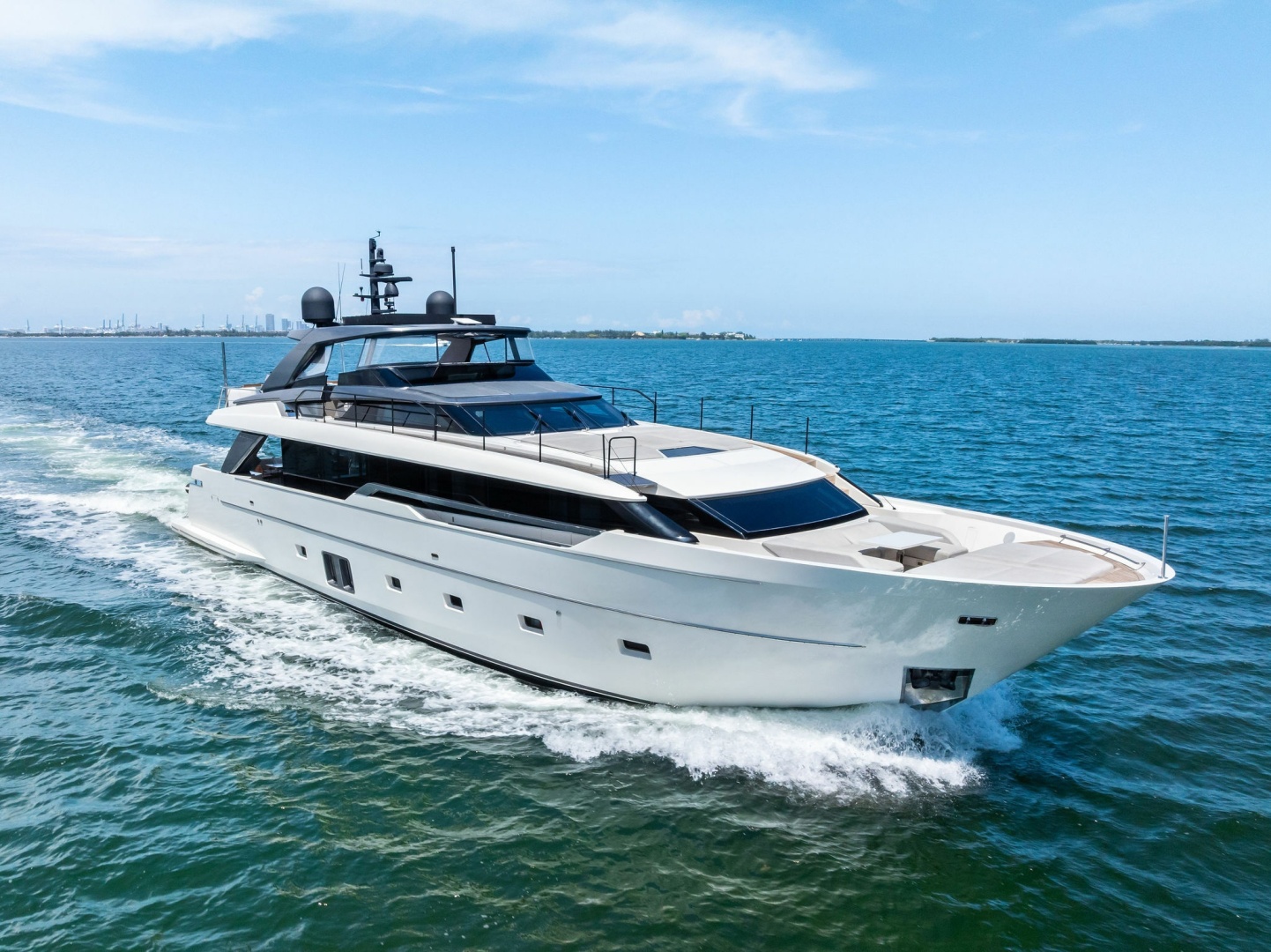
2021 Sanlorenzo GATSBY
$6,795,000
96
Fort Lauderdale Florida
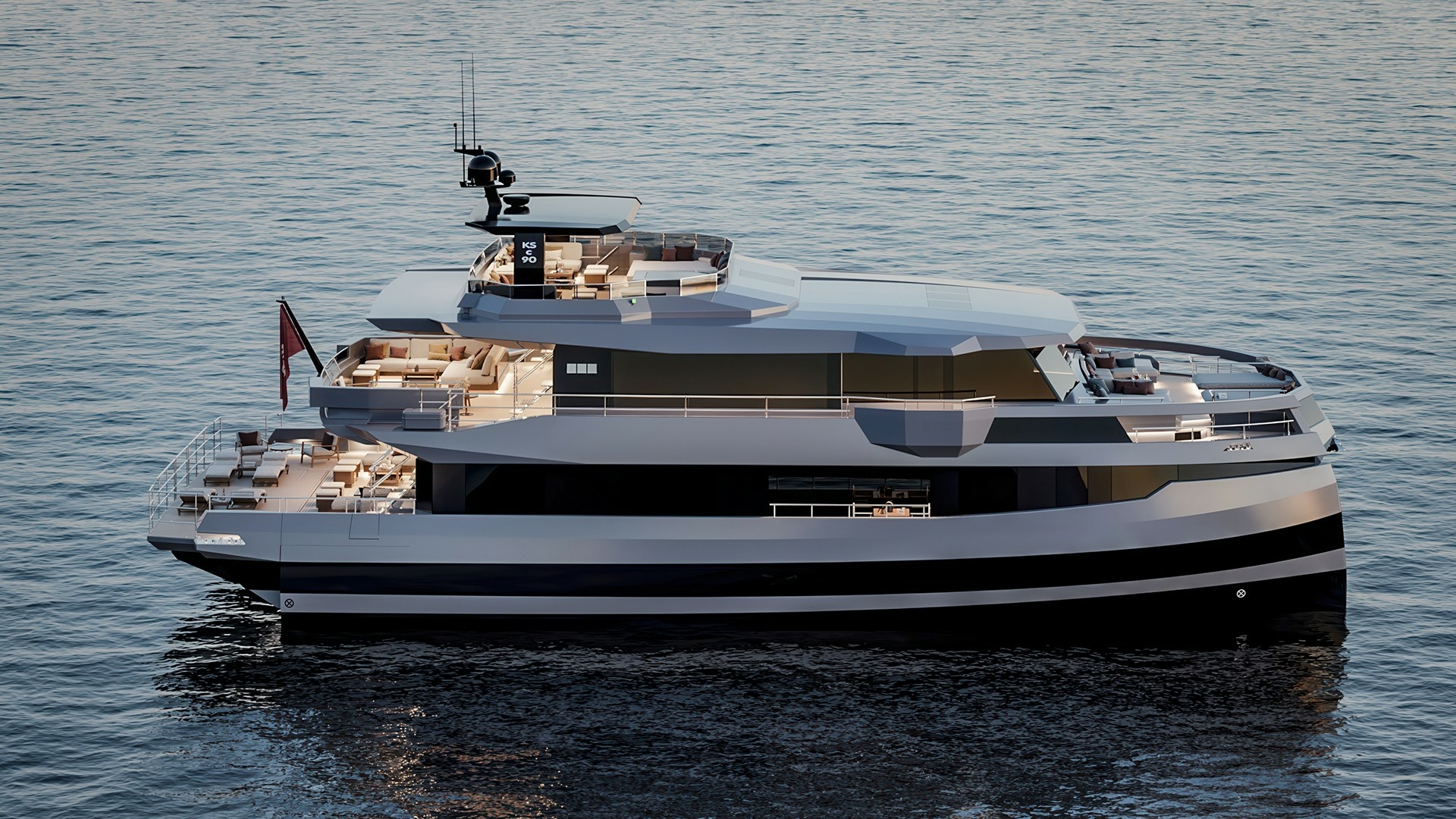
2028 Kingship
$11,990,000
90
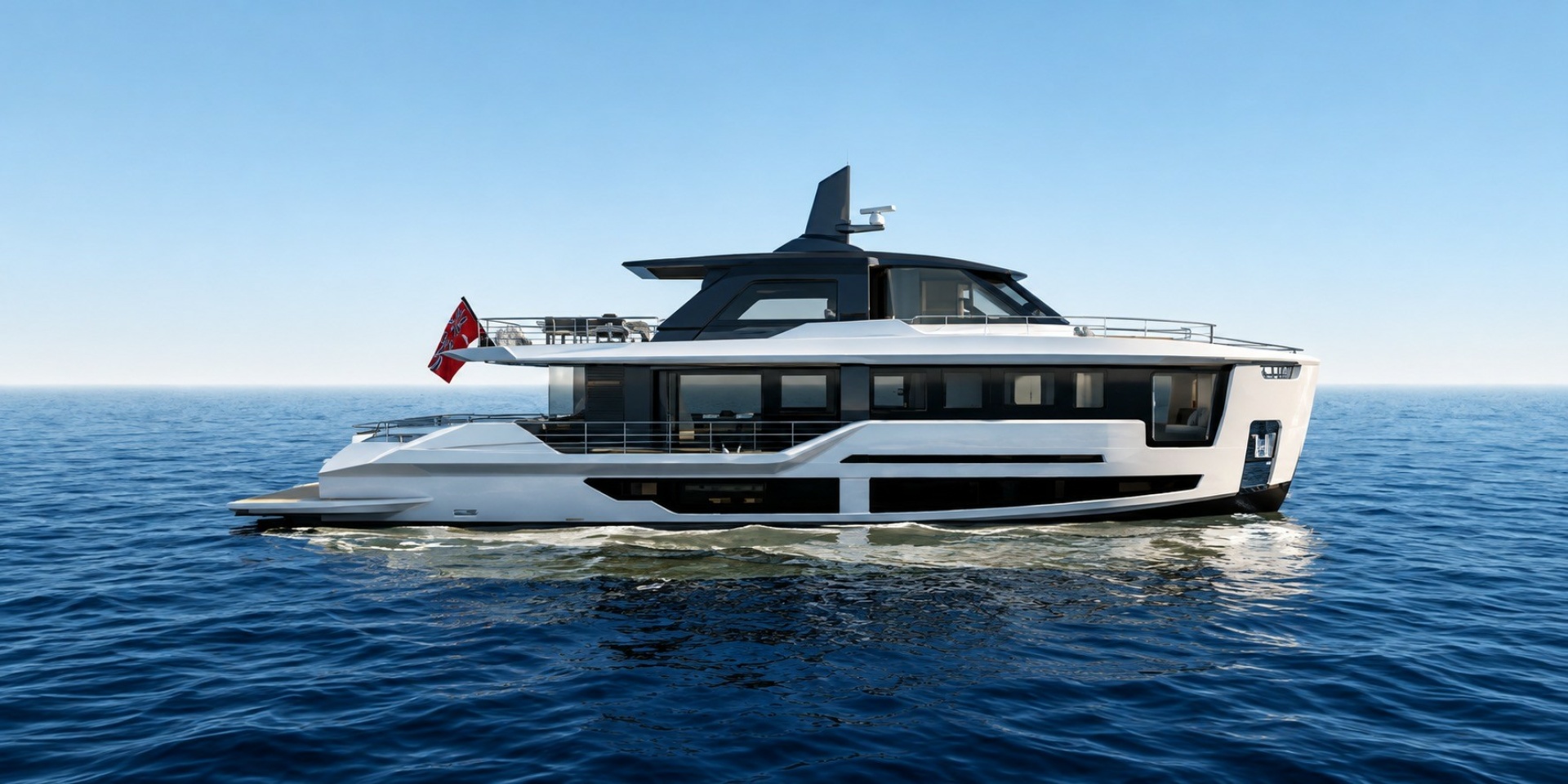
2028 Alpha
$9,894,500
90
Fano
2023 Azimut COMPASS
$7,950,000
88
Miami Beach Florida

1999 Northern Marine OFF LINE
$2,495,000
84
Ft Lauderdale Florida
2013 Pershing DOROTHY ANN
$1,375,000
82
Fort Lauderdale Florida

1997 Ferretti Yachts
$825,000
80
La Paz
2008 Princess Yachts OCARALIA
$1,095,000
75
Charleston South Carolina
2014 Sunseeker
$1,400,000
68
New York New York

2024 Fairline
$2,750,000
68
Ft. Lauderdale Florida
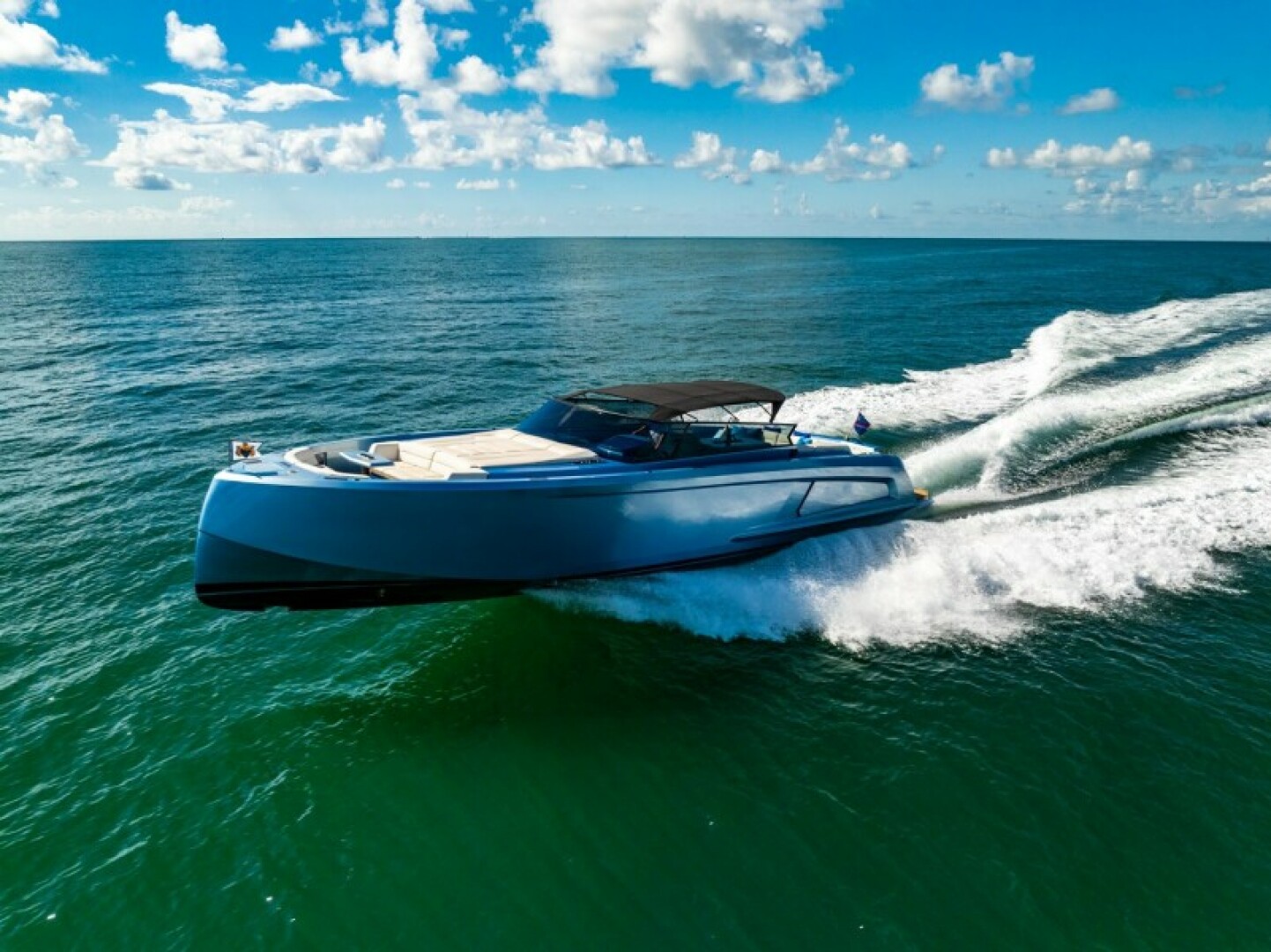
2019 Vanquish Yachts IMPULSIVE
$1,799,000
58
Miami Beach Florida
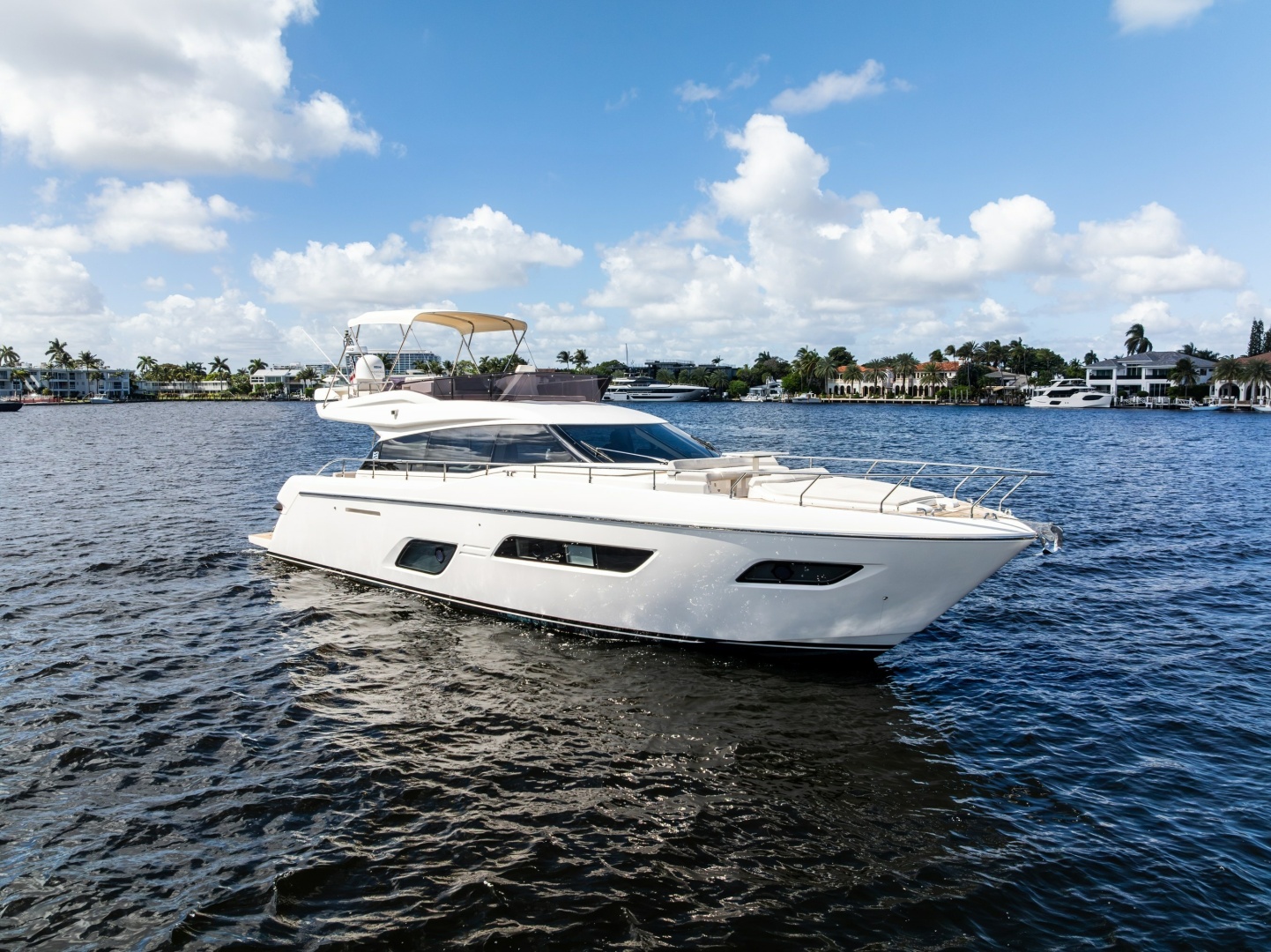
2021 Ferretti Yachts HAVEN
$1,595,000
57
Fort Lauderdale Florida
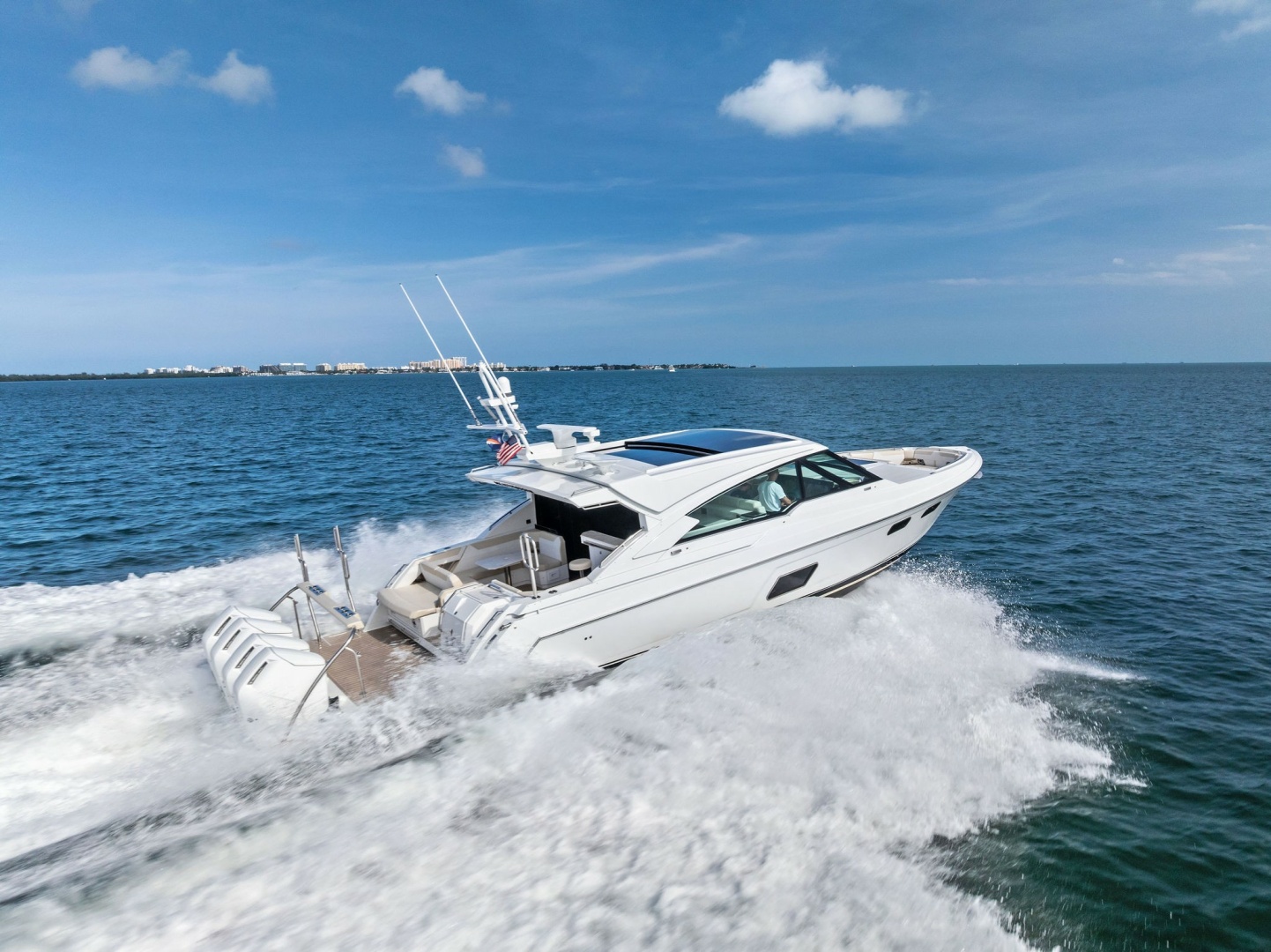
2025 Formula BREAKTHROUGH III
$1,895,000
53
Miami Beach Florida

2023 Fairline
$900,000
45
Fort Lauderdale Florida
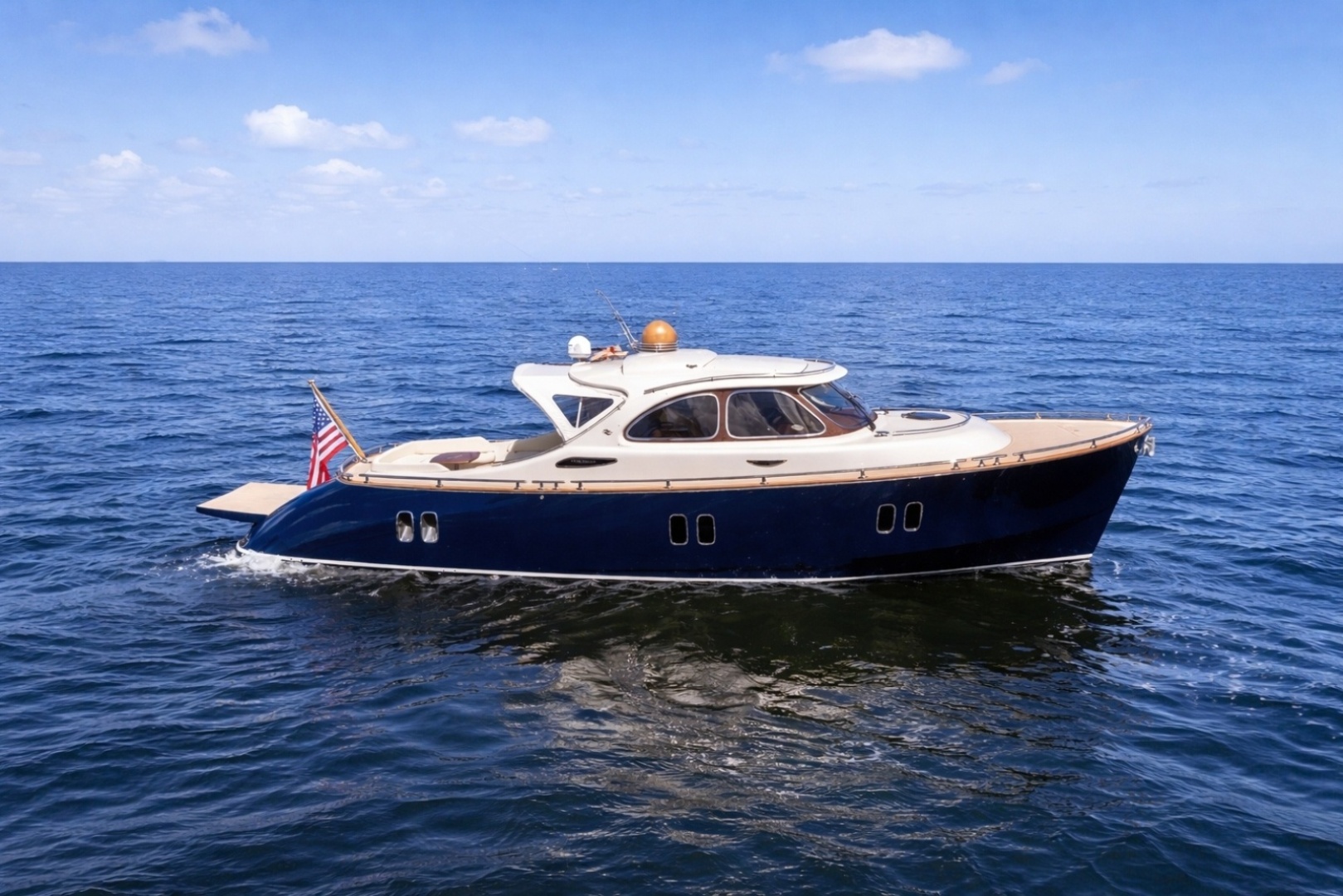
2012 Zeelander Mississippi Queen
$575,000
44
West Palm Beach Florida
2028 Columbus Yachts 137'
$22,900,008
2012 Benetti 132'
$10,975,000
2028 Kingship 125'
$20,350,000
2024 Silver Yachts 117'
$25,400,000
2009 Hargrave 114'
$2,500,000
2028 Extra Yachts 100'
$20,350,000
2028 Alpha 100'
$12,100,000
2028 Extra Yachts 96'
$9,495,000
2021 Sanlorenzo 96'
$6,795,000
2028 Kingship 90'
$11,990,000
2028 Alpha 90'
$9,894,500
2023 Azimut 88'
$7,950,000
1999 Northern Marine 84'
$2,495,000
2013 Pershing 82'
$1,375,000
1997 Ferretti Yachts 80'
$825,000
2008 Princess Yachts 75'
$1,095,000
2014 Sunseeker 68'
$1,400,000
2024 Fairline 68'
$2,750,000
2019 Vanquish Yachts 58'
$1,799,000
2021 Ferretti Yachts 57'
$1,595,000
2025 Formula 53'
$1,895,000
2023 Fairline 45'
$900,000
2012 Zeelander 44'
$575,000