

Many assume yacht design is purely aesthetic, a matter of sleek lines and glamorous finishes. In reality, it’s a sophisticated fusion of naval architecture, engineering precision, and artistic vision that determines not only how a yacht looks but how it performs on open water, ensures passenger safety, and delivers unparalleled comfort. This article unpacks the multifaceted impact of yacht design on luxury vessels, exploring the technical foundations, collaborative processes, and cutting-edge innovations exemplified by projects like Lürssen’s KISMET. You’ll gain insights into design elements, project team dynamics, and market trends shaping the yachting world in 2026.
Table of Contents
- Understanding The Fundamentals: How Yacht Design Shapes Luxury Vessels
- The Yacht Design Process: Collaboration And Components From Concept To Completion
- Innovation In Yacht Design: Case Study Of Lürssen’s KISMET
- Balancing Aesthetics, Functionality, And Market Trends In 2026 Yacht Design
- Explore Expert Yacht Brokerage And Market Insights
Key takeaways
| Point | Details |
|---|---|
| Design integrates multiple disciplines | Yacht design combines naval architecture, marine engineering, and interior aesthetics to create functional luxury vessels. |
| Hull geometry drives performance | Hull shape determines stability, speed, and seaworthiness, making it a critical design consideration. |
| Owner vision meets technical constraints | Successful projects balance client preferences with performance requirements and engineering realities. |
| Multidisciplinary teams ensure success | Collaboration among architects, engineers, designers, and shipyards is essential for seamless execution. |
| Innovation defines 2026 yachts | Sustainable technologies and bespoke features are reshaping luxury yacht design and market expectations. |
Understanding the fundamentals: how yacht design shapes luxury vessels
Yacht design is where art meets science, creating vessels that perform as brilliantly as they impress. Yacht design balances artistic vision with engineering, focusing on hull geometry, structural integrity, and performance dynamics to deliver high-performance vessels. This discipline extends far beyond choosing paint colors or furniture layouts. It encompasses naval architecture, hydrodynamics, and structural engineering to ensure every yacht can navigate challenging sea conditions while providing luxury and comfort.
Hull geometry stands as the cornerstone of yacht performance. Hull geometry determines stability, speed, and maritime performance, influencing how a vessel cuts through waves, maintains balance in rough seas, and achieves desired cruising speeds. Naval architects use Computational Fluid Dynamics (CFD) to model water flow around hull shapes, optimizing designs before construction begins. This technology allows designers to test countless variations virtually, identifying the ideal form for specific performance goals.
Structural integrity receives equal attention through Finite Element Analysis (FEA), which simulates stress distribution across the yacht’s frame. Engineers must ensure the vessel can withstand ocean forces without compromising its elegant lines. The challenge lies in creating structures strong enough to handle extreme conditions while maintaining the aesthetic appeal that defines luxury yachting. Weight distribution plays a crucial role here, as improper balance can severely impact seaworthiness and passenger comfort.
Common pitfalls in yacht design often stem from prioritizing form over function. Some designers create visually stunning profiles that sacrifice stability or fuel efficiency. Others overload vessels with heavy materials or equipment, raising the center of gravity and creating dangerous handling characteristics. Successful yacht design requires constant dialogue between aesthetic ambitions and engineering realities, ensuring every decision serves both beauty and performance.
Pro Tip: When evaluating yacht designs, examine how hull lines transition from bow to stern. Smooth, gradual curves typically indicate thoughtful hydrodynamic optimization, while abrupt changes may signal compromises that affect performance. Understanding yacht specifications helps you assess these technical details with confidence.
Key design considerations include:
- Displacement versus planing hull configurations for different cruising profiles
- Material selection balancing strength, weight, and maintenance requirements
- Propulsion system integration affecting interior space and efficiency
- Superstructure design impacting wind resistance and stability
The yacht design process: collaboration and components from concept to completion
Bringing a yacht design from initial sketch to seaworthy vessel demands extraordinary coordination among specialized professionals. Yacht construction relies on multidisciplinary project teams, including project owners, consultants, design and engineering professionals, and shipyard teams. Each contributor brings unique expertise, and their seamless collaboration determines whether a project succeeds or stalls.
The design journey unfolds through distinct stages. Initial concept development translates owner vision into preliminary sketches and performance parameters. Naval architecture follows, refining hull geometry and establishing technical specifications. Exterior design shapes the yacht’s visual identity, while interior outfitting creates luxurious living spaces. System integration brings together propulsion, electrical, plumbing, and navigation technologies into a cohesive whole.
Owner requirements drive every decision, but translating lifestyle preferences into technical specifications requires skilled interpretation. A client might request expansive deck space for entertaining, which impacts stability calculations and requires structural reinforcement. Another might prioritize speed, demanding hull shapes and propulsion systems that sacrifice some interior volume. Design teams must balance these desires against maritime regulations, safety standards, and physical laws.
Challenges multiply when harmonizing aesthetics with engineering constraints. An architect envisions floor-to-ceiling windows for panoramic ocean views, but engineers must ensure glass strength and frame integrity. Interior designers plan spacious staterooms, yet naval architects need weight distributed precisely for optimal performance. The process involves hull shaping, superstructure construction, interior outfitting, and system installation, each phase requiring careful coordination to prevent conflicts.
Project management pitfalls frequently derail yacht construction. Common issues include:
- Inadequate communication between design disciplines leading to conflicting specifications
- Unrealistic timelines that pressure teams into compromising quality
- Budget overruns from scope creep or unforeseen technical challenges
- Material procurement delays disrupting construction schedules
- Regulatory compliance oversights requiring costly redesigns
Successful projects establish clear communication protocols from day one. Weekly coordination meetings ensure all teams align on progress and challenges. Digital collaboration platforms allow real-time design updates visible to every stakeholder. Experienced project managers anticipate potential conflicts, addressing them before they cascade into major problems.
Expert coordination proves especially critical during system integration, where mechanical, electrical, and plumbing installations must coexist within tight spaces. A poorly planned installation sequence can force costly rework or permanent compromises. Smart project teams involve systems engineers early in design phases, ensuring adequate space allocation and access for maintenance. This foresight pays dividends throughout the yacht’s operational life, as yacht management becomes significantly easier with well-planned systems.
Innovation in yacht design: case study of Lürssen’s KISMET
Lürssen’s KISMET stands as a masterpiece demonstrating how cutting-edge yacht design pushes boundaries while maintaining impeccable functionality. Lürssen’s KISMET exemplifies engineering and design excellence, with a focus on sustainable technologies and innovative features. Measuring 122 meters in length with 4,918 gross tonnage, this superyacht showcases what’s possible when visionary design meets world-class shipbuilding expertise.

Electric propulsion systems highlight KISMET’s commitment to sustainable luxury. Traditional diesel engines give way to advanced electric motors that reduce emissions and noise while maintaining impressive performance. This technology represents a significant shift in superyacht design, proving that environmental responsibility and luxury need not conflict. The propulsion choice influenced countless downstream decisions, from power generation to battery storage to cooling systems.
Aesthetic features distinguish KISMET from conventional superyachts. A striking jaguar figurehead commands attention at the bow, reflecting the owner’s personal style and creating instant recognition. The aft deck features welded steel grooves creating unique visual texture and practical non-slip surfaces. Perhaps most dramatically, a giant glass pane offers unprecedented views, requiring specialized engineering to ensure structural integrity while maximizing transparency.
Design collaboration between Nuvolari Lenard and Reymond Langton Design alongside the shipyard brought complementary expertise to every design challenge. Nuvolari Lenard handled exterior styling, crafting KISMET’s distinctive profile and deck layouts. Reymond Langton Design created sumptuous interiors balancing opulence with livability. Lürssen’s shipyard engineers ensured every artistic vision translated into buildable reality, maintaining their reputation for flawless execution.
KISMET’s specifications reveal the scale of modern superyacht design:
| Specification | Details |
|---|---|
| Length Overall | 122 meters (400 feet) |
| Gross Tonnage | 4,918 GT |
| Propulsion | Electric motors with hybrid capability |
| Design Firms | Nuvolari Lenard (exterior), Reymond Langton Design (interior) |
| Shipyard | Lürssen, Germany |
| Notable Features | Jaguar figurehead, textured steel deck, oversized glass installations |
Sustainable technologies extend beyond propulsion. Advanced water treatment systems minimize environmental impact. Energy-efficient HVAC maintains comfort while reducing power consumption. LED lighting throughout provides ambiance without heat waste. These choices reflect growing owner awareness that true luxury includes environmental stewardship.
Pro Tip: When commissioning a custom yacht, specify sustainability goals early in the design process. Retrofitting green technologies later costs significantly more and may compromise performance. Forward-thinking owners increasingly view superyacht features through an environmental lens, enhancing both conscience and resale value.
Distinctive materials reinforce KISMET’s exclusivity. Custom metalwork, rare wood veneers, and bespoke furnishings create spaces impossible to replicate. This level of customization demands exceptional craftsmanship and project management, as every unique element introduces potential delays and quality control challenges. The result, however, is a yacht that perfectly embodies its owner’s vision while pushing design boundaries.
Balancing aesthetics, functionality, and market trends in 2026 yacht design
Yacht designers constantly navigate tensions between visual appeal and practical performance. Sleek, low-profile designs may look stunning in renderings but can compromise seaworthiness in rough conditions. Conversely, vessels optimized purely for ocean crossing might lack the elegant lines that define luxury yachting. Balancing aesthetics with functionality and managing weight distribution are common challenges in yacht design, requiring experienced teams to find optimal compromises.
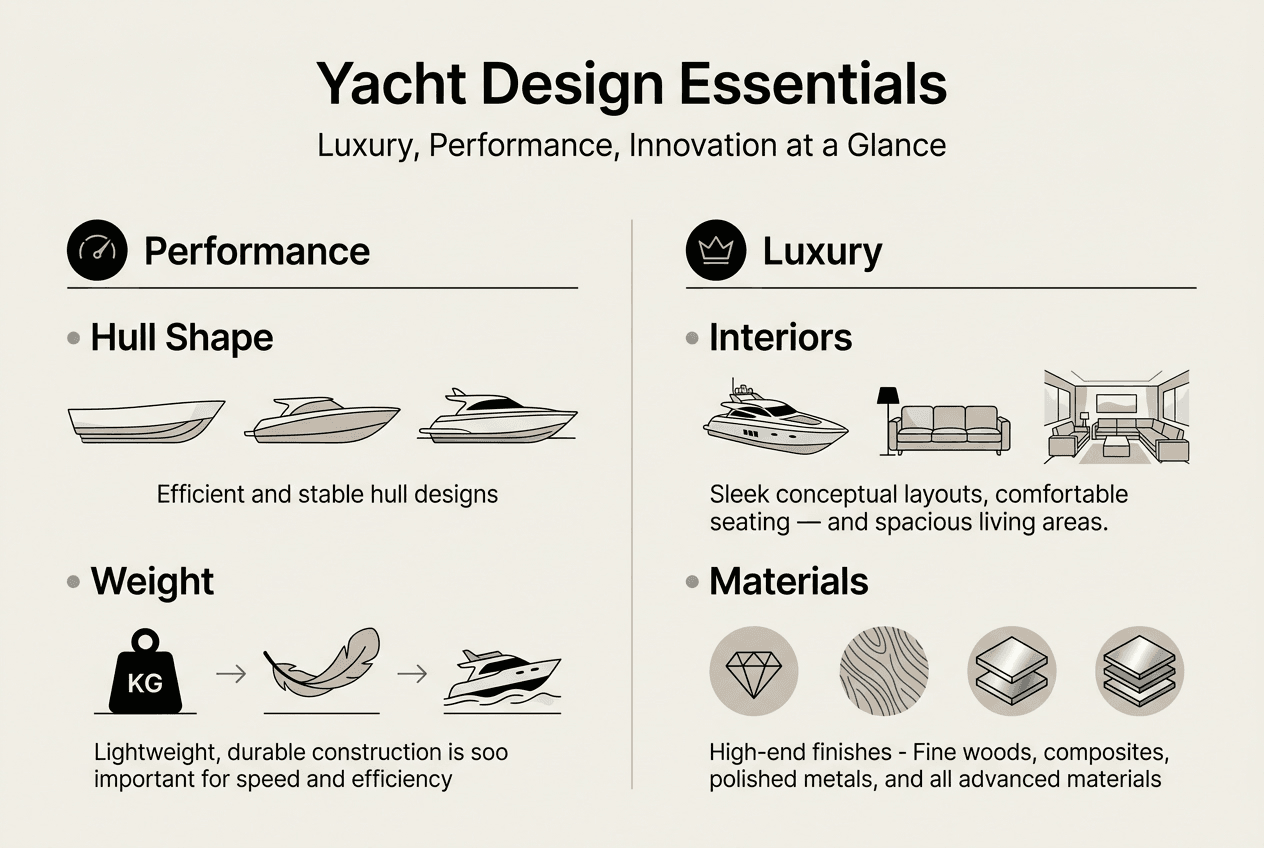
Weight distribution impacts every aspect of yacht performance. Adding a jacuzzi to the upper deck shifts the center of gravity upward, potentially reducing stability. Heavy stone countertops in the galley concentrate mass that must be offset elsewhere. Smart designers account for these factors from initial concepts, ensuring luxurious features don’t compromise safety or handling. Detailed weight studies track every component, from anchor chains to furniture, maintaining precise balance.
Complex integrated systems offer tremendous convenience but introduce failure points if poorly implemented. Automated lighting, climate control, entertainment, and navigation systems require reliable networks and backup protocols. Overreliance on technology can leave owners stranded when systems fail far from service facilities. Experienced designers specify robust, proven technologies with manual overrides for critical functions, balancing innovation with reliability.
Owners must consider costs, timelines, and sustainable trends when choosing production or custom builds. The following comparison illustrates key differences:
| Build Type | Typical Cost Range | Timeline | Customization Level | Best For |
|---|---|---|---|---|
| Production | $2M to $20M | 12 to 24 months | Limited (preset options) | Buyers prioritizing speed and value |
| Semi-Custom | $15M to $75M | 24 to 36 months | Moderate (layout and finishes) | Balance of personalization and efficiency |
| Fully Custom | $50M to $500M+ | 36 to 60+ months | Complete (owner-driven design) | Unique vision and unlimited budget |
Sustainability has evolved from niche concern to mainstream expectation among luxury yacht buyers. Prospective owners increasingly request hybrid propulsion, solar panels, and eco-friendly materials. This shift reflects broader societal values and recognition that yachts represent significant environmental footprints. Designers who integrate green technologies seamlessly, without sacrificing performance or aesthetics, gain competitive advantages in 2026’s market.
Design decisions directly influence resale value and market appeal. Timeless styling holds value better than trendy features that quickly date. Quality construction and reputable builders command premium prices on secondary markets. Proper documentation of systems and maintenance enhances buyer confidence. Understanding yacht pricing strategies helps owners make design choices that preserve long-term value.
Market trends in 2026 favor:
- Expedition yachts capable of remote cruising with extended autonomy
- Beach clubs and water-level lounges maximizing ocean connection
- Wellness spaces including gyms, spas, and dedicated yoga areas
- Flexible interior layouts adapting to different usage scenarios
- Advanced stabilization systems ensuring comfort at anchor and underway
Savvy buyers recognize that following every trend creates dated designs within years. Instead, they focus on timeless proportions, quality materials, and flexible spaces that adapt to evolving needs. Consulting yacht market trends provides context for design decisions, helping owners distinguish lasting value from passing fads.
Explore expert yacht brokerage and market insights
Navigating luxury yacht purchases or sales demands specialized knowledge that extends far beyond design appreciation. Professional yacht brokers bring market intelligence, negotiation expertise, and transaction management that protects your interests and maximizes outcomes. Whether you’re acquiring your first yacht or upgrading to a larger vessel, understanding how to choose a yacht broker ensures you partner with advisors who truly understand your needs.
Access to current yacht market trends empowers smarter decisions in 2026’s dynamic environment. Market conditions shift based on economic factors, design innovations, and buyer preferences. Expert brokers track these movements, advising when to buy, sell, or wait for optimal timing. Their insights into yacht pricing strategies help you achieve fair valuations whether listing your current yacht or negotiating a purchase.
Professional brokerage services simplify complex transactions, handling documentation, surveys, sea trials, and closing logistics. This support proves invaluable during what can otherwise become overwhelming processes. The right broker becomes a trusted advisor throughout your yachting journey, elevating every aspect of ownership.
FAQ
What is the role of naval architecture in yacht design?
Naval architects optimize hull geometry to ensure stability, speed, and seaworthiness using hydrodynamic research. They apply engineering principles to shape hulls that perform efficiently across varied sea conditions. Their work forms the technical foundation upon which all other design elements build, ensuring vessels are both beautiful and capable.
How do yacht designers balance luxury with functionality?
Designers collaborate across disciplines to merge stunning aesthetics with seaworthy engineering. Managing weight distribution and system integration requires careful planning to maintain stability and reliability. Successful projects establish clear priorities early, ensuring luxurious features enhance rather than compromise performance.
What are the latest trends in yacht design for 2026?
Sustainable technologies like electric propulsion systems and innovative materials lead 2026 yacht design trends. Customization tailored to owner lifestyle preferences and advanced technological integration define modern luxury yachts. Environmental consciousness now influences design decisions as much as aesthetics or performance.
How long does custom yacht construction typically take?
Custom yacht projects generally require 36 to 60 months from initial design through delivery, depending on size and complexity. Semi-custom builds complete faster, typically within 24 to 36 months, while production yachts may deliver in 12 to 24 months. Timeline depends on design complexity, shipyard capacity, and owner decision-making speed throughout the process.
What factors most influence yacht resale value?
Build quality, shipyard reputation, maintenance history, and timeless design preserve resale value most effectively. Well-documented service records and proper systems maintenance reassure buyers about vessel condition. Classic styling ages better than trendy features, while reputable builders command premium prices on secondary markets regardless of age.
Recommended
Featured Listings
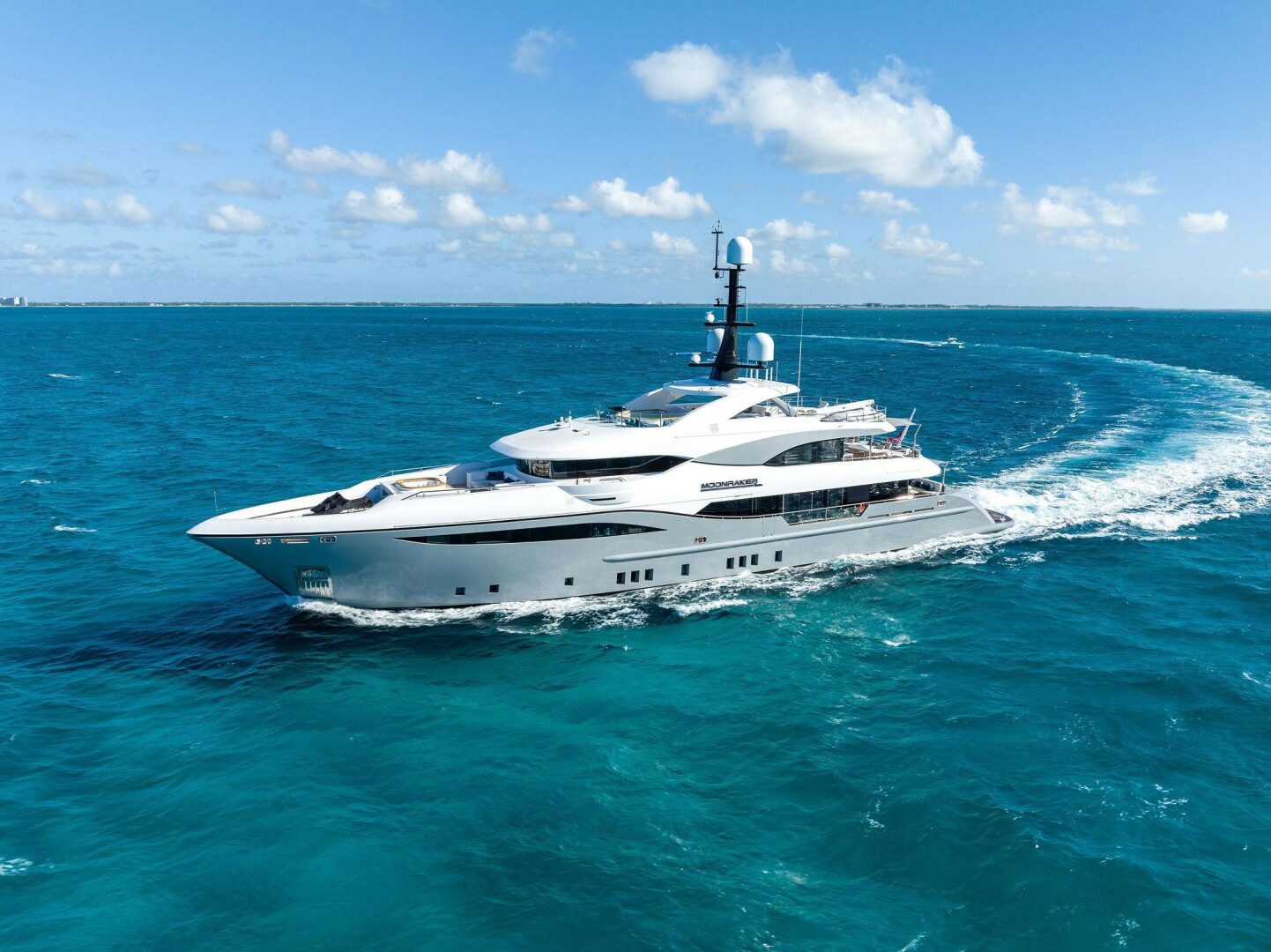
2019 Bilgin MOONRAKER
$21,404,500
156
West Palm Beach Florida

2028 Columbus Yachts
$22,900,008
137
Ancona
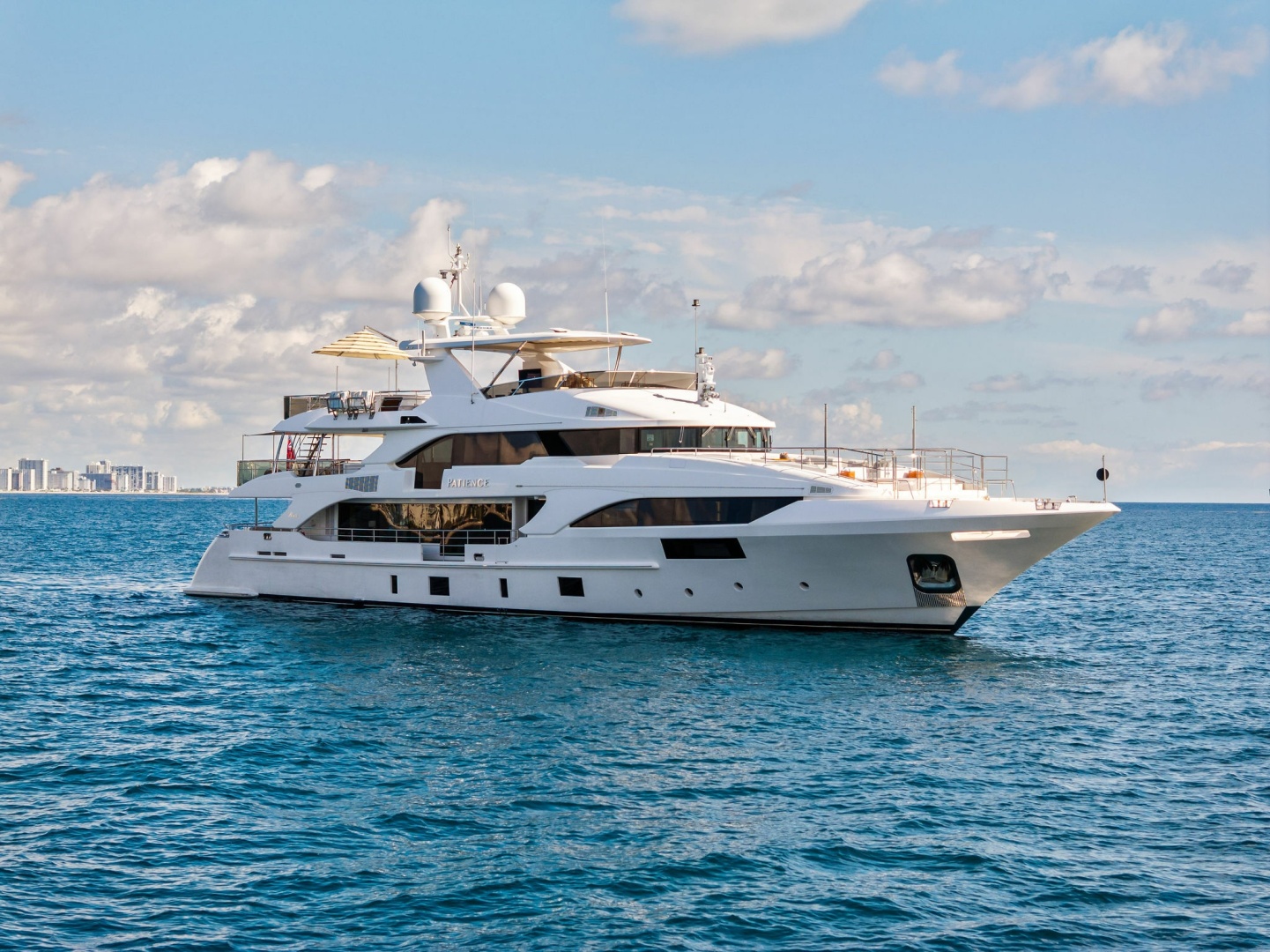
2012 Benetti PATIENCE
$10,975,000
132
Fort Lauderdale Florida
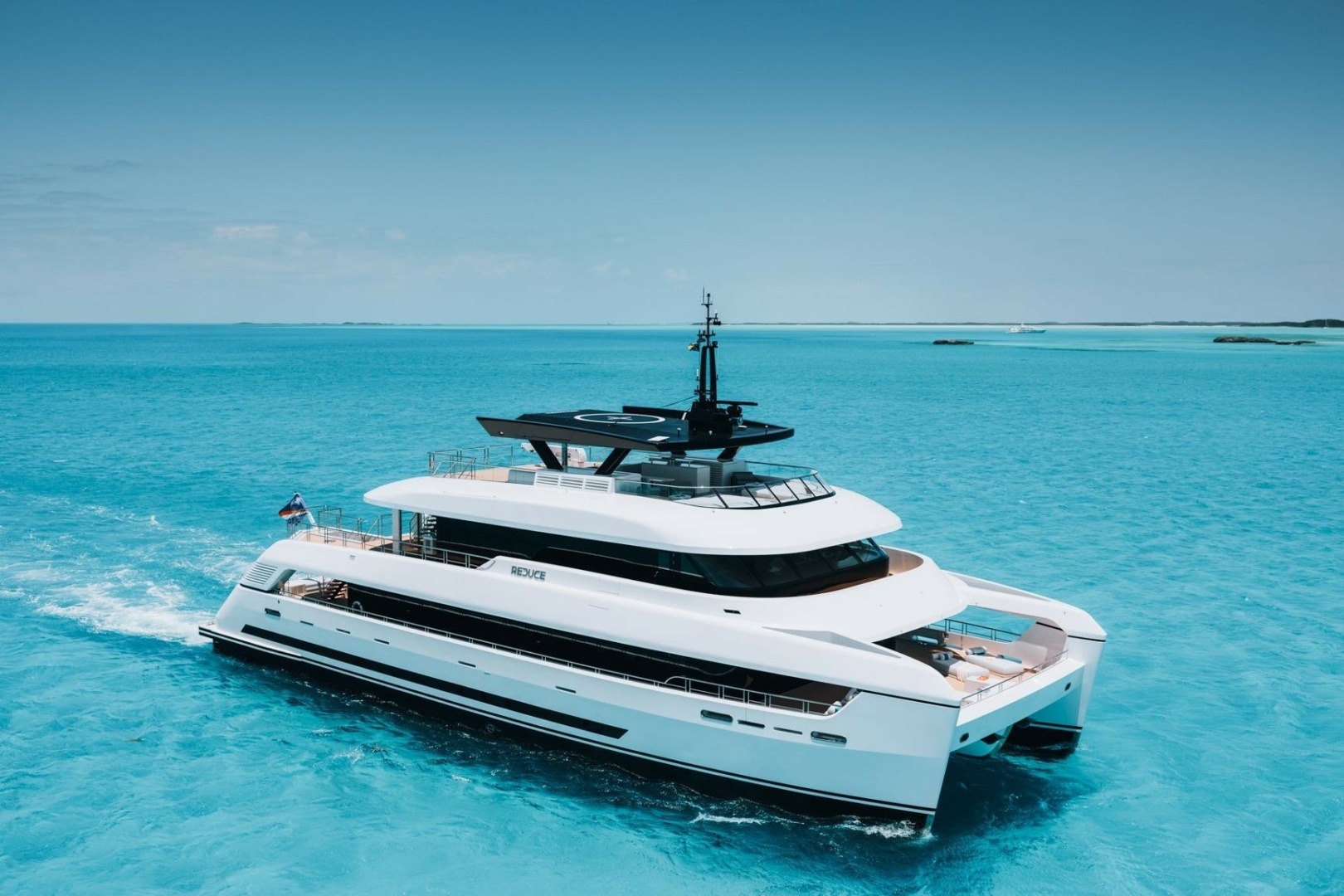
2024 Silver Yachts
$25,400,000
117
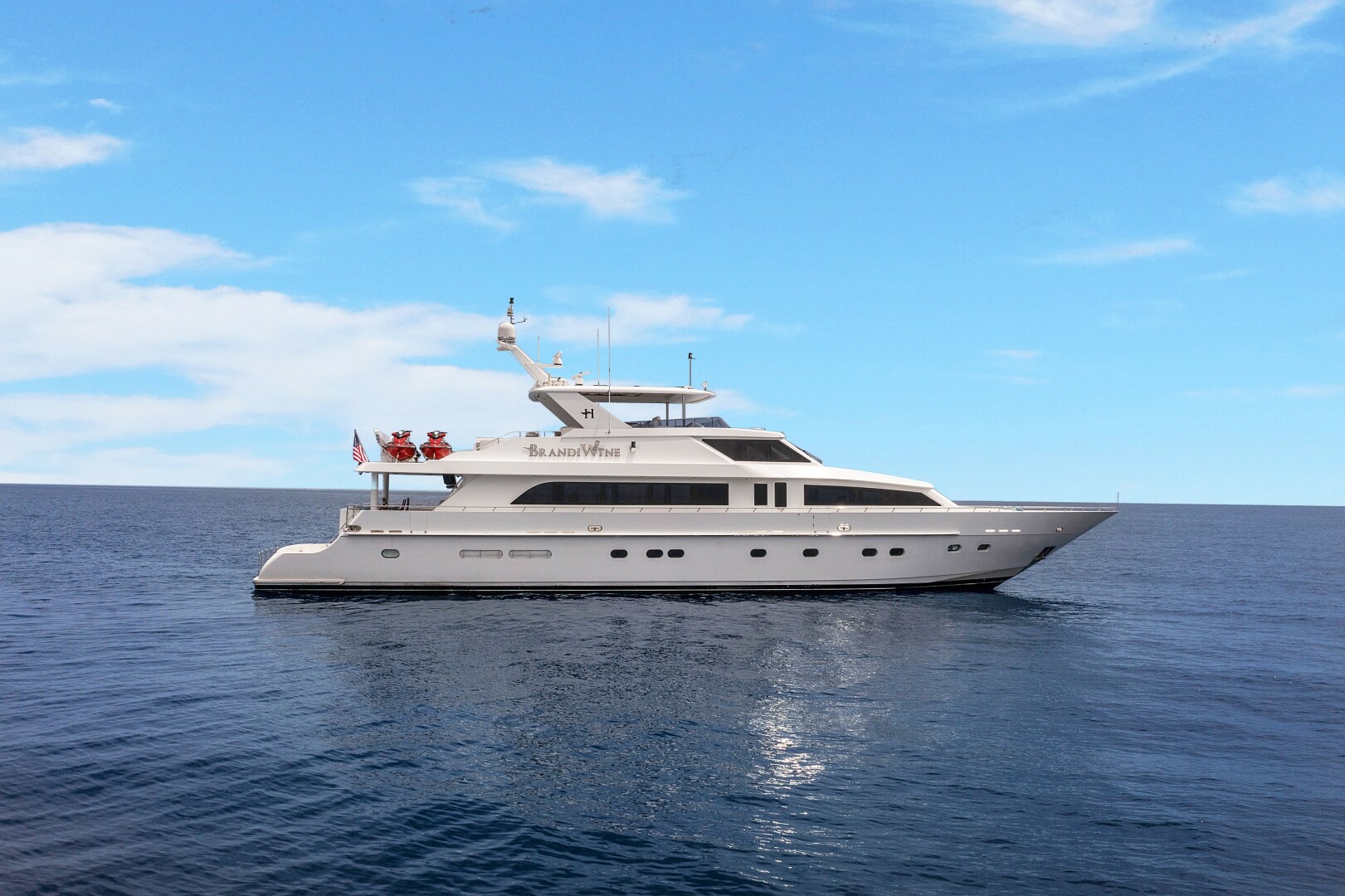
2009 Hargrave BRANDI WINE
$2,995,000
114
Fort Lauderdale Florida

2028 Extra Yachts
$21,404,500
100
Ancona

2028 Extra Yachts Extra 96
$9,495,000
96
Ancona
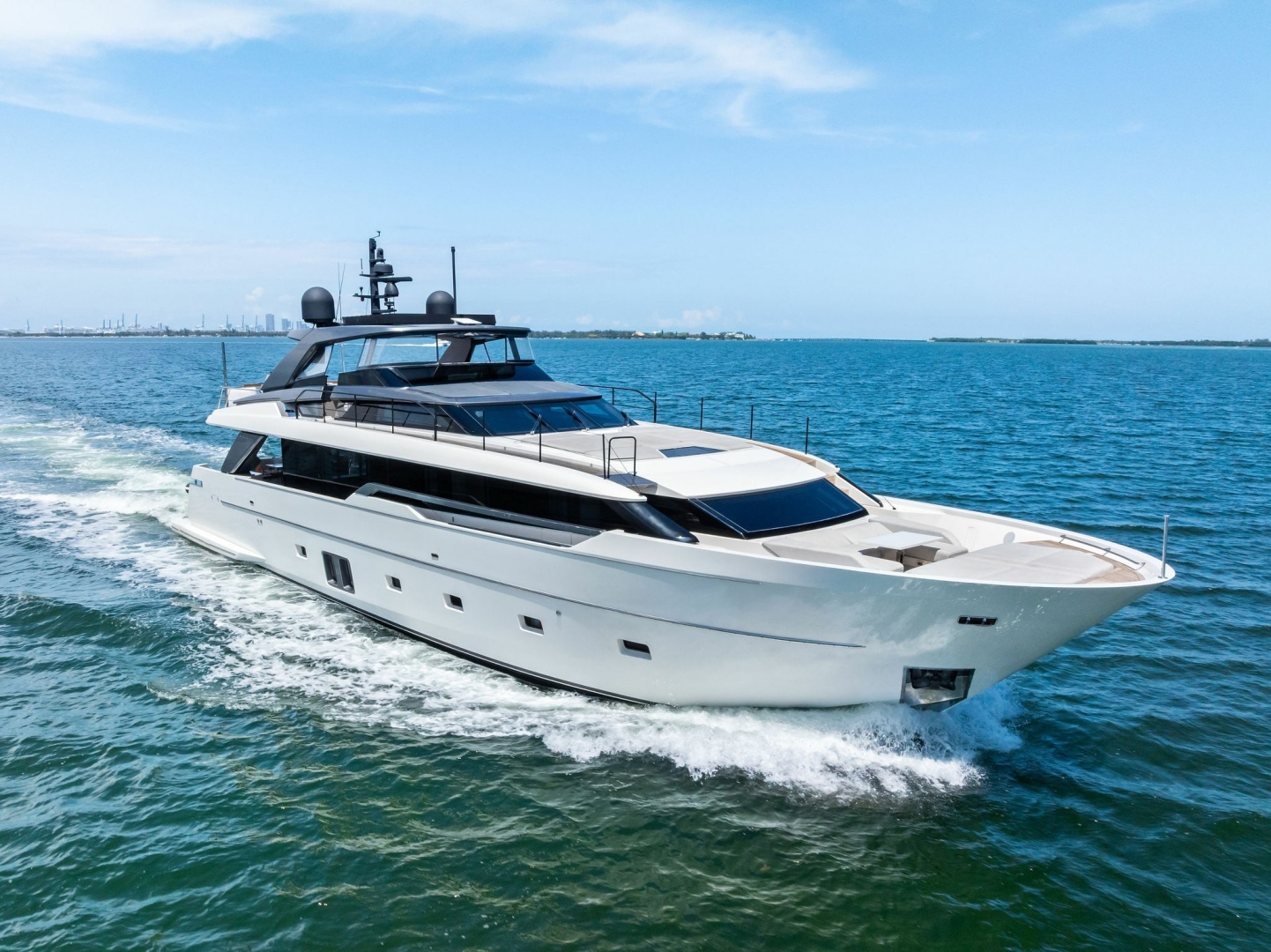
2021 Sanlorenzo GATSBY
$6,795,000
96
Miami Beach Florida

1999 Northern Marine OFF LINE
$2,495,000
84
Ft Lauderdale Florida
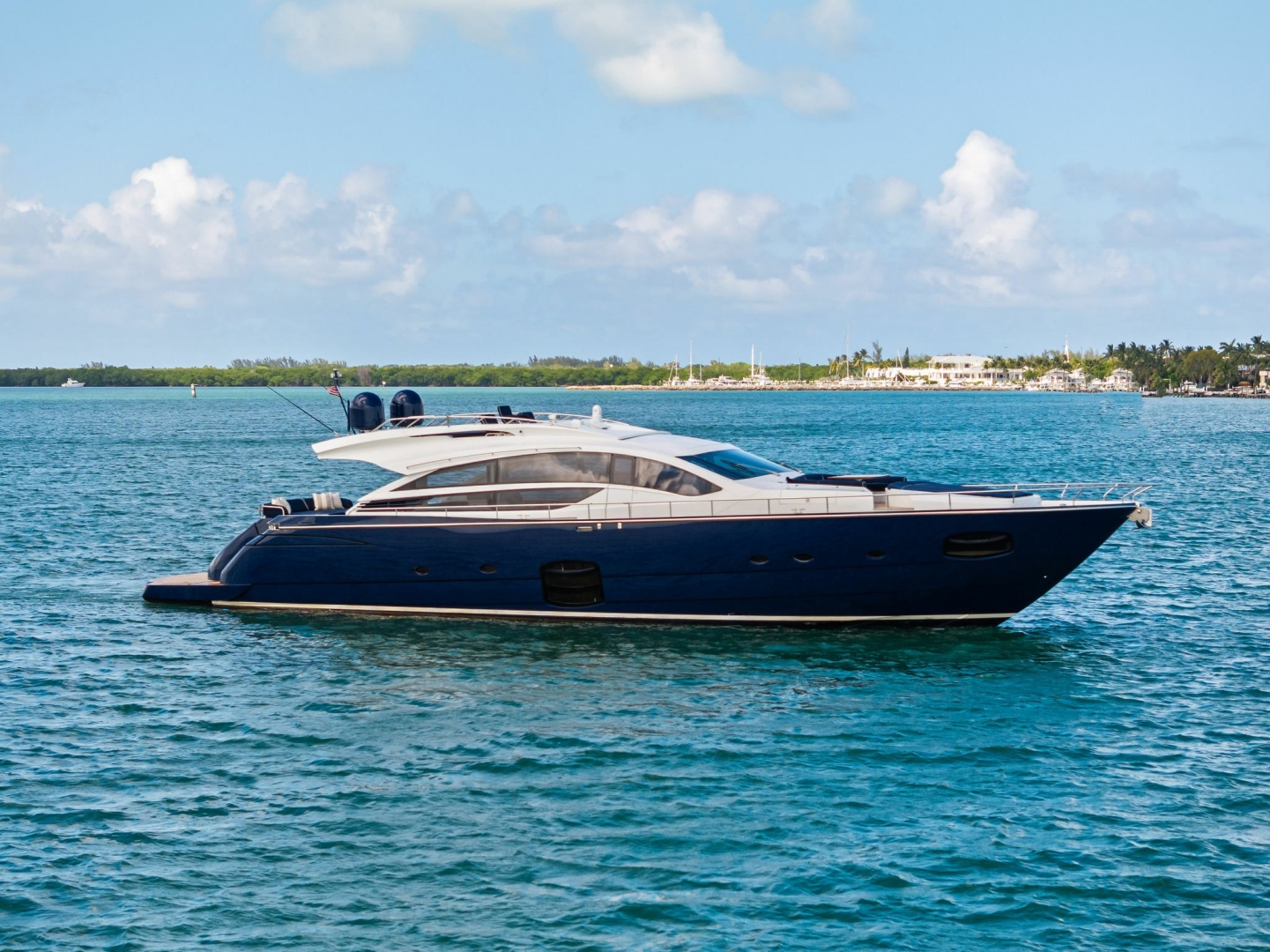
2013 Pershing DOROTHY ANN
$1,750,000
82
Miami Beach Florida

1997 Ferretti Yachts
$850,000
80
La Paz
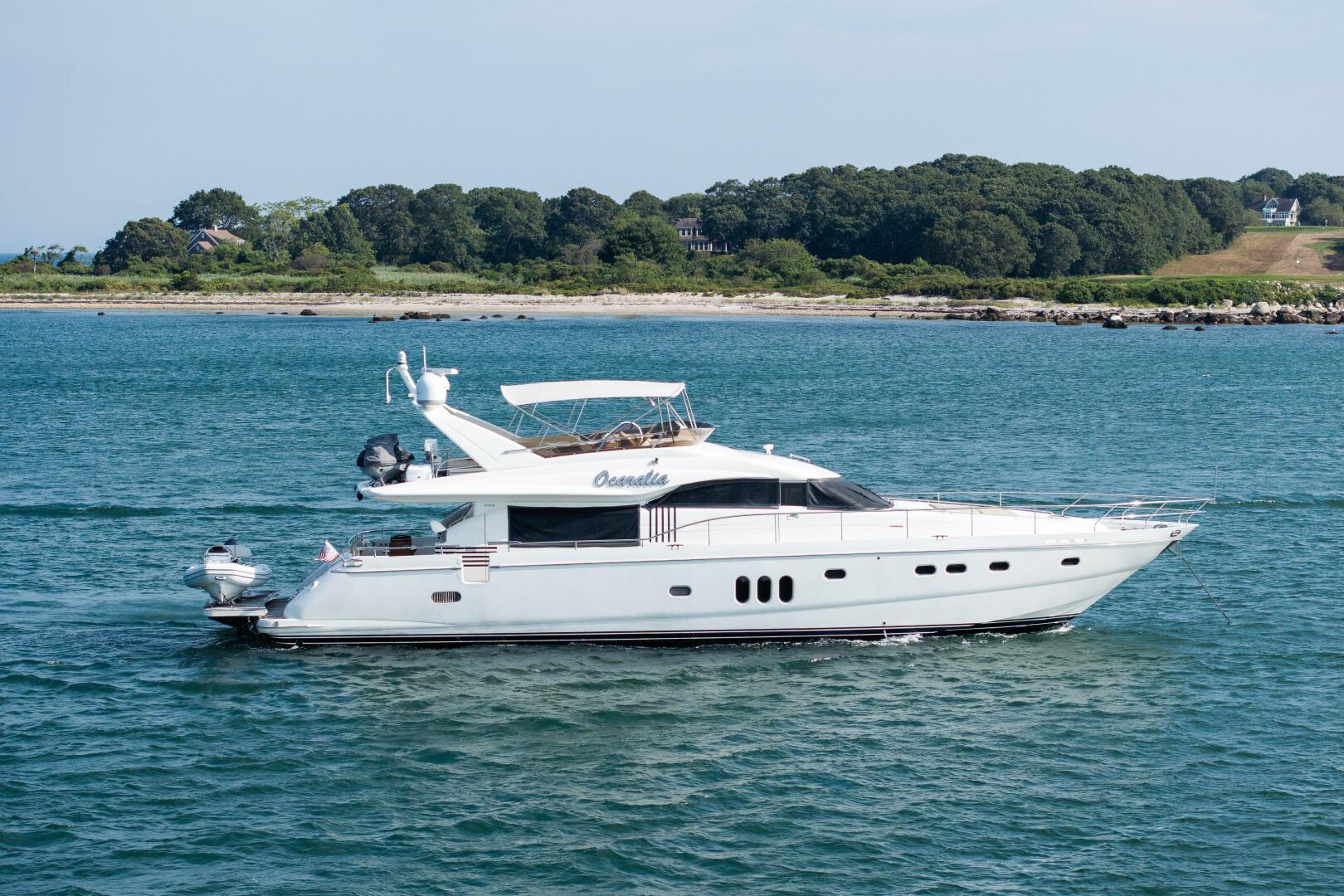
2008 Princess Yachts OCARALIA
$1,095,000
75
Charleston South Carolina
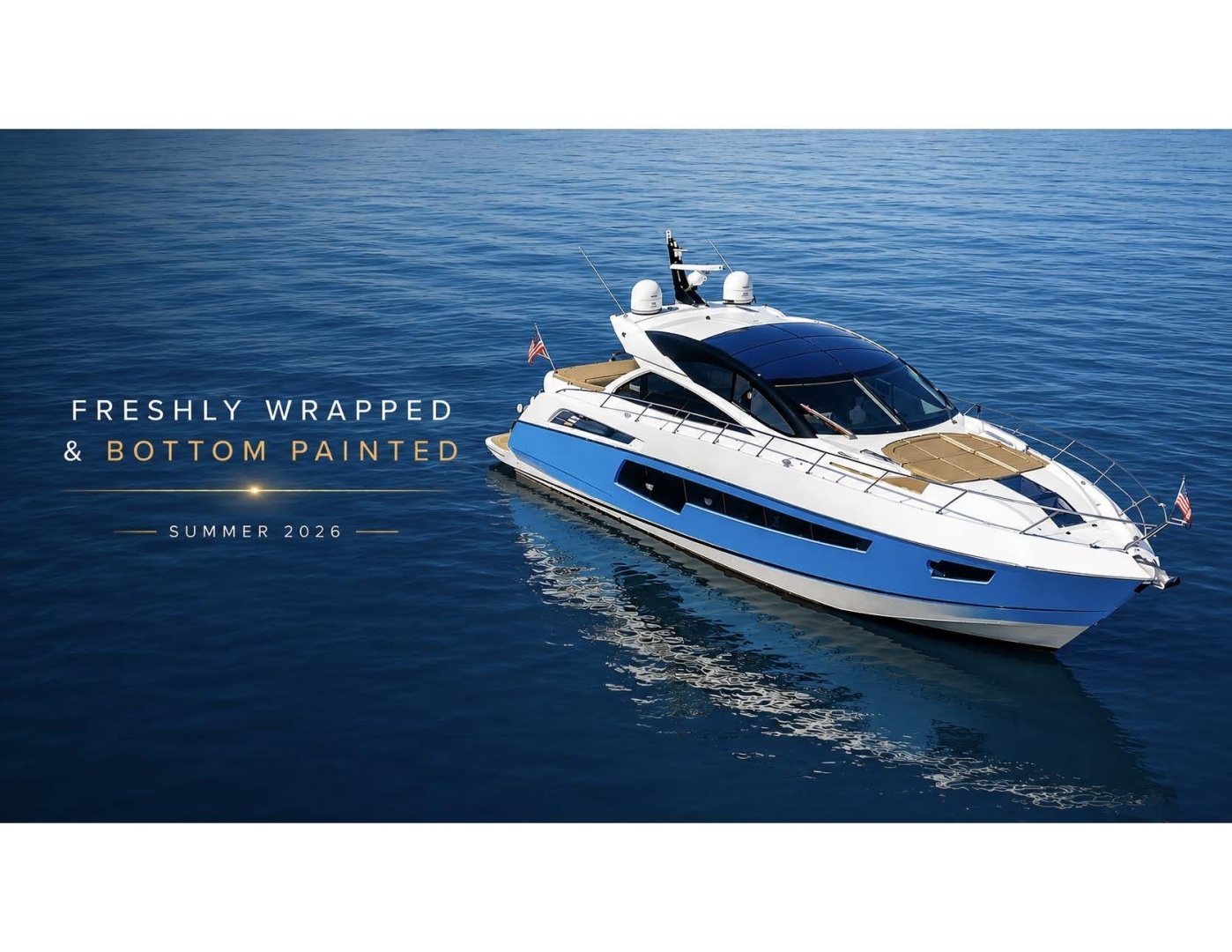
2014 Sunseeker
$1,400,000
68
New York New York

2024 Fairline
$2,750,000
68
Ft. Lauderdale Florida

2024 Sunreef Catallaxi
$3,700,000
60
Newport Rhode Island
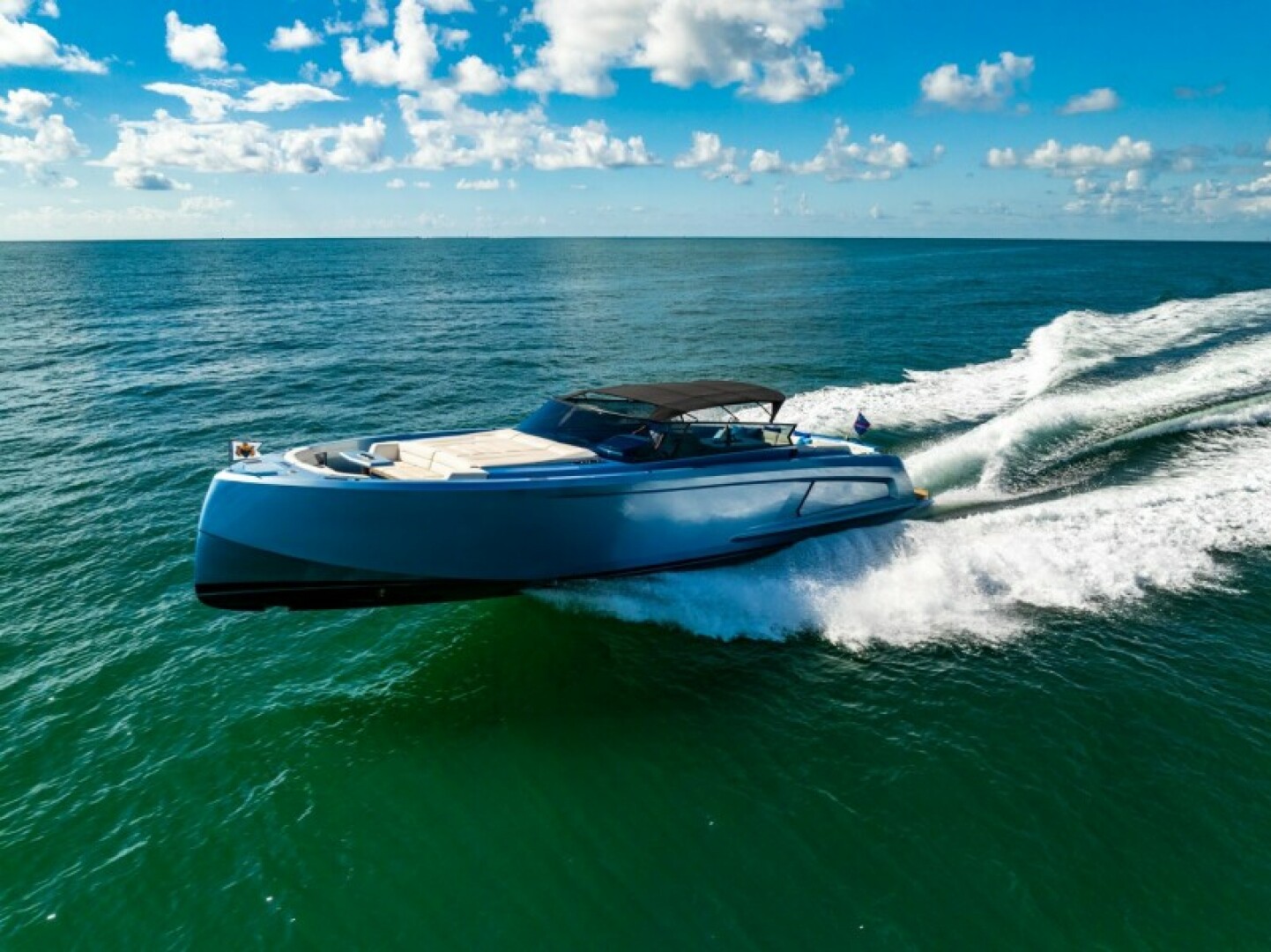
2019 Vanquish Yachts IMPULSIVE
$1,799,000
58
Miami Beach Florida
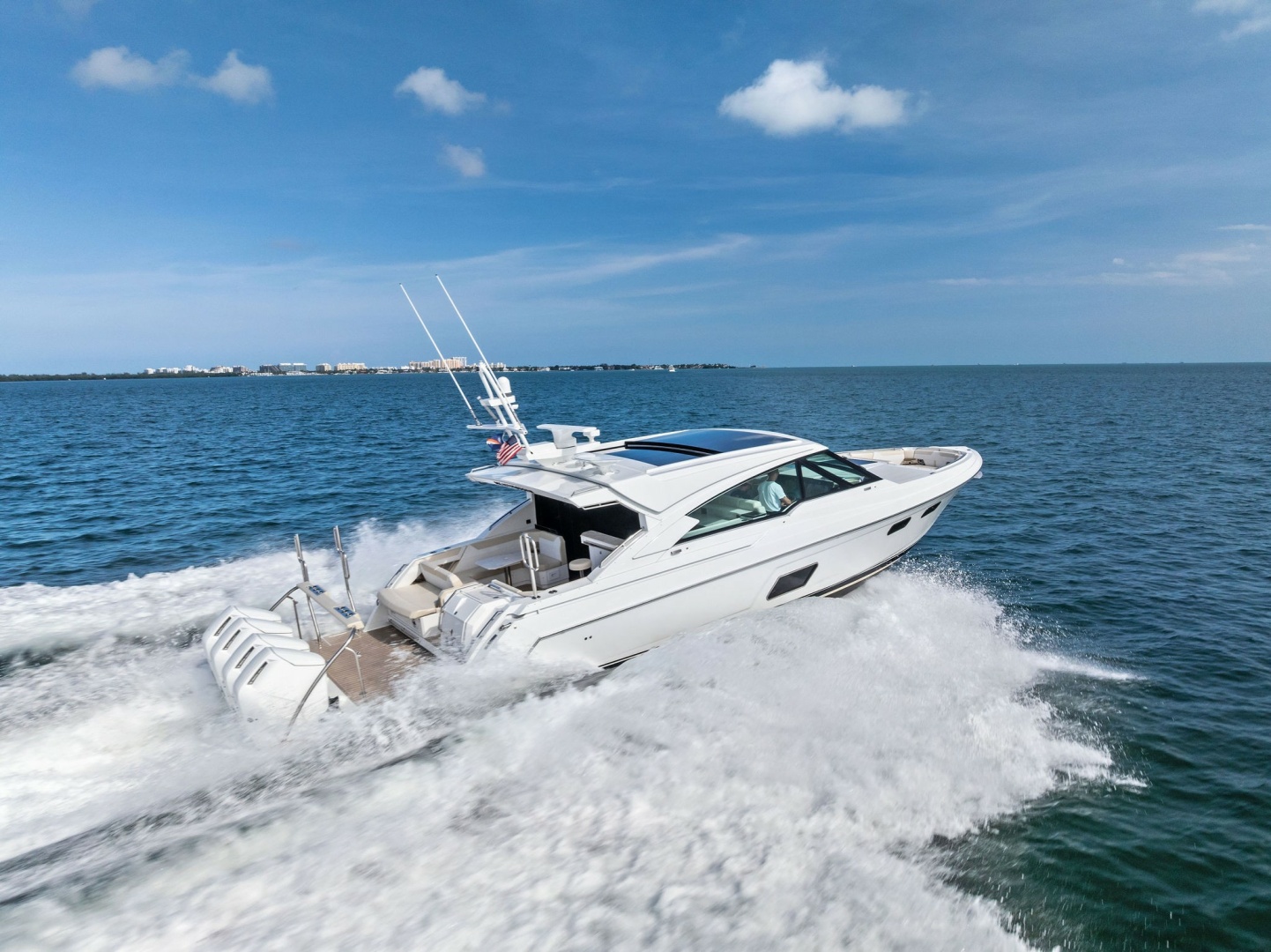
2025 Formula BREAKTHROUGH III
$1,895,000
53
Miami Beach Florida

2023 Fairline
$900,000
45
Fort Lauderdale Florida
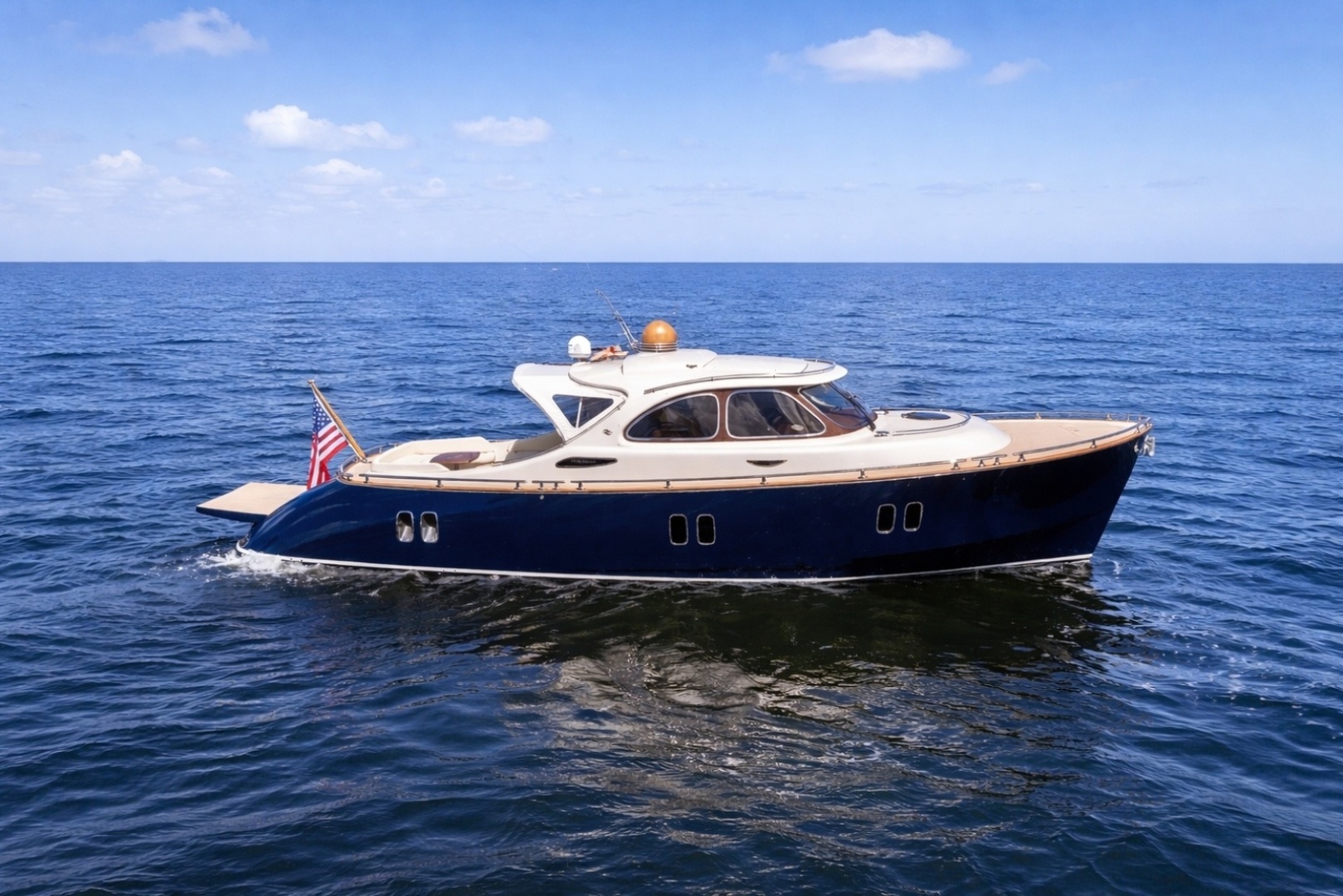
2012 Zeelander Mississippi Queen
$575,000
44
West Palm Beach Florida
2019 Bilgin 156'
$21,404,500
2028 Columbus Yachts 137'
$22,900,008
2012 Benetti 132'
$10,975,000
2024 Silver Yachts 117'
$25,400,000
2009 Hargrave 114'
$2,995,000
2028 Extra Yachts 100'
$21,404,500
2028 Extra Yachts 96'
$9,495,000
2021 Sanlorenzo 96'
$6,795,000
1999 Northern Marine 84'
$2,495,000
2013 Pershing 82'
$1,750,000
1997 Ferretti Yachts 80'
$850,000
2008 Princess Yachts 75'
$1,095,000
2014 Sunseeker 68'
$1,400,000
2024 Fairline 68'
$2,750,000
2024 Sunreef 60'
$3,700,000
2019 Vanquish Yachts 58'
$1,799,000
2025 Formula 53'
$1,895,000
2023 Fairline 45'
$900,000
2012 Zeelander 44'
$575,000