

Making your first luxury yacht purchase is both thrilling and complex, especially when you realize that yacht financing today offers more than just standard loans. For high-net-worth buyers, understanding sophisticated options like the Federal Ship Financing Program, which allows for repayment terms up to 25 years and financing up to 87.5 percent, opens new doors for smart wealth management. This overview clarifies how modern financing methods can maximize your investment potential while fitting your individual financial goals.
Table of Contents
- What Yacht Financing Really Means Today
- Comparing Yacht Loan Types And Structures
- The Yacht Financing Process Step By Step
- Qualification Criteria And Documentation Needed
- Ownership Costs, Tax Implications, And Key Risks
- Avoiding Common Financing Pitfalls
Key Takeaways
| Point | Details |
|---|---|
| Yacht Financing as an Investment | Modern yacht financing is a strategic approach, focusing on asset value and potential returns rather than just a purchase. |
| Diverse Financing Options | Buyers can choose from various financing methods, including traditional loans, asset-based lending, structured finance, and leasing, tailored to their needs. |
| Thorough Due Diligence Required | A comprehensive understanding of risks, ownership costs, and tax implications is crucial for successful yacht ownership and financing. |
| Consult Financial Experts | Engaging maritime financial advisors and tax attorneys is essential for optimizing financing strategies and ensuring regulatory compliance. |
What Yacht Financing Really Means Today
Yacht financing has evolved dramatically from traditional lending models into a sophisticated investment strategy for high-net-worth individuals seeking both lifestyle and financial opportunities. Unlike standard boat loans, modern yacht financing represents a complex ecosystem of financial instruments designed to maximize asset potential and minimize tax implications.
Today’s yacht financing landscape offers multiple approaches tailored to different investor profiles. Key financing methods include:
- Traditional Marine Loans: Fixed-rate financing through specialized maritime lenders
- Asset-Based Lending: Leveraging yacht value as primary collateral
- Structured Finance: Complex arrangements involving multiple financial instruments
- Leasing Options: Flexible ownership models with potential tax advantages
The Federal Ship Financing Program provides an excellent example of how specialized maritime financing can support vessel acquisition. This program offers long-term loans with unique benefits, including repayment terms extending up to 25 years and financing options covering up to 87.5 percent of vessel value.
Here’s a comparison of key yacht financing methods for luxury vessel buyers:
| Financing Method | Collateral Type | Best For | Typical Term Length |
|---|---|---|---|
| Traditional Marine Loan | Vessel and personal assets | Buyers seeking fixed rates | 10–20 years |
| Asset-Based Lending | Yacht value exclusively | Investors with strong assets | 5–15 years |
| Structured Finance | Multiple asset types | Large yacht acquisitions | 10–25 years |
| Leasing Options | Vessel remains lessor asset | Buyers favoring flexibility | 3–10 years |
Investors must understand that yacht financing goes beyond simple borrowing. It involves strategic considerations around depreciation, maintenance costs, potential charter revenue, and long-term asset management. Sophisticated buyers approach yacht purchases as comprehensive financial investments rather than mere luxury purchases.

Pro tip: Before finalizing yacht financing, consult with a maritime financial advisor who specializes in luxury vessel investments to optimize your financial strategy.
Comparing Yacht Loan Types and Structures
Yacht financing presents a complex landscape of loan structures designed to meet the sophisticated needs of high-net-worth investors. Understanding the nuanced differences between loan types is crucial for making strategic financial decisions that align with individual investment goals and risk profiles.
The primary yacht loan categories include:
- Fixed-Rate Marine Loans: Predictable monthly payments with consistent interest rates
- Adjustable-Rate Maritime Financing: Loans with interest rates that fluctuate based on market conditions
- Balloon Payment Structures: Lower initial payments with a substantial final payment
- Secured Asset Loans: Utilizing the yacht itself as primary collateral
Syndicated loan structures represent a sophisticated financing approach where multiple lenders share risk and returns. These complex arrangements allow for more flexible terms and can be particularly advantageous for larger yacht acquisitions, enabling buyers to access more substantial financing with shared risk management.
Recreational loan options vary significantly based on several critical factors. Credit scores, down payment amounts, and loan duration play pivotal roles in determining financing terms. Typically, lenders require down payments ranging from 10% to 20% of the yacht’s total value, with interest rates and repayment terms closely tied to the buyer’s financial profile and the vessel’s assessed value.
Sophisticated yacht buyers understand that financing is not just about securing funds, but about creating a strategic financial instrument that maximizes potential returns and minimizes tax implications.
Pro tip: Always negotiate loan terms comprehensively, considering not just interest rates but also prepayment penalties, flexibility of repayment, and potential tax advantages.
The Yacht Financing Process Step by Step
Navigating the yacht financing process requires strategic planning and a comprehensive understanding of the intricate steps involved in securing maritime investment funding. High-net-worth investors must approach this journey with meticulous attention to detail and a sophisticated financial perspective.
The yacht financing process typically involves these critical stages:
- Financial Preparation
- Assess personal financial health
- Gather comprehensive financial documentation
- Determine maximum affordable investment
- Lender Evaluation
- Research specialized marine lenders
- Compare financing terms and conditions
- Understand specific marine lending requirements
- Application Submission
- Complete detailed loan application
- Provide vessel specifications
- Submit comprehensive financial history
- Underwriting Review
- Lender evaluates creditworthiness
- Assess vessel value and investment potential
- Verify financial documentation
Infrastructure finance processes demonstrate that comprehensive project assessments are crucial for successful maritime investments. These structured evaluations help ensure financial sustainability and minimize potential risks associated with high-value asset acquisitions.
The maritime lending landscape demands rigorous documentation and financial scrutiny. Lenders typically require extensive proof of income, credit history, existing assets, and a detailed business plan demonstrating the economic viability of the yacht investment. Potential buyers must prepare comprehensive financial narratives that showcase their ability to manage both the initial investment and long-term operational expenses.
Successful yacht financing is less about obtaining funds and more about creating a strategic financial instrument that aligns with your broader wealth management objectives.
Pro tip: Maintain impeccable financial records and be prepared to provide exhaustive documentation, as marine lenders have exceptionally stringent verification processes.
Qualification Criteria and Documentation Needed
Navigating yacht financing requires a sophisticated understanding of the rigorous qualification criteria and extensive documentation requirements that lenders demand from high-net-worth investors. The process goes far beyond simple credit checks, involving comprehensive evaluations of financial capacity, vessel potential, and long-term investment viability.
Critical Qualification Criteria include:
- Financial Strength
- Minimum credit score of 700+
- Debt-to-income ratio under 40%
- Substantial liquid assets
- Investment Profile
- Proven history of asset management
- Previous maritime or luxury asset investments
- Strong investment portfolio
- Vessel Specifications
- Documented vessel condition
- Professional survey reports
- Verifiable market valuation
Vessel documentation requirements represent a critical component of the financing process. Lenders meticulously examine legal ownership proofs, design standards, and regulatory compliance certificates to ensure the vessel meets all necessary financial and operational criteria.
The documentation package for yacht financing typically encompasses an extensive range of financial and personal records. Potential buyers must prepare a comprehensive dossier that demonstrates not just their ability to purchase, but their capacity to maintain and operate a high-value maritime asset. This includes detailed income statements, tax returns for the past three years, comprehensive asset inventories, and a thorough business plan outlining the yacht’s role in the investor’s broader financial strategy.
Successful yacht financing is less about meeting minimum requirements and more about presenting a compelling narrative of financial sophistication and long-term investment potential.
Pro tip: Engage a maritime financial specialist to review your documentation package before submission, ensuring every detail aligns with lender expectations and maximizes your approval potential.
Ownership Costs, Tax Implications, and Key Risks
Yacht ownership represents a complex financial landscape far beyond the initial purchase price, demanding sophisticated understanding of ongoing expenses, intricate tax strategies, and potential investment risks. High-net-worth investors must approach maritime asset management with meticulous financial planning and comprehensive risk assessment.
Typical Ownership Cost Breakdown:
- Annual Operational Expenses
- Crew salaries: $500,000 – $1.5 million
- Fuel and maintenance: $250,000 – $750,000
- Insurance: $50,000 – $250,000
- Docking and marina fees: $100,000 – $300,000
- Depreciation Factors
- Initial value reduction: 10-20% per year
- Technology obsolescence
- Market demand fluctuations
- Tax Considerations
- Corporate vs. personal ownership structures
- International registration implications
- Potential charter revenue tax strategies
Superyacht ownership complexities reveal the critical importance of transparent financial management. Sophisticated investors must navigate potential tax liabilities, regulatory compliance, and ownership structure risks with exceptional diligence.
Here’s a summary of typical yacht ownership costs and potential tax impacts:
| Expense Category | Annual Cost Range | Tax Consideration |
|---|---|---|
| Crew Salaries | $500,000–$1.5 million | Deductible with charter operations |
| Fuel & Maintenance | $250,000–$750,000 | May be offset by business use |
| Insurance | $50,000–$250,000 | Varies by ownership structure |
| Docking & Marina Fees | $100,000–$300,000 | Location affects potential tax status |
| Depreciation | 10–20% per year | Can give significant tax advantages |
Tax implications represent a particularly nuanced aspect of yacht ownership. Investors can potentially mitigate tax burdens through strategic ownership models, including corporate structures, international registration, and carefully designed charter programs. However, these approaches require expert legal and financial guidance to ensure full compliance and avoid potential penalties.
Successful yacht ownership transcends mere acquisition—it demands a holistic financial strategy that balances lifestyle aspirations with sophisticated wealth management principles.
Pro tip: Engage a specialized maritime tax attorney and financial advisor before finalizing your yacht ownership structure to develop a comprehensive strategy that optimizes both financial and lifestyle objectives.
Avoiding Common Financing Pitfalls
Yacht financing represents a sophisticated financial landscape fraught with potential risks that can derail even the most carefully planned investment strategy. Successful investors must develop a nuanced understanding of the complex pitfalls that can compromise their maritime asset acquisition and long-term financial objectives.
Common Financing Red Flags to Watch For:
- Documentation Issues
- Incomplete ownership records
- Inconsistent vessel history
- Missing regulatory certifications
- Financial Warning Signs
- Opaque ownership structures
- Unverifiable asset valuations
- Suspicious funding sources
- Compliance Risks
- Potential sanctions violations
- International regulatory discrepancies
- Hidden beneficial ownership
Maritime financing risk assessment highlights the critical importance of thorough due diligence in preventing potential financial and legal complications. Sophisticated investors must implement rigorous verification processes to identify and mitigate potential risks before finalizing any yacht financing arrangement.
The most sophisticated yacht buyers understand that financing goes beyond simple monetary transactions. They recognize the need for comprehensive background checks, detailed documentation verification, and a holistic approach to understanding the complete financial and legal context of their potential maritime investment. This means examining not just the vessel itself, but the entire ownership history, potential legal encumbrances, and broader financial implications.
Successful yacht financing is less about finding money and more about protecting your investment through meticulous risk management and strategic financial planning.
Pro tip: Engage an independent maritime forensic accountant to conduct a comprehensive due diligence review before finalizing any yacht financing arrangement, uncovering potential hidden risks and protecting your investment.
Maximize Your Yacht Financing Success with Expert Guidance
Navigating the complexities of yacht financing requires more than just securing a loan. This article highlights critical challenges like understanding diverse loan structures, meeting stringent qualification criteria, and managing ongoing ownership costs along with tax implications. If you want to transform yacht ownership from a costly burden into a strategic investment, expert advice and tailored solutions are essential. Tackling financing pitfalls, ensuring thorough documentation, and optimizing your ownership structure can make all the difference in achieving your lifestyle and financial goals.
At Yachts by Steve, we specialize in connecting discerning clients with premium luxury yachts, while providing personalized insights that align with your unique investment strategy. Explore our comprehensive resources in the Uncategorized – Jason category to deepen your understanding of the yacht market and financing options. Don’t wait to secure the yacht that matches your vision and financial plans. Visit Yachts by Steve today and take the first step toward confident, well-informed yacht ownership with our expert brokerage and insider advice.
Frequently Asked Questions
What are the main types of yacht financing available?
The main types of yacht financing include Traditional Marine Loans, Asset-Based Lending, Structured Finance, and Leasing Options, each tailored to different investor needs and financial strategies.
What factors influence yacht financing interest rates?
Interest rates for yacht financing generally depend on several factors, including the buyer’s credit score, down payment amount, the vessel’s value, and market conditions at the time of the loan.
How does yacht ownership impact tax considerations?
Yacht ownership can have various tax implications, including potential deductions for operational expenses, the choice between corporate vs. personal ownership structures, and international registration impacts that may affect tax liabilities.
What are common pitfalls to avoid in yacht financing?
Common pitfalls in yacht financing include incomplete documentation, financial warning signs like opaque ownership structures, and potential compliance issues related to international regulations and verification processes.
Recommended
Featured Listings
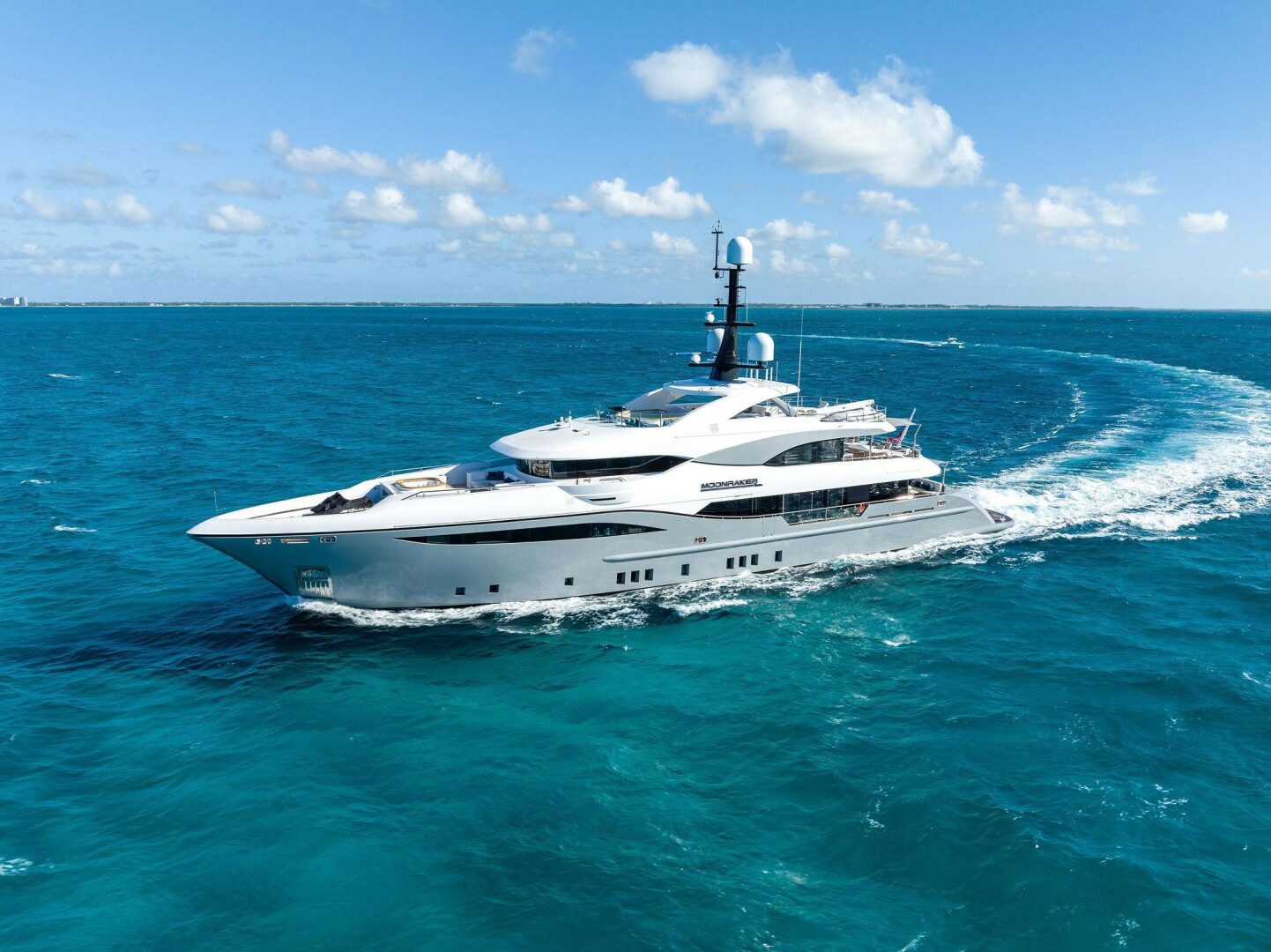
2019 Bilgin MOONRAKER
$21,404,500
156
West Palm Beach Florida

2028 Columbus Yachts
$22,900,008
137
Ancona
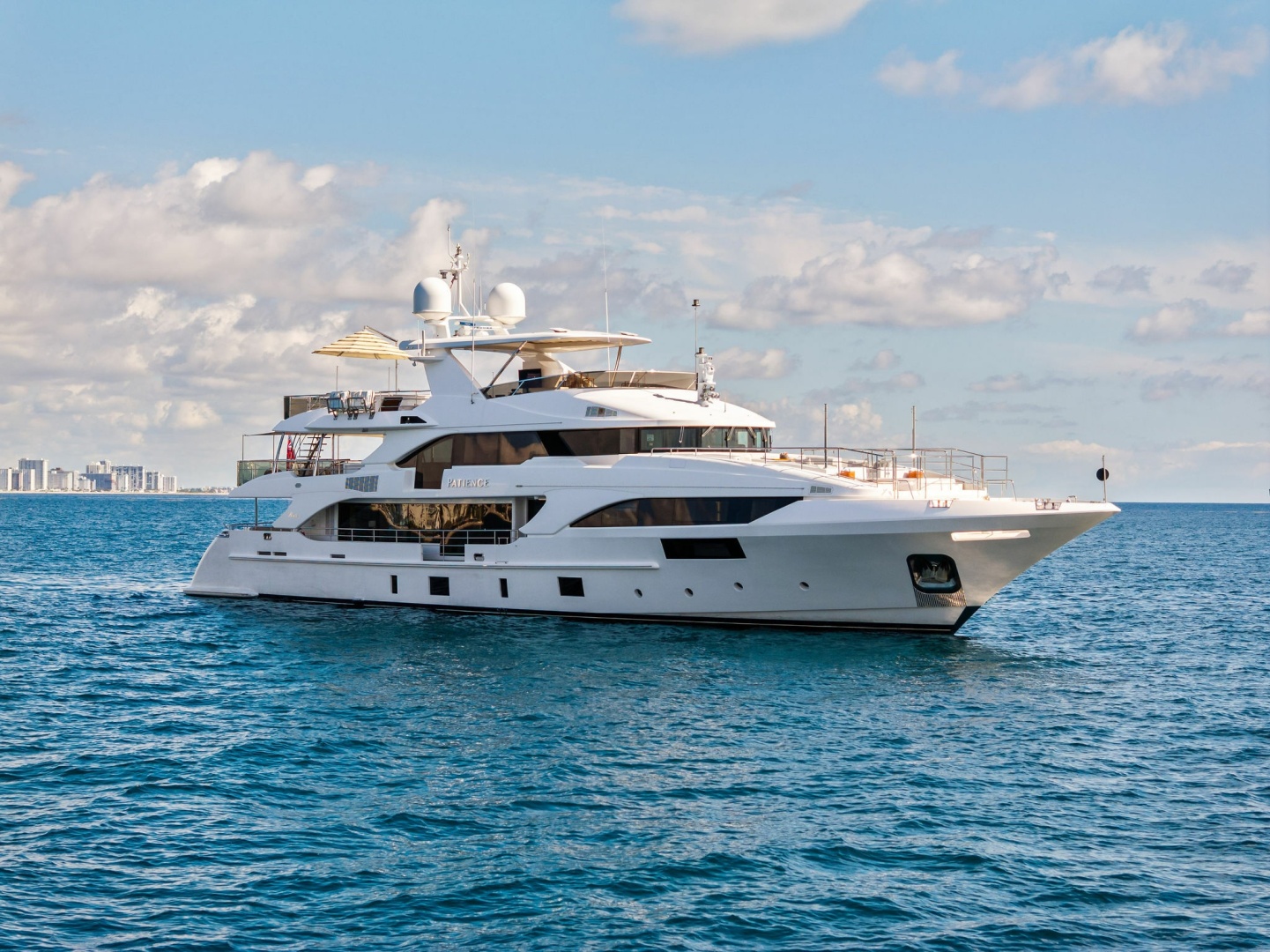
2012 Benetti PATIENCE
$10,975,000
132
Fort Lauderdale Florida
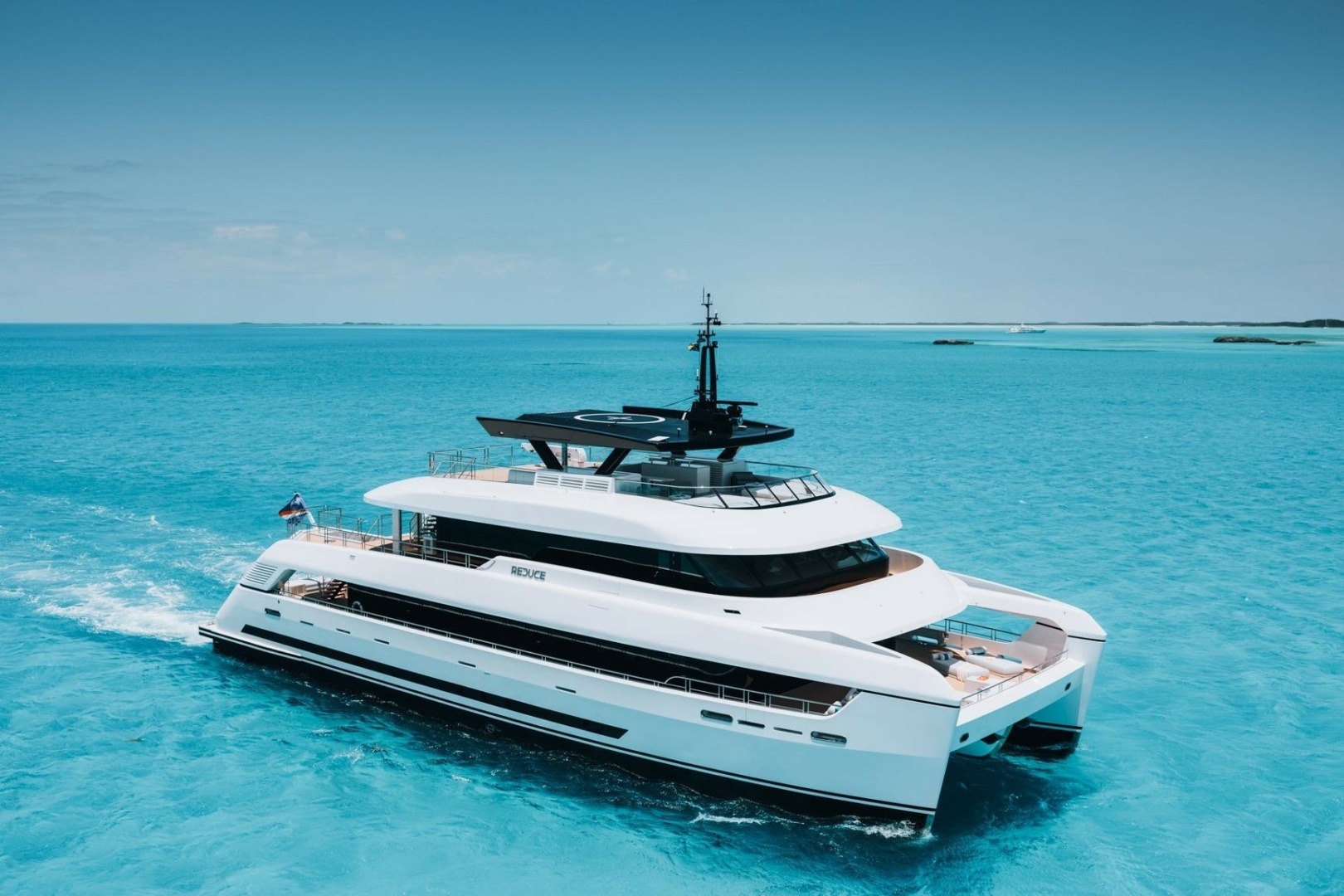
2024 Silver Yachts
$25,400,000
117
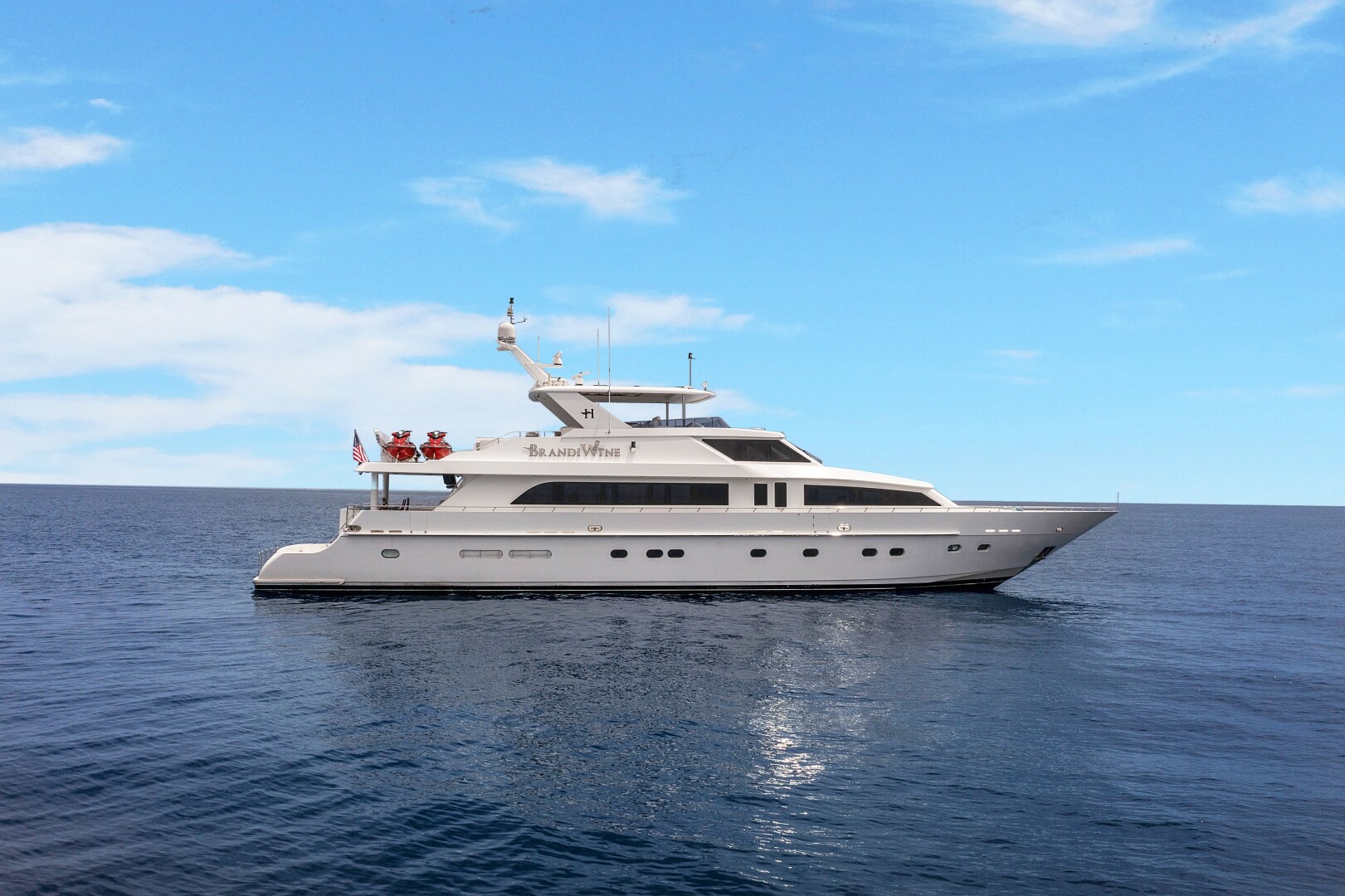
2009 Hargrave BRANDI WINE
$2,995,000
114
Fort Lauderdale Florida

2028 Extra Yachts
$21,404,500
100
Ancona

2028 Extra Yachts Extra 96
$9,495,000
96
Ancona
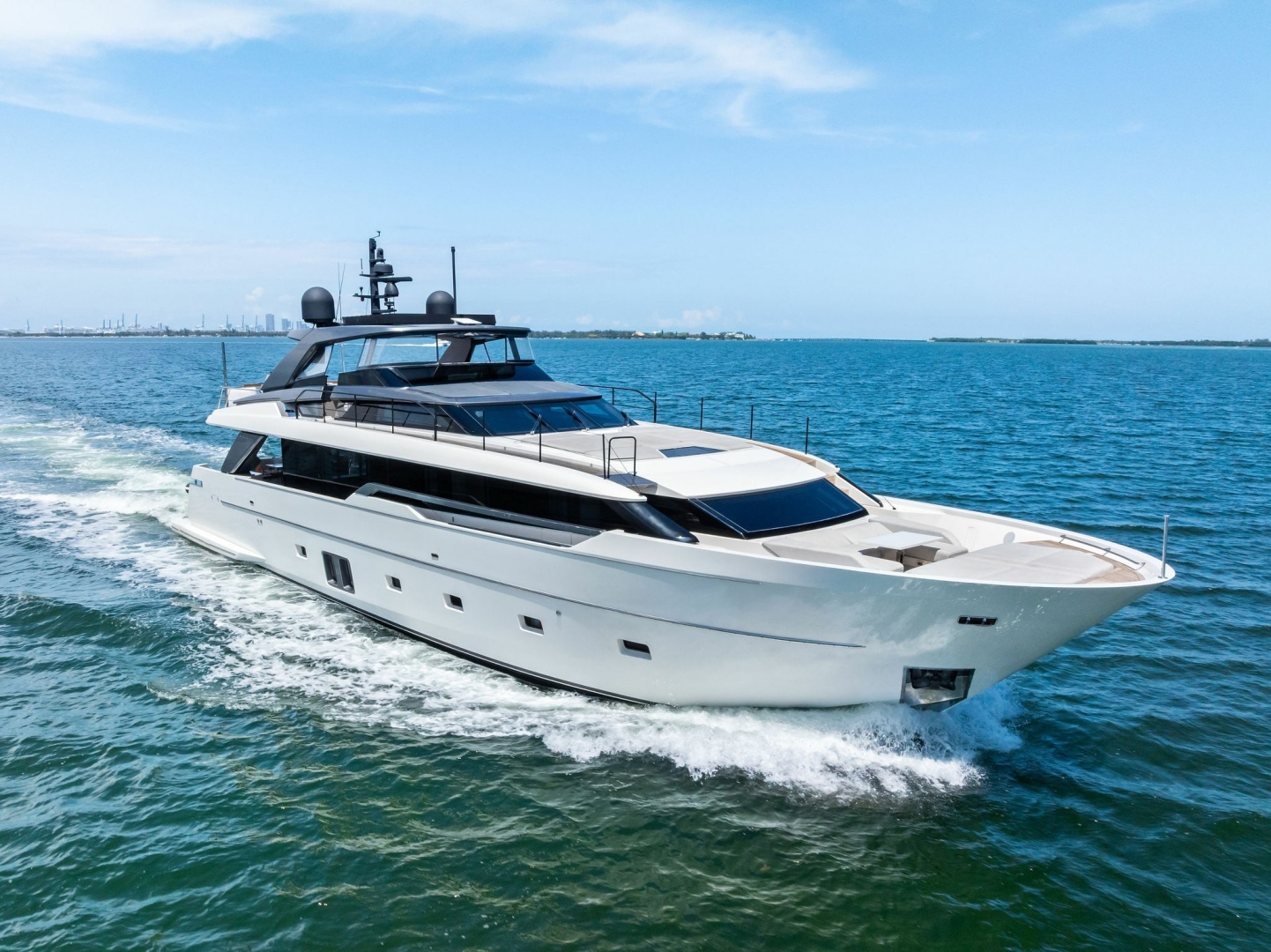
2021 Sanlorenzo GATSBY
$6,795,000
96
Miami Beach Florida

1999 Northern Marine OFF LINE
$2,495,000
84
Ft Lauderdale Florida
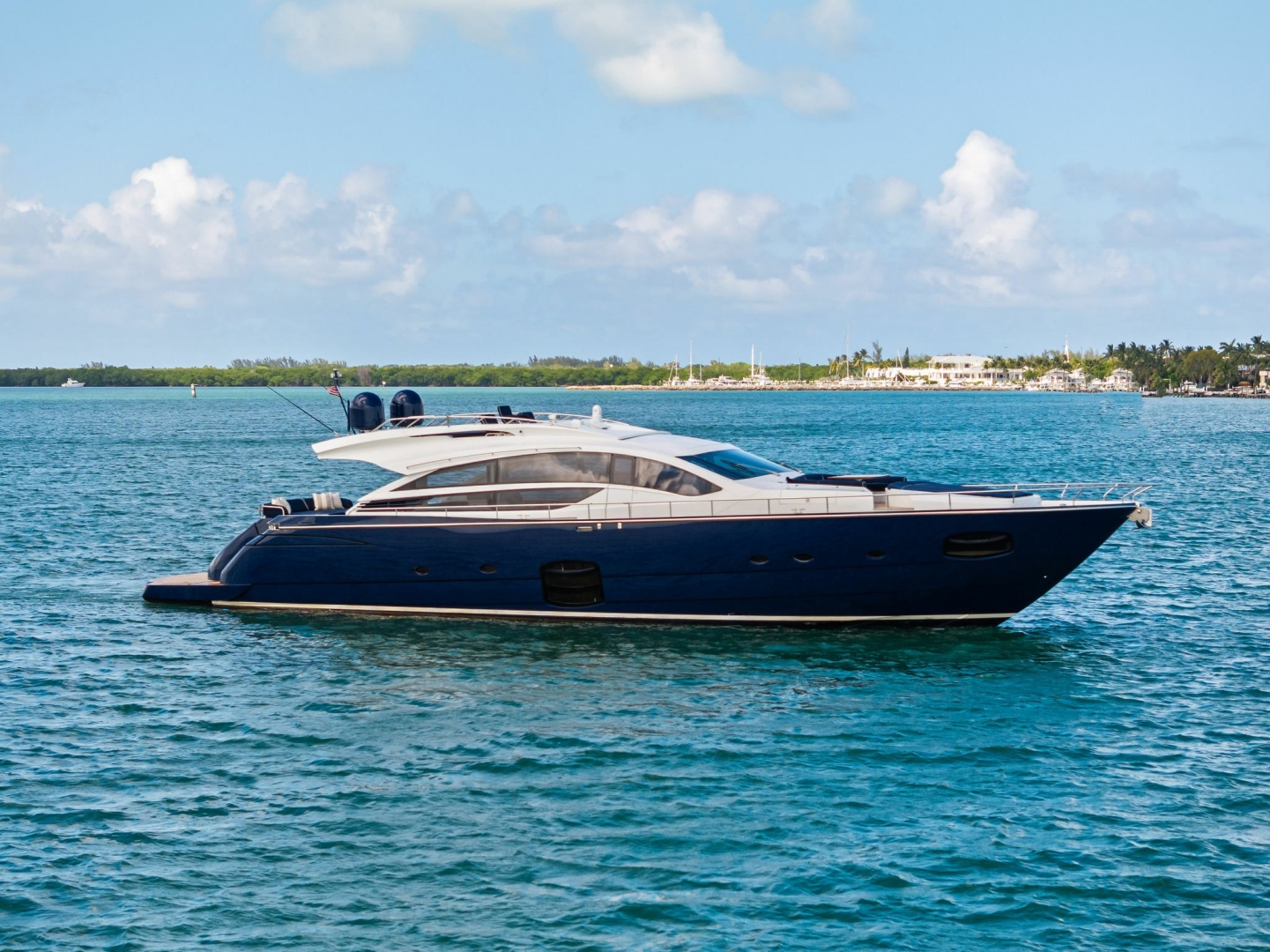
2013 Pershing DOROTHY ANN
$1,750,000
82
Miami Beach Florida

1997 Ferretti Yachts
$850,000
80
La Paz
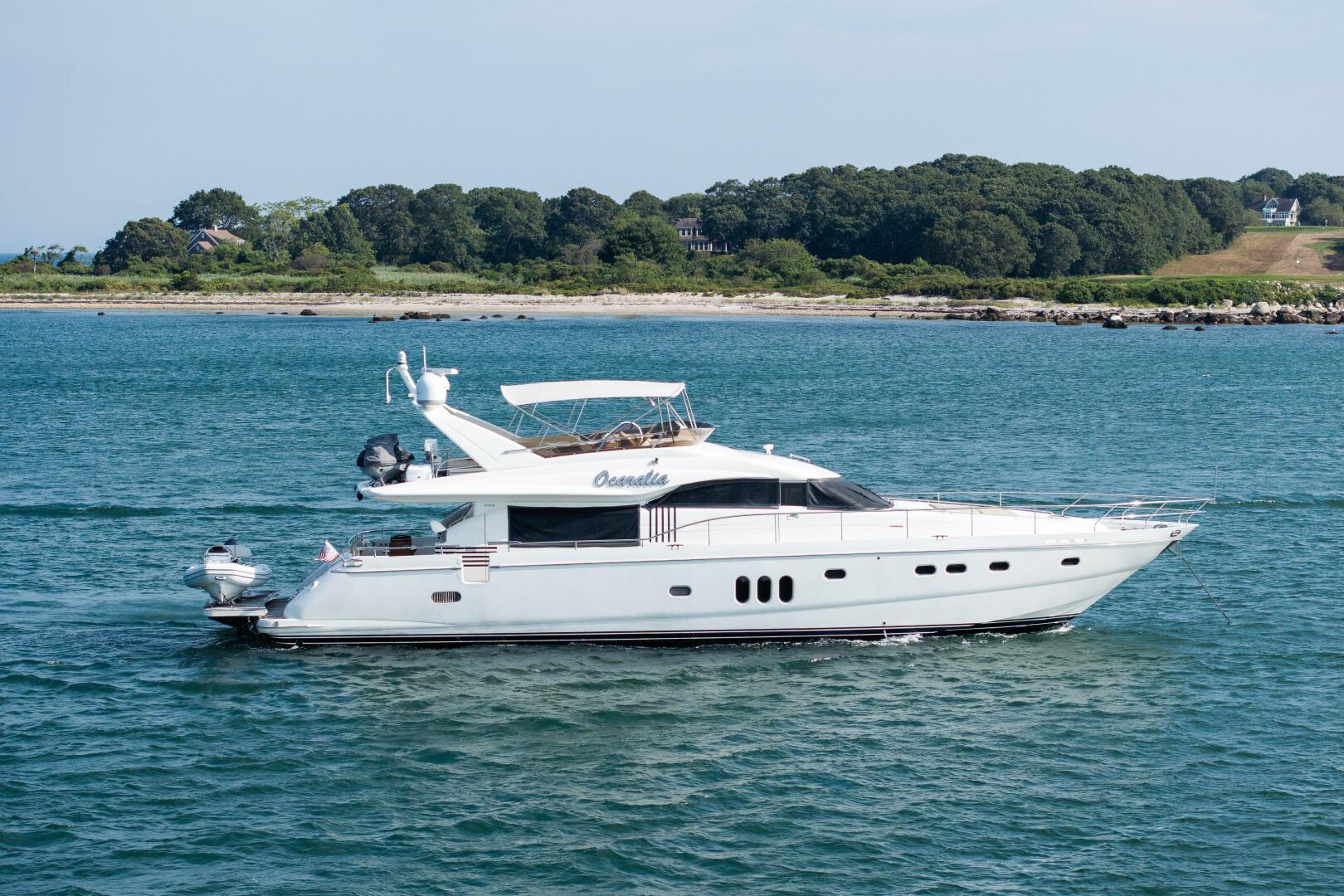
2008 Princess Yachts OCARALIA
$1,095,000
75
Charleston South Carolina
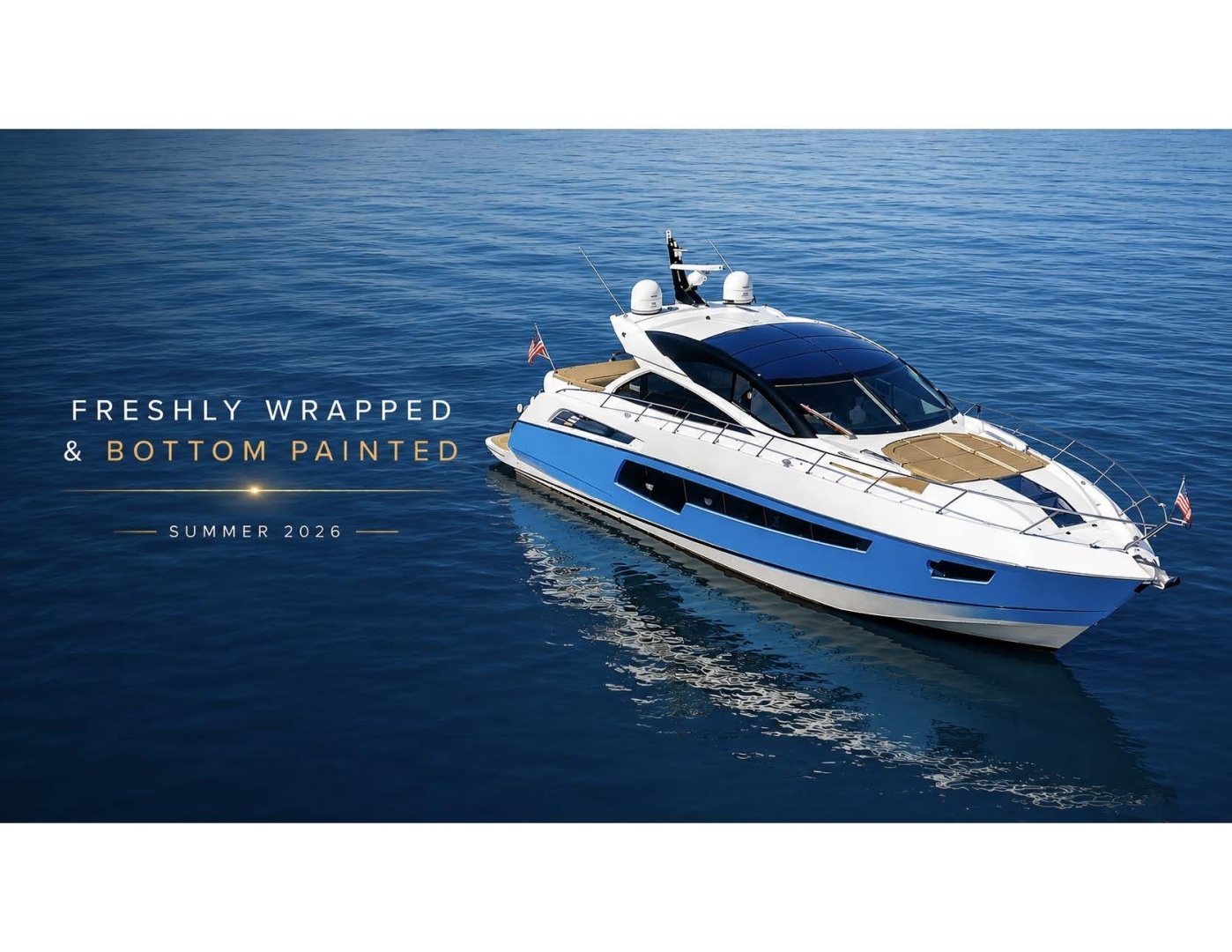
2014 Sunseeker
$1,400,000
68
New York New York

2024 Fairline
$2,750,000
68
Ft. Lauderdale Florida

2024 Sunreef Catallaxi
$3,700,000
60
Newport Rhode Island
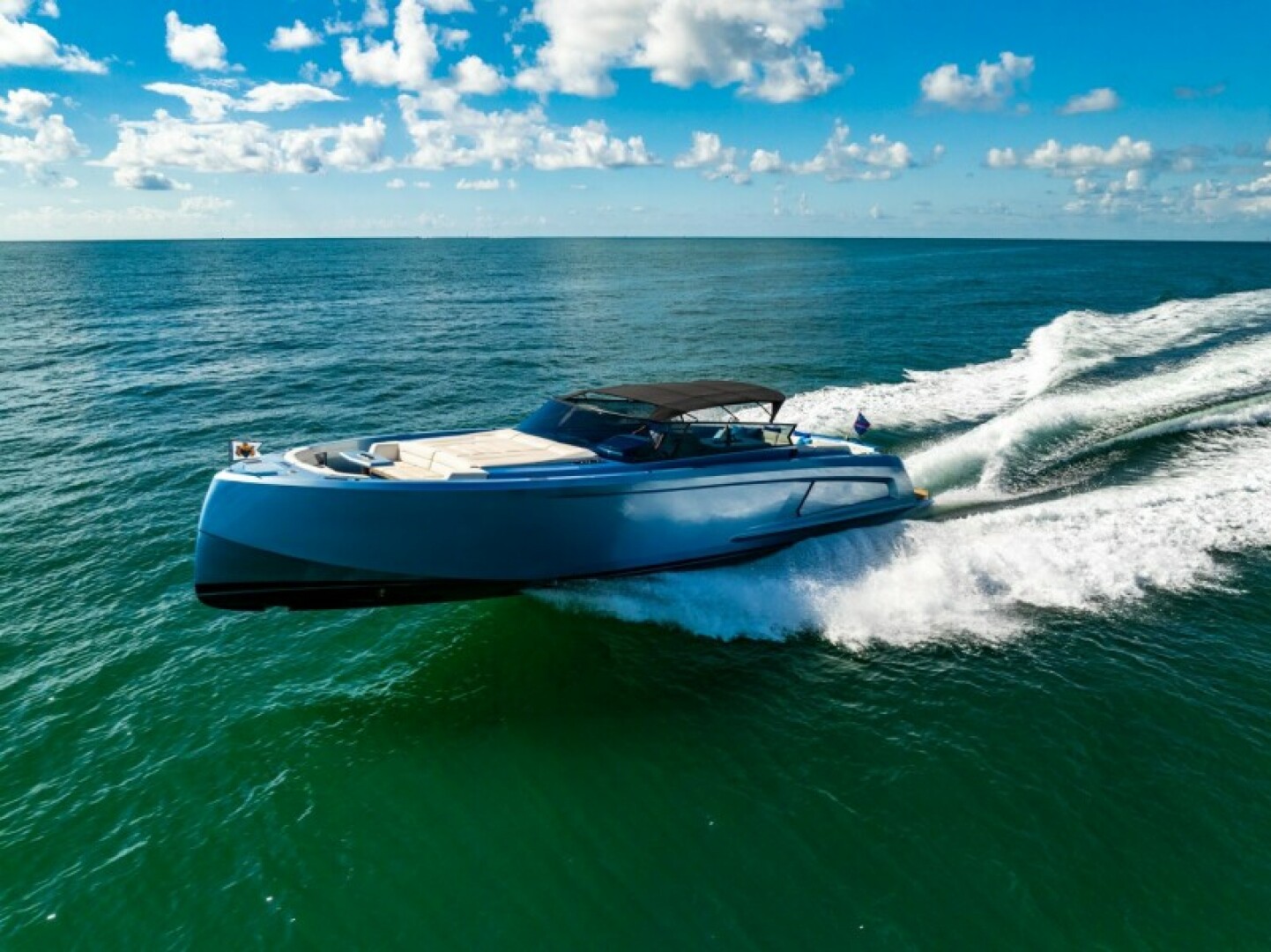
2019 Vanquish Yachts IMPULSIVE
$1,799,000
58
Miami Beach Florida
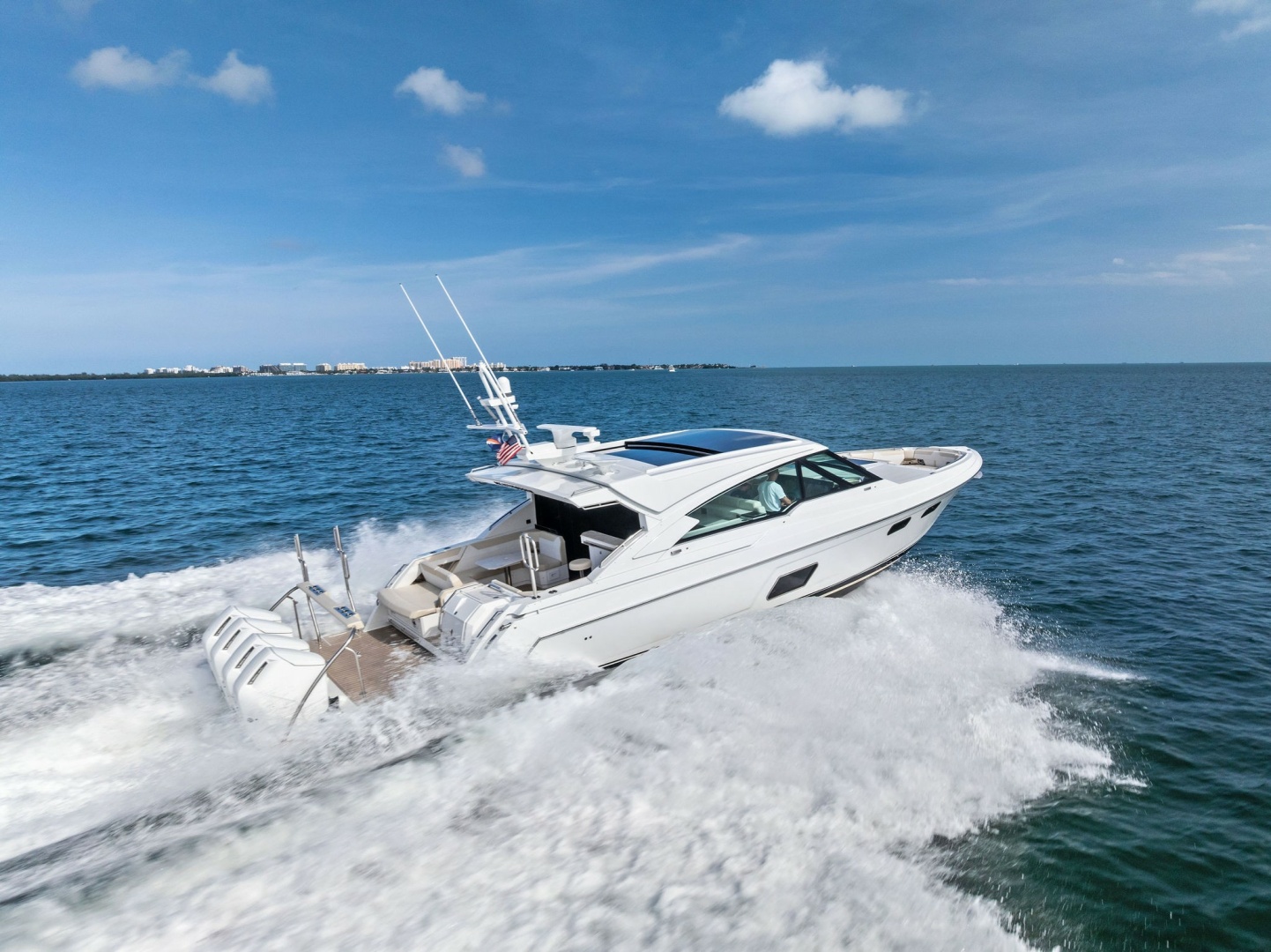
2025 Formula BREAKTHROUGH III
$1,895,000
53
Miami Beach Florida

2023 Fairline
$900,000
45
Fort Lauderdale Florida
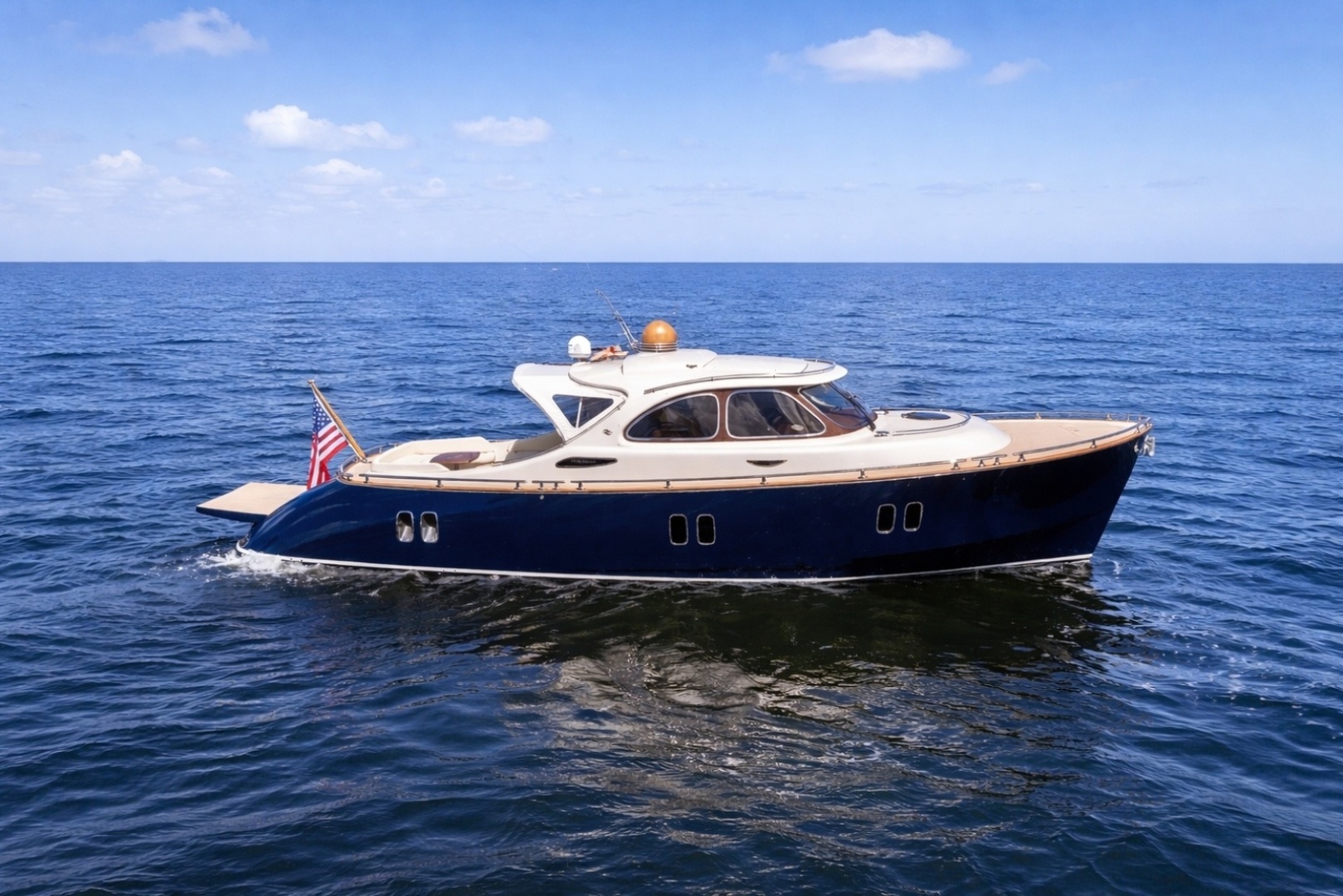
2012 Zeelander Mississippi Queen
$575,000
44
West Palm Beach Florida
2019 Bilgin 156'
$21,404,500
2028 Columbus Yachts 137'
$22,900,008
2012 Benetti 132'
$10,975,000
2024 Silver Yachts 117'
$25,400,000
2009 Hargrave 114'
$2,995,000
2028 Extra Yachts 100'
$21,404,500
2028 Extra Yachts 96'
$9,495,000
2021 Sanlorenzo 96'
$6,795,000
1999 Northern Marine 84'
$2,495,000
2013 Pershing 82'
$1,750,000
1997 Ferretti Yachts 80'
$850,000
2008 Princess Yachts 75'
$1,095,000
2014 Sunseeker 68'
$1,400,000
2024 Fairline 68'
$2,750,000
2024 Sunreef 60'
$3,700,000
2019 Vanquish Yachts 58'
$1,799,000
2025 Formula 53'
$1,895,000
2023 Fairline 45'
$900,000
2012 Zeelander 44'
$575,000