

Overview: Yacht fuel efficiency, measured in liters per nautical mile (L/nm), is the single most comparable metric when evaluating a luxury vessel’s true operating cost. Before anything else, ask the seller or broker for three calibrated baselines: calm-water, moderate sea state, and against-weather runs backed by flow-meter logs or sea-trial data verified against a dock refuel meter.
Request these three items immediately:
- Consumption curve (L/nm at multiple RPM points from a controlled sea trial)
- Generator burn at anchor (hours logged, fuel used per 24-hour period)
- Maintenance and antifouling history (service records, diver hull reports, prop condition)
These documents tell you more about a yacht’s real operating character than any brochure specification ever will.
Table of Contents
- How fuel efficiency is measured: the metrics that actually matter
- Primary technical factors that drive fuel consumption
- How to run a sea trial that actually reveals fuel performance
- Emerging propulsion technologies worth knowing before you buy
- What fuel efficiency means for your budget, range, and resale value
- What buyers should request before signing anything
- How sellers and brokers should document and market fuel efficiency
- Key Takeaways
- The number that changes the negotiation
- Yachts-bysteve makes fuel data work for your transaction
- Useful sources for further reading
How fuel efficiency is measured: the metrics that actually matter
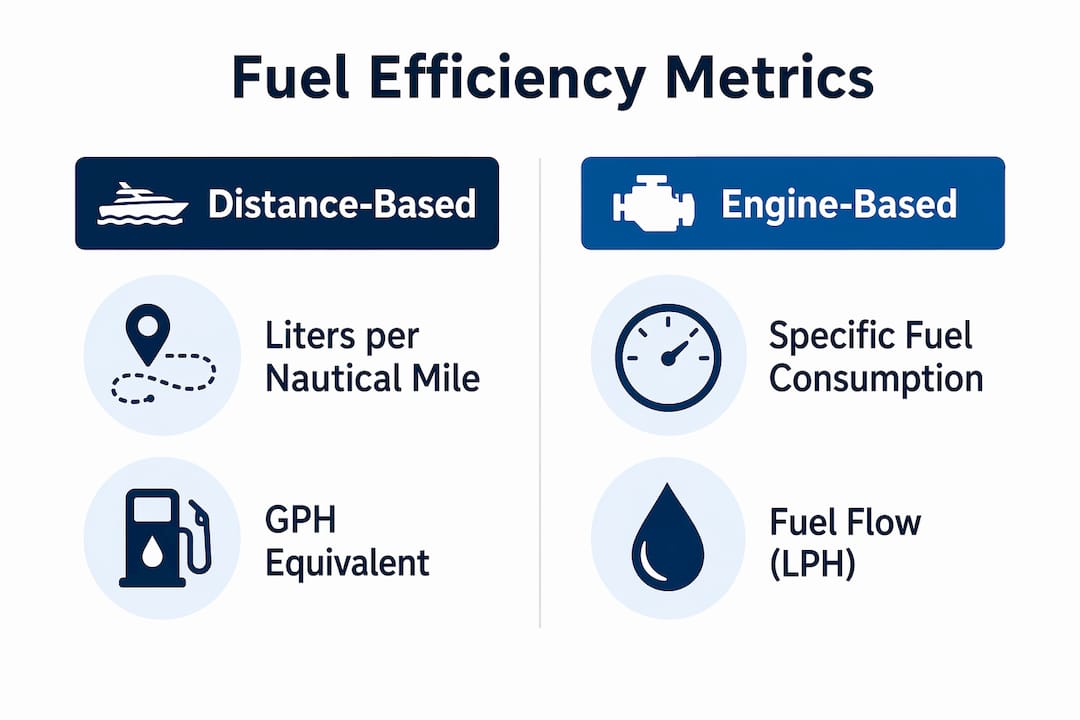
Liters per nautical mile is the primary comparison metric because it ties fuel burn to distance traveled, not just time. Gallons per hour (GPH) or liters per hour (LPH) are useful for budgeting fuel stops, but without speed context they can mislead: a yacht burning 80 LPH at 14 knots is more economical per mile than one burning 120 LPH at 20 knots, even though the raw hourly number looks lower.

Specific fuel consumption (SFC, expressed in grams per kilowatt-hour) goes one level deeper, comparing engine efficiency independent of vessel size. It’s most useful when evaluating engine upgrades or comparing two propulsion architectures on the same hull.
| Speed (knots) | Fuel flow (LPH) | L/nm | GPH equivalent |
|---|---|---|---|
| 14 | 80 | — | — |
| 20 | 120 | 6.0 | — |
| 10 | — | 5.0 | — |
The 10-knot row illustrates why displacement hulls reward patience: the same vessel that burns 6.0 L/nm at 20 knots may achieve 5.0 L/nm at 10 knots, a 17% improvement simply by easing the throttle.
Pro Tip: Prefer flow-meter-verified data cross-checked against a calibrated dock refuel meter over any single tank-gauge reading. Tank gauges on large yachts are notoriously imprecise, and a dock meter cross-check keeps both instruments honest.
Primary technical factors that drive fuel consumption
Hull form is the foundation. Displacement hulls move efficiently at lower speeds; planing hulls see fuel costs rise sharply once they leave displacement mode. Trawler-style displacement designs reward low-speed cruising in ways a sport yacht simply cannot match, which changes how you interpret any consumption figure.
- Hull optimization: Parametric CFD optimization by classification bodies like DNV typically delivers 5–10% efficiency gains at the design stage. Ask for any hull-optimization certificates or design notes when reviewing a new build.
- Propulsion architecture: Modern common-rail diesels, diesel-electric, and hybrid systems each carry different operating profiles. A diesel-electric yacht running hotel loads from its main engines at anchor burns fuel very differently from a conventional twin-screw setup.
- Propeller condition: Pitch mismatch, cavitation damage, or even light barnacle growth on blades can cost several percentage points of efficiency. A well-matched propeller is as important as engine tuning.
- Weight and trim: Every additional 1,000 kg of load increases fuel burn. Excess provisions, water, and gear add up quietly over a season.
- Hull cleanliness: Light biological slime raises fuel consumption by roughly 10%; heavy fouling can push that penalty beyond 30%. A recent diver’s report is decisive evidence during any purchase.
- Mechanical condition: Clogged filters, dirty injectors, and impaired cooling often cause larger cumulative fuel penalties than occasional speed adjustments. Maintenance history is a high-value document.
Hull cleanliness is the most underappreciated drag factor in luxury yacht transactions. A vessel that looks immaculate above the waterline may be carrying a 20–30% fuel penalty below it. Always request a diver’s hull report dated within 60 days of any sea trial.
How to run a sea trial that actually reveals fuel performance
The most efficient cruising speed is unique to each hull. The only way to know it is to test. Professional delivery skippers recommend three baseline runs as reference fingerprints: calm water, moderate sea state, and against-weather. Deviations from these baselines later reveal fouling or mechanical problems before they become expensive.
Step-by-step measurement protocol:
- Choose a settled morning with minimal current and wind below 10 knots for the calm-water baseline.
- Hold a fixed RPM and trim for at least 20 minutes per test point.
- Log: RPM, speed over ground (SOG), fuel flow (LPH from flow meters), sea state, trim tab position, and elapsed time.
- Calculate L/nm at each RPM point: divide LPH by SOG.
- Repeat at three RPM settings to map the vessel’s efficiency curve.
- Run the moderate and against-weather baselines on separate days under those conditions.
- Cross-check total fuel consumed against a dock refuel meter at the end of each day.
Checklist during the sea trial:
- Confirm flow meters are calibrated and reading live data
- Log generator run-time and fuel separately from propulsion
- Inspect exhaust smoke color at each RPM setting
- Arrange a diver inspection of hull and propellers before or immediately after the trial
Pro Tip: Generator and hotel loads can account for 10–20% of total fuel use. On a week at anchor in a warm climate, generator burn can rival underway consumption. Always log them separately.
Emerging propulsion technologies worth knowing before you buy
Hybrid systems and fuel cells are no longer experimental on luxury yachts. They matter for three reasons that resonate with discerning owners: quieter anchoring, lower emissions in sensitive marine parks, and real fuel savings during hotel-load operation.
Hybrid and fuel-cell systems deliver benefits that go beyond fuel savings alone. For luxury owners, the reduction in noise and vibration at anchor, and the ability to operate silently in emission-sensitive anchorages, often justifies the investment on guest-experience grounds before the fuel math is even calculated. — DNV maritime experts
Battery buffers enable “peak shaving,” where the battery handles short acceleration demands so the main engines run at their most efficient load point. Modern lithium marine batteries have made this architecture more practical and weight-competitive than earlier lead-acid systems allowed.
Operational tradeoffs at a glance:
- Hybrid systems: Quieter at anchor, lower hotel-load burn, higher capital cost, added complexity for yard maintenance
- Fuel cells: Near-silent operation, zero local emissions, limited range on current hydrogen infrastructure, premium refit cost
- Advanced common-rail diesels: Lower upfront cost, proven reliability, less dramatic efficiency gains but still meaningful versus older engines
For buyers considering a refit, the case for hybrid propulsion is strongest on yachts that spend significant time at anchor with heavy air-conditioning loads.
What fuel efficiency means for your budget, range, and resale value
Fuel is often the largest single line item in annual operating costs. A rough starting estimate of 0.5 GPH per foot of length gives a first-pass budget figure, but real-world consumption varies so widely by hull form and speed that buyer-specific baselines are the only reliable foundation for financial planning.
| Usage profile | Fuel burn estimate | Annual fuel cost (at $5/gal US average) |
|---|---|---|
| 60-ft displacement | ~30 GPH avg | — |
| 60-ft planing | ~80 GPH avg | — |
| Charter operation, 80-ft | ~120 GPH avg | — |
These figures illustrate why a 10–15% efficiency improvement translates directly into tens of thousands of dollars annually on larger vessels. Fuel efficiency also affects cruising range, which influences where a yacht can go between fuel stops and how that story reads in a listing description.
Negotiation tips:
- Use verified L/nm baselines and antifouling records to justify price adjustments for vessels with documented efficiency advantages.
- A yacht with a recent hull clean, polished props, and calibrated flow-meter logs commands a stronger asking price than an identical vessel without that paper trail.
- Regional fuel price variance across US marinas is real; factor in home-port pricing when projecting annual costs.
Pro Tip: For smart cost management, separate generator fuel from propulsion fuel in every budget model. The two figures tell very different stories about how a yacht is actually used.
What buyers should request before signing anything
A disciplined document request separates an informed purchase from an expensive surprise. Ask for these before the survey:
- Calibrated flow-meter logs from at least three baseline sea-trial runs (calm, moderate, against-weather)
- Generator run-time records and fuel consumption per 24-hour anchor period
- Hull-cleaning and antifouling history (dates, products, diver reports)
- Propeller condition report (pitch verification, damage inspection, last polish date)
- Engine service records (filter changes, injector service, cooling system maintenance)
- Any hull-optimization certificates or design documentation from the builder
Document log template fields to request:
| Field | Why it matters |
|---|---|
| Date and position | Confirms conditions and location |
| RPM and SOG | Enables L/nm calculation |
| Fuel flow (LPH) | Core efficiency data point |
| Sea state and wind | Contextualizes the result |
| Trim tab setting | Affects resistance and burn |
| Generator hours | Separates hotel load from propulsion |
Watch for red flags: single-point tank-gauge logs with no flow-meter data, missing generator records, or no diver hull inspection in the past 12 months. When a seller cannot produce three clean baselines, that absence is itself a data point. Third-party measurement protocols from classification societies like DNV add credibility when they are available.
How sellers and brokers should document and market fuel efficiency
Fuel data presented clearly in a listing builds buyer confidence and supports asking price. Sellers who invest in pre-listing documentation consistently attract more serious inquiries.
Pre-listing preparation checklist:
- Calibrate flow meters and run a fresh set of three baseline trials
- Commission a professional hull clean and diver report (dated within 30 days of listing)
- Service engines, replace filters, and document injector condition
- Polish or replace propellers and photograph the result
- Compile a one-page fuel-efficiency summary for the listing package
Recommended listing fields:
| Field | Example entry |
|---|---|
| Calm-water baseline | 5.0 L/nm at 10 knots |
| Generator at anchor | 18 L/hr, logged over 14 nights |
| Last hull clean | A recent diver report is attached |
| Propeller condition | Polished and pitch-verified recently |
| Recent efficiency upgrades | New 4-blade props, recent antifouling recoat |
A well-structured yacht listing that includes verified baselines and a diver report signals to buyers that the seller has nothing to hide and the vessel is genuinely maintained.
Key Takeaways
Liters per nautical mile is the only metric that makes fuel efficiency comparable across different yachts, hull types, and cruising profiles — everything else is context.
| Point | Details |
|---|---|
| Primary metric | Liters per nautical mile (L/nm) enables direct comparison across hull types and sizes. |
| Biggest efficiency losses | Hull fouling (up to 30% penalty), mis-matched props, and unlogged generator burn are the top culprits. |
| Buyer document request | Always ask for three calibrated sea-trial baselines, flow-meter logs, and a recent diver hull report. |
| Seller/broker action | Include verified L/nm baselines and a diver report in any listing where fuel efficiency is a selling point. |
| Yachts-bysteve | Yachts-bysteve coordinates sea-trial validation, flow-meter documentation, and pre-listing hull inspections for buyers and sellers. |
The number that changes the negotiation
There is a moment in almost every transaction where fuel data shifts the conversation. A buyer walks onto a 70-foot motor yacht that looks pristine, the engines start cleanly, and the asking price feels fair. Then the broker pulls up the flow-meter logs and the picture changes: the vessel has been running 20% above its design baseline for two seasons, with no diver report and no antifouling record. That single data point reframes the entire negotiation.
Fuel efficiency documentation is not just a technical nicety. It is evidence of how a vessel has been cared for, and it speaks directly to the cost of ownership the buyer is about to inherit. Sellers who present clean, verified baselines alongside a recent hull report are not just being transparent — they are protecting their asking price. Buyers who skip this step are accepting risk that a few hours of disciplined sea-trial work would have quantified precisely.
Yachts-bysteve works with clients on both sides of this equation: coordinating flow-meter verification, arranging diver inspections before listing, and helping buyers interpret consumption data during due diligence. The goal is always the same: a transaction grounded in real numbers, not optimistic estimates.
Yachts-bysteve makes fuel data work for your transaction
Fuel efficiency documentation is where many luxury transactions quietly gain or lose tens of thousands of dollars. Yachts-bysteve provides buyers with coordinated sea-trial validation, flow-meter log review, and pre-purchase hull inspection arrangements so that consumption data is verified before any offer is made. For sellers, the team helps compile a complete efficiency package — baselines, diver reports, service records, and prop documentation — that supports asking price and shortens the time to a confident buyer.
Whether you are buying a luxury yacht and need a broker who understands what the numbers mean, or selling and want your vessel’s efficiency story told clearly, reach out to Yachts-bysteve to discuss how verified fuel data can work in your favor. Contact the team directly through the brokerage services page to get started.
Useful sources for further reading
| Source | What it supports |
|---|---|
| YachtLIFESTYLE: Fuel-burn diagnostics on a long cruising week | Sea-trial methodology, L/nm calculation, generator logging, flow-meter best practices |
| DNV: Optimizing yacht designs for maximum efficiency | Hull optimization gains (5–10%), hybrid and fuel-cell benefits, design-stage efficiency |
| North Pacific Yachts: What makes trawlers fuel-efficient | Displacement vs. planing hull efficiency, maintenance impact on fuel burn |
| Medium: Yacht fuel efficiency — 10 tips | Hull fouling penalties (~10% light, >30% heavy), practical reduction tips |
| YachtCostCalculator: Yacht fuel cost calculator | Budgeting rule of thumb (0.5 GPH per foot), cost modeling for buyers |
Recommended
Featured Listings

2028 Columbus Yachts
$22,900,008
137
Ancona
2012 Benetti PATIENCE
$10,975,000
132
Fort Lauderdale Florida
2028 Kingship Kingship
$20,350,000
125
2024 Silver Yachts
$25,400,000
117
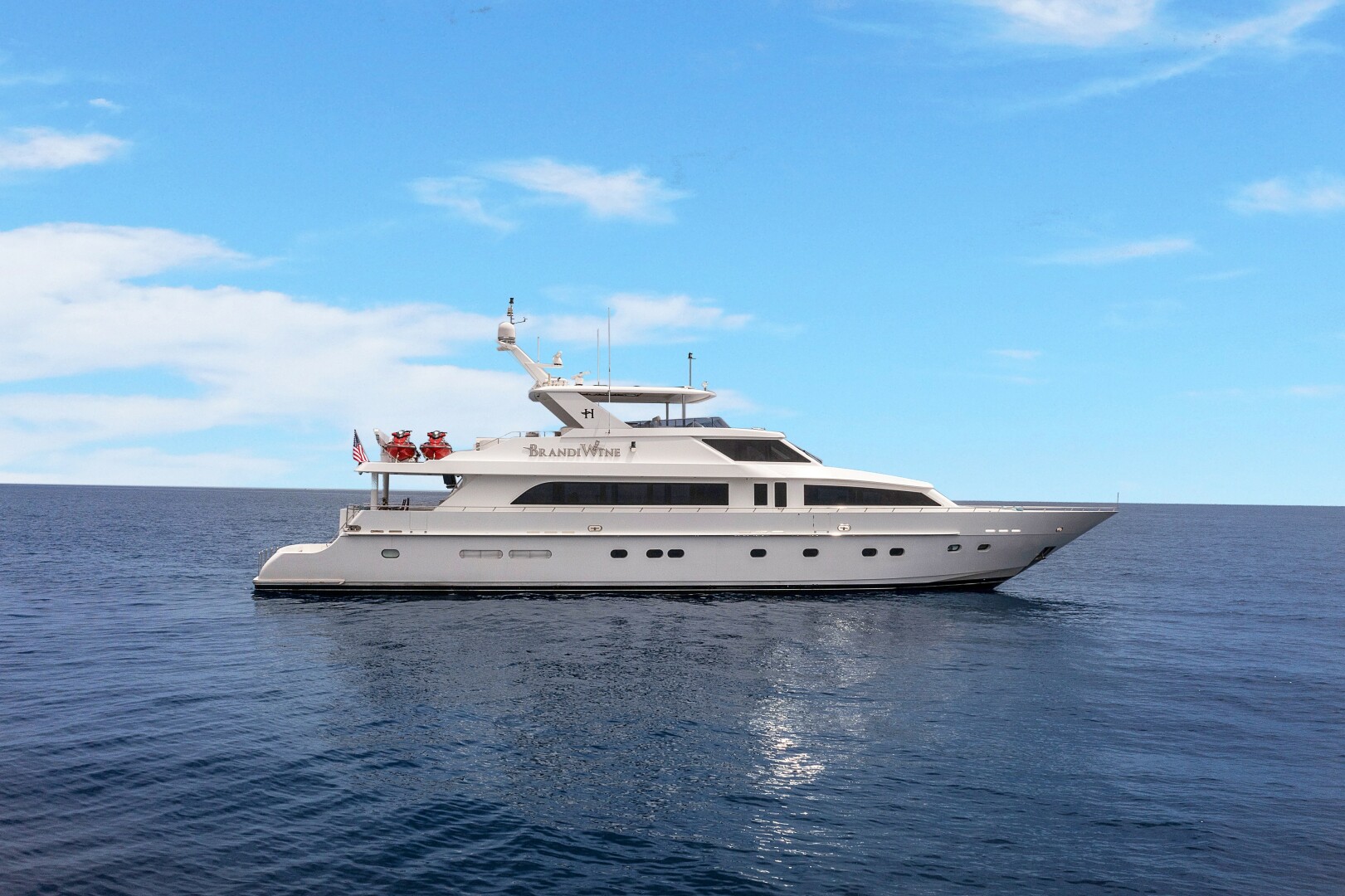
2009 Hargrave BRANDI WINE
$2,500,000
114
Fort Lauderdale Florida

2028 Extra Yachts
$20,350,000
100
Ancona

2028 Alpha
$12,100,000
100
Ft Lauderdale Florida

2028 Extra Yachts Extra 96
$9,495,000
96
Ancona
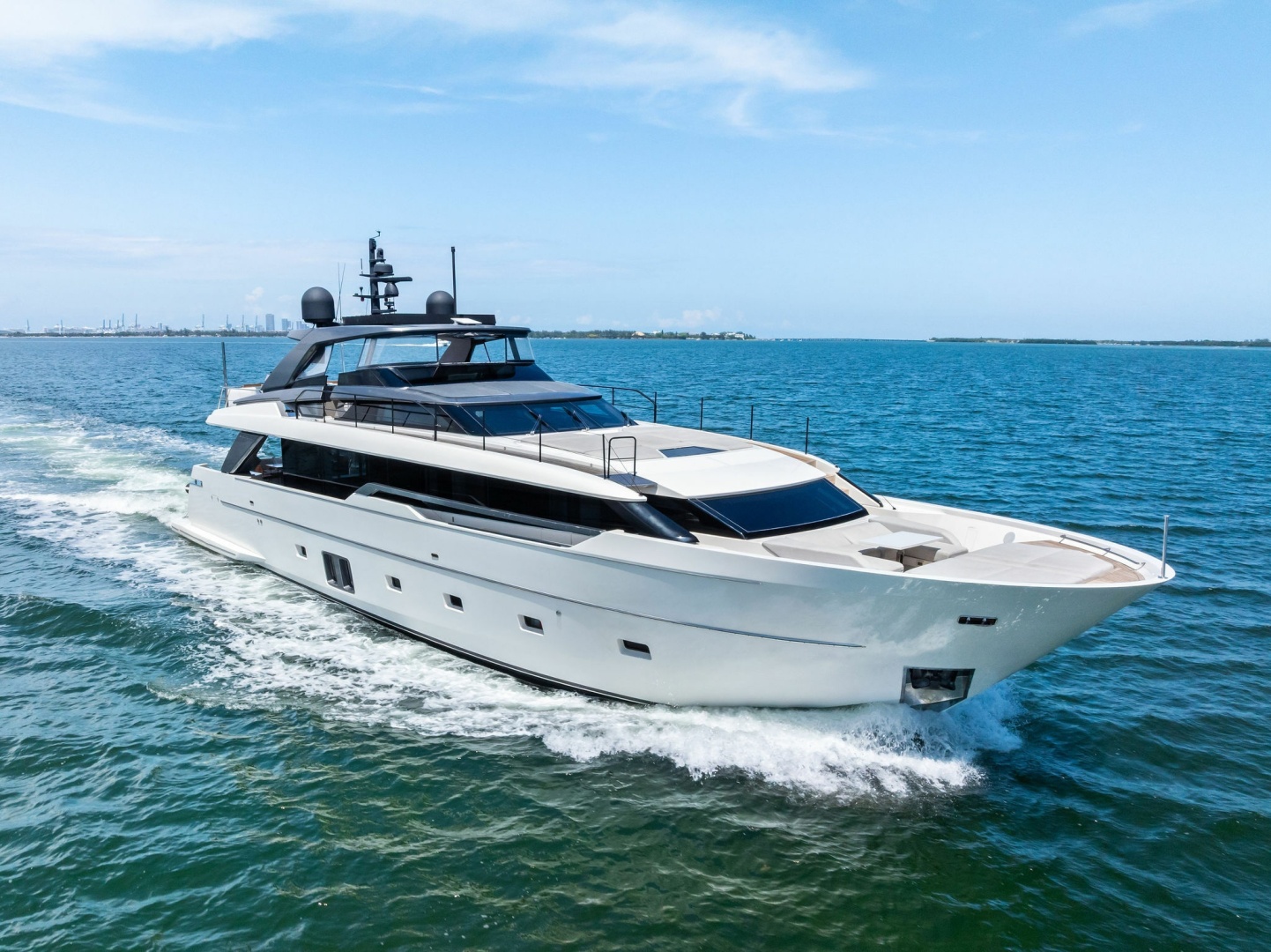
2021 Sanlorenzo GATSBY
$6,795,000
96
Fort Lauderdale Florida
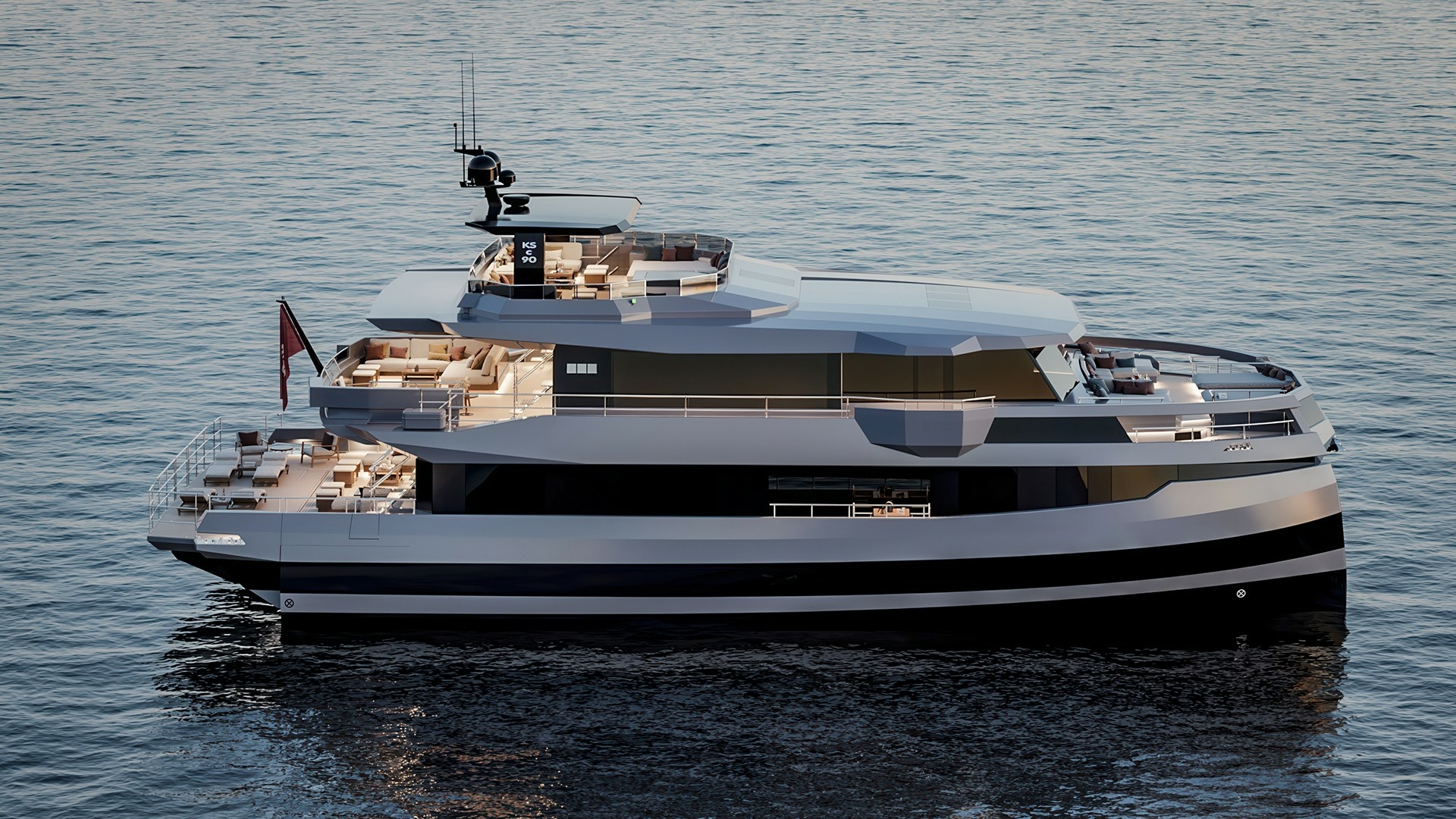
2028 Kingship
$11,990,000
90
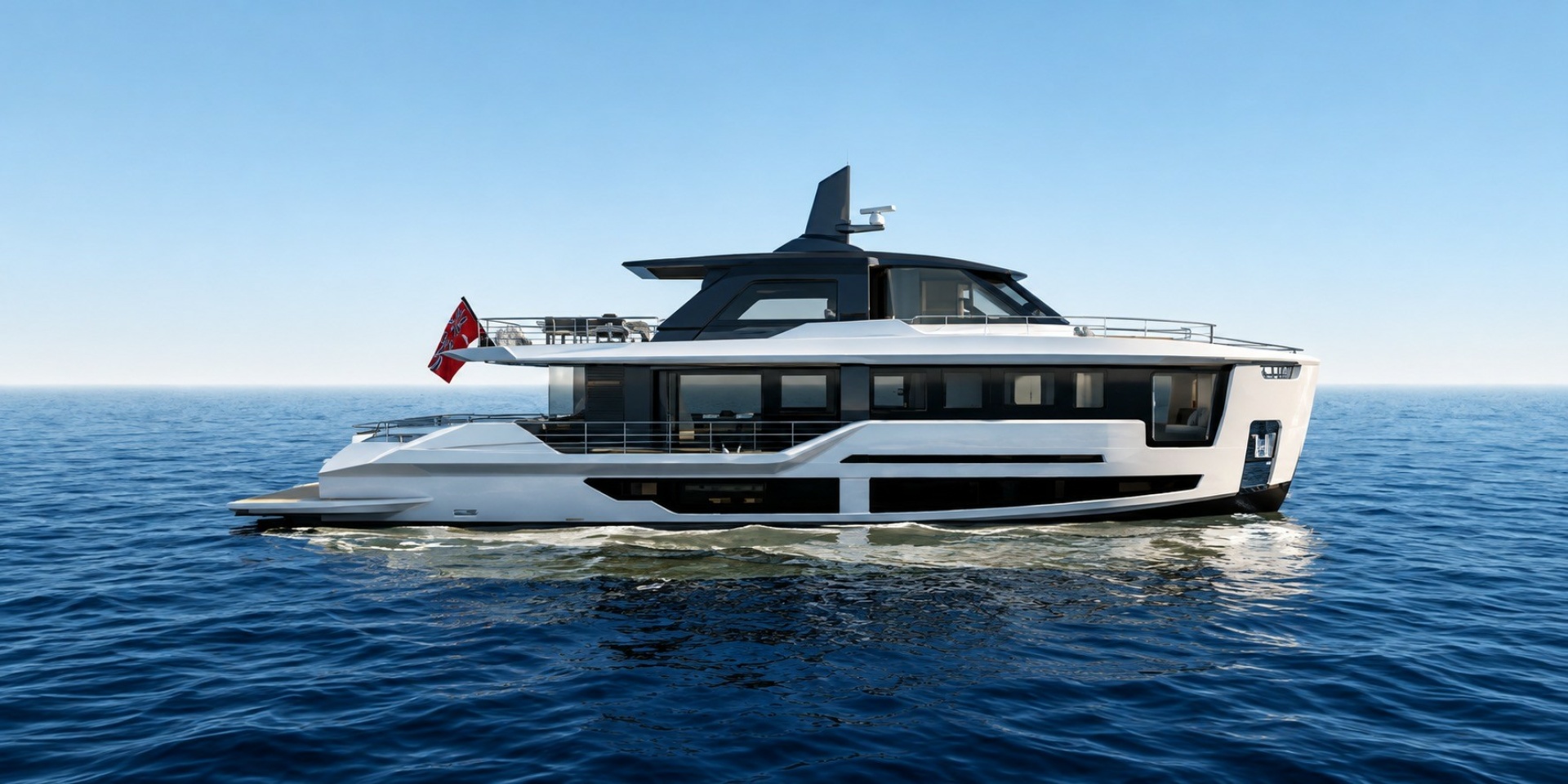
2028 Alpha
$9,894,500
90
Fano
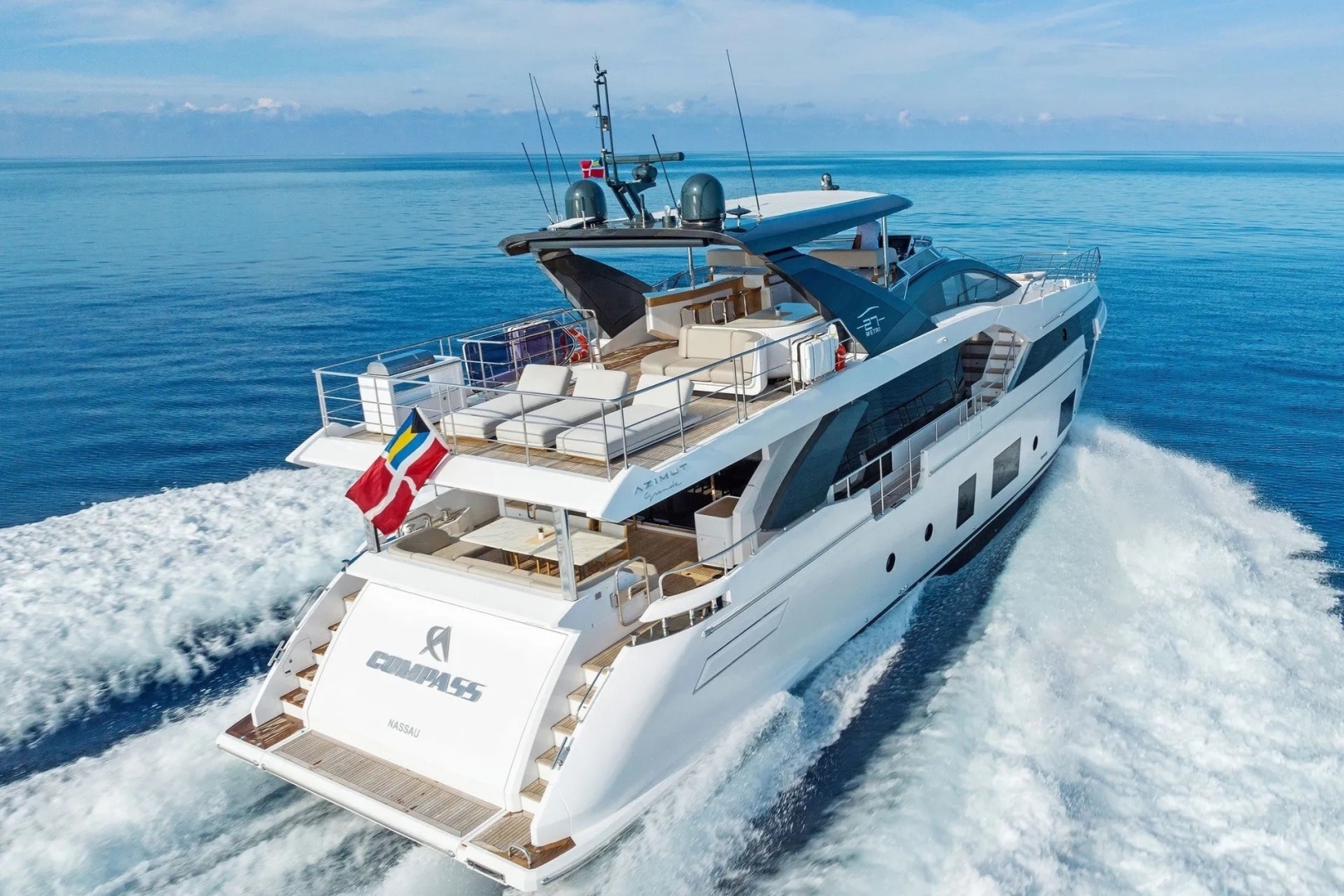
2023 Azimut COMPASS
$7,950,000
88
Miami Beach Florida

1999 Northern Marine OFF LINE
$2,495,000
84
Ft Lauderdale Florida
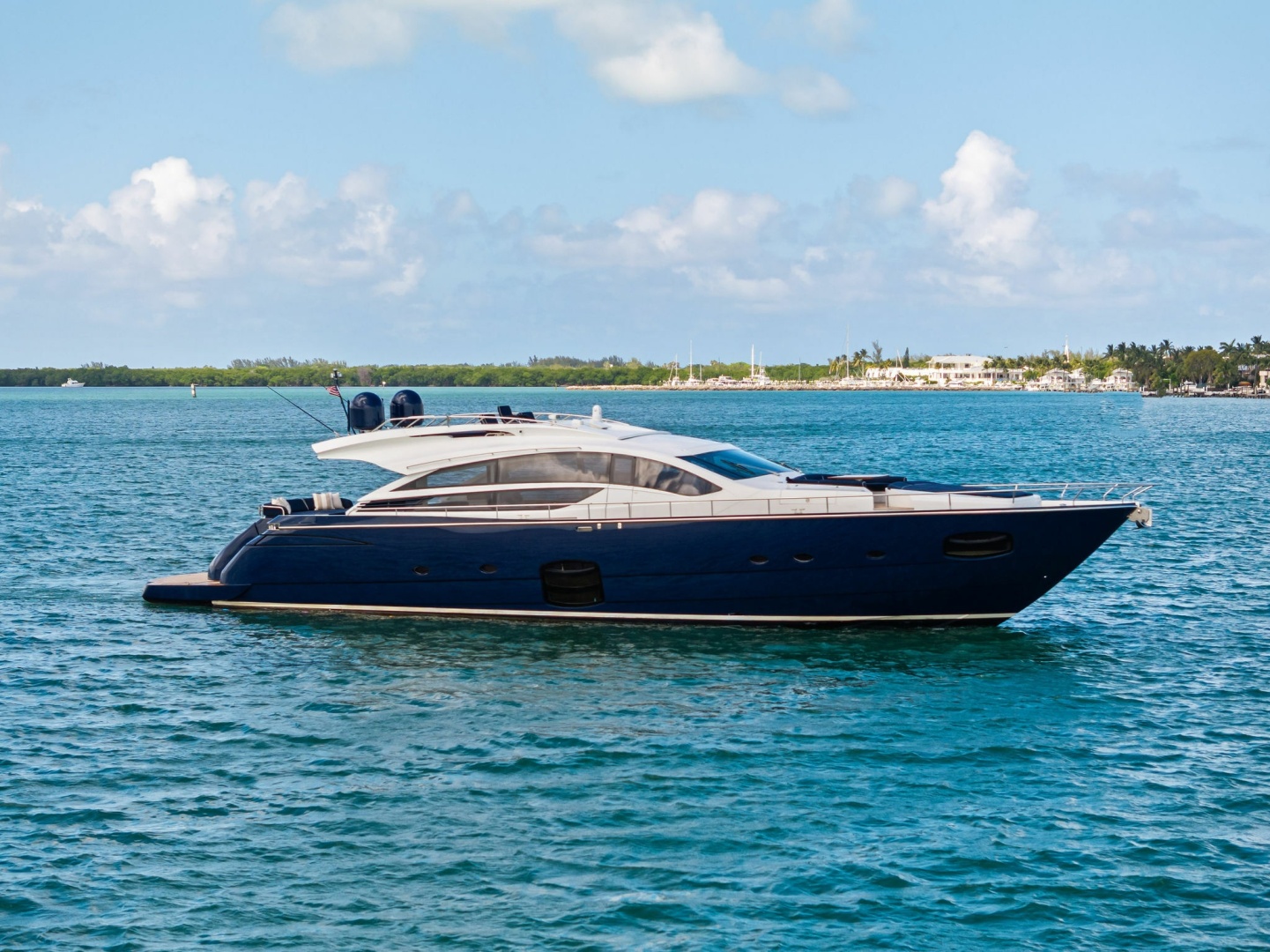
2013 Pershing DOROTHY ANN
$1,375,000
82
Fort Lauderdale Florida

1997 Ferretti Yachts
$825,000
80
La Paz
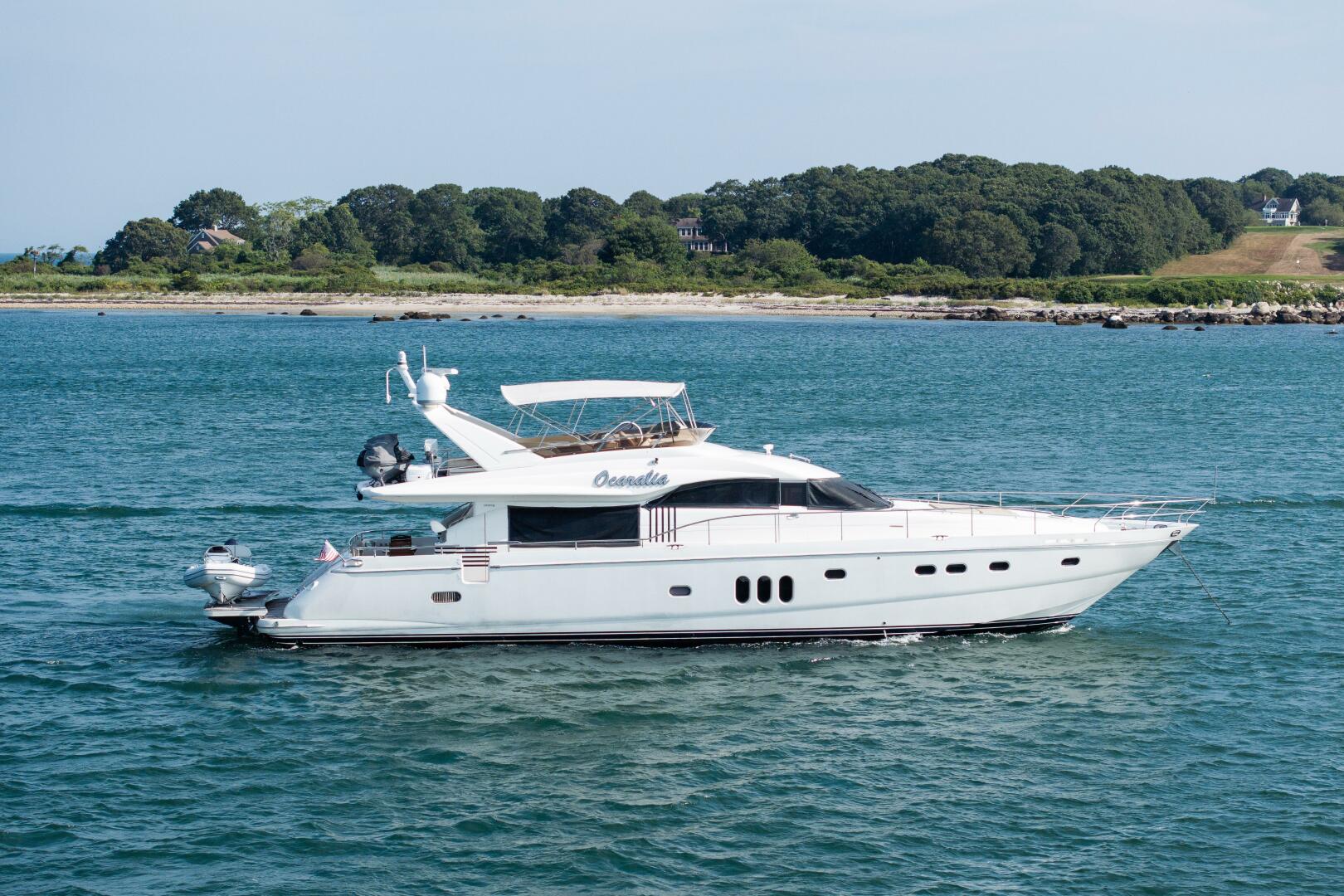
2008 Princess Yachts OCARALIA
$1,095,000
75
Charleston South Carolina
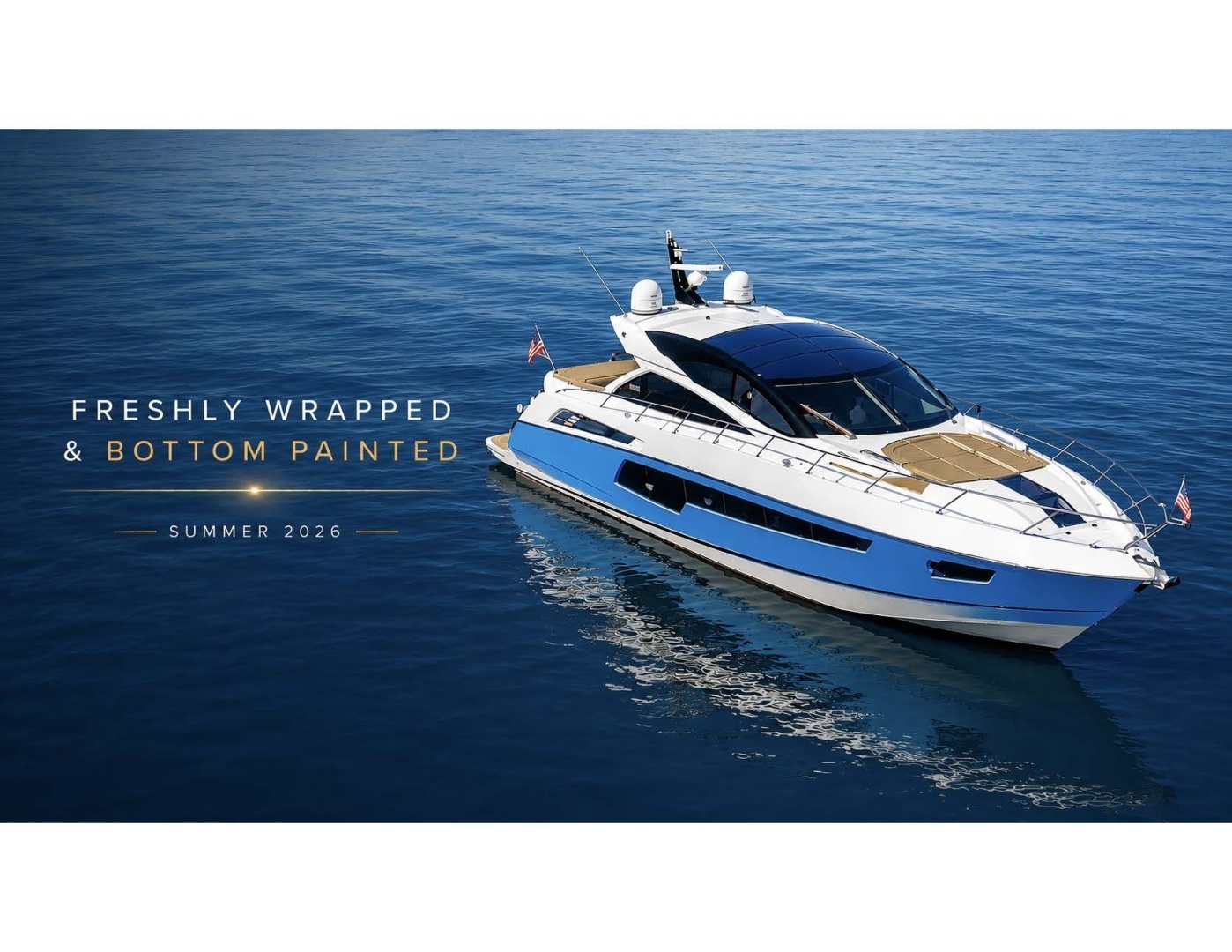
2014 Sunseeker
$1,400,000
68
New York New York

2024 Fairline
$2,750,000
68
Ft. Lauderdale Florida
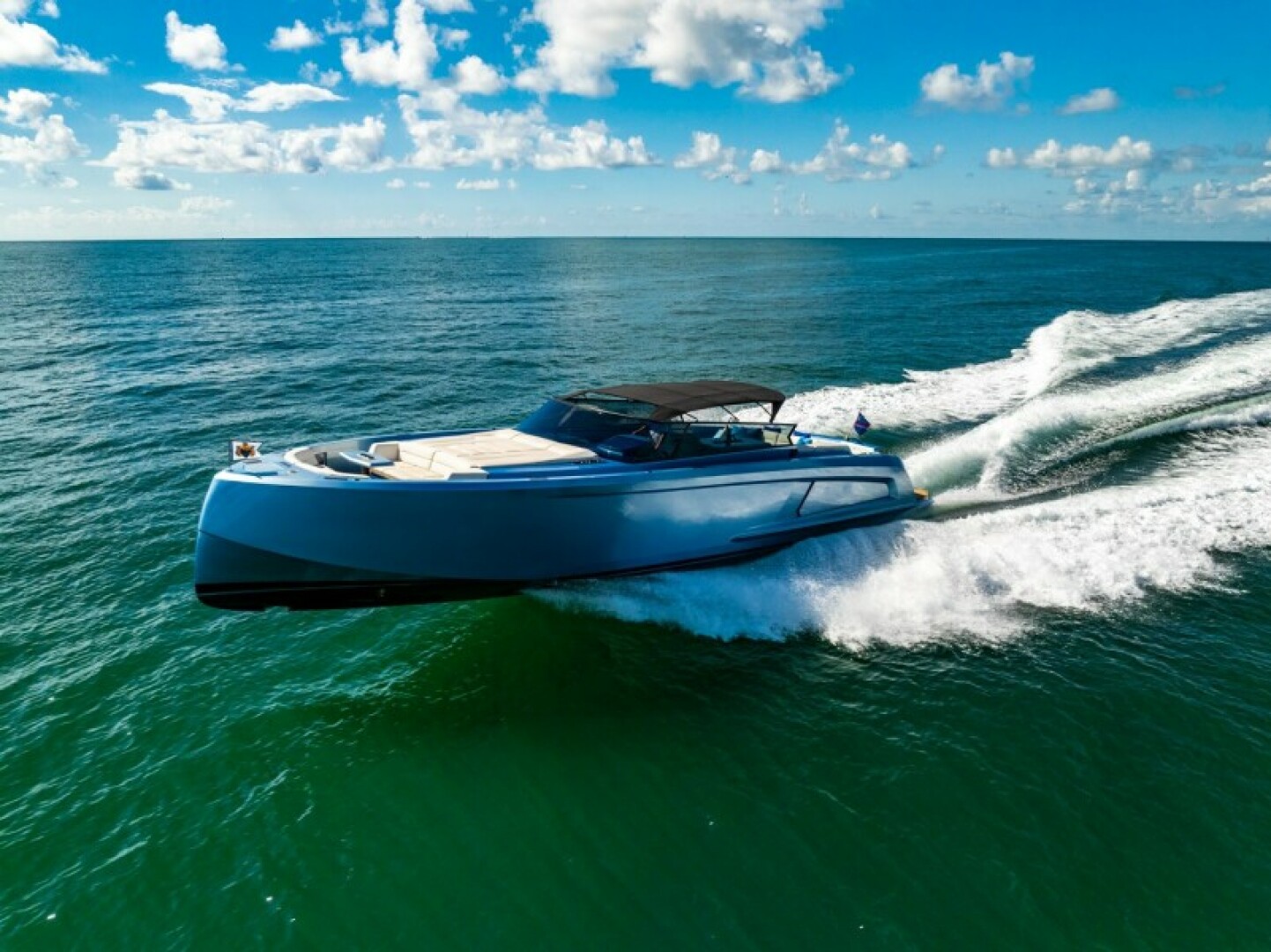
2019 Vanquish Yachts IMPULSIVE
$1,799,000
58
Miami Beach Florida
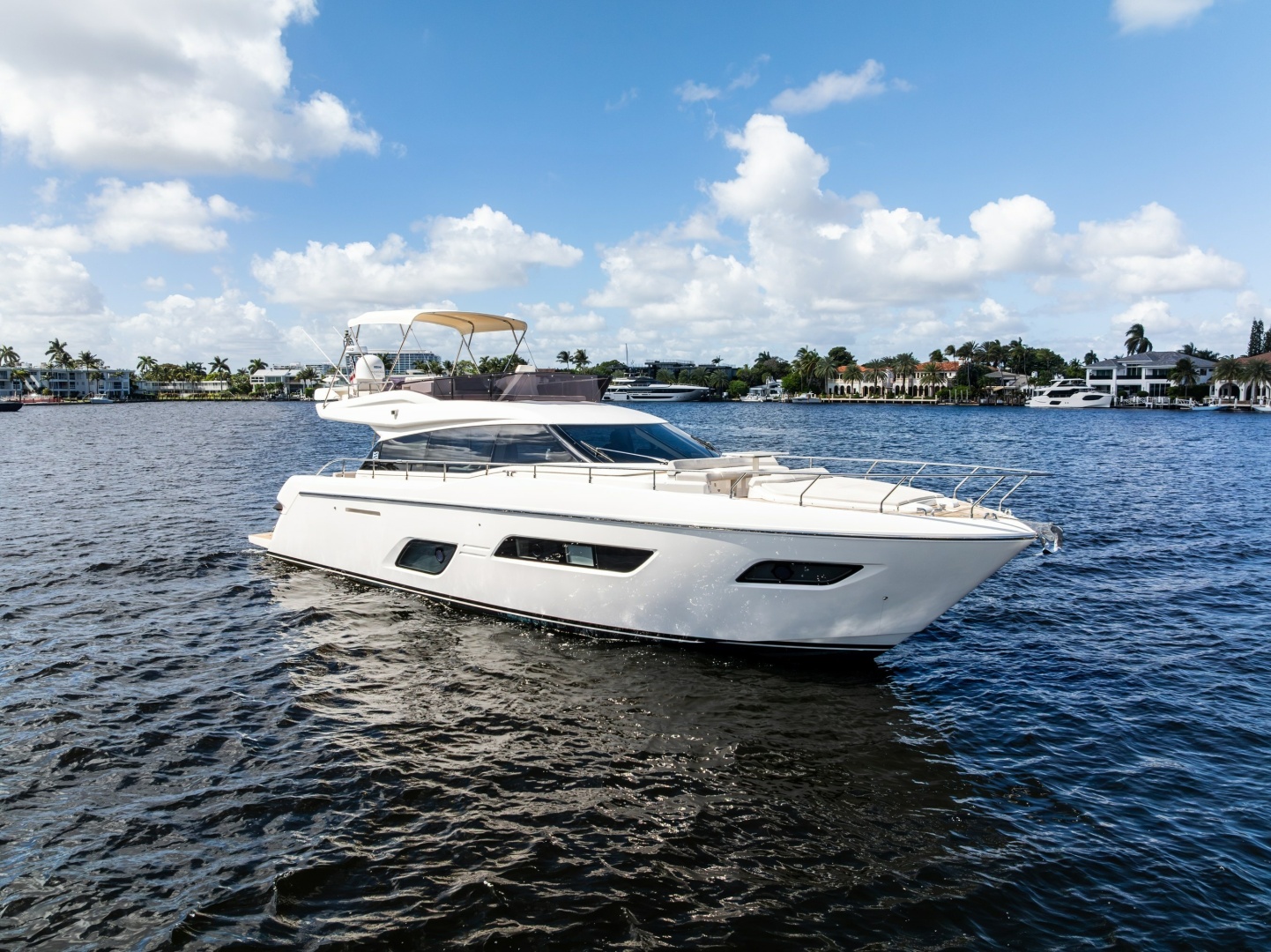
2021 Ferretti Yachts HAVEN
$1,595,000
57
Fort Lauderdale Florida
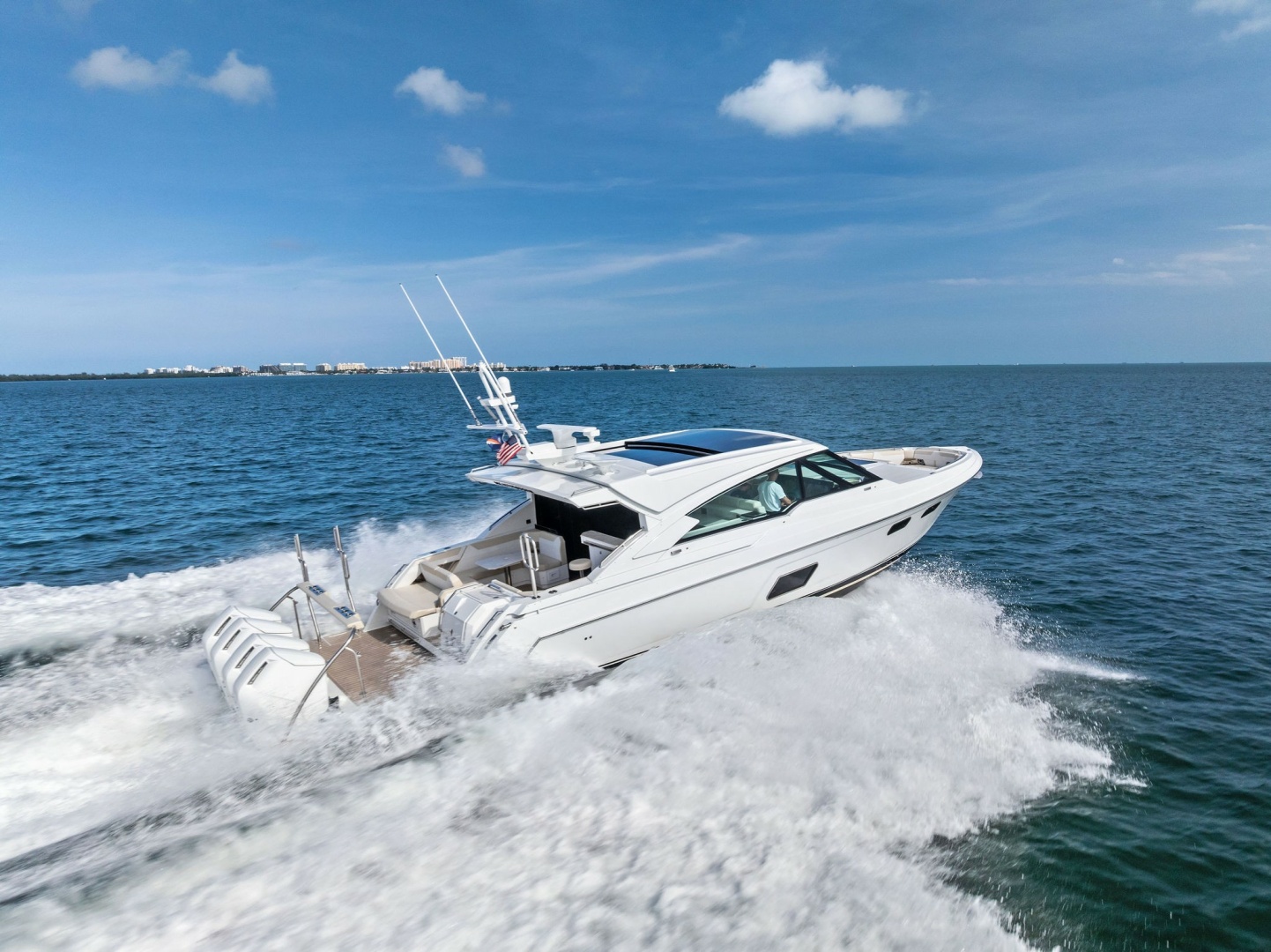
2025 Formula BREAKTHROUGH III
$1,895,000
53
Miami Beach Florida

2023 Fairline
$900,000
45
Fort Lauderdale Florida
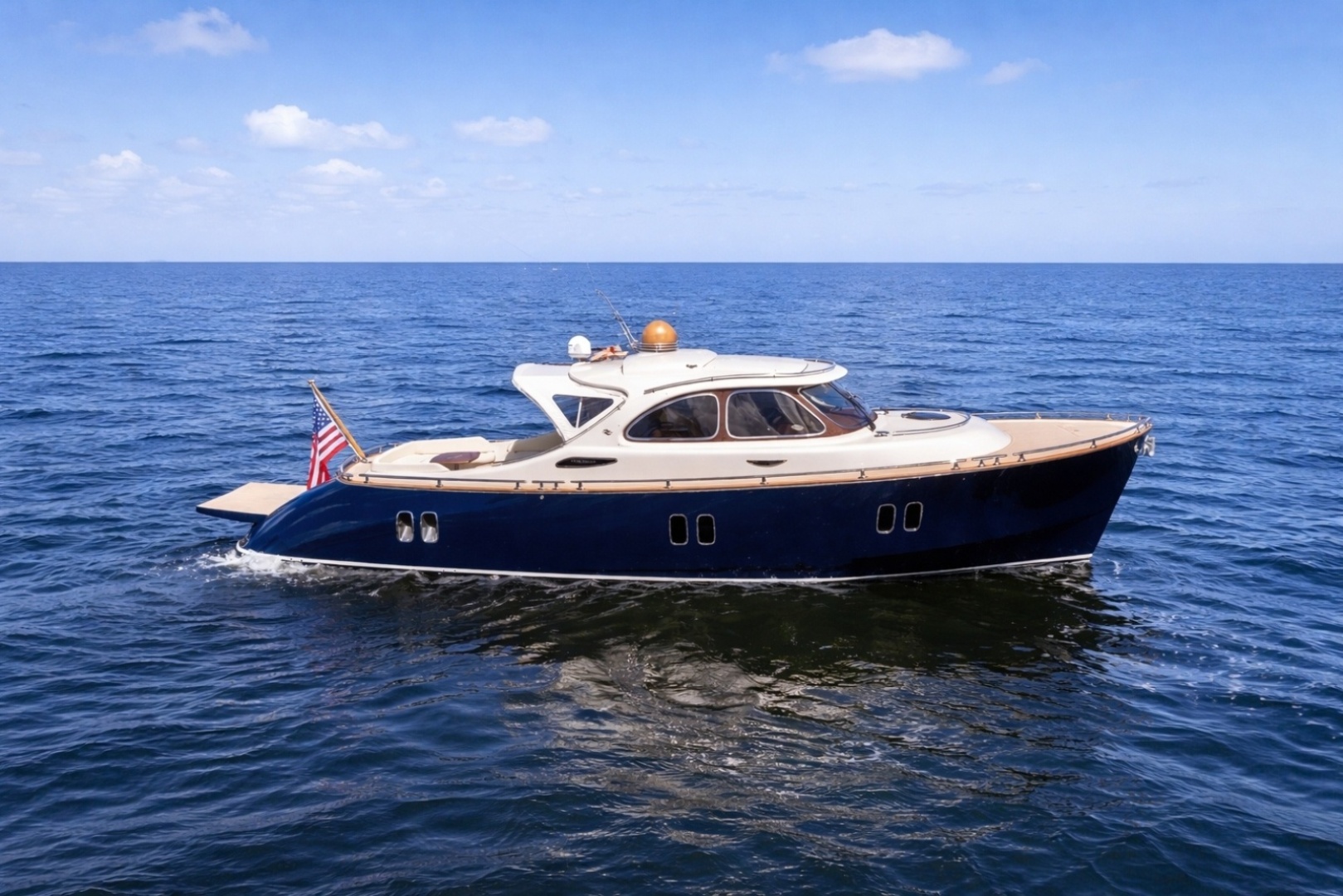
2012 Zeelander Mississippi Queen
$575,000
44
West Palm Beach Florida
2028 Columbus Yachts 137'
$22,900,008
2012 Benetti 132'
$10,975,000
2028 Kingship 125'
$20,350,000
2024 Silver Yachts 117'
$25,400,000
2009 Hargrave 114'
$2,500,000
2028 Extra Yachts 100'
$20,350,000
2028 Alpha 100'
$12,100,000
2028 Extra Yachts 96'
$9,495,000
2021 Sanlorenzo 96'
$6,795,000
2028 Kingship 90'
$11,990,000
2028 Alpha 90'
$9,894,500
2023 Azimut 88'
$7,950,000
1999 Northern Marine 84'
$2,495,000
2013 Pershing 82'
$1,375,000
1997 Ferretti Yachts 80'
$825,000
2008 Princess Yachts 75'
$1,095,000
2014 Sunseeker 68'
$1,400,000
2024 Fairline 68'
$2,750,000
2019 Vanquish Yachts 58'
$1,799,000
2021 Ferretti Yachts 57'
$1,595,000
2025 Formula 53'
$1,895,000
2023 Fairline 45'
$900,000
2012 Zeelander 44'
$575,000