

A proper yacht history check is not one search. It is a quiet piece of detective work: you match the hull identification number (HIN) on the boat to the records, search the Coast Guard’s public database, order the documents that show who owns the vessel and who has a claim against it, and only then pay a deposit. Done in that order, it takes a few days and can save you from a very expensive surprise.
TL;DR
- Overview: a yacht’s past lives in several separate record sets (federal documentation, state title, casualty data, AIS broadcasts, private maintenance files), so no single report tells the whole story.
- Start with the HIN on the hull, then check it against the title, the registration, the insurance papers and the listing.
- For a USCG-documented yacht, the Abstract of Title is the record that shows ownership, mortgages and liens.
- A clean commercial report is a good sign, not proof. Pair it with a marine survey and engine records.
- A listing that has expired or vanished is a question to ask, not a verdict.
Table of Contents
- Why one search is never enough
- Step one: match the boat to the paper
- Step two: search the Coast Guard’s PSIX database
- Documented or state-registered: the decision that shapes everything
- Step three: order the Abstract of Title
- Who actually owns this yacht?
- Commercial history reports: useful, with limits
- Using AIS as a consistency check
- Reading expired and off-market listings
- A disciplined sequence for buyers
- Warning signs worth pausing for
- Our perspective
- Buying or selling with a second set of eyes
- Frequently asked questions
- Sources
Why one search is never enough
I have watched buyers fall in love with a yacht on a calm morning at the dock: teak glowing, brightwork polished, a captain who knows every inch of her. The boat looked flawless. The paperwork, as it sometimes does, told a more complicated story.
That is the heart of it. The Coast Guard’s structure explains why: documentation records held by the National Vessel Documentation Center, state title files, casualty data, AIS broadcasts and private maintenance logs are separate streams of evidence. A credible check reconciles them. If the story agrees across all of them, you can relax. If it does not, you have found the question worth asking before you own the answer.
Step one: match the boat to the paper
Everything starts with identity. Before you search anything, collect the complete HIN, the official number if the yacht is documented, the current name, any former names, the flag and the state of registration. Then go and look at the boat.
The HIN is stamped or affixed on the transom, often on the starboard side, and many yachts carry a second, hidden one. Compare what you read with the title, registration, insurance papers, the listing and any report you order. As one commercial history provider explains, the HIN is the bridge between the vessel in the marina and every record about her. For boats built in 1984 and newer, it follows a federal format, which is what makes it searchable.
If the numbers disagree, pause. It may be a typo on a listing or a replaced transom plate. It may be something more serious. Either way, you want the answer in writing before money moves.
Older boats deserve extra patience. The HIN system only began in the 1970s, so a vessel without a tag may have lost it, or may simply predate the system. A surveyor can help you read what is physically on the hull.

Step two: search the Coast Guard’s PSIX database
The free public starting point in the US is the Coast Guard’s PSIX vessel search. You can search by vessel name, primary vessel number, HIN, call sign or flag. The Coast Guard defines a HIN as a unique identifier of up to 17 letters and digits, and the vessel number may be an official number, an undocumented-vessel number or an IMO number. The search page showed a last update of October 5, 2026.
Two practical habits help:
- Search by HIN or official number first. Names are not unique, and yachts get renamed. The PSIX definitions page notes that name searches match names beginning with the characters you enter and support a wildcard, so a partial name can return a long list.
- Search former names too. If the seller mentions an earlier name, run it. A rename is not a red flag by itself, but it should appear in the record trail.
A name search is not a title search. PSIX tells you what the Coast Guard has on the vessel. It does not replace the ownership file.
Documented or state-registered: the decision that shapes everything
The most important distinction in a US yacht history check is whether the yacht is federally documented or registered only with a state. Larger yachts are commonly documented, and our own guide on what yacht documentation is walks through why owners choose it.
| USCG-documented | State-registered | |
|---|---|---|
| Where the ownership record lives | National Vessel Documentation Center | The state’s title or registration agency |
| Identifier to search | Official number, HIN | HIN, state registration number |
| Record to request | Abstract of Title, certified Certificate of Documentation | State title and registration history |
| What it shows | Owner, mortgages, liens, recorded instruments | Varies by state |
If you are unsure which category applies, PSIX will usually tell you whether the vessel has a documentation record. If it does, go to the Coast Guard. If it does not, go to the state.
Step three: order the Abstract of Title
This is the document that turns a hunch into evidence. For a documented yacht, the Coast Guard’s NVDC lets you request an Abstract of Title when you need ownership, mortgage, lien and recorded instrument history. You can also request a certified copy of the Certificate of Documentation as documentary evidence of the vessel’s current documentation and managing-owner information. The NVDC also handles the filing of bills of sale, mortgages, notices of claim of lien, and the releases or satisfactions of those mortgages and liens.
What you are looking for is a clean chain:
- The seller named on the abstract is the seller named in your contract.
- Every mortgage has a recorded release or satisfaction, or a payoff plan the closing agent will handle.
- No unexpected notice of claim of lien sits on the file.
- Prior transfers line up with bills of sale you can read.
If you want to understand each line before you open one, our walkthrough of what a USCG Abstract of Title tells you before you buy goes through it, and our piece on the yacht bill of sale explains the paper that moves title. Maritime liens are the quiet hazard in private sales, which is why we wrote a seven-step checklist to stop liens.
Who actually owns this yacht?
Readers often type this question straight into a search box, and the honest answer is less satisfying than they expect. You generally cannot identify a private yacht owner with certainty from an ordinary web search. The Coast Guard states that the public may request certified documentation or an Abstract of Title, while personally identifiable information may be withheld from other records. In fact, the Coast Guard removed certain personal information from the Merchant Vessels of the United States file in June 2017.
For a buyer, that changes the question. You do not need to discover a stranger’s identity. You need the seller to prove authority to sell. That means legal ownership documents, and where an entity is involved, corporate resolutions or trustee documentation. A name, a marina slip or a broker’s reassurance is not proof. Our guide to verifying yacht authenticity covers the same ground from the buyer’s side of the table.
Commercial history reports: useful, with limits
Private services sell boat history reports by HIN. They may add title, registration, recall, warranty, accident or total-loss indicators. They are a convenient second layer, particularly on smaller production boats.
Know what they cannot do. Coverage depends on records supplied by participating sources, and as the provider itself frames it, a boat’s history affects its value, not that a report captures all of it. A clean report is not proof that no damage ever occurred. Boaters on public forums have said for years that maintenance records and a good inspection matter more than any report, and that is sound instinct for a yacht of any size.
On a large yacht, the better evidence is a binder: engine and generator hours, haul-out records, repair invoices, insurance claim documentation and surveys from previous owners. A seller who keeps that binder is telling you something about how the boat has been loved.
Using AIS as a consistency check
AIS can help you trace a yacht by MMSI, call sign or name, and it is surprisingly good for catching mismatches. But it is not an ownership or location history. The Coast Guard’s Vessel Information Verification Service reports broadcast static data received within US coverage. It is not worldwide, not real time, and may lag by up to two business days. It also highlights discrepancies against official FCC and Coast Guard data.
So use it as an identity check. If the broadcast name, dimensions or call sign do not match the documents, treat that as a question for the seller and the surveyor, not automatic evidence of wrongdoing. Crews change transponder settings, and old data lingers. Equally, AIS silence proves nothing about where a yacht has been.
Reading expired and off-market listings
Many people arrive at this topic because they spotted a yacht whose listing expired or disappeared, and they wonder what it means. The truthful answer is: usually something ordinary.
Brokerage listing agreements run for a set term. When that term ends without a sale, the listing comes down. The owner may have switched brokers, paused the sale for a season, relisted at a new price, or sold privately. Public yacht marketplaces show this routinely: one large-yacht listing, for instance, now displays a “Listing Ended” notice with the date it was last active. Enthusiast forums also discuss expired broker listings on rare models, often simply to learn whether a boat is still available.
What an expired listing can tell you:
- How long she sat. A yacht listed for many months at an optimistic price tells you about the price, not necessarily the boat.
- Whether the price moved. Compare earlier asking prices with today’s.
- Whether the owner may be motivated. Sometimes yes, sometimes the owner has simply changed plans.
What it cannot tell you: whether anything is wrong with the vessel. Treat it as a reason to ask, and then verify through the Coast Guard and a survey. One practical note for sellers: a listing agreement can carry a commission obligation even after it expires, so read the tail provisions before you sign anything new. If you are a buyer approaching an owner whose listing just lapsed, have a broker confirm there is no protected period running.
A disciplined sequence for buyers
Put together, a careful US buyer’s history check looks like this:
- Obtain the complete HIN, official number, current and former names, flag and registration state.
- Verify the identifiers in person on the hull.
- Run the HIN and official number in PSIX.
- If documented, order the Abstract of Title and a certified Certificate of Documentation from the NVDC.
- If state-registered, obtain the state title and registration records.
- Reconcile liens, mortgages, releases, bills of sale and the seller’s authority to sell before paying a deposit.
- Finish with an independent marine survey, a sea trial, engine and generator records, and insurance or repair documentation.
- Where the transaction value warrants it, obtain a written closing or title opinion.
Registry research cannot reveal every maintenance failure or unreported casualty. That is why the survey and sea trial sit at the end rather than being skipped. Our due diligence guide for yacht buyers places each step in the context of the full purchase.
Warning signs worth pausing for
| What you notice | What it might mean | What to do |
|---|---|---|
| HIN on the hull differs from the paperwork | Clerical error, replaced plate, or a documentation problem | Stop and get written explanation |
| Seller’s name differs from the abstract | Entity, trust or an unrecorded transfer | Ask for authority documents |
| Mortgage with no release | Debt may still be attached | Require payoff and release at closing |
| Broadcast AIS data disagrees with papers | Outdated transponder settings | Ask the surveyor to confirm |
| Several name changes, thin records | Possibly innocent, possibly evasive | Search each former name |
| Seller resists a survey or records request | Unknown | Be willing to walk away |
Our perspective
We have spent a long career around yachts and the people who buy them, and the buyers who sleep best are rarely the ones who found the cheapest boat. They are the ones who treated the paperwork as part of the voyage rather than a hurdle before it.
Here is how we think about it. A beautiful yacht can still carry a documentation problem, and a modest-looking file can belong to a wonderfully maintained boat. The records are not there to spoil the romance. They are there so the romance rests on something solid. We would rather a client ask a dozen awkward questions in week one than discover an unreleased mortgage in week ten.
Our approach is personal. Steve Doyle, whose experience spans more than 25 years in global yachting and manufacturing, guides clients directly, and we insist on three habits: match the physical identifiers first, never accept a verbal assurance where a document exists, and keep the survey independent. None of it is glamorous. All of it is what makes the day you take the helm feel unclouded.
— Jason
Buying or selling with a second set of eyes
If you are looking at a yacht and want an experienced broker alongside you for the record checks, the survey and the negotiation, our premier yacht broker services are built for exactly that. And if you are an owner preparing a vessel for market, with the documentation tidy and the story easy to verify, see how we help you sell with confidence. A clean paper trail is one of the quiet ways a yacht earns a buyer’s trust.
Frequently asked questions
How can you find out who owns a yacht?
You usually cannot do it with certainty from a public web search. If the yacht is documented, you can request an Abstract of Title or a certified Certificate of Documentation from the Coast Guard’s National Vessel Documentation Center. If it is state-registered, the state agency holds the record, and personal details may be limited.
How do I look up a HIN?
Enter the HIN in the Coast Guard’s PSIX search, then compare the result with the number on the transom and your paperwork. A HIN is a unique identifier of up to 17 letters and digits. If the boat predates 1984, the format may differ, so ask a surveyor to help read it.
How do I trace a boat by name?
A name is the weakest identifier, because names repeat and change. Use PSIX to search the name, then confirm the match with the HIN or official number. Check any former names the seller mentions, and treat a name match without a number match as unconfirmed.
Does a clean history report mean the yacht is problem-free?
No. Commercial reports depend on records supplied by participating sources, so unreported damage can be missing. Treat a clean report as encouraging, then rely on the Abstract of Title, a marine survey, a sea trial and the maintenance records.
What does an expired yacht listing mean?
Usually that a listing agreement ended without a sale. The owner may have changed brokers, paused or sold privately. It is a reason to ask questions, not evidence the boat has a defect.
Sources
- USCG PSIX vessel search
- USCG PSIX definitions
- National Vessel Documentation Center
- Merchant Vessels of the United States
- Vessel Information Verification Service (VIVS)
- Boat VIN / HIN lookup information
- Listing Ended example, YachtBuyer
- Expired broker listing forum thread
- Owing Commissions to Boat Brokers, Marlin
Recommended
Featured Listings

2028 Columbus Yachts
$22,900,008
137
Ancona
2012 Benetti PATIENCE
$10,975,000
132
Fort Lauderdale Florida

2028 Kingship Kingship
$20,350,000
125
2024 Silver Yachts
$25,400,000
117
2009 Hargrave BRANDI WINE
$2,500,000
114
Fort Lauderdale Florida

2028 Extra Yachts
$20,350,000
100
Ancona

2028 Alpha
$12,100,000
100
Ft Lauderdale Florida

2028 Extra Yachts Extra 96
$9,495,000
96
Ancona
2021 Sanlorenzo GATSBY
$6,795,000
96
Fort Lauderdale Florida

2028 Kingship
$11,990,000
90

2028 Alpha
$9,894,500
90
Fano
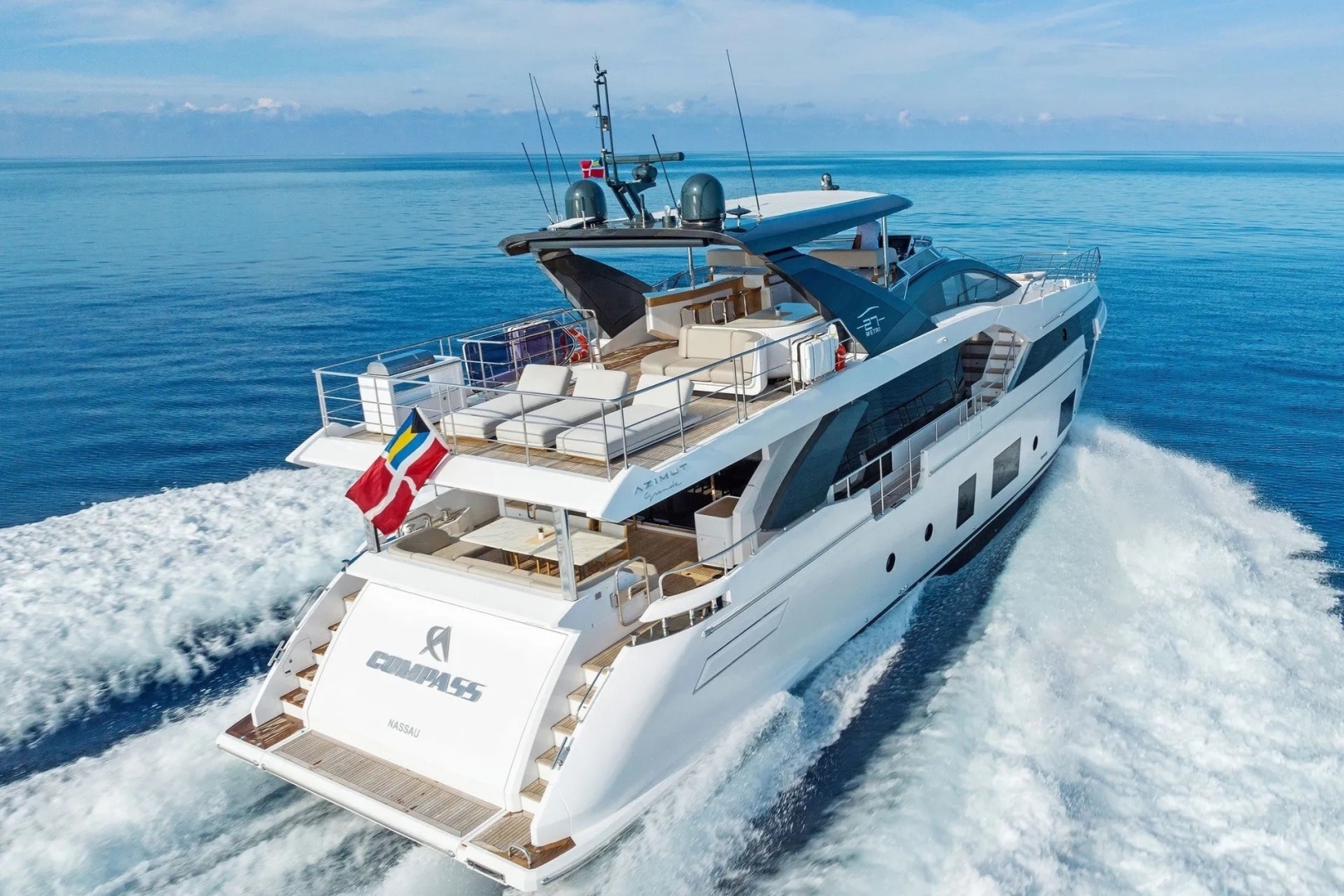
2023 Azimut COMPASS
$7,950,000
88
Miami Beach Florida

1999 Northern Marine OFF LINE
$2,495,000
84
Ft Lauderdale Florida
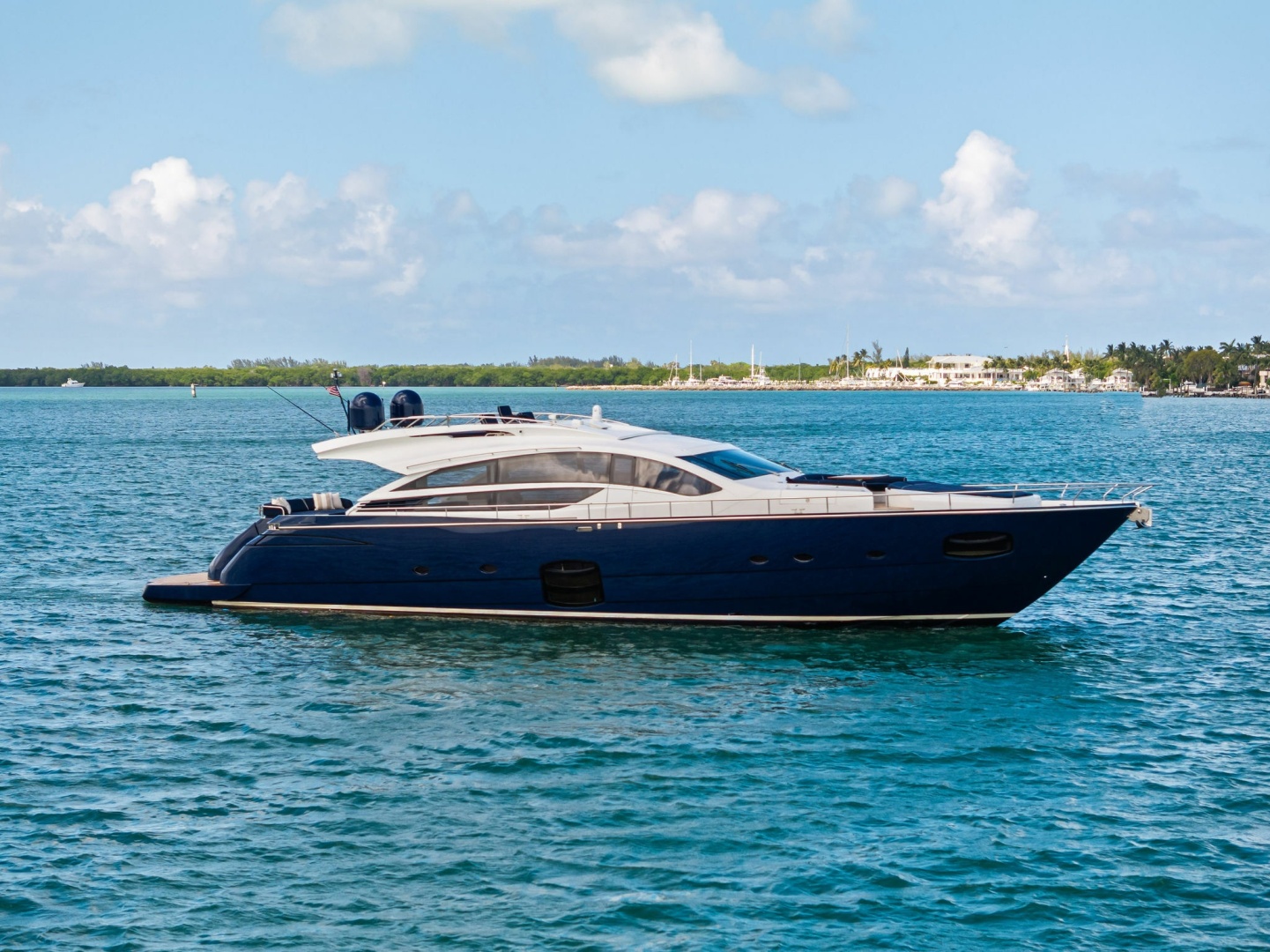
2013 Pershing DOROTHY ANN
$1,375,000
82
Fort Lauderdale Florida

1997 Ferretti Yachts
$825,000
80
La Paz
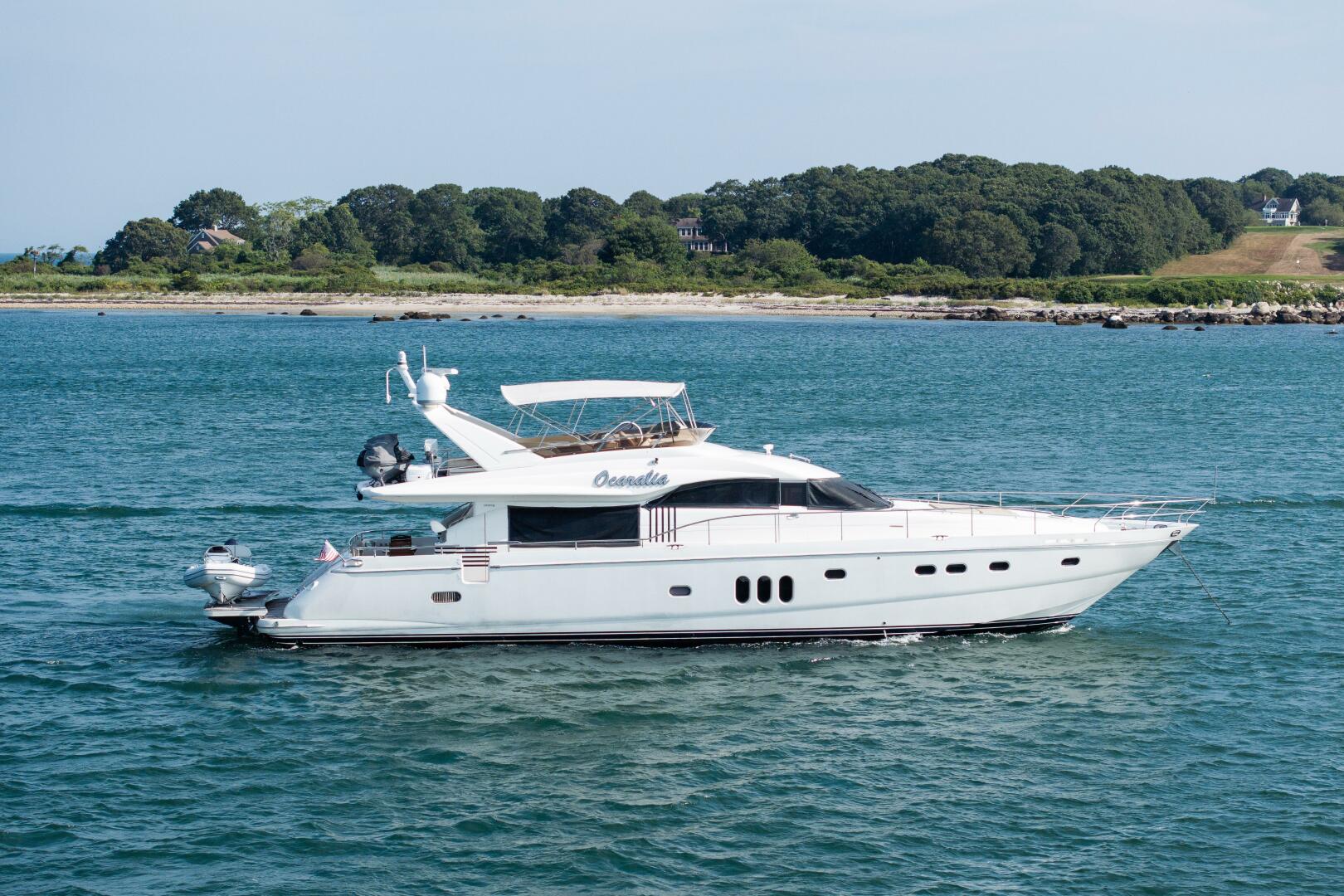
2008 Princess Yachts OCARALIA
$1,095,000
75
Charleston South Carolina
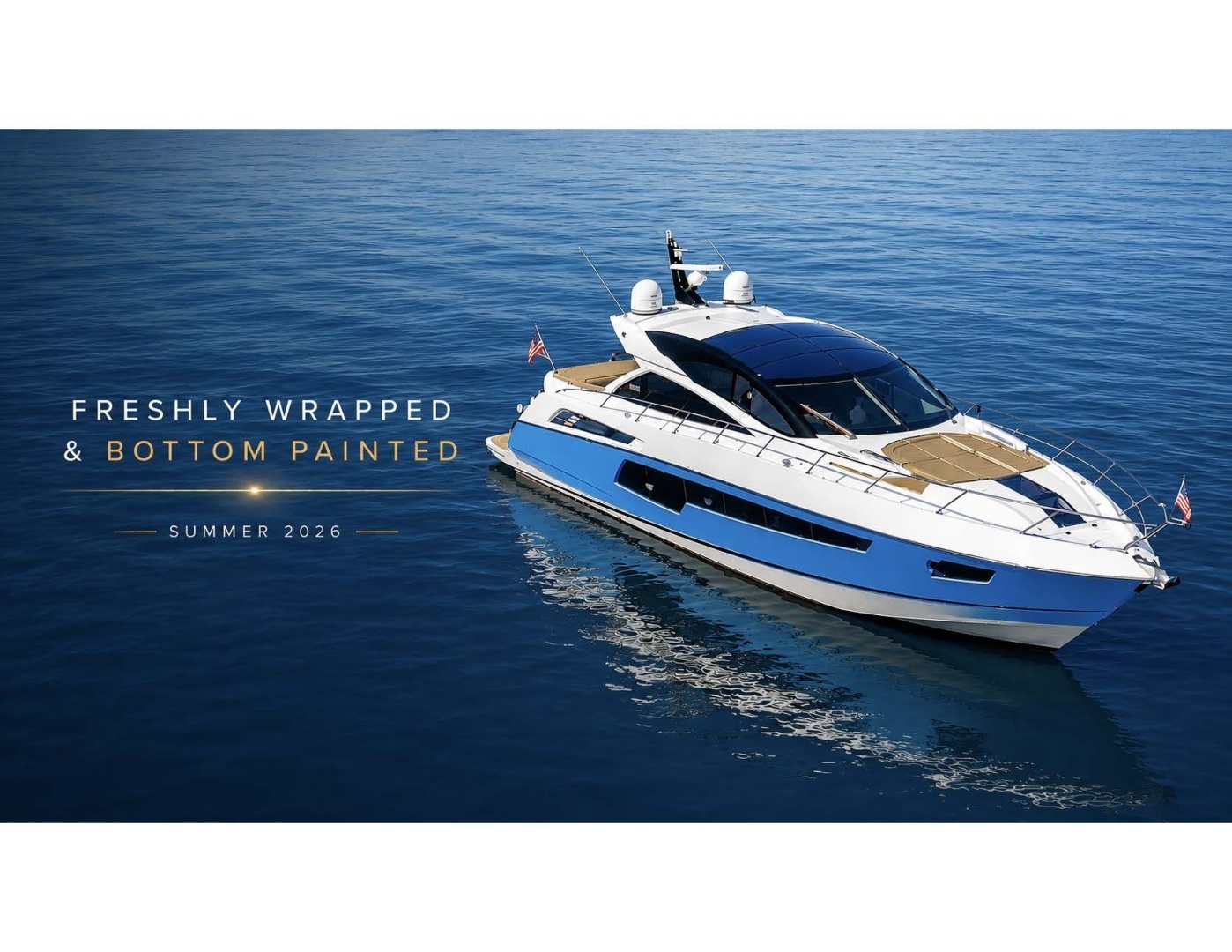
2014 Sunseeker
$1,400,000
68
New York New York

2024 Fairline
$2,750,000
68
Ft. Lauderdale Florida
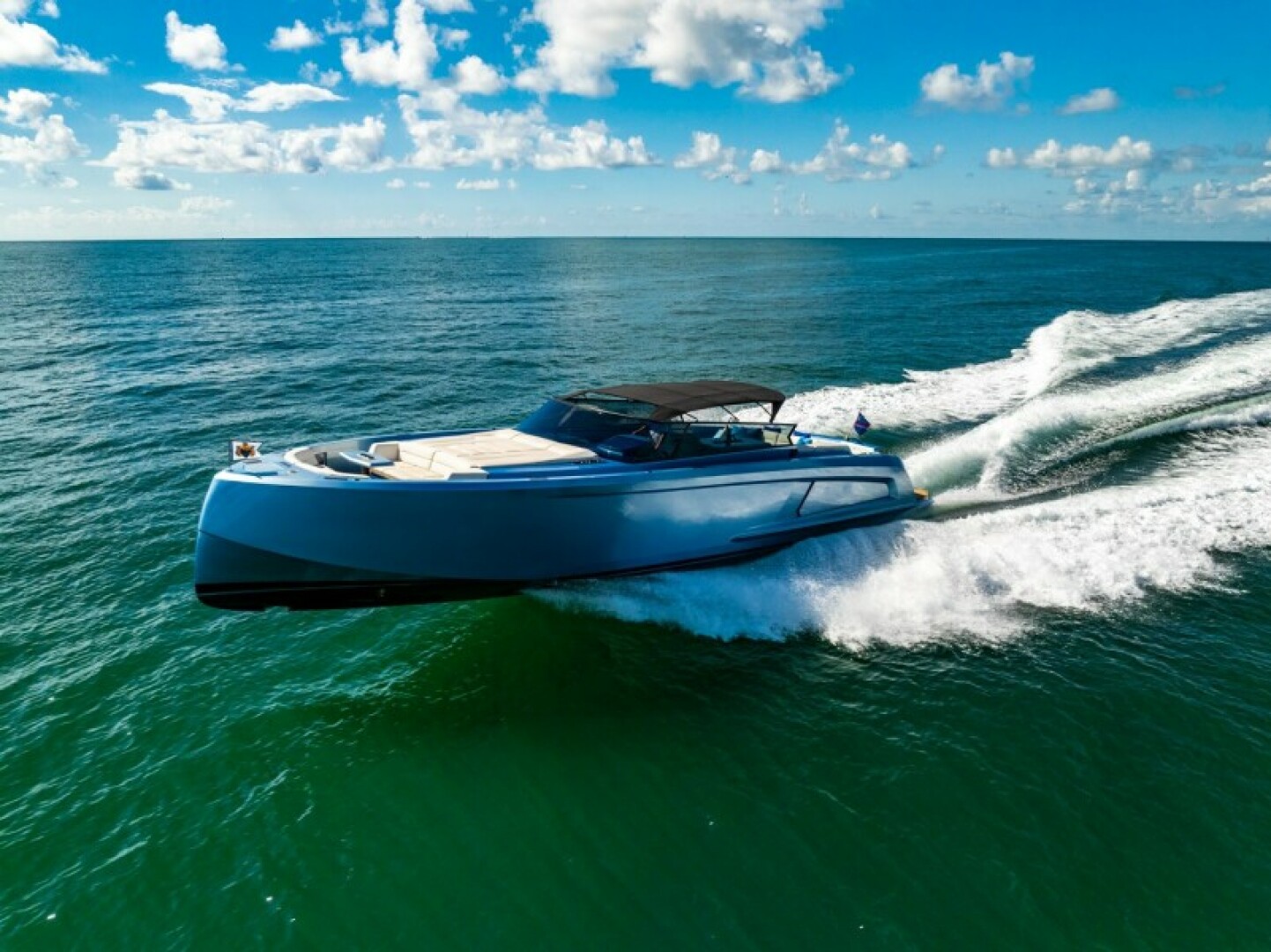
2019 Vanquish Yachts IMPULSIVE
$1,799,000
58
Miami Beach Florida
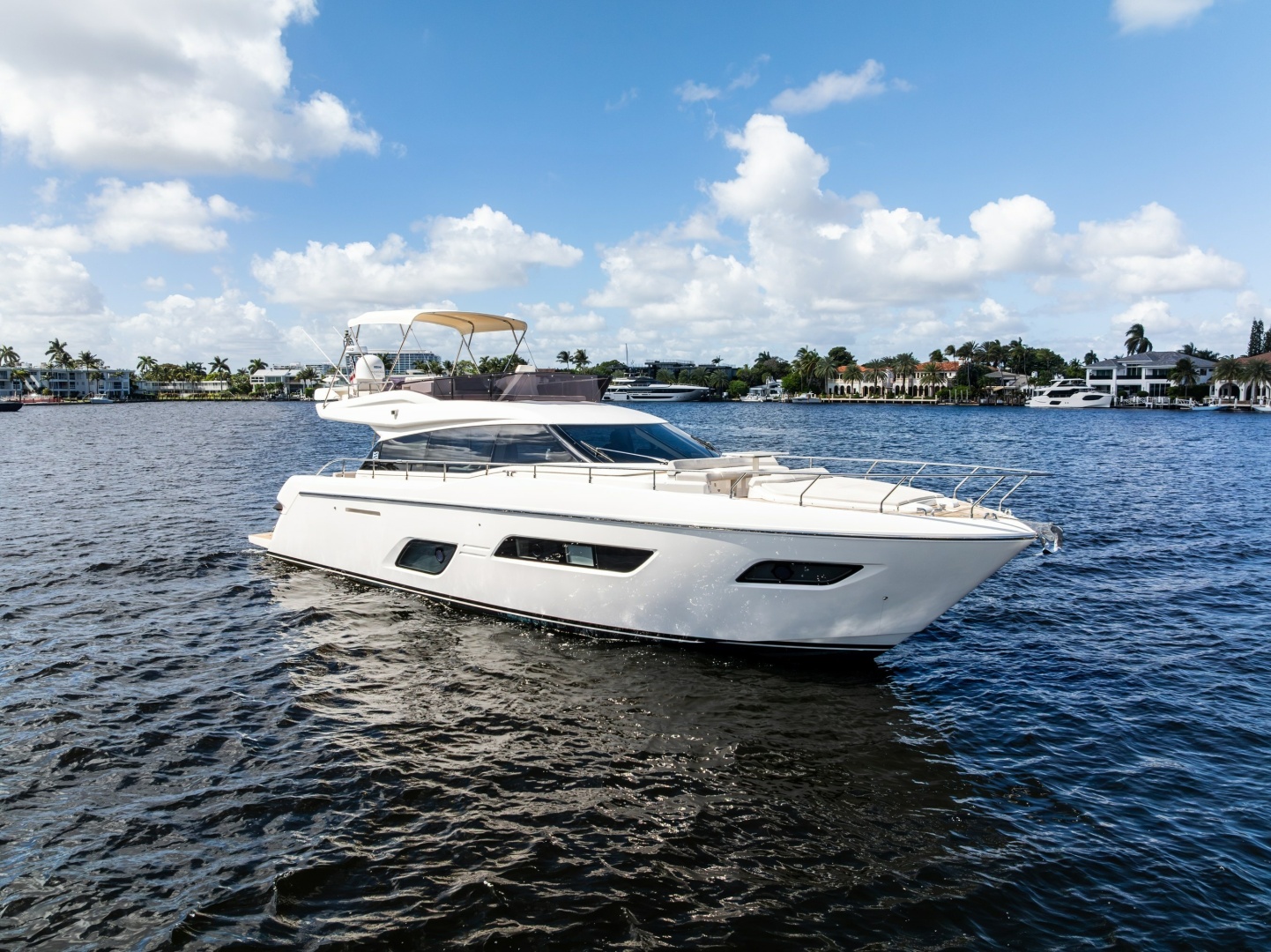
2021 Ferretti Yachts HAVEN
$1,595,000
57
Fort Lauderdale Florida
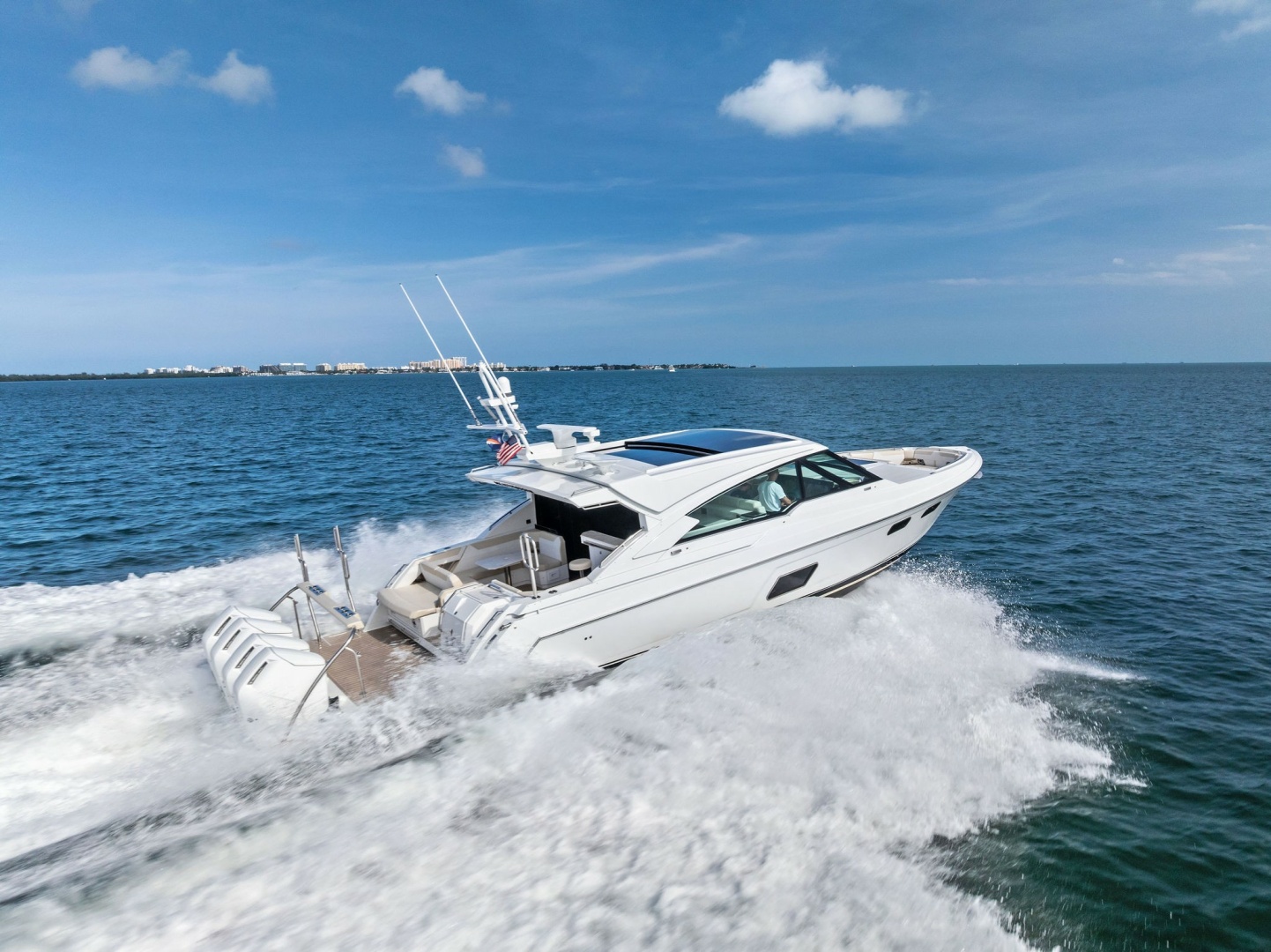
2025 Formula BREAKTHROUGH III
$1,895,000
53
Miami Beach Florida

2023 Fairline
$900,000
45
Fort Lauderdale Florida
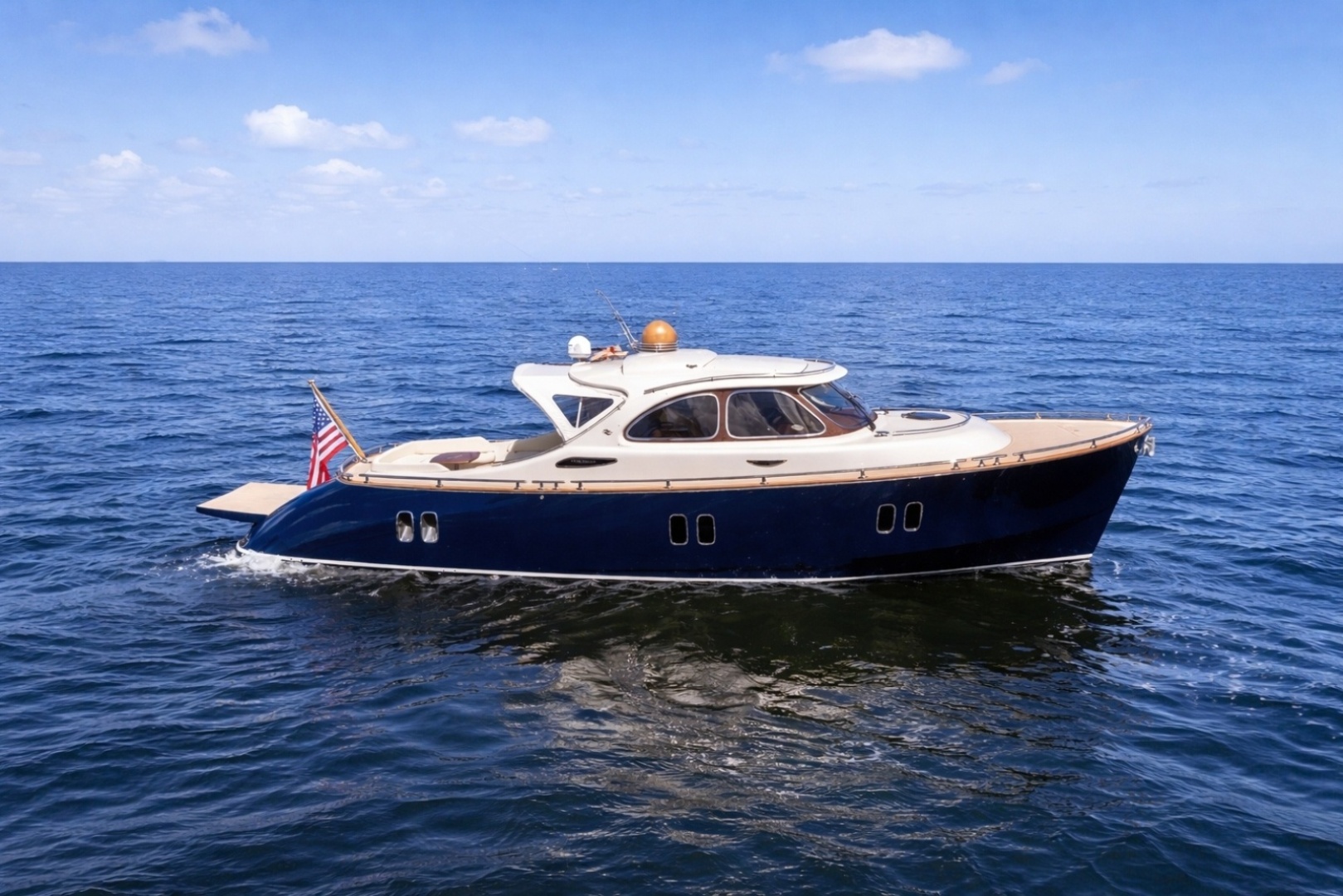
2012 Zeelander Mississippi Queen
$575,000
44
West Palm Beach Florida
2028 Columbus Yachts 137'
$22,900,008
2012 Benetti 132'
$10,975,000
2028 Kingship 125'
$20,350,000
2024 Silver Yachts 117'
$25,400,000
2009 Hargrave 114'
$2,500,000
2028 Extra Yachts 100'
$20,350,000
2028 Alpha 100'
$12,100,000
2028 Extra Yachts 96'
$9,495,000
2021 Sanlorenzo 96'
$6,795,000
2028 Kingship 90'
$11,990,000
2028 Alpha 90'
$9,894,500
2023 Azimut 88'
$7,950,000
1999 Northern Marine 84'
$2,495,000
2013 Pershing 82'
$1,375,000
1997 Ferretti Yachts 80'
$825,000
2008 Princess Yachts 75'
$1,095,000
2014 Sunseeker 68'
$1,400,000
2024 Fairline 68'
$2,750,000
2019 Vanquish Yachts 58'
$1,799,000
2021 Ferretti Yachts 57'
$1,595,000
2025 Formula 53'
$1,895,000
2023 Fairline 45'
$900,000
2012 Zeelander 44'
$575,000