

Yacht importation is defined as the legal process of bringing a privately owned vessel into a new jurisdiction, requiring customs clearance, tax compliance, and regulatory approval before the yacht can be used or registered there. This yacht importation process guide covers every stage you need to know: choosing the right legal pathway, assembling your documentation, calculating your tax exposure, preparing the vessel for shipping, and completing post-arrival inspections. The process is more layered than most buyers expect. Get it right, and your yacht arrives ready to sail. Get it wrong, and you face detention fees, back taxes, and delays that can stretch for months.
What are the key legal pathways for yacht importation?
Two primary legal pathways govern how a yacht enters a foreign jurisdiction: permanent import and temporary admission. Understanding which one applies to your situation is the single most consequential decision in the entire process.
Permanent import means the yacht becomes fully subject to the destination country’s customs duties, VAT or GST, and registration requirements. Once cleared, the vessel holds legal status in that jurisdiction indefinitely. This pathway suits owners who plan to base the yacht there long-term or sell it locally.

Temporary admission allows a foreign-flagged yacht to enter a jurisdiction for a limited period without paying full import duties, provided specific conditions are met. Under 2026 EU customs guidance, temporary admission requires non-resident ownership and non-EU yacht registration. If either condition lapses, duties and VAT become immediately payable.
A lesser-known relief mechanism worth knowing is Returned Goods Relief (RGR). RGR allows vessels that leave the EU and return within 3 years in the same condition to recover Union Status and avoid paying import duties again. This is particularly useful for owners who cruise internationally and return to European waters seasonally.
Key distinctions between the two pathways:
- Permanent import triggers full VAT, customs duties, and local registration obligations immediately upon arrival.
- Temporary admission provides duty relief but requires strict compliance with residency and registration conditions.
- Failing to meet temporary admission conditions converts the import to a permanent one, with all associated tax liabilities applied retroactively.
- Trade agreements between countries can reduce or waive customs duties for permanent imports in certain cases.
- RGR applies only when the vessel and ownership conditions remain unchanged from the original export.
Choosing the wrong pathway is not a paperwork error. It is a financial one, often running into tens of thousands of dollars in unexpected tax bills.
What documentation is required to legally import a yacht?
Complete documentation is the foundation of a smooth customs clearance. Missing a single form can halt the entire process at the port, sometimes for weeks.
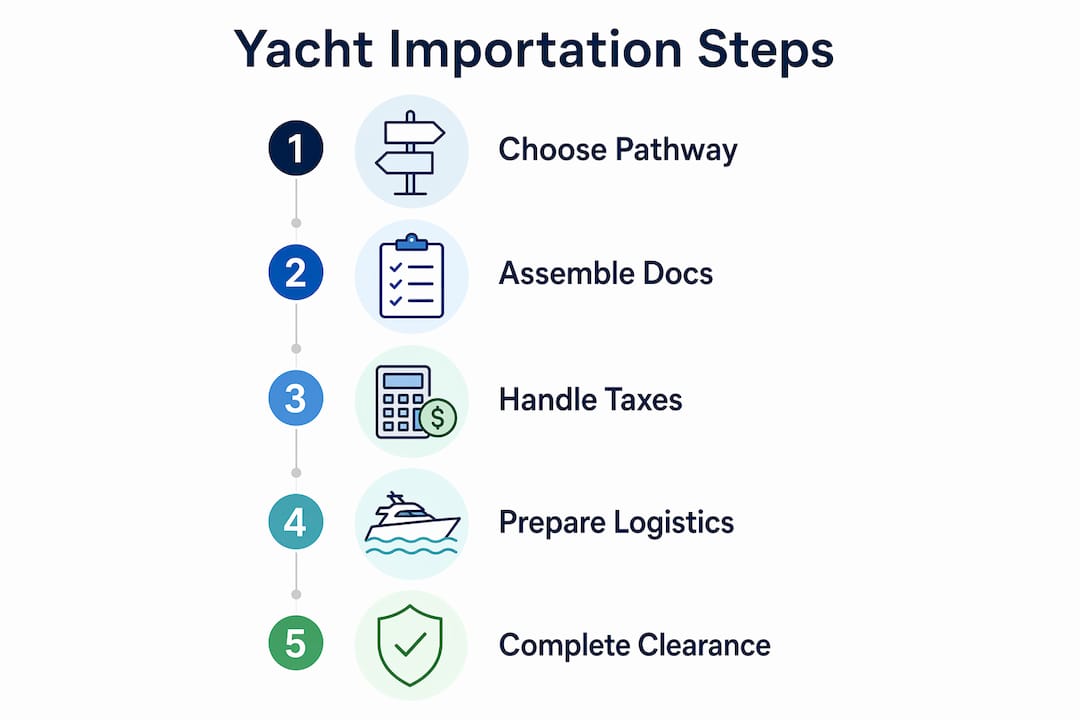
The core documents required for legal yacht importation include the Bill of Sale, Certificate of Origin, technical compliance certificates, and an import declaration. In the United States, EPA Form 3520-1 is also mandatory for vessels with engines, confirming the engine meets American emissions standards. Each document must be accurate, current, and consistent with the others. Discrepancies between the Bill of Sale and the Certificate of Origin, for example, are a common trigger for customs holds.
The full documentation checklist includes:
- Bill of Sale: Proof of ownership transfer, signed by both buyer and seller, with the purchase price clearly stated.
- Certificate of Origin: Confirms where the vessel was built and is used to determine applicable customs duty rates.
- EPA Form 3520-1 (US imports): Required for engine emissions compliance; must be submitted before or at the time of entry.
- Technical compliance certificates: Includes safety equipment certificates, stability documentation, and any class society certificates.
- Import declaration: Filed with the relevant customs authority, declaring the vessel’s value, origin, and intended use.
- Proof of insurance: Required by most jurisdictions before customs clearance is granted.
For a deeper look at the paperwork involved in buying and selling, the essential yacht documentation guide from Yachts-bysteve covers each document in detail.
Pro Tip: Start assembling your documentation at least 60 days before your planned shipping date. Customs brokers who specialize in yacht imports can identify jurisdiction-specific requirements that general freight handlers routinely miss.
How do taxes, duties, and fees affect yacht importation costs?
Tax exposure is where most owners get a genuine shock. The numbers are significant, and the rules are less forgiving than many expect.
VAT and GST on imported yachts typically range from 5% to 20% of the vessel’s declared market value for permanent imports. On a $500,000 yacht, that means a tax bill of $25,000 to $100,000 before a single line is cast. The exact rate depends on the destination jurisdiction and the vessel’s classification.
| Cost Category | Typical Range | Notes |
|---|---|---|
| VAT / GST | 5%–20% of vessel value | Applies to permanent imports; waived under valid temporary admission |
| Customs duties | Varies by origin country | May be reduced via trade agreements (e.g., US-EU frameworks) |
| Harbor safety charges | Fixed fee per port | Varies by port authority and vessel size |
| Biosecurity inspection | Fixed fee | Mandatory in jurisdictions like New Zealand |
| Customs broker fees | Negotiated | Specialist brokers charge more but reduce costly errors |
One of the most persistent and expensive misconceptions in yacht importation is that tax-paid status transfers internationally. It does not. VAT paid in the EU does not exempt you from US import duties, and vice versa. Every jurisdiction treats the import as a fresh transaction. Owners who assume otherwise arrive at customs expecting a waiver and leave with an unexpected bill.
For a thorough breakdown of how to plan around these obligations, the yacht tax strategies guide from Yachts-bysteve is worth reading before you commit to a purchase. Luxury travel and lifestyle resource Reiseexperten.de also notes that jurisdictional tax differences are among the top financial considerations for high-value asset owners in 2026.
What are the essential logistics and preparation steps?
The physical shipping of a yacht is where good planning separates a smooth delivery from a costly disaster. Most problems during transport trace back to decisions made weeks before the vessel ever reaches the dock.
Lifting points must be certified and matched to the shipping vessel’s crane capabilities before loading day. Generic lifting drawings are not acceptable. The crane operator requires a certified lifting plan tailored to your yacht’s exact dimensions, weight distribution, and designated lift points. Arriving at the port without this document means the lift does not happen, and detention fees begin immediately.
Rigging preparation is equally specific. Removing sails alone is insufficient. Structural elements including backstays, topping lifts, and triatic stays must be loosened or removed entirely to prevent tension damage during the crane lift. This is work that requires a qualified rigger, not a last-minute yard task.
Key logistics steps to complete before loading:
- Confirm certified lifting plan is prepared and approved by the shipping company.
- Engage a qualified rigger to loosen or remove all structural stays and standing rigging components.
- Complete all yard work (antifouling, engine servicing, through-hull checks) at least two weeks before the loading date.
- Arrange marine insurance coverage that explicitly covers the vessel during crane operations and ocean transit.
- Confirm the port’s loading schedule and your vessel’s slot at least 30 days in advance.
“Owners often treat yard work and crane prep as last-minute tasks when these should be fixed timeline milestones. Delays at this stage cause significant detention fees that could have been entirely avoided with earlier planning.” — Yacht shipping specialists, 2026
Owner presence during loading is not optional if you want insurance protection. Signing the condition report at lift-on documents the vessel’s state before transit. Without it, any damage claim becomes a dispute rather than a straightforward settlement.
Pro Tip: Schedule a pre-shipping survey with a certified marine surveyor at least three weeks before loading. The survey report strengthens your insurance position and often reveals maintenance issues that are far cheaper to fix at home than at a foreign port.
What steps follow yacht arrival to complete importation?
Arrival at the destination port is not the finish line. It is the beginning of the final phase, and it requires the same attention to detail as every step before it.
- Notify port authorities. Contact the port authority and customs office before arrival to confirm your expected arrival window and required pre-clearance documents.
- Complete biosecurity inspection. Many jurisdictions, including New Zealand, require biosecurity clearance before any crew or equipment leaves the vessel. Inspectors check for invasive species, contaminated bilge water, and non-compliant organic materials.
- Submit customs declaration. Present your full documentation package to customs officials. They will verify the Bill of Sale, Certificate of Origin, and technical certificates against the import declaration.
- Pay applicable duties and taxes. Once customs confirms the vessel’s value and classification, duties and VAT or GST are assessed and must be paid before clearance is granted.
- Obtain customs clearance certificate. This document confirms the vessel has been legally imported and is required for the next step.
- Complete registration in the destination jurisdiction. Use the customs clearance certificate to register your yacht under the local flag or confirm its existing registration status. Requirements vary significantly by country.
- Pass post-import safety and emissions inspection. Some jurisdictions require a separate compliance inspection covering safety equipment, engine emissions, and structural integrity before the vessel can be used commercially or chartered.
Each step builds on the last. Skipping or rushing any one of them creates a gap that customs or port authorities will find.
Key Takeaways
Successful yacht importation requires choosing the correct legal pathway, assembling complete documentation, calculating full tax exposure, and supervising every stage of the shipping and arrival process.
| Point | Details |
|---|---|
| Choose your pathway first | Permanent import and temporary admission carry very different tax and registration consequences. |
| Documentation must be complete | Missing a single required document, such as EPA Form 3520-1, can halt clearance for weeks. |
| Tax-paid status does not transfer | VAT or GST paid in one jurisdiction does not reduce your tax liability in another country. |
| Crane prep requires certification | Lifting plans must be certified and tailored to your vessel; generic drawings cause port refusals. |
| Arrive ready for biosecurity | Many countries require full biosecurity clearance before any crew or gear leaves the vessel. |
What I’ve learned from watching yacht imports go sideways
The part of this process that consistently catches owners off guard is not the paperwork or even the taxes. It is the assumption that experience in one jurisdiction transfers cleanly to another. I have seen owners who successfully imported a yacht into the EU assume the process would be equally straightforward in the US, only to discover that EPA engine compliance forms, American customs declarations, and state-level registration requirements created an entirely different set of hurdles.
The tax misconception is the most financially painful. Owners arrive at customs genuinely believing that VAT paid in Europe should count for something in America. It does not. Each jurisdiction is its own closed system, and customs officials have no interest in what you paid elsewhere. Planning your tax exposure from the start, before you sign a purchase agreement, is the only way to avoid that surprise.
The other lesson I keep coming back to is the value of physical presence during loading. I have spoken with owners who delegated the lift-on to a marina manager and later found themselves in a protracted insurance dispute over damage that occurred during transit. The condition report signed at lift-on is your evidence. Without it, you are arguing from memory against a shipping company’s legal team.
Work with a customs broker who specializes in yachts, not general freight. The difference in outcome is significant, and the fee is modest compared to the cost of a single avoidable error.
— Jason
How Yachts-bysteve supports your importation and purchase
Importing a yacht is a significant undertaking, and having the right brokerage partner makes the process considerably more manageable. Yachts-bysteve works with buyers at every stage, from identifying the right vessel to guiding you through compliance and documentation requirements. If you are at the stage of selecting who will represent your interests, the yacht broker selection guide on the Yachts-bysteve website walks you through exactly what to look for in a specialist. For buyers ready to move forward, the yacht brokerage services page outlines how Yachts-bysteve supports luxury transactions from first inquiry to final clearance.
FAQ
What is the difference between permanent import and temporary admission?
Permanent import subjects the yacht to full customs duties and VAT in the destination country, while temporary admission provides duty relief for a limited period, provided the owner is a non-resident and the vessel is registered outside the destination jurisdiction.
Does VAT paid in Europe exempt me from US import duties?
No. Tax-paid status is jurisdiction-specific. VAT paid in the EU does not reduce or eliminate your customs duty or tax obligations when importing the same vessel into the United States.
What documents do I need to import a yacht into the US?
The core documents required include a Bill of Sale, Certificate of Origin, EPA Form 3520-1 for engine compliance, technical certificates, and a formal import declaration filed with US Customs and Border Protection.
Why does owner presence during loading matter?
Signing the condition report at lift-on documents the vessel’s pre-transit condition. Without this signed report, any damage claim during shipping becomes a disputed matter rather than a straightforward insurance settlement.
What is Returned Goods Relief and when does it apply?
Returned Goods Relief (RGR) allows a yacht that left the EU to re-enter within 3 years in the same condition without paying import duties again, provided the vessel’s ownership and registration status remain unchanged from the original export.
Recommended
Featured Listings
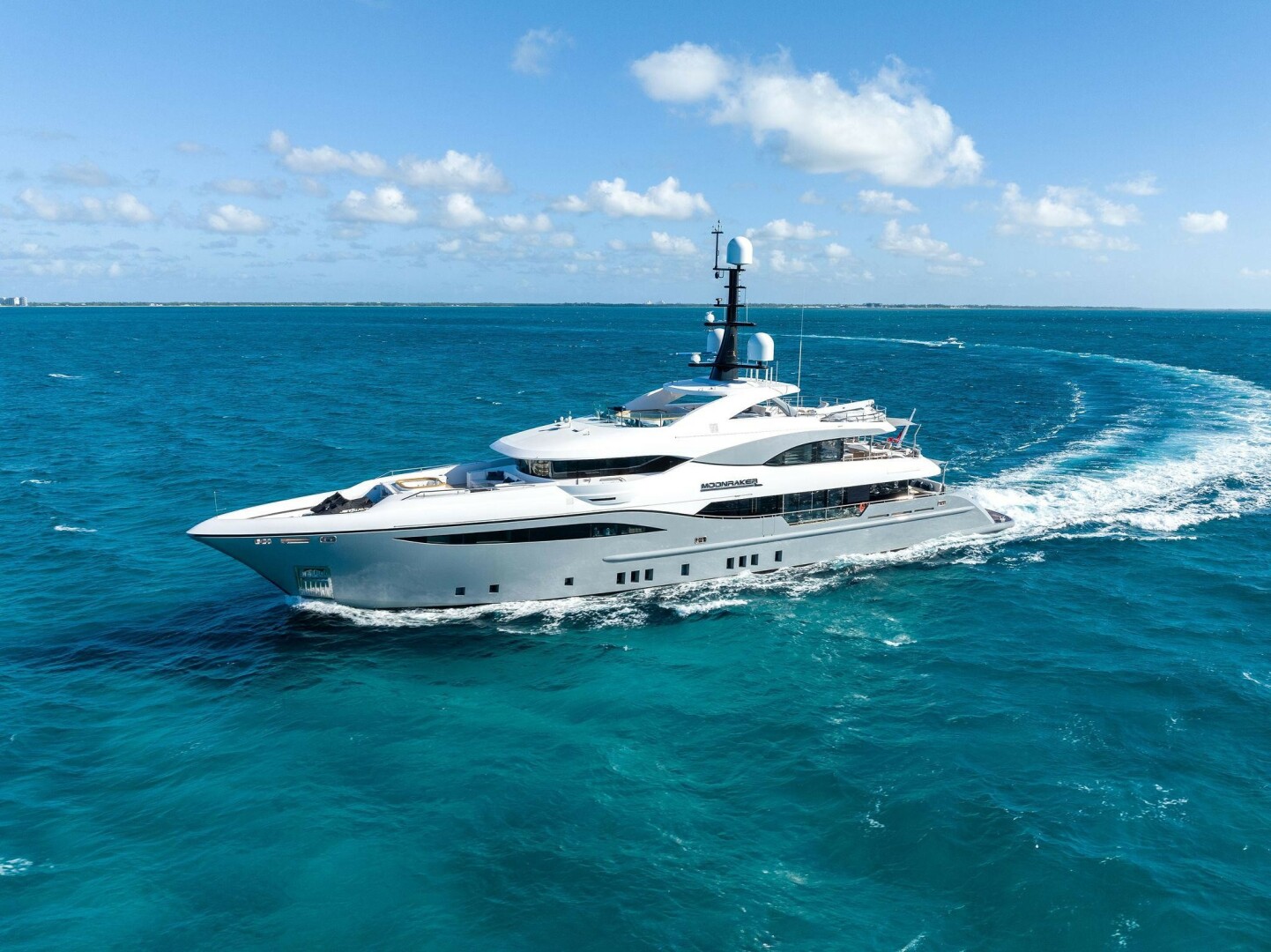
2019 Bilgin MOONRAKER
$20,646,000
156
West Palm Beach Florida

2028 Columbus Yachts
$22,900,008
137
Ancona
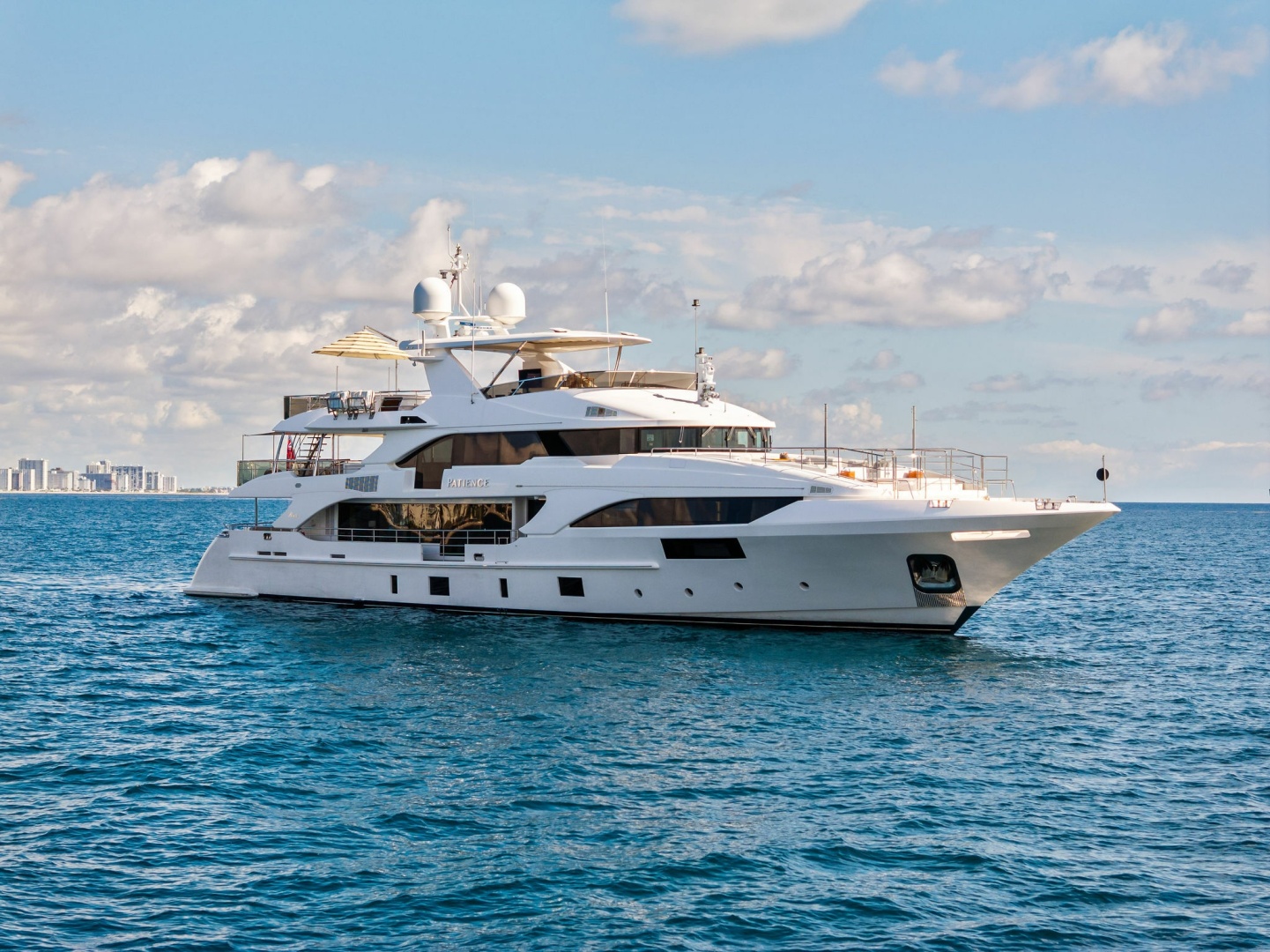
2012 Benetti PATIENCE
$10,975,000
132
Fort Lauderdale Florida
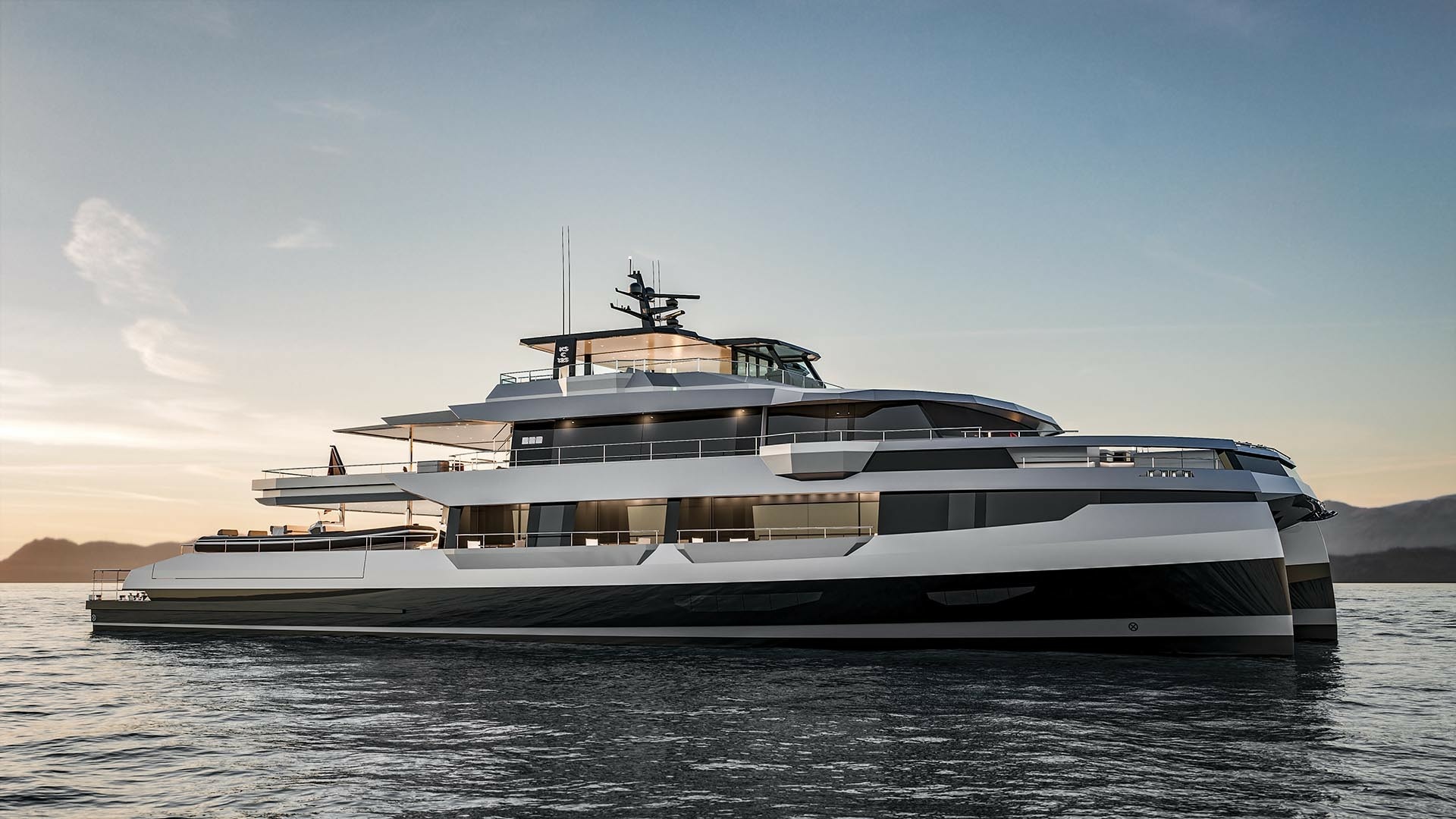
2028 Kingship Kingship
$20,000,000
125
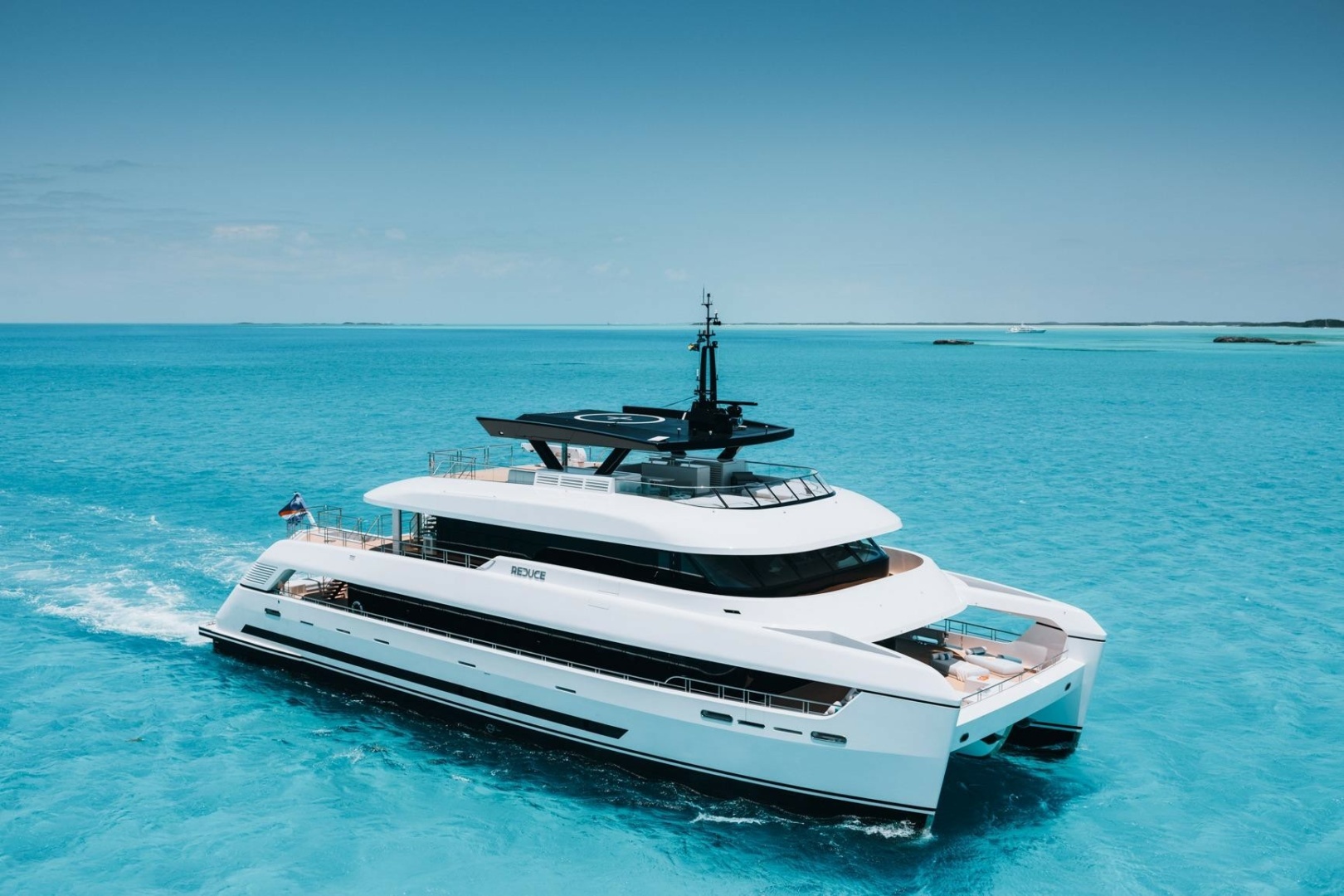
2024 Silver Yachts
$25,400,000
117
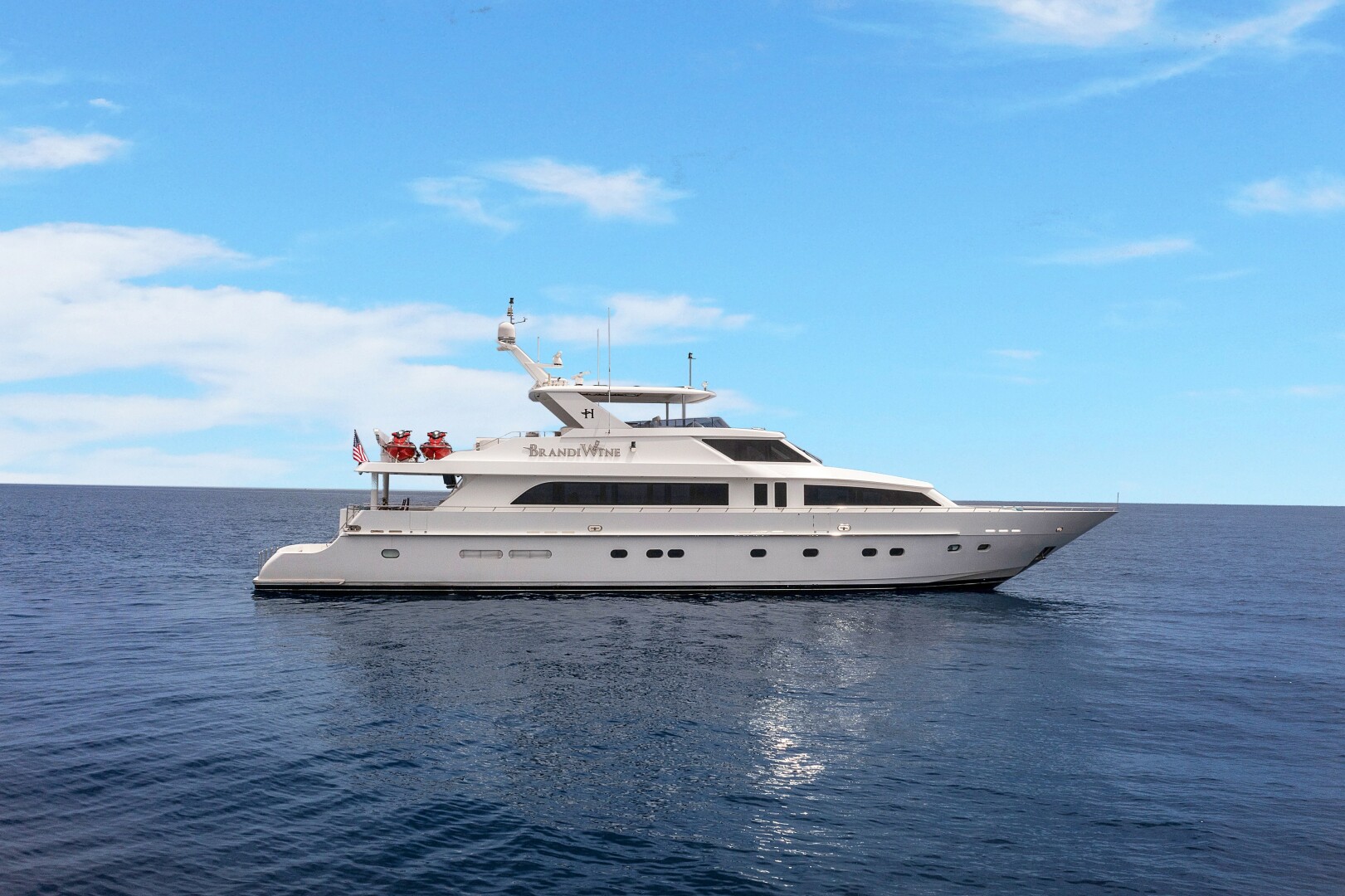
2009 Hargrave BRANDI WINE
$2,500,000
114
Fort Lauderdale Florida

2028 Extra Yachts
$20,646,000
100
Ancona
2028 Alpha
100
Ft Lauderdale Florida

2028 Extra Yachts Extra 96
$9,495,000
96
Ancona
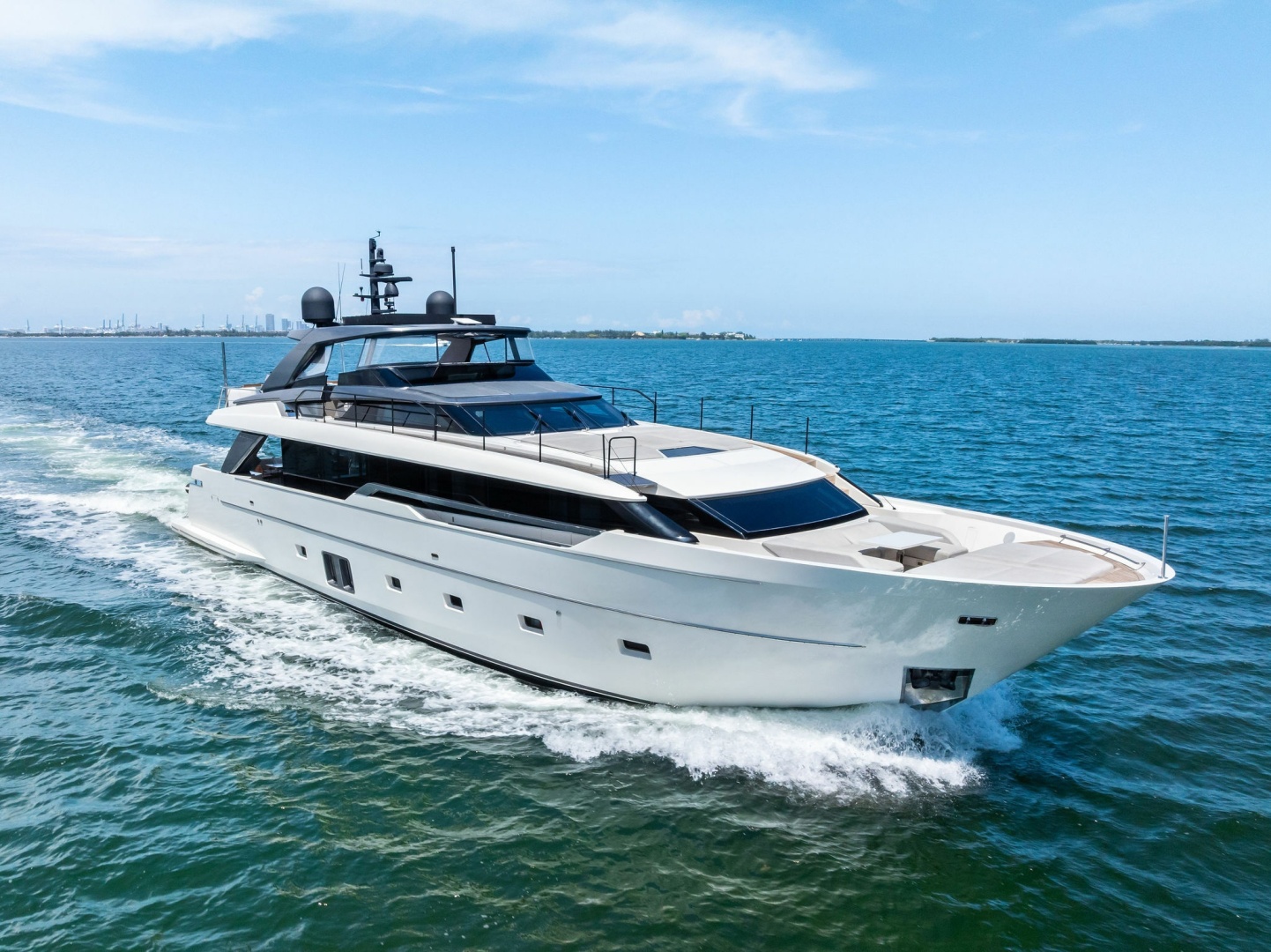
2021 Sanlorenzo GATSBY
$6,795,000
96
Miami Beach Florida
2028 Kingship
90

1999 Northern Marine OFF LINE
$2,495,000
84
Ft Lauderdale Florida
2013 Pershing DOROTHY ANN
$1,550,000
82
Miami Beach Florida

1997 Ferretti Yachts
$825,000
80
La Paz
2008 Princess Yachts OCARALIA
$1,095,000
75
Charleston South Carolina
2014 Sunseeker
$1,400,000
68
New York New York

2024 Fairline
$2,750,000
68
Ft. Lauderdale Florida

2024 Sunreef Catallaxi
$3,700,000
60
Newport Rhode Island
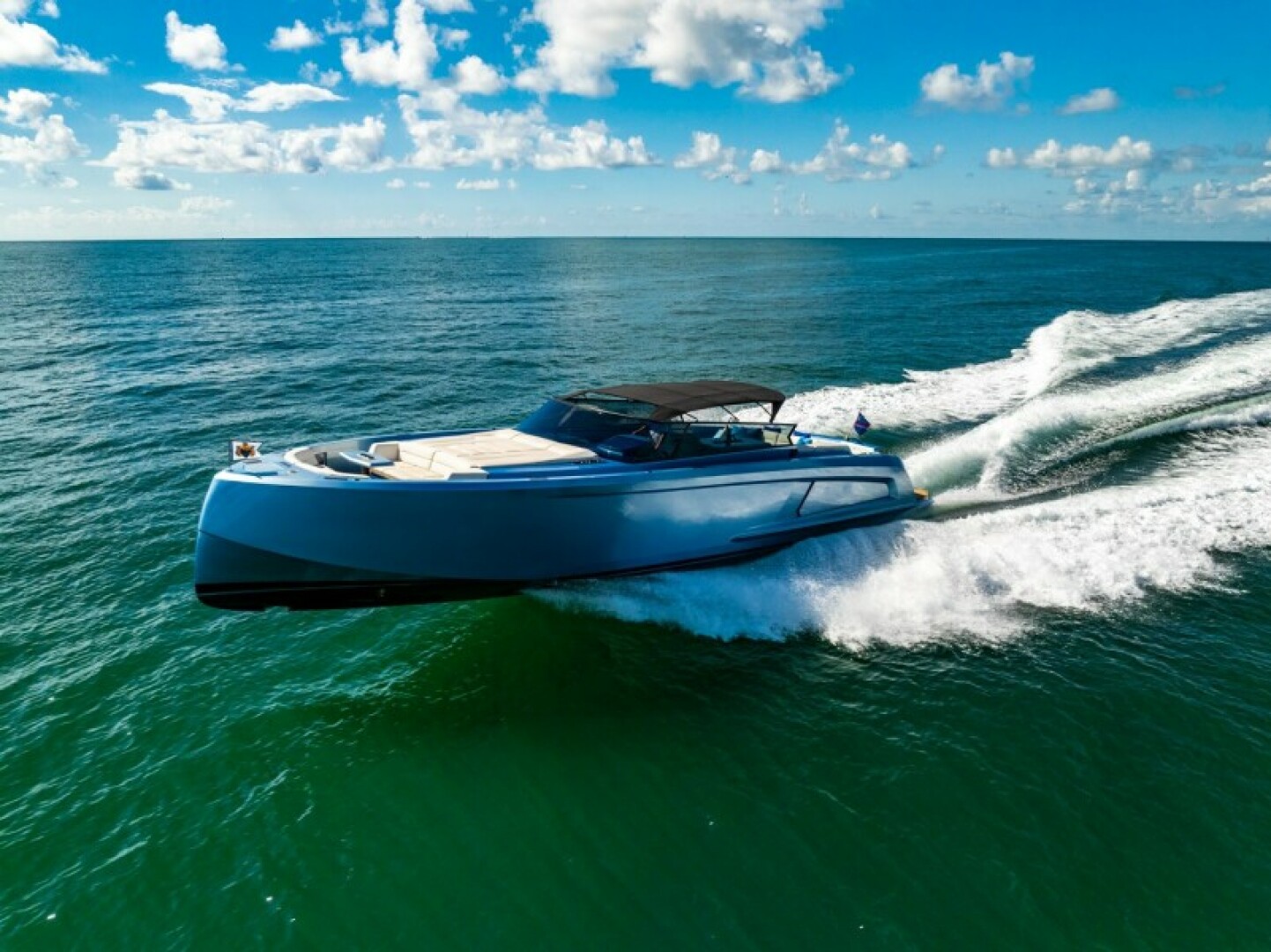
2019 Vanquish Yachts IMPULSIVE
$1,799,000
58
Miami Beach Florida
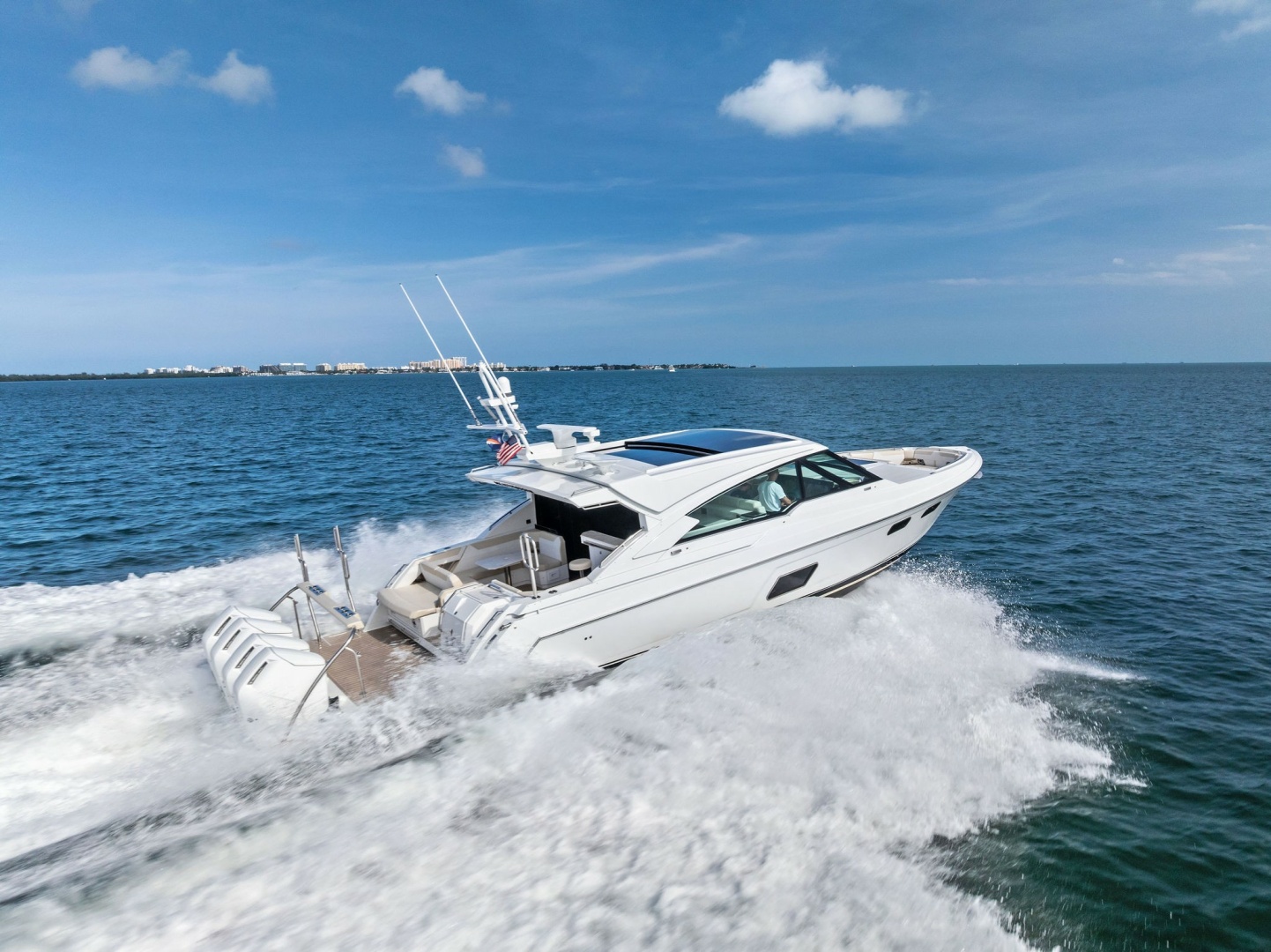
2025 Formula BREAKTHROUGH III
$1,895,000
53
Miami Beach Florida

2023 Fairline
$900,000
45
Fort Lauderdale Florida
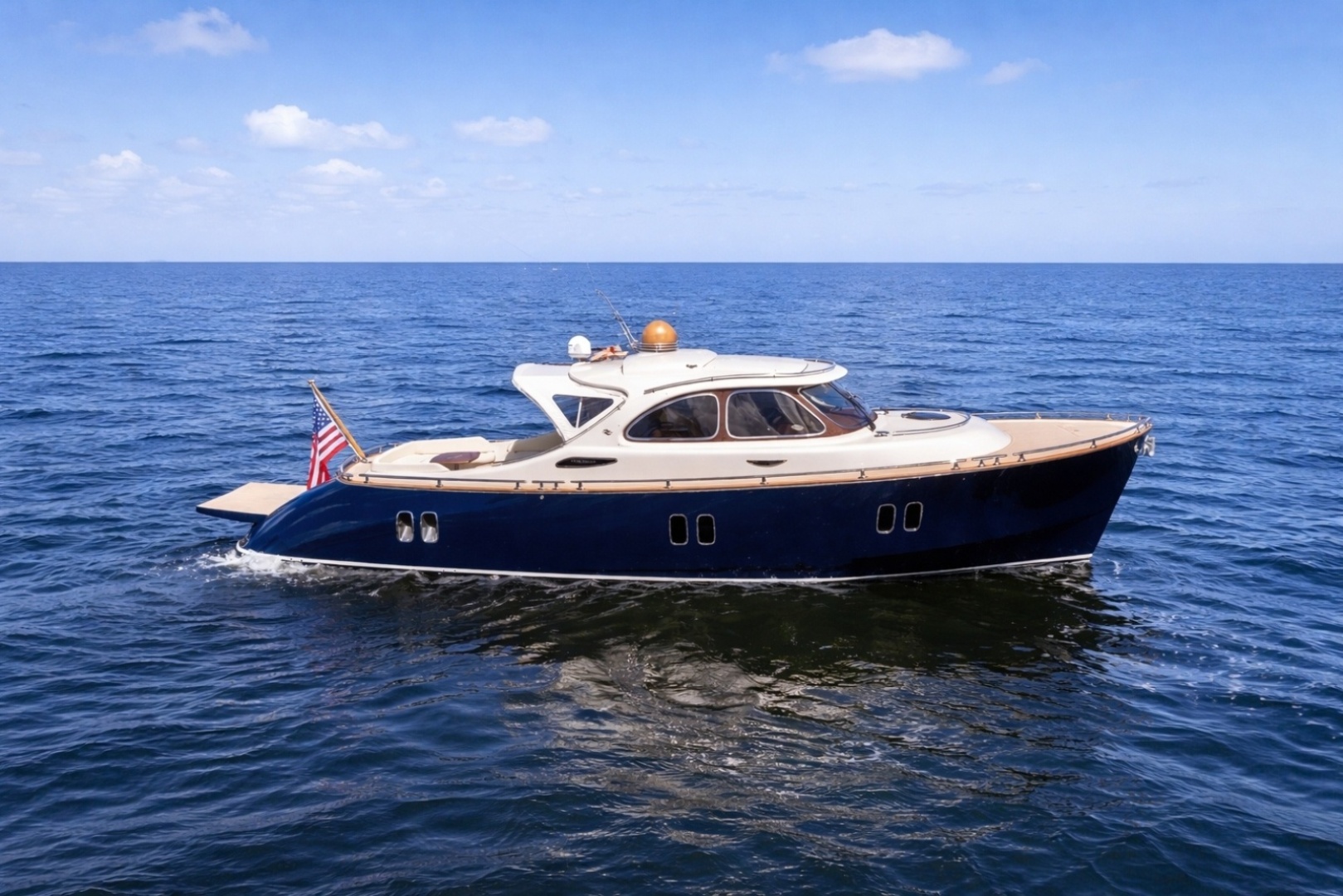
2012 Zeelander Mississippi Queen
$575,000
44
West Palm Beach Florida
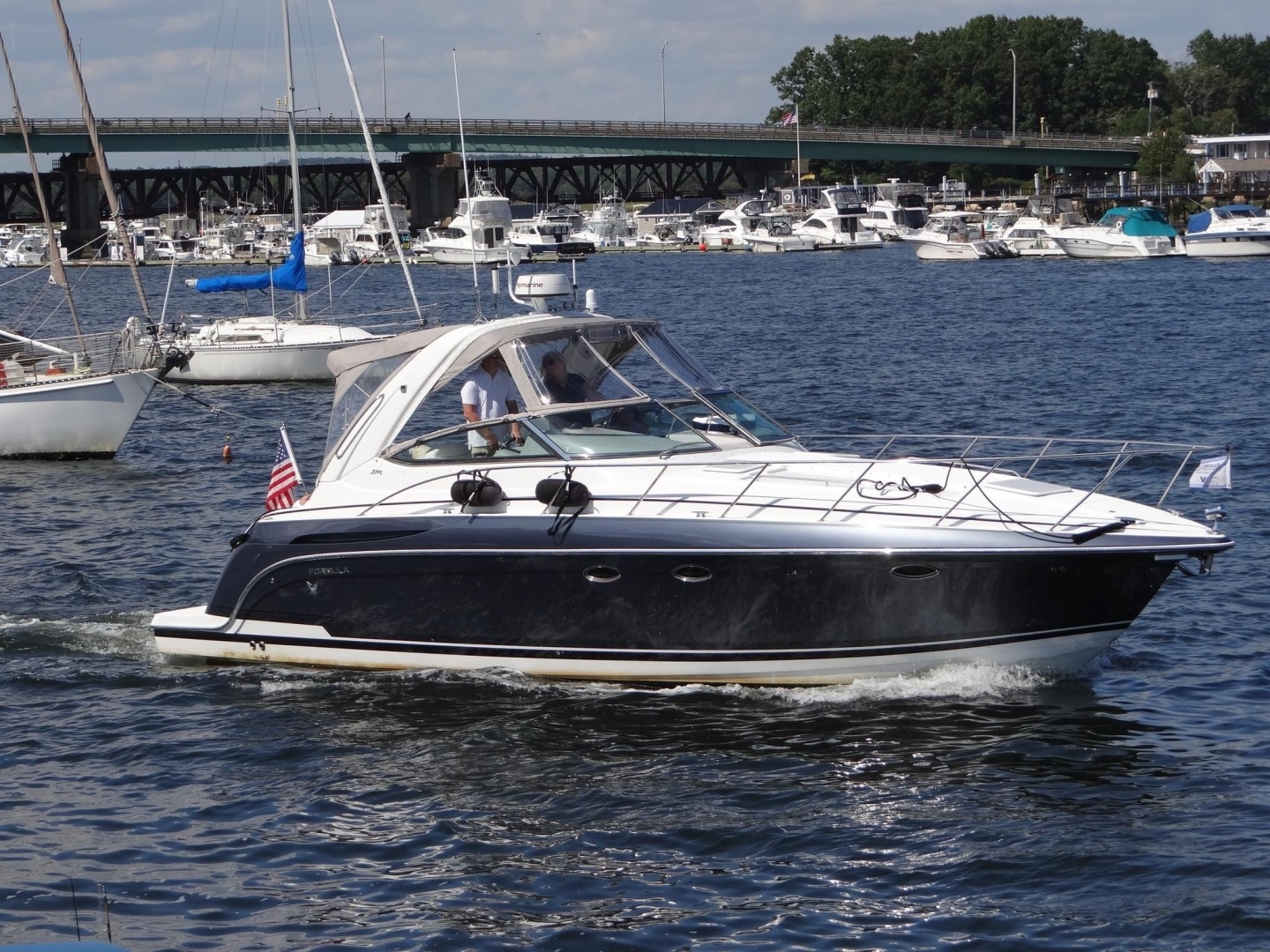
2006 Formula
$139,000
37
Newburyport Massachusetts
2019 Bilgin 156'
$20,646,000
2028 Columbus Yachts 137'
$22,900,008
2012 Benetti 132'
$10,975,000
2028 Kingship 125'
$20,000,000
2024 Silver Yachts 117'
$25,400,000
2009 Hargrave 114'
$2,500,000
2028 Extra Yachts 100'
$20,646,000
2028 Alpha 100'
2028 Extra Yachts 96'
$9,495,000
2021 Sanlorenzo 96'
$6,795,000
2028 Kingship 90'
1999 Northern Marine 84'
$2,495,000
2013 Pershing 82'
$1,550,000
1997 Ferretti Yachts 80'
$825,000
2008 Princess Yachts 75'
$1,095,000
2014 Sunseeker 68'
$1,400,000
2024 Fairline 68'
$2,750,000
2024 Sunreef 60'
$3,700,000
2019 Vanquish Yachts 58'
$1,799,000
2025 Formula 53'
$1,895,000
2023 Fairline 45'
$900,000
2012 Zeelander 44'
$575,000
2006 Formula 37'
$139,000